
Zimbabwe Food Guide
Content Information
Recently updatedFood Safety Tips
Essential food safety information to help you enjoy Zimbabwe's cuisine safely and confidently.
Drink bottled water, avoid tap water in most areas
Tap water quality varies significantly across Zimbabwe. Always use bottled or purified water for drinking. In tourist areas, hotels usually provide safe water, but verify first.
Choose busy vendors at markets like Mbare Market for fresh preparation
Street food is generally safe if you pick vendors with high turnover, since the food gets cooked and sold fast. Mbare Market in Harare is a good place to start.
Avoid foods that have been sitting at room temperature
Zimbabwe's warm climate speeds up bacterial growth, so be wary of meat, dairy, and cooked food that has been sitting out. When in doubt, order something served hot and freshly made.
Ensure wild game and exotic meats are thoroughly cooked
Game meat such as kudu, impala, and warthog turns up on plenty of menus. Make sure it is cooked through to a safe internal temperature. Established restaurants handle it properly.
Wash all fresh fruits and vegetables thoroughly
Wash anything you buy at the market with purified water before eating it, and peel fruit when you can.
Dietary Options
vegetarian
MEDIUM AVAILABILITYVegetarians can rely on Muboora (pumpkin leaves), Nyemba (cowpeas), vegetable stews, and Sadza with vegetable relishes. Harare restaurants tend to offer the widest choice.
vegan
MEDIUM AVAILABILITYSeveral traditional dishes happen to be vegan. Sadza (maize porridge) and vegetable relishes work well, though it helps to ask for no dairy or animal products when ordering. More vegan-friendly spots have opened in Harare in recent years.
gluten-free
MEDIUM AVAILABILITYSadza is made from maize, so it is gluten-free, and it anchors most meals. Other dishes built on maize, rice, and root vegetables are usually safe too, but check the ingredients to be sure.
halal
LOW AVAILABILITYHalal food is limited but can be found in Harare's Muslim communities, and a few restaurants cater to it. Confirm how the food is prepared and where the meat comes from.
Common Allergens
Peanuts/Groundnuts
VERY HIGH PREVALENCEThe Portuguese brought peanuts to Zimbabwe in the 16th century, and they now turn up in most dishes
COMMONLY FOUND IN:
Fish
HIGH PREVALENCEKapenta and other fish from Lake Kariba are dietary staples
COMMONLY FOUND IN:
Tree Nuts
MEDIUM PREVALENCENuts show up in traditional dishes and snacks
COMMONLY FOUND IN:
Dairy
MEDIUM PREVALENCEDairy increasingly common in urban cuisine and modern dishes
COMMONLY FOUND IN:
Essential Food Experiences
These iconic dishes represent the must-have culinary experiences that define Zimbabwe's food culture for travelers.
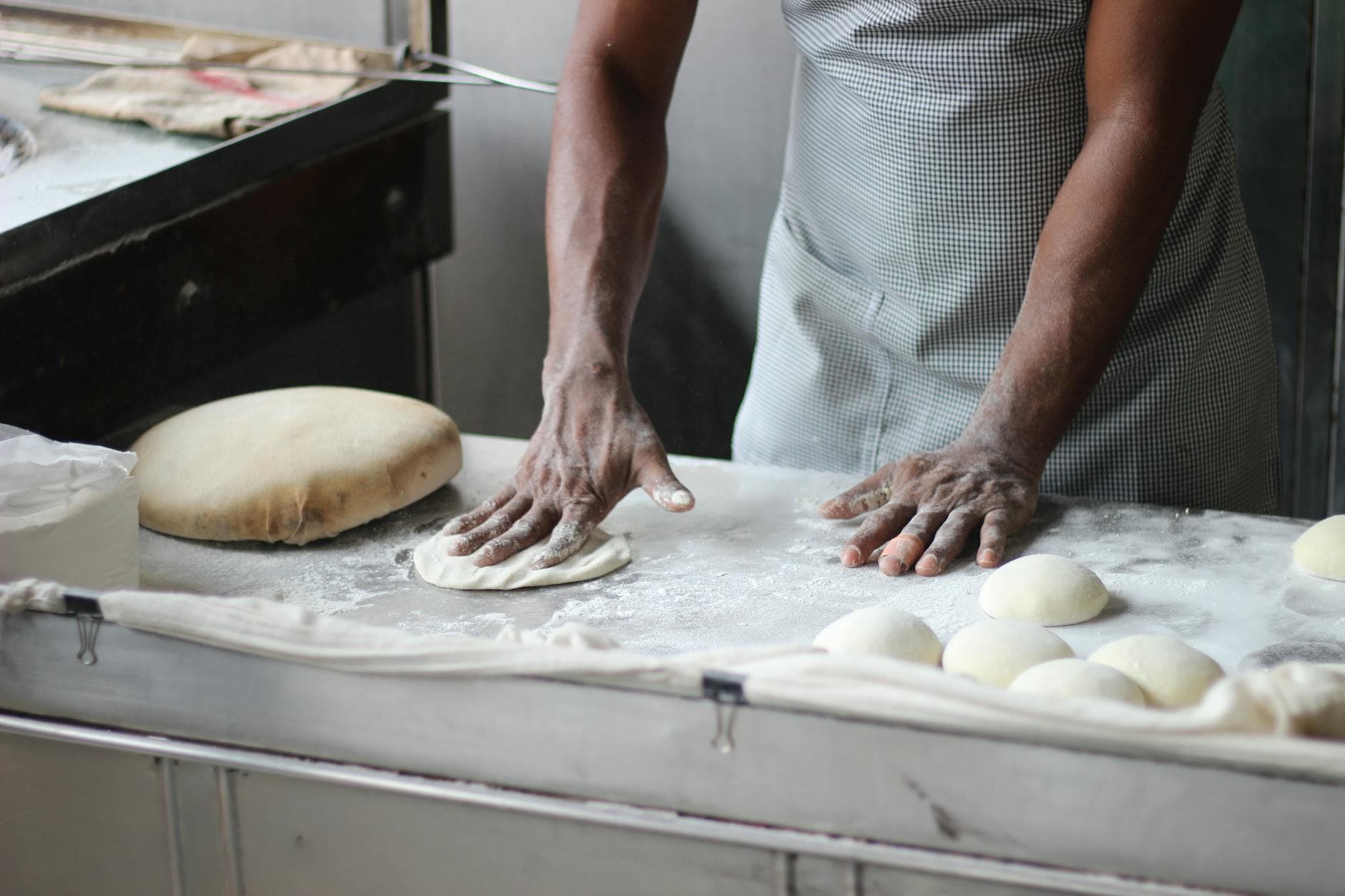
Sadza
Zimbabwe's national staple and the centre of most meals. A thick, smooth porridge of white maize flour, Sadza is served with vegetables, meat, or stew. You roll a piece into a ball by hand and use it to scoop up whatever it comes with. Sharing a pot of it is a daily ritual in Zimbabwean homes.

Mopane Worms (Madora)
These edible caterpillars, the larvae of the Emperor moth, are high in protein and treated as a delicacy. Dried and fried or simmered with spices, they come out chewy with an earthy, nutty taste. They are eaten most in Matabeleland and the Midlands.

Mazondo (Cow Trotters)
A stew that puts cow feet to good use. The trotters are cleaned and simmered for hours until they turn tender and gelatinous, then seasoned with spices, onions, and tomatoes. The texture is unlike anything else on the table, and the flavour runs deep and savoury.

Dovi
A peanut butter stew built on crushed peanuts, garlic, onions, okra, carrots, and potatoes. You can have it vegetarian or with chicken, goat, or lamb. The texture is creamy and the peanut flavour is deep and savoury. This is Zimbabwean comfort food at its plainest and best.

Kapenta (Matemba)
A small, sardine-like fish from Lake Kariba, brought over from Lake Tanganyika in the 1950s. It comes dried or fresh and is usually fried until crisp or cooked in tomato sauce. Kapenta matters to the local economy as much as the table, and it makes a crunchy, salty relish for Sadza.

Biltong
Salted, air-dried meat cut into strips, close to beef jerky but its own thing. It is made from beef or from game like kudu and springbok. Chewy, with a concentrated meaty flavour. You will find it as a snack right across Southern Africa.

Muboora (Pumpkin Leaves)
Pumpkin leaves cooked down until tender, often with peanut butter, onions, and tomatoes. The taste is mildly earthy with a creamy peanut note. Cooks use the leaves rather than waste them, and the greens are loaded with vitamins and minerals.

Nyama (Meat)
The word just means meat, but it stands for the grilled and braised dishes Zimbabwe does so well. Beef, chicken, goat, or game, seasoned simply so the meat itself does the talking. Mokoto Meat Lounge in Harare is a reliable place to try it.

Mapopo Candy
A sweet made from ripe papaya that is boiled, mashed, and mixed with sugar and lemon juice, then spread on trays to dry. The result is a chewy, fruity candy with a tangy-sweet edge, sometimes spiked with ginger. Children and adults both go for it.

Mutakura
A filling mix of boiled cowpeas, bambara nuts, and maize that delivers both protein and carbs in one bowl. You will find it at markets like Mbare, and it reflects the range of crops grown locally.

Chikenduza (Candy Cakes)
Brightly coloured sweet buns that show up at celebrations. They are flavoured with lemon, tinted with food dye, and finished with a sugar glaze. Soft and sweet, they suit any special occasion.
Regional Specialties & Local Favorites
Discover the authentic regional dishes and local favorites that showcase Zimbabwe's diverse culinary traditions.
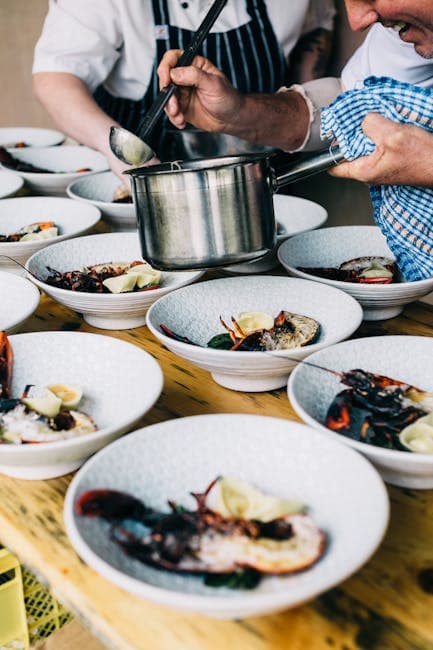
Nyemba (Cowpeas)
Protein-rich legumes cooked with onions, tomatoes, and sometimes peanut butter. They work as a side or as the main thing on the plate next to Sadza, and they leave you full.
Mxan'a
A sweet, soupy dish from Matabeleland. Maize grains are boiled with cantaloupe and sugar until the mixture thickens. Cooks sometimes add sweet potatoes and boiled pumpkin.
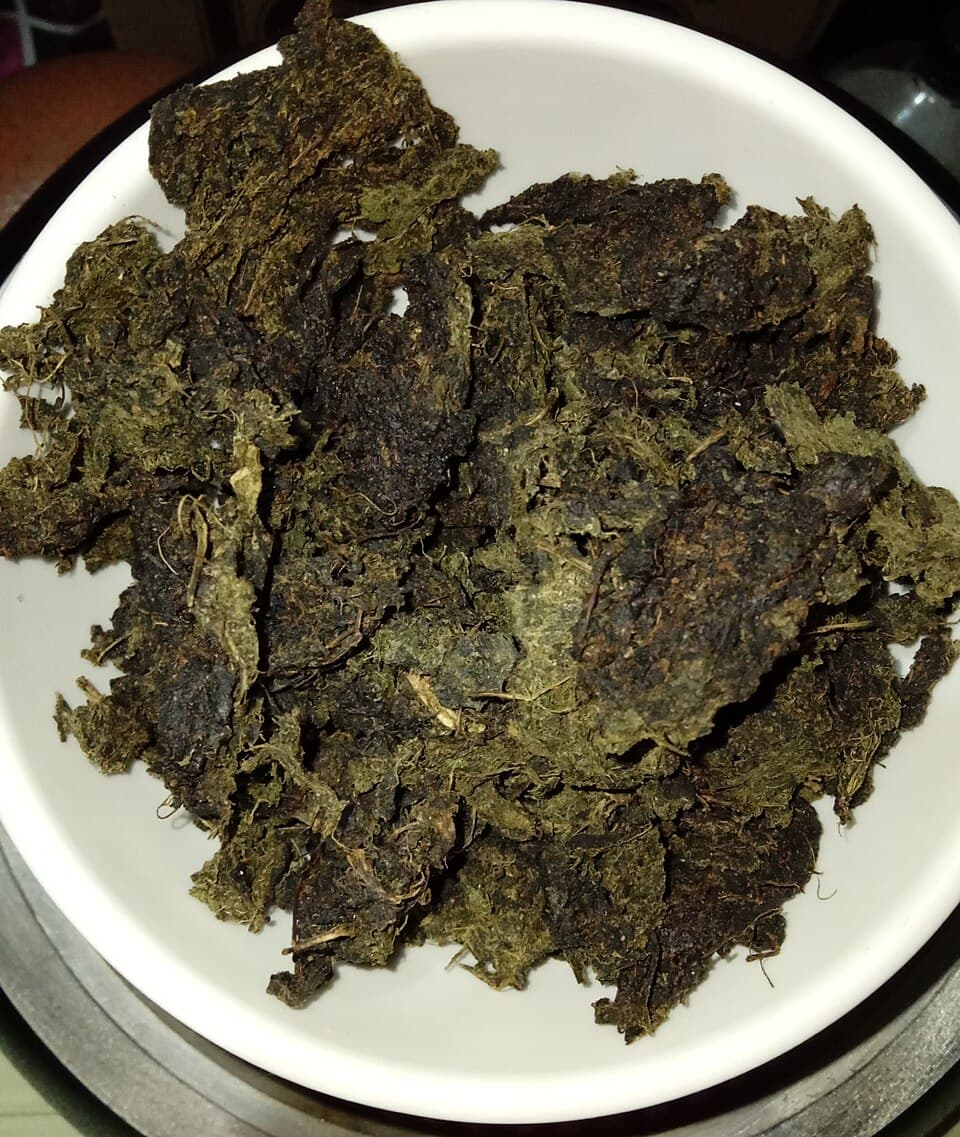
Dried Leafy Vegetables (Mufushwa)
Vegetables like pumpkin leaves that are dried, then rehydrated and cooked with onions, tomatoes, and sometimes peanut butter. Drying keeps them available all year, well past the growing season.
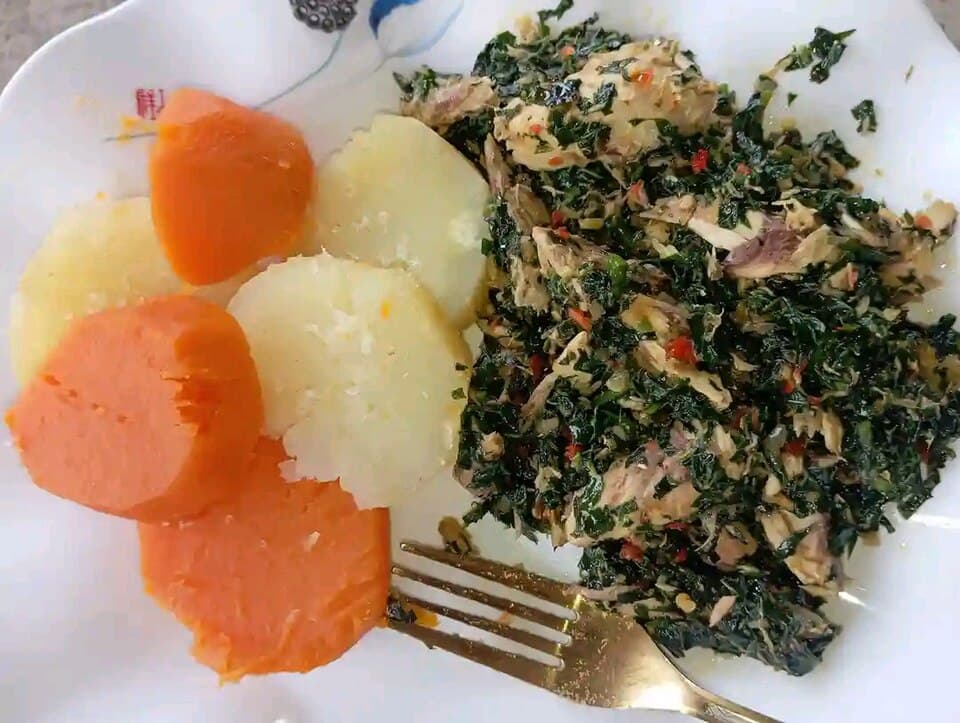
Mbambaira (Sweet Potatoes)
A root vegetable that gets boiled, roasted, or cut into fries. Mashed and sweetened with sugar or honey, it doubles as a dessert. Either way it is a solid source of carbs.
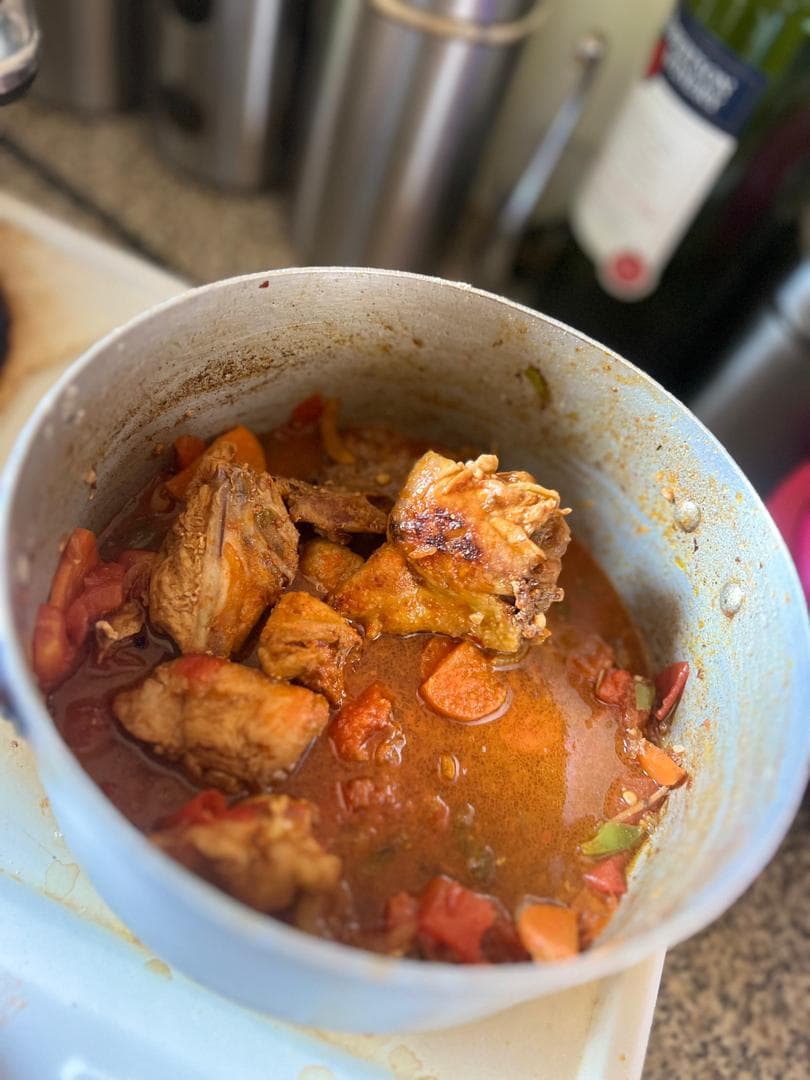
Road Runner Chicken
Free-range village chicken with a strong, natural flavour. It is tougher than broiler chicken, but the taste more than makes up for it. Best slow-cooked with traditional spices.
Mahewu
A fermented maize drink with a slightly sour, tangy taste and a thick body. It is filling as much as it is refreshing, and close to Zambian Maheu.
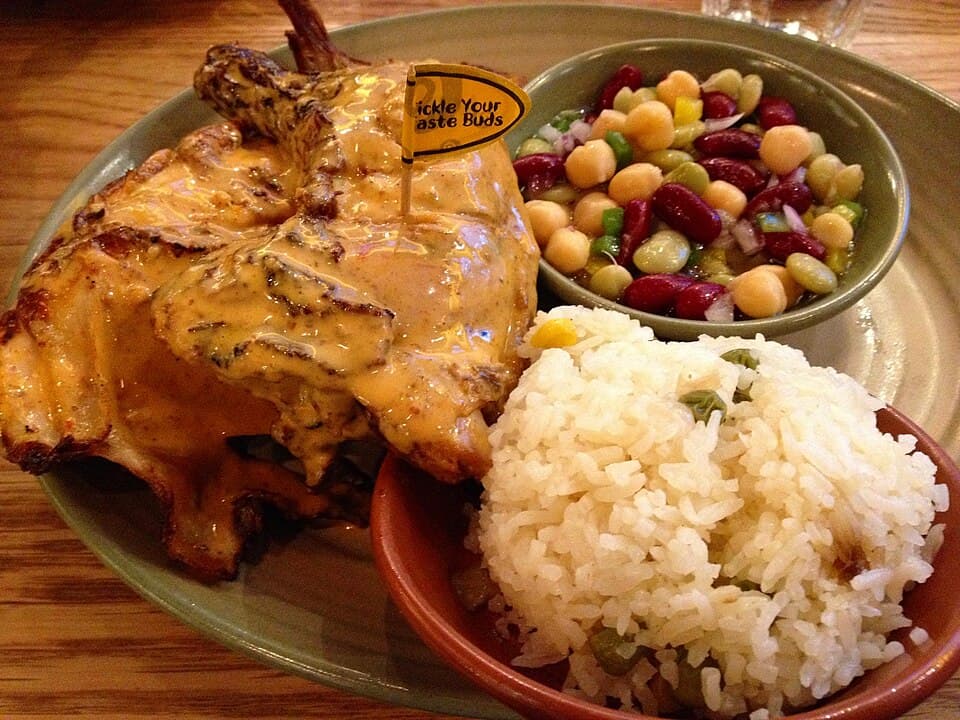
Peri-Peri Chicken
Chicken grilled with hot peri-peri sauce, a dish that came with Portuguese influence. Paula's Place in Harare is one of the better spots for it. Expect plenty of heat.
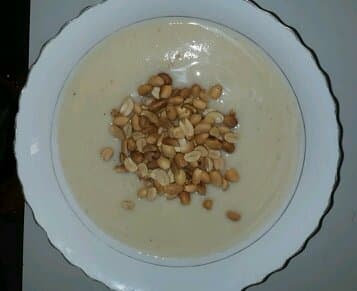
Bota (Porridge)
Breakfast porridge made from maize, millet, or sorghum, served warm with milk and sugar. A standard way to start the day.
Allergens:
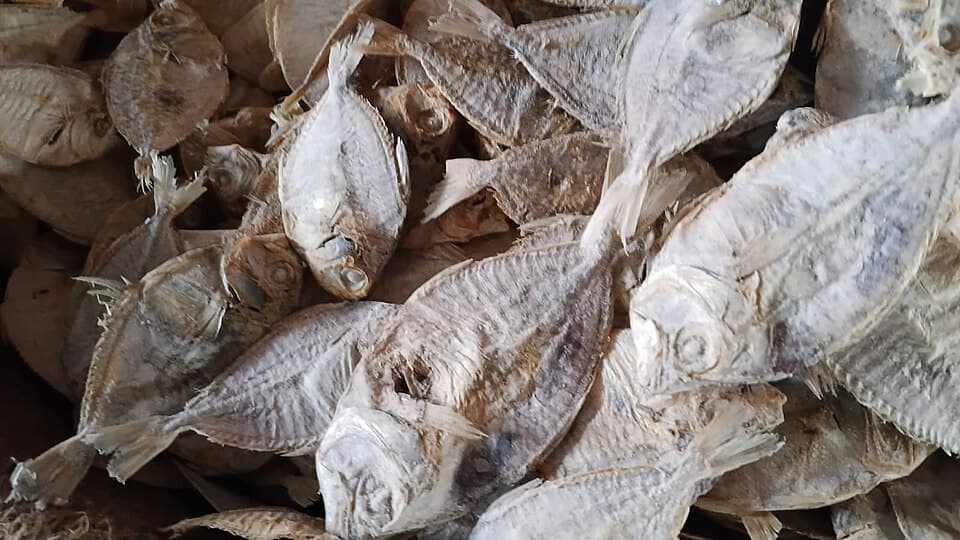
Matemba
Another name for Kapenta. Small dried fish fried until crisp and served as a relish with Sadza, and a key source of protein.
Allergens:
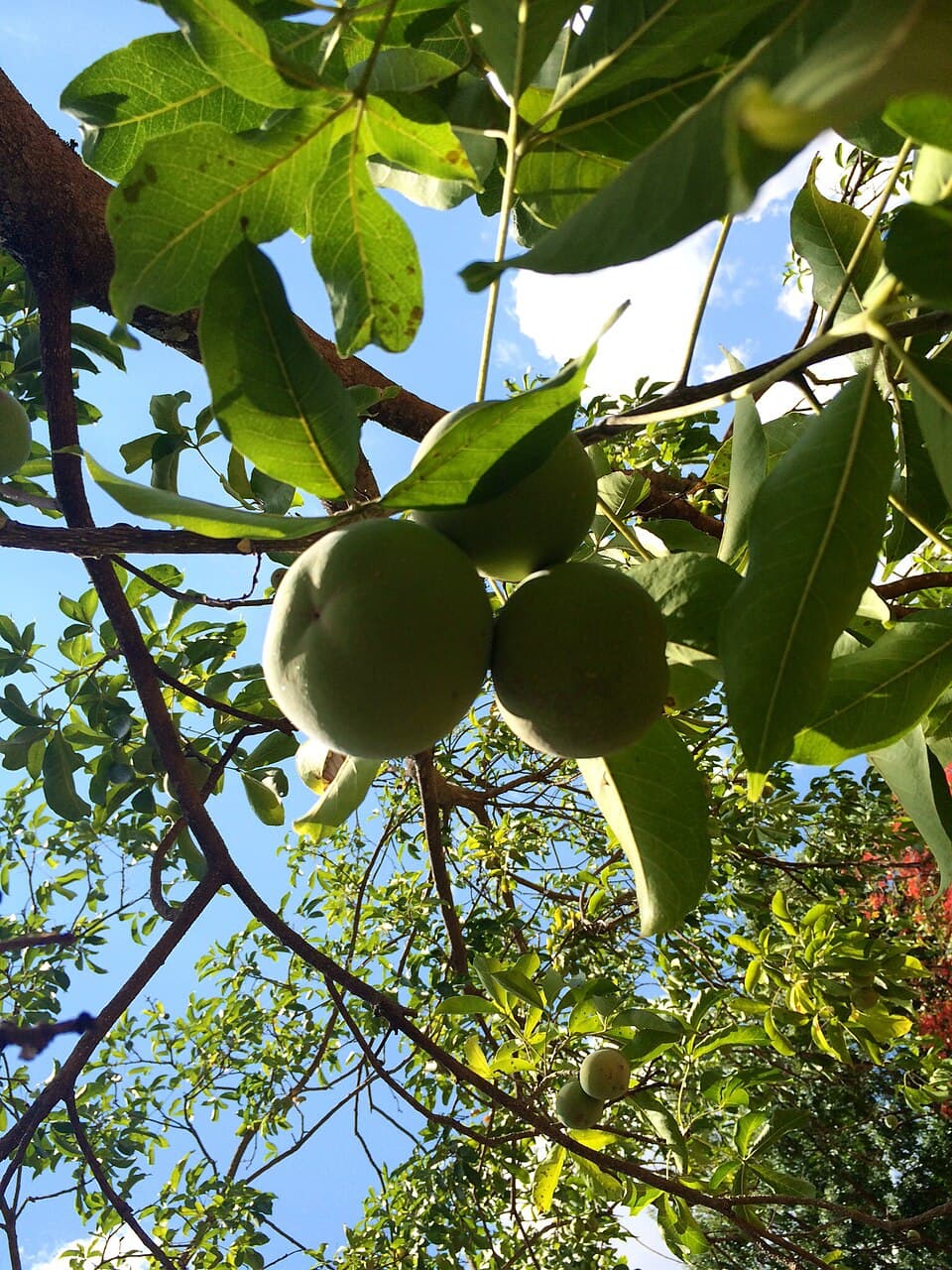
Mazhanje
A preserve or jam made from wild fruit such as baobab, marula, and local berries. The flavour is fruity and hard to find anywhere else.
Regional Cuisine Highlights
Explore the diverse culinary landscapes across different regions of Zimbabwe.
Matabeleland
Matabeleland is best known for Mopane worms (madora/macimbi), which feed on the region's many mopane trees. It is also home to Mxan'a, a sweet, soupy dish of maize grains boiled with cantaloupe and sugar. Ndebele cooking here leans on pastoral foods and what can be gathered wild.
Signature Dishes:
Key Ingredients:
Mashonaland
The Mashonaland provinces grow a wide range of crops and put indigenous ingredients to inventive use. Wild fruits like nyii find their way into cakes and doughs. Shona cooking dominates here, built around vegetable dishes, legumes, and whatever the local produce allows, with markets carrying their own regional specialties.
Signature Dishes:
Key Ingredients:
Manicaland
Manicaland, in eastern Zimbabwe, grows a broad mix of crops and sits close enough to Mozambique that the two cuisines blend. The eastern highlands produce excellent tea, and there is a long habit of preserving food and making jam from indigenous fruit. The mountainous terrain creates microclimates that support all sorts of crops.
Signature Dishes:
Key Ingredients:
Sweet Delights & Desserts
Indulge in Zimbabwe's traditional sweet treats and desserts.
Mapopo Candy (Papaya Candy)
A sweet made from ripe papaya that is cooked, sun-dried, rolled in sugar, and flavoured with ginger or other spices. Chewy and fruity with a tangy-sweet taste, and well liked across Zimbabwe.
Chikenduza (Candy Cakes)
Brightly coloured sweet buns flavoured with lemon and finished with a sugar glaze. Soft and sweet, they turn up at celebrations and special occasions.
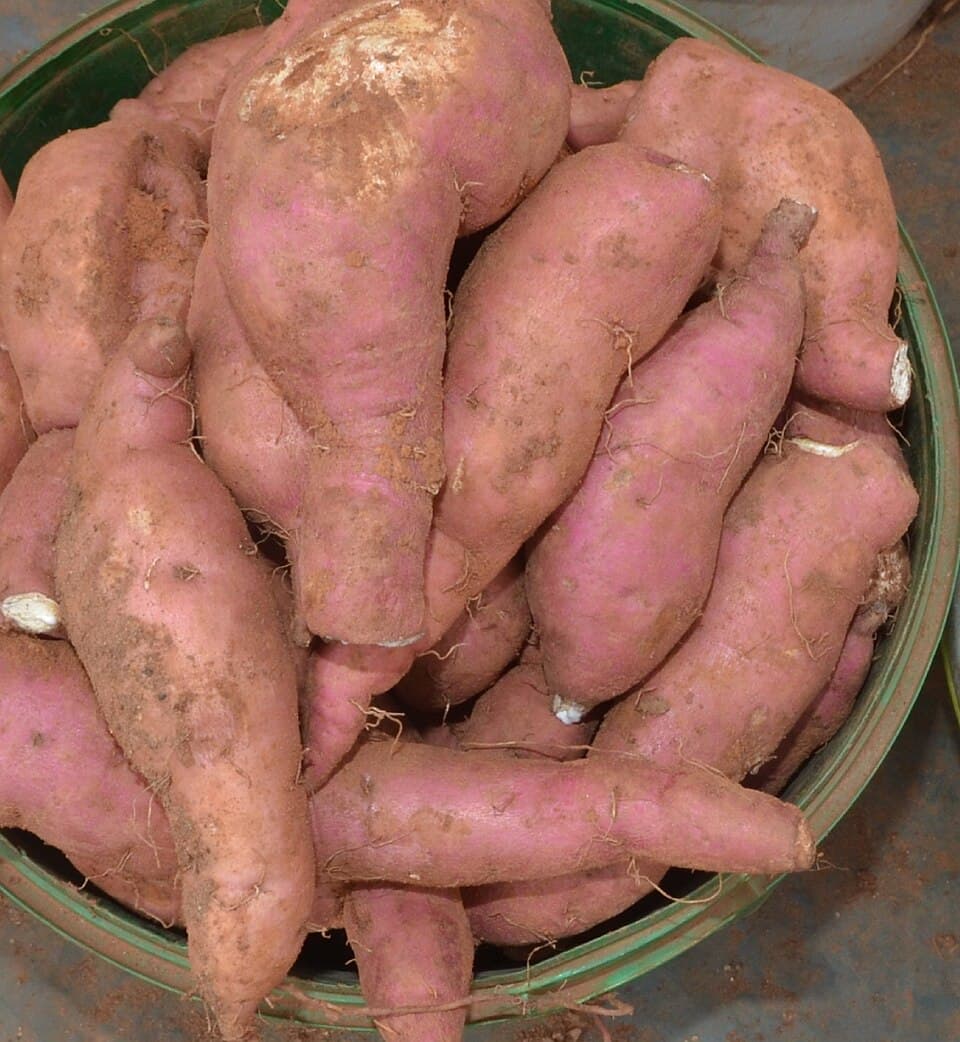
Mbambaira (Sweet Potatoes - Dessert Style)
Sweet potatoes mashed and sweetened with sugar or honey. A plain dessert that leans on the potato's own sweetness.
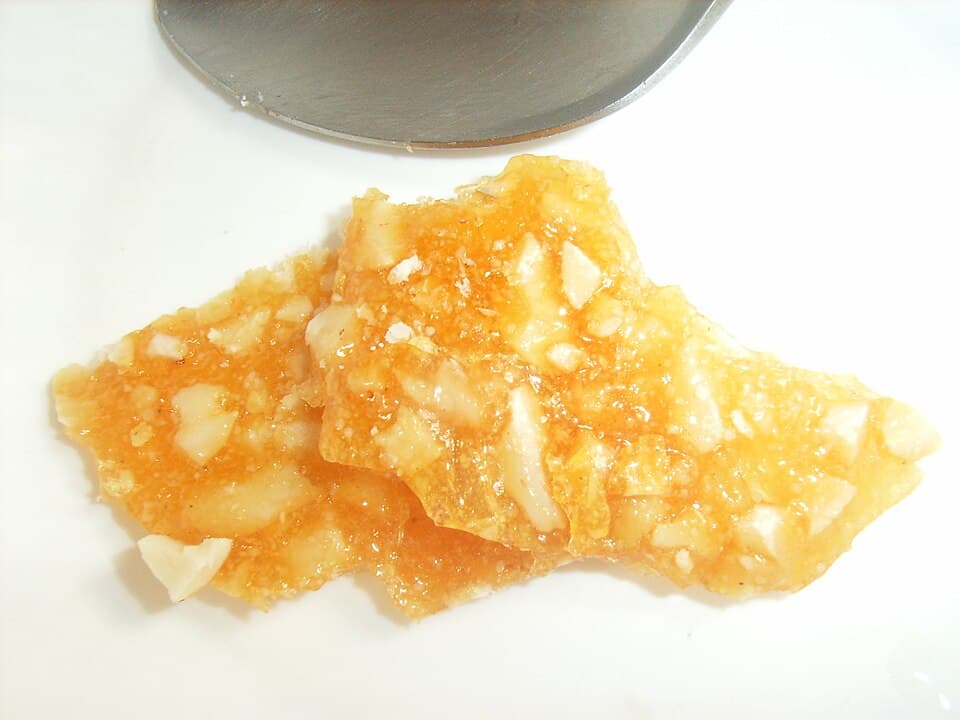
Tinkers
A peanut brittle made by caramelising sugar with baking soda and stirring in peanuts. Crunchy and sweet.
Honey Drizzled Treats
Desserts that lean on Zimbabwe's honey, which varies depending on the flowers the bees worked. It gets drizzled over pancakes, stirred into preserves, or eaten straight.
Traditional Beverages
Discover Zimbabwe's traditional drinks, from locally produced spirits to regional wines.
Chibuku
An opaque beer fermented from sorghum and maize. It is cloudy, thick, and slightly sour, sold in the familiar cardboard cartons and usually shared.
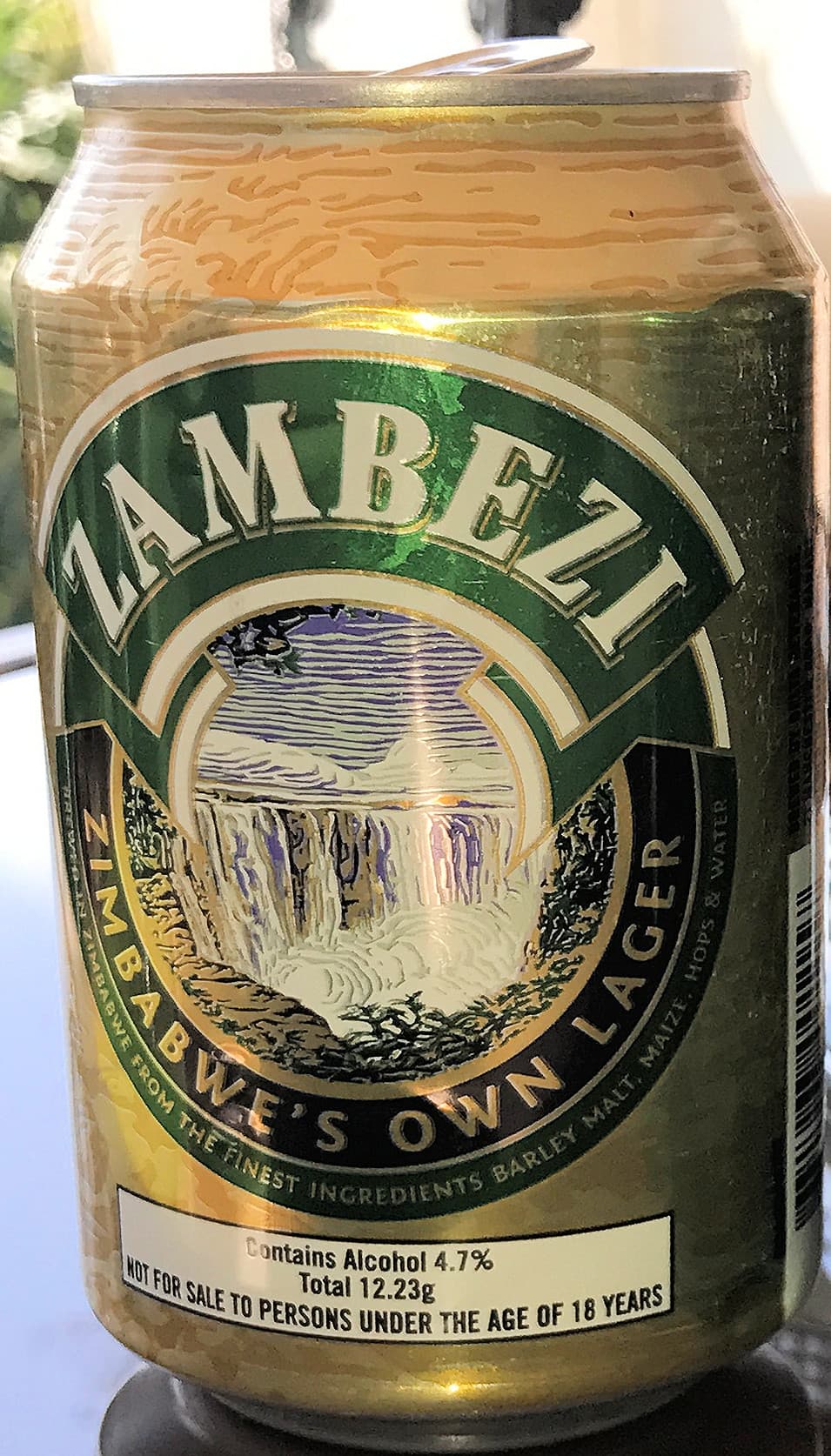
Zambezi Lager
Zimbabwe's premium beer, a crisp lager that suits the heat. It takes its name from the Zambezi River.
Soft Beverages
Discover Zimbabwe's traditional non-alcoholic drinks, from local teas to refreshing juices.
Mahewu
A fermented maize drink, slightly sour and tangy with a thick, creamy body. It is non-alcoholic and filling, drunk at any time of day.
Mazoe Orange Crush
An orange concentrate you mix with water, sweet and citrusy, and about as Zimbabwean as a drink gets. For many people it tastes like home.
Tanganda Tea
Zimbabwe's leading tea brand, a strong black tea grown in the eastern highlands and usually taken with milk and sugar. Tea drinking runs deep here.
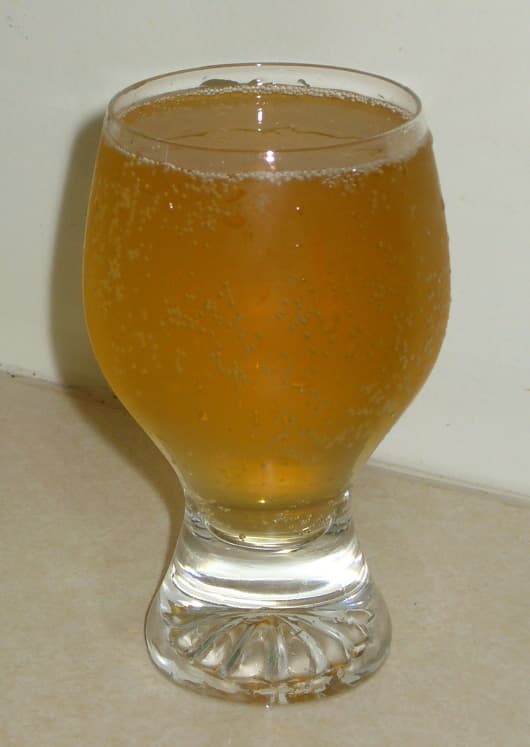
Ginger Beer
A non-alcoholic ginger beer with a strong kick, made from fresh ginger root. It refreshes and warms at the same time.
Frequently Asked Questions
Essential information about food and dining in Zimbabwe.
What is the national dish of Zimbabwe?
Zimbabwe's most iconic dishes include Sadza, Mopane Worms (Madora), Mazondo (Cow Trotters). Zimbabwe's national staple and the centre of most meals. A thick, smooth porridge of white maize flour, Sadza is served with vegetables, meat, or stew. You roll a piece into a ball by hand and use it to scoop up whatever it comes with. Sharing a pot of it is a daily ritual in Zimbabwean homes.
Is street food safe in Zimbabwe?
Street food in Zimbabwe can be enjoyed safely by following these guidelines: Drink bottled water, avoid tap water in most areas. Look for busy vendors with high turnover, ensure food is cooked fresh and served hot, and avoid raw ingredients if you have a sensitive stomach.
What are the best restaurants in Zimbabwe?
Zimbabwe offers diverse dining options from street food stalls to upscale restaurants. For the best experience, ask locals for recommendations, check recent reviews, and look for restaurants that specialize in regional cuisines.
Can vegetarians find food easily in Zimbabwe?
Vegetarian options in Zimbabwe are mediumly available. Vegetarians can rely on Muboora (pumpkin leaves), Nyemba (cowpeas), vegetable stews, and Sadza with vegetable relishes. Harare restaurants tend to offer the widest choice.. Many restaurants offer vegetarian dishes, and you'll find plant-based ingredients featured prominently in local cuisine.
What is the average cost of a meal in Zimbabwe?
Meal costs in Zimbabwe depend on where you eat. Street food and casual local restaurants are very affordable, typically offering complete meals for a few dollars. Mid-range restaurants charge moderate prices, while fine dining establishments are comparably priced to Western countries.
What are common food allergens in Zimbabwe?
Common allergens in Zimbabwe cuisine include Fish, Tree Nuts, Dairy. Kapenta and other fish from Lake Kariba are dietary staples. These ingredients appear in dishes like Kapenta (matemba), Tilapia. Always inform restaurant staff about your allergies.
When is the best time to visit Zimbabwe for food?
Zimbabwe offers great food experiences throughout the year. However, visiting during harvest seasons (typically spring and autumn) provides access to the freshest local ingredients. Food festivals and cultural celebrations also offer unique culinary experiences worth planning around.