
Nepal Food Guide
Content Information
Recently updated🔥Current Food Trends 2026
What's happening in Nepal's culinary scene right now
Nepal's food in 2026 still runs on regional lines, from the elaborate Newari feasts of the Kathmandu Valley to the butter-and-barley diet of Sherpa villages. Dal Bhat remains the national staple, eaten twice a day by nearly everyone regardless of income. Momos have wandered far from their Tibetan roots, and younger cooks now turn out chocolate momos and cheese-filled versions alongside the standard buff and vegetable. Thakali cooking from the Annapurna region is known for its careful set meals. In Kathmandu you'll find old-school bhattis a few doors down from cafes playing with Himalayan fusion. Newari restaurants like Sasa and Paalcha have drawn steady crowds for their Khaja sets, while Thakali places such as Mantra, Lete and Daura plate up Dal Bhat with a long row of side dishes. Pokhara splits the difference, running international menus for tourists while spots like Thakali Kitchen and Duna Tapari keep the local cooking going. Sel roti, samosas and momo carts work nearly every street corner. Dashain and Tihar set the seasonal calendar for festive food, and teahouses along the Everest and Annapurna trails keep trekkers fed. Organic farming has gained a foothold in the hills.
Food Safety Tips
Essential food safety information to help you enjoy Nepal's cuisine safely and confidently.
Drink only bottled or filtered water
Tap water in Nepal is not safe to drink. Always use bottled water, filtered water, or boiled water for drinking and brushing teeth. Avoid ice in drinks unless from trusted establishments. Trekkers should use water purification tablets or filters.
Choose busy vendors with high turnover
Street food is generally fine if you pick stalls that are busy, where food gets made fresh and sells fast. Momos, sel roti and samosas from a crowded vendor are usually safe. Skip cut fruit and anything that has been sitting out.
Be cautious with raw salads and uncooked vegetables
Raw vegetables and salads may have been rinsed in contaminated water. Stick to cooked vegetables unless the restaurant is a high-end place with proper food handling. Peel fruit yourself when you can.
Ensure dairy is pasteurized
Unpasteurized milk and dairy can carry bacteria. Buy pasteurized dairy from reputable stores, and be careful with homemade curd (dahi) from sources you do not know. Yak butter tea in the mountains is usually safe because it is boiled.
Dietary Options
vegetarian
HIGH AVAILABILITYNepal is easy for vegetarians. With Hindu and Buddhist influence, meat-free food is everywhere and well understood. Dal Bhat comes in a vegetarian version anywhere you go, and Newari cooking adds plenty more: bara, meatless chatamari, yomari. Every restaurant has a vegetarian menu.
vegan
MEDIUM AVAILABILITYVegan food is getting easier to find, particularly in Kathmandu and Pokhara. Plenty of traditional dishes are already vegan or close to it: Dal Bhat without ghee or curd, vegetable curries, sel roti, and most Tibetan dishes. Say "no dairy, no ghee, no curd" clearly when you order. Tourist areas have dedicated vegan cafes.
gluten-free
MEDIUM AVAILABILITYFor gluten-free travelers there is dal bhat (lentils and rice), sel roti (rice flour), most curries that skip wheat thickeners, and buckwheat pancakes up in the mountains. Watch out for momos and many Newari snacks, which contain wheat. Spell out your needs when ordering. Tourist restaurants in Kathmandu and Pokhara know what gluten-free means.
halal
MEDIUM AVAILABILITYHalal food turns up in Muslim communities, mainly across the Terai and parts of Kathmandu. Several halal restaurants and butchers serve the Muslim population, around 4-5% of the country. Vegetarian dishes are a safe fallback. State your halal requirements clearly when you order.
kosher
VERY LOW AVAILABILITYNepal has no kosher food, no certification, and no Jewish community infrastructure to support it. You will have to lean on foods that are kosher by default: dal (lentils), rice, vegetables, fruit, and fish with visible scales. Hindu-owned vegetarian restaurants keep dairy and meat apart anyway. Pack your own provisions if you keep strictly kosher.
Common Allergens
Nuts
MEDIUM PREVALENCEVarious nuts are used in Nepali sweets and some savory dishes.
COMMONLY FOUND IN:
Dairy
HIGH PREVALENCEDairy products are common in Nepali cuisine, especially ghee and curd.
COMMONLY FOUND IN:
Gluten
HIGH PREVALENCEWheat products are staples, especially in momos and breads.
COMMONLY FOUND IN:
Mustard
MEDIUM PREVALENCEMustard oil and mustard seeds are commonly used in cooking.
COMMONLY FOUND IN:
Essential Food Experiences
These iconic dishes represent the must-have culinary experiences that define Nepal's food culture for travelers.
Dal Bhat
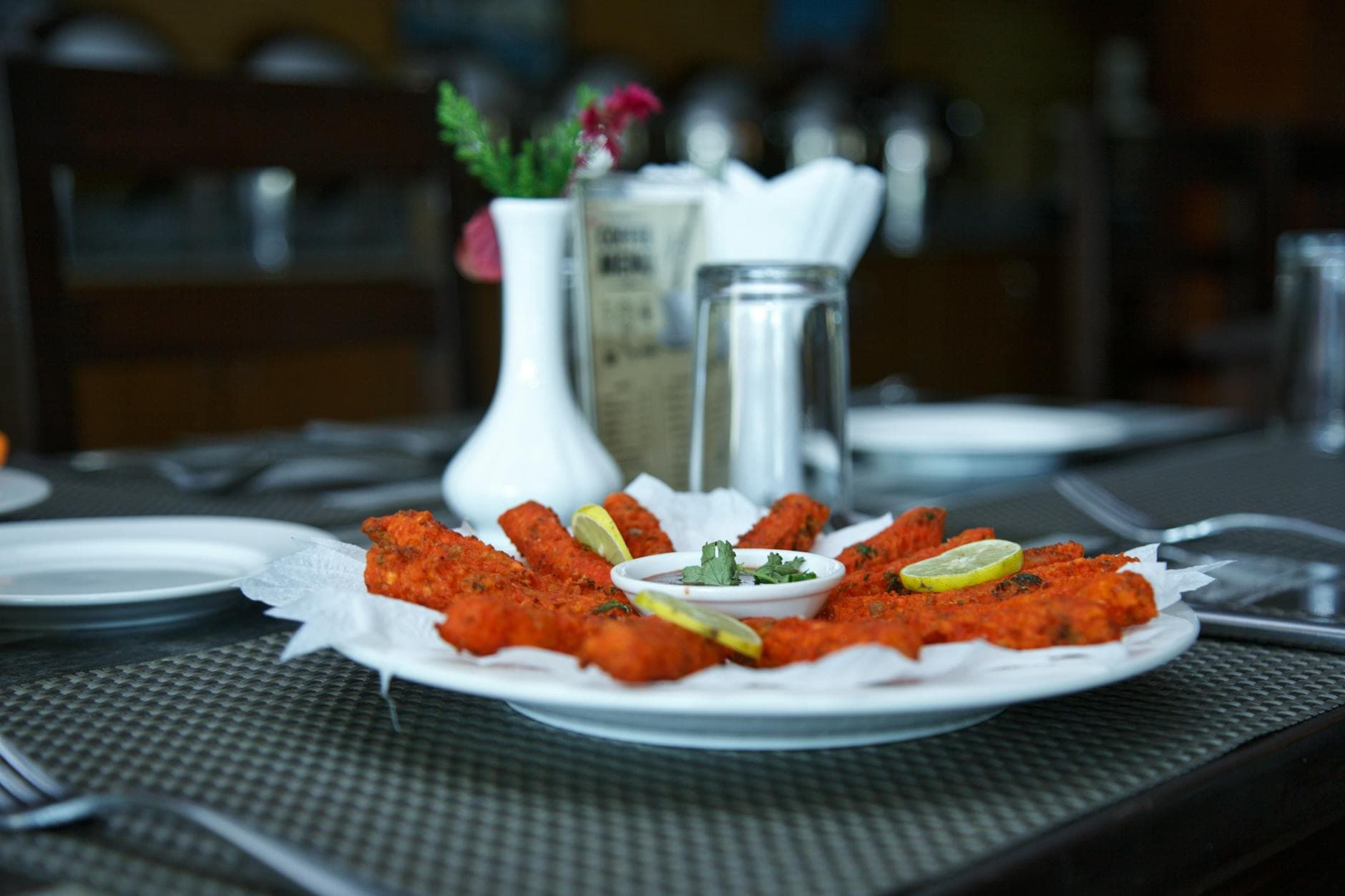
Nepal's national dish and everyday meal: lentil soup (dal) over steamed rice (bhat), with vegetable curry (tarkari), pickle (achar), and sometimes meat on the side. Most Nepalis eat it twice a day, and many restaurants serve it 'power' style with unlimited refills. It is heavy on fiber and protein, which is why it fuels so many treks at altitude. The dal and the side dishes change from region to region.
Momos
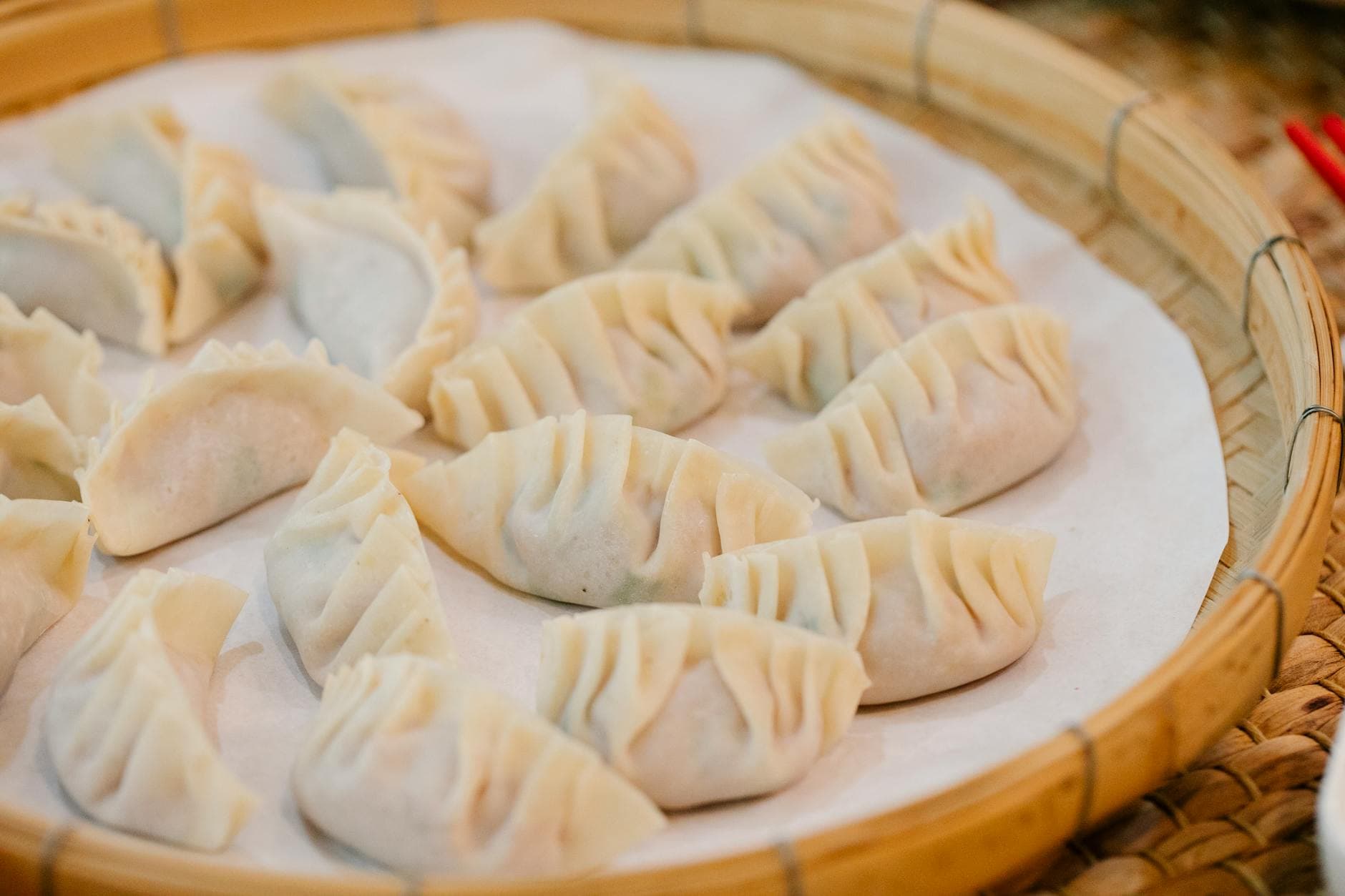
Tibetan-style dumplings that became Nepal's favorite street food. The dough pockets, steamed or fried, hold spiced ground buffalo, chicken or vegetables, and come with a tomato-based chutney (achar) or a sesame dipping sauce. You'll find them everywhere from Kathmandu to mountain villages. Newer takes run to chocolate momos, cheese momos and tandoori momos.
Sel Roti
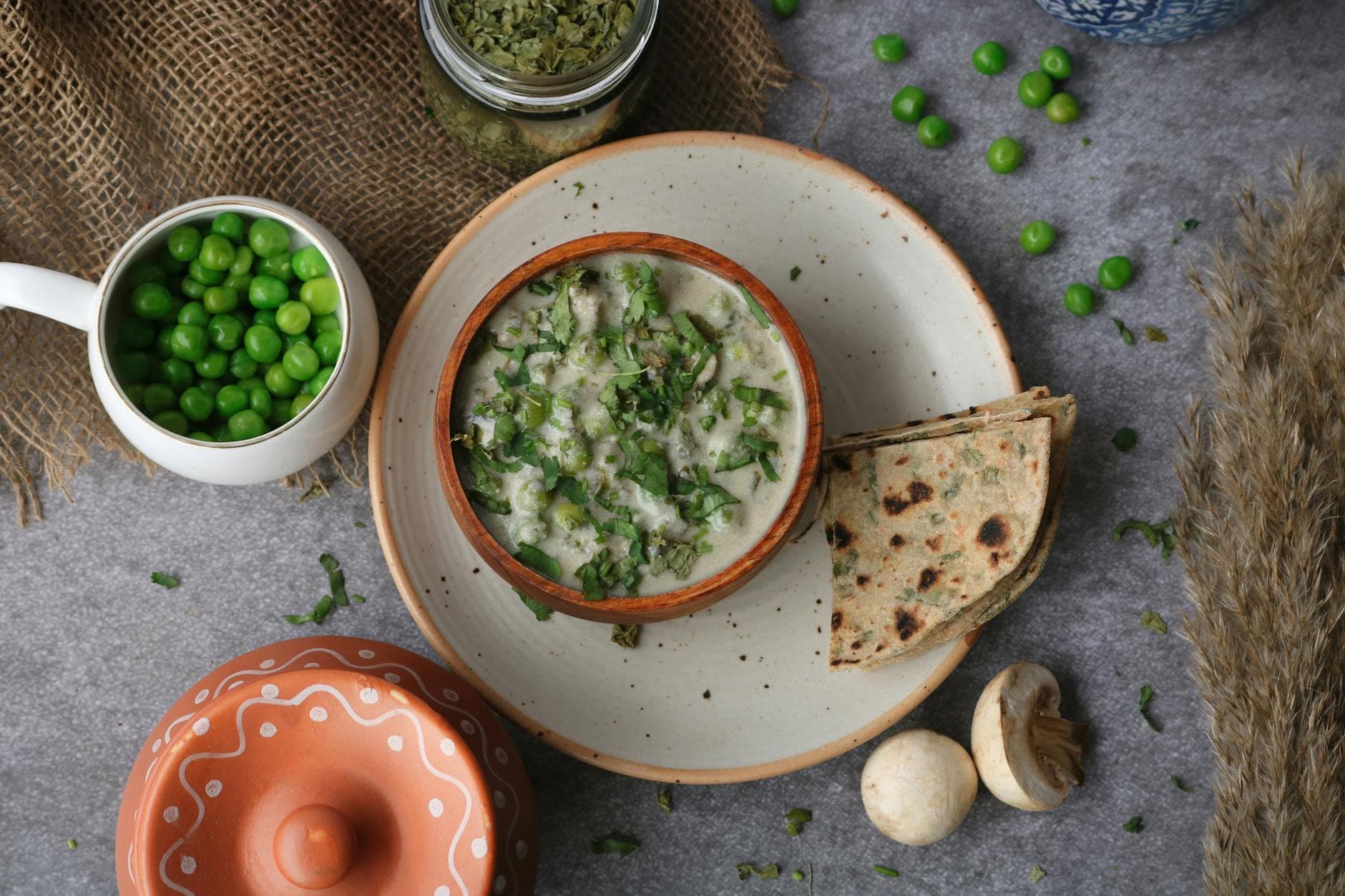
A ring-shaped rice flour bread, crisp outside and soft within. The batter is fermented rice flour, sweetened with sugar and scented with cardamom, then deep-fried in oil or ghee. It is a fixture at Tihar and Dashain but street vendors sell it all year. The name means "sweet bread." People eat it with yogurt or a glass of tea.

Newari Khaja Set (Samay Baji)
A Newari feast platter built around chiura (beaten rice), bhatmas sadeko (spiced soybeans), choila (spiced grilled meat), bara (lentil pancake), aloo achar (potato pickle) and a boiled egg. It is a ceremonial meal, and each element follows preparation methods handed down through generations. You see it at festivals and celebrations across the Kathmandu Valley.

Thakali Khana Set
A meal from the Thak-Khola Valley made up of rice, black lentil dal, an optional dhido (buckwheat porridge), ghee, goat or chicken curry, greens, radish pickle and sometimes buckwheat pancakes. The Thakali are known for their cooking and their hospitality, and the set is built to balance flavor and nutrition. Look for it at dedicated Thakali restaurants in Kathmandu and Pokhara.

Chatamari
A Newari rice crepe people nickname "Nepali pizza." The thin rice-flour crepe gets topped with minced buffalo, egg, onion and spices before it finishes cooking; vegetarian versions stick to egg or vegetables. The edges crisp up while the center stays soft. It is a staple Newari snack at Kathmandu Valley restaurants and street stalls.

Thukpa
A filling Tibetan noodle soup with vegetables, meat (chicken, yak or buff) and sometimes egg. The broth runs clear to slightly thick, seasoned with ginger, garlic and Himalayan spices. It suits cold mountain weather and shows up all over the trekking regions, with the most authentic versions coming from Sherpa and Tibetan kitchens. In Kathmandu and the hills it is a winter favorite.

Yomari
A Newari steamed dumpling of rice-flour dough, shaped like a fish and filled with chaku (jaggery) and sesame paste. It belongs to the Yomari Punhi festival in December, which marks the rice harvest, and the fish shape stands for fertility and prosperity. The sweet, sticky filling plays against the soft rice wrapper. You can find it at Newari restaurants and during festivals.

Gundruk
Fermented leafy greens, usually mustard, radish or cauliflower leaves, often called Nepal's national pickle. Dried and fermented for months, gundruk turns sour and savory. It goes into soup (gundruk ko jhol) or gets served as a pickle. In winter it supplies vitamins when fresh vegetables are hard to come by, and it shows how Nepali kitchens preserve food for the lean season.
Chhyang
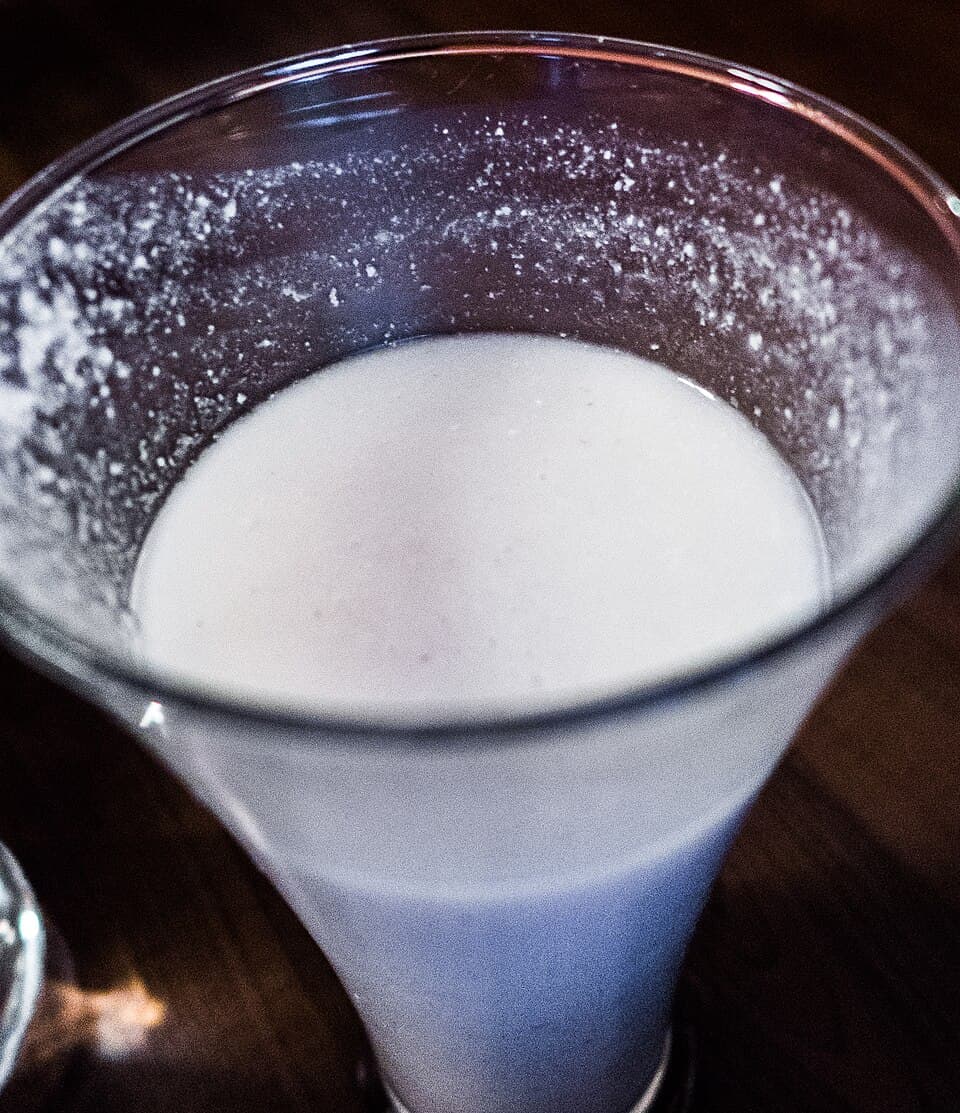
A milky-white Nepali rice wine made from fermented rice and yeast. You find it across the country but most of all in Sherpa and mountain communities. It is mildly alcoholic (2-5%) with a slightly sour, yeasty taste, and Sherpas treat it as a remedy for fever and cold. It comes at room temperature in wooden or metal vessels and is a fixture of Sherpa hospitality.

Bara (Newari Lentil Pancake)
A savory pancake of ground black lentils, fried crisp outside and soft inside. Cooks sometimes top it with egg, minced meat or vegetables. It is a standard part of the Newari Khaja set, and street vendors make it fresh on a griddle. The lentils make it a protein-heavy snack or side.
Regional Specialties & Local Favorites
Discover the authentic regional dishes and local favorites that showcase Nepal's diverse culinary traditions.
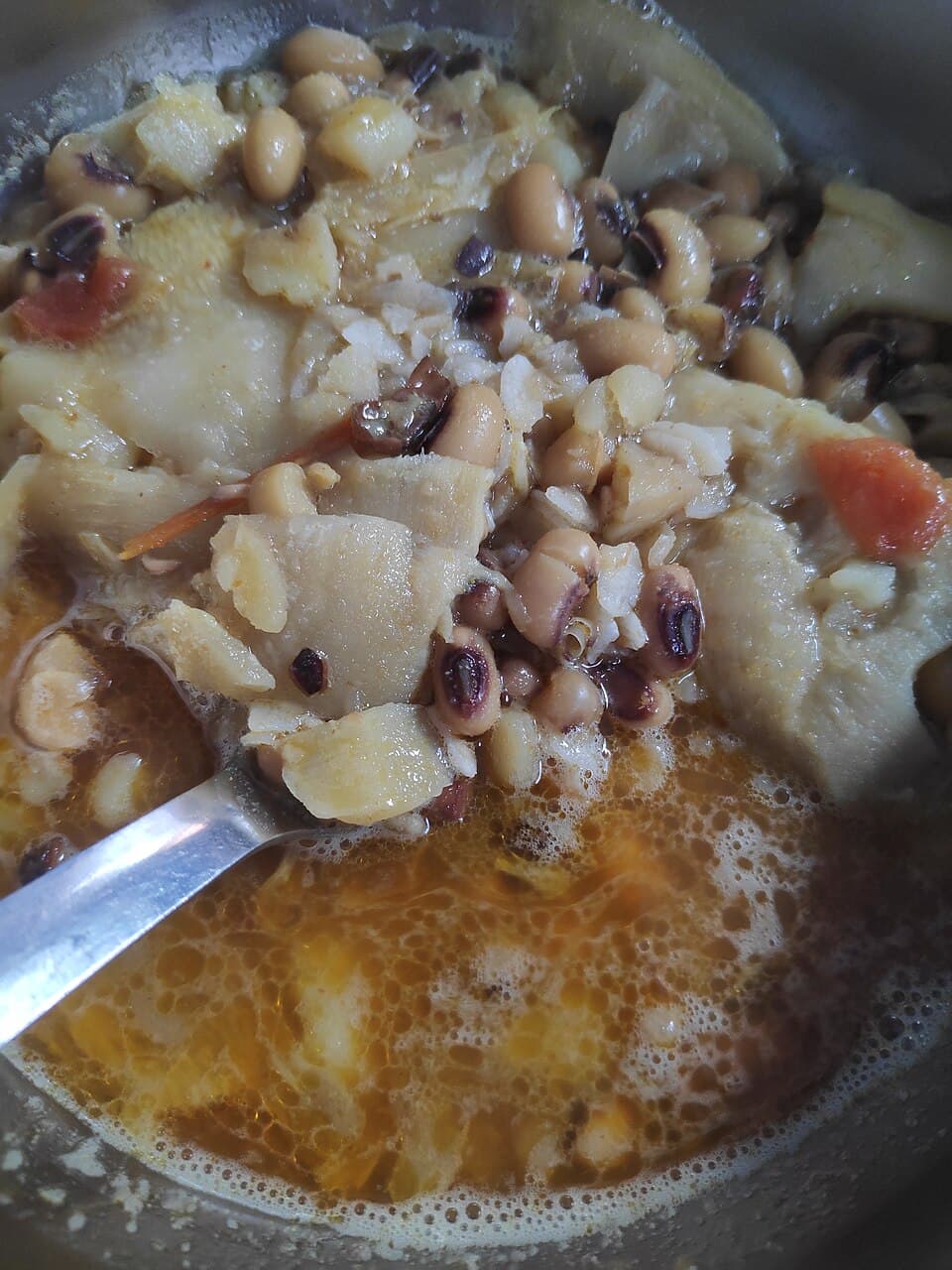
Aloo Tama
A curry of potatoes (aloo) and bamboo shoots (tama), rounded out with black-eyed peas and Nepali spices. The fermented bamboo gives it a sour, savory edge. It is everyday comfort food eaten with rice all over Nepal, and a staple of home cooking.
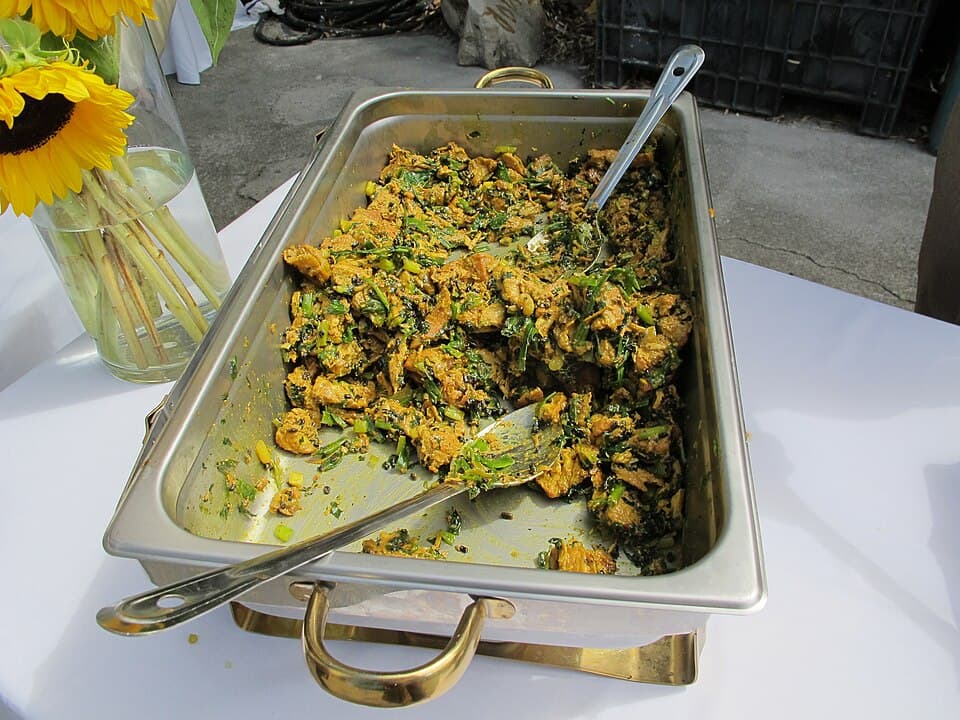
Choila
A Newari dish of grilled buffalo or chicken marinated in cumin, coriander, chili, ginger and garlic, then served cold or at room temperature. It is smoky, spicy and tender, a regular on Newari feast platters, and goes well with chiura (beaten rice) and aila (the traditional liquor).
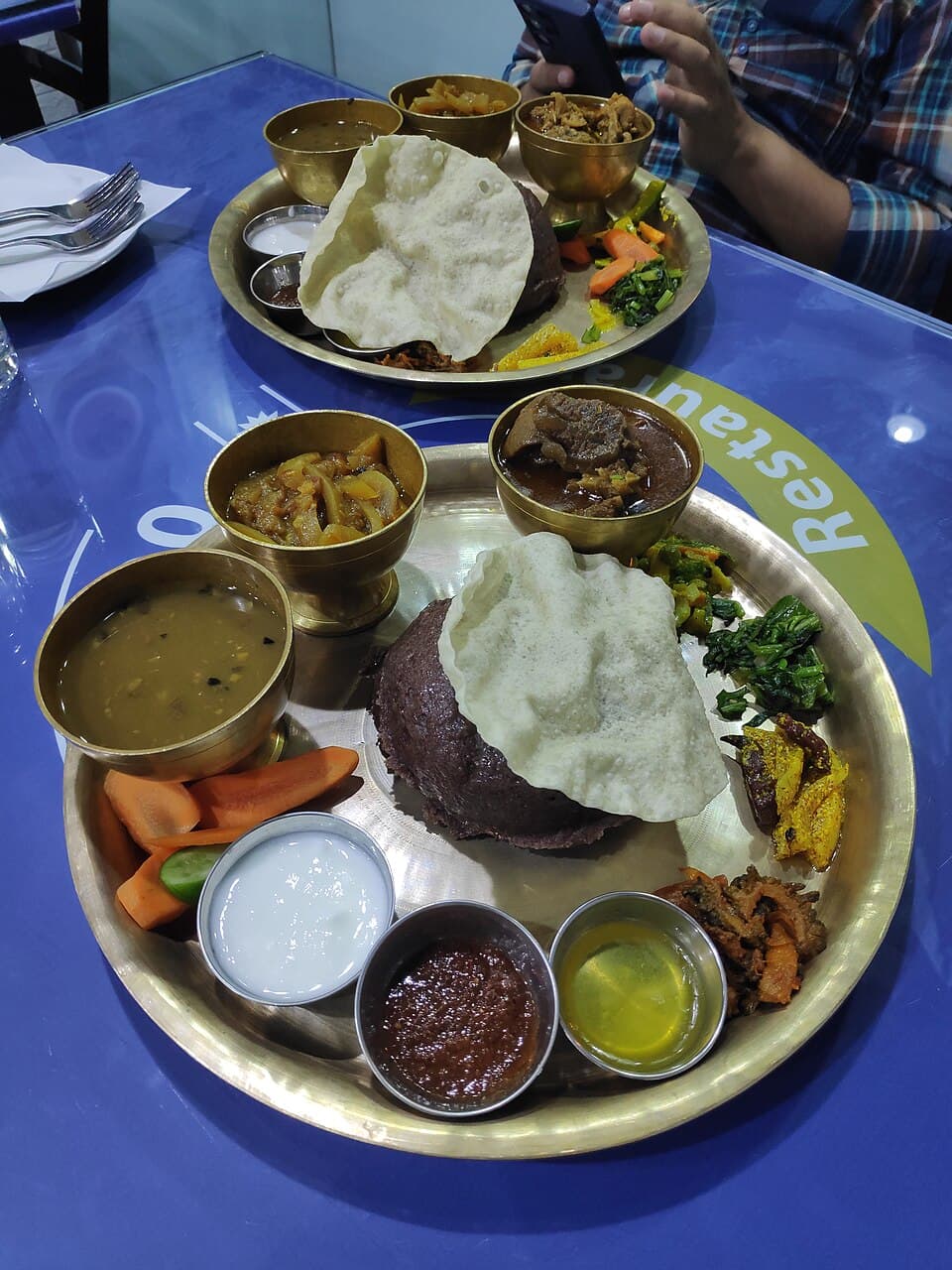
Dhido
A thick Nepali porridge of buckwheat, millet or cornmeal flour cooked down in water. You eat it by hand, pinching off balls to scoop up curry. It is a staple in the hills and a favorite of farmers who want energy that lasts, and the high fiber makes it a heavier, more filling alternative to rice.
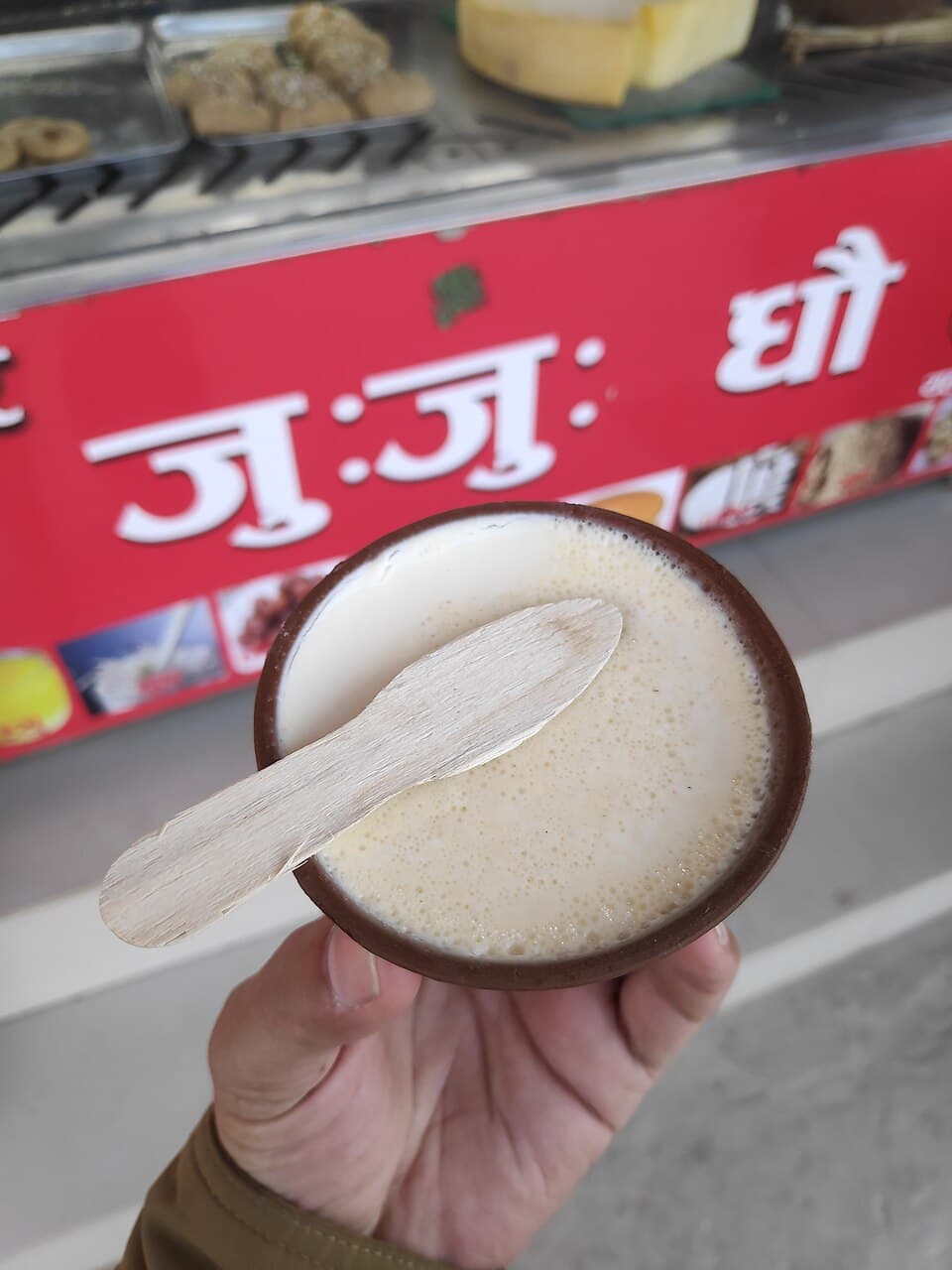
Juju Dhau (King Curd)
Bhaktapur's famous sweet yogurt, set in clay pots from buffalo milk. The milk is reduced first, which makes it thick, creamy and naturally sweet. "Juju Dhau" means "king curd" in Newari. Many Nepalis rank it the country's best yogurt, and it is a standard thing to bring back from Bhaktapur. It comes in traditional clay bowls.
Allergens:
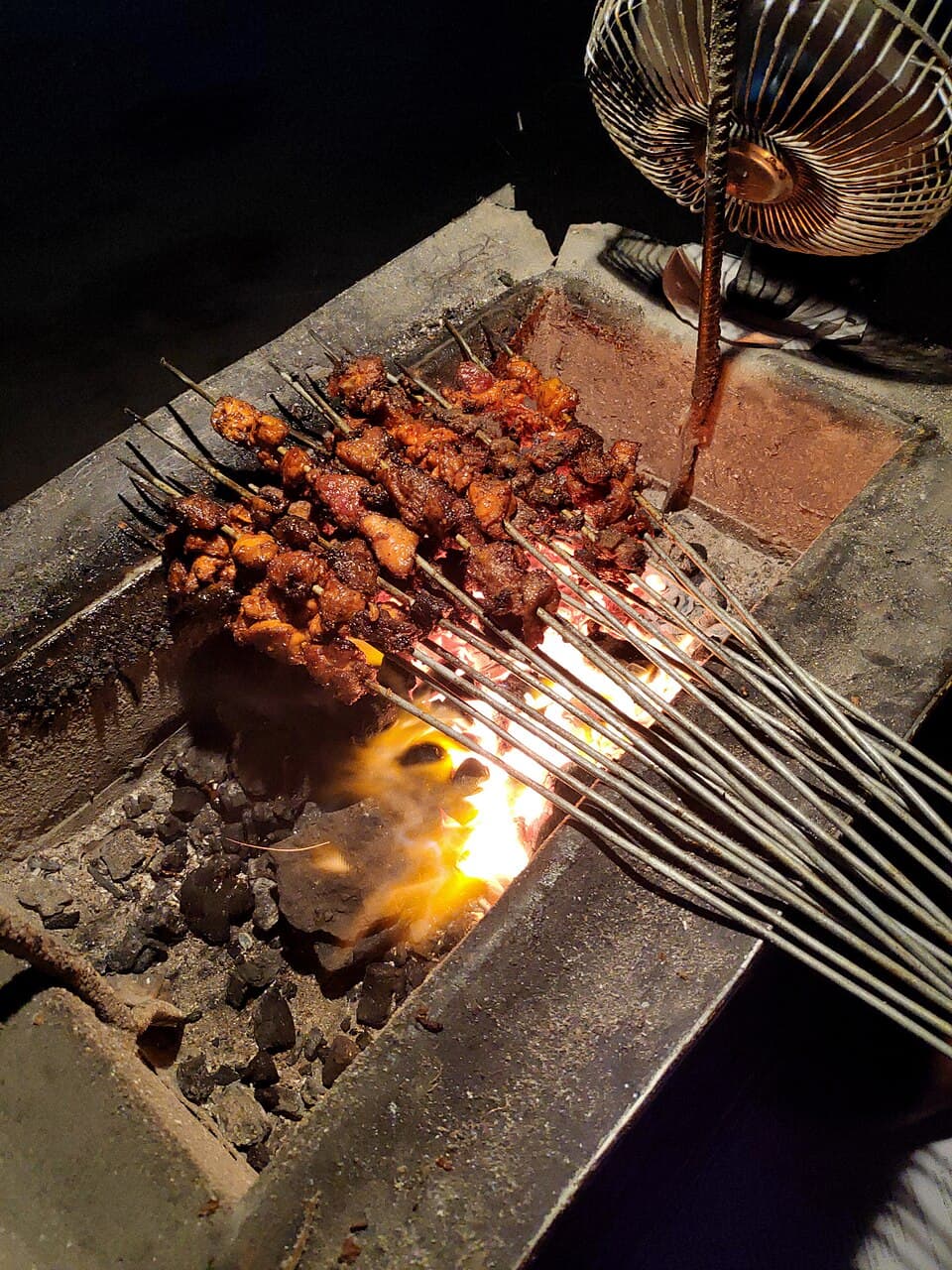
Sekuwa
Nepalese-style grilled meat, usually goat, chicken or buff, marinated in spices and cooked over charcoal. It comes with puffed rice, achar and sometimes grilled vegetables. You find it as street food and as a restaurant appetizer, and its smoky, spicy flavor makes it a good match for a drink.
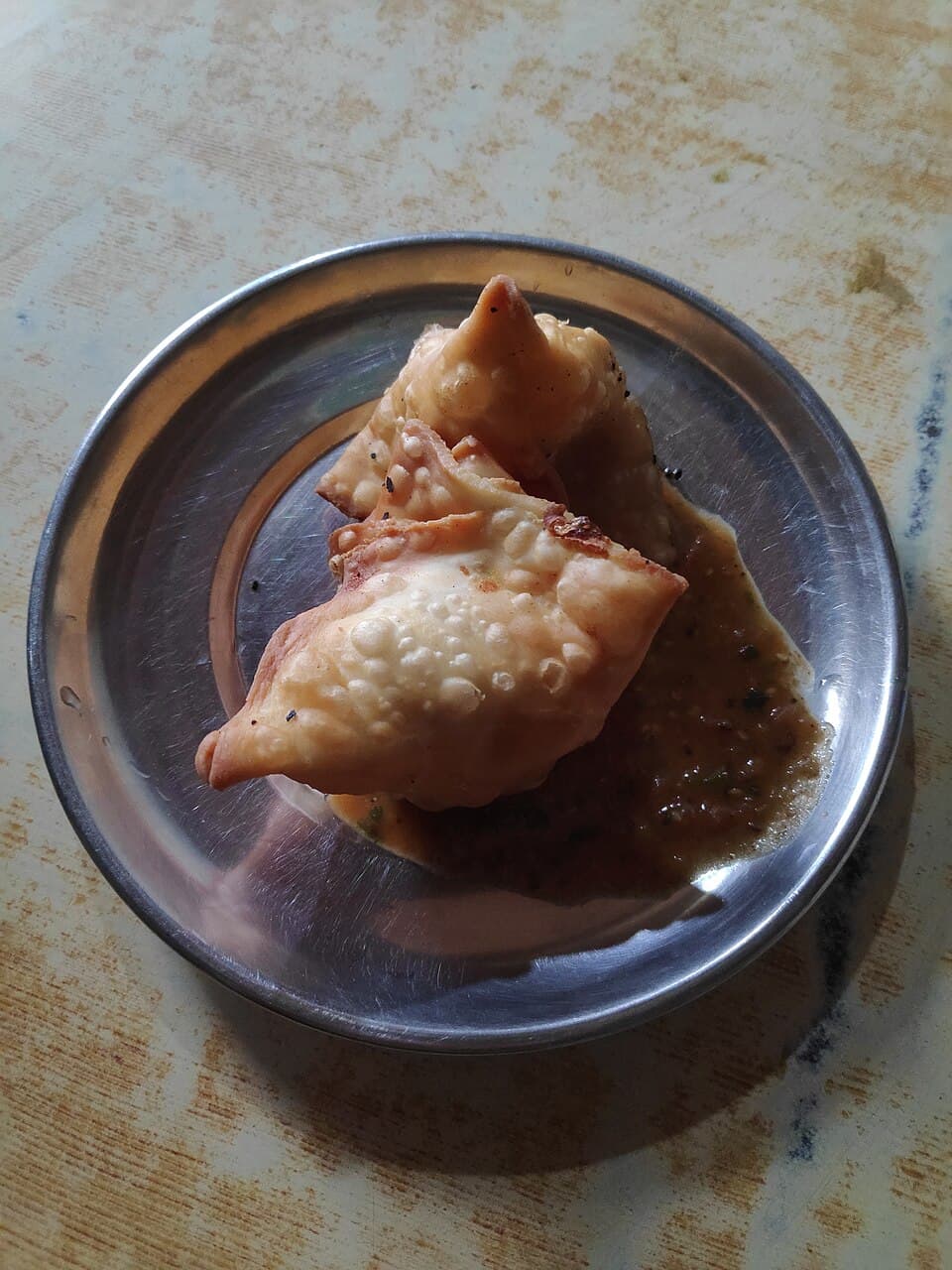
Samosa (Nepali Style)
Triangular deep-fried pastry stuffed with spiced potato, peas and sometimes meat. The Nepali version tends to run larger and spicier than the Indian one. It is a common street snack, served with a tangy achar, and shows up at tea stalls and street carts across the country.
Allergens:
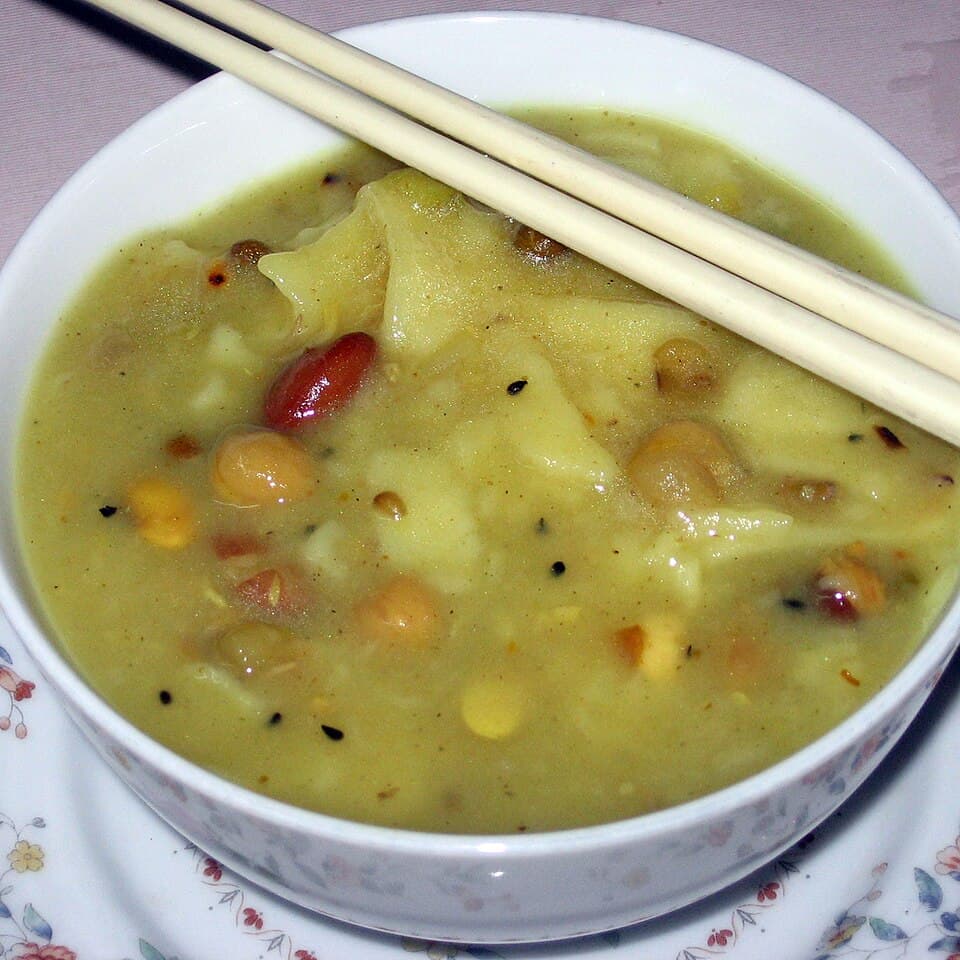
Kwati
A nourishing soup of nine sprouted beans and lentils, made for the Janai Purnima festival. Each bean brings something different nutritionally, and the pot is seasoned with ginger, garlic and Nepali spices. People treat it as medicinal. Restaurants serve it around festival season.
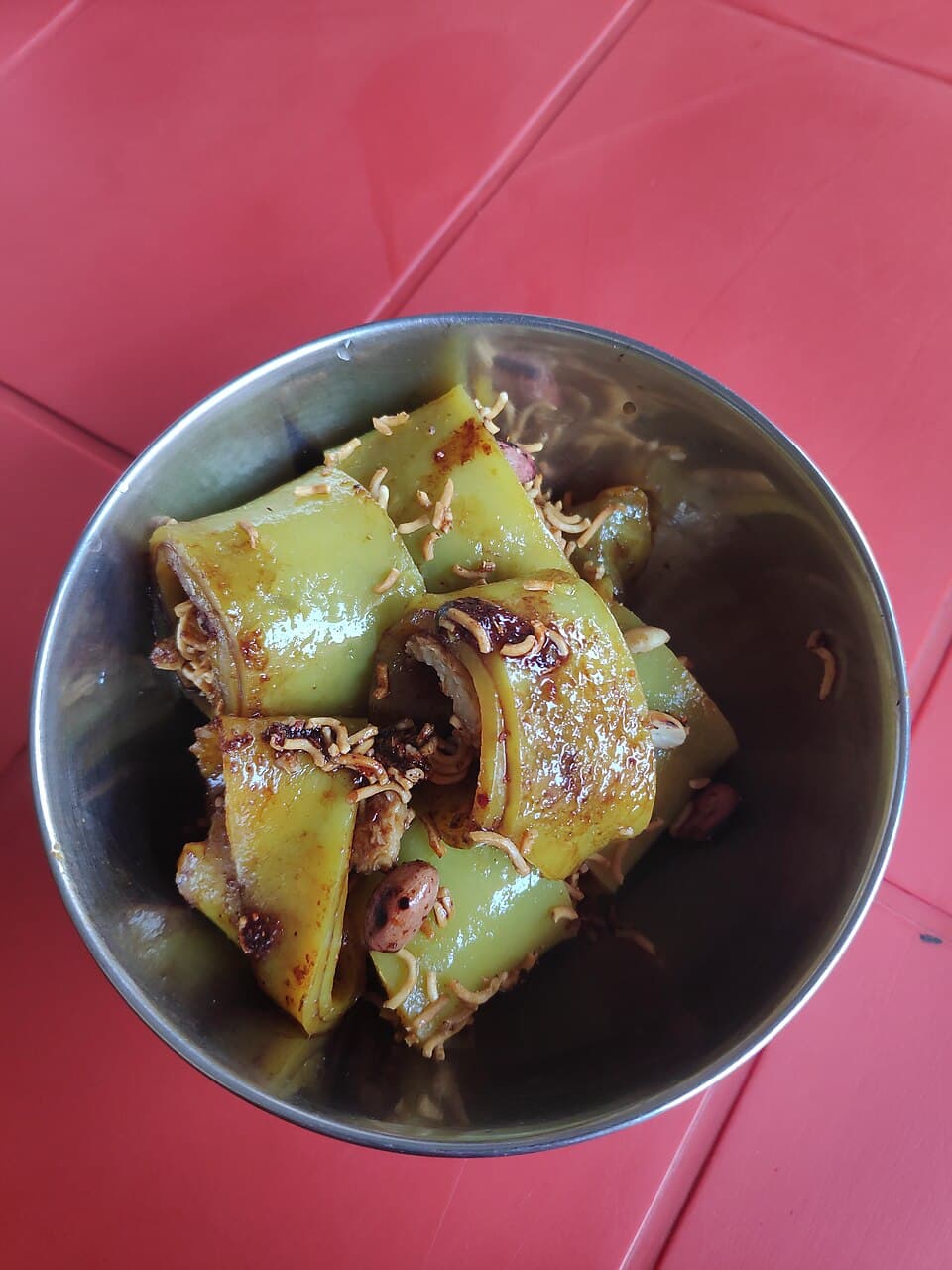
Laphing
A cold, spicy Tibetan noodle dish made from mung bean or wheat starch, dressed with chili sauce and soy sauce. The texture is slippery and almost jelly-like, the flavor sharply spicy-sour. It is popular street food in Kathmandu, especially with younger crowds, and a good snack in the summer heat.
Allergens:
Regional Cuisine Highlights
Explore the diverse culinary landscapes across different regions of Nepal.
Kathmandu Valley (Newari Cuisine)
The Newar community, native to the Kathmandu Valley, built one of Nepal's most developed cooking traditions. Newari food runs to elaborate feasts (bhoj) with dozens of dishes, fermentation methods like gundruk and sinki, and foods tied to ceremony. Chatamari, bara, yomari and choila are everyday snacks, while the larger Samay Baji sets come out for festivals. Food sits at the center of Newari identity, with specific dishes marking life-cycle rituals from birth to death.
Cultural Significance:
Newari food reflects the long urban culture of the Kathmandu Valley and how the community has held onto it. The feasting traditions keep social ties and identity intact even as the city modernizes, and food-centered festivals through the year mark harvests, deities and seasons.
Signature Dishes:
- Samay Baji (Khaja Set)
- Chatamari (Newari rice crepe)
- Yomari (sweet dumpling)
- Choila (spiced grilled meat)
- Bara (lentil pancake)
Key Ingredients:
Thak-Khola Valley (Thakali Cuisine)
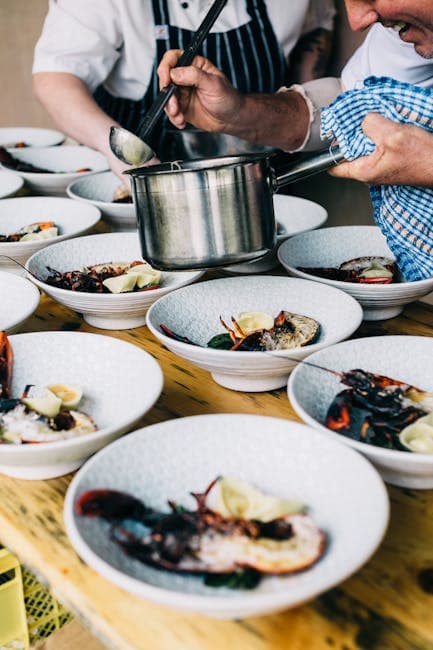
Thakali cooking from the Annapurna region grew out of mountain hospitality. The Thakali ran inns along the old salt-trade routes and got very good at feeding travelers well. The Thakali Khana Set balances its parts carefully: black lentil dal, ghee, meat curry, greens, radish pickle and buckwheat dishes. Clean plating and generous service are what define a Thakali meal, and dhido (buckwheat or millet porridge) supplies energy at altitude.
Cultural Significance:
Thakali cooking shows how Himalayan communities adapted and made a virtue of hospitality. Sitting on the trade routes, the Thak-Khola Valley had to feed passing travelers nourishing, tasty meals, and that need grew into one of Nepal's most polished regional cuisines, known for balance and presentation.
Signature Dishes:
- Thakali Khana Set
- Dhido (buckwheat porridge)
- Black lentil dal
- Ghee (clarified butter)
- Gundruk (fermented greens)
Key Ingredients:
Himalayan Regions (Sherpa & Tibetan Cuisine)
High up, Sherpa and Tibetan communities worked out a diet suited to hard mountain conditions. Butter tea (po cha) supplies calories and hydration; thukpa (noodle soup) warms and fills; tsampa (roasted barley flour) packs energy you can carry. Yak meat, butter and cheese cover protein and fat. Potatoes, brought over from the Americas, became a staple crop. Chhyang (rice wine) keeps fermentation going even at altitude.
Cultural Significance:
Sherpa food carries the community's Buddhist ties and its response to living at extreme elevation. Preservation methods, calorie-dense dishes and warming drinks sustain life above 3,000 meters, and Sherpa hospitality makes sure trekkers and travelers are fed even in remote country.
Signature Dishes:
- Butter tea (po cha)
- Thukpa (noodle soup)
- Tsampa (roasted barley flour)
- Yak cheese
- Chhyang (rice wine)
Key Ingredients:
Sweet Delights & Desserts
Indulge in Nepal's traditional sweet treats and desserts.
Kheer (Rice Pudding)
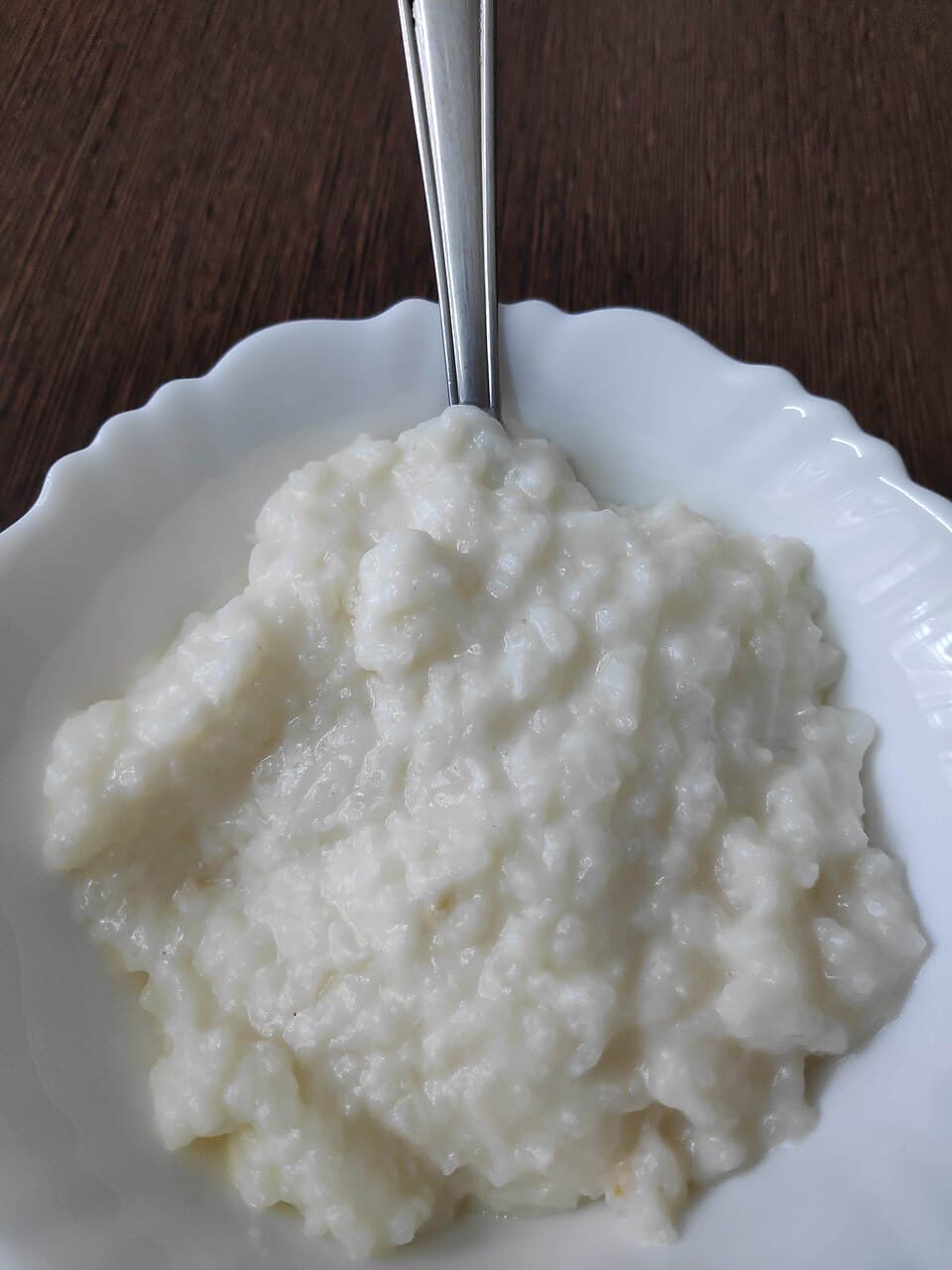
A sweet rice pudding of milk, rice and sugar, scented with cardamom and saffron and finished with nuts. It is a creamy, comforting dessert for festivals, celebrations and special occasions, and most households cook it their own way. Serve it warm or chilled.
Sel Roti
Ring-shaped sweet rice bread, crisp outside and soft inside. It is usually a snack, but doubles as a festival dessert. Made from rice flour, sugar and cardamom, it is a fixture of Tihar and Dashain.
Lakhamari
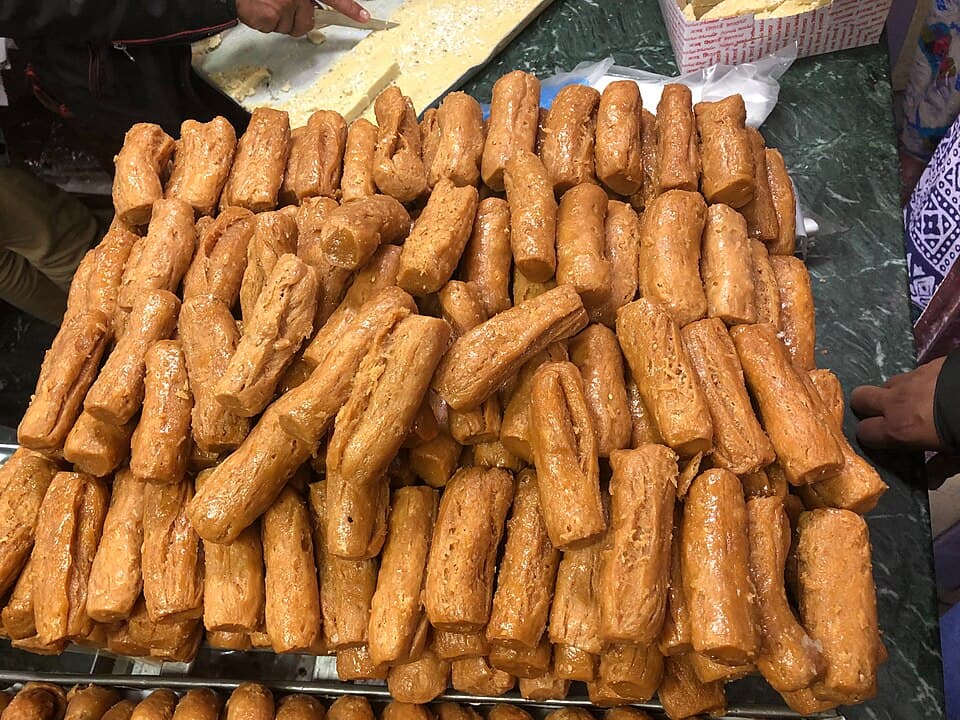
A Newari sweet bread pressed with decorative patterns, crisp and only lightly sweet. It is made from flour, sugar, ghee and cardamom and appears at Yomari Punhi and other Newari festivals. The hard, crunchy texture takes well to dunking in tea. Newari sweet shops keep it on hand.
Sikarni
A thick, sweetened yogurt dessert flavored with cardamom, saffron, nuts and fruit. It is served chilled and is especially popular in the Terai. The texture is rich and creamy, the spices aromatic, and it cools you down in summer.
Laddu
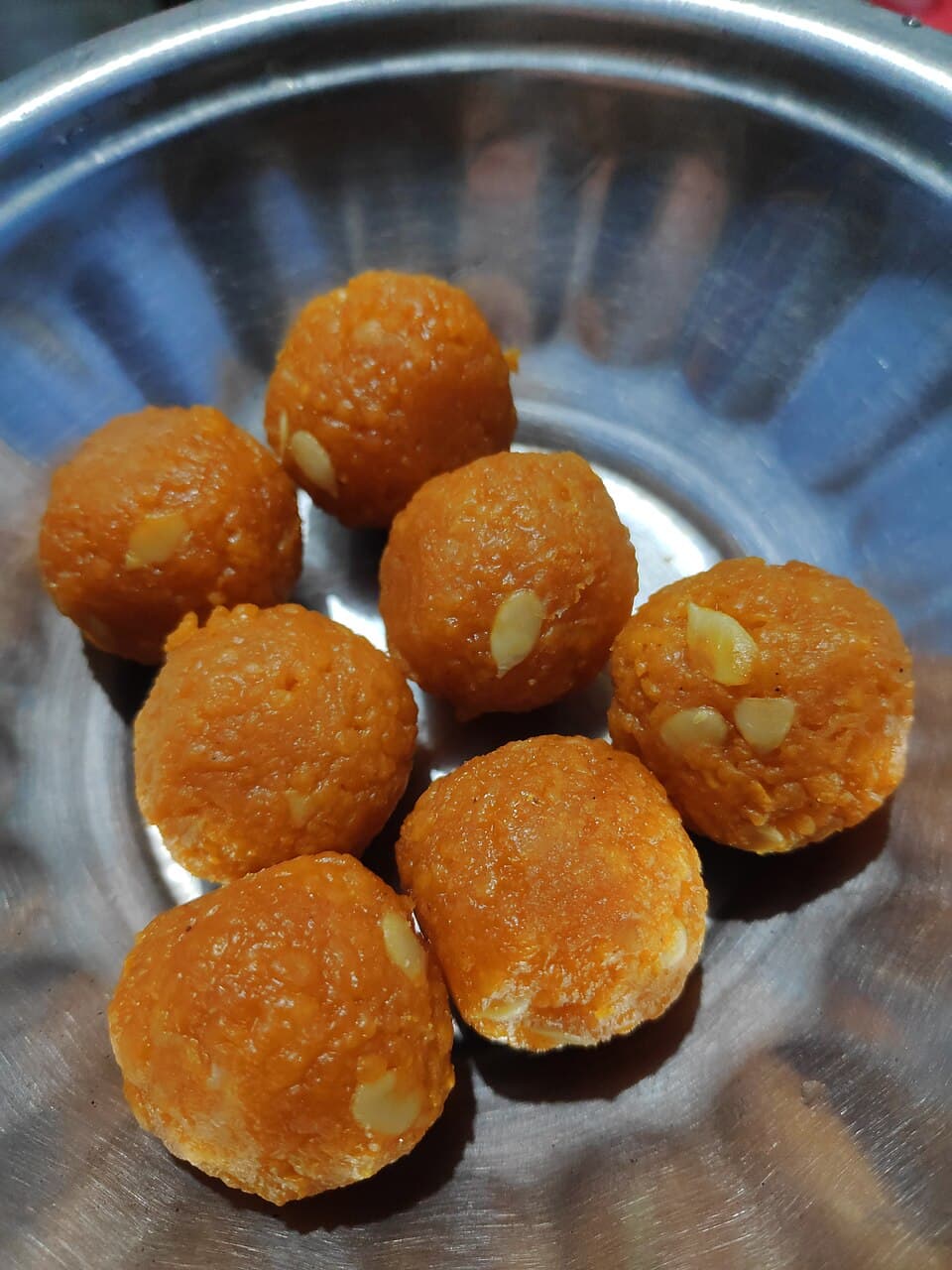
Sweet balls of flour, sugar and ghee, sometimes with nuts or gram flour worked in. They turn up at festivals and celebrations, with recipes that shift from region to region. In religious ceremonies they are offered to the deities first, then handed out as prasad.
Traditional Beverages
Discover Nepal's traditional drinks, from locally produced spirits to regional wines.
Chhyang (Nepali Rice Wine)
A milky-white fermented rice drink, mildly alcoholic at 2-5%, with a slightly sour, yeasty taste. It is popular in Sherpa and mountain communities, where people credit it with medicinal value.
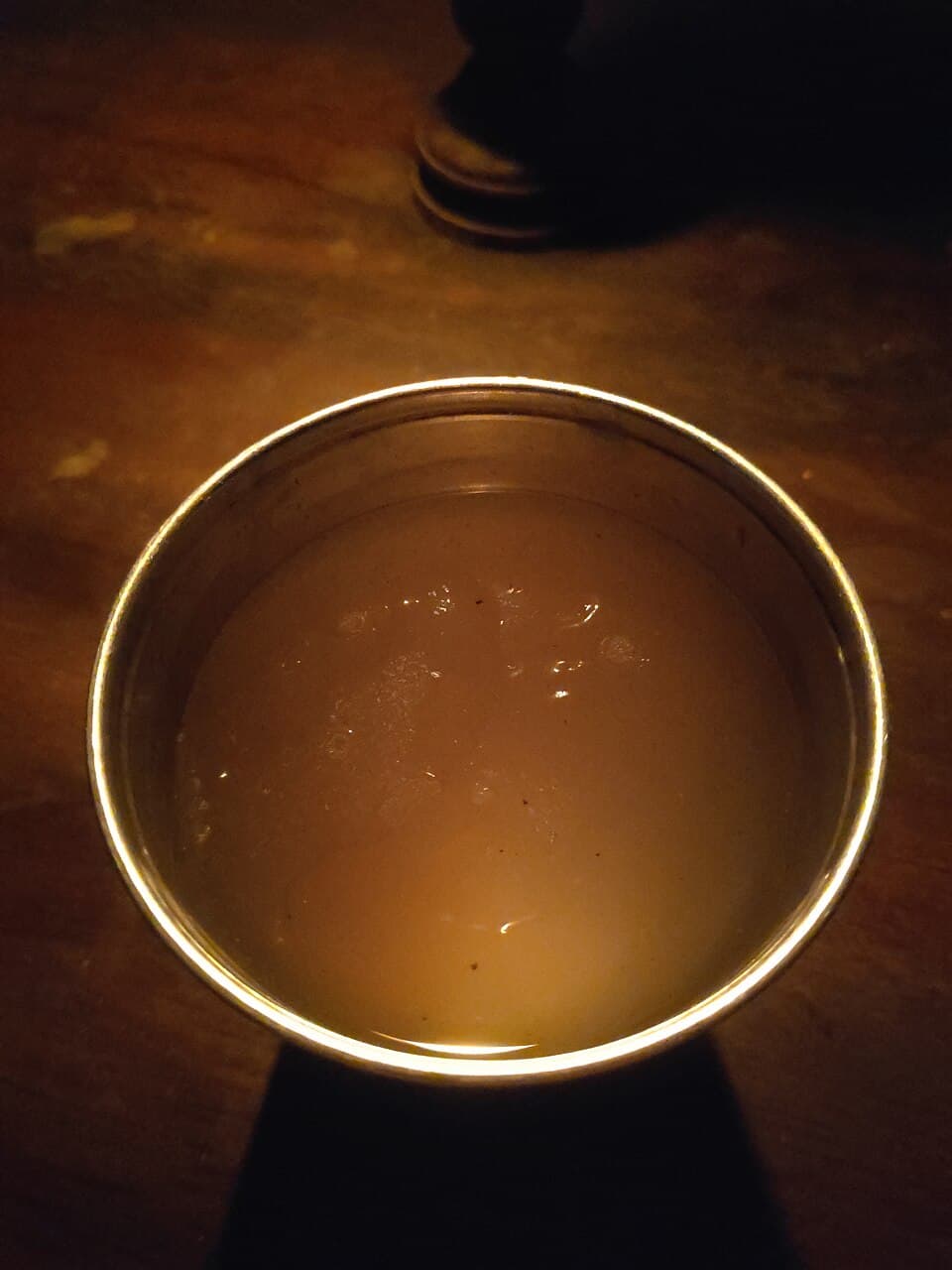
Raksi
A Nepali distilled liquor made from fermented grain or fruit. The clear spirit runs strong at 30-40% alcohol, and homemade batches vary a lot in both strength and flavor. It shows up at most social gatherings and celebrations.
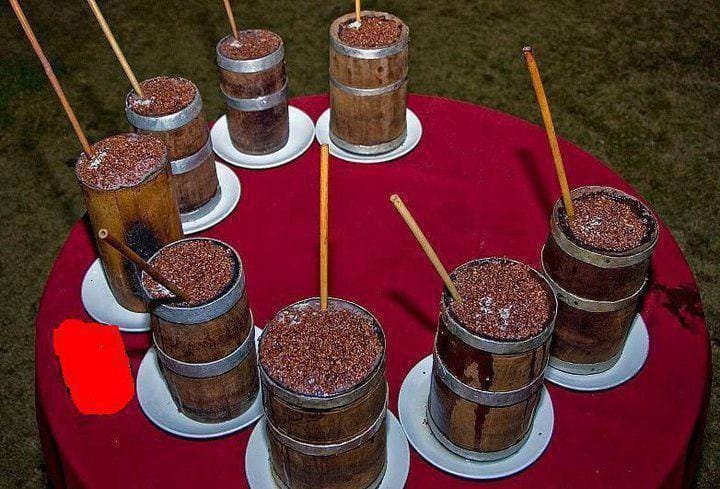
Tongba
A hot, millet-based alcoholic drink from eastern Nepal, tied to the Limbu and Rai communities. Fermented millet goes into a wooden or bamboo vessel, hot water is poured over it, and you sip through a bamboo straw. It is a warming drink built for cold mountain weather.
Soft Beverages
Discover Nepal's traditional non-alcoholic drinks, from local teas to refreshing juices.

Butter Tea (Po Cha)
Tibetan-style tea churned with yak butter and salt. It is an acquired taste, but at altitude it earns its place for energy and hydration. The flavor is creamy and salty, and Sherpa and Tibetan households drink several cups a day for the calories and warmth.
Chiya (Nepali Milk Tea)
Black tea boiled up with milk, sugar and spices like cardamom, ginger and cloves. It is Nepal's most-drunk beverage, going down all day long. Street vendors and tea stalls (chiya pasal) pour it into small glasses. It lands stronger and spicier than Indian chai.

Lassi
A yogurt-based drink served sweet or salty: the sweet one with sugar and cardamom, the salted one with cumin and salt. Buffalo-milk yogurt makes it thick and creamy, and it is a good cooler in summer. Popular across the Terai and in Kathmandu.
Frequently Asked Questions
Essential information about food and dining in Nepal.
What is the national dish of Nepal?
Nepal's most iconic dishes include Dal Bhat, Momos, Sel Roti. Nepal's national dish and everyday meal: lentil soup (dal) over steamed rice (bhat), with vegetable curry (tarkari), pickle (achar), and sometimes meat on the side. Most Nepalis eat it twice a day, and many restaurants serve it 'power' style with unlimited refills. It is heavy on fiber and protein, which is why it fuels so many treks at altitude. The dal and the side dishes change from region to region.
Is street food safe in Nepal?
Street food in Nepal can be enjoyed safely by following these guidelines: Drink only bottled or filtered water. Look for busy vendors with high turnover, ensure food is cooked fresh and served hot, and avoid raw ingredients if you have a sensitive stomach.
What are the best restaurants in Nepal?
Nepal offers diverse dining options from street food stalls to upscale restaurants. For the best experience, ask locals for recommendations, check recent reviews, and look for restaurants that specialize in regional cuisines.
Can vegetarians find food easily in Nepal?
Vegetarian options in Nepal are highly available. Nepal is easy for vegetarians. With Hindu and Buddhist influence, meat-free food is everywhere and well understood. Dal Bhat comes in a vegetarian version anywhere you go, and Newari cooking adds plenty more: bara, meatless chatamari, yomari. Every restaurant has a vegetarian menu.. Many restaurants offer vegetarian dishes, and you'll find plant-based ingredients featured prominently in local cuisine.
What is the average cost of a meal in Nepal?
Meal costs in Nepal depend on where you eat. Street food and casual local restaurants are very affordable, typically offering complete meals for a few dollars. Mid-range restaurants charge moderate prices, while fine dining establishments are comparably priced to Western countries.
What are common food allergens in Nepal?
Common allergens in Nepal cuisine include Nuts, Dairy, Gluten. Various nuts are used in Nepali sweets and some savory dishes.. These ingredients appear in dishes like Newari desserts, Some curries. Always inform restaurant staff about your allergies.
When is the best time to visit Nepal for food?
Nepal offers great food experiences throughout the year. However, visiting during harvest seasons (typically spring and autumn) provides access to the freshest local ingredients. Food festivals and cultural celebrations also offer unique culinary experiences worth planning around.