
Cameroon Food Guide
Content Information
Recently updated🔥Current Food Trends 2026
What's happening in Cameroon's culinary scene right now
Heading into 2026, Cameroon still sits at the top of Africa's Restaurant Price Index, with dining costs that track its fast urbanization and a settled restaurant scene. Street food keeps moving into more formal settings, with Tradex gas stations now selling traditional BHB breakfasts. Upscale kitchens are reworking dishes like Ndolé and Poulet DG with modern plating. For street food the way locals eat it, Makepe in Douala and Briqueterie in Yaoundé are still the places to go.
Food Safety Tips
Essential food safety information to help you enjoy Cameroon's cuisine safely and confidently.
Drink bottled or purified water
Tap water is not safe for drinking. Always use bottled water or properly purified water. Avoid ice cubes unless made from purified water.
Choose busy vendors with high turnover
Soya, brochettes, and beignets are generally safe when bought from popular stalls. Stick to vendors who cook to order and keep a steady line of customers, which you will find in Makepe (Douala) and around the Briqueterie area (Yaoundé).
Be cautious with foods left at room temperature
The tropical heat makes food spoil fast, so skip anything that has been sitting out for a while. Order dishes cooked fresh, particularly meat and seafood.
Wash fruits and vegetables thoroughly
Peel fruits when possible and wash vegetables with purified water, especially for items eaten raw.
Dietary Options
vegetarian
MEDIUM AVAILABILITYVegetarians can rely on koki (steamed bean cake), plantains, eru cooked with spinach, and a range of vegetable stews. Ask, and many traditional dishes will be made without meat.
vegan
LOW AVAILABILITYVegan eating takes more effort here. Plantain dishes, cassava-based foods, vegetable stews made without palm oil, and rice are your safest bets. Spell out your needs clearly, since fish and other animal products turn up in a lot of dishes.
gluten-free
MEDIUM AVAILABILITYPlenty of traditional dishes are naturally gluten-free, built on cassava, plantains, cocoyam, and rice. Steer clear of wheat-based fufu and bread. Achu, made from pounded cocoyam, is a reliable gluten-free choice.
Common Allergens
Peanuts
HIGH PREVALENCEGroundnut (peanut) paste is essential in many Cameroonian dishes
COMMONLY FOUND IN:
Shellfish
MEDIUM PREVALENCEShrimp, crayfish, and dried seafood are common ingredients
COMMONLY FOUND IN:
Gluten
MEDIUM PREVALENCEWheat products used in some preparations
COMMONLY FOUND IN:
Essential Food Experiences
These iconic dishes represent the must-have culinary experiences that define Cameroon's food culture for travelers.
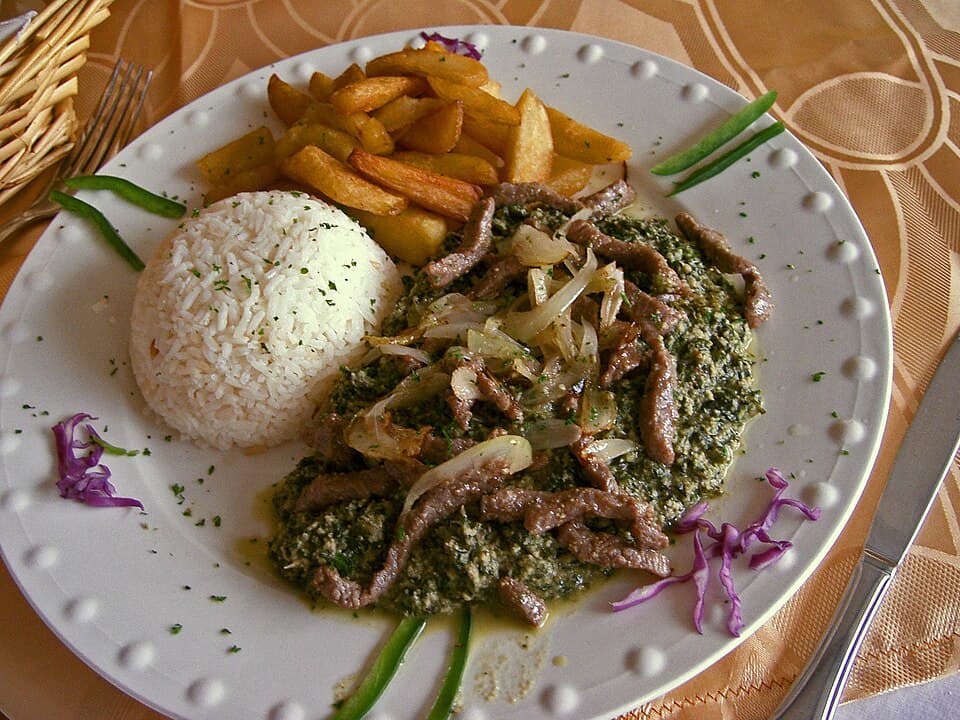
Ndolé
Cameroon's unofficial national dish: a thick, savory stew of bitterleaf greens and groundnut paste cooked in palm oil with beef, shrimp, and dried fish. It comes from the Sawa people of Douala, and the layered flavors take real time to build.
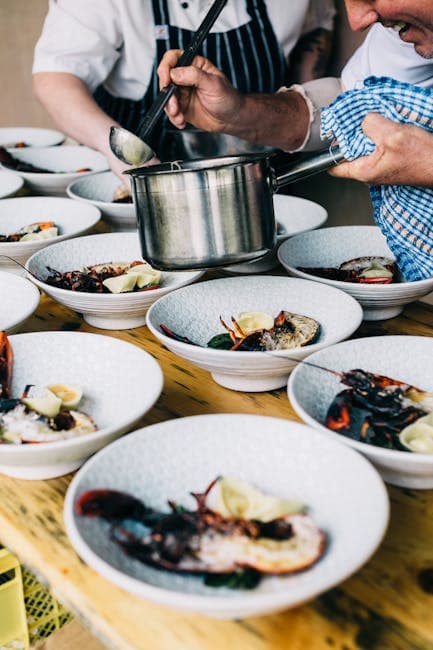
Eru (Okok)
A Southwest Cameroon staple of finely shredded eru leaves simmered with waterleaf or spinach, palm oil, and proteins such as smoked fish, beef, and crayfish. It is filling, homely food, usually eaten with garri, fufu, or water yams.
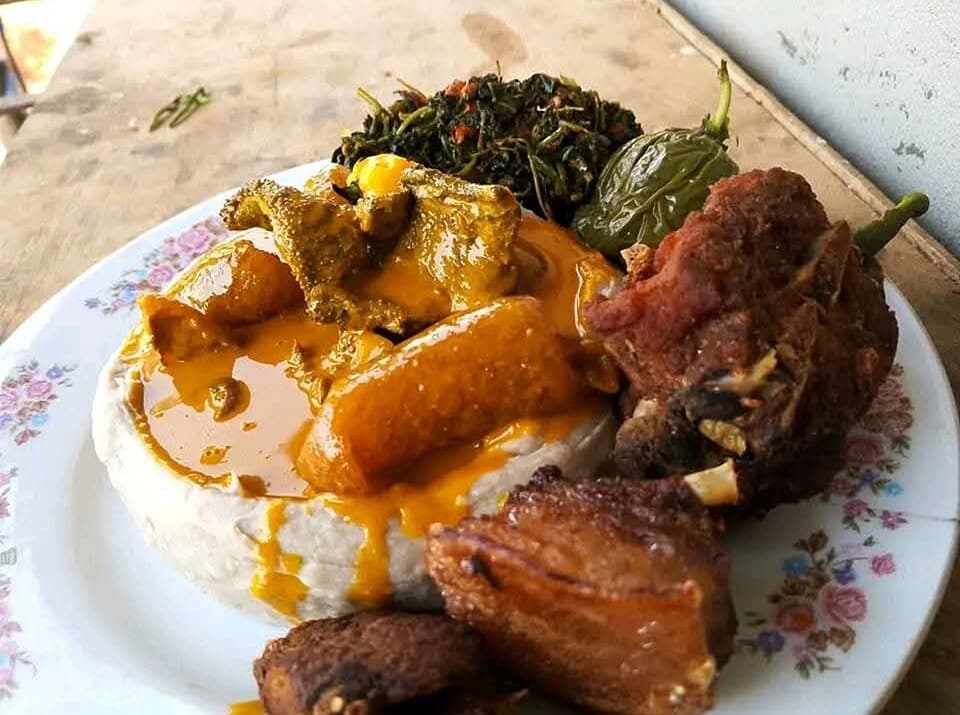
Achu Soup (Yellow Soup)
A yellow soup from the Northwest region, made with limestone (kanwa), palm oil, and spices and poured into a well pressed into the center of pounded cocoyam. People eat it with their fingers, and it shows up at births, funerals, and other big occasions.
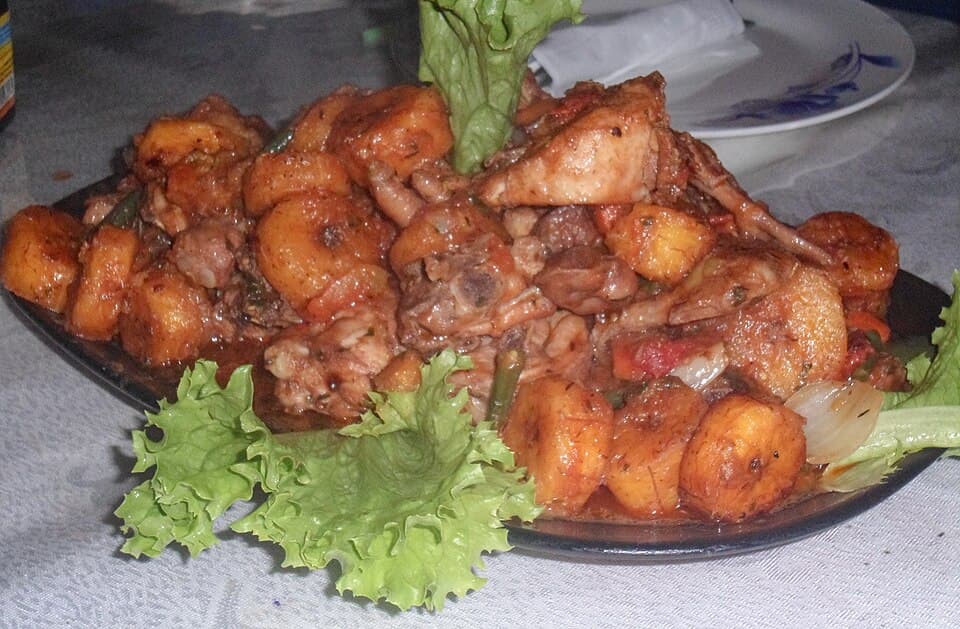
Poulet DG
Poulet Directeur Général, or Director General's Chicken, pairs grilled chicken in a thick tomato sauce with sautéed plantains, carrots, and green beans. It was first cooked for senior officials and is now a favorite for special occasions.
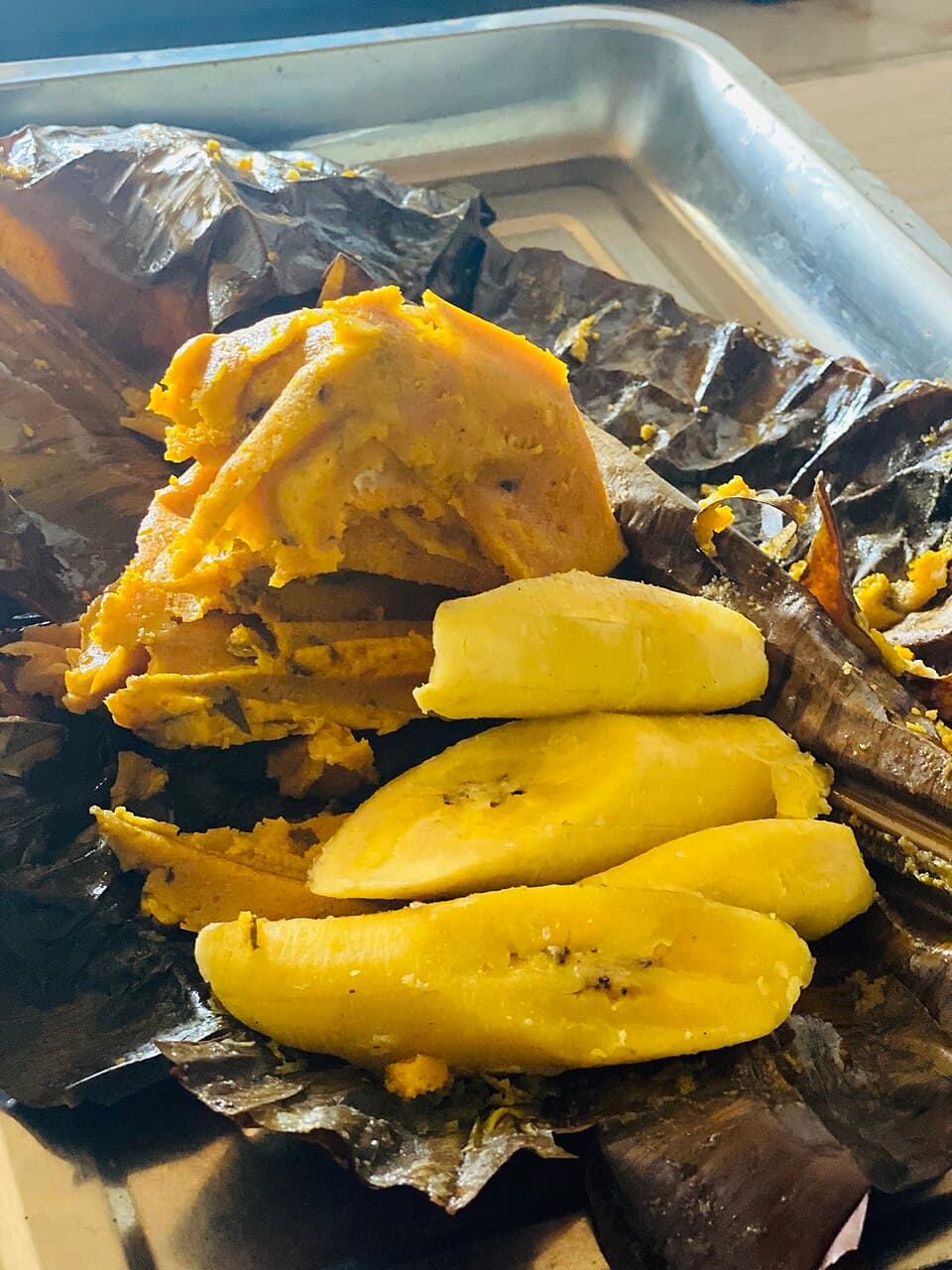
Koki (Koki Corn)
Steamed bean cake made from ground black-eyed peas blended with palm oil and wrapped in banana leaves. It is high in protein and turns up plain or studded with crayfish. The best version is at Ndong's Mama Koki in Bonapriso, Douala.
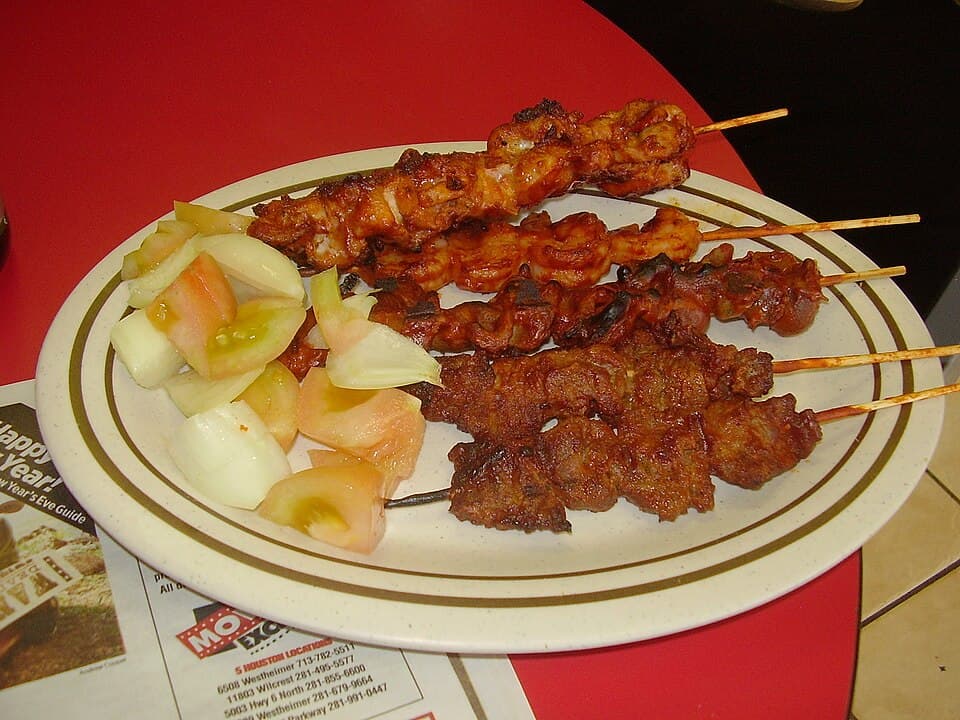
Suya
Spicy grilled meat skewers coated in a peanut-and-spice rub called yaji and cooked over an open flame until smoky. The dish started in Northern Nigeria and has become a Cameroonian street food staple, most of all in Douala's Makepe neighborhood.
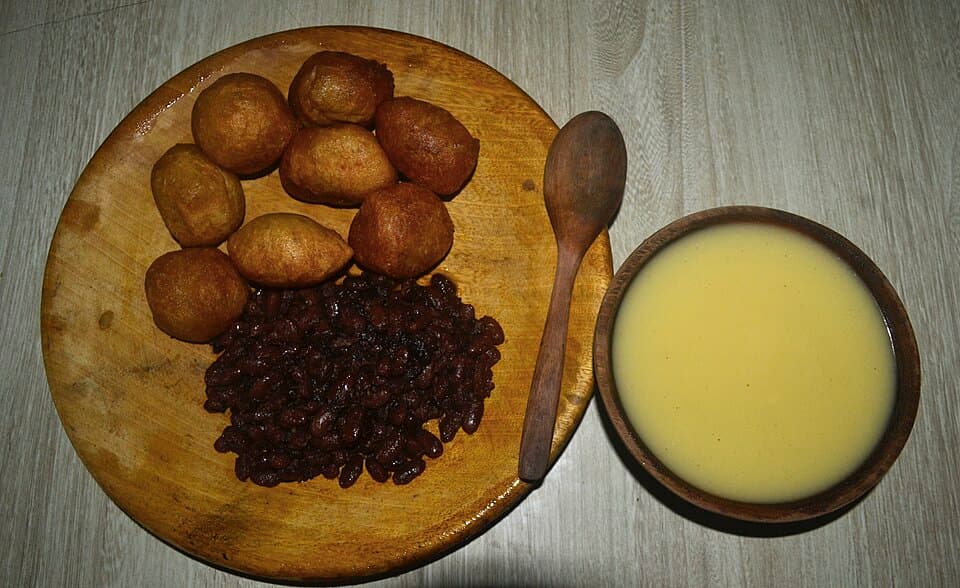
Beignets-Haricot-Bouillie (BHB)
The classic Cameroonian breakfast: sugary fried dough balls (beignets) alongside beans in a savory sauce and millet porridge (bouillie). You can now grab it at Tradex gas stations in Yaoundé and Douala.
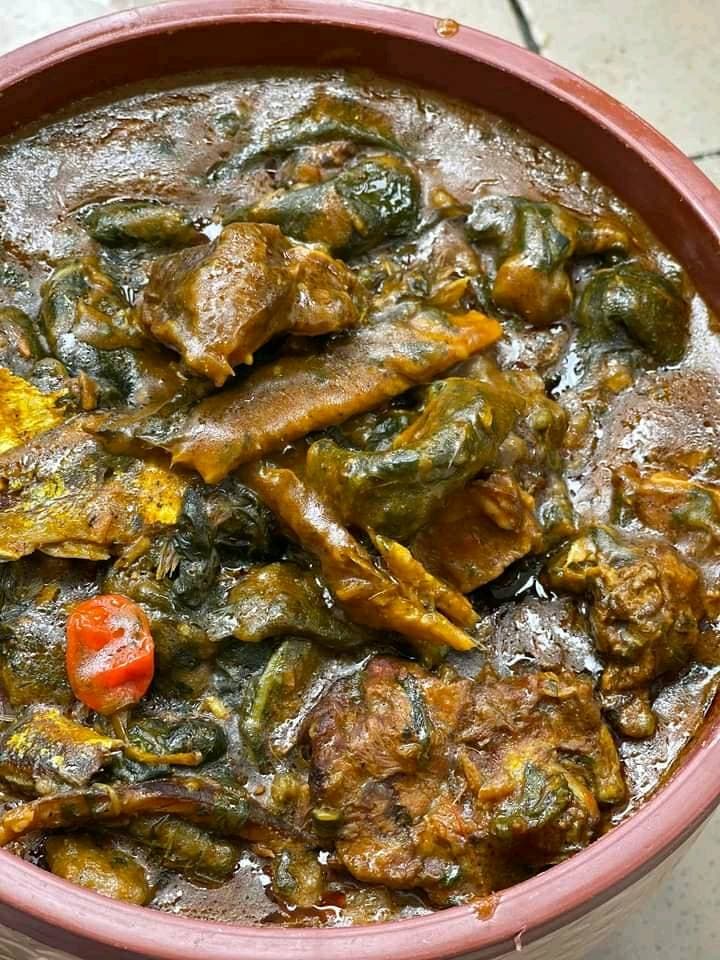
Ekwang
Grated cocoyam parceled up in cocoyam leaves with smoked fish, crayfish, and palm oil. It takes a lot of work to make, but the coastal dish pays you back with an unusual texture and deep flavor.
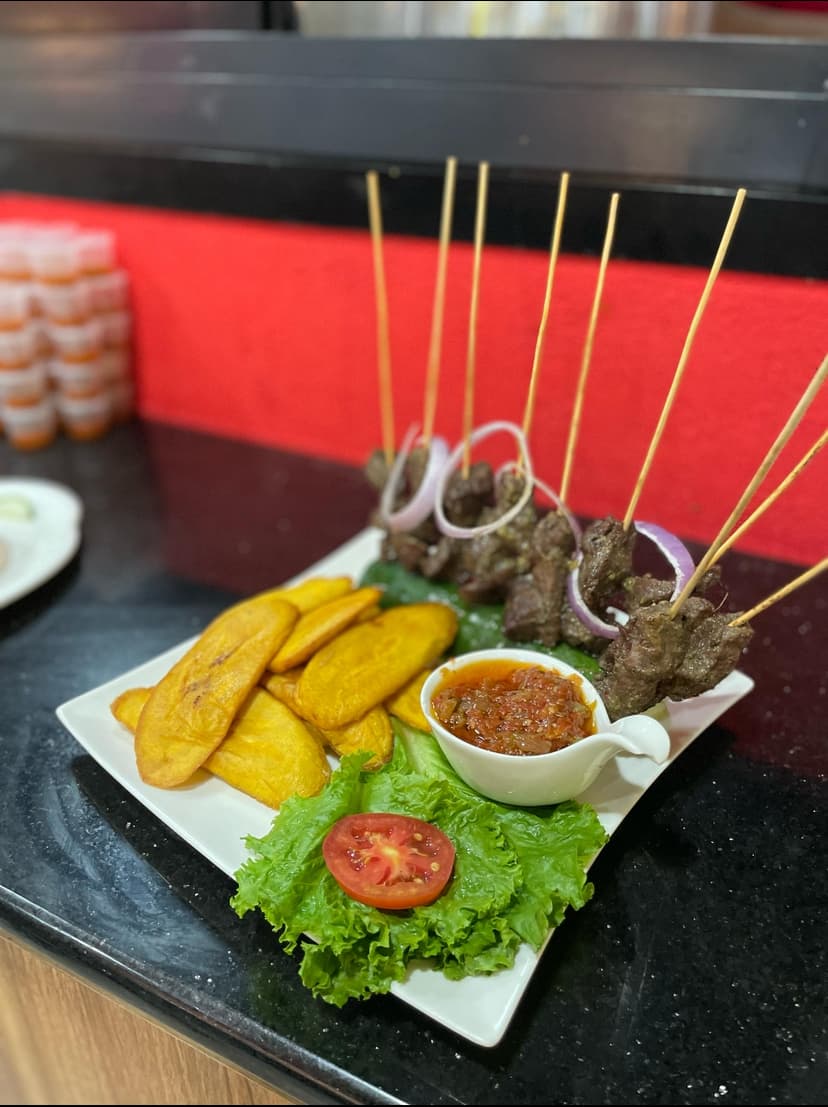
Brochettes de Bosse
Skewers of meat and zebu fat grilled over a wood fire, which gives them a smoky flavor that is hard to stop eating. A common sight on streets across Cameroon in the evenings.
Groundnut Soup
A thick soup built on groundnut (peanut) paste with meat, usually chicken or beef, plus vegetables. Red palm oil lends it a deep color and an extra layer of flavor.
Regional Specialties & Local Favorites
Discover the authentic regional dishes and local favorites that showcase Cameroon's diverse culinary traditions.
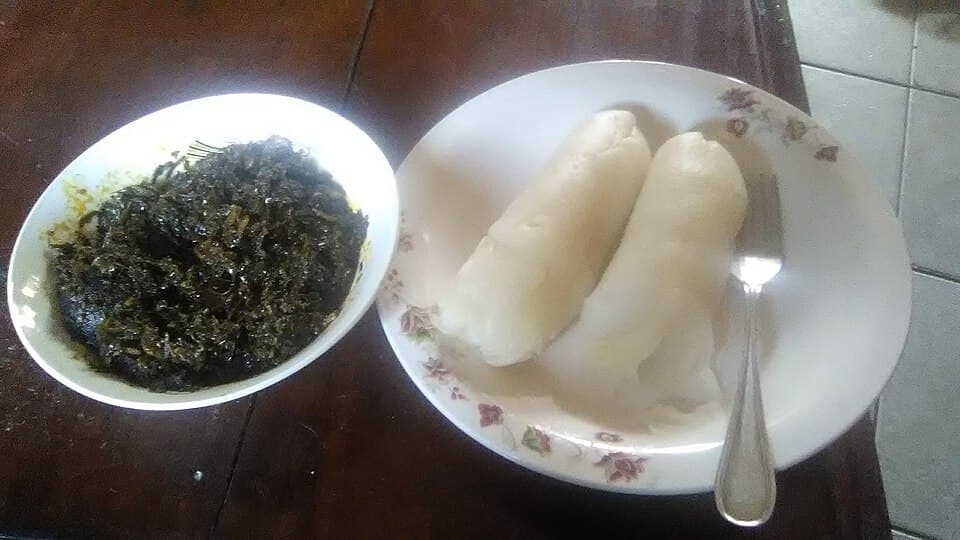
Fufu and Eru
Region: Nationwide
Pounded cassava or plantain served with eru vegetable stew, an everyday meal you will find all over Cameroon.
Allergens:
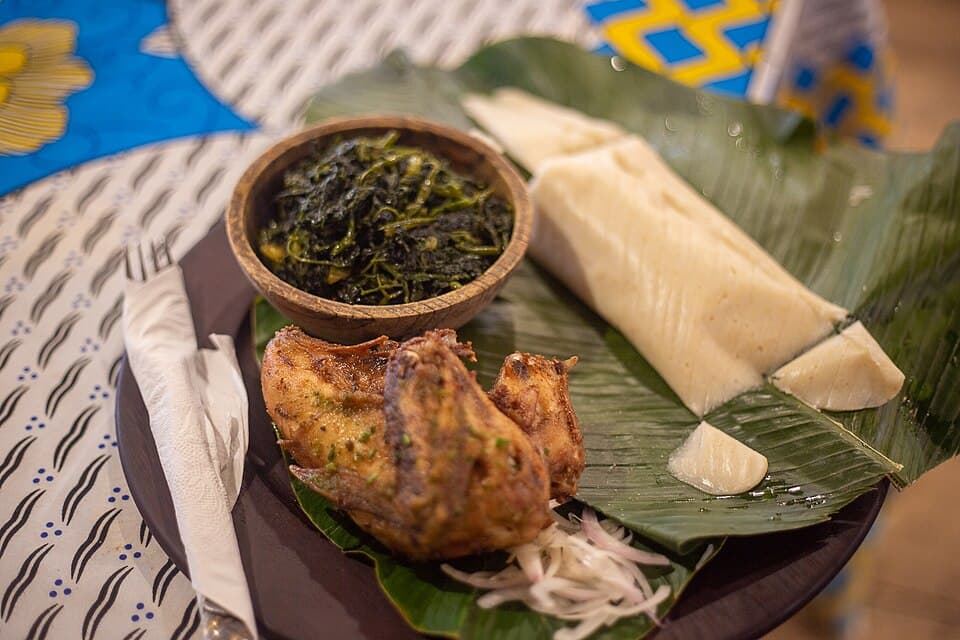
Kati Kati
Grilled chicken with fried plantains and a spicy peanut sauce, a go-to for casual meals.
Allergens:
Sangah
Corn fufu from the Northwest region, often served with vegetable soup and meat.
Kwacoco
Fried cocoyam pieces, a popular street snack and side dish.
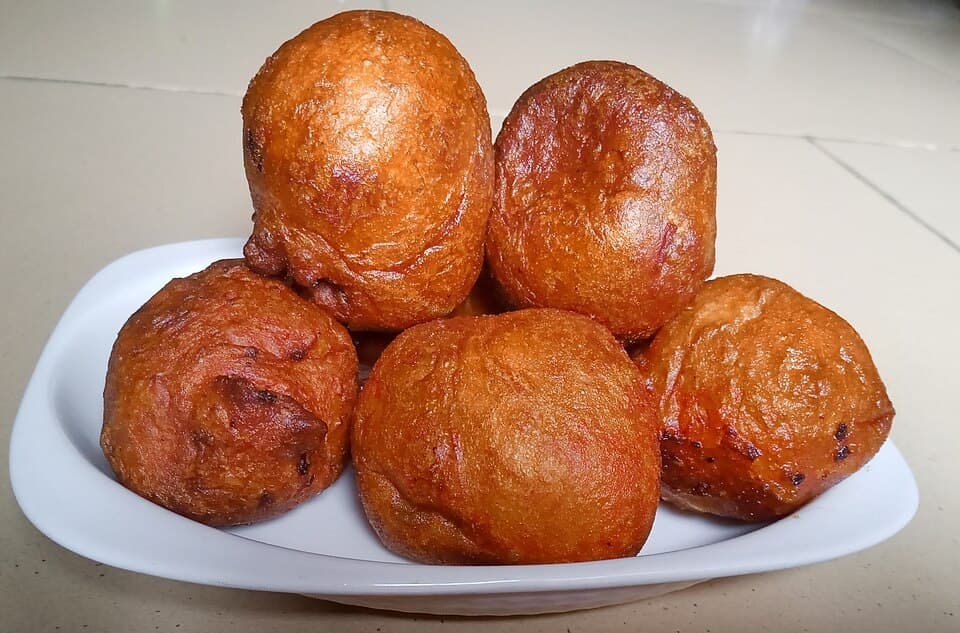
Puff Puff
Sweet, deep-fried dough balls, a lot like donut holes and a snack people grow up on.
Allergens:
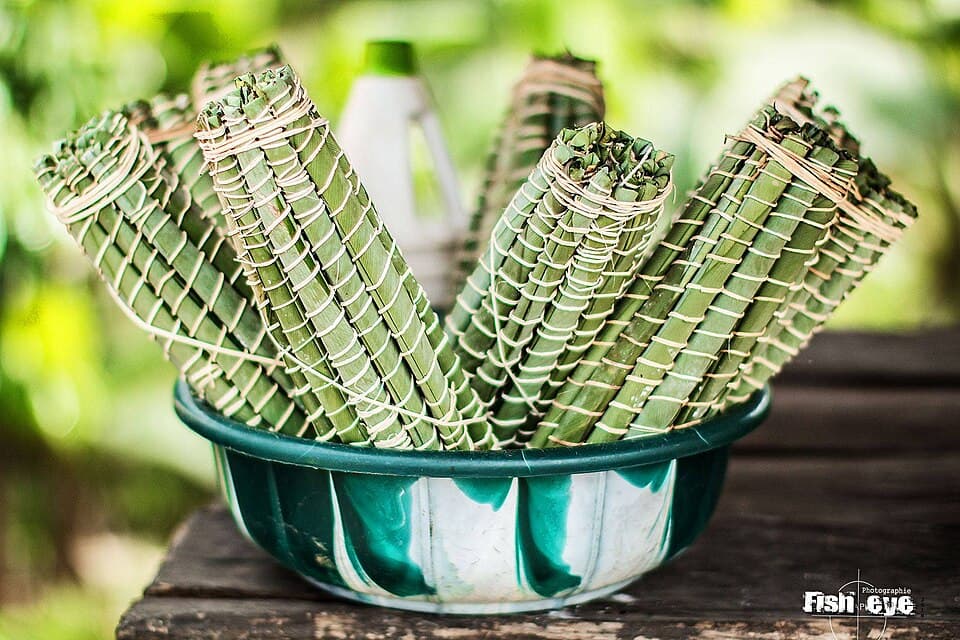
Miondo
Fermented cassava wrapped in leaves, with a distinctive sour taste.
Accra Banana
Fried plantain fritters, crispy outside and soft inside.
Allergens:
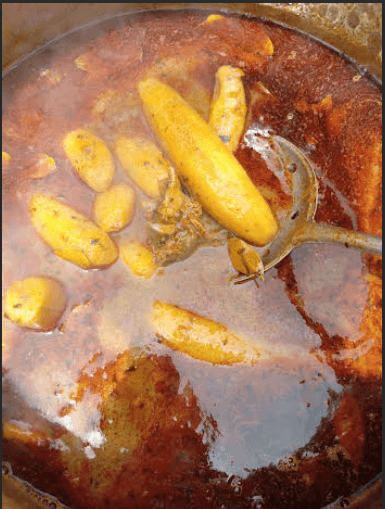
Kondre
Plantain porridge with palm oil and spices from the Southwest region.
Regional Cuisine Highlights
Explore the diverse culinary landscapes across different regions of Cameroon.
Coastal Region (Littoral)
Centered on Douala, the coastal region leans on seafood, palm oil, bitterleaf, and eru. It is also where Ndolé began, among the Sawa people.
Signature Dishes:
Key Ingredients:
Northwest Region (Grassfields)
Best known for Achu soup and cocoyam dishes, Bamileke and Grassfields cooking stands apart for its use of kanwa (limestone) and its set ways of eating.
Signature Dishes:
Key Ingredients:
Southwest Region
Cooking here turns on eru, waterleaf, and plantains and cocoyam prepared many ways, drawing on both coastal and forest ingredients.
Signature Dishes:
Key Ingredients:
Sweet Delights & Desserts
Indulge in Cameroon's traditional sweet treats and desserts.
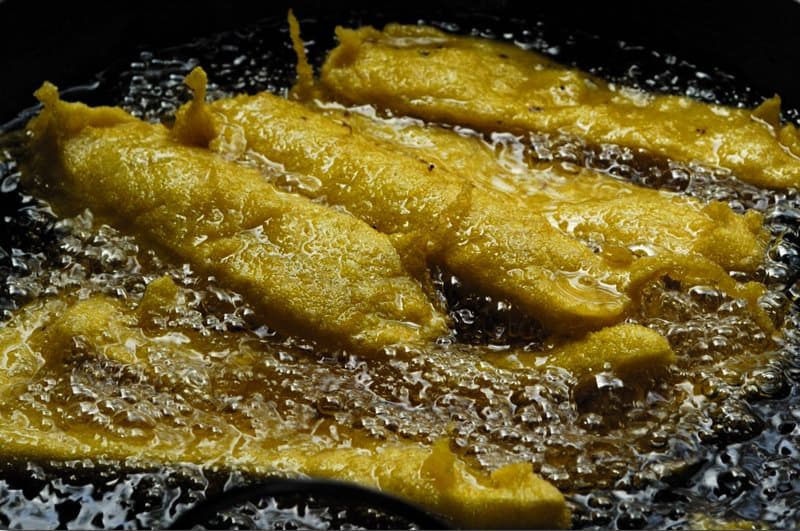
Banana Fritters
Ripe plantains dipped in batter and deep-fried until golden, often dusted with sugar.
Coconut Candy
Sweet treats made from fresh coconut and sugar, popular at celebrations.
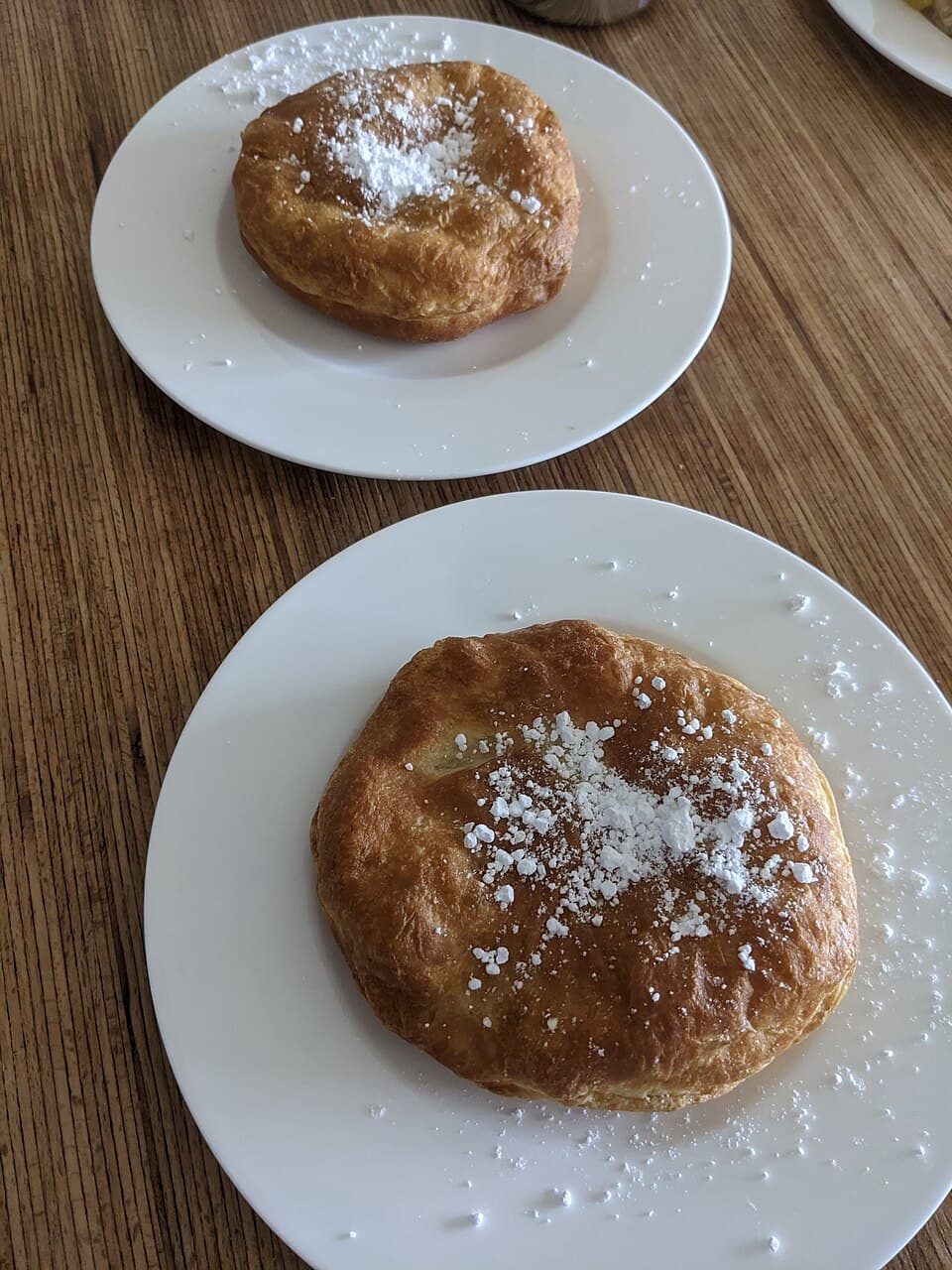
Beignets
Sweet fried dough served with honey or sugar, perfect with morning coffee.
Traditional Beverages
Discover Cameroon's traditional drinks, from locally produced spirits to regional wines.
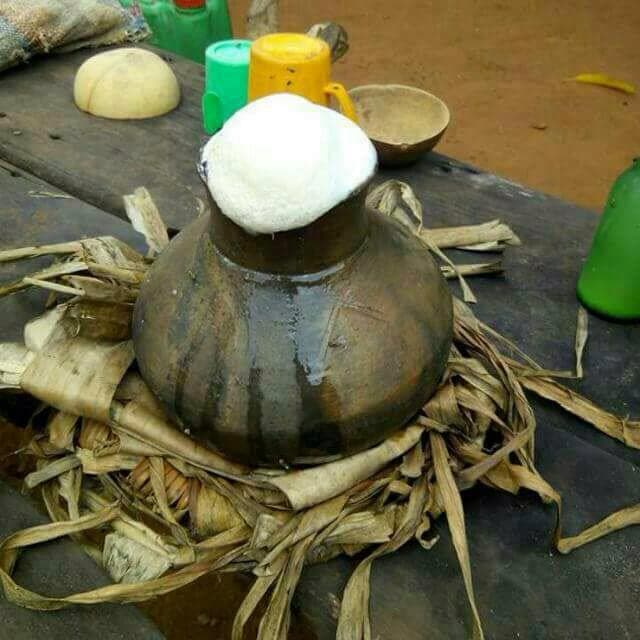
Palm Wine
Fermented sap tapped from palm trees, lightly alcoholic with a sweet-sour edge. Drunk fresh, it holds a firm place in local tradition.
33 Export
A widely drunk Cameroonian lager, crisp and easy to down in the tropical heat.
Soft Beverages
Discover Cameroon's traditional non-alcoholic drinks, from local teas to refreshing juices.
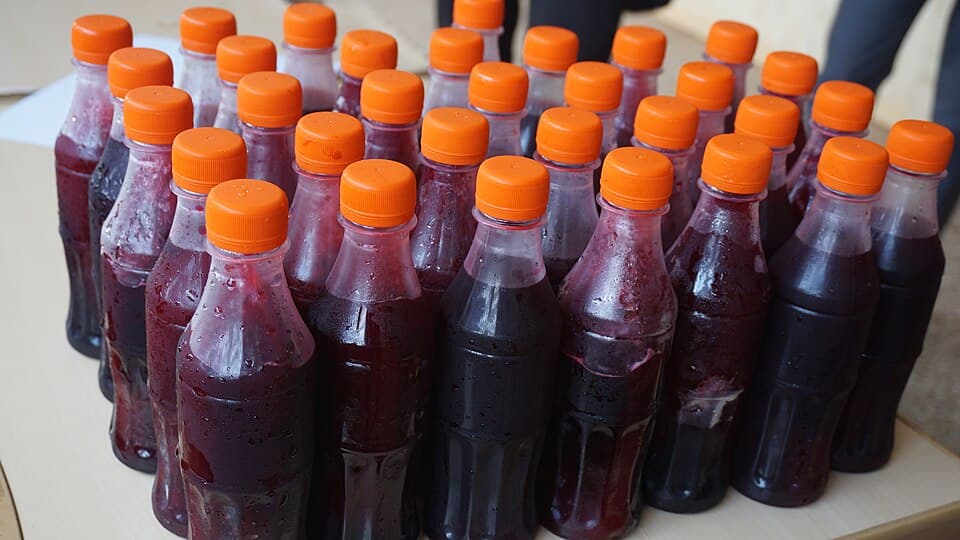
Bissap (Hibiscus Tea)
A cooling drink steeped from hibiscus flowers, served chilled with sugar and sometimes ginger or mint.
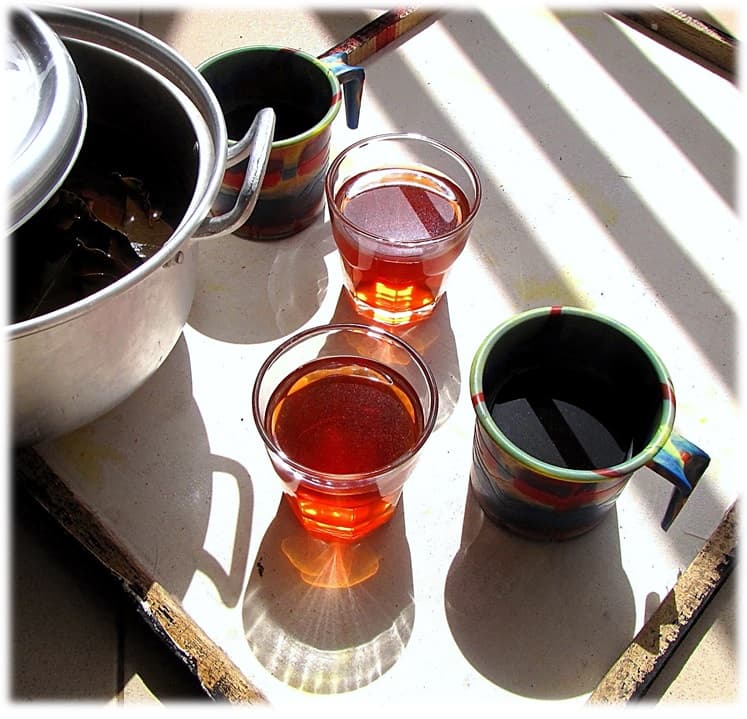
Kinkeliba Tea
A herbal tea brewed from kinkeliba leaves and long taken for its supposed health benefits.
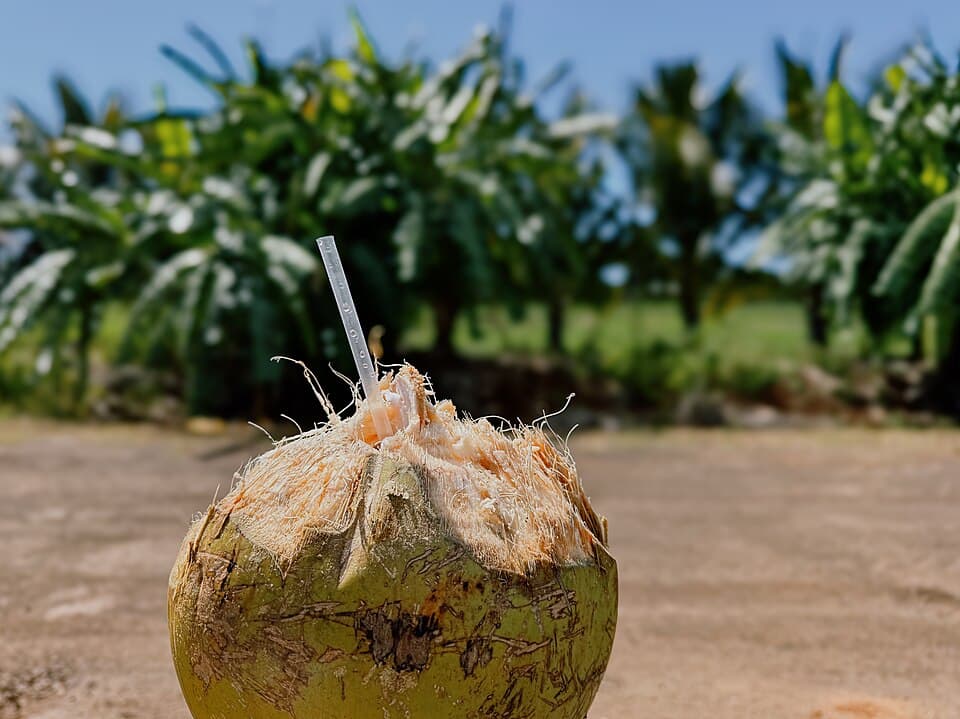
Fresh Coconut Water
Straight from the coconut, naturally sweet and hydrating.
Frequently Asked Questions
Essential information about food and dining in Cameroon.
What is the national dish of Cameroon?
Cameroon's most iconic dishes include Ndolé, Eru (Okok), Achu Soup (Yellow Soup). Cameroon's unofficial national dish: a thick, savory stew of bitterleaf greens and groundnut paste cooked in palm oil with beef, shrimp, and dried fish. It comes from the Sawa people of Douala, and the layered flavors take real time to build.
Is street food safe in Cameroon?
Street food in Cameroon can be enjoyed safely by following these guidelines: Drink bottled or purified water. Look for busy vendors with high turnover, ensure food is cooked fresh and served hot, and avoid raw ingredients if you have a sensitive stomach.
What are the best restaurants in Cameroon?
Cameroon offers excellent dining experiences. Top-rated restaurants include La Mandarine, La Terrasse. These establishments showcase authentic Cameroon cuisine with professional service and high-quality ingredients.
Can vegetarians find food easily in Cameroon?
Vegetarian options in Cameroon are mediumly available. Vegetarians can rely on koki (steamed bean cake), plantains, eru cooked with spinach, and a range of vegetable stews. Ask, and many traditional dishes will be made without meat.. Many restaurants offer vegetarian dishes, and you'll find plant-based ingredients featured prominently in local cuisine.
What is the average cost of a meal in Cameroon?
Meal costs in Cameroon depend on where you eat. Street food and casual local restaurants are very affordable, typically offering complete meals for a few dollars. Mid-range restaurants charge moderate prices, while fine dining establishments are comparably priced to Western countries.
What are common food allergens in Cameroon?
Common allergens in Cameroon cuisine include Peanuts, Shellfish, Gluten. Groundnut (peanut) paste is essential in many Cameroonian dishes. These ingredients appear in dishes like Ndolé, Groundnut soup. Always inform restaurant staff about your allergies.
When is the best time to visit Cameroon for food?
Cameroon offers great food experiences throughout the year. However, visiting during harvest seasons (typically spring and autumn) provides access to the freshest local ingredients. Food festivals and cultural celebrations also offer unique culinary experiences worth planning around.