
South Sudan Food Guide
Content Information
Recently updated🔥Current Food Trends 2026
What's happening in South Sudan's culinary scene right now
South Sudan became the world's youngest country in 2011, and its food carries the marks of both East African and Arab cooking. Meals are built on grains, mostly sorghum, millet, and maize, alongside vegetables and meat, with ingredients grown close to where they are eaten. Kisra, the fermented sorghum flatbread, still anchors most plates; its faint sourness works against the heat of a stew. Asida, the thick millet porridge, is the dish families gather around, eating from one bowl with their hands. Cooks largely stick to the methods their parents used. Sorghum, millet, and cassava dominate the fields because they handle the climate. Into 2026, a small but steady number of food-minded travelers has begun seeking out these traditional meals, and the markets in Juba keep turning out fresh produce and quick, filling dishes. Eating together around a shared plate of asida is as much about holding a family or community together as it is about the food. Home-brewed drinks also hold their place despite the spread of bottled alternatives.
Food Safety Tips
Essential food safety information to help you enjoy South Sudan's cuisine safely and confidently.
Always drink bottled or boiled water
Tap water is not safe for drinking in South Sudan. Always use bottled water or water that has been boiled for at least one minute. Avoid ice in drinks unless you are certain it was made with purified water.
Choose busy vendors with high turnover
Street food is usually fine at busy stalls where dishes are cooked to order and the vendor keeps the area clean. Stick to food served hot off the heat.
Be cautious with foods left at room temperature
The heat in South Sudan spoils food quickly, so skip anything that has been left out for a while. Go for meals cooked fresh and fruit you peel yourself.
Ensure meat is thoroughly cooked
Eat meat only when it is well cooked and served hot. Go easy on dairy and choose pasteurized options where you can find them.
Dietary Options
vegetarian
MEDIUM AVAILABILITYVegetarians can eat reasonably well, mainly on beans, lentils, and vegetables. Ful medames, vegetable stews, and grain dishes like asida all work without meat. Spell out what you need when ordering.
vegan
LOW AVAILABILITYVegan eating is harder, since dairy and animal products show up in a lot of dishes. Plenty of grain, bean, and vegetable preparations are naturally vegan, though. Be explicit that you want no meat, dairy, or other animal products.
gluten-free
LOW AVAILABILITYEating gluten-free is tricky here because wheat and sorghum are everywhere. Dishes built on rice, millet, cassava, and pure corn are your safest bets. Cross-contamination is a real risk, so be clear about your needs.
halal
HIGH AVAILABILITYWith a sizable Muslim population, halal food is easy to find, particularly in towns and cities. Most meat sold in the markets is already prepared the halal way.
Common Allergens
Peanuts
HIGH PREVALENCEPeanuts and peanut paste turn up constantly, especially in stews and vegetable dishes.
COMMONLY FOUND IN:
Sesame
MEDIUM PREVALENCESesame seeds and sesame paste show up in a range of dishes and condiments.
COMMONLY FOUND IN:
Fish
MEDIUM PREVALENCEFish is common wherever there is water nearby, especially along the Nile.
COMMONLY FOUND IN:
Essential Food Experiences
These iconic dishes represent the must-have culinary experiences that define South Sudan's food culture for travelers.

Kisra
Kisra anchors most South Sudanese meals. Made from fermented sorghum or wheat flour, it cooks up thin and pancake-like, and the faint sourness from fermentation cuts through heavy, often spicy stews. It almost always comes alongside a main dish rather than on its own. Knowing how to make good kisra is a point of pride, and the skill tends to pass from one cook to the next within a family.

Asida (Aseeda)
Asida is thick porridge made from sorghum or millet flour, and for many South Sudanese it is the food that means home. It is served with a stew or soup, and everyone reaches into the same dish, scooping the porridge and soaking it in sauce. Eating this way, shoulder to shoulder around one bowl, is part of the point. The dish is plain but filling, and it has been keeping families fed for generations.

Ful Medames
Ful medames is a filling fava bean dish and a good example of how much South Sudanese cooking leans on legumes. It packs in fiber and protein, and cooks usually top it with chopped onions, tomatoes, boiled eggs, and a little olive oil. Most people eat it for breakfast or lunch. Plain, hearty home food.

Bamia (Okra Stew)
Bamia is a much-loved okra stew, with the pods simmered down in a tomato sauce that often includes lamb or beef. The name comes from the Arabic word for okra. Okra turns silky as it cooks, and against the spices in the sauce it makes a satisfying plate, usually served over rice or with kisra. For most people here it is squarely home and family-gathering food.

Malakwang
Malakwang is a sour leaf vegetable dish with a tang you do not find in much else. The leaves are boiled, then worked together with peanut paste into a creamy, rich side that sits well next to starchy staples like kisra or ugali. It is a good example of how local cooks build meals around whatever greens are growing nearby.

Kajaik (Fish Stew)
Kajaik is a fish stew you find wherever there is water close by, above all along the Nile. Fresh fish is simmered with tomatoes, onions, and local spices into something hearty and high in protein, usually served with kisra or rice. It says a lot about the role fishing communities play in how this country eats.

Walwal (Wala-Wala)
Walwal is a millet porridge and one of the country's old standbys. It sits close to asida but is made a little differently. Filling and nutritious, it is eaten at breakfast or as a main meal, and the millet gives the energy that makes it a daily staple for many families.

Combo
Combo is spinach or other leafy greens cooked down with peanut butter and tomatoes, which thicken into a rich, nutty sauce. It is the kind of dish that makes a good meal out of whatever greens are on hand. Usually served with kisra or rice.

Cassava Dishes
Cassava, also called manioc, is a key staple, cooked any number of ways: boiled, fried, or ground into flour for bread. The leaves get cooked as a vegetable too. The plant shrugs off drought and delivers solid carbohydrates, and using both root and leaves wastes nothing.

Tamia (Falafel)
Tamia is the local take on falafel, carried over from Arab cooking. Ground fava beans or chickpeas are mixed with herbs and spices, shaped into balls or patties, and deep-fried until crisp. It comes with bread, tahini sauce, and vegetables, and you find it as street food and a snack all over the country.

Goat Meat Soup
This is a hearty soup of goat meat, vegetables, and spices. Goat is one of the most widely eaten meats in South Sudan, and the soup tends to appear at gatherings and special occasions. Slow cooking leaves the meat tender and the broth deeply savory; it is served with kisra or bread.
Regional Specialties & Local Favorites
Discover the authentic regional dishes and local favorites that showcase South Sudan's diverse culinary traditions.

Mandazi
Mandazi is a fried pastry along the lines of a doughnut, lightly sweet and often scented with coconut or cardamom. People eat it for breakfast or as a snack with tea or coffee. Like a lot of South Sudanese food, it carries both Arab and East African fingerprints.
Allergens:

Gurassa
Gurassa is a soft, slightly chewy yeasted pancake bread, eaten at breakfast or as a snack. It goes with honey or butter, or alongside savory dishes. It belongs to the family of wheat breads that are common here.
Allergens:

Ful Sudani (Peanut Sweet)
A sweet snack of peanuts and sugar, sometimes with sesame seeds. Kids especially go for it, and it gets eaten at any hour. It speaks to how central peanuts are here and how much people like a simple homemade sweet.
Allergens:
Dried Fish
Fish dried in the sun, which keeps for a long time and gives people a steady protein source. Dropped into stews and soups, it adds a deep, savory hit. In places without reliable refrigeration, drying is how the catch gets stored.
Allergens:

Groundnut Stew
A creamy stew built on peanut butter, with vegetables and often meat. The peanut base thickens into a rich sauce that goes well with rice or kisra. Another sign of how much South Sudanese cooking relies on the peanut.
Allergens:

Ugali
A stiff maize-flour porridge, much like asida but made with corn rather than sorghum or millet. Ugali is a staple right across East Africa. You eat it by hand, rolling a piece into a ball to scoop up stew and vegetables.

Roasted Groundnuts
Roasted peanuts sold by the handful at markets, often in little paper cones. Roasting deepens the nutty flavor. Cheap, easy, and eaten at any time of day.
Allergens:

Sweet Tea
Strong, sweet tea, often spiced with cardamom or ginger. Tea runs through daily life here and is central to how people show hospitality. A pot goes on for guests at almost any hour, and sharing it is part of how people connect.
Regional Cuisine Highlights
Explore the diverse culinary landscapes across different regions of South Sudan.
Greater Upper Nile
This region sits on the Nile, and the cooking leans heavily on fish and what the river provides. The Nile keeps the area in freshwater fish, and it shows up across local plates. Fish stews, dried fish, and grilled fish are everyday eating.
Cultural Significance:
The Nile has fed people here for thousands of years, and fishing is bound up in who they are. The ways of cleaning, drying, and cooking the catch get handed down from one generation to the next.
Signature Dishes:
- Kajaik (fish stew)
- Dried Nile fish
- Grilled tilapia
- Fish with kisra
Key Ingredients:
Equatoria
A southern region with a wider range of crops and clear influences from neighboring Uganda and Congo. Cassava, sweet potatoes, and assorted vegetables feature heavily. The food here carries less Arab influence than what you find further north.
Cultural Significance:
With many ethnic groups and fertile land, Equatoria has built up a varied set of food traditions. Its cooking shows ties to both Central and East Africa.
Signature Dishes:
- Cassava dishes
- Sweet potato preparations
- Green vegetable stews
- Groundnut-based sauces
Key Ingredients:
Bahr el Ghazal
A western region built around cattle and a herding way of life. Dairy, especially milk and ghee, matters more here than elsewhere. Sorghum and millet are still the staples, cooked into the kind of simple, hearty meals that suit life on the move.
Cultural Significance:
For the Dinka and other groups here, cattle are at the center of identity, not just diet. The food traditions grow straight out of a nomadic herding past and the value placed on livestock.
Signature Dishes:
- Asida with milk
- Meat stews
- Milk-based drinks
- Sorghum porridges
Key Ingredients:
Sweet Delights & Desserts
Indulge in South Sudan's traditional sweet treats and desserts.
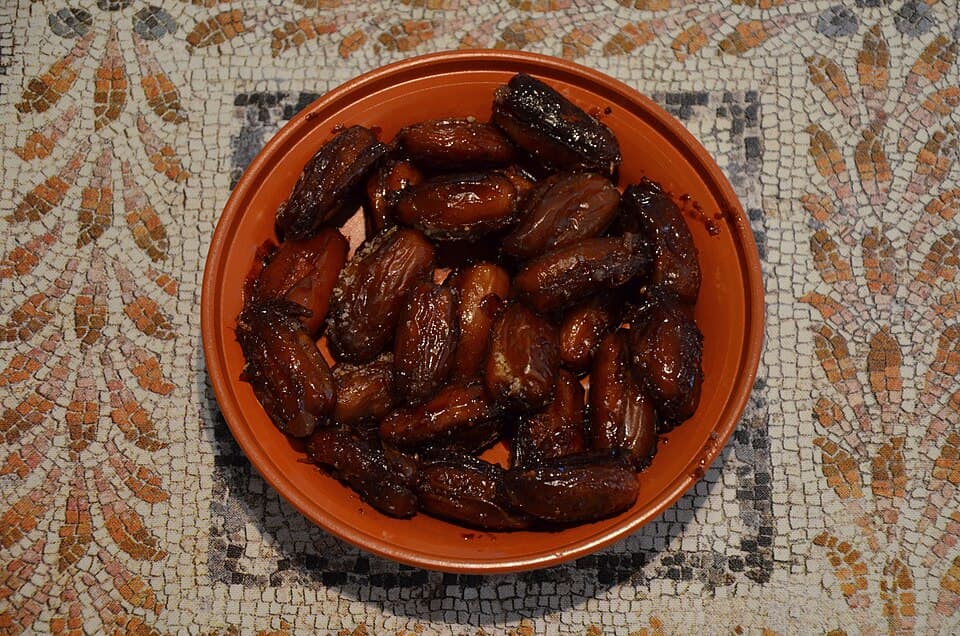
Date Sweets
Simple sweets made from dates, sometimes stuffed with nuts or rolled in sesame seeds. The dates do the sweetening, and these tend to come out during Ramadan and on special occasions. Another piece of the Arab influence on local cooking.
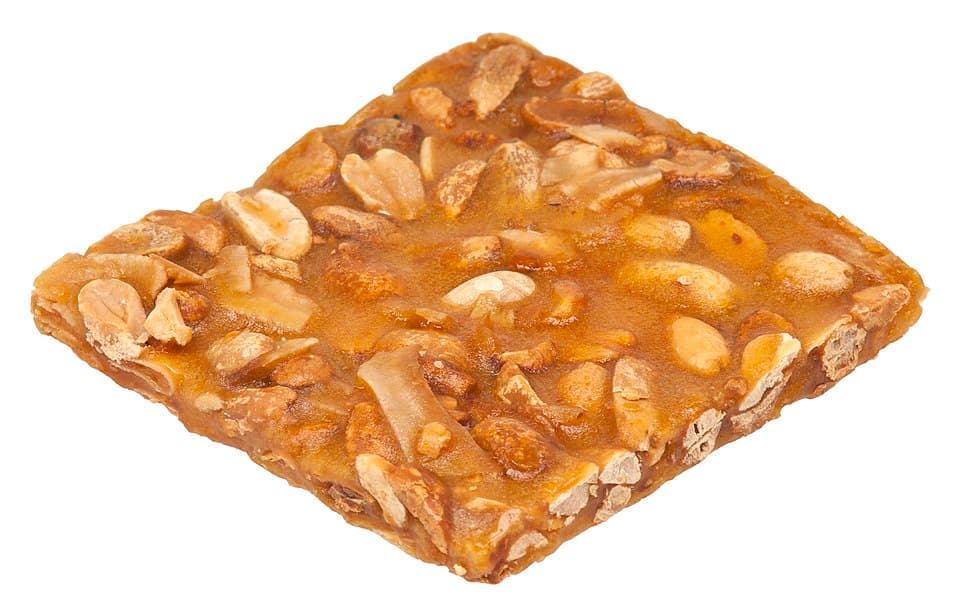
Ful Sudani Sweet
A confection of peanuts held together with sugar syrup, sometimes flavored with sesame or vanilla. Children love it, and most of it is made at home. A plain but satisfying way to use the peanuts that grow everywhere here.

Honey Cakes
Plain cakes or cookies sweetened with honey, a nod to the days before sugar was easy to come by. They show up for celebrations and get served with tea.
Traditional Beverages
Discover South Sudan's traditional drinks, from locally produced spirits to regional wines.
Merissa
A fermented beer brewed from sorghum or millet, poured at celebrations and gatherings. It is only mildly alcoholic, with a slight sourness from the fermentation.
Aragi
A stronger spirit distilled from dates or grains, brought out for special occasions and celebrations. It comes from a long-standing tradition of home distilling.
Soft Beverages
Discover South Sudan's traditional non-alcoholic drinks, from local teas to refreshing juices.
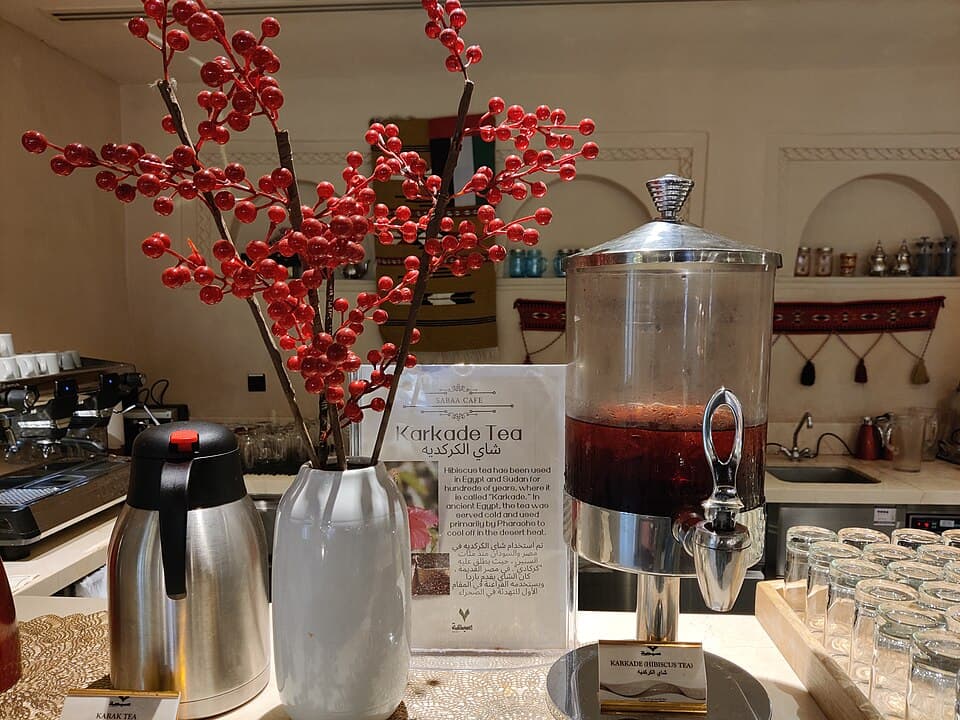
Karkade (Hibiscus Tea)
Tea steeped from dried hibiscus flowers, served hot or cold. It comes out deep red, with a tart, fruity edge, and usually gets a spoon of sugar. High in vitamin C and antioxidants.

Chai (Spiced Tea)
Strong black tea spiced with cardamom, ginger, or cinnamon, served very sweet and with milk. It is part of the daily routine and a standard way to welcome a guest.
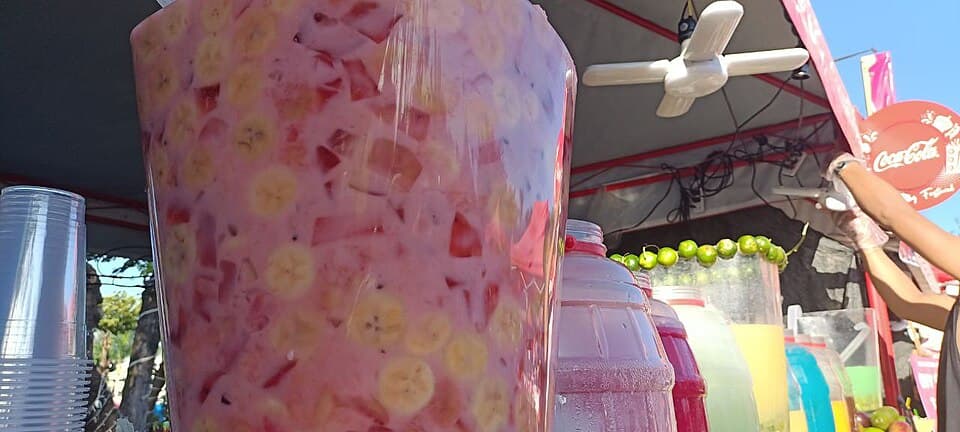
Fresh Fruit Juices
Juices pressed from local fruit such as mango, guava, and tamarind. Markets and restaurants serve them fresh, and they are welcome relief in the heat.
Tamarind Drink
A tart drink made by soaking tamarind pods in water and sweetening the result. People reach for it to cool down, drawn by its sweet-sour kick.
Frequently Asked Questions
Essential information about food and dining in South Sudan.
What is the national dish of South Sudan?
South Sudan's most iconic dishes include Kisra, Asida (Aseeda), Ful Medames. Kisra anchors most South Sudanese meals. Made from fermented sorghum or wheat flour, it cooks up thin and pancake-like, and the faint sourness from fermentation cuts through heavy, often spicy stews. It almost always comes alongside a main dish rather than on its own. Knowing how to make good kisra is a point of pride, and the skill tends to pass from one cook to the next within a family.
Is street food safe in South Sudan?
Street food in South Sudan can be enjoyed safely by following these guidelines: Always drink bottled or boiled water Be cautious with foods left at room temperature. Look for busy vendors with high turnover, ensure food is cooked fresh and served hot, and avoid raw ingredients if you have a sensitive stomach.
What are the best restaurants in South Sudan?
South Sudan offers diverse dining options from street food stalls to upscale restaurants. For the best experience, ask locals for recommendations, check recent reviews, and look for restaurants that specialize in regional cuisines.
Can vegetarians find food easily in South Sudan?
Vegetarian options in South Sudan are mediumly available. Vegetarians can eat reasonably well, mainly on beans, lentils, and vegetables. Ful medames, vegetable stews, and grain dishes like asida all work without meat. Spell out what you need when ordering.. Many restaurants offer vegetarian dishes, and you'll find plant-based ingredients featured prominently in local cuisine.
What is the average cost of a meal in South Sudan?
Meal costs in South Sudan depend on where you eat. Street food and casual local restaurants are very affordable, typically offering complete meals for a few dollars. Mid-range restaurants charge moderate prices, while fine dining establishments are comparably priced to Western countries.
What are common food allergens in South Sudan?
Common allergens in South Sudan cuisine include Peanuts, Sesame, Fish. Peanuts and peanut paste turn up constantly, especially in stews and vegetable dishes.. These ingredients appear in dishes like Malakwang, Groundnut stews. Always inform restaurant staff about your allergies.
When is the best time to visit South Sudan for food?
South Sudan offers great food experiences throughout the year. However, visiting during harvest seasons (typically spring and autumn) provides access to the freshest local ingredients. Food festivals and cultural celebrations also offer unique culinary experiences worth planning around.