
Guinea Food Guide
Content Information
Recently updatedFood Safety Tips
Essential food safety information to help you enjoy Guinea's cuisine safely and confidently.
Drink bottled or purified water only
Tap water in Guinea is not safe to drink. Always use bottled or purified water, including for brushing teeth and washing produce.
Choose busy vendors with high turnover
Street food is fine when you pick stalls that cook to order. Long queues usually mean fast turnover and fresher food. Check that the vendor keeps a clean workspace.
Be cautious with foods left at room temperature
In the heat, food left sitting out spoils fast. Stick to meals that come to you hot off the stove.
Dietary Options
vegetarian
MEDIUM AVAILABILITYMost restaurants have something vegetarian, though a lot of the traditional cooking leans on meat. Ask for Fouti (fonio with okra), rice with vegetable sauces, or peanut stews.
vegan
LOW AVAILABILITYVegan food can be hard to find in traditional restaurants, but plenty of rice and grain dishes can be made without animal products. Spell out what you need when you order.
gluten-free
MEDIUM AVAILABILITYEating gluten-free is straightforward here since rice, fonio, and cassava are staples. Stick to local dishes built on these grains.
Common Allergens
Peanuts
HIGH PREVALENCEPeanuts (groundnuts) are extensively used in Guinean cuisine, particularly in sauces and stews
COMMONLY FOUND IN:
Fish and Shellfish
HIGH PREVALENCESeafood is widely used, especially in coastal regions
COMMONLY FOUND IN:
Palm Oil
HIGH PREVALENCEPalm oil is a key ingredient in many traditional dishes
COMMONLY FOUND IN:
Essential Food Experiences
These iconic dishes represent the must-have culinary experiences that define Guinea's food culture for travelers.

Riz Gras (Fat Rice)
Guinea's take on West African Jollof rice. Where Nigerian Jollof tends to run hot, the Guinean version is usually milder but deep in flavor. The broth starts with tomato paste and onions, often with carrots, cabbage, and eggplant cooked in. The 'gras' (fat) comes from the oil and juices of the meat or fish that simmers alongside the rice. One bowl makes a full meal, and you'll see it served at ceremonies.

Fouti (Foutti)
A fonio dish from the Fouta Djallon region, usually eaten in the evening. It combines fonio with okra and rice. The okra boils with hot peppers and eggplant, then gets ground into a thick sauce and seasoned. People once called it the meal of the poor since it has no meat or fish, but well-off families eat it too now. It tastes good, sits light, and comes together fast for anyone short on time.

Tô
Cassava, corn, millet, or sorghum flour cooked with water to a dough-like consistency. You work the mixture hard with a wooden spoon until it turns smooth and elastic. It's close to Foufou or N'dolé elsewhere in West Africa, though how it's made shifts from region to region. The plain base soaks up whatever sauce or stew it's served with. Look for it on city streets and at cafés and restaurants.

Sauce Feuille (Leaf Sauce)
A sauce built on leafy greens, usually cassava leaves, sweet potato leaves, or spinach. It carries palm oil, onions, and tomatoes, and often fish, chicken, beef, or smoked meat. Cooks make it their own way, so the recipe changes from one kitchen to the next. Served over rice or with fufu.

Mafé (Peanut Stew)
A peanut-sauce dish from Upper Guinea, served with rice or couscous. The creamy stew comes together from ground peanuts, tomatoes, onions, and meat (beef, chicken, or lamb). The sauce is thick and nutty, and it shows how central peanuts are to cooking in Guinea.

Poulet Yassa
Chicken marinated with onions, lemon juice, and mustard. After a few hours in the marinade, the chicken is grilled, then simmered with caramelized onions until it falls apart. Served with rice. It carries the French-African mix you find in Guinean cooking.

Sauce Graine (Palm Nut Sauce)
A sauce of palm nuts, okra, tomatoes, and palm oil. The palm nuts are boiled, mashed, and strained for a thick liquid that gives the sauce its deep color. Smoked fish or meat often goes in. Served with rice or fufu.

Konkoé (Coastal Sauce)
A fiery sauce from the coast of Guinea Maritime. It runs very hot, made with chili peppers, tomatoes, onions, and seafood. The heat says a lot about how the coast likes to eat.

Fufu
Mashed cassava or plantain, a starchy staple. You boil and pound it until smooth and elastic. People swallow it in small balls rather than chew it, usually with a soup or sauce. You find it across West Africa.

Domoda
A peanut stew common in Lower Guinea, with cooking ties to Liberia and Sierra Leone. Meat simmers in a thick peanut sauce with sweet potatoes, tomatoes, and spices. Filling and warming, and it varies from place to place.
Regional Specialties & Local Favorites
Discover the authentic regional dishes and local favorites that showcase Guinea's diverse culinary traditions.
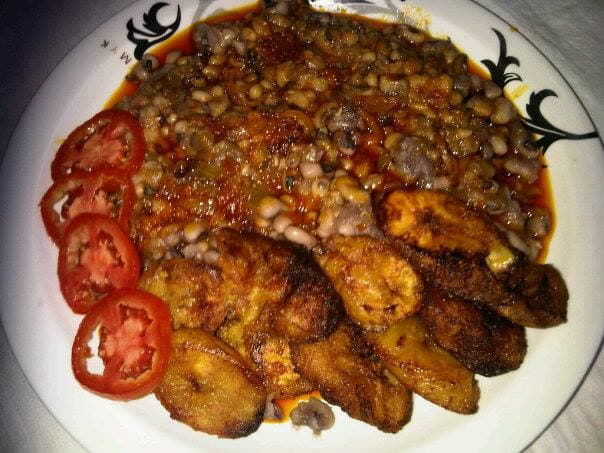
Fried Plantains
A side dish or snack you see everywhere in Guinea. Ripe plantains are sliced and fried until golden and caramelized. Riper fruit goes sweet, less ripe goes savory. They usually turn up next to rice and stews.
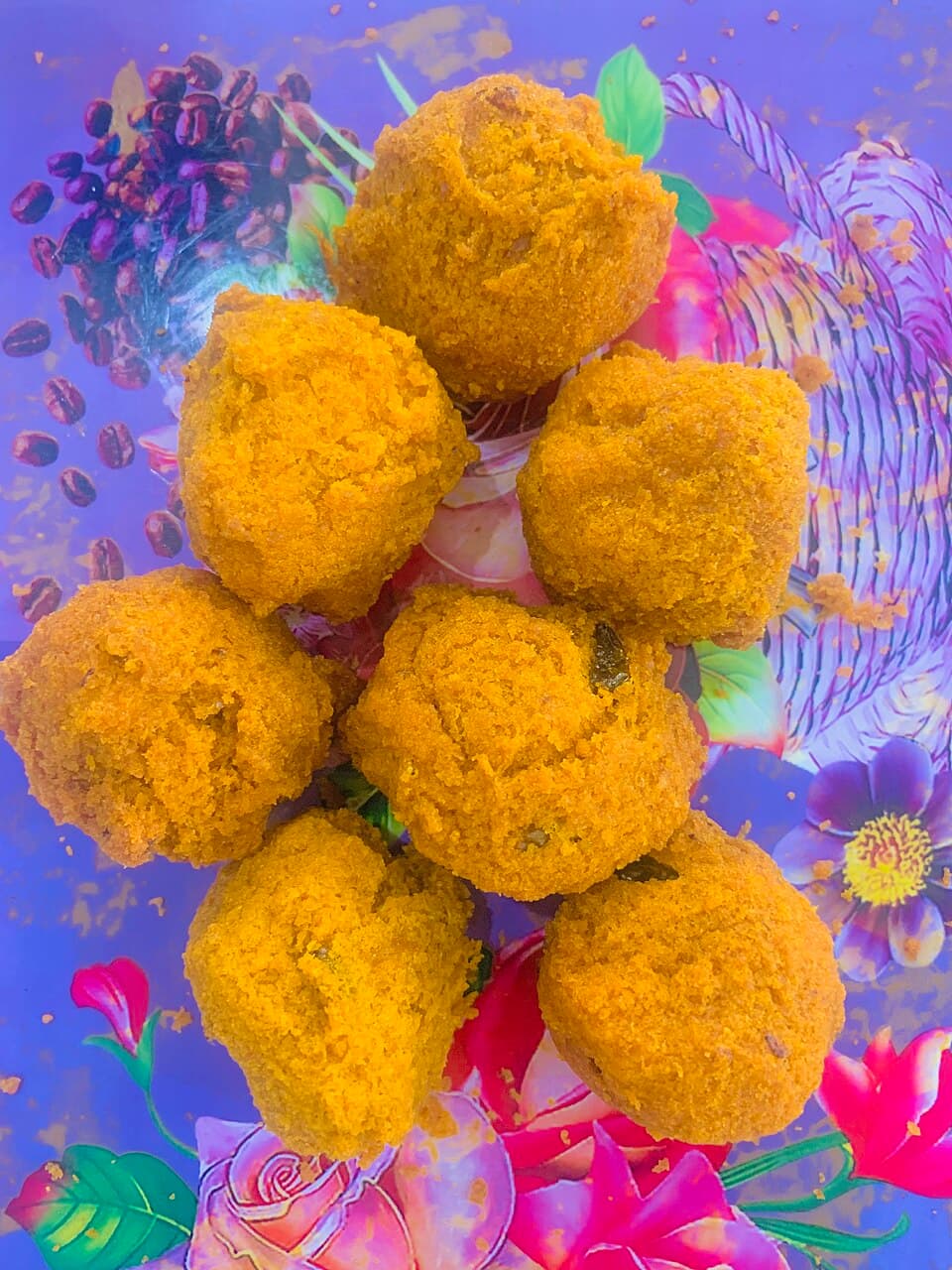
Accara (Bean Fritters)
Black-eyed pea fritters, the same idea as akara across West Africa. Blended black-eyed peas are mixed with onions, peppers, and spices, then deep-fried. A common breakfast and a street snack.
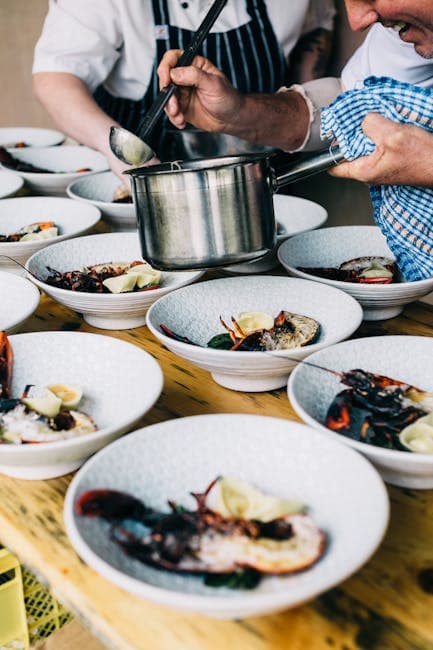
Boiled Mango
A Guinean preparation where unripe mangoes are boiled with spices. It works as a side dish or a snack, and makes good use of fruit that isn't ready to eat raw.
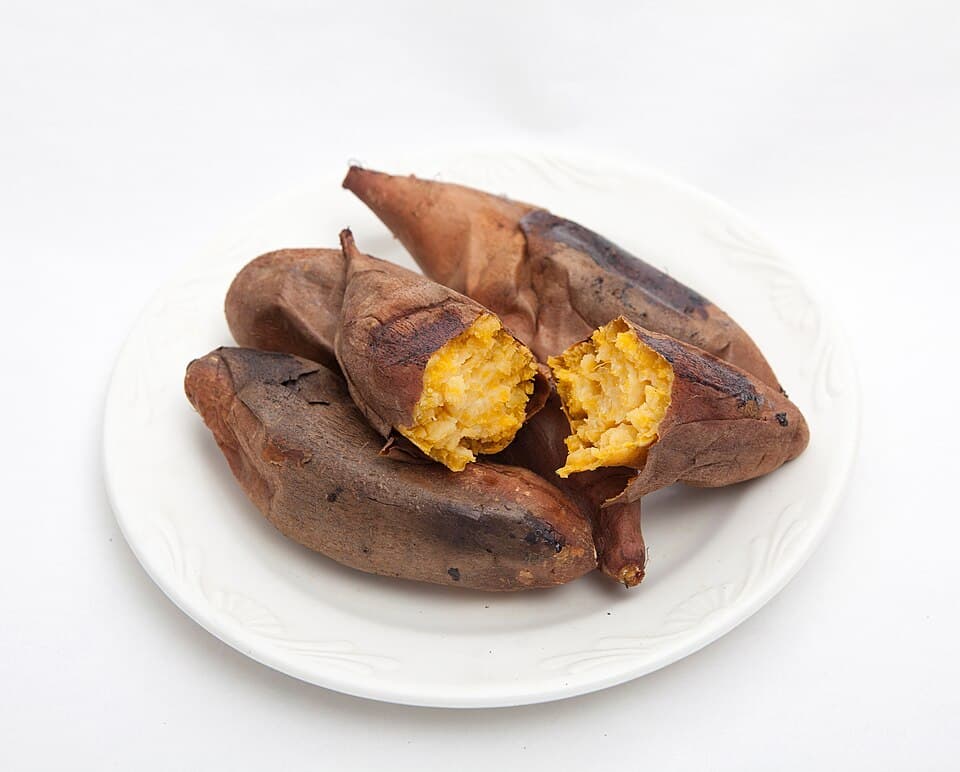
Patates (Sweet Potatoes)
Sweet potatoes done a few ways: boiled, fried, or roasted. A common side across Guinea, often with a spicy sauce or sold on the street.
Sauce Arachide
A peanut butter sauce with tomatoes and onions. It goes with rice, couscous, or tubers, and shows how much groundnuts figure in everyday cooking.
Allergens:
Sauce Gombo (Okra Sauce)
An okra sauce with tomatoes and meat. The okra thickens it on its own and adds nutrition. Eaten across Guinea with whatever starch is on hand.
Regional Cuisine Highlights
Explore the diverse culinary landscapes across different regions of Guinea.
Fouta Djallon (Middle Guinea)
The cooking of Middle Guinea follows the highland climate and Fulani herding life. Millet is the main grain, behind dishes like Tô. Up in the highlands, dairy works its way into the sauces, with milk and fermented products. Grilled meat is common. Travelers can try foutou (yam or banana puree) and tô (a polenta-like dish), both served with sauce.
Cultural Significance:
The Fula (Peul), who herd livestock and move with it, build their food around dairy: milk, yogurt, and cheese. The region carries a long pastoral history and its own ways of cooking.
Signature Dishes:
- Fouti
- Tô
- Grilled meats
- Dairy products
- Foutou
Key Ingredients:
Upper Guinea
Upper Guinea, the northernmost region, is known for peanut sauces and stews. Rice is the staple, eaten with sauces of vegetables, meat, and fish. Mafé, the peanut stew, stands out here, served with rice or couscous. The region shares a lot of its cooking with Mali and Senegal.
Cultural Significance:
Cooking in Upper Guinea follows the semi-arid climate and the way people farm, leaning on groundnuts and grains grown in the savannah.
Signature Dishes:
- Mafé
- Rice dishes
- Peanut-based sauces
- Tuwo Shito
Key Ingredients:
Guinea Maritime (Coastal Guinea)
The coast runs on seafood: smoked fish, grilled prawns, oyster stews. Palm oil is everywhere. The fiery Konkoé sauce started here. Fish is at the center of the diet and gets cooked every which way. Here, Riz Gras is made with fish instead of meat, since the Atlantic is right there.
Cultural Significance:
Coastal cooking grows out of life by the sea and a steady supply of Atlantic seafood. Palm oil and chili peppers run through nearly everything.
Signature Dishes:
- Seafood dishes
- Smoked fish
- Konkoé sauce
- Grilled prawns
- Oyster stews
Key Ingredients:
Forest Region (Lower Guinea)
Lower Guinea borders Liberia and Sierra Leone and shares cooking with both. Fufu (mashed cassava or plantain) and Domoda (peanut stew) are common, and the region is known for its stews and soups. Dishes like tombo or tobogui are favorites of the Kpelle and Loma.
Cultural Significance:
The food of the Forest Region comes out of the thick tropical landscape and the back-and-forth with Liberia and Sierra Leone.
Signature Dishes:
- Fufu
- Domoda
- Tombo
- Cassava dishes
- Forest soups
Key Ingredients:
Sweet Delights & Desserts
Indulge in Guinea's traditional sweet treats and desserts.
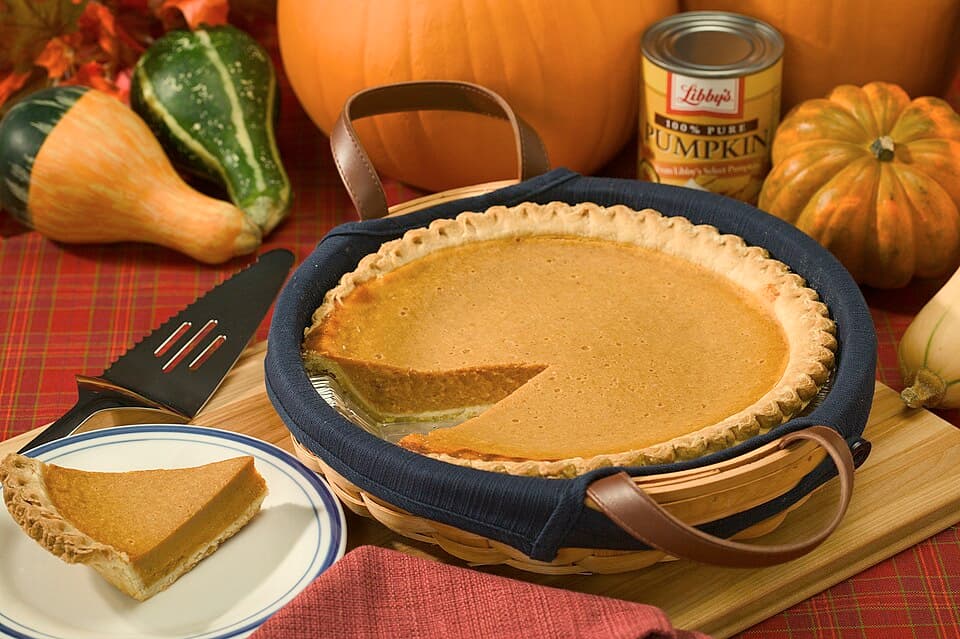
Pumpkin Pie
The Guinean pumpkin pie, usually less sweet than the Western kind. It uses local pumpkins, spices, and sometimes coconut. You see it at celebrations and special occasions.
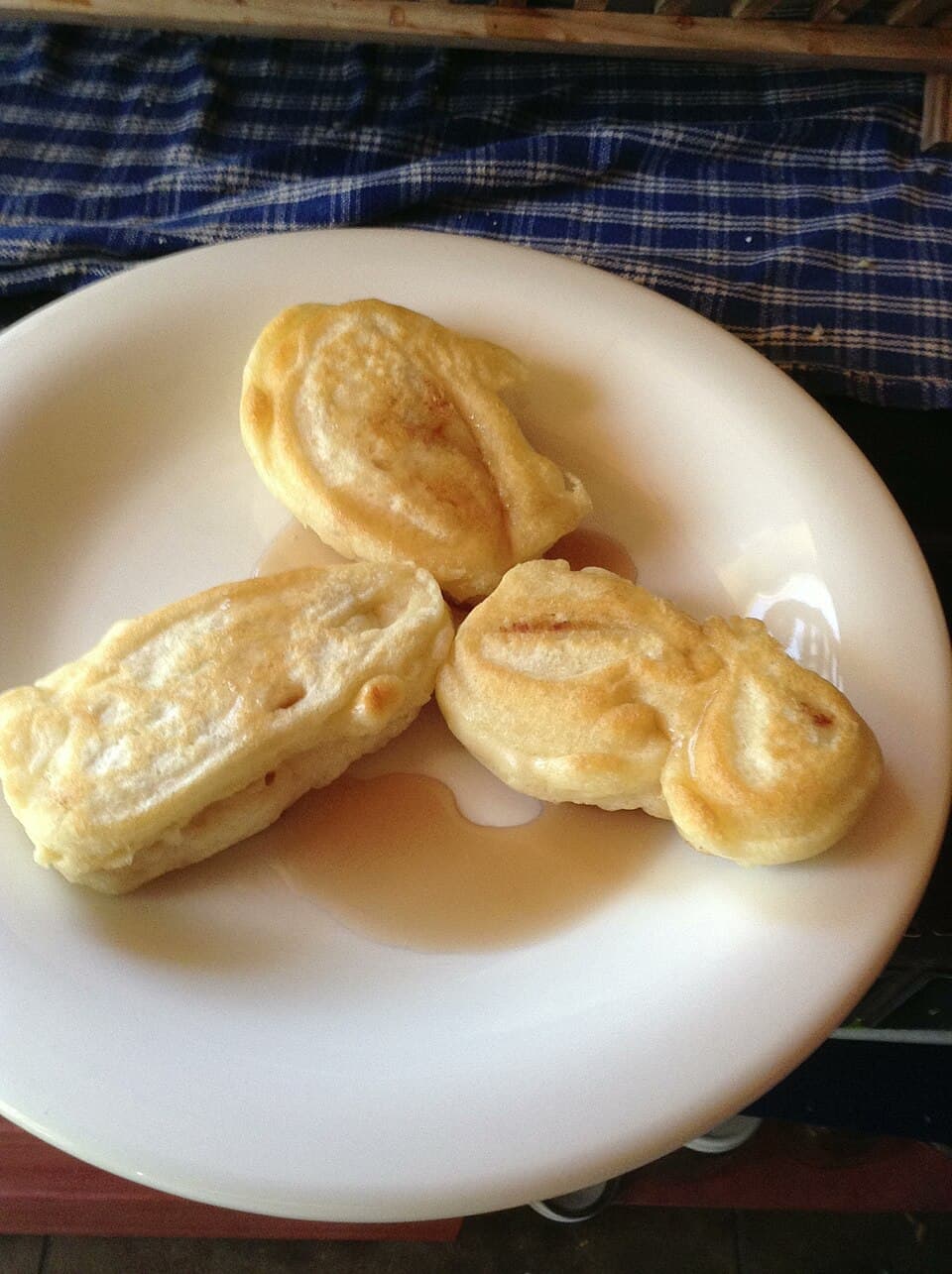
Banana Fritters
Ripe bananas mashed with flour, sugar, and spices, then deep-fried. A sweet snack you buy from street vendors. Simple, and good.
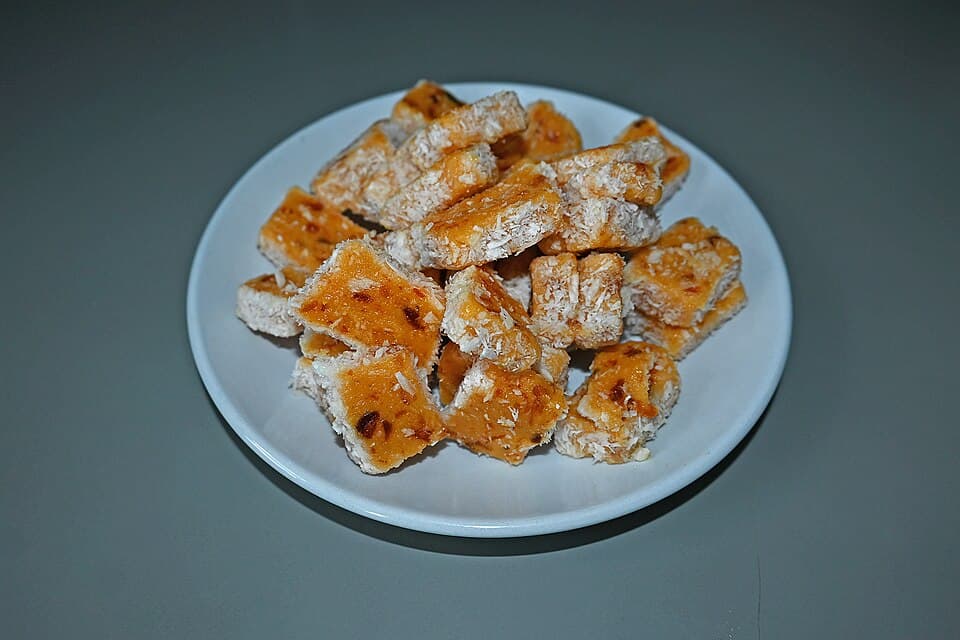
Coconut Candy
A sweet made from grated coconut, sugar, and sometimes condensed milk. It's shaped into balls or bars and sold on the street. You find it most along the coast.
Traditional Beverages
Discover Guinea's traditional drinks, from locally produced spirits to regional wines.
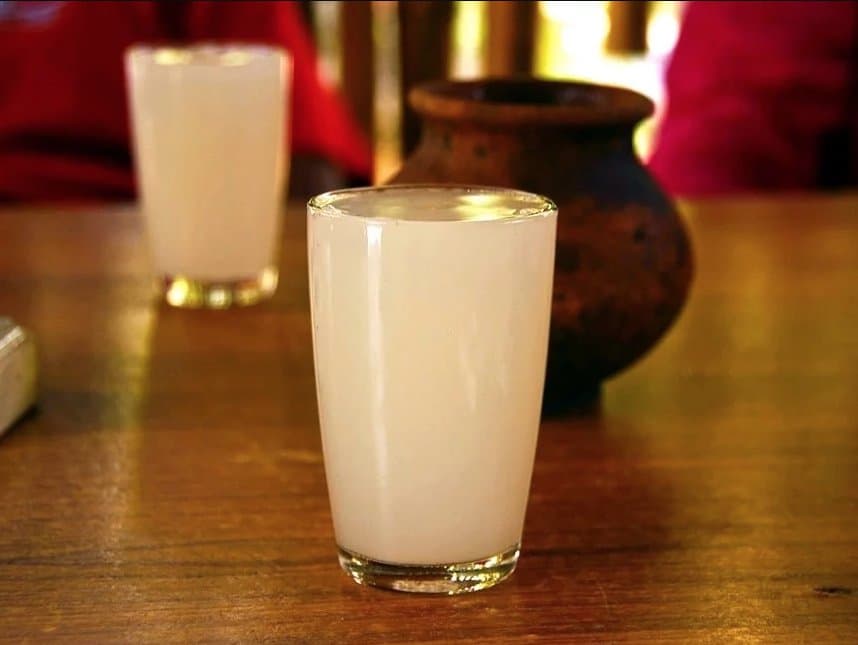
Palm Wine
An alcoholic drink tapped straight from palm trees. It ferments on its own, tasting sweet-sour with low alcohol when fresh. People drink it at celebrations, and it goes back a long way.
Soft Beverages
Discover Guinea's traditional non-alcoholic drinks, from local teas to refreshing juices.
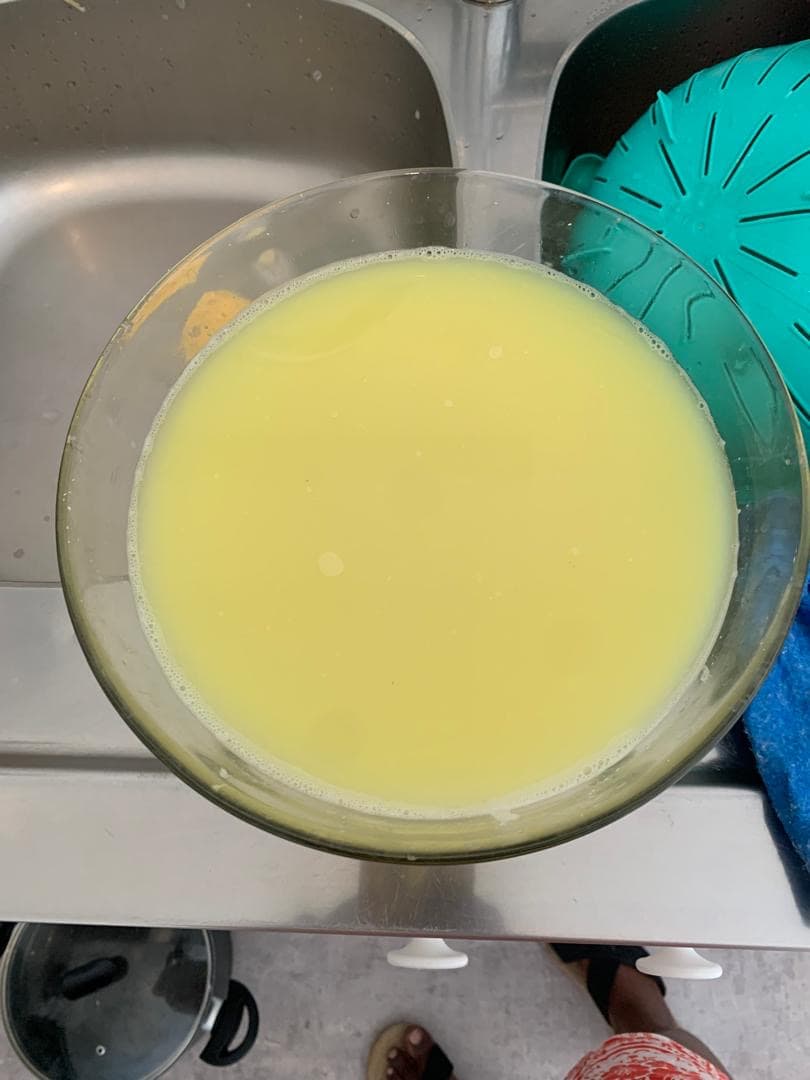
Ginger Juice (Gnamakoudji)
A drink of fresh ginger and sugar, sometimes with pineapple or lime. Served cold, it has a kick, and many drink it for its supposed health benefits. People have it any time of day.
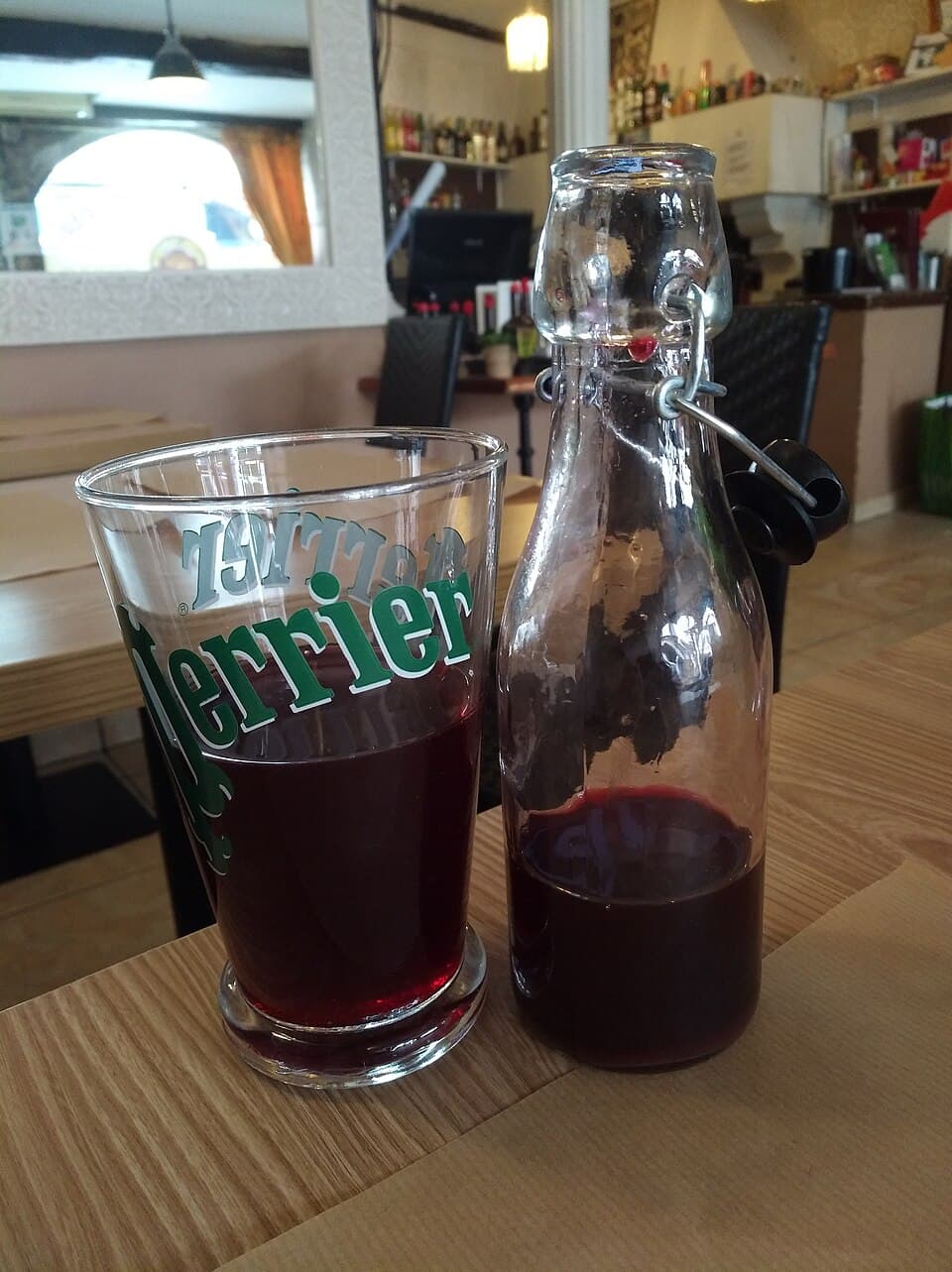
Bissap (Hibiscus Tea)
A drink made from hibiscus flowers and sugar, sometimes with mint. Served cold, it's tart like cranberry and a deep red. You find it all over West Africa.
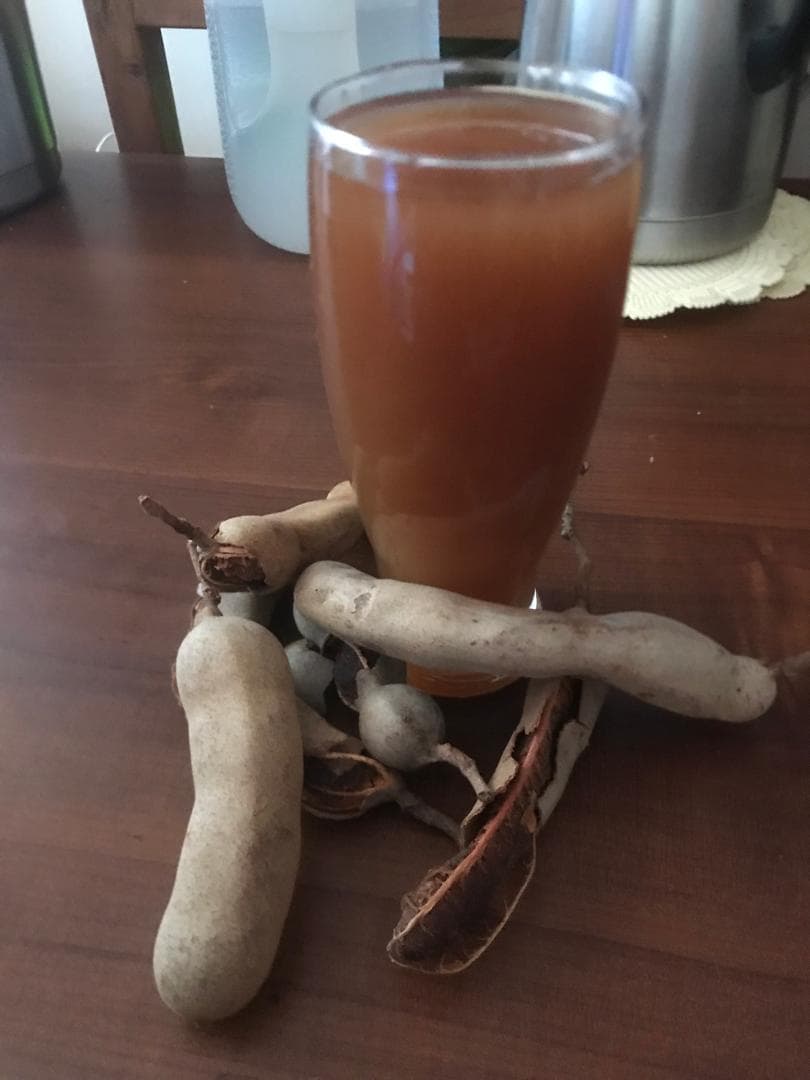
Tamarind Juice
A sweet-tart drink from tamarind pods, sugar, and water. It's good for you, with plenty of vitamins. Sold by street vendors and in restaurants.
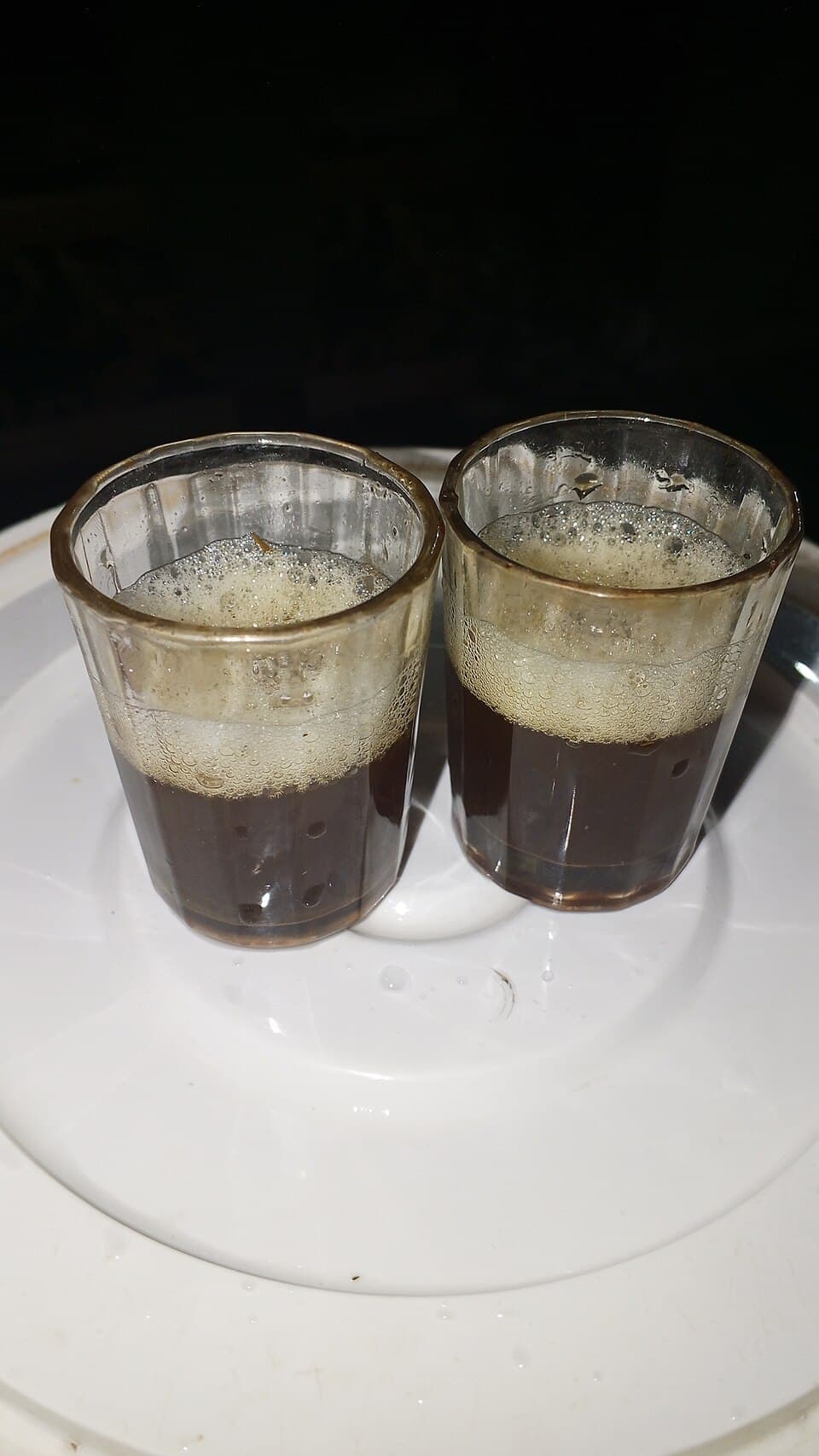
Green Tea (Ataya)
Strong green tea poured in three rounds, each one sweeter than the last. Making it is a social ritual, especially in the Fouta Djallon, and it draws on Moorish and Fulani custom.
Frequently Asked Questions
Essential information about food and dining in Guinea.
What is the national dish of Guinea?
Guinea's most iconic dishes include Riz Gras (Fat Rice), Fouti (Foutti), Tô. Guinea's take on West African Jollof rice. Where Nigerian Jollof tends to run hot, the Guinean version is usually milder but deep in flavor. The broth starts with tomato paste and onions, often with carrots, cabbage, and eggplant cooked in. The 'gras' (fat) comes from the oil and juices of the meat or fish that simmers alongside the rice. One bowl makes a full meal, and you'll see it served at ceremonies.
Is street food safe in Guinea?
Street food in Guinea can be enjoyed safely by following these guidelines: Drink bottled or purified water only. Look for busy vendors with high turnover, ensure food is cooked fresh and served hot, and avoid raw ingredients if you have a sensitive stomach.
What are the best restaurants in Guinea?
Guinea offers diverse dining options from street food stalls to upscale restaurants. For the best experience, ask locals for recommendations, check recent reviews, and look for restaurants that specialize in regional cuisines.
Can vegetarians find food easily in Guinea?
Vegetarian options in Guinea are mediumly available. Most restaurants have something vegetarian, though a lot of the traditional cooking leans on meat. Ask for Fouti (fonio with okra), rice with vegetable sauces, or peanut stews.. Many restaurants offer vegetarian dishes, and you'll find plant-based ingredients featured prominently in local cuisine.
What is the average cost of a meal in Guinea?
Meal costs in Guinea depend on where you eat. Street food and casual local restaurants are very affordable, typically offering complete meals for a few dollars. Mid-range restaurants charge moderate prices, while fine dining establishments are comparably priced to Western countries.
What are common food allergens in Guinea?
Common allergens in Guinea cuisine include Peanuts, Fish and Shellfish, Palm Oil. Peanuts (groundnuts) are extensively used in Guinean cuisine, particularly in sauces and stews. These ingredients appear in dishes like Mafé (peanut stew), Sauce arachide. Always inform restaurant staff about your allergies.
When is the best time to visit Guinea for food?
Guinea offers great food experiences throughout the year. However, visiting during harvest seasons (typically spring and autumn) provides access to the freshest local ingredients. Food festivals and cultural celebrations also offer unique culinary experiences worth planning around.