
Lithuania Food Guide
Content Information
Recently updated🔥Current Food Trends 2026
What's happening in Lithuania's culinary scene right now
Lithuanian food in 2026 is having a confident moment, with Michelin attention, a maturing new-Baltic movement, and renewed regional pride all pulling in the same direction. The Michelin Guide's Lithuania selection now lists four One-Star restaurants, eight Bib Gourmand spots, and two Green Stars for sustainability. Vilnius has become the Baltic city to watch: MOTÍF earned a recent Michelin nod, 14Horses took a Bib Gourmand for its unusual flavor pairings, and B'ARN Bistro won Opening of the Year on the strength of its shared-plates idea. Chefs are reshaping the canon too. At Gaspar's, Gaspar Fernandes folds his Goan-Portuguese background into Lithuanian produce, a fusion that wouldn't have made sense here a decade ago. The classics still anchor the table, though. Cepelinai stay in heavy rotation, kugelis comes out of the oven steaming with lingonberry jam, and the cold pink šaltibarščiai of summer gives way to a hot beet version once the weather turns. Potatoes remain the backbone of all of it: Lithuanians eat around 170kg per head each year, more than anyone else, and most people put away cepelinai, kugelis, or bulviniai blynai on a regular basis. Winter holidays bring their own rhythm, with kūčiukai poppy-seed biscuits, herring 'under a fur coat,' and the meatless 12-dish Kūčios on Christmas Eve. Regional identity is loud again. Samogitia pushes the protected status of its skilandis smoked sausage, Aukštaitija leans into a craft-beer scene that has been growing for years, and Dzūkija sells its mushroom-foraging tourism. The Vilnius dining map keeps widening: Ertlio Namas in a historic mansion, Džiaugsmas doing farm-to-table, Amandus on the modern-Lithuanian side, and Sweet Root holding a Green Star. Kaunas, still trading on its 2022 European Capital of Culture year, keeps pace through DIA, the monastery setting of Monte Pacis, and Uoksas. Sustainability is the throughline behind the Green Stars at Džiaugsmas in Vilnius and 19 in Kaunas, both built on zero-waste kitchens and local sourcing. In Trakai, the Karaite community guards its kibinai, the lamb- or beef-filled hand pies tied to a Turkic Jewish minority that settled here in the 14th century. Dark rye bread, ruginė duona, turns up at every meal and sits on the UNESCO intangible-heritage shortlist. Around the holidays, the stalls on Vilnius Cathedral Square sell mulled wine, grilled sausages, potato pancakes, and gingerbread. Farm-to-table sourcing keeps deepening as small growers near Vilnius and Trakai supply restaurants and regional produce festivals. On the coast, Klaipėda restaurants like monai and Alba Bistro work Baltic fish, eel, and herring, alongside smoked fish from the old Lithuania Minor region. The heavy Soviet-era cooking, meanwhile, keeps fading, replaced by lighter techniques, more deliberate plating, and outside influences worked into the local repertoire.
Food Safety Tips
Essential food safety information to help you enjoy Lithuania's cuisine safely and confidently.
Tap water is safe to drink throughout Lithuania
Water quality is high across the country, and tap water is safe to drink in every city and town. Bottled water is sold everywhere, but you do not need it for safety.
Street food is generally safe with good hygiene standards
Street vendors keep clean stalls and good hygiene. Stick to busy ones where food is cooked to order. Staples like cepelinai, kibinai, and potato pancakes are safe as long as they come out hot.
Modern refrigeration and food safety regulations
Lithuania follows EU food-safety rules, with strict standards for storage and preparation. Restaurants and food businesses are inspected regularly.
Winter dishes served hot, cold soups in summer only
The cooking shifts with the seasons. Cold beet soup (šaltibarščiai) belongs to summer, and a hot version takes over in winter. Old preservation methods like smoking and pickling keep food safe through the year.
Dietary Options
vegetarian
MEDIUM AVAILABILITYVegetarian options keep getting easier to find, especially in Vilnius and Kaunas. Several traditional dishes already fit, or adapt without much trouble: kugelis (potato pudding), bulviniai blynai (potato pancakes), and mushroom soup. Newer restaurants do genuinely interesting vegetable-led Baltic cooking. The catch is that the old cooking leans hard on potatoes, dairy, and meat, and the national dishes like cepelinai are usually meat-filled. For dedicated vegetarian spots in Vilnius, try Sweet Root (a Michelin Green Star), Gyvas Baras, or the vegetarian Indian place Sātya. To order, say "Esu vegetaras/vegetarė" (I am vegetarian) or "Be mėsos" (without meat). Markets are full of vegetables, mushrooms in autumn, and dairy, and the local cheeses make a solid protein source.
vegan
MEDIUM AVAILABILITYThe vegan scene in the cities is growing fast. Vilnius is ahead, with dedicated vegan cafés like Sātya and Gyvas Baras and vegan choices on many modern menus. The traditional side is harder: sour cream, cheese, and eggs run through most potato dishes, and rye bread sometimes contains dairy. Workarounds exist, though. You can get cepelinai with a mushroom filling (ask for no sour cream sauce), and beetroot dishes, vegetable soups, and pickles are usually safe. Health-food shops such as Grynas and Bio carry vegan products. To order, say "Esu veganas/veganė" (I am vegan) or "Be gyvūninių produktų" (without animal products). Rye bread, pickles, mushrooms, potatoes, and buckwheat are naturally vegan, and there are plenty of root vegetables in winter and berries in summer. One thing worth seeking out in 2026: chefs reworking old Lithuanian techniques with plant-based ingredients.
gluten-free
LOW AVAILABILITYEating gluten-free here takes planning, since rye bread is everywhere and the signature dumplings (cepelinai, kibinai) rely on wheat. Awareness is improving in the cities, where some restaurants flag gluten-free options and a few dedicated bakeries have opened. Plenty of food is naturally safe: potato dishes like kugelis when no wheat flour is added, buckwheat pancakes from Dzūkija, grilled meats, fish, vegetables, and dairy. The traps are cepelinai (wheat flour binds the potato), kibinai (wheat pastry), and rye bread itself. To explain your needs, say "Turiu celiakiją" (I have celiac disease) or "Negaliu valgyti glitimo" (I cannot eat gluten). Upscale Vilnius kitchens such as Amandus and MOTÍF can usually accommodate. Supermarkets like Maxima and Rimi stock gluten-free products in an imports section. In traditional restaurants, ask about preparation, since cross-contamination is a real risk. Buckwheat (grikiai) is your friend: it shows up as grikinė košė (porridge) and grikių blynai (pancakes), both gluten-free.
halal
VERY LOW AVAILABILITYHalal food is hard to come by. The Muslim population is small, roughly 3,000 to 5,000 (under 0.2%), mostly Tatars plus more recent arrivals from the Middle East and Central Asia. Vilnius has only a handful of halal places, mainly Turkish kebab shops and Middle Eastern eateries near the bus station. The Tatar community, here since the 14th-century Grand Duchy, keeps halal traditions alive, and some Tatar restaurants near Trakai may serve halal meat. The big obstacle is pork, which runs through the cuisine as sausage, bacon, and lard, and most traditional dishes are pork-based or use mixed meats with no certification. The small Tatar congregation at the Vilnius Mosque (Totorių gatvė) can point you in the right direction. Fish is a safe fallback, since Baltic herring, eel, and freshwater fish are all permissible, and vegetarian options like potato dishes, mushroom soups, and dairy are easier still. Self-catering works too: Maxima and Rimi sell chicken and beef (not certified, but you can check the source), and Turkish shops sometimes import halal meat. To order, "halal" is widely understood, or use "Be kiaulienos" (without pork). Trakai kibinai were originally halal, since Karaite Jewish dietary law overlaps, but modern versions may contain pork, so check. Pork becomes even harder to avoid around Christmas, when ham and sausages dominate the table.
kosher
VERY LOW AVAILABILITYThere is almost no kosher infrastructure today, which is striking given the country's Jewish history. Before WWII, Vilnius was called the Jerusalem of the North, until the Holocaust destroyed its community. The current community of about 3,000 to 4,000 in Vilnius and Kaunas has no kosher restaurants or butchers. The Vilnius Choral Synagogue (Pylimo gatvė 39) is the place to contact for kosher guidance and Sabbath meal arrangements. With no local certification, you will need to self-cater or rely on packaged imports. The practical approach is fresh produce from markets such as Halės turgus in Vilnius, plus sealed packaged goods carrying a recognizable hechsher, usually Western European imports. Fish with fins and scales is available, including Baltic herring, carp, and pike. Dairy is plentiful, with local cheese, yogurt, and sour cream, though check for gelatin additives. Meat and poultry are the real problem: there is no shechita locally, so observant travelers cannot eat the local meat. Be careful with bread too, since rye loaves can contain additives or dairy. The Vilnius Jewish Community Center can advise further. There is an irony worth noting here: Litvak cooking, with its cold beet soup, pickled herring, and potato dishes, shaped Lithuanian national cuisine. For the Sabbath, walking-distance amenities are limited, so plan your accommodation around that. The nearest reliable resources are Riga (about three hours by car, small community) or Poland, where Warsaw and Krakow have larger infrastructure.
Common Allergens
Dairy
HIGH PREVALENCEDairy is at the center of the cooking. Sour cream (grietinė) comes with most dishes, cepelinai and kugelis especially, and local cheeses turn up often. People also drink a lot of fresh milk, kefir, and yogurt.
COMMONLY FOUND IN:
Gluten/Wheat
HIGH PREVALENCEWheat and rye are everywhere. Rye bread (rugine duona) comes with every meal and carries real cultural weight, while wheat flour goes into dumplings, pastries, and sauces as a thickener.
COMMONLY FOUND IN:
Eggs
MEDIUM PREVALENCEEggs go into baking, sauces, and many traditional dishes. Kugelis contains them, as do pancakes and pastries, so check ingredients when you order.
COMMONLY FOUND IN:
Fish
MEDIUM PREVALENCEFish shows up often, particularly on the coast and at the herring-heavy Christmas Eve Kūčios meal. Baltic herring, eel, and freshwater fish are all common.
COMMONLY FOUND IN:
Essential Food Experiences
These iconic dishes represent the must-have culinary experiences that define Lithuania's food culture for travelers.
Cepelinai
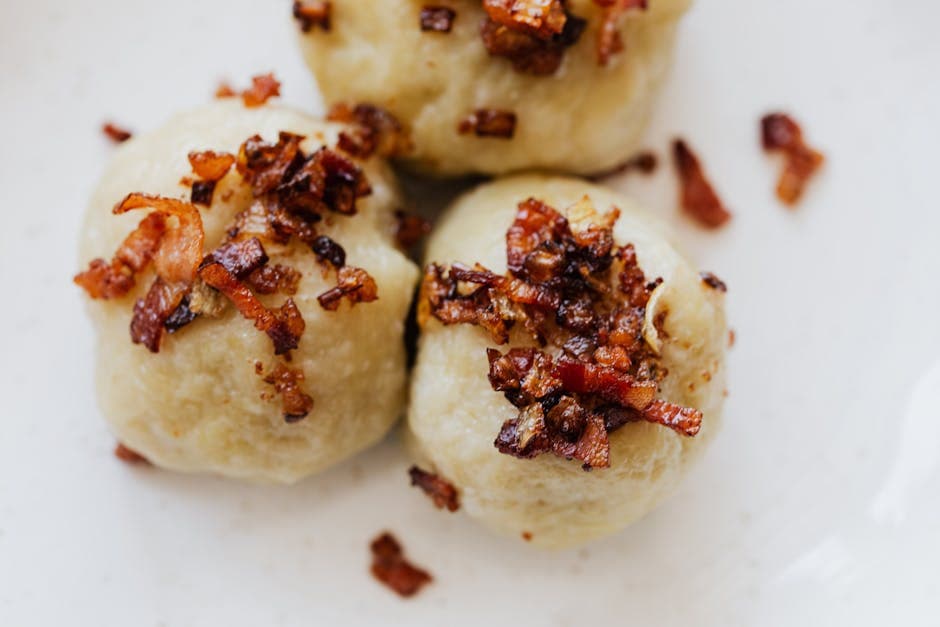
The national dish. Cepelinai are big potato dumplings shaped like zeppelins, which is where the name comes from, a nod to Graf von Zeppelin. Cooks combine raw and boiled grated potato, form it into ovals, and fill it with seasoned ground pork, sometimes beef, or curd cheese for a vegetarian version. They are boiled until tender and served piping hot under a ladle of spirgučiai (fried onion and bacon bits) with sour cream. Each one runs 200 to 300 grams and will fill you up fast. Some regions fold mushrooms into the filling. More than 70% of Lithuanians eat them regularly, and you will find them in every traditional restaurant and at family gatherings. They make ideal cold-weather food, and they capture the country's whole relationship with the potato, which Lithuanians eat more of per head than anyone else.
Šaltibarščiai
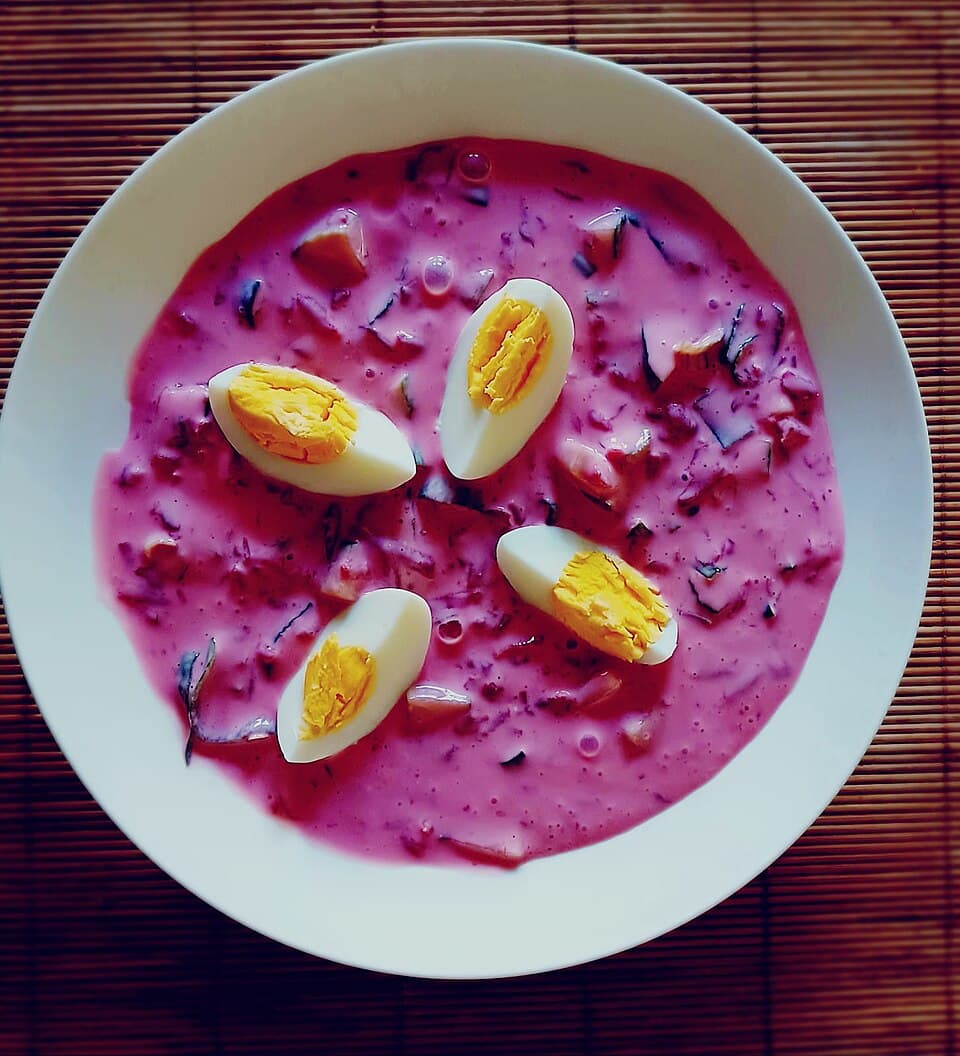
The bright pink cold beet soup that keeps going viral online, a summer staple with a hot winter version. It is built from beetroot, kefir or buttermilk, cucumber, fresh dill, and hard-boiled egg, which gives it that deep pink color and a tangy, cooling tartness. In summer it is served ice-cold with a side of hot boiled potatoes, plus more sour cream and dill on top; in winter people make it warm. Over 70% of Lithuanians eat it regularly, mostly on hot days, and its looks are a big part of why it spread on social media. It is genuinely healthy too, probiotic-rich from the fermented kefir. The soup ties together the country's beetroot farming, dairy habit, and seasonal eating, and you can get it anywhere from a street stall to a Michelin dining room. Some families add a splash of kvass for extra tang. It is vegetarian as long as the egg and dairy work for you. The winter version is less common but still around.
Kugelis
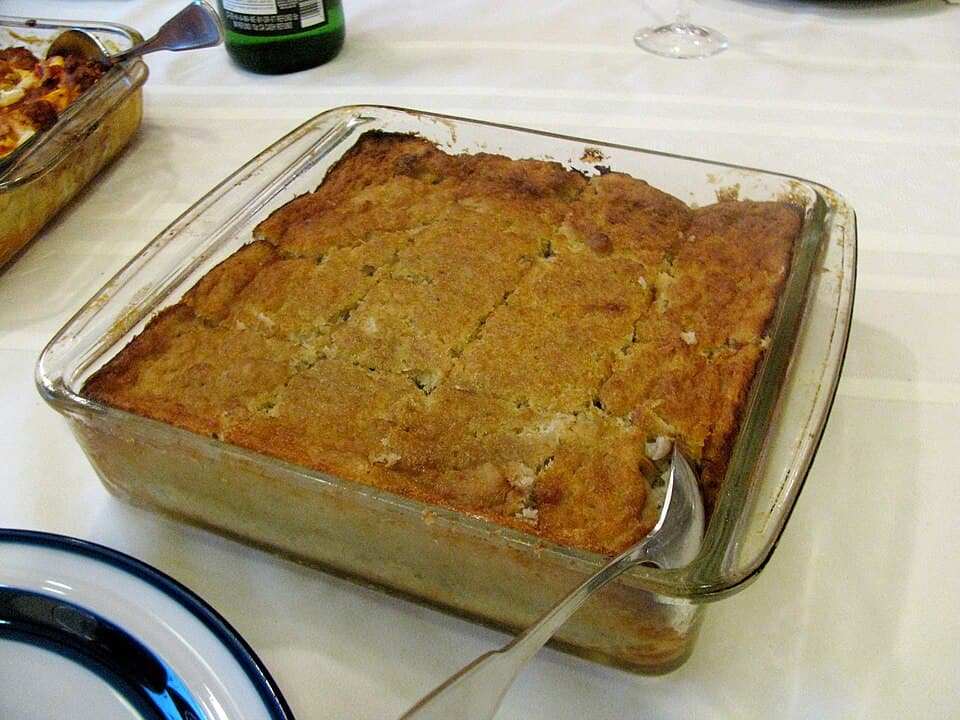
A baked potato pudding, sometimes called potato pie, and a comfort-food fixture across the country. It is made from grated potato, onion, egg, bacon or salt pork, and milk, baked until the top turns golden and crisp. The inside stays creamy while the top crunches. People serve it hot with lingonberry jam, whose sweet-tart edge cuts the richness, or with sour cream, sliced into squares from one big dish. It is especially popular in Aukštaitija and Dzūkija and shows up at family gatherings, Sunday dinners, and winter meals at home. A tray fresh from the oven in cold weather is hard to beat. You can order it at traditional restaurants (the Etno Dvaras chain makes a point of it) and home-style eateries. Some cooks add caraway or change up the bacon. A vegetarian version is possible but less common, dropping the bacon and using butter. One portion is a full meal on its own.
Kibinai
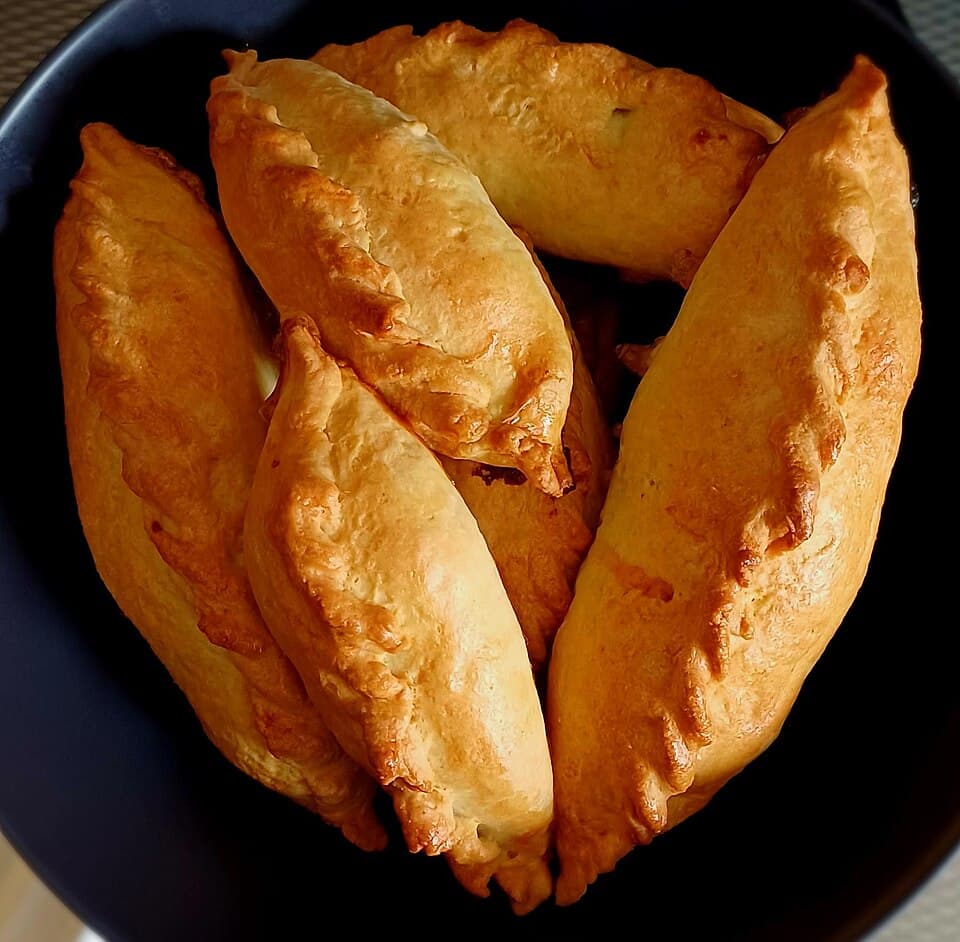
Karaite hand pies with a 600-year history, tied above all to Trakai, the medieval capital, and its Karaite minority. The crescent-shaped pies use a rich, flaky dough of butter, egg, and sour cream or kefir, and the classic filling is finely minced lamb or beef with onion and black pepper. Modern versions branch into pork, chicken, mushroom, or curd cheese and spinach. The dough is tender but sturdy, with a slight crispness when fresh, and they are best straight from the oven. Trakai, with its island castle, is the kibinai capital, and the Karaite community there, a Turkic Jewish group that settled in the 14th century at Grand Duke Vytautas's invitation, keeps the old recipes. Kibininė restaurants in Trakai serve the traditional kind, and a hot pie with tea is hard to beat in winter. The pastry speaks to the country's multicultural past and history of religious tolerance. You can find kibinai at Trakai restaurants, some Vilnius spots, and bakeries, and eating one with a view of the castle across the lake is part of the appeal.
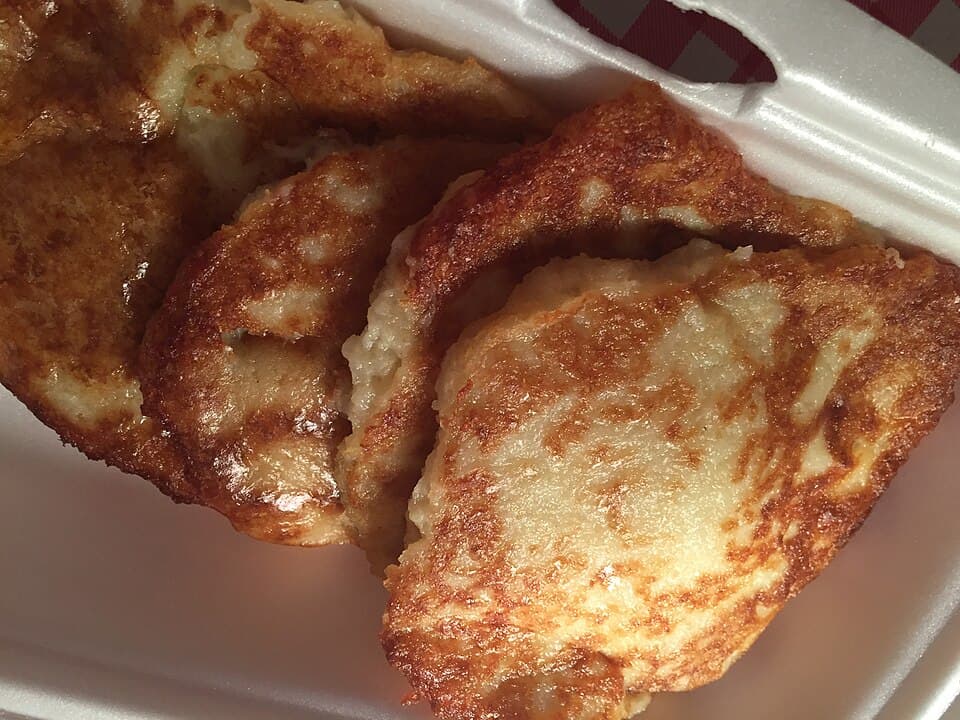
Bulviniai Blynai
Crispy golden potato pancakes, a comfort-food staple. Grated raw potato gets mixed with egg, flour, onion, and salt, shaped into flat pancakes, and pan-fried until the outside crisps and the inside stays soft. They come hot with sour cream or a meat sauce on top. They are close to latkes but cooked the Lithuanian way. As street food they turn up at markets, festivals, and holiday stalls, fried to order, and they are an easy thing to make at home from cheap ingredients. Some cooks add mushrooms or herbs. They are vegetarian unless meat sneaks in, so check. On Vilnius Cathedral Square the holiday market stalls fry them on the spot. You will also find them at traditional restaurants and from street vendors, cheap and filling. Some families work in grated cheese or bacon bits. Eat them right away, while they are hot and crisp.
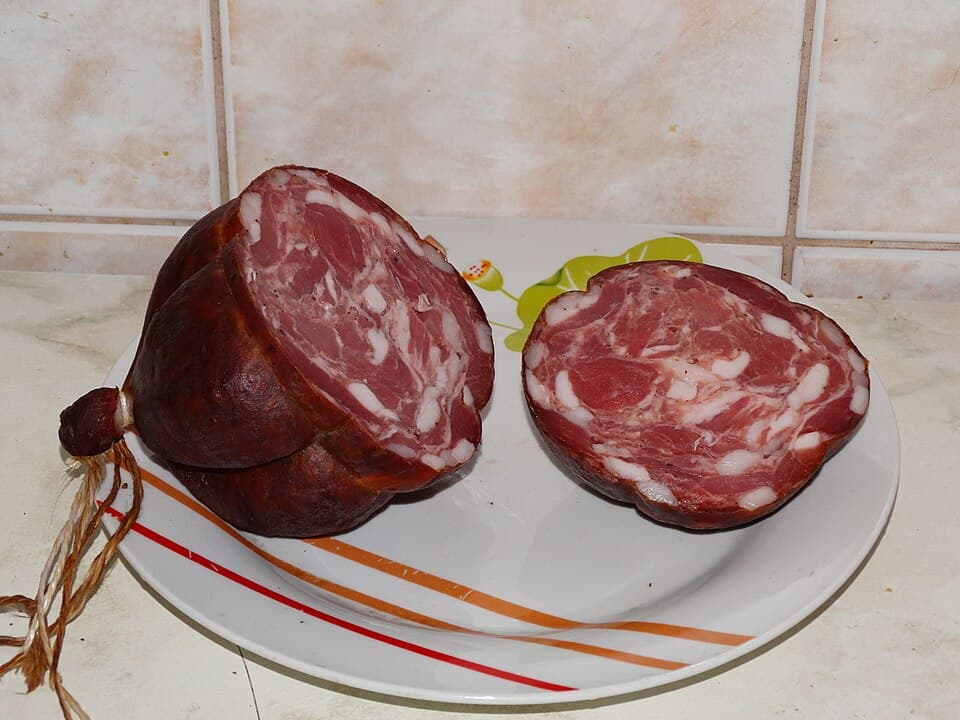
Skilandis
A smoked sausage from Samogitia (Žemaitija), an artisanal product with Protected Geographical Indication status. It is made from minced pork, beef, garlic, and spices, traditionally packed into a pig's stomach lining, air-dried, and smoked over hardwood, a preservation method Samogitian families have used for centuries. The flavor is deeply smoky, the texture firm, and it is sliced thin like salami. People eat it cold with rye bread, cheese, and pickles, or drop it into soups. It is a point of regional pride and a showcase of old meat-curing skill. You can buy it at specialty shops, markets, and regional restaurants, and around Christmas it is both a common gift and a fixture on the holiday table. The rules are strict: only Samogitia producers may label their sausage "Skilandis." Apart from pork it carries no major allergens, and it goes well with local beer or kvass.
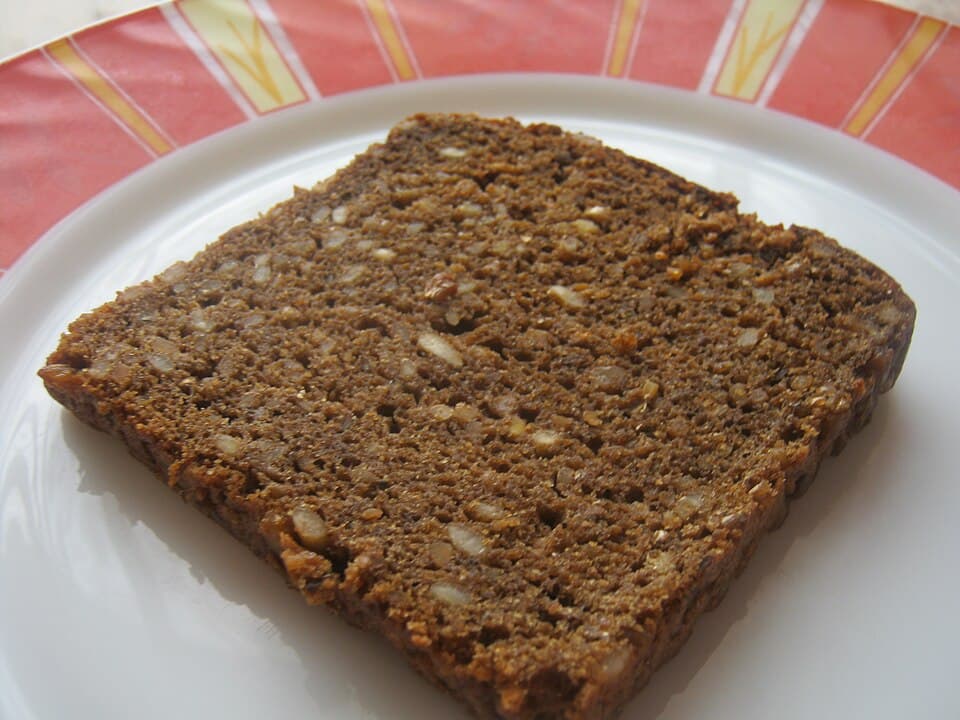
Ruginė Duona
Dark rye bread, a cultural icon and a candidate for UNESCO intangible-heritage status. It is a dense sourdough made from whole rye flour, caraway, molasses, and a natural starter, with a slightly sweet, tangy, earthy flavor and a moist, tight crumb. It comes with every meal, morning to night. Making it properly takes days of sourdough fermentation and slow baking. It goes with herring, cheese, soups, and spreads, and it stands for the country's rye-farming and baking traditions. It is also a symbol of welcome, since guests are greeted with bread and salt, and a blessed loaf anchors the Christmas Eve Kūčios meal. You will find it everywhere, in bakeries, supermarkets, and restaurants, and it keeps better than wheat bread. It is good for you too, high in fiber and easier to digest thanks to the fermentation. Some families keep a sourdough starter going across generations. Nothing is wasted: stale loaves become breadcrumbs, kvass, or fried bread snacks.
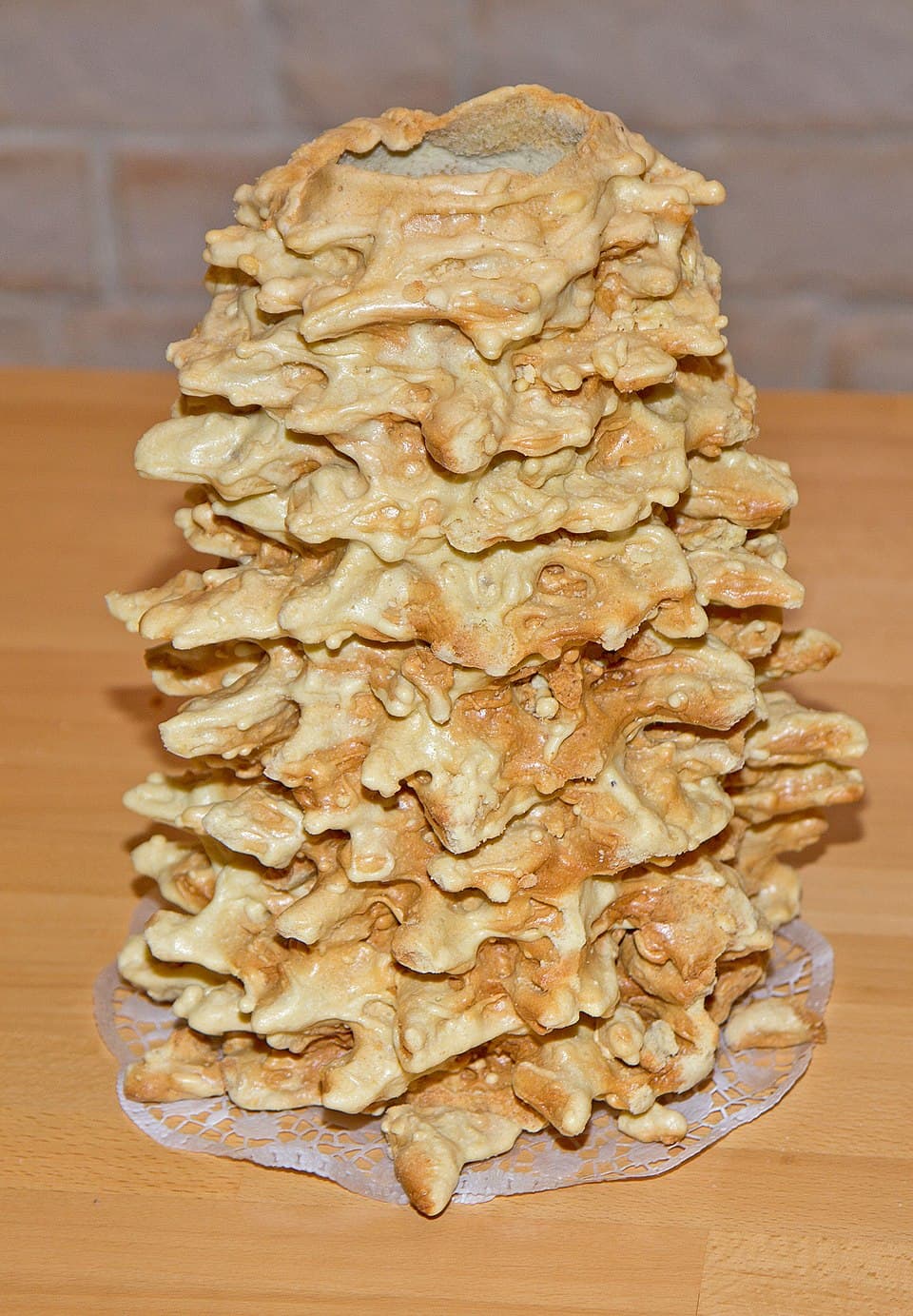
Šakotis
The Lithuanian tree cake, with its spiky branches that look like a fir tree, and a centerpiece at celebrations. Batter of egg, butter, flour, and sugar is poured slowly over a rotating spit above an open flame, building up hundreds of thin layers and those signature jagged points. It takes hours and special equipment, and the result is a tall, hollow cylinder with a striking texture and a buttery, lightly sweet flavor. It appears at weddings, Christmas, and other big occasions, and it is a real show of craft. It also goes by raguolis, the horned cake. Watching one being made over the fire draws a crowd. Specialty bakeries sell it, usually ordered ahead for events, and it is pricey because of the labor involved. At weddings the bride and groom cut the first slice. Smaller ones turn up at the Christmas markets. It is a cousin of Polish sękacz and German baumkuchen, but the method and meaning here are its own.
Šaltiena
Meat jelly, or aspic, a cold dish made by simmering pork trotters, ears, and knuckles with beef for hours until the collagen sets into a natural gelatin. Pieces of meat, hard-boiled egg, and vegetables are suspended in the savory jelly, then sliced cold and eaten with horseradish or mustard. It belongs to Christmas Eve, New Year, and Easter, and it is a good example of nose-to-tail cooking. It takes patience, since it has to set overnight in the fridge. The gelatinous texture is an acquired taste for some, but locals love it as a nostalgic family recipe. You will find it at traditional restaurants in December and on home holiday tables, often dressed up with pickles and carrots. It is high in protein and collagen, and it is a relative of Polish galareta and Russian kholodets. Samogitian versions tend to include more vegetables. Serve it with rye bread and horseradish.
Kastinys
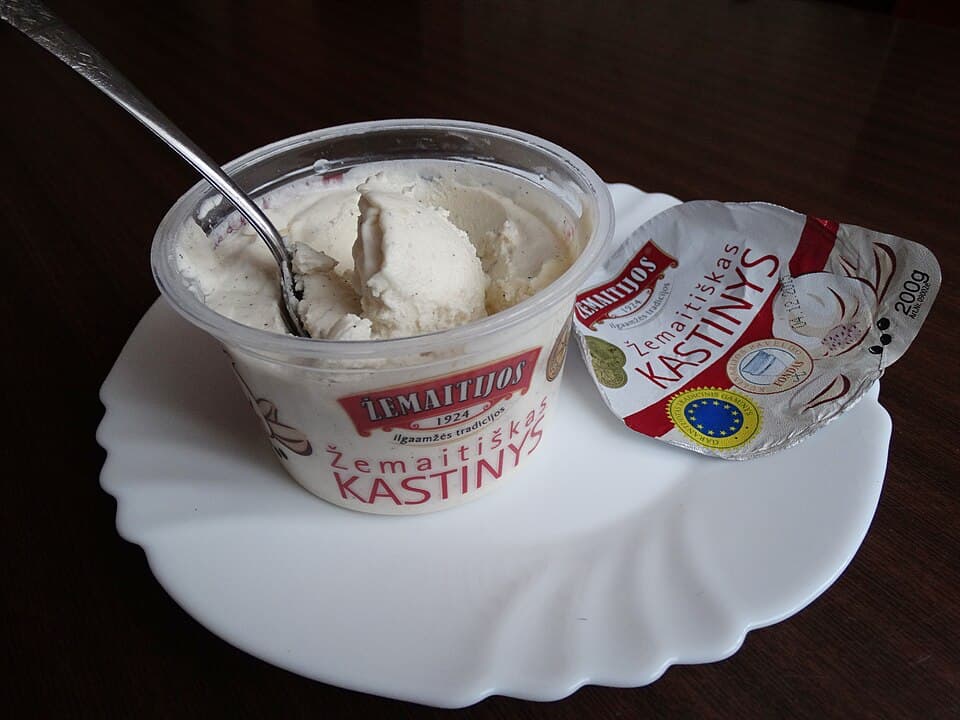
A Samogitian specialty: a sauce of sour milk and smetana (sour cream) served over boiled potatoes. It is the region's best-known dish, simple but well loved. Fermented dairy and butter, sometimes a few herbs, come together into a creamy, tangy sauce that suits plain potatoes perfectly. It grew out of peasant cooking and dairy farming and became a marker of regional identity. You will find it at restaurants that specialize in Samogitian food and at family tables, sometimes with caraway or onion added. It is vegetarian and naturally gluten-free, and it makes warming winter food. Samogitia, in the northwest, keeps its own dialect and cooking, and kastinys is part of that. Serve it with rye bread and pickles. Some modern chefs have brought it back in fancier form, sourcing better artisanal dairy, a nod to the strength of the country's dairy tradition.
Grybukai
Mushroom-shaped cookies, a charming Christmas tradition. The round caps are dough dipped in chocolate or cocoa glaze, the stems are shortbread, and together they look like little mushrooms that decorate holiday tables and even hang on the tree as edible ornaments. They are made with butter, flour, sugar, egg, and cocoa, sweet and buttery, and kids especially love them. They tie into both the autumn mushroom-foraging culture and Christmas baking. You will find them at bakeries and markets in December, and many families bake their own. Some have a jam filling or a different glaze. Baking a big batch to share with neighbors and relatives is part of the custom. Artisanal bakeries do elaborate versions with white-chocolate "snow" and fine detailing. They are vegetarian but contain egg, dairy, and wheat. Stored in a tin, they keep through the holidays.
Regional Specialties & Local Favorites
Discover the authentic regional dishes and local favorites that showcase Lithuania's diverse culinary traditions.
Varškėčiai
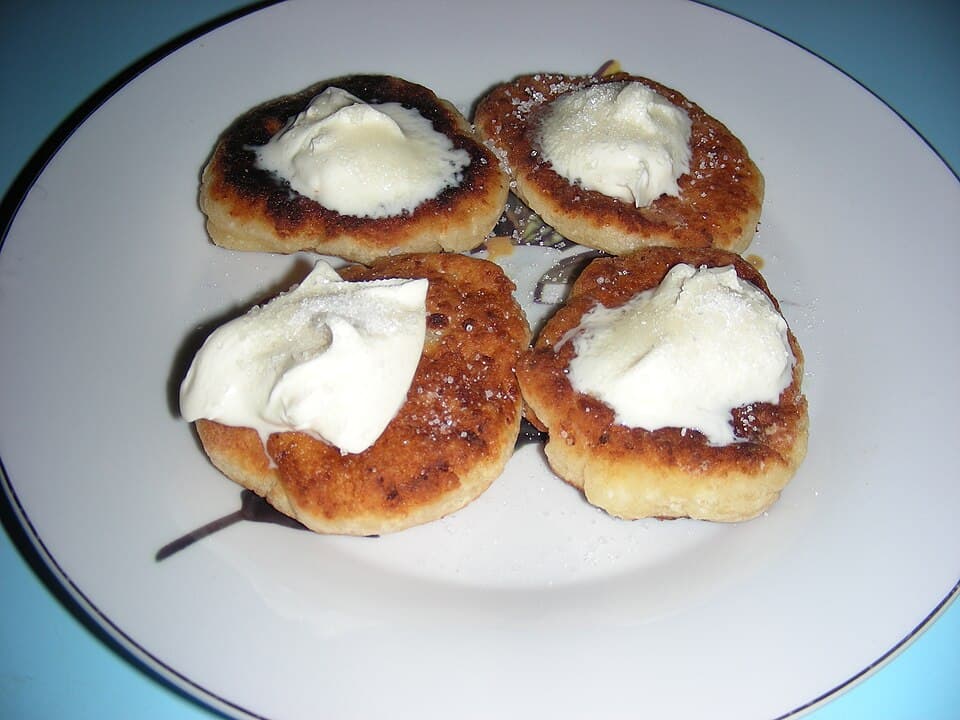
Curd-cheese pancakes, a favorite for breakfast or dessert. They are made from varškė (Lithuanian curd cheese), egg, flour, and sugar, shaped into small patties and pan-fried until golden. They come hot with jam, honey, sour cream, or berries, sweet and creamy with crisp edges. People make them at home, and cafés put them on breakfast menus. They are quick to make, filling, and a hit with kids. You will find them at traditional restaurants and modern brunch spots, and they make a good warm breakfast on a cold morning.
Allergens:
Grybų Sriuba
Mushroom soup, an Aukštaitija specialty. It uses foraged wild mushrooms (boletus, chanterelles) with potato, onion, sour cream, and dill, for a rich, earthy, creamy bowl. It is an autumn favorite, when mushrooms are everywhere, and it speaks to the country's foraging habit and ties to the forest. Restaurants serve it year-round, using dried mushrooms in winter, with fresh ones in autumn. It comes with rye bread, and some versions add barley or other vegetables. It works as vegetarian comfort food.
Allergens:
Vėdarai
Potato sausages, an Aukštaitija specialty. Pig-intestine casings are filled with grated potato, bacon, onion, and marjoram, then roasted until golden, so the outside crisps while the potato inside stays soft. They are a special-occasion dish, sliced and served with sour cream and pickles, rich and filling. They show how the cooking handles both pork and potato. You will find them at traditional restaurants and on home holiday tables.
Allergens:
Silkė
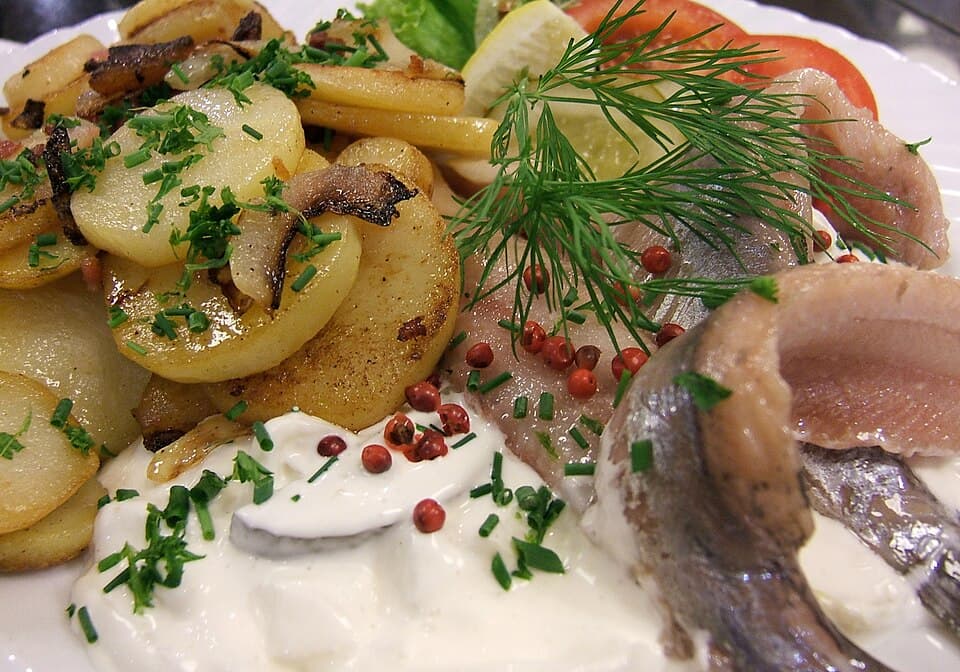
Pickled herring, a staple, and one of the 12 dishes at the Christmas Eve Kūčios meal. Baltic herring is marinated in vinegar, oil, onion, and spices, then served cold with boiled potatoes, rye bread, and sour cream, tangy and savory. The preservation goes back to the country's coastal and fishing traditions. One popular version, "dressed herring," layers it with beetroot, carrot, egg, and mayonnaise. You can buy it at supermarkets, fish markets, and restaurants, and in December it is hard to avoid.
Allergens:
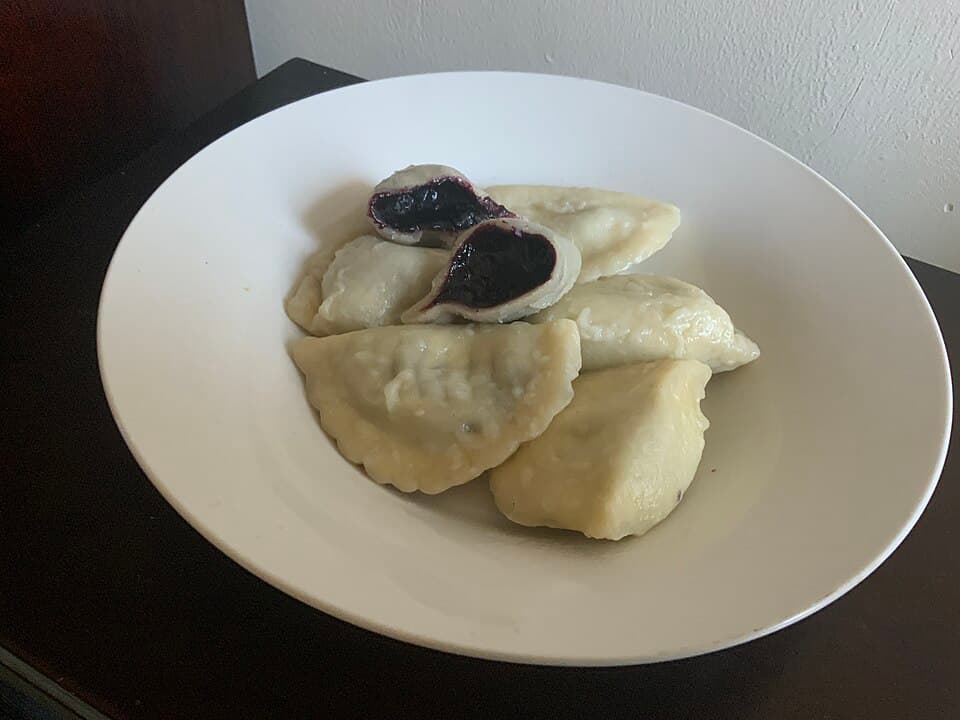
Koldūnai
Dumplings in the family of Polish pierogi and Russian pelmeni. Small dough pockets are filled with ground pork or beef, mushrooms, or curd cheese, boiled, and served with butter, bacon bits, and sour cream. They are year-round comfort food, made at home and served in traditional restaurants. Recipes vary by region, and some cooks fry them instead of boiling. Filling and versatile, they have stayed popular across generations.
Allergens:
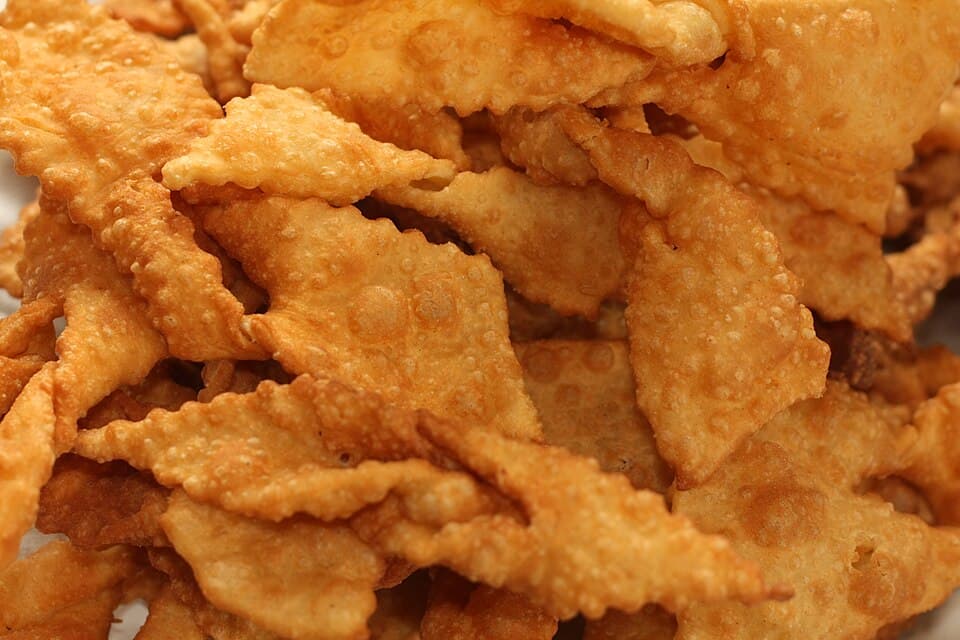
Šakočiai
Deep-fried pastry strips tied to Užgavėnės, the carnival before Lent. Dough of egg, flour, sour cream, and sugar is cut into strips, fried golden, and dusted with powdered sugar, light, crunchy, and easy to keep eating. They are a cousin of angel wings and Polish faworki. You will find them at bakeries and markets during festive seasons. They belong to the country's tradition of holiday frying.
Allergens:
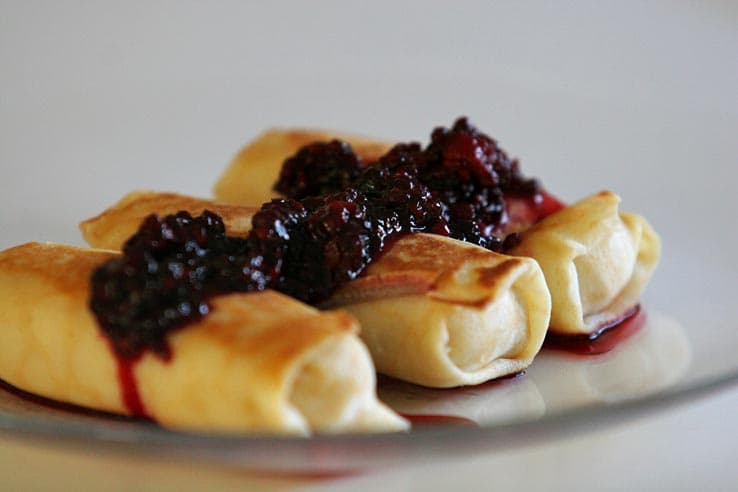
Lietiniai
Thin crepes, served sweet or savory. The batter of egg, milk, and flour is cooked very thin. Sweet ones are filled with jam, curd cheese, chocolate, or berries; savory ones with meat, mushrooms, or vegetables. People eat them for breakfast, dessert, or a quick meal, and you will find them in cafés, restaurants, and home kitchens. Simple and adaptable, they are a comfort-food standby, and some families add poppy seeds or cinnamon.
Allergens:
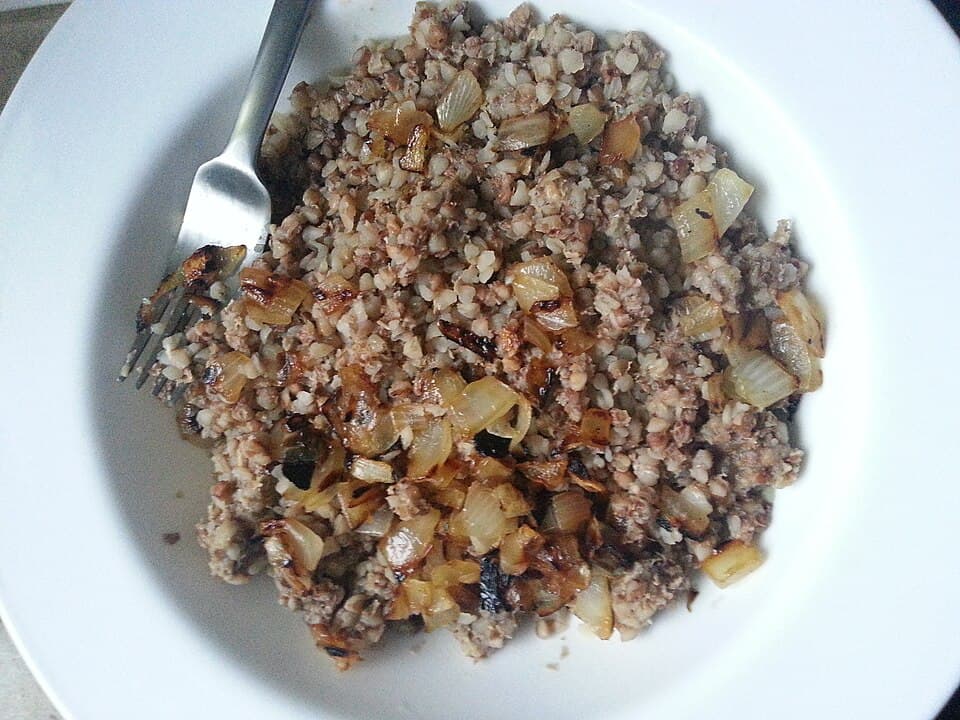
Grikinė Košė
Buckwheat porridge, a Dzūkija specialty. The groats are cooked until tender and served with butter, milk, or a mushroom sauce, nutty and hearty, and naturally gluten-free. It started as peasant food and remains a nutritious staple, rooted in Dzūkija's history of growing buckwheat. You will find it at traditional restaurants and in home kitchens, sometimes with onion and bacon worked in. Filling and healthy, it makes a warming winter breakfast.
Regional Cuisine Highlights
Explore the diverse culinary landscapes across different regions of Lithuania.
Aukštaitija (Highlands)
The northeastern region, known for potato dishes, vėdarai (potato sausages), hearty soups, dairy, and beer. Northern Aukštaitija is the country's beer heartland, with craft breweries and old brewing methods. The cooking leans on farming and on what the forest gives, namely mushrooms and berries. Farmers grow many potato varieties, and dairy farms turn out good milk and cheese. Vėdarai are unique to the region, potato-filled sausages roasted until crisp, and mushroom soup (grybų sriuba) is the classic autumn dish. In winter the comfort foods take over: hot soups, potato dishes, and dark bread. Regional markets put local produce and artisanal goods on display.
Cultural Significance:
Aukštaitija holds onto old Baltic traditions, folk songs, and crafts. Brewing is part of the culture, with homebrewing still common and a craft-brewery revival underway. Mushroom foraging is an autumn ritual, families heading into the woods with knowledge handed down over generations. Growing potatoes sits at the center of both the economy and local identity. The region takes in Anykščiai (the poetry capital), the lakes of Ignalina, and Molėtai with its astronomy. Traditional wooden architecture survives here, and folk festivals mark the harvest and the turn of the seasons. Around Christmas, the focus falls on traditional foods and family recipes.
Signature Dishes:
- Vėdarai (potato sausages)
- Grybų sriuba (mushroom soup)
- Potato pancakes
- Craft beer
- Dairy products
Key Ingredients:
Samogitia/Žemaitija (Lowlands)
The northwestern region, known for kastinys (sour-milk sauce with potatoes), a range of porridges, the PGI smoked sausage skilandis, crayfish, and herring-onion soup (cibulinė). Dairy is central here, with sour milk, sour cream, and butter doing a lot of the work, and the Samogitian pancakes (Žemaičių blynai) come filled with meat. The regional identity is strong, including a distinct Samogitian dialect. Being near the coast shapes the food too, bringing fish dishes and a maritime streak. In winter the table fills with skilandis, kastinys, and hearty soups. This is the region that held out longest against foreign rule, and it keeps its own character.
Cultural Significance:
Samogitia has a stubborn, independent streak; it was the last pagan region in Europe, Christianized only in 1413. That pride shows up in the food and in keeping the dialect alive. The PGI status on skilandis locks in the traditional methods. Dairy farming runs deep, with artisanal butter and cheese. The region includes Telšiai (its capital), the manor at Plungė, the monastery at Kretinga, and the beach resort of Palanga. Folk festivals celebrate Samogitian traditions and dishes, and the region has its own Christmas customs.
Signature Dishes:
- Kastinys (sour milk sauce)
- Skilandis (smoked sausage)
- Samogitian pancakes (Žemaičių blynai)
- Cibulinė (herring-onion soup)
- Porridge varieties
Key Ingredients:
Dzūkija (Southern Forests)
The southern forested region, known for mushrooms, berries, and buckwheat dishes like grikinė boba (a buckwheat cake) and boletus soup. Unlike other regions, it cures meat by salting and air-drying rather than smoking. The cooking is built around what the forest provides, with wild mushrooms everywhere and a deep berry-picking habit. Growing buckwheat has long made pancakes and porridge staples here. In winter the mushroom soups use dried mushrooms put up from the autumn harvest. The region takes in the spa town of Druskininkai, Dzūkija National Park, and pine forest. Foraging runs strong, with knowledge of edible plants and mushrooms passed down through families.
Cultural Significance:
Dzūkija is the most forested region in the country, with about 55% tree cover and the protected Dzūkija National Park. Foraging is a way of life, and mushroom hunting is both competitive and social. Buckwheat was the staple grain here before the potato arrived. The region keeps its own dialect and folk songs. Druskininkai, a Soviet-era spa resort, still draws health tourism. Traditional wooden beehives (dadės) are part of the heritage. In winter the food leans on preserved ingredients: dried mushrooms, pickled berries, and smoked eel.
Signature Dishes:
- Wild mushroom dishes
- Berry preserves and soups
- Buckwheat pancakes (grikiniai blynai)
- Grikinė boba (buckwheat cake)
- Salted, air-dried meats
Key Ingredients:
Sweet Delights & Desserts
Indulge in Lithuania's traditional sweet treats and desserts.
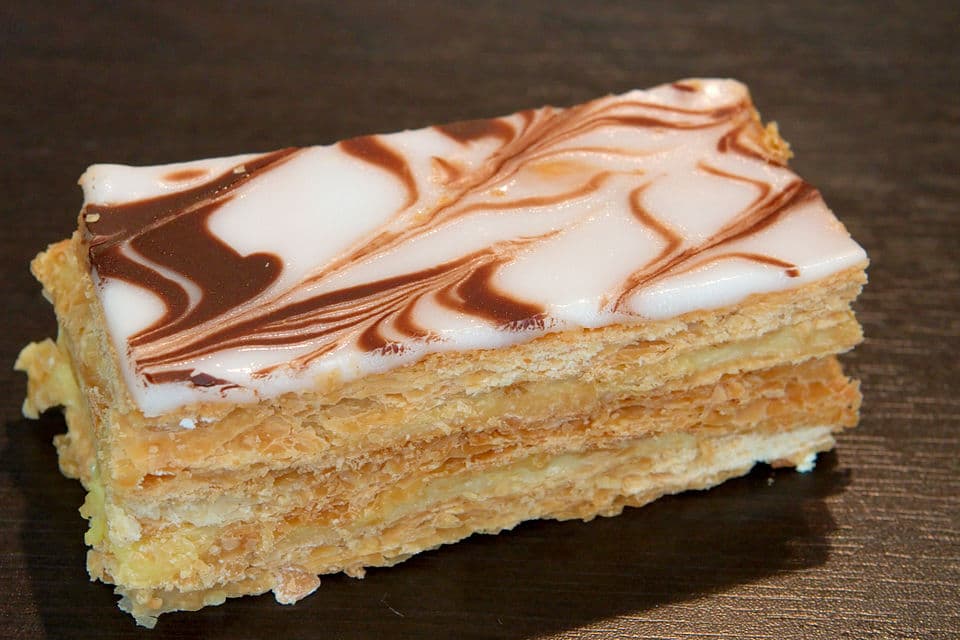
Napoleonas
The local take on Napoleon cake, a layered puff-pastry dessert with custard filling. Thin, crisp pastry layers alternate with rich vanilla custard, finished with white icing and a chocolate drizzle. It takes work to make and shows up at birthdays, anniversaries, and other celebrations, a holdover from Soviet-era bakery tradition and the country's taste for fussy pastries. Bakeries and pastry shops sell it, often ordered ahead for events. It is sweet, buttery, and rich enough that portions stay small. Modern versions branch into chocolate or fruit fillings.
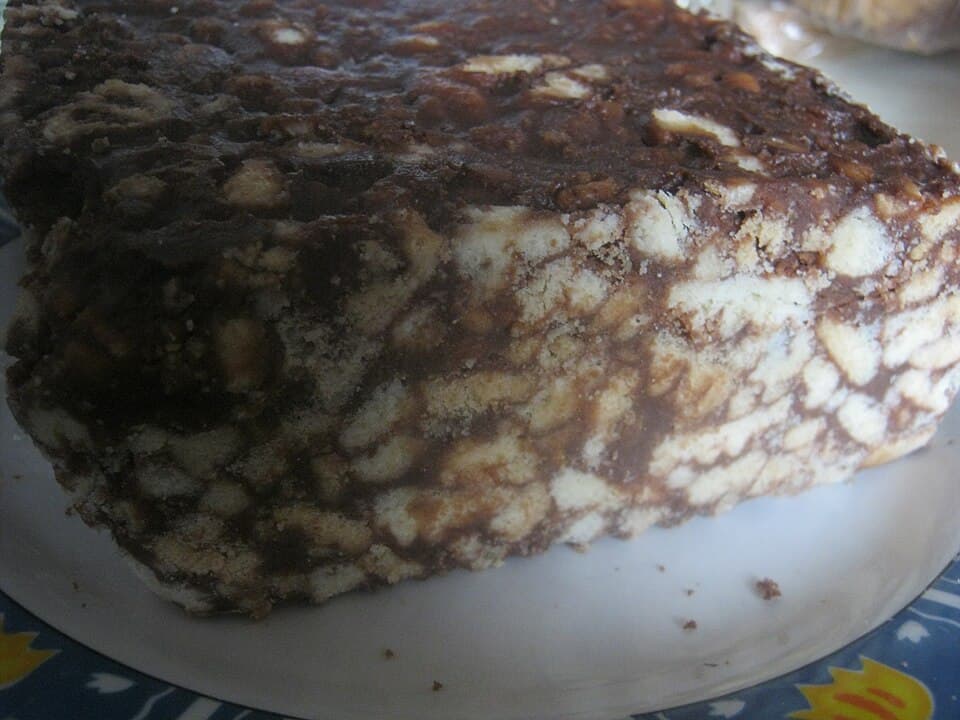
Tinginys
A chocolate "lazy cake," a no-bake dessert that everyone grew up on. Crushed butter cookies are mixed with cocoa, butter, and condensed milk, shaped into a log, chilled, and sliced, rich and dense. The name means "lazy one" because there is no baking involved. It is a fixture at kids' parties and a home-kitchen favorite, one of those resourceful Soviet-era sweets. You can buy it at bakeries, but most people make their own, sometimes with walnuts or dried fruit. It is quick to put together and turns up on the Christmas dessert table.
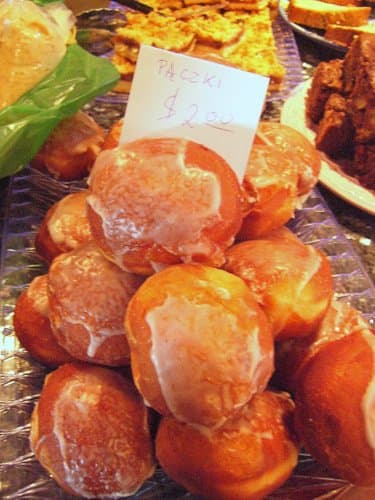
Spurga
Donuts, deep-fried dough balls tied to Užgavėnės, the pre-Lent carnival. Yeast dough is fried golden, filled with raspberry or strawberry jam, and dusted with powdered sugar, served hot. They are close to Polish pączki and German Berliner. Bakeries sell them around carnival season in February, some year-round, and on Užgavėnės day the lines get long. They are sweet, fluffy, and comforting, and modern versions come with custard filling or a chocolate glaze.
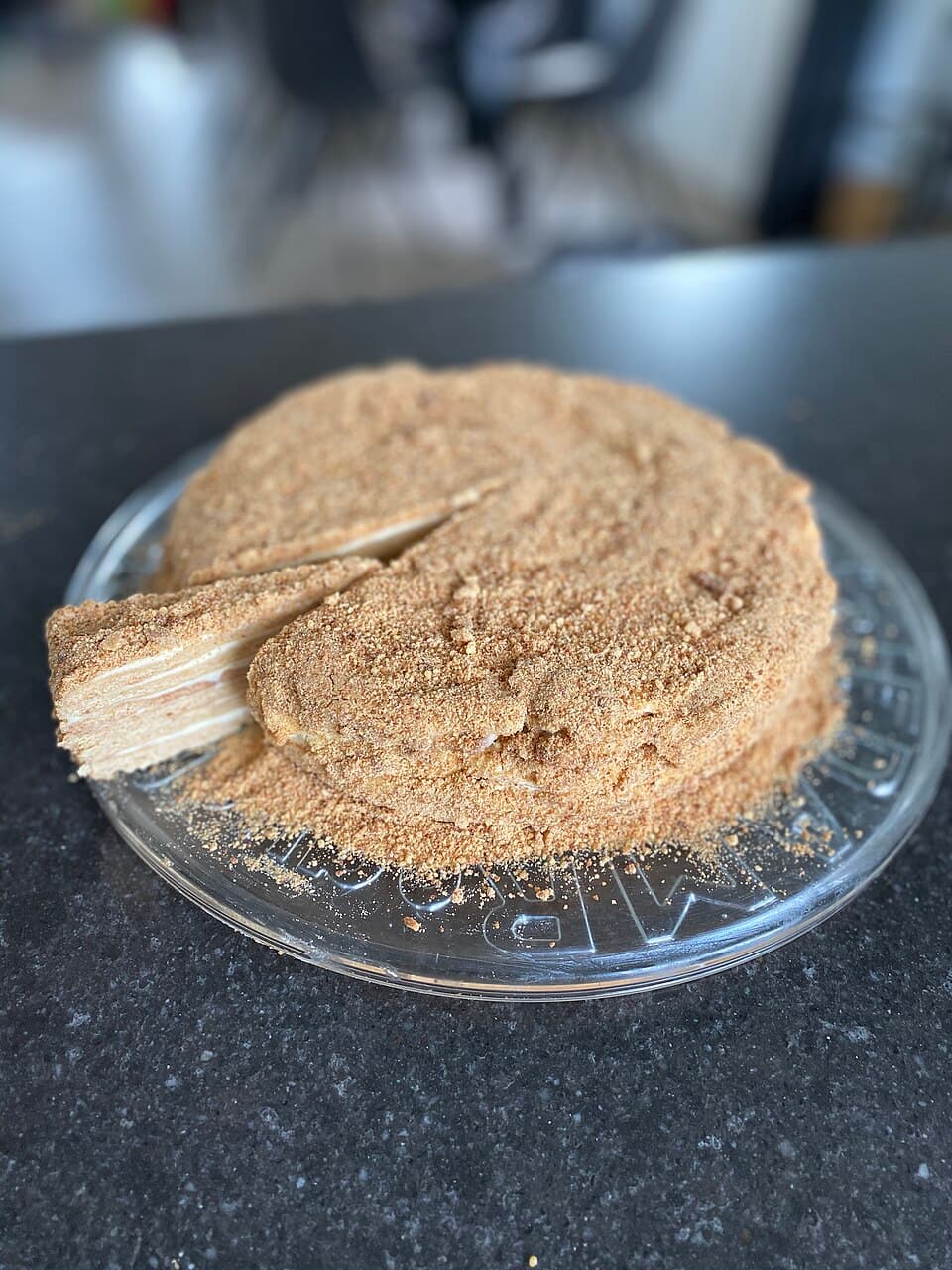
Medaus Tortas
Honey cake, built from honey-spiced layers with sour-cream frosting. The thin layers are baked one at a time, spread with cream, stacked, and chilled overnight so the flavors settle. It is moist, lightly spiced with cinnamon and ginger, and the tangy cream keeps it from being too sweet. It is a celebration cake for weddings, birthdays, and Christmas, drawing on the country's beekeeping and honey heritage. It takes effort to make, and bakeries usually want the order in advance. It gets better as it sits, and it is a common Christmas dessert.
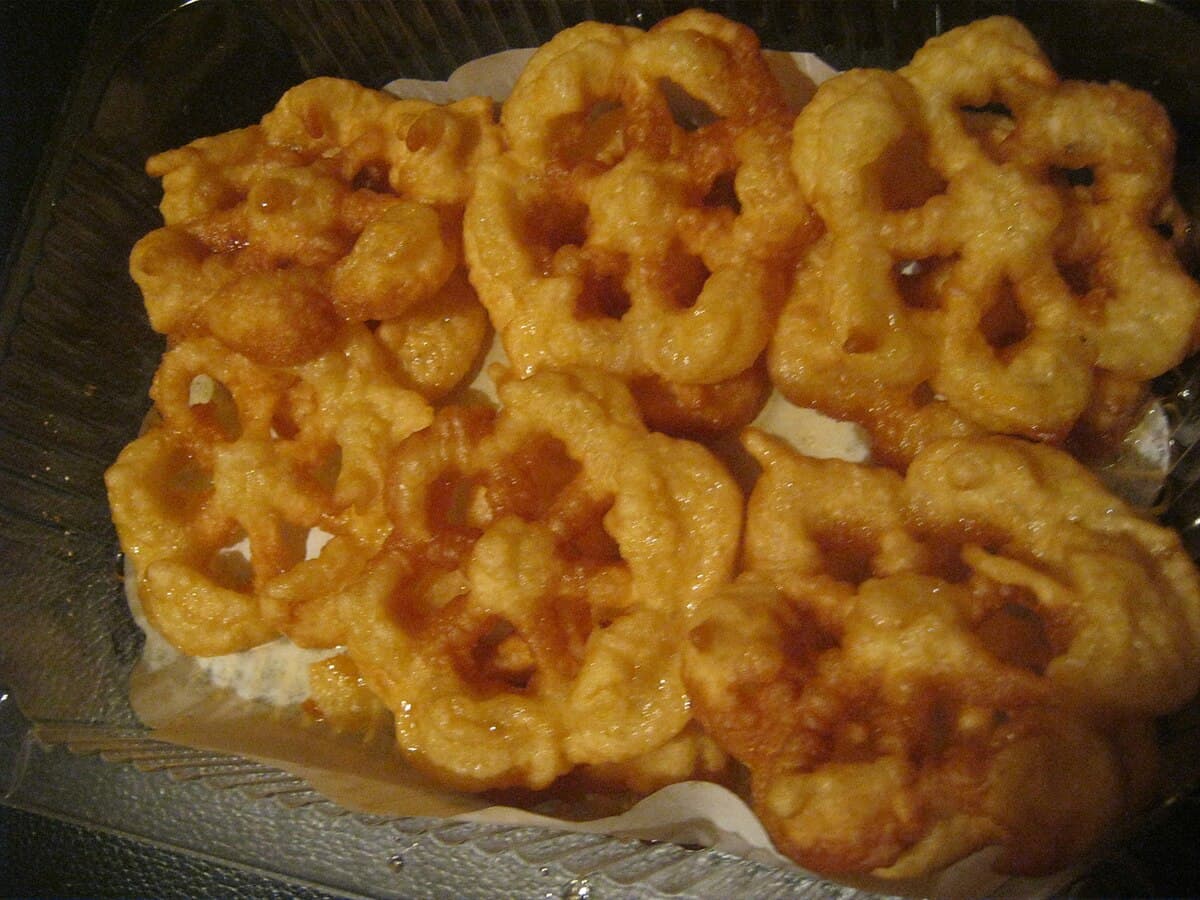
Žagarėliai
Angel wings, crisp fried pastry ribbons. Thin dough of egg, flour, sour cream, and vodka is rolled out, cut into strips with a slit, and one end pulled through to make a bow shape, then fried golden and dusted with powdered sugar, crunchy, delicate, and lightly sweet. They appear at Christmas, Easter, and carnival. The name comes from žagarai (brushwood), after their tangled look. Bakeries sell them in festive seasons, and families fry their own, sometimes with lemon zest or vanilla.
Traditional Beverages
Discover Lithuania's traditional drinks, from locally produced spirits to regional wines.
Midus
Honey mead, an old drink made from fermented honey, water, and spices like juniper, hops, and cinnamon. It is sweet and aromatic, with alcohol ranging from 8 to 20%. People have drunk it since pagan times, at ceremonies and celebrations, and Aukštaitija is especially known for making it. Specialty shops, markets, and some restaurants stock it, served chilled or mulled in winter. It draws on the country's beekeeping tradition, and modern meaderies have revived old recipes, some aging the mead in oak barrels.
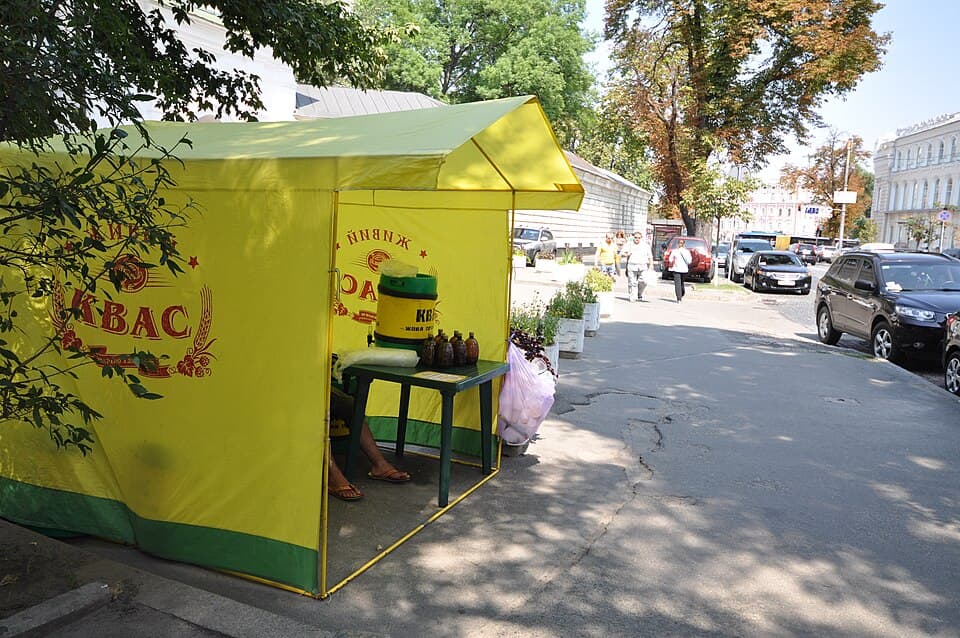
Kvass
A fermented rye-bread drink, non-alcoholic or barely alcoholic at 0.5 to 1%. Dark rye bread, water, and sugar are fermented with yeast, giving a slightly tangy, earthy, refreshing drink. It is a summer favorite, served cold to quench thirst, and it grew out of the habit of using up old bread. You can buy it bottled in supermarkets or fresh from street vendors in summer, and many people make their own, sometimes with raisins or mint. It carries probiotic benefits and is a relative of Russian kvass, prepared the local way.
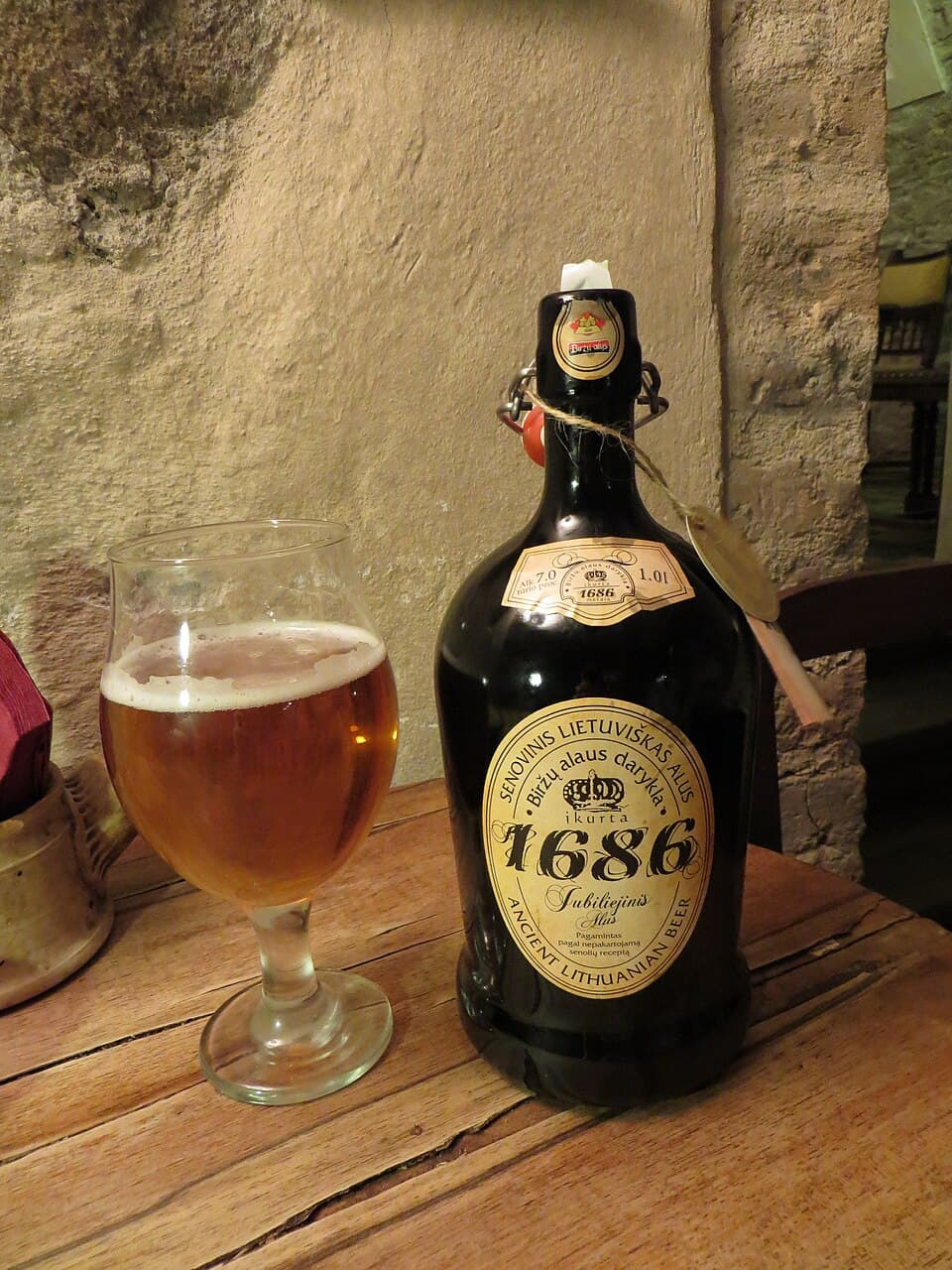
Lithuanian Beer
Beer runs deep here, especially in northern Aukštaitija. The craft scene has been booming through the 2020s, with small breweries turning out inventive Baltic-style beers. Traditional styles include light lagers, dark ales, and honey beers. The big names are Švyturys, Utenos, and Kalnapilis; on the craft side, Dundulis, Sakiškių, and Būbų Alus. Beer is the usual partner for a traditional meal, and breweries put out special Christmas releases (Kalėdinis alus). It is part of a long brewing heritage and sold everywhere, in bars, restaurants, and supermarkets, with breweries offering tours and tastings.
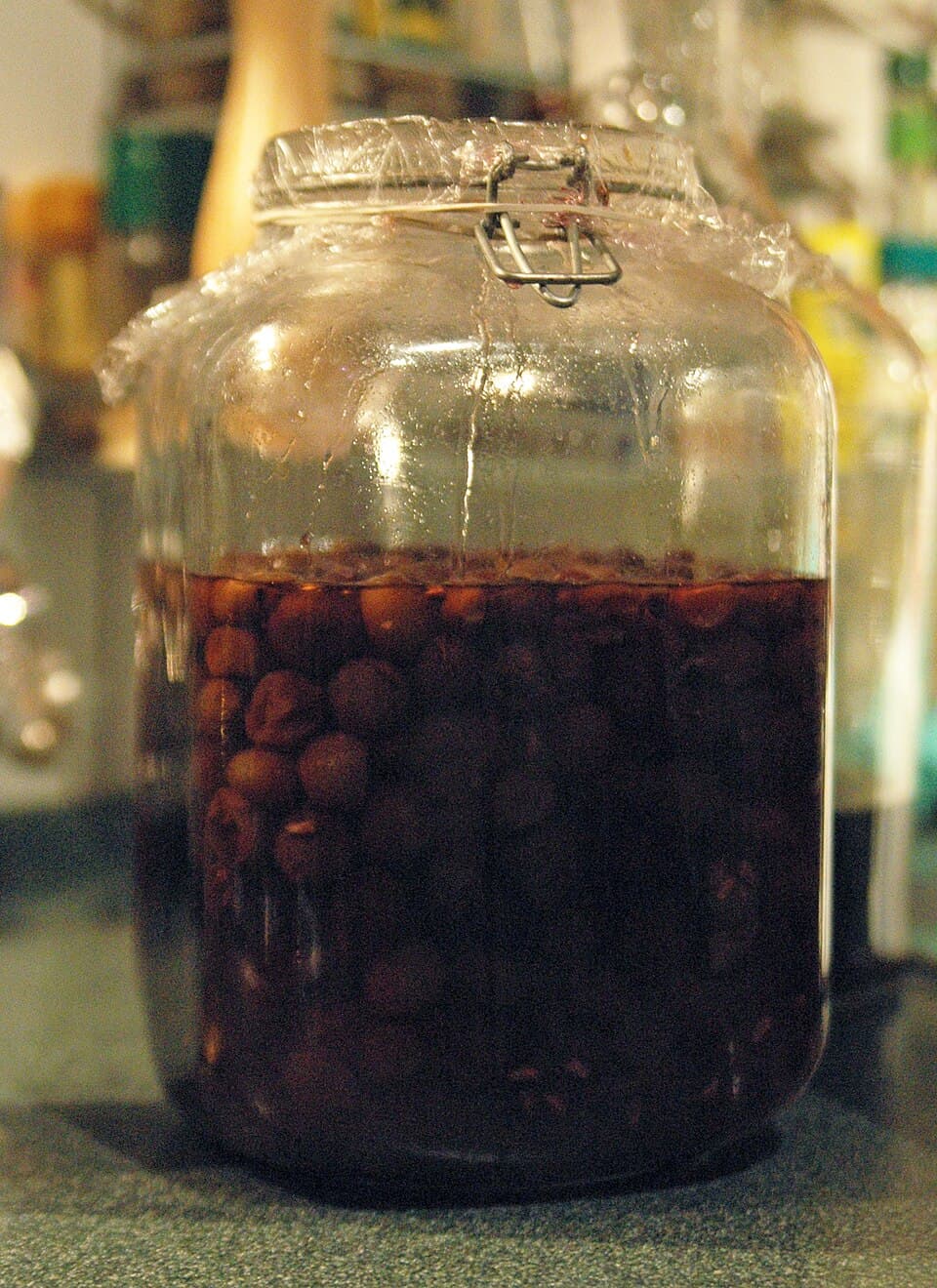
Trauktinė
A herbal liqueur, a bitter digestif made by steeping herbs, roots, and berries in alcohol. It is dark, complex, and medicinal in origin, and recipes are often family secrets handed down through generations. People sip a small glass after a heavy meal to settle the stomach. It comes out of the country's tradition of herbal medicine and foraging. Specialty liquor stores and some restaurants carry it, and homemade versions are common. It is a relative of Jägermeister, but with its own choice of herbs, and some versions add honey or spices.
Soft Beverages
Discover Lithuania's traditional non-alcoholic drinks, from local teas to refreshing juices.
Lithuanian Coffee
Coffee is a big deal in the cities. The Vilnius café scene is busy, with specialty shops and third-wave roasters. Strong black coffee has long gone with breakfast and time spent with friends, and the newer leaning is toward espresso drinks, latte art, and specialty beans. A hot cup is welcome against the winter cold. It reflects how thoroughly European café culture has taken hold here. You will find it everywhere, in cafés, restaurants, and homes, and some traditional spots serve it with local pastries like slices of šakotis or grybukai cookies.
Berry Kompot
A fruit drink made from boiled berries (lingonberries, cranberries, blueberries) with water and sugar, served warm in winter and chilled in summer. It is sweet-tart and refreshing, and it ties into the country's foraging and berry-preserving habits. Families put up summer berries and make kompot all year. You will find it at traditional restaurants and in home kitchens, sometimes with dried fruit or spices added. It is a natural, vitamin-rich stand-in for soda.
Herbal Tea
Herbal tea has a strong following, with chamomile, mint, linden flower, and St. John's wort all popular. Some herbs are foraged wild, the old way, and some are commercially grown. People drink them for health, to relax, and to warm up, and they are especially comforting in winter. The habit comes out of folk medicine and foraging. You can buy them packaged in supermarkets, fresh from herbalists, or blend your own, as many families do. They are often served with honey, which the country produces in quantity.
Gira
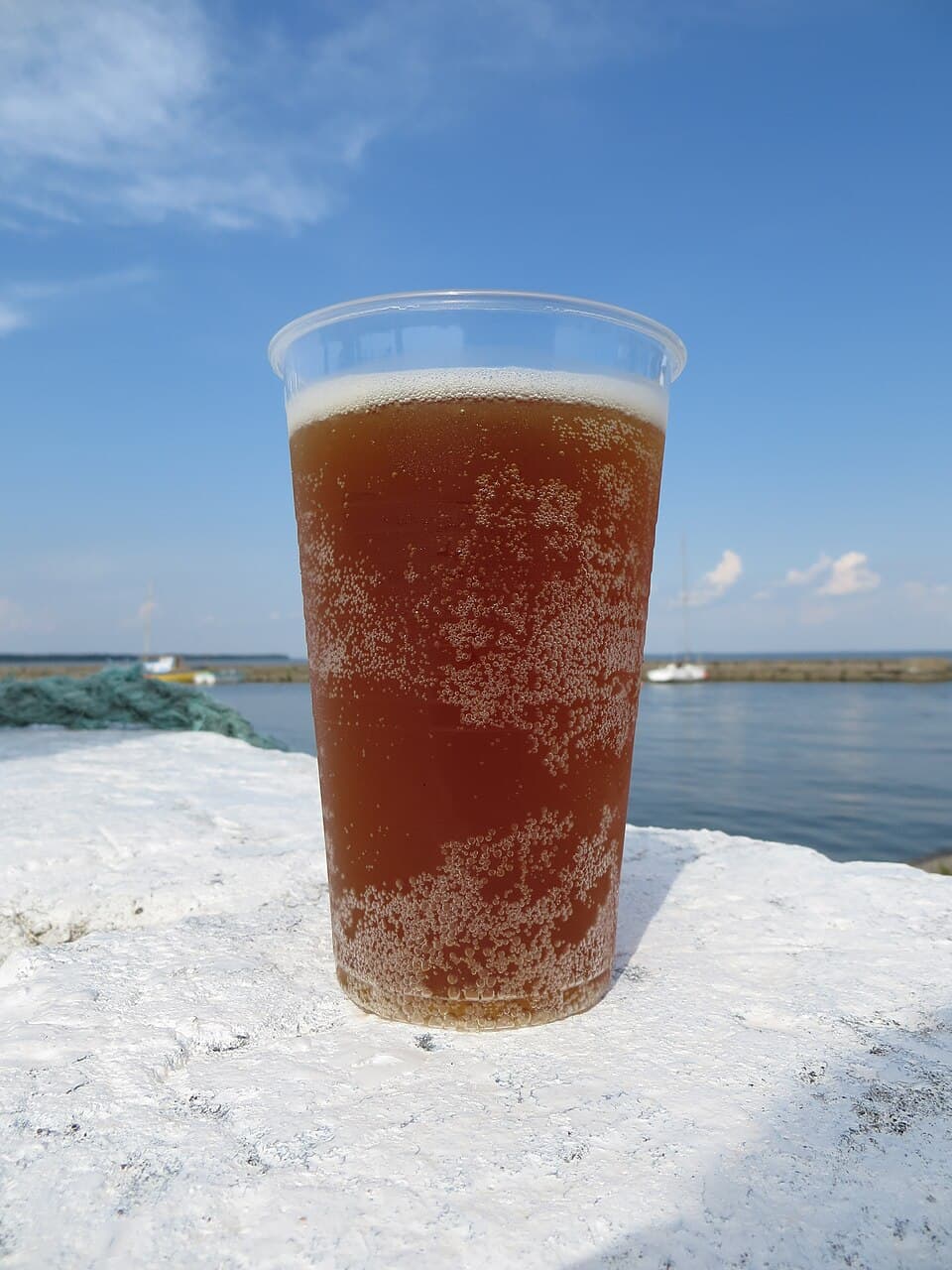
A non-alcoholic kvass-style drink made from fermented rye bread. It is close to kvass but sometimes sweeter and flavored with berries, refreshing and slightly tangy, and a traditional summer cooler. Like kvass, it comes from the practice of fermenting and reusing bread. You can buy it bottled in supermarkets or fresh from street vendors in warm months, and a few commercial brands are popular, though people still make it at home. It is made from natural ingredients and offers probiotic benefits.
Frequently Asked Questions
Essential information about food and dining in Lithuania.
What is the national dish of Lithuania?
Lithuania's most iconic dishes include Cepelinai, Šaltibarščiai, Kugelis. The national dish. Cepelinai are big potato dumplings shaped like zeppelins, which is where the name comes from, a nod to Graf von Zeppelin. Cooks combine raw and boiled grated potato, form it into ovals, and fill it with seasoned ground pork, sometimes beef, or curd cheese for a vegetarian version. They are boiled until tender and served piping hot under a ladle of spirgučiai (fried onion and bacon bits) with sour cream. Each one runs 200 to 300 grams and will fill you up fast. Some regions fold mushrooms into the filling. More than 70% of Lithuanians eat them regularly, and you will find them in every traditional restaurant and at family gatherings. They make ideal cold-weather food, and they capture the country's whole relationship with the potato, which Lithuanians eat more of per head than anyone else.
Is street food safe in Lithuania?
Street food in Lithuania can be enjoyed safely by following these guidelines: Tap water is safe to drink throughout Lithuania Street food is generally safe with good hygiene standards. Look for busy vendors with high turnover, ensure food is cooked fresh and served hot, and avoid raw ingredients if you have a sensitive stomach.
What are the best restaurants in Lithuania?
Lithuania offers diverse dining options from street food stalls to upscale restaurants. For the best experience, ask locals for recommendations, check recent reviews, and look for restaurants that specialize in regional cuisines.
Can vegetarians find food easily in Lithuania?
Vegetarian options in Lithuania are mediumly available. Vegetarian options keep getting easier to find, especially in Vilnius and Kaunas. Several traditional dishes already fit, or adapt without much trouble: kugelis (potato pudding), bulviniai blynai (potato pancakes), and mushroom soup. Newer restaurants do genuinely interesting vegetable-led Baltic cooking. The catch is that the old cooking leans hard on potatoes, dairy, and meat, and the national dishes like cepelinai are usually meat-filled. For dedicated vegetarian spots in Vilnius, try Sweet Root (a Michelin Green Star), Gyvas Baras, or the vegetarian Indian place Sātya. To order, say "Esu vegetaras/vegetarė" (I am vegetarian) or "Be mėsos" (without meat). Markets are full of vegetables, mushrooms in autumn, and dairy, and the local cheeses make a solid protein source.. Many restaurants offer vegetarian dishes, and you'll find plant-based ingredients featured prominently in local cuisine.
What is the average cost of a meal in Lithuania?
Meal costs in Lithuania depend on where you eat. Street food and casual local restaurants are very affordable, typically offering complete meals for a few dollars. Mid-range restaurants charge moderate prices, while fine dining establishments are comparably priced to Western countries.
What are common food allergens in Lithuania?
Common allergens in Lithuania cuisine include Dairy, Gluten/Wheat, Eggs. Dairy is at the center of the cooking. Sour cream (grietinė) comes with most dishes, cepelinai and kugelis especially, and local cheeses turn up often. People also drink a lot of fresh milk, kefir, and yogurt.. These ingredients appear in dishes like Cepelinai sauce, Kugelis topping. Always inform restaurant staff about your allergies.
When is the best time to visit Lithuania for food?
Lithuania offers great food experiences throughout the year. However, visiting during harvest seasons (typically spring and autumn) provides access to the freshest local ingredients. Food festivals and cultural celebrations also offer unique culinary experiences worth planning around.