
Montenegro Food Guide
Content Information
Recently updated🔥Current Food Trends 2026
What's happening in Montenegro's culinary scene right now
By 2026 the slow food movement and farm-to-table dining have taken hold in Montenegro, and old konobas are reopening with renewed interest. Cooler months push hearty mountain cooking to the front of the menu, much of it still done in wood-fired ovens. The Kotor Winter Festival runs food markets built around regional specialties. Njeguški pršut now carries Protected Geographical Indication status, which has turned the village into a stop on artisan ham tours. Some chefs are reworking kačamak with aged cheeses and a little truffle oil. Coastal kitchens lean on sustainable Adriatic catch as Montenegro falls under EU fishing quotas. Wine tourism keeps growing at the Plantaže vineyards near Podgorica, where Vranac tastings draw visitors. Food trucks have picked up gourmet ćevapi and pljeskavica, and a quiet effort to protect family taverns is keeping older recipes intact. Lake Skadar carp and eel show up on more upscale menus, while olive oil from the Bar region now holds its own against Italian imports. Through the winter, festivals mark the chestnut, honey, and mountain cheese seasons.
Food Safety Tips
Essential food safety information to help you enjoy Montenegro's cuisine safely and confidently.
Tap water is generally safe in cities
Tap water is safe in most towns, including Podgorica, Kotor, and Budva. Stick to bottled water in remote mountain areas.
Choose busy vendors with high turnover
Street food carries little risk here. The busy ćevapi and pljeskavica stands keep clean kitchens and move through their stock quickly.
Coastal seafood is extremely fresh
Most Adriatic seafood is landed the same day it's served. Good restaurants show you the day's catch and cook it simply.
Be cautious with buffets in summer heat
In the summer heat, skip buffet dishes that have been sitting out at room temperature for a while.
Dietary Options
vegetarian
MEDIUM AVAILABILITYVegetarians can fall back on fresh salads, grilled vegetables, cheese dishes, gibanica (cheese pie), and ajvar. Coastal restaurants tend to have a wider range than the mountain konobas.
vegan
LOW AVAILABILITYTraditional cooking leans heavily on dairy and meat, so vegans have less to work with. Ajvar, fresh vegetables, beans, and seasonal salads are reliable, and newer restaurants in Kotor and Budva put vegan dishes on the menu.
gluten-free
MEDIUM AVAILABILITYPlenty of traditional dishes happen to be gluten-free: grilled meats, seafood, corn-based kačamak, and salads. Staff in tourist areas are getting more familiar with the request.
halal
LOW AVAILABILITYHalal food is harder to find but turns up in areas with Muslim communities. Seafood works as a fallback almost everywhere.
Common Allergens
Dairy
HIGH PREVALENCECheese, kajmak (clotted cream), and yogurt are fundamental to Montenegrin cuisine
COMMONLY FOUND IN:
Gluten
HIGH PREVALENCEWheat-based breads and pastries are staples
COMMONLY FOUND IN:
Fish
HIGH PREVALENCESeafood is prevalent in coastal cuisine
COMMONLY FOUND IN:
Nuts
MEDIUM PREVALENCEWalnuts and almonds appear in desserts
COMMONLY FOUND IN:
Essential Food Experiences
These iconic dishes represent the must-have culinary experiences that define Montenegro's food culture for travelers.
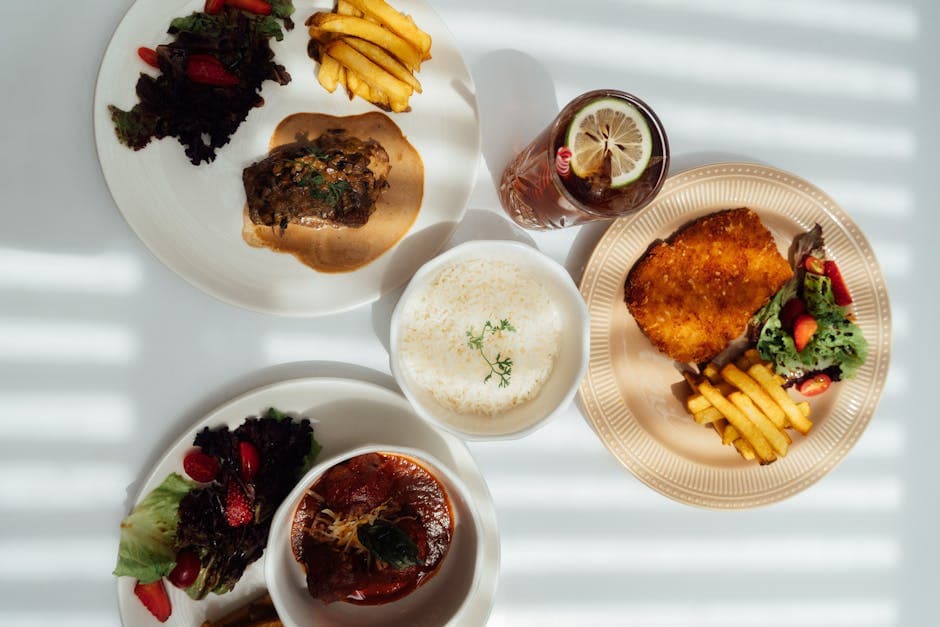
Njeguški Pršut
Dry-cured ham from the mountain village of Njeguši, and the country's most prized cured meat. It's rubbed with sea salt, smoked over beechwood, and aged for months in the spot where salty sea air meets the mountains. Sliced thin and served with njeguški sir (local cheese) and honey.
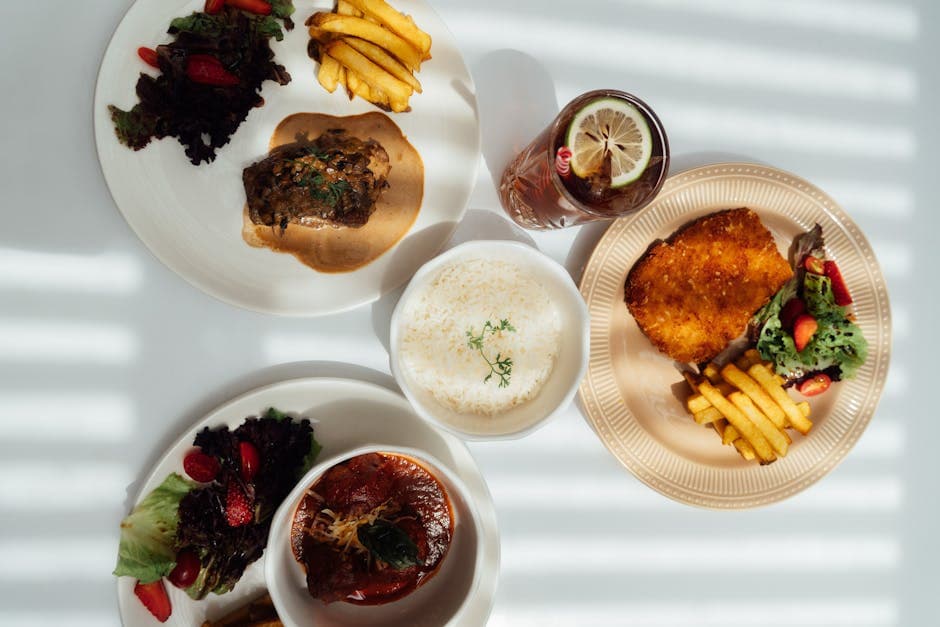
Kačamak
Thick cornmeal porridge cooked with potatoes and beaten through with plenty of kajmak (clotted cream) and butter, often finished with a layer of aged cheese. It comes to the table piping hot, the kind of mountain food that once kept shepherds and farmers going through the day.
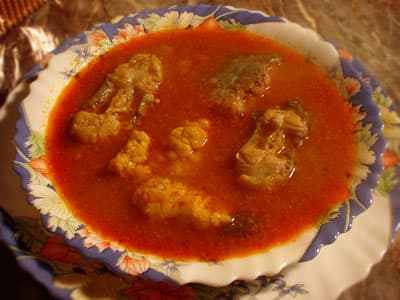
Riblja Čorba
A coastal fish soup built from fresh white fish, tomatoes, peppers, onions, and garlic, simmered slowly with paprika and local herbs. Every konoba guards its own version. Try it in Virpazar near Lake Skadar or in the coastal towns.
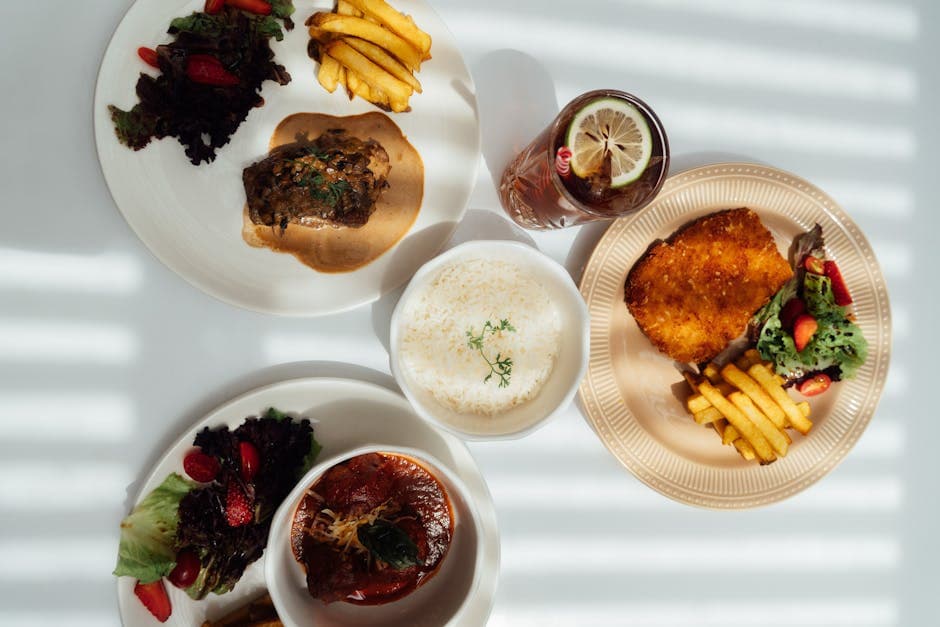
Priganice
Deep-fried dough balls served sweet or savory. The sweet ones get a dusting of sugar or a drizzle of honey and jam; the savory ones come alongside njeguški pršut, cheese, and kajmak. Crisp outside, airy inside, and almost always a sign someone wants to feed you well.
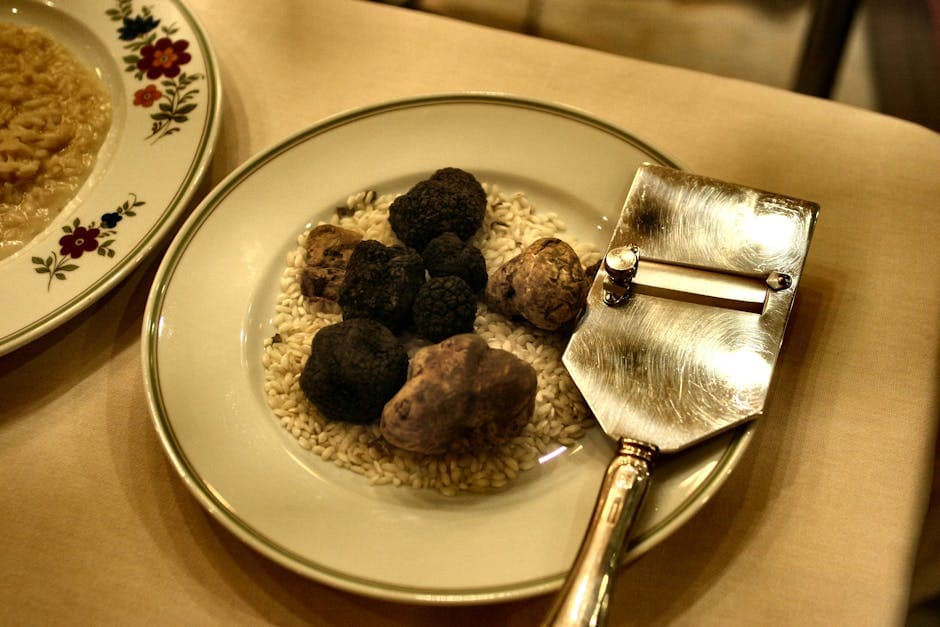
Black Risotto (Crni Rižot)
Risotto turned jet-black with cuttlefish ink and loaded with fresh Adriatic seafood. It cooks down slowly with white wine, garlic, and parsley until creamy. A coastal dish that catches your eye before your fork.
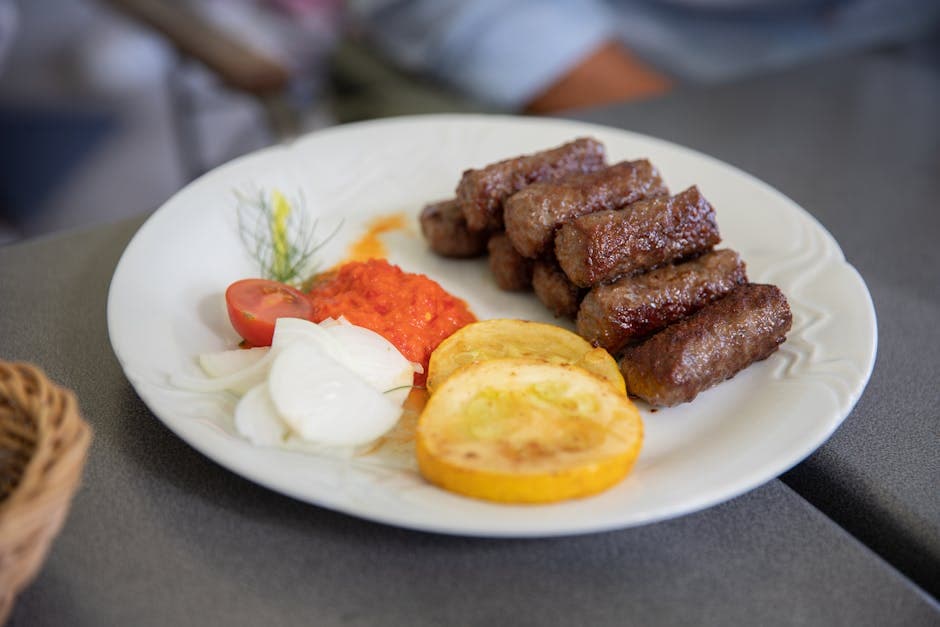
Ćevapi
Small grilled sausages of minced beef and lamb, seasoned with garlic and paprika. They arrive tucked into lepinja (flatbread) with raw onions, kajmak, and ajvar. A Balkan street food staple that Montenegro does very well.
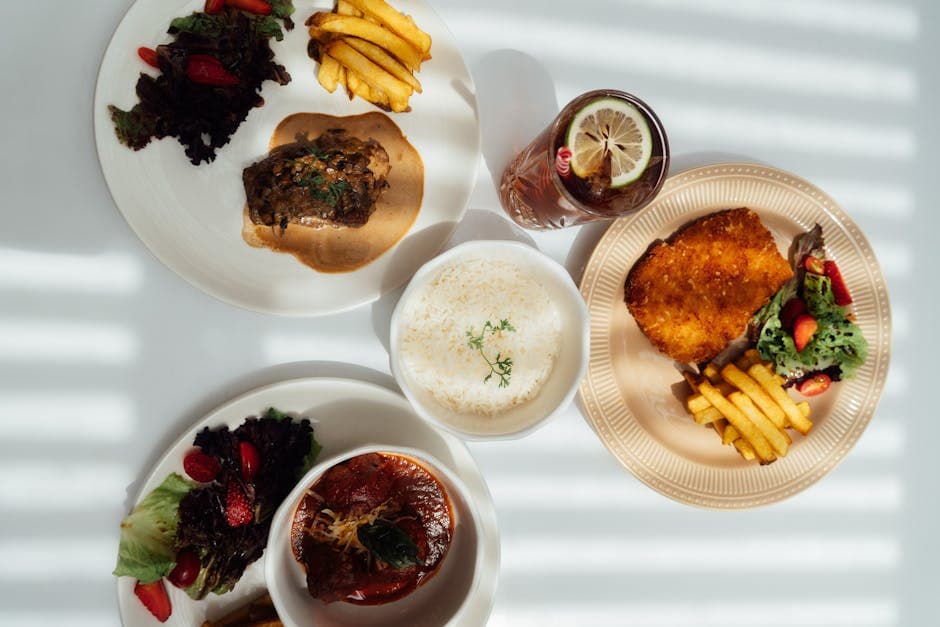
Buzara
Shellfish cooked in white wine, garlic, parsley, and olive oil, the classic Adriatic way. You'll find it made with mussels, shrimp, or a mix. The point is to keep things simple and let the seafood do the work.
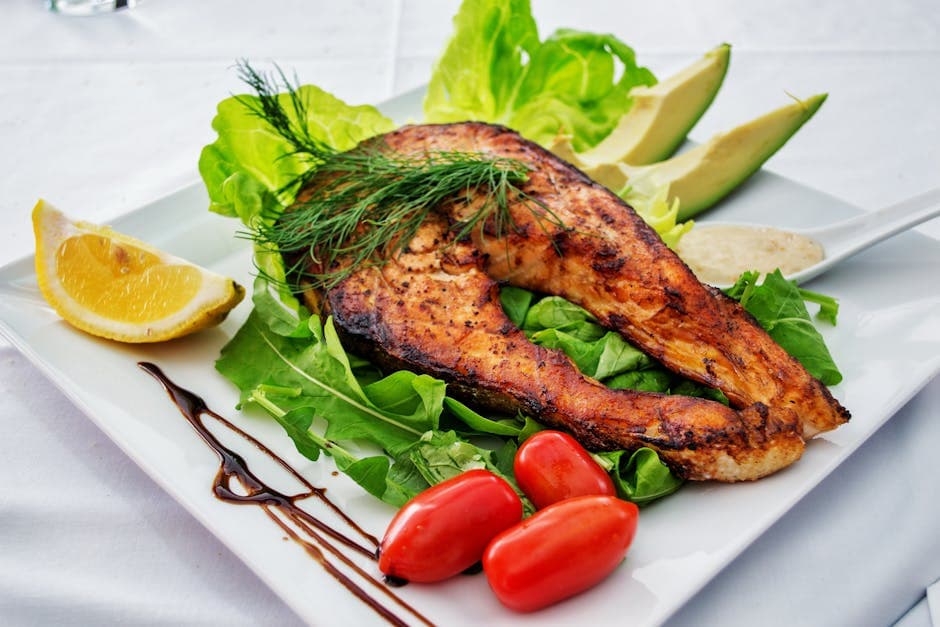
Njeguški Steak
Beef or pork steak stuffed with njeguški pršut and cheese, then breaded and fried until golden. Rich and filling, and named after the village that makes the ham.
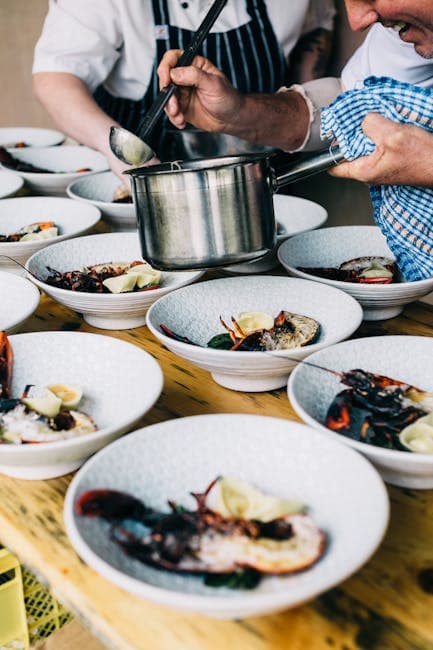
Popeci
Thin slices of meat rolled around cheese and ham, then grilled or fried. A Podgorica favorite that shows up as a starter or a main with a side salad.
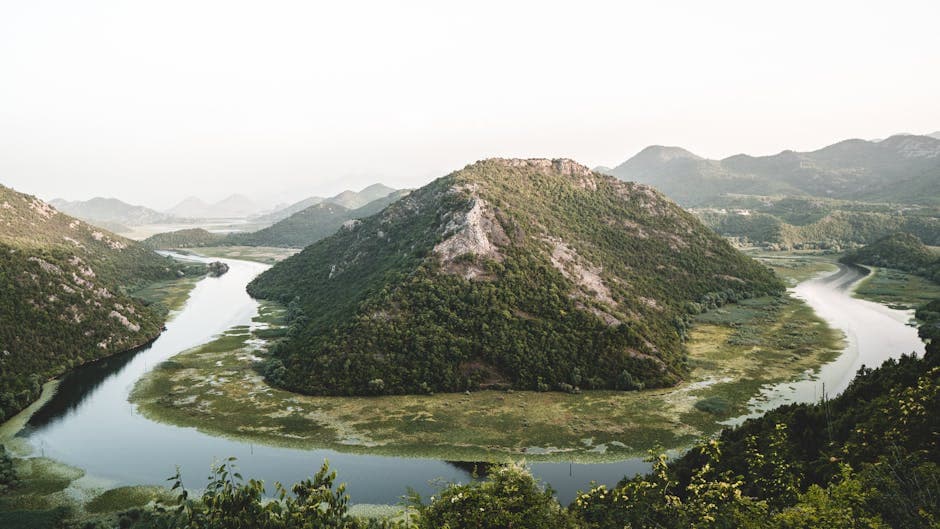
Lake Skadar Carp
Freshwater carp from Lake Skadar, usually cooked whole, either baked with vegetables or fried. Look for it at the restaurants ringing the lake, especially in Virpazar.
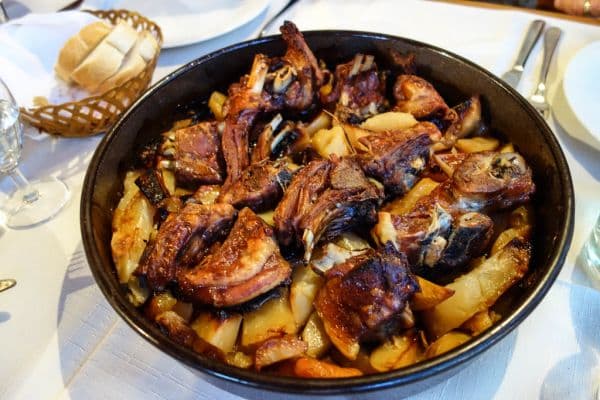
Lamb Under the Bell (Jagnjetina Ispod Sača)
Whole lamb roasted slowly under a metal bell (sač) buried in hot coals, which leaves the meat tender and faintly smoky. You'll need to order it a few hours ahead at the konobas that make it.
Regional Specialties & Local Favorites
Discover the authentic regional dishes and local favorites that showcase Montenegro's diverse culinary traditions.
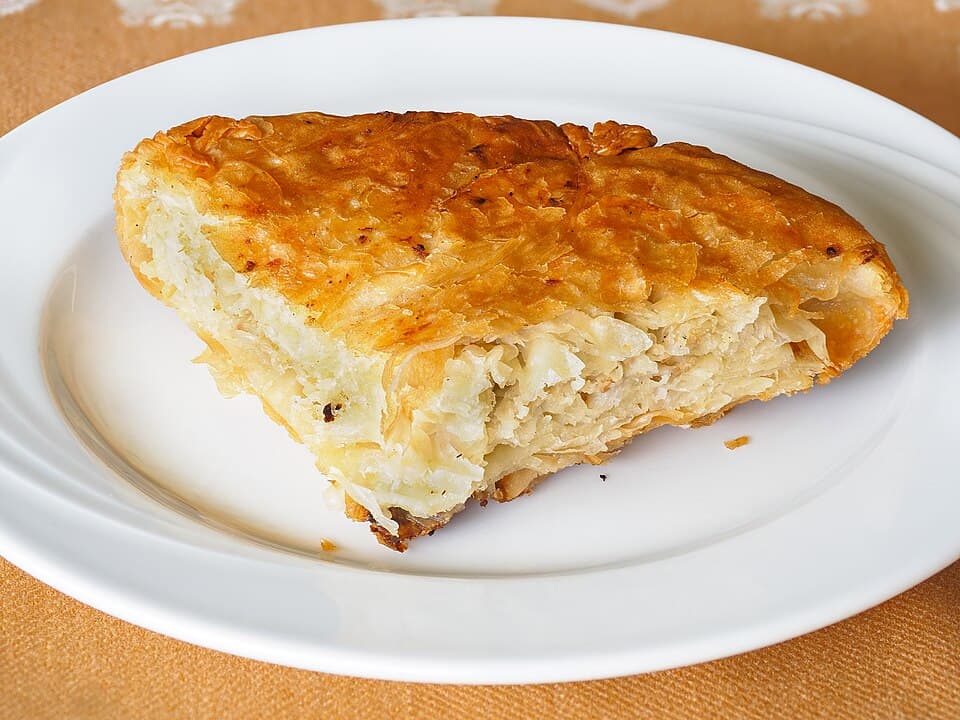
Burek
Flaky phyllo pastry filled with meat, cheese, or spinach, baked until golden and sold by weight at bakeries. A good breakfast with a cup of yogurt on the side.
Allergens:
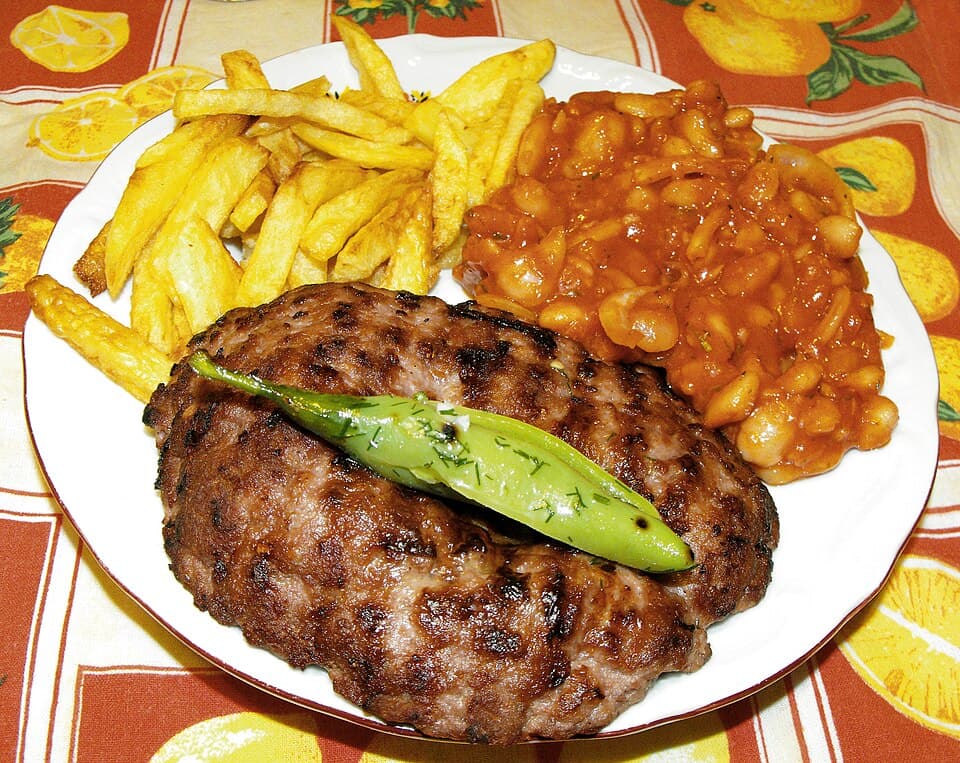
Pljeskavica
A large spiced meat patty grilled and served in lepinja bread with onions, kajmak, and ajvar. Think of it as the local answer to the burger, only better.
Allergens:
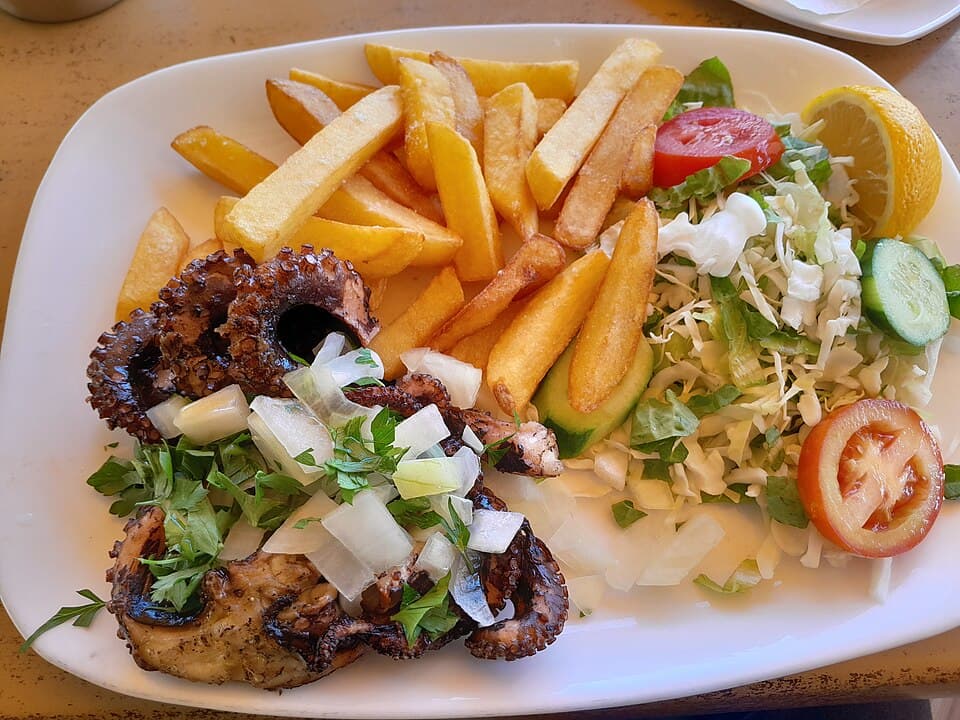
Grilled Octopus (Hobotnica)
Octopus grilled over charcoal until tender, then dressed with olive oil and lemon. It usually comes with blitva (Swiss chard and potatoes). A coastal favorite.
Allergens:
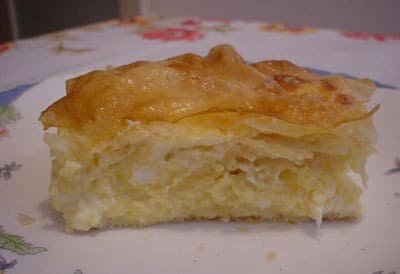
Gibanica
A layered cheese pie of phyllo dough, eggs, and local cheese, made either savory or sweet depending on the cook. A Balkan staple.
Allergens:
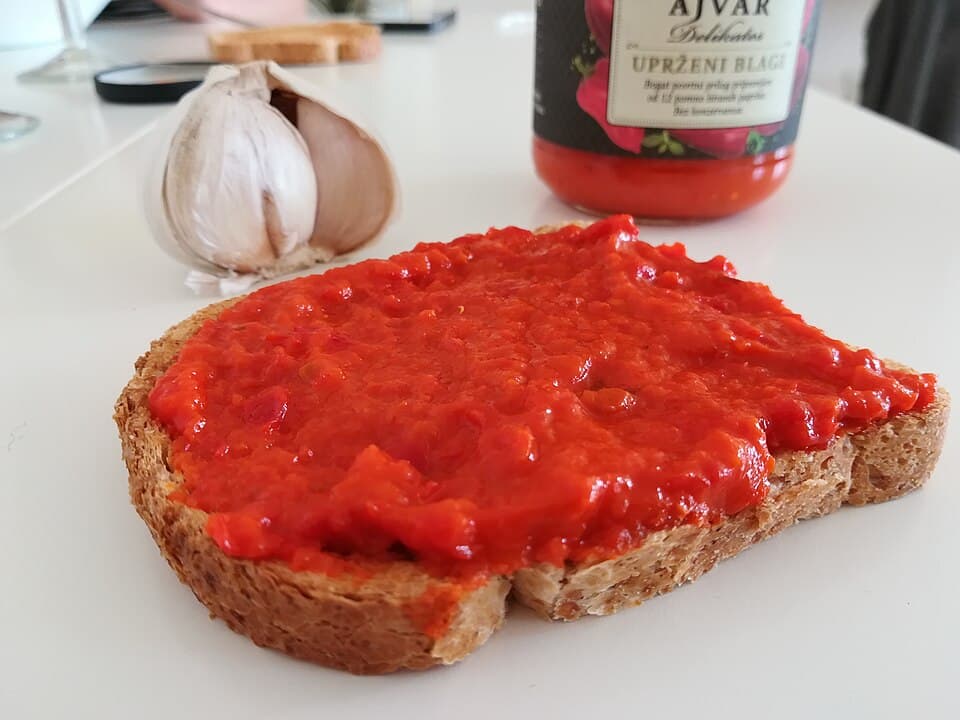
Ajvar
A spread of roasted red peppers and eggplant cooked down slowly with garlic and olive oil. It works as a condiment or a side, and the homemade jars are the ones people fight over.
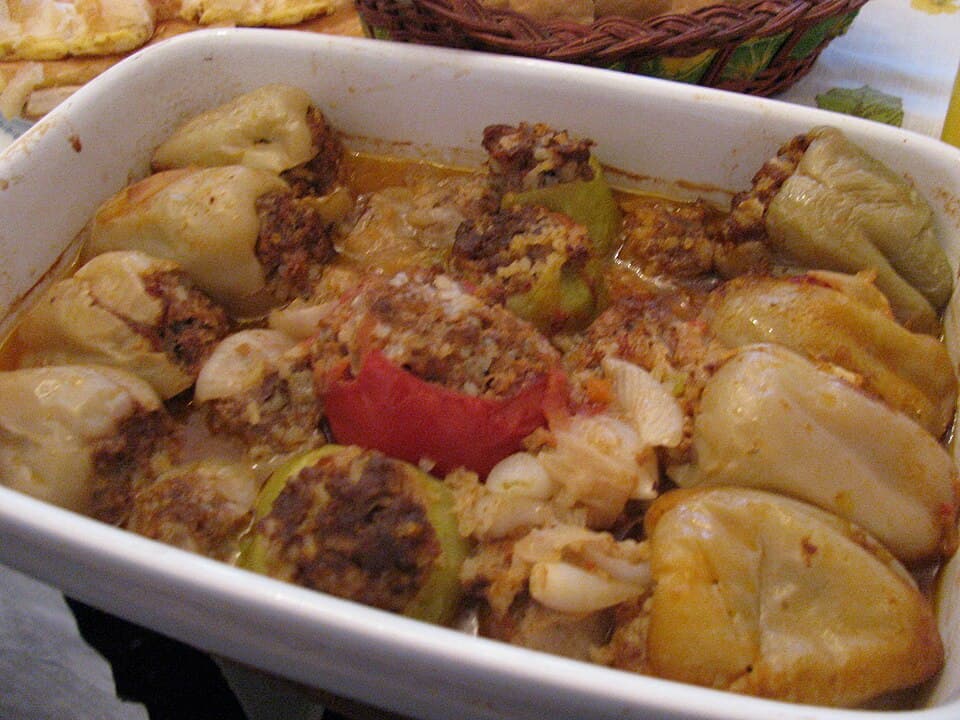
Punjene Paprike
Bell peppers stuffed with minced meat and rice, then simmered in tomato sauce. Plain, filling home cooking.
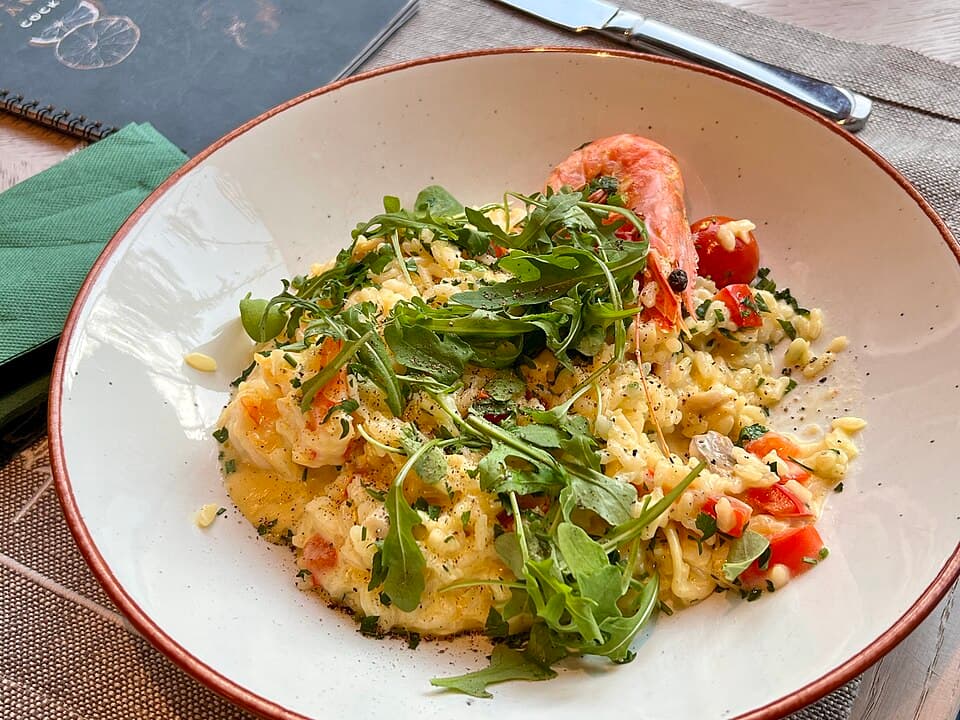
Seafood Risotto
Creamy risotto with mixed fresh seafood, white wine, and parsley. Every coastal restaurant cooks it a little differently.
Allergens:
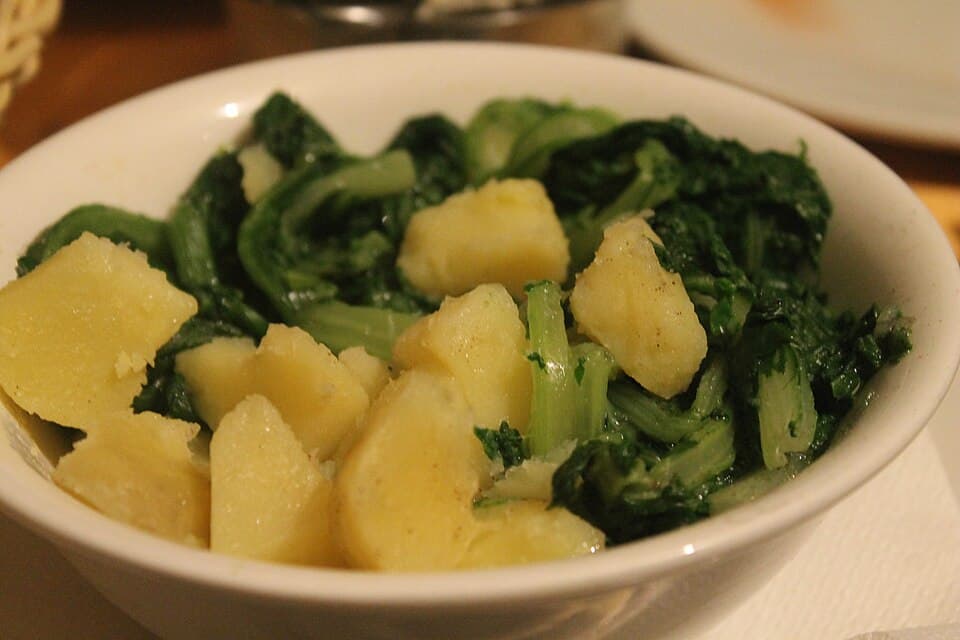
Blitva sa Krompirom
Swiss chard cooked down with potatoes, garlic, and olive oil. The standard side for grilled fish and meat.
Regional Cuisine Highlights
Explore the diverse culinary landscapes across different regions of Montenegro.
Coastal Region (Primorje) - Kotor, Budva, Bar
Cooking shaped by the Mediterranean and centuries of Venetian rule, built on fresh Adriatic seafood and olive oil. Dishes stay light and let good ingredients carry the plate. Menus run to seafood risottos, grilled fish, buzara, and black risotto.
Signature Dishes:
Key Ingredients:
Mountain Region (Highlands) - Njeguši, Kolašin, Žabljak
Filling mountain food that grew up to keep shepherds and farmers fed, leaning on dairy, cured meats, and warming dishes. The region is known for njeguški pršut, kajmak, and kačamak. Come winter, expect lamb under the bell and cicvara.
Signature Dishes:
Key Ingredients:
Central Region (Podgorica & Surroundings)
A meeting point between the coast and the mountains, pulling in both Lake Skadar fish and meat dishes. The wine culture here centers on the Plantaže vineyards, and the city restaurants mix old recipes with newer cooking.
Signature Dishes:
Key Ingredients:
Sweet Delights & Desserts
Indulge in Montenegro's traditional sweet treats and desserts.
Palačinke
Thin crepes filled with jam, chocolate, nuts, or cheese, made sweet or savory. Usually rolled up and dusted with powdered sugar.
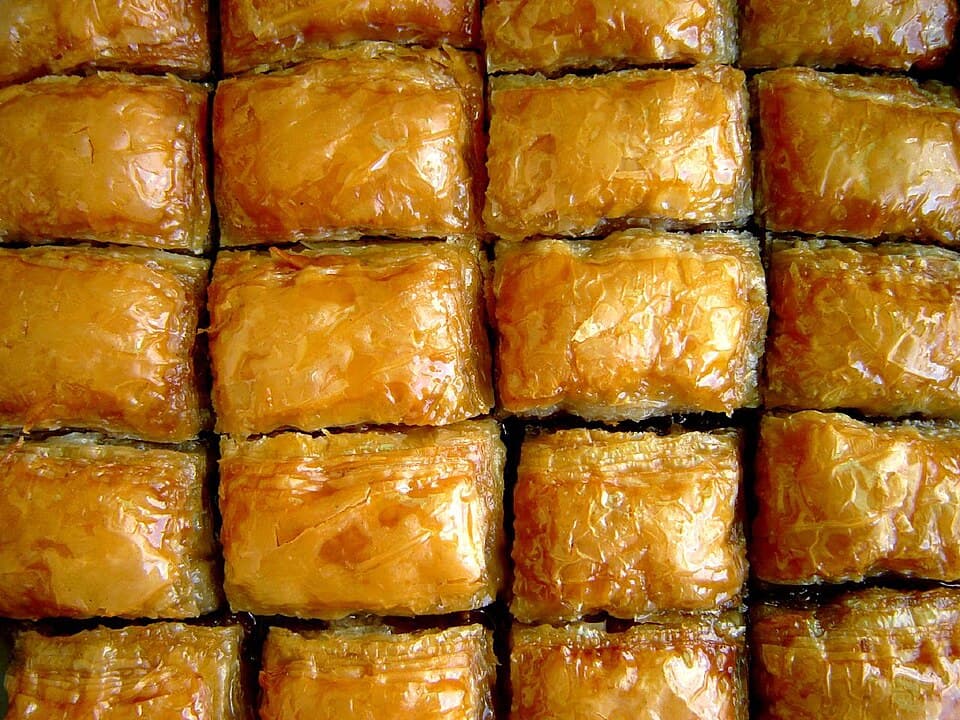
Baklava
Layers of phyllo pastry packed with walnuts or pistachios and soaked in honey syrup. Sweet, sticky, and hard to stop at one piece.
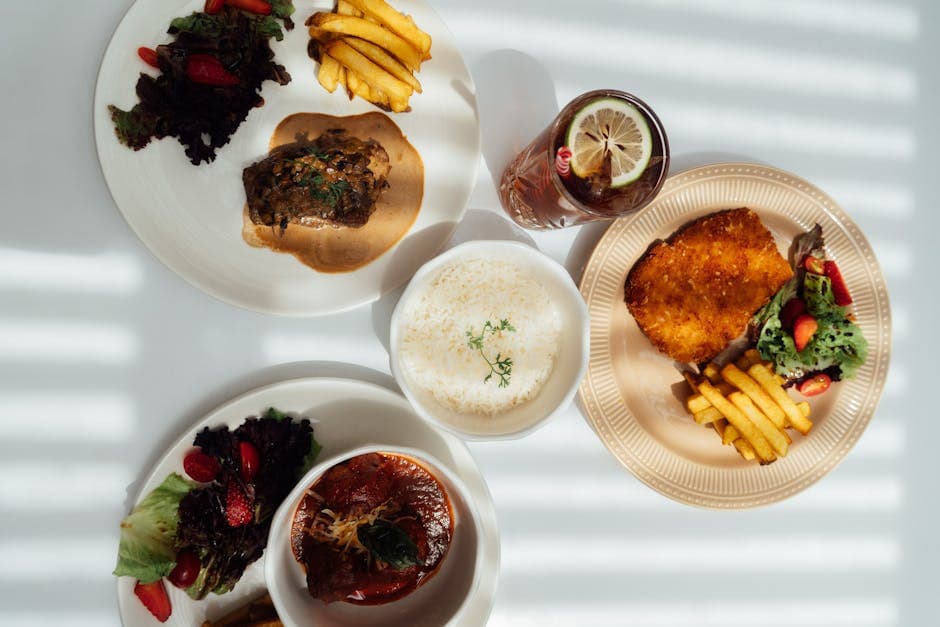
Krempita
A custard cream cake set between layers of puff pastry. Light, creamy, and not as sweet as most Balkan desserts.
Rožata
The local take on crème caramel, with a hint of rose liqueur. A smooth coastal dessert.
Traditional Beverages
Discover Montenegro's traditional drinks, from locally produced spirits to regional wines.
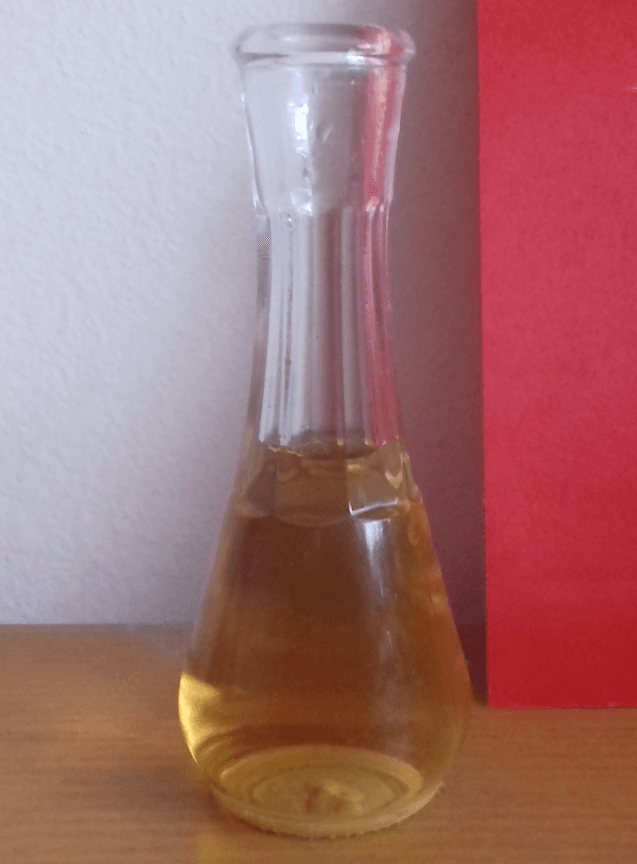
Rakija
Fruit brandy, most often made from grapes (loza) or plums (šljivovica). A homemade glass is a common way to welcome guests. Strong and warming.
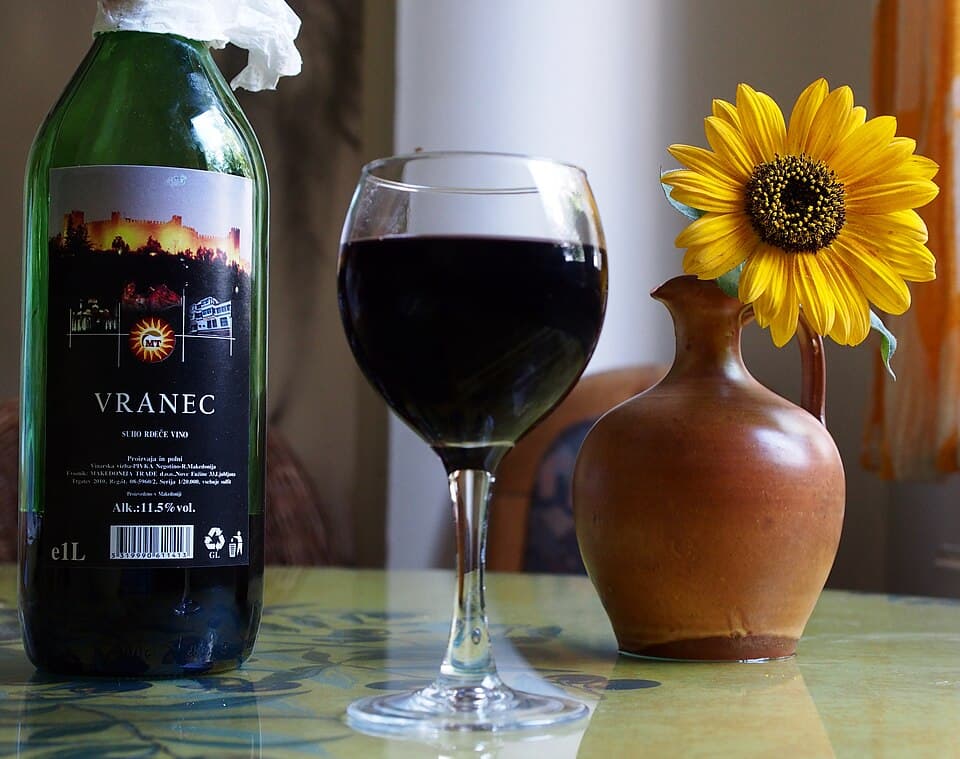
Vranac Wine
The country's native red grape, which makes full-bodied wines deep in color and big in flavor. The Plantaže winery near Podgorica is the largest producer.
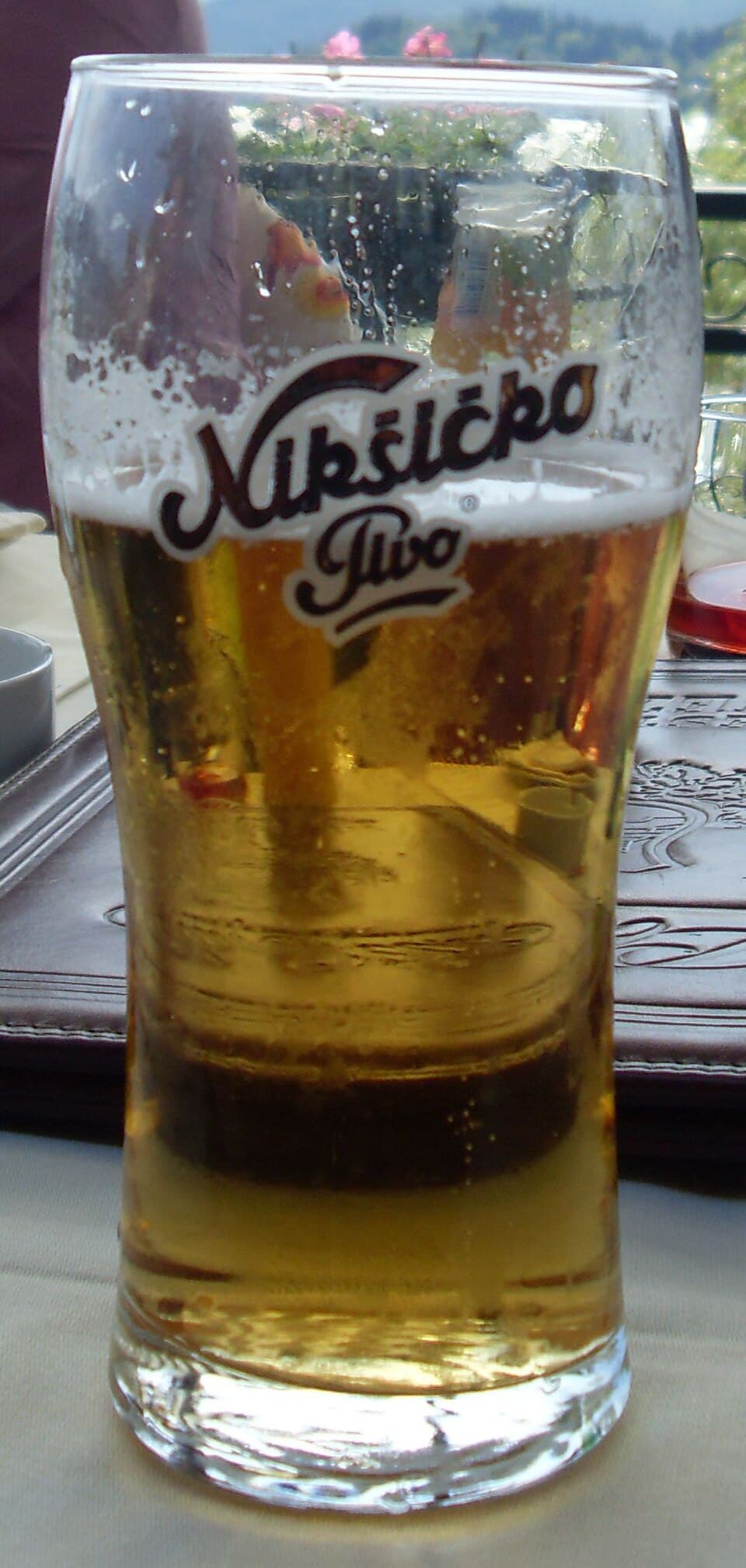
Nikšićko Beer
The country's most popular beer, brewed in Nikšić since 1896. A crisp lager that goes well with grilled meat and seafood.
Soft Beverages
Discover Montenegro's traditional non-alcoholic drinks, from local teas to refreshing juices.
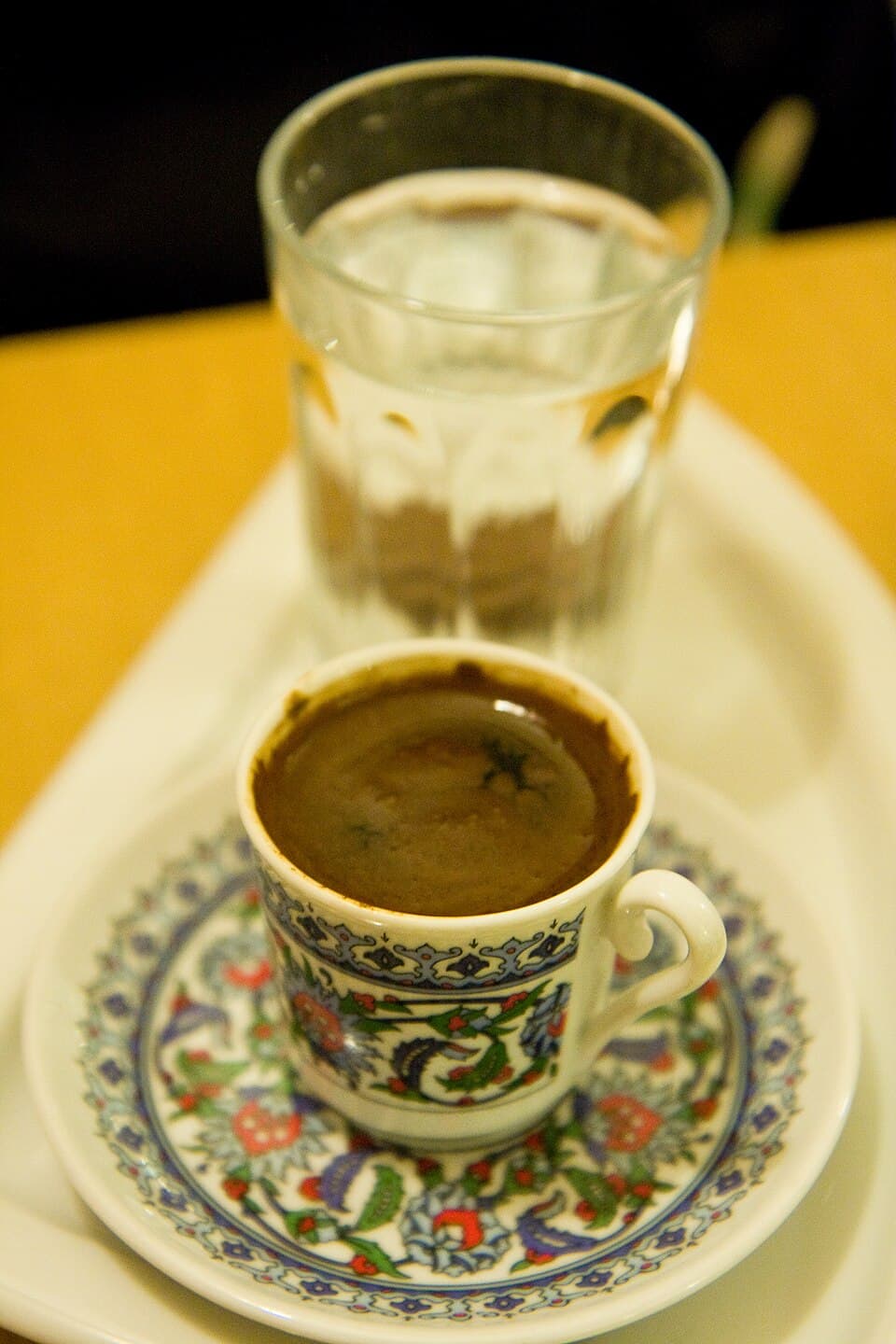
Turkish Coffee
Strong, unfiltered coffee served in small cups, with the grounds left to settle at the bottom. Often taken with a piece of lokum (Turkish delight).
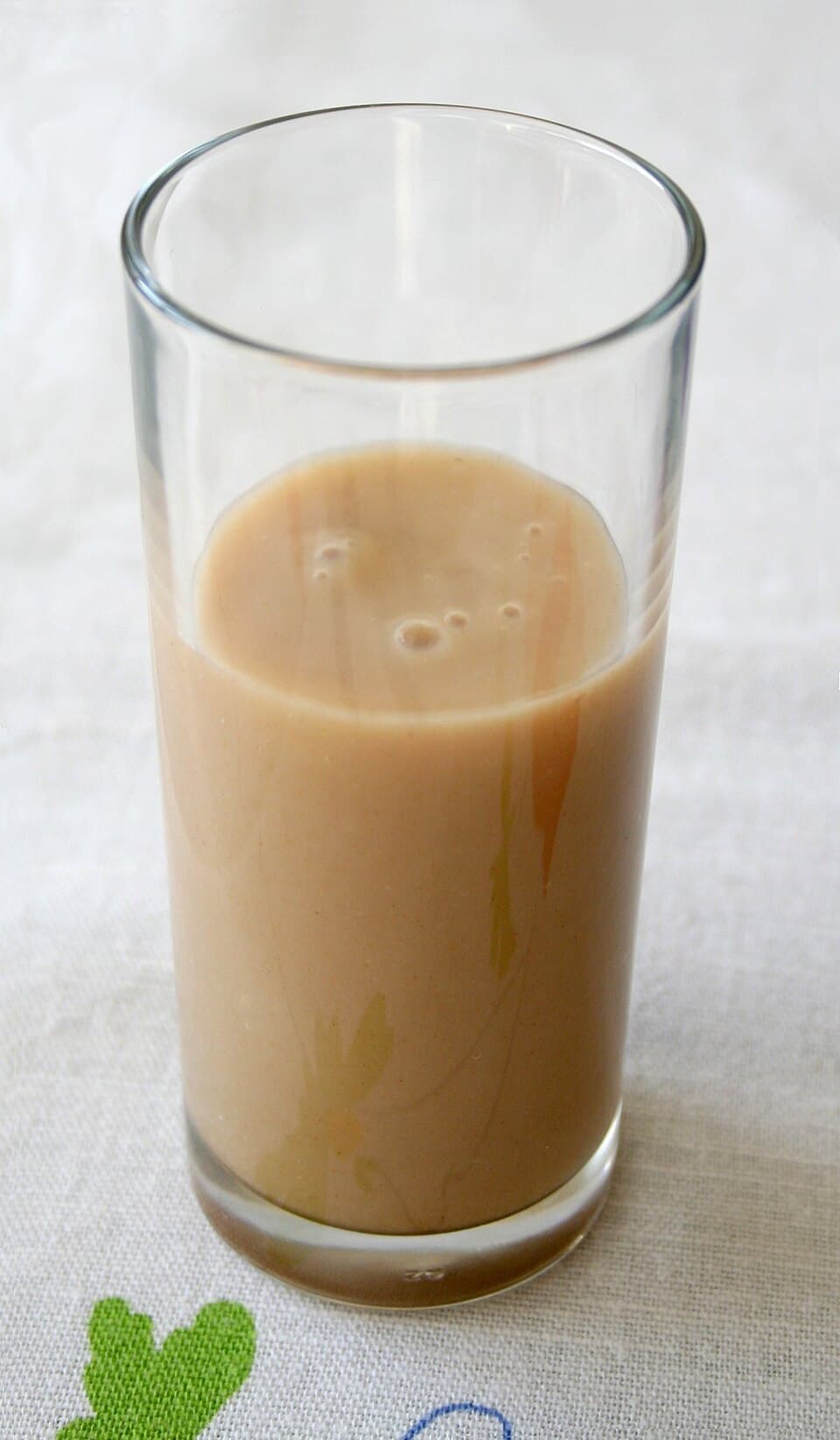
Boza
A fermented malt drink, lightly sweet with a slight tang. A winter staple, served thick and creamy.
Mountain Tea (Planinski Čaj)
Herbal tea brewed from wild herbs gathered on Lovćen and Durmitor. Caffeine-free, and long used as a home remedy.
Frequently Asked Questions
Essential information about food and dining in Montenegro.
What is the national dish of Montenegro?
Montenegro's most iconic dishes include Njeguški Pršut, Kačamak, Riblja Čorba. Dry-cured ham from the mountain village of Njeguši, and the country's most prized cured meat. It's rubbed with sea salt, smoked over beechwood, and aged for months in the spot where salty sea air meets the mountains. Sliced thin and served with njeguški sir (local cheese) and honey.
Is street food safe in Montenegro?
Street food in Montenegro can be enjoyed safely by following these guidelines: Tap water is generally safe in cities Choose busy vendors with high turnover. Look for busy vendors with high turnover, ensure food is cooked fresh and served hot, and avoid raw ingredients if you have a sensitive stomach.
What are the best restaurants in Montenegro?
Montenegro offers diverse dining options from street food stalls to upscale restaurants. For the best experience, ask locals for recommendations, check recent reviews, and look for restaurants that specialize in regional cuisines.
Can vegetarians find food easily in Montenegro?
Vegetarian options in Montenegro are mediumly available. Vegetarians can fall back on fresh salads, grilled vegetables, cheese dishes, gibanica (cheese pie), and ajvar. Coastal restaurants tend to have a wider range than the mountain konobas.. Many restaurants offer vegetarian dishes, and you'll find plant-based ingredients featured prominently in local cuisine.
What is the average cost of a meal in Montenegro?
Meal costs in Montenegro depend on where you eat. Street food and casual local restaurants are very affordable, typically offering complete meals for a few dollars. Mid-range restaurants charge moderate prices, while fine dining establishments are comparably priced to Western countries.
What are common food allergens in Montenegro?
Common allergens in Montenegro cuisine include Dairy, Gluten, Fish. Cheese, kajmak (clotted cream), and yogurt are fundamental to Montenegrin cuisine. These ingredients appear in dishes like Kačamak, Gibanica. Always inform restaurant staff about your allergies.
When is the best time to visit Montenegro for food?
Montenegro offers great food experiences throughout the year. However, visiting during harvest seasons (typically spring and autumn) provides access to the freshest local ingredients. Food festivals and cultural celebrations also offer unique culinary experiences worth planning around.