
Uzbekistan Food Guide
Content Information
Recently updated🔥Current Food Trends 2026
What's happening in Uzbekistan's culinary scene right now
Uzbek food keeps drawing international attention in 2026, helped along by the Gastro Forum that puts the country's cooking in front of a wider audience. Plov, the national dish, sits on the UNESCO Intangible Cultural Heritage List, and people count more than 200 regional versions of it. By June the high-summer heat has set in, but the cold-weather staples that carry the winter months (0-10°C/32-50°F) like heavy plov, samsa and shurpa are still on every menu. Tashkent's restaurant scene keeps modernizing, with younger chefs reworking old recipes using more precise technique. The arguments over whose plov is best run deep, and Tashkent, Samarkand, Bukhara and Khiva each cook it their own way. The Central Asian Plov Center in Tashkent draws visitors to watch rice cooked in enormous kazans. Silk Road history still shapes the table, from Uyghur lagman noodles to Persian spicing to Russian carryovers. Non, the tandoor-baked flatbread, comes with everything and changes shape from one region to the next. Chorsu Bazaar in Tashkent is the heart of the street food scene. Tourism has grown sharply since the 2018 visa rules loosened, bringing fresh attention to the cuisine, and more visitors means more restaurants thinking about vegetarians. Samsa from the covered markets remains an essential snack, while family-run places in Samarkand and Bukhara hold onto older recipes. Shashlik, grilled over charcoal or fruit-tree wood, anchors most social occasions. Green tea (kok choy) and black tea get poured all day long. Suzma (strained yogurt) and kurt (dried yogurt balls) are the everyday dairy. Melon season is a real event, and Uzbek melons rank among the sweetest in Central Asia. Almost everything is halal. Hospitality runs on big portions and shared plates, and restaurants like Afsona and Navat give the classics an upscale finish.
Food Safety Tips
Essential food safety information to help you enjoy Uzbekistan's cuisine safely and confidently.
Drink bottled water outside major cities
Tap water quality varies, even in Tashkent and other large cities. Stick to bottled water with the seal intact, or boil and purify before drinking. Skip ice unless you know it was made from purified water.
Street food generally safe at busy vendors
Samsa, plov and other street food from Chorsu Bazaar and the covered markets are usually fine when the stall is doing brisk business. Go for items that are freshly cooked and still hot.
Plov centers highly safe and authentic
The dedicated plov centers, where rice is cooked in huge kazans over open fire, keep good hygiene. Everything is made fresh each morning and usually sells out by 1 or 2pm, so it is a reliable choice.
Wash fruits and vegetables thoroughly
The markets are full of fresh produce. Wash fruit and vegetables in purified water before eating, and peel fruit yourself where you can.
Dietary Options
vegetarian
MEDIUM AVAILABILITYVegetarian choices have improved as tourism has grown. Traditional meat-free dishes include fresh salads, grilled vegetables, non bread, vegetable lagman and pumpkin manti. City restaurants tend to have the widest range.
vegan
MEDIUM AVAILABILITYVegan eating is possible but takes some explaining. Plenty of vegetable dishes are vegan by default; the thing to watch for is dairy-based sauces. Markets are a great source of fresh produce, and it helps to spell out your needs to the kitchen.
gluten-free
LOW AVAILABILITYAwareness of gluten-free eating is limited, and wheat shows up everywhere - in non bread and lagman noodles especially. Lean on the dishes that are gluten-free anyway: rice plov, grilled shashlik, vegetable dishes and salads.
halal
VERY HIGH AVAILABILITYUzbekistan is majority Muslim, so nearly all food is halal. Meat is prepared according to Islamic practice and pork is rarely served. For halal travellers it is about as easy as it gets.
Common Allergens
Gluten
VERY HIGH PREVALENCEWheat products fundamental to Uzbek cuisine - non bread, lagman noodles, samsa pastry
COMMONLY FOUND IN:
Dairy
HIGH PREVALENCEDairy products common including yogurt, suzma, kurt, milk
COMMONLY FOUND IN:
Nuts
MEDIUM PREVALENCENuts used in desserts and some savory dishes
COMMONLY FOUND IN:
Sesame
MEDIUM PREVALENCESesame seeds used in breads and pastries
COMMONLY FOUND IN:
Essential Food Experiences
These iconic dishes represent the must-have culinary experiences that define Uzbekistan's food culture for travelers.

Plov (Osh)
The national dish and a UNESCO Intangible Cultural Heritage item. Rice pilaf with minced lamb, carrots, onions and spices like cumin and coriander, traditionally cooked in a big kazan over open fire. Count more than 200 regional versions - Tashkent plov is not the same as Samarkand or Bukhara plov, and each city defends its own. Try it at the Central Asian Plov Center in Tashkent or at the smaller centers that sell out by 1pm.
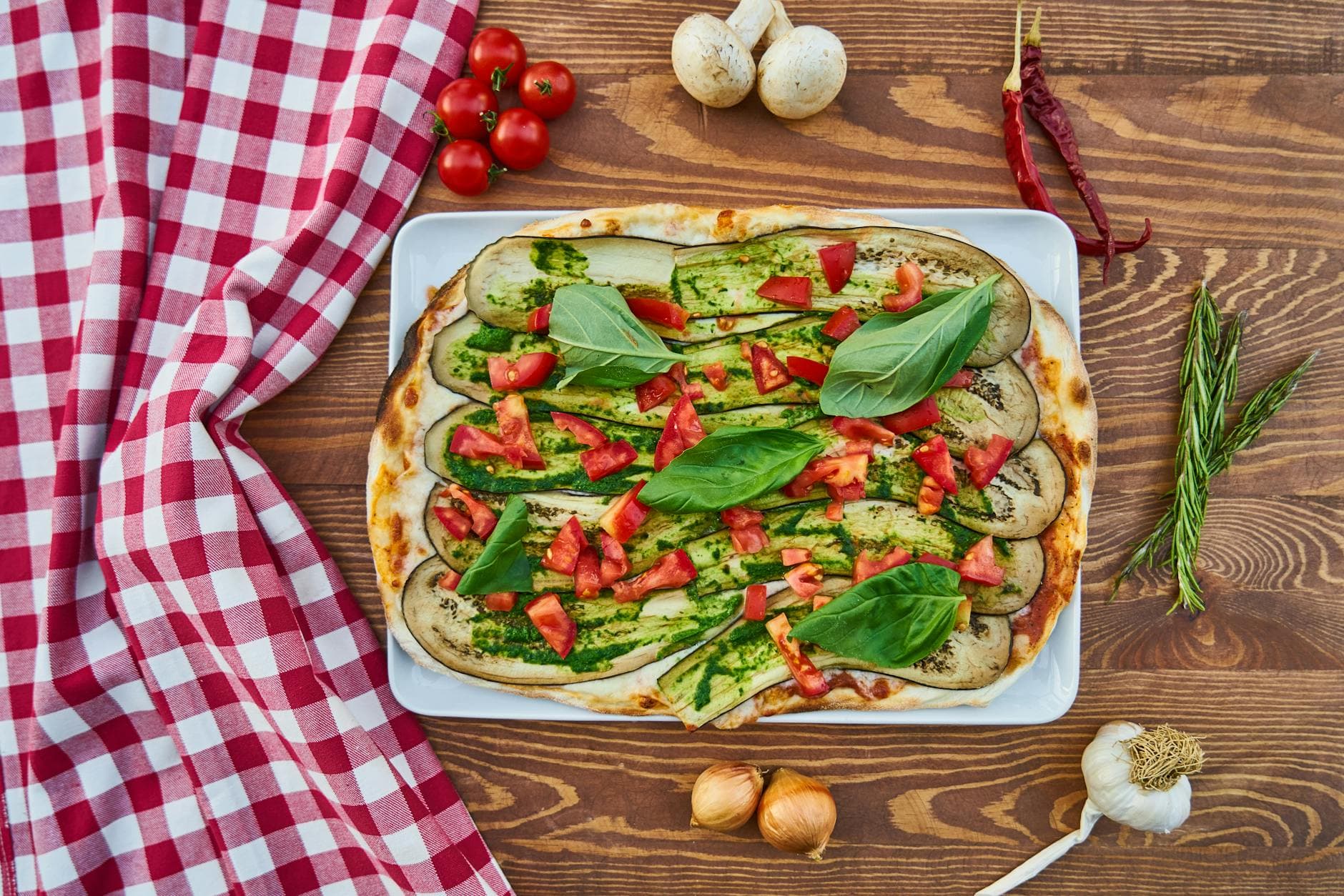
Samsa
A savoury pastry of minced lamb, onions and spices, baked in a tandoor until golden and flaky. You will find it at covered markets like Chorsu Bazaar. The shell goes crisp around a juicy meat filling, and it is best eaten fresh and hot.

Shashlik
Central Asian kebabs: skewered marinated meat - lamb, beef or chicken - grilled over charcoal or fruit-tree wood. The flavour comes from the tail fat and a good marinade. You will see mutton, lyulya-kebab (ground meat), jigar (liver), chicken, vegetables, fish, even quail. It arrives with raw onion, vinegar and non bread.

Lagman
A noodle soup built on hand-pulled noodles, beef or lamb and vegetables in a deep broth. Its roots are Uyghur, but it is a fixture in Uzbek homes. Warming stuff, and a favourite once the weather cools. You can have it as soup or fried, the latter called kovurma lagman.

Non (Obi Non)
The flatbread baked in a clay tandoor: round, with a thin stamped dimple in the middle and a thicker rim. Every region bakes its own kinds, and obi non is the everyday loaf. It comes to the table stamped side up and gets torn into chunks. It is there at every meal, and Uzbeks treat it with respect - you never set it down upside down.

Manti
Big steamed dumplings filled with minced meat, onions and spices, eaten with sour cream or a spicy tomato sauce. Think Chinese baozi, but bigger and seasoned the Uzbek way. A comfort food you will find at home and in restaurants alike.

Shurpa
A filling lamb or beef soup with big chunks of potato, carrot, turnip and pepper in a deep broth - the kind of thing you want in cold weather. It comes with non bread, and the recipe shifts from region to region.

Dimlama
A slow-cooked stew where meat and vegetables are layered in the pot and left to cook in their own juices. Meat, potatoes, carrots, onions, cabbage and peppers go in, but no water - the vegetables release enough moisture on their own. It comes into its own in autumn as a harvest meal.

Shivit Oshi
A Khiva dish in which the noodles turn bright green from fresh dill worked into the dough. They come topped with a beef and potato stew and a side of tangy yogurt. It is a specialty you really only meet in Khiva, and it says a lot about how the city cooks differently from the rest of the country.

Hasib
A mutton sausage made with rice, organ meats and spices. The best comes from the stalls at Oqvat Bozari, tucked between the domes of Chorsu Bazaar in Tashkent. It is rich, with a texture unlike anything else, and a good pick if you like to eat adventurously.

Naryn
Hand-pulled noodles with boiled horse meat or beef, onions and broth, usually saved for celebrations and special occasions. It carries the nomadic heritage of Central Asia in every bite.
Regional Specialties & Local Favorites
Discover the authentic regional dishes and local favorites that showcase Uzbekistan's diverse culinary traditions.
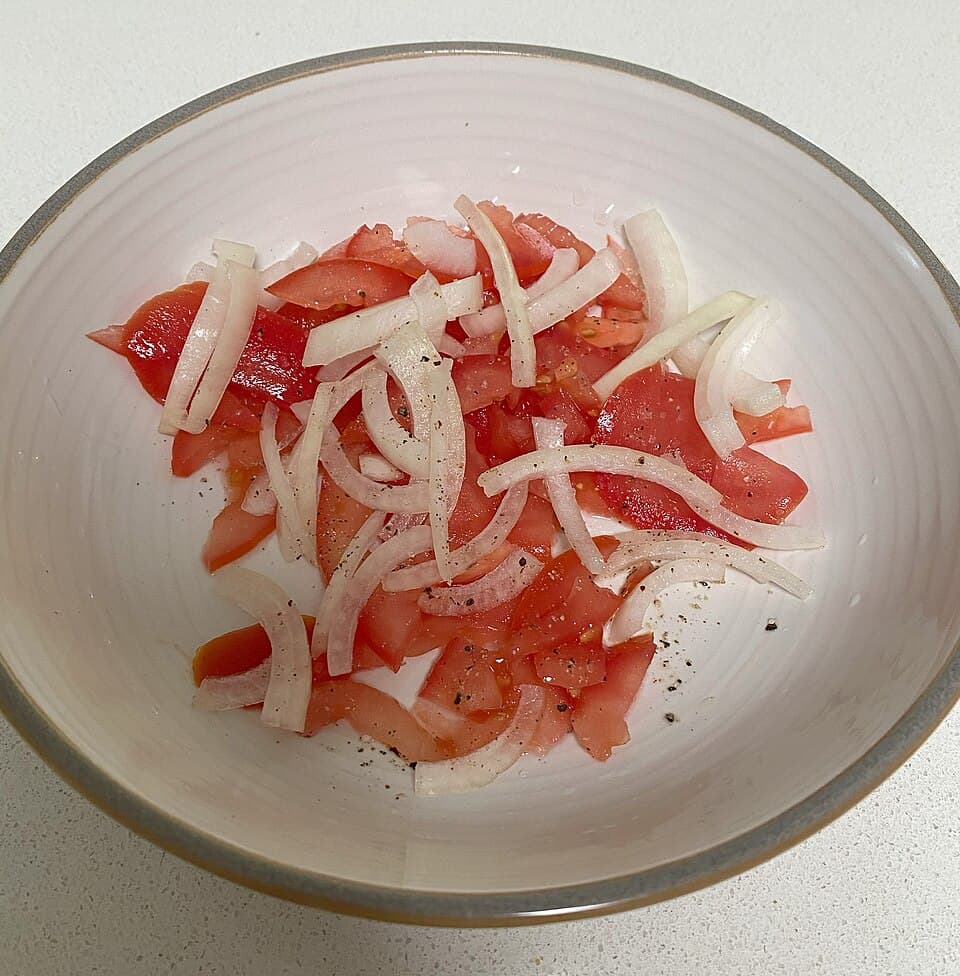
Achichuk Salad
A simple salad of sliced tomatoes, onions and herbs like cilantro and dill, dressed with vinegar or lemon. It cuts through the heavier meat dishes and turns up as a side at just about every meal.
Tandoor Bread Varieties
Obi non is only the start. There is also patyr (a thick loaf), kulcha (small and round) and katlama (layered), with each region known for its own kinds.
Allergens:
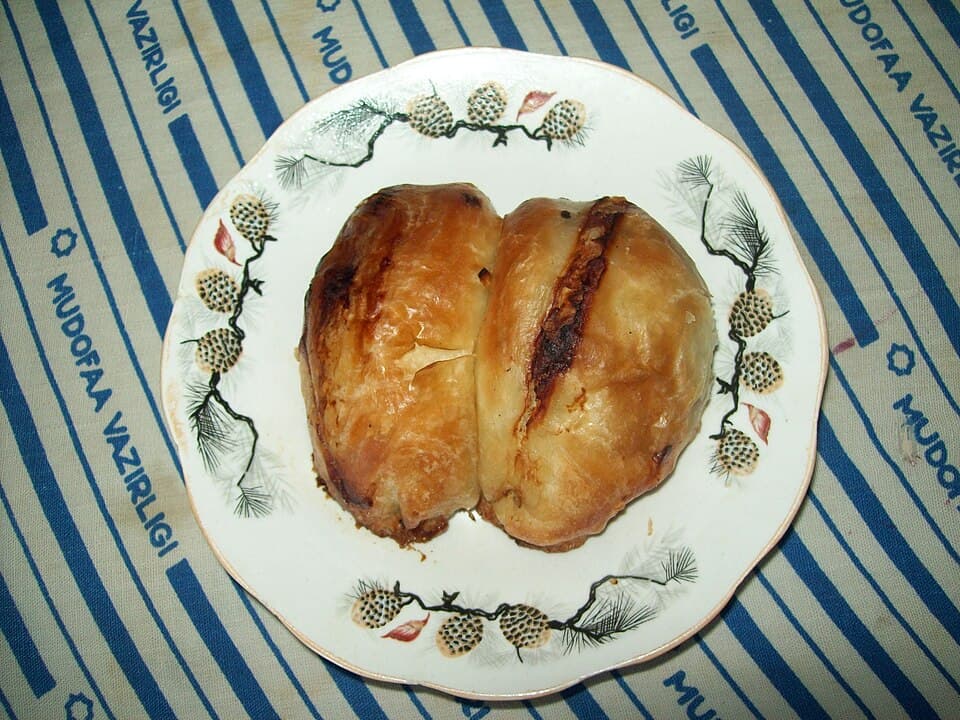
Somsa (Regional Variations)
Somsa changes from one region to the next - size, shape and filling all shift, and pumpkin somsa is a favourite in some areas. Whatever the version, it goes into the tandoor for that crisp shell.
Allergens:
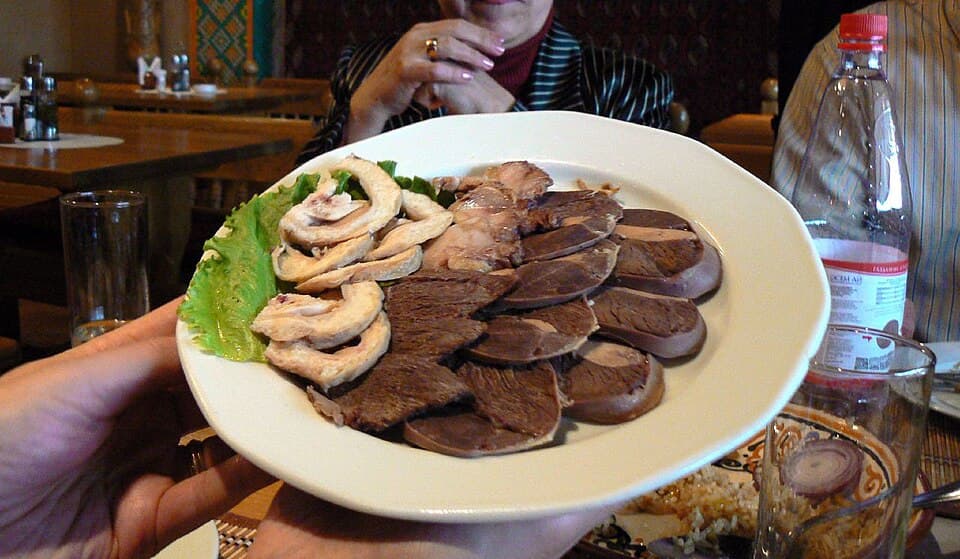
Qazi
A horse meat sausage with old nomadic roots, seasoned with garlic, pepper and spices. It is sliced and served as an appetizer or folded into plov.
Kovurma Lagman
The fried take on lagman: instead of sitting in soup, the noodles are stir-fried with meat and vegetables. It comes out a little crisp, and many people prefer it to the soup version.
Allergens:
Suzma
Strained yogurt, a bit like Greek yogurt but sharper. It shows up as a side, in sauces, and spread on bread - one of the staple dairy products in the kitchen here.
Allergens:
Kurt
Hard, dried yogurt balls - salty and tangy, and a way of preserving dairy that goes back to nomadic days. They keep for ages without a fridge, which made them a traveller's snack. The taste takes some getting used to.
Allergens:
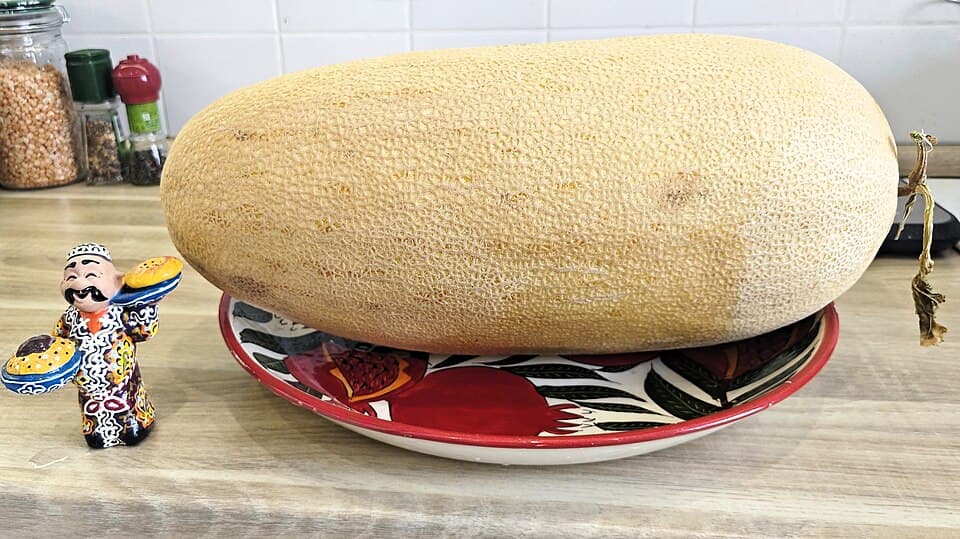
Uzbek Melons
Uzbekistan is known for its remarkably sweet melons, with more than 160 varieties grown. In summer and autumn they are the dessert of choice, served after meals alongside non bread, and a genuine source of national pride.
Regional Cuisine Highlights
Explore the diverse culinary landscapes across different regions of Uzbekistan.
Tashkent
The capital pulls together traditions from across the country. Tashkent plov has its own method: the ingredients are cooked separately and then layered, starting with the zirvak, the meat-and-vegetable base. The Central Asian Plov Center shows the traditional version cooked in giant kazans, while Afsona and Navat give the classics an upscale spin. Chorsu Bazaar is the centre of the street food scene. This is the most cosmopolitan Uzbek cooking, with the clearest international influences.
Signature Dishes:
Key Ingredients:
Samarkand
An old Silk Road city with refined cooking. Samarkand plov is close to the Tashkent style - layered, with a golden colour. Family-run places turn out excellent versions; Sharof Bobo Oshxonasi tends to sell out by 1pm. Persian and Turkic threads run through the food, fresh tandoor bread is a given, and people here reach for black tea over green.
Signature Dishes:
Key Ingredients:
Bukhara
Bukhara cooking carries Jewish and Persian influences. Its plov (osh) uses sesame oil rather than animal fat, which gives it a lighter texture than elsewhere, and black zira (Bunium persicum) adds a sharper, smoky note. Oshi Sovo is a slow-baked Jewish dish that cooks for 12 to 18 hours at 90-110°C. The Plov and Magistral Plov Center keep to the traditional methods, and slow cooking runs through the whole repertoire.
Signature Dishes:
Key Ingredients:
Khiva (Khorezm)
Western Uzbekistan has a food identity all its own, built around refined cottonseed oil. The signature dish is Shivit Oshi, the green dill noodles that get their colour and aroma from the herb. Rice is handled differently here than in the east, and the spicing follows its own logic. As an isolated oasis city, Khiva felt less of the Silk Road than Samarkand or Bukhara, and its food grew up apart.
Signature Dishes:
Key Ingredients:
Sweet Delights & Desserts
Indulge in Uzbekistan's traditional sweet treats and desserts.
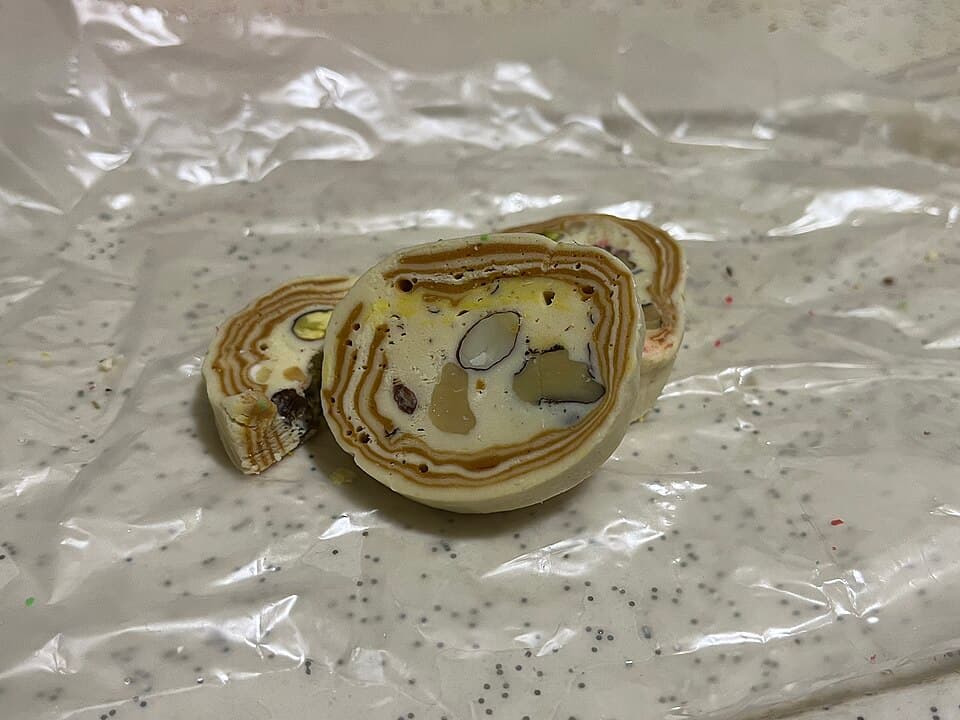
Halva
A dense, sweet confection of sesame paste (tahini) and sugar, sometimes with nuts worked in. It is served with tea and sold at markets and sweet shops.
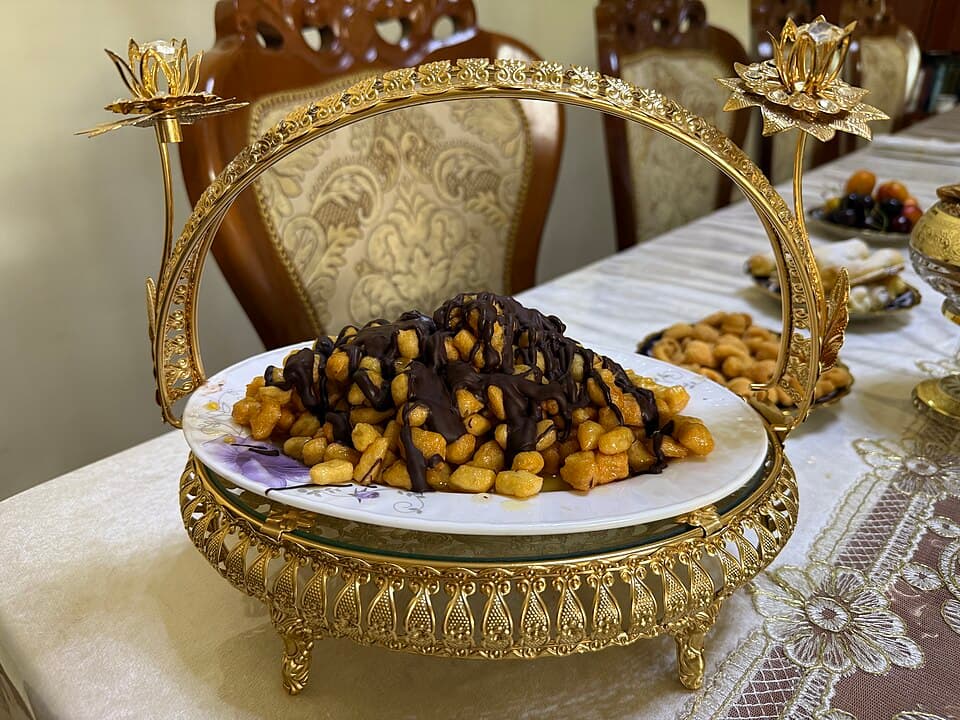
Chak-Chak
Little pieces of fried dough held together with honey syrup, often piled into a pyramid. Crisp, sweet and sticky, it shows up at celebrations and holidays and carries a Russian-Tatar influence.
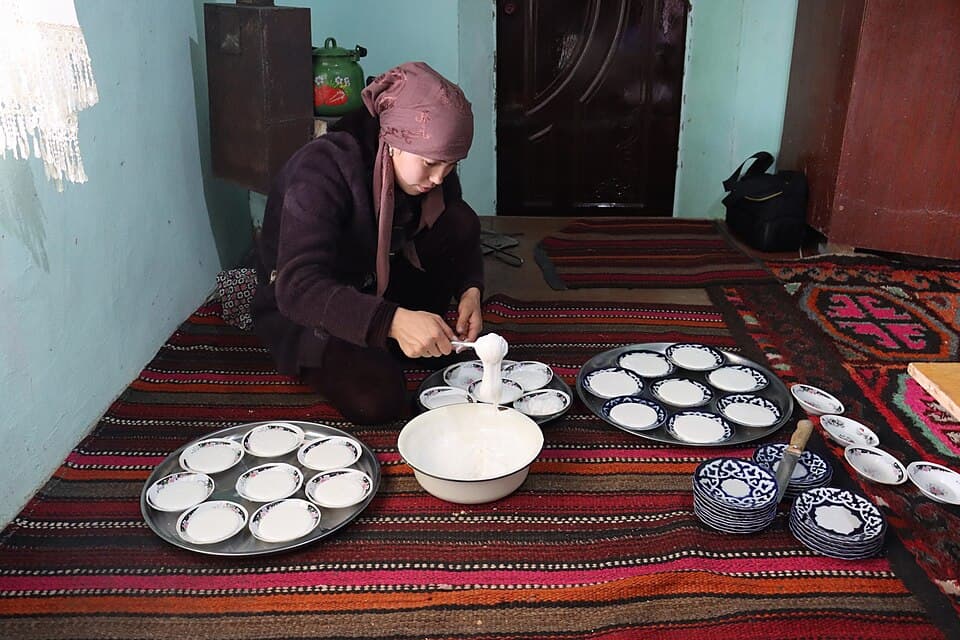
Nisholda
A whipped egg-white confection with sugar and herbs, sometimes nuts - light and airy, somewhere between nougat and meringue. It is a festive dessert by tradition.
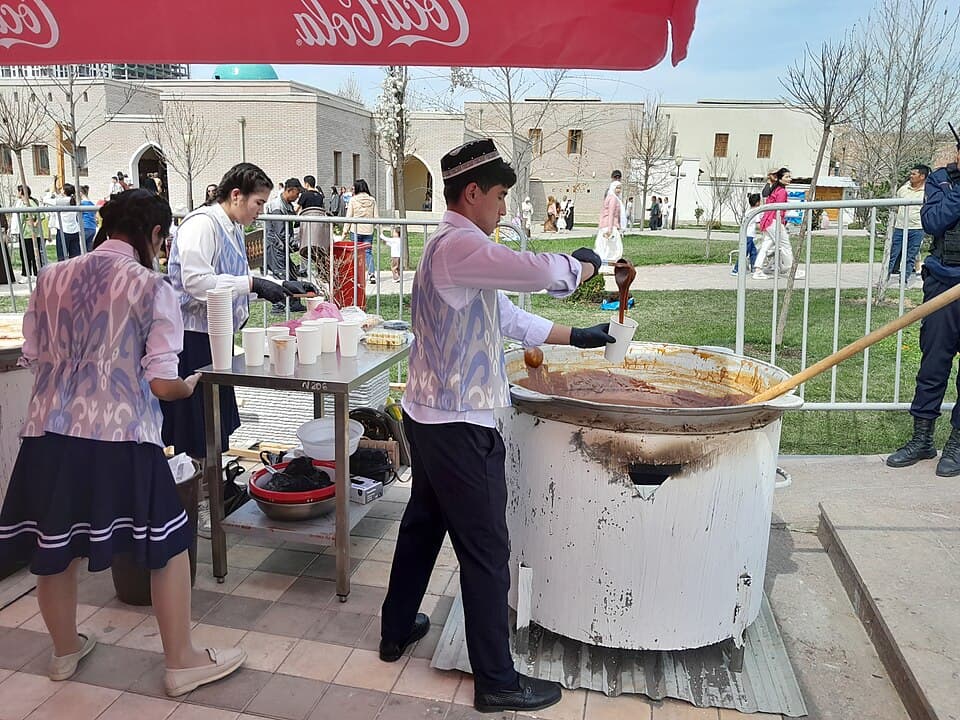
Sumalak
A sweet paste made from wheat sprouts, cooked over a full 24 hours. It is made for Nowruz, the Persian New Year, and the long communal cooking is part of the ritual. The flavour is sweet and nutty, unlike anything else.
Traditional Beverages
Discover Uzbekistan's traditional drinks, from locally produced spirits to regional wines.
Vodka
Uzbekistan is majority Muslim, but vodka still gets drunk, mainly at celebrations and often homemade. It comes out for toasts on special occasions, though far less than it did in Soviet times.
Soft Beverages
Discover Uzbekistan's traditional non-alcoholic drinks, from local teas to refreshing juices.
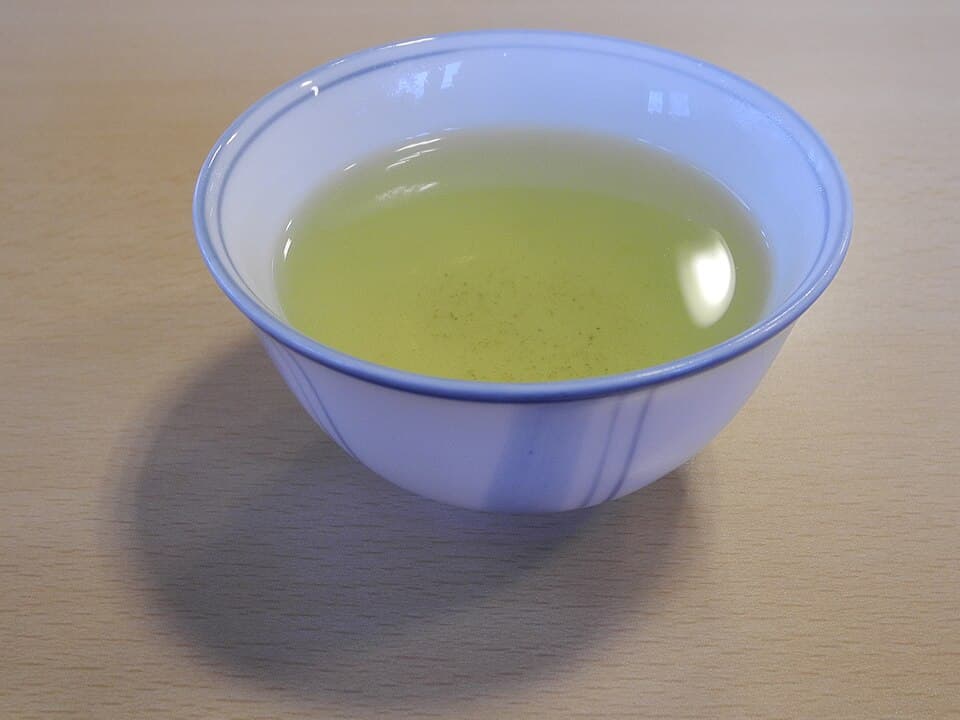
Green Tea (Kok Choy)
Poured all day, especially in northern Uzbekistan, and served hot from porcelain bowls or teapots. It is part of how hosts welcome you, and it resets the palate between rich dishes.
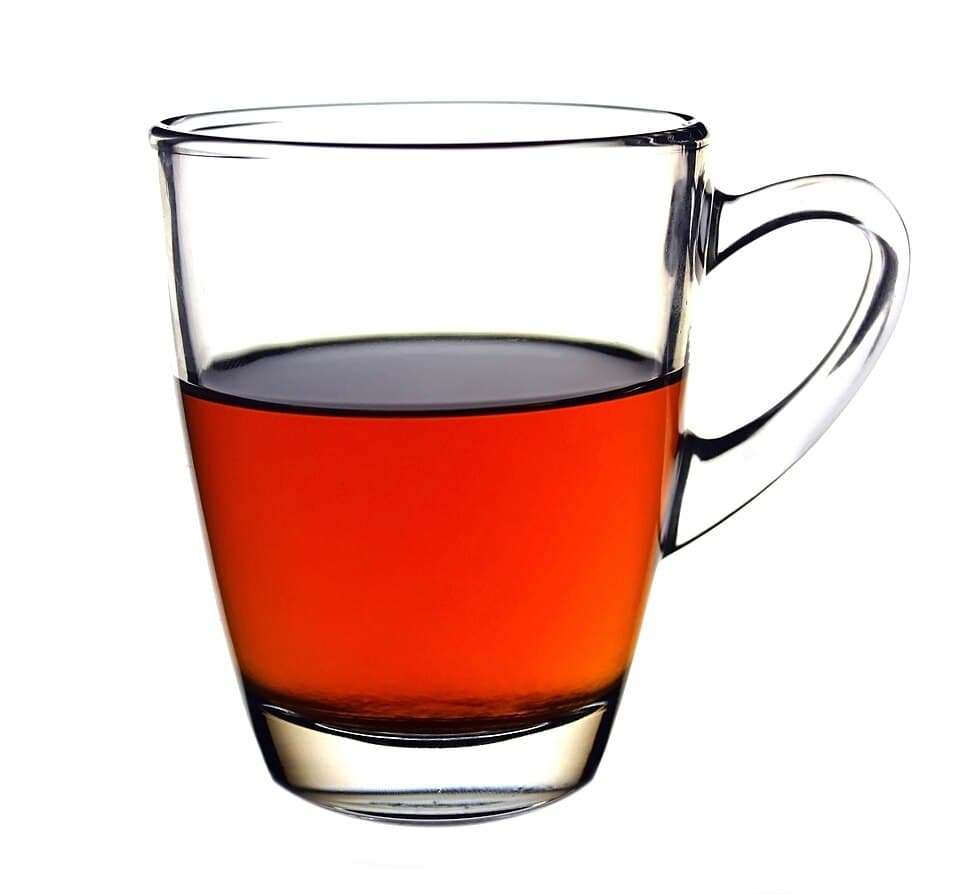
Black Tea (Qora Choy)
The tea of choice in southern cities like Samarkand and Bukhara, served hot and often with sweets. It is central to choykhona (teahouse) life, the drink people gather around.
Kompot
A sweet fruit drink made from dried or fresh fruit such as apricots, raisins and apples, served chilled or warm. It goes well with a meal and turns up at homes and restaurants alike.
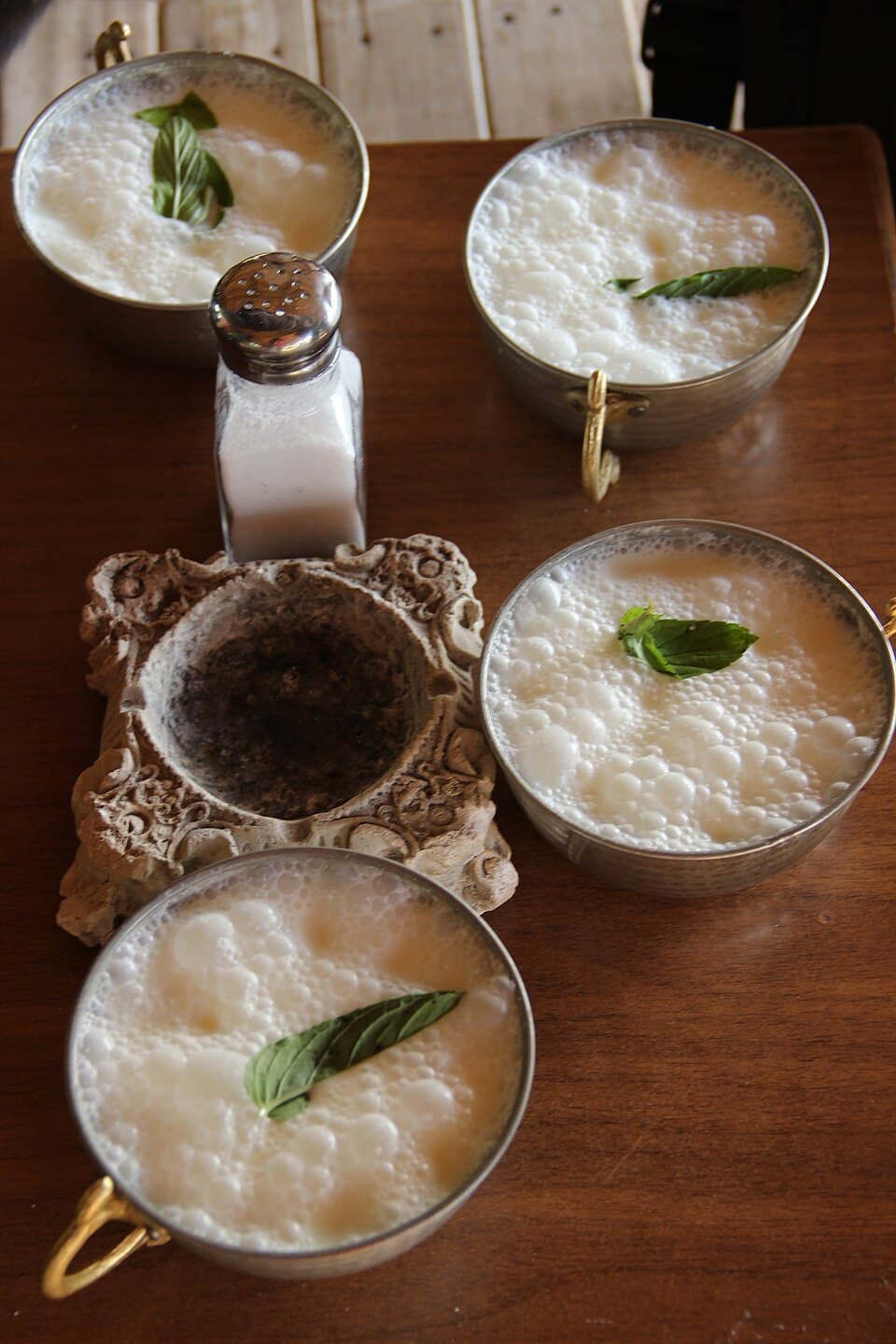
Ayran (Chalop)
A salted yogurt drink, sometimes with herbs and cucumber stirred in. It cools you down in the heat and settles a heavy meal - a Central Asian classic.
Frequently Asked Questions
Essential information about food and dining in Uzbekistan.
What is the national dish of Uzbekistan?
Uzbekistan's most iconic dishes include Plov (Osh), Samsa, Shashlik. The national dish and a UNESCO Intangible Cultural Heritage item. Rice pilaf with minced lamb, carrots, onions and spices like cumin and coriander, traditionally cooked in a big kazan over open fire. Count more than 200 regional versions - Tashkent plov is not the same as Samarkand or Bukhara plov, and each city defends its own. Try it at the Central Asian Plov Center in Tashkent or at the smaller centers that sell out by 1pm.
Is street food safe in Uzbekistan?
Street food in Uzbekistan can be enjoyed safely by following these guidelines: Drink bottled water outside major cities Street food generally safe at busy vendors. Look for busy vendors with high turnover, ensure food is cooked fresh and served hot, and avoid raw ingredients if you have a sensitive stomach.
What are the best restaurants in Uzbekistan?
Uzbekistan offers diverse dining options from street food stalls to upscale restaurants. For the best experience, ask locals for recommendations, check recent reviews, and look for restaurants that specialize in regional cuisines.
Can vegetarians find food easily in Uzbekistan?
Vegetarian options in Uzbekistan are mediumly available. Vegetarian choices have improved as tourism has grown. Traditional meat-free dishes include fresh salads, grilled vegetables, non bread, vegetable lagman and pumpkin manti. City restaurants tend to have the widest range.. Many restaurants offer vegetarian dishes, and you'll find plant-based ingredients featured prominently in local cuisine.
What is the average cost of a meal in Uzbekistan?
Meal costs in Uzbekistan depend on where you eat. Street food and casual local restaurants are very affordable, typically offering complete meals for a few dollars. Mid-range restaurants charge moderate prices, while fine dining establishments are comparably priced to Western countries.
What are common food allergens in Uzbekistan?
Common allergens in Uzbekistan cuisine include Dairy, Nuts, Sesame. Dairy products common including yogurt, suzma, kurt, milk. These ingredients appear in dishes like Suzma (strained yogurt), Kurt (dried yogurt). Always inform restaurant staff about your allergies.
When is the best time to visit Uzbekistan for food?
Uzbekistan offers great food experiences throughout the year. However, visiting during harvest seasons (typically spring and autumn) provides access to the freshest local ingredients. Food festivals and cultural celebrations also offer unique culinary experiences worth planning around.