
United Kingdom Food Guide
Content Information
Recently updated🔥Current Food Trends 2026
What's happening in United Kingdom's culinary scene right now
British dining in 2026 still runs on the Michelin Guide Great Britain & Ireland's roster of starred restaurants, with five three-star names at the top: Restaurant Gordon Ramsay and Alain Ducasse at The Dorchester in London, L'Enclume in Cumbria, Restaurant Sat Bains in Nottingham, and Waterside Inn in Bray. Protected designations keep regional cooking distinct, among them Cornish pasties (PGI), Stilton cheese (PDO), Scotch whisky (GI), and Welsh lamb (PGI). The modern British kitchen reworks old dishes around local, seasonal produce, and chefs such as Tom Kerridge, Clare Smyth, and Tommy Banks have built their reputations on close ties to farms and growers. London remains one of the most varied food cities anywhere, its Michelin stars spread across Japanese (The Araki), Indian (Gymkhana, Benares), Chinese (A.Wong), and contemporary British (Core by Clare Smyth). Craft beer output sits at record levels, with more than 2,000 breweries operating across the country, and English sparkling wine from Sussex and Kent now beats Champagne in blind tastings often enough to be taken seriously. Gastropubs serve sharper cooking without giving up the cask ale that defines the room. In Scotland, whisky tourism keeps drawing visitors to the distilleries; Wales pushes its artisan cheesemakers; and Northern Ireland holds onto soda bread and the Ulster fry.
Food Safety Tips
Essential food safety information to help you enjoy United Kingdom's cuisine safely and confidently.
Tap water is safe
Tap water throughout the UK is safe to drink and meets high quality standards. Bottled water is available but not necessary.
Food hygiene ratings
Restaurants display food hygiene ratings from 0-5 awarded by local authorities. Establishments rated 4 or 5 adhere to excellent hygiene standards.
Seafood caution
When eating seafood, particularly shellfish, ensure it comes from reputable restaurants, especially in coastal areas.
Allergy information
UK law requires food businesses to provide information about major allergens. Ask staff or check menus for allergen information.
Dietary Options
vegetarian
HIGH AVAILABILITYVegetarian options are widely available throughout the UK, with most restaurants offering several vegetarian dishes on their menus.
vegan
HIGH AVAILABILITYThe UK has embraced veganism, particularly in cities like London, Brighton, and Glasgow. Many restaurants offer vegan options, and there are numerous fully vegan establishments.
gluten-free
HIGH AVAILABILITYGluten-free options are common in restaurants and supermarkets across the UK, with clear labeling on menus and packaged foods.
halal
MEDIUM AVAILABILITYHalal food is widely available in cities with diverse populations like London, Birmingham, and Manchester, with many halal-certified restaurants.
kosher
LOW AVAILABILITYKosher food is available primarily in London (particularly North London neighborhoods like Golders Green, Stamford Hill, Hendon) and Manchester (Prestwich). London has dozens of kosher restaurants, bakeries, and supermarkets (Carmelli Bakery, Reubens restaurant, kosher sections in major supermarkets). Main challenges: Pork products widespread; shellfish common in British seafood; dairy and meat mixing in traditional dishes. Fish like cod and haddock (common in fish and chips) are kosher if scales verified. Vegetarian British dishes (chips, baked beans, vegetable pies) offer alternatives. Beth Din (Jewish religious court) certifies kosher establishments. Contact United Synagogue or Chabad UK for current kosher dining options. Major cities have kosher catering for events.
Common Allergens
Wheat
HIGH PREVALENCEWheat is present in many traditional British foods, from pastries to battered fish.
COMMONLY FOUND IN:
Dairy
HIGH PREVALENCEDairy products are commonly used in British cuisine.
COMMONLY FOUND IN:
Seafood
MEDIUM PREVALENCEAs an island nation, seafood is popular in the UK, especially in coastal areas.
COMMONLY FOUND IN:
Eggs
MEDIUM PREVALENCEEggs are common in British baking and breakfast dishes.
COMMONLY FOUND IN:
Essential Food Experiences
These iconic dishes represent the must-have culinary experiences that define United Kingdom's food culture for travelers.
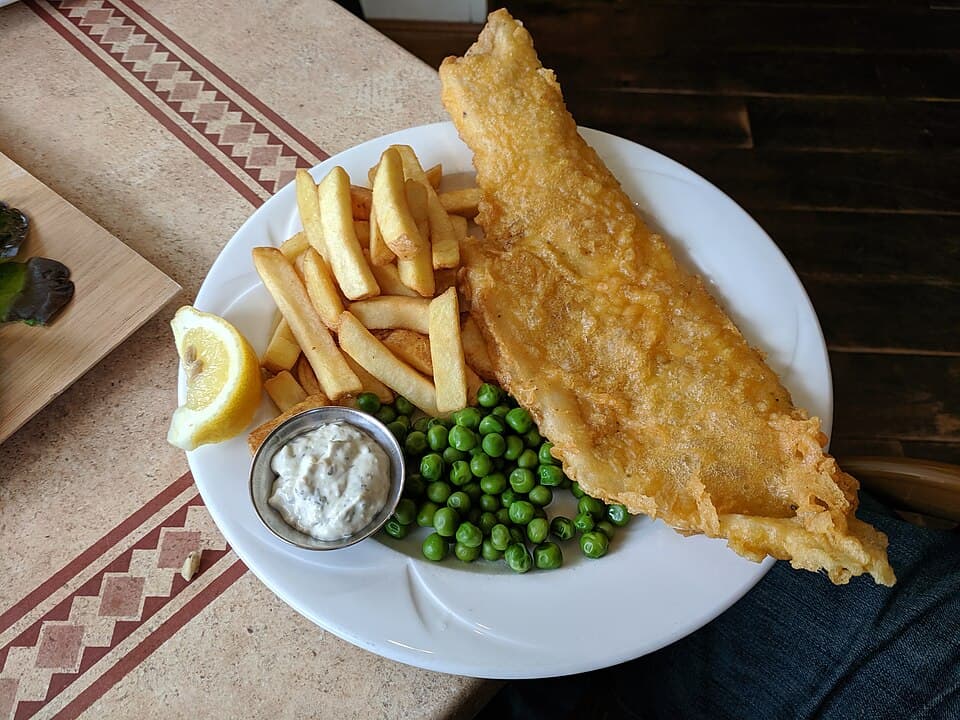
Fish and Chips
Britain's iconic dish consists of battered, deep-fried fish (traditionally cod or haddock) with thick-cut chips, often served with mushy peas and tartar sauce.
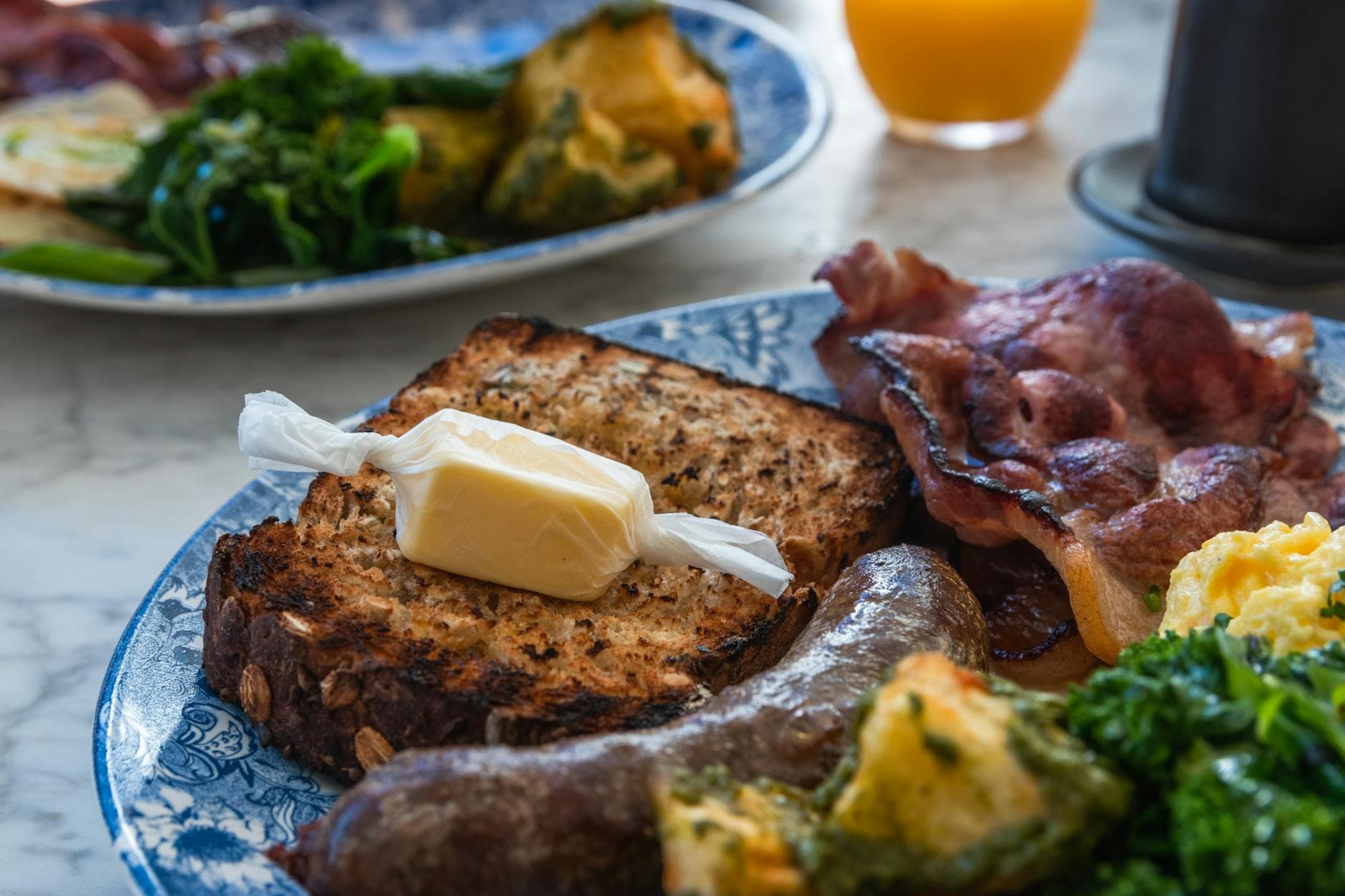
Full English Breakfast
A hearty breakfast featuring eggs, bacon, sausages, baked beans, grilled tomatoes, mushrooms, black pudding, and toast. Regional variations exist across the UK.
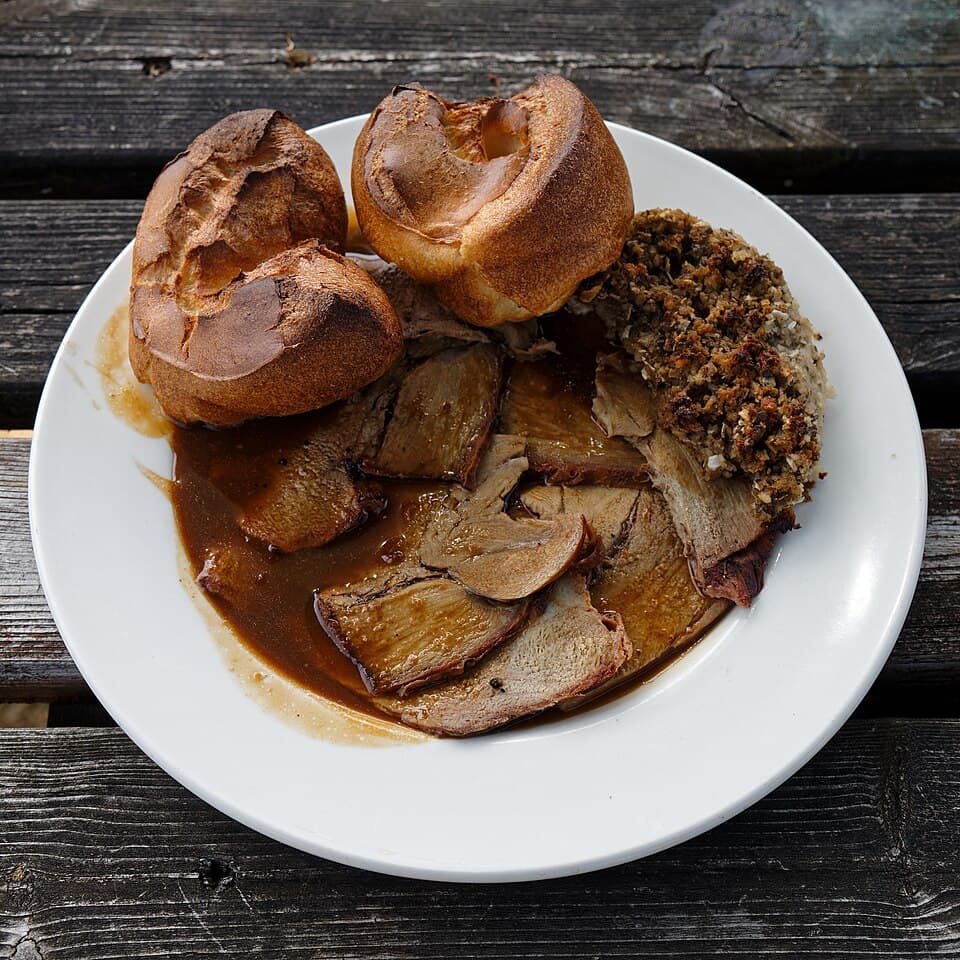
Sunday Roast
A traditional Sunday meal consisting of roasted meat (beef, chicken, lamb, or pork), roast potatoes, Yorkshire pudding, stuffing, vegetables, and gravy.
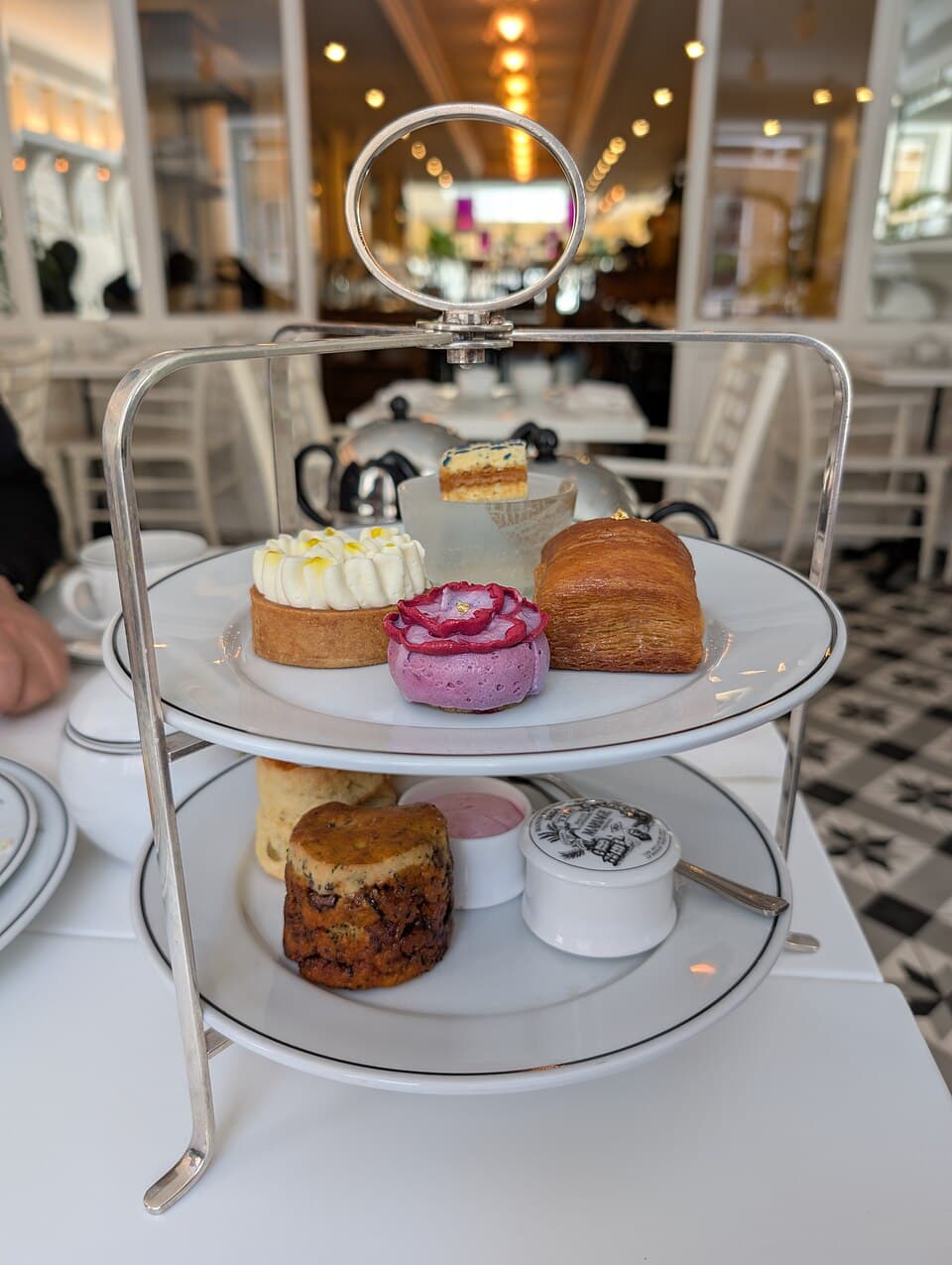
Afternoon Tea
A light afternoon meal of finger sandwiches, scones with clotted cream and jam, cakes, and pastries, all served with tea. About as British as it gets.
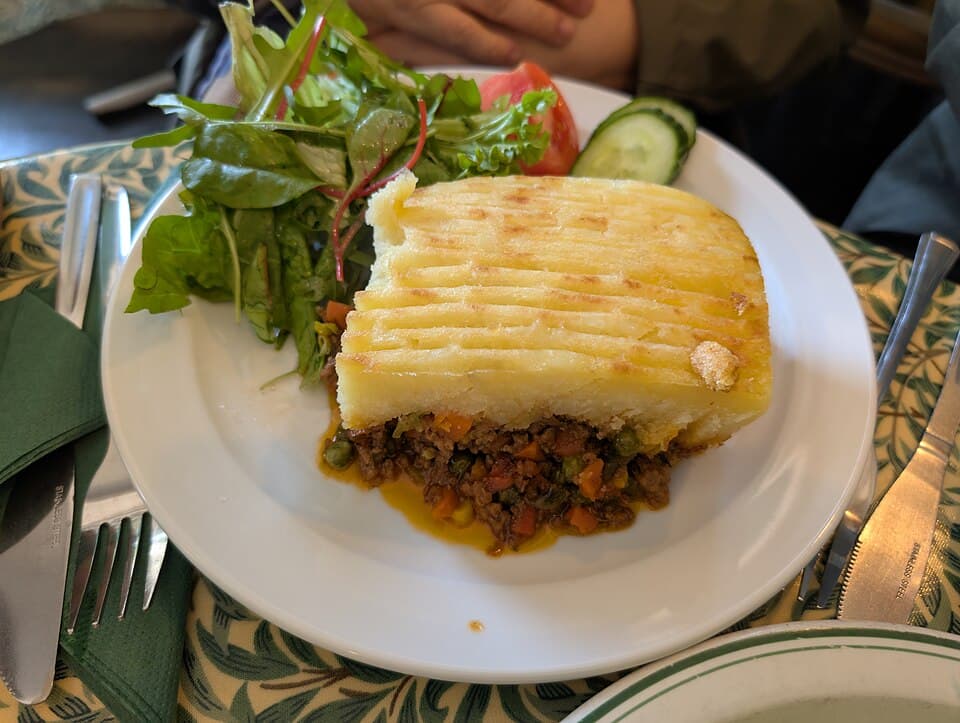
Shepherd's Pie/Cottage Pie
Minced meat (lamb for shepherd's pie, beef for cottage pie) with vegetables in gravy, topped with mashed potatoes and baked until golden.
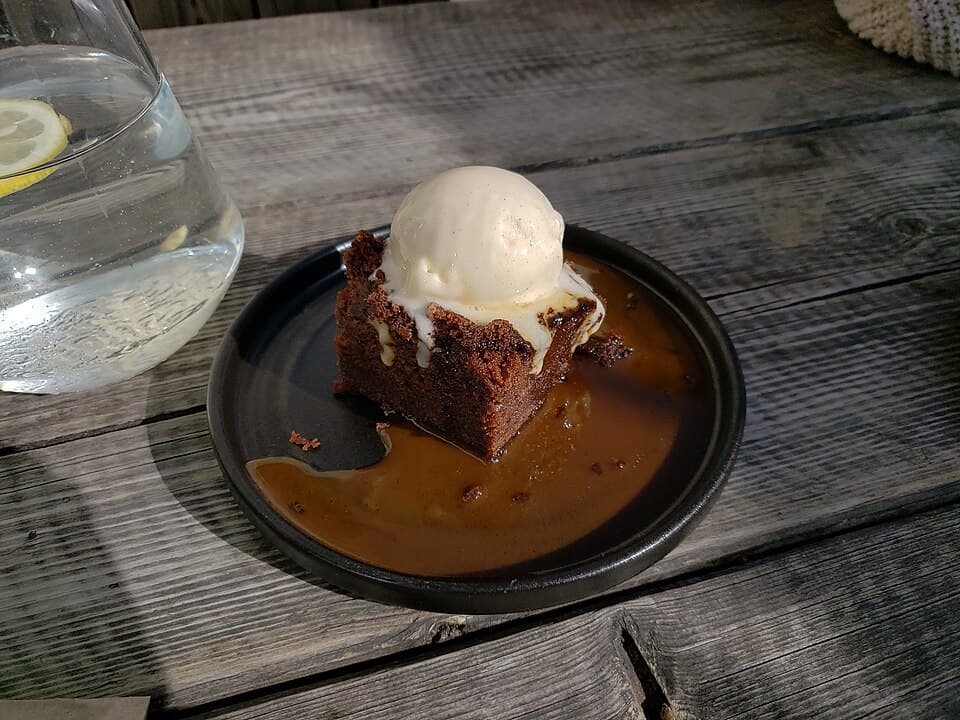
Sticky Toffee Pudding
A moist sponge cake made with dates, covered in a rich toffee sauce and often served with vanilla custard or ice cream.
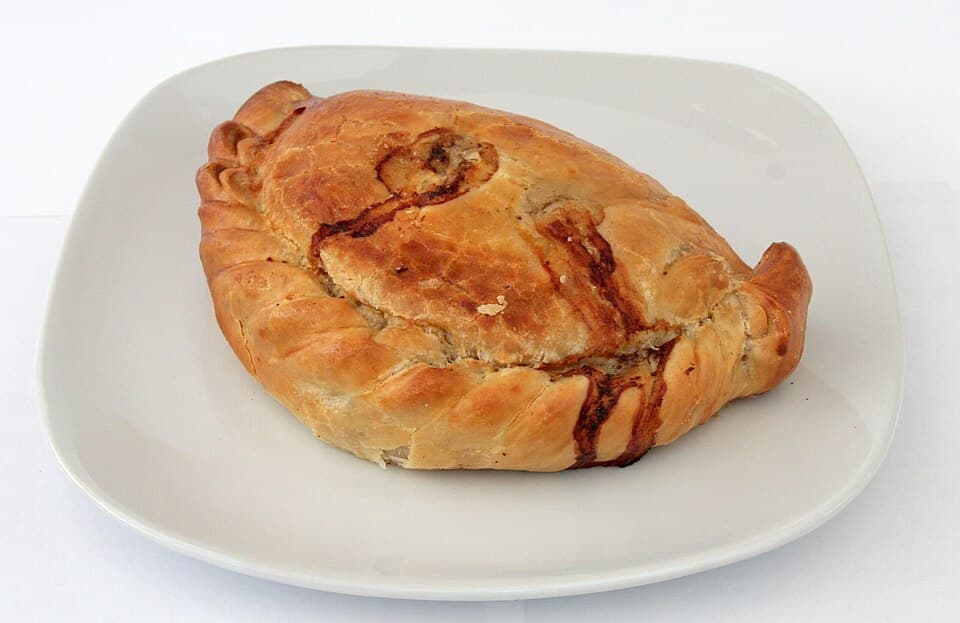
Cornish Pasty
Protected geographical indication pastry filled with beef, potato, swede, and onion, crimped along one side. Originally a portable meal for Cornish miners.
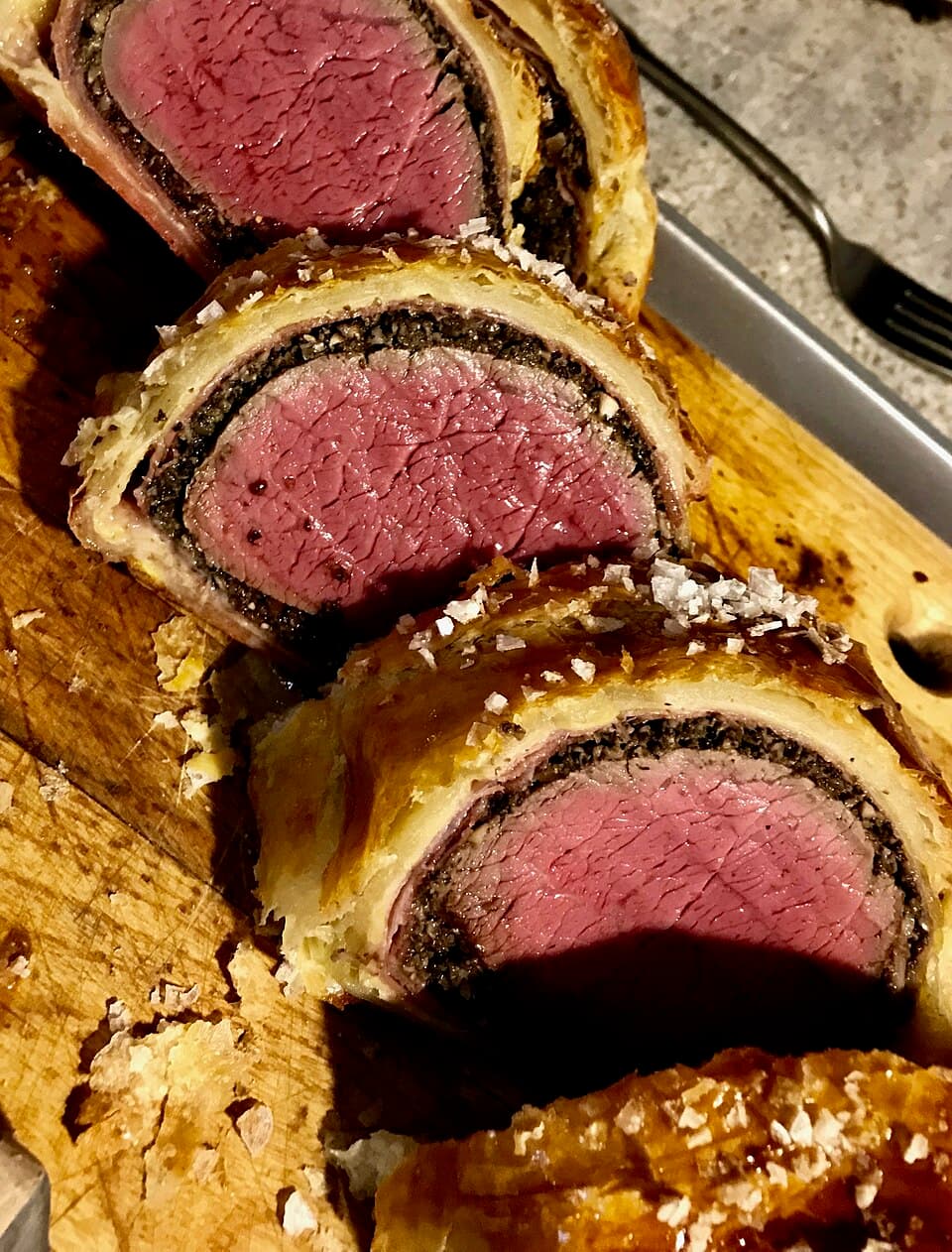
Beef Wellington
Beef fillet coated with pâté and duxelles (mushroom paste), wrapped in puff pastry and baked. A classic special-occasion dish in British restaurants.
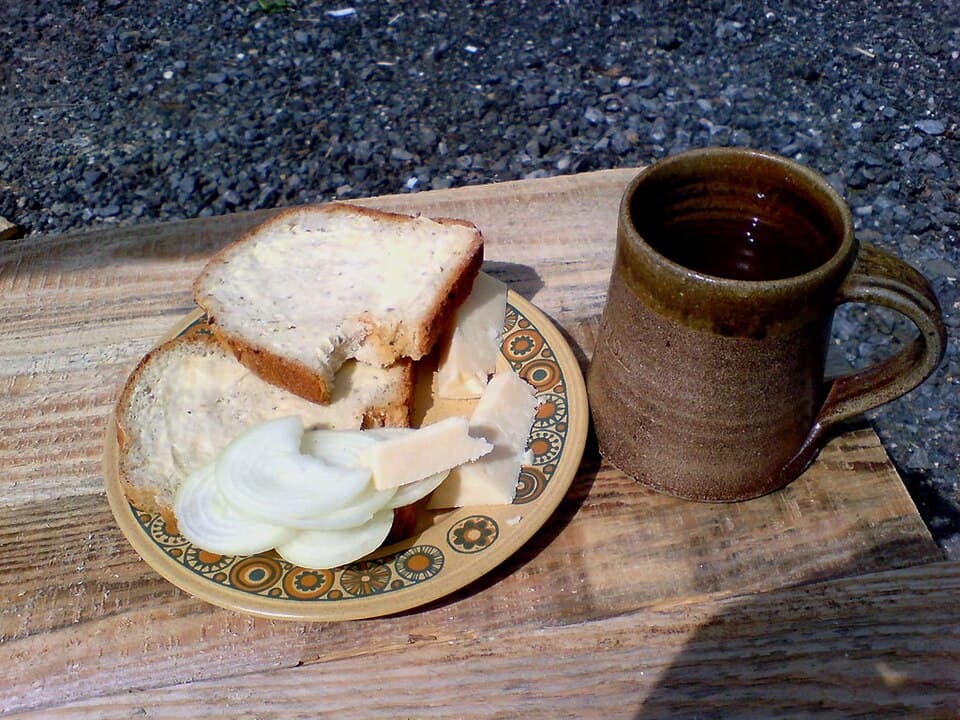
Ploughman's Lunch
A cold meal of crusty bread, English cheeses (Cheddar, Stilton), pickles, chutney, ham or pork pie, and salad. A traditional pub lunch.
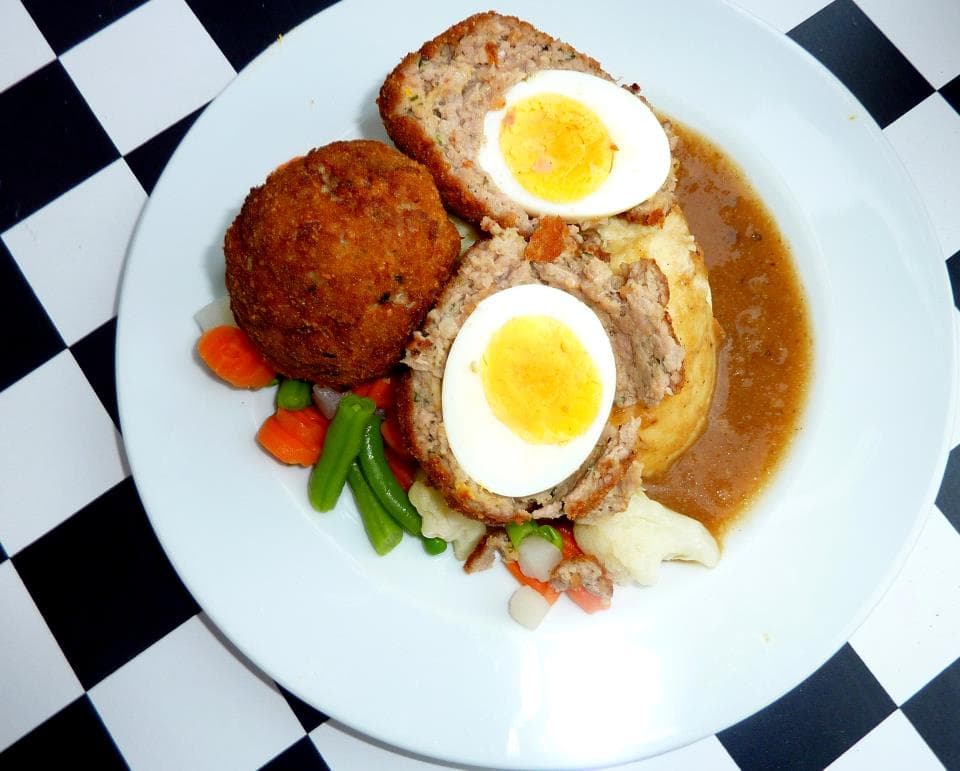
Scotch Egg
Hard or soft-boiled egg wrapped in seasoned sausage meat, coated in breadcrumbs, and deep-fried. A popular picnic and pub snack.
Regional Specialties & Local Favorites
Discover the authentic regional dishes and local favorites that showcase United Kingdom's diverse culinary traditions.
Fish and Chips
Britain's national dish: flaky white fish in crisp batter with thick-cut potato chips, traditionally wrapped in paper and dressed with salt and vinegar.
Allergens:
Full English Breakfast
A filling morning plate of bacon, sausages, eggs, baked beans, grilled tomatoes, mushrooms, toast, and black pudding, meant to keep you going until well past lunch.
Allergens:
Sunday Roast
A weekend institution: roasted meat, crisp potatoes, Yorkshire pudding, seasonal vegetables, and plenty of gravy, usually eaten with family or friends.
Allergens:
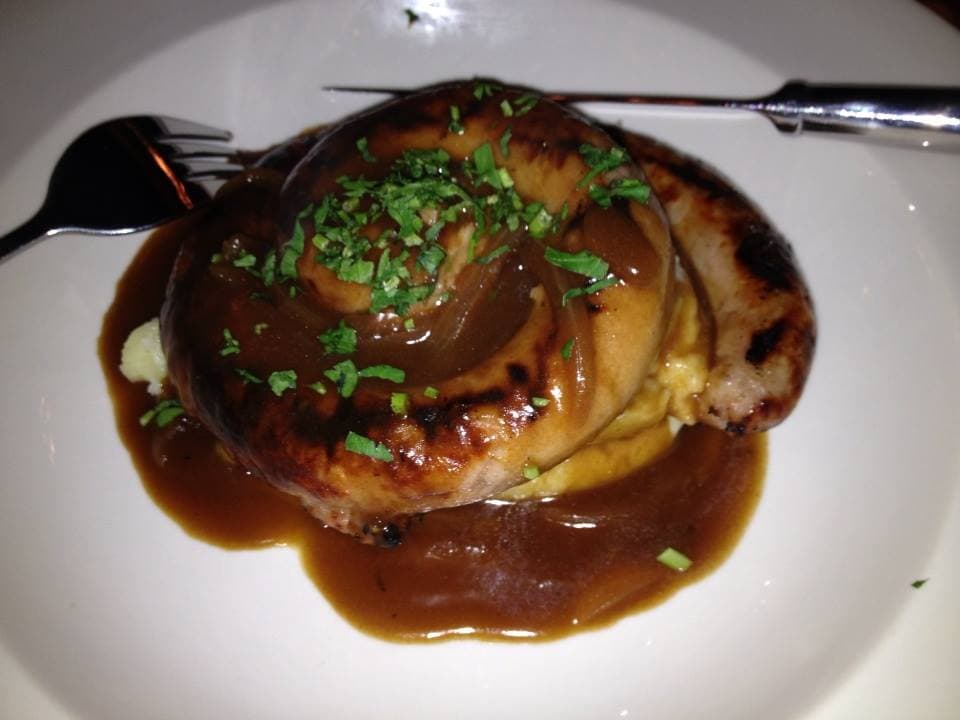
Bangers and Mash
Sausages over creamy mashed potato with caramelised onion gravy, a pub staple found across the United Kingdom.
Allergens:
Afternoon Tea
A British tradition of finger sandwiches, warm scones with clotted cream and jam, and an assortment of pastries, served with a pot of tea.
Allergens:
Regional Cuisine Highlights
Explore the diverse culinary landscapes across different regions of United Kingdom.
England
English cooking leans on comfort food: fish and chips, Sunday roasts, and filling pies. Specialties vary by county, from Cornish pasties in Cornwall to Lancashire hotpot and Yorkshire pudding. In London and other cities, the modern British movement reworks these dishes around seasonal, local ingredients.
Cultural Significance:
English food carries centuries of tradition along with colonial influences and newer ideas. The pub and the Sunday roast still anchor much of social life.
Signature Dishes:
- Fish and Chips
- Sunday Roast with Yorkshire Pudding
- Cornish Pasty
- Beef Wellington
- Ploughman's Lunch
Key Ingredients:
Scotland
Scottish cooking is built around filling dishes suited to a cold climate and good local produce. Haggis is the national dish, alongside Cullen skink (smoked haddock soup) and shortbread. Whisky and the seafood pulled from the lochs and coast are central to how the country eats.
Cultural Significance:
Scottish food heritage is tied to Burns Night (celebrating Robert Burns), whisky distilling traditions, and Highland farming culture.
Signature Dishes:
- Haggis, neeps, and tatties
- Cullen Skink
- Scotch Broth
- Cranachan (dessert)
- Scottish Salmon
Key Ingredients:
Wales
Welsh cooking centres on lamb (Welsh lamb holds Protected Geographical Indication), leeks (the national emblem), and seafood from the coast. Traditional dishes include cawl (lamb stew), Welsh rarebit (cheese on toast), and bara brith (fruit bread). Artisan cheesemaking has grown into a point of pride.
Cultural Significance:
Welsh culinary traditions celebrate St. David's Day (March 1) with leeks and daffodils. Coal mining heritage influenced hearty comfort foods.
Signature Dishes:
- Cawl (lamb stew)
- Welsh Rarebit
- Laverbread (seaweed)
- Bara Brith
- Glamorgan Sausages (vegetarian)
Key Ingredients:
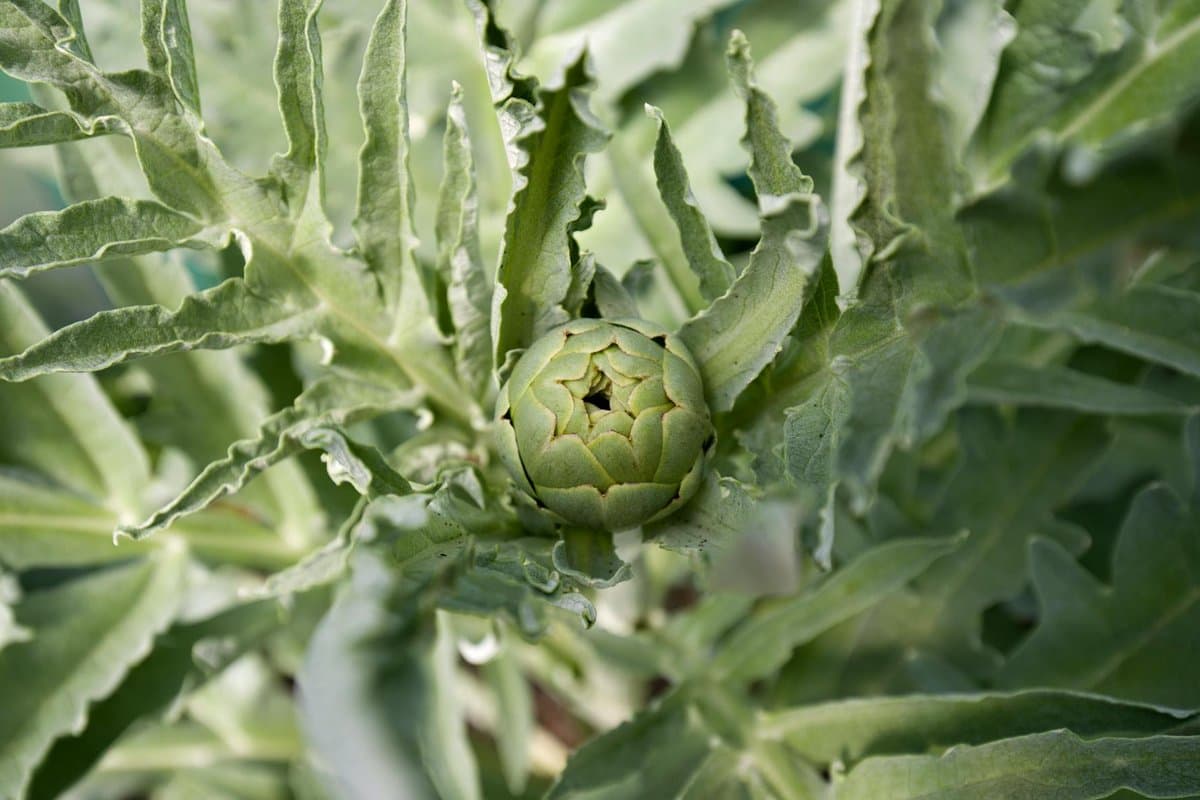
Northern Ireland
Northern Irish food is known for the Ulster Fry (a full breakfast), soda bread, and Guinness-braised stews. It draws on both Irish and British traditions and leans heavily on the potato. The Atlantic coast and Strangford Lough supply much of the local seafood.
Cultural Significance:
Northern Irish food culture blends Ulster-Scots heritage with Irish traditions. Potato farming and bread-making are deeply rooted in local identity.
Signature Dishes:
- Ulster Fry
- Soda Bread
- Champ (mashed potatoes with scallions)
- Belfast Bap
- Irish Stew
Key Ingredients:
London
London eats like the global city it is, with over 70 Michelin-starred restaurants and kitchens cooking food from just about everywhere. Old cockney dishes such as jellied eels and pie and mash sit alongside modern British cooking and the international food markets at Borough Market and Brick Lane.
Cultural Significance:
London's food scene mirrors Britain's multicultural makeup, its colonial past, and its standing as a global food capital.
Signature Dishes:
- Pie and Mash
- Jellied Eels
- Chicken Tikka Masala (adapted British-Indian)
- Duck & Waffle
- Street food from international markets
Key Ingredients:
Cornwall
Cornish cooking is built on Atlantic seafood, pasties (Protected Geographical Indication), clotted cream, and saffron buns. Fishing still shapes life in the coastal towns, while the mild climate supports early vegetable crops and dairy farming.
Cultural Significance:
Cornish pasty tradition traces to tin miners who needed portable, hearty meals. Cream tea debates (jam or cream first) define Cornish vs. Devon rivalry.
Signature Dishes:
- Cornish Pasty (PGI)
- Cream Tea (scone, clotted cream, jam)
- Stargazy Pie
- Cornish Yarg (nettle-wrapped cheese)
- Fresh crab and lobster
Key Ingredients:
Sweet Delights & Desserts
Indulge in United Kingdom's traditional sweet treats and desserts.
Sticky Toffee Pudding
Moist sponge cake made with finely chopped dates, covered in rich toffee sauce. Served warm with vanilla custard or ice cream. A British comfort food classic.
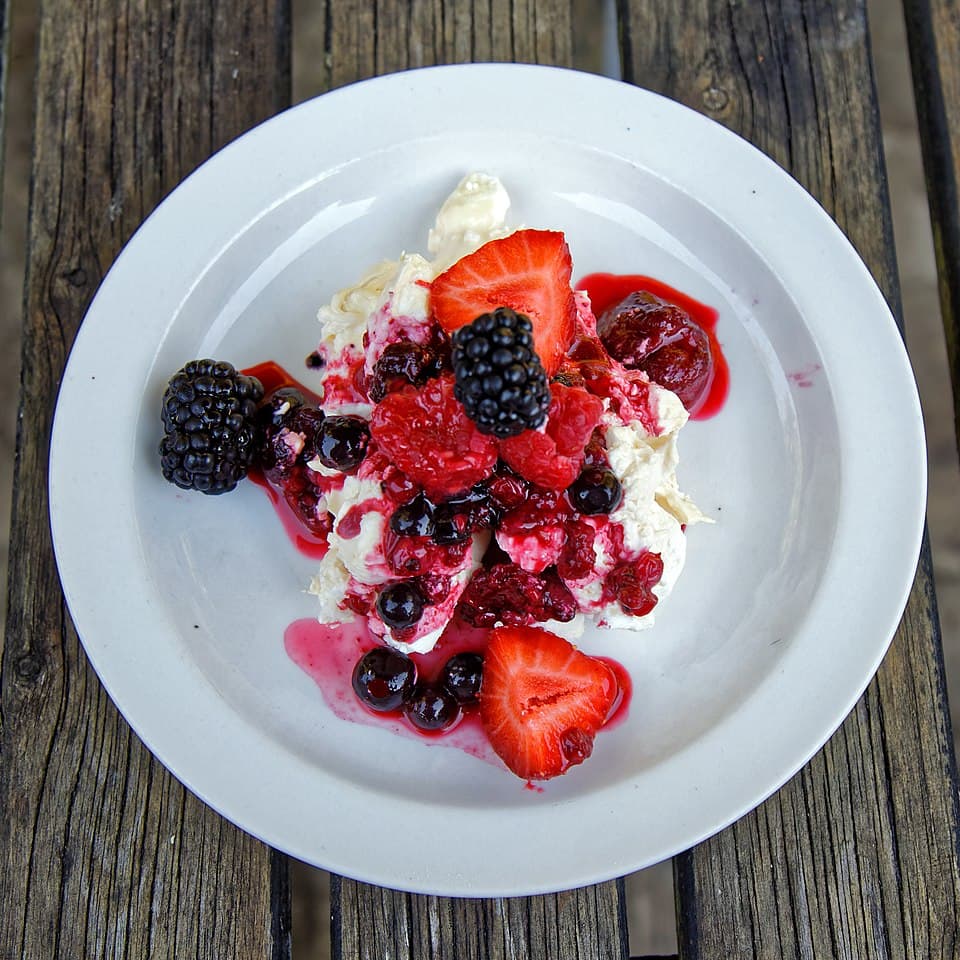
Eton Mess
Dessert of crushed meringue, whipped cream, and fresh strawberries. Created at Eton College, traditionally served at the annual cricket match against Harrow School.
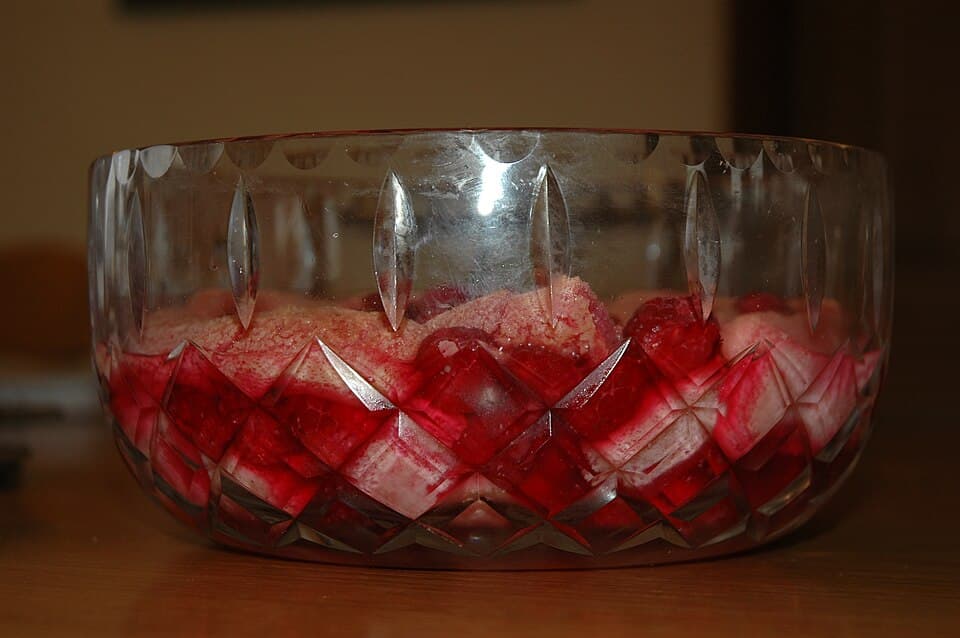
Trifle
Layered dessert with sponge cake soaked in sherry or fruit juice, custard, fruit (often raspberries or strawberries), jelly, and whipped cream. A traditional British celebration dessert.
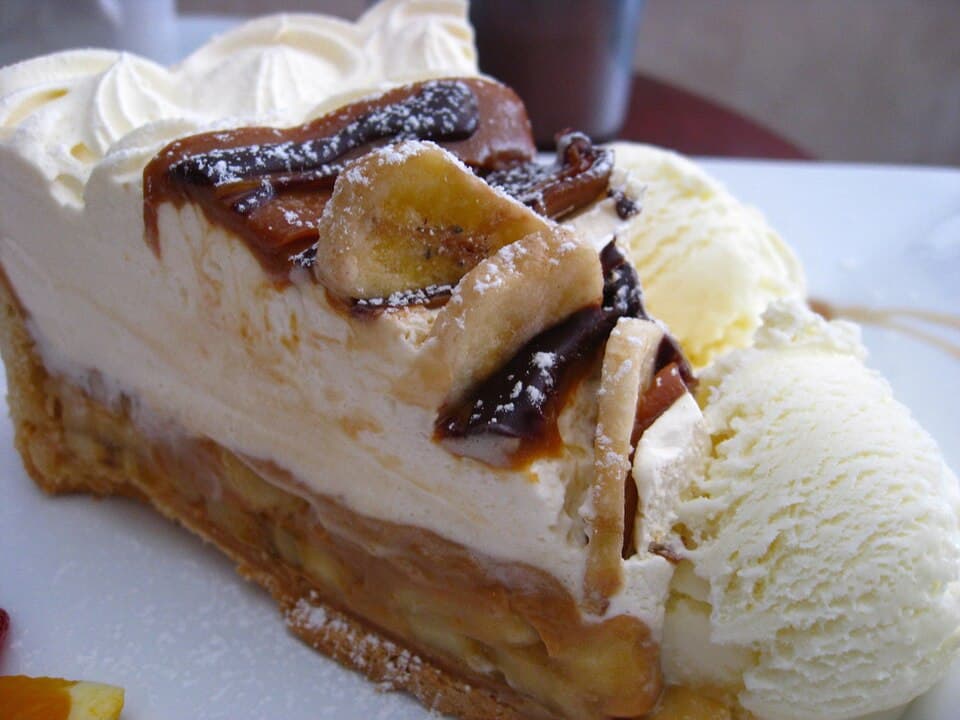
Banoffee Pie
Dessert pie with biscuit base, toffee (made from condensed milk), bananas, and whipped cream. Invented in Sussex in 1971 at The Hungry Monk restaurant.
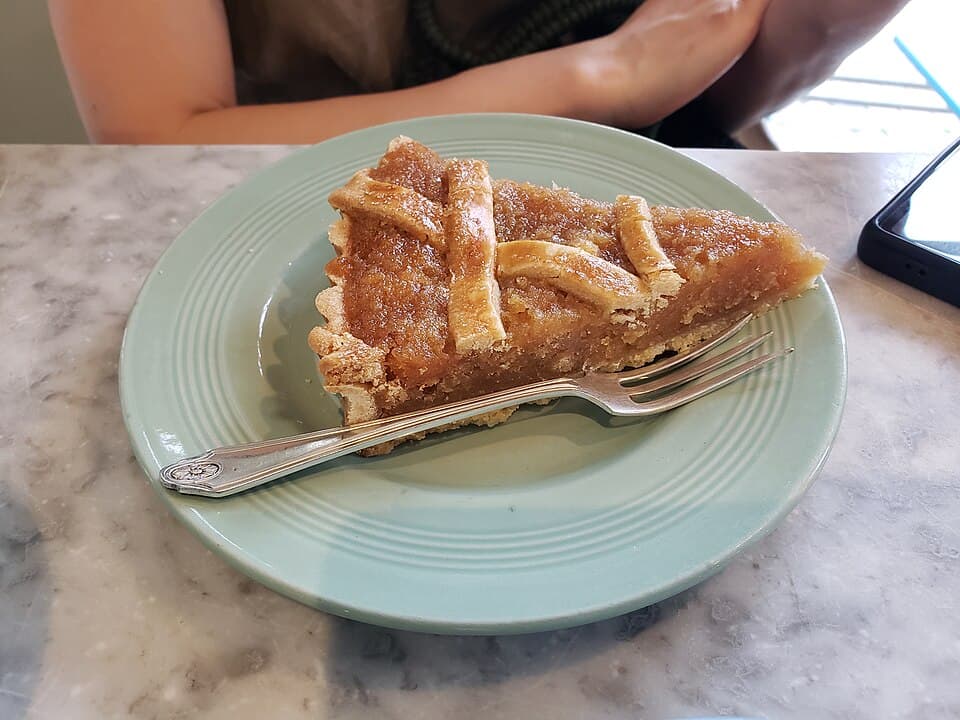
Treacle Tart
Shortcrust pastry filled with golden syrup, breadcrumbs, and lemon juice. Famously Harry Potter's favorite dessert. Best served warm with clotted cream.
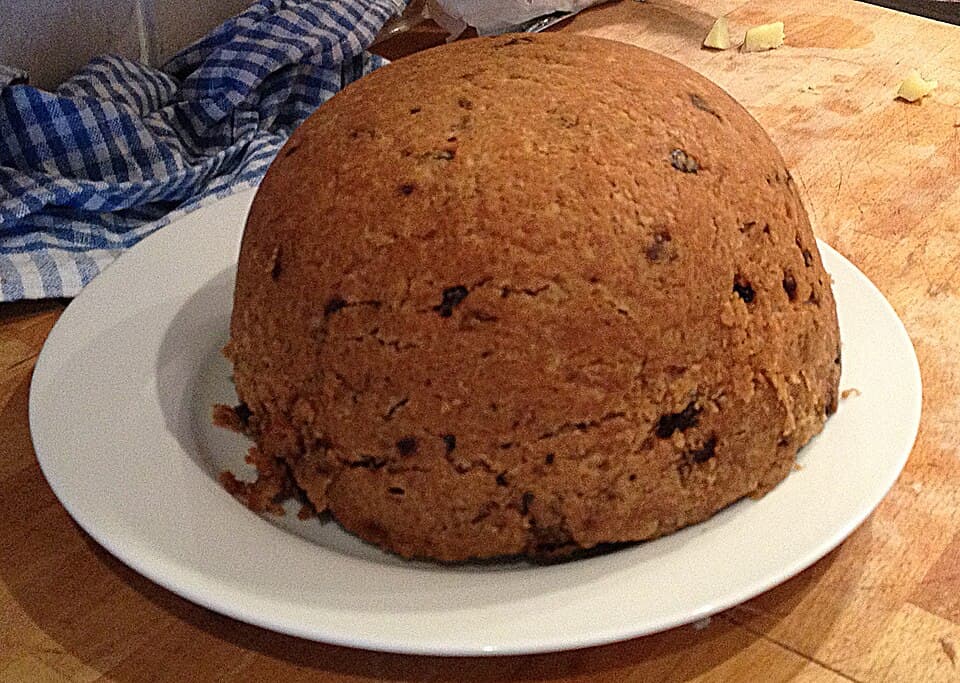
Spotted Dick
Traditional steamed suet pudding with dried fruit (currants or raisins), served with hot custard. The name dates back to 1849.
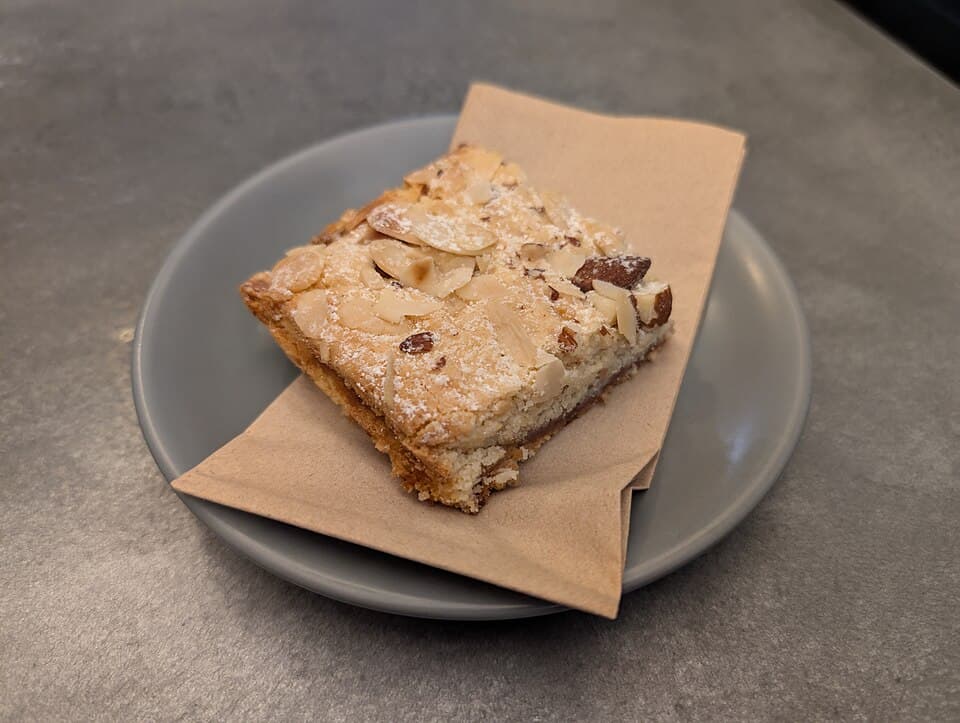
Bakewell Tart
Shortcrust pastry shell with jam layer, topped with frangipane (almond-flavored filling), and finished with icing. From the town of Bakewell in Derbyshire.
Christmas Pudding
Rich steamed pudding with dried fruits, spices, suet, and brandy, traditionally made weeks before Christmas. Served flambéed with brandy butter or custard.
Traditional Beverages
Discover United Kingdom's traditional drinks, from locally produced spirits to regional wines.
Scotch Whisky
Scotland's national drink - malt or grain whisky distilled and matured in oak casks for at least three years. Regions include Speyside, Highland, Islay, Lowland, and Campbeltown.
Cask Ale (Real Ale)
Traditional British beer served from casks, naturally carbonated through secondary fermentation. Served at cellar temperature (11-13°C), not ice cold.
Gin
Britain's gin renaissance features London Dry Gin and craft distilleries nationwide. Flavored with juniper berries and botanicals. Core ingredient in Gin & Tonic.
Soft Beverages
Discover United Kingdom's traditional non-alcoholic drinks, from local teas to refreshing juices.
English Breakfast Tea
Britain's iconic black tea blend, traditionally served with milk and sugar. Tea drinking is a cornerstone of British culture with over 100 million cups consumed daily.
Elderflower Cordial
Sweet, floral non-alcoholic syrup made from elderflower blossoms, mixed with water or sparkling water. Popular British summer drink.
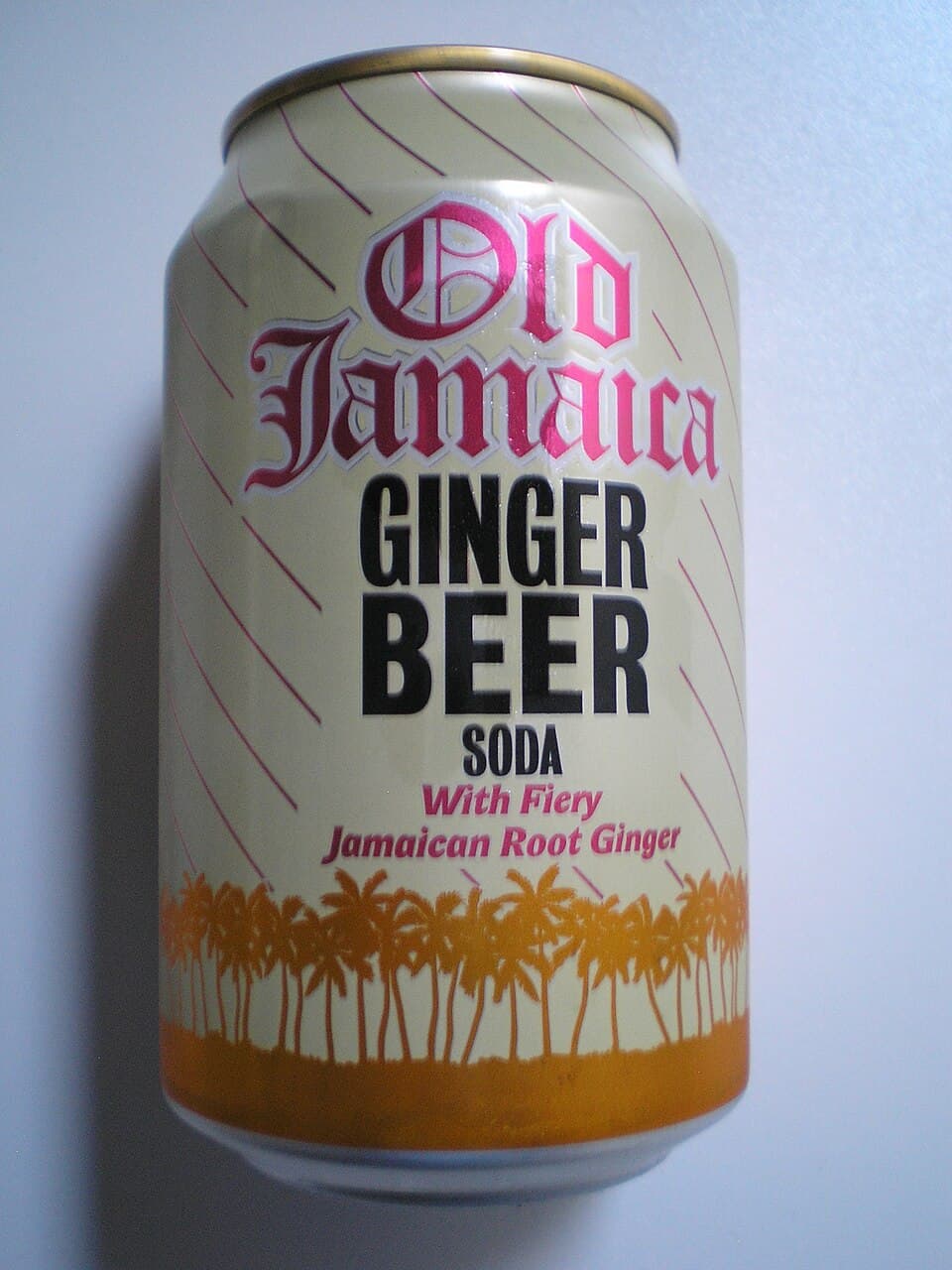
Ginger Beer
Non-alcoholic spicy, carbonated soft drink flavored with ginger. Stronger ginger flavor than ginger ale. Popular mixer and standalone refreshment.
Frequently Asked Questions
Essential information about food and dining in United Kingdom.
What is the national dish of United Kingdom?
United Kingdom's most iconic dishes include Fish and Chips, Full English Breakfast, Sunday Roast. Britain's iconic dish consists of battered, deep-fried fish (traditionally cod or haddock) with thick-cut chips, often served with mushy peas and tartar sauce.
Is street food safe in United Kingdom?
Street food in United Kingdom can be enjoyed safely by following these guidelines: Tap water is safe Food hygiene ratings. Look for busy vendors with high turnover, ensure food is cooked fresh and served hot, and avoid raw ingredients if you have a sensitive stomach.
What are the best restaurants in United Kingdom?
United Kingdom offers diverse dining options from street food stalls to upscale restaurants. For the best experience, ask locals for recommendations, check recent reviews, and look for restaurants that specialize in regional cuisines.
Can vegetarians find food easily in United Kingdom?
Vegetarian options in United Kingdom are highly available. Vegetarian options are widely available throughout the UK, with most restaurants offering several vegetarian dishes on their menus.. Many restaurants offer vegetarian dishes, and you'll find plant-based ingredients featured prominently in local cuisine.
What is the average cost of a meal in United Kingdom?
Meal costs in United Kingdom depend on where you eat. Street food and casual local restaurants are very affordable, typically offering complete meals for a few dollars. Mid-range restaurants charge moderate prices, while fine dining establishments are comparably priced to Western countries.
What are common food allergens in United Kingdom?
Common allergens in United Kingdom cuisine include Wheat, Dairy, Seafood. Wheat is present in many traditional British foods, from pastries to battered fish.. These ingredients appear in dishes like Bread, Pastries. Always inform restaurant staff about your allergies.
When is the best time to visit United Kingdom for food?
United Kingdom offers great food experiences throughout the year. However, visiting during harvest seasons (typically spring and autumn) provides access to the freshest local ingredients. Food festivals and cultural celebrations also offer unique culinary experiences worth planning around.