
Vatican City Food Guide
Content Information
Recently updatedFood Safety Tips
Essential food safety information to help you enjoy Vatican City's cuisine safely and confidently.
Tap water is safe to drink
Water in Vatican City and Rome is safe to drink from the tap. The city has numerous public fountains with potable water.
Choose busy vendors with high turnover
Street food is generally safe. Well-known spots like Pizzarium near the Vatican Museums keep their hygiene standards high.
High food safety standards
Vatican City and the surrounding parts of Rome follow EU food safety rules, and standards in kitchens are reliably high.
Dietary Options
vegetarian
HIGH AVAILABILITYVegetarians eat well here. Plenty of pasta and pizza work without meat, and vegetable dishes like Carciofi alla Romana are everywhere.
vegan
MEDIUM AVAILABILITYRome's vegan scene keeps growing. Spots like Flower Burger near the Vatican do plant-based food, and a lot of pasta dishes can be made vegan on request.
gluten-free
HIGH AVAILABILITYAwareness of gluten-free dining is strong. La Soffitta Renovatio near the Vatican runs one of the longest gluten-free menus in Rome.
Common Allergens
Dairy
HIGH PREVALENCEPecorino Romano cheese is fundamental to Roman cuisine
COMMONLY FOUND IN:
Gluten
HIGH PREVALENCEPasta and bread are staples in Italian cuisine
COMMONLY FOUND IN:
Eggs
MEDIUM PREVALENCEUsed in traditional Roman pasta and desserts
COMMONLY FOUND IN:
Essential Food Experiences
These iconic dishes represent the must-have culinary experiences that define Vatican City's food culture for travelers.

Carbonara
Rome's defining pasta, made with eggs, Pecorino Romano, guanciale (cured pork cheek), and black pepper. No cream goes in it; the sauce comes from eggs and cheese loosened with pasta water.

Cacio e Pepe
Three ingredients and nothing else: spaghetti, Pecorino Romano, and black pepper. The cheese emulsifies with starchy pasta water into a silky, peppery sauce.

Supplì
Deep-fried rice croquettes filled with tomato sauce and mozzarella, crisp outside and molten in the middle. A standard Roman snack eaten on the go.

Fettuccine alla Papalina
A Vatican dish created for Pope Pius XII: fettuccine tossed with butter, cream, eggs, Parmesan, and prosciutto. Think of it as a richer relative of Fettuccine Alfredo.

Carciofi alla Romana
Roman-style artichokes stuffed with mint, garlic, and parsley, then braised until they turn tender. They are at their best in spring, when local artichokes come in.

Amatriciana
Bucatini with guanciale, tomatoes, Pecorino Romano, and a touch of chili. It started in the town of Amatrice but has long been one of Rome's core pastas.

Trippa alla Romana
Tripe simmered in tomato sauce with mint and a heavy hand of grated Pecorino Romano. It is old-school Roman offal cooking, still on plenty of menus.

Porchetta
Boneless pork seasoned with wild fennel, garlic, and herbs, then slow-roasted until the skin crackles and the meat stays juicy. You will find it sliced into panini at stalls across Rome.

Pizza al Taglio
Roman rectangular pizza sold by weight, cut to whatever size you want. Toppings range from porcini mushrooms to mortadella to whatever vegetables are in season. Pizzarium by Bonci is the name everyone points you to.

Gelato
Italian gelato is churned with less air than ice cream, so it tastes denser and more intense. Small gelaterias near the Vatican turn out flavors like pistachio, stracciatella, and fig.
Regional Specialties & Local Favorites
Discover the authentic regional dishes and local favorites that showcase Vatican City's diverse culinary traditions.
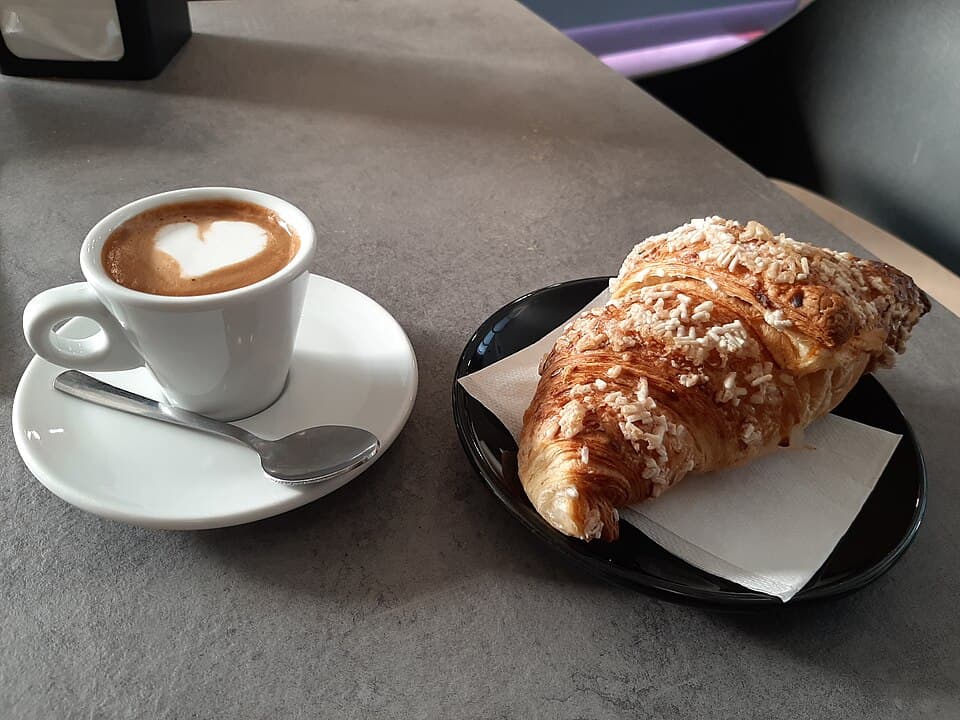
Cornetto e Cappuccino
The standard Italian breakfast: a flaky cornetto, somewhere between a croissant and a brioche, with a cappuccino. Order it standing at the bar the way locals do.
Allergens:
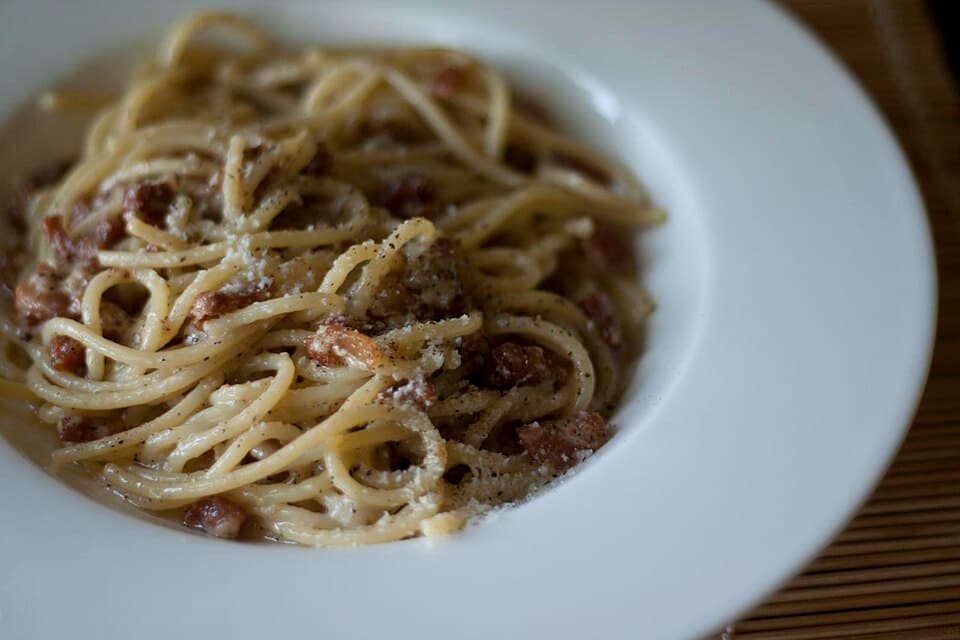
Pasta Gricia
Roman pasta with guanciale, Pecorino Romano, and black pepper, and no tomato or egg. It is usually called the ancestor of Carbonara.
Allergens:
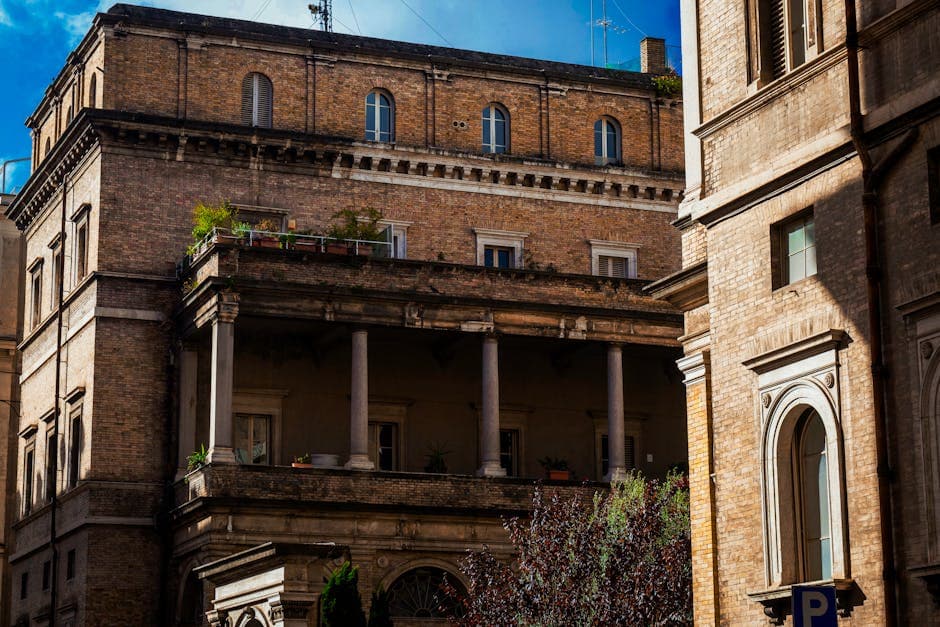
Maritozzo
A soft sweet bun split and packed with whipped cream, eaten in Rome at breakfast alongside coffee.
Allergens:
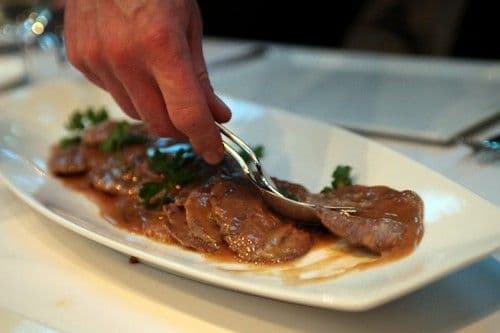
Saltimbocca alla Romana
Veal cutlets topped with prosciutto and sage, then cooked down in white wine and butter. The name translates as "jumps in the mouth."
Allergens:
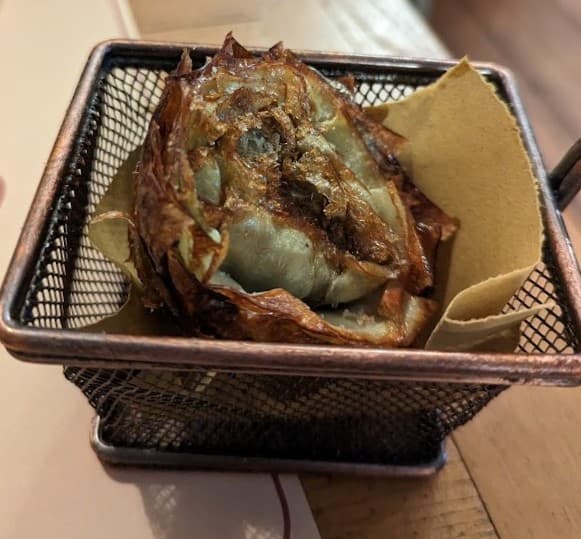
Carciofi alla Giudia
Whole artichokes deep-fried until the leaves open and crisp like petals. The dish comes out of Rome's old Jewish Ghetto.
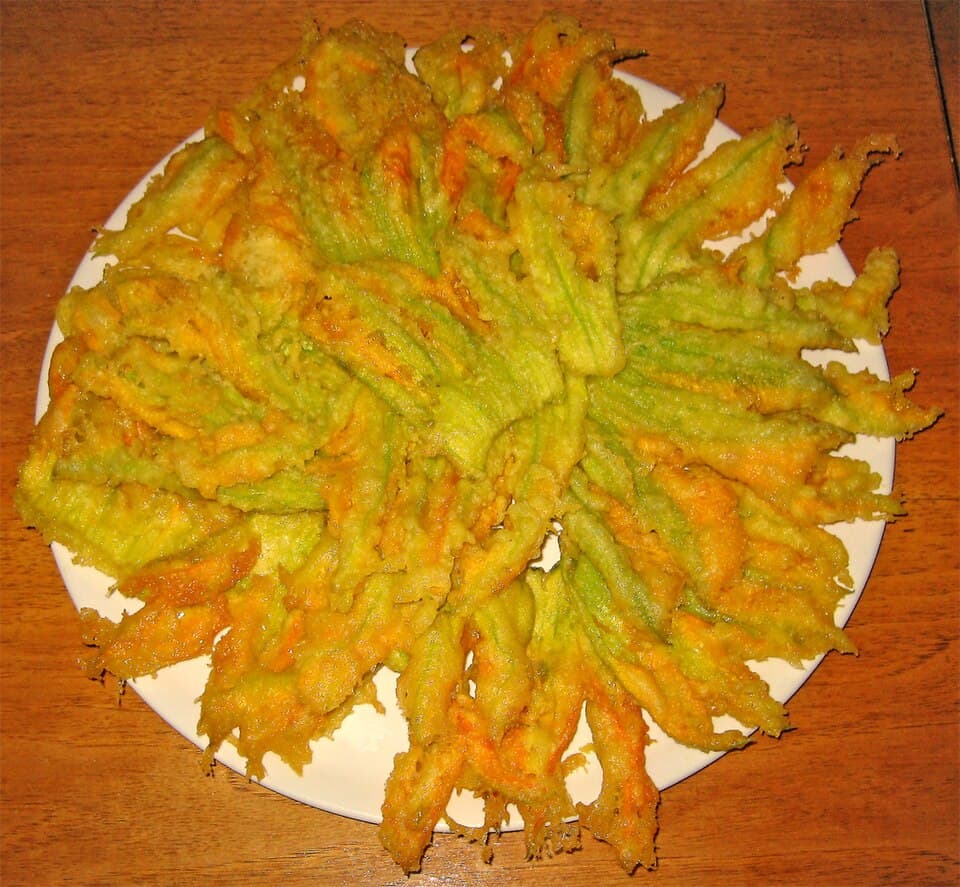
Fiori di Zucca
Zucchini flowers stuffed with mozzarella and anchovy, dipped in a light batter and fried.
Allergens:
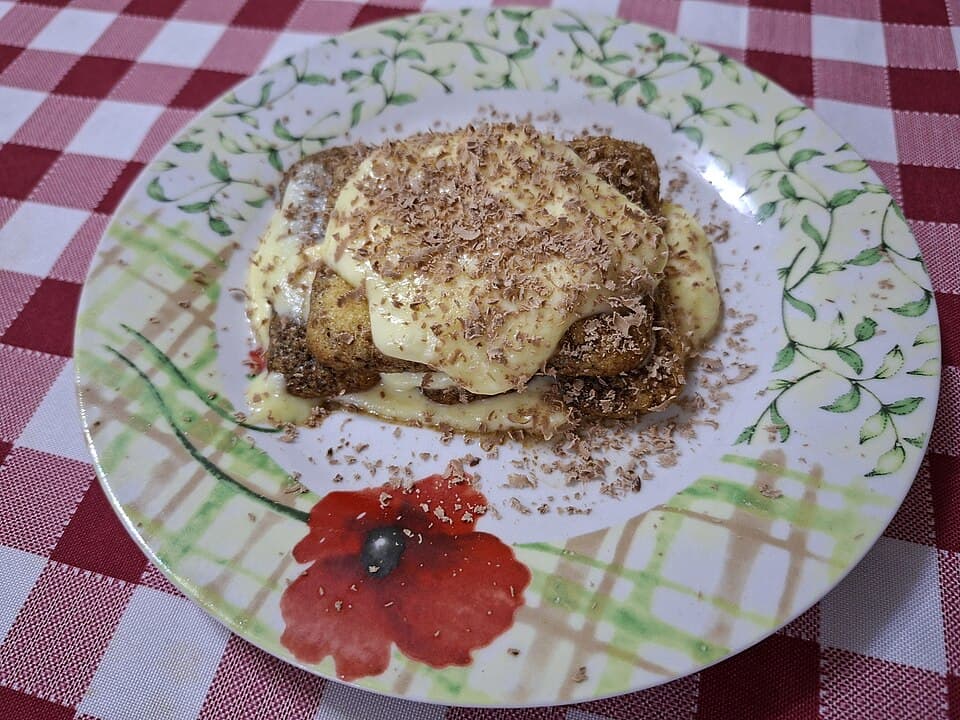
Tiramisu
Layers of coffee-soaked ladyfingers and mascarpone cream, finished with a dusting of cocoa.
Allergens:
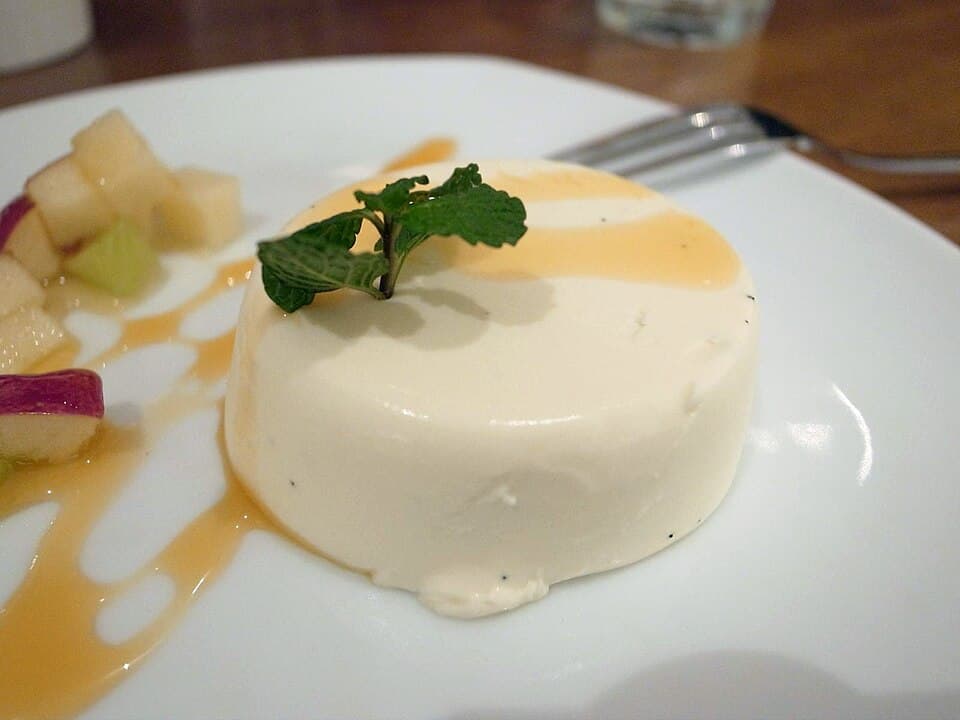
Panna Cotta
Sweetened cream set with gelatin into a soft, wobbly custard, usually served with a berry coulis.
Allergens:
Regional Cuisine Highlights
Explore the diverse culinary landscapes across different regions of Vatican City.
Prati District
The neighborhood wrapped around Vatican City, full of trattorias that cook the four classic Roman pastas (Carbonara, Cacio e Pepe, Amatriciana, Gricia) and the rest of the Roman repertoire.
Signature Dishes:
Key Ingredients:
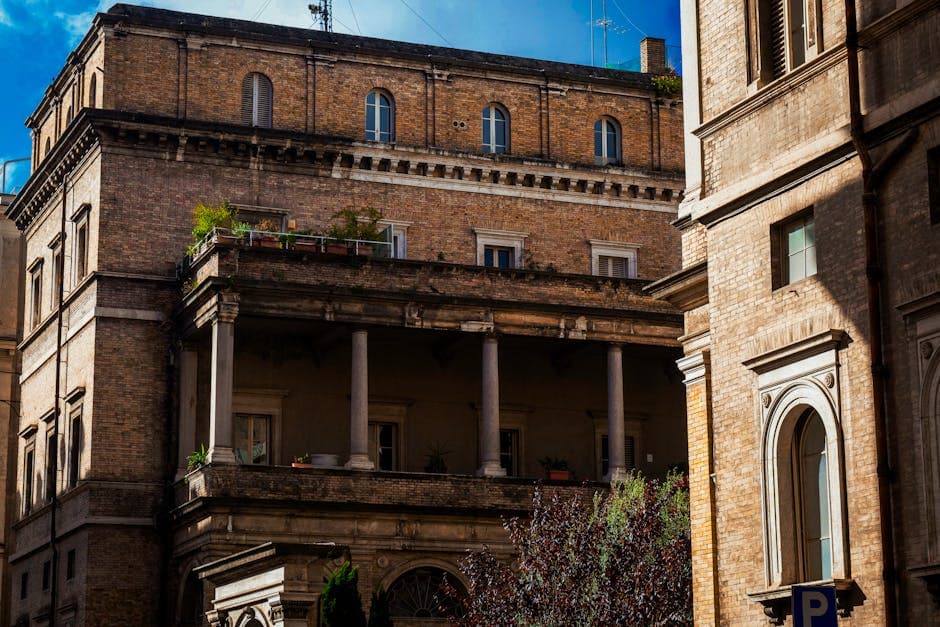
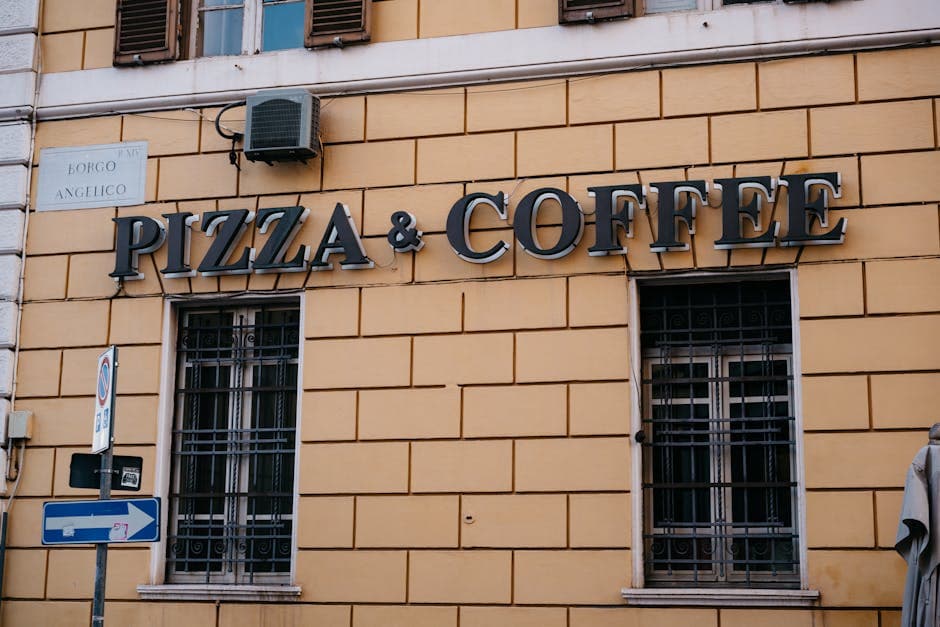
Borgo Pio
A narrow old street beside the Vatican, its medieval buildings now lined with restaurants serving Roman-Italian cooking.
Signature Dishes:
Key Ingredients:
Sweet Delights & Desserts
Indulge in Vatican City's traditional sweet treats and desserts.
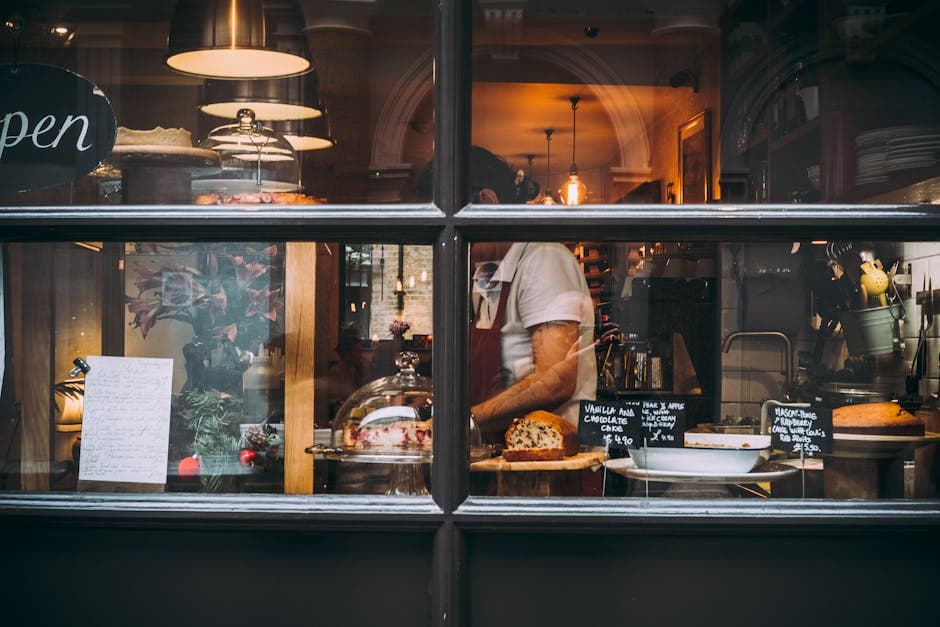
Tiramisu
Espresso-soaked ladyfingers layered with mascarpone cream and dusted with cocoa, the dessert most people order to end a meal.
Gelato Artigianale
Gelato made fresh each day in small batches. Pistachio, nocciola, and seasonal fruit are the ones to look for.
Maritozzo con Panna
A Roman sweet bun split and filled with a thick layer of whipped cream, eaten at breakfast or after dinner.
Traditional Beverages
Discover Vatican City's traditional drinks, from locally produced spirits to regional wines.
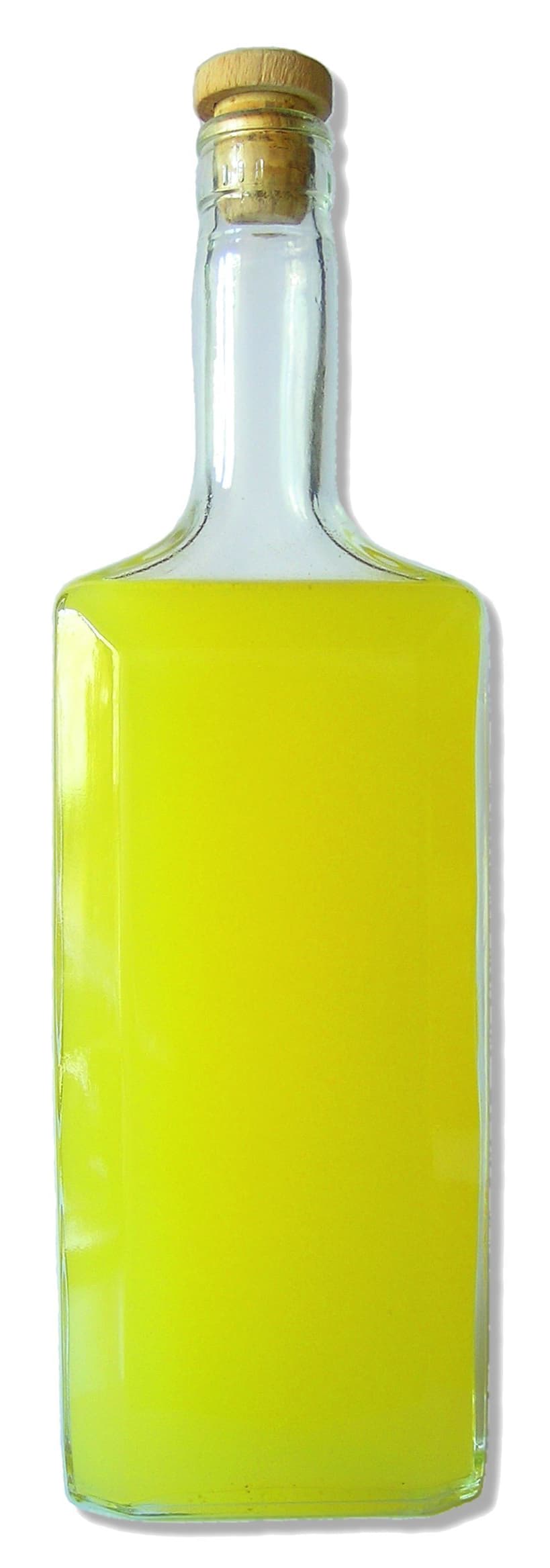
Limoncello
Lemon liqueur made by steeping lemon zest in alcohol, then sweetening it with sugar syrup. Served cold as a digestif after dinner.
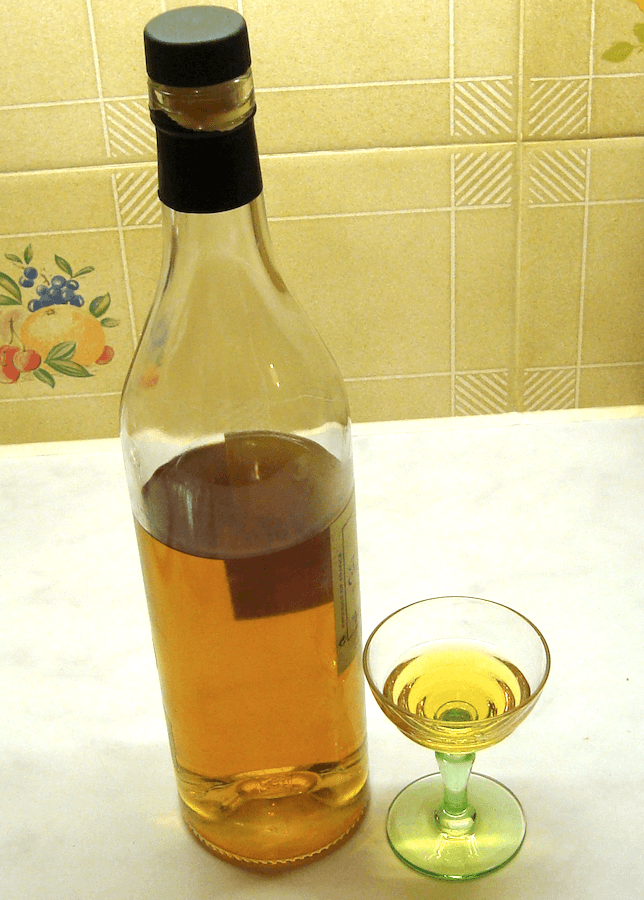
Grappa
A strong brandy distilled from grape pomace, the skins and seeds left after winemaking. Usually drunk at the end of a meal.
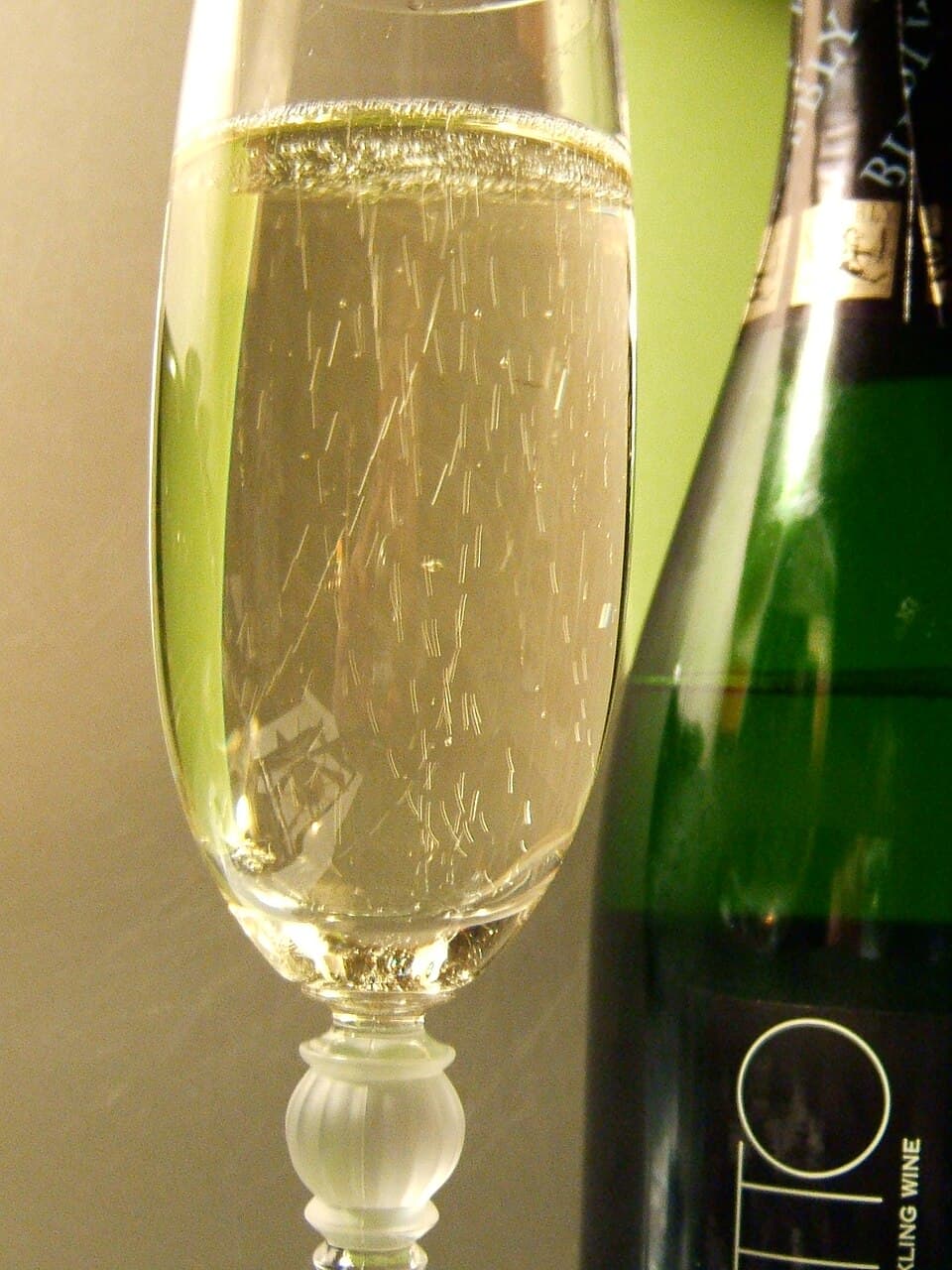
Prosecco
Sparkling wine from the Veneto, light and dry with fruity notes. Often served as an aperitivo.
Soft Beverages
Discover Vatican City's traditional non-alcoholic drinks, from local teas to refreshing juices.
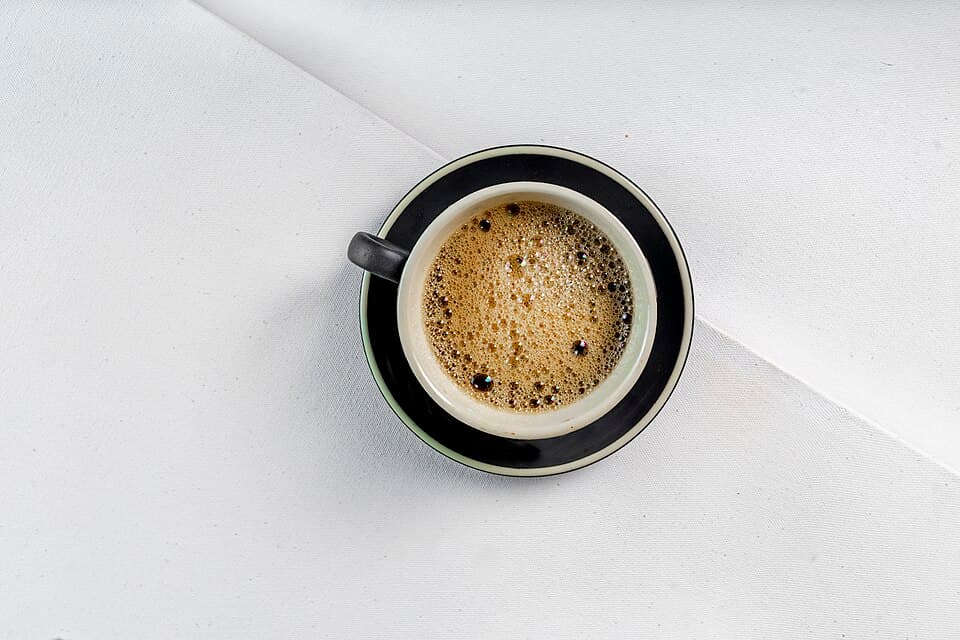
Espresso
Concentrated coffee pulled into a small cup, drunk quickly at the bar. Everything else in Italian coffee builds on it.
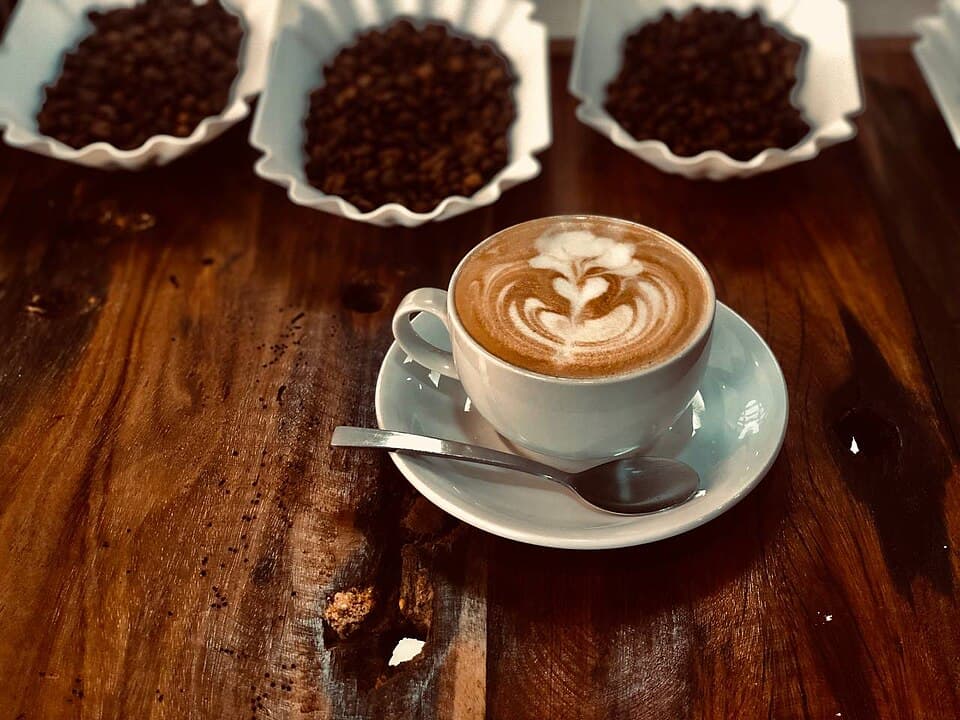
Cappuccino
Espresso topped with steamed, foamed milk. Italians drink it in the morning and rarely after lunch.
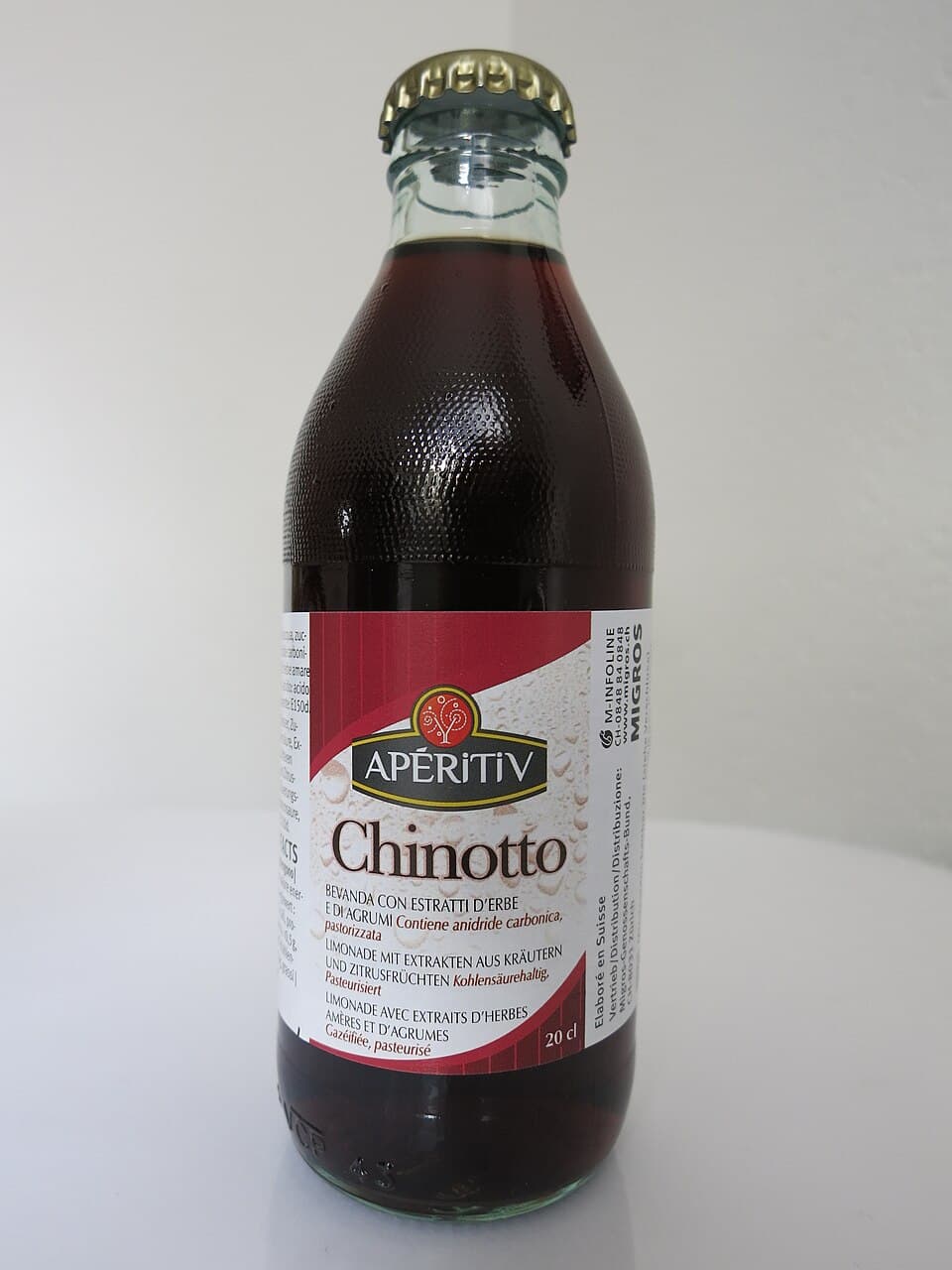
Chinotto
A dark Italian soft drink made from the chinotto citrus fruit, with a bittersweet, cola-like edge.
Frequently Asked Questions
Essential information about food and dining in Vatican City.
What is the national dish of Vatican City?
Vatican City's most iconic dishes include Carbonara, Cacio e Pepe, Supplì. Rome's defining pasta, made with eggs, Pecorino Romano, guanciale (cured pork cheek), and black pepper. No cream goes in it; the sauce comes from eggs and cheese loosened with pasta water.
Is street food safe in Vatican City?
Street food in Vatican City can be enjoyed safely by following these guidelines: Tap water is safe to drink Choose busy vendors with high turnover. Look for busy vendors with high turnover, ensure food is cooked fresh and served hot, and avoid raw ingredients if you have a sensitive stomach.
What are the best restaurants in Vatican City?
Vatican City offers diverse dining options from street food stalls to upscale restaurants. For the best experience, ask locals for recommendations, check recent reviews, and look for restaurants that specialize in regional cuisines.
Can vegetarians find food easily in Vatican City?
Vegetarian options in Vatican City are highly available. Vegetarians eat well here. Plenty of pasta and pizza work without meat, and vegetable dishes like Carciofi alla Romana are everywhere.. Many restaurants offer vegetarian dishes, and you'll find plant-based ingredients featured prominently in local cuisine.
What is the average cost of a meal in Vatican City?
Meal costs in Vatican City depend on where you eat. Street food and casual local restaurants are very affordable, typically offering complete meals for a few dollars. Mid-range restaurants charge moderate prices, while fine dining establishments are comparably priced to Western countries.
What are common food allergens in Vatican City?
Common allergens in Vatican City cuisine include Dairy, Gluten, Eggs. Pecorino Romano cheese is fundamental to Roman cuisine. These ingredients appear in dishes like Carbonara, Cacio e Pepe. Always inform restaurant staff about your allergies.
When is the best time to visit Vatican City for food?
Vatican City offers great food experiences throughout the year. However, visiting during harvest seasons (typically spring and autumn) provides access to the freshest local ingredients. Food festivals and cultural celebrations also offer unique culinary experiences worth planning around.