
Liechtenstein Food Guide
Content Information
Recently updated🔥Current Food Trends 2026
What's happening in Liechtenstein's culinary scene right now
Liechtenstein's food scene in 2026 still runs on three things: alpine tradition, royal backing, and the quirks of cooking in one of the world's smallest countries. Käsknöpfle remains the dish everyone claims as their own, on the menu at nearly every restaurant and on the table at Vaduz Castle when the princely family hosts. The Hofkellerei des Fürsten von Liechtenstein, the prince's own winery, makes Pinot Noir and Chardonnay from Rhine Valley vineyards and runs tastings; its cellar usually finishes pressing the year's harvest by late autumn. Cheese-making holds steady at dairies like Sennerei Gapont, which still turns out Alpkäse, Bergkäse, and Rahmkäse the old way. The farm-to-table push stays small but real, with places like Hotel Mühle in Triesen and the Torkel restaurant building seasonal menus around what's grown nearby. The local Slow Food chapter keeps promoting heritage foods such as Torkarebl (dried pears) and Hafalaab (cured bacon), along with the preservation methods behind them. Come autumn, the Liechtensteiner Bauernmarkt in Vaduz fills with local produce, artisan cheeses, and homemade preserves. Cross-border eating is a way of life here: Swiss restaurants in Buchs and Austrian ones in Feldkirch sit about half an hour away, and the influences bleed together. Torkel in Vaduz remains the name floated for possible Michelin recognition, and its modern take on alpine cooking keeps drawing attention from abroad. The hard limits haven't changed. Roughly 90 percent of food is imported, living costs rank among the highest anywhere, and a population this small can only support a handful of restaurants. Banking money shapes the upper end, where fine dining caters to financial-sector clients, expense accounts, and well-off tourists. On the sustainability side, organic farming subsidies, food-waste programs, and local-sourcing incentives continue. And the royal family stays involved, with Prince Hans-Adam II backing agricultural preservation and Princess Marie pushing to document traditional recipes.
Food Safety Tips
Essential food safety information to help you enjoy Liechtenstein's cuisine safely and confidently.
Tap water in Liechtenstein is generally safe to drink. If you have a sensitive stomach, bottled water can be a safer bet for the first few days of your trip.
Rinse fruits and vegetables under clean running water before eating, even when they look pre-washed. It clears off any leftover pesticide residue or bacteria.
Pay attention to restaurant hygiene. Pick places that look clean and well kept, watch how staff handle food, and make sure dishes arrive hot.
Street food is worth trying, but use some judgment. Go with vendors who keep a clean stall and serve food that's freshly made and cooked all the way through.
Dietary Options
vegetarian
MEDIUM AVAILABILITYVegetarians have a fair amount to work with in Liechtenstein, especially in the larger towns. Käsknöpfle (cheese dumplings) is vegetarian by default, and salads and vegetable soups turn up almost everywhere. Spell out your needs when ordering, since what counts as vegetarian isn't always understood the same way. Vaduz restaurants like Torkel and Hotel Mühle will adapt dishes, and Rösti, Älplermagronen (alpine macaroni), and vegetable soups appear on most menus. Market produce is limited but good quality, with Swiss imports filling the gaps.
vegan
LOW AVAILABILITYStrictly vegan eating takes more effort here. Vegetable dishes often hide dairy or eggs, so ask about ingredients and be clear about what you need. Salads without cheese and some vegetable soups usually work, and it helps to call ahead or be ready to tweak a dish on the spot. Vaduz has only a few vegan-friendly cafés, with the Burg Gutenberg café among those serving plant-based options. Swiss cooking runs through everything, which means butter, cheese, and cream are standard. Self-catering is the easier route, and the Swiss chain Migros stocks vegan products.
gluten-free
LOW AVAILABILITYTraditional Liechtenstein cooking doesn't offer many gluten-free choices. Awareness of gluten intolerance is growing, but you'll still need to explain your needs and ask about ingredients. Some kitchens can adapt, so call ahead or carry a backup option. Upscale Vaduz restaurants tend to understand the issue, and Torkel will make gluten-free adaptations. The catch is that wheat-based staples like Spätzle and Knöpfle (dumplings) are everywhere, and bread comes with almost everything. Naturally safe choices include Ribel (the cornmeal dish), grilled meats, and some soups. Useful phrases: 'Ich bin glutenintolerant' (I am gluten intolerant) or 'Habe Zöliakie' (I have celiac disease).
halal
VERY LOW AVAILABILITYHalal food is very hard to find in Liechtenstein. The Muslim population is small, around 2,000 to 2,500 people (roughly 6 percent), mostly of Turkish, Bosnian, and Arab background. As of 2026 there are no dedicated halal restaurants. Some Turkish kebab shops in Vaduz may use halal meat, but check the certification. The Liechtenstein Islamic Community in Vaduz can point you in the right direction. Most restaurants serve pork, and alcohol is common. The Swiss border helps: Buchs is a five-minute drive and gives access to Swiss halal restaurants and grocery stores, with Migros and Coop carrying some halal products. For self-catering, buy raw vegetables, fruits, eggs, and fish and prepare them according to Islamic principles. Grilled fish and vegetable dishes can be safe bets, but always confirm the ingredients and watch for alcohol-based sauces. Expect limited variety, high prices, and German-language menus. It's worth contacting the Islamic Community Liechtenstein (+423 239 68 00) before you travel.
kosher
VERY LOW AVAILABILITYKosher food is essentially absent in Liechtenstein. There's no established Jewish community, the historical presence was minimal, and there's no synagogue or kosher certification to speak of. The nearest resources are in Zurich, about an hour's drive away, where you'll find a Jewish community, kosher restaurants such as King Solomon and Schalom, and kosher shops. Within Liechtenstein, self-catering is the only real option: buy raw fruits, vegetables, eggs, and sealed packaged goods carrying a reliable hechsher, since Swiss supermarkets like Migros and Coop stock some kosher-certified items. Fish with fins and scales, including Rhine trout, is available, but prepare it carefully to avoid cross-contamination. There's no local shechita, so observant travelers can't eat the local meat; some bring frozen kosher meat from Zurich or pick it up on Swiss border crossings. Vegetarian dishes such as Käsknöpfle, salads, and soups can work, provided you check for unsupervised grape-derived products and the source of the cheese rennet. The Jewish Community of Zurich can advise on travel. As a historical note, Liechtenstein stayed neutral in World War II and sheltered some Jewish refugees, though no permanent Jewish settlement followed.
Common Allergens
Dairy
HIGH PREVALENCEDairy sits at the center of Liechtenstein cooking. Cheese, milk, and cream show up in most traditional dishes.
COMMONLY FOUND IN:
Wheat
MEDIUM PREVALENCEGluten turns up in breads, pastries, and some sauces here, so ask about ingredients when you order.
COMMONLY FOUND IN:
Tree Nuts
MEDIUM PREVALENCEWalnuts and hazelnuts show up in some desserts and baked goods. Check the ingredients and tell staff about any nut allergy.
COMMONLY FOUND IN:
Eggs
MEDIUM PREVALENCEEggs are common in baking and in several traditional dishes, so ask whether they're present when eating out.
COMMONLY FOUND IN:
Essential Food Experiences
These iconic dishes represent the must-have culinary experiences that define Liechtenstein's food culture for travelers.
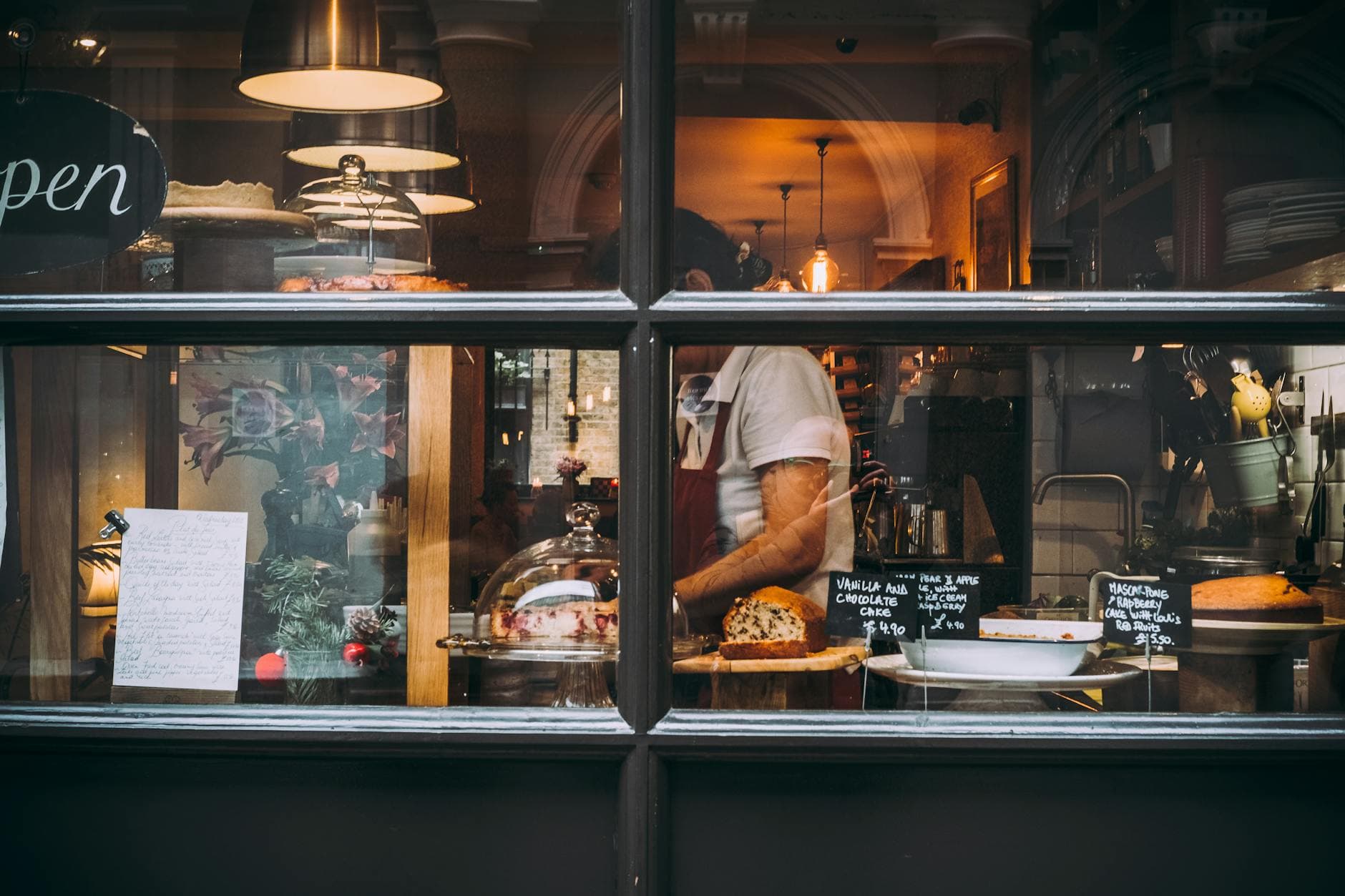
Käsknöpfle (Käsknöpfle)
Käsknöpfle is Liechtenstein's national dish, a warming alpine pasta. Small dumplings made from a plain dough of flour, eggs, and water or milk are boiled, then layered with grated local cheese, usually a mix of Bergkäse and Emmentaler. Fried onions go on top and apple sauce often comes on the side, balancing the savory richness with a touch of sweetness. The dish grew out of the country's mountain farming, and you'll find it nearly everywhere, from traditional Gasthäuser to mountain huts. It's a fixture at festivals and family meals.
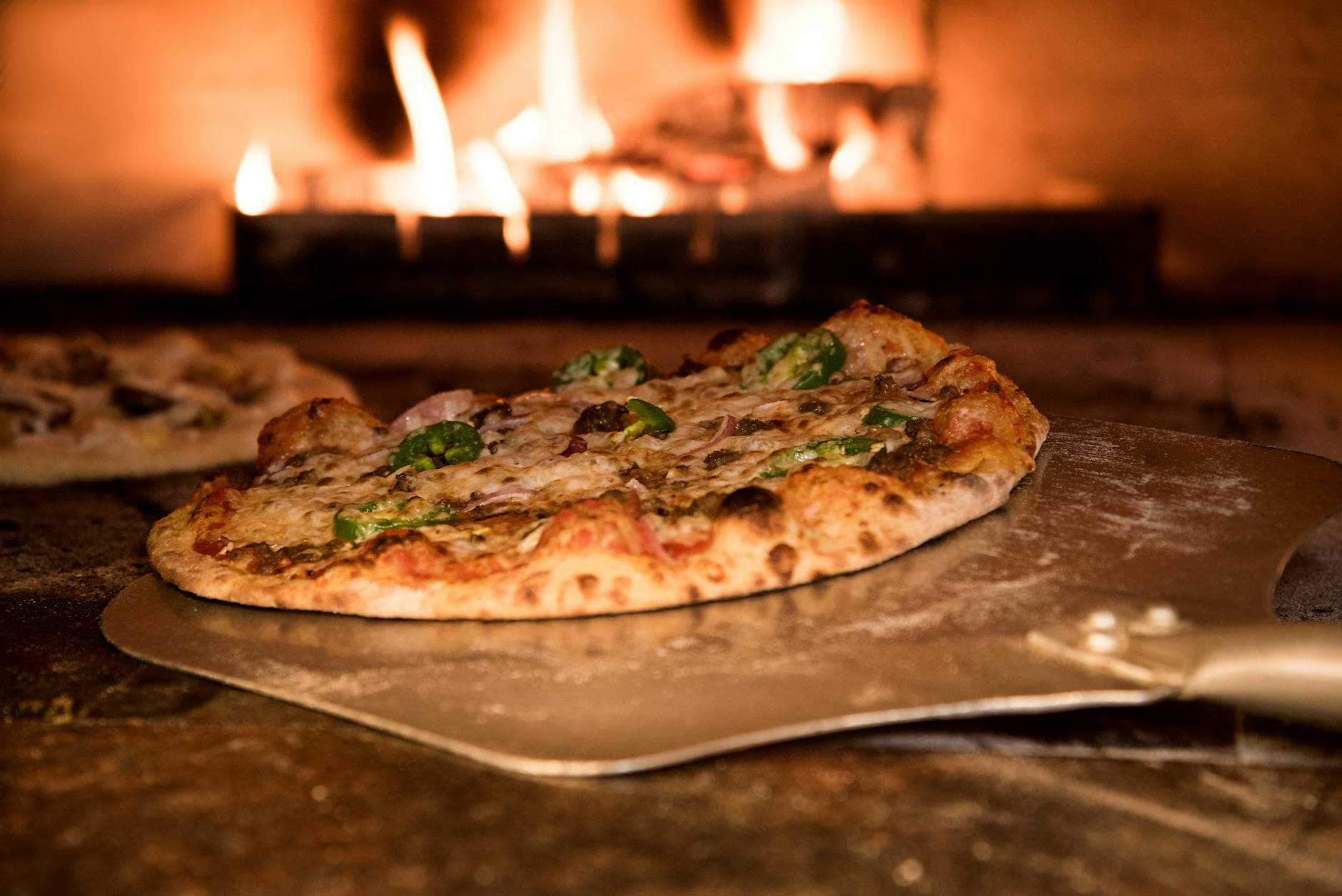
Ribel (Ribel)
Ribel is a cornmeal dish in the family of polenta or grits, the kind of food that came from making the most of what the land provided. Coarsely ground corn is cooked in water or milk until creamy, usually with butter and salt. The preparation is simple, but it makes a filling base for a meal. It's traditionally served with meat dishes like geschnetzeltes (veal strips in cream sauce) or game, soaking up the sauce. Ribel is a staple here and a clear nod to the country's farming past.
Hafalaab (Hafalaab)
Hafalaab is a cured bacon made from pork belly, long valued in Liechtenstein's kitchens. The belly is cured with salt, spices, and often juniper berries, which give it its particular taste, then smoked over beechwood for a deeper smoky flavor. It's usually sliced thin and eaten as a cold cut with bread and cheese, or dropped into soups and stews. The dish reflects the country's old preservation methods.
Schwartenmagen (Schwartenmagen)
Schwartenmagen is a traditional blood sausage and a good example of nose-to-tail cooking here. It's made with pig's blood, assorted meat scraps, and spices, packed into a pig's stomach. It won't suit every palate, but it delivers a deep, savory flavor that fans of hearty country food appreciate. It's usually pan-fried or grilled and served with sauerkraut or potatoes. The dish reflects a long habit of using every part of the animal.
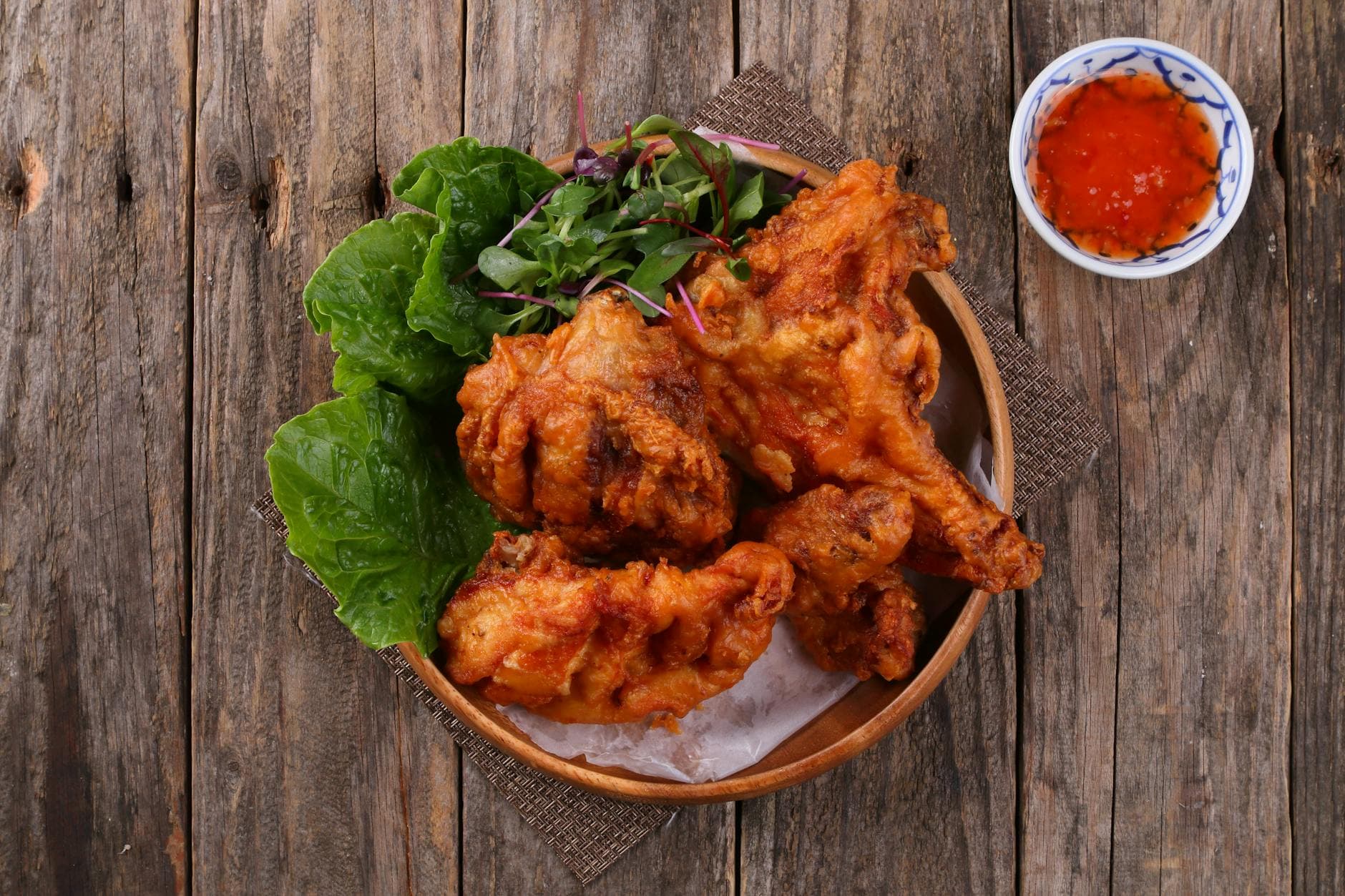
Torkarebl (Torkarebl)
Torkarebl are dried pears, a simple snack that locals are fond of. Ripe pears are sliced and dried in the sun or in special ovens, which concentrates their sweetness and gives them a chewy bite. They're good on their own and also go into muesli or baked goods, where they add flavor and texture. The method is one more example of preserving seasonal fruit for the months ahead.
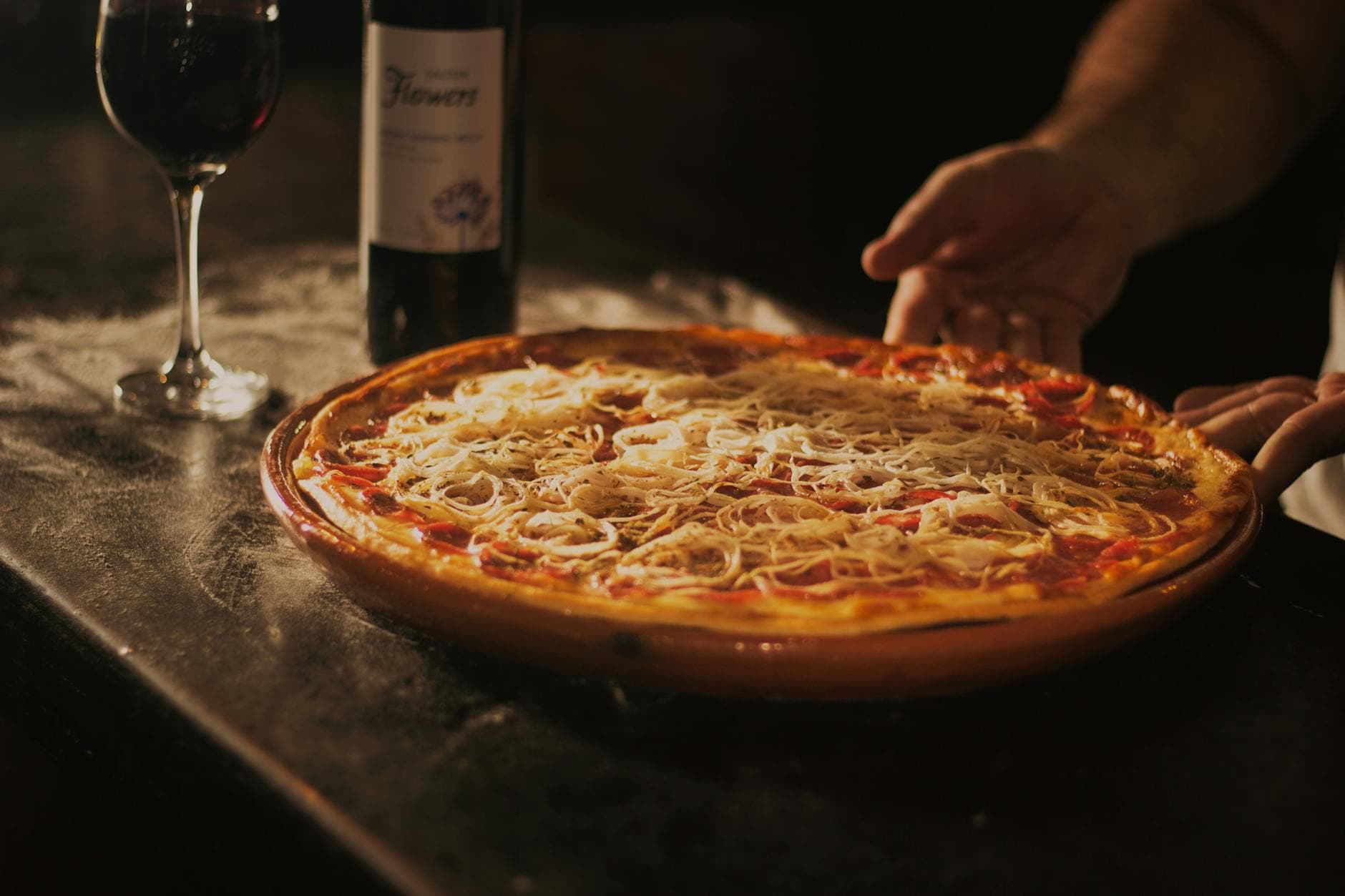
Alpkäse (Alpine Cheese)
Alpkäse is the catch-all name for alpine cheeses made in Liechtenstein's mountain dairies (Sennereien). They're produced over the summer, when cows graze the high pastures and the milk picks up flavor from mountain herbs and flowers. Sennerei Gapont makes a traditional Alpkäse, a hard, nutty cheese aged 6 to 12 months. Eat it on its own, with bread, or melted into Käsknöpfle. It carries the country's dairy heritage and the old practice of moving cattle up to summer pastures.
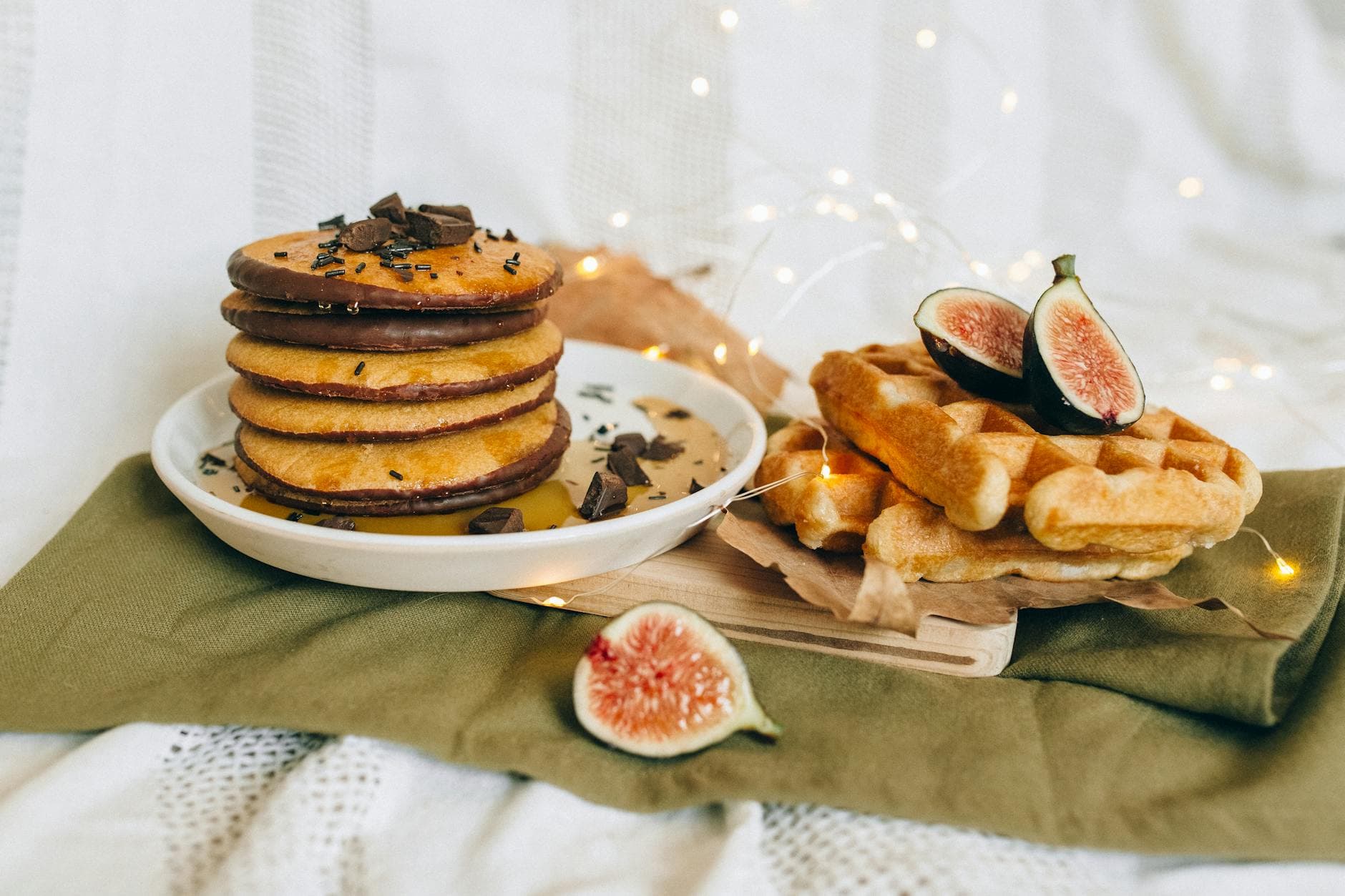
Geschnetzeltes (Veal in Cream Sauce)
Geschnetzeltes is thinly sliced veal in a creamy mushroom sauce, a favorite across the German-speaking Alps and in Liechtenstein. The veal is sautéed with onions, mushrooms, and white wine, then simmered in cream, sometimes with a little nutmeg. It comes with Rösti (potato pancakes) or Spätzle (egg noodles). The dish shows the Swiss and Austrian hand in local cooking and turns up at most restaurants in Vaduz and Schaan.
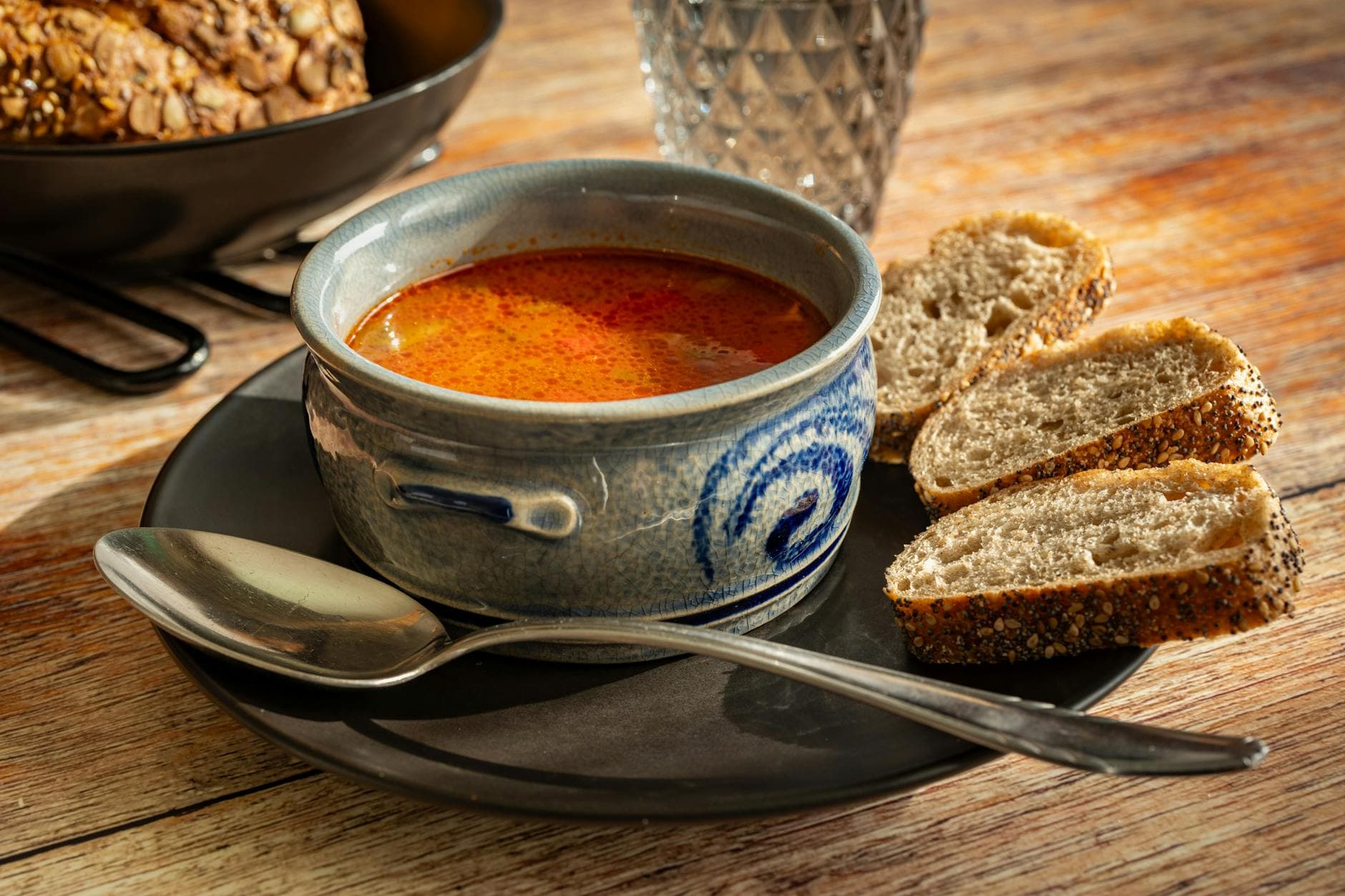
Wurst (Sausages)
Wurst, or sausages, are a staple here and come straight out of German-speaking butchery. You'll see Bratwurst (grilled), Knackwurst (with a snappy casing), and Blutwurst (blood sausage), served grilled or pan-fried with sauerkraut, potatoes, or bread. Local butchers (Metzgerei) make them from family recipes, and the late-autumn slaughter season brings fresh batches. The sausages tie back to alpine methods of preserving meat and the community customs around them.
Rösti (Potato Pancakes)
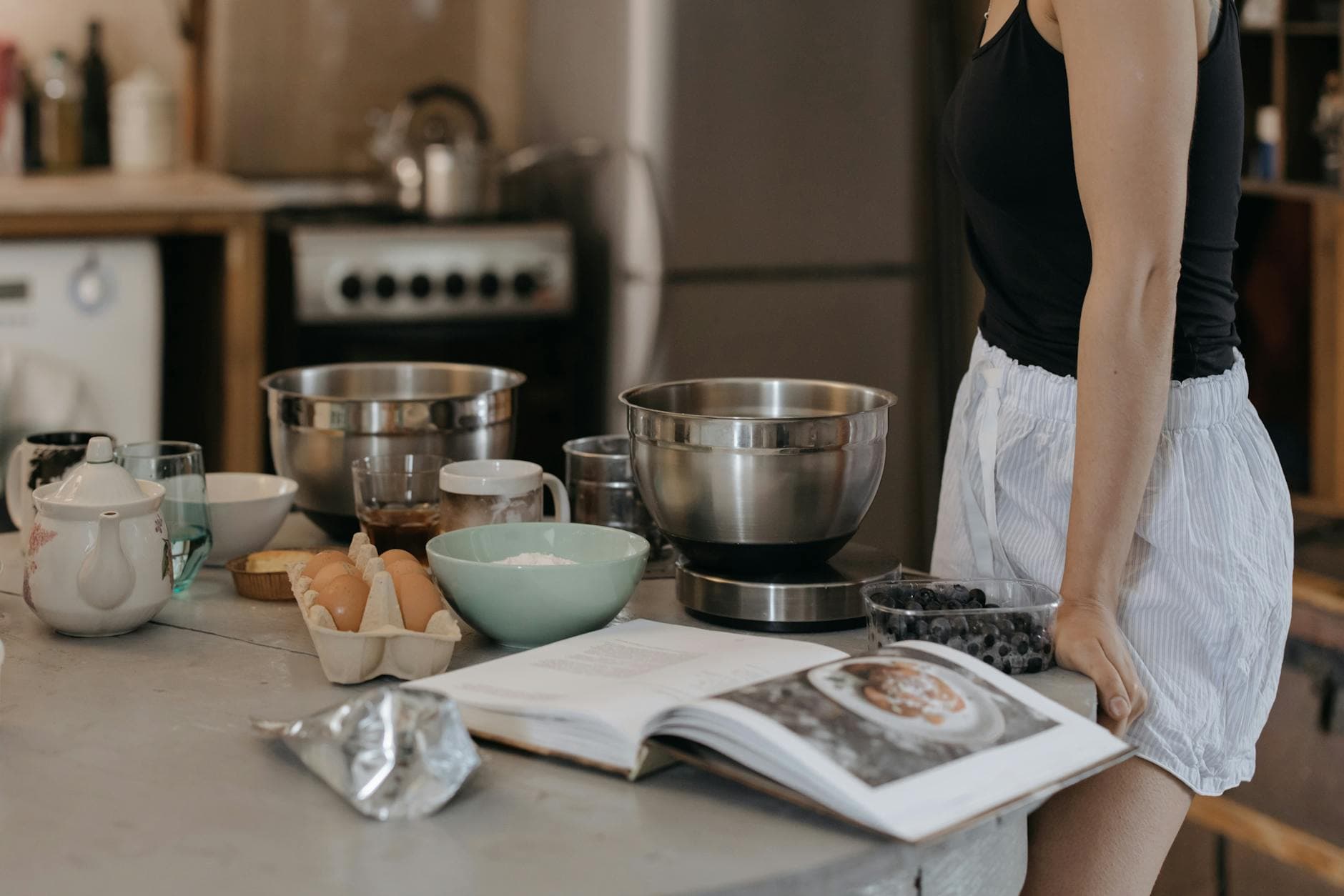
Rösti is Swiss in origin but just as loved in Liechtenstein. It's a grated potato pancake pan-fried until golden and crisp, served as a side with meat or vegetables, or as a main topped with cheese, bacon, or a fried egg. It's filling, flexible, and built on the kind of simple ingredients the region leans on. Every restaurant has its own version, and some cooks work in onions, cheese, or herbs.
Liechtenstein Wine (Hofkellerei Wein)
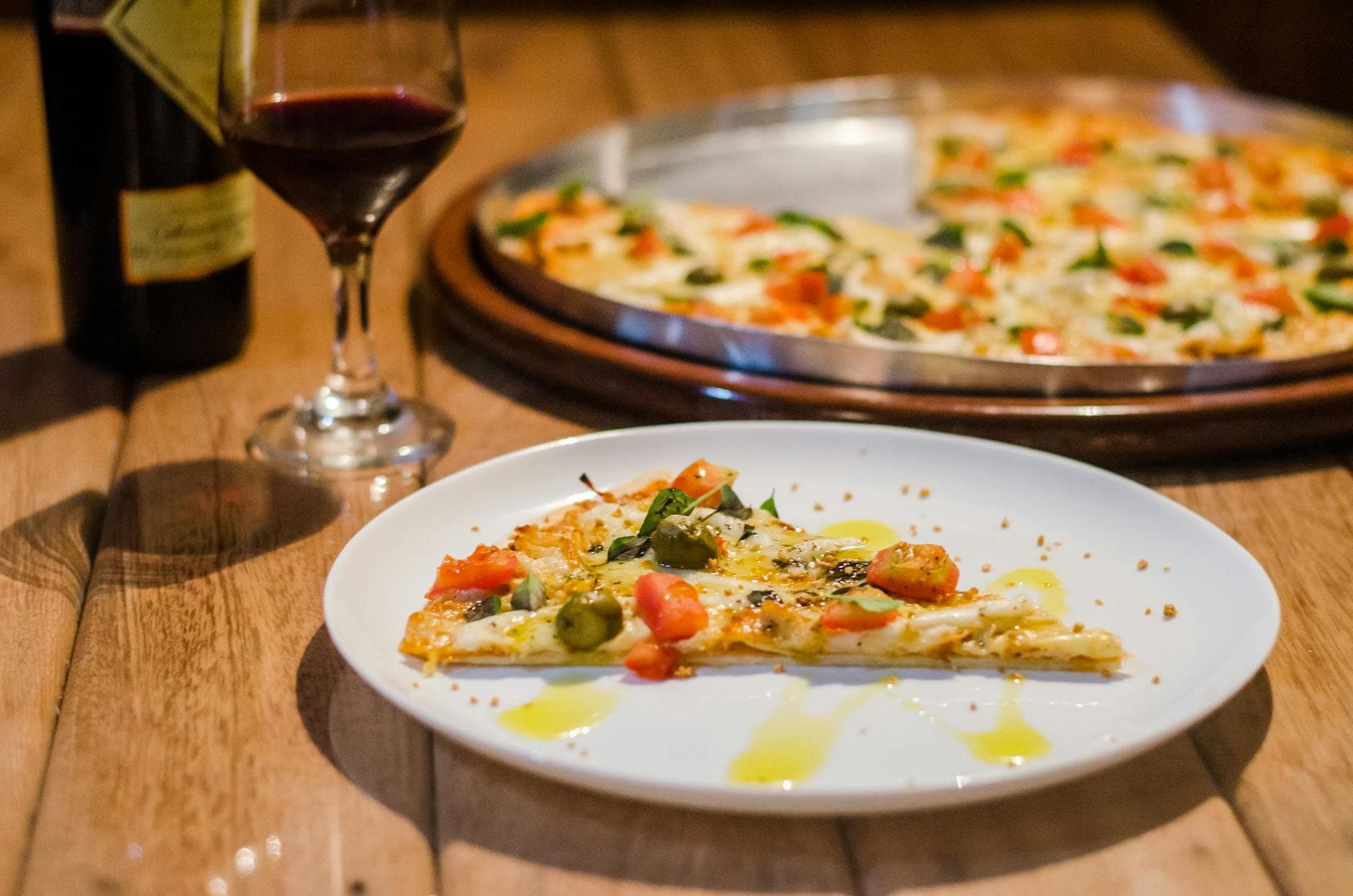
Liechtenstein wine comes from the Hofkellerei des Fürsten von Liechtenstein, the prince's family-owned estate. Its Rhine Valley vineyards on the slopes around Vaduz and Eschnerberg grow Pinot Noir (Blauburgunder), Chardonnay (Weissburgunder), and Müller-Thurgau. The harvest wraps up in autumn, when pressing and fermentation begin. Production is small, about 100,000 bottles a year, yet the wines have earned recognition abroad, with an elegant Pinot Noir and a crisp Chardonnay. The Vaduz cellar runs tastings and tours, and the royal connection adds to the appeal. It's a clear case of a tiny country choosing quality over volume.
Regional Specialties & Local Favorites
Discover the authentic regional dishes and local favorites that showcase Liechtenstein's diverse culinary traditions.
Geschnetzeltes (Geschnetzeltes)
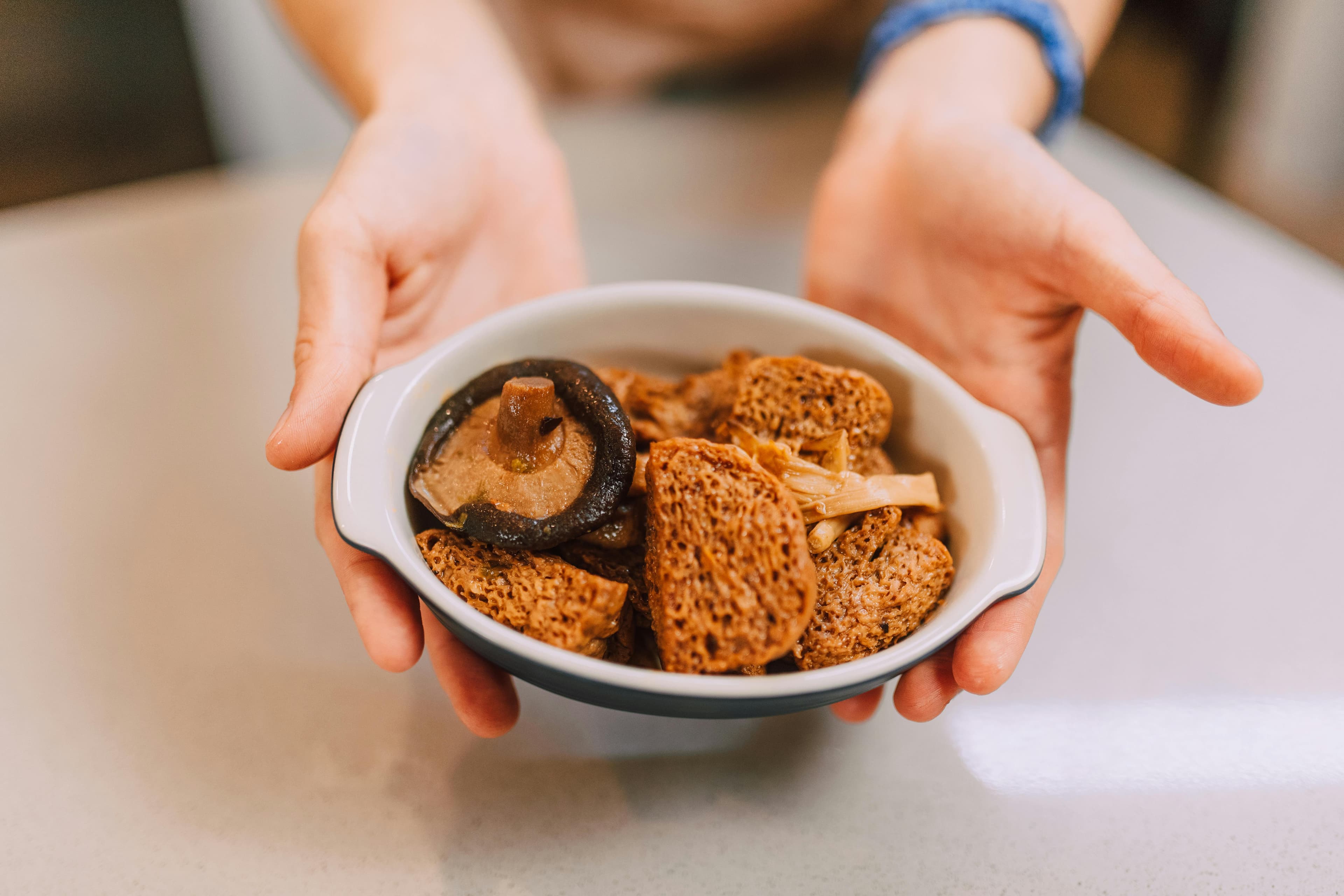
Thinly sliced veal in a creamy mushroom sauce, usually served with Rösti, is a common order across the German-speaking region, Liechtenstein included. The veal is sautéed with onions and mushrooms, then simmered in cream and white wine, often with a little nutmeg. It's a satisfying plate, easy to find in restaurants and frequently made at home.
Allergens:
Wurst (Wurst)
Sausages are a staple in Liechtenstein, rooted in the country's butchery traditions. Bratwurst, Knackwurst, and Blutwurst all have their place, served grilled or pan-fried with sauerkraut, potatoes, or bread. Sausage stands and local butchers carry plenty of options, so a quick, filling meal is never far away.
Allergens:
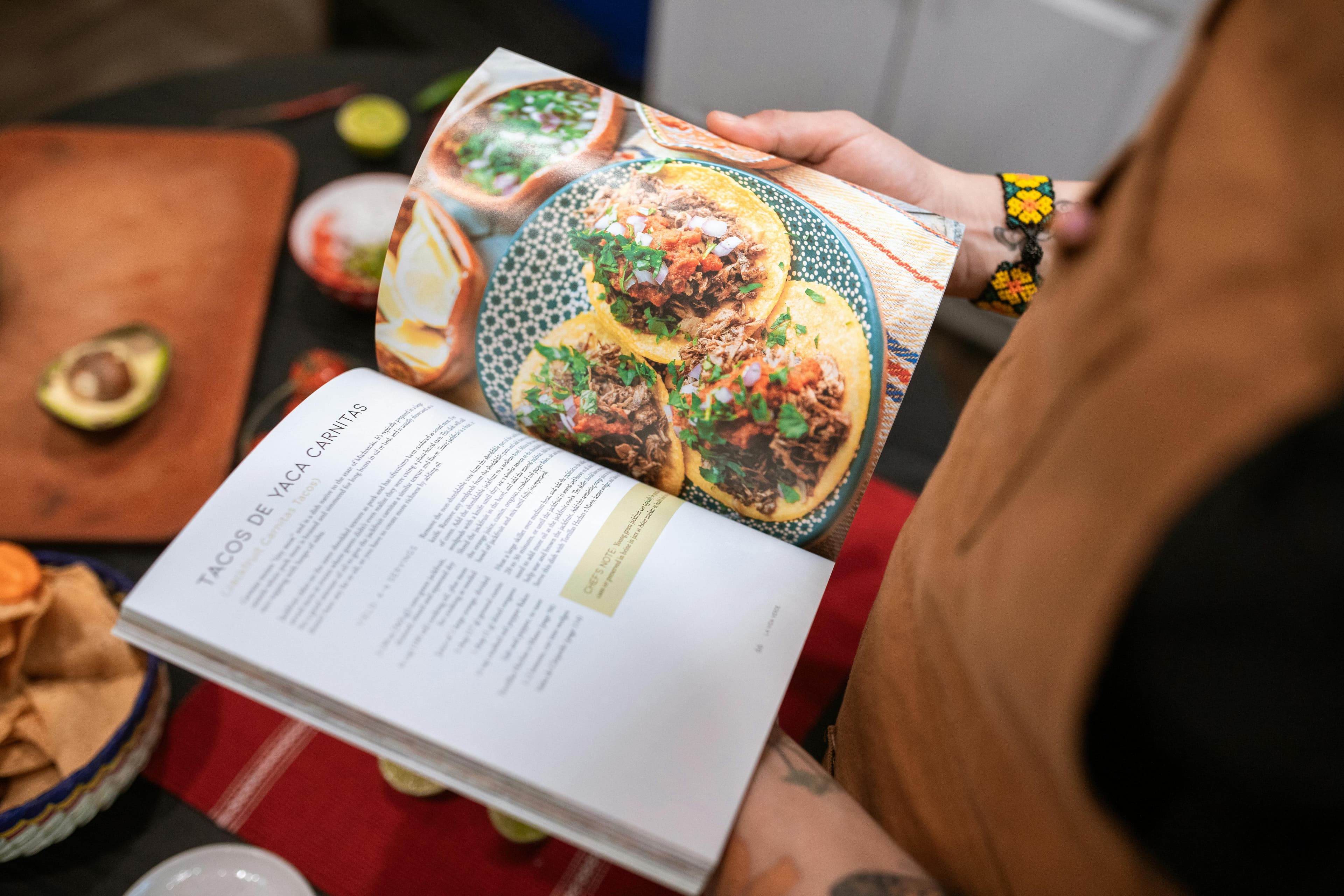
Rösti (Rösti)
Rösti is Swiss in origin but well loved in Liechtenstein too. The grated potato pancake is pan-fried until golden and crisp. It works as a side with meat or vegetables, or as a main topped with cheese, bacon, or a fried egg. Filling and adaptable, it leans on the simple ingredients the region has always relied on.
Allergens:
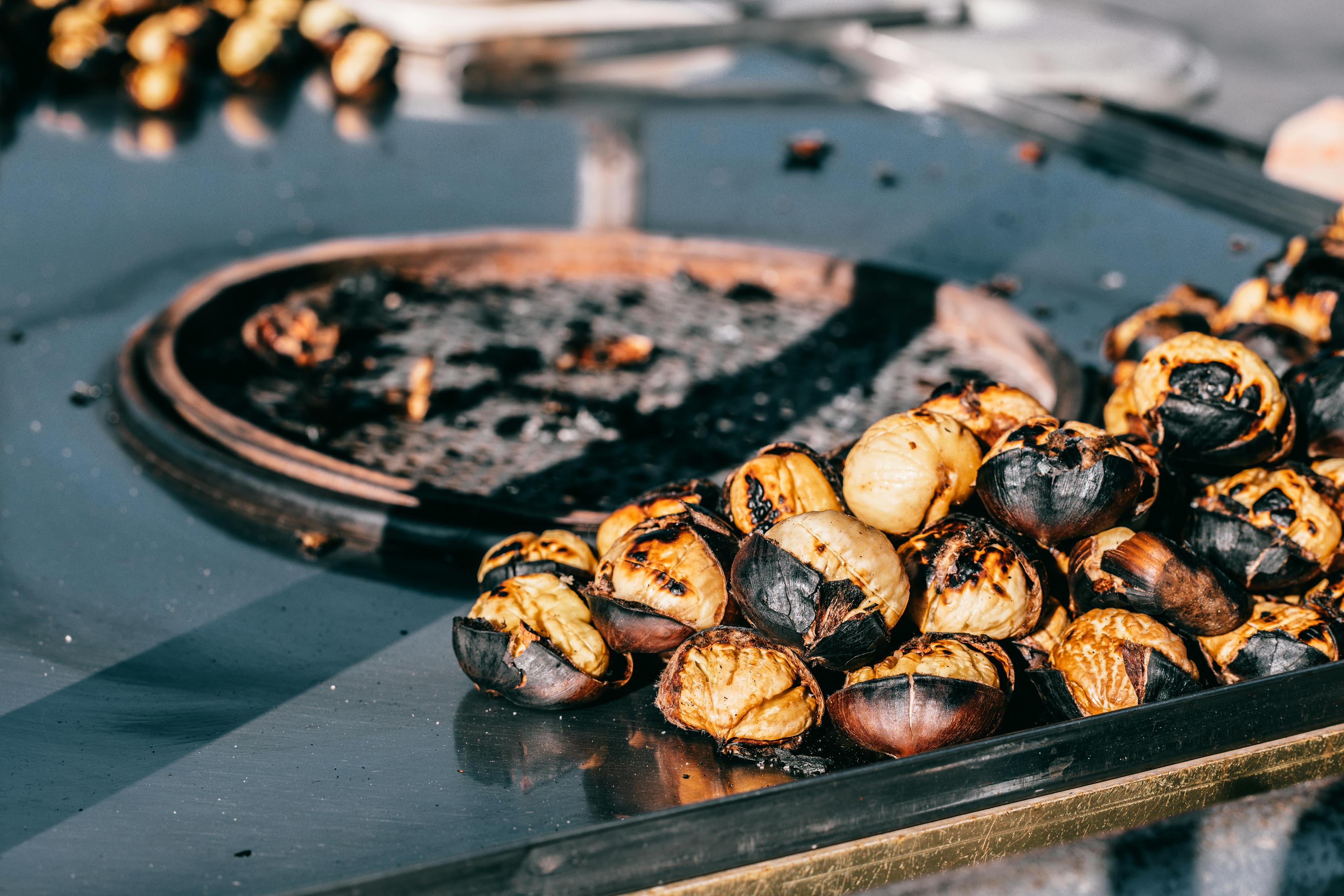
Älplermagronen (Älplermagronen)
Älplermagronen, or alpine macaroni, is considered Swiss but eaten just as happily in Liechtenstein. It brings together macaroni, potatoes, cheese, onions, and often cream into one filling plate, the kind of thing people reach for in the colder months. Many restaurants serve it, and it's a reliable choice when you want something hearty.
Allergens:
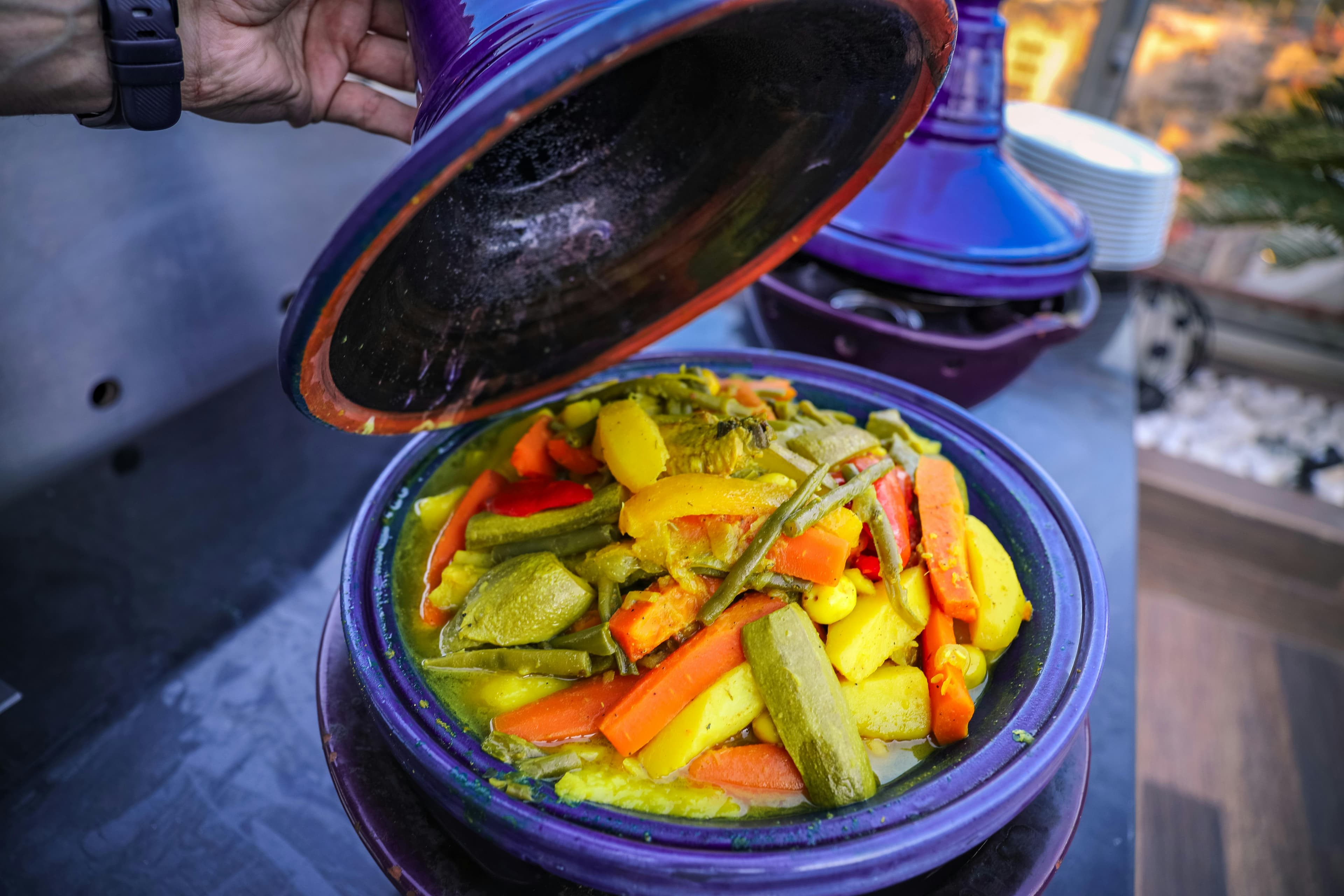
Saukerkraut (Sauerkraut)
Sauerkraut, fermented cabbage, is a common side in Liechtenstein, its tang cutting through richer dishes. It usually accompanies sausages or pork, or goes into a stew. Fermentation gives the cabbage its sharp flavor and firm-soft texture, and it's a well-liked part of the local table.
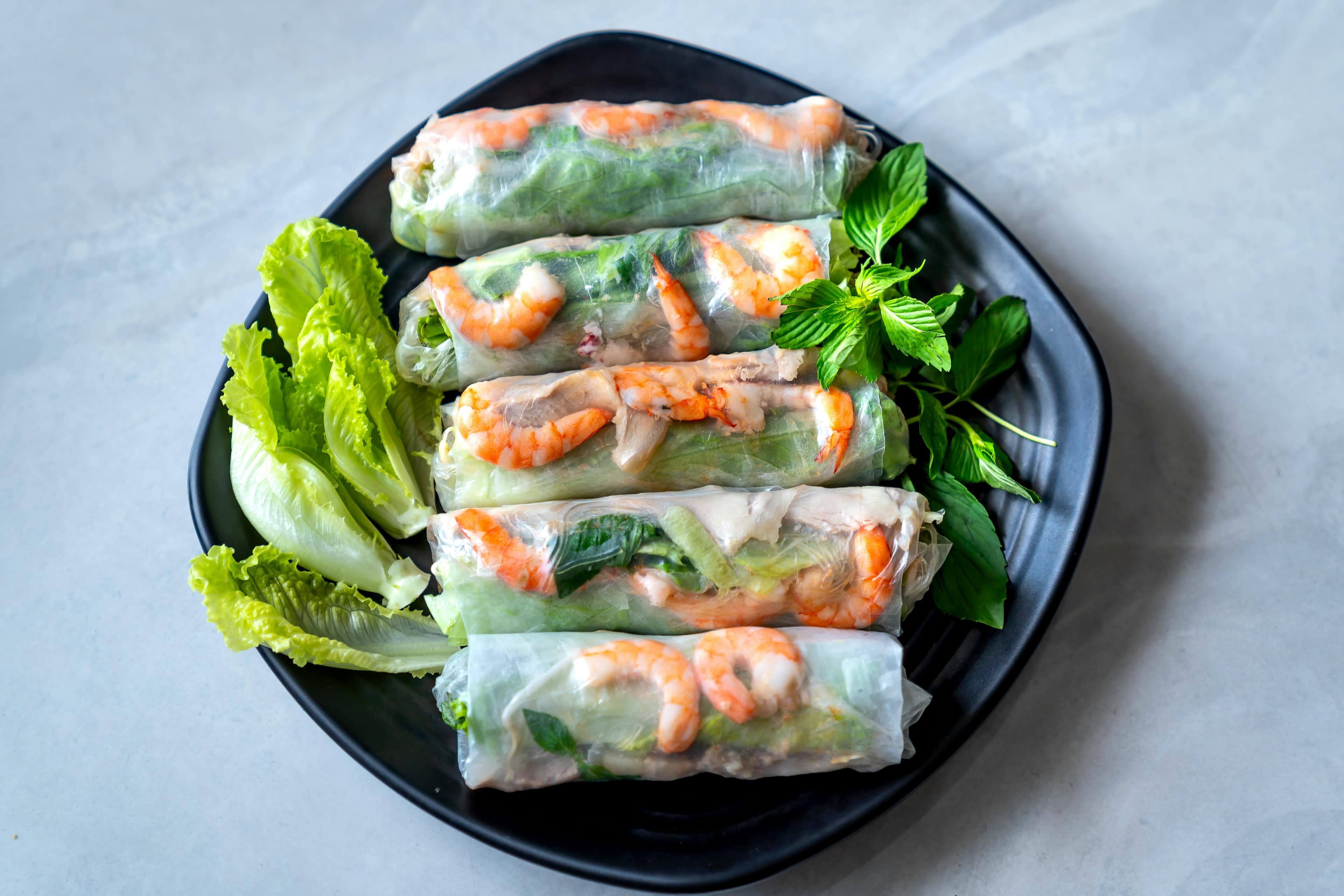
Zwiebelsuppe (Zwiebelsuppe)
Onion soup is classic cold-weather comfort food in Liechtenstein. It's made with caramelized onions and beef broth, usually topped with croutons and melted cheese for a deep, savory result. Zwiebelsuppe shows up on plenty of restaurant menus and makes for a warming meal.
Allergens:
Regional Cuisine Highlights
Explore the diverse culinary landscapes across different regions of Liechtenstein.
Unterland (Lowlands)
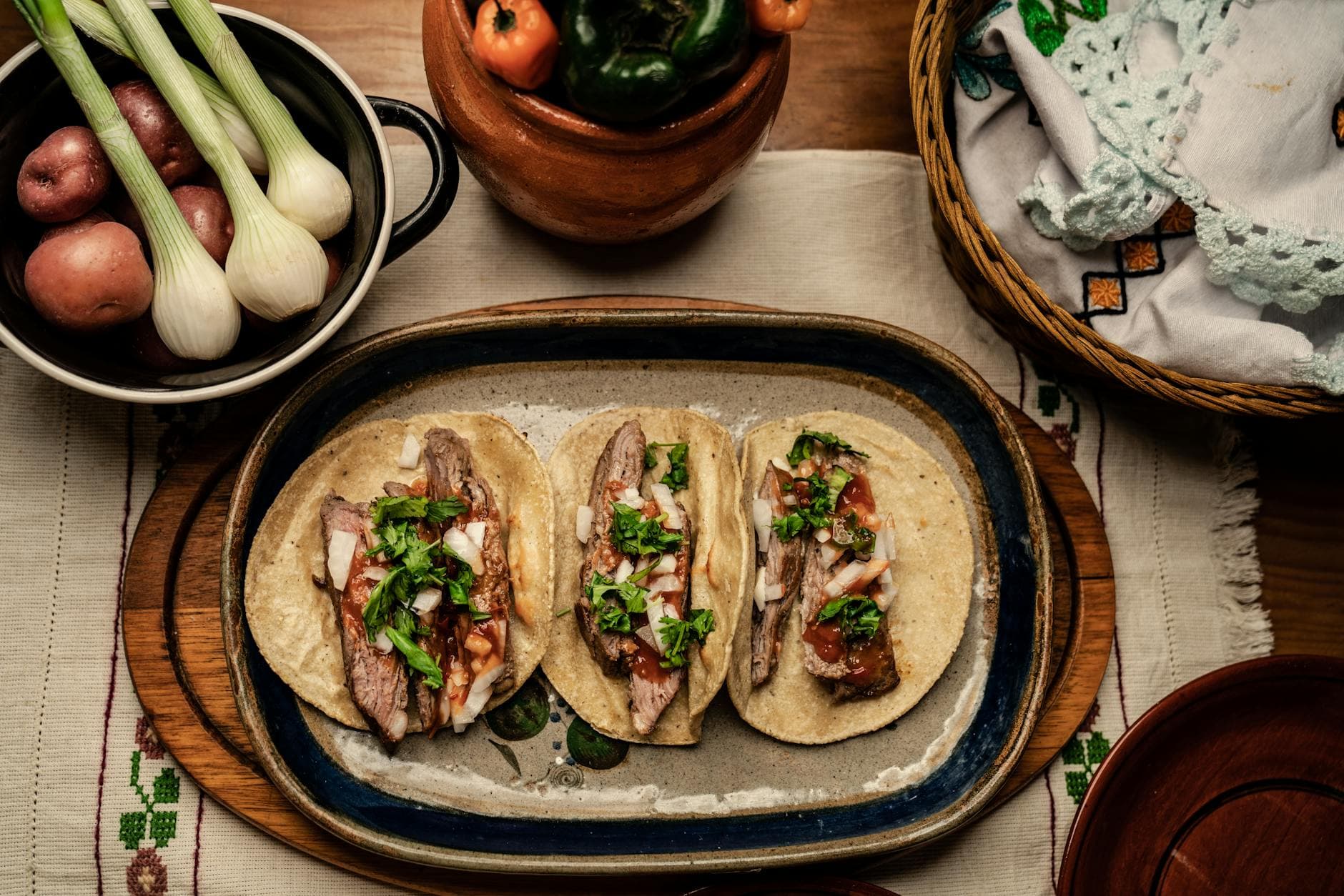
The Unterland, along the Rhine, has fertile land and fresh river fish to work with, so its cooking leans more on vegetables and fish. Switzerland's influence is close at hand too, and dishes like Rösti turn up more often here.
Cultural Significance:
The Unterland takes in the Rhine Valley municipalities of Ruggell, Schellenberg, Gamprin, Eschen, and Mauren, all on fertile farmland close to the river. The cooking follows from that: vegetable growing, apple and pear orchards, and Rhine fish such as trout and pike. The Swiss connection runs deep, with Buchs a five-minute drive away and cross-border shopping and dining a normal part of life. Swiss wine festivals in the nearby Weinland region are within easy reach in autumn. The food culture here mirrors how closely the two countries are tied, through the 1923 customs union, the shared Swiss Franc, and an open border. Many Unterland residents work, shop, and eat in Switzerland, which blurs where one country's cooking ends and the other's begins. The flip side is that local restaurants are few, partly because people prefer the Swiss options, and high prices push food shopping across the border.
Signature Dishes:
- Rhine fish dishes
- Vegetable stews
- Rösti variations
Key Ingredients:
Oberland (Highlands)
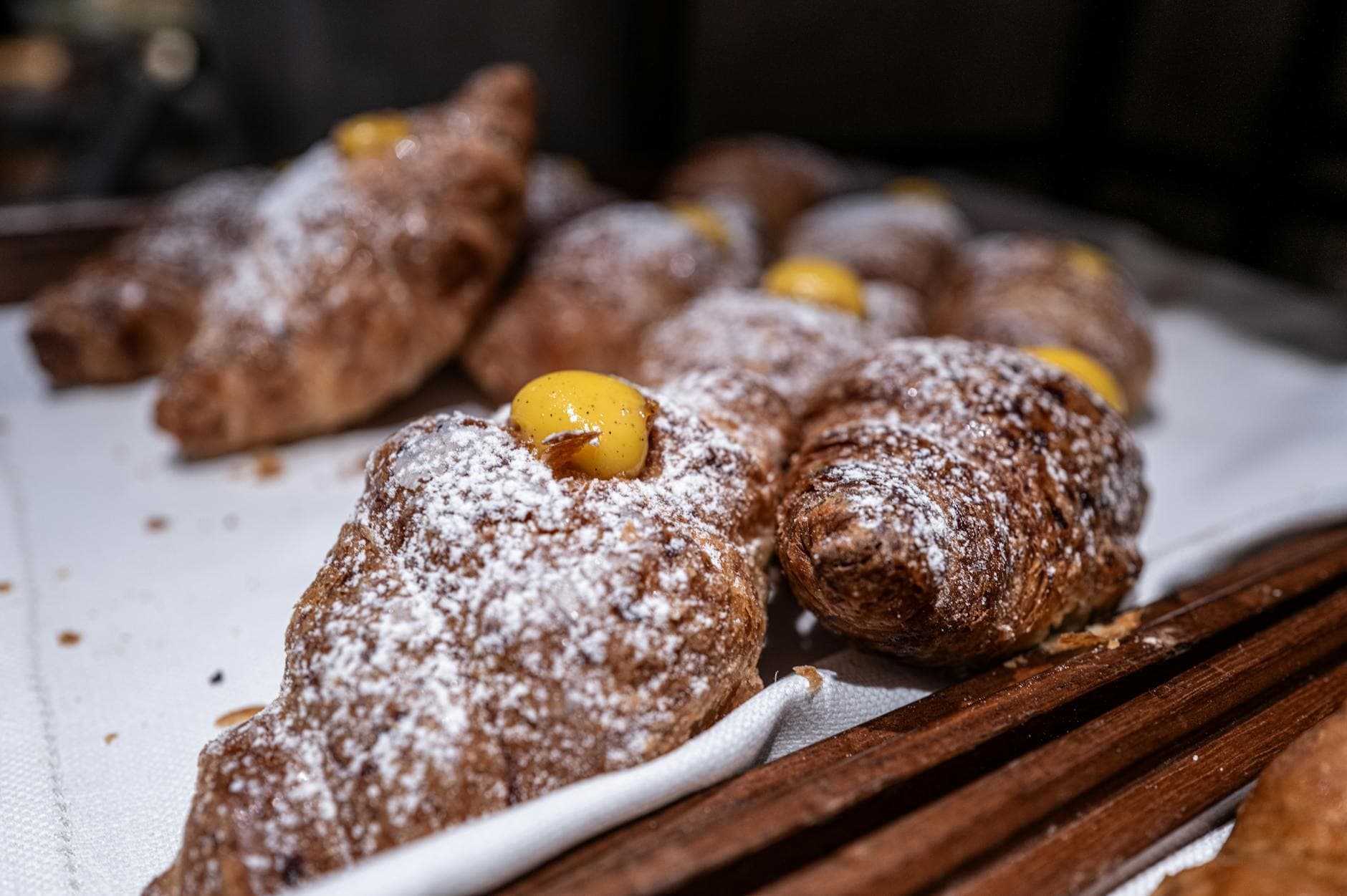
The mountainous Oberland traditionally eats heartier. Game meat, dairy, and preserved foods feature more, and cheese is especially central, with various alpine cheeses anchoring local dishes. Stews and dumplings are common.
Cultural Significance:
The Oberland covers the mountain municipalities: Vaduz (the capital), Schaan, Triesen, Balzers, Triesenberg (the highest village at 900m), and Planken (the smallest). Its cooking comes out of alpine life, with cheese-making at dairies like Sennerei Gapont, hunting for deer and chamois, and mountain herbs such as wild thyme. Triesenberg, a Walser settlement from 13th-century Swiss migration, holds onto its own dialect and food traditions, including Walser cheese, dried meats, and the methods that go with them. As the capital, Vaduz is the cultural hub, and its restaurants serve the banking sector, tourists, and the diplomatic community of embassies and international organizations. Mountain restaurants like Berggasthof Sücka and Pfälzerhütte put out hearty alpine plates, from game stews to Käsknöpfle and Alpkäse boards. Hiking trails link the huts, and culinary tourism is on the rise. The constraints are real: the high elevation makes for a short growing season, food costs are among the highest anywhere, and the small market supports only a handful of specialized producers.
Signature Dishes:
- Game stews
- Käsknöpfle
- Alpkäse varieties
- Dried meats
Key Ingredients:
Vaduz (Capital)
Vaduz is the face of Liechtenstein as a small but cosmopolitan nation, with the royal castle above the Rhine Valley and museums, government buildings, banks, and luxury tourism below. It has the most varied food scene in the country, from upscale restaurants like Torkel and Hotel Real to Italian, Asian, and Mediterranean kitchens, with real fine-dining ambitions. Cultural events, such as Liechtenstein Art Museum exhibitions, State Library programs, and royal family appearances, often come with a meal attached. The banking sector shapes a lot of it, from expense-account dinners and business lunches to a wider wine culture. The Hofkellerei tasting room is the showcase for Liechtenstein wine. Tourist dining clusters around souvenir shops, cafés, and traditional Gasthäuser serving Käsknöpfle and Rösti. The split between high-end places and limited affordable ones is plain, and locals often cook at home or shop across the border. The pedestrian Städtle has a café culture of its own, with outdoor seating in summer and warm interiors in winter. Toward late autumn the Christmas market preparations get going, bringing Glühwein, roasted chestnuts, and traditional pastries.
Cultural Significance:
Vaduz captures Liechtenstein's contradictions: a tiny country (160 km², the world's sixth smallest) with enormous wealth (the highest GDP per capita anywhere) and a refined cultural life. The food scene shows what a micro-nation can do, skipping mass-market cooking in favor of quality over quantity, with royal backing that raises the bar. The House of Liechtenstein takes an active hand in the country's culinary heritage: Prince Hans-Adam II owns the wine estate, Princess Marie documents traditional recipes, and castle events feature local specialties. On Staatsfeiertag, the National Day on August 15th, the royal family hosts a public reception on the castle grounds with Käsknöpfle, sausages, beer, and wine, capped by fireworks. The constraints are familiar: a small population (39,000 in all, around 5,500 in Vaduz) can only support so many restaurants, high rents make opening one hard, and the COVID-19 pandemic from 2020 to 2022 shut several places for good. Looking ahead, there are Michelin ambitions with Torkel a possible candidate, along with sustainable tourism efforts, heritage-food preservation, and steady cross-border integration.
Signature Dishes:
- Fine dining modern alpine cuisine
- Käsknöpfle (traditional)
- International cuisine (Italian, Asian)
- Hofkellerei wines
- Upscale desserts (tortes, pastries)
Key Ingredients:
Sweet Delights & Desserts
Indulge in Liechtenstein's traditional sweet treats and desserts.
Öpfelchüechli (Öpfelchüechli)
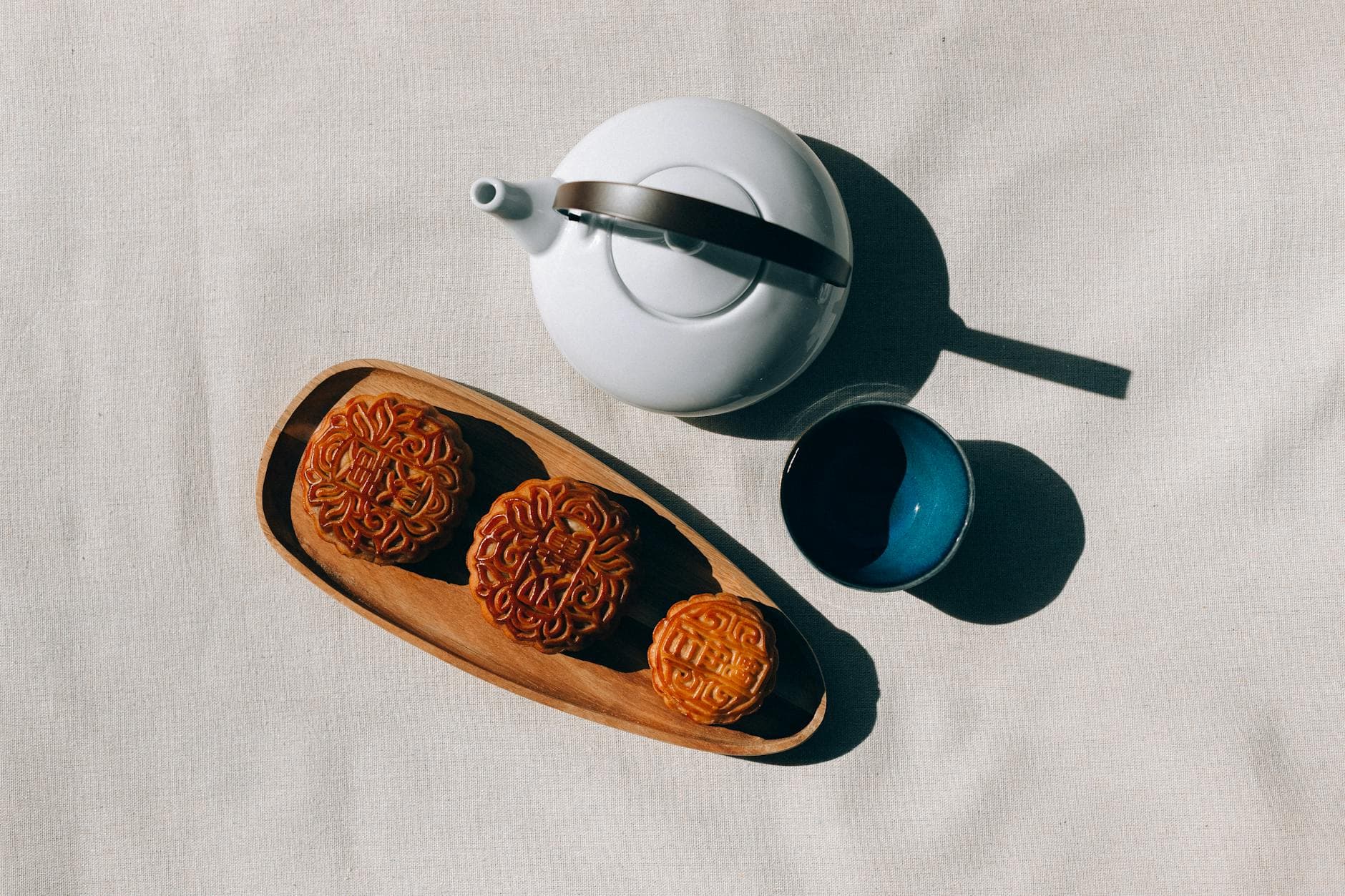
Öpfelchüechli are deep-fried apple fritters, a treat people here are fond of. Thin apple slices are dipped in a sweet batter, often flavored with cinnamon or vanilla, and fried until golden. They're dusted with powdered sugar and eaten warm, crisp on the outside with soft, sweet apple inside. You'll come across them at markets, festivals, and traditional restaurants.
Vermicelles (Vermicelles)
Vermicelles is a chestnut purée dessert eaten mainly in autumn and winter. Sweetened chestnut purée is pushed through a sieve into fine strands, which is where the name comes from. It's usually served with whipped cream, a light counterpoint to the dense chestnut. You'll find it in pastry shops and some restaurants.
Nusstorte (Nusstorte)
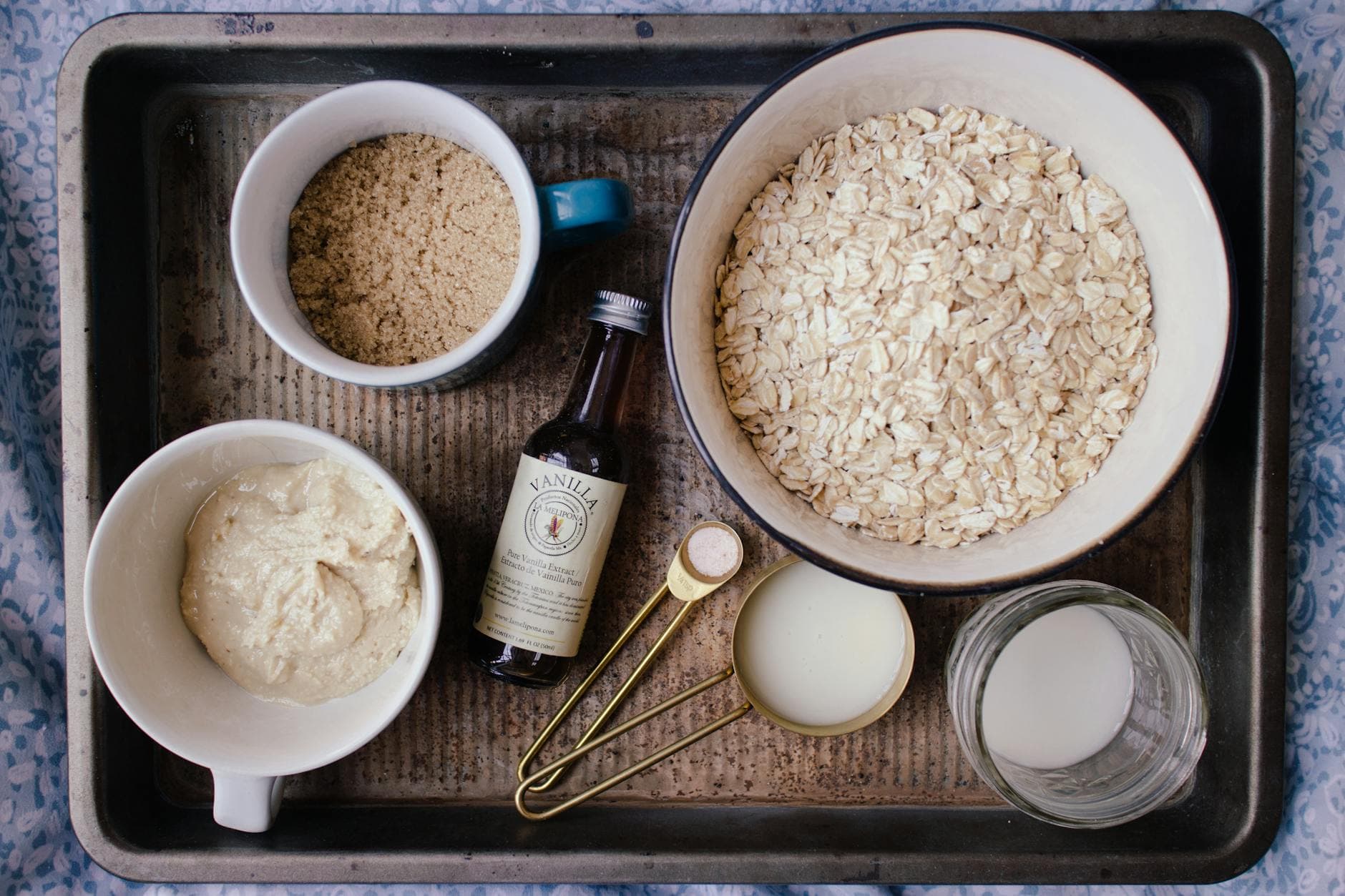
Nusstorte is a nut tart with versions all over the region and a steady following in Liechtenstein. A buttery pastry crust holds a filling of ground nuts, usually hazelnuts or walnuts, with caramel and sometimes chocolate. Recipes shift from one family or bakery to the next, but the result is always dense, sweet, and nutty. Bakeries and confectioneries across the country sell it.

Rahmfladen (Rahmfladen)
Rahmfladen is a traditional tart filled with sweet cream custard. A thin, flaky crust holds the creamy filling, and it's often finished with powdered sugar. Simple but satisfying, it's the kind of thing you pick up at a bakery for an afternoon snack or to round off a meal.
Engadiner Nusstorte (Engadiner Nut Tart)
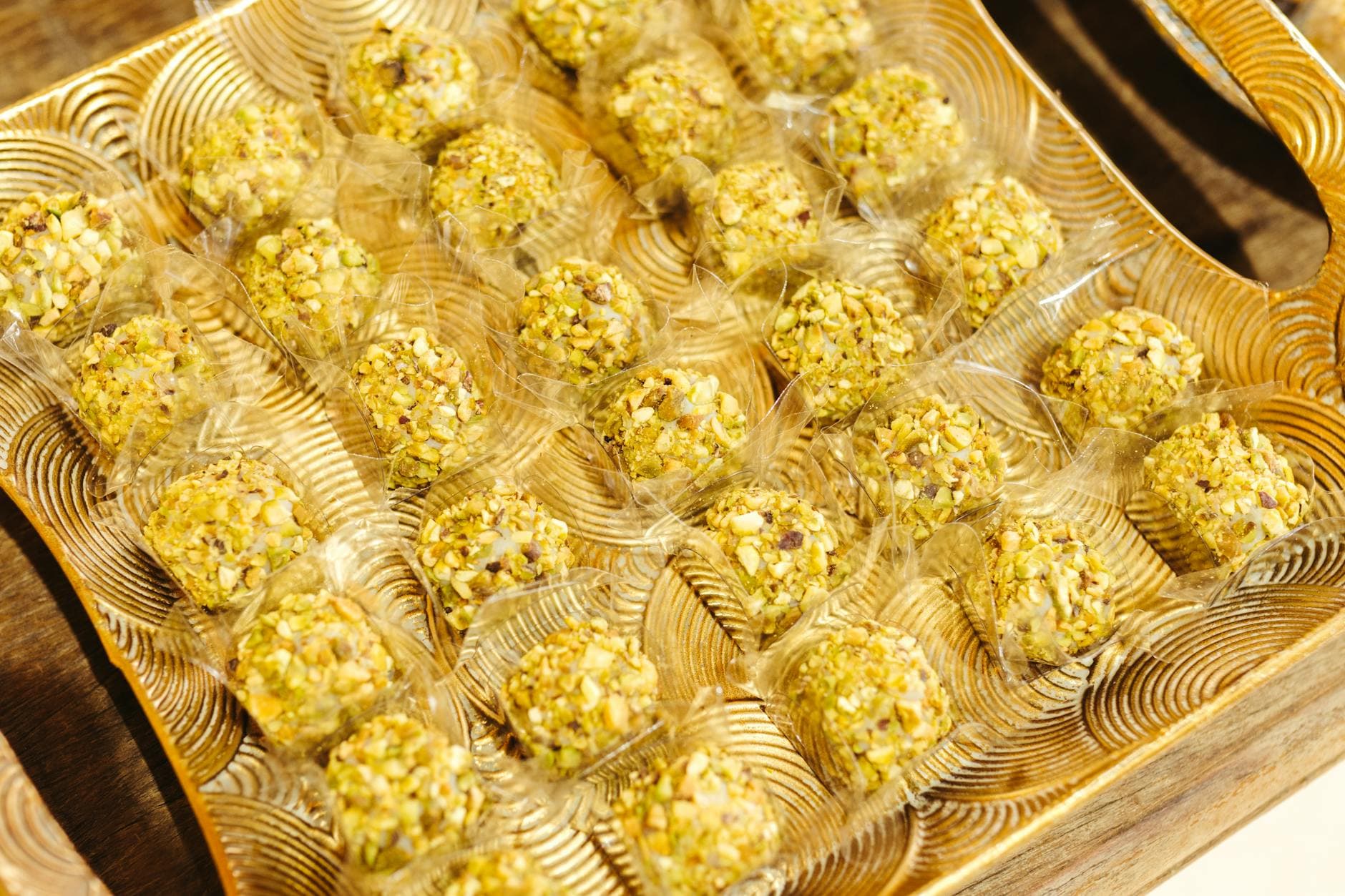
Engadiner Nusstorte is a Swiss specialty that's caught on in Liechtenstein: buttery shortcrust pastry filled with caramelized walnuts. It's rich, dense, and sweet, and it goes well with coffee. Bakeries in Vaduz carry it, and it often appears for special occasions. The tart is one more sign of Swiss influence on alpine baking.
Birnenbrot (Pear Bread)
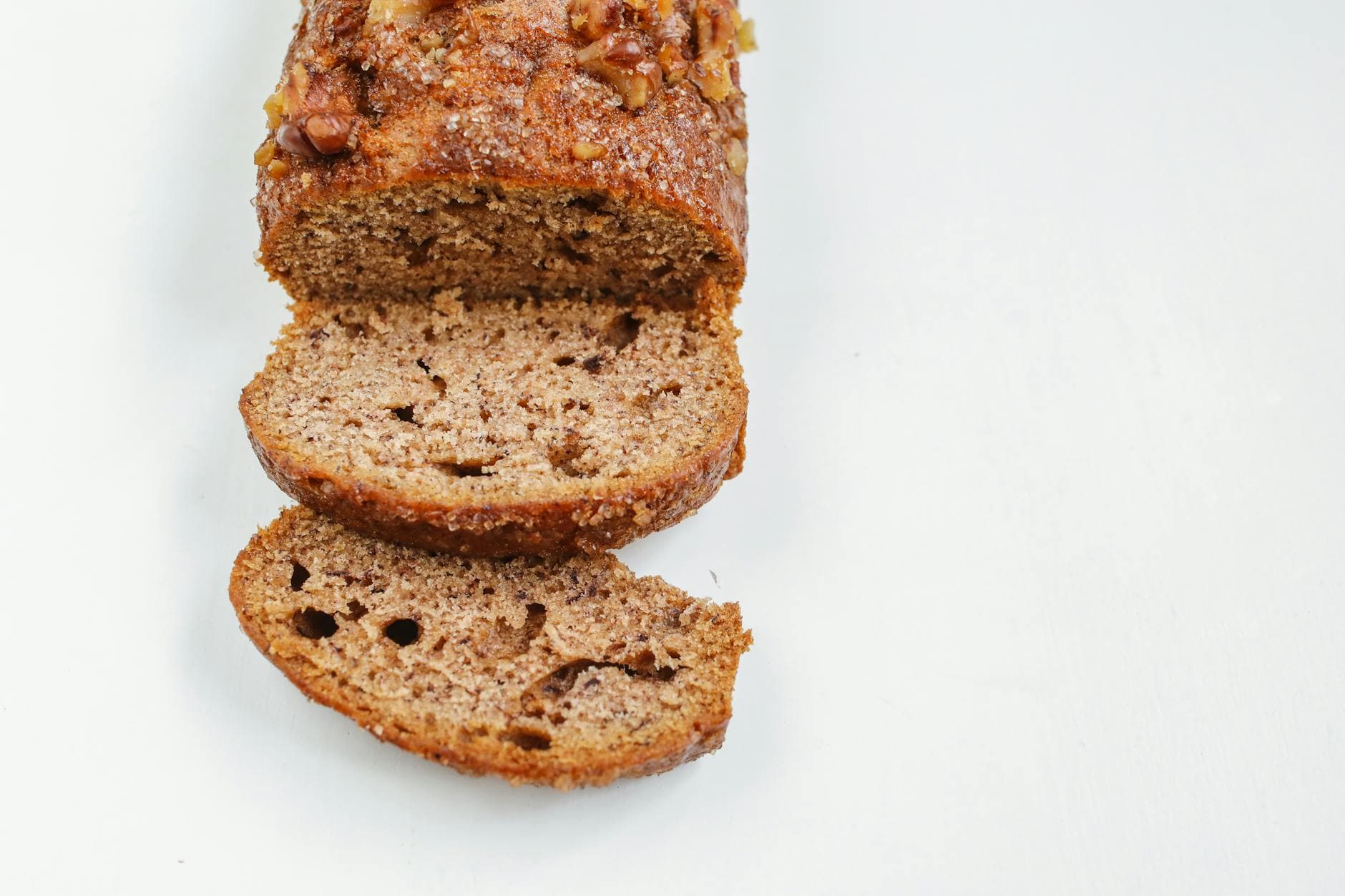
Birnenbrot is a traditional fruit bread made with dried pears (Torkarebl), dried figs, nuts, and spices like cinnamon and cloves, all wrapped in pastry dough. It's dense, sweet, and fruity, and it tends to appear around Christmas. The bread draws on the country's fruit-preserving habits and alpine baking, and bakeries stock it through November and December.
Linzer Torte (Linzer Tart)
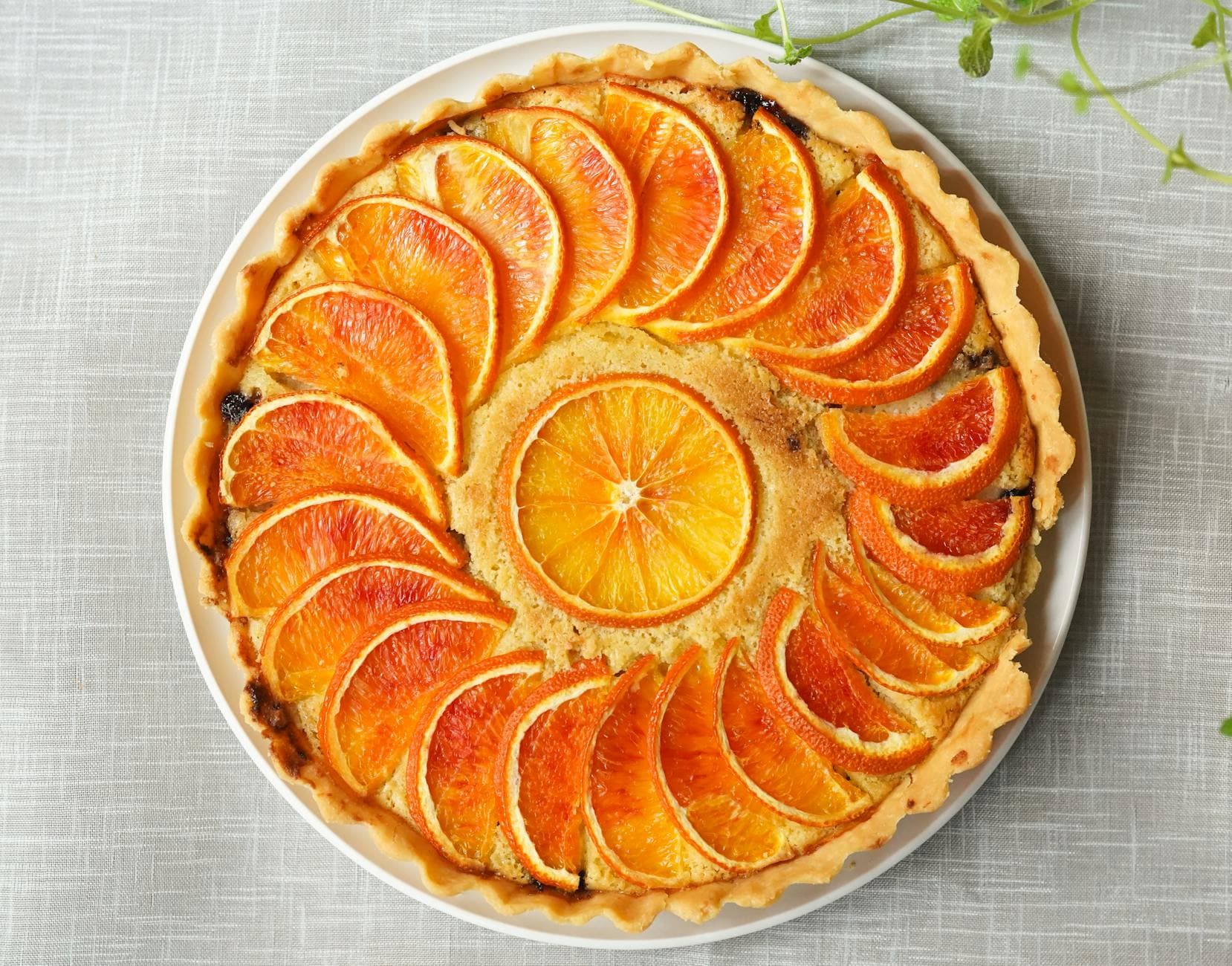
Linzer Torte is an Austrian specialty that's popular in Liechtenstein: a ground-nut pastry, made with almonds or hazelnuts, filled with raspberry jam and finished with a lattice top. It's one of the oldest known tortes, with a recipe dating to 1653. Buttery, nutty, and fruity, it's often served with whipped cream. Bakeries and cafés across the country make it, and it's another mark of Austrian influence on the local kitchen.
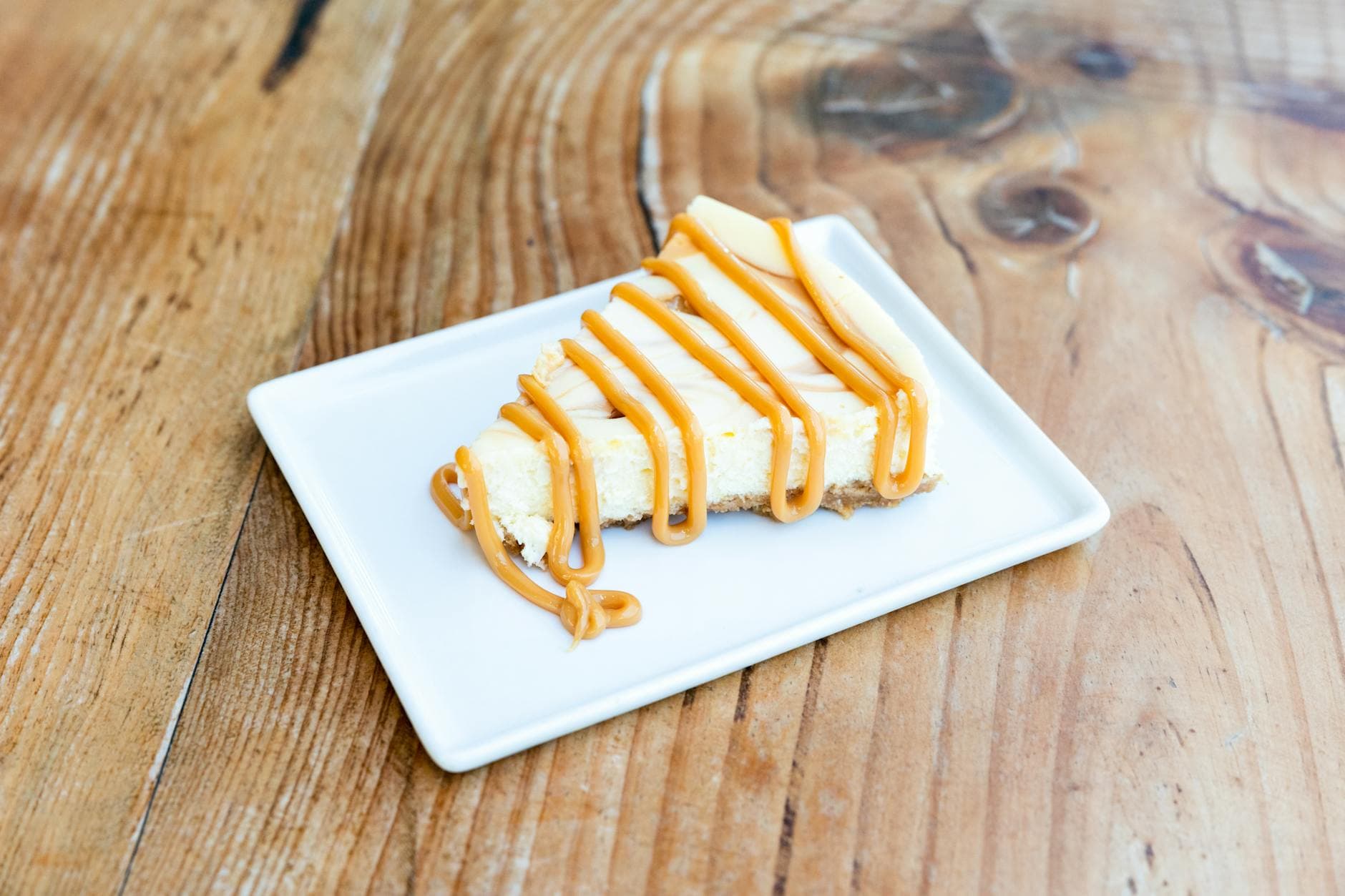
Käsekuchen (Cheesecake)
Käsekuchen is a German-style cheesecake, lighter and less sweet than the American kind, made with quark (fresh cheese) instead of cream cheese. It's often flavored with lemon zest and vanilla, sometimes with raisins, and served plain or with fruit compote. It's a regular on the dessert lists at Liechtenstein cafés and bakeries and reflects German-speaking baking traditions.
Traditional Beverages
Discover Liechtenstein's traditional drinks, from locally produced spirits to regional wines.
Liechtenstein Wein (Liechtenstein Wein)
Small as it is, Liechtenstein makes its own wine. A handful of vineyards grow several grape varieties for both reds and whites. The wine is mostly drunk locally and reflects the country's terroir and winemaking. Restaurants and wine shops stock it if you want a taste of what the place produces.
Bier (Bier)
Beer is a popular drink in Liechtenstein. Local breweries make a range of styles, from lagers to ales. People have it at social gatherings, with meals, or to wind down after a day out in the hills. You'll find Liechtenstein beer in restaurants, bars, and supermarkets.
Obstler (Obstler)
Obstler is a fruit brandy distilled from apples, pears, plums, or cherries. It's strong stuff, sipped in small measures as a digestif. The fruit used shapes the taste, anywhere from sweet and fruity to more complex and aromatic. Look for it in restaurants and specialized liquor stores.
Vieille Prune (Vieille Prune)
Vieille Prune is a plum brandy from neighboring Switzerland that's also drunk in Liechtenstein. Aged, it carries notes of dried fruit, spice, and oak. It's usually served as an after-dinner digestif, and some restaurants and liquor stores stock it.
Soft Beverages
Discover Liechtenstein's traditional non-alcoholic drinks, from local teas to refreshing juices.
Rivella (Rivella)
Rivella comes from Switzerland but is widely drunk in Liechtenstein. It's made with milk whey, which gives it an unusual sweet-tangy taste. It comes in a few versions, including the original red, blue, and a green one with added green tea extract. People reach for it especially in warmer weather.
Apfelsaft (Apfelsaft)
Apple juice is everywhere in Liechtenstein, a natural fit given the country's apple orchards and taste for local produce. People drink it with meals or as an afternoon pick-me-up. The local version, sold in supermarkets and restaurants, is often unfiltered and naturally sweet.
Kaffee (Kaffee)
Coffee is a daily habit in Liechtenstein, from a morning espresso to an unhurried afternoon cappuccino. It anchors social visits and ordinary routines alike. You'll find it in cafés, restaurants, and homes, a fixture of local life.
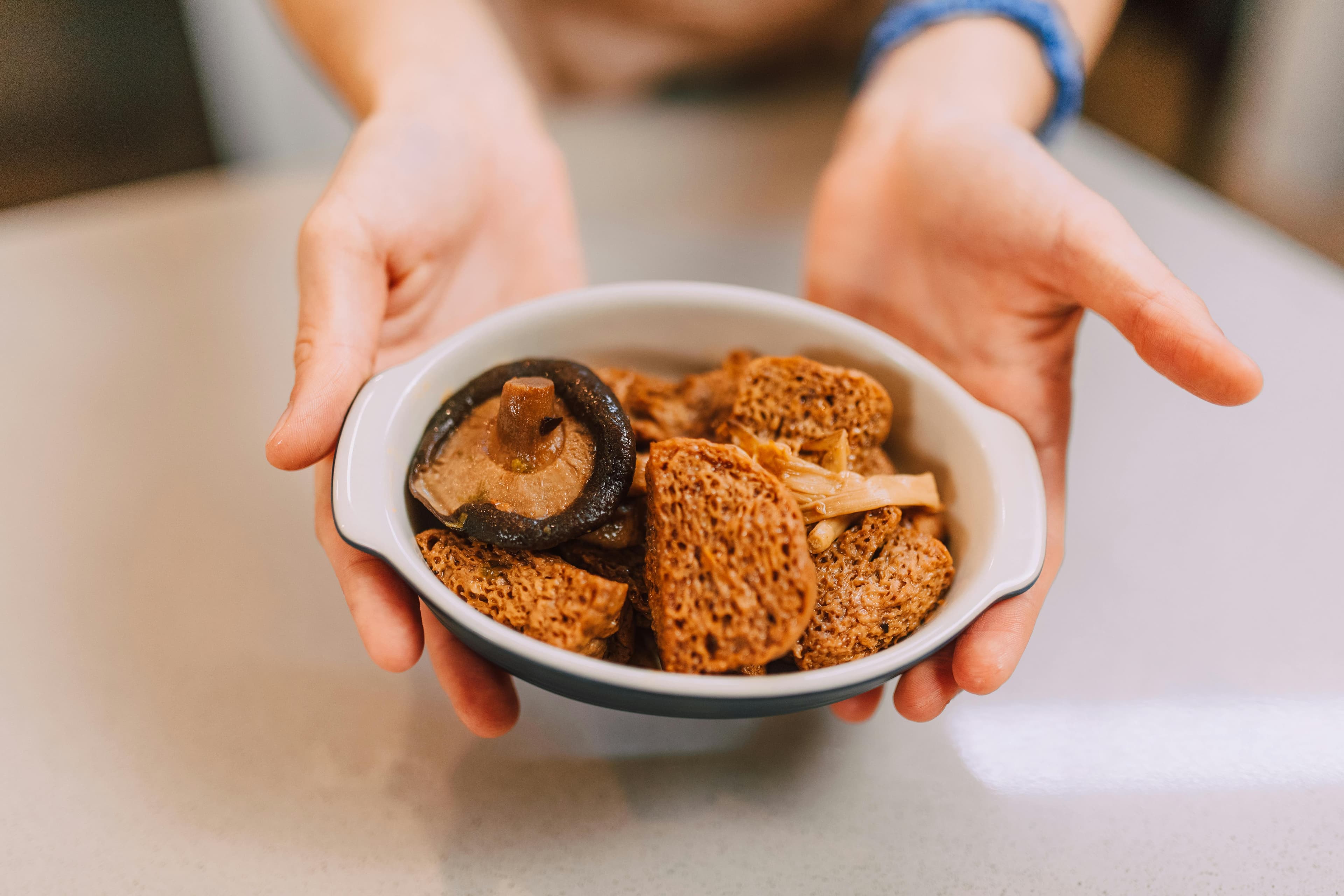
Tee (Tee)
Tea, especially herbal infusions, is also popular in Liechtenstein. Chamomile, peppermint, and other blends get drunk year-round but more so in the cold months. It's a warm, easy drink and a small everyday comfort.
Frequently Asked Questions
Essential information about food and dining in Liechtenstein.
What is the national dish of Liechtenstein?
Liechtenstein's most iconic dishes include Käsknöpfle (Käsknöpfle), Ribel (Ribel), Hafalaab (Hafalaab). Käsknöpfle is Liechtenstein's national dish, a warming alpine pasta. Small dumplings made from a plain dough of flour, eggs, and water or milk are boiled, then layered with grated local cheese, usually a mix of Bergkäse and Emmentaler. Fried onions go on top and apple sauce often comes on the side, balancing the savory richness with a touch of sweetness. The dish grew out of the country's mountain farming, and you'll find it nearly everywhere, from traditional Gasthäuser to mountain huts. It's a fixture at festivals and family meals.
Is street food safe in Liechtenstein?
Street food in Liechtenstein can be enjoyed safely by following these guidelines: . Look for busy vendors with high turnover, ensure food is cooked fresh and served hot, and avoid raw ingredients if you have a sensitive stomach.
What are the best restaurants in Liechtenstein?
Liechtenstein offers diverse dining options from street food stalls to upscale restaurants. For the best experience, ask locals for recommendations, check recent reviews, and look for restaurants that specialize in regional cuisines.
Can vegetarians find food easily in Liechtenstein?
Vegetarian options in Liechtenstein are mediumly available. Vegetarians have a fair amount to work with in Liechtenstein, especially in the larger towns. Käsknöpfle (cheese dumplings) is vegetarian by default, and salads and vegetable soups turn up almost everywhere. Spell out your needs when ordering, since what counts as vegetarian isn't always understood the same way. Vaduz restaurants like Torkel and Hotel Mühle will adapt dishes, and Rösti, Älplermagronen (alpine macaroni), and vegetable soups appear on most menus. Market produce is limited but good quality, with Swiss imports filling the gaps.. Many restaurants offer vegetarian dishes, and you'll find plant-based ingredients featured prominently in local cuisine.
What is the average cost of a meal in Liechtenstein?
Meal costs in Liechtenstein depend on where you eat. Street food and casual local restaurants are very affordable, typically offering complete meals for a few dollars. Mid-range restaurants charge moderate prices, while fine dining establishments are comparably priced to Western countries.
What are common food allergens in Liechtenstein?
Common allergens in Liechtenstein cuisine include Dairy, Wheat, Tree Nuts. Dairy sits at the center of Liechtenstein cooking. Cheese, milk, and cream show up in most traditional dishes.. These ingredients appear in dishes like Käsknöpfle, Ribel. Always inform restaurant staff about your allergies.
When is the best time to visit Liechtenstein for food?
Liechtenstein offers great food experiences throughout the year. However, visiting during harvest seasons (typically spring and autumn) provides access to the freshest local ingredients. Food festivals and cultural celebrations also offer unique culinary experiences worth planning around.