
Trinidad and Tobago Food Guide
Content Information
Recently updated🔥Current Food Trends 2026
What's happening in Trinidad and Tobago's culinary scene right now
By 2026, the food in Trinidad and Tobago still runs on the same mix that has always defined it: Indian, African, Chinese, and Creole cooking sitting side by side on one plate. Street food leads the conversation, and a younger crop of doubles vendors has built reputations on their own bara recipes and carefully cooked channa. At Maracas Bay, more bake and shark stalls now offer catfish or kingfish in place of shark, a shift driven by conservation concerns. Port of Spain has turned its night markets into an attraction, with walking tours threading through St. James and Ariapita Avenue. Callaloo cook-offs put regional versions head to head, and vegan adaptations have become common. Pelau competitions reward family recipes over fancy plating. In Tobago, curry crab and dumplings keeps drawing visitors to Crown Point. Cooks are also leaning back into older preservation habits, from fermenting pepper sauce to storing ground provisions, and folding them into how they cook now.
Food Safety Tips
Essential food safety information to help you enjoy Trinidad and Tobago's cuisine safely and confidently.
Tap water is generally safe in urban areas
Tap water in Port of Spain and major urban areas is treated and safe to drink. In rural areas or remote beaches, bottled water may be preferred.
Choose busy vendors with high turnover
Street food here is worth seeking out, and vendors face regular hygiene checks. Stalls at busy spots like Maracas Bay, St. James Western Main Road, and Ariapita Avenue usually keep clean and move product fast.
Be cautious with foods left at room temperature
In tropical climate, avoid foods that have been sitting out for extended periods, especially seafood and dairy-based dishes.
Ask about pepper sauce heat before adding
Trinidadian pepper sauces can be extremely hot. Always taste a small amount before adding to your food, especially with scotch bonnet-based sauces.
Dietary Options
vegetarian
HIGH AVAILABILITYThe strong Indian influence makes vegetarian eating easy. Doubles, pholourie, aloo pie, saheena, and vegetable roti turn up everywhere, and plenty of restaurants keep meatless versions of standard dishes on the menu.
vegan
MEDIUM AVAILABILITYThe vegan scene is growing in the towns, helped by the fact that many traditional dishes are already plant-based. Doubles (which contain no eggs), vegetable roti, ground provisions, and Indian-style curries all suit vegans.
gluten-free
MEDIUM AVAILABILITYRice dishes and ground provisions such as cassava, sweet potato, and dasheen give you gluten-free options. Be clear with vendors, since roti and bara are both wheat-based and turn up in many meals.
halal
MEDIUM AVAILABILITYHalal food shows up most often in Indo-Trinidadian restaurants and roti shops, and many vendors say up front whether they are halal.
Common Allergens
Seafood
HIGH PREVALENCEFish, shrimp, crab, and shark are staples in Trinidadian cuisine
COMMONLY FOUND IN:
Peanuts
MEDIUM PREVALENCEPeanuts used in sauces, snacks, and desserts
COMMONLY FOUND IN:
Gluten
HIGH PREVALENCEWheat products are staples in roti, bara, and breads
COMMONLY FOUND IN:
Dairy
MEDIUM PREVALENCEMilk, cheese, and yogurt in various dishes and beverages
COMMONLY FOUND IN:
Essential Food Experiences
These iconic dishes represent the must-have culinary experiences that define Trinidad and Tobago's food culture for travelers.
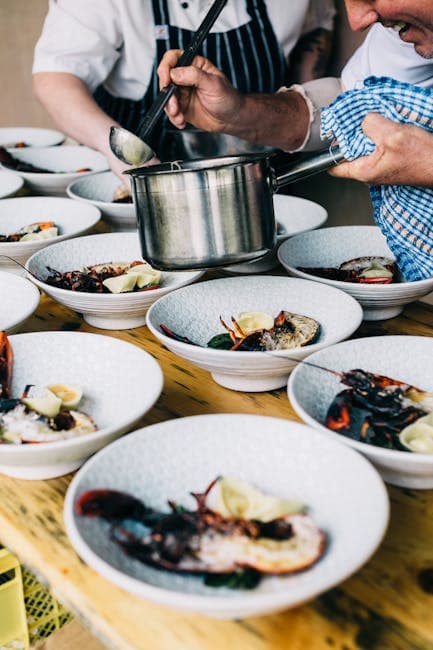
Doubles
Trinidad's best-known street food: two pieces of soft fried bara (flatbread) folded around curried chickpeas (channa), then dressed with cucumber, pepper sauce, tamarind sauce, and kuchela mango chutney. Vendors start selling at dawn, and most Trinis eat it for breakfast. It is where Indian and Caribbean cooking meet most plainly.
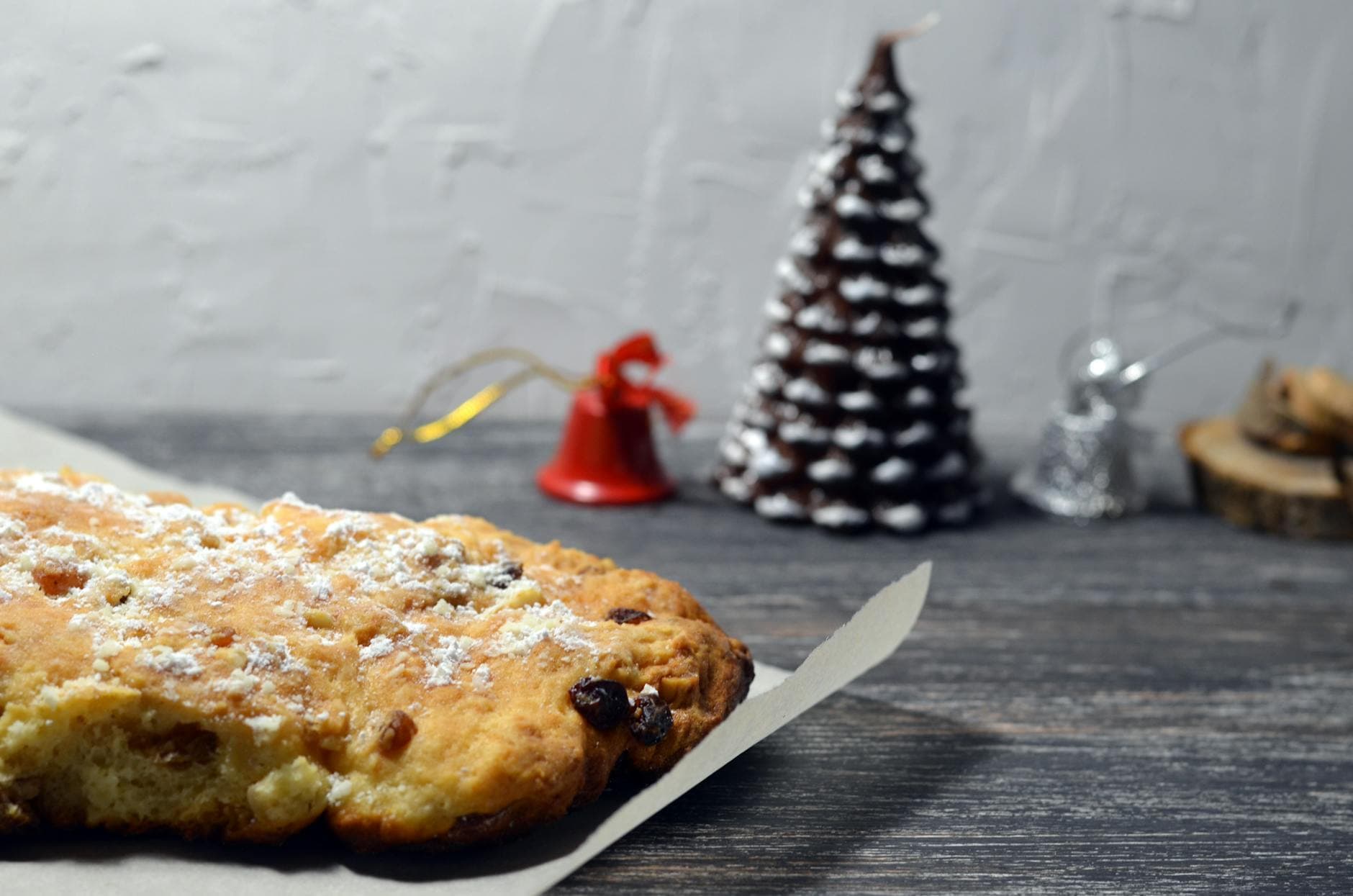
Bake and Shark
The beach food of Maracas Bay: fried flatbread (bake) stuffed with seasoned, fried shark, then loaded with pineapple, cucumber, lettuce, tomato, and condiments that run from sweet to scorching. Richard's Bake and Shark is the vendor everyone names. With shark stocks under pressure, more stalls now serve catfish or kingfish instead.
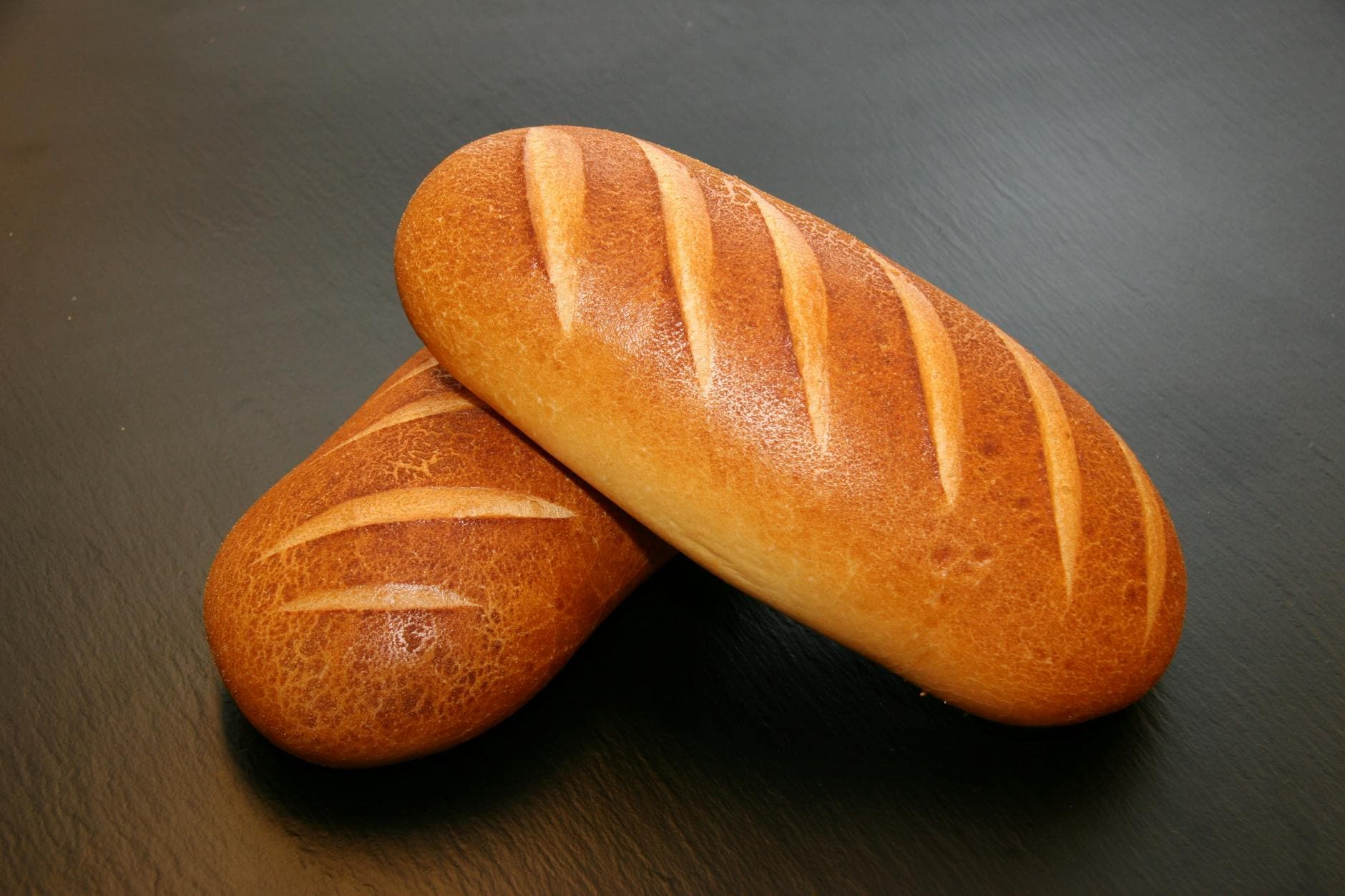
Callaloo
The national dish, with African roots: a thick soup of dasheen leaves, okra, coconut milk, crab or pigtails, pumpkin, onion, and green seasoning (cilantro, culantro, chives). It usually comes with coo coo, dumplings, or rice. Most families cook their own version, handed down and rarely written out.

Pelau
A one-pot dish of chicken (or pigeon), rice, pigeon peas, vegetables, and coconut milk, with brown sugar burned down at the start to give it a sweet-savory edge. It shows up at Sunday lunches and family gatherings, and every household cooks it a little differently.

Roti
An Indian-influenced flatbread that comes in several forms: dhalpuri (filled with ground split peas), buss-up-shot or paratha (flaky and torn), and sada roti (plain). It is served with curried chicken, goat, beef, shrimp, or vegetables, making a full meal wrapped in soft, warm bread.
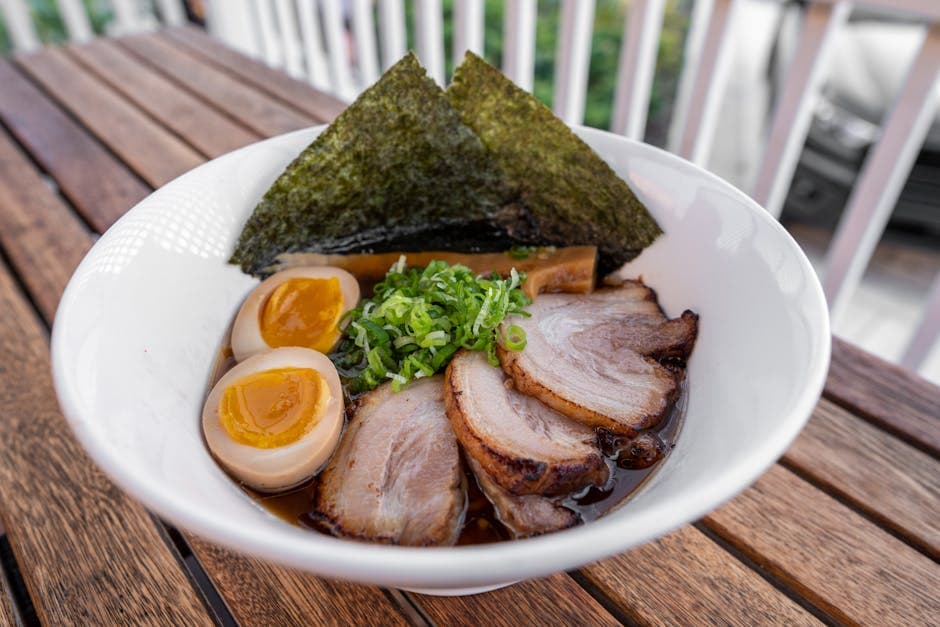
Curry Crab and Dumplings
Tobago's signature dish: fresh blue crab in a thick curry sauce with herbs and scotch bonnet peppers, served with soft dumplings. You eat it with your hands and end up covered in sauce. Crown Point restaurants overlooking the water are where most people order it.

Pholourie
Crisp split pea fritters seasoned with turmeric, cumin, and green seasoning, served with tamarind or mango chutney. A common street snack and party starter, best eaten straight out of the hot oil.

Pastelles
A Christmas tradition: seasoned meat (pork, beef, or chicken) mixed with olives, capers, and raisins, wrapped in cornmeal dough, tied up in banana leaves, and steamed. Families make them together through the holiday season.
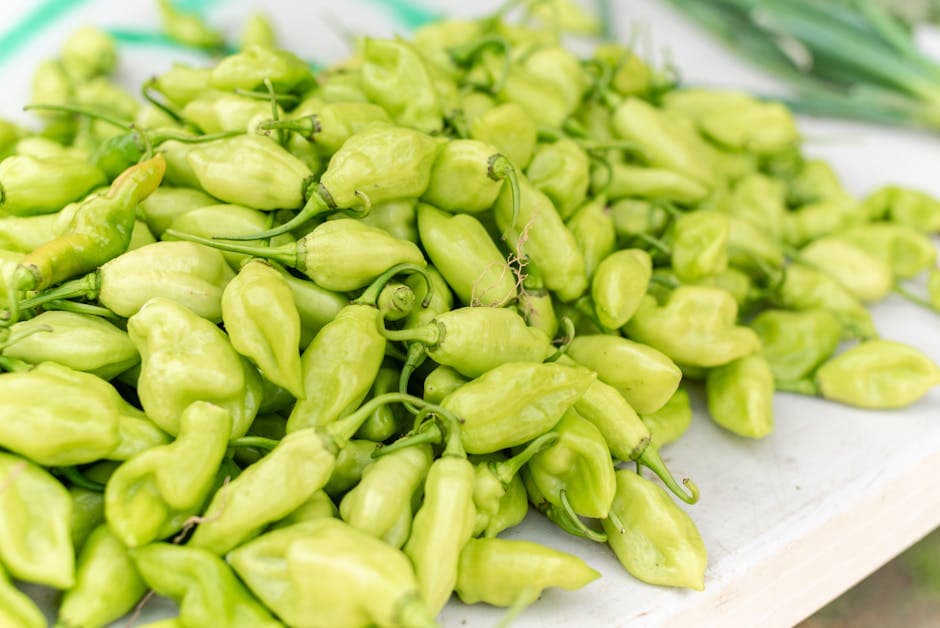
Aloo Pie
A deep-fried dough pocket filled with spiced mashed potato, chickpeas, and herbs. Vendor stands across both islands sell it, and it moves fastest in the afternoon.

Shark and Bake
Another name for bake and shark, this one putting the thick-cut shark fillet inside crisp fried bake. Havana Bake and Shark (formerly Mona's) has been selling it at Maracas Beach for more than 50 years.

Souse
Pickled meat, usually pig trotters or chicken feet, soaked in lime juice with cucumber, peppers, and herbs. People eat it cold with bread, often the morning after drinking, and it shows up at parties.
Regional Specialties & Local Favorites
Discover the authentic regional dishes and local favorites that showcase Trinidad and Tobago's diverse culinary traditions.
Accra
Crisp saltfish (cod) fritters made with flour, herbs, and peppers. The dish came from West Africa and adapted to Caribbean ingredients. Eaten at breakfast or passed around at parties.
Allergens:
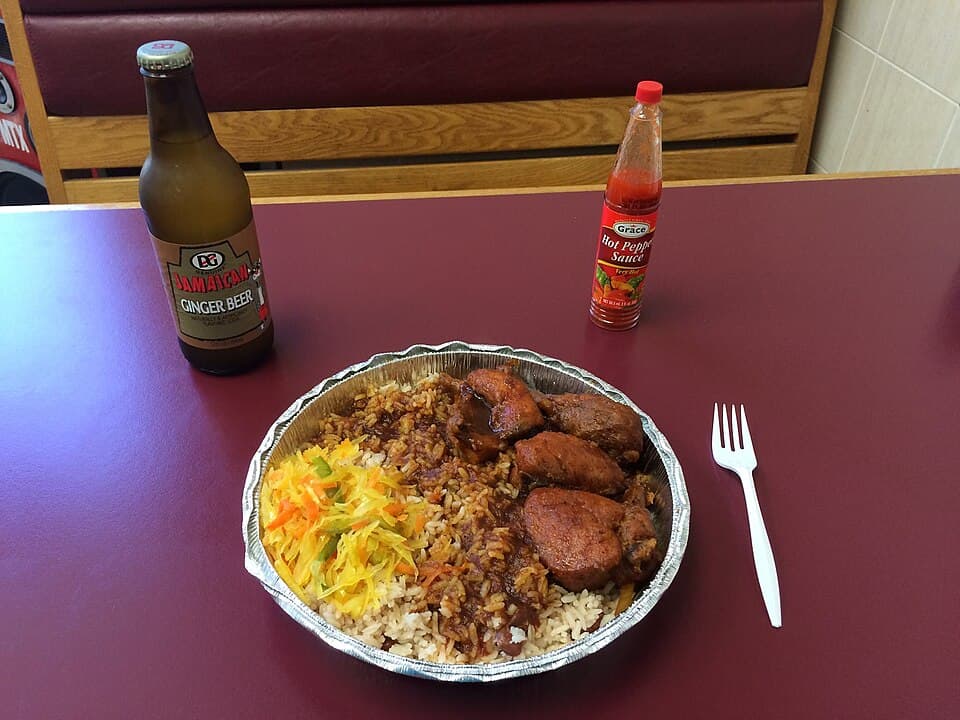
Stew Chicken
Chicken browned in burnt sugar and simmered in a dark gravy with herbs and vegetables. A Sunday lunch fixture, plated with rice, macaroni pie, and ground provisions.
Macaroni Pie
Macaroni baked with cheese, eggs, and mustard until it sets firm enough to slice. It is a standard Sunday lunch side, denser and richer than American mac and cheese.
Allergens:
Provision
Boiled root vegetables, among them dasheen, cassava, sweet potato, yam, and eddoes, served as a side. They are the starch base much of Trinidadian cooking is built on.
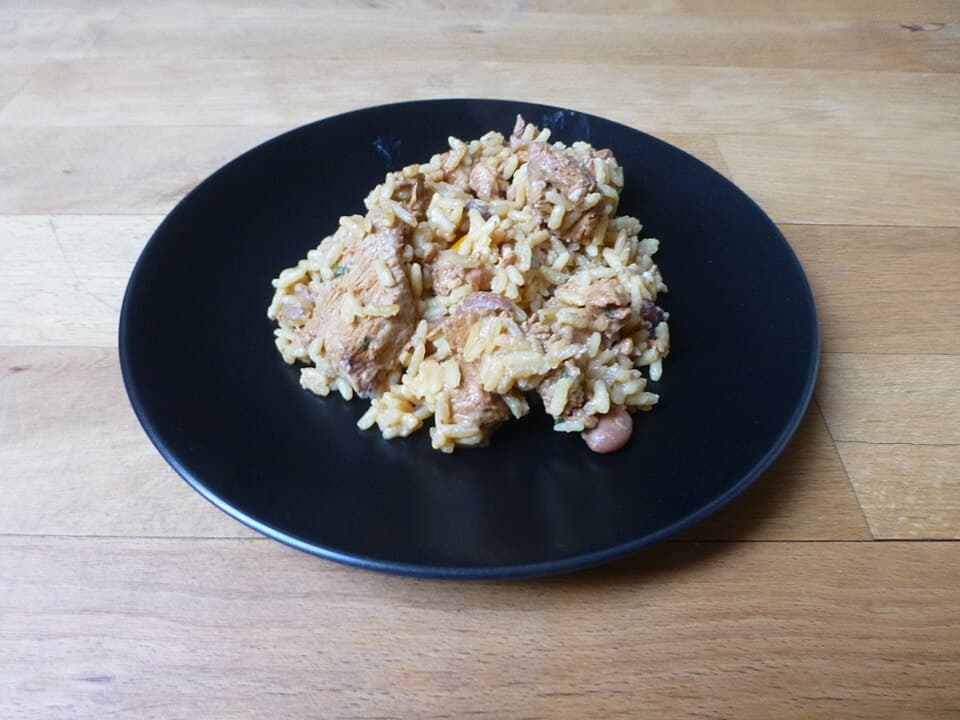
Pelau
A one-pot of caramelized chicken and rice cooked with pigeon peas, pumpkin, and coconut milk. Sweet and savory at once, it is Sunday food for a crowd.
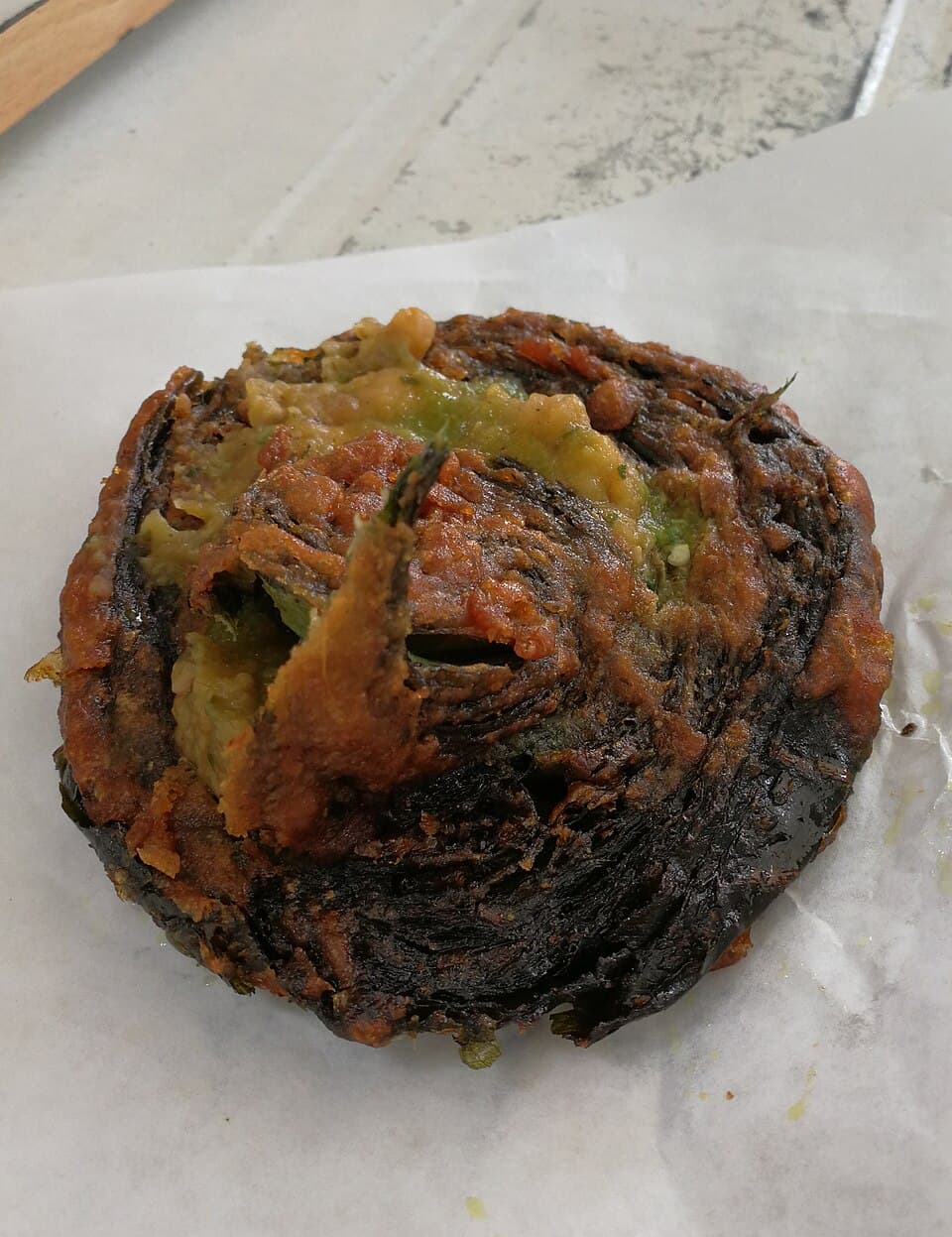
Saheena
Dasheen leaves wrapped around a spiced split pea filling, then deep-fried. An Indo-Trinidadian snack eaten with chutney.
Baiganee
Slices of eggplant dipped in seasoned split pea batter and fried. A street snack eaten with tamarind sauce.
Corn Soup
A filling soup of corn, split peas, dumplings, ground provisions, and meat. Street vendors sell it on weekend nights, and it hits the spot after a long one.
Allergens:
Oil Down
A Tobago specialty: breadfruit, coconut milk, salted meat, dumplings, and callaloo cooked in one pot until the liquid cooks down.
Allergens:
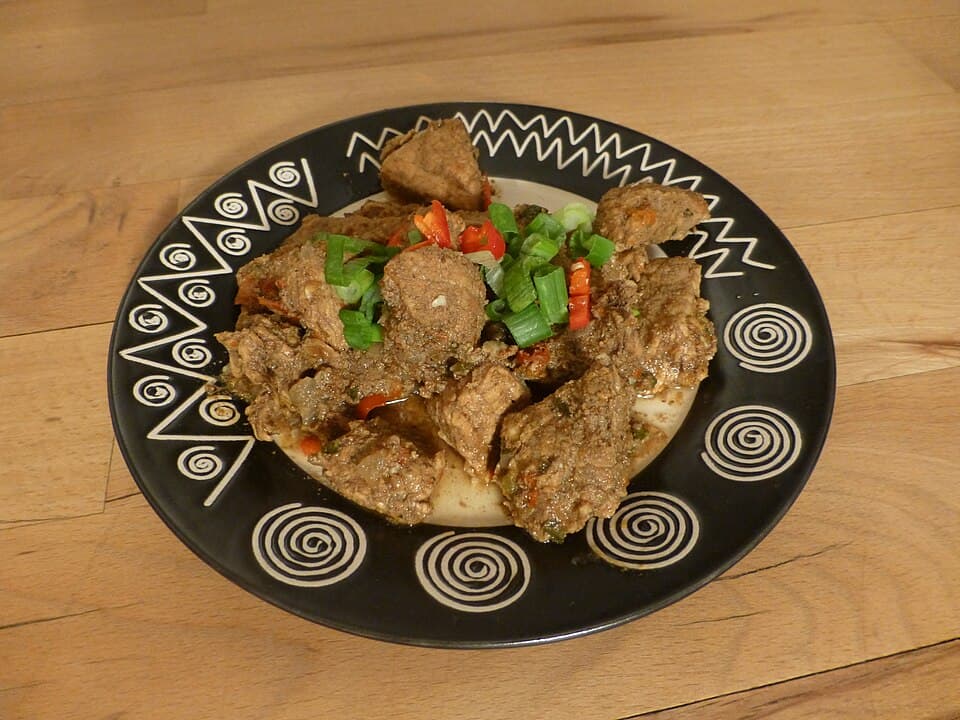
Geera Pork
Pork cooked slowly with roasted cumin (geera), garlic, and pepper. An Indo-Trinidadian dish that goes well with roti or rice.
Regional Cuisine Highlights
Explore the diverse culinary landscapes across different regions of Trinidad and Tobago.
Port of Spain and Trinidad
The food capital, where the full range of Trinidadian cooking turns up under Indian, African, Chinese, and Creole influence. Street food runs late in St. James along Western Main Road, on Ariapita Avenue, and around Independence Square. The Breakfast Shed cooks Creole breakfast and lunch. After dark, food tours move between doubles vendors, corn soup stands, and BBQ chicken pits, and Chinese restaurants and roti shops sit on most blocks. By 2026, a few doubles makers have built names on careful sourcing and their own bara recipes.
Cultural Significance:
Port of Spain shows Trinidad's mixed identity on the plate, where Indian, African, Chinese, and European cooking have grown together into Creole food.
Signature Dishes:
- Doubles
- Roti
- Pholourie
- Chinese-Trinidadian fusion
Key Ingredients:
Maracas Bay and North Coast
A north coast beach known well beyond Trinidad for bake and shark. Vendors line the sand, and Richard's Bake & Shark pulls the longest lines (cash only). The fish sandwiches come piled with whatever you want, pineapple, tamarind, pepper sauce. The drive out through the Northern Range is half the trip. On weekends people swim, lie in the sun, and work through more than one bake and shark.
Cultural Significance:
Maracas sits at the center of both Trinidad's beach culture and its argument over fishing, as more vendors switch to other fish out of concern for shark stocks.
Signature Dishes:
- Bake and Shark
- Fresh fish
- Beach food
Key Ingredients:
Tobago
The sister island cooks differently, leaning on seafood and above all its curry crab and dumplings. Crown Point has Italian, seafood, Creole, and curry restaurants, while Store Bay draws weekend crowds for bake and shark. Tobago's provision dishes use dasheen, sweet potato, eddoes, cassava, and yam, what locals call "blue food." Roadside stalls sell coconut water and fruit. The slower pace and smaller population have kept older cooking methods and family recipes intact.
Cultural Significance:
Tobago has held onto its African-influenced cooking with less commercial pressure than Trinidad, building meals around local seafood and ground provisions.
Signature Dishes:
- Curry Crab and Dumplings
- Oil Down
- Blue Food
- Fresh seafood
Key Ingredients:
Sweet Delights & Desserts
Indulge in Trinidad and Tobago's traditional sweet treats and desserts.

Black Cake
A dense fruitcake soaked in rum for weeks, sometimes months, made dark with burnt sugar and built on dried fruit and wine. No Trinidadian Christmas table is without it, and families keep their recipes close.
Coconut Sweet Bread
A soft, sweet bread shot through with grated coconut, raisins, and cherries. Eaten at teatime or with breakfast.

Toolum
An old-fashioned candy of molasses and grated coconut, rolled up in a tamarind leaf. Street vendors still sell it, and it carries a lot of childhood memory.

Kurma
Crisp fried dough twists coated in sugar syrup. An Indian-influenced sweet made for Divali and other special occasions.

Cassava Pone
A dense, sweet cake of grated cassava, coconut, pumpkin, and spices, chewy in texture. The dish has African roots.
Traditional Beverages
Discover Trinidad and Tobago's traditional drinks, from locally produced spirits to regional wines.
Rum
Trinidad and Tobago turns out highly regarded rums, Angostura and Caroni among them. Rum is tied closely to Carnival and to how people gather.
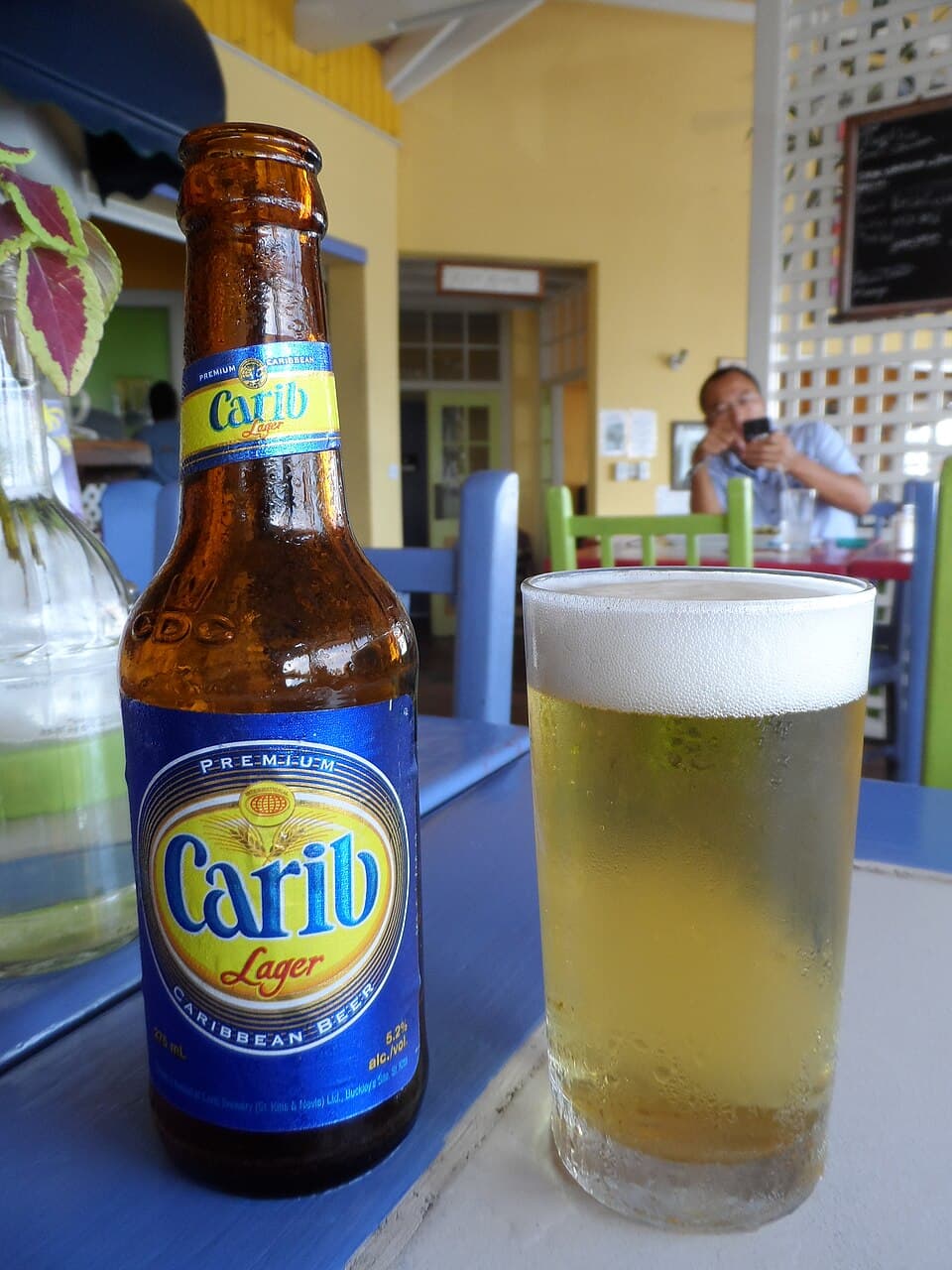
Carib Beer
A local lager brewed in Trinidad since 1950. Light and crisp, it suits the heat and is a regular at beach limes (hangouts).
Soft Beverages
Discover Trinidad and Tobago's traditional non-alcoholic drinks, from local teas to refreshing juices.
Sorrel
A Christmas drink steeped from dried hibiscus flowers with ginger, cloves, and orange peel, then sweetened. It pours deep red and tastes tart and sweet at once.
Mauby
A bittersweet drink boiled from the bark of the mauby tree with spices, then sweetened. The taste takes getting used to, and street vendors sell it as something of a tonic.

Peanut Punch
Peanut butter blended with milk, condensed milk, vanilla, and nutmeg into something thick and creamy. People drink it at breakfast or as an after-school snack, partly for the protein.
Sea Moss
A thick, creamy drink made from seaweed with milk, cinnamon, and vanilla. It has a longstanding reputation as an aphrodisiac and a health tonic.
Frequently Asked Questions
Essential information about food and dining in Trinidad and Tobago.
What is the national dish of Trinidad and Tobago?
Trinidad and Tobago's most iconic dishes include Doubles, Bake and Shark, Callaloo. Trinidad's best-known street food: two pieces of soft fried bara (flatbread) folded around curried chickpeas (channa), then dressed with cucumber, pepper sauce, tamarind sauce, and kuchela mango chutney. Vendors start selling at dawn, and most Trinis eat it for breakfast. It is where Indian and Caribbean cooking meet most plainly.
Is street food safe in Trinidad and Tobago?
Street food in Trinidad and Tobago can be enjoyed safely by following these guidelines: Tap water is generally safe in urban areas Choose busy vendors with high turnover. Look for busy vendors with high turnover, ensure food is cooked fresh and served hot, and avoid raw ingredients if you have a sensitive stomach.
What are the best restaurants in Trinidad and Tobago?
Trinidad and Tobago offers diverse dining options from street food stalls to upscale restaurants. For the best experience, ask locals for recommendations, check recent reviews, and look for restaurants that specialize in regional cuisines.
Can vegetarians find food easily in Trinidad and Tobago?
Vegetarian options in Trinidad and Tobago are highly available. The strong Indian influence makes vegetarian eating easy. Doubles, pholourie, aloo pie, saheena, and vegetable roti turn up everywhere, and plenty of restaurants keep meatless versions of standard dishes on the menu.. Many restaurants offer vegetarian dishes, and you'll find plant-based ingredients featured prominently in local cuisine.
What is the average cost of a meal in Trinidad and Tobago?
Meal costs in Trinidad and Tobago depend on where you eat. Street food and casual local restaurants are very affordable, typically offering complete meals for a few dollars. Mid-range restaurants charge moderate prices, while fine dining establishments are comparably priced to Western countries.
What are common food allergens in Trinidad and Tobago?
Common allergens in Trinidad and Tobago cuisine include Seafood, Peanuts, Gluten. Fish, shrimp, crab, and shark are staples in Trinidadian cuisine. These ingredients appear in dishes like Bake and shark, Curry crab and dumplings. Always inform restaurant staff about your allergies.
When is the best time to visit Trinidad and Tobago for food?
Trinidad and Tobago offers great food experiences throughout the year. However, visiting during harvest seasons (typically spring and autumn) provides access to the freshest local ingredients. Food festivals and cultural celebrations also offer unique culinary experiences worth planning around.