
Zambia Food Guide
Content Information
Recently updatedFood Safety Tips
Essential food safety information to help you enjoy Zambia's cuisine safely and confidently.
Drink bottled or purified water, avoid tap water
Tap water in Zambia is not safe for drinking. Always use bottled water for drinking and brushing teeth. In rural areas, boil water for at least 3 minutes before consumption.
Choose busy vendors with high turnover for freshly cooked food
Street food is popular and usually safe if you pick busy stalls. At markets like New Soweto Market in Lusaka, vendors cook to order, so the food is fresh. Skip anything that has been sitting out for a while.
Be cautious with foods left at room temperature
Zambia's warm climate lets bacteria multiply fast. Steer clear of dishes left unrefrigerated, particularly dairy, meat, and cooked vegetables.
Ensure wild game is thoroughly cooked
Wild game such as kudu and impala turns up regularly on Zambian menus. Make sure the meat is cooked all the way through to a safe internal temperature to avoid foodborne illness.
Wash fruits and vegetables thoroughly before eating
Wash any fruit and vegetables you buy at the market with purified water, and peel fruit where you can for extra safety.
Dietary Options
vegetarian
MEDIUM AVAILABILITYVegetarians do well here. Ifisashi (peanut and greens stew), Chibwabwa (pumpkin leaves), and a range of vegetable relishes are served with Nshima. City restaurants stock the widest choice.
vegan
MEDIUM AVAILABILITYPlenty of traditional Zambian dishes happen to be vegan: vegetable relishes, bean dishes, and maize staples. Ask for no butter or dairy when you order. Health-focused restaurants in Lusaka cook for vegans.
gluten-free
MEDIUM AVAILABILITYNshima, the national staple, is made from maize and contains no gluten. Dishes built on cassava, sweet potatoes, and rice are usually safe too. Check the ingredients anyway, since wheat flour creeps into some preparations.
halal
MEDIUM AVAILABILITYYou will find halal food in towns with Muslim communities, and several Lusaka restaurants serve halal meat. At traditional eateries, check how the meat was prepared before ordering.
Common Allergens
Peanuts/Groundnuts
VERY HIGH PREVALENCEGroundnuts are a staple ingredient in Zambian cuisine, used extensively in sauces and stews
COMMONLY FOUND IN:
Fish
HIGH PREVALENCEFish like Kapenta and Bream are widely consumed
COMMONLY FOUND IN:
Tree Nuts
MEDIUM PREVALENCEVarious nuts used in snacks and traditional dishes
COMMONLY FOUND IN:
Dairy
MEDIUM PREVALENCEDairy products increasingly common in urban cuisine
COMMONLY FOUND IN:
Essential Food Experiences
These iconic dishes represent the must-have culinary experiences that define Zambia's food culture for travelers.
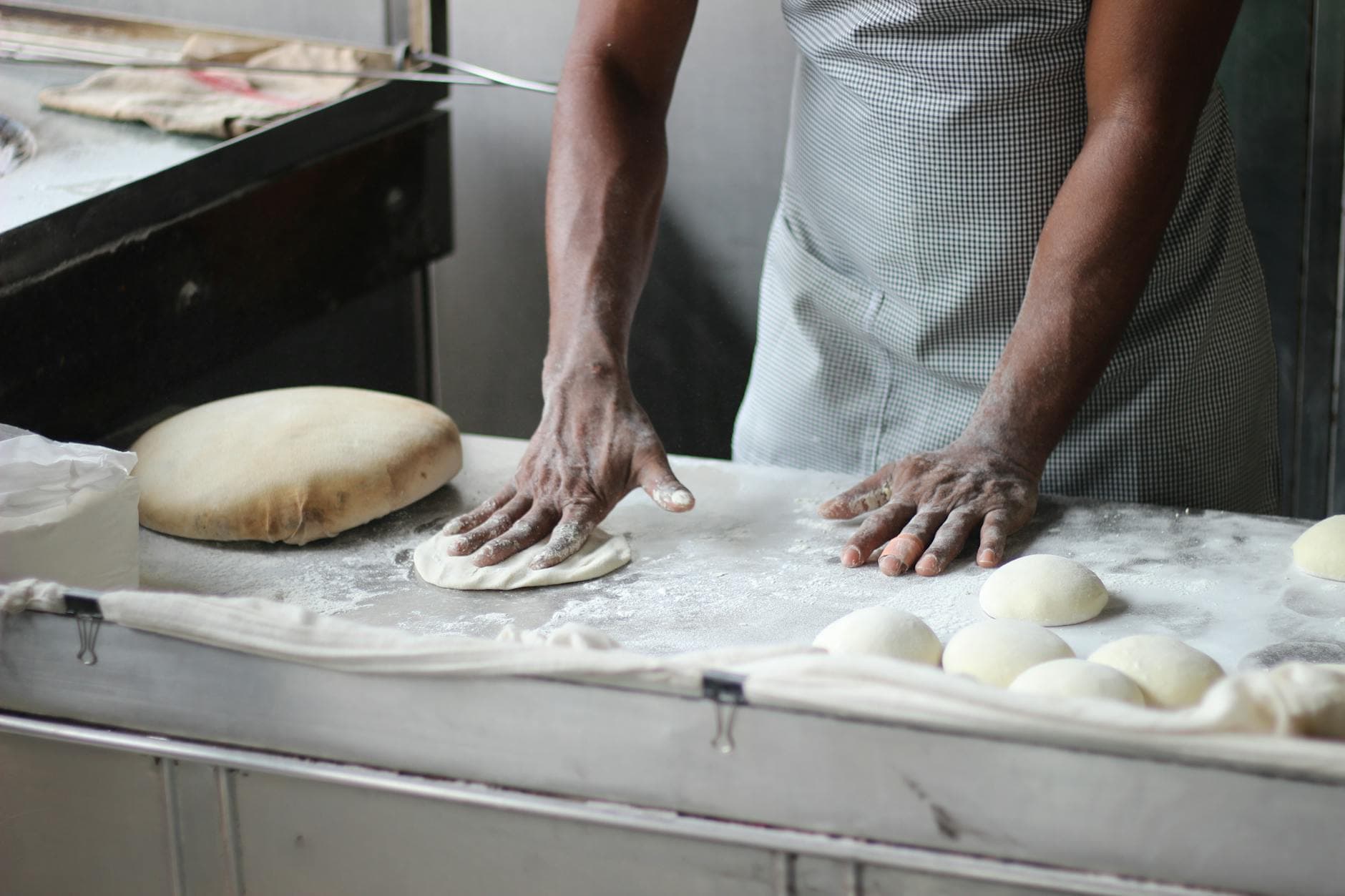
Nshima
Zambia's national dish. A thick, smooth porridge of maize flour (mealie meal) that anchors nearly every meal. You eat it with your hands, rolling a piece into a ball and using it to scoop up relish. Sharing Nshima is how families and neighbours gather around a meal.
Ifisashi
A vegetable stew of leafy greens (spinach, pumpkin leaves, or sweet potato leaves) simmered in groundnut sauce. The name itself means "groundnut sauce." The earthy greens and the creamy peanuts balance each other out.

Chikanda (African Polony)
A plant-based cake made from wild orchid tubers and groundnuts: savoury, chewy, and lightly spiced. It started as food for hunters and gatherers and now shows up at weddings and celebrations. Street vendors across Lusaka sell it, and you will not find anything quite like it elsewhere.

Village Chicken (Road Runner)
Free-range chicken prized for its deep, natural flavour. It is slow-cooked in a plain tomato sauce with garlic, onion, and local herbs. The meat is firmer than broiler chicken and the taste far stronger. Raised without chemicals, it is what most Zambians reach for when they want the real thing.

Kapenta
Small sardine-like fish, sold dried or fresh, pulled from Lake Tanganyika and the Zambezi River. They are a cheap source of protein, fried until crisp or stewed in tomato sauce. Crunchy and full of flavour, they go on Nshima plates across the country.
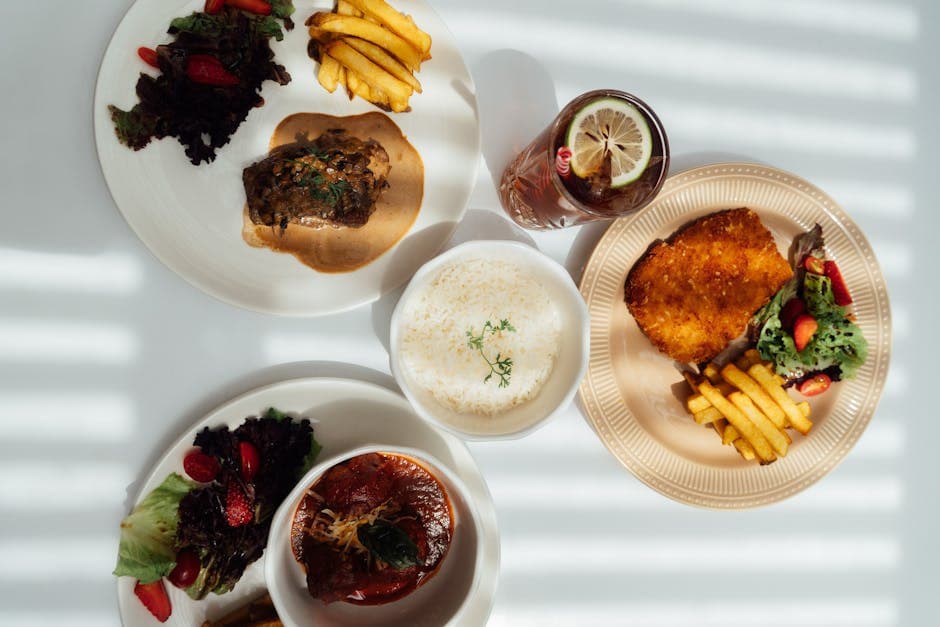
Vitumbuwa
Sweet, fluffy fried dough balls of flour, sugar, yeast, and water, the Zambian take on the doughnut. They are a market staple, eaten with tea or on their own. Vendors fry fresh batches throughout the day, and they are best straight from the oil.

Ifinkubala (Mopane Worms)
Edible caterpillars eaten in season, mostly during the rains. The larvae are fried, roasted, or sun-dried, and come out crunchy with a nutty taste. They have been part of the diet for generations, and they reward a bit of nerve.

Munkoyo
A non-alcoholic fermented drink made from munkoyo roots and maize porridge, with a slightly sour, tangy edge. It is common in the Copperbelt and the northern provinces, poured at celebrations and family meals. Refreshing, and you will not meet it outside Zambia.

Chibwabwa
Pumpkin leaves cooked into a vegetable relish, often with groundnuts or tomatoes. Using the leaves as well as the fruit is typical of how little goes to waste in Zambian cooking. They are high in vitamins and minerals.

Inswa (Flying Termites)
Flying termites eaten in season, fried, roasted, or sun-dried. People gather them during the swarms and treat them as something special. The texture is crunchy and the flavour earthy and nutty, about as traditional as Zambian food gets.

T-Bone Steak
A T-bone cut from Zambian beef, usually grass-fed cattle. Grilled and served with Nshima or chips. The country's wide grazing lands give the beef a quality that locals are proud of.
Regional Specialties & Local Favorites
Discover the authentic regional dishes and local favorites that showcase Zambia's diverse culinary traditions.
Chibwantu
A sweet, tangy fermented drink of maize and munkoyo root, common in Central and Southern Zambia and especially among the Tonga. People drink it after a meal or to cool down on a hot day.
Cassava Nshima
A version of Nshima made with cassava flour rather than maize, favoured in Luapula Province. The texture and flavour differ slightly from the usual maize Nshima.
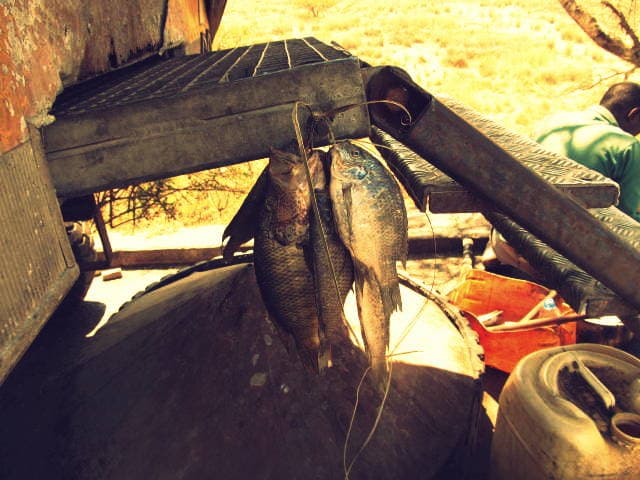
Bream
Freshwater fish from Zambia's rivers and lakes, grilled or fried whole. The flesh is tender and white, and it turns up as often in home kitchens as on restaurant menus.
Allergens:
Kalembula
Sweet potato leaves cooked down as a green vegetable, often in groundnut sauce. High in vitamins and a regular partner to Nshima.
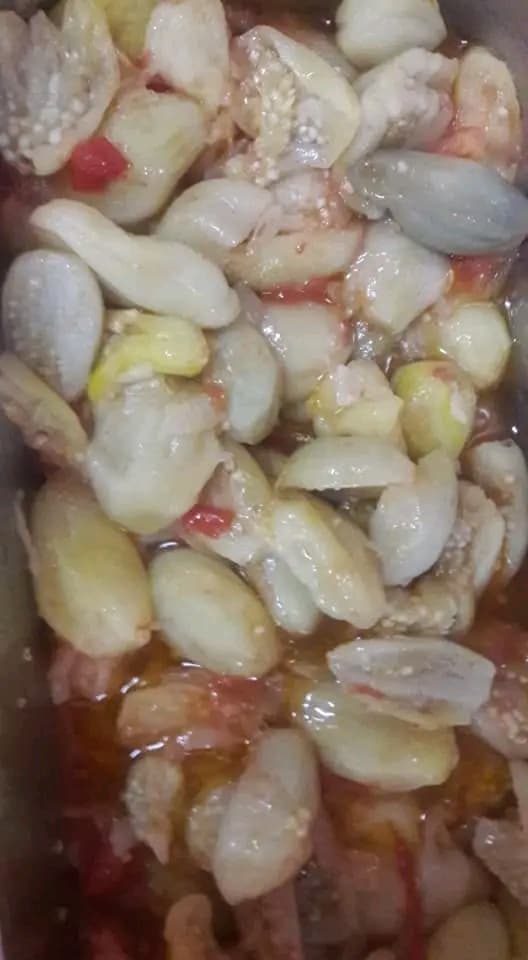
Impwa
African eggplant prepared several ways, usually with tomatoes and onions. Its faint bitterness works well against richer, savoury relishes.
Delele (Bush Okra)
Wild okra leaves used in stews and relishes. They turn slippery when cooked, much like ordinary okra, with an earthy flavour.
Maheu
A fermented maize porridge drink, slightly sweet and tangy. Non-alcoholic, and people sip it through the day to cool down.
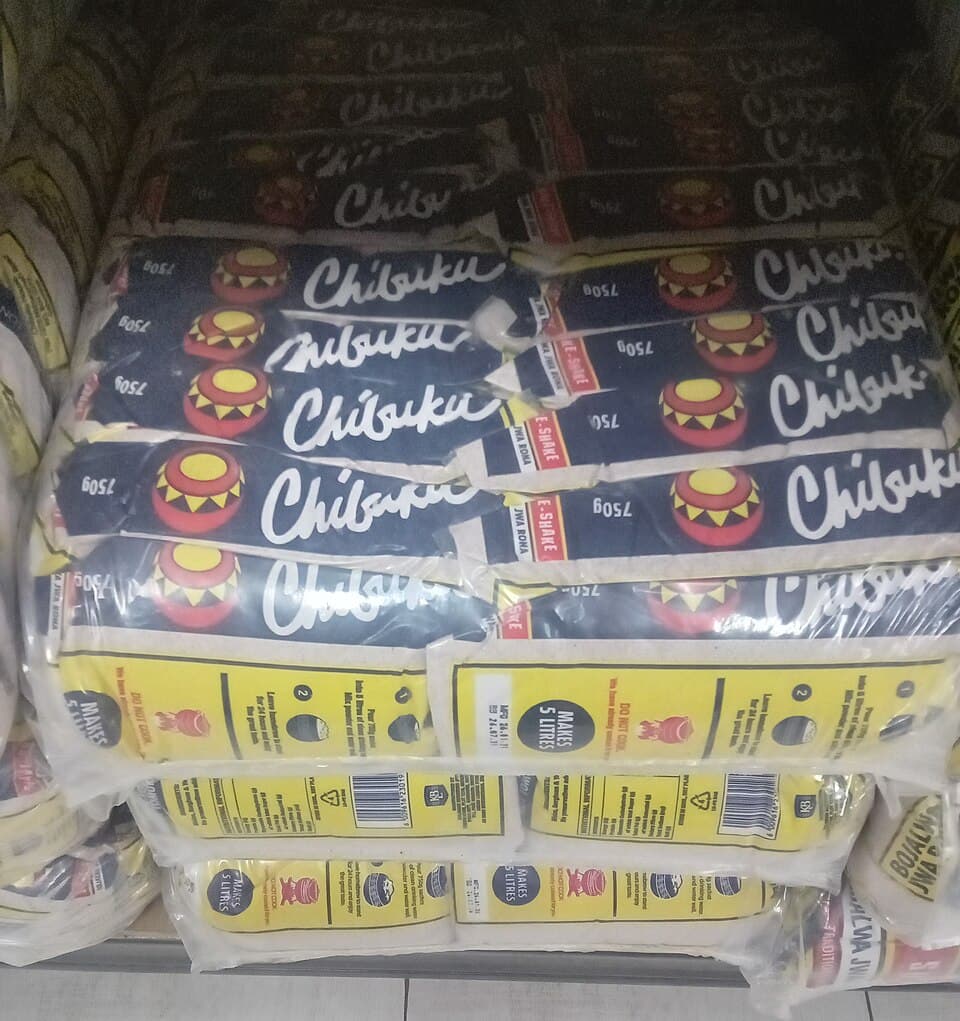
Chibuku
A fermented maize beer drunk in both villages and cities. Slightly sour and thick, it is usually shared among a group.
Impanepani
A fiery ginger beer with real bite. Non-alcoholic, it manages to feel refreshing and warming at once.
Rape (Collard Greens)
A leafy green close to kale, cooked with onions and tomatoes. It is one of the standard sides for Nshima across Zambia.
Regional Cuisine Highlights
Explore the diverse culinary landscapes across different regions of Zambia.
Copperbelt Province
The Copperbelt's good soil grows the maize, sorghum, and millet that local diets rest on. The cooking leans Bemba, heavy on savoury stews, grilled meats, and groundnut dishes. Decades of mining drew people from elsewhere and widened what gets cooked here. The region is also known for Munkoyo, its fermented drink.
Signature Dishes:
Key Ingredients:
Luapula Province
Sitting near Lake Tanganyika and Lake Mweru, Luapula has fish in abundance. People here make Nshima from cassava rather than maize. Fishing shapes the cooking, with fresh and dried fish on most plates, and cassava grows well in the local soil.
Signature Dishes:
Key Ingredients:
Southern Province
Tonga country, with its own cooking traditions. The region is known for the Chibwantu fermented drink and for cattle farming, which gives it good beef and dairy. Cassava matters here too, second to maize. In Livingstone, the Victoria Falls tourist trade shapes the restaurant scene.
Signature Dishes:
Key Ingredients:
Sweet Delights & Desserts
Indulge in Zambia's traditional sweet treats and desserts.
Vitumbuwa
Sweet fried dough balls, the Zambian street-food cousin of the doughnut. Fluffy inside, golden and crisp outside. They are served hot with tea or coffee and sold by market and street vendors in every city.
Munkoyo (Sweet)
Sweetened, this fermented maize drink turns into something closer to a dessert. The sour-sweet taste makes it a good way to cool off after a meal.
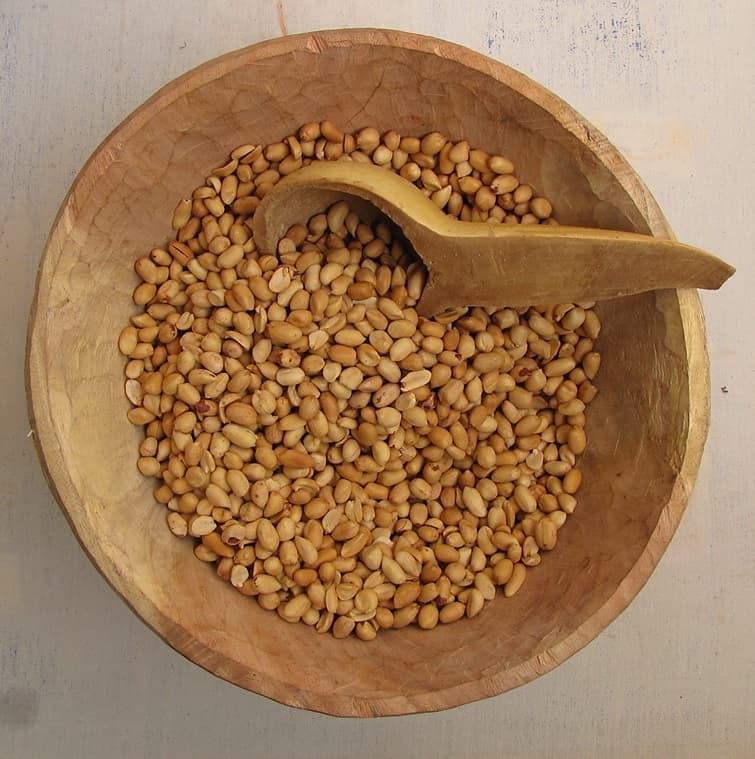
Roasted Groundnuts
Roasted peanuts, salted or sweetened. A simple, crunchy snack eaten through the day and after meals.
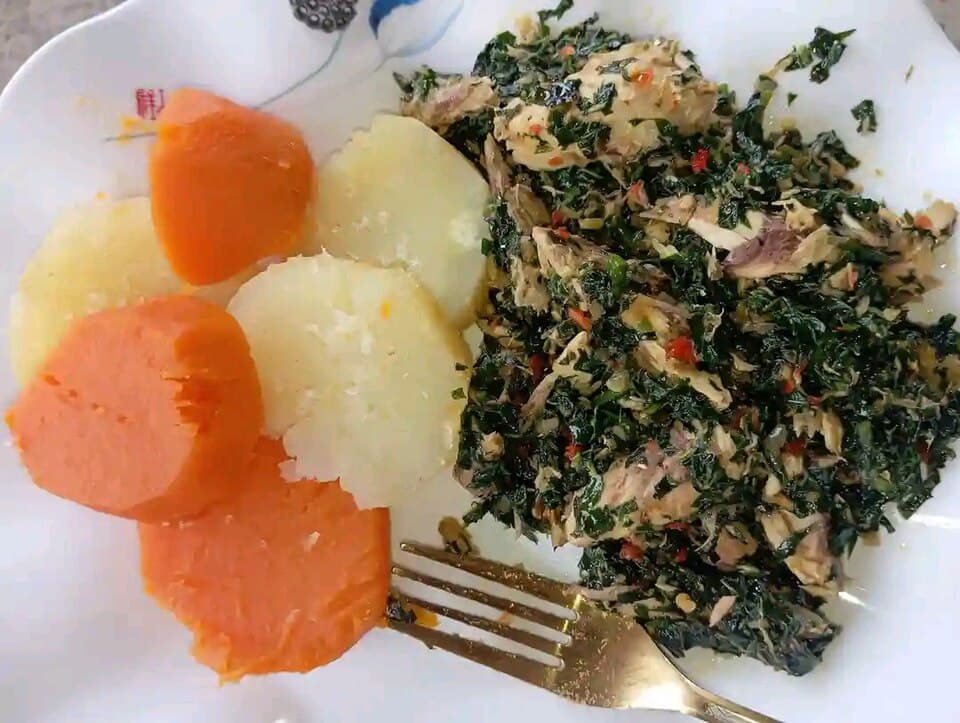
Sweet Potatoes
Boiled or roasted sweet potatoes, sometimes sweetened with sugar or honey. A naturally sweet end to a meal, and a reminder of how well the crop grows here.
Traditional Beverages
Discover Zambia's traditional drinks, from locally produced spirits to regional wines.
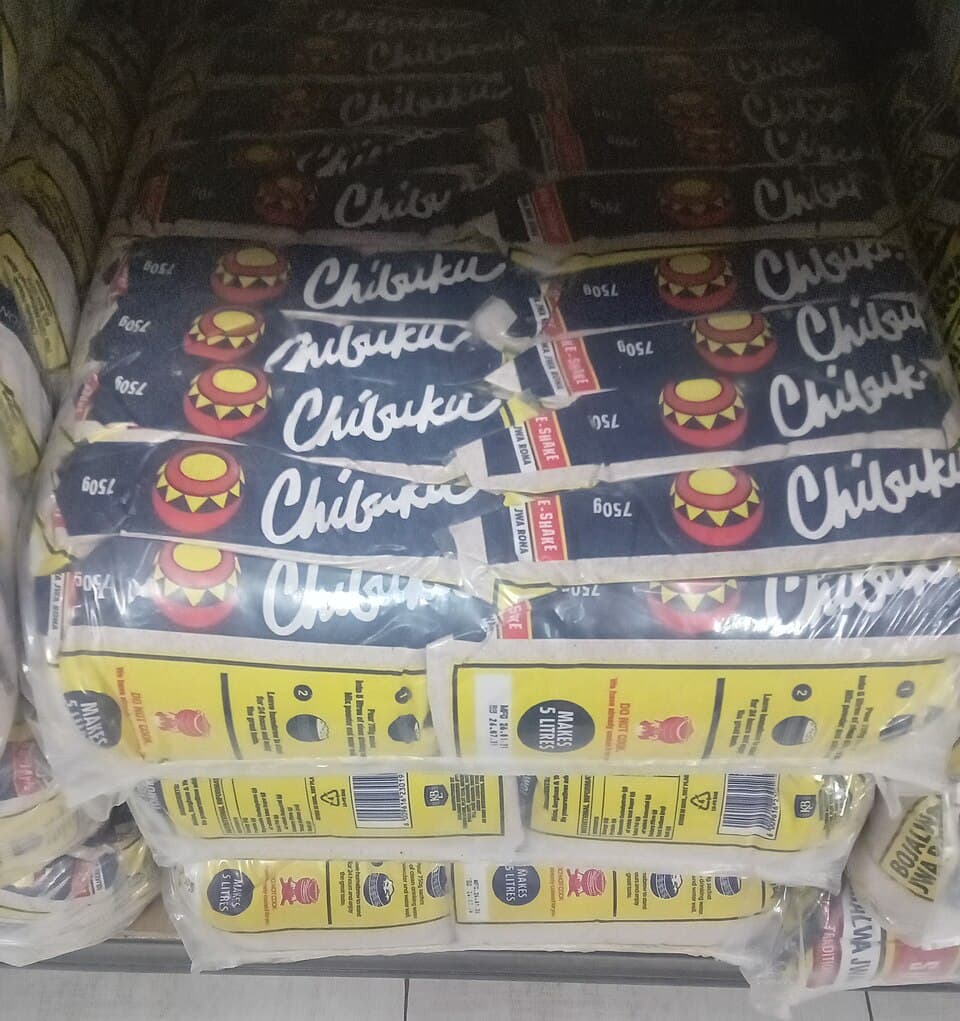
Chibuku Shake Shake
An opaque beer made from fermented maize. Cloudy, slightly sour, and thick. It is shared in groups and sold in the recognisable cardboard cartons.
Mosi Lager
Zambia's best-known beer, brewed with local ingredients. A crisp lager that suits the warm weather. It takes its name from Mosi-oa-Tunya, the local name for Victoria Falls.
Soft Beverages
Discover Zambia's traditional non-alcoholic drinks, from local teas to refreshing juices.
Munkoyo
Fermented maize gruel flavoured with munkoyo tree roots. Non-alcoholic, slightly sour and tangy. A go-to drink for celebrations and family meals in the northern provinces.
Chibwantu
A sweet, tangy drink of maize and munkoyo root, common in Southern Province. A refreshing fermented brew with a flavour all its own.
Maheu
A fermented maize porridge drink, slightly sweet and tangy, thick and creamy. People reach for it through the day as a filling refreshment.
Impanepani (Ginger Beer)
A spicy ginger beer with a strong kick, made from fresh ginger root. Non-alcoholic, and refreshing and warming at the same time.
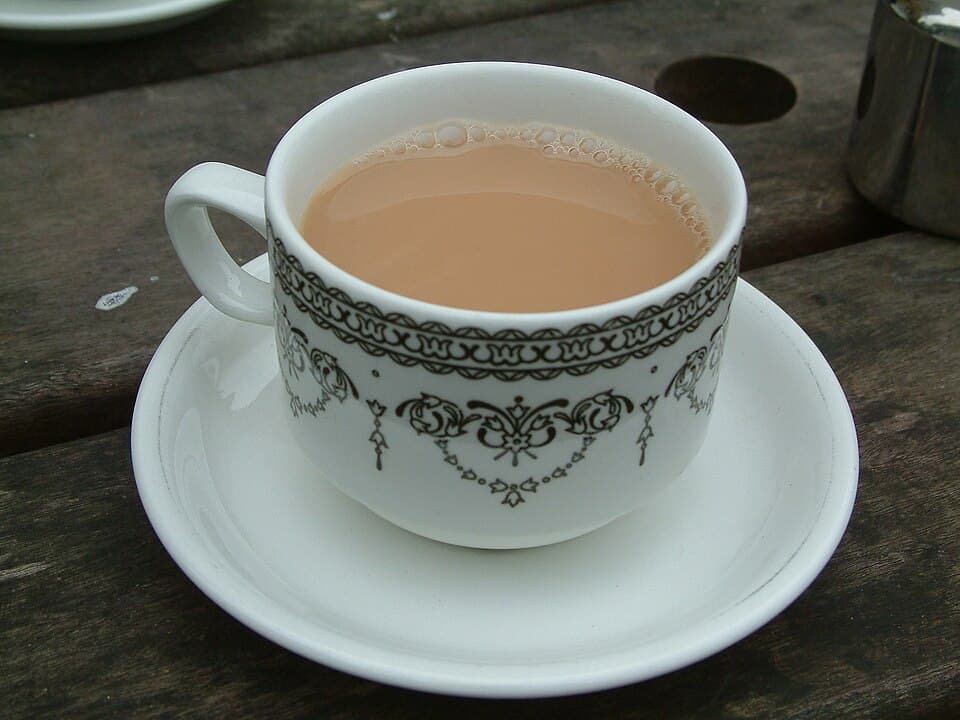
Zambian Tea
Strong black tea, usually taken with milk and sugar. Tea runs deep in Zambia, served at breakfast or alongside Vitumbuwa.
Frequently Asked Questions
Essential information about food and dining in Zambia.
What is the national dish of Zambia?
Zambia's most iconic dishes include Nshima, Ifisashi, Chikanda (African Polony). Zambia's national dish. A thick, smooth porridge of maize flour (mealie meal) that anchors nearly every meal. You eat it with your hands, rolling a piece into a ball and using it to scoop up relish. Sharing Nshima is how families and neighbours gather around a meal.
Is street food safe in Zambia?
Street food in Zambia can be enjoyed safely by following these guidelines: Drink bottled or purified water, avoid tap water. Look for busy vendors with high turnover, ensure food is cooked fresh and served hot, and avoid raw ingredients if you have a sensitive stomach.
What are the best restaurants in Zambia?
Zambia offers diverse dining options from street food stalls to upscale restaurants. For the best experience, ask locals for recommendations, check recent reviews, and look for restaurants that specialize in regional cuisines.
Can vegetarians find food easily in Zambia?
Vegetarian options in Zambia are mediumly available. Vegetarians do well here. Ifisashi (peanut and greens stew), Chibwabwa (pumpkin leaves), and a range of vegetable relishes are served with Nshima. City restaurants stock the widest choice.. Many restaurants offer vegetarian dishes, and you'll find plant-based ingredients featured prominently in local cuisine.
What is the average cost of a meal in Zambia?
Meal costs in Zambia depend on where you eat. Street food and casual local restaurants are very affordable, typically offering complete meals for a few dollars. Mid-range restaurants charge moderate prices, while fine dining establishments are comparably priced to Western countries.
What are common food allergens in Zambia?
Common allergens in Zambia cuisine include Fish, Tree Nuts, Dairy. Fish like Kapenta and Bream are widely consumed. These ingredients appear in dishes like Kapenta (dried fish), Bream. Always inform restaurant staff about your allergies.
When is the best time to visit Zambia for food?
Zambia offers great food experiences throughout the year. However, visiting during harvest seasons (typically spring and autumn) provides access to the freshest local ingredients. Food festivals and cultural celebrations also offer unique culinary experiences worth planning around.