
Yemen Food Guide
Content Information
Recently updated🔥Current Food Trends 2026
What's happening in Yemen's culinary scene right now
Through 2026, Yemeni cooking holds onto old habits even as the country struggles. The underground Mandi technique has carried Yemen's name across the Arab world, where it now turns up far from where it started. Cooks still judge each other by their Bint Al-Sahn, the honey cake whose layered recipe goes back to the Sabaean kingdom, and Saltah is still the dish people name when they name a national one. Ottoman-era cooking shows up in Sana'a, Taiz, and Ibb. Tastes split by region: Sana'a drinks coffee, Aden drinks black tea. Mukalla in Hadramaut keeps its smoked-meat methods going. Aden's Zurbian echoes Indian biryani, and Sayadiah, the spiced fish-and-rice plate, runs the coast there. Taiz keeps making the smoked cheese it has made for centuries. Jachnun came in with Adeni Jewish families and stayed. Yemenis abroad have carried these dishes with them, and the Hawaij spice blend has become the flavor people recognize as Yemeni. The Taboon oven is still dug and still used. In the mountains, farmers keep growing coffee the way they always have.
Food Safety Tips
Essential food safety information to help you enjoy Yemen's cuisine safely and confidently.
Drink only bottled or purified water
Tap water is not safe for drinking. Use bottled water for drinking and brushing teeth. Avoid ice unless from purified water.
Check current travel advisories
Yemen is in the middle of a serious humanitarian crisis. Read your government's travel advisories and plan around them. Some areas are closed to visitors.
Choose well-cooked foods
Eat foods that have been cooked through. Dishes like Mandi from a Taboon oven are usually fine when handled properly.
Dietary Options
vegetarian
LOW AVAILABILITYYemeni food leans heavily on meat. Vegetarians can fall back on rice dishes, bread, salads, and vegetables, but say what you need up front.
vegan
VERY LOW AVAILABILITYDairy turns up in a lot of cooking, so vegan choices are thin. You may find rice, bread made without butter, and plain vegetable dishes.
gluten-free
LOW AVAILABILITYWheat bread (Khobz) is everywhere. Rice dishes like Mandi and Zurbian have no gluten on their own, though they usually arrive with bread.
halal
VERY HIGH AVAILABILITYYemen is a Muslim country, so the food is halal. No pork is used, and meat is slaughtered and prepared by Islamic rules.
Common Allergens
Dairy
HIGH PREVALENCEYogurt, ghee, and cheese used in many dishes
COMMONLY FOUND IN:
Gluten
VERY HIGH PREVALENCEWheat bread is fundamental staple
COMMONLY FOUND IN:
Nuts
MEDIUM PREVALENCENuts and raisins used in rice dishes
COMMONLY FOUND IN:
Sesame
LOW PREVALENCESesame occasionally used in preparations
COMMONLY FOUND IN:
Essential Food Experiences
These iconic dishes represent the must-have culinary experiences that define Yemen's food culture for travelers.

Saltah
Yemen's national dish: a meat-and-vegetable stew finished with a froth of whipped fenugreek (Hulba) on top. You tear off fresh bread and dip. The fenugreek gives it a flavor you won't mistake for anything else.

Mandi
A Hadramaut dish of chicken or lamb with basmati rice, seasoned with Hawaij and cooked over hot embers in an underground Taboon clay oven. The method is what gives it that smoky taste. The name comes from "nada," meaning dew, a nod to how moist the meat turns out.
Zurbian
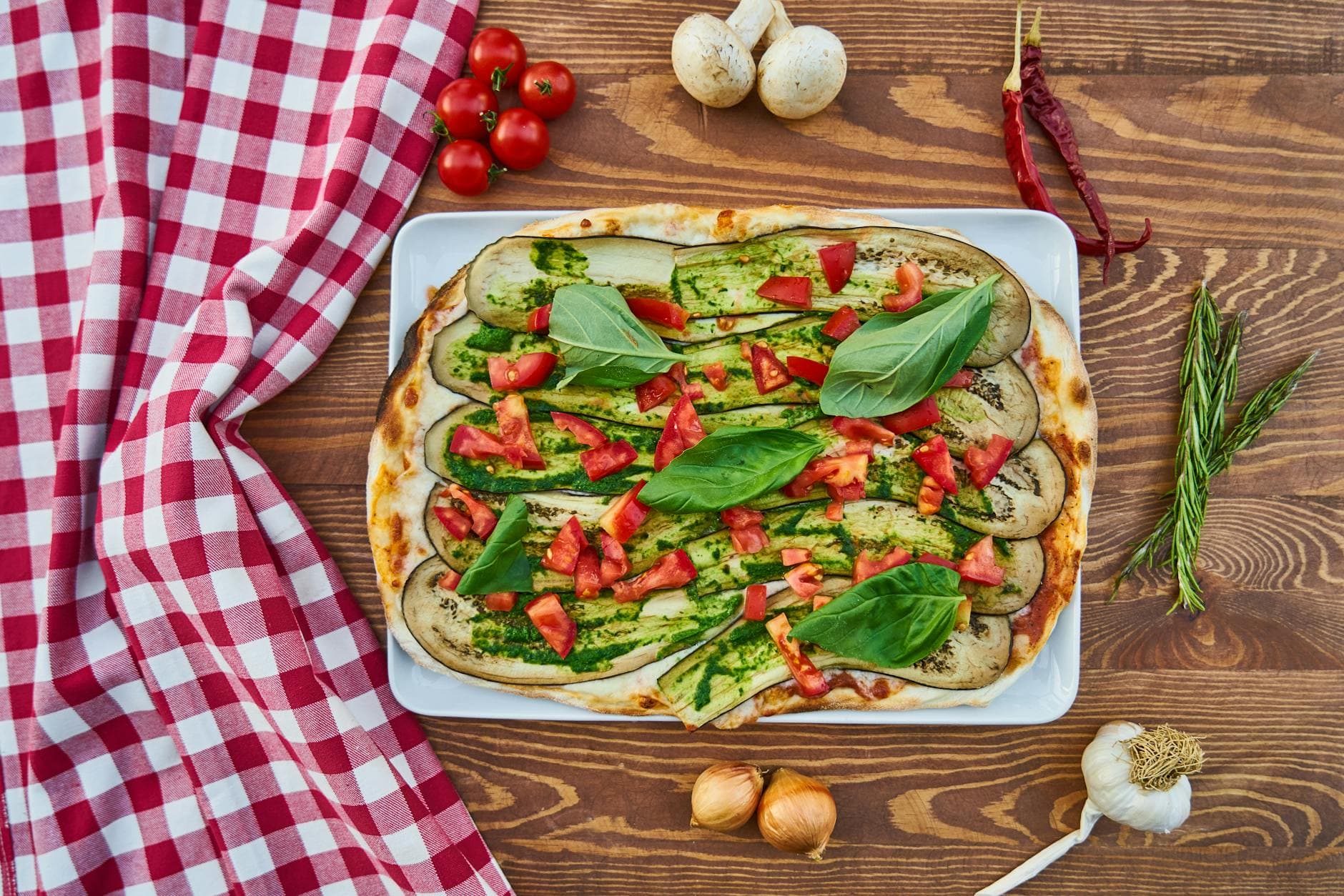
A spiced rice-and-lamb dish from Aden that runs close to Indian biryani. The rice comes out colorful, layered with seasoned lamb or chicken and potato, then crowned with fried onions, nuts, and raisins. It shows up for special occasions.

Bint Al-Sahn
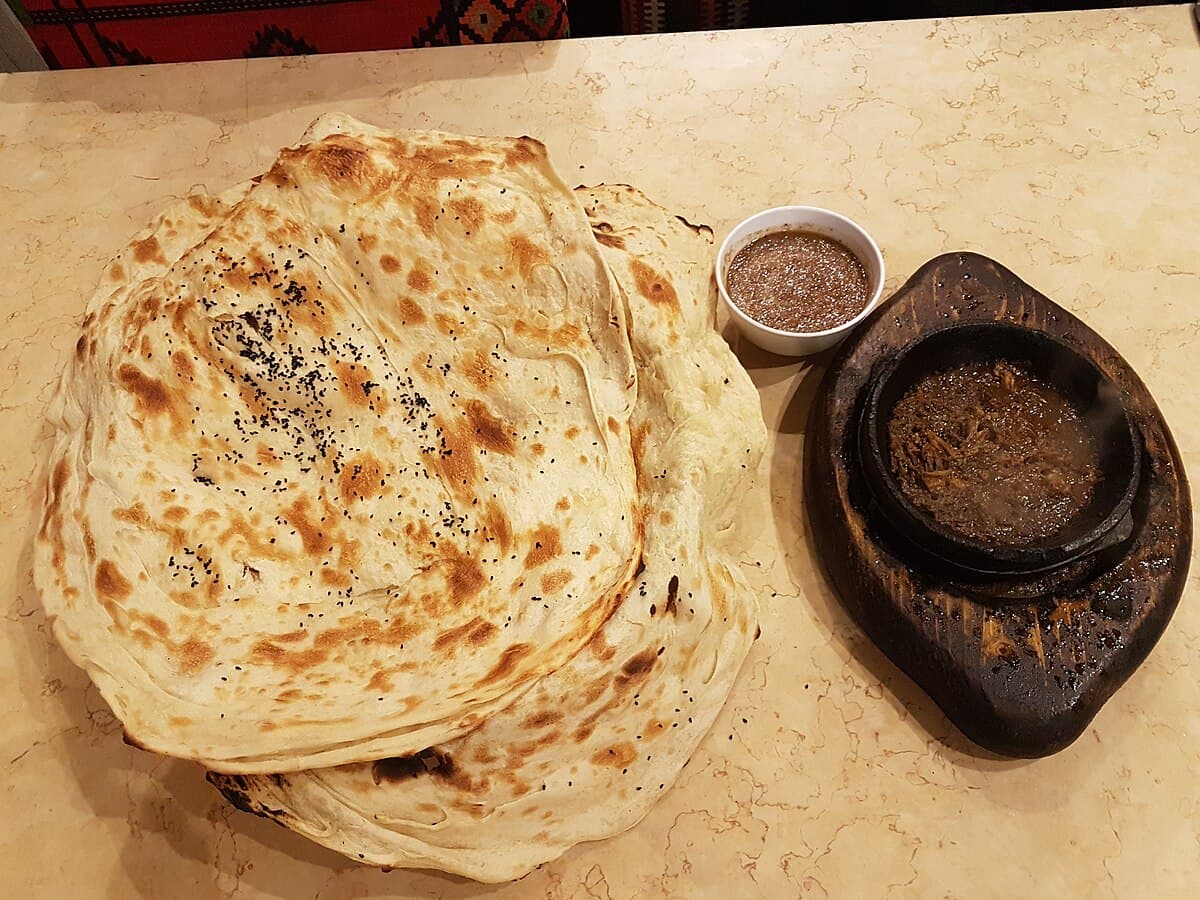
A layered honey cake of flour, ghee, honey, and cardamom, soaked in mountain honey and scattered with nigella seeds. Its roots reach back to the Sabaean kingdom, and a woman's skill in the kitchen was long judged by how well she made it.
Fahsa
A staple in Sana'a and the north: veal or lamb stewed hard in a stone pot. It comes with Yemeni bread and a hot ladle of Sahawiq, and it fills you up.
Sayadiah
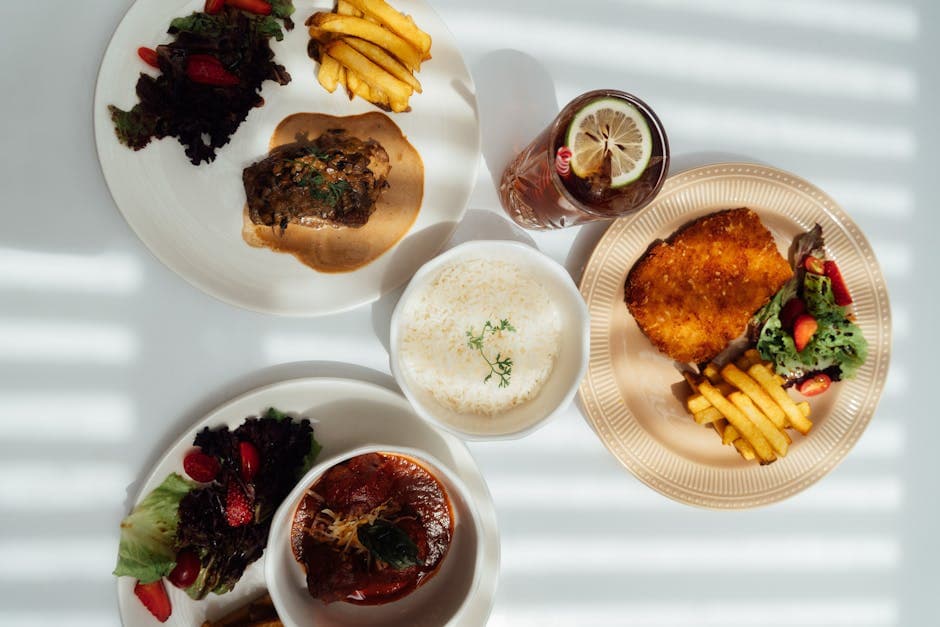
A rice-and-fish dish from Aden and the coast, built on its own mix of spices. The name comes from "sayd," Arabic for the catch, and it carries the cooking of the shoreline.
Jachnun
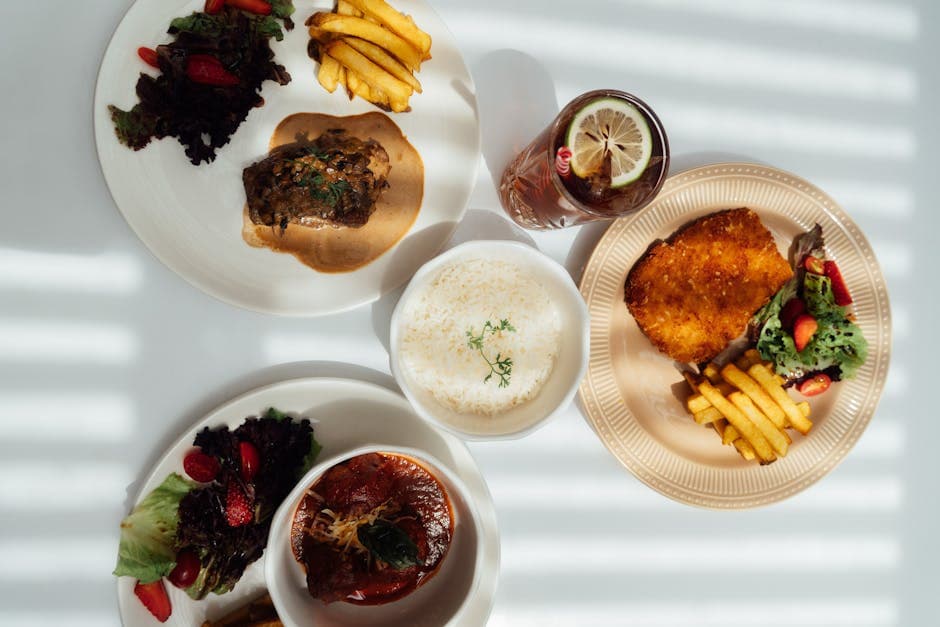
An Adeni Jewish pastry carried out of Aden by Yemenite families. The dough is rolled tight and baked low overnight, then eaten with grated tomato, hard-boiled eggs, and zhug, a fiery sauce.
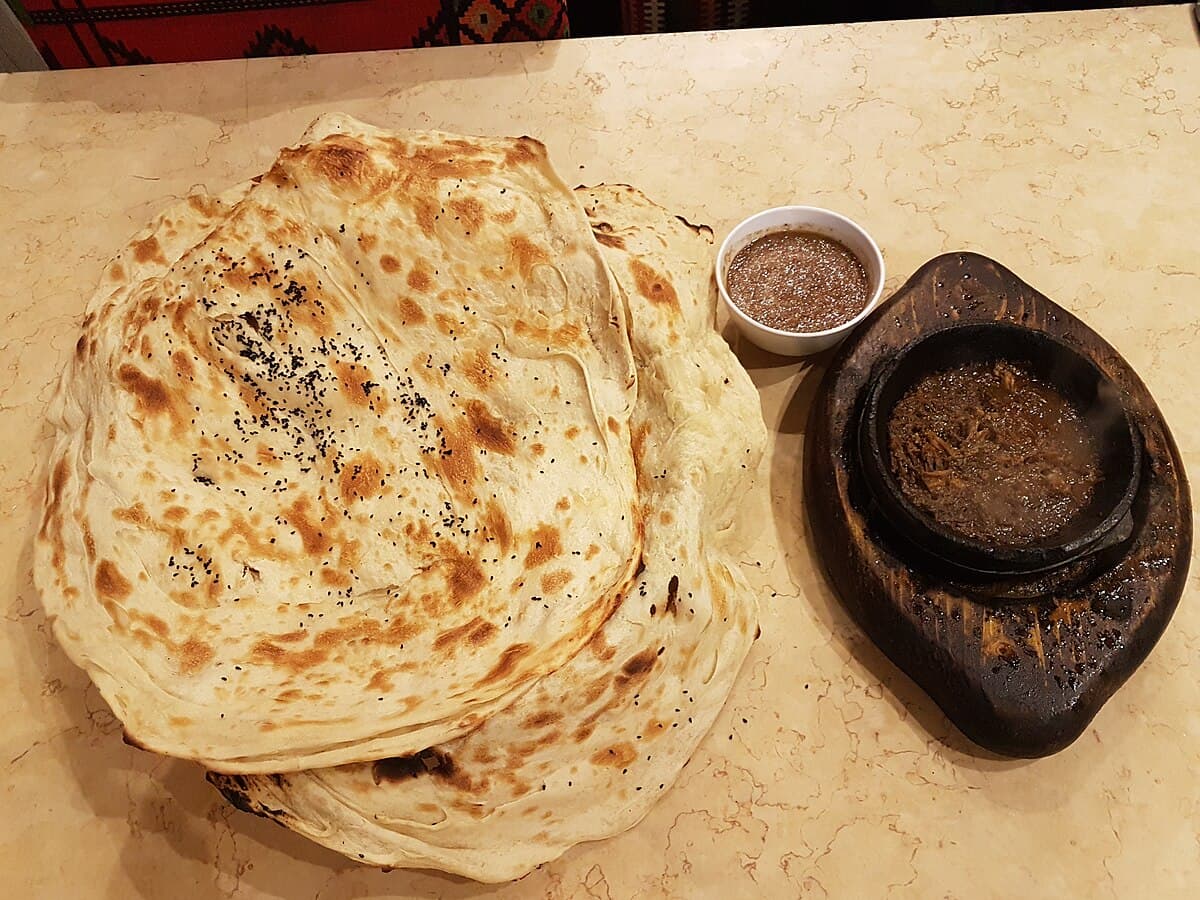
Mulawah
A flaky Yemeni flatbread that comes alongside Saltah and Fahsa. Al Shaibani Modern Restaurant on Zubairi Street is known for it.
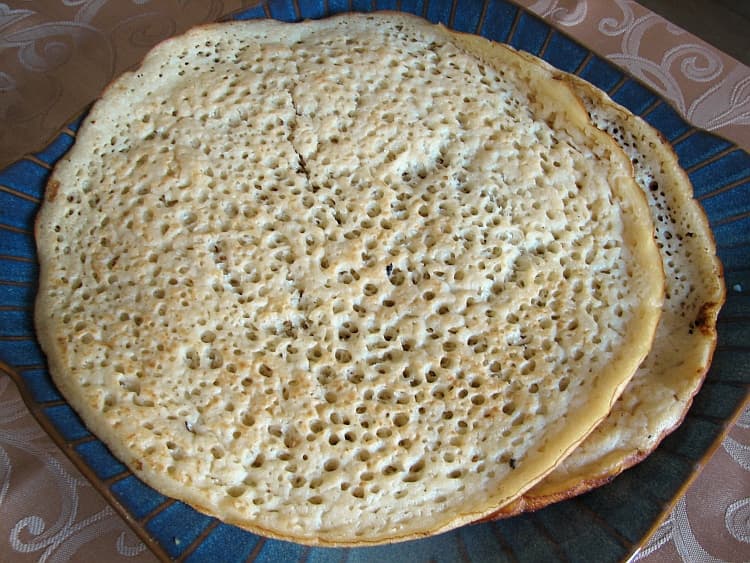
Lahoh
A spongy flatbread close to Ethiopian injera. Matam Al-Saeed on Taiz Street in Sana'a is the place people go for it.
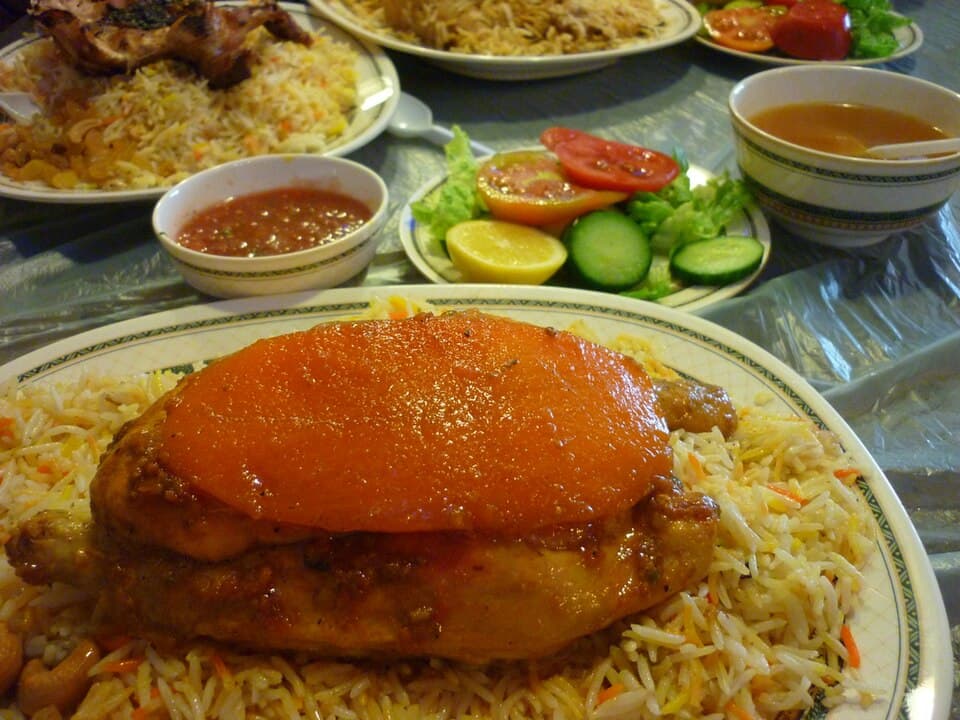
Smoked Meat and Rice
A Hadhrami specialty from Mukalla: meat and rice cooked underground until the smoke works its way through. It's a celebration dish, heavy on the aromatic spices Yemen is known for.
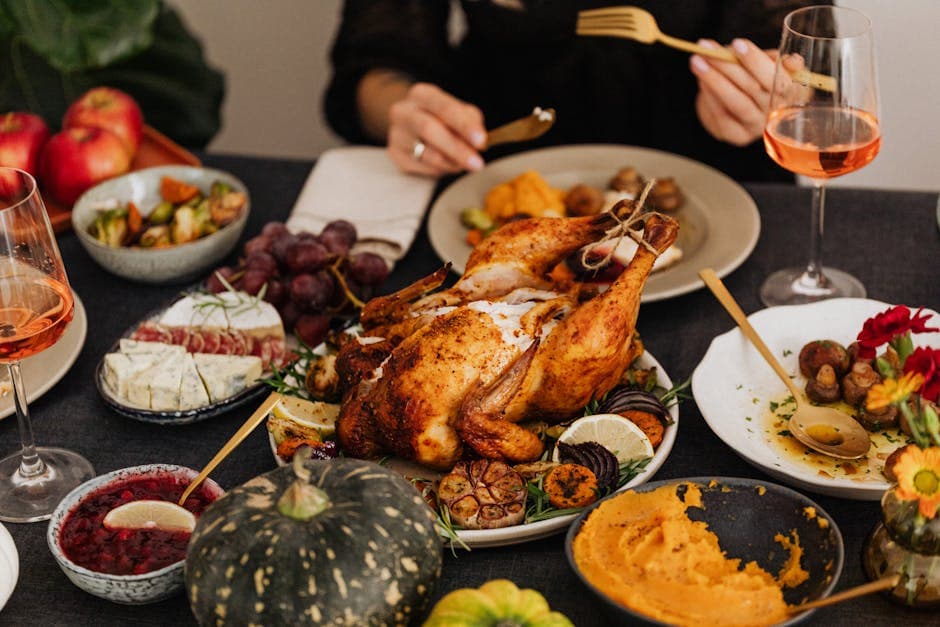
Taiz Cheese
A smoked cheese made in Taiz. Across Yemen people just call it Taiz cheese.
Regional Specialties & Local Favorites
Discover the authentic regional dishes and local favorites that showcase Yemen's diverse culinary traditions.
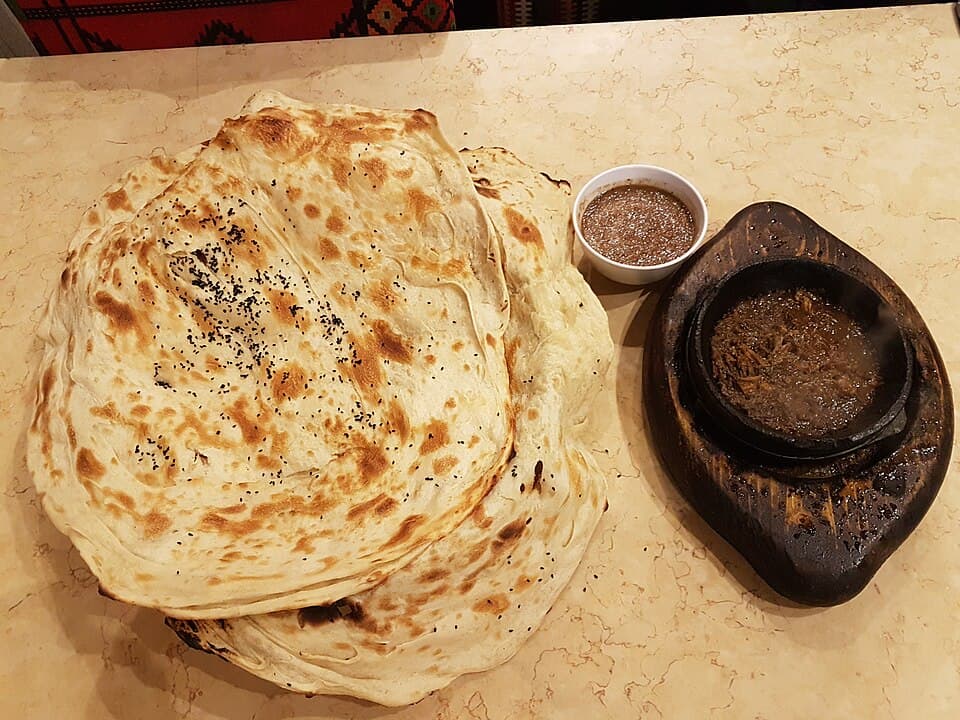
Khobz (Yemeni Bread)
The flatbread that comes with every meal and the tool you use to dip into Saltah and Fahsa. Bakers turn it out fresh all day.
Allergens:
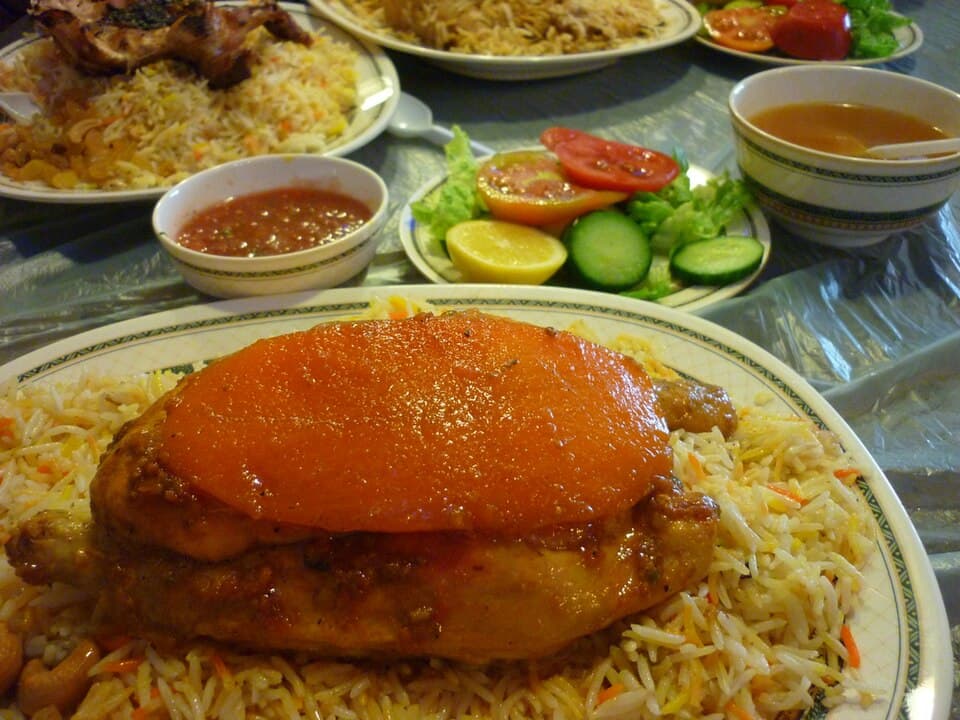
Mandi Taizi
The Taiz take on Mandi: rice with tender lamb, fragrant spices, and saffron. Taizi cooking tends to run bold.
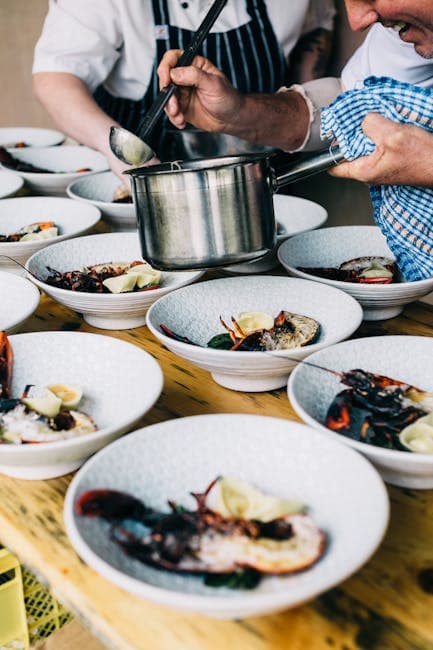
Kabsat Al Juman
A spiced meat stew from Taiz, eaten with flatbread or over rice.
Khobz Taizi
A Yemeni flatbread from Taiz, woven into the region's cooking.
Allergens:
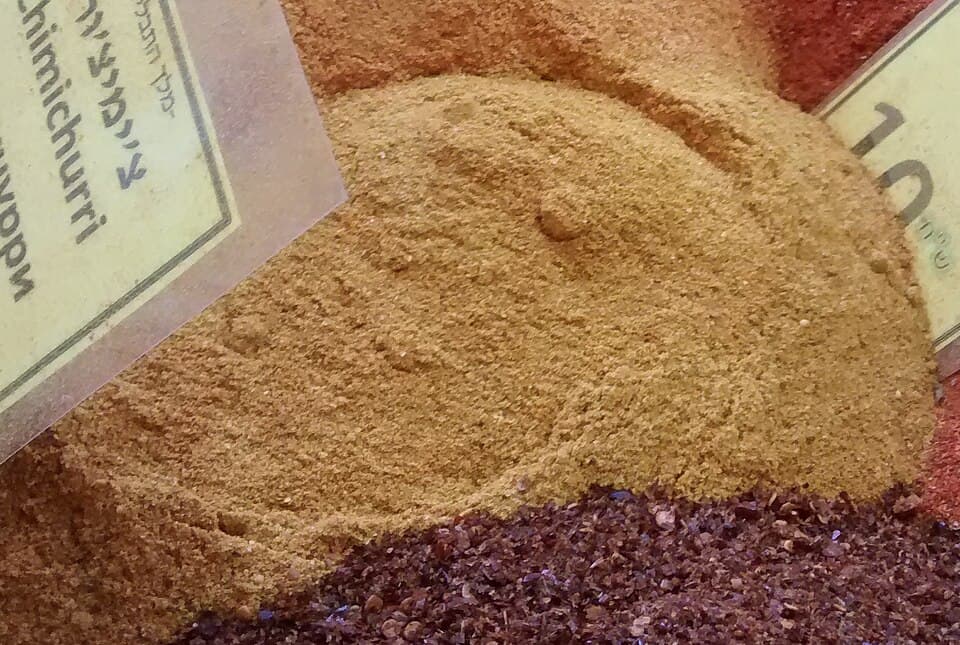
Hawaij Spice Blend
The Yemeni spice mix built on cumin, black pepper, cardamom, and turmeric. It goes into Mandi and most of the old dishes.
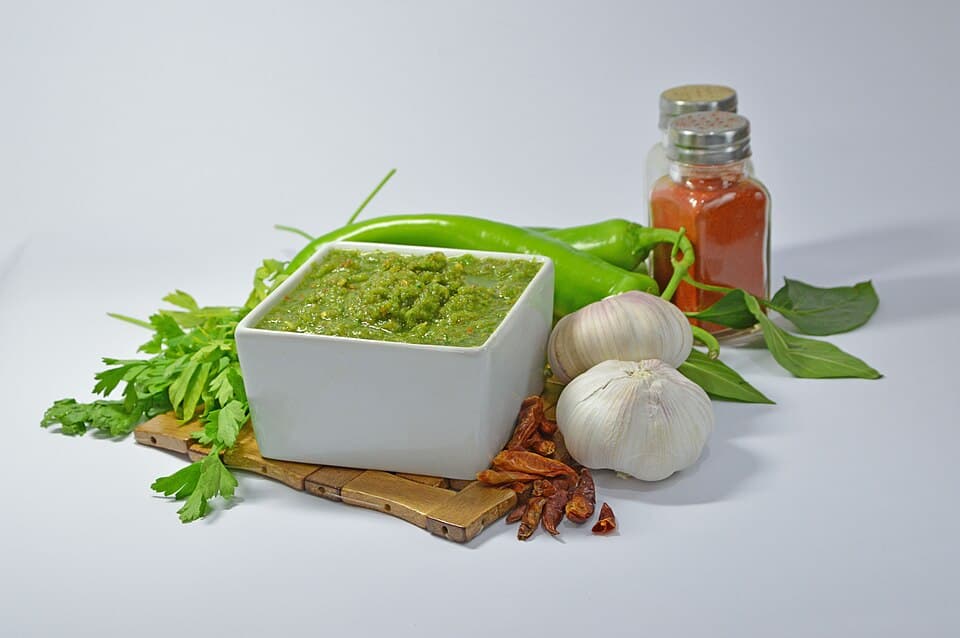
Sahawiq Sauce
A hot chili sauce that comes with Saltah, Fahsa, and grilled meats. It's chili peppers, garlic, and herbs.
Hulba (Fenugreek Froth)
The whipped fenugreek foam that sits on top of Saltah. Its bitter-savory edge is part of what makes the national dish what it is.
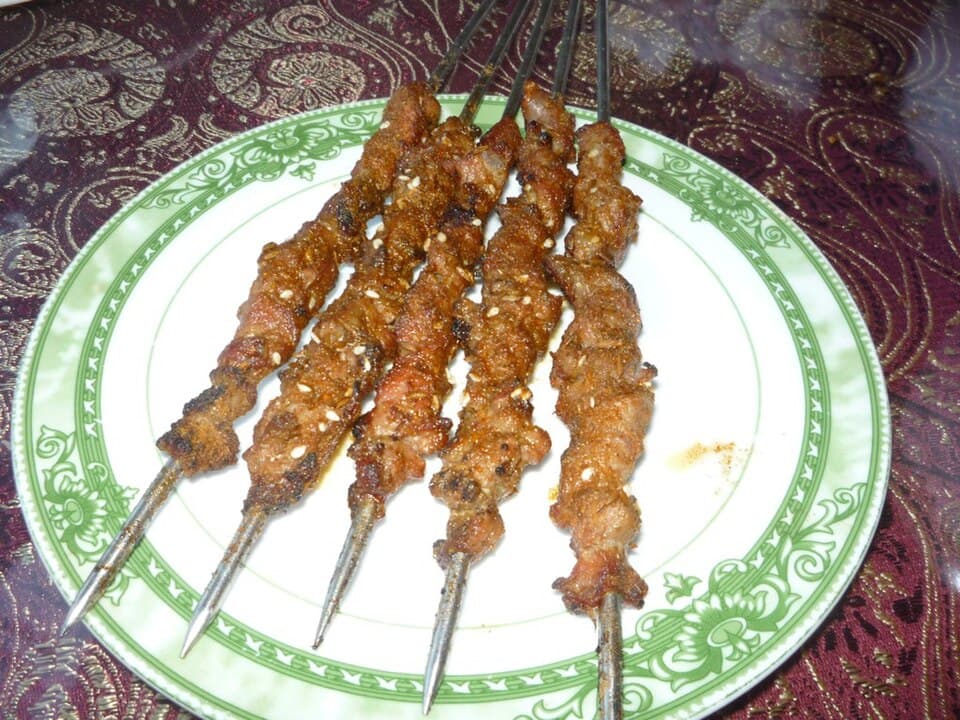
Grilled Lamb
Lamb grilled with Yemeni spices, eaten all over the country. One of the everyday proteins.
Regional Cuisine Highlights
Explore the diverse culinary landscapes across different regions of Yemen.
Sana'a
Far from the sea, the capital cooks with meat, chicken, and lamb. Saltah and Fahsa are the dishes it's known for, and coffee is what people pour. Ottoman rule left a deep mark on the food here, much of it still cooked in stone pots.
Signature Dishes:
Key Ingredients:
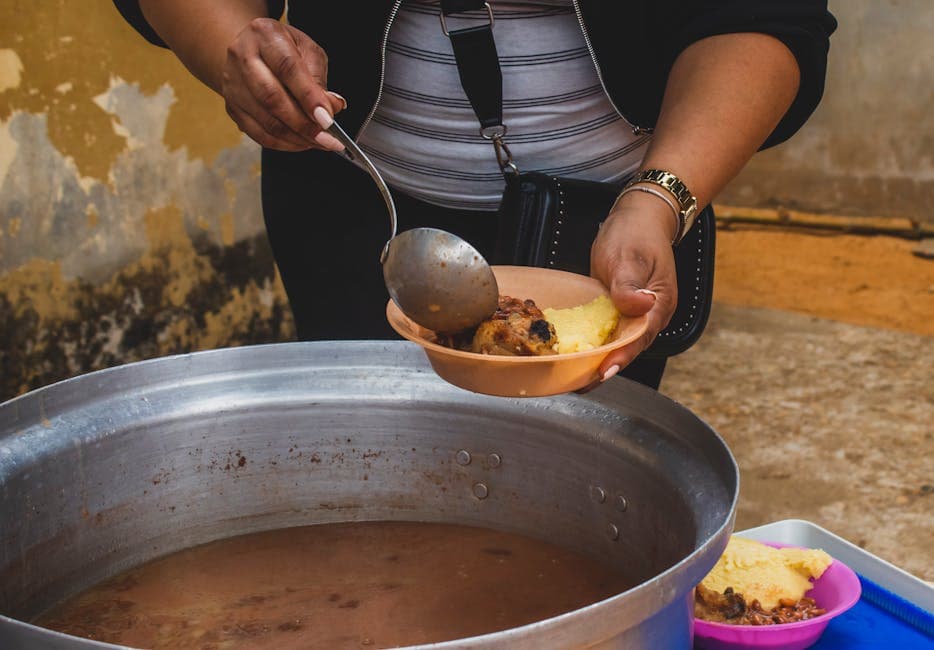
Aden
A coastal city that leans on fish from the Arabian Sea. Sayadiah, the fish-and-rice plate, is its signature, and Zurbian is said to have started here. The Adeni Jewish community left Jachnun behind. People drink black tea over coffee.
Signature Dishes:
Key Ingredients:
Hadramaut (Mukalla)
Where Mandi began before it spread across the Arab world. The local specialty is smoked meat and rice cooked underground, and the Taboon oven is still the way it's done. The desert here has its own cooking.
Signature Dishes:
Key Ingredients:
Taiz
Known for its smoked cheese and for cooking with a heavy hand on flavor. You'll find saffron-tinged Mandi Taizi, Khobz Taizi flatbread, and Kabsat Al Juman stew. Ottoman influence runs through it, and Tulumba is the Ramadan sweet.
Signature Dishes:
Key Ingredients:
Sweet Delights & Desserts
Indulge in Yemen's traditional sweet treats and desserts.

Bint Al-Sahn
The honey cake everyone knows: thin pastry layers soaked in mountain honey and dusted with nigella seeds. It goes back to the Sabaean kingdom and shows up at celebrations.
Tulumba (Taiz)
A Ramadan favorite in Taiz: fried dough pastry steeped in sugar syrup.
Candied Icaco
A Zulian sweet made by candying the local icaco fruit.
Limonson (Candied Pomelo)
Local pomelo candied into a sweet, from the Zulia region.
Traditional Beverages
Discover Yemen's traditional drinks, from locally produced spirits to regional wines.
Qishr
A Yemeni brew made from dried coffee husks with ginger and cinnamon. It drinks lighter than regular coffee.
Soft Beverages
Discover Yemen's traditional non-alcoholic drinks, from local teas to refreshing juices.
Yemeni Coffee
The coffee Sana'a reaches for, strong and aromatic. Yemen has grown coffee in its mountains for a very long time.
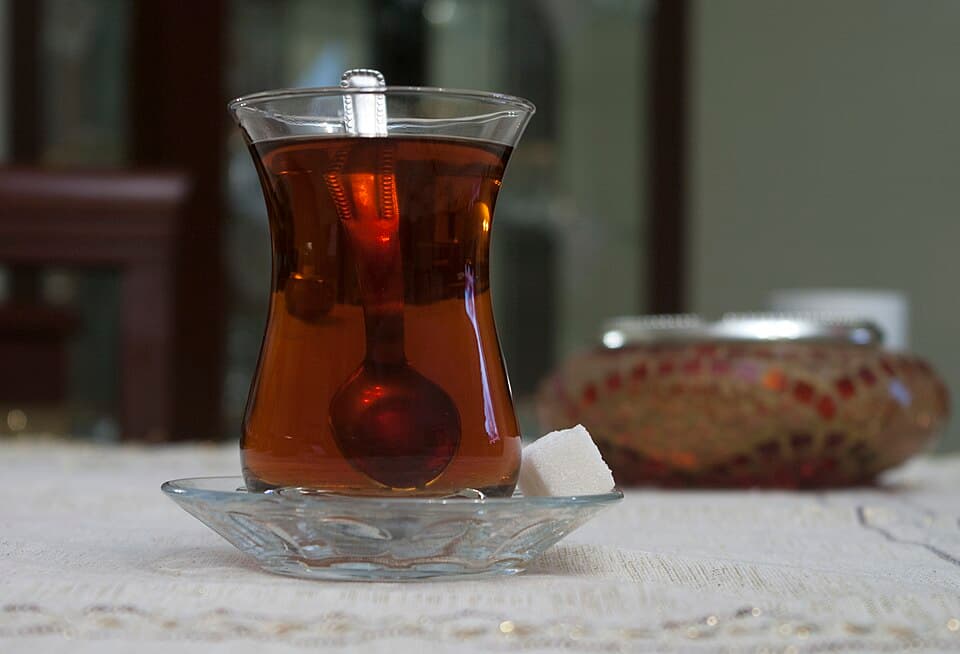
Black Tea
What people drink in Aden and along the coast. It comes strong and sweet, all day long.
Yogurt Drink
A cold yogurt drink that takes the edge off spicy food.
Frequently Asked Questions
Essential information about food and dining in Yemen.
What is the national dish of Yemen?
Yemen's most iconic dishes include Saltah, Mandi, Zurbian. Yemen's national dish: a meat-and-vegetable stew finished with a froth of whipped fenugreek (Hulba) on top. You tear off fresh bread and dip. The fenugreek gives it a flavor you won't mistake for anything else.
Is street food safe in Yemen?
Street food in Yemen can be enjoyed safely by following these guidelines: Drink only bottled or purified water Check current travel advisories. Look for busy vendors with high turnover, ensure food is cooked fresh and served hot, and avoid raw ingredients if you have a sensitive stomach.
What are the best restaurants in Yemen?
Yemen offers diverse dining options from street food stalls to upscale restaurants. For the best experience, ask locals for recommendations, check recent reviews, and look for restaurants that specialize in regional cuisines.
Can vegetarians find food easily in Yemen?
Vegetarian options in Yemen are lowly available. Yemeni food leans heavily on meat. Vegetarians can fall back on rice dishes, bread, salads, and vegetables, but say what you need up front.. Many restaurants offer vegetarian dishes, and you'll find plant-based ingredients featured prominently in local cuisine.
What is the average cost of a meal in Yemen?
Meal costs in Yemen depend on where you eat. Street food and casual local restaurants are very affordable, typically offering complete meals for a few dollars. Mid-range restaurants charge moderate prices, while fine dining establishments are comparably priced to Western countries.
What are common food allergens in Yemen?
Common allergens in Yemen cuisine include Dairy, Nuts. Yogurt, ghee, and cheese used in many dishes. These ingredients appear in dishes like Bint Al-Sahn, Taiz Cheese. Always inform restaurant staff about your allergies.
When is the best time to visit Yemen for food?
Yemen offers great food experiences throughout the year. However, visiting during harvest seasons (typically spring and autumn) provides access to the freshest local ingredients. Food festivals and cultural celebrations also offer unique culinary experiences worth planning around.