
Romania Food Guide
Content Information
Recently updated🔥Current Food Trends 2026
What's happening in Romania's culinary scene right now
In 2026, Romanian cooking is getting fresh attention, and old-fashioned dishes suddenly look modern again. Sarmale, mămăligă and papanași spent years being treated as plain home food. Now they turn up on tasting menus and in food magazines. In Bucharest, restaurants like KANÉ and KAIAMO build their menus around New Romanian Cuisine, cooking entirely with locally sourced ingredients and rethinking familiar dishes. Chefs are leaning into seasonal produce and naming the farms and regions their food comes from. Gault & Millau Romania and the 50 Best Discovery list have started pointing visitors toward Bucharest as a place worth eating in. Mici still sizzle on grills at beer gardens, while more ambitious kitchens take dishes such as ciorbă de burtă and zacuscă in new directions. Romanian wines from Dealu Mare and Cotnari are turning up on more international lists. Food travel to Transylvania, Maramureș and Bucovina keeps growing, and each of those areas cooks differently, holding on to recipes that go back generations.
Food Safety Tips
Essential food safety information to help you enjoy Romania's cuisine safely and confidently.
Tap water is generally safe in major cities
Tap water in Bucharest and major Romanian cities is treated and safe to drink. In rural areas or mountains, bottled water is recommended.
Street food is safe and delicious
Romanian street food, especially mici and covrigi (pretzels), is made fresh and rarely causes problems. Stick to busy vendors with high turnover, where the food does not sit around.
Refrigeration standards are high
Romania follows EU food safety standards. Restaurants and markets maintain proper food storage and refrigeration.
Wash fresh produce thoroughly
Fruit and vegetables from markets are fine to eat, but wash them first. Romanian markets are a good place to buy seasonal produce.
Dietary Options
vegetarian
HIGH AVAILABILITYThere is plenty for vegetarians to eat, from mămăligă (polenta) and brânză (cheese) to ciorbă de legume (vegetable soup), plăcintă cu brânză (cheese pie) and meat-free sarmale. City restaurants usually carry a long list of vegetarian dishes.
vegan
MEDIUM AVAILABILITYVegan choices are getting easier to find in Bucharest and other large cities. Some traditional dishes already fit, including fasole bătută (mashed beans), zacuscă and many of the vegetable soups, and newer restaurants add plant-based options.
gluten-free
MEDIUM AVAILABILITYMore places now understand gluten-free requests. Mămăligă, made from cornmeal, contains no gluten and is everywhere, and city restaurants increasingly stock gluten-free bread and pasta.
halal
LOW AVAILABILITYOutside Bucharest, halal food is hard to come by. In the capital, a few Turkish and Middle Eastern restaurants serve halal meat. The Muslim population is small, around 0.3%.
kosher
VERY LOW AVAILABILITYKosher food is rare, found mainly at restaurants tied to Bucharest's small Jewish community. Pork shows up in a lot of Romanian dishes, so always check the ingredients.
Common Allergens
Dairy
VERY HIGH PREVALENCEDairy runs through Romanian cooking. Sour cream (smântână), cheese (brânză) and yogurt turn up almost everywhere
COMMONLY FOUND IN:
Gluten
HIGH PREVALENCEWheat is everywhere. Bread comes with every meal and pastries are a daily habit
COMMONLY FOUND IN:
Pork
VERY HIGH PREVALENCEPork is the meat Romanians eat most, and it shows up in the majority of traditional dishes
COMMONLY FOUND IN:
Nuts
MEDIUM PREVALENCEWalnuts especially are common in desserts and salads
COMMONLY FOUND IN:
Essential Food Experiences
These iconic dishes represent the must-have culinary experiences that define Romania's food culture for travelers.
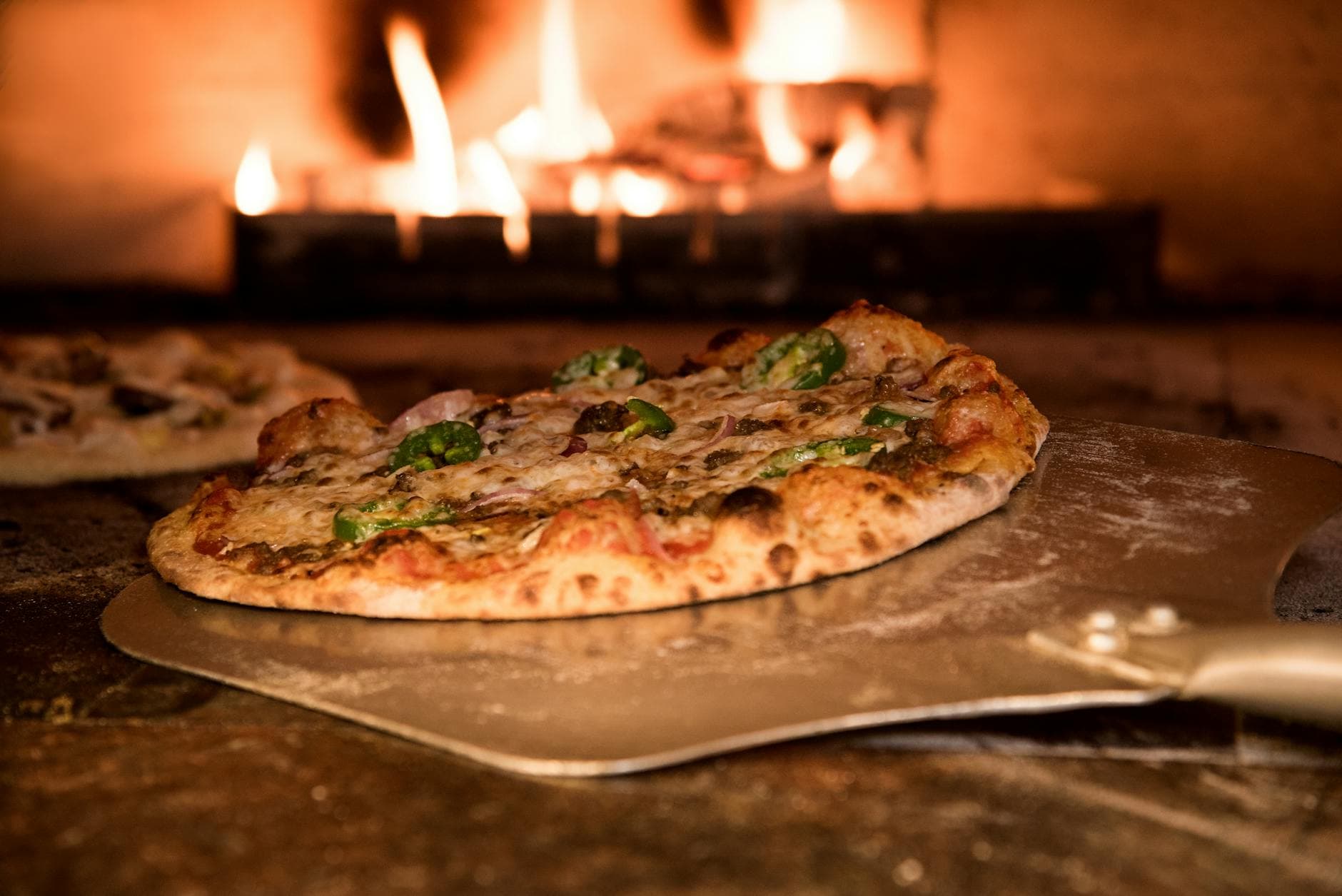
Sarmale
Romania's national dish: cabbage rolls packed with spiced pork, rice and herbs, then slow-cooked with sauerkraut. You will see them at Christmas, at weddings and at most family celebrations, usually plated with mămăligă and a spoon of smântână. Recipes shift from region to region, with some cooks wrapping the filling in grape leaves and others working in smoked meat.
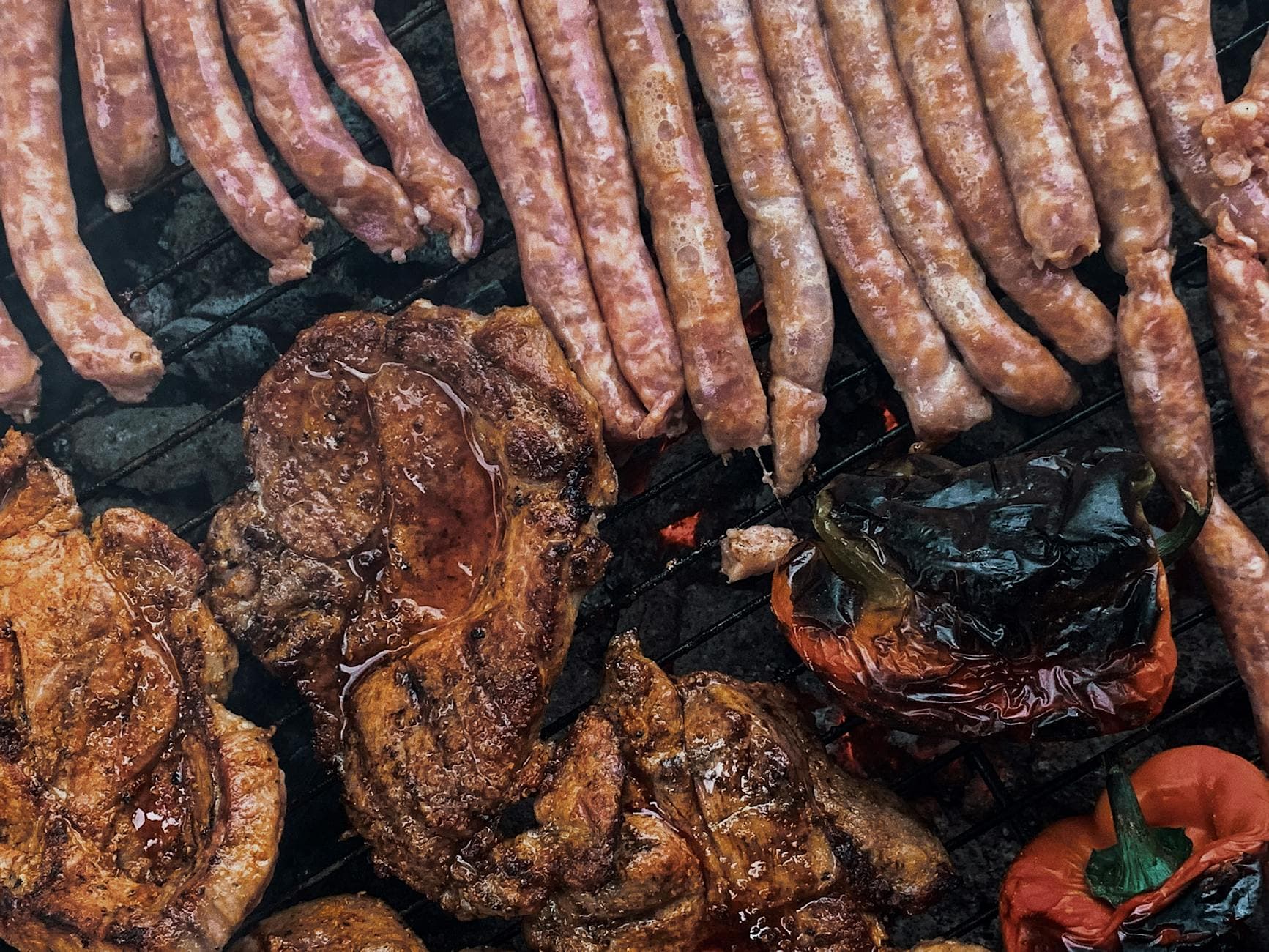
Mici (Mititei)
Skinless grilled sausages made from a beef, lamb and pork mix seasoned with garlic, black pepper, thyme and a few spices each grill keeps to itself. They cook over charcoal and arrive with mustard, bread and cold beer. Romanians rarely fire up a barbecue without them.
Mămăligă
A thick cornmeal porridge, close to polenta, that fed Romanian villages for centuries. It is cooked down until golden and firm, then served with sour cream and cheese or alongside a stew. Once it cools it holds together well enough to slice. Naturally gluten-free, it is about as comforting as Romanian food gets.
Ciorbă de Burtă
Tripe soup with vegetables, garlic, sour cream and vinegar, and Romania's go-to hangover cure. The smântână turns it creamy and pale, the vinegar gives it a sharp edge. It is a Bucharest classic you will find on most traditional menus, and getting it right takes hours of simmering.
Papanași
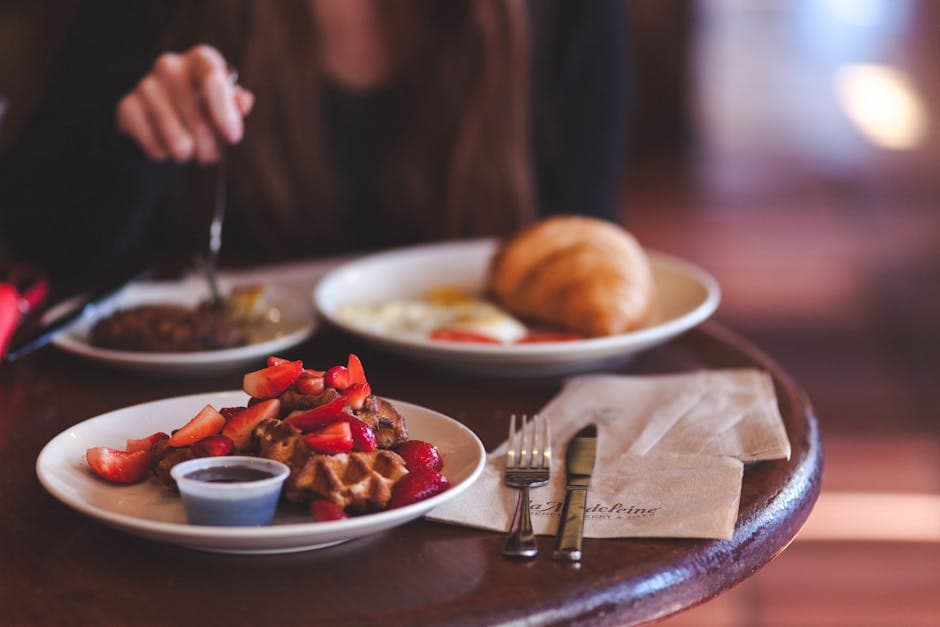
Fried cottage cheese doughnuts, and probably Romania's favourite dessert. A large ring comes with a small ball perched on top, both fried golden and finished with sour cream and berry jam, usually blueberry or sour cherry. It is sweet and rich, and you will find it on just about every restaurant menu.
Ciorbă de Perișoare
Meatball soup in a sour broth, soured with borș (fermented wheat bran) or lemon juice. This is the soup Romanian mothers reach for whenever someone is under the weather. The meatballs, called perișoare, are made from pork and rice, and the broth carries carrots, peppers and onions.

Tochitură
A heavy pork stew that often piles in sausages, bacon and offal alongside the pork, cooked down with tomatoes, wine and spices. It comes with mămăligă, a fried egg and chili peppers. Originally a Moldovan dish, it has become a favourite across the country and is the kind of thing you want in the depths of winter.

Salată de Vinete
A smoky eggplant salad made by mashing roasted eggplant with onion and oil, sometimes a little mayo. It is spread on fresh bread as a starter and turns up at pretty much every celebration. The smoky taste comes from roasting the eggplant over an open flame, and some cooks fold in peppers or tomatoes.

Cozonac
A sweet braided bread with a walnut or cocoa filling, baked for Easter and Christmas. It is soft and fluffy, enriched with eggs and butter. No holiday table in Wallachia or Moldavia really feels complete without one, and most families guard a recipe handed down over generations.

Zacuscă
A vegetable spread of roasted eggplant, peppers, onions and tomatoes. Families jar it in autumn to eat through winter, an old way of preserving the harvest. It goes on bread and pairs with cheese and mămăligă, and most grandmothers cook it slightly differently. It happens to be vegan and filling too.

Drob de Miel
An Easter lamb loaf made from organ meats, green onions and herbs, wrapped in caul fat and served cold as a starter. It is one of the dishes that mark the Easter table and the arrival of spring. Dill and lovage give it a strong, layered flavour. It is not to everyone's taste, but it runs deep in tradition.
Regional Specialties & Local Favorites
Discover the authentic regional dishes and local favorites that showcase Romania's diverse culinary traditions.

Mici cu Muștar
Grilled skinless sausages served with mustard, a fixture of summer barbecues and the country's favourite street food. You will find them at any beer garden or outdoor grill.
Ciorbă de Legume
Vegetable soup soured with borș (fermented wheat bran), which gives it its tang. It carries potatoes, carrots, peppers, beans and lovage, and makes for an easy vegetarian meal.
Allergens:

Plăcintă
A Romanian pie that comes with all sorts of fillings: cheese, apple, pumpkin or cabbage. The pastry is flaky and the pie can be sweet or savoury. Bakeries and street stalls sell it everywhere.
Allergens:

Covrigi
Romanian pretzels topped with sesame or poppy seeds and coarse salt. Street vendors sell them everywhere, and they make a good breakfast or snack with a Turkish coffee.
Allergens:

Salată Boeuf
The Romanian take on Olivier salad: chicken, potatoes, carrots, peas and pickles bound with mayo. It shows up at New Year's celebrations and most parties.
Allergens:

Fasole cu Cârnaţi
Bean stew cooked with smoked sausages, tomatoes and onions. It is filling and cheap, the sort of thing that keeps you going, usually served with bread and pickled peppers.

Ardei Umpluţi
Bell peppers stuffed with rice and meat, simmered in tomato sauce. A summer dish that comes into its own when peppers are in season, served with smântână and mămăligă.
Allergens:

Mămăligă cu Brânză și Smântână
Polenta topped with cheese and sour cream, about as comforting as Romanian food gets. It is plain, vegetarian and satisfying, with the cheese (telemea or brânză de burduf) melting into the hot mămăligă.
Allergens:
Regional Cuisine Highlights
Explore the diverse culinary landscapes across different regions of Romania.
Transylvania
Transylvanian cooking carries Hungarian, Saxon and Romanian influences side by side. It leans on filling meat dishes, paprika and dairy, and Sibiu and Brașov are the main places to eat. Look out for varză à la Cluj (a cabbage dish), papanași and smoked meats.
Cultural Significance:
Centuries of Saxon and Hungarian settlement left their mark on the cooking here, mixing with Romanian habits. The mountain pastures also produce some of the best dairy in the country.
Signature Dishes:
- Varză à la Cluj
- Papanași
- Tochitură ardelenească
Key Ingredients:
Moldova (Romanian Region)
The Moldovan region of Romania cooks a lot of sour soups, mămăligă and pork, with tochitură the dish most associated with it. The Cotnari area has a strong wine culture, and Orthodox fasting still shapes much of what people cook.
Cultural Significance:
This is farming country with deep food traditions. Monasteries kept medieval recipes alive, and the region is known for its hospitality and large portions.
Signature Dishes:
- Tochitură moldovenească
- Ciorbă de burtă
- Plăcinte moldovenești
Key Ingredients:
Wallachia (Muntenia)
The southern region, Bucharest included, with cooking shaped by Ottoman and Balkan influences. It is known for grilled meats like mici, for sarmale and for heavier desserts, and its city food scene is the most developed in the country.
Cultural Significance:
The area sat on old trade routes, which is why the Ottoman influence runs so deep. Today Bucharest pushes new cooking forward while keeping the older dishes on the table.
Signature Dishes:
- Mici
- Sarmale
- Salată de vinete
- Cozonac
Key Ingredients:
Sweet Delights & Desserts
Indulge in Romania's traditional sweet treats and desserts.

Papanași
Region: Transylvania
Fried cottage cheese doughnuts with sour cream and berry jam. This is the dessert most people picture when they think of Romania: sweet, rich and hard to stop eating.
Cozonac
Sweet braided bread filled with walnut or cocoa, baked for Easter and Christmas. It is fluffy and rich, scented with rum and vanilla.

Plăcintă cu Mere
Apple pie built from thin layers of pastry with cinnamon and sugar. It is served warm, sometimes with a scoop of vanilla ice cream, and is at its best in autumn when apples are plentiful.
Clătite
Thin Romanian crepes, much like the French kind, filled with jam, chocolate, cheese or walnuts and either rolled or folded. People eat them for dessert and for breakfast.

Tort Diplomat
A layered cake of vanilla custard, rum-soaked biscuits and chocolate, the kind of dessert saved for special occasions. Romanian pastry shops do it particularly well.

Cornulețe
Crescent-shaped pastries filled with walnuts, cocoa or Turkish delight (rahat). They are buttery and flaky, and they pretty much dissolve in your mouth. Romanians bake them at Christmas.
Traditional Beverages
Discover Romania's traditional drinks, from locally produced spirits to regional wines.

Țuică/Pălincă
Romania's national spirit, a strong plum brandy that can hit 60% alcohol when homemade. Țuică is distilled once; pălincă is distilled twice, which makes it stronger and smoother. It is poured into small glasses before a meal, and most families make their own țuică.

Vișinată
A sweet cherry liqueur made by steeping sour cherries in alcohol and sugar. It is deep red and fruity, often made at home, and usually poured after dinner.
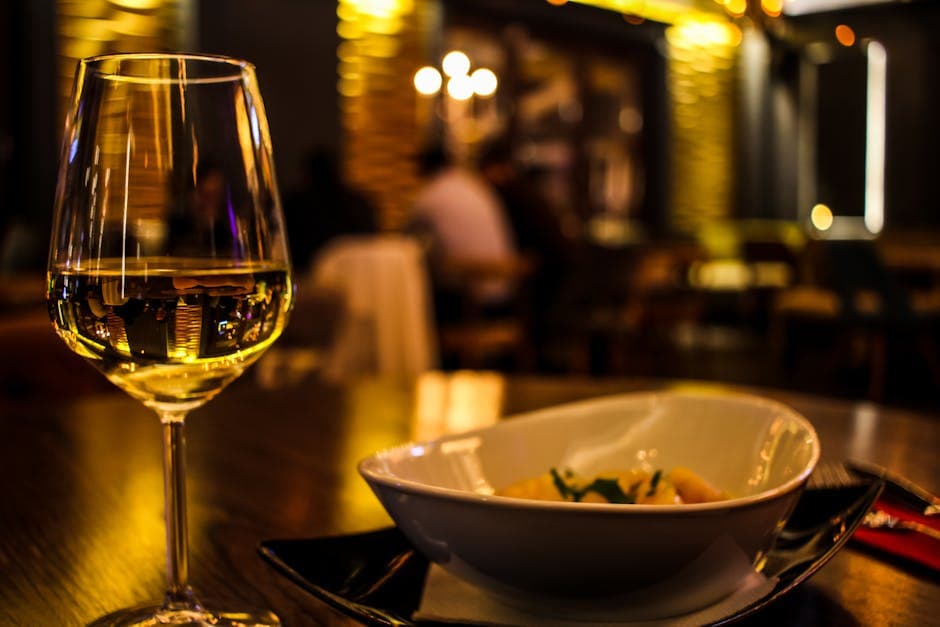
Romanian Wine
Romania has been making wine for more than 2,000 years. The main regions are Dealu Mare, Cotnari and Murfatlar, and the country grows its own grapes, including Fetească Neagră, Fetească Regală and Tămâioasă Românească. The sweet white from Cotnari draws comparisons to Tokaji.
Soft Beverages
Discover Romania's traditional non-alcoholic drinks, from local teas to refreshing juices.
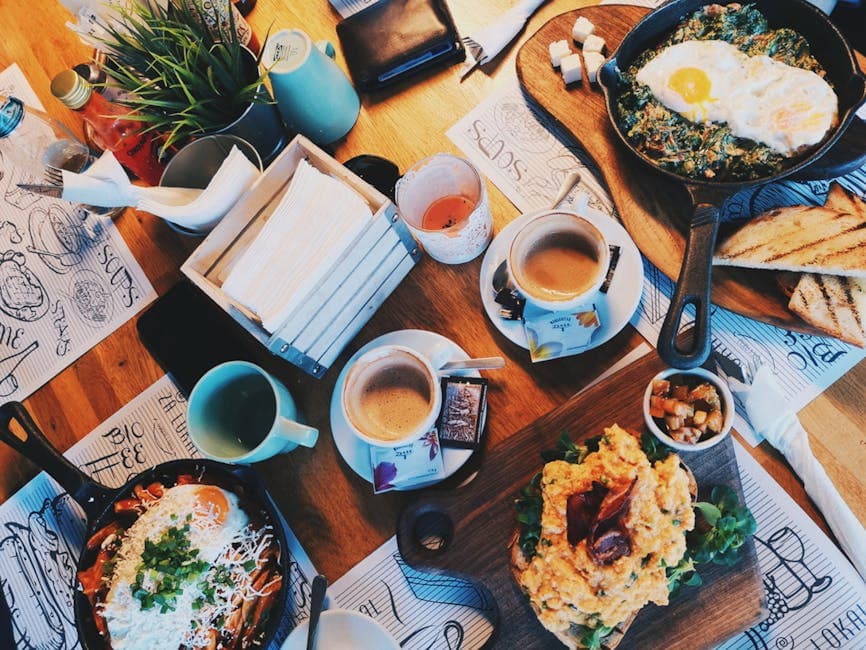
Turkish Coffee (Cafea Turcească)
Strong black coffee made Turkish-style in a cezve, thick and unfiltered, served in small cups. The habit goes back to Ottoman times, and people often drink it with a covrig.

Socată
An elderflower cordial that Romanians drink in summer. It is made from elderflowers, lemon, sugar and water, left to ferment a little so it turns lightly fizzy. Floral and easy to drink on a hot day.

Compot
A fruit drink made from stewed plums, apples or cherries, served cold. It is sweet but not cloying, and a common refreshment at the Romanian table.
Frequently Asked Questions
Essential information about food and dining in Romania.
What is the national dish of Romania?
Romania's most iconic dishes include Sarmale, Mici (Mititei), Mămăligă. Romania's national dish: cabbage rolls packed with spiced pork, rice and herbs, then slow-cooked with sauerkraut. You will see them at Christmas, at weddings and at most family celebrations, usually plated with mămăligă and a spoon of smântână. Recipes shift from region to region, with some cooks wrapping the filling in grape leaves and others working in smoked meat.
Is street food safe in Romania?
Street food in Romania can be enjoyed safely by following these guidelines: Tap water is generally safe in major cities Street food is safe and delicious. Look for busy vendors with high turnover, ensure food is cooked fresh and served hot, and avoid raw ingredients if you have a sensitive stomach.
What are the best restaurants in Romania?
Romania offers diverse dining options from street food stalls to upscale restaurants. For the best experience, ask locals for recommendations, check recent reviews, and look for restaurants that specialize in regional cuisines.
Can vegetarians find food easily in Romania?
Vegetarian options in Romania are highly available. There is plenty for vegetarians to eat, from mămăligă (polenta) and brânză (cheese) to ciorbă de legume (vegetable soup), plăcintă cu brânză (cheese pie) and meat-free sarmale. City restaurants usually carry a long list of vegetarian dishes.. Many restaurants offer vegetarian dishes, and you'll find plant-based ingredients featured prominently in local cuisine.
What is the average cost of a meal in Romania?
Meal costs in Romania depend on where you eat. Street food and casual local restaurants are very affordable, typically offering complete meals for a few dollars. Mid-range restaurants charge moderate prices, while fine dining establishments are comparably priced to Western countries.
What are common food allergens in Romania?
Common allergens in Romania cuisine include Gluten, Nuts. Wheat is everywhere. Bread comes with every meal and pastries are a daily habit. These ingredients appear in dishes like Cozonac (sweet bread), Plăcintă (pies). Always inform restaurant staff about your allergies.
When is the best time to visit Romania for food?
Romania offers great food experiences throughout the year. However, visiting during harvest seasons (typically spring and autumn) provides access to the freshest local ingredients. Food festivals and cultural celebrations also offer unique culinary experiences worth planning around.