
Bosnia and Herzegovina Food Guide
Content Information
Recently updated🔥Current Food Trends 2026
What's happening in Bosnia and Herzegovina's culinary scene right now
Ćevapi food trucks have multiplied across European cities, and in 2026 you will find them as far as London and Berlin. Some bakeries now sell burek with non-traditional fillings, which purists grumble about. Bosnian coffee rituals keep showing up on social feeds, and a younger crowd has started cooking from their grandmothers' handwritten recipe books again.
Food Safety Tips
Essential food safety information to help you enjoy Bosnia and Herzegovina's cuisine safely and confidently.
Tap water is generally safe in major cities
Tap water in Sarajevo, Mostar, and other major cities is safe to drink. In rural areas, bottled water is recommended.
Street food is safe and part of the culture
Street food here is a daily habit, not a tourist novelty. Pick the busy buregdžinicas and ćevabdžinicas, where the turnover means everything is cooked fresh through the day.
Traditional restaurants maintain high standards
Cooks here lean on fresh ingredients and careful handling, and restaurants follow European food safety standards.
Fresh kajmak and dairy should be refrigerated
Kajmak and other traditional dairy spoil quickly, so keep them refrigerated, particularly in the summer heat.
Dietary Options
vegetarian
MEDIUM AVAILABILITYYou can eat well on zeljanica (spinach pie), sirnica (cheese pie), salads, and ajvar. Most restaurants keep a few vegetable dishes on the menu, but be aware the cooking leans heavily on meat.
vegan
LOW AVAILABILITYVegan eating takes more planning, though it is getting easier. Try vegetable or mushroom pita, stock up on produce at the markets, and fall back on the international restaurants in Sarajevo and Mostar.
gluten-free
LOW AVAILABILITYCities are catching on to gluten-free needs. Sarma and grilled meats happen to be gluten-free anyway, though bread and pastry sit at the centre of nearly every meal, so plan around them.
halal
HIGH AVAILABILITYHalal food is easy to find given the country's large Muslim population. Most restaurants in Sarajevo and elsewhere serve halal meat as a matter of course.
Common Allergens
Nuts
HIGH PREVALENCEWalnuts and hazelnuts are common in desserts
COMMONLY FOUND IN:
Dairy
HIGH PREVALENCEKajmak, yogurt, and cheese are staples
COMMONLY FOUND IN:
Gluten
HIGH PREVALENCEWheat is essential in Bosnian cuisine
COMMONLY FOUND IN:
Eggs
MEDIUM PREVALENCEUsed in pastries and desserts
COMMONLY FOUND IN:
Essential Food Experiences
These iconic dishes represent the must-have culinary experiences that define Bosnia and Herzegovina's food culture for travelers.
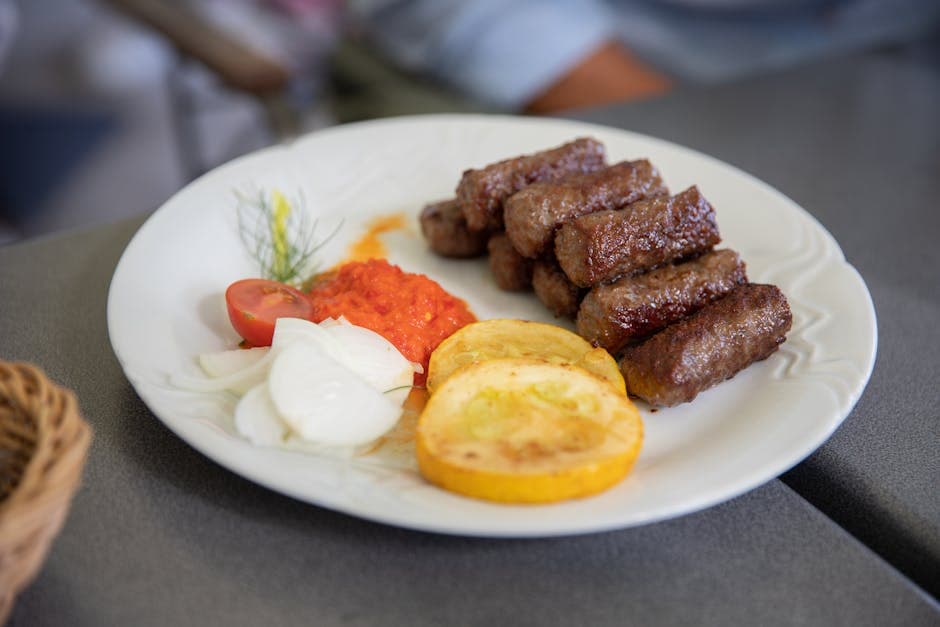
Ćevapi (Ćevapčići)
The national dish: small grilled sausages of minced beef and lamb, tucked into warm lepinja bread with raw onions and kajmak. In Sarajevo they come as separate fingers; in Banja Luka they arrive joined into slabs.
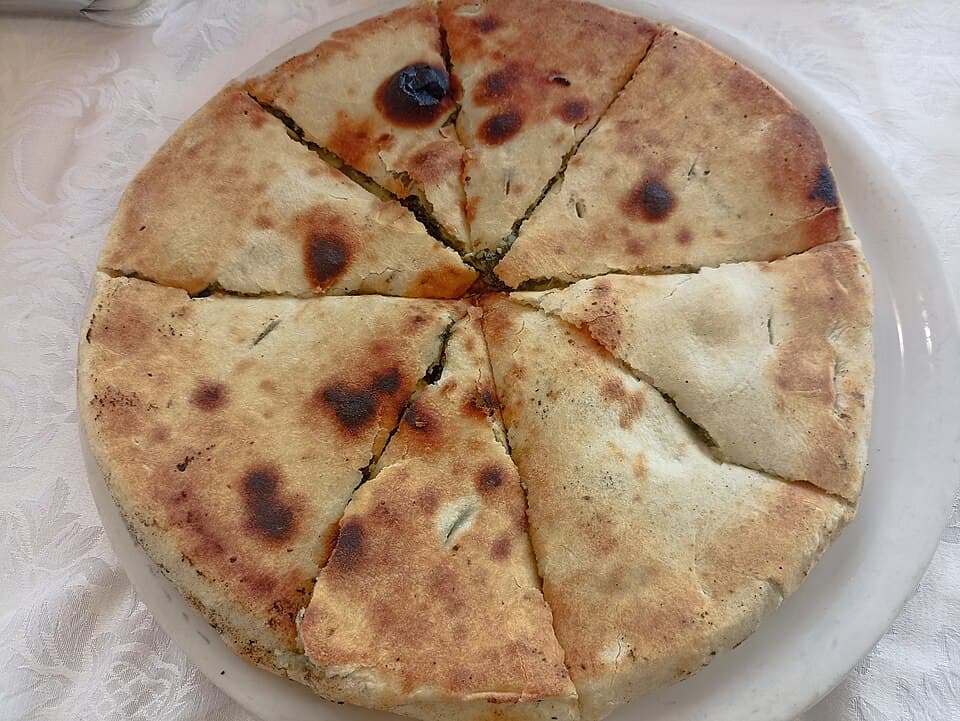
Burek
A spiral of flaky filo wrapped around minced meat. You will also see sirnica (cheese), zeljanica (spinach and cheese), and krompiruša (potato), but by Bosnian reckoning only the meat version earns the name burek.

Bosanski Lonac
The Bosnian pot: layers of veal or lamb with cabbage, potatoes, peppers, and carrots, sealed in a clay vessel and left to cook slowly for hours. Ask three families how they make it and you will get three different answers.

Tufahija
An Ottoman-era dessert of poached apples cored and packed with walnuts, sitting in sweet syrup under a cap of whipped cream. It is a Sarajevo specialty and tastes of the city's Ottoman past.

Klepe
Bosnian ravioli: soft steamed dumplings stuffed with seasoned minced meat and onion, then drowned in garlic yogurt sauce. Pure comfort food.
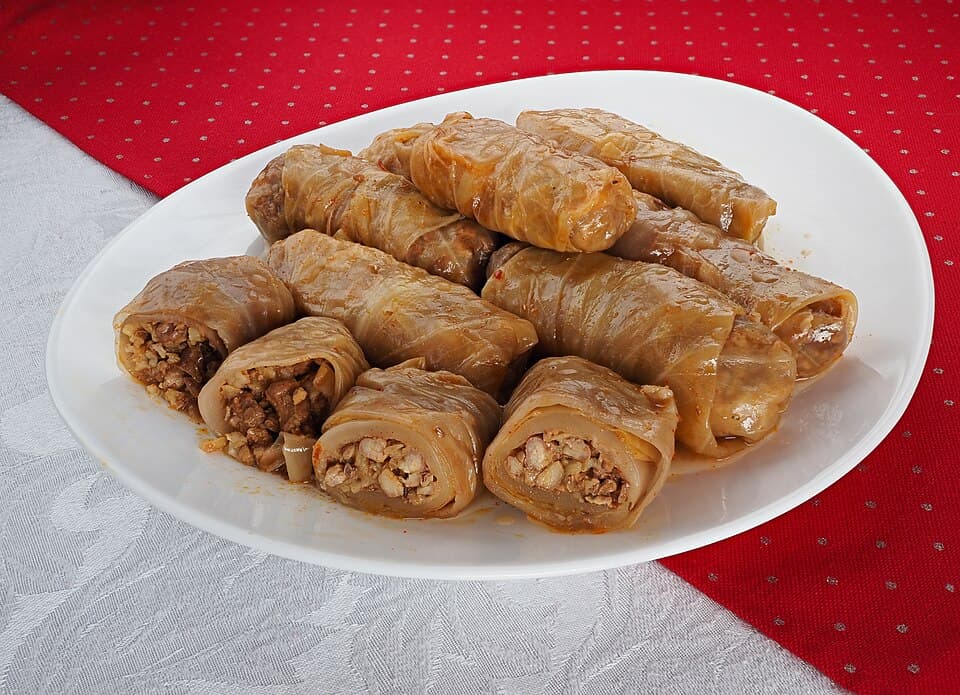
Sarma
Pickled cabbage leaves rolled around minced meat, rice, and spices, then simmered until soft. It shows up through winter and on holidays, and the traditional version takes the better part of a day to make.

Begova Čorba
Bey's soup: a warming chicken and okra soup thickened with roux, with clear Ottoman roots. It usually opens a traditional meal.
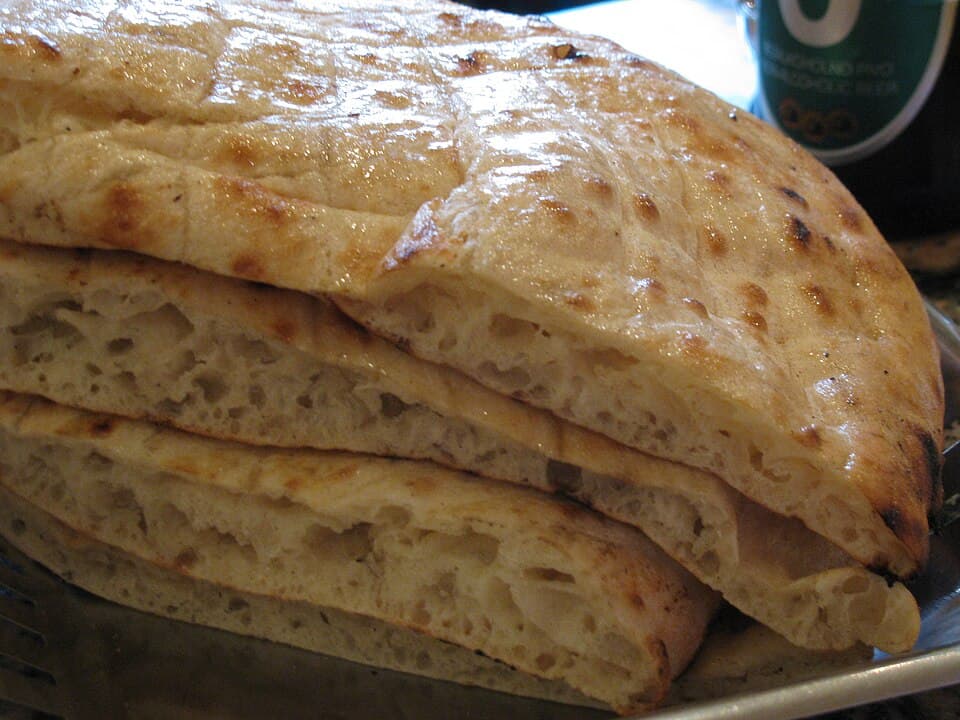
Somun
Wood-fired bread with a crisp crust and a soft inside. It comes with nearly every meal and does the job of mopping up whatever sauce is left on the plate.
Ajvar
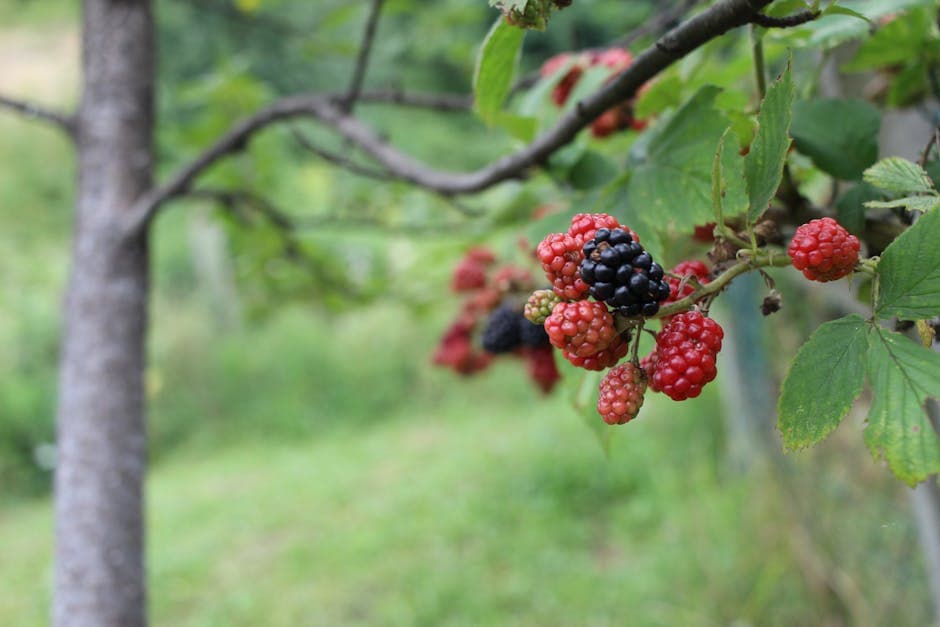
A smoky spread of roasted red peppers and eggplant, eaten across the Balkans as a condiment or side. Families make it in autumn when peppers are cheap, putting up enough jars to see them through winter.
Baklava
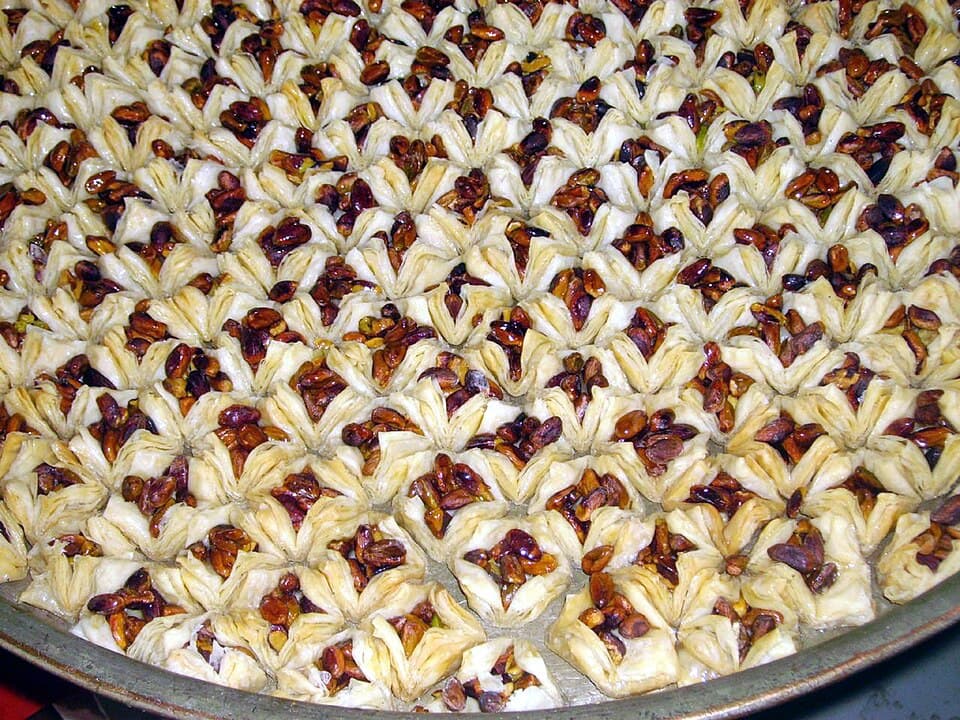
Crisp filo layered with walnuts and drenched in honey syrup. Bosnians use walnuts where others reach for pistachios, a habit carried over from Ottoman kitchens.

Dolma
Vegetables such as peppers, zucchini, or onions hollowed out and filled with rice and minced meat. The onion version, sogan dolma, is a Mostar specialty.
Kajmak
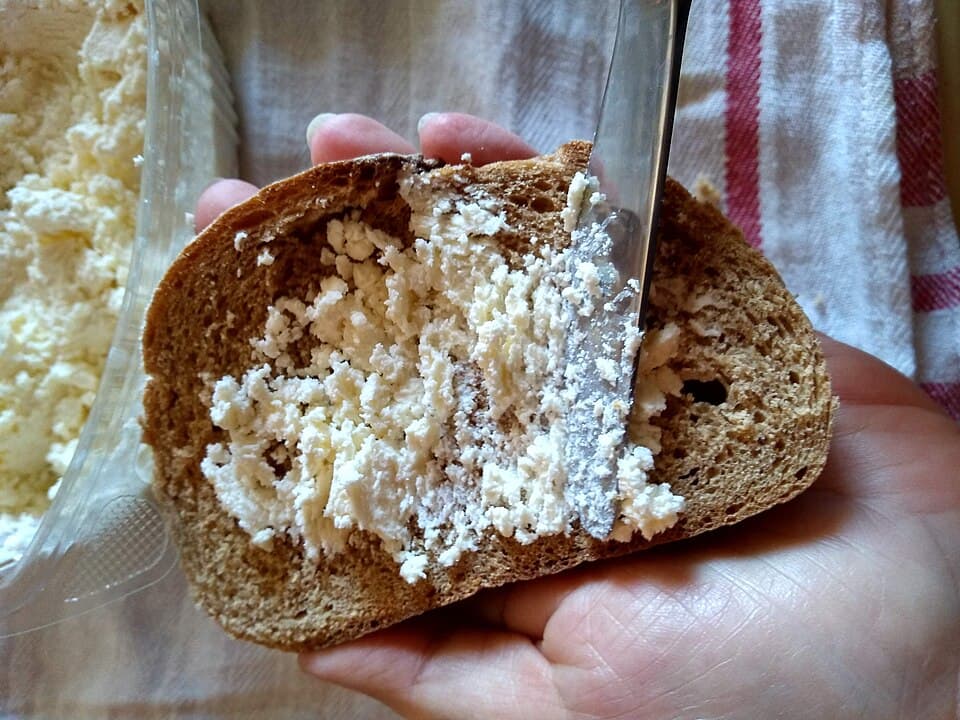
A thick dairy spread close to clotted cream, skimmed from the skin that forms when milk is cooked slowly. It belongs alongside ćevapi and most grilled meats.
Regional Specialties & Local Favorites
Discover the authentic regional dishes and local favorites that showcase Bosnia and Herzegovina's diverse culinary traditions.
Pljeskavica
Region: Nationwide
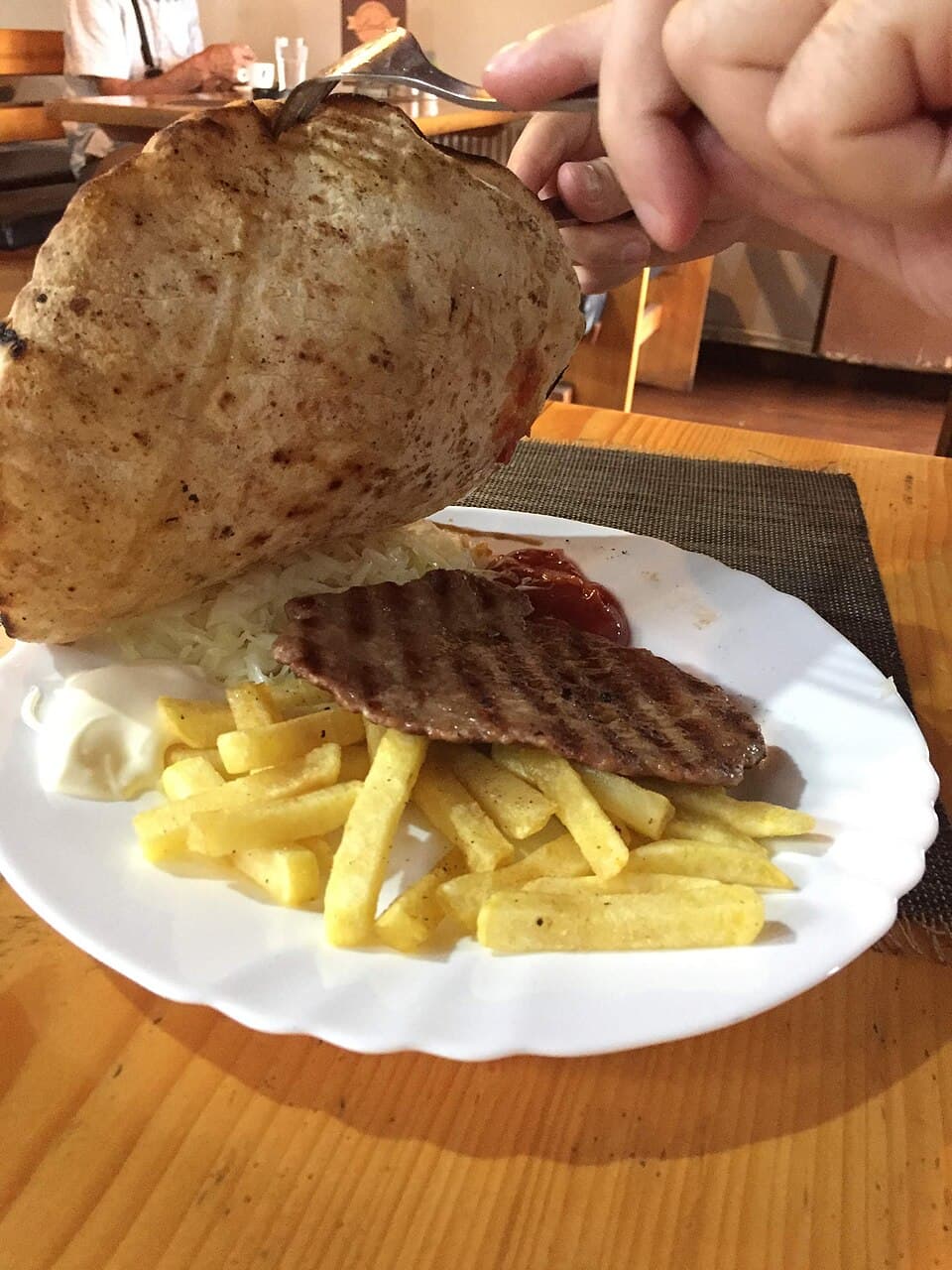
The Balkan burger: a wide grilled patty of mixed meats in lepinja bread, dressed with onions, ajvar, and kajmak.
Allergens:
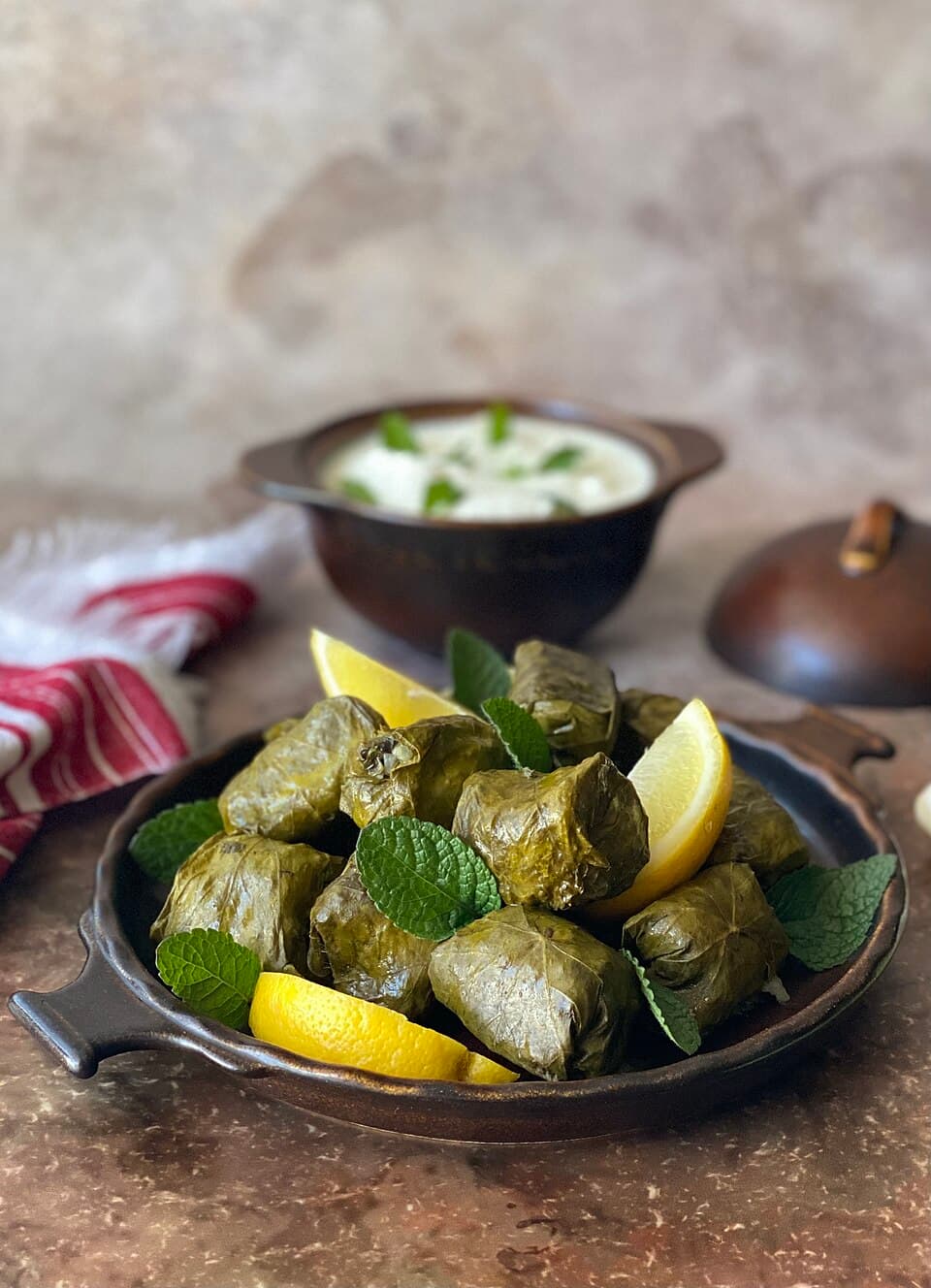
Japrak
Region: Nationwide
Grape leaves wrapped around rice and meat, eaten in summer as a lighter take on sarma.
Ćufurke
Region: Central Bosnia
Bosnian dumplings in the gnocchi mould, served under meat sauce or in a stew.
Allergens:
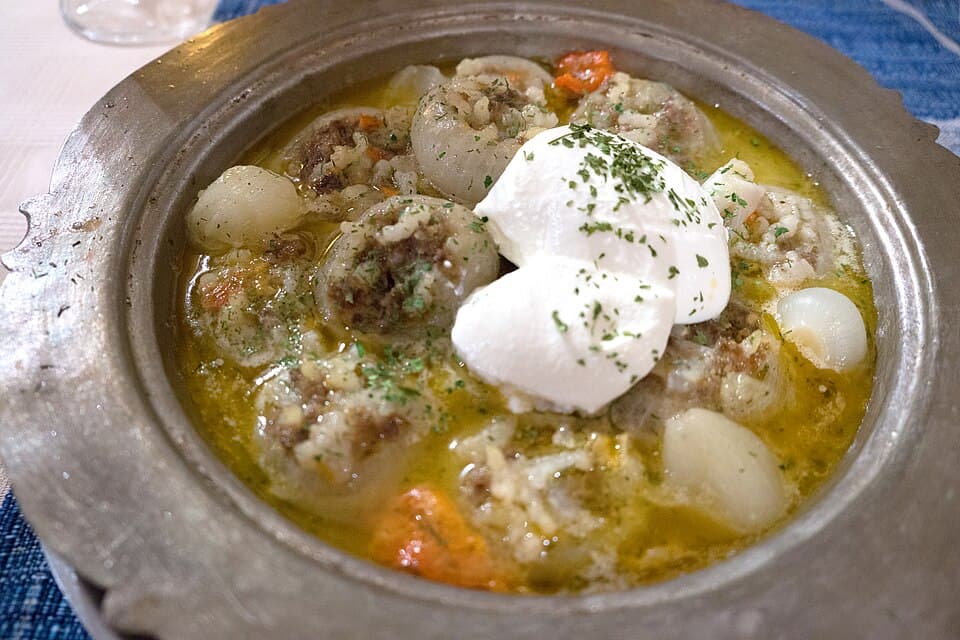
Sogan Dolma
Region: Mostar, Herzegovina
A Mostar specialty: onions hollowed out, filled with minced meat and rice, and cooked down in tomato sauce.
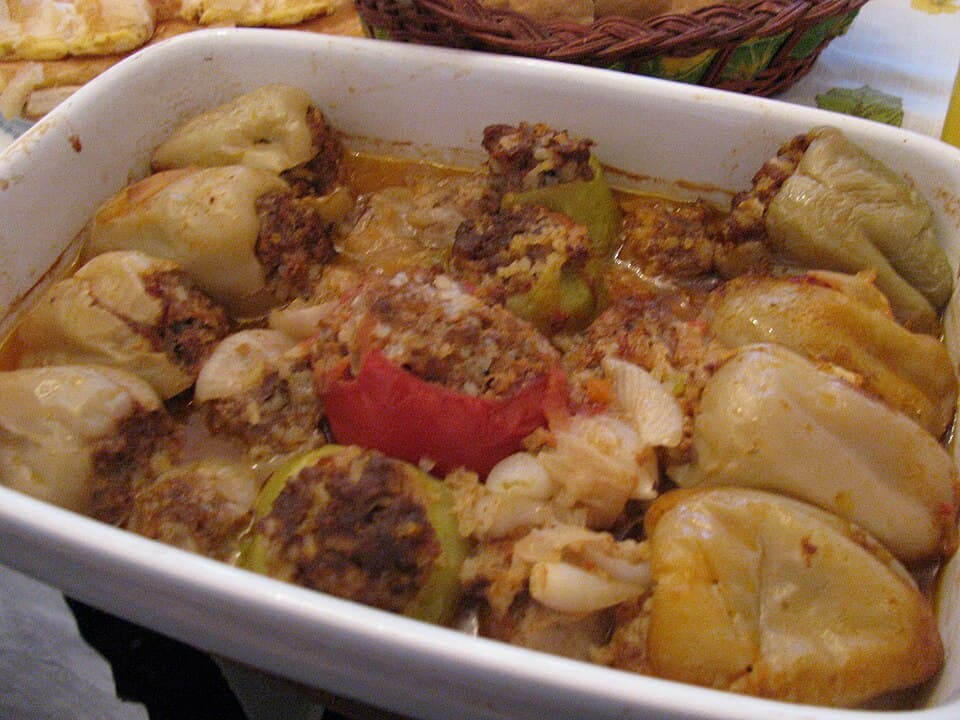
Punjene Paprike
Region: Nationwide
Bell peppers packed with meat and rice, then braised in a savoury tomato sauce.
Bosanski Krumpir
Region: Nationwide
A baked casserole of layered potatoes, meat, and vegetables.
Allergens:
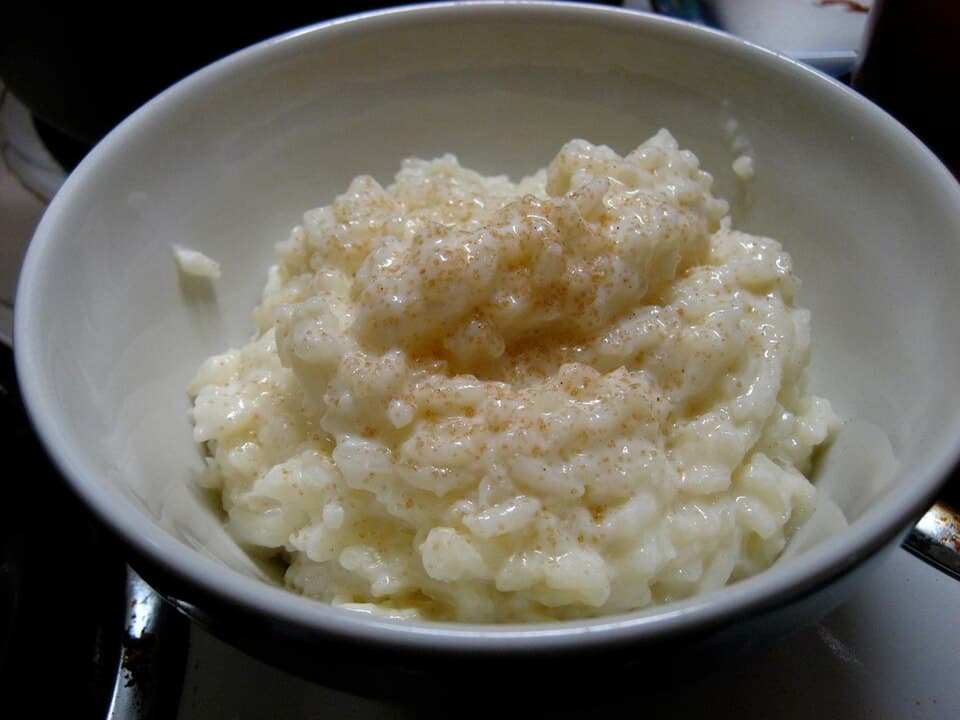
Sutlijaš
Region: Nationwide
Vanilla rice pudding served cold with a dusting of cinnamon.
Allergens:
Hurmašice
Region: Nationwide
Walnut cookies soaked in syrup, close cousins of Turkish revani and a Ramadan favourite.
Allergens:
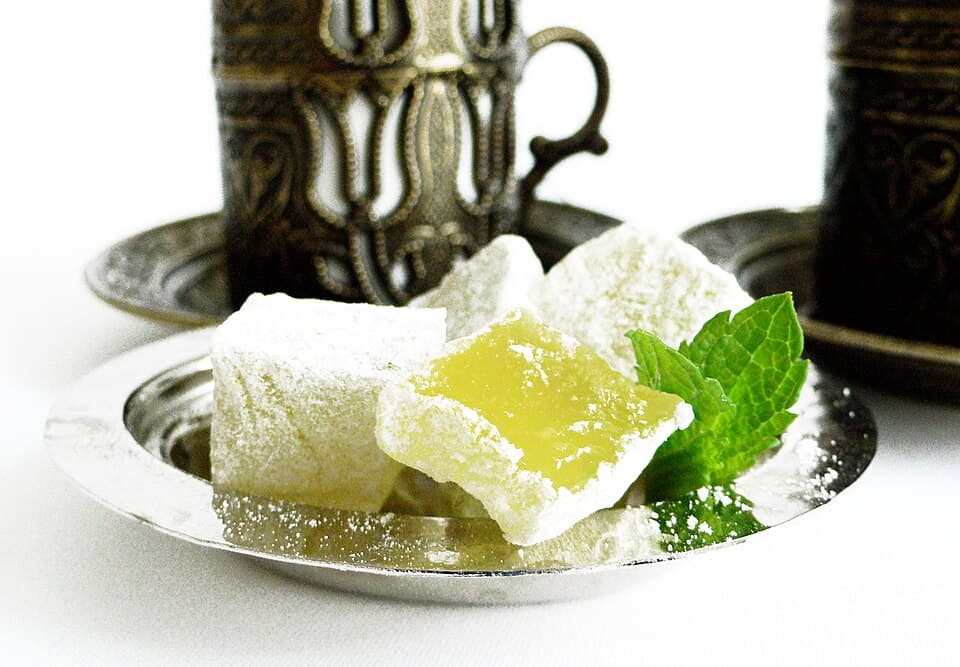
Rahat Lokum
Region: Sarajevo, Mostar
Turkish delight: a soft jellied sweet dusted with powdered sugar and scented with rosewater or fruit.
Allergens:
Regional Cuisine Highlights
Explore the diverse culinary landscapes across different regions of Bosnia and Herzegovina.
Sarajevo & Central Bosnia
Where Bosnian cooking is at its most Ottoman. This is ćevapi, burek, Bosanski lonac, and begova čorba country, and the old mahala neighbourhoods still run on coffee.
Cultural Significance:
Ottoman heritage preserved through culinary traditions
Signature Dishes:
Key Ingredients:

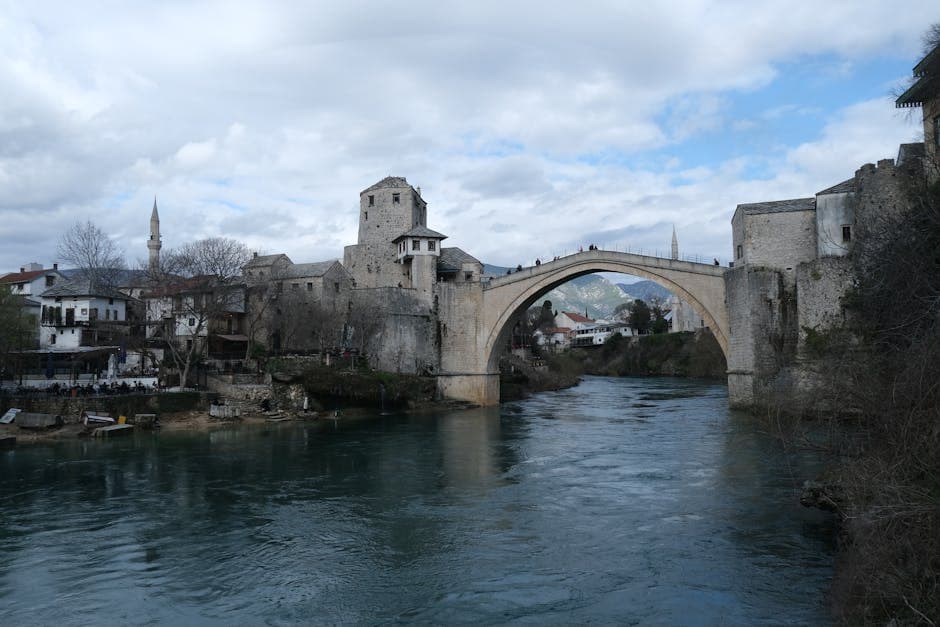
Herzegovina (Mostar)
Cooking with a Mediterranean tilt, built around grilled meats, fresh vegetables, and stuffed dishes. The region is known for sogan dolma, its lamb, and some good wines.
Cultural Significance:
Mediterranean meets Balkan traditions
Signature Dishes:
Key Ingredients:
Banja Luka & Krajina
The north, where Austro-Hungarian habits left their mark. It is known for Banjalučki ćevapi (the joined sausages), its dairy, and filling stews.
Cultural Significance:
Austro-Hungarian culinary legacy
Signature Dishes:
Key Ingredients:
Sweet Delights & Desserts
Indulge in Bosnia and Herzegovina's traditional sweet treats and desserts.
Tufahija
Region: Sarajevo
Sarajevo's signature sweet: poached apples stuffed with walnuts, sitting in syrup under a spoonful of whipped cream.
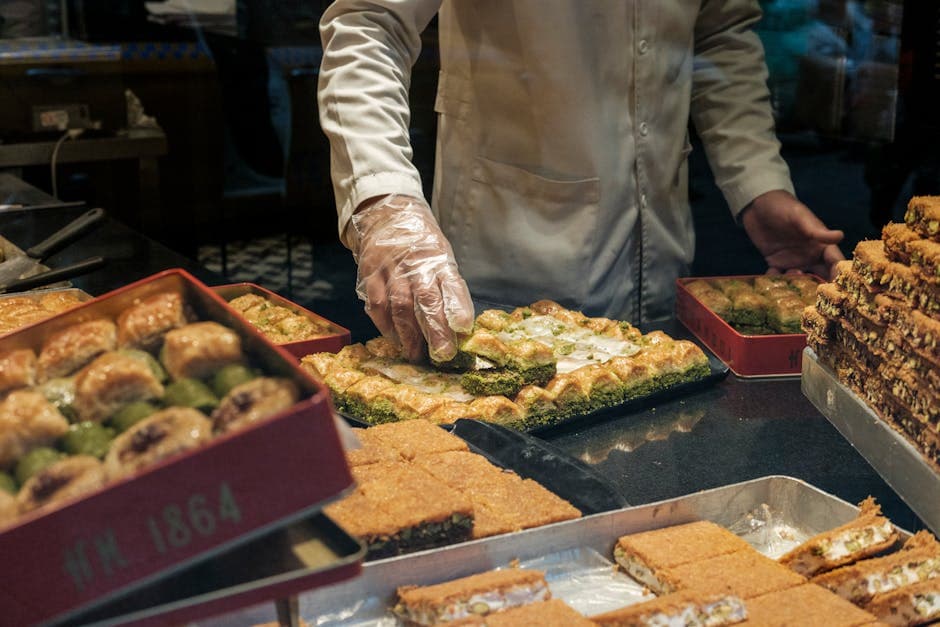
Baklava
Region: Nationwide
Filo layered with walnuts and soaked in honey syrup, left behind by the Ottomans.

Kadaif
Region: Nationwide
Shredded filo packed with nuts and soaked in syrup, a Ramadan regular.

Tulumbe
Region: Nationwide
Ridged fingers of fried dough soaked in syrup, the Balkan answer to churros.
Traditional Beverages
Discover Bosnia and Herzegovina's traditional drinks, from locally produced spirits to regional wines.
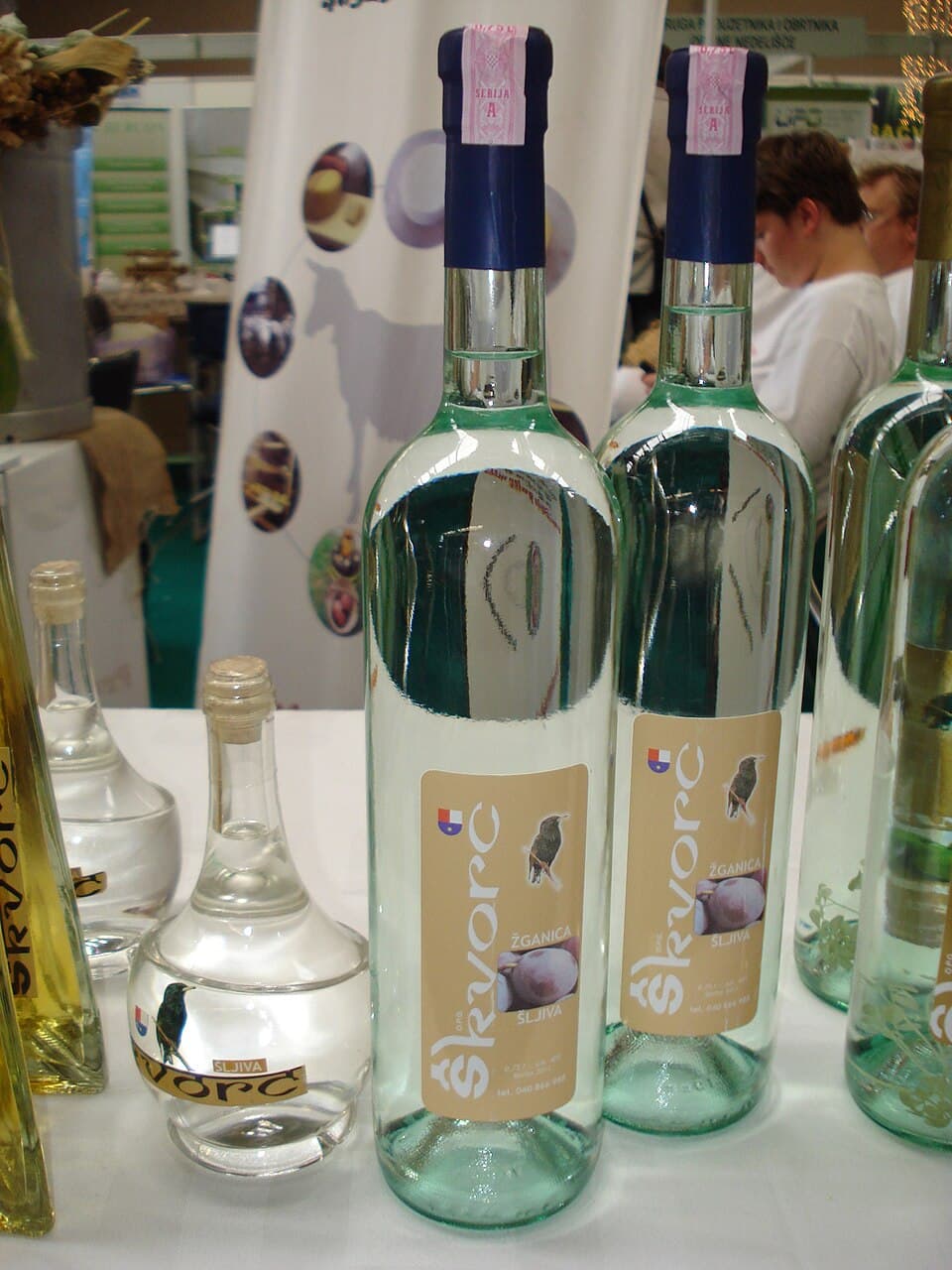
Rakija (Šljivovica)
Plum brandy, and the national spirit. People take real pride in their homemade batches, which turn up as a welcome drink or a digestif.
Medovina
Sweet, warming honey wine that comes out mostly in winter.
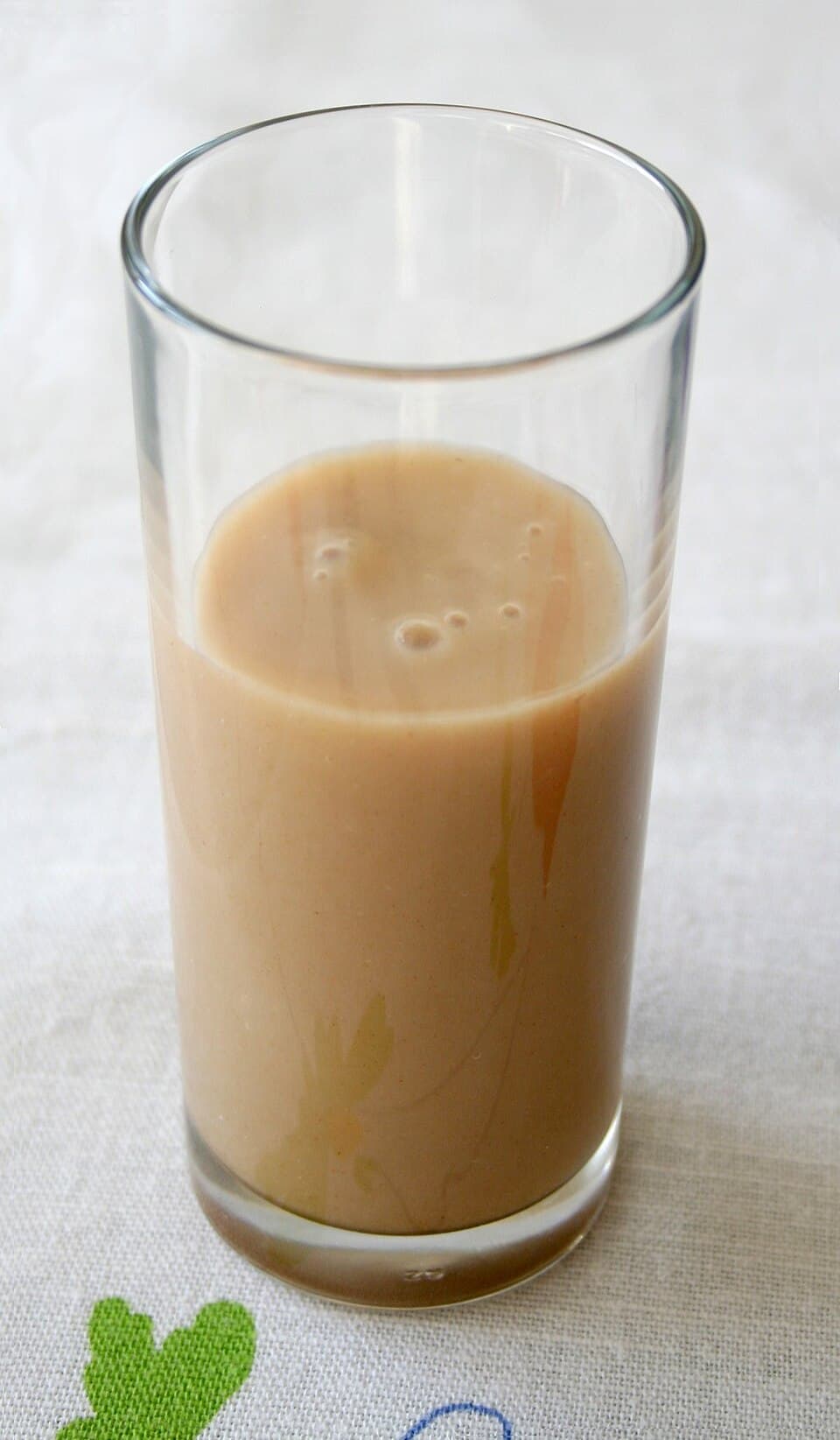
Boza
A thick, sweet fermented millet drink with a sour edge and a faint kick of alcohol. It takes some getting used to, but it runs deep in local custom.
Soft Beverages
Discover Bosnia and Herzegovina's traditional non-alcoholic drinks, from local teas to refreshing juices.
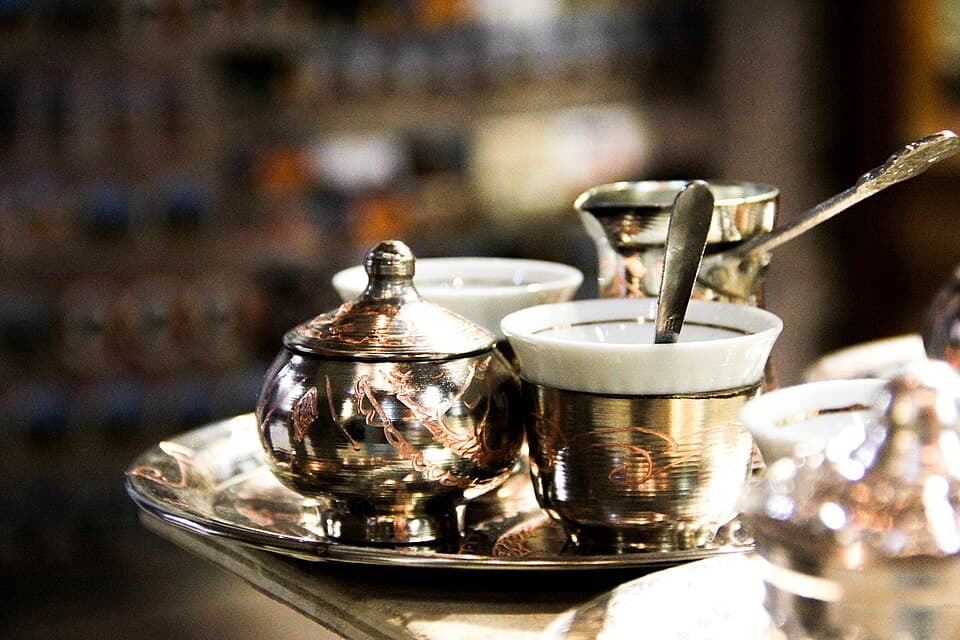
Bosanska Kafa (Bosnian Coffee)
Coffee brewed in a copper džezva and poured into small finjans, with a piece of lokum on the side. Drinking it is a slow, social affair, and rushing it misses the point.

Salep
Hot milk thickened with salep flour and finished with cinnamon, a winter warmer.
Šerbet
Sweet fruit syrup let down with water, a summer cooler that comes in plenty of flavours.
Frequently Asked Questions
Essential information about food and dining in Bosnia and Herzegovina.
What is the national dish of Bosnia and Herzegovina?
Bosnia and Herzegovina's most iconic dishes include Ćevapi (Ćevapčići), Burek, Bosanski Lonac. The national dish: small grilled sausages of minced beef and lamb, tucked into warm lepinja bread with raw onions and kajmak. In Sarajevo they come as separate fingers; in Banja Luka they arrive joined into slabs.
Is street food safe in Bosnia and Herzegovina?
Street food in Bosnia and Herzegovina can be enjoyed safely by following these guidelines: Tap water is generally safe in major cities Street food is safe and part of the culture. Look for busy vendors with high turnover, ensure food is cooked fresh and served hot, and avoid raw ingredients if you have a sensitive stomach.
What are the best restaurants in Bosnia and Herzegovina?
Bosnia and Herzegovina offers excellent dining experiences. Top-rated restaurants include Inat Kuća, Dveri. These establishments showcase authentic Bosnia and Herzegovina cuisine with professional service and high-quality ingredients.
Can vegetarians find food easily in Bosnia and Herzegovina?
Vegetarian options in Bosnia and Herzegovina are mediumly available. You can eat well on zeljanica (spinach pie), sirnica (cheese pie), salads, and ajvar. Most restaurants keep a few vegetable dishes on the menu, but be aware the cooking leans heavily on meat.. Many restaurants offer vegetarian dishes, and you'll find plant-based ingredients featured prominently in local cuisine.
What is the average cost of a meal in Bosnia and Herzegovina?
Meal costs in Bosnia and Herzegovina depend on where you eat. Street food and casual local restaurants are very affordable, typically offering complete meals for a few dollars. Mid-range restaurants charge moderate prices, while fine dining establishments are comparably priced to Western countries.
What are common food allergens in Bosnia and Herzegovina?
Common allergens in Bosnia and Herzegovina cuisine include Nuts, Dairy, Gluten. Walnuts and hazelnuts are common in desserts. These ingredients appear in dishes like Tufahija, Baklava. Always inform restaurant staff about your allergies.
When is the best time to visit Bosnia and Herzegovina for food?
Bosnia and Herzegovina offers great food experiences throughout the year. However, visiting during harvest seasons (typically spring and autumn) provides access to the freshest local ingredients. Food festivals and cultural celebrations also offer unique culinary experiences worth planning around.