
Portugal Food Guide
Content Information
Recently updated🔥Current Food Trends 2026
What's happening in Portugal's culinary scene right now
In 2026, Portuguese dining still runs on the Michelin Guide's 32 starred restaurants, among them three at two stars: Belcanto in Lisbon, and Ocean and Vila Joya in the Algarve. Chefs such as José Avillez keep reworking traditional plates with modern technique without losing the original. The Time Out Market in Lisbon and Porto's Mercado do Bolhão remain the easiest places to find artisan producers and a counter of petiscos. Sustainable fishing rules shape what reaches the table, with sardines, octopus and salted cod (bacalhau) at the center. Braga joined Évora and Amarante as a UNESCO Creative City of Gastronomy in 2023. Port wine cellars in the Douro Valley continue to pour tastings in their old lodges. Pastéis de Belém, which has made the original pastel de nata in Lisbon since 1837, still guards its recipe and turns out hundreds a day. São Martinho on November 11 brings chestnuts, new wine and the autumn harvest. In the Alentejo, the cork-oak montado raises Iberian black pork (porco preto) under protected designation. Food travel here tends to follow set routes: the rota do bacalhau, the rota dos vinhos, and the convent pastry trails.
Food Safety Tips
Essential food safety information to help you enjoy Portugal's cuisine safely and confidently.
Tap water is generally safe to drink
Tap water is safe to drink in most towns and cities. In remote areas, bottled water is the safer bet.
Be cautious with custard pastries in hot weather
Eat pastéis de nata and other custard pastries fresh. Don't leave them sitting out in the heat.
Seafood is generally safe
Seafood standards are high, particularly along the coast and at established restaurants.
Check for hygiene certificates
Most restaurants post their hygiene certificate. It's worth a glance when you're deciding where to eat.
Dietary Options
vegetarian
MEDIUM AVAILABILITYMost restaurants have something vegetarian, more so in cities and tourist areas. Older traditional places may offer little beyond a few sides.
vegan
LOW AVAILABILITYVegan restaurants are opening across the big cities, though traditional Portuguese cooking leans hard on meat and fish.
gluten-free
MEDIUM AVAILABILITYPlenty of dishes are naturally gluten-free, such as rice dishes and grilled fish, but staff awareness of cross-contamination is hit or miss.
halal
LOW AVAILABILITYHard to find outside the major cities. Phone ahead or seek out a specialist restaurant.
kosher
LOW AVAILABILITYDedicated kosher restaurants are rare, and the few there are sit in Lisbon near the Jewish community.
Common Allergens
Shellfish
HIGH PREVALENCEShellfish turns up across Portuguese cooking and anchors a lot of traditional dishes.
COMMONLY FOUND IN:
Fish
HIGH PREVALENCEFish sits at the heart of the cuisine, above all cod (bacalhau), which Portugal prepares hundreds of ways.
COMMONLY FOUND IN:
Wheat
HIGH PREVALENCEBread comes with nearly every meal, and wheat shows up in plenty of dishes and desserts too.
COMMONLY FOUND IN:
Tree nuts
MEDIUM PREVALENCEAlmonds and other nuts run through many desserts and a few savory dishes.
COMMONLY FOUND IN:
Eggs
HIGH PREVALENCEEgg yolks are the backbone of Portuguese sweets and desserts.
COMMONLY FOUND IN:
Essential Food Experiences
These iconic dishes represent the must-have culinary experiences that define Portugal's food culture for travelers.
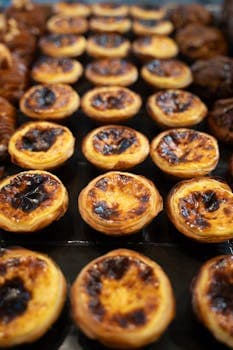
Pastéis de Nata
Portugal's famous custard tarts: a crisp pastry shell holding a sweet, creamy filling, dusted with cinnamon.
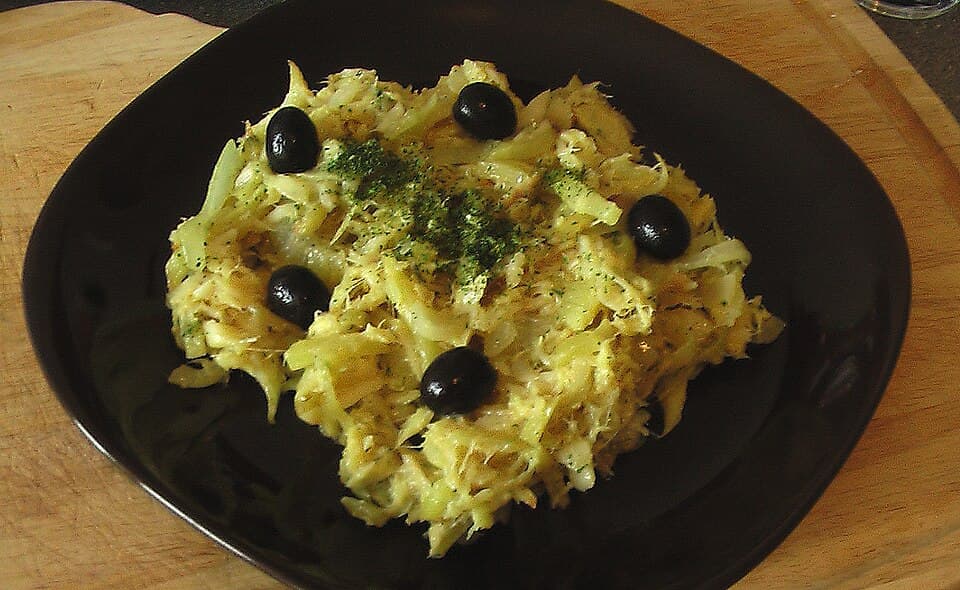
Bacalhau à Brás
Shredded salt cod tossed with onions, matchstick fried potatoes and beaten eggs, finished with olives and parsley.
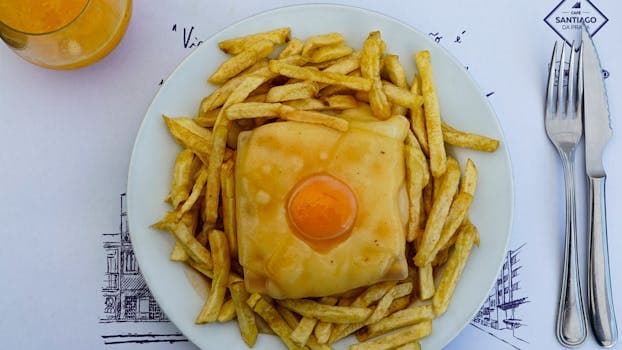
Francesinha
A filling Porto sandwich of ham, sausage and steak between bread, buried under melted cheese and a tomato-and-beer sauce, usually with an egg on top.
Caldo Verde
A traditional soup of potato and finely shredded collard greens in olive oil, usually with a few slices of chouriço.
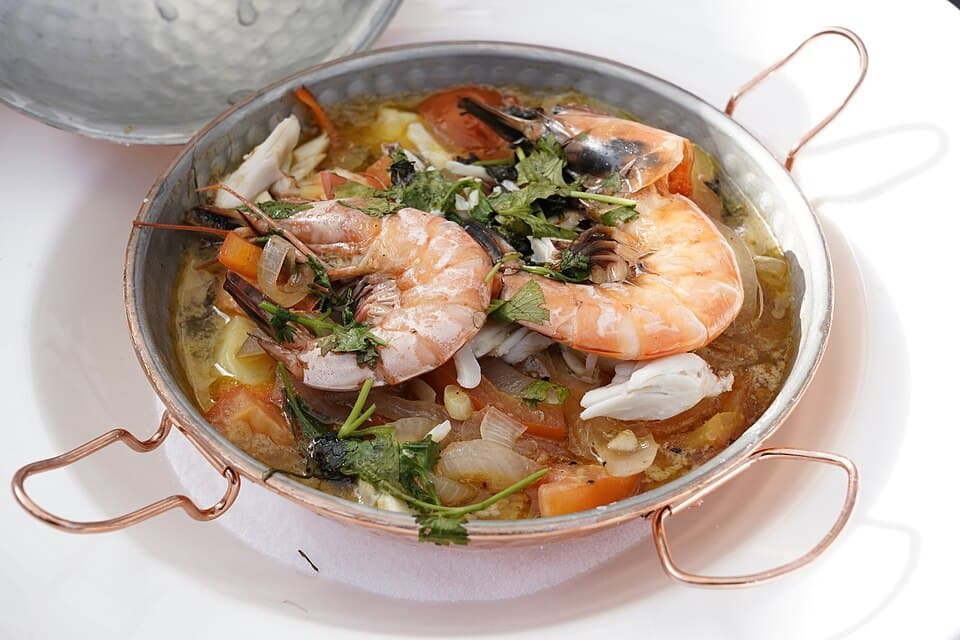
Cataplana de Marisco
A seafood stew cooked in the clam-shaped copper pan it's named for, combining mixed seafood with tomatoes and herbs.
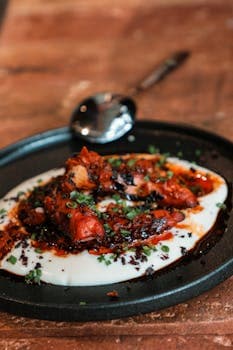
Polvo à Lagareiro
Octopus baked until tender with olive oil, garlic and potatoes.
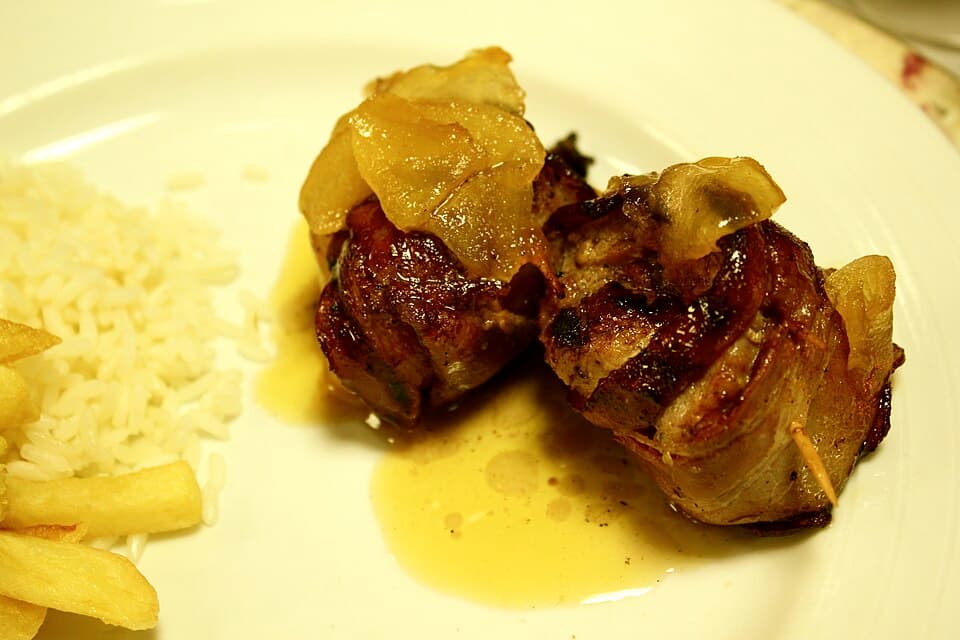
Porco Preto
Iberian black pork, usually grilled or worked into other dishes, prized for its deep flavor.
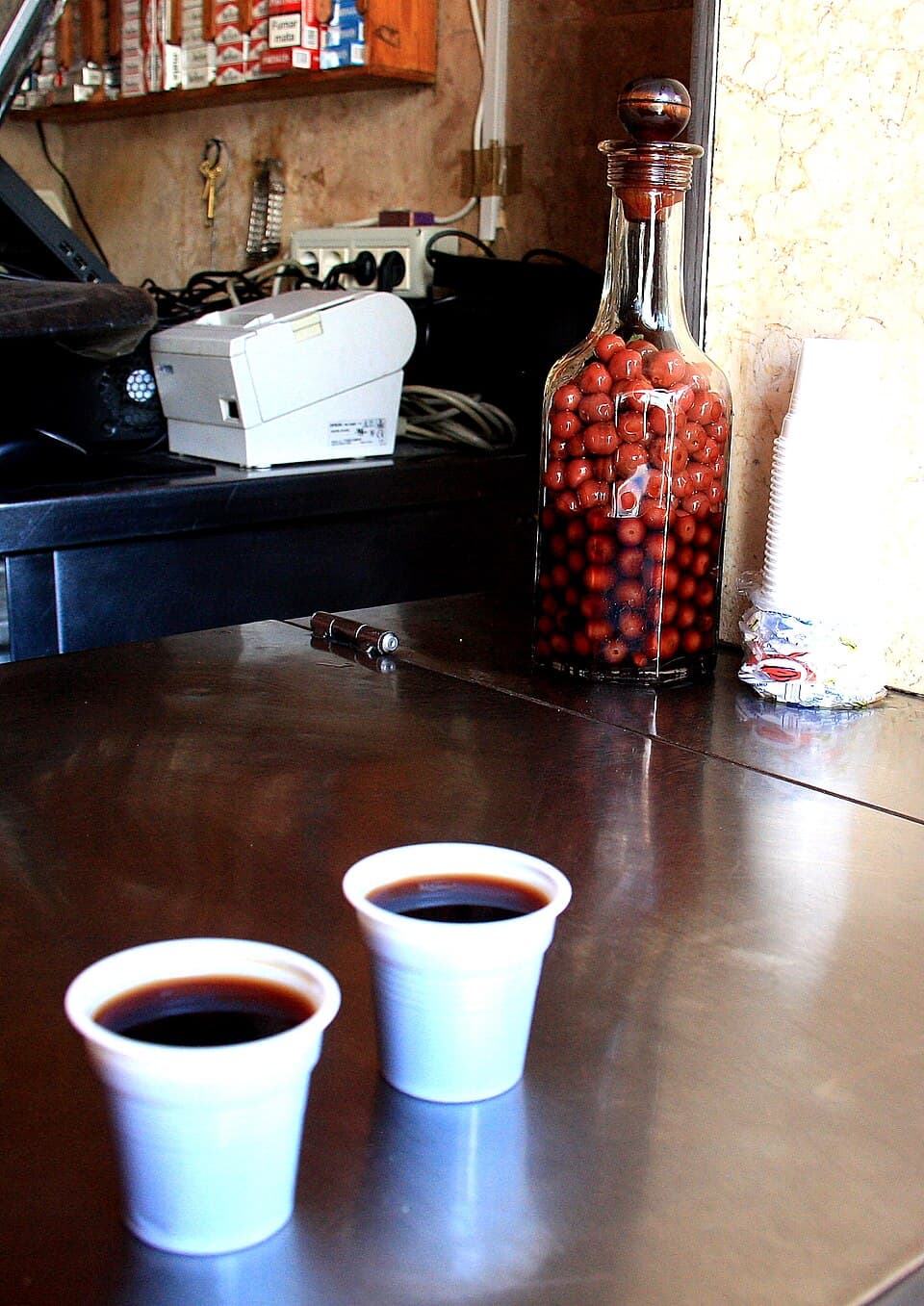
Ginjinha
A sweet cherry liqueur, often poured into an edible chocolate cup.
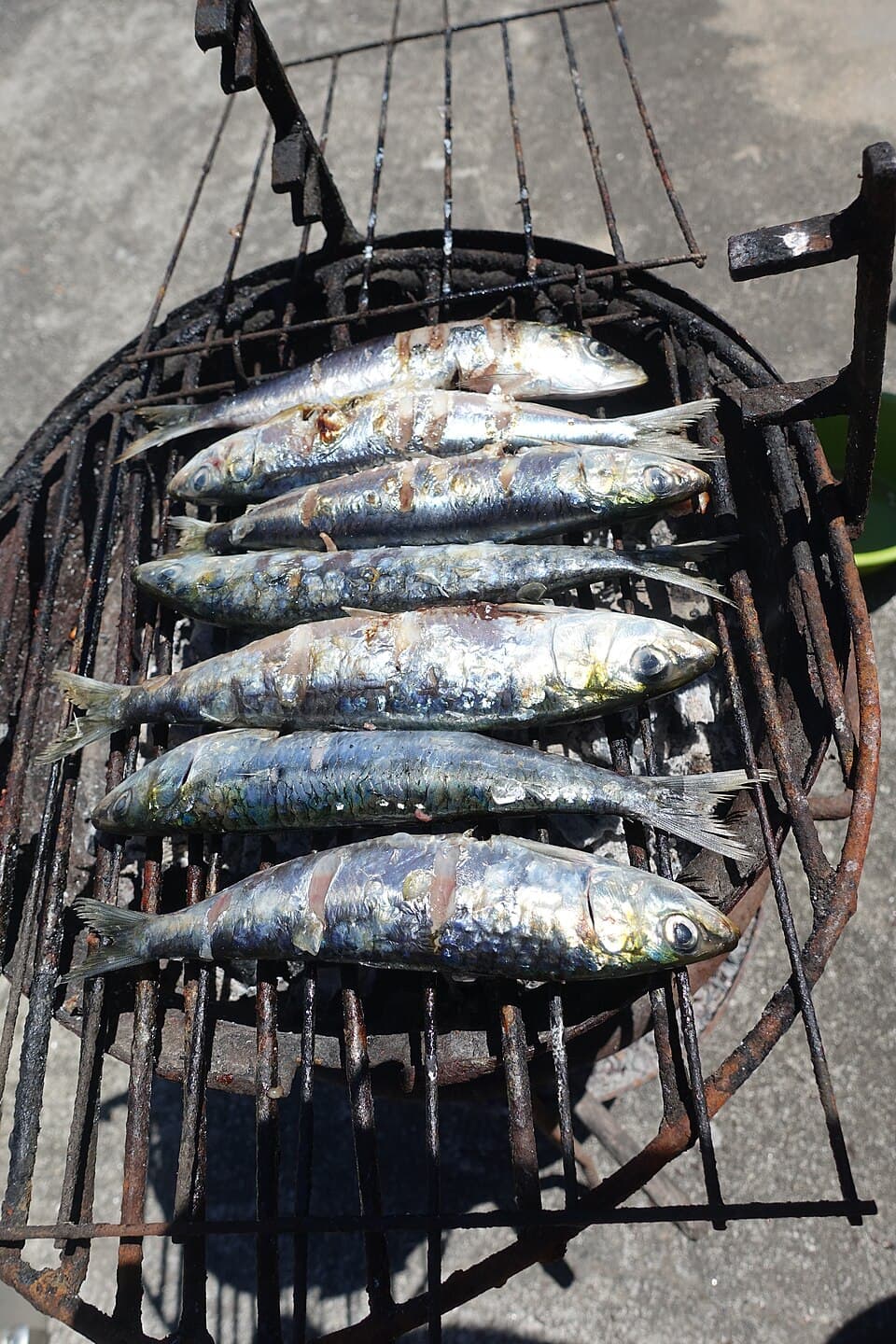
Sardinhas Assadas
Charcoal-grilled sardines, a summer fixture and the smell of the Santo António festivals in June. Served with boiled potatoes, peppers and bread, and not much else needed.
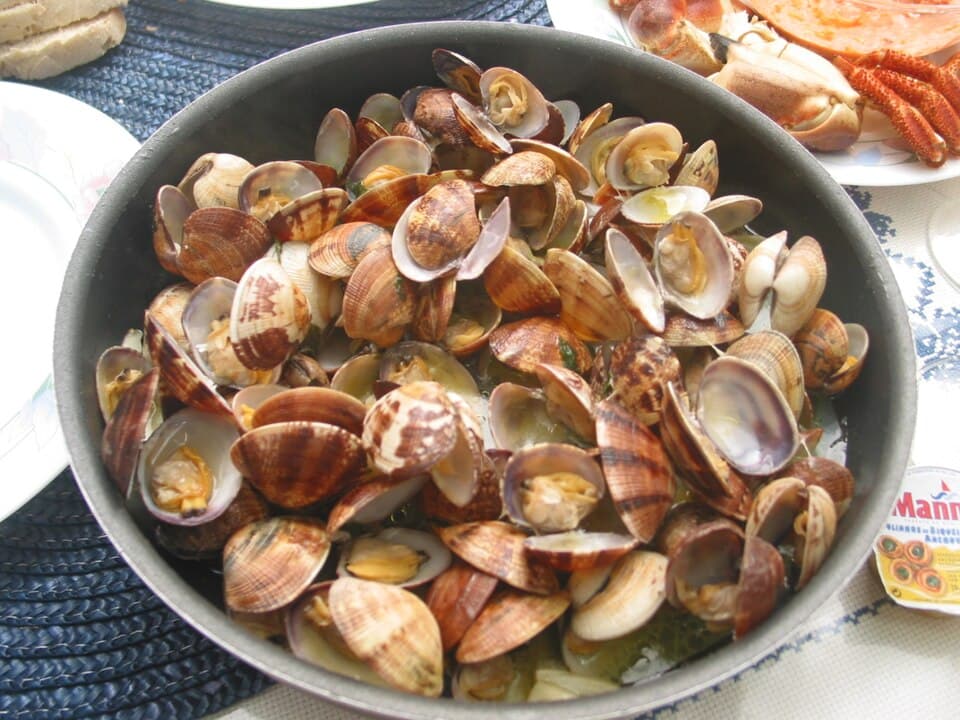
Ameijoas à Bulhão Pato
Clams cooked with garlic, olive oil, white wine, lemon and fresh coriander. The name comes from the 19th-century Portuguese poet Raimundo António de Bulhão Pato.
Regional Specialties & Local Favorites
Discover the authentic regional dishes and local favorites that showcase Portugal's diverse culinary traditions.
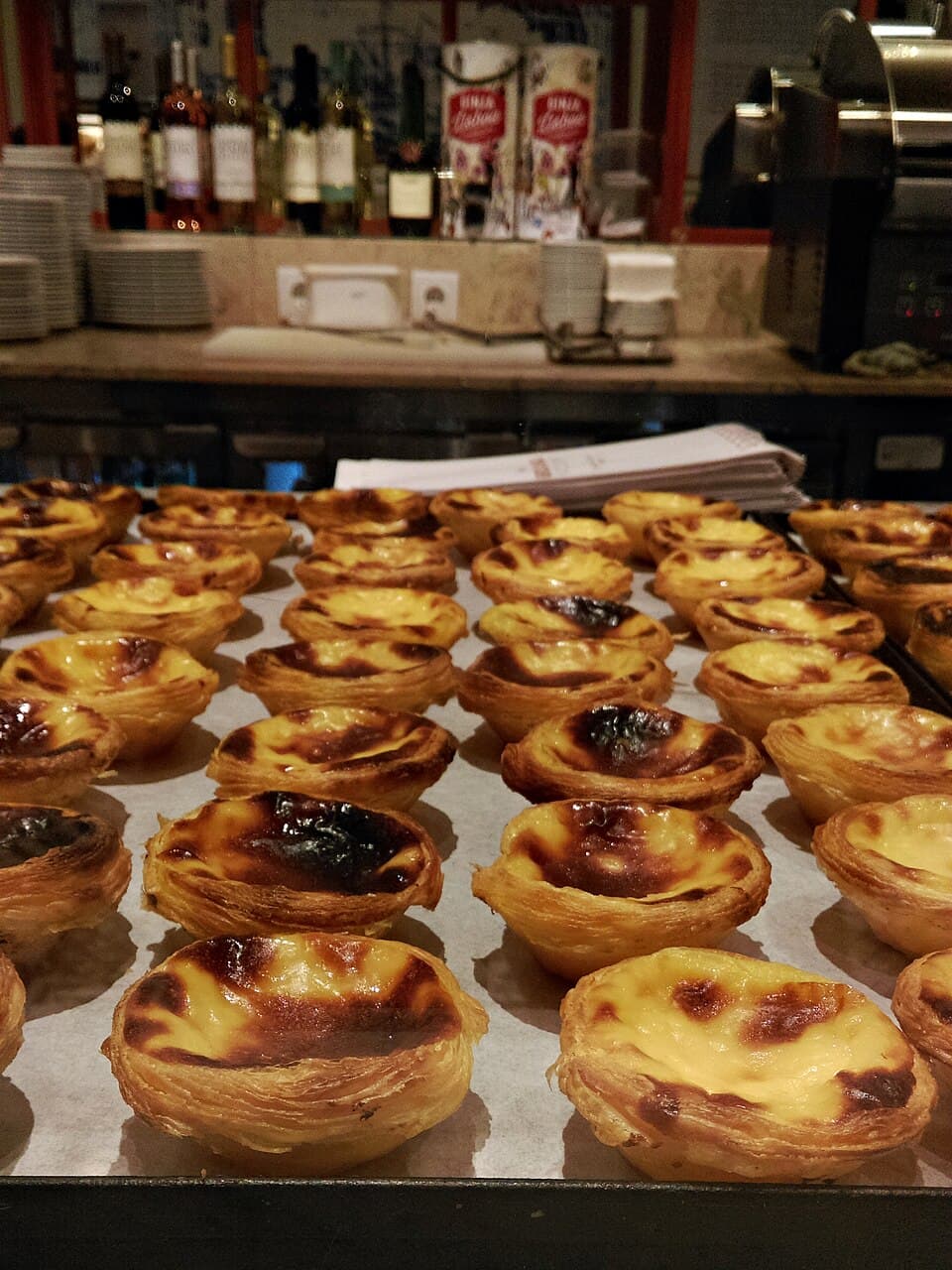
Pastéis de Nata
Portugal's favorite sweet: flaky pastry cups filled with custard and caramelized on top, traditionally dusted with cinnamon and powdered sugar.
Allergens:
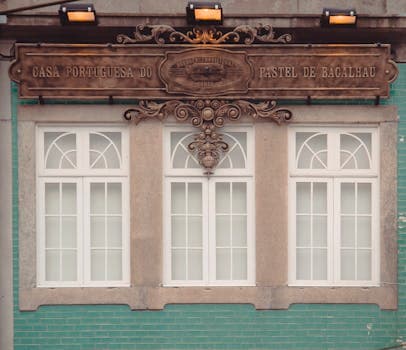
Bacalhau
The country's defining ingredient: salt cod cooked hundreds of ways, from the eggy Bacalhau à Brás to the baked, cream-rich Bacalhau com Natas.
Allergens:
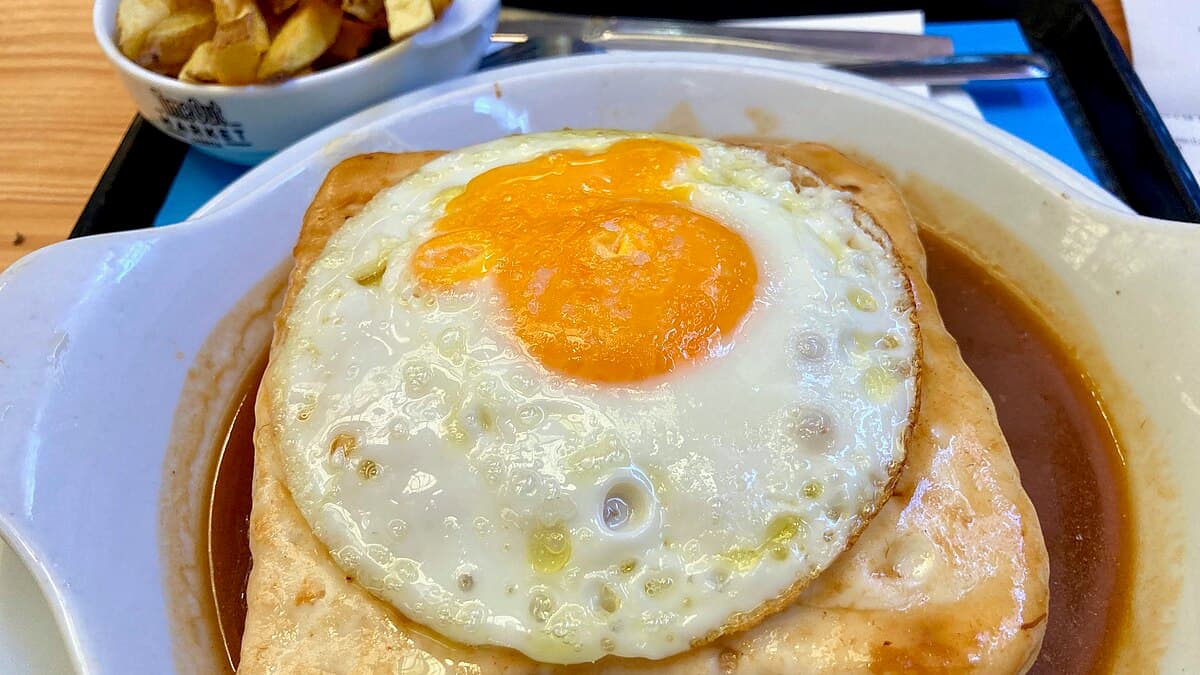
Francesinha
Porto's signature sandwich: layers of steak, ham and sausage between bread, sealed under melted cheese and a spicy tomato-beer sauce.
Allergens:
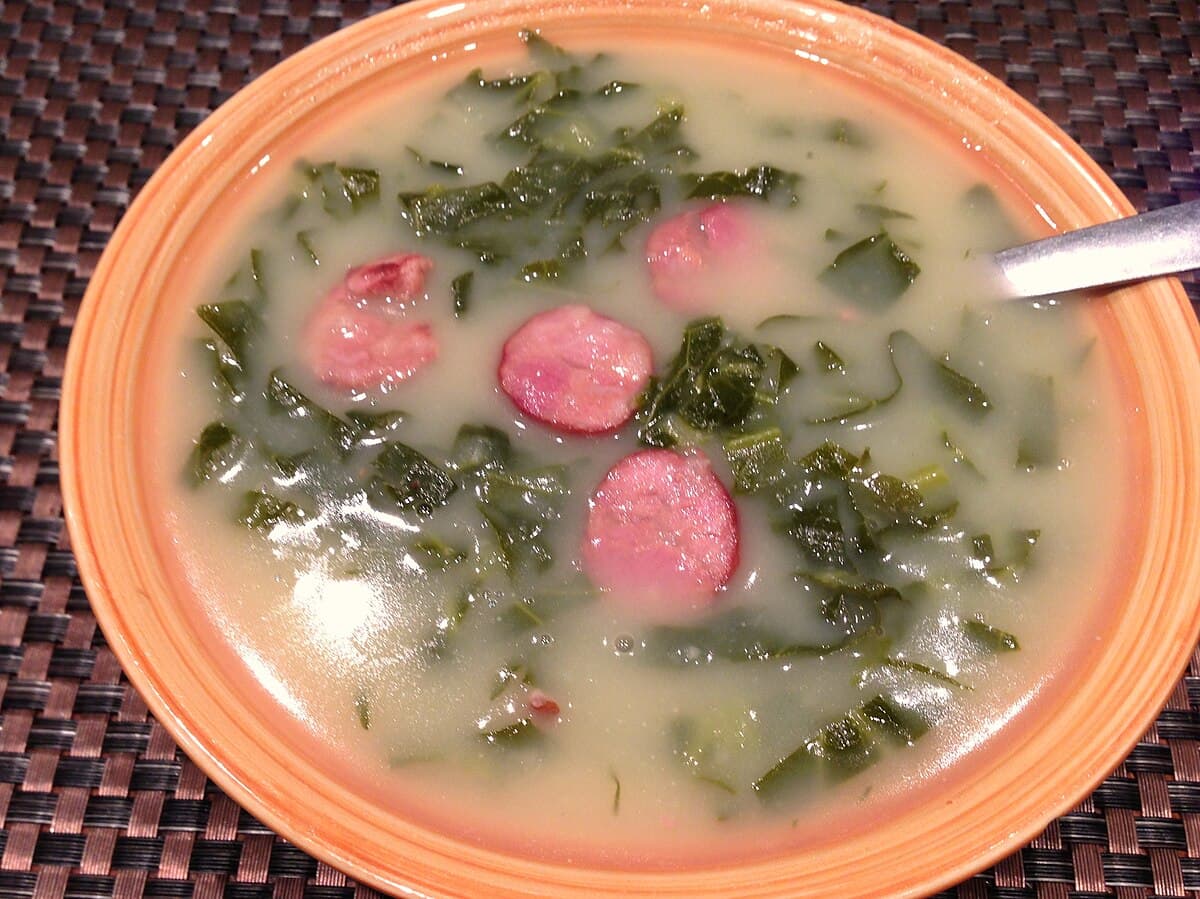
Caldo Verde
Portugal's national soup: potato thickened and finely shredded collard greens in olive oil, with thin slices of chouriço. Plain, warming, everyday food.
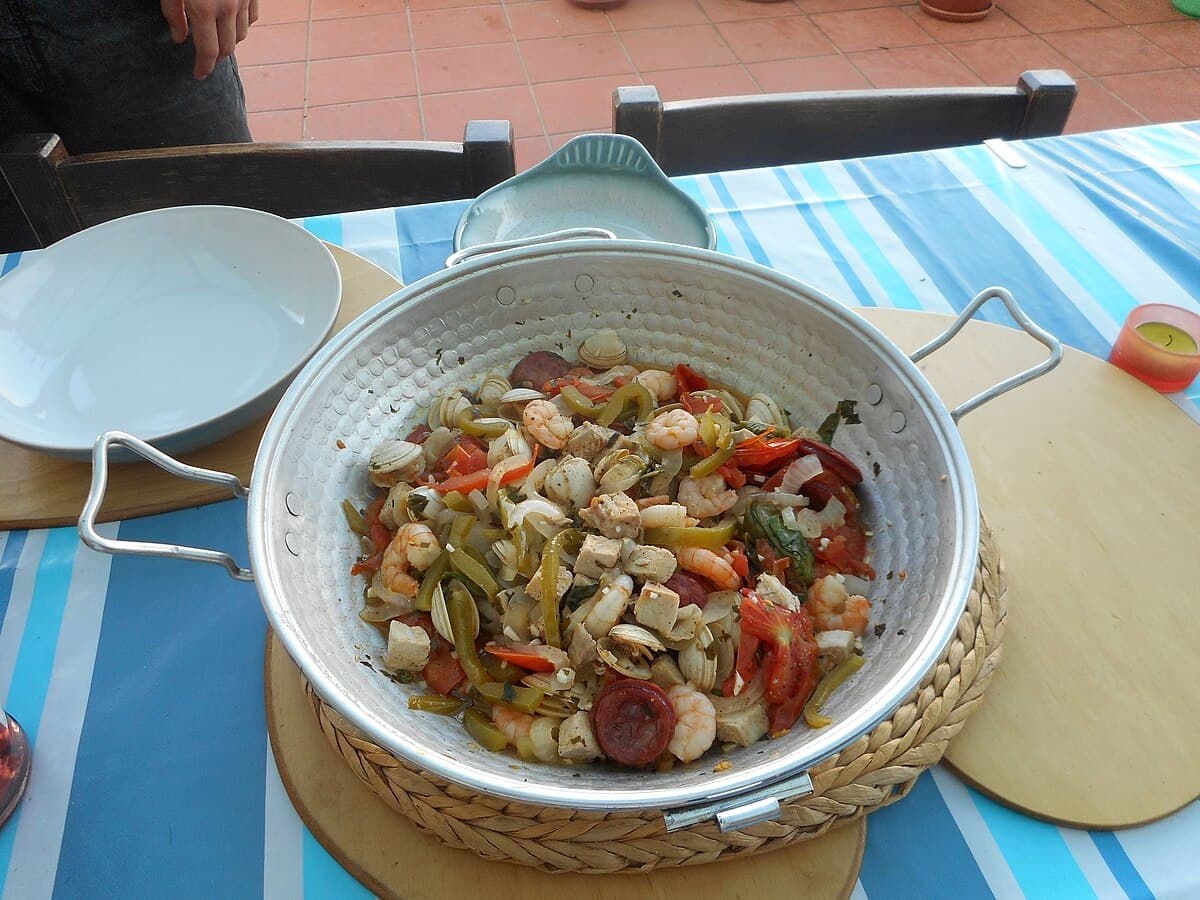
Cataplana de Marisco
The Algarve's seafood stew, cooked in a clam-shaped copper pan, bringing together shellfish, fish and aromatics in a deep broth.
Allergens:
Regional Cuisine Highlights
Explore the diverse culinary landscapes across different regions of Portugal.
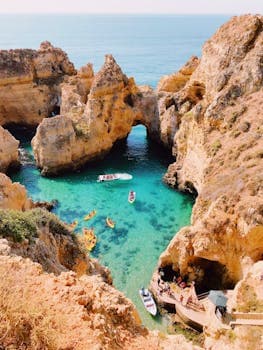
Algarve
The Algarve is known for fresh seafood, including cataplana cooked in a copper pot, and for almonds and figs in its desserts. Its Moorish past and the coast both show up on the plate.
Cultural Significance:
Algarve cooking comes out of a long history of fishing and farming, and still leans on fresh local ingredients.
Signature Dishes:
- Cataplana
- Dom Rodrigos
- Morgadinho
Key Ingredients:
Minho
Minho is filling food country, built around pork, cabbage and potatoes. Caldo verde, the green soup, started here, and vinho verde, the light young wine, is the regional pour.
Cultural Significance:
The region is rural and the climate is cool, so the food is meant to fill you up and keep you warm.
Signature Dishes:
- Caldo Verde
- Rojões à Minhota
- Papas de Sarrabulho
Key Ingredients:

Alentejo
The Alentejo keeps its cooking plain but full of flavor, working with pork, lamb, bread and olive oil. The region's cheeses and wines are well regarded too.
Cultural Significance:
Alentejo food grows out of farming country and a hot, dry climate, favoring dishes that satisfy without much fuss to make.
Signature Dishes:
- Carne de Porco à Alentejana
- Açorda Alentejana
- Ensopado de Borrego
Key Ingredients:

Lisbon
In the capital, old tascas (taverns) sit alongside Michelin-starred kitchens. You'll find the original pastéis de nata at Pastéis de Belém, seafood at the Mercado da Ribeira, and a strong petiscos (Portuguese tapas) habit. The Mouraria and Alfama neighborhoods still keep their fado restaurants going.
Cultural Significance:
Lisbon's food carries the spice-trade legacy of the Age of Discoveries, mixed with plain working-class staples like bifanas and pastéis and a newer wave of ambitious cooking. In the older neighborhoods, fado is part of the meal.
Signature Dishes:
- Pastéis de Nata (Belém)
- Bifana (pork sandwich)
- Petiscos (tapas)
- Bacalhau à Gomes de Sá
- Ginjinha (cherry liqueur)
Key Ingredients:

Porto & Douro Valley
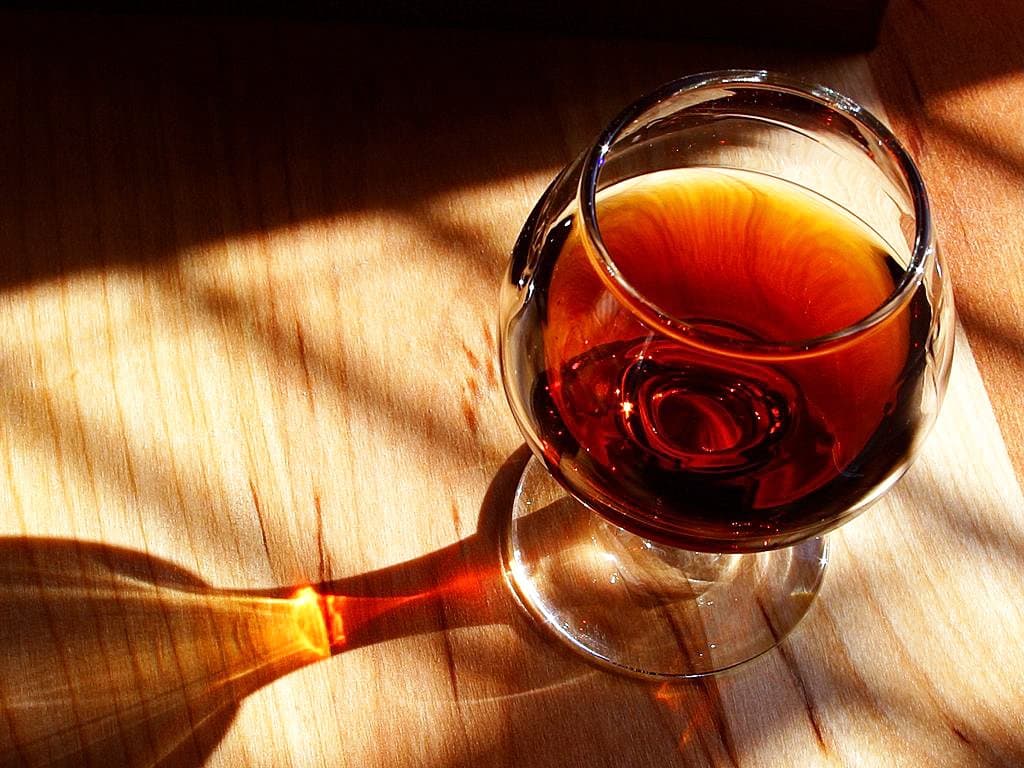
Northern Portugal runs on comfort food and port wine. Porto has its francesinha and its tripas à moda do Porto, and the Douro Valley estates pair their wines with the food. The old rabelo boats once carried port barrels down the Douro River.
Cultural Significance:
Porto's working-class roots gave it filling dishes like francesinha and tripas, the latter earning locals the nickname 'tripeiros'. Up the river, the terraced vineyards of the Douro have made port, a fortified wine, since the 17th century.
Signature Dishes:
- Francesinha
- Tripas à Moda do Porto
- Bacalhau à Gomes de Sá
- Alheira de Mirandela (sausage)
- Bola de Lamego (meat-filled bread)
Key Ingredients:
Beira (Central Portugal)
Central Portugal is mountain food: Serra da Estrela cheese (DOP), slow stews, and roasted kid goat (cabrito). The Bairrada area is known for suckling pig (leitão) and sparkling wine, and the old university city of Coimbra keeps its convent pastries alive.
Cultural Significance:
Shepherding in the Beira mountains gives Portugal its most prized cheese, Serra da Estrela. Coimbra's convents built their elaborate egg yolk sweets from the yolks left over after wine clarification, and Bairrada's clay-lined pits turn out suckling pig with crackling skin.
Signature Dishes:
- Queijo Serra da Estrela (sheep cheese)
- Leitão à Bairrada (suckling pig)
- Cabrito assado (roasted kid goat)
- Chanfana (goat stew in red wine)
- Arroz de Lampreia (lamprey rice)
Key Ingredients:
Sweet Delights & Desserts
Indulge in Portugal's traditional sweet treats and desserts.
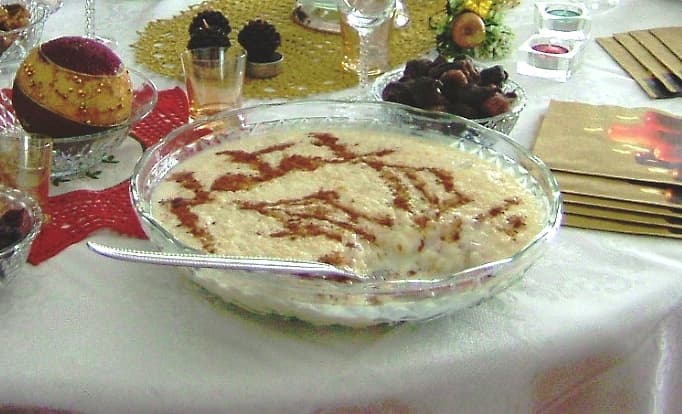
Arroz Doce (Sweet Rice Pudding)
A creamy rice pudding scented with lemon and cinnamon, usually finished with a dusting of cinnamon. Eaten year-round.
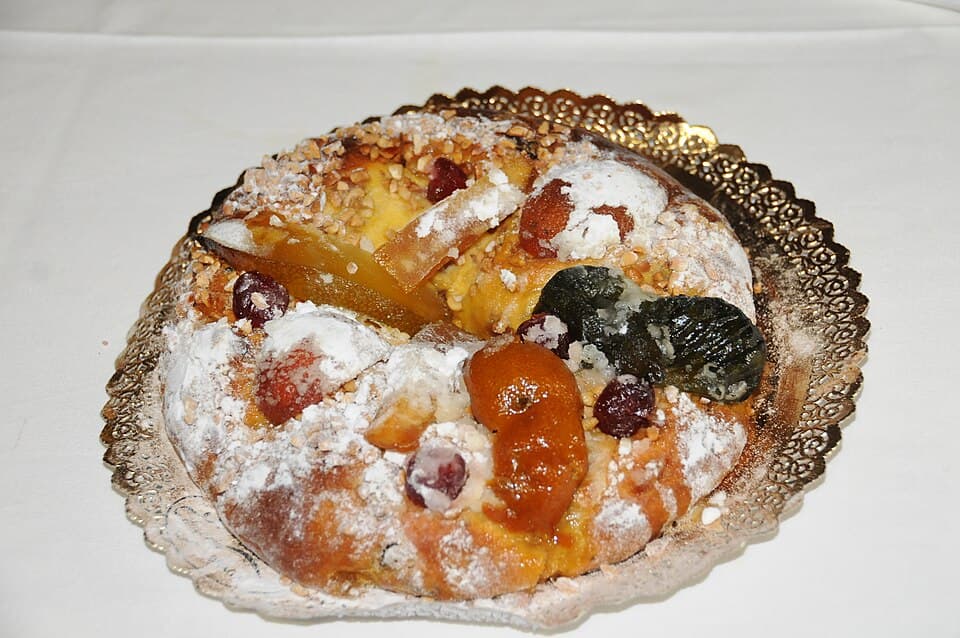
Bolo Rei (King Cake)
A Christmas fruitcake shaped into a ring, studded with candied fruit and nuts and finished to look like a crown.
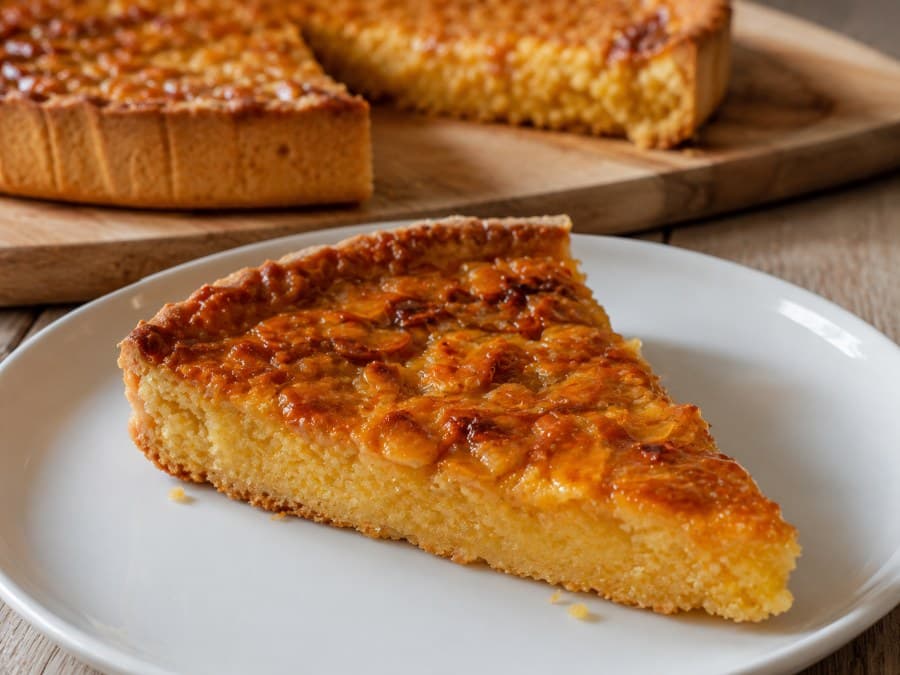
Tarte de Amêndoa (Almond Tart)
A dense tart of almonds, sugar and eggs, served year-round, often under a dusting of powdered sugar.
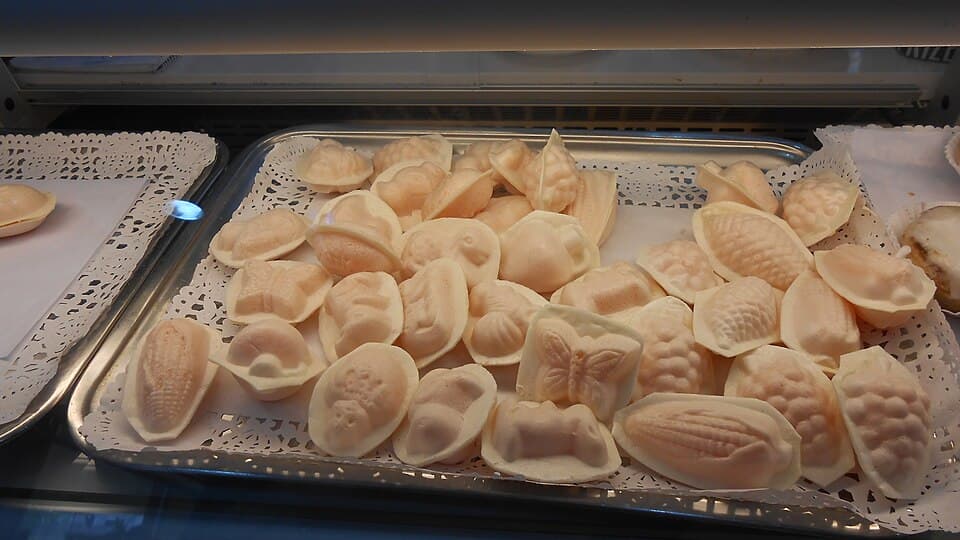
Ovos Moles de Aveiro
An egg yolk and sugar confection from Aveiro, sealed in thin rice wafers shaped like shells, fish or barrels. PGI protected and very sweet.
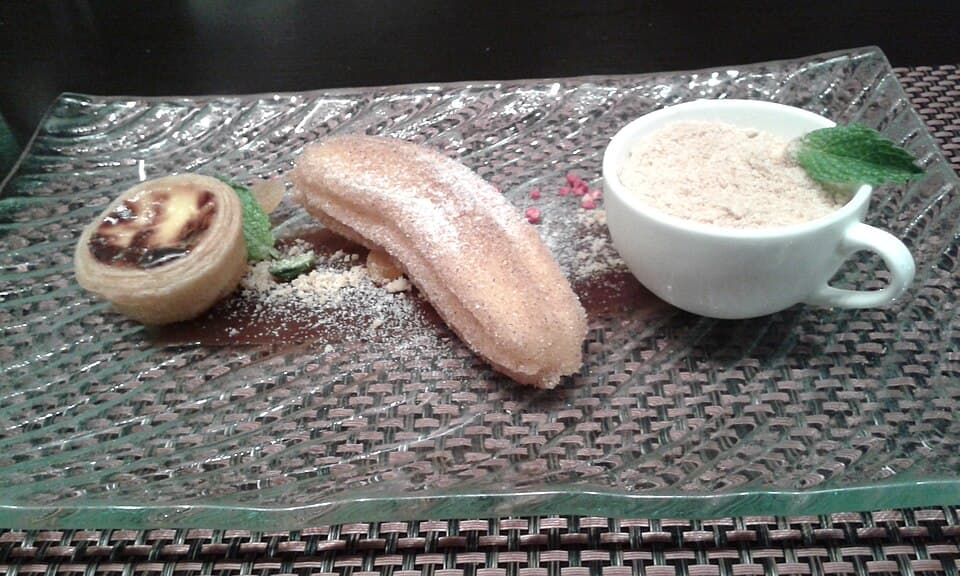
Serradura (Sawdust Pudding)
A Macanese-Portuguese dessert layering whipped cream with crushed Maria biscuits. The crumb topping looks like sawdust, which gives it the name. Chilled, no baking.
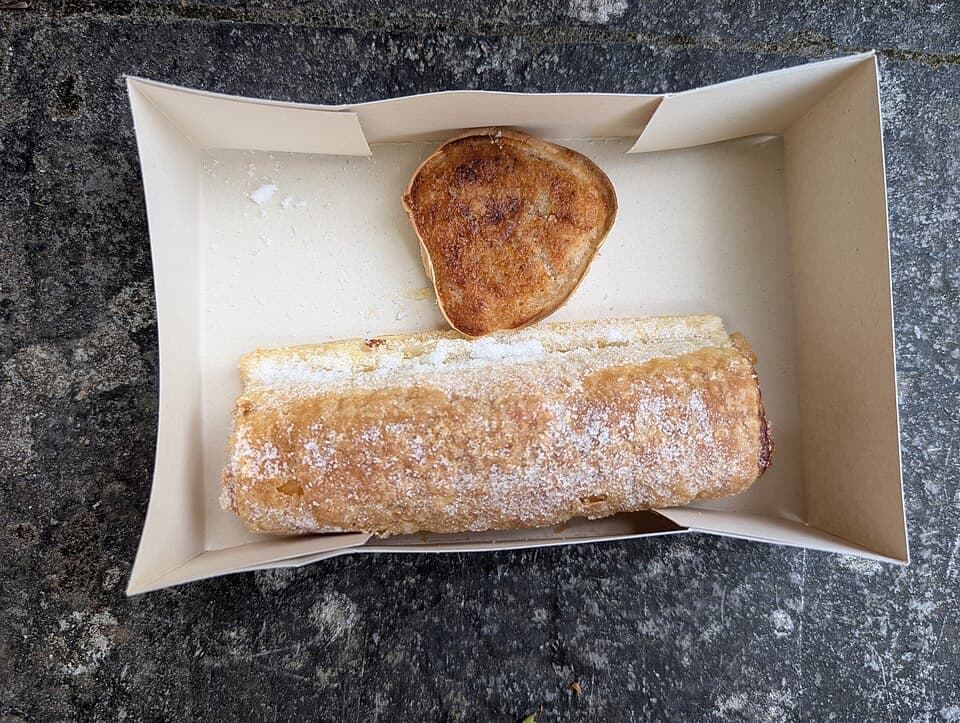
Queijadas de Sintra
Small Sintra cheese tarts made with fresh requeijão, sugar, eggs, flour and cinnamon. The recipe goes back to the 13th century.
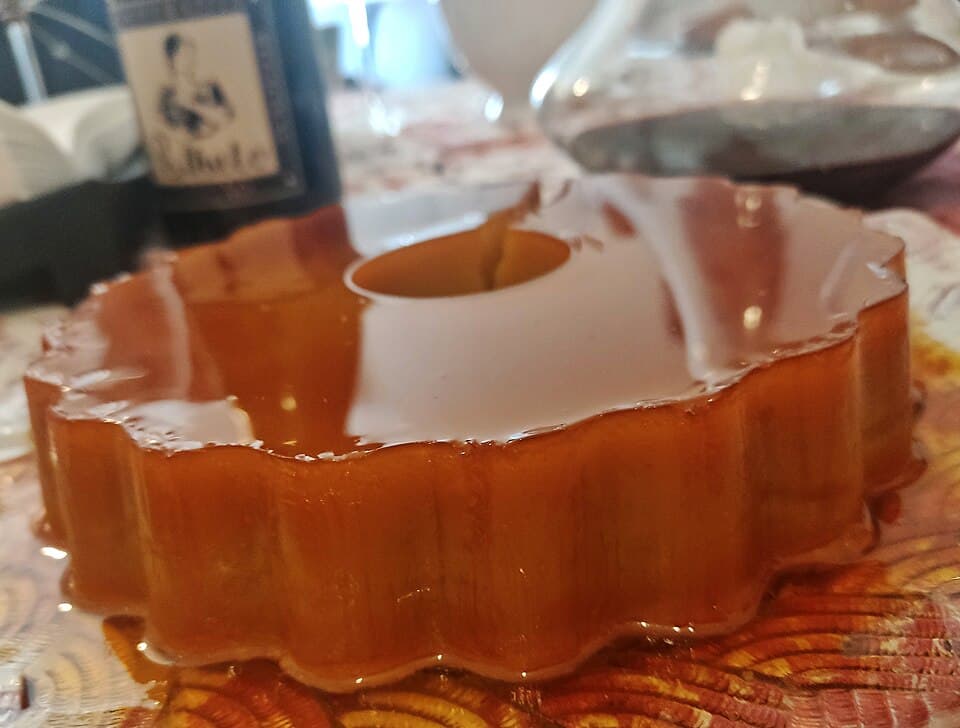
Pudim Abade de Priscos
A flan-like pudding built on egg yolks, sugar, port wine, bacon and lemon. A Portuguese abbot came up with it in the 19th century.
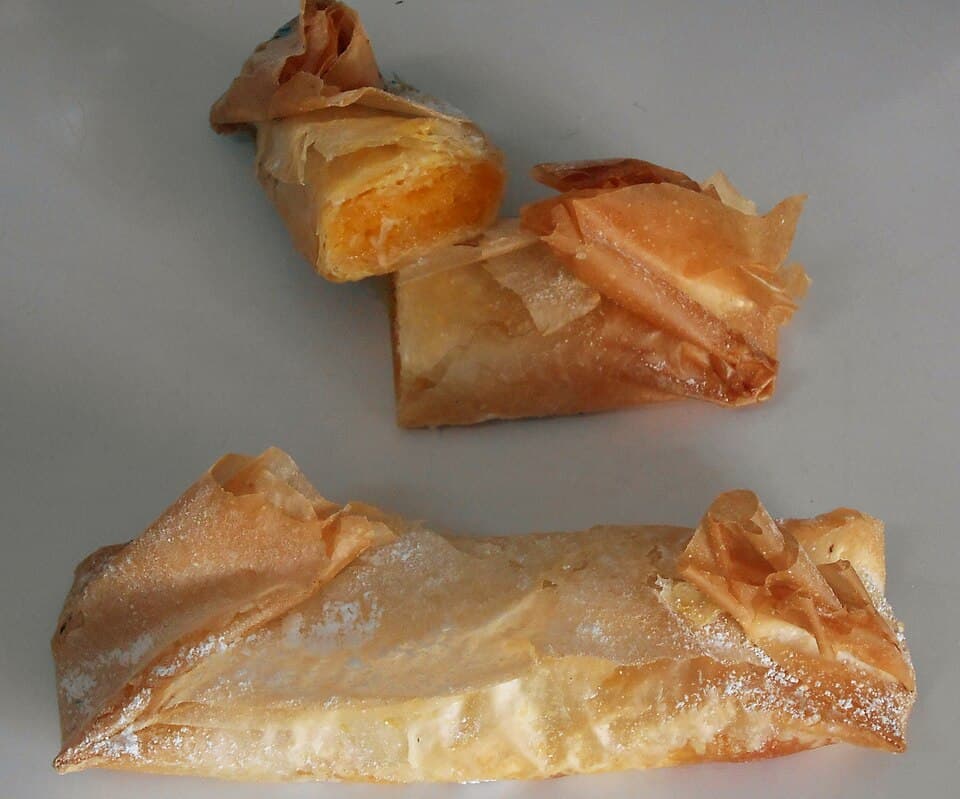
Pastel de Tentúgal
Paper-thin pastry filled with sweet egg yolk cream (doce de ovos). From Tentúgal and PGI protected, with a dough so fine it's nearly see-through.
Traditional Beverages
Discover Portugal's traditional drinks, from locally produced spirits to regional wines.
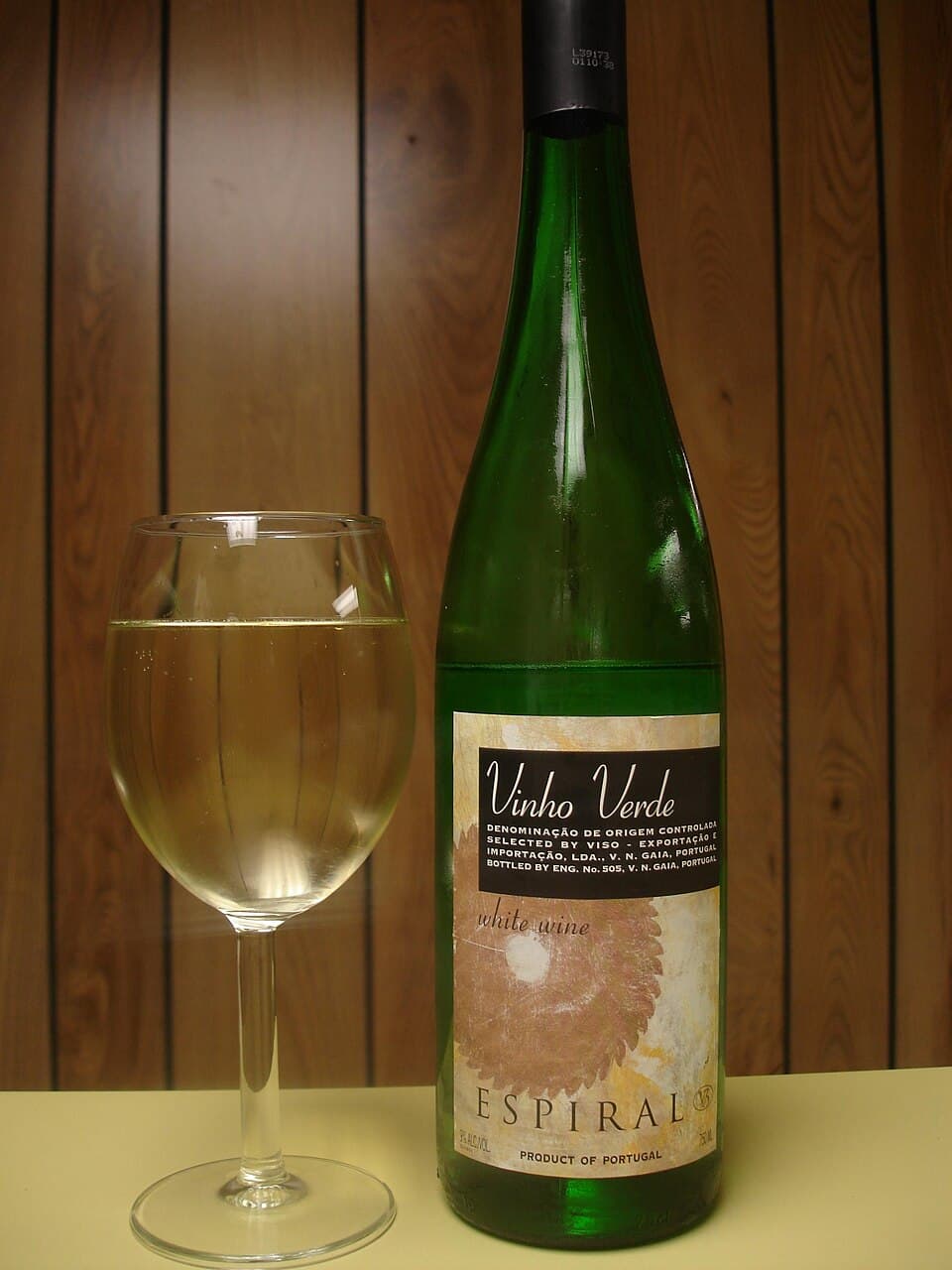
Vinho Verde (Green Wine)
A lightly sparkling wine from the Minho region in northern Portugal, fresh and crisp with lower alcohol than most.

Porto (Port Wine)
A fortified wine from the Douro Valley, sweet and full-bodied, usually drunk as a dessert wine.
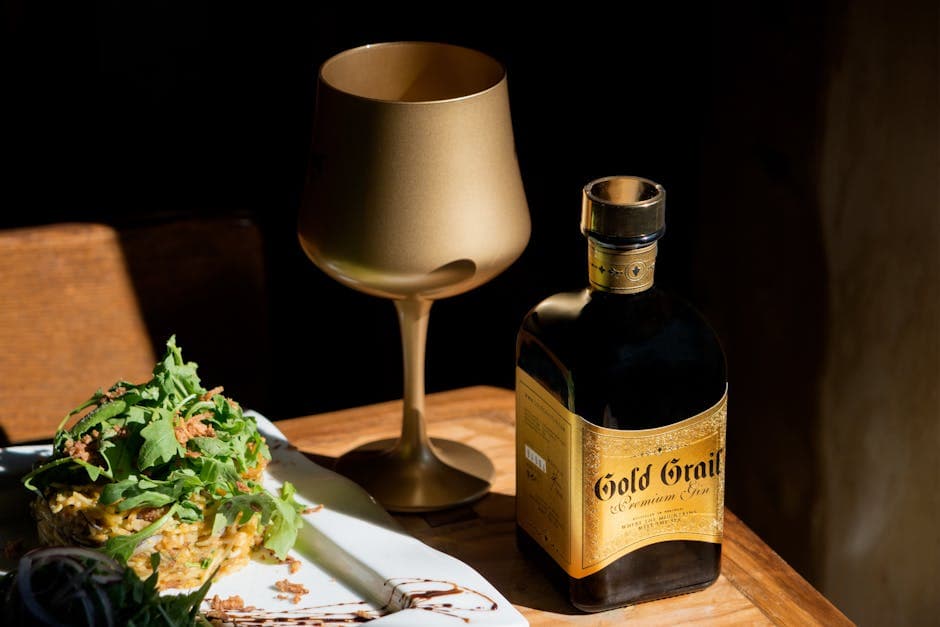
Ginja (Cherry Liqueur)
A sweet cherry liqueur, most associated with Óbidos and Alcobaça, often served in a small chocolate cup.
Soft Beverages
Discover Portugal's traditional non-alcoholic drinks, from local teas to refreshing juices.
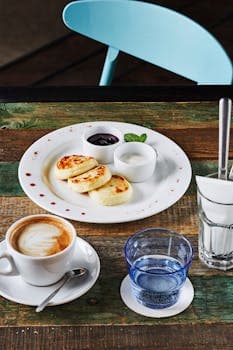
Galão (Coffee with Milk)
Espresso topped with foamed milk, close to a latte and served in a tall glass. A standard order at breakfast or in the afternoon.

Sumo de Laranja (Orange Juice)
Freshly squeezed orange juice, a common breakfast drink you'll find just about everywhere in Portugal.
Água das Pedras (Sparkling Mineral Water)
A naturally carbonated Portuguese mineral water, commonly ordered in place of still water.
Frequently Asked Questions
Essential information about food and dining in Portugal.
What is the national dish of Portugal?
Portugal's most iconic dishes include Pastéis de Nata, Bacalhau à Brás, Francesinha. Portugal's famous custard tarts: a crisp pastry shell holding a sweet, creamy filling, dusted with cinnamon.
Is street food safe in Portugal?
Street food in Portugal can be enjoyed safely by following these guidelines: Tap water is generally safe to drink Be cautious with custard pastries in hot weather. Look for busy vendors with high turnover, ensure food is cooked fresh and served hot, and avoid raw ingredients if you have a sensitive stomach.
What are the best restaurants in Portugal?
Portugal offers diverse dining options from street food stalls to upscale restaurants. For the best experience, ask locals for recommendations, check recent reviews, and look for restaurants that specialize in regional cuisines.
Can vegetarians find food easily in Portugal?
Vegetarian options in Portugal are mediumly available. Most restaurants have something vegetarian, more so in cities and tourist areas. Older traditional places may offer little beyond a few sides.. Many restaurants offer vegetarian dishes, and you'll find plant-based ingredients featured prominently in local cuisine.
What is the average cost of a meal in Portugal?
Meal costs in Portugal depend on where you eat. Street food and casual local restaurants are very affordable, typically offering complete meals for a few dollars. Mid-range restaurants charge moderate prices, while fine dining establishments are comparably priced to Western countries.
What are common food allergens in Portugal?
Common allergens in Portugal cuisine include Shellfish, Fish, Wheat. Shellfish turns up across Portuguese cooking and anchors a lot of traditional dishes.. These ingredients appear in dishes like Cataplana de Marisco, Arroz de Marisco. Always inform restaurant staff about your allergies.
When is the best time to visit Portugal for food?
Portugal offers great food experiences throughout the year. However, visiting during harvest seasons (typically spring and autumn) provides access to the freshest local ingredients. Food festivals and cultural celebrations also offer unique culinary experiences worth planning around.