
Central African Republic Food Guide
Content Information
Recently updated🔥Current Food Trends 2026
What's happening in Central African Republic's culinary scene right now
Food culture in the Central African Republic stays rooted in tradition, with cassava-based gozo still the staple. Going into 2026, economic pressure leaves little room for the cuisine to change, though Bangui and other towns show some crossover with French cooking techniques. For most people, street markets are still where meals come from. Fresh river fish keeps its place of pride, and Makara remains a favorite. With food security and access still difficult, the cooking leans on simple, locally sourced ingredients.
Food Safety Tips
Essential food safety information to help you enjoy Central African Republic's cuisine safely and confidently.
Only drink bottled or purified water
Tap water is not safe for consumption. Always use bottled water for drinking and brushing teeth. Boil water for 3 minutes if bottled water is unavailable.
Choose freshly cooked foods from busy vendors
Freshly prepared street food is usually fine. Pick vendors who are busy and cooking in front of you, and skip anything that has been sitting out at room temperature.
Be very cautious with foods left at room temperature
Bacteria multiply fast in the tropical heat. Stick to food that is served hot and freshly cooked, and leave anything that has been sitting out.
Ensure all meat and fish are thoroughly cooked
Wild game and river fish turn up often. Make sure both are cooked all the way through to avoid parasites and foodborne illness.
Dietary Options
vegetarian
LOW AVAILABILITYMeat sits at the heart of most meals, so vegetarians have less to work with. You can fall back on cassava dishes like gozo and fufu, okra and greens stews, rice, and plantains. Say what you need clearly, since cooks can prepare peanut and vegetable dishes without meat.
vegan
LOW AVAILABILITYVegan choices are scarce. Plain cassava (gozo), millet porridge (bouillie), rice, plantains, and vegetable dishes are your safest bets, since most traditional sauces are made with meat, fish, or palm oil. Pack supplements if you are staying a while.
gluten-free
HIGH AVAILABILITYPlenty of traditional dishes are gluten-free by default, built on cassava, millet, sorghum, rice, yams, and plantains. Steer clear of imported bread and wheat products. Gozo, the cassava paste eaten with almost every meal, contains no gluten at all.
Common Allergens
Peanuts
HIGH PREVALENCEPeanuts and peanut butter go into a great many traditional dishes
COMMONLY FOUND IN:
Fish
MEDIUM PREVALENCERiver fish shows up in a lot of traditional cooking
COMMONLY FOUND IN:
Palm Oil
HIGH PREVALENCERed palm oil is a staple cooking ingredient here
COMMONLY FOUND IN:
Essential Food Experiences
These iconic dishes represent the must-have culinary experiences that define Central African Republic's food culture for travelers.
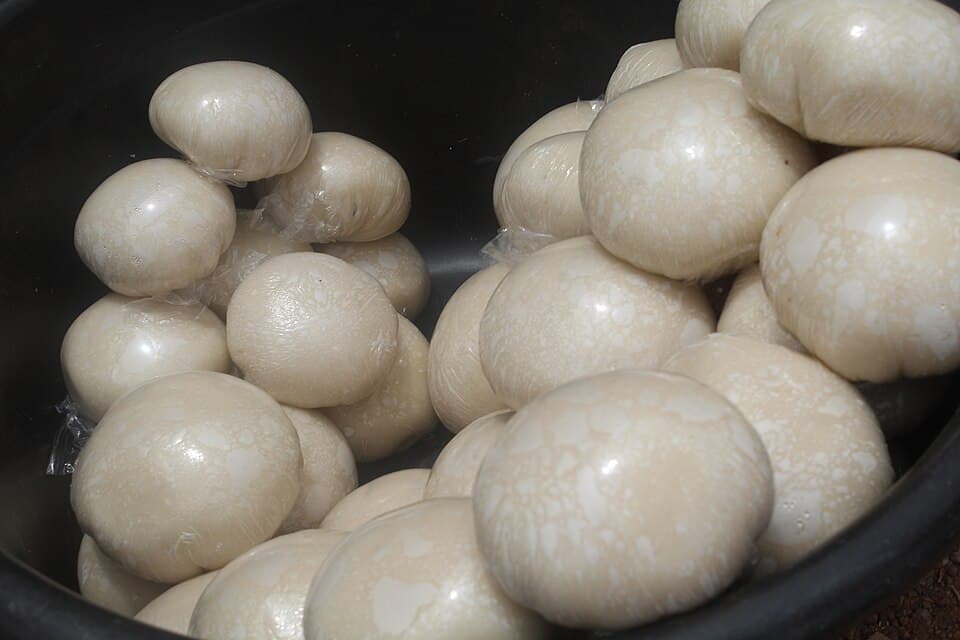
Gozo (Cassava Fufu)
The backbone of Central African cooking: a dense, sticky paste made from fermented cassava flour. It comes with almost every meal, torn off in pieces and used to scoop up sauces of okra, greens, peanuts, or palm nuts. You can't really understand CAR food without it.
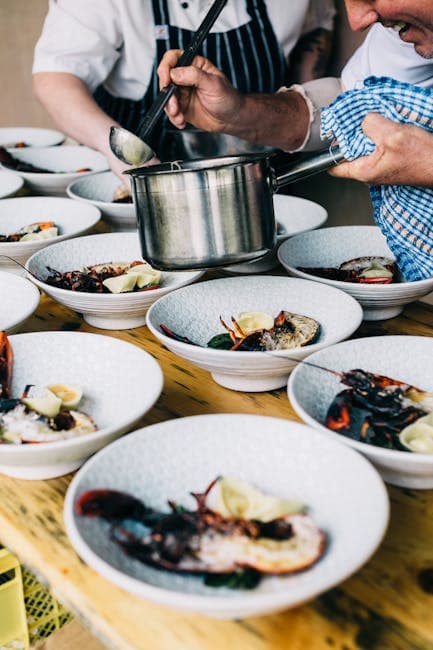
Kanda (Beef Meatballs)
Meatballs of minced beef bound with ground pumpkin seeds, served in a thick tomato sauce over white rice. The pumpkin seeds are what set it apart and mark it as distinctly Central African.
Kanda ti Nyma
A take on kanda where the meatballs simmer in a creamy peanut butter sauce that okra thickens to a velvety, satisfying texture.
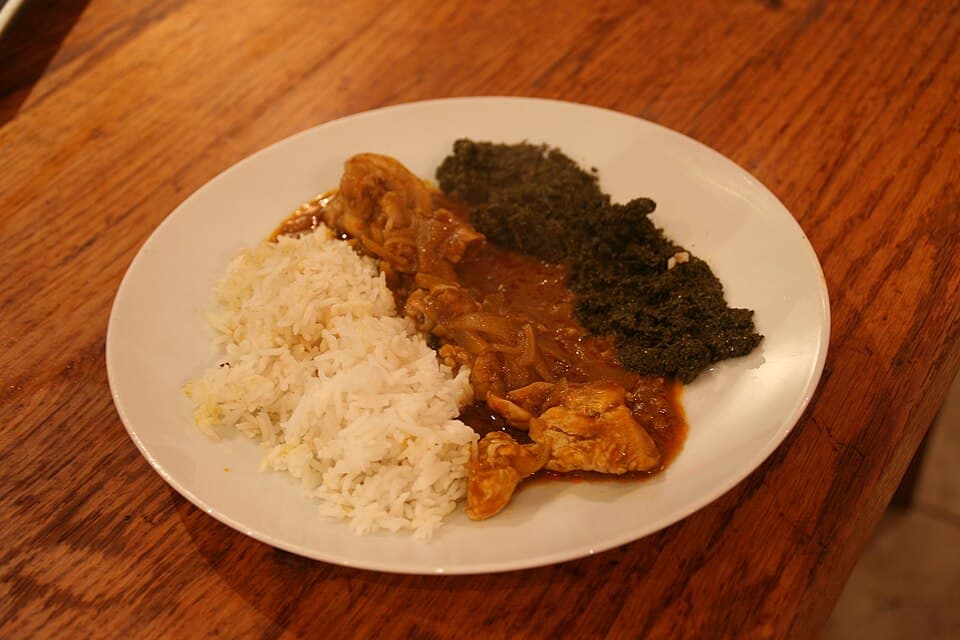
Muamba de Galinha
Chicken stewed with minced palm nuts, okra, tomatoes, and peanuts until the sauce turns thick and deeply flavored. The dish carries a Portuguese influence and is eaten across Central Africa.
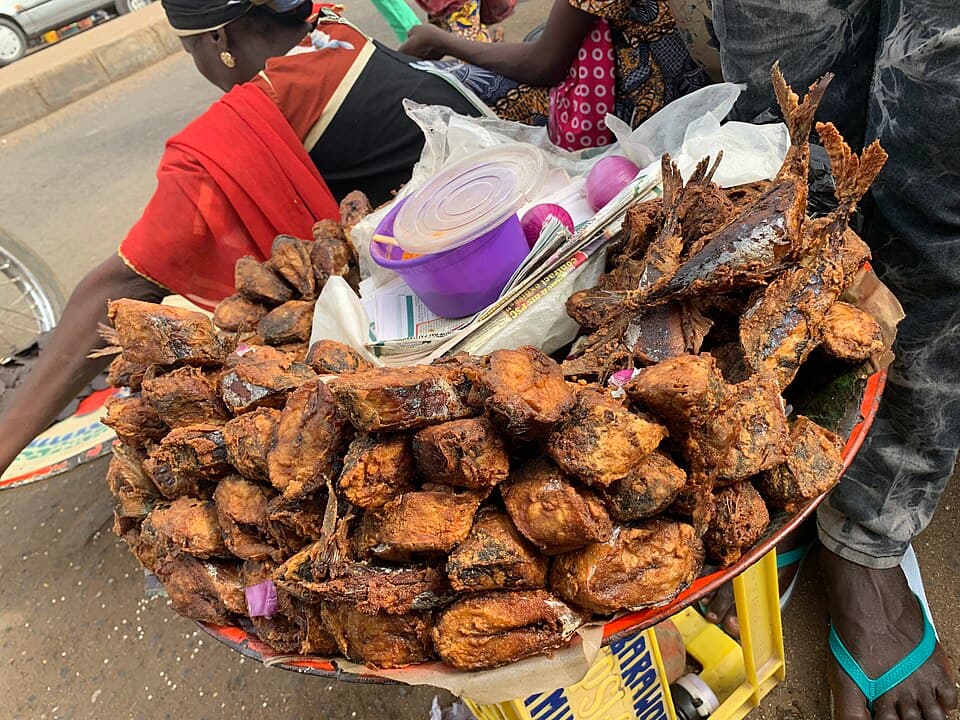
Makara
Whole river fish rubbed with local spices, dredged in flour or cornmeal, and deep-fried until crisp. It is a favorite along the Ubangi River, where the point is to let fresh fish speak for itself.
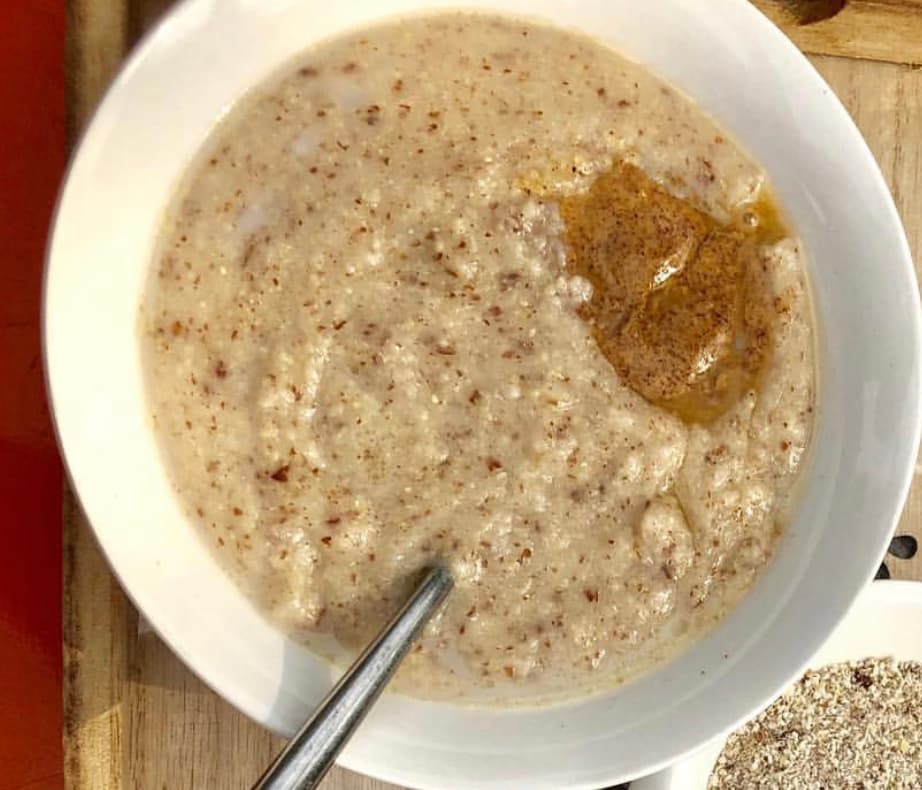
Bouillie
A comforting breakfast porridge of millet, sorghum, or cornflour cooked until creamy. Cooks often sweeten it with sugar and add vanilla or local fruit.
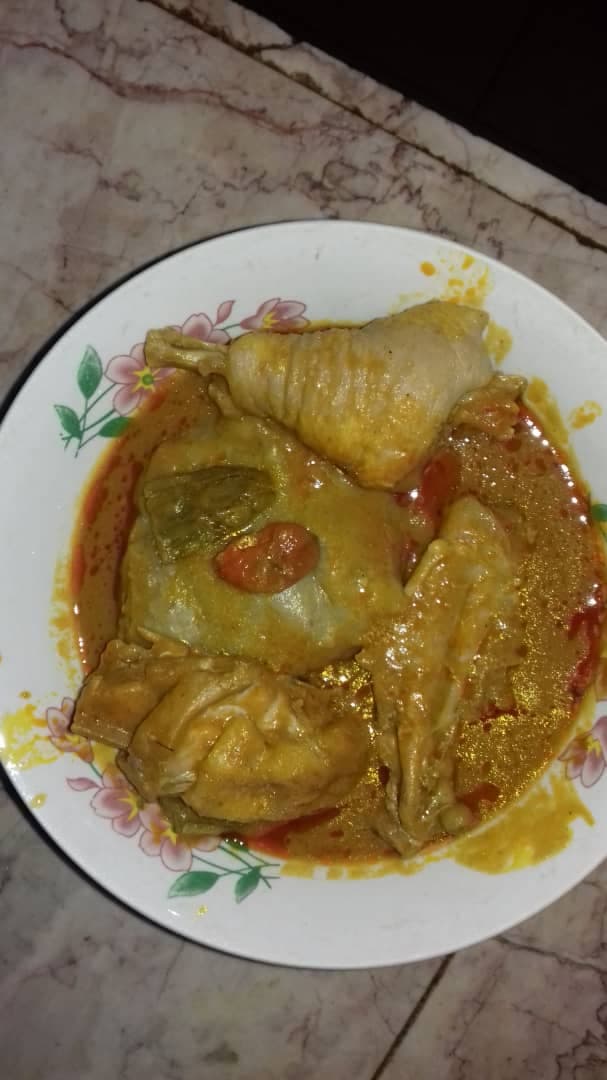
Palm Butter Soup
A hearty soup built on palm nuts, usually with chicken, peanuts, and vegetables added. The palm fruit lends it an orange color and a sweet-savory flavor.
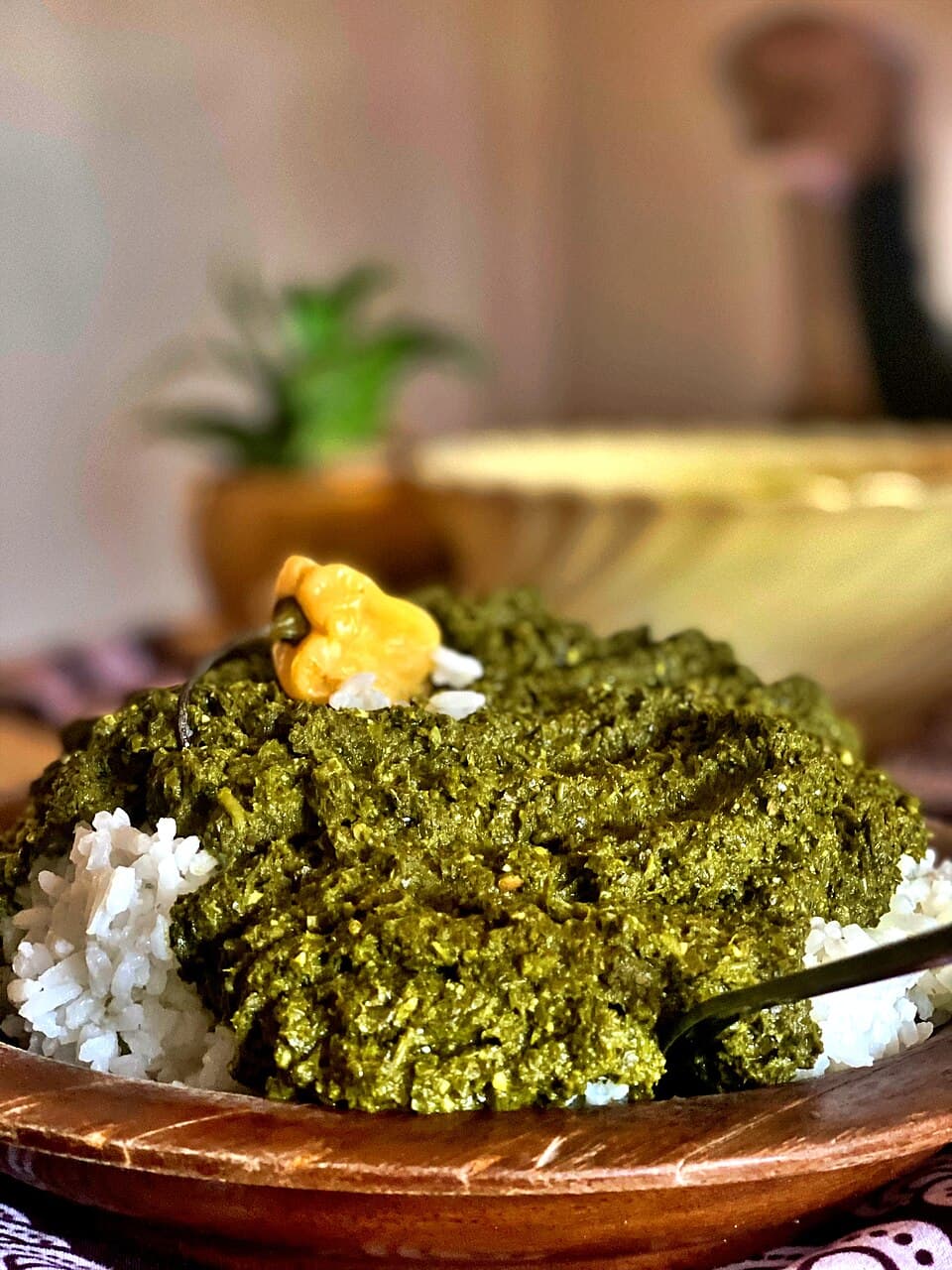
Cassava Leaves Stew
Young cassava leaves cooked slowly with palm oil, onions, and sometimes meat or fish until tender and flavorful. It is served alongside gozo.
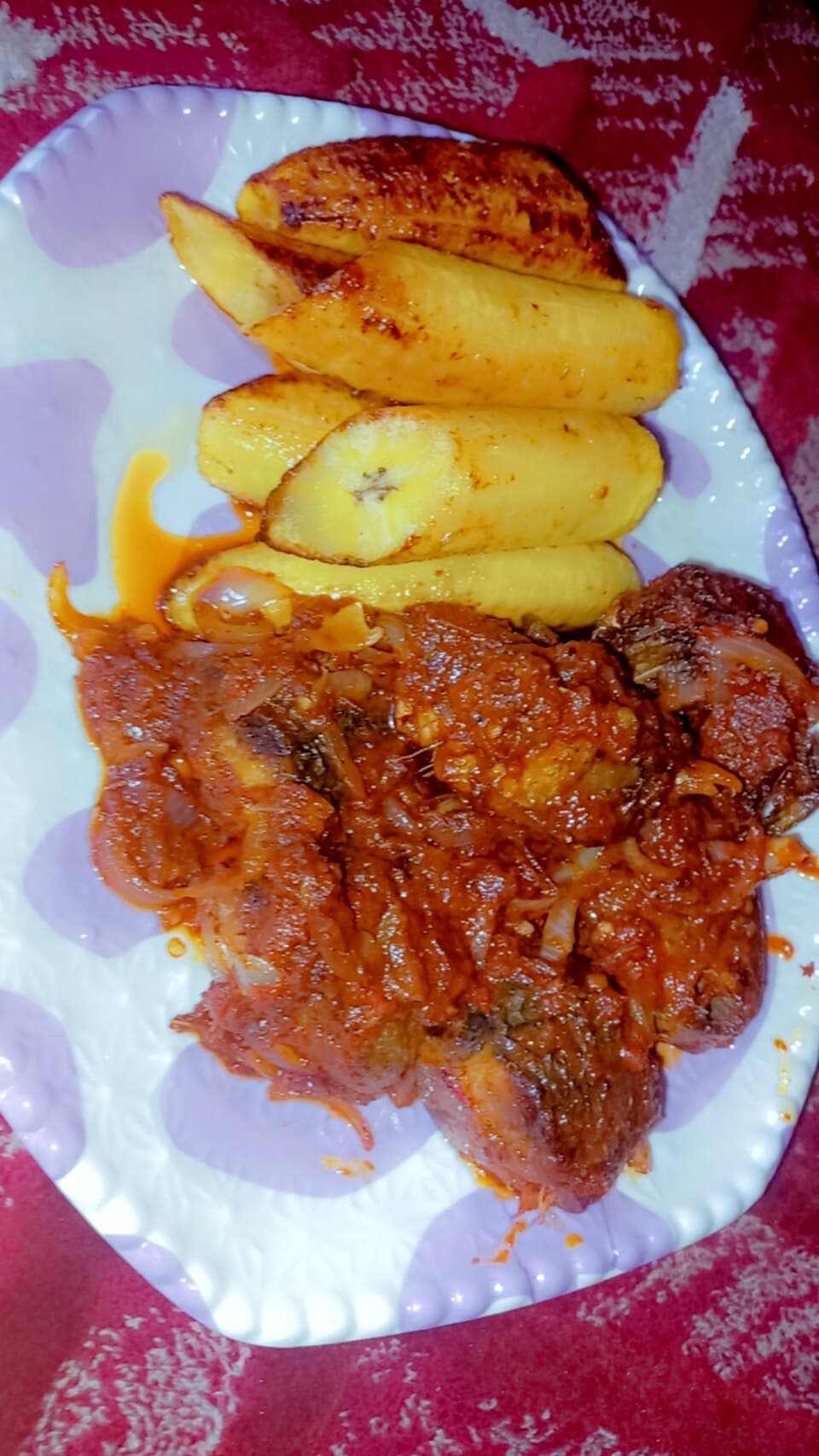
Fried Plantains
Ripe plantains sliced and fried until they caramelize and turn sweet. People eat them as a side or a snack, and they never go out of style.
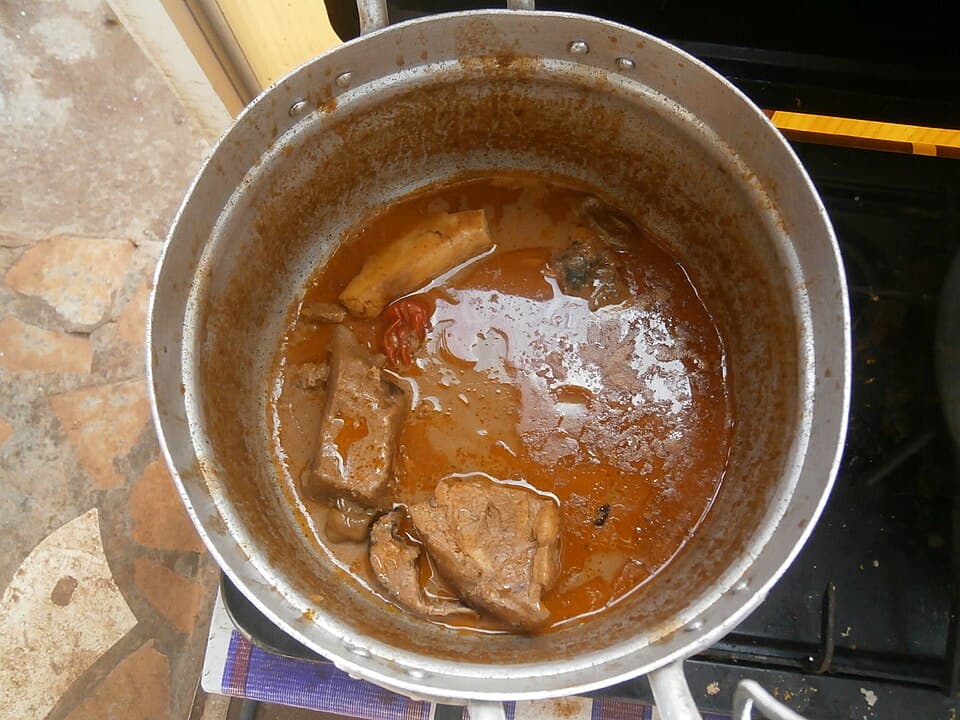
Groundnut Stew
Chicken or goat simmered in a thick groundnut (peanut) sauce with vegetables. It is filling, high in protein, and makes a full meal on its own.
Regional Specialties & Local Favorites
Discover the authentic regional dishes and local favorites that showcase Central African Republic's diverse culinary traditions.
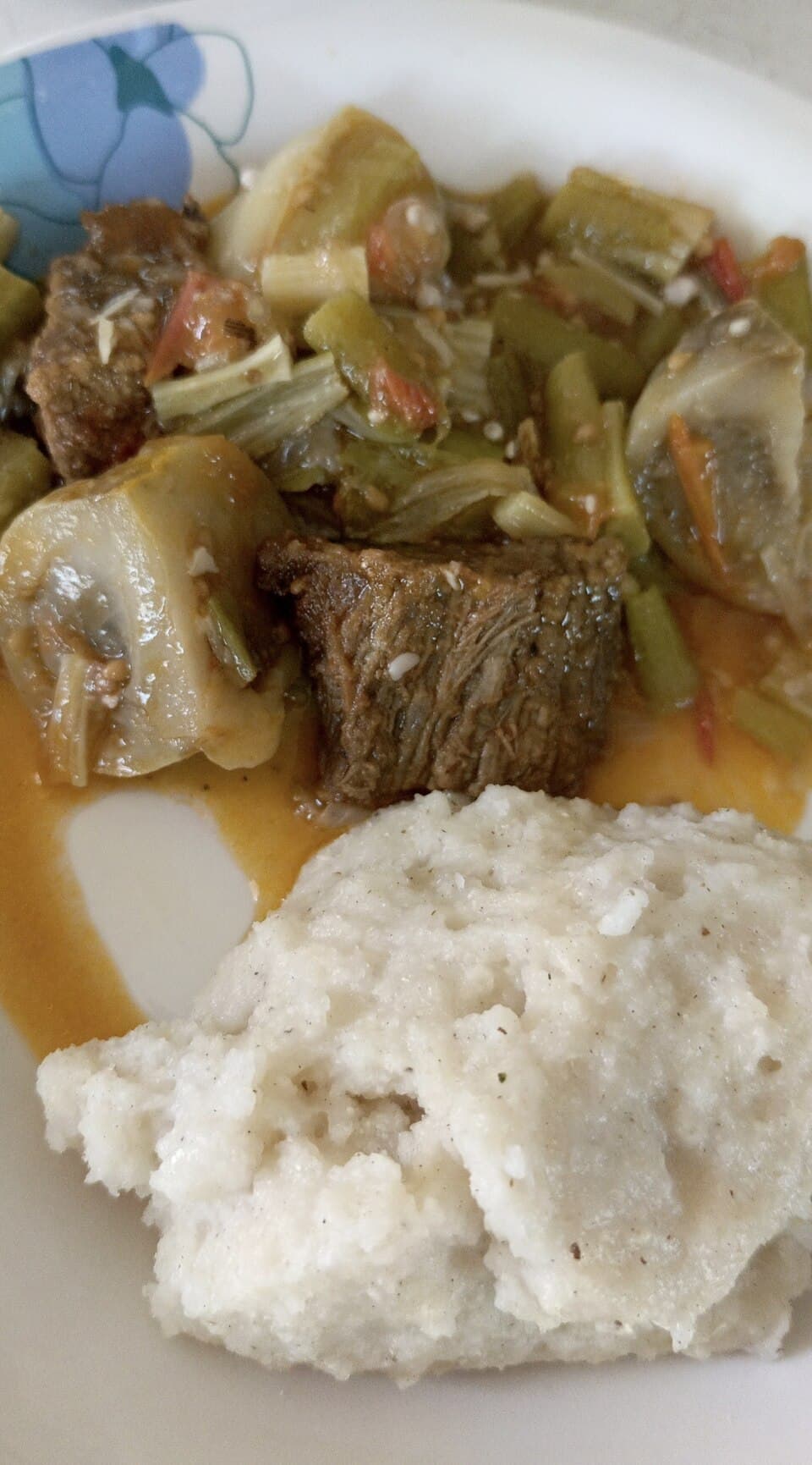
Gozo with Okra Sauce
Region: Nationwide
The everyday meal you will see most often: cassava paste with a plain sauce of okra, tomatoes, and onions.
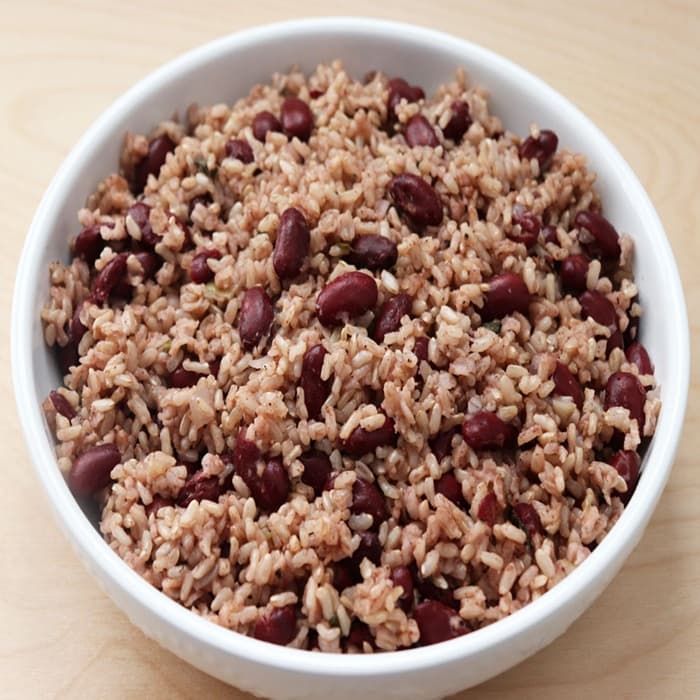
Rice and Beans
Rice cooked with red beans and spices, plain and nutritious.
Grilled Bush Meat
Wild game grilled over an open fire with local spices, a traditional source of protein.
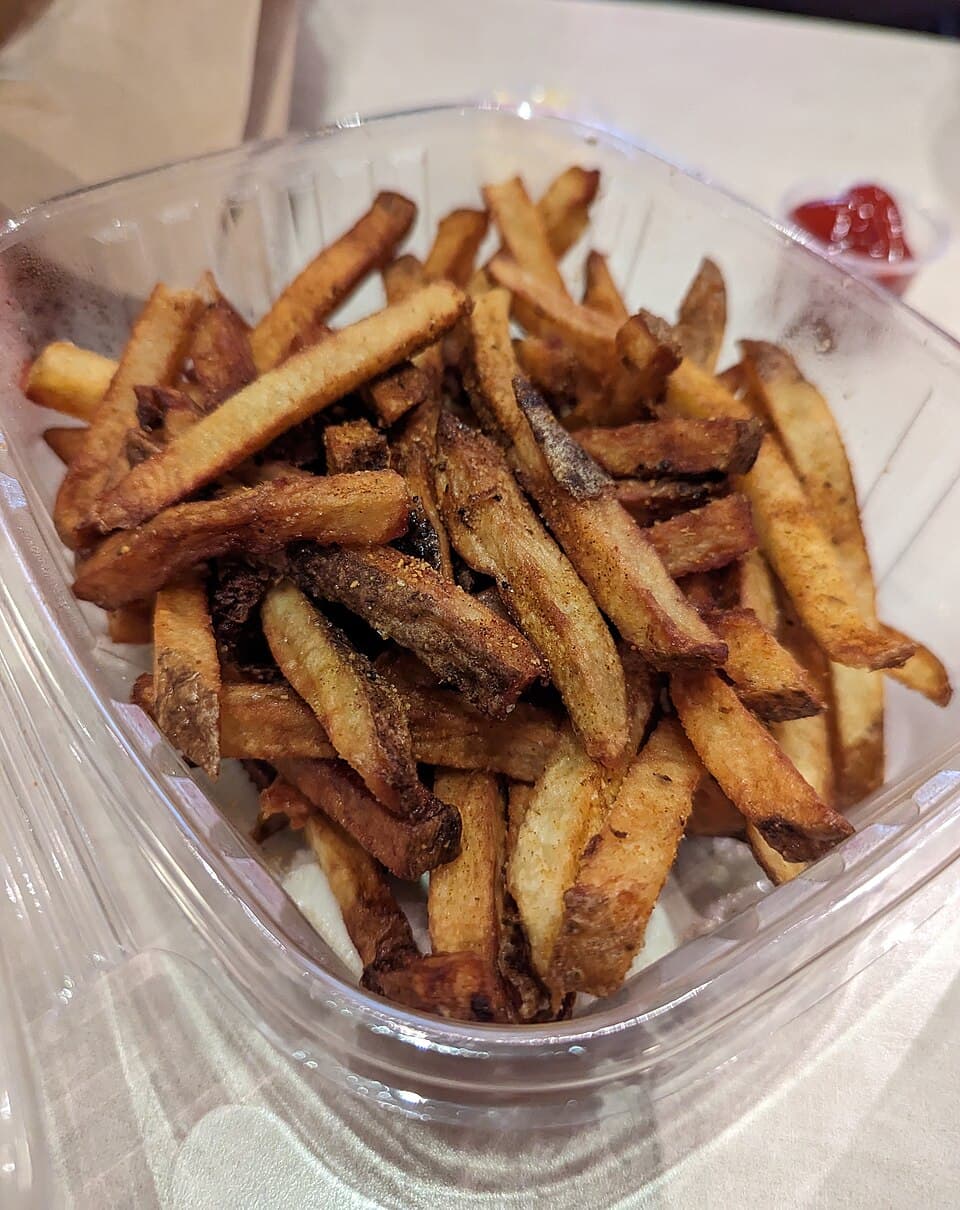
Sweet Potato Fries
Local sweet potatoes cut into pieces and fried, sold as a street snack.
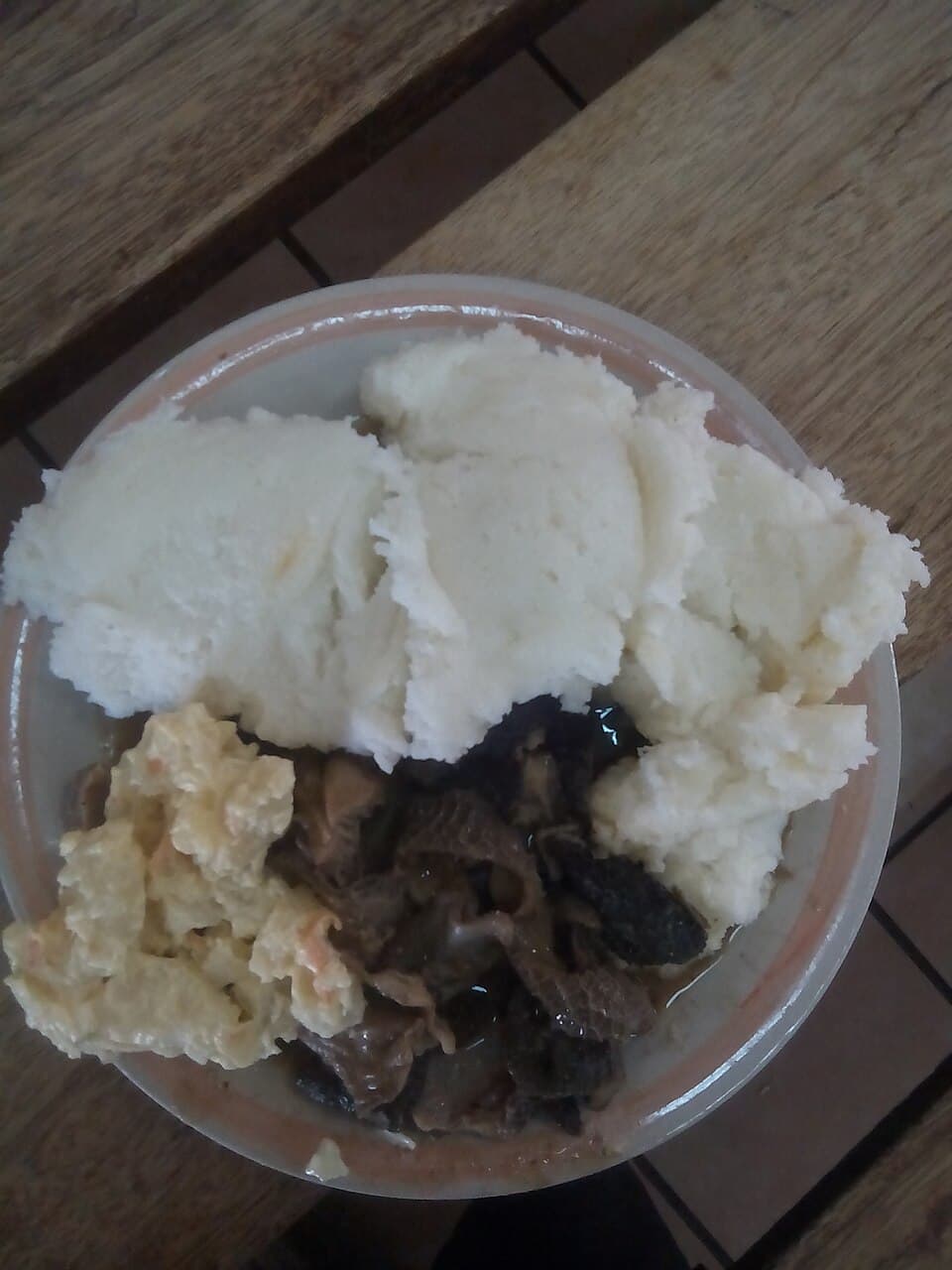
Maize Porridge
Cornmeal cooked into a smooth porridge, usually eaten at breakfast.
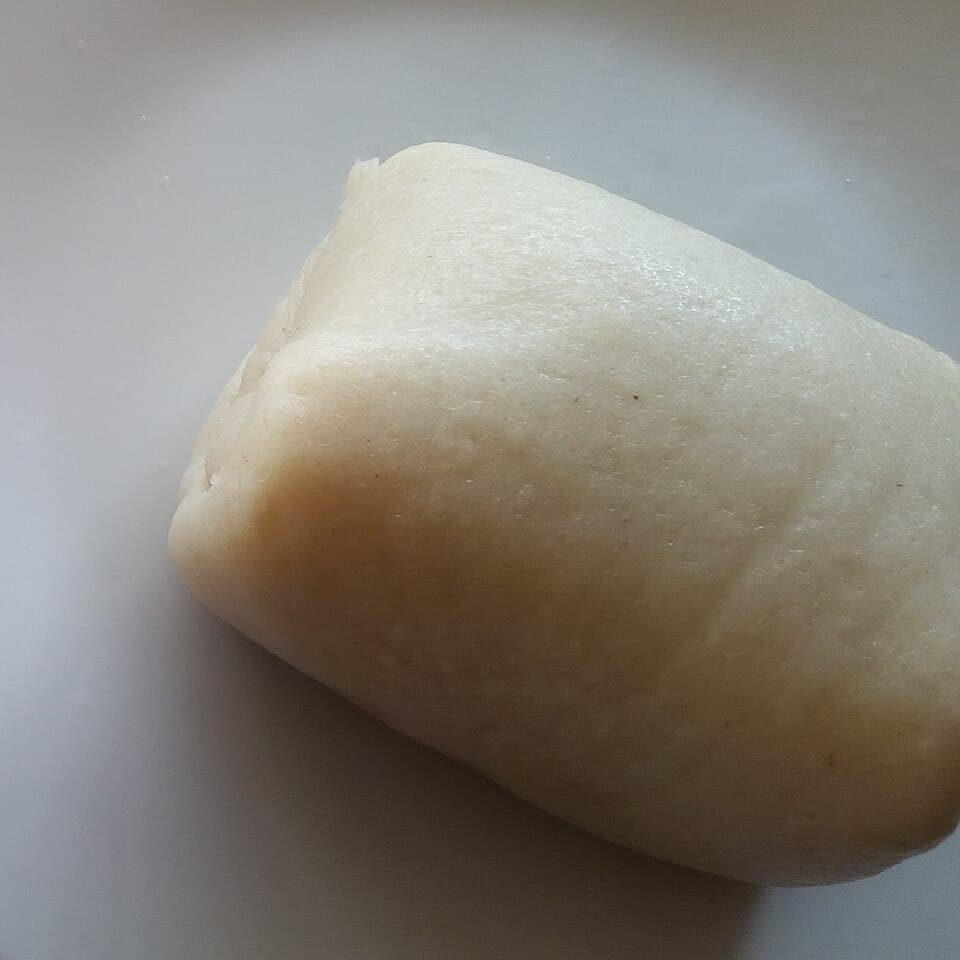
Yam Fufu
Pounded yam worked into a sticky dough, an alternative to cassava gozo.
Spinach Stew
Local greens cooked with palm oil and sometimes dried fish.
Allergens:
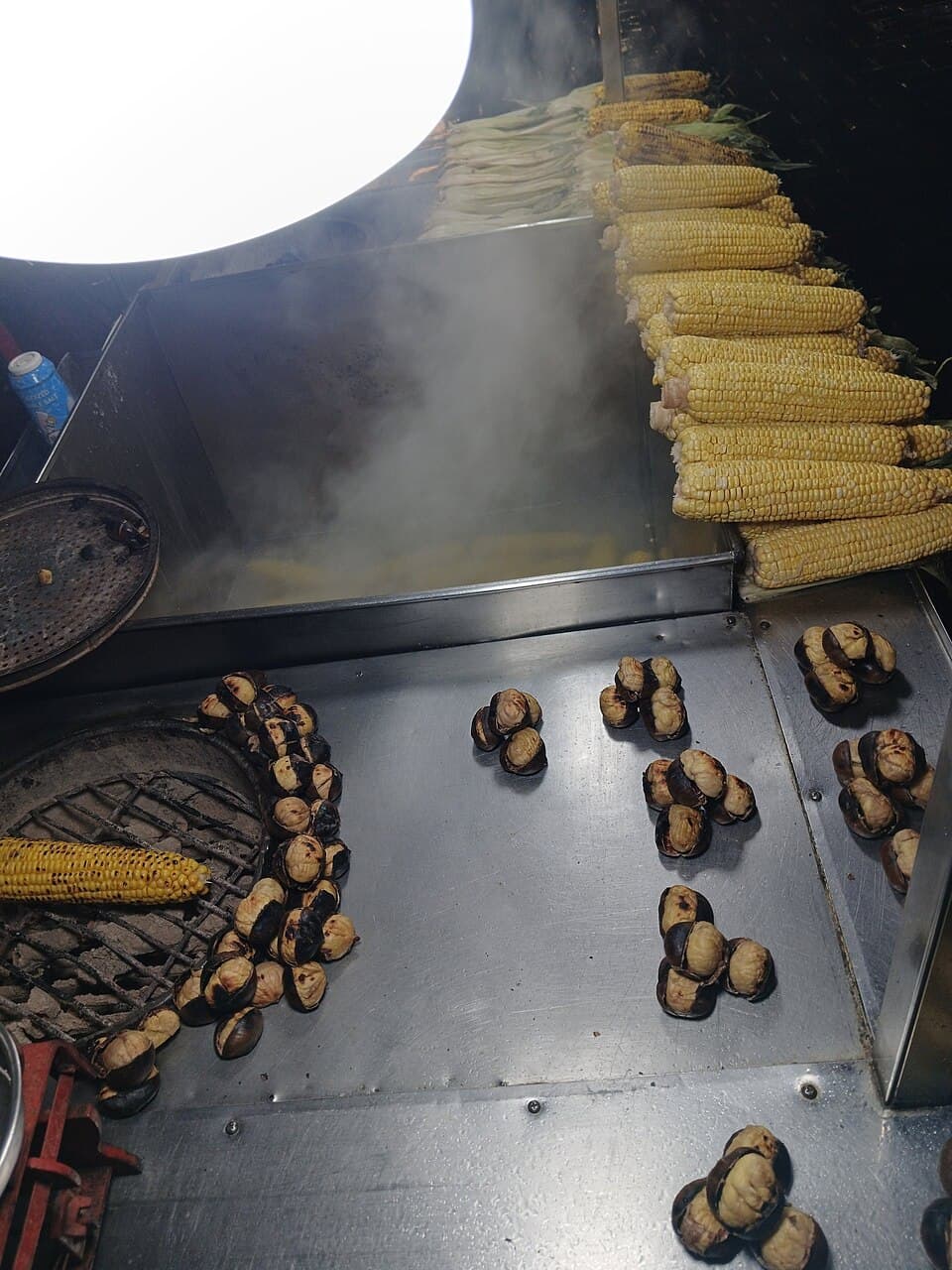
Grilled Corn
Fresh corn grilled over charcoal, sold by street vendors.
Regional Cuisine Highlights
Explore the diverse culinary landscapes across different regions of Central African Republic.
Bangui (Capital Region)
As the main city, Bangui has the widest range of food, with French influences and imported ingredients in the mix. Cooks turn out traditional CAR dishes next to international ones.
Signature Dishes:
Key Ingredients:
Ubangi River Region
River communities here build their cooking around fresh fish from the Ubangi. Makara (fried fish) is the specialty, with fish stews close behind.
Signature Dishes:
Key Ingredients:
Rural Agricultural Areas
This is where the traditional diet stays closest to its roots: cassava dishes with home-grown vegetables, yams, and plantains. Protein comes from wild game and insects.
Signature Dishes:
Key Ingredients:
Sweet Delights & Desserts
Indulge in Central African Republic's traditional sweet treats and desserts.
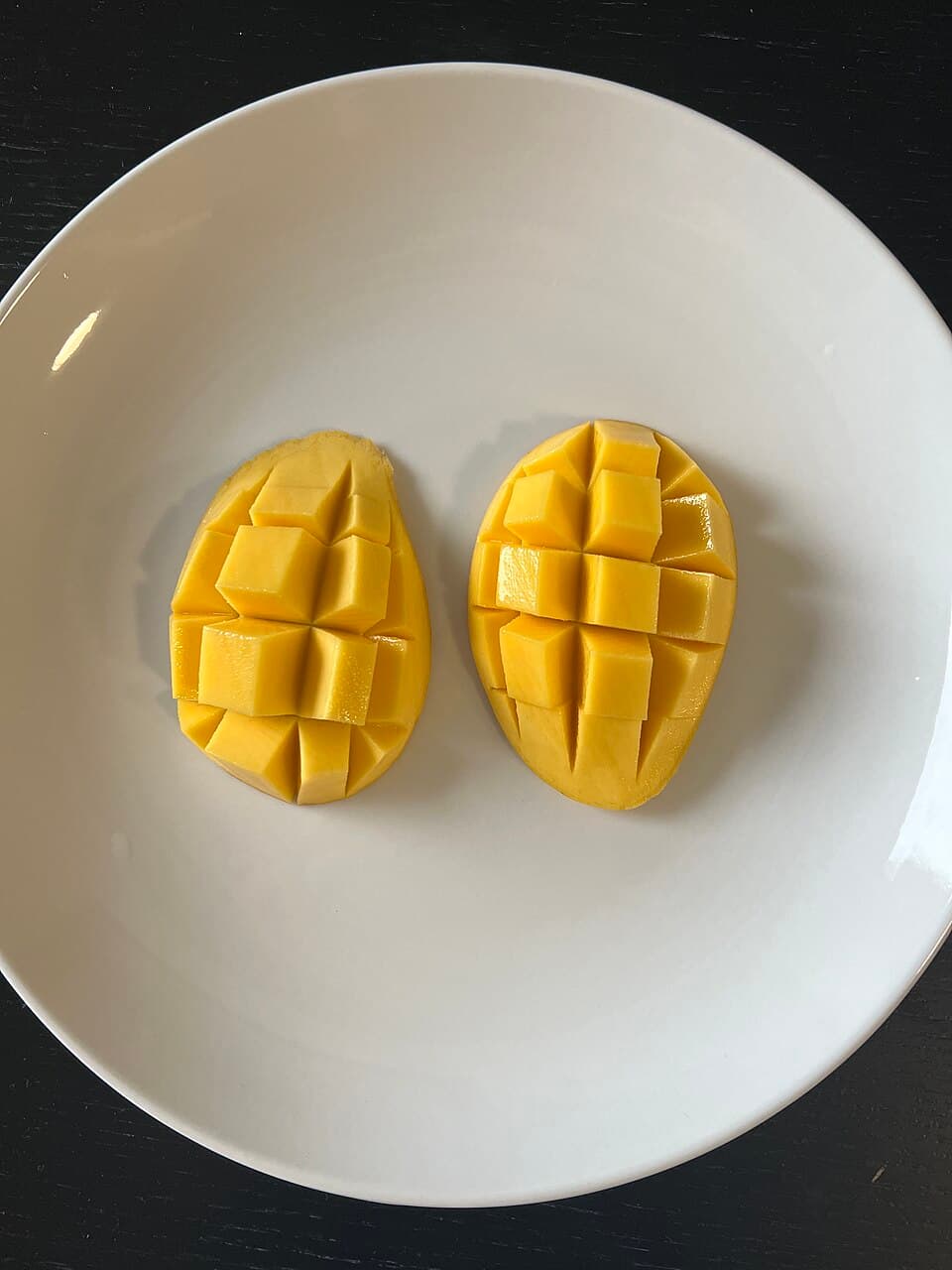
Fresh Mango
Sweet, ripe mangoes eaten fresh during harvest season, dessert at its simplest.
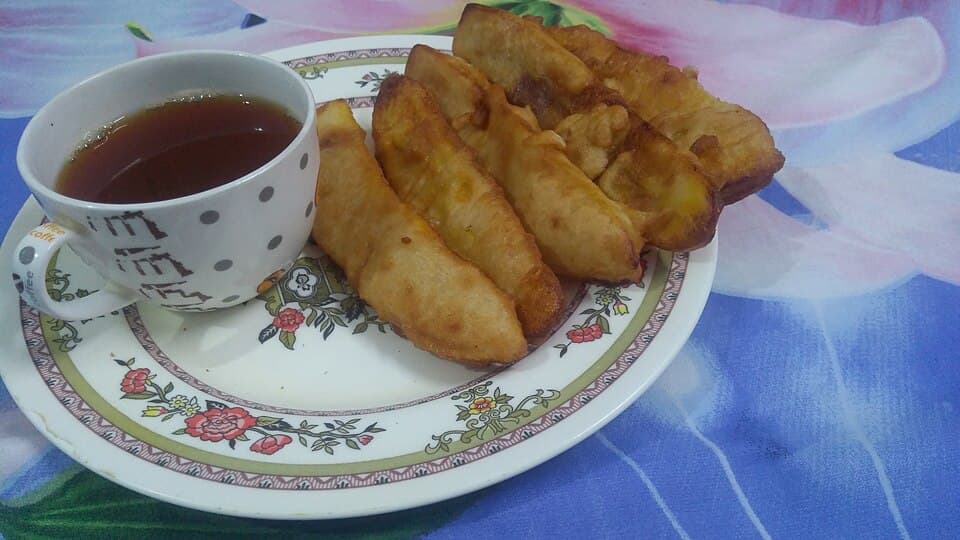
Banana Cakes
Mashed ripe bananas blended with flour and fried into small sweet cakes.
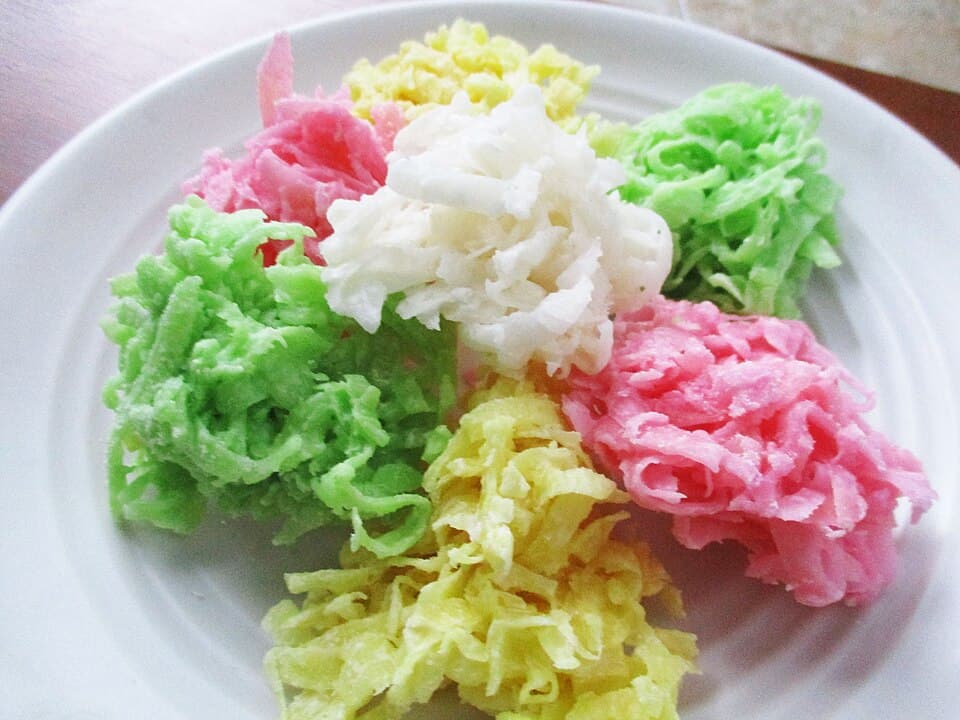
Coconut Sweets
Shredded coconut bound with sugar and shaped into small treats.
Traditional Beverages
Discover Central African Republic's traditional drinks, from locally produced spirits to regional wines.
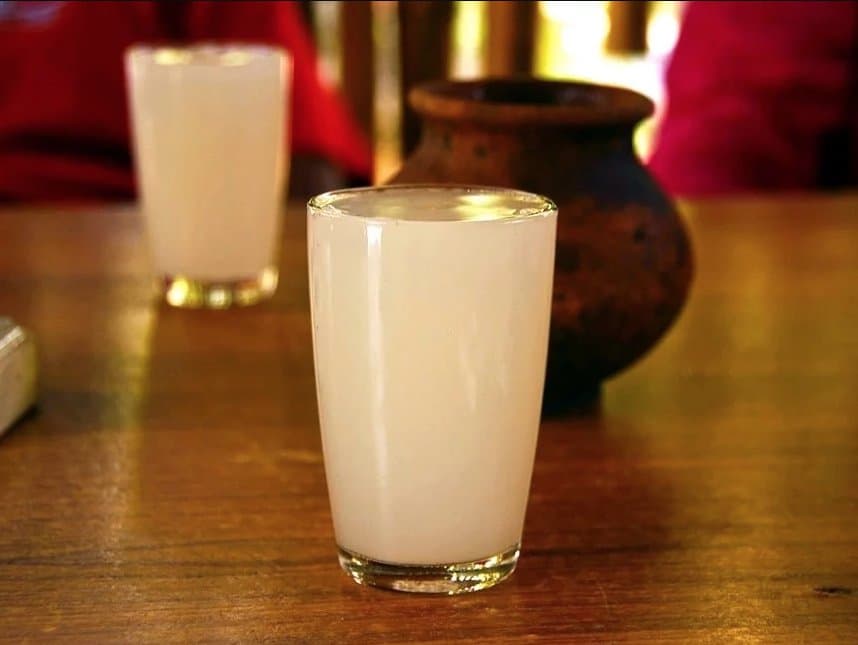
Palm Wine
Palm sap left to ferment on its own, mildly alcoholic with a sweet-tart edge. People drink it fresh, often daily, and it is woven into local custom.
Banana Beer
A fermented drink made from bananas, common in rural areas.
Soft Beverages
Discover Central African Republic's traditional non-alcoholic drinks, from local teas to refreshing juices.
Ginger Juice
Fresh ginger juice mixed with water, sugar, and sometimes lemon. It is refreshing, and locals reckon it helps digestion.
Tamarind Drink
Tart tamarind pulp stirred into water and sugar for a cooling tropical drink.

Hibiscus Tea (Bissap)
Dried hibiscus flowers steeped into a tart red drink, served cold.
Frequently Asked Questions
Essential information about food and dining in Central African Republic.
What is the national dish of Central African Republic?
Central African Republic's most iconic dishes include Gozo (Cassava Fufu), Kanda (Beef Meatballs), Kanda ti Nyma. The backbone of Central African cooking: a dense, sticky paste made from fermented cassava flour. It comes with almost every meal, torn off in pieces and used to scoop up sauces of okra, greens, peanuts, or palm nuts. You can't really understand CAR food without it.
Is street food safe in Central African Republic?
Street food in Central African Republic can be enjoyed safely by following these guidelines: Only drink bottled or purified water Be very cautious with foods left at room temperature. Look for busy vendors with high turnover, ensure food is cooked fresh and served hot, and avoid raw ingredients if you have a sensitive stomach.
What are the best restaurants in Central African Republic?
Central African Republic has a vibrant restaurant scene. Popular dining spots include Le Central, La Terrasse. These venues offer authentic local flavors in welcoming atmospheres.
Can vegetarians find food easily in Central African Republic?
Vegetarian options in Central African Republic are lowly available. Meat sits at the heart of most meals, so vegetarians have less to work with. You can fall back on cassava dishes like gozo and fufu, okra and greens stews, rice, and plantains. Say what you need clearly, since cooks can prepare peanut and vegetable dishes without meat.. Many restaurants offer vegetarian dishes, and you'll find plant-based ingredients featured prominently in local cuisine.
What is the average cost of a meal in Central African Republic?
Meal costs in Central African Republic depend on where you eat. Street food and casual local restaurants are very affordable, typically offering complete meals for a few dollars. Mid-range restaurants charge moderate prices, while fine dining establishments are comparably priced to Western countries.
What are common food allergens in Central African Republic?
Common allergens in Central African Republic cuisine include Peanuts, Fish, Palm Oil. Peanuts and peanut butter go into a great many traditional dishes. These ingredients appear in dishes like Peanut sauces, Kanda ti nyma. Always inform restaurant staff about your allergies.
When is the best time to visit Central African Republic for food?
Central African Republic offers great food experiences throughout the year. However, visiting during harvest seasons (typically spring and autumn) provides access to the freshest local ingredients. Food festivals and cultural celebrations also offer unique culinary experiences worth planning around.