
Iraq Food Guide
Content Information
Recently updated🔥Current Food Trends 2026
What's happening in Iraq's culinary scene right now
In 2026, Iraqi cooking still runs on recipes that go back roughly 4,000 years, with newer outside influences layered on top. Masgouf, grilled carp from the Tigris, is the national dish, and the Abu Nawas waterfront in Baghdad is where most people go to eat it. A proper masgouf takes anywhere from 45 minutes to three hours, so it pays to order ahead. Baghdad cooks insist theirs is the best, but you'll eat well anywhere near a river that stocks fresh carp. Iraqi dolma stands apart thanks to the fresh herbs and vine leaves grown on the Mesopotamian plains. The local biryani isn't the South Asian one either: nuts and raisins lend a sweetness that softens the spiced rice. Several kubba styles exist only here, including Kubba Halab with its rice crust, the flat disc of Kubba Mosul, and Kubba Shorba, meat patties in a tomato soup. Dolma took hold as a staple during the Ottoman period. Most of these recipes have survived decades of upheaval, largely because home cooks kept making them. Baghdad-born food historian Layla Jamil records the preparations you won't find elsewhere. There are almost no chains, only Samad and Sajurif, both of which have branches in Erbil and Baghdad. Kurdistan keeps its own food traditions. Kubba vendors work nearly every street corner, and recipes still pass down the family line. Food here carries a lot: hospitality, identity, and a kind of stubborn continuity.
Food Safety Tips
Essential food safety information to help you enjoy Iraq's cuisine safely and confidently.
Always drink bottled water
In most of Iraq the tap water is not safe to drink. Use bottled water for drinking, brushing your teeth, and ice. Decades of conflict have taken a toll on the water infrastructure, so stick to sealed bottles from brands you recognize.
Choose busy vendors with high turnover
Iraqi street food is worth eating if you pick the right stall. Go where the queue is long and the food comes off the grill or out of the fryer in front of you, since fast turnover means nothing sits around. Masgouf, kebabs, and kubba from busy vendors are usually a safe bet. Skip pre-cut fruit and anything left out in the heat.
Be especially cautious in warm weather
Iraq's heat makes food safety a real concern. Steer clear of dairy, rice, or meat that has been sitting at room temperature. Your safest choices are meat straight off the grill, kubba made to order, and stews served hot.
Dietary Options
vegetarian
MEDIUM AVAILABILITYVegetarians can eat meat-free dolma, fasolia yabsa (bean stew), shorba (lentil soup), salads, rice dishes, and flatbreads. Traditional restaurants put out vegetable-based mezze. Say what you need clearly, since meat stock often turns up in dishes that look vegetarian.
vegan
LOW AVAILABILITYVegan eating is possible but takes effort. Rice, lentils, beans, vegetables, flatbreads (check for dairy and eggs), and fresh fruit will see you through. Butter, yogurt, and meat find their way into a lot of dishes. Baghdad has little awareness of veganism, so spell out what you avoid. Erbil, in Kurdistan, tends to have more options.
gluten-free
LOW AVAILABILITYEating gluten-free is hard here because bread (samoon, khubz) anchors most meals. Rice dishes, grilled meat and fish (check there are no breadcrumbs), vegetable stews, and salads are naturally safe. Avoid kubba, which uses bulgur, along with most bread and pastries. Awareness is limited, so if you have celiac disease, pack your own supplies.
halal
HIGH AVAILABILITYIraq is majority Muslim, so nearly all food is halal. Meat is slaughtered according to Islamic law and pork is absent. Alcohol is restricted but available in some areas, with Kurdistan more relaxed about it. Restaurants, street stalls, and home kitchens all keep to halal standards, which makes Iraq one of the easier countries for halal travelers.
kosher
VERY LOW AVAILABILITYKosher food is not available in Iraq. The once-substantial Jewish community has mostly emigrated, and there are no kosher restaurants, facilities, or certified products left. Your best bet is to lean on vegetarian dishes or cook for yourself. Kosher fish need scales, which rules out masgouf, since carp don't qualify. Plan ahead before you travel.
Common Allergens
Nuts
MEDIUM PREVALENCEAlmonds, walnuts, pistachios used in Iraqi biryani, desserts (baklava), and garnishes
COMMONLY FOUND IN:
Dairy
MEDIUM PREVALENCEYogurt, butter, cheese used in various dishes and as accompaniments
COMMONLY FOUND IN:
Gluten
HIGH PREVALENCEWheat-based bread (samoon, khubz) and bulgur (kubba) staples in Iraqi cuisine
COMMONLY FOUND IN:
Essential Food Experiences
These iconic dishes represent the must-have culinary experiences that define Iraq's food culture for travelers.

Masgouf
Iraq's national dish: grilled fish, traditionally carp from the Tigris, marinated in olive oil, sumac, and turmeric. The fish is butterflied and propped upright on stakes around an open fire, where the smoke and flames cook it slowly. Figure on 45 minutes to three hours, so order ahead. The Abu Nawas waterfront in Baghdad is the best-known place to find it. Baghdad cooks claim the top spot, but you'll eat well anywhere in Iraq or Kurdistan that's near a river with fresh carp. The cooking method belongs to Iraq alone. It comes with lemon, onions, flatbread, and tomatoes, and shows up at celebrations and family meals. Fish restaurants along the rivers serve it, and it traces back thousands of years to Mesopotamian river fishing.
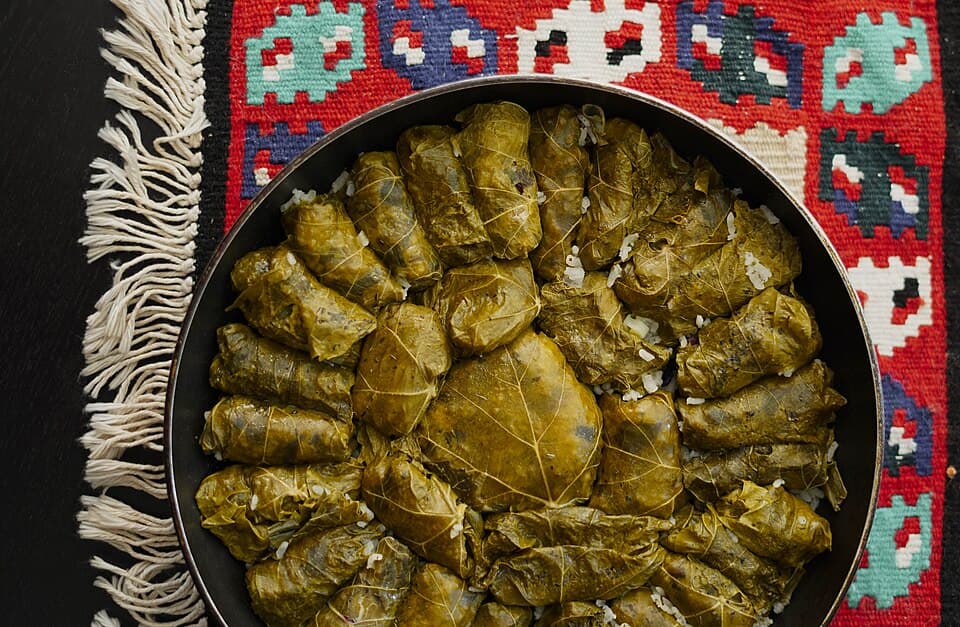
Dolma
Vegetables stuffed with rice, meat, and herbs, in a version particular to Iraq. Dolma became a staple during the Ottoman period and picked up local ingredients along the way. Baghdad food historian Layla Jamil puts it this way: 'Iraq's Dolma is unique. The fresh herbs and vine leaves from Mesopotamia's fertile plains create a distinct flavor that sets it apart.' The vegetables stuffed include bell peppers, eggplant, grape leaves, zucchini, and tomatoes. The filling is rice, ground meat, herbs like parsley, dill, and mint, and a bit of tomato, all cooked in a tomato broth. Meatless versions are common. You'll find it in homes and traditional restaurants, often made as a family project, and served with yogurt. It's Ottoman cooking adapted to Iraqi produce.
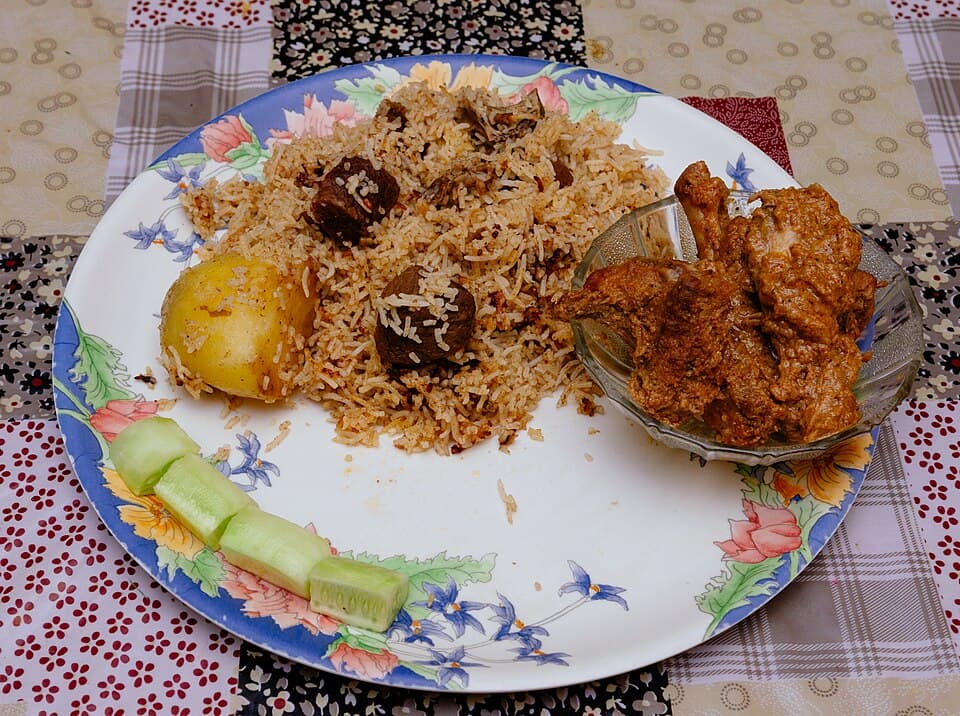
Iraqi Biryani
Not the same as the South Asian dish: Iraqi biryani is fragrant rice studded with nuts, raisins, and spices. As Baghdad chef Mustafa Hassan describes it, 'Nuts and raisins add a sweetness that balances the spiciness of the rice, making it a complex yet comforting dish.' It's built from basmati rice, chicken or lamb, almonds, raisins, cardamom, cinnamon, and saffron, sometimes with fried onions and tomatoes. The sweet-savory balance is what defines it. This is a celebration dish for weddings and special occasions, found in traditional restaurants and served with yogurt and salad. The Persian and Indian roots have been reworked to Iraqi taste.

Kubba
Crisp bulgur dumplings stuffed with spiced meat, with roots that reach back to ancient Babylon. What was once a royal delicacy became an everyday Iraqi street food. 'Walking through Baghdad, you'll see people enjoying it everywhere,' says food vendor Mahmoud Al-Saleh. The shell is cracked bulgur wheat and semolina; the filling is ground lamb or beef with onions and spices, deep-fried until golden. A few kubba styles exist only in Iraq: Kubba Halab with its rice crust, the flat round disc of Kubba Mosul, and Kubba Shorba, meat patties in a tomato soup. You'll find it at street stalls, in homes, and in restaurants, with each region keeping its own version. It works as both comfort food and celebration food, carrying Mesopotamian cooking forward.

Tepsi Baytinijan
A well-loved Iraqi home stew that every household makes a little differently. The flavors are simple but deep and filling. It's a casserole of fried eggplant wrapped around small spiced meatballs and baked in tomato sauce. Lamb or beef meatballs are layered with eggplant and other vegetables like potatoes, peppers, and tomatoes, then baked until everything goes soft and the flavors settle into each other. It comes with rice and flatbread. A staple of home kitchens that also turns up in traditional restaurants, it shows how much Iraqi cooks do with eggplant. Satisfying, family food.

Quzi (Qoozi)
A festive Iraqi dish: whole roasted lamb laid over rice with nuts and raisins. The lamb is slow-roasted until it falls off the bone. The rice cooks in lamb broth and gets folded together with fried almonds, raisins, and sometimes carrots, then finished with parsley. It anchors weddings, holidays, and big gatherings. Roasting a whole lamb is a lot of work, so you'll mostly see it at upscale restaurants and on special occasions. The presentation and the generous portions speak to Iraqi hospitality. Kurdistan in particular is known for its quzi, and the dish has come to stand for abundance and celebration.

Tashreeb (Tashrib)
A layered Iraqi dish of bread soaked in lamb or chicken broth with meat. Flatbread, samoon or khubz, is torn into pieces and layered in a bowl, then hot broth is poured over until the bread drinks it in. It's topped with shredded lamb or chicken, sometimes chickpeas and vegetables, and finished with fried onions and pine nuts. Humble ingredients add up to a filling meal. People eat it at home and in traditional restaurants, sometimes for breakfast, sometimes as the main meal. It's a good example of how much Iraqi cooking leans on bread. Versions vary by region, with some adding tomato and others lemon.

Fasolia (Fasûlî)
Cannellini beans in broth, a fixture in many restaurants. It's eaten around the world, but the Middle East has a particular fondness for it, and it often arrives as a complimentary first course even when it's not on the menu. Fasolia Yabsa is the beans cooked down with tomatoes, onions, garlic, and sometimes meat. Meatless versions are common. It's served with rice and flatbread, often Kurdish-style rice. Simple, nutritious, and filling, it's a home-cooking favorite you'll find in restaurants, at street stalls, and in kitchens everywhere. The dish reflects how much Iraqi cooking leans on legumes.

Shorba (Lentil Soup)
A staple of Iraqi restaurants, eaten across the world but especially beloved in the Middle East, where it often shows up as a free first course. Red or yellow lentils are simmered with onions, garlic, and cumin, sometimes with tomato and lemon juice, then either pureed smooth or left chunky. It's garnished with lemon, parsley, and crisp fried bread. Nutritious and warming, it's a Ramadan favorite for breaking the fast. You'll find it everywhere, in homes, restaurants, and at street stalls, and it's vegetarian-friendly. Plain ingredients, satisfying result, very much in the Middle Eastern soup tradition.

Samoon (Iraqi Bread)
Iraq's national bread, a diamond-shaped flatbread baked in a clay oven, or tanoor. It has a scored center, a chewy crumb, a slightly crisp crust, and a soft inside. It turns up at every meal: breakfast with cheese and jam, lunch and dinner to scoop stews or wrap kebabs. Fresh from the bakery is best, and people buy it throughout the day. Every neighborhood has a bakery, and the bread is central to how Iraqis eat, standing in for utensils and soaking up sauces. The ingredients are just flour, water, salt, and yeast, but getting the texture right takes skill. It's comfort, tradition, and sustenance all at once.

Kleicha (Date-Filled Cookies)
Traditional Iraqi cookies filled with dates, nuts, or both. The sweet pastry dough most often holds date paste, but walnuts, pistachios, or coconut also turn up. They're shaped into rounds, crescents, or pressed into molds, scented with cardamom and rose water, and baked until golden. This is a holiday sweet for Eid, weddings, and other celebrations, made in bakeries and at home and served with tea. Every family has its own recipe, and the hand-shaping makes it a real project. Kleicha is part of Iraq's tradition of sweet-making and is the kind of thing you set out for guests.
Regional Specialties & Local Favorites
Discover the authentic regional dishes and local favorites that showcase Iraq's diverse culinary traditions.
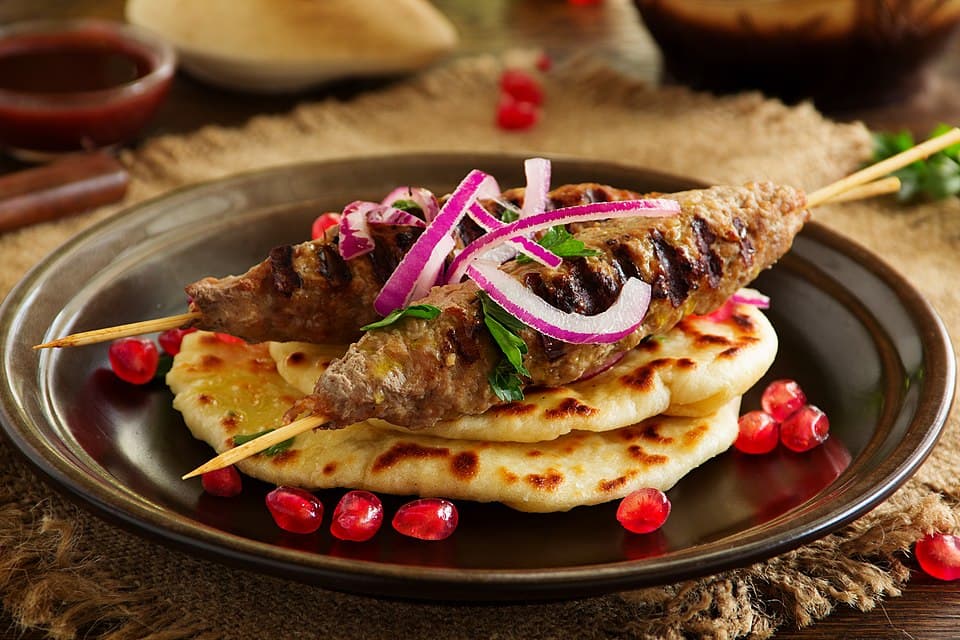
Iraqi Kebabs
Skewers of lamb, chicken, or beef, marinated in spices and cooked over charcoal. They come with flatbread, salad, and pickles. You find them on the street and in restaurants all over Iraq.
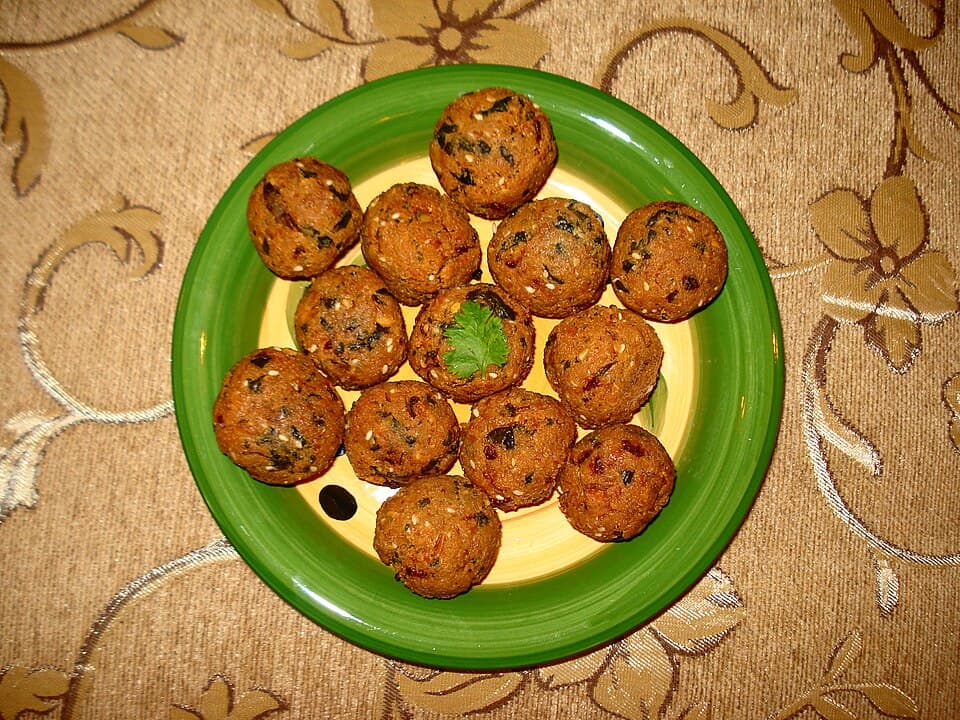
Falafel
Fried balls of chickpea or fava bean seasoned with herbs and spices, tucked into flatbread with salad, tahini sauce, and pickles. A go-to vegetarian street snack.
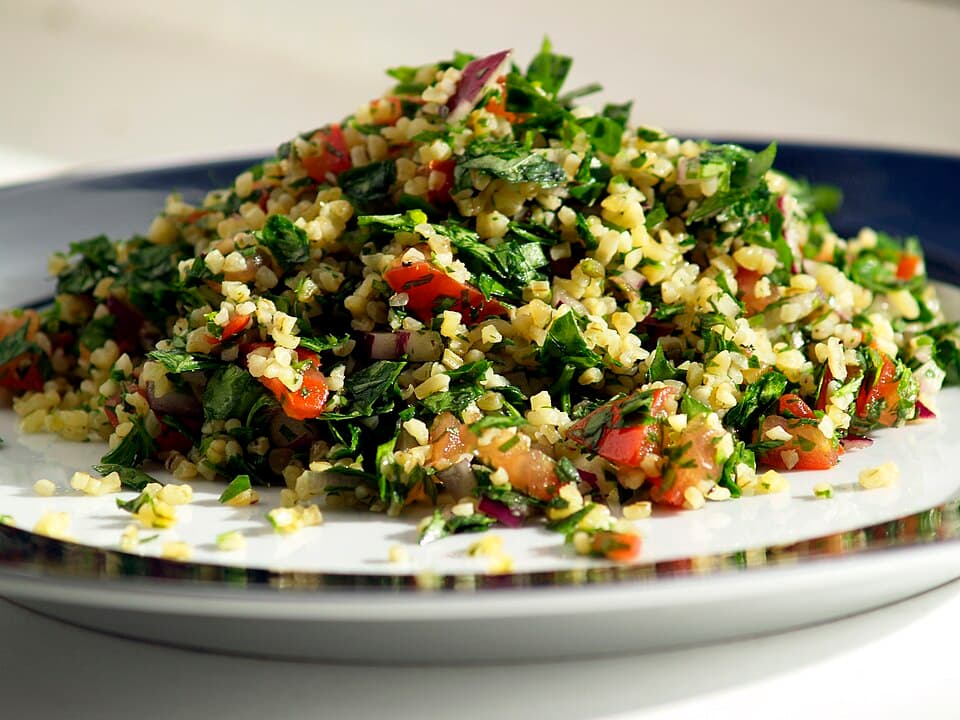
Tabbouleh
A parsley-heavy salad with bulgur, tomatoes, onions, lemon juice, and olive oil. It serves as a light, fresh side throughout Iraq.
Allergens:
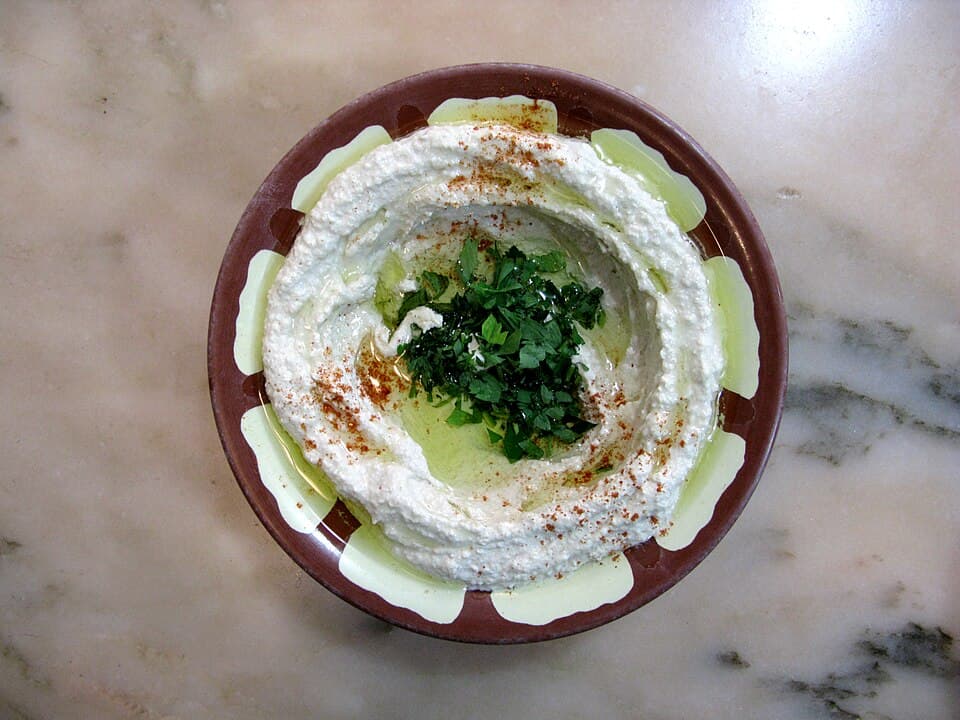
Hummus
Chickpeas blended with tahini, lemon juice, and garlic, served with a drizzle of olive oil and flatbread. A mezze table mainstay.
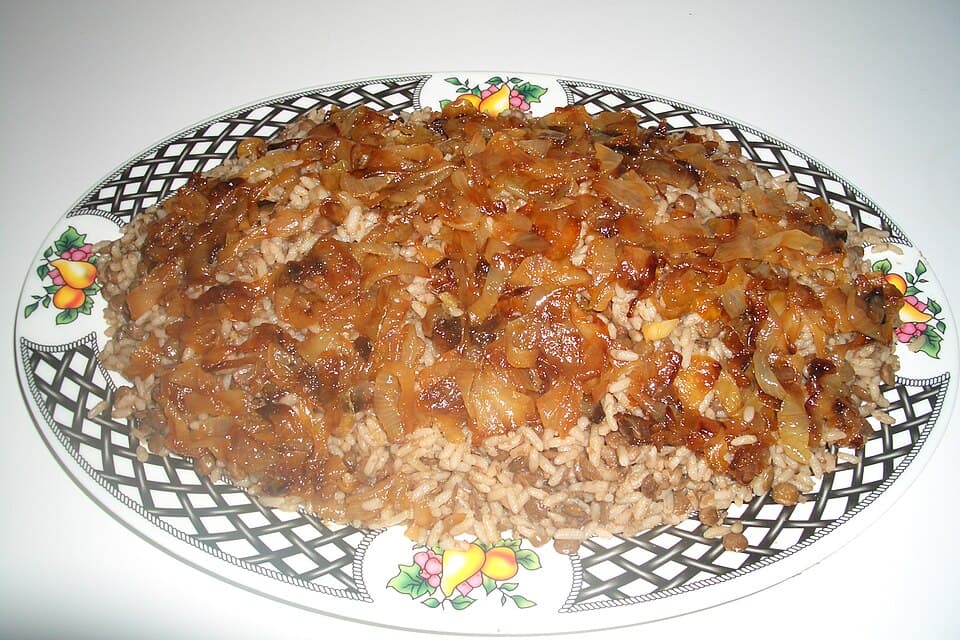
Mujaddara
Lentils and rice cooked together with caramelized onions. Simple and nourishing, it works as a vegetarian main or a side.
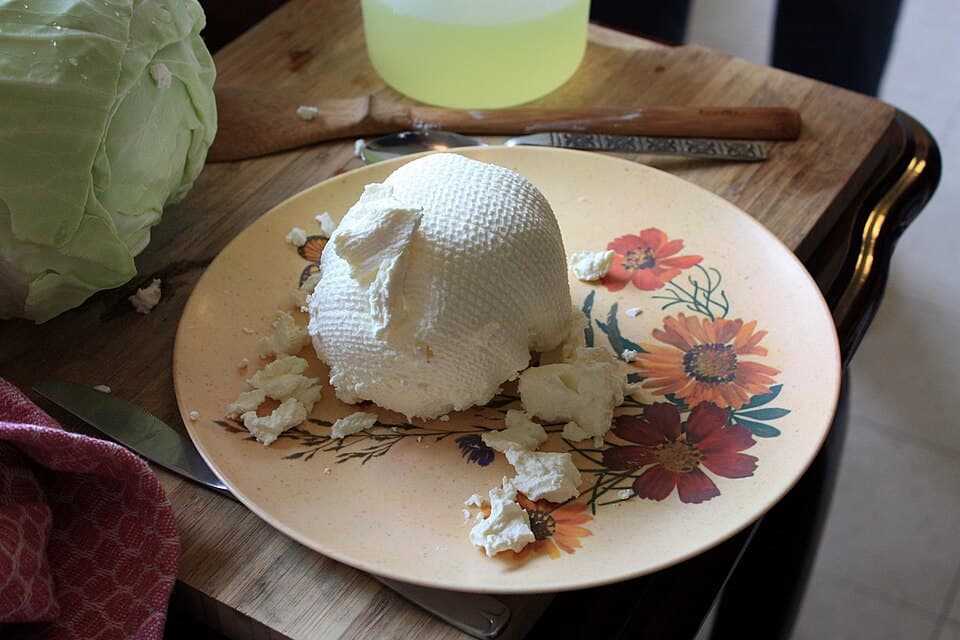
Labneh
Strained yogurt, thick enough to be called yogurt cheese, served with olive oil, za'atar, and vegetables. A breakfast staple eaten with flatbread.
Allergens:
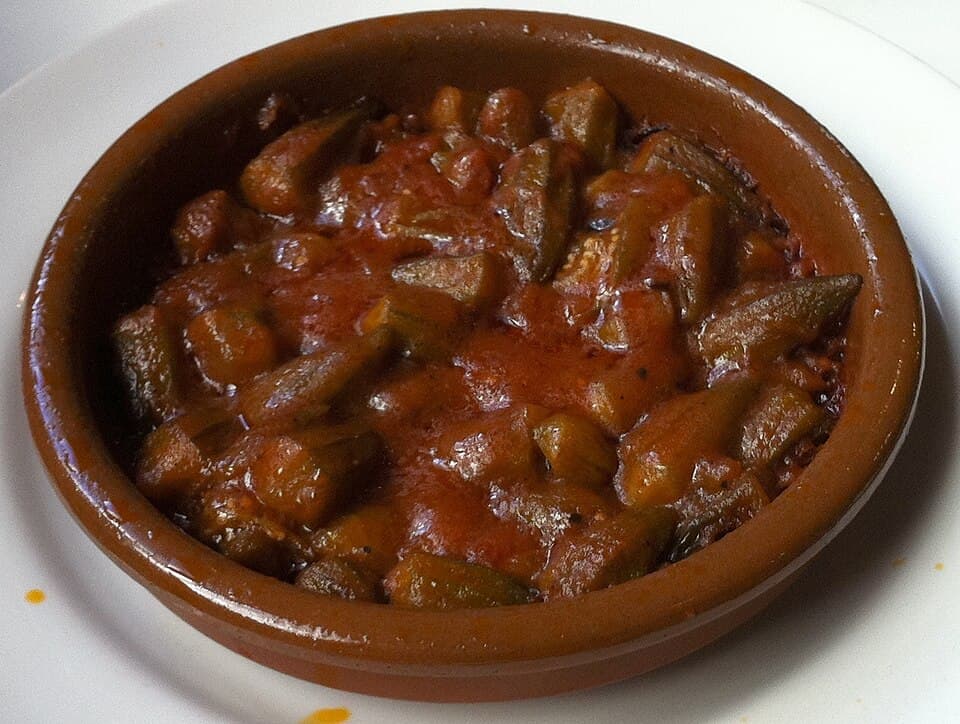
Bamia (Okra Stew)
Okra stewed with tomatoes, lamb or beef, onions, and garlic, served over rice. A well-loved home-cooked dish.
Iraqi Rice (Timman)
Fluffy basmati rice, central to Iraqi meals. It sometimes includes vermicelli noodles and always comes with butter. It accompanies most dishes.
Allergens:
Regional Cuisine Highlights
Explore the diverse culinary landscapes across different regions of Iraq.
Baghdad & Central Iraq
Baghdad, the capital and cultural heart, sits at the center of Iraqi cooking. Masgouf, the grilled fish, started along the Tigris, and the Abu Nawas waterfront remains the place to eat it. Tepsi Baytinijan (the eggplant casserole), tashreeb (bread soaked in broth), and the various kubba are everyday staples. Old trade routes left their mark, with Ottoman heritage in the dolma and kebabs and Persian influence in the rice. The city cooking is refined and varied. Street food is everywhere, from kubba vendors to kebab stands, while traditional restaurants and home cooks keep the older recipes going. The food carries both Mesopotamian roots and newer influences.
Cultural Significance:
Baghdad's cooking is where ancient Mesopotamian roots meet Ottoman and Persian influence. The masgouf method, fish propped upright around an open fire, belongs to Iraq alone, and the fish restaurants along Abu Nawas are landmarks in their own right. The food is tied closely to the Tigris, which has carried the region's life for millennia. Through decades of conflict, home cooks and family recipes kept the traditions alive. Eating here is built around hospitality and generosity, and it links the present to roughly 4,000 years of history.
Signature Dishes:
Key Ingredients:
Iraqi Kurdistan (Erbil, Sulaymaniyah, Dohuk)
Iraqi Kurdistan, in the north, keeps its own food traditions. The cooking leans on fresh ingredients, herbs, and grilled meats. Tepsî (a vegetable stew), Pel (the local dolma), and kebabs are popular. Breakfast is a big deal here, with elaborate spreads of honey, cream, cheeses, and vegetables. The region's herding past shows up in the reliance on lamb and chicken. Fasûlî (bean stew) with Kurdish-style rice is common, and shorba (lentil soup) is a staple. Erbil and Sulaymaniyah both have lively restaurant scenes, and alcohol policies are looser than in central and southern Iraq. The food expresses a Kurdish identity that's distinct from Arab Iraqi cooking.
Cultural Significance:
Kurdish food speaks to a distinct identity within Iraq. The mountains shape the ingredients, with herbs, vegetables, and lamb coming off highland pastures. The herding past lingers in the grilled meats and portable dishes. Breakfast in particular is a social tradition, laid out in elaborate spreads. The cooking helps hold onto Kurdish traditions, language, and identity, and hospitality runs through it all, with generous portions and several courses. Restaurants in Erbil and Sulaymaniyah keep the old recipes while updating how they're plated.
Signature Dishes:
Key Ingredients:
Southern Iraq (Basra)
Southern Iraq, around Basra, picks up coastal influences and grows a lot of dates. Being close to the Persian Gulf means more fish and shrimp than you'd see in central Iraq. Date palms are everywhere, and Basra dates are prized worldwide. Rice grows in the marshlands. The food runs spicier than in the north, a Gulf trait. Masgouf is popular, but other fish preparations are too. The Marsh Arabs, or Ma'dan, keep their own traditional foods, and rice dishes feature heavily. Tea culture is especially strong here, and Basra tea is well known. The cooking reflects Gulf Arab influence, the nearness of Iran, and what the marshlands provide.
Cultural Significance:
Basra's food reflects Iraq's southern, maritime side. Date growing here goes back centuries, and Basra dates are prized worldwide. The marshlands form their own ecosystem of rice, fish, and water buffalo, and the Marsh Arabs have kept a way of life and a way of eating that has changed little over millennia. The Gulf brings a wider range of seafood, while Iranian influence shows in the spicing and rice. Tea culture is particularly strong, and Basra tea, sometimes with cardamom and saffron, is well known. The food links ancient Mesopotamia to the modern Gulf.
Signature Dishes:
Key Ingredients:
Sweet Delights & Desserts
Indulge in Iraq's traditional sweet treats and desserts.

Baklava
Layered phyllo with chopped pistachios or walnuts, soaked in syrup or honey. Crisp layers, rich filling. Sweet shops, or halawiyat, sell it, and it comes out for special occasions, celebrations, and Ramadan. The Iraqi version is close to the Turkish and Arab ones but spices its syrup a little differently.

Halawa (Halva)
A tahini-based sweet studded with pistachios or other nuts. The texture is dense and crumbly, the flavor sweet and sesame-heavy. It's served with tea and sold in sweet shops across Iraq, eaten at breakfast or as a dessert, and comes in several varieties.

Znoud el Sit
Fried phyllo rolls filled with ashta, a clotted cream or custard, then soaked in syrup. Crisp outside, creamy inside, sweet through. Served warm or cold, it turns up at special occasions and in sweet shops and is well-liked across Iraq.

Kunafa (Kanafeh)
Shredded phyllo layered with sweet cheese or cream, baked, then soaked in syrup and topped with pistachios. It's served warm, and the contrast of crisp pastry against the soft filling is the point. Sweet shops make it for special occasions. It's eaten throughout the Middle East, with Iraqi takes on it.

Date-based Sweets
Iraq grows a lot of dates, and they turn up in plenty of sweets: date-filled kleicha cookies, date syrup (dibis), date balls rolled with nuts, and halwa tamur, a date halva. Dates run through Iraqi confectionery. They're naturally sweet and nourishing, and you'll find these treats in markets, sweet shops, and homes.
Traditional Beverages
Discover Iraq's traditional drinks, from locally produced spirits to regional wines.
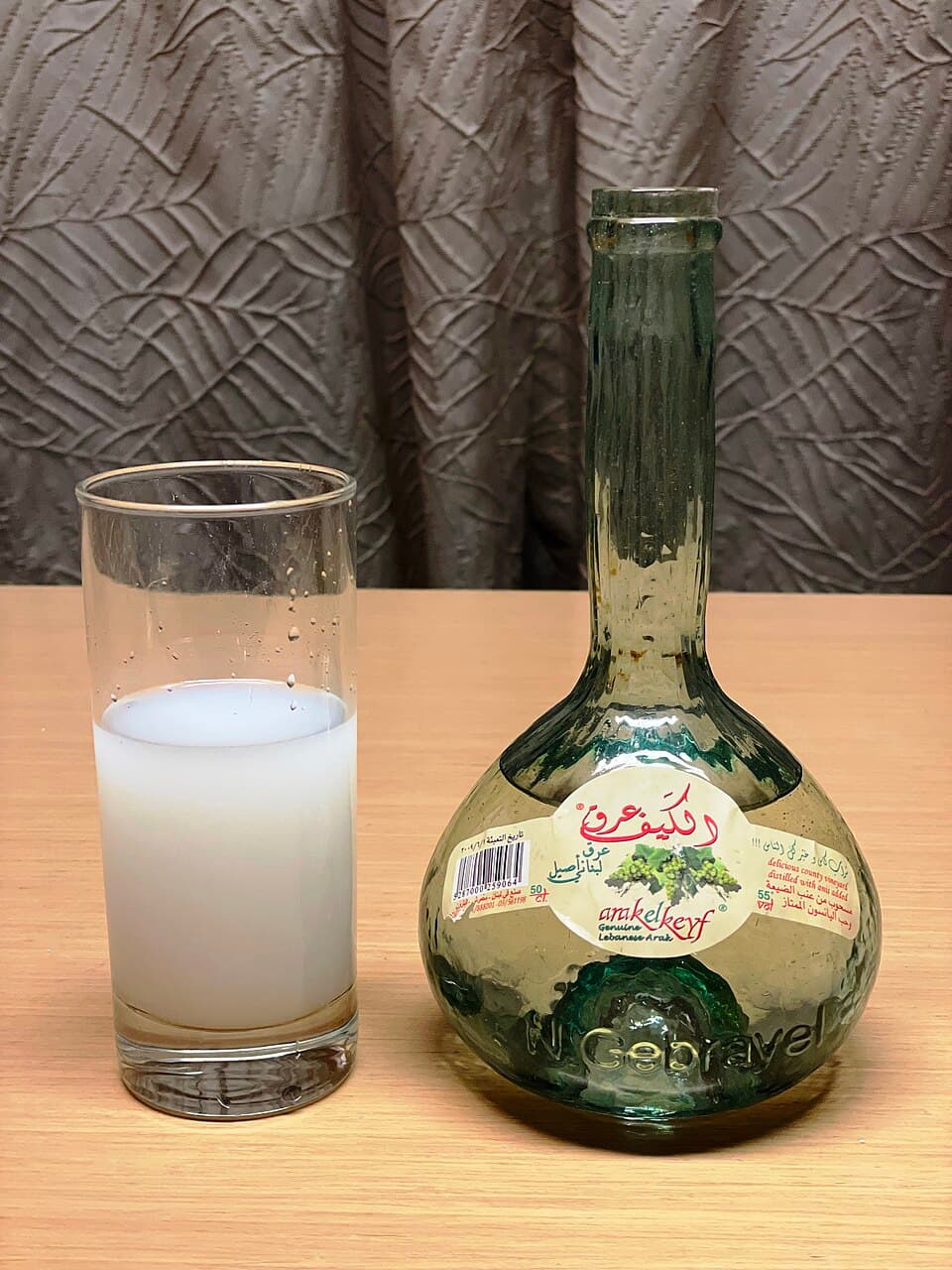
Arak (in Christian/secular areas)
An anise-flavored distilled spirit, drunk mainly in Christian and secular communities. Mixed with water it turns milky white, and it is served with ice alongside mezze. Note that alcohol is restricted across much of Iraq and is easier to find in Kurdistan and Christian communities.
Soft Beverages
Discover Iraq's traditional non-alcoholic drinks, from local teas to refreshing juices.

Iraqi Tea (Chai)
Strong black tea brewed with cardamom and served sweet in small glasses called istikans. It's at the heart of Iraqi hospitality and is always offered to guests. People drink it all day, after meals, with sweets, and over long conversations, and tea houses double as social hubs. Fresh mint sometimes goes in.

Ayran (Yogurt Drink)
A savory yogurt drink thinned with water and seasoned with salt, served cold. It cuts through kebabs, biryani, and other heavy meals and is said to help digestion. You'll find it in restaurants, in homes, and bottled in stores. It's a cousin of Turkish ayran and Persian doogh.

Qamar al-Din (Apricot Drink)
A sweet apricot nectar made from dried apricot paste, bright orange and sweet. It's a Ramadan tradition for breaking the fast, served cold over ice, and it's an easy summer drink the rest of the year. Juice shops and supermarkets carry it, sometimes with a touch of rose water.

Turkish Coffee (Qahwa)
Finely ground coffee brewed in a small pot, a cezve or ibrik, and served unfiltered in little cups. It's strong and thick, sometimes spiced with cardamom, with the grounds settling at the bottom. People drink it after meals and at social gatherings, and reading the leftover grounds for fortunes is part of the ritual.
Frequently Asked Questions
Essential information about food and dining in Iraq.
What is the national dish of Iraq?
Iraq's most iconic dishes include Masgouf, Dolma, Iraqi Biryani. Iraq's national dish: grilled fish, traditionally carp from the Tigris, marinated in olive oil, sumac, and turmeric. The fish is butterflied and propped upright on stakes around an open fire, where the smoke and flames cook it slowly. Figure on 45 minutes to three hours, so order ahead. The Abu Nawas waterfront in Baghdad is the best-known place to find it. Baghdad cooks claim the top spot, but you'll eat well anywhere in Iraq or Kurdistan that's near a river with fresh carp. The cooking method belongs to Iraq alone. It comes with lemon, onions, flatbread, and tomatoes, and shows up at celebrations and family meals. Fish restaurants along the rivers serve it, and it traces back thousands of years to Mesopotamian river fishing.
Is street food safe in Iraq?
Street food in Iraq can be enjoyed safely by following these guidelines: Always drink bottled water. Look for busy vendors with high turnover, ensure food is cooked fresh and served hot, and avoid raw ingredients if you have a sensitive stomach.
What are the best restaurants in Iraq?
Iraq offers diverse dining options from street food stalls to upscale restaurants. For the best experience, ask locals for recommendations, check recent reviews, and look for restaurants that specialize in regional cuisines.
Can vegetarians find food easily in Iraq?
Vegetarian options in Iraq are mediumly available. Vegetarians can eat meat-free dolma, fasolia yabsa (bean stew), shorba (lentil soup), salads, rice dishes, and flatbreads. Traditional restaurants put out vegetable-based mezze. Say what you need clearly, since meat stock often turns up in dishes that look vegetarian.. Many restaurants offer vegetarian dishes, and you'll find plant-based ingredients featured prominently in local cuisine.
What is the average cost of a meal in Iraq?
Meal costs in Iraq depend on where you eat. Street food and casual local restaurants are very affordable, typically offering complete meals for a few dollars. Mid-range restaurants charge moderate prices, while fine dining establishments are comparably priced to Western countries.
What are common food allergens in Iraq?
Common allergens in Iraq cuisine include Nuts, Dairy, Gluten. Almonds, walnuts, pistachios used in Iraqi biryani, desserts (baklava), and garnishes. These ingredients appear in dishes like Biryani, Baklava. Always inform restaurant staff about your allergies.
When is the best time to visit Iraq for food?
Iraq offers great food experiences throughout the year. However, visiting during harvest seasons (typically spring and autumn) provides access to the freshest local ingredients. Food festivals and cultural celebrations also offer unique culinary experiences worth planning around.