
Senegal Food Guide
Content Information
Recently updated🔥Current Food Trends 2026
What's happening in Senegal's culinary scene right now
In mid-2026, Senegalese food still runs on Teranga hospitality and the communal bowl, and thieboudienne (ceebu jën) carries more weight than ever since UNESCO added it to the Intangible Cultural Heritage list. That recognition pulled in food tourists, and competitions and recipe-preservation projects keep cropping up around the dish. Dakar now draws people who want to eat well in West Africa, with a wave of kitchens mixing Senegalese cooking with French technique and Asian flavors. You can move from beach grills to higher-end rooms serving caldou, then to dibi smoking away at roadside stands at all hours. Fresh fish remains the backbone, with Atlantic catches filling the markets and showing up in thieboudienne and grilled whole fish across the city. Yassa has traveled well beyond the country, and the tangy onion-and-lemon chicken now turns up on menus abroad. Mafé gets plated in more modern ways, and farm-to-table cooks have started building dishes around local groundnuts. The old habits hold, one big shared bowl and eating with the right hand. Tourist months push restaurants to experiment, from fusion plates at Le Bambou to the Cape Verdean-Senegalese cooking at Chez Loutcha. On Ngor Island, Sunu Makane keeps the seafood standard high with hand-picked dentex and white fish under a spicy yassa. Street food holds its ground, with dibiteries grilling antelope, beef, and lamb. Casamance cooking is getting more attention for its Portuguese-influenced caldou and Diola rice, while Saint-Louis leans on the fish that comes from both the Atlantic and the Senegal River. Fonio is back in rotation, dibiteries put game meat on the grill, bissap is finding export markets, and café Touba keeps spreading. Food writers cover the cuisine, cooking classes fill up with visitors, and new recipe books keep coming out.
Food Safety Tips
Essential food safety information to help you enjoy Senegal's cuisine safely and confidently.
Drink only bottled or purified water
Tap water is not safe to drink in Senegal. Always use bottled water for drinking, brushing teeth, and washing fruits and vegetables. Avoid ice unless made from purified water.
Choose busy vendors with high turnover
Street food can be safe when vendors have high customer turnover and prepare food fresh. Look for popular stalls where food is cooked to order, especially for dibi and grilled items.
Eat seafood at reputable establishments
Senegal has abundant fresh fish. Choose restaurants and vendors with visible fresh catches and proper refrigeration. Coastal areas like Dakar and Saint-Louis have excellent seafood options.
Use right hand only, eat from your section
Traditional communal bowl dining requires using only your right hand (left considered unclean) and eating from the section directly in front of you. This is culturally important etiquette.
Dietary Options
vegetarian
MEDIUM AVAILABILITYVegetarian food exists, but meat and fish run through most traditional dishes. Mafé can be made with vegetables, and there are rice and vegetable dishes to be had. Dakar's international restaurants give you more to work with. Be clear about what you need.
vegan
LOW AVAILABILITYEating vegan is hard within traditional Senegalese cooking. Stick to rice dishes, vegetable stews, and fresh fruit, and make a point of asking for no fish sauce or meat broth. A few health-minded restaurants in Dakar do plant-based food.
gluten-free
MEDIUM AVAILABILITYPlenty of traditional dishes are gluten-free by default, built on rice, millet, fonio, fish, and vegetables. Bread is everywhere, but you have alternatives. Thieboudienne, yassa, and mafé are usually gluten-free. Check the ingredients to be sure.
halal
HIGH AVAILABILITYSenegal is a predominantly Muslim country, and nearly all meat is halal. Muslim travelers will have no trouble finding food that meets their needs anywhere in the country.
kosher
VERY LOW AVAILABILITYNo kosher restaurants or certification in Senegal. Small Jewish community exists but no kosher infrastructure. Observant travelers should rely on packaged products, fresh produce, and fish dishes.
Common Allergens
Peanuts
VERY HIGH PREVALENCEPeanuts (groundnuts) central to Senegalese cuisine, especially in mafé peanut stew
COMMONLY FOUND IN:
Fish and Shellfish
VERY HIGH PREVALENCEFish and seafood fundamental to Senegalese cuisine, used extensively in sauces and main dishes
COMMONLY FOUND IN:
Palm Oil
MEDIUM PREVALENCEPalm oil used in some traditional cooking
COMMONLY FOUND IN:
Onions
HIGH PREVALENCEOnions used heavily, especially in yassa dishes with caramelized onions
COMMONLY FOUND IN:
Essential Food Experiences
These iconic dishes represent the must-have culinary experiences that define Senegal's food culture for travelers.
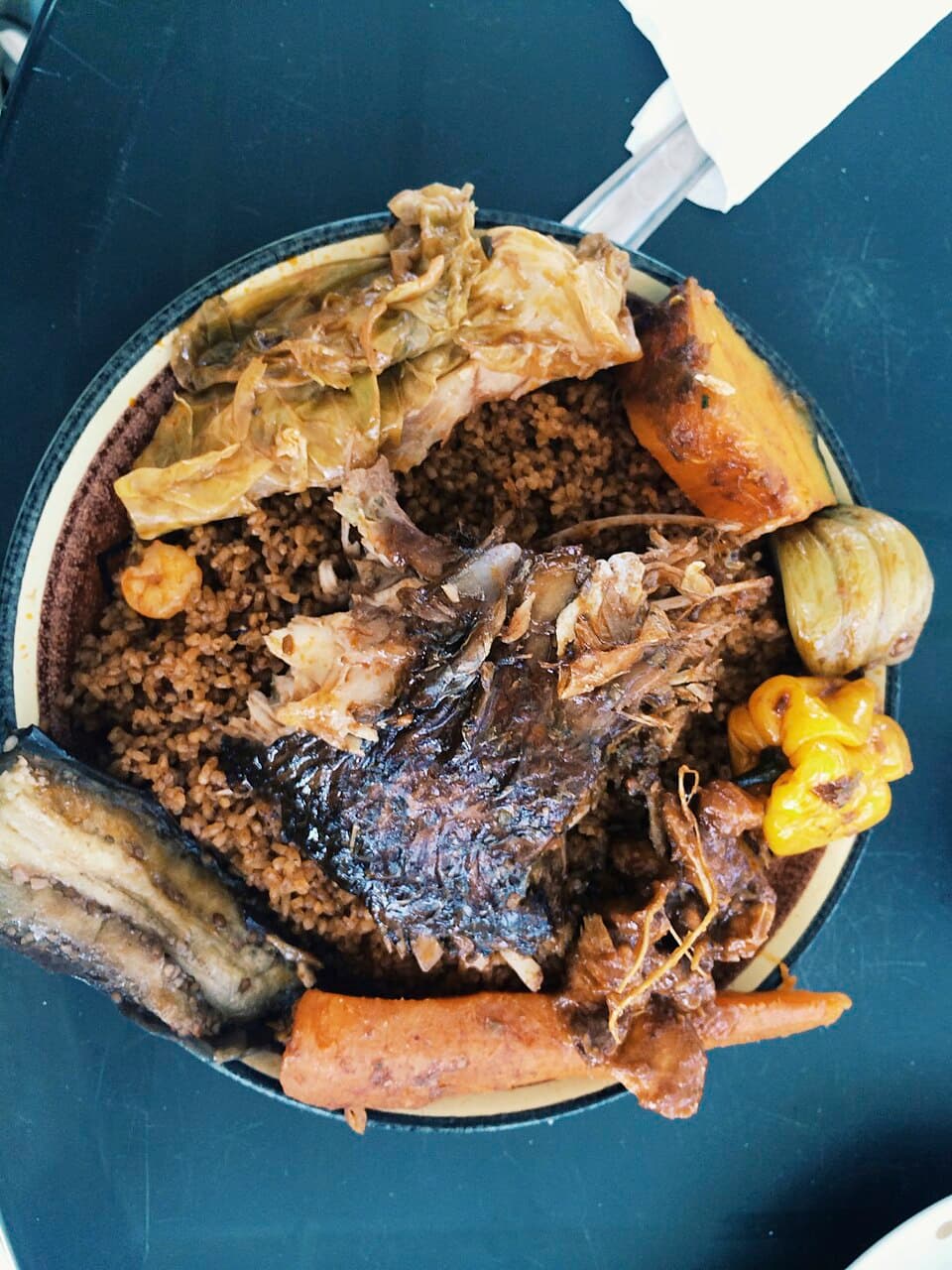
Thieboudienne (Ceebu Jën)
Senegal's national dish, now on the UNESCO Intangible Cultural Heritage list. It started in the fishing communities of Saint-Louis. A fish steak, often grouper, cooks in one pot with broken rice, tomato sauce, dried fish, molluscs, and whatever vegetables are in season (onions, parsley, garlic, chili, tomatoes, carrots, eggplant, cassava, sweet potato, okra, bay leaf). The rice soaks up the fish and turns reddish-orange from the tomato. Recipes and technique usually pass from mother to daughter. Most families eat it with their hands from a shared bowl; restaurants hand you a fork. There are two versions, red with tomato and white without, and no two cooks make it quite the same way. For many Senegalese it stands in for the country itself.
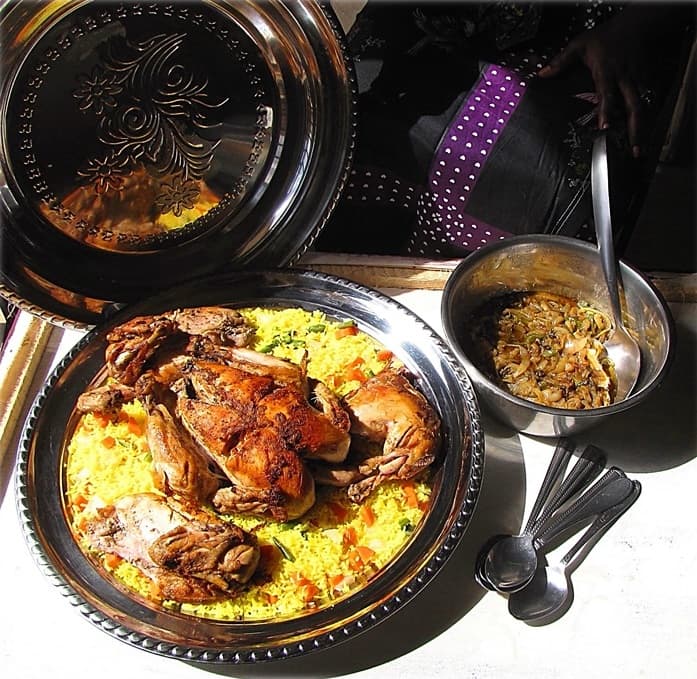
Yassa Poulet (Chicken Yassa)
A tangy chicken dish that came out of Casamance and is now eaten all over the country. The chicken marinates in lemon juice, mustard, and onions, then gets grilled or seared so it picks up some smoke, and finishes simmering in a heap of caramelized onions with the marinade. It comes out sweet, sour, and a little spicy at once. That pile of golden onions is the whole point of yassa. It usually arrives with white rice, and there's a fish version, yassa poisson, that's just as common. Casamance gave this one to the rest of Senegal, and you'll find it in every restaurant and home kitchen.
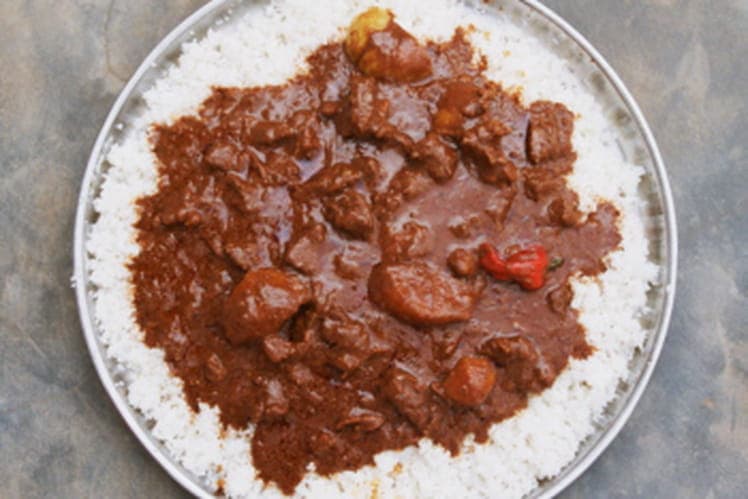
Mafé (Groundnut Stew)
Mafé, also called tiga diga na, is a thick peanut stew built on a base of groundnut paste that turns into a rich, creamy sauce. It's usually cooked with beef, lamb, or chicken and rounded out with sweet potatoes, carrots, and potatoes. The peanut comes through strongly but the spices keep it in check, and it's served over rice. It's the kind of dish that gets shared from a common bowl, which is part of why people make it. Every family has its own version, sweeter or spicier, with one meat or another.
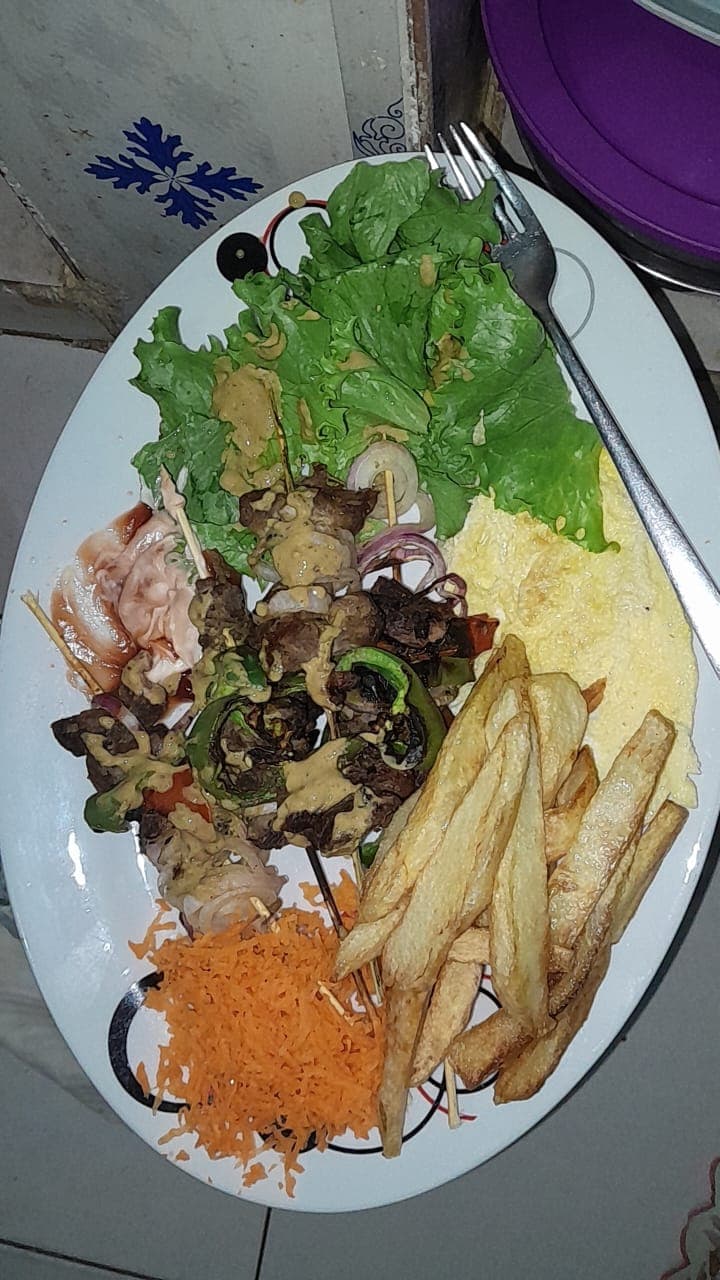
Dibi (Senegalese Barbecue)
Dibi is the roadside barbecue you'll find everywhere, Dakar's go-to quick meal. Lamb, beef, or goat is marinated with mustard, onions, and spices, then grilled over charcoal until it's charred outside and still juicy inside. It comes with grilled onions, mustard, and bread. The dibiteries, half butcher shop and half grill, are all over Senegal, and in Casamance they'll grill game meat like antelope too. The smoke and the sizzle pull people in, especially late at night, and most stands have their regulars. It's about as Senegalese as street food gets.
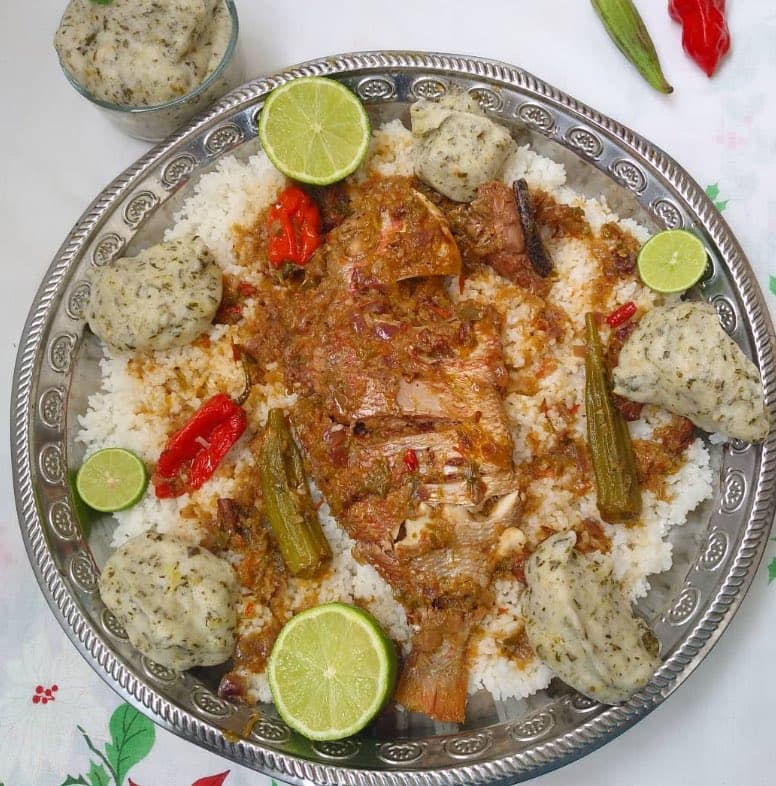
Caldou (Fish Soup)
A Casamance fish soup that traces back to Portuguese colonial contact, close cousin to caldeirada de peixe. It's made with lime, tomatoes, and grilled carp or tilapia, sometimes with cassava or sweet potato thrown in. The broth stays light and tangy so the fish does the talking, and it's a good deal less heavy than thieboudienne. You'll mostly find it in southern Senegal and at Dakar restaurants that specialize in Casamance food, where its Portuguese and Diola roots show through.
Thiou (Senegalese Stew)
A family of tomato-based stews made with meat, fish, or vegetables. Thiou yapp (meat) and thiou djen (fish) are the most common. The sauce is thick, built on tomatoes, onions, garlic, and Senegalese spices, with eggplant, cassava, or cabbage worked in, all served over rice. It takes less work than thieboudienne but tastes just as good, which is why it's a fixture in home kitchens. Every region tweaks it. This is everyday Senegalese eating.
Pastels (Senegalese Fish Fritters)
A street-food staple: fried pastry pockets stuffed with spiced fish, usually thiof, along with vegetables and sometimes egg. The pastry fries up crisp and golden over a savory filling, and it's served hot, often with a spicy sauce on the side. People eat them for breakfast or as a snack. They're a bit like samosas but their own thing, and in Dakar you'll find them on just about every corner, mostly eaten on the move. A good first taste of Senegalese street food.
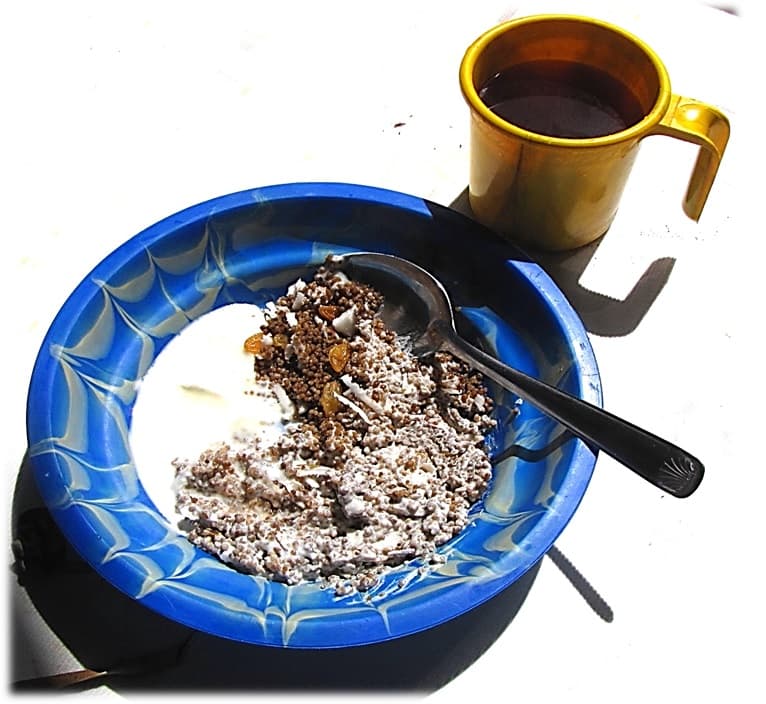
Thiakry (Millet Couscous Dessert)
Sweet millet couscous folded into yogurt and cream with vanilla and nutmeg, sometimes with raisins or pineapple added. It's light and not too sweet, and the steamed millet grains give it a texture you don't get from anything else. People eat it as both a dessert and a breakfast, and it shows up at celebrations and family gatherings. Each household lands on its own sweetness and mix-ins. After a spicy meal it cools things right down.
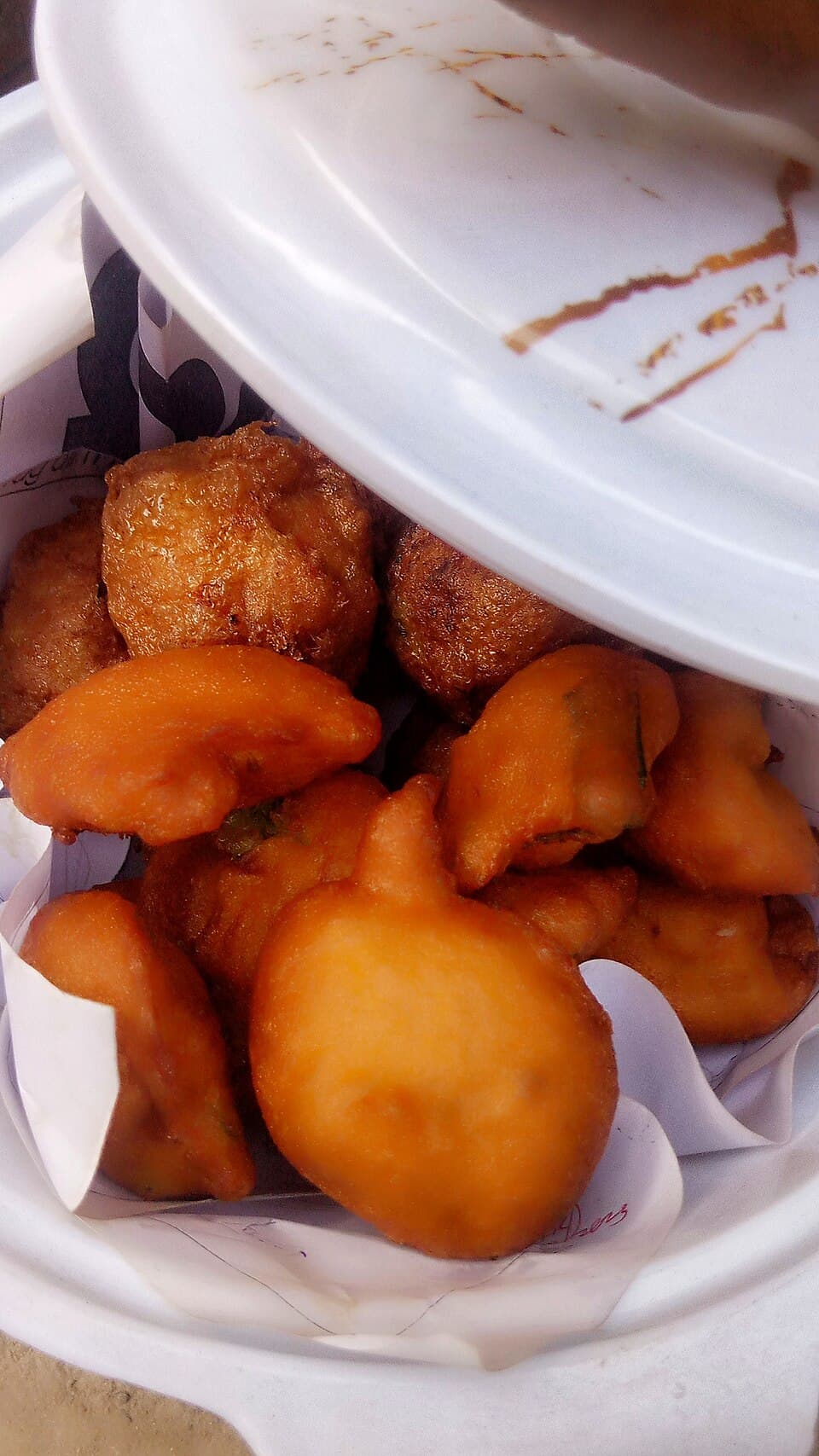
Accara (Black-Eyed Pea Fritters)
Fritters made from black-eyed peas, onions, garlic, and spices, the Senegalese take on West African akara. They're crisp outside and fluffy inside, usually eaten for breakfast with bread and a spicy sauce. You'll find them all over the country, often from women selling them in the morning, and they're best straight off the heat. It's a filling vegetarian option, and versions of it show up across West Africa and the Americas, a thread running through the African diaspora.
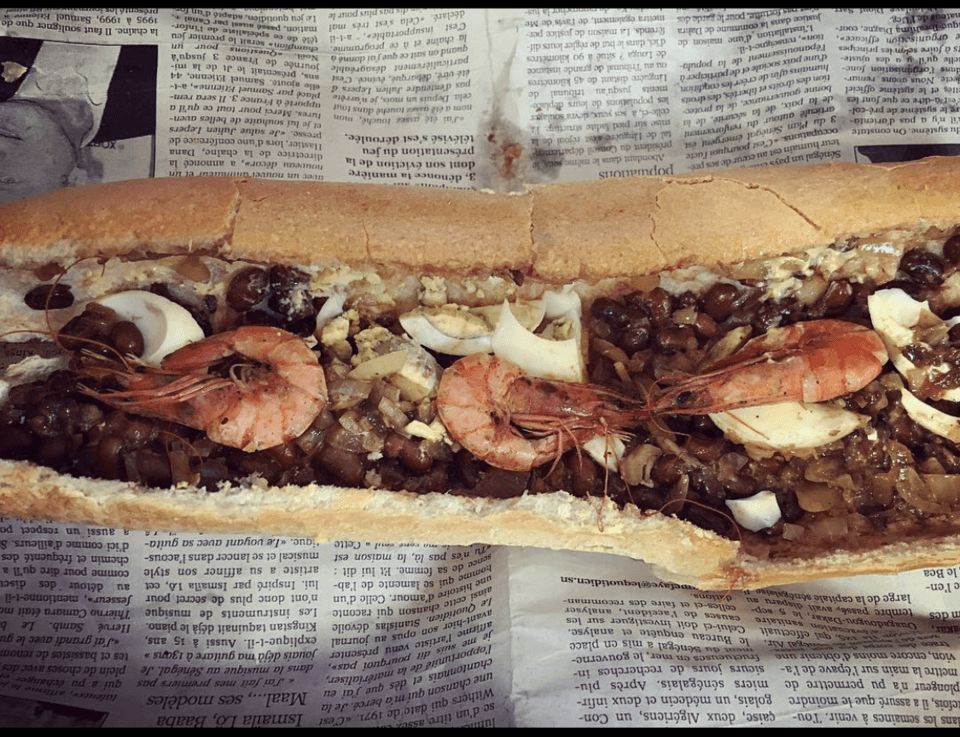
Ndambé (Black-Eyed Peas in Sauce)
Black-eyed peas stewed in a tomato-onion sauce with garlic and spices, the Senegalese answer to ful medames. It's filling, cheap, and often eaten for breakfast with bread. Students and workers grab it as a quick meal that holds them over, and vendors sell it all day, each with their own sauce. A solid vegetarian source of protein and a good example of how West Africa cooks its beans.
Capitaine Braisé (Grilled Nile Perch)
A whole capitaine, or Nile perch, marinated with lemon, garlic, and spices and grilled over charcoal, served with onion sauce and either rice or attieke (cassava couscous). It's a fixture at riverside restaurants and beach grills. The fish is meaty and full of flavor, and bringing it out whole makes a statement, which is why it's usually shared family-style. You'll come across it at Dakar's beach spots and along the river in Saint-Louis, where the fishing runs deep.
Regional Specialties & Local Favorites
Discover the authentic regional dishes and local favorites that showcase Senegal's diverse culinary traditions.
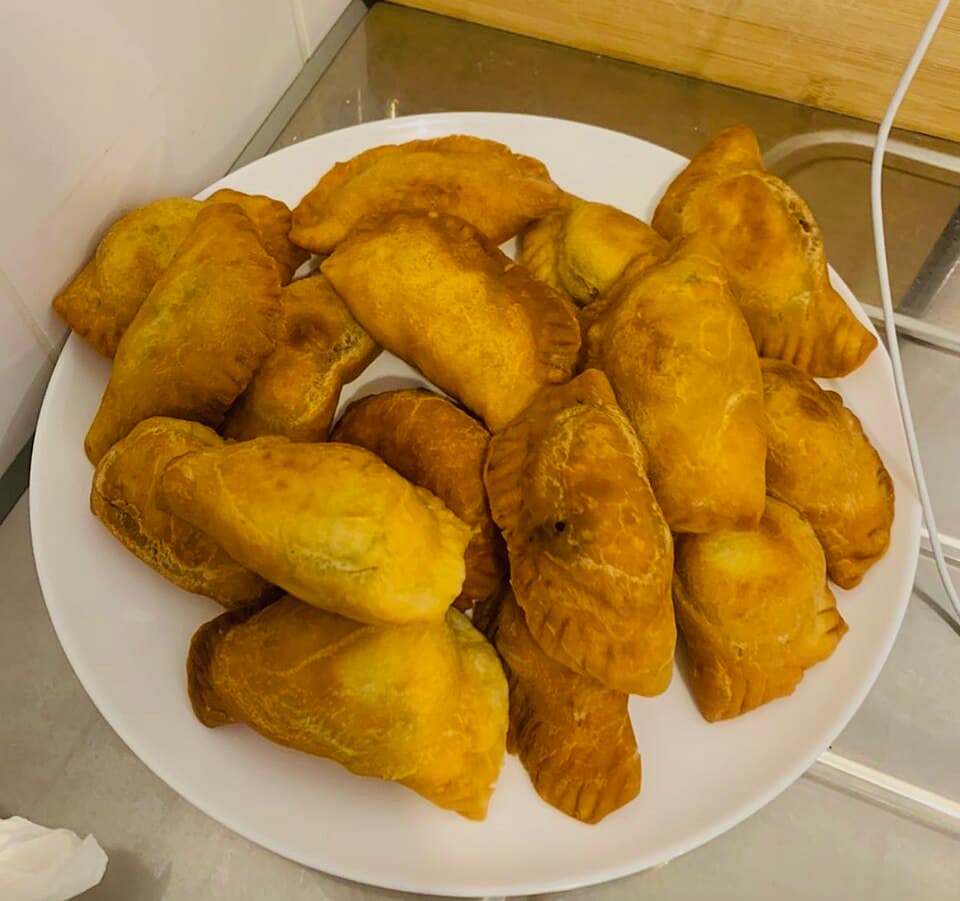
Fataya (Meat Hand Pies)
Hand pies, fried or baked, filled with spiced ground beef or lamb, onions, and sometimes egg, wrapped in flaky pastry. You find them at markets, street stalls, and bakeries, and they make an easy meal to eat on the move.
Allergens:
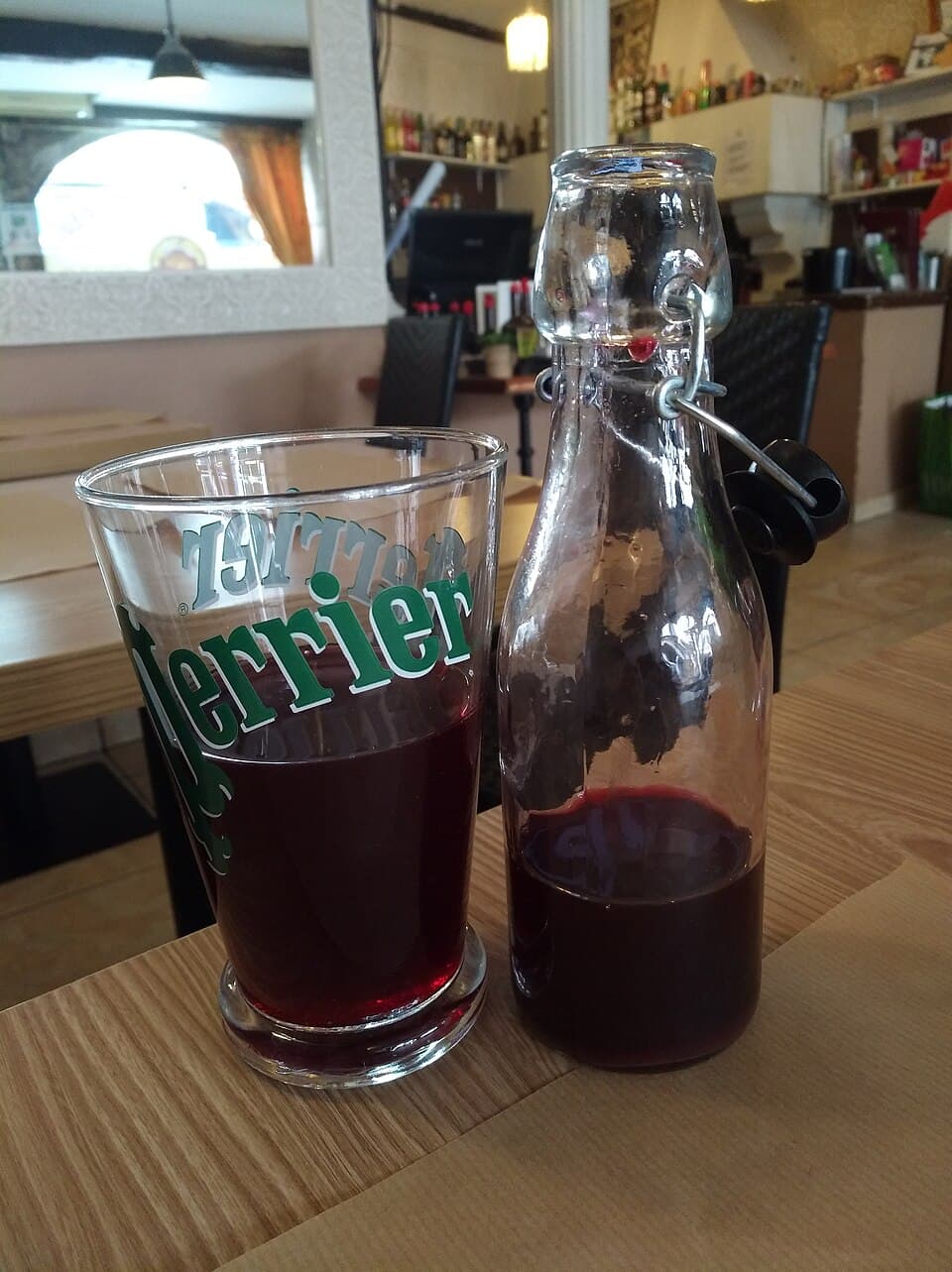
Bissap (Hibiscus Drink)
A sweet-tart hibiscus drink served cold, deep red, often flavored with mint or ginger. It is the national drink and high in vitamin C. See soft beverages for the full description.
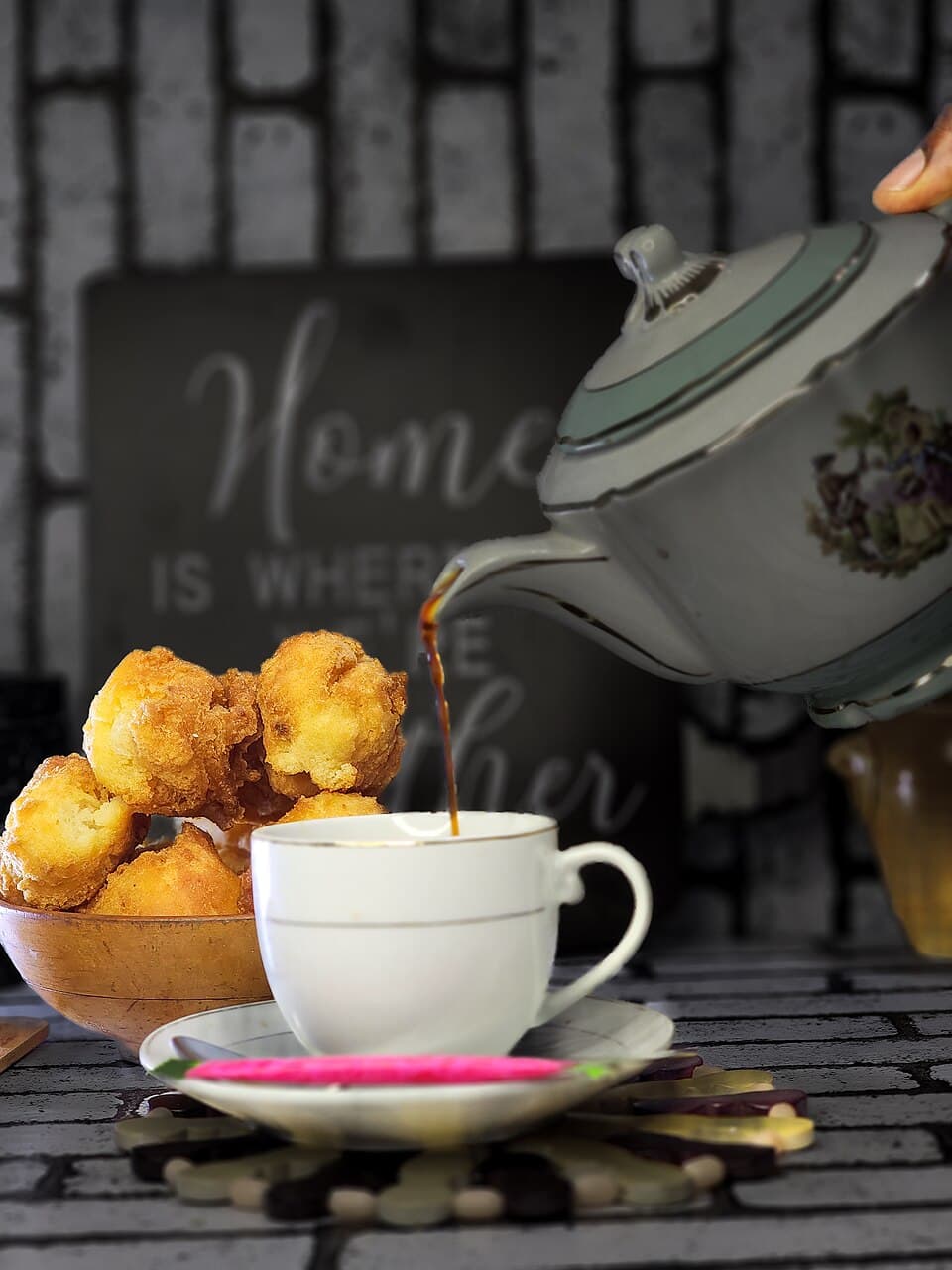
Café Touba
Spiced coffee from the holy city of Touba, brewed with Guinea pepper (djar) and cloves so it comes out strong, aromatic, and slightly hot. It is tied to the Mouride brotherhood and sold by street vendors all over Senegal. It tastes nothing like ordinary coffee.
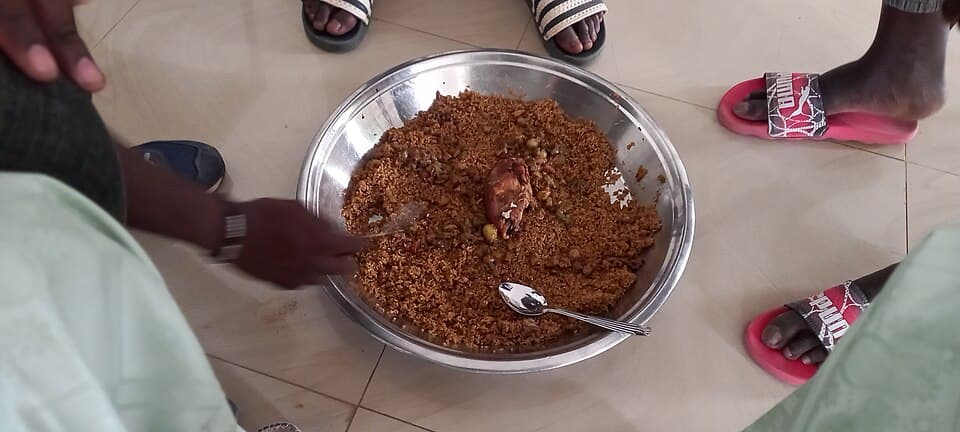
Thiébou Guinar (Chicken Rice)
Thieboudienne made with chicken instead of fish, the same one-pot rice with vegetables. A good option for anyone who prefers poultry, and a sign of how far the base recipe stretches. You will find it in homes and local restaurants.
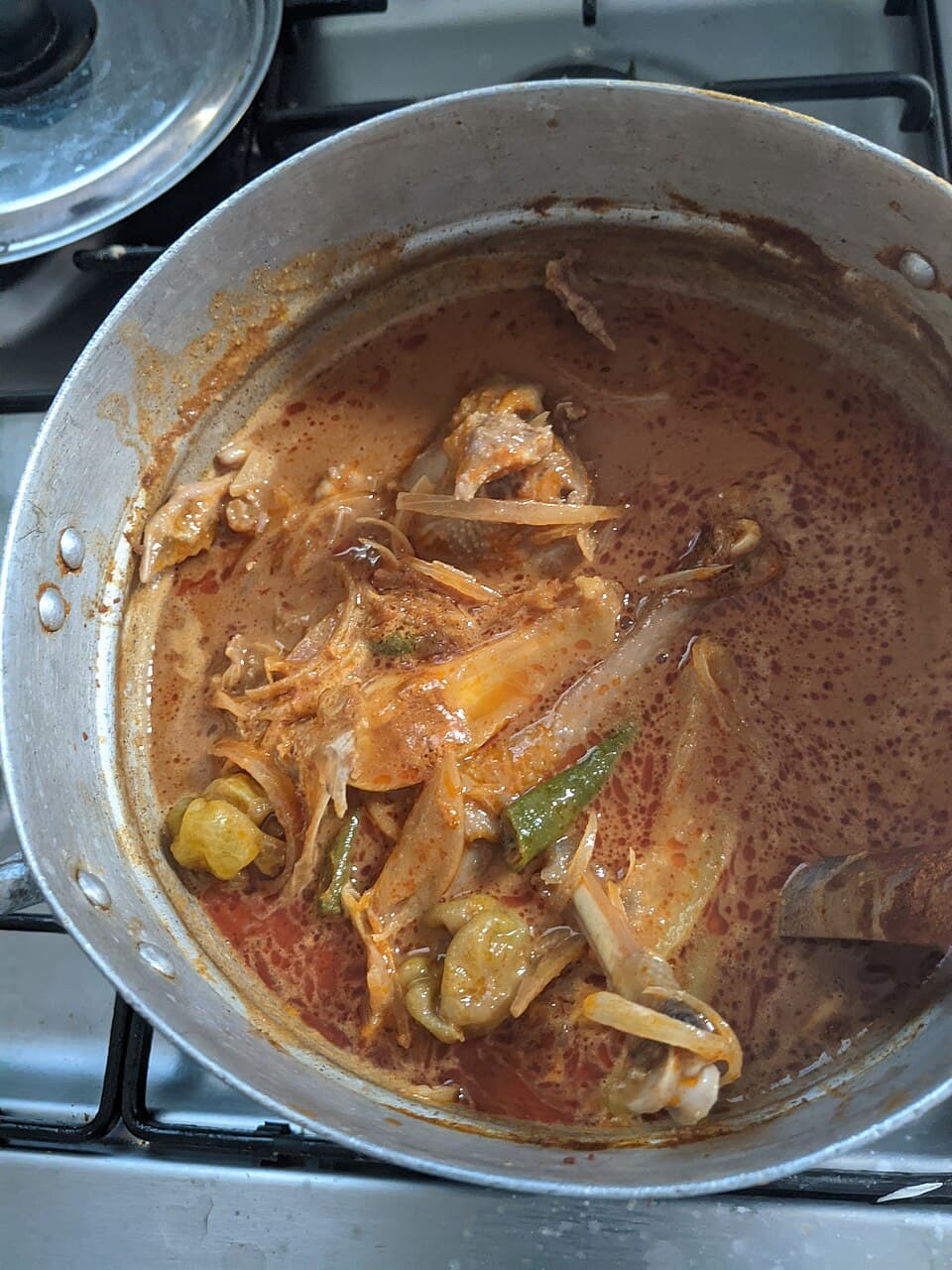
Suppa Kanja (Okra Soup)
Okra soup cooked with fish or meat, palm oil, and vegetables, thickened by the okra itself and served over rice. It is a home-cooking standby that changes from region to region and family to family, part of a wider West African tradition of okra soups.
Allergens:
Sombi (Coconut Rice Pudding)
Sweet rice pudding made with coconut milk and vanilla, sometimes with pineapple. Creamy and served cold, it turns up at celebrations and from street vendors, and it cools things down after a spicy meal.
Allergens:
Mbouraké (Bean Fritters)
Bean fritters that go either way, sweetened with sugar or made savory with onions and spices. They are crisp, often made for special occasions, and sold as a street and market snack. One more example of how many ways Senegal cooks its beans.
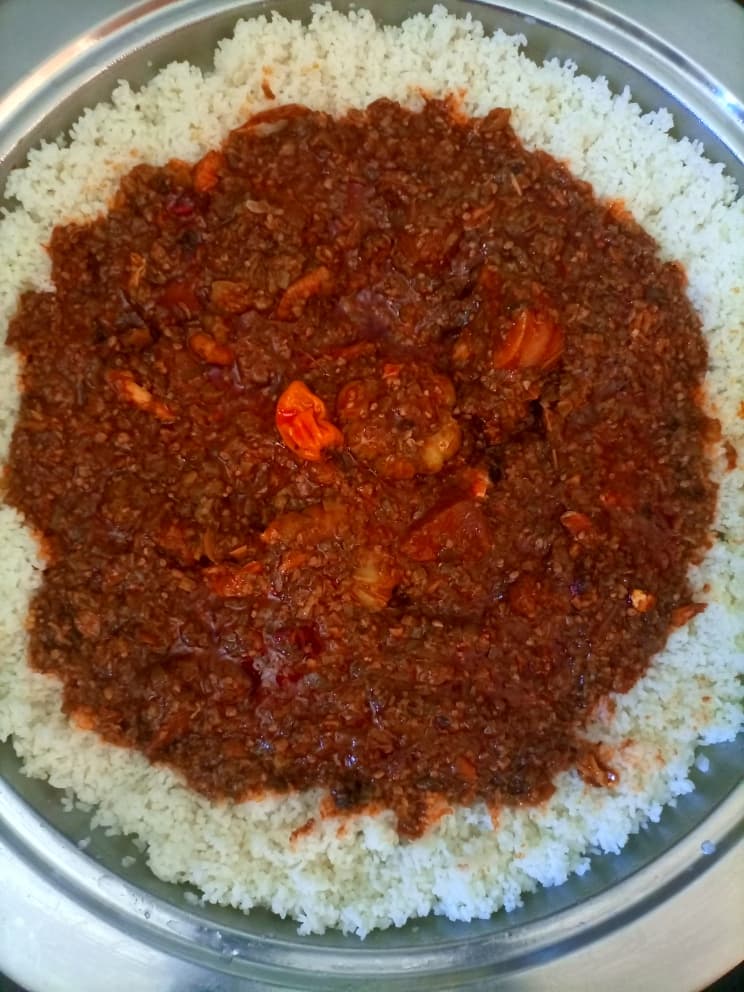
Domoda (Gambian Peanut Stew)
A Gambian peanut stew close to mafé, common in Senegal given how near the two countries sit. It is made with groundnut paste, tomatoes, vegetables, and meat, spiced a little differently from mafé, and it shows how food crosses the border.
Allergens:
Regional Cuisine Highlights
Explore the diverse culinary landscapes across different regions of Senegal.
Dakar and Coastal Areas
Dakar and the Atlantic coast hold Senegal's broadest and most ambitious food scene. Beach restaurants with their grills going line the shore, and on Ngor Island, Sunu Makane serves hand-picked dentex and white fish under a spicy yassa. Dibi is everywhere, with roadside stands grilling lamb and beef from morning until late at night. There are higher-end rooms too, from the Cape Verdean-Senegalese cooking at Chez Loutcha to the French-leaning kitchen at Le Bambou, plus Vietnamese at La Saigonnaise. On the street, pastels, fataya, and accara sell on every corner, and the fish markets bring in fresh seafood daily. Dakar runs on Teranga hospitality but cooks with a contemporary hand, and the tourist months push everything outdoors, onto the beach and toward the sunset seafood grills.
Cultural Significance:
Dakar is where modern Senegalese food gets worked out, taking in global influences through the lens of Teranga hospitality without letting go of the national table.
Signature Dishes:
Key Ingredients:
Saint-Louis (North)
Saint-Louis, the old French colonial capital and the place thieboudienne was born, holds tight to its seafood. The city sits where the Senegal River meets the Atlantic, and that double water source keeps the fish coming. Thieboudienne started here in the fishing communities and remains a point of local pride. Seafood restaurants work with fresh catches from both river and ocean, and the French colonial past still shows in the architecture and the cooking. Places like La Kora Chez Peggy and La Linguere serve traditional food in historic rooms. Compared with cosmopolitan Dakar, Saint-Louis keeps to an older way of cooking, and river fish like capitaine is prepared plainly to let the quality come through.
Cultural Significance:
Saint-Louis is where Senegalese food keeps its oldest forms. As the home of thieboudienne, the city holds onto traditional recipes and methods and acts as a keeper of the national table.
Signature Dishes:
Key Ingredients:
Casamance (South)
Casamance, the southern region cut off from the rest of Senegal by Gambia, cooks its own way, shaped by Portuguese contact, Diola culture, and a tropical climate. Portugal reached the area before French consolidation, and you can taste it in caldou, a fish soup close to Portuguese caldeirada. Yassa started here too, Casamance's contribution to the national menu. The rain and the climate let rice grow in the flood plains, where the Diola have farmed it for centuries, and the old grain fonio is making a return. The forest supplies game meat for the dibiteries, so antelope shows up on the grill next to beef and lamb, and palm wine traditions run deep. The cooking leans more Portuguese-African than the Arab-influenced north. The region's independence movement, resolved peacefully, helped keep its distinct identity, food included.
Cultural Significance:
Casamance is where Senegal's food shows its range, with Portuguese colonial history, Diola farming, and a tropical climate producing a cuisine unlike the north's. As the home of yassa, the region holds a special place in the national table.
Signature Dishes:
Key Ingredients:
Sweet Delights & Desserts
Indulge in Senegal's traditional sweet treats and desserts.
Thiakry
Sweet millet couscous with yogurt, cream, vanilla, and nutmeg. See must-try foods for full description.
Sombi (Coconut Rice Pudding)
Creamy rice pudding with coconut milk and vanilla, sometimes pineapple, served cold.
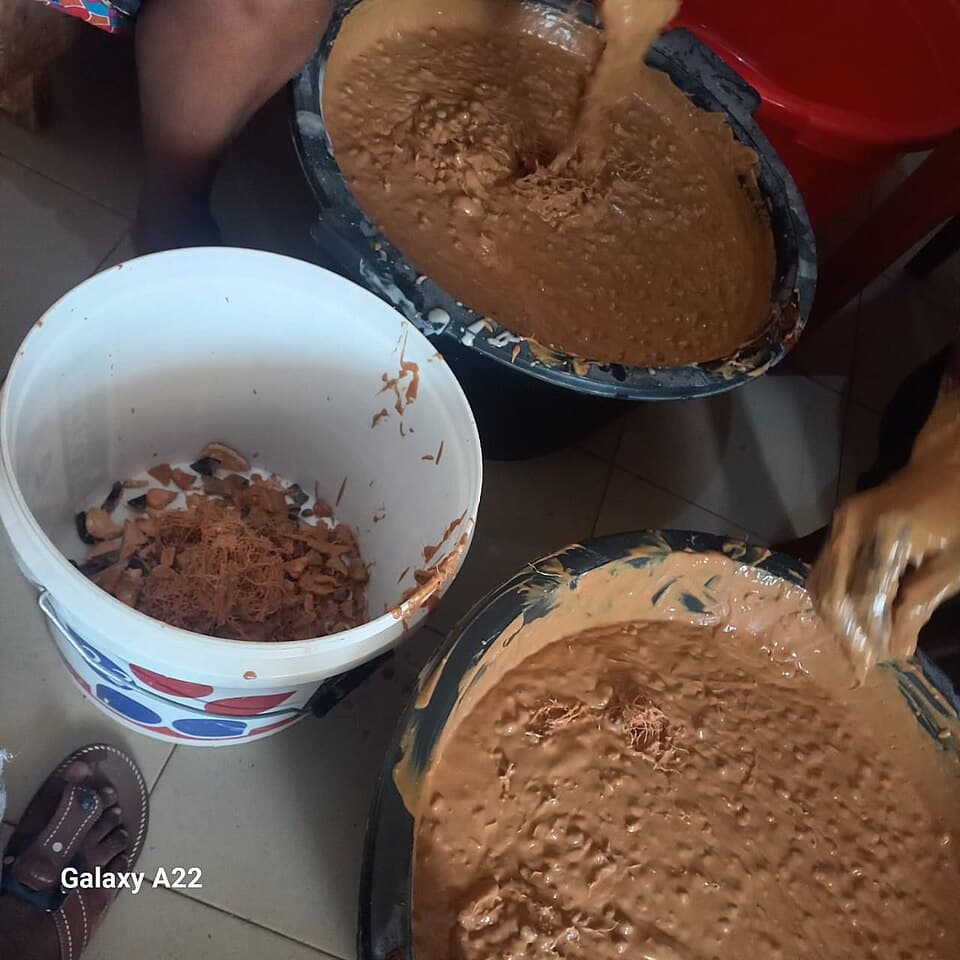
Ngalax
A Senegalese dessert of ground peanuts, millet, and baobab fruit (pain de singe). It is sweet and grainy, with the baobab giving it a flavor you will not find elsewhere. It is usually made for celebrations and leans on local, long-used ingredients.
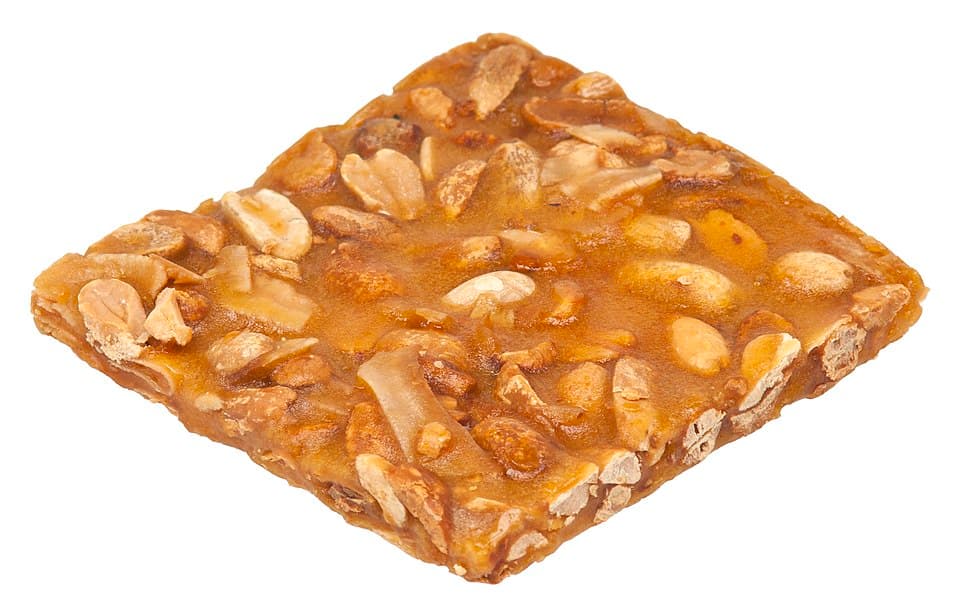
Cinq Centimes (Peanut Candy)
Peanut brittle sold by street vendors, roasted peanuts held together with caramelized sugar, crunchy and nutty. The name comes from its original five-cent price. People eat it as a snack and give it as a small gift, and it is sold all over Senegal.
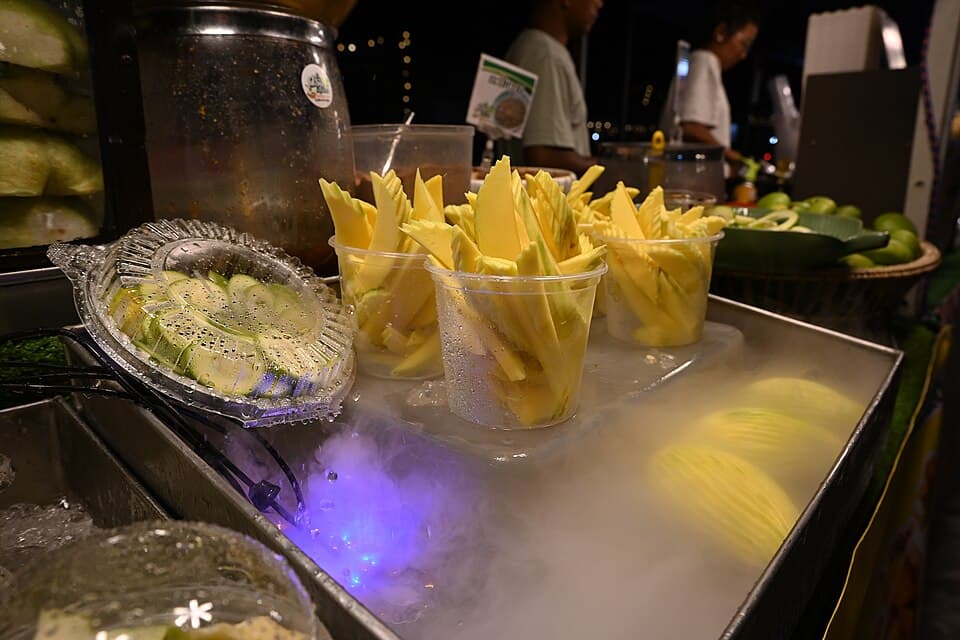
Fresh Fruit
Senegal grows good tropical fruit: mangoes, papayas, pineapples, coconuts, bananas, passion fruit. It is often what ends a meal, and street vendors sell it cut and ready to eat. A simple, healthy finish.
Traditional Beverages
Discover Senegal's traditional drinks, from locally produced spirits to regional wines.
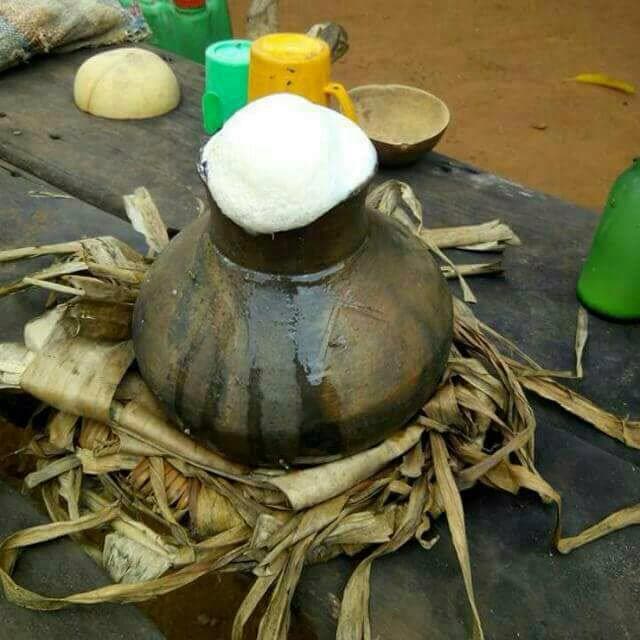
Palm Wine
Fermented sap tapped from palm trees, mildly alcoholic and a little sweet. People drink it fresh in villages and the countryside, where it features in ceremonies and celebrations. You will see less of it in the cities.
Soft Beverages
Discover Senegal's traditional non-alcoholic drinks, from local teas to refreshing juices.
Bissap (Hibiscus Tea)
Senegal's national drink, made by steeping dried hibiscus flowers (Hibiscus sabdariffa) into a deep red infusion, sweetened with sugar and often flavored with mint or ginger. It's served cold over ice, tart and high in vitamin C and antioxidants. You'll find it everywhere, in restaurants, from street vendors, and at home, and it now sells abroad too. Each family settles on its own sweetness and flavoring, and it's the drink people reach for alongside a spicy meal.
Café Touba
Spiced coffee from Touba, the sacred city of the Mouride brotherhood. It is brewed with Guinea pepper (djar, or Selim pepper) and cloves, which give it a strong, aromatic, slightly hot character. It is woven into Mouride religious and cultural life, sold by street vendors across Senegal and especially in the morning. The name comes from the city where the Mouride founder lived.
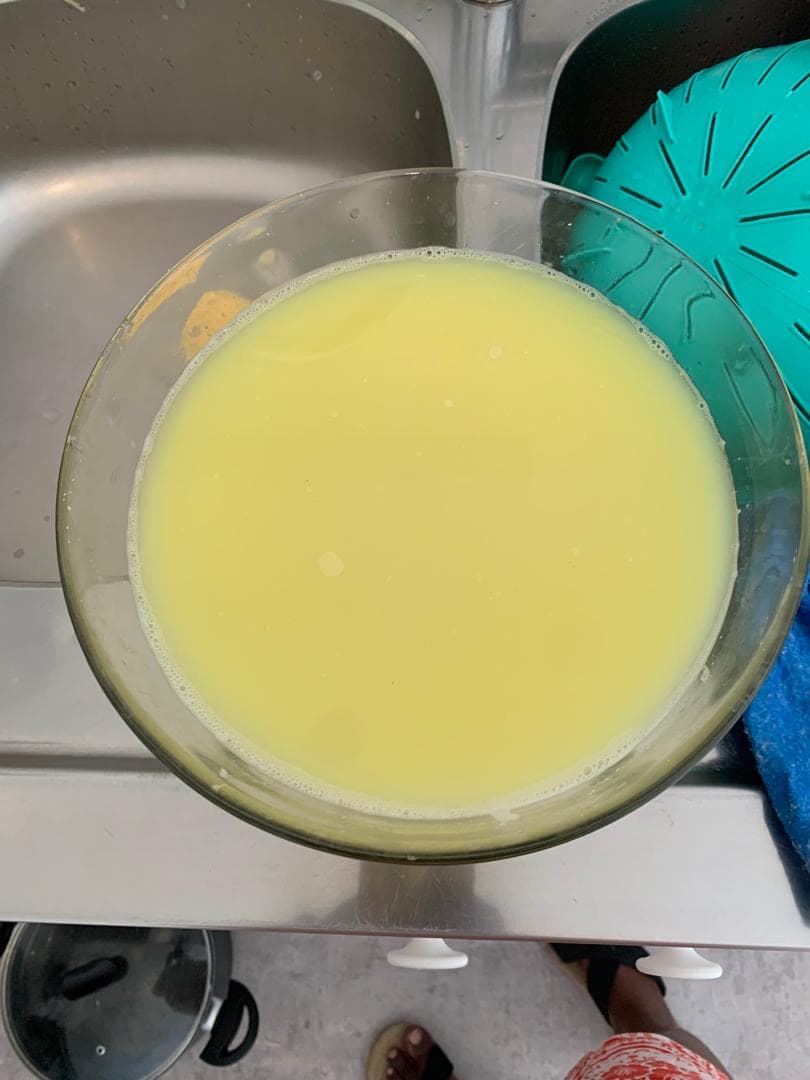
Gingembre (Ginger Juice)
A sweet, spicy drink made from fresh ginger and sugar, sometimes with vanilla or orange blossom water, served cold. It carries a strong ginger kick and has a reputation for helping digestion and the immune system. It is common across West Africa, sold by street vendors in bags or bottles, each with their own recipe.
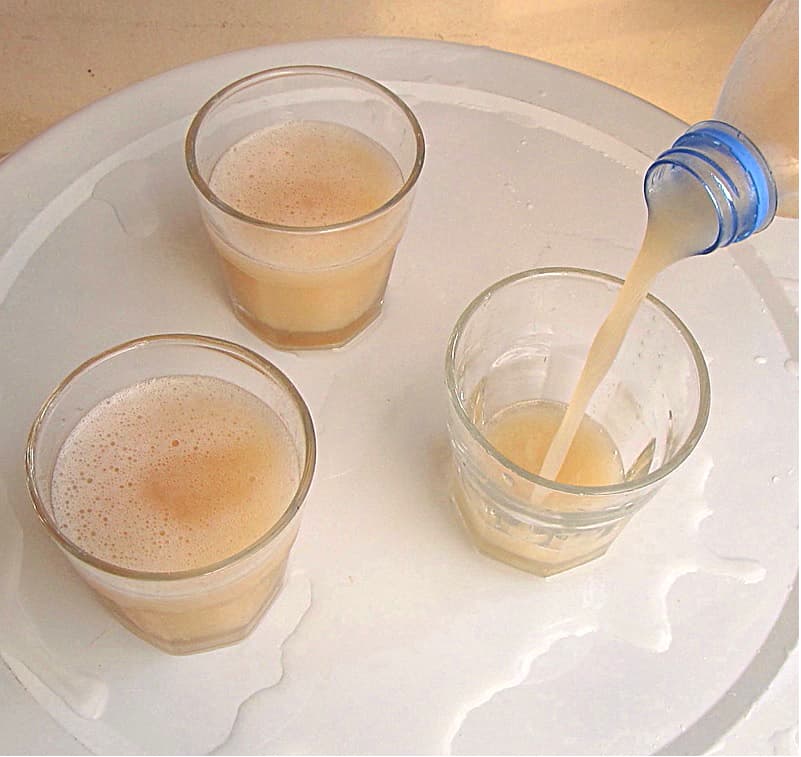
Bouye (Baobab Juice)
A drink made from baobab fruit (pain de singe, or monkey bread). The powder is mixed with water, milk, or yogurt and sweetened, coming out creamy white and slightly tangy, with a lot of vitamin C. The baobab is one of Senegal's most recognizable trees, and the fruit ties the drink to the land and to African heritage.
Frequently Asked Questions
Essential information about food and dining in Senegal.
What is the national dish of Senegal?
Senegal's most iconic dishes include Thieboudienne (Ceebu Jën), Yassa Poulet (Chicken Yassa), Mafé (Groundnut Stew). Senegal's national dish, now on the UNESCO Intangible Cultural Heritage list. It started in the fishing communities of Saint-Louis. A fish steak, often grouper, cooks in one pot with broken rice, tomato sauce, dried fish, molluscs, and whatever vegetables are in season (onions, parsley, garlic, chili, tomatoes, carrots, eggplant, cassava, sweet potato, okra, bay leaf). The rice soaks up the fish and turns reddish-orange from the tomato. Recipes and technique usually pass from mother to daughter. Most families eat it with their hands from a shared bowl; restaurants hand you a fork. There are two versions, red with tomato and white without, and no two cooks make it quite the same way. For many Senegalese it stands in for the country itself.
Is street food safe in Senegal?
Street food in Senegal can be enjoyed safely by following these guidelines: Drink only bottled or purified water. Look for busy vendors with high turnover, ensure food is cooked fresh and served hot, and avoid raw ingredients if you have a sensitive stomach.
What are the best restaurants in Senegal?
Senegal offers diverse dining options from street food stalls to upscale restaurants. For the best experience, ask locals for recommendations, check recent reviews, and look for restaurants that specialize in regional cuisines.
Can vegetarians find food easily in Senegal?
Vegetarian options in Senegal are mediumly available. Vegetarian food exists, but meat and fish run through most traditional dishes. Mafé can be made with vegetables, and there are rice and vegetable dishes to be had. Dakar's international restaurants give you more to work with. Be clear about what you need.. Many restaurants offer vegetarian dishes, and you'll find plant-based ingredients featured prominently in local cuisine.
What is the average cost of a meal in Senegal?
Meal costs in Senegal depend on where you eat. Street food and casual local restaurants are very affordable, typically offering complete meals for a few dollars. Mid-range restaurants charge moderate prices, while fine dining establishments are comparably priced to Western countries.
What are common food allergens in Senegal?
Common allergens in Senegal cuisine include Palm Oil, Onions. Palm oil used in some traditional cooking. These ingredients appear in dishes like Some stews, Fried foods. Always inform restaurant staff about your allergies.
When is the best time to visit Senegal for food?
Senegal offers great food experiences throughout the year. However, visiting during harvest seasons (typically spring and autumn) provides access to the freshest local ingredients. Food festivals and cultural celebrations also offer unique culinary experiences worth planning around.