
Sudan Food Guide
Content Information
Recently updated🔥Current Food Trends 2026
What's happening in Sudan's culinary scene right now
In 2026, younger Sudanese cooks are returning to heritage recipes, and older dishes are showing up on menus again. A handful of modern cafes in Khartoum now plate ful medames in newer ways. Shoppers ask more often for organic produce from Nile valley farms. Food bloggers keep documenting regional cooking, and their work has drawn attention to lesser-known dishes from Darfur and Eastern Sudan. The economy remains strained, but small vendors are still experimenting, working Sudanese flavors into street-food formats. Home-delivery apps have made it easier for city dwellers to order traditional meals as well.
Food Safety Tips
Essential food safety information to help you enjoy Sudan's cuisine safely and confidently.
Drink only bottled or purified water
Tap water is not safe for drinking in most areas. Always use bottled water and avoid ice cubes in drinks unless certain they are made from purified water.
Choose busy vendors with high turnover
Street food is usually fine if you pick stalls that cook to order and sell fast. Look for vendors with long queues and cooking areas you can see.
Be cautious with foods left at room temperature
Given how hot it gets in Sudan, skip anything that has been sitting out for a while and order dishes served hot off the stove.
Dietary Options
vegetarian
HIGH AVAILABILITYVegetarians eat well here. Ful medames, tamiya (falafel), salads, and vegetable stews turn up almost everywhere, and most restaurants can put together a meatless plate.
vegan
MEDIUM AVAILABILITYVegans can manage with a little planning. Ful medames without the cheese, tamiya, and plain vegetable dishes all work; just be clear about what you need when you order.
halal
HIGH AVAILABILITYSudan is a Muslim-majority country, so all meat is halal. Visitors will not have to look for it.
Common Allergens
Sesame
HIGH PREVALENCESesame seeds and tahini are used extensively
COMMONLY FOUND IN:
Legumes
HIGH PREVALENCEFava beans and chickpeas are dietary staples
COMMONLY FOUND IN:
Peanuts
MEDIUM PREVALENCEPeanuts are used in sauces and snacks
COMMONLY FOUND IN:
Essential Food Experiences
These iconic dishes represent the must-have culinary experiences that define Sudan's food culture for travelers.
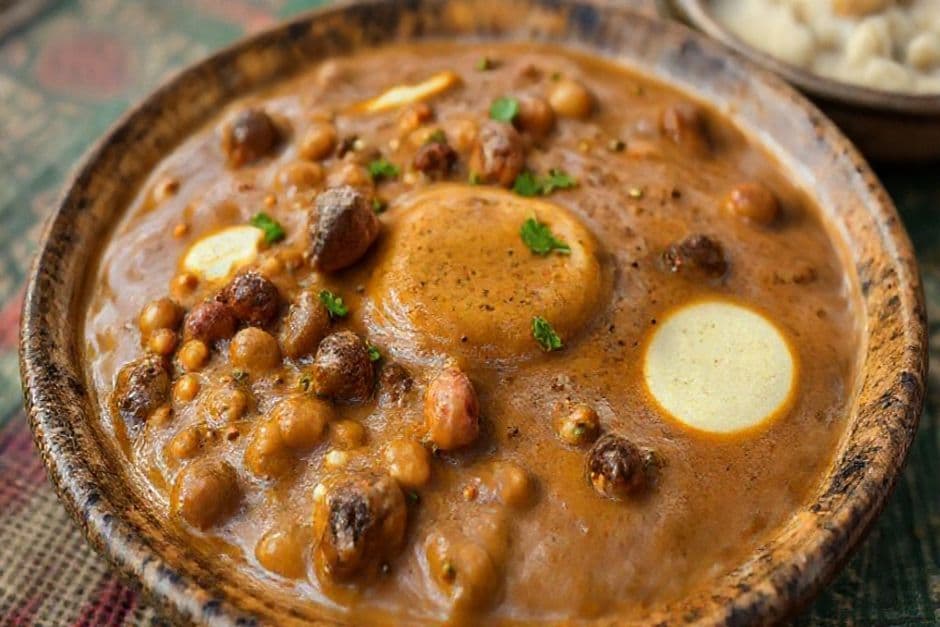
Ful Medames
Sudan's national dish: fava beans cooked down slowly, dressed with olive oil and cumin, and topped with whatever's on hand, often boiled eggs, cheese, or chopped vegetables. It's a breakfast staple, though people eat it at any hour.
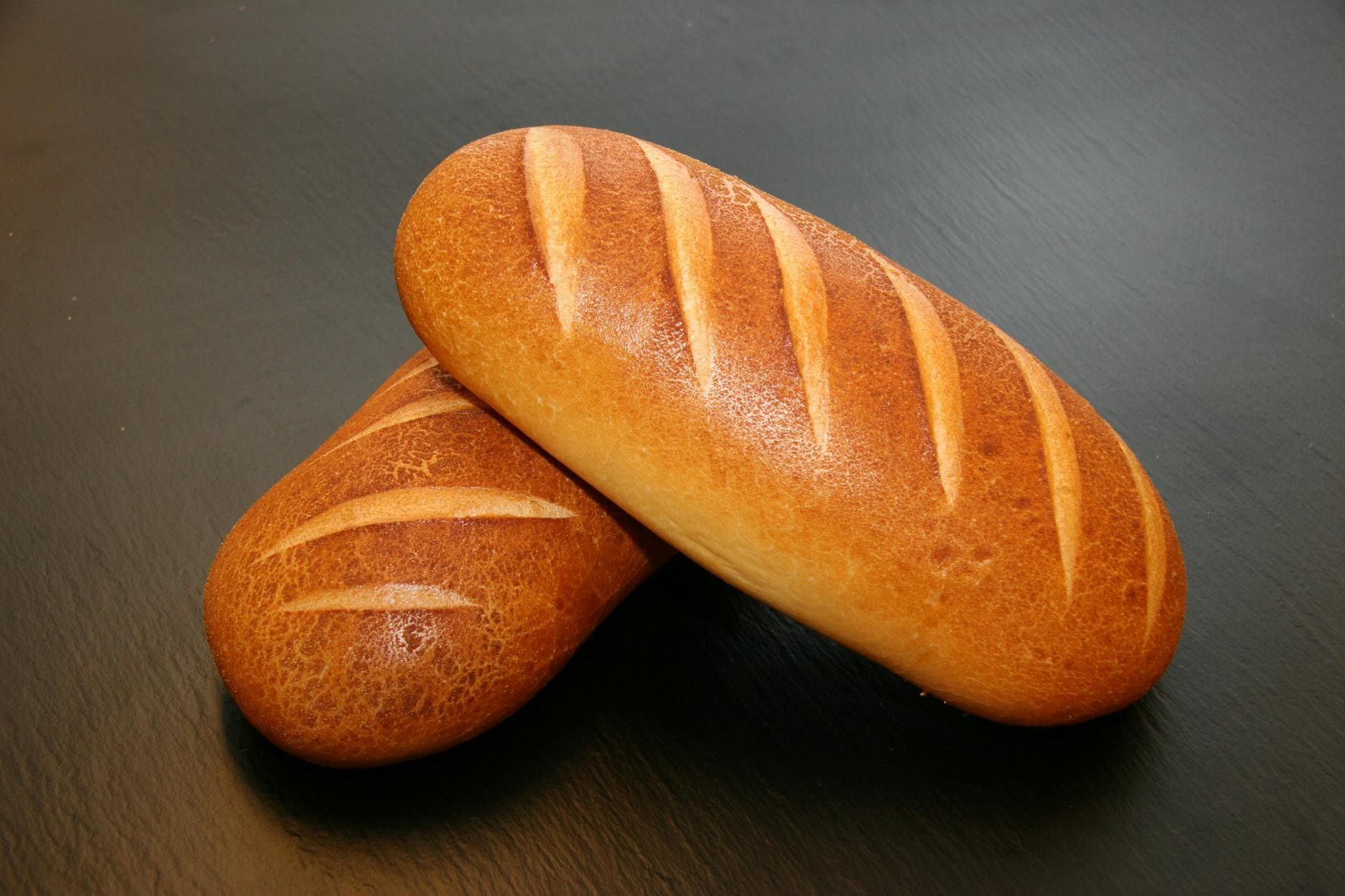
Kisra
A thin Sudanese flatbread made from fermented sorghum or millet. It comes out slightly sour and works well for scooping up stews. The batter needs about three days to ferment properly.

Aseeda
A thick porridge of sorghum, corn, or wheat flour, close to West African fufu. It comes paired with stews (mullah) and is eaten by hand.

Shahan Ful
Mashed fava beans worked through with spices and served as a dip or side. People usually eat it with bread or kisra at breakfast.

Mulah (Mullah)
A Sudanese stew of meat or vegetables, cooked with spices and sometimes thickened with peanut butter. It goes over aseeda or kisra.

Tamiya
The Sudanese take on falafel, made from chickpeas and spices. It fries up crisp on the outside and stays fluffy within, and it often comes tucked into bread with tahini sauce.

Kawari
A Sudanese soup of sheep's hooves simmered with vegetables and spices. Locals prize it as a delicacy and reach for it as comfort food.

Gurasa
A thick, fluffy Sudanese pancake bread cooked on a griddle. It usually shows up alongside ful medames or stews.

Salata Aswad be Zabadi
An eggplant and yogurt salad with a smoky edge, served cool as a side.

Basbousa
A semolina cake soaked in syrup and finished with almonds or coconut. You will find it on dessert tables all over Sudan.
Regional Specialties & Local Favorites
Discover the authentic regional dishes and local favorites that showcase Sudan's diverse culinary traditions.
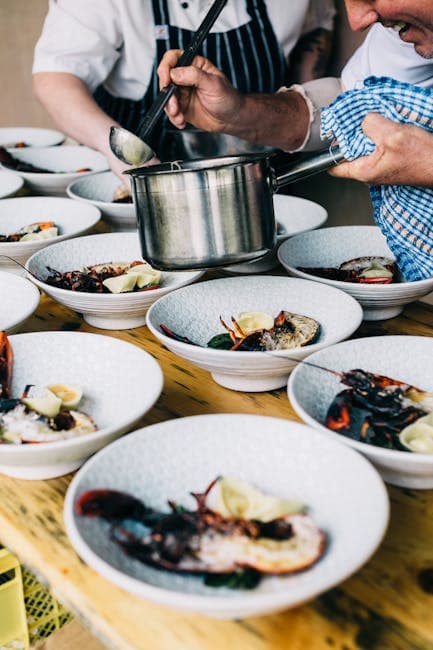
Shaiyah
Region: Nationwide
Grilled meat, usually lamb or beef, seasoned with spices and served with bread.
Dama'a
Region: Nationwide
A stew of minced meat, onions, and spices. Straightforward comfort food.
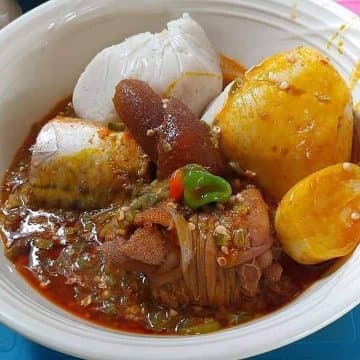
Elmaraara
Region: Central Sudan
A meat and vegetable stew, usually built around okra, which thickens it into something hearty.
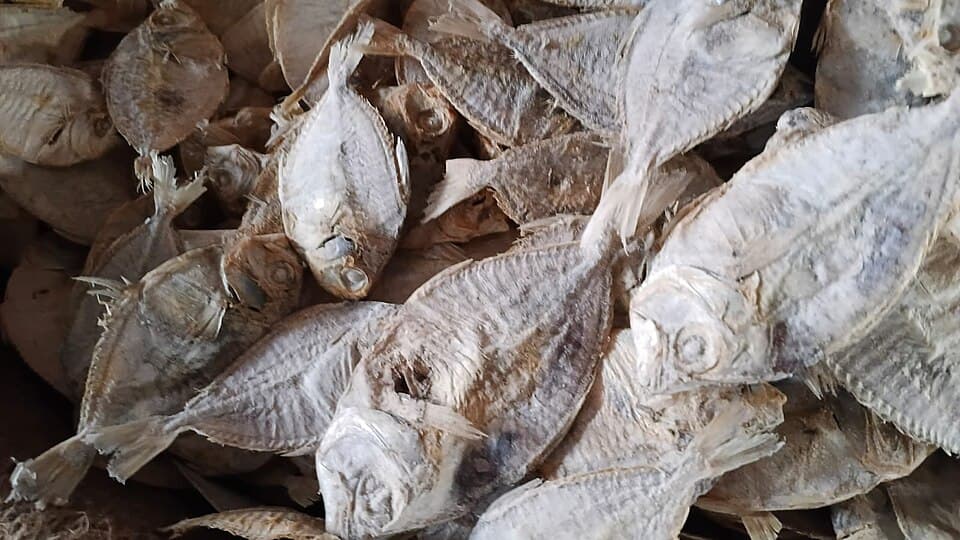
Kajaik
Region: Nile regions
A dried fish dish popular along the Nile, usually cooked with vegetables.
Allergens:
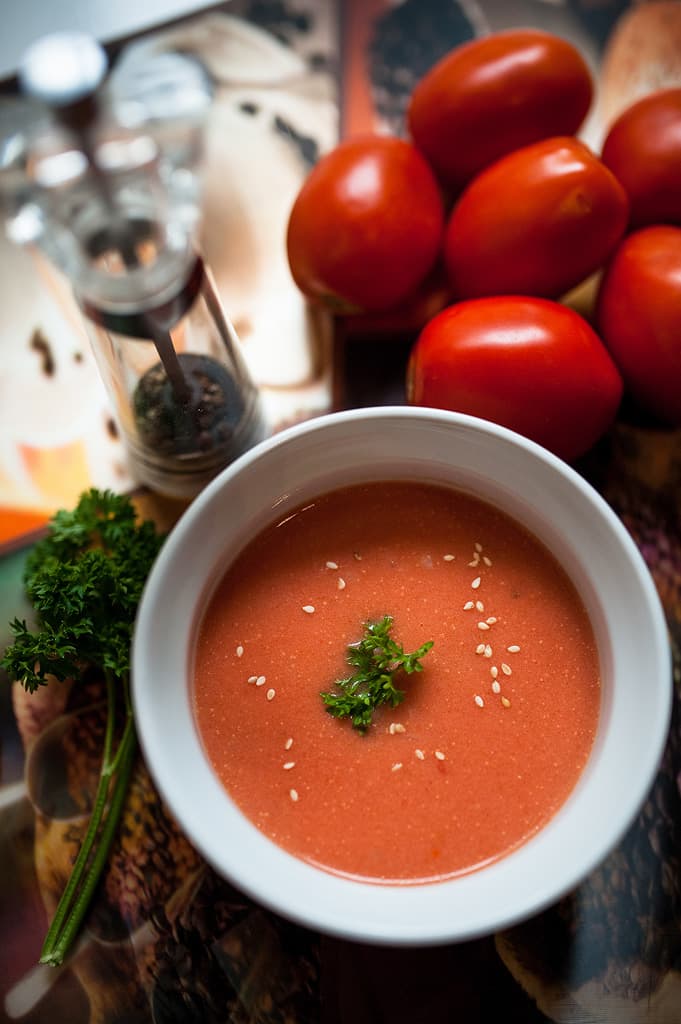
Shorba
Region: Nationwide
A filling soup of lentils, vegetables, and sometimes meat. It is a common way to break the fast during Ramadan.
Agashe
Region: Western Sudan
A pancake-like bread made from fermented dough, similar to kisra but thicker.
Allergens:
Salaat Zabadi
Region: Nationwide
A cucumber and yogurt salad with garlic and mint, welcome relief in Sudan's heat.
Allergens:
Umfitit
Region: Khartoum
Sheep liver cooked with onions, peanut butter, and lemon juice, an unusual local delicacy.
Allergens:
Regional Cuisine Highlights
Explore the diverse culinary landscapes across different regions of Sudan.
Khartoum
The capital has Sudan's widest range of food, where traditional cooking meets influences carried in from every region of the country and its neighbors.
Cultural Significance:
Khartoum's food reflects Sudan's mix of peoples and the way Arab and African cooking have grown together here.
Signature Dishes:
Key Ingredients:
Nile River Region
Cooking here turns on freshwater fish and the crops grown along the fertile Nile valley.
Cultural Significance:
The Nile has fed Sudanese civilization for thousands of years, and fish dishes sit at the heart of how Nile communities see themselves.
Signature Dishes:
Key Ingredients:
Western Sudan (Darfur)
A distinct cuisine shaped by West African influence, with its own grain preparations and meat dishes.
Cultural Significance:
Darfur cooking holds onto old traditions and carries clear links to West African food heritage.
Signature Dishes:
Key Ingredients:
Sweet Delights & Desserts
Indulge in Sudan's traditional sweet treats and desserts.

Creme Caramel
A custard dessert that arrived through French influence and is now eaten across Sudan.
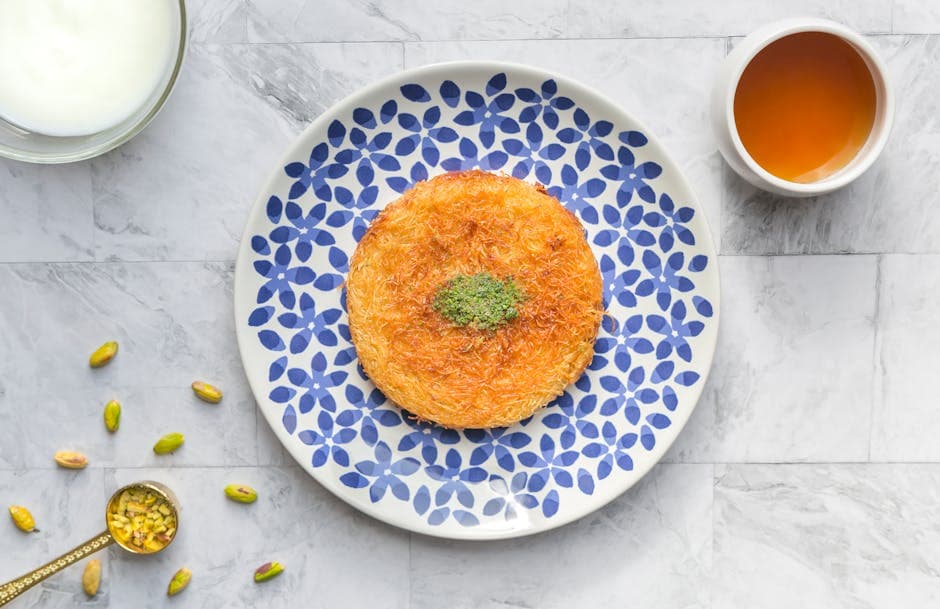
Kunafa
Shredded phyllo pastry layered with cheese or nuts and soaked in sweet syrup.
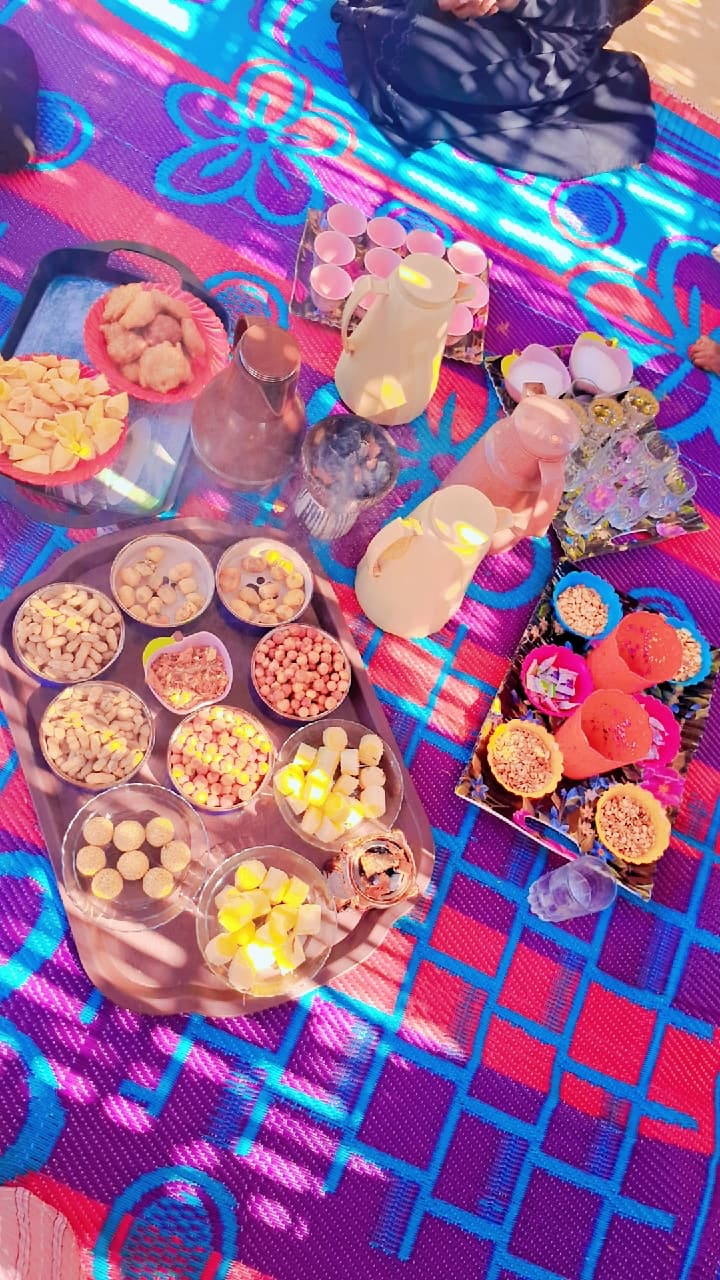
Zalabiya
Deep-fried dough soaked in sugar syrup, crisp and very sweet.
Traditional Beverages
Discover Sudan's traditional drinks, from locally produced spirits to regional wines.
Aragi
A date spirit historically distilled in Sudan. Note: alcohol is prohibited in Sudan under Islamic law.
Soft Beverages
Discover Sudan's traditional non-alcoholic drinks, from local teas to refreshing juices.
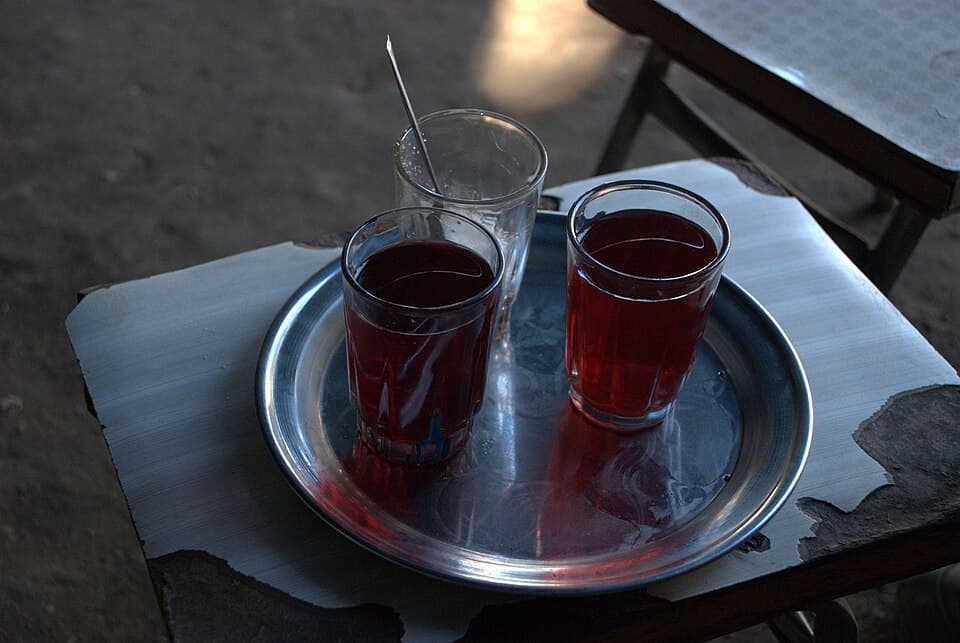
Karkadeh (Hibiscus Tea)
A deep red tea brewed from dried hibiscus flowers. It is served hot or cold, sweetened or not, and is high in vitamin C.

Sudanese Coffee (Jabana)
Strong coffee brewed in a clay pot called a jabana and spiced with ginger, cinnamon, or cardamom.
Aradaib
A tamarind drink, cooling and slightly tart.
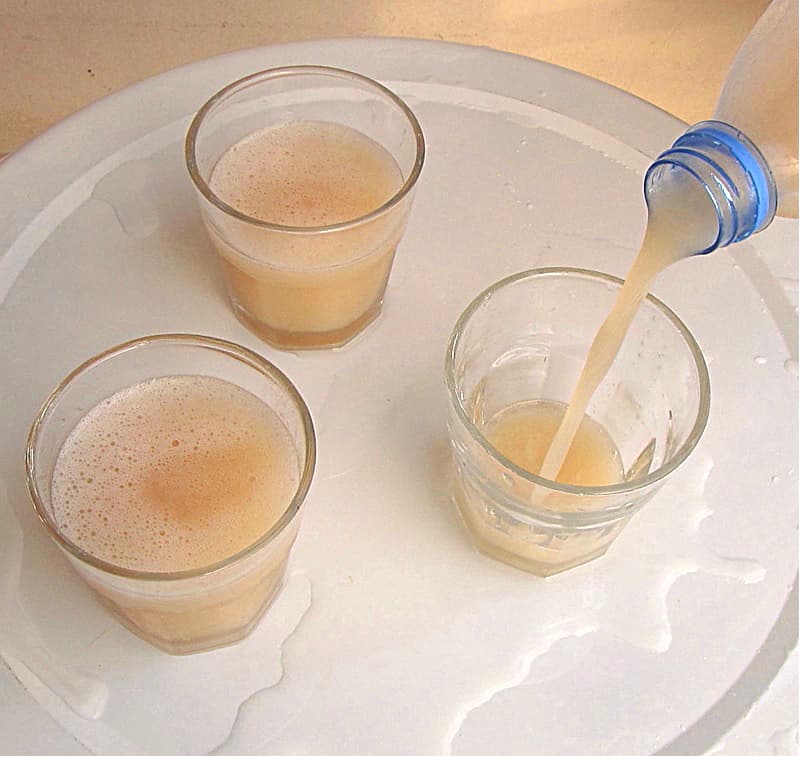
Gongolez
A juice pressed from baobab fruit, tangy and nutritious.
Frequently Asked Questions
Essential information about food and dining in Sudan.
What is the national dish of Sudan?
Sudan's most iconic dishes include Ful Medames, Kisra, Aseeda. Sudan's national dish: fava beans cooked down slowly, dressed with olive oil and cumin, and topped with whatever's on hand, often boiled eggs, cheese, or chopped vegetables. It's a breakfast staple, though people eat it at any hour.
Is street food safe in Sudan?
Street food in Sudan can be enjoyed safely by following these guidelines: Drink only bottled or purified water Be cautious with foods left at room temperature. Look for busy vendors with high turnover, ensure food is cooked fresh and served hot, and avoid raw ingredients if you have a sensitive stomach.
What are the best restaurants in Sudan?
Sudan offers excellent dining experiences. Top-rated restaurants include Al-Attar Restaurant. These establishments showcase authentic Sudan cuisine with professional service and high-quality ingredients.
Can vegetarians find food easily in Sudan?
Vegetarian options in Sudan are highly available. Vegetarians eat well here. Ful medames, tamiya (falafel), salads, and vegetable stews turn up almost everywhere, and most restaurants can put together a meatless plate.. Many restaurants offer vegetarian dishes, and you'll find plant-based ingredients featured prominently in local cuisine.
What is the average cost of a meal in Sudan?
Meal costs in Sudan depend on where you eat. Street food and casual local restaurants are very affordable, typically offering complete meals for a few dollars. Mid-range restaurants charge moderate prices, while fine dining establishments are comparably priced to Western countries.
What are common food allergens in Sudan?
Common allergens in Sudan cuisine include Sesame, Legumes, Peanuts. Sesame seeds and tahini are used extensively. These ingredients appear in dishes like Tahini sauce, Breads. Always inform restaurant staff about your allergies.
When is the best time to visit Sudan for food?
Sudan offers great food experiences throughout the year. However, visiting during harvest seasons (typically spring and autumn) provides access to the freshest local ingredients. Food festivals and cultural celebrations also offer unique culinary experiences worth planning around.