
Syria Food Guide
Content Information
Recently updated🔥Current Food Trends 2026
What's happening in Syria's culinary scene right now
Syrian cooking in 2026 still runs on traditions that go back thousands of years, with Damascus and Aleppo as its two main kitchens. Meze remains the way most meals start, and manaqish topped with za'atar, minced beef, or cheese is a standard opener. Kibbeh (also spelled kubbeh or kubbe) is the national dish: tear-shaped croquettes of bulgur, meat, and pine nuts, fried or roasted until the shell goes golden. Aleppo is known for its za'atar blend of wild thyme, sumac, and sesame, for baklava layered with phyllo and pistachios, and for kunafa, a sweet cheese pastry. Damascus has a reputation for excellent hummus, for smoky muhammara made with roasted red pepper and walnuts, and for its many kibbeh variations. The Syrian take on shawarma sets itself apart with a flakier, butterier bread that falls somewhere between pastry and loaf, plus a creamy garlic sauce, sour pickles, and meat carved off a turning spit. Fattoush is the salad most people reach for first, dressed with sumac and pomegranate molasses and scattered with crisp fried flatbread. Aleppo pepper is still grown across northern Syria and into Turkey, where the burgundy pods are half-dried, seeded, and crushed. Good produce carries the cooking: vegetables, fruit, grains, legumes, nuts, and seeds, with lamb and sheep the usual meats and bulgur the backbone of tabbouleh and kibbeh. In Damascus, places like Naranj in Al-Qaymariya, Aldar in the Old City, and Jabri House keep the older recipes going, while in Aleppo, Al Kemmeh (a world-record holder) and Beit Sissi cook the regional specialties. Through the diaspora, Syrian food has spread well beyond its borders.
Food Safety Tips
Essential food safety information to help you enjoy Syria's cuisine safely and confidently.
Check local water safety recommendations
Look into current water conditions before you travel. In some areas you may want to stick to bottled water.
Choose busy vendors with high turnover
Street food is usually fine when you pick a busy stall where everything is made to order.
Be cautious with foods left at room temperature
When it is hot out, skip anything that has been sitting at room temperature for a while.
Dietary Options
vegetarian
HIGH AVAILABILITYVegetarians eat well here. Meze leans heavily on vegetables, so hummus, baba ghanoush, fattoush, and tabbouleh are all easy to find.
vegan
MEDIUM AVAILABILITYPlenty of traditional dishes are vegan as they stand or can be adjusted. A meze spread will usually include hummus, muhammara, and a few vegetable plates that work for vegans.
gluten-free
LOW AVAILABILITYTricky, since wheat is everywhere. Your safest bets are grilled meats, rice dishes, and salads that skip the bulgur and flatbread.
halal
HIGH AVAILABILITYIn a Muslim-majority country, halal is simply the default. The meat you are served has been prepared accordingly.
Common Allergens
Nuts
HIGH PREVALENCEWalnuts, pistachios, and pine nuts turn up across the cooking
COMMONLY FOUND IN:
Dairy
MEDIUM PREVALENCEDairy shows up in a lot of dishes
COMMONLY FOUND IN:
Gluten
HIGH PREVALENCEWheat is a staple here
COMMONLY FOUND IN:
Sesame
HIGH PREVALENCESesame seeds and tahini are core ingredients
COMMONLY FOUND IN:
Essential Food Experiences
These iconic dishes represent the must-have culinary experiences that define Syria's food culture for travelers.
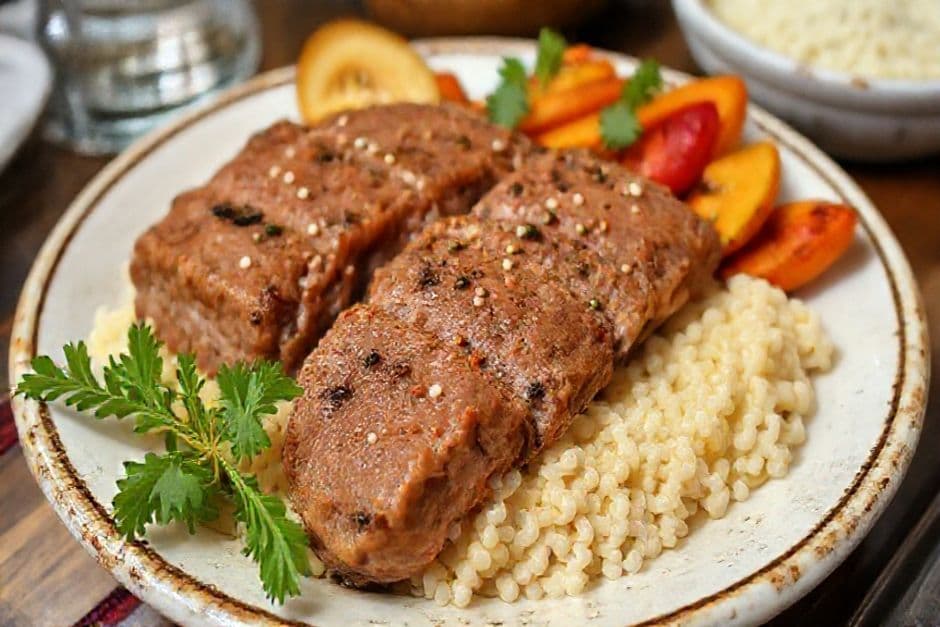
Kibbeh
Syria's national dish: tear-shaped croquettes of ground bulgur, lamb or beef, pine nuts, and spices. They come fried, roasted, or raw as kibbeh nayeh, shaped so the outer shell crisps up around a savory filling.
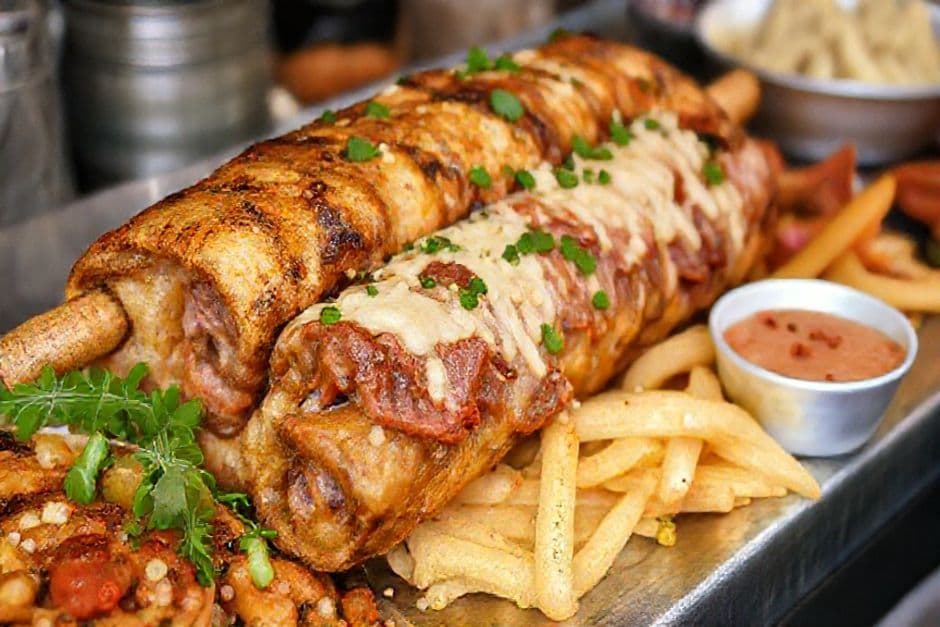
Shawarma
The Syrian version stacks thin slices of marinated lamb, chicken, or beef on a vertical spit and roasts them slowly. It is wrapped in flaky, buttery bread with creamy garlic sauce and sour pickles, sometimes with a few extras, and it eats differently from shawarma elsewhere in the region.
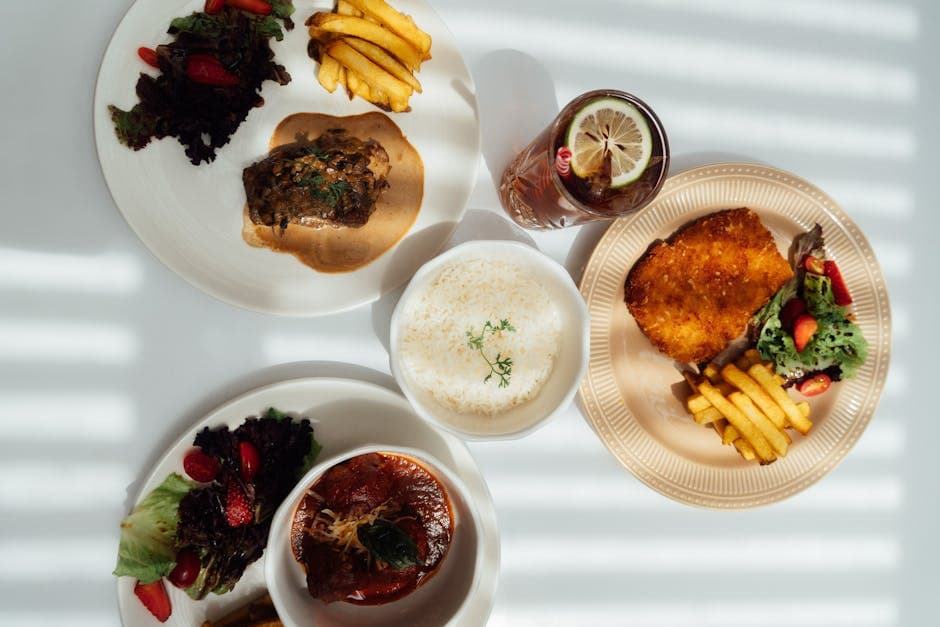
Fattoush
Chunks of tomato, cucumber, and radish tossed in a sweet-sour dressing of sumac and pomegranate molasses, finished with crisp fried flatbread. The Syrian version leans on sumac for its tang.
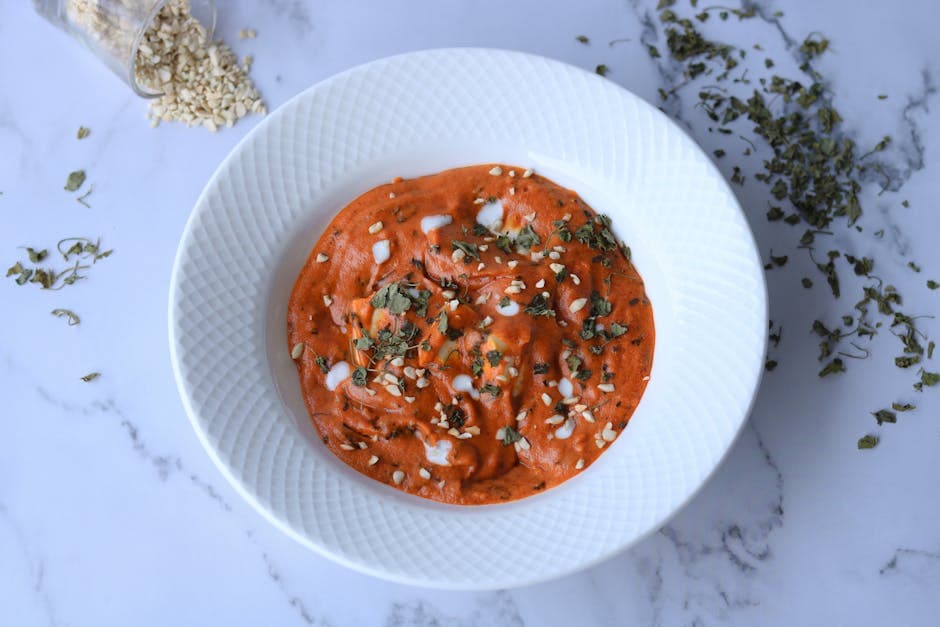
Muhammara
A spicy-sweet Aleppo dip built from roasted red peppers, finely ground walnuts, Aleppo pepper, breadcrumbs, olive oil, garlic, and lemon juice. Its depth has earned it fans across the Middle East.
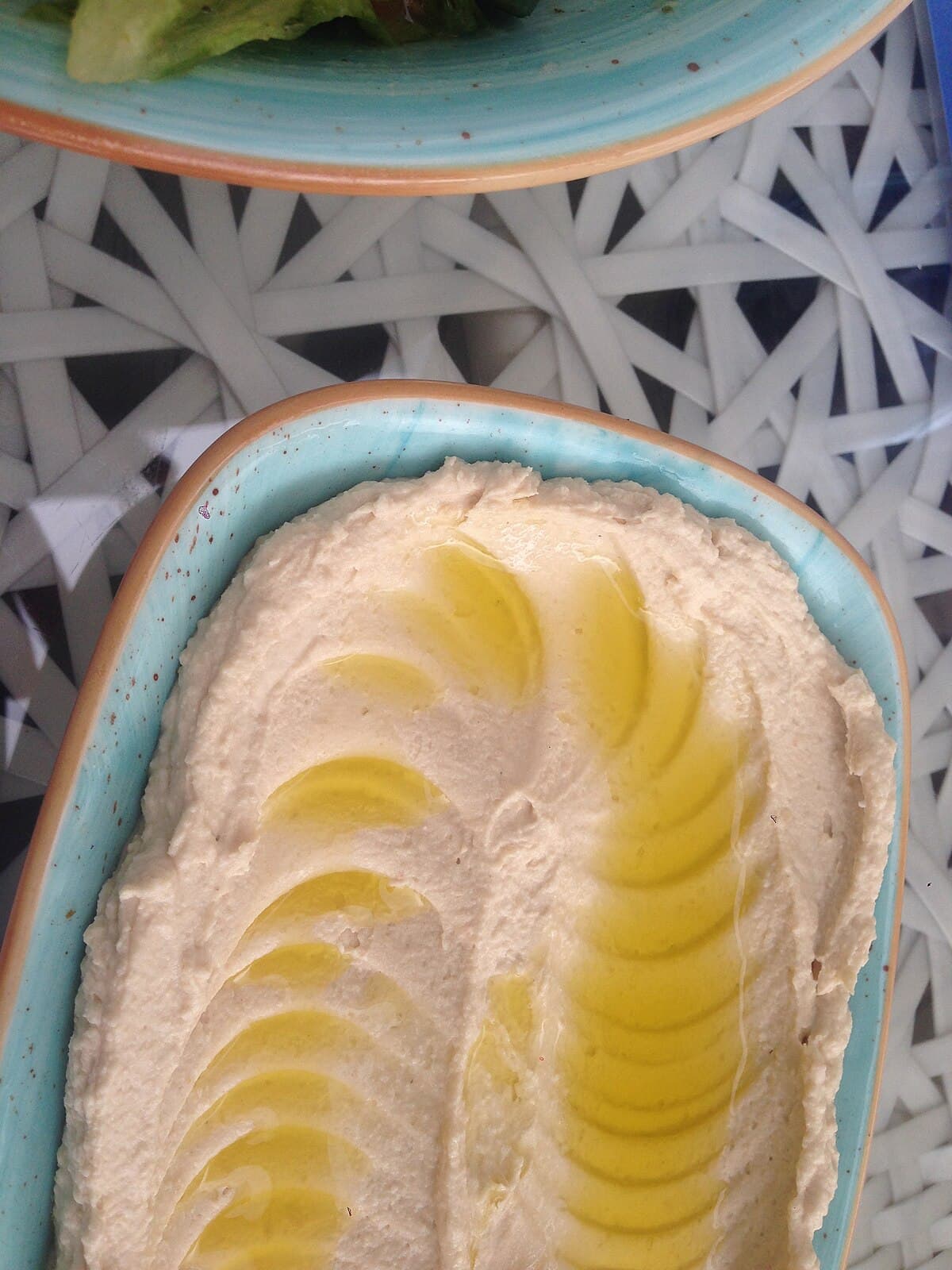
Hummus
Damascus is known for its hummus: chickpeas, tahini, lemon juice, and garlic blended smooth, served with a drizzle of olive oil and warm pita.
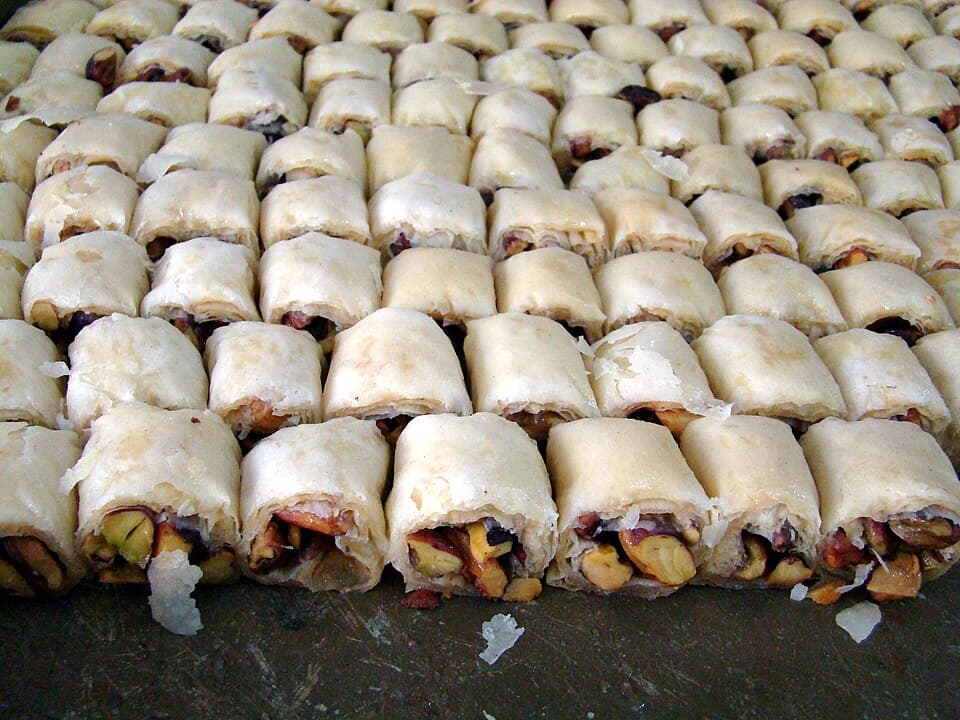
Baklava (Aleppo-style)
Aleppo's baklava layers flaky phyllo around pistachios or walnuts and sweetens it with syrup. It tends to be more delicate and less sugary than versions elsewhere in the region.
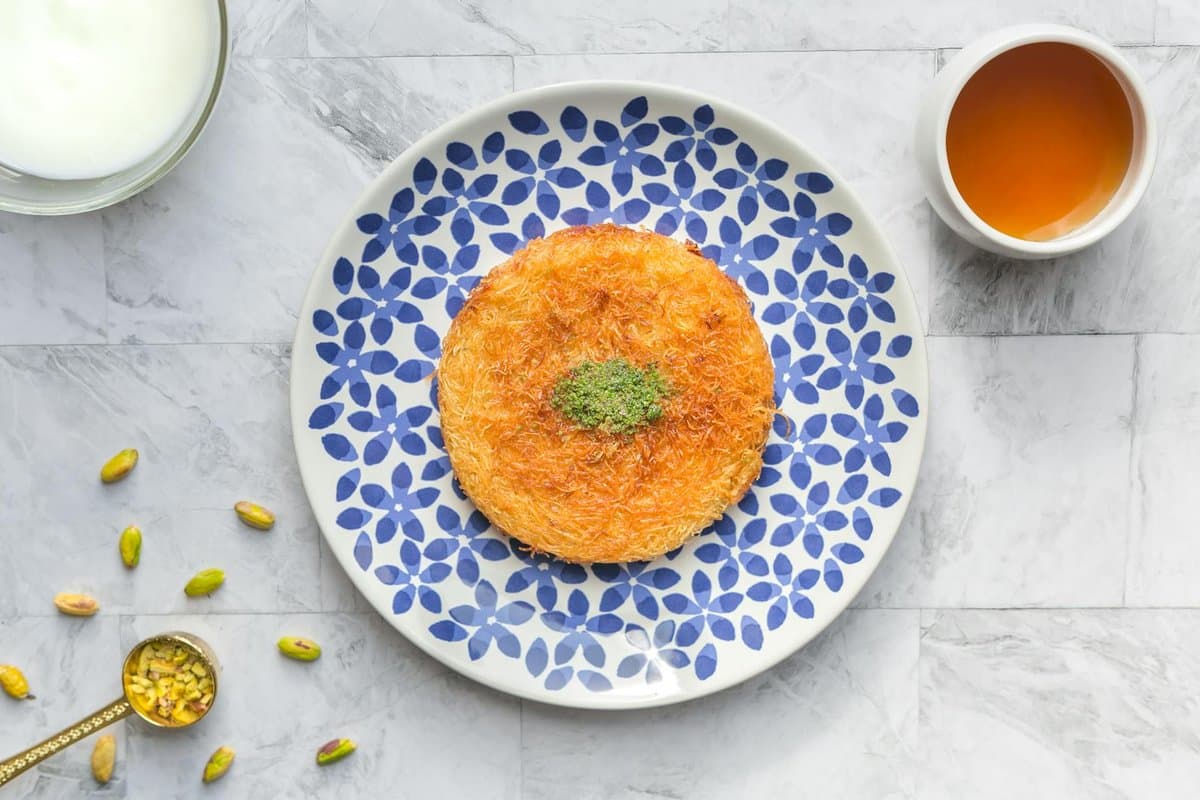
Kunafa
A sweet cheese pastry soaked in sugar syrup and topped with pistachios. The Aleppo specialty pairs a crisp shredded-phyllo crust with a molten cheese center.
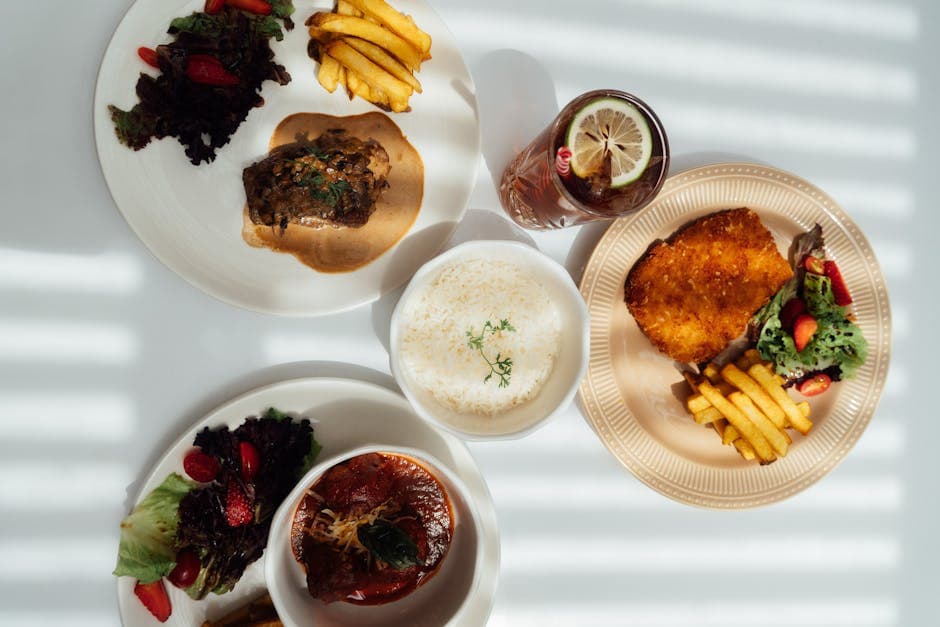
Manaqish
Flatbread topped with za'atar (wild thyme, sumac, sesame seeds), minced beef, or cheese, baked in a traditional oven. People eat it at breakfast or as a starter.
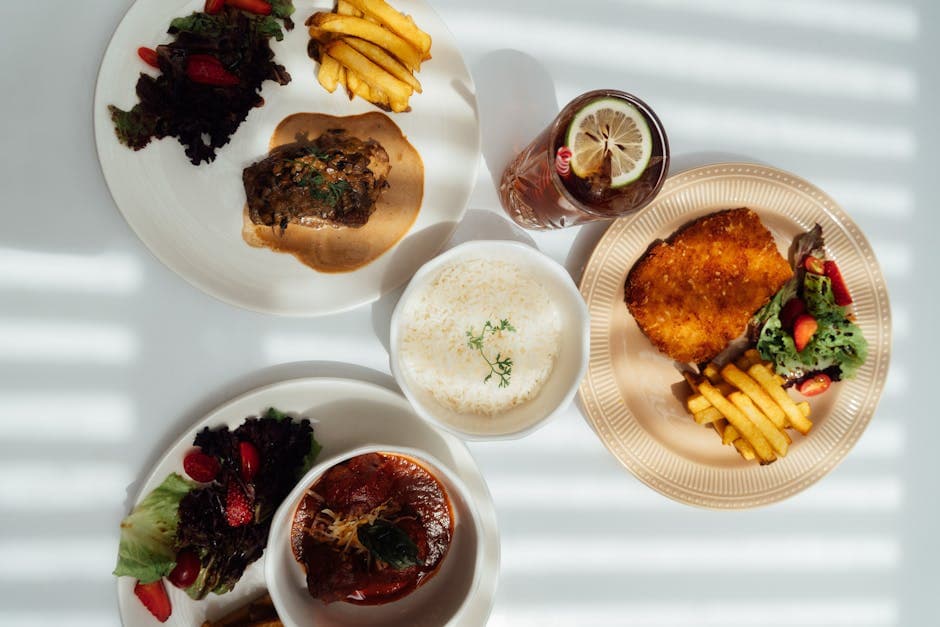
Waraq Inab (Stuffed Grape Leaves)
Tender grape leaves rolled around rice, minced meat, and spices. They turn up hot with a yogurt sauce, or cold as part of a meze spread.
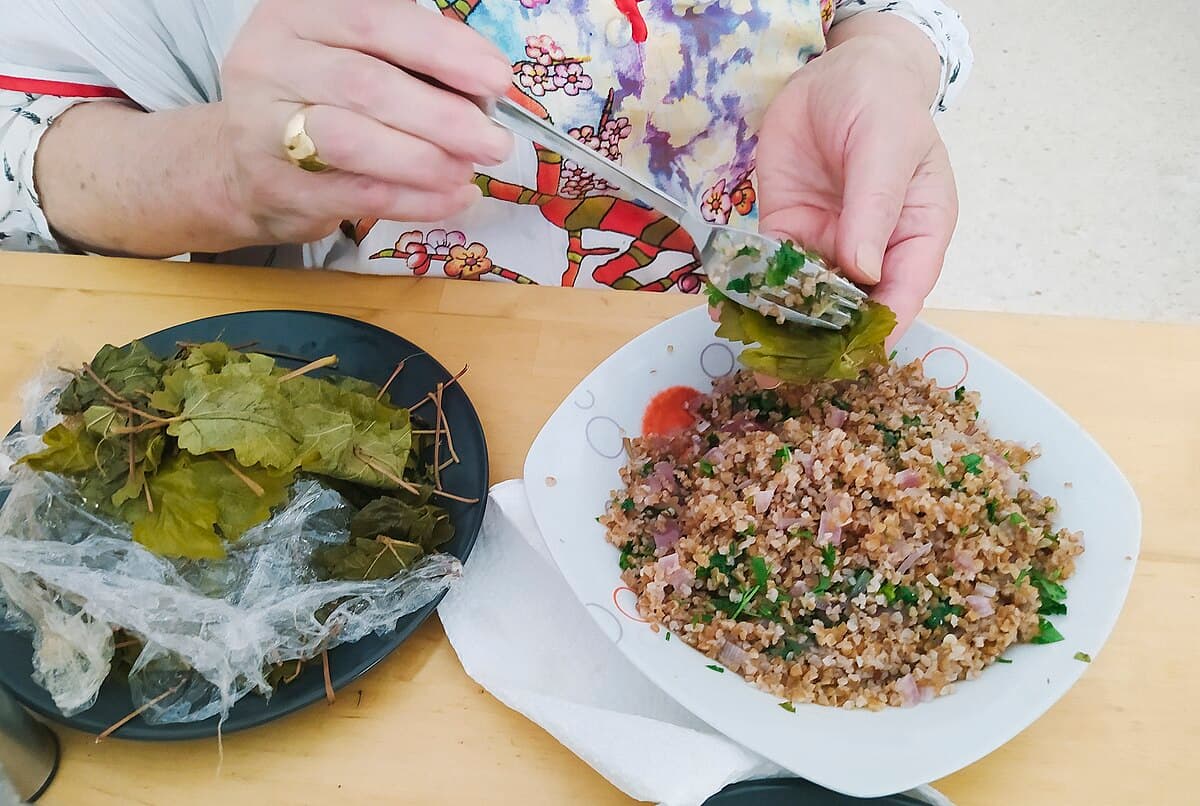
Tabbouleh
A herb-forward salad of finely chopped parsley, bulgur, tomatoes, mint, lemon juice, and olive oil. It is a cooling fixture on the meze table.
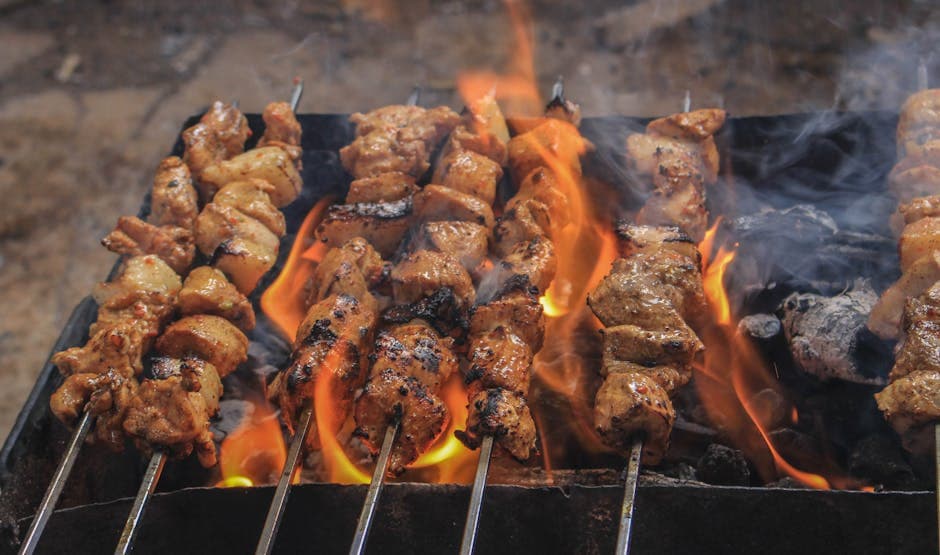
Kebab Halabi
The Aleppo kebab: spiced ground meat pressed onto skewers and grilled, usually with Aleppo pepper worked into the mix.
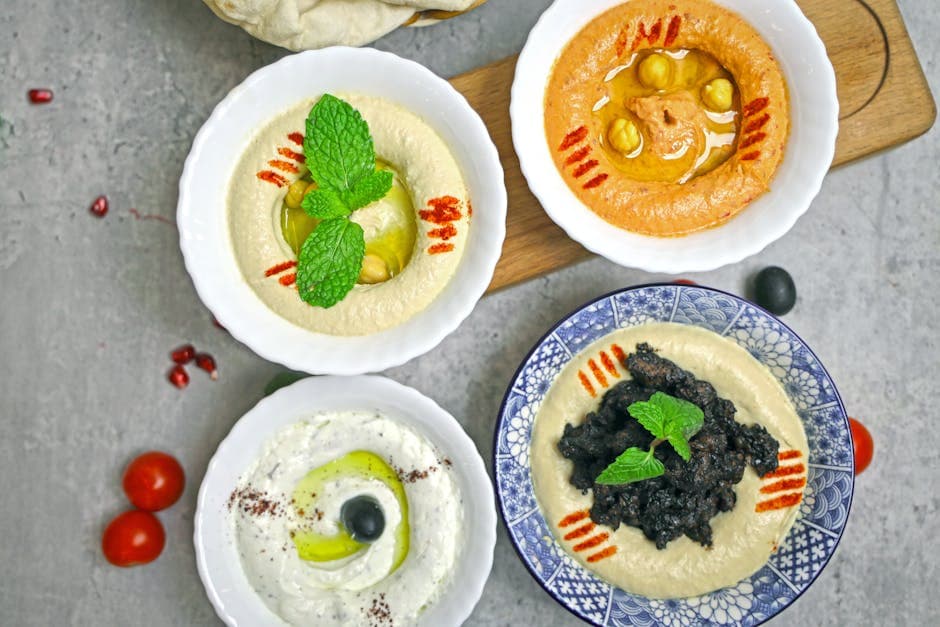
Labneh
Thick strained yogurt, creamy and tangy, served with olive oil and za'atar. It shows up at breakfast and on the meze table alike.
Regional Specialties & Local Favorites
Discover the authentic regional dishes and local favorites that showcase Syria's diverse culinary traditions.
Ful Medames
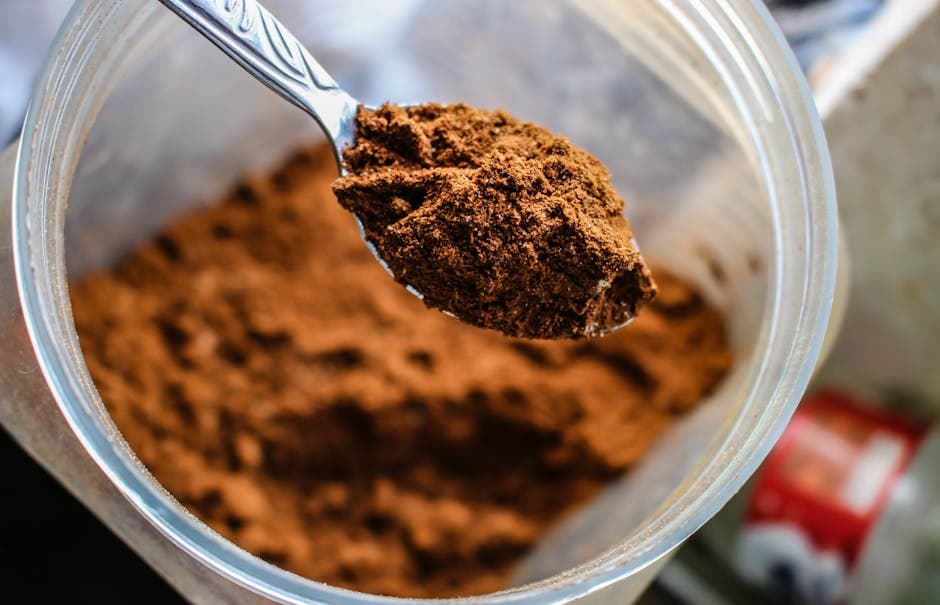
A breakfast of fava beans cooked down slowly with garlic, lemon juice, and olive oil, eaten with warm pita.
Mujaddara
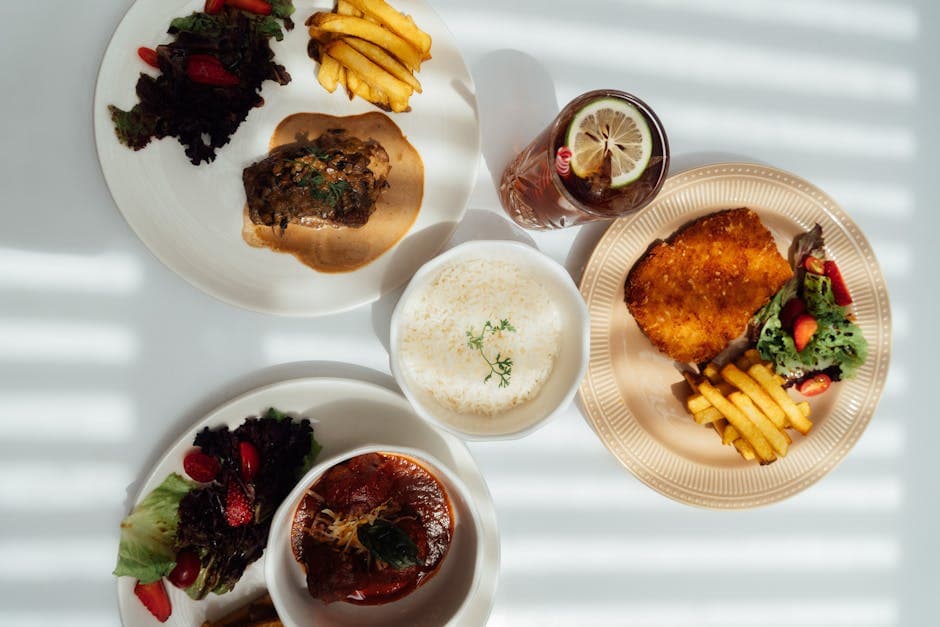
Lentils and rice topped with deeply caramelized onions. It is humble home cooking, the kind of dish families make week after week.
Shanklish
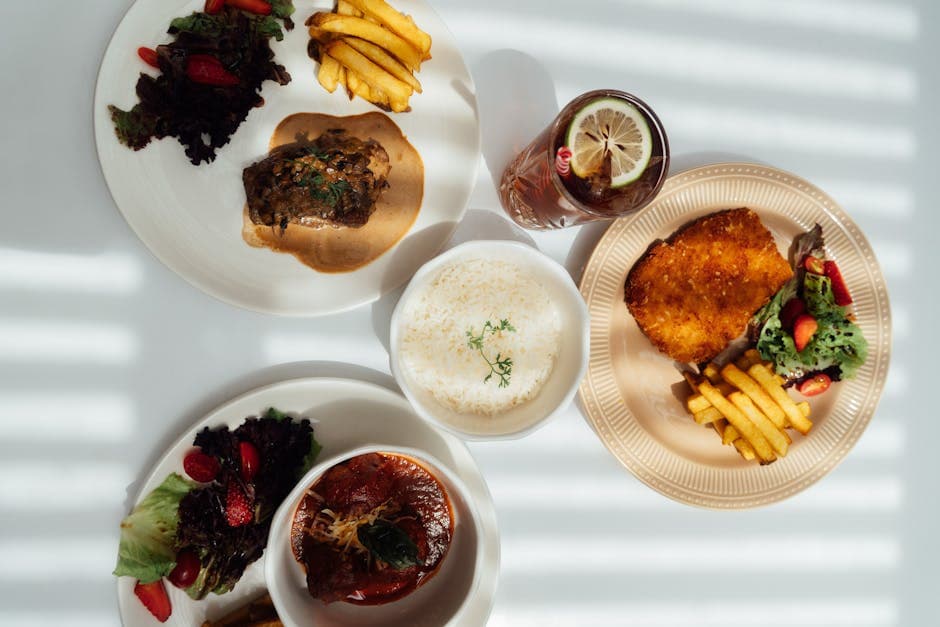
Aged cow's or sheep's milk cheese rolled in za'atar and Aleppo pepper. It has a strong flavor and usually comes with tomatoes and onions.
Allergens:
Bastirma
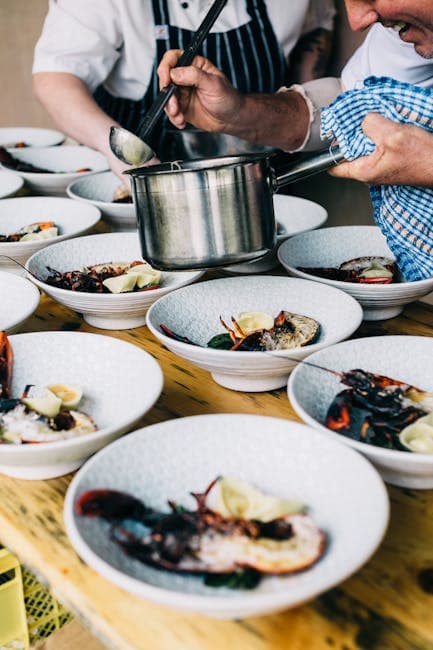
Air-dried cured beef coated in fenugreek, garlic, and spices. It is sliced thin and eaten at breakfast or as part of meze.
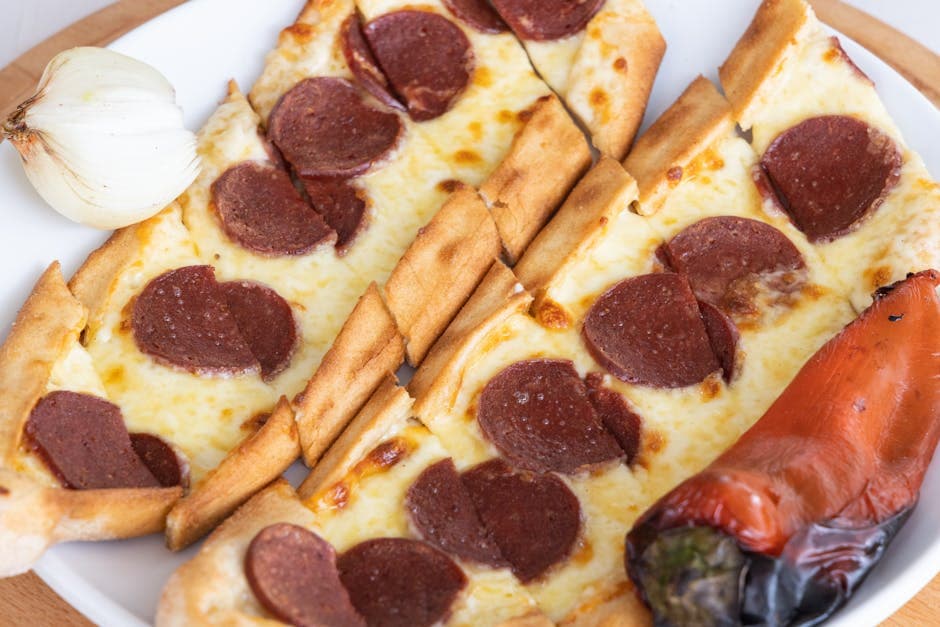
Sujuk
A dry, spicy sausage of ground meat, garlic, and Aleppo pepper. It is a breakfast favorite, often cooked up with eggs.
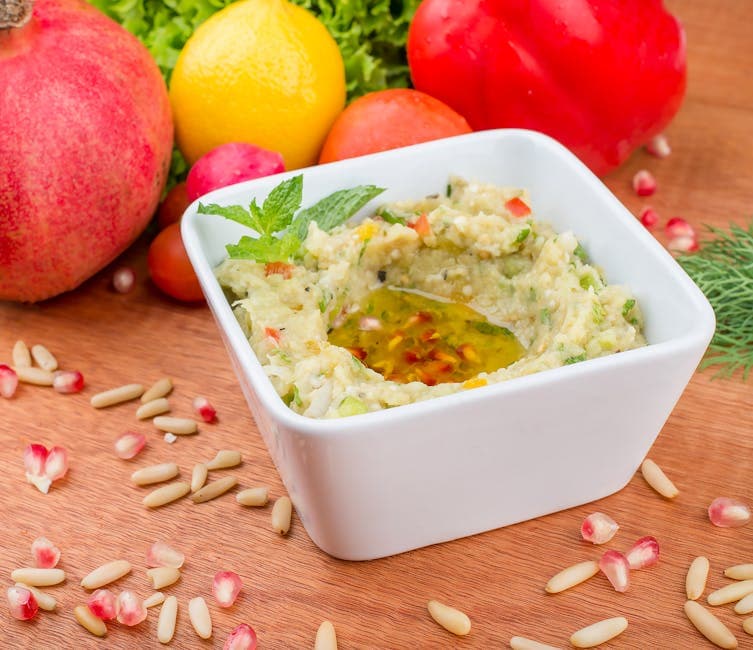
Baba Ghanoush
Smoky roasted eggplant blended with tahini, garlic, lemon juice, and olive oil. No meze spread feels complete without it.
Allergens:
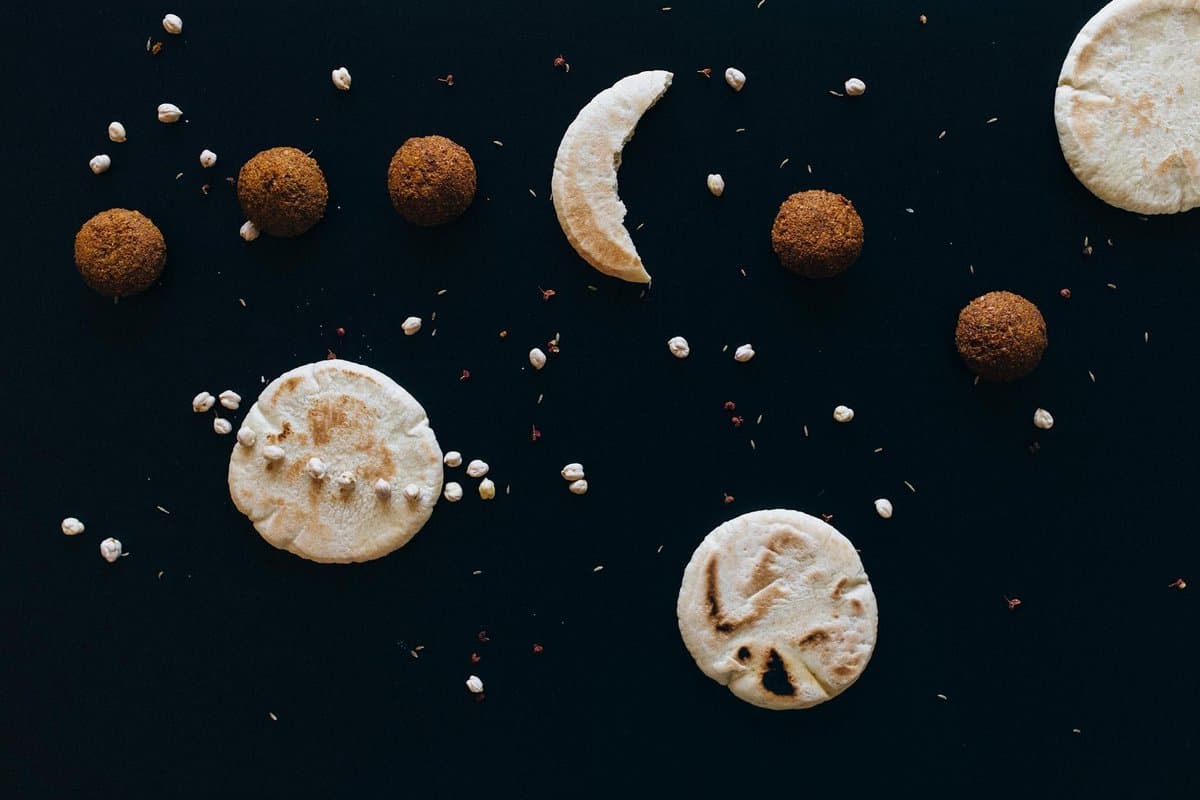
Falafel
Crisp fried chickpea fritters seasoned with herbs and spices. A street-food staple, tucked into pita with vegetables and tahini.
Allergens:
Ma'amoul
Shortbread cookies stuffed with dates, pistachios, or walnuts. They come out for holidays and celebrations.
Allergens:
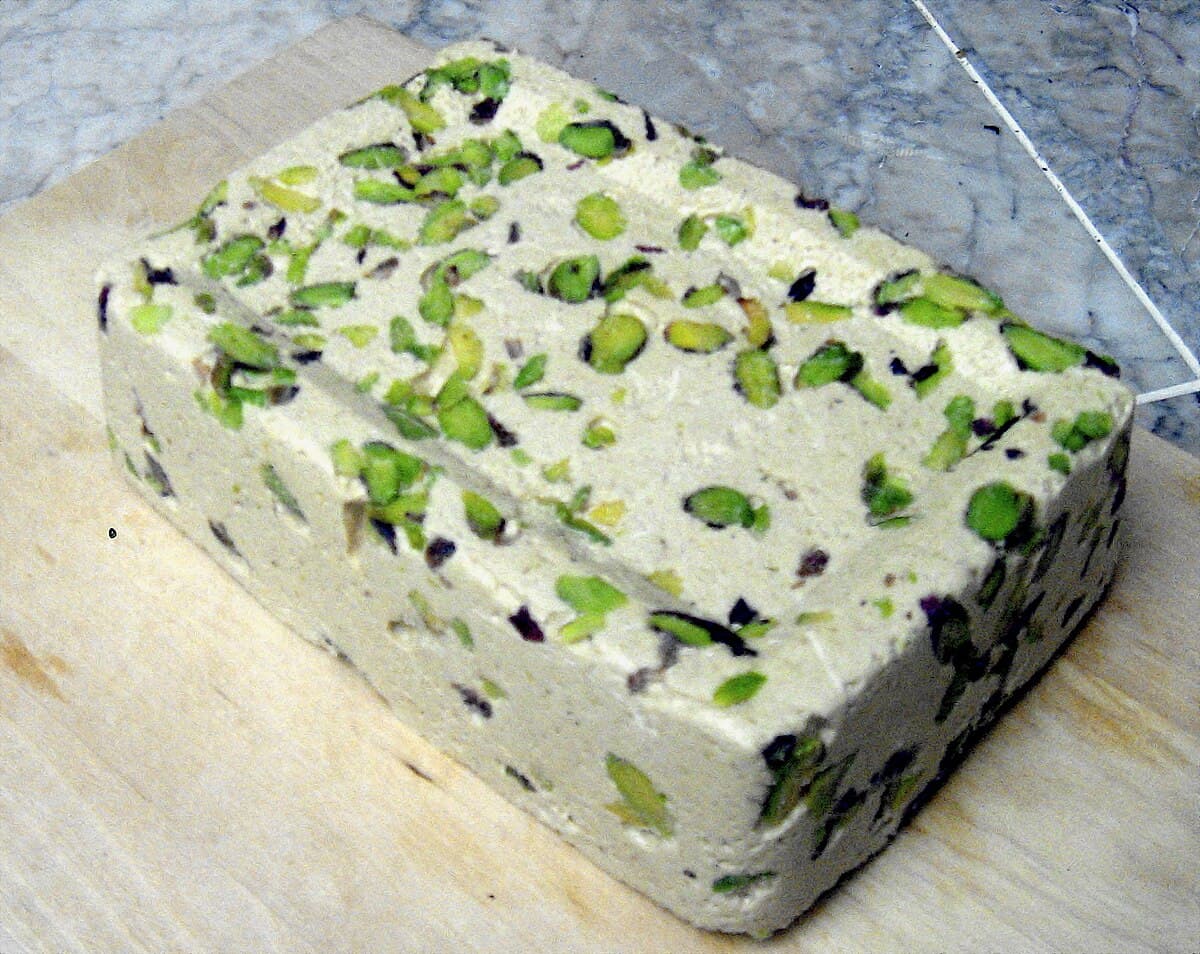
Halva
A sweet made from tahini and sugar, sometimes studded with pistachios. Dense and crumbly, with a strong sesame taste.
Allergens:
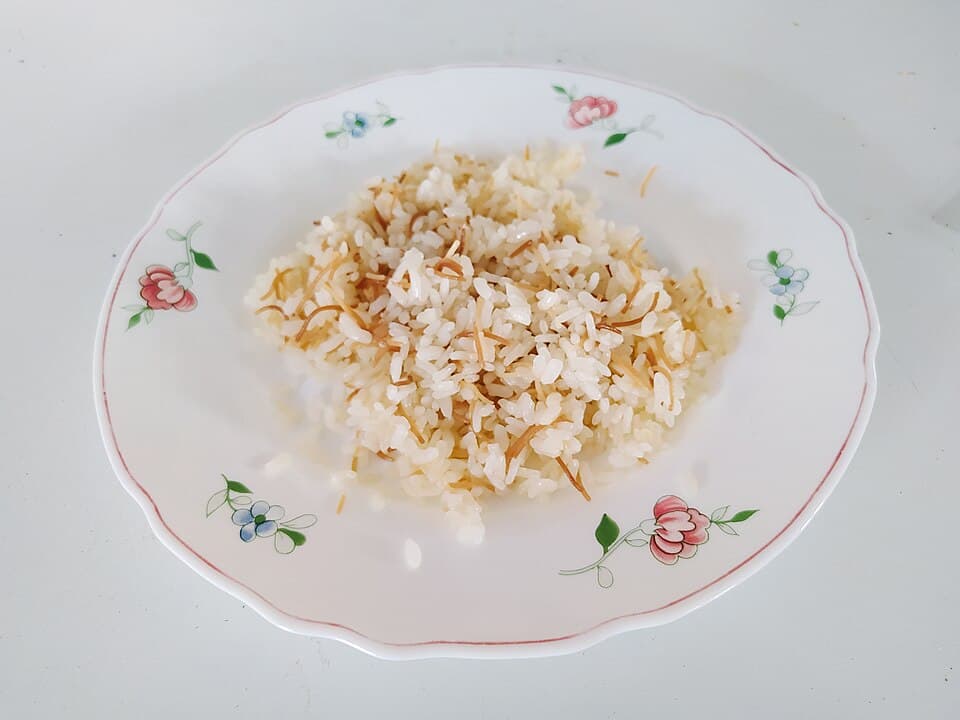
Syrian Rice with Vermicelli
Rice cooked with toasted vermicelli, fragrant and usually served alongside meat dishes and yogurt.
Allergens:
Regional Cuisine Highlights
Explore the diverse culinary landscapes across different regions of Syria.
Damascus
The capital is known for its hummus, its smoky muhammara, and the many ways it makes kibbeh. In the Old City, restaurants keep centuries-old recipes going inside traditional Damascene houses with courtyard seating.
Cultural Significance:
As one of the world's oldest continuously inhabited cities, Damascus has been cooking for thousands of years. Sitting on old trade routes brought outside influences into its kitchen over the centuries.
Signature Dishes:
- Damascus hummus
- Muhammara
- Kibbeh nayeh
- Traditional sweets
Key Ingredients:
Aleppo
This northern city is known for its za'atar blend of wild thyme, sumac, and sesame, and for its baklava and kunafa. The Aleppo pepper grown here yields a burgundy spice used across Middle Eastern cooking.
Cultural Significance:
Aleppo was a major stop on the Silk Road, which turned it into a culinary crossroads. You can taste those centuries of trade and exchange in how the city uses spices and works its pastry.
Signature Dishes:
- Aleppo baklava
- Kunafa
- Za'atar blend
- Kebab Halabi
- Aleppo pepper dishes
Key Ingredients:
Coastal Syria (Latakia/Tartus)
A Mediterranean stretch of seafood, citrus, and olive groves. The coastal kitchen leans on grilled fish, seafood mezze, and dishes built around local olive oil.
Cultural Significance:
Syria's Mediterranean coast built its own way of cooking, shaped by the sea at its door and a milder climate. Traces of Phoenician and Roman heritage linger in its techniques and ingredients.
Signature Dishes:
- Grilled Mediterranean fish
- Samak harra
- Olive oil dishes
- Citrus-based recipes
Key Ingredients:
Sweet Delights & Desserts
Indulge in Syria's traditional sweet treats and desserts.
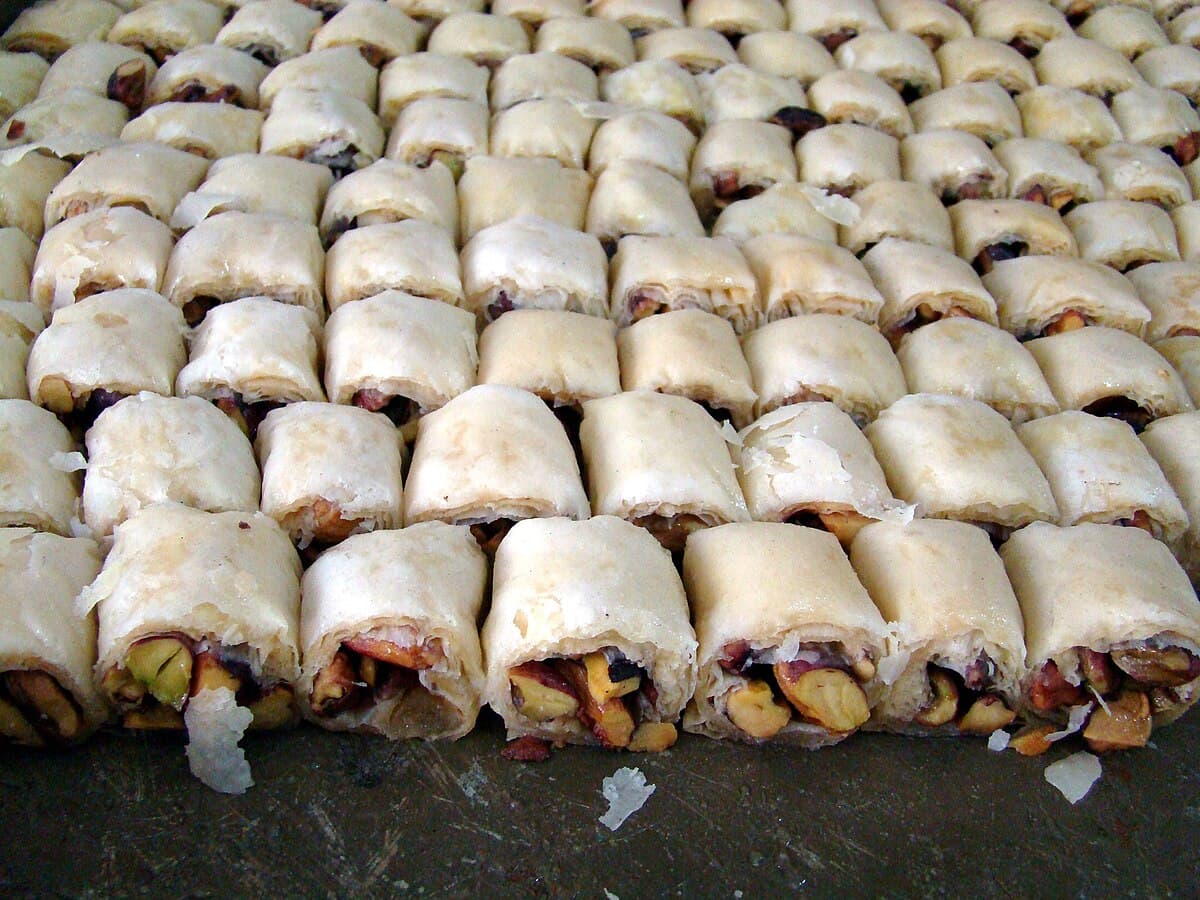
Baklava
Flaky phyllo layered with chopped pistachios or walnuts and sweetened with syrup. The Aleppo version is prized for how fine its layers are.
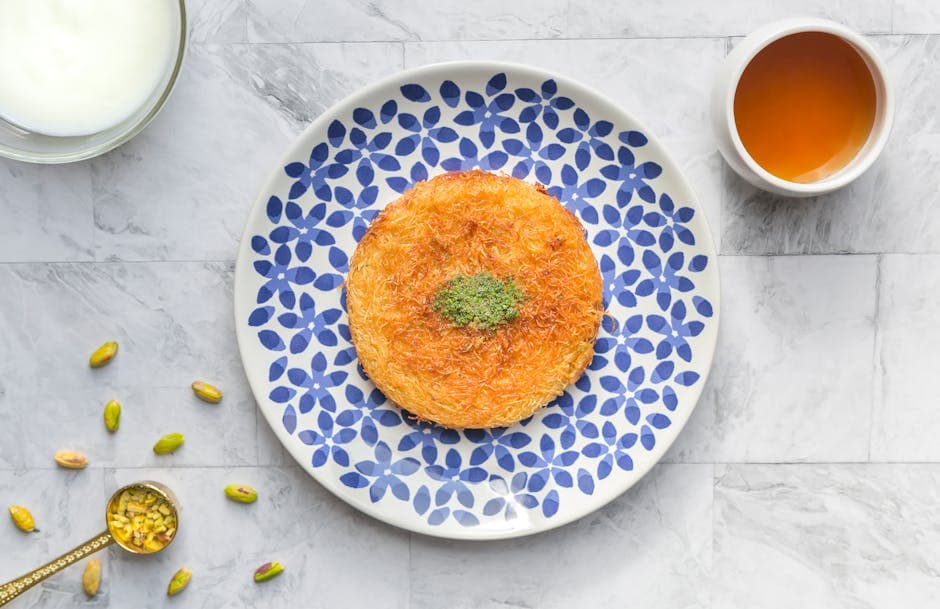
Kunafa
A sweet cheese pastry under a crisp shredded-phyllo top, soaked in sugar syrup and finished with pistachios. It is an Aleppo specialty.
Ma'amoul
Shortbread cookies filled with dates, pistachios, or walnuts. Households bake them for holidays and special occasions.
Traditional Beverages
Discover Syria's traditional drinks, from locally produced spirits to regional wines.

Arak
An anise spirit that clouds to milky white once you add water. It is usually drunk alongside meze.
Soft Beverages
Discover Syria's traditional non-alcoholic drinks, from local teas to refreshing juices.
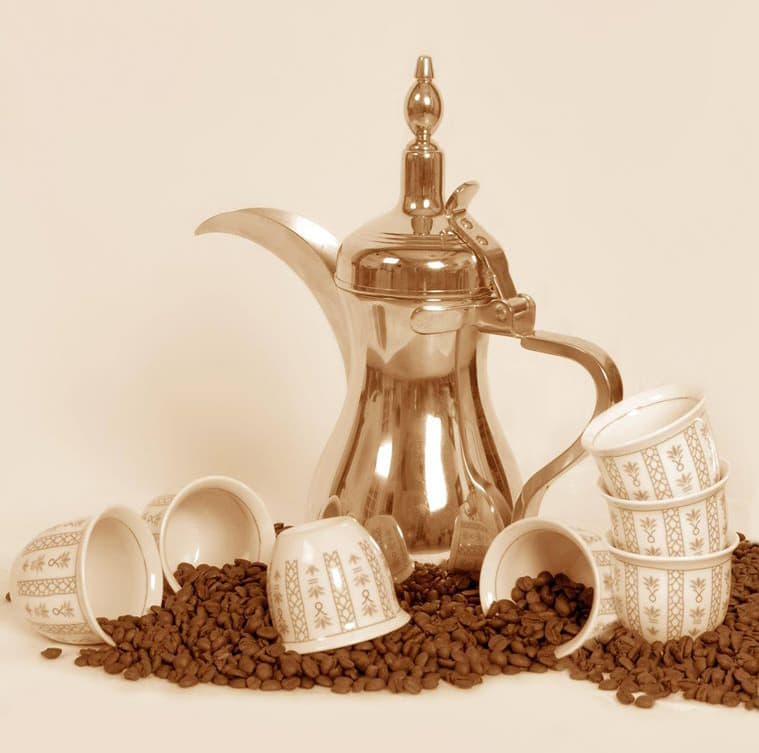
Syrian Coffee (Ahweh)
Strong coffee scented with cardamom, poured into small cups. It is brewed in a brass pot known as a dallah.
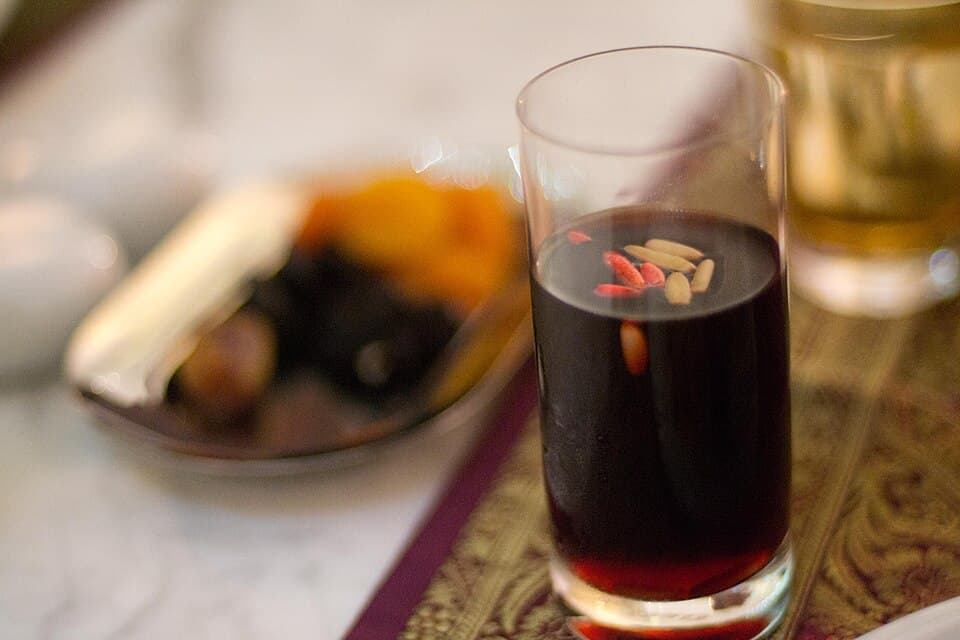
Jallab
A sweet drink of grape molasses, dates, and rose water, poured over ice and topped with pine nuts and raisins.

Tamarind Juice (Tamr Hindi)
A sweet-sour cooler made from tamarind pulp. It is a favorite during Ramadan and through the hot summer months.
Frequently Asked Questions
Essential information about food and dining in Syria.
What is the national dish of Syria?
Syria's most iconic dishes include Kibbeh, Shawarma, Fattoush. Syria's national dish: tear-shaped croquettes of ground bulgur, lamb or beef, pine nuts, and spices. They come fried, roasted, or raw as kibbeh nayeh, shaped so the outer shell crisps up around a savory filling.
Is street food safe in Syria?
Street food in Syria can be enjoyed safely by following these guidelines: Check local water safety recommendations Choose busy vendors with high turnover. Look for busy vendors with high turnover, ensure food is cooked fresh and served hot, and avoid raw ingredients if you have a sensitive stomach.
What are the best restaurants in Syria?
Syria offers diverse dining options from street food stalls to upscale restaurants. For the best experience, ask locals for recommendations, check recent reviews, and look for restaurants that specialize in regional cuisines.
Can vegetarians find food easily in Syria?
Vegetarian options in Syria are highly available. Vegetarians eat well here. Meze leans heavily on vegetables, so hummus, baba ghanoush, fattoush, and tabbouleh are all easy to find.. Many restaurants offer vegetarian dishes, and you'll find plant-based ingredients featured prominently in local cuisine.
What is the average cost of a meal in Syria?
Meal costs in Syria depend on where you eat. Street food and casual local restaurants are very affordable, typically offering complete meals for a few dollars. Mid-range restaurants charge moderate prices, while fine dining establishments are comparably priced to Western countries.
What are common food allergens in Syria?
Common allergens in Syria cuisine include Nuts, Dairy, Gluten. Walnuts, pistachios, and pine nuts turn up across the cooking. These ingredients appear in dishes like Muhammara, Baklava. Always inform restaurant staff about your allergies.
When is the best time to visit Syria for food?
Syria offers great food experiences throughout the year. However, visiting during harvest seasons (typically spring and autumn) provides access to the freshest local ingredients. Food festivals and cultural celebrations also offer unique culinary experiences worth planning around.