
Angola Food Guide
Content Information
Recently updatedFood Safety Tips
Essential food safety information to help you enjoy Angola's cuisine safely and confidently.
Drink bottled or filtered water
Tap water is not safe to drink in Angola. Always use bottled water for drinking and brushing teeth. Avoid ice unless from purified water.
Choose busy vendors with high turnover
Street food is usually fine when the vendor is busy and cooking to order. Watch how they handle the food, and skip anything that has been sitting out.
Ensure seafood is properly cooked
The fresh seafood here is some of the best on the coast, but make sure it is cooked through. Save raw dishes for restaurants you trust.
Dietary Options
vegetarian
LOW AVAILABILITYVegetarians have a thin selection, since most Angolan cooking leans on meat and fish. Funge (cassava porridge) and a vegetable version of calulu are your best bets.
vegan
LOW AVAILABILITYVegan eating is harder still. Palm oil, fish, or meat work their way into most traditional dishes, so spell out what you can and cannot eat when you order.
gluten-free
MEDIUM AVAILABILITYA lot of traditional cooking here is gluten-free by default, built on cassava, rice, and plantains instead of wheat.
Common Allergens
Palm Oil
HIGH PREVALENCERed palm oil is fundamental to Angolan cuisine
COMMONLY FOUND IN:
Fish and Seafood
HIGH PREVALENCEDried and fresh fish widely used
COMMONLY FOUND IN:
Peanuts
MEDIUM PREVALENCEPeanuts used in some regional variations
COMMONLY FOUND IN:
Essential Food Experiences
These iconic dishes represent the must-have culinary experiences that define Angola's food culture for travelers.
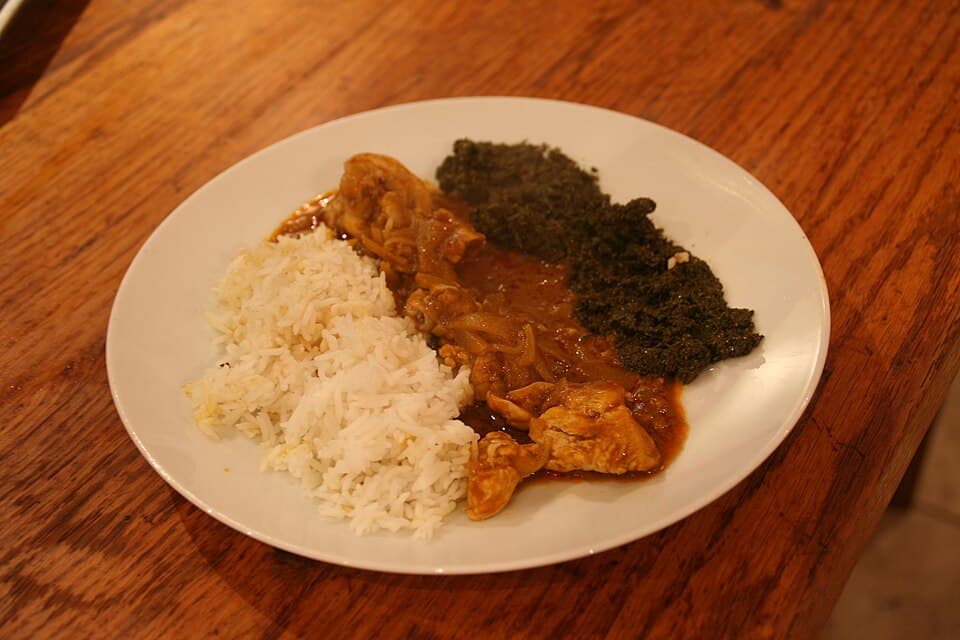
Muamba de Galinha
Angola's national dish: chicken stewed with red palm oil (muamba de dendem), okra, garlic, squash, and gindungo, the local hot chile. Where other African versions add peanuts, the Angolan recipe leaves them out. Eaten with rice and funge.
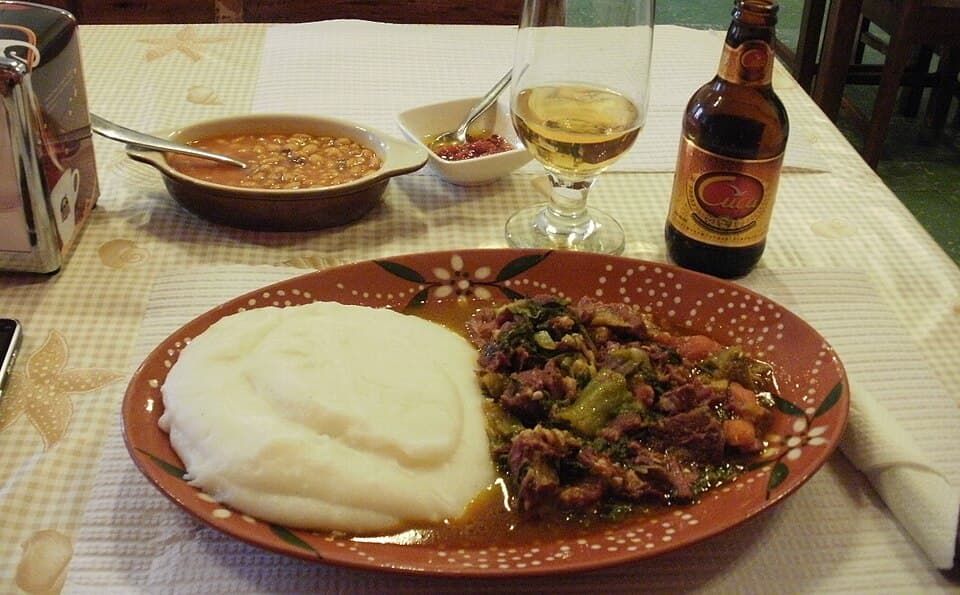
Calulu
A stew of dried fish simmered in palm oil with onions, tomatoes, okra, sweet potatoes, and gimboa leaves, which taste close to spinach. Usually comes with rice, funge, and farofa.

Funge
The everyday staple: a thick, gelatinous porridge made from cassava flour (funge de bombo) or cornmeal (pirão). Cassava turns it gray, corn turns it yellow. It soaks up stews and sauces, and few meals arrive without it.

Mufete
A Luanda classic: grilled fish plated with sweet potato, cassava, and plantains, finished with a sauce of onions, tomatoes, vinegar, and palm oil.
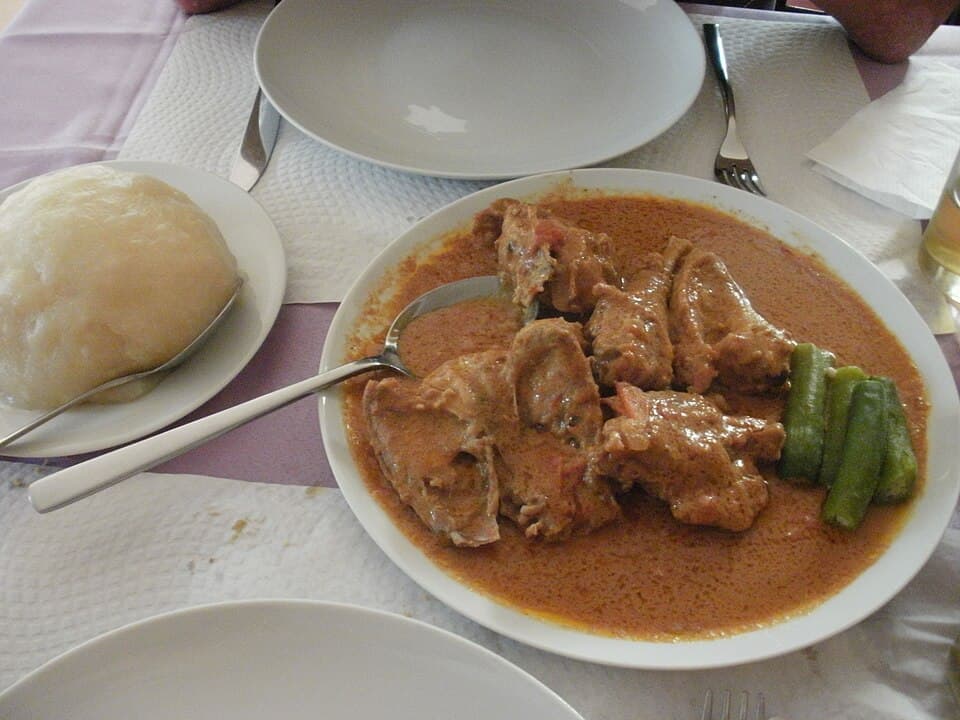
Cabidela
Chicken or goat stewed in its own blood with vinegar, which darkens the sauce and deepens its flavor. The dish traces back to Portuguese colonial cooking.

Farofa
Cassava flour toasted in butter, sometimes with vegetables, bacon, or eggs stirred through. It goes on the side to mop up sauces and stews.

Moamba de Ginguba
Chicken stewed in peanut sauce with vegetables and spices, a northern take on the classic moamba.
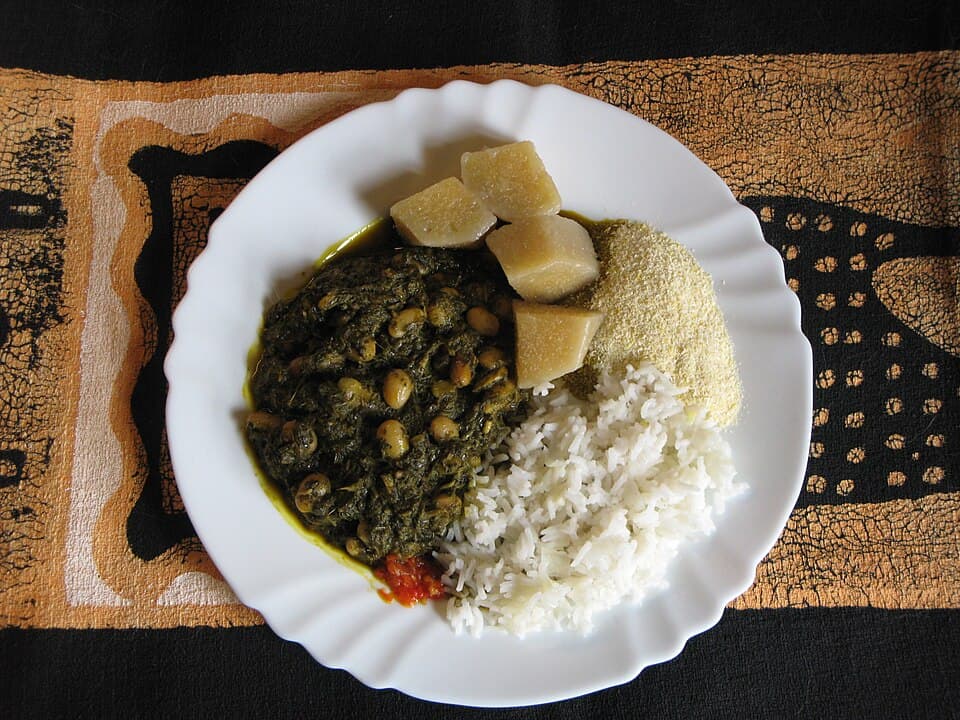
Kizaka
Cassava leaves cooked down with palm oil, onions, garlic, and usually dried fish or meat. The leaves are pounded first so the texture comes out smoother.

Feijão de Óleo de Palma
Beans simmered in red palm oil with onions, garlic, and spices. Plain cooking that delivers, and it usually arrives with rice or funge.
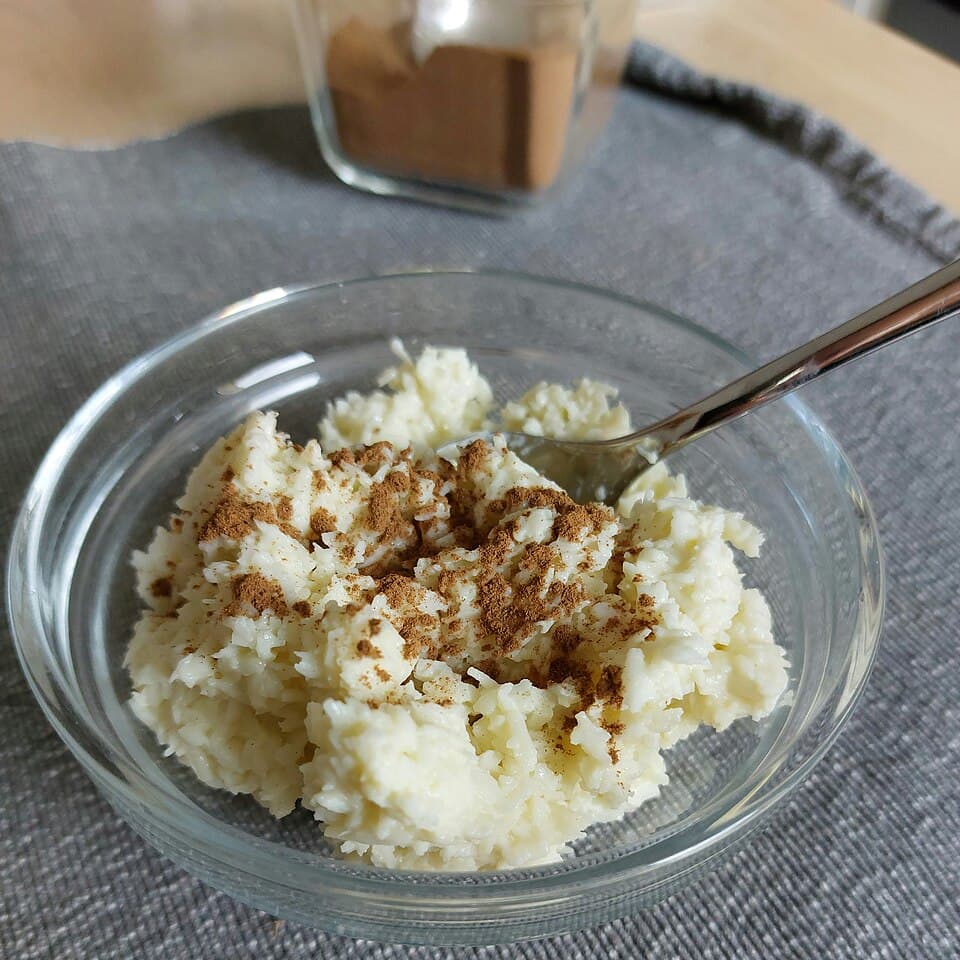
Cocada Amarela
A coconut dessert cooked from coconut, sugar, and egg yolks until it sets into a sweet golden custard. The recipe came down from Portuguese kitchens and is eaten all over Angola.
Regional Specialties & Local Favorites
Discover the authentic regional dishes and local favorites that showcase Angola's diverse culinary traditions.
Pirão
Yellow cornmeal porridge, much like polenta. You see it more in the south, served alongside stews.
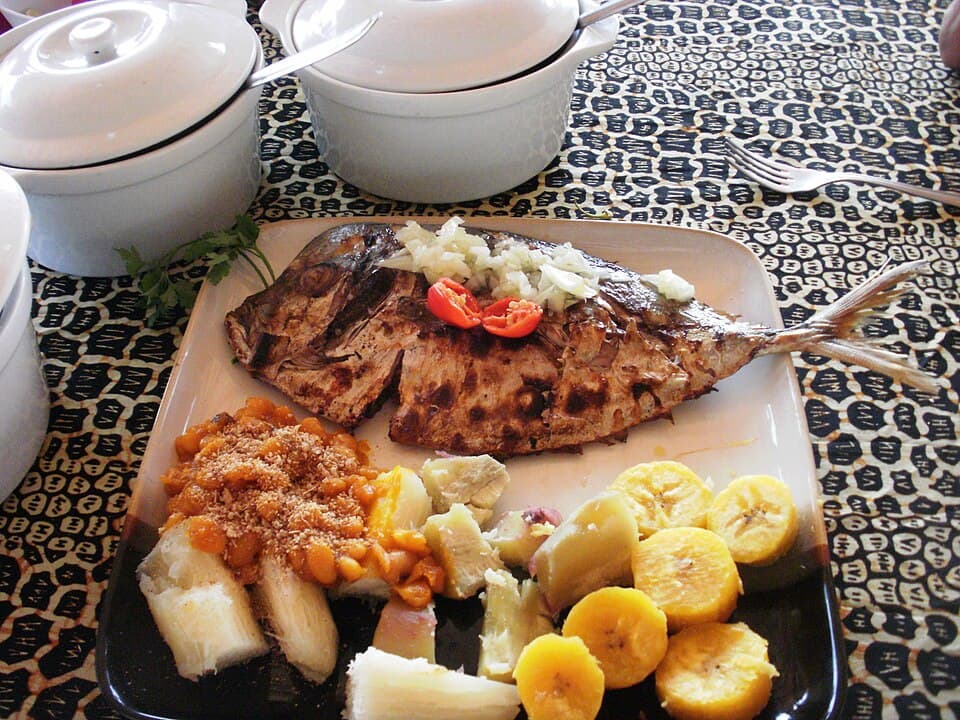
Mufete de Peixe
Luanda grilled fish, plated with sweet potatoes, cassava, and a spicy palm oil sauce.
Allergens:
Gindungo Sauce
A fiery condiment ground from local chili peppers. It lands on the table with almost everything, and Angolan food tastes flat without it.
Chikuanga
Fermented cassava bread steamed in banana leaves. It turns up next to stews and grilled meats.
Batata Doce
Sweet potatoes, boiled, roasted, or fried depending on the cook. A side dish you will run into constantly.
Banana Assada
Plantains grilled or roasted until sweet and caramelized. Good as a side or a snack on its own.
Jindungo com Limão
Hot pepper sauce sharpened with lemon juice, tangy and fierce. It sits on most Angolan tables.
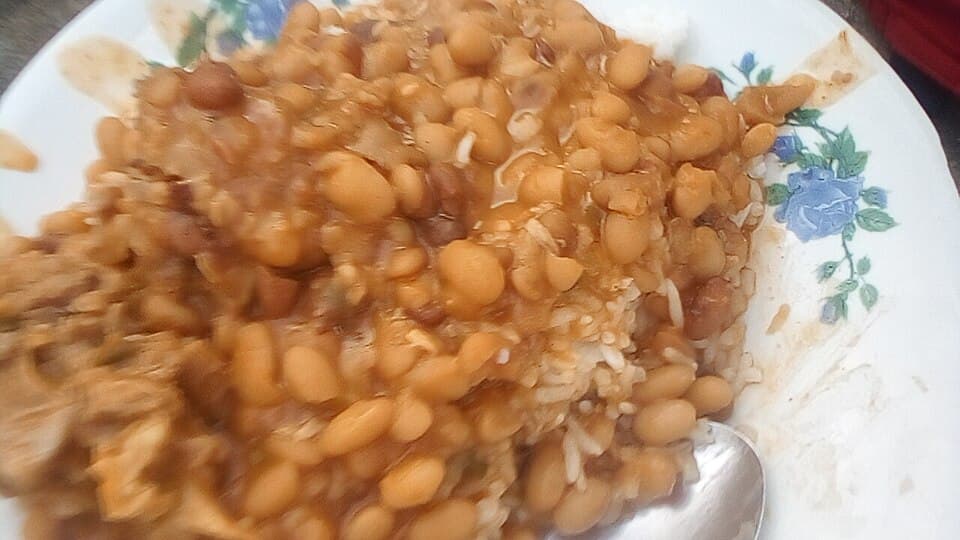
Arroz de Feijão
Rice and beans cooked in one pot, often with palm oil. Everyday comfort food across Angola.
Regional Cuisine Highlights
Explore the diverse culinary landscapes across different regions of Angola.
Luanda
Coastal cooking built on fresh seafood, mufete, and Portuguese-influenced plates. The capital has the widest range of places to eat in the country.
Signature Dishes:
Key Ingredients:
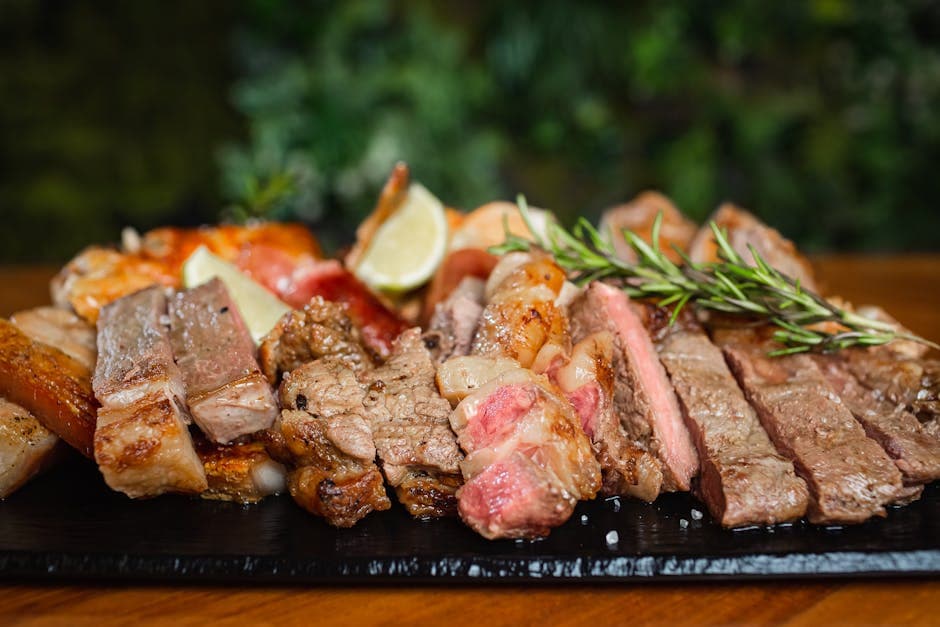
Northern Angola
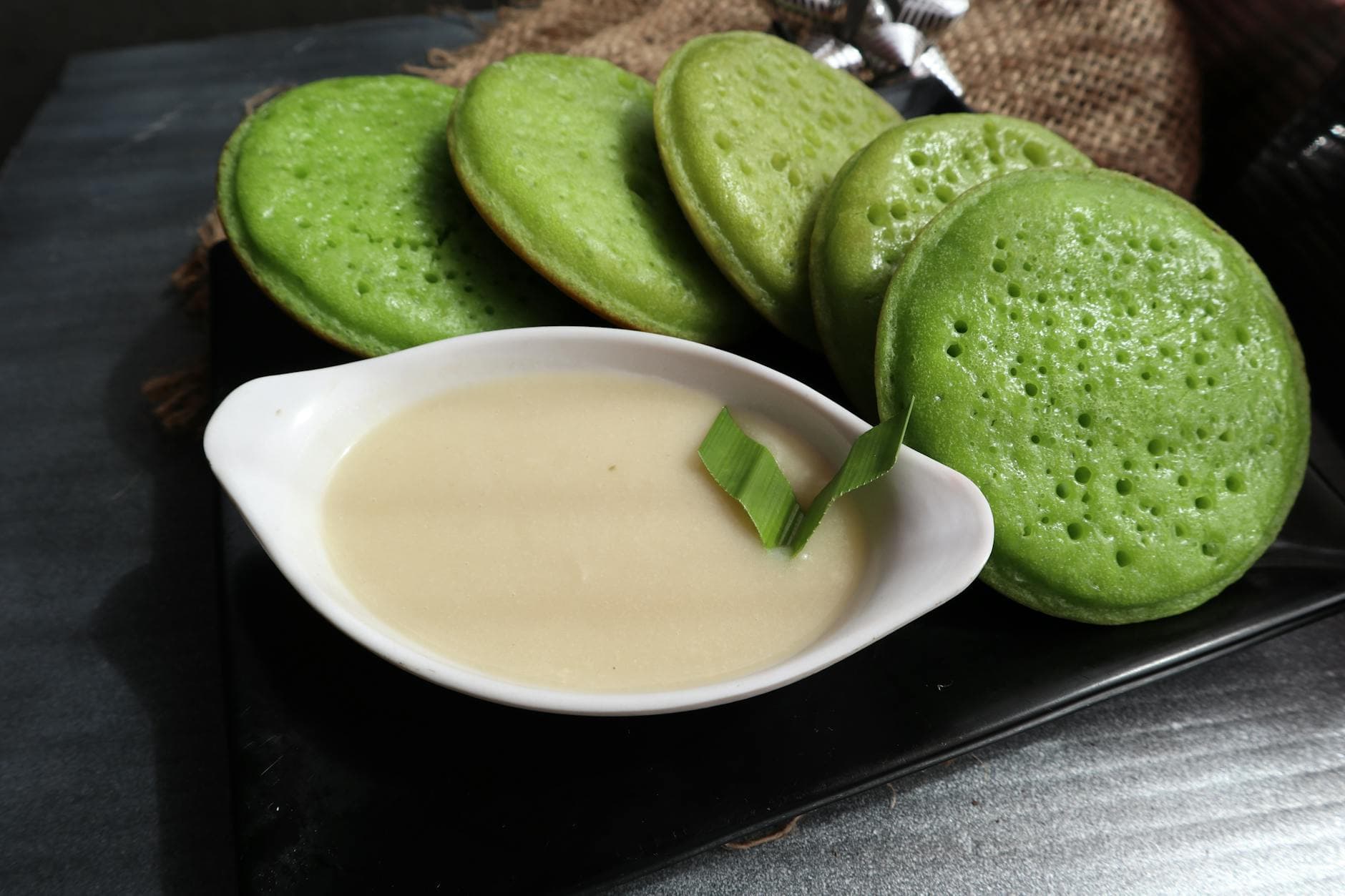
Cooking shaped by neighboring Congo, leaning on cassava leaves (kizaka), peanut-based stews, and river fish.
Signature Dishes:
Key Ingredients:
Sweet Delights & Desserts
Indulge in Angola's traditional sweet treats and desserts.
Cocada Amarela
Golden coconut sweet built from egg yolks, sugar, and grated coconut. Dense and very sweet.
Bolo de Batata Doce
Sweet potato cake with coconut and spices, kept moist and well spiced. A traditional bake.

Doce de Ginguba
Peanut brittle of roasted peanuts set in caramelized sugar. A common street snack.
Traditional Beverages
Discover Angola's traditional drinks, from locally produced spirits to regional wines.
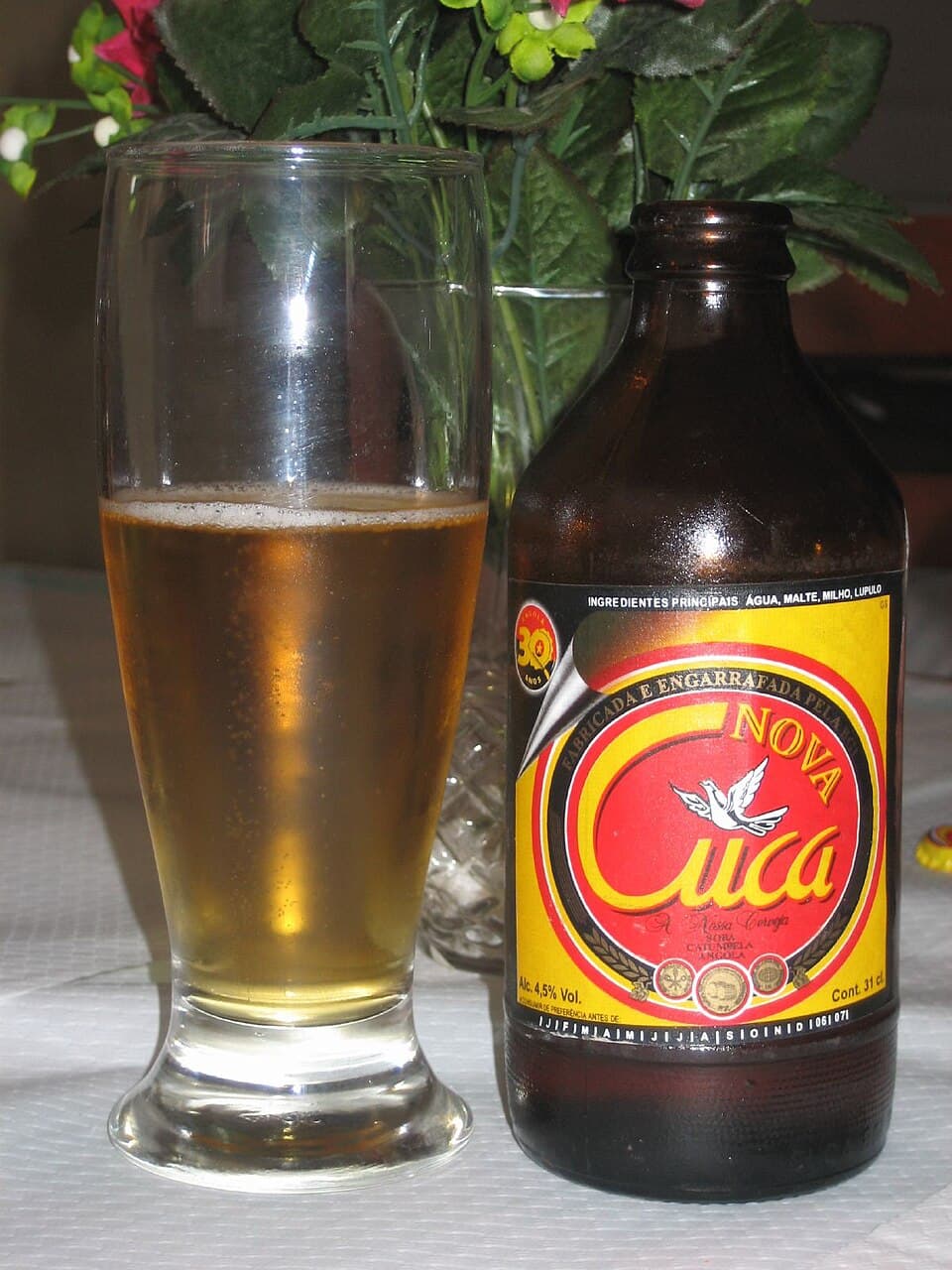
Cuca Beer
Angola's best-known beer, brewed since 1953. A light lager that suits the heat.
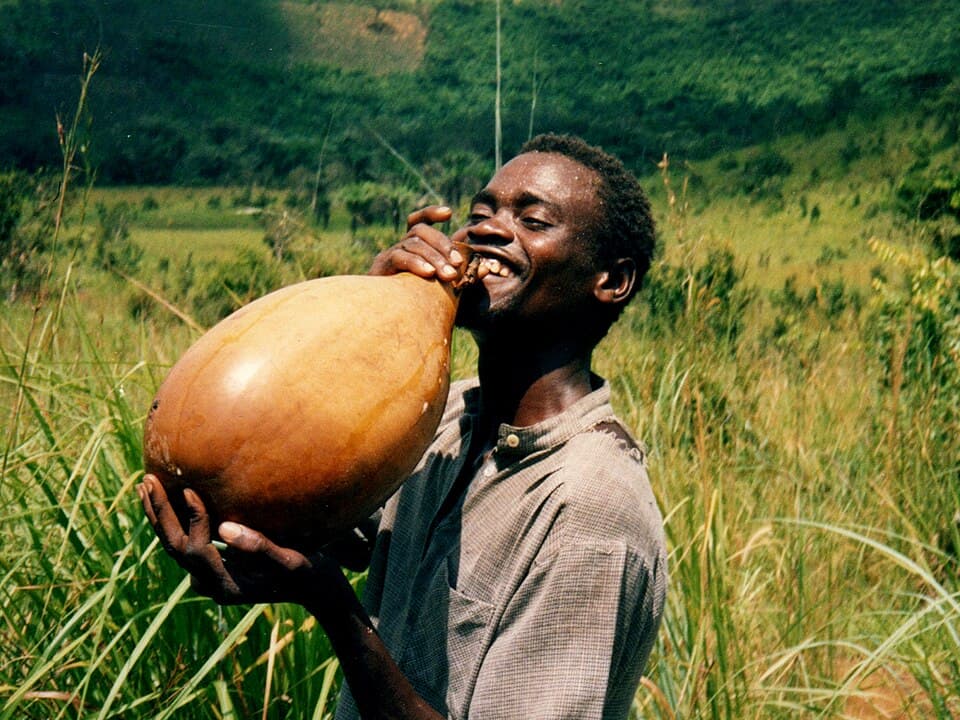
Vinho de Palma
Palm wine, fermented from palm sap. Sweet when fresh, and stronger the longer it sits.
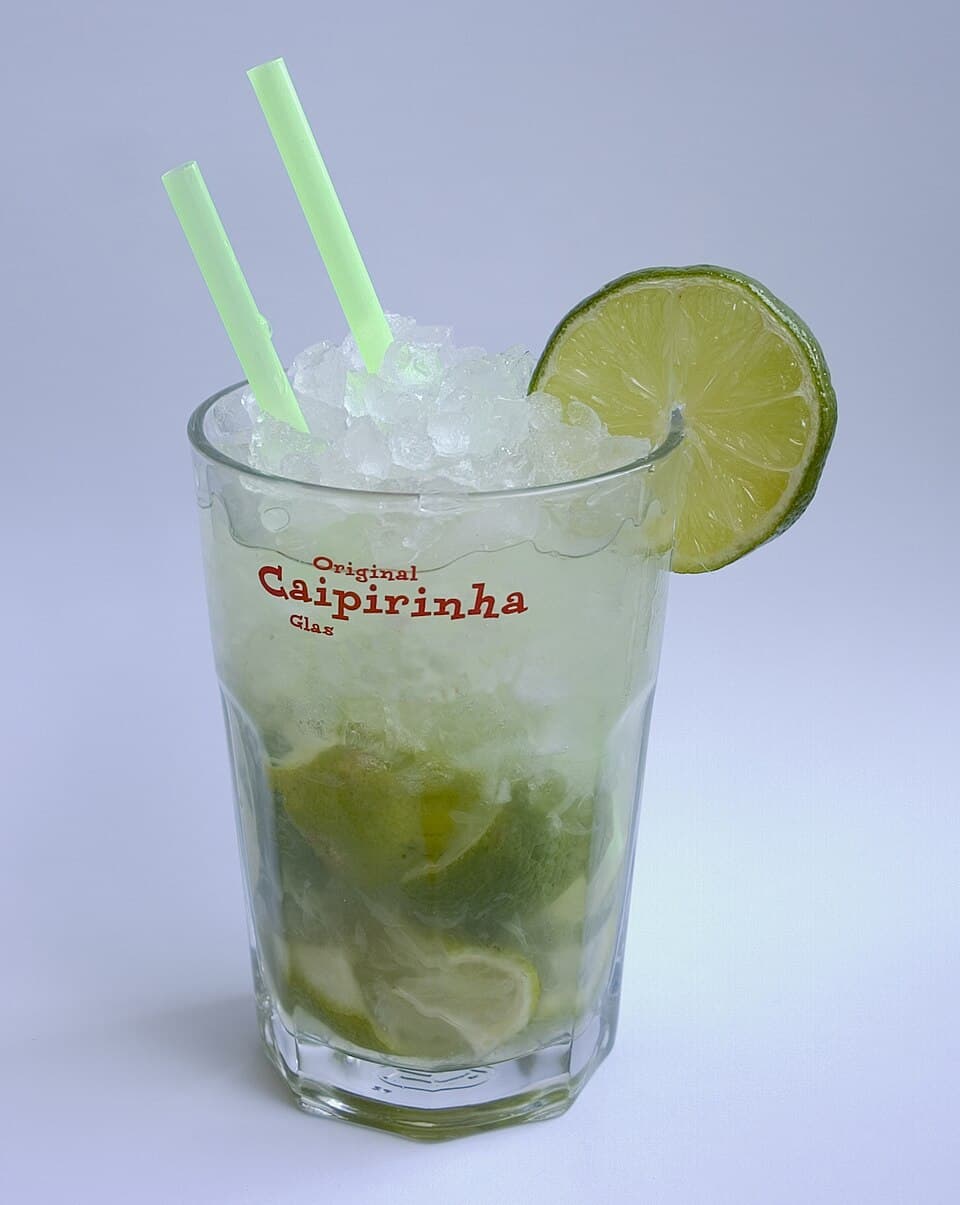
Caipirinha Angolana
Angolan version of caipirinha made with local spirits and fresh lime.
Soft Beverages
Discover Angola's traditional non-alcoholic drinks, from local teas to refreshing juices.
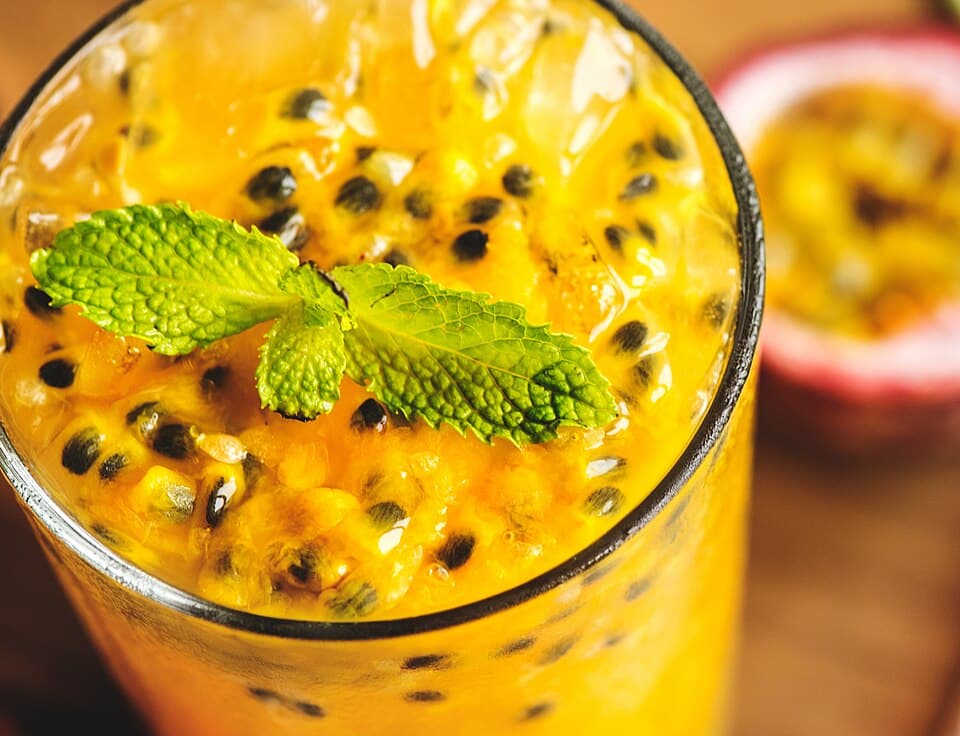
Sumo de Maracujá
Fresh passion fruit juice, sweet and sharp. A go-to when the heat sets in.

Café Angolano
Strong coffee, usually taken sweet. Angola has grown coffee for generations.
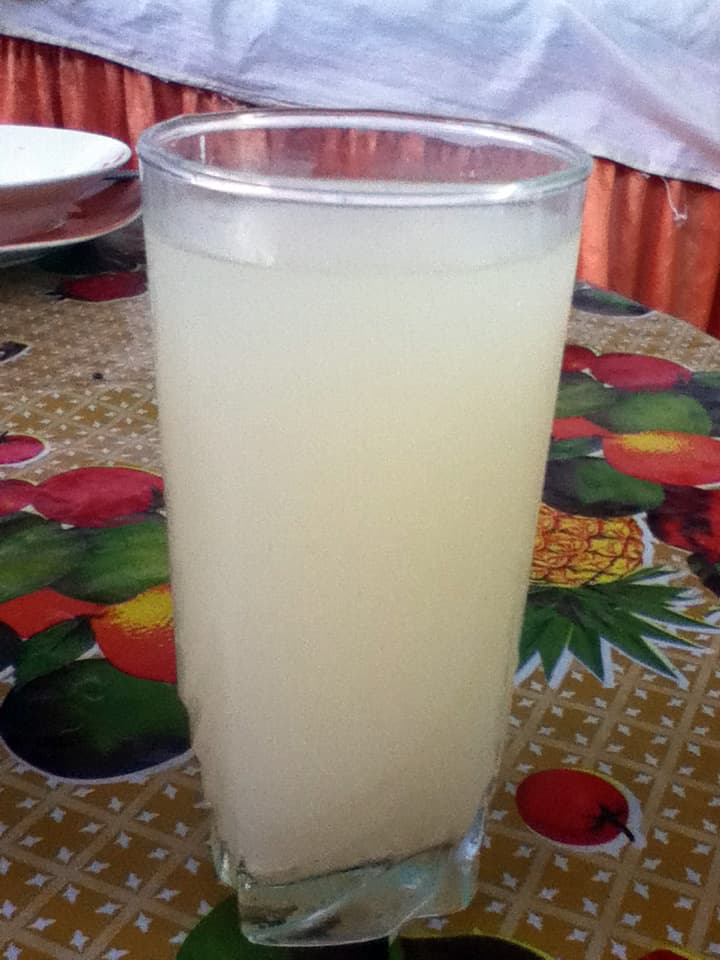
Kissangua
A drink of cornmeal, water, and sugar, lightly fermented and cooling.
Frequently Asked Questions
Essential information about food and dining in Angola.
What is the national dish of Angola?
Angola's most iconic dishes include Muamba de Galinha, Calulu, Funge. Angola's national dish: chicken stewed with red palm oil (muamba de dendem), okra, garlic, squash, and gindungo, the local hot chile. Where other African versions add peanuts, the Angolan recipe leaves them out. Eaten with rice and funge.
Is street food safe in Angola?
Street food in Angola can be enjoyed safely by following these guidelines: Drink bottled or filtered water. Look for busy vendors with high turnover, ensure food is cooked fresh and served hot, and avoid raw ingredients if you have a sensitive stomach.
What are the best restaurants in Angola?
Angola offers diverse dining options from street food stalls to upscale restaurants. For the best experience, ask locals for recommendations, check recent reviews, and look for restaurants that specialize in regional cuisines.
Can vegetarians find food easily in Angola?
Vegetarian options in Angola are lowly available. Vegetarians have a thin selection, since most Angolan cooking leans on meat and fish. Funge (cassava porridge) and a vegetable version of calulu are your best bets.. Many restaurants offer vegetarian dishes, and you'll find plant-based ingredients featured prominently in local cuisine.
What is the average cost of a meal in Angola?
Meal costs in Angola depend on where you eat. Street food and casual local restaurants are very affordable, typically offering complete meals for a few dollars. Mid-range restaurants charge moderate prices, while fine dining establishments are comparably priced to Western countries.
What are common food allergens in Angola?
Common allergens in Angola cuisine include Palm Oil, Fish and Seafood, Peanuts. Red palm oil is fundamental to Angolan cuisine. These ingredients appear in dishes like Muamba de Galinha, Calulu. Always inform restaurant staff about your allergies.
When is the best time to visit Angola for food?
Angola offers great food experiences throughout the year. However, visiting during harvest seasons (typically spring and autumn) provides access to the freshest local ingredients. Food festivals and cultural celebrations also offer unique culinary experiences worth planning around.