
Azerbaijan Food Guide
Content Information
Recently updated🔥Current Food Trends 2026
What's happening in Azerbaijan's culinary scene right now
By mid-2026, Azerbaijani food is drawing more attention abroad, much of it built on plov, which UNESCO recognized in 2016. There are said to be more than 40 regional versions, and the festive shah plov, with its rice crust, dried fruits, and saffron, tends to get the spotlight. Qutab, the folded griddle flatbread, has become the go-to street food that visitors notice first. In Baku, Caspian seafood restaurants keep sturgeon and kutum on the menu, old chaikhanas (tea houses) sit comfortably next to newer cafés, and the area around Nizami Street stays busy with food. Cooking still follows the seasons. Summer leans toward fresh pomegranate juice, cold dishes, and lighter fare, while the heavier soups like piti and dushbara return with the cold, and the autumn pomegranate and persimmon harvests and the walnut crop in Sheki shape what shows up on the table. Households start preparing shekerbura and pakhlava well ahead of Novruz, the spring festival on March 21. Halal is simply the norm here, since the country is about 96 percent Muslim. Black tea poured into pear-shaped armudu glasses, the lingering caviar tradition along the Caspian, and the steady use of saffron and sumac are what give the cuisine its character.
Food Safety Tips
Essential food safety information to help you enjoy Azerbaijan's cuisine safely and confidently.
Check food hygiene standards in Azerbaijan
Hygiene standards in Azerbaijan are generally good, but stick to restaurants that look clean and well kept.
Drink bottled water in Azerbaijan
Bottled water is the safer choice, particularly in rural areas where tap water quality can be inconsistent.
Be cautious with street food in Azerbaijan
Street food here can be excellent and safe to eat. Pick vendors who are busy and keep a clean stall, since high turnover usually means fresher food.
Dietary Options
vegetarian
MEDIUM AVAILABILITYVegetarians have more choices than they used to in Azerbaijan, especially in cities and places that see tourists. Look for qutab with greens (a herb-filled flatbread), meatless dolma made with rice in grape leaves, fresh salads, and the many eggplant dishes.
vegan
LOW AVAILABILITYVegans will find the going harder, since most traditional dishes use meat or dairy. Larger cities sometimes have dedicated restaurants. Dishes that happen to be vegan include vegetable qutab, some plov versions, fresh fruit, and pomegranate-based dishes.
gluten-free
LOW AVAILABILITYEating gluten-free takes some effort here, because bread and wheat run through the cuisine. Safe bets include plov (rice pilaf), grilled meats, plenty of vegetable dishes, and pomegranate-based items.
halal
HIGH AVAILABILITYWith a population that is about 96 percent Muslim, mostly Shia, halal is the default everywhere. Nearly all restaurants serve halal meat, pork is hard to find, and you rarely need to ask about certification.
kosher
VERY LOW AVAILABILITYAzerbaijan's Jewish community is small, somewhere between 10,000 and 30,000 people, mostly Mountain Jews living in Baku and Quba. Kosher infrastructure is minimal, so it's best to reach out to the Baku synagogue or the local Jewish community for help.
Common Allergens
Nuts
MEDIUM PREVALENCENuts turn up often, above all in desserts but also in a number of savory dishes.
COMMONLY FOUND IN:
Dairy
HIGH PREVALENCEDairy shows up across the cuisine, from yogurt sauces to cheese fillings in many traditional dishes.
COMMONLY FOUND IN:
Wheat
HIGH PREVALENCEWheat is a staple, going into bread, pastries, dumplings, and much more.
COMMONLY FOUND IN:
Essential Food Experiences
These iconic dishes represent the must-have culinary experiences that define Azerbaijan's food culture for travelers.
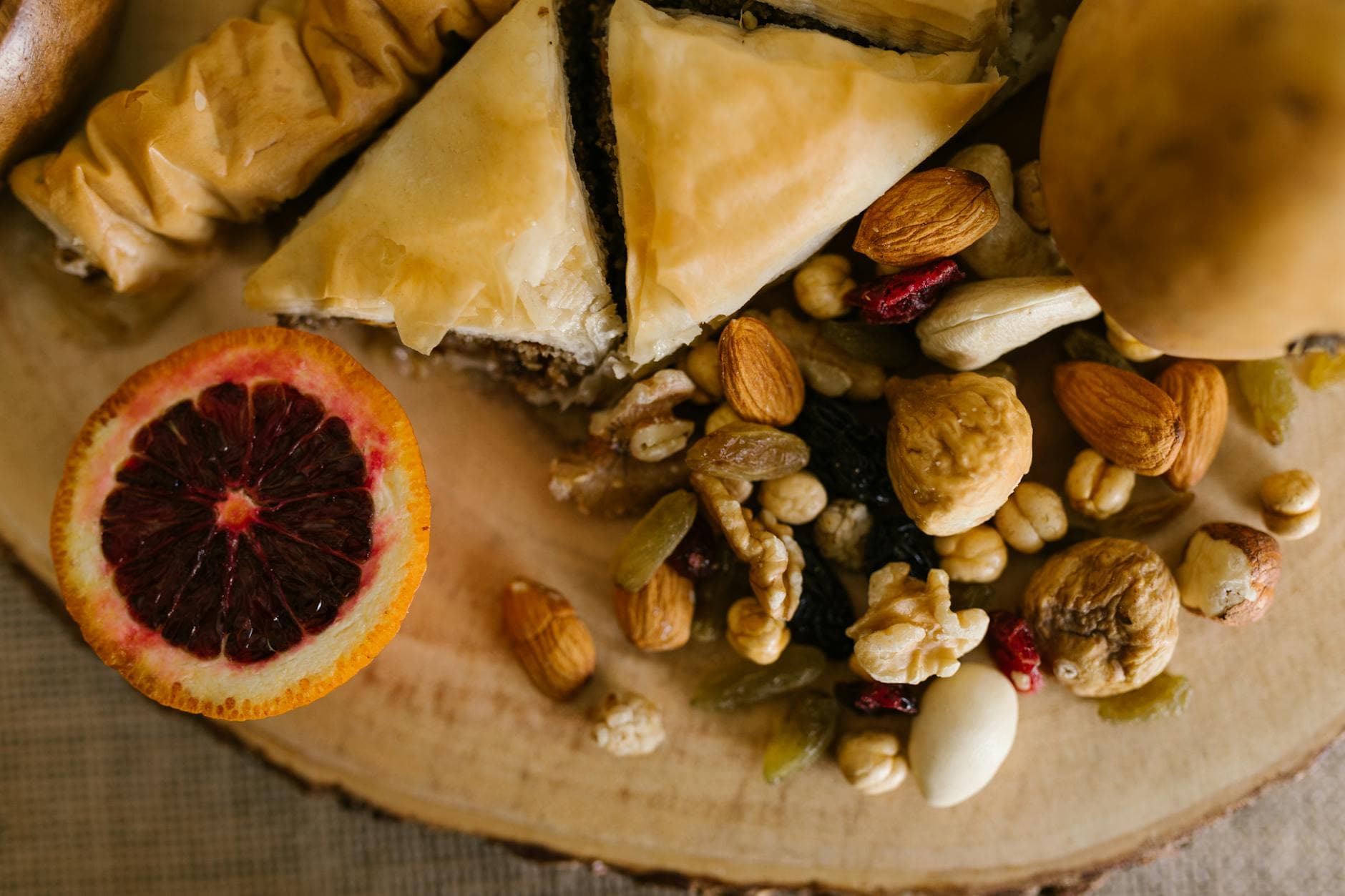
Plov (Azerbaijani Pilaf)
The national dish, recognized by UNESCO as Intangible Heritage in 2016. Saffron-scented rice cooked with lamb, dried fruits, chestnuts, and spices, with more than 40 regional versions. The festive shah plov adds a rice crust called qazmaq and dried fruits and comes out for special occasions. Getting it right is a skill handed down through families.
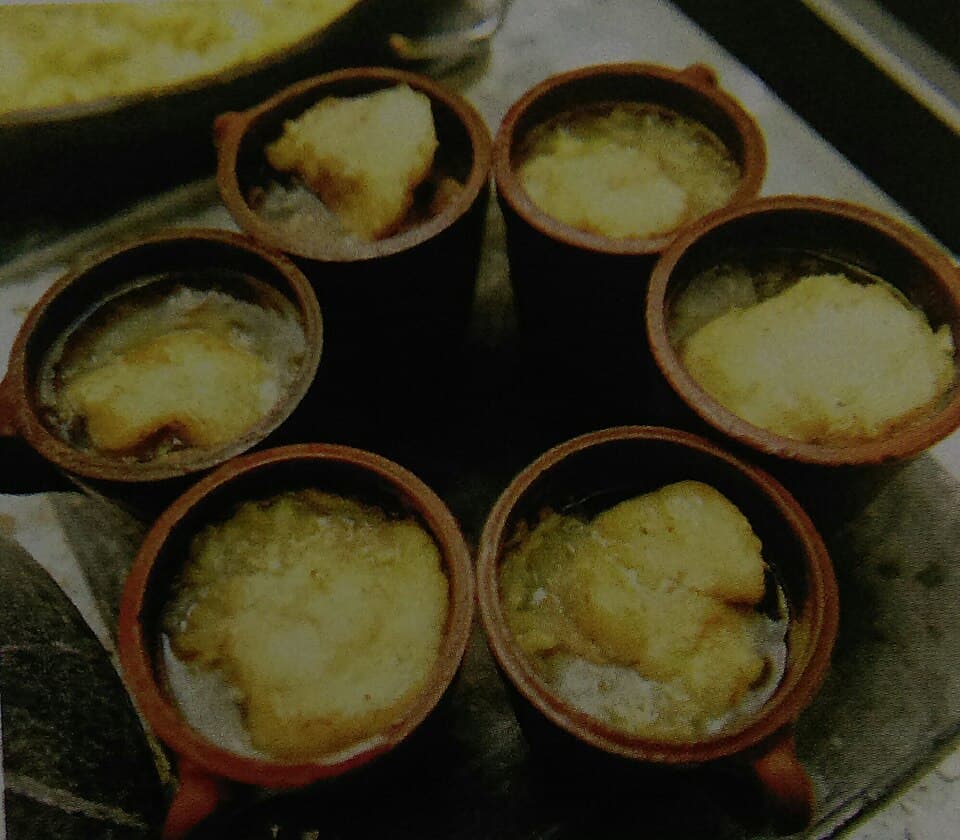
Piti
A lamb and chickpea soup cooked slowly overnight in individual clay pots, also called piti. Lamb, chickpeas, potatoes, saffron, and dried plums make a deep broth. You eat it in two stages, first the broth soaked into bread, then the meat and vegetables. It's a Sheki specialty, and the clay pot gives it an earthy taste you don't get otherwise.
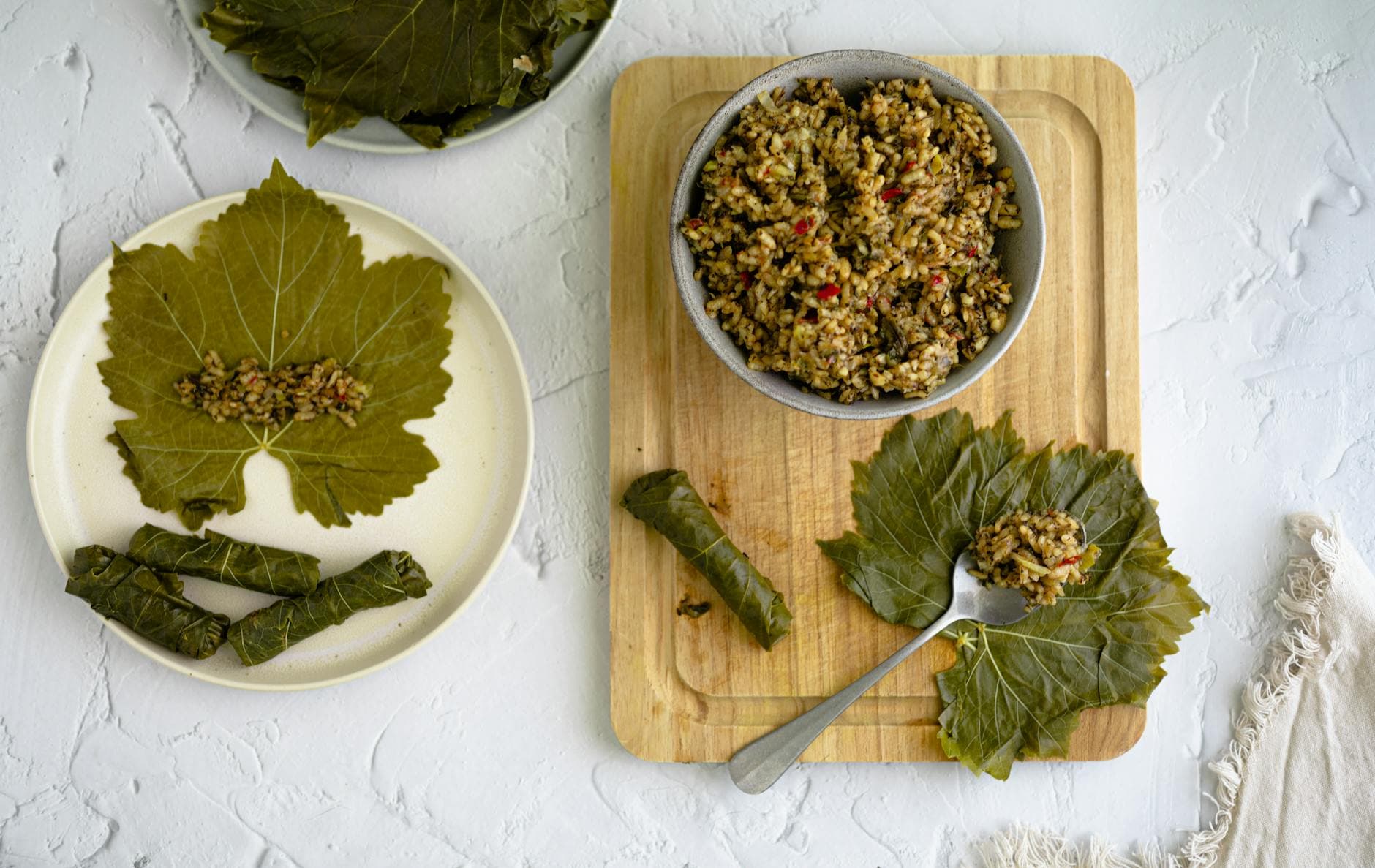
Dolma
Grape leaves, or vegetables like eggplant, tomato, and pepper, stuffed with spiced minced lamb, rice, and herbs such as mint, dill, and cilantro, sometimes with dried fruit. It comes with a garlic-yogurt sauce called qatiq. The meatless yarpaq dolmasi, filled with rice, herbs, and onions, is just as common. Making it is a group effort, with families sitting down together to roll hundreds at a time.
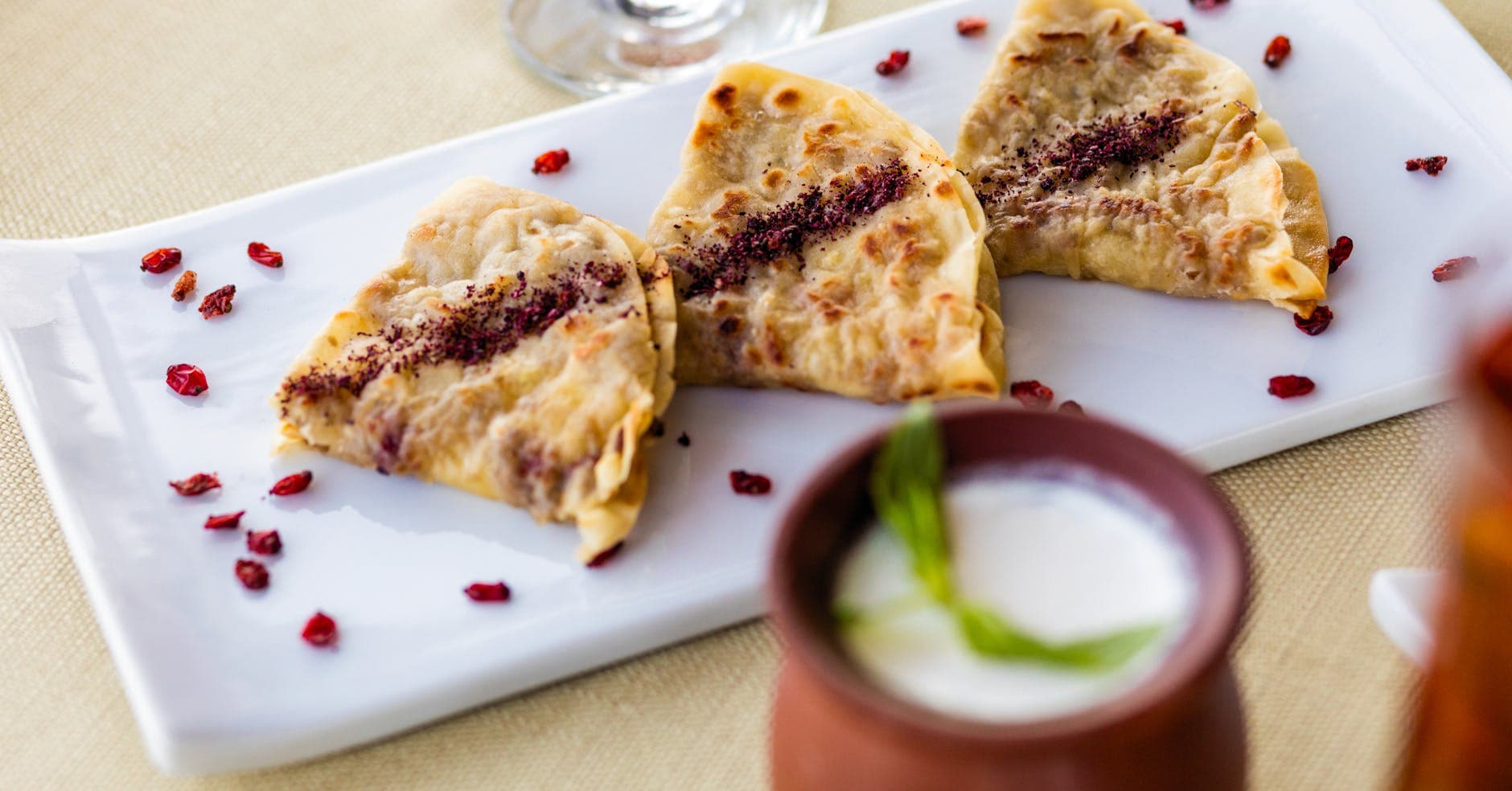
Qutab
A thin, crepe-like flatbread folded into a half-moon around a filling, usually fresh greens (spinach, dill, cilantro, green onions), minced lamb, or pumpkin. It's cooked on a convex griddle called a saj and served with sumac and yogurt. You'll find it both on the street and at home, and the filling often tracks the season.
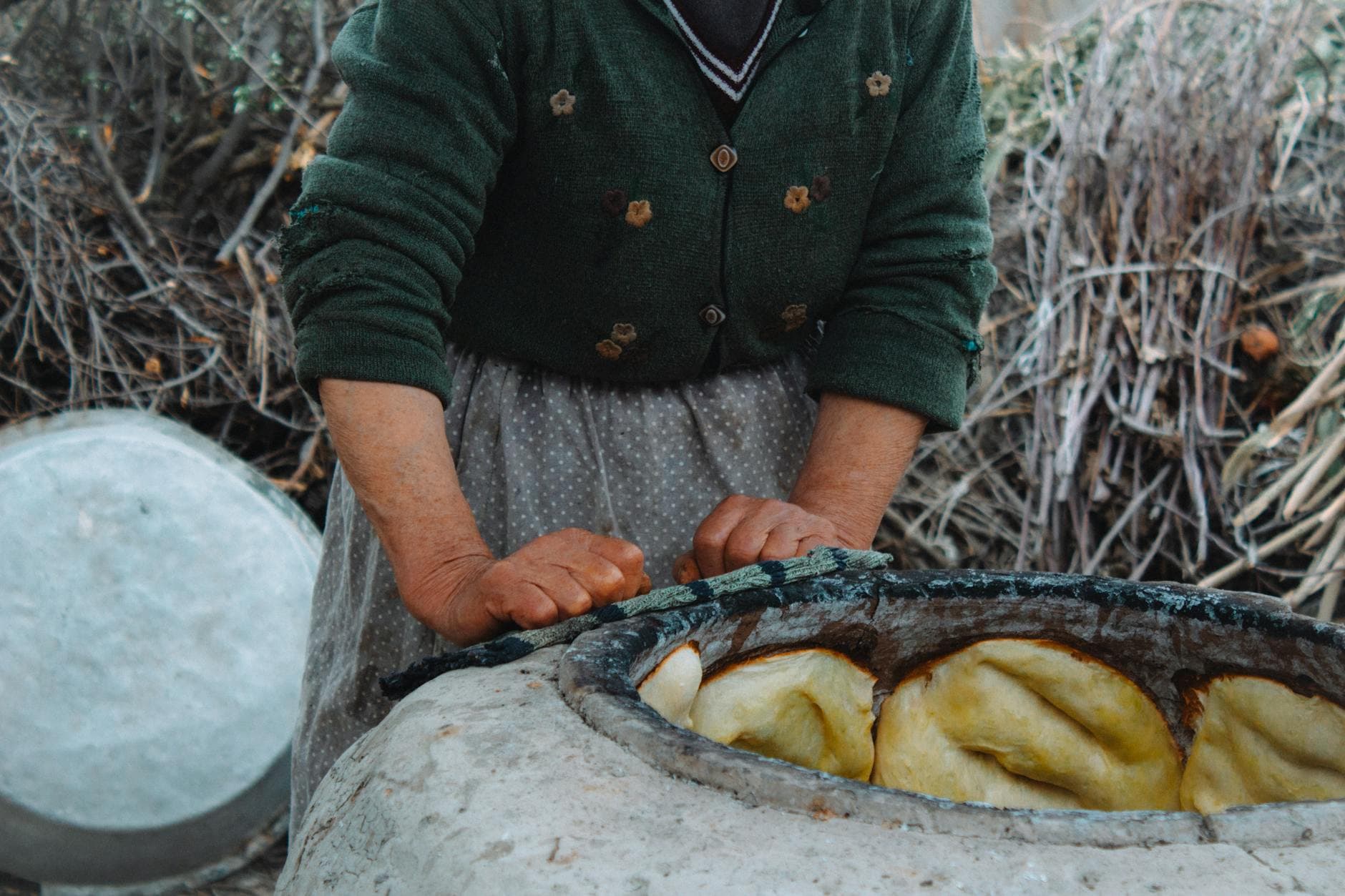
Dushbara
Tiny dumplings about the size of a chickpea, filled with spiced minced lamb and herbs and served in clear lamb broth with dried mint and vinegar. The smaller they are, the better the cook, so a good plate of dushbara is a point of pride. It's winter comfort food and a fixture at celebrations.

Lavangi
Chicken or fish, usually sturgeon, stuffed with a paste of ground walnuts, onions, and a spice mix that includes dried plums, then baked whole. It's a rich, aromatic dish from the Lankaran region in southern Azerbaijan, where Persian influence runs strong, and it speaks to the area's Caspian coastal cooking.
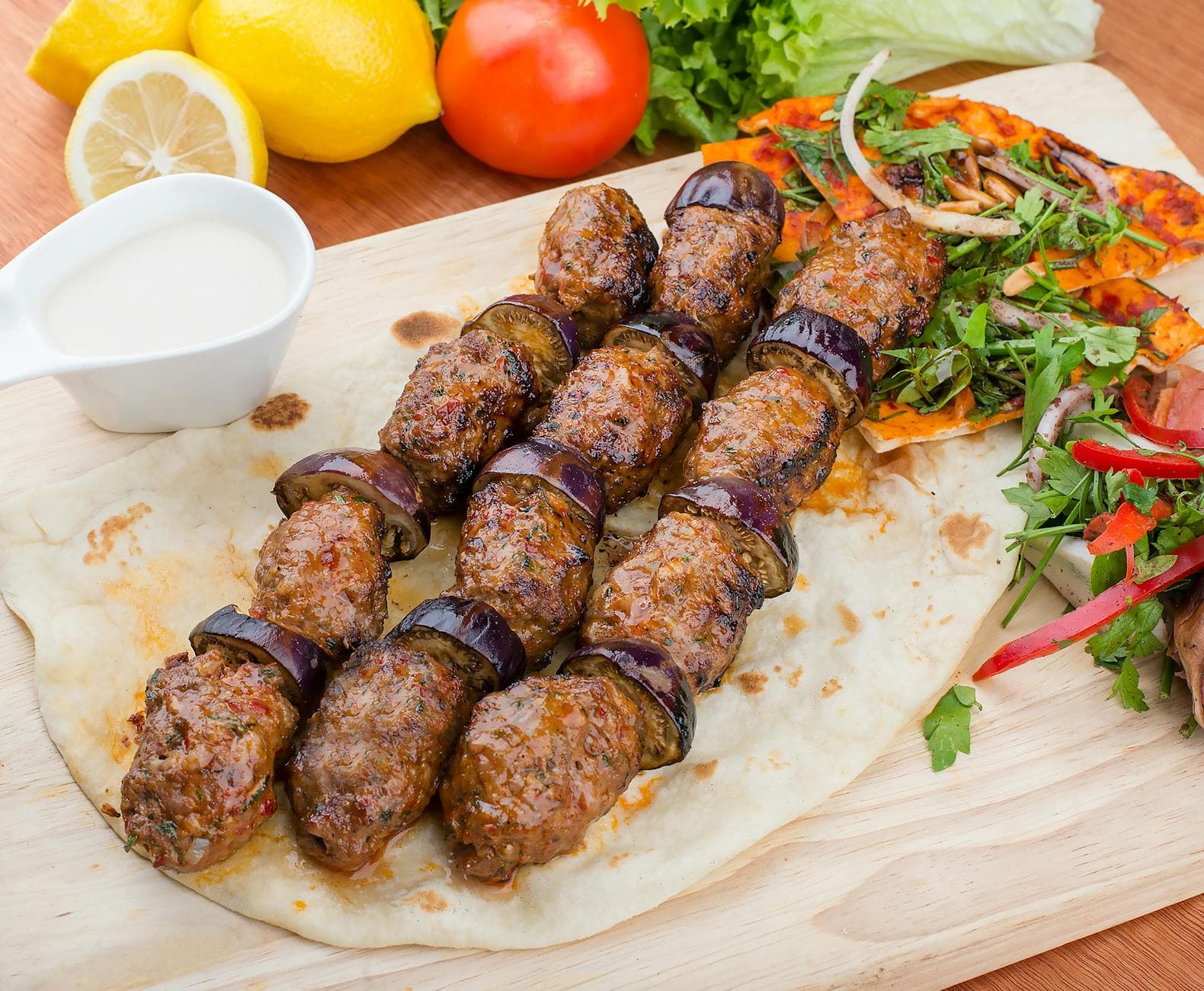
Lula Kebab
Minced lamb worked together with tail fat, onions, sumac, and spices, pressed onto wide flat skewers and grilled over charcoal. Done well it's juicy and slightly charred. It arrives with lavash, grilled tomatoes and peppers, fresh herbs, and pomegranate seeds, and it's about as classic as Azerbaijani grilled meat gets.
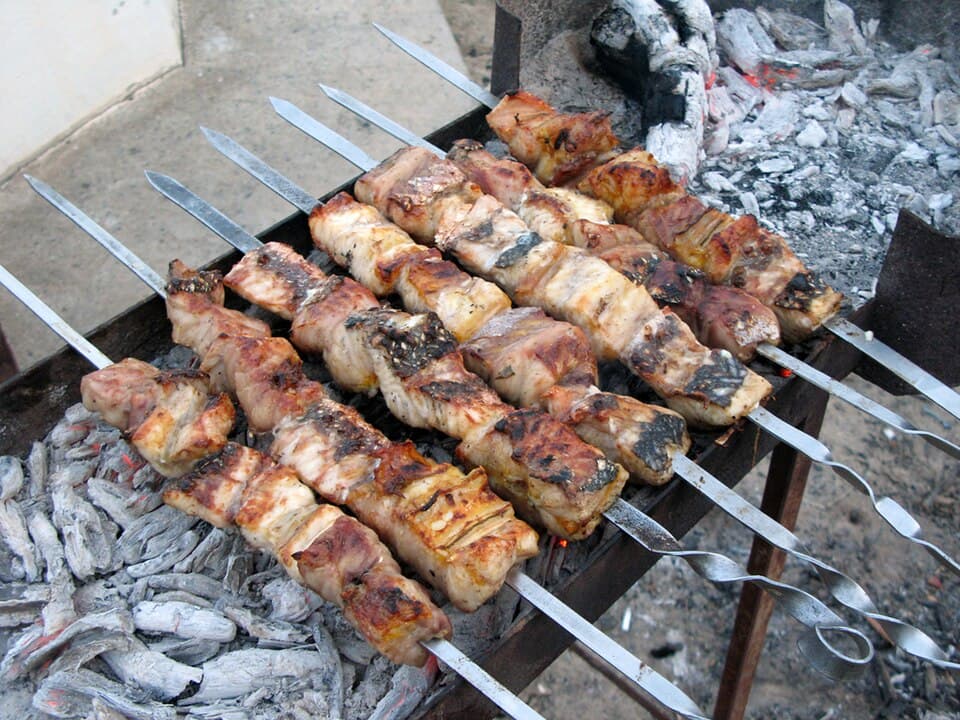
Baliq (Caspian Sturgeon)
Caspian sturgeon, grilled, baked, or smoked. The Azerbaijani coast is known for several sturgeon varieties, and the fish is often served with narsharab, a pomegranate-walnut sauce. It was long tied to the region's caviar trade, and is now closely regulated because of overfishing. On the table it stands for both luxury dining and coastal heritage.
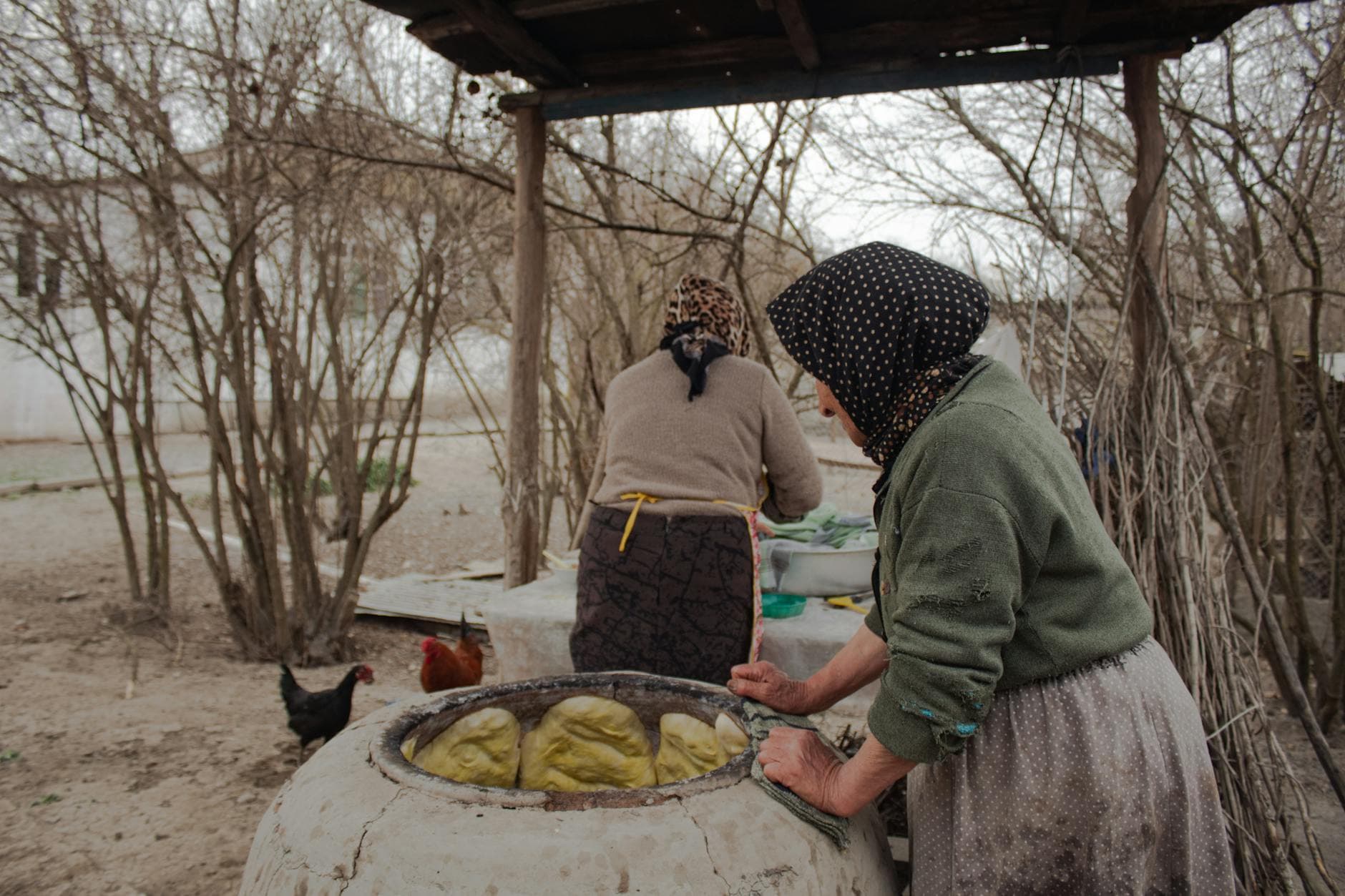
Kuku
A herb-packed omelette or frittata made with dill, cilantro, green onions, and spinach, bound with eggs and sometimes scattered with walnuts. It can be eaten hot or at room temperature and shows clear Persian influence. Spring is its season, when herbs are plentiful, and it's a vegetarian, protein-rich dish usually served with yogurt.
Govurma
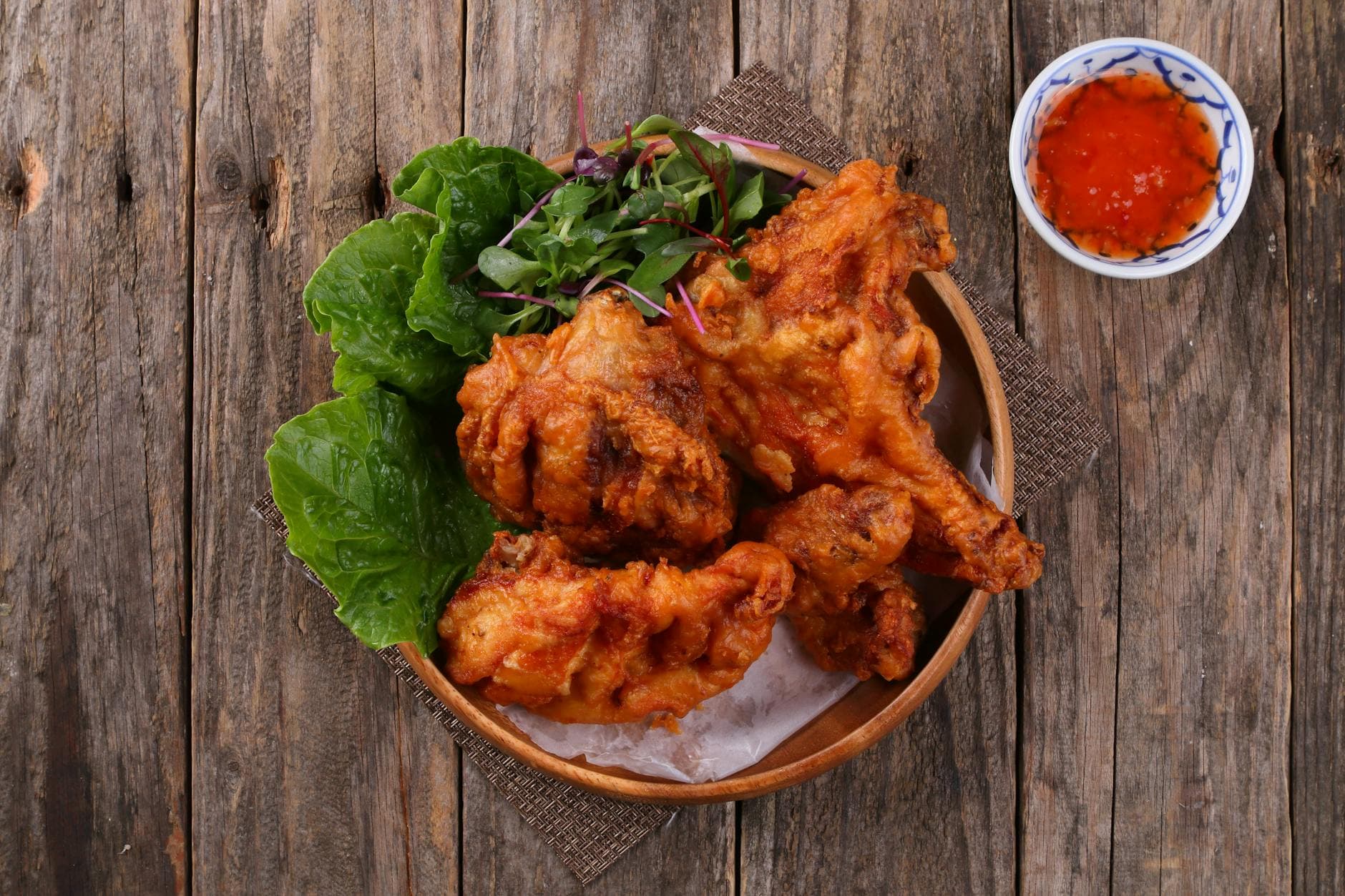
A preserved meat: chunks of lamb cooked slowly in their own fat until tender, then traditionally packed into sealed jars to keep through winter. The method goes back to nomadic times. It's used to enrich plov, eaten with bread, or served on its own, and it speaks to Azerbaijan's long history of preserving food and its nomadic past.
Regional Specialties & Local Favorites
Discover the authentic regional dishes and local favorites that showcase Azerbaijan's diverse culinary traditions.
Azerbaijan Street Food
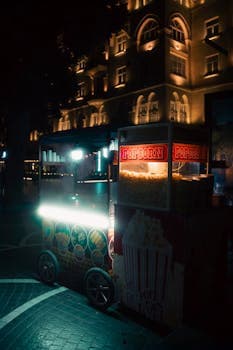
A snack you'll come across all over Azerbaijan, mostly around markets and from street vendors.
Allergens:
Azerbaijan Home-style Dish
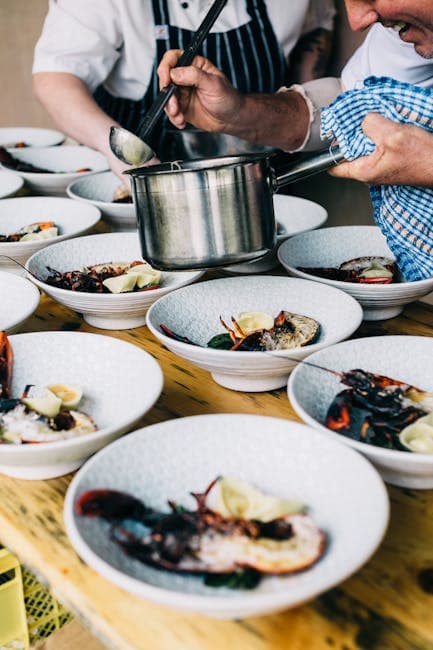
A homey dish most Azerbaijani families remember from childhood, usually made for gatherings and celebrations.
Allergens:

Azerbaijan Modern Favorite
A newer dish that has caught on across Azerbaijan over the past few decades, especially with younger people.
Allergens:
Regional Cuisine Highlights
Explore the diverse culinary landscapes across different regions of Azerbaijan.
Baku & Absheron Peninsula
The capital region's food sits at the meeting point of Caspian seafood and big-city dining. Because the Absheron Peninsula reaches out into the Caspian, fish is central here, from sturgeon (once paired with caviar) to kutum, a Caspian white fish, and grey mullet. Baku's history as a Silk Road trading hub and later an oil-boom city left it with a food culture that mixes Azerbaijani cooking with influences from abroad.
Cultural Significance:
Baku's cooking carries the mark of the city's wealth from Caspian trade and oil. Caviar, now restricted, shaped its luxury dining. Today the city holds old chaikhanas and newer restaurants side by side, keeping a strong tea culture even as tastes shift.
Signature Dishes:
- Baliq (grilled sturgeon)
- Kutum kebab
- Shah plov (festive rice)
- Caviar dishes (historical)
Key Ingredients:
Sheki
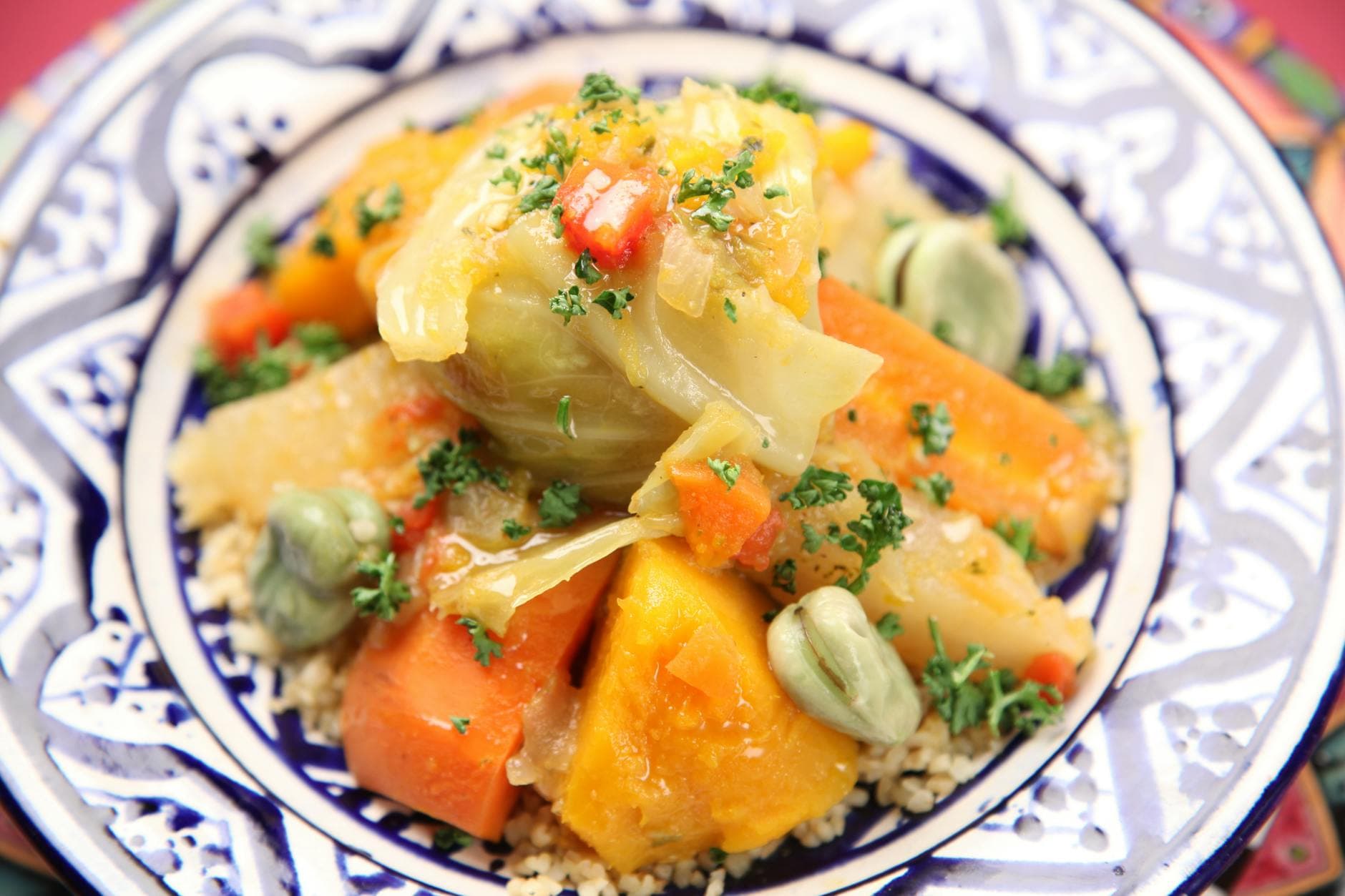
Sheki, a mountain city on the southern slopes of the Greater Caucasus, is known for a cuisine built around nuts (walnuts above all), honey, and detailed pastry work. The cool climate, the surrounding walnut groves, and the city's Silk Road past all fed into that. Its pakhlava and halva making carry UNESCO Intangible Heritage status, and many consider its piti, the clay-pot soup, the best in the country.
Cultural Significance:
Sheki's food reflects centuries of pastry-making skill handed down within families. Sitting on the Silk Road brought the city the wealth to develop its elaborate sweets. Piti, cooked in individual clay pots, anchors a shared style of eating, and the techniques behind Sheki pakhlava and halva are kept as family secrets.
Signature Dishes:
- Piti (clay pot lamb-chickpea soup)
- Sheki pakhlava
- Sheki halva
- Girdbadan (walnut-stuffed flatbread)
Key Ingredients:

Lankaran
Lankaran, on the southeast coast next to Iran, has a subtropical climate that lets it grow ingredients found nowhere else in the country. Persian influence comes through in the spicing, the use of herbs, and the way rice is cooked. The region is known for lavangi (fish or chicken stuffed with walnuts), for its tea, which is grown here, and for its generous use of pomegranate molasses, narsharab.
Cultural Significance:
Lankaran's cooking sits between the Azerbaijani and Persian worlds. Its subtropical setting supports citrus, pomegranates, kiwi, and feijoa that won't grow elsewhere in Azerbaijan. Tea farming, which began in the Soviet era, gave the area its own tea-drinking habits, and the fishing villages still keep up old Caspian seafood traditions.
Signature Dishes:
- Lavangi (walnut-stuffed fish/chicken)
- Lankaran plov variations
- Lemony fish stews
- Levengi (similar to lavangi)
Key Ingredients:
Ganja
Ganja, the country's second-largest city, lies in the western lowlands among good farmland. Its cooking leans on wheat-based dishes, filling plov versions, grilled meats, and a strong city tea culture. As an old trading center, it picked up influences from many directions, and it's known for its bread-baking and its skill with dushbara, the tiny dumplings.
Cultural Significance:
Being the second city gave Ganja a food identity it holds onto, separate from Baku's. It claims some of the country's best dushbara cooks, who measure their skill by how many of the tiny dumplings fit on a spoon. Baking bread in traditional tendir ovens is still a real part of city life, and Ganja's plov holds its own against any region's.
Signature Dishes:
- Ganja plov
- Dushbara (tiny dumplings)
- Tendir bread varieties
- Qutab with various fillings
Key Ingredients:
Nakhchivan
Nakhchivan is an autonomous exclave bordering Iran, Turkey, and Armenia, and its separation produced a food culture of its own. The dry climate, the salt mines, and the geography all shaped it. The area is known for lamb dishes, dried fruits, salt-preserved foods, and its own takes on plov, and its Silk Road past still shows in how it uses spices and preserves food.
Cultural Significance:
Cut off as it is, Nakhchivan became self-sufficient, with cooking that puts a lot of weight on preserving food by drying and salting to get through hard winters and limited trade. The local salt deposits made those methods possible. Sitting against three borders gave it some fusion in its food while it stayed clearly Azerbaijani, and its old history, including the claim that this is where Noah landed, adds another layer to its food traditions.
Signature Dishes:
- Nakhchivan plov (with local variations)
- Salt-preserved meats
- Dried fruit dishes
- Duzlu (salted meat)
Key Ingredients:
Sweet Delights & Desserts
Indulge in Azerbaijan's traditional sweet treats and desserts.
Shekerbura
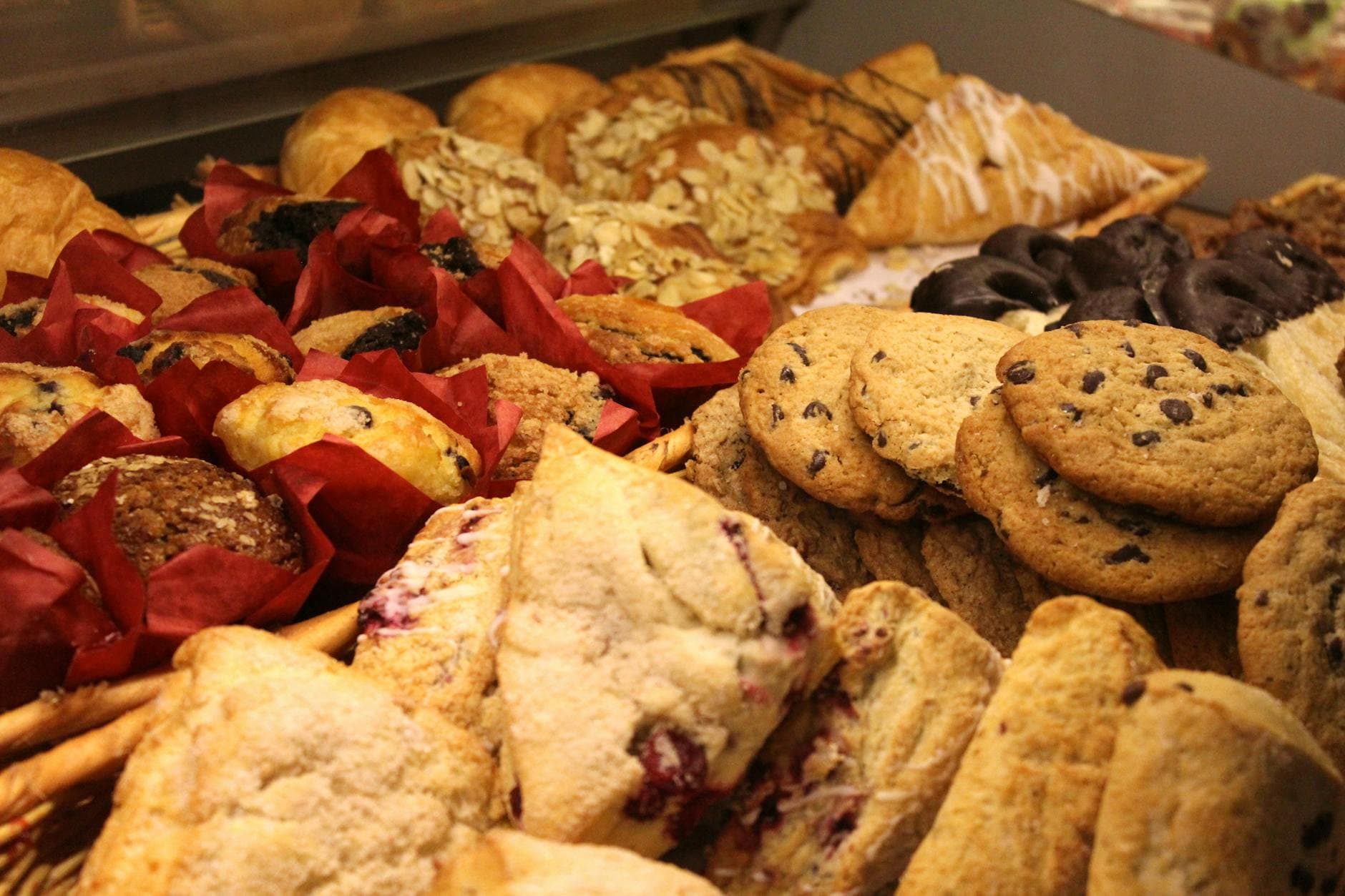
A crescent-shaped pastry filled with ground almonds or hazelnuts, sugar, and cardamom. It's made for Novruz, the Persian New Year on March 21, and its shape stands for the moon. The dough gets pinched into patterns with special tweezers called maggash, and Sheki is especially known for it. Done properly, it takes hours.
Pakhlava (Azerbaijani Baklava)
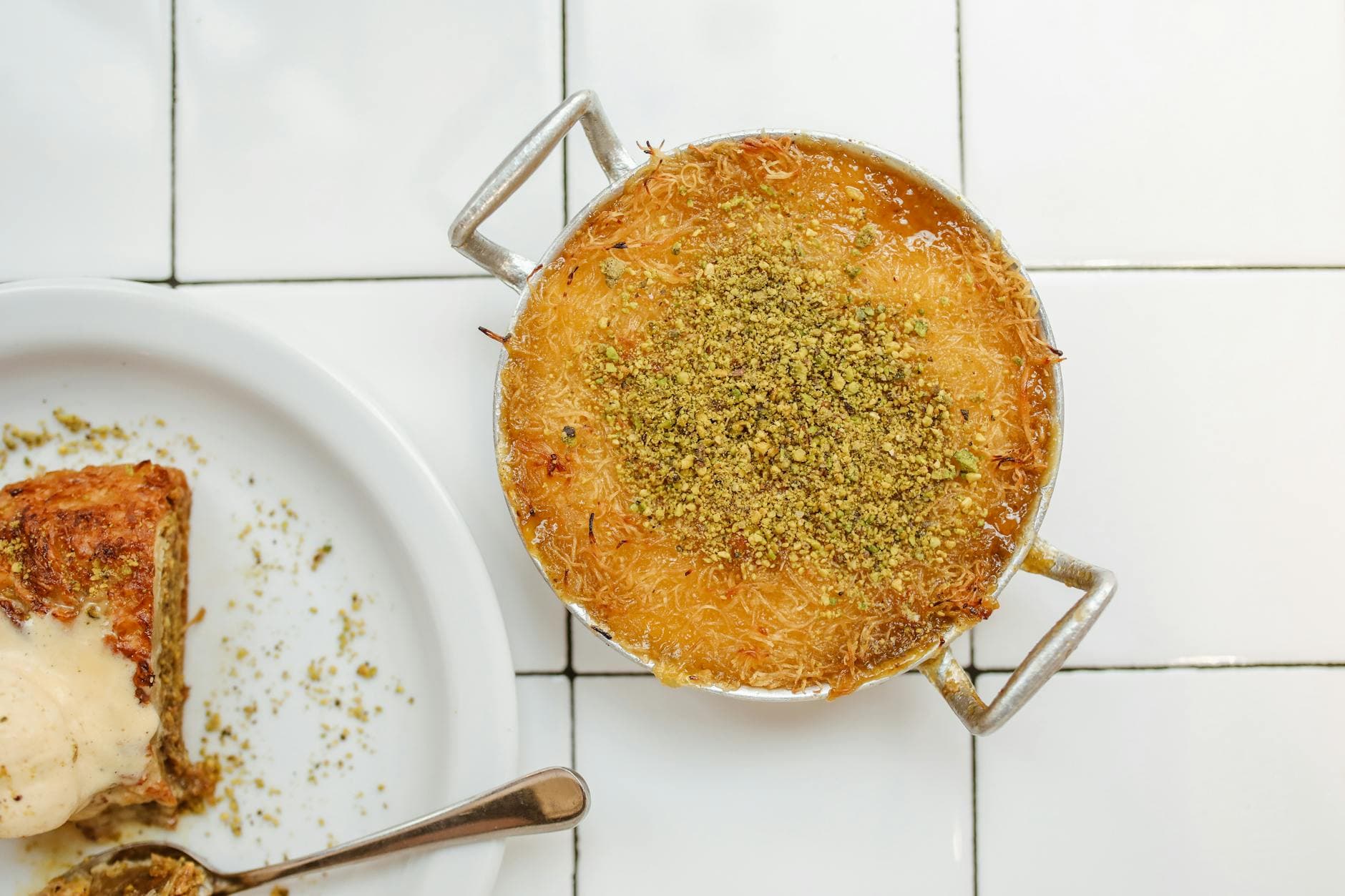
A diamond-cut layered pastry built from thin dough sheets, ground walnuts or almonds, sugar, cardamom, and saffron, with a single blanched almond or hazelnut set on each piece. It leans on more spice than the Turkish version, cardamom above all. Households make it for Novruz and other special days, and the Sheki region's pakhlava is UNESCO-recognized.

Badambura
A round pastry filled with ground almonds, sugar, and cardamom. It's plainer than shekerbura, with a smoother top, and stands for the sun at Novruz. The shell is crisp and the almond filling sweet. It usually shares the plate with shekerbura and pakhlava during spring celebrations.
Shakarlama
A layered sweet pastry with butter, sugar, and cardamom tucked between thin sheets of dough. The name means 'sugared'. It's light and flaky, a common tea-time sweet in chaikhanas (tea houses). Versions vary by region, some adding nuts, others keeping it plain.

Firni (Saffron Rice Pudding)
A creamy rice pudding made from milk, rice flour, sugar, saffron, and rose water, served chilled under a dusting of cinnamon and crushed pistachios. The Persian influence is easy to taste. It's a delicate, cooling dessert that suits warm weather and turns up at celebrations.
Sheker Churek
A sweet bread with a buttery, slightly crisp crust and a soft middle, usually flavored with vanilla or cardamom. People eat it with tea, at breakfast or as an afternoon snack. It's plainer than the festival pastries but well loved as an everyday treat, and some regions fold in nuts or raisins.
Halva
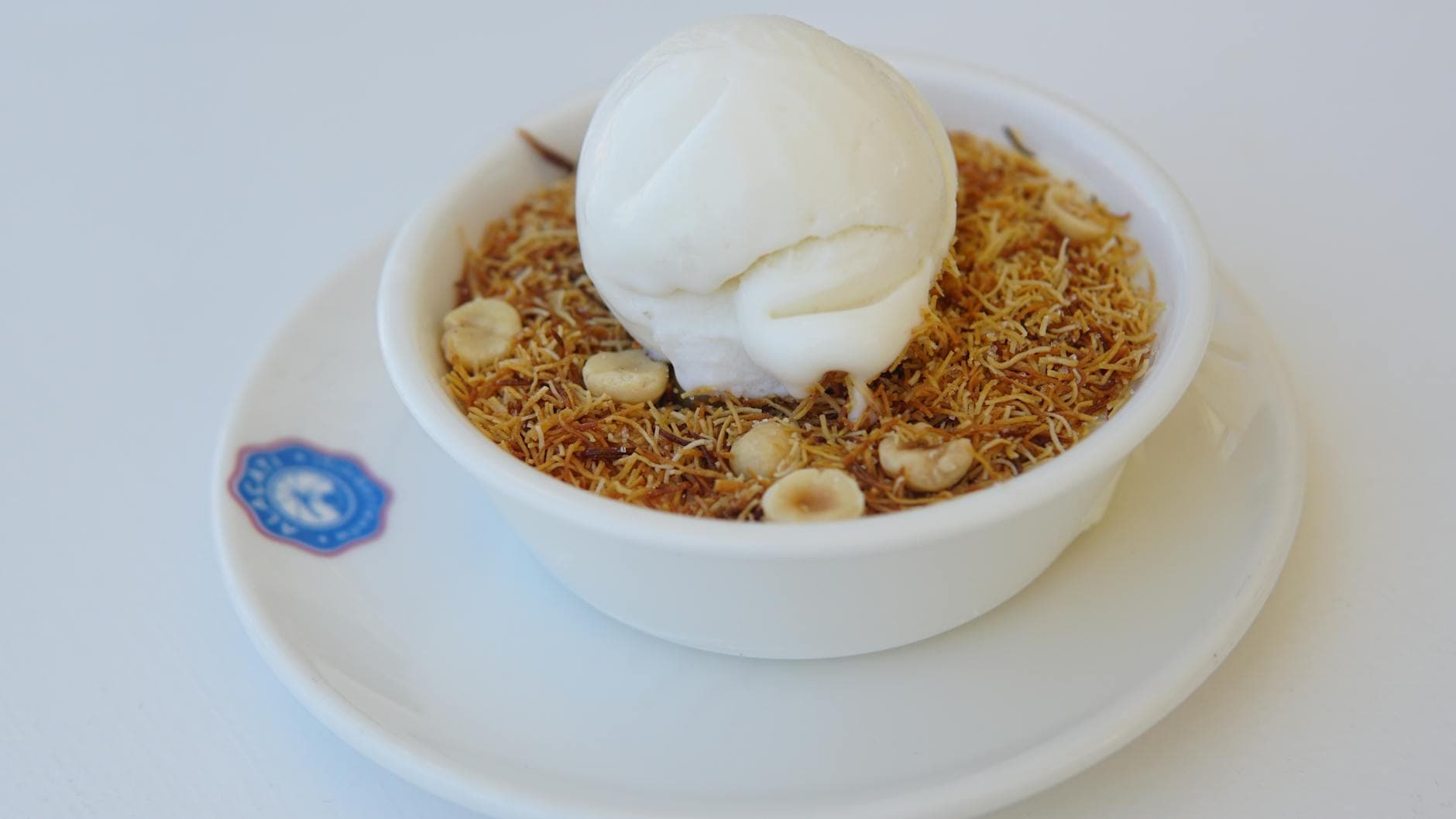
Azerbaijan makes several kinds of halva, including tahini-based, flour-based, and semolina versions. Sheki halva is the best known, built from rice flour, sugar, saffron, rose water, and nuts. It's dense, sweet, and fragrant, often given as a gift, and because it keeps well it has long doubled as travel food.

Nabat (Rock Candy)
Crystallized sugar candy, often flavored with saffron and meant to go with tea. The large crystals dissolve slowly in the hot cup, sweetening it as you drink. Some versions carry spices or herbs. Offering it to guests alongside tea is a basic gesture of hospitality, and traditional medicine credits it with health benefits.
Traditional Beverages
Discover Azerbaijan's traditional drinks, from locally produced spirits to regional wines.

Azerbaijan Traditional Spirit
Azerbaijan's national spirit, made by methods that have been handed down over the years.
Azerbaijan Beer Variety
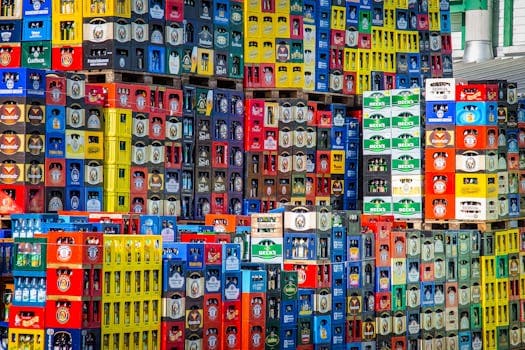
A widely drunk Azerbaijani beer with a flavor that goes well with the local food.

Azerbaijan Festive Drink
An alcoholic drink saved for festivals and celebrations in Azerbaijan.
Soft Beverages
Discover Azerbaijan's traditional non-alcoholic drinks, from local teas to refreshing juices.

Azerbaijan Tea Specialty
A traditional Azerbaijani tea drunk all day long, recognizable by how it's prepared and served.
Azerbaijan Fruit Drink
A refreshing drink made from fruit grown in Azerbaijan, most popular through the summer.
Azerbaijan Traditional Refreshment
An old drink that Azerbaijanis have had for centuries, valued for its supposed health benefits.
Frequently Asked Questions
Essential information about food and dining in Azerbaijan.
What is the national dish of Azerbaijan?
Azerbaijan's most iconic dishes include Plov (Azerbaijani Pilaf), Piti, Dolma. The national dish, recognized by UNESCO as Intangible Heritage in 2016. Saffron-scented rice cooked with lamb, dried fruits, chestnuts, and spices, with more than 40 regional versions. The festive shah plov adds a rice crust called qazmaq and dried fruits and comes out for special occasions. Getting it right is a skill handed down through families.
Is street food safe in Azerbaijan?
Street food in Azerbaijan can be enjoyed safely by following these guidelines: Check food hygiene standards in Azerbaijan Drink bottled water in Azerbaijan. Look for busy vendors with high turnover, ensure food is cooked fresh and served hot, and avoid raw ingredients if you have a sensitive stomach.
What are the best restaurants in Azerbaijan?
Azerbaijan offers diverse dining options from street food stalls to upscale restaurants. For the best experience, ask locals for recommendations, check recent reviews, and look for restaurants that specialize in regional cuisines.
Can vegetarians find food easily in Azerbaijan?
Vegetarian options in Azerbaijan are mediumly available. Vegetarians have more choices than they used to in Azerbaijan, especially in cities and places that see tourists. Look for qutab with greens (a herb-filled flatbread), meatless dolma made with rice in grape leaves, fresh salads, and the many eggplant dishes.. Many restaurants offer vegetarian dishes, and you'll find plant-based ingredients featured prominently in local cuisine.
What is the average cost of a meal in Azerbaijan?
Meal costs in Azerbaijan depend on where you eat. Street food and casual local restaurants are very affordable, typically offering complete meals for a few dollars. Mid-range restaurants charge moderate prices, while fine dining establishments are comparably priced to Western countries.
What are common food allergens in Azerbaijan?
Common allergens in Azerbaijan cuisine include Nuts, Dairy, Wheat. Nuts turn up often, above all in desserts but also in a number of savory dishes.. These ingredients appear in dishes like Desserts, Sauces. Always inform restaurant staff about your allergies.
When is the best time to visit Azerbaijan for food?
Azerbaijan offers great food experiences throughout the year. However, visiting during harvest seasons (typically spring and autumn) provides access to the freshest local ingredients. Food festivals and cultural celebrations also offer unique culinary experiences worth planning around.