
Somalia Food Guide
Content Information
Recently updated🔥Current Food Trends 2026
What's happening in Somalia's culinary scene right now
Somali food is getting more attention abroad in 2026, much of it driven by diaspora cooks who carried the recipes with them. Mogadishu's restaurants have come back after decades of conflict, and beachfront places like Pescatore and the Indian Ocean Star Restaurant are serving again on Lido Beach. The spicing tells the country's history: cinnamon, cardamom, cumin and coriander all trace back to centuries on the spice trade routes. Canjeero, the fermented pancake, used to be strictly breakfast and now turns up as street food with all kinds of toppings. Bariis iskukaris, a spiced rice in the biryani family, is the national dish and shows up at weddings and big family meals. Somali-American cooks such as Ifrah Ahmed and Hawa Hassan have raised the cuisine's profile, and London spots like Al Kahf and Sabiib have built a following. Everything is halal. Camel meat is getting a second look as a lean protein, which fits its long history in Somali kitchens. Xalwo, the sweet halwa, stays tied to holidays and weddings. On the coast, the focus is fresh Indian Ocean seafood, including lobster at the Liido Beach restaurants. Italian influence lingers in the pasta dishes Somalis call baasto and in the coffee. Suqaar, sautéed meat with vegetables, is the quick weeknight option in most homes. Tea culture runs through the day, with spiced shaah scented by cardamom and cinnamon. Better food security has helped agriculture recover, and remittances from abroad keep funding new restaurants. Somali sambuusa stands apart from other samosas thanks to its own mix of seasonings.
Food Safety Tips
Essential food safety information to help you enjoy Somalia's cuisine safely and confidently.
Only drink bottled or boiled water
Tap water is not safe to drink. Stick to sealed bottled water, and if none is available, boil water for at least 3 minutes. Hotels usually provide safe drinking water.
Choose established restaurants with good hygiene practices
Hygiene standards vary from place to place. Stick to established restaurants, particularly ones used to international visitors, and hotel restaurants tend to keep cleaner kitchens.
Be selective with street food vendors
Street food is worth trying, but go to busy vendors with high turnover and order things cooked fresh in front of you. Skip anything that has been sitting out pre-prepared.
Avoid raw vegetables and salads unless properly washed
Raw vegetables may have been rinsed in unsafe water. Stick to cooked vegetables and fruit you peel yourself, and skip salads where you are unsure about the water.
Ensure seafood is fresh and properly cooked
The coast has excellent seafood, but check that it smells clean rather than fishy and that it is cooked through. The established beachfront restaurants on Lido Beach are reliable for freshness.
Dietary Options
vegetarian
LOW AVAILABILITYSomali cooking leans heavily on meat, but you can still find vegetable dishes and lentils. Rice, pasta, beans and vegetable stews are around. Explain what you want clearly, since the idea of vegetarianism is not widely understood.
vegan
LOW AVAILABILITYVegan eating is hard here because dairy and meat are so central. Bean dishes, plain rice and pasta without animal products are possible but usually need to be asked for. Ghee turns up in a lot of cooking, so say no animal fats.
gluten-free
LOW AVAILABILITYTricky, since bread like canjeero and pasta are everywhere. Rice dishes and most meat and vegetable preparations are naturally gluten-free. Be careful explaining your needs, as cross-contamination is common.
halal
HIGH AVAILABILITYAll meat is halal, since Somalia is more than 99% Muslim and Islamic dietary law is followed closely. Pork and alcohol are off the menu. Halal is simply the default, not something you have to request.
Common Allergens
Dairy
HIGH PREVALENCEGhee, camel milk and yogurt run through much of the cooking
COMMONLY FOUND IN:
Gluten
HIGH PREVALENCEWheat breads and pasta are eaten everywhere
COMMONLY FOUND IN:
Sesame
MEDIUM PREVALENCESesame seeds and oil show up in several dishes
COMMONLY FOUND IN:
Nuts
LOW PREVALENCENuts are rare, turning up mostly in sweets
COMMONLY FOUND IN:
Essential Food Experiences
These iconic dishes represent the must-have culinary experiences that define Somalia's food culture for travelers.
Bariis Iskukaris
Somalia's national dish: a spiced rice in the biryani family, basmati cooked with chicken, goat, lamb or beef, tomatoes, onions, and a Somali spice blend of cloves, cumin, cardamom and cinnamon. It is the centerpiece at family gatherings and celebrations, and it carries clear Arab, Indian and Persian influences.

Canjeero (Laxoox)
A fermented, pancake-like bread, smaller and thinner than Ethiopian injera but sweeter. People eat it torn into pieces with ghee and sugar, alongside stews, or at breakfast. The fermentation gives it a spongy texture. It is made fresh every day and is a fixture of Somali meals.

Suqaar
Diced chicken or beef sautéed with peppers, onions and Somali spices. Plain home cooking, and good for it. It comes with rice, flatbread or pasta, and because it cooks fast it is a common weeknight meal.

Xalwo (Halwa)
A sweet made by slowly cooking sugar, ghee, cardamom and nutmeg down to a thick, jelly-like consistency. Sticky, heavily spiced, and very sweet. It appears at holidays and weddings and whenever guests arrive, a small gesture of hospitality.

Sambuusa (Somali Samosa)
Triangular fried pastries filled with spiced meat, vegetables or lentils. The Somali version stands out for its spice blend and its shape. It is a staple at Ramadan iftar and a common street snack, crisp on the outside with a well-seasoned filling.

Muufo
A flatbread thicker and denser than canjeero, made from corn or wheat flour. It is eaten with stews, with tea, or drizzled with honey. Its portability suited the nomadic life it comes from, and recipes vary by region.

Camel Meat Dishes
A protein rooted in pastoral life, prepared as oodkac (dried camel jerky boiled in ghee), as grilled steaks, or stewed. It is leaner than beef and has a flavor of its own. For nomadic communities it matters both nutritionally and culturally.

Sabaayad (Kimis)
A flaky flatbread close to paratha, layered with ghee and pan-fried into crisp, buttery sheets. It shows up at breakfast with tea or alongside stews, and it came to Somalia through Indian cooking along the trade routes.

Maraq (Somali Soup)
A spiced soup or stew of goat, beef or chicken with vegetables. It anchors many Somali meals and changes from region to region. Served with rice, canjeero or pasta, it is the comfort food of home kitchens.

Hilib Ari (Goat Meat)
Goat, prepared grilled, stewed or folded into rice dishes. Somalis favor it for its tenderness and flavor, and it is a common choice for celebrations. The grilled version is the one most people reach for.

Malawah
A sweet, flaky bread eaten at breakfast or as dessert, drizzled with honey or sugar. The Yemeni-influenced layers of dough and ghee fry up crisp. It usually comes with a cup of spiced tea.
Regional Specialties & Local Favorites
Discover the authentic regional dishes and local favorites that showcase Somalia's diverse culinary traditions.
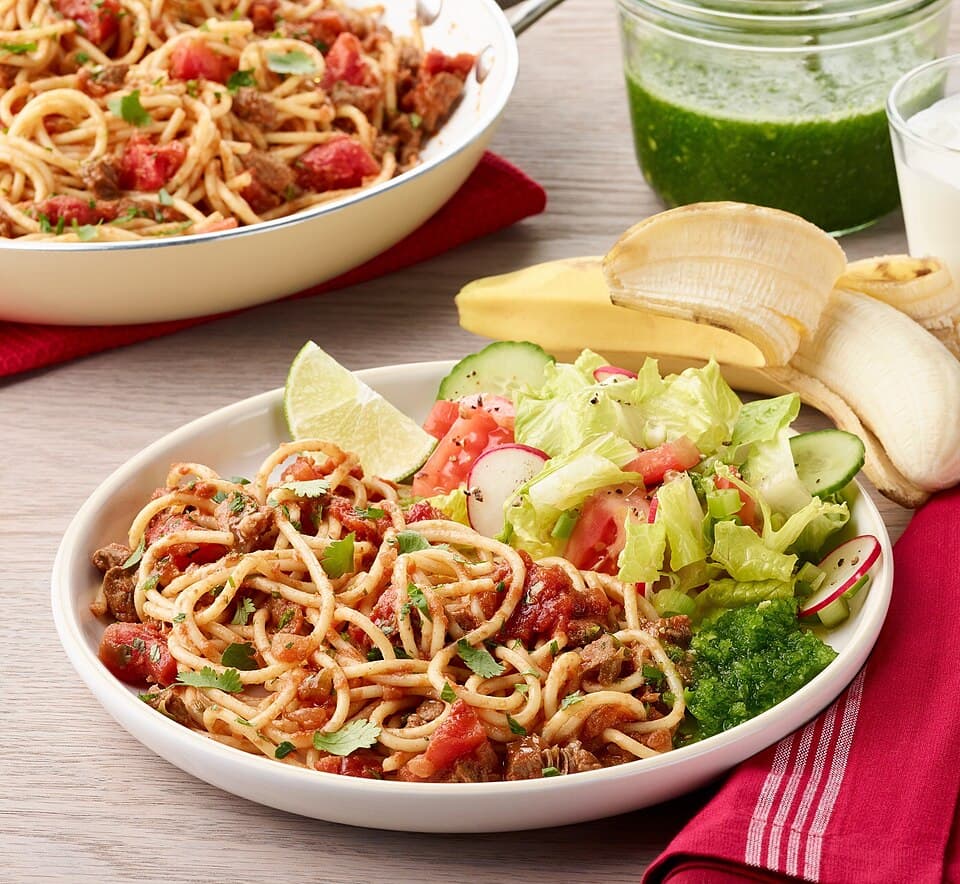
Baasto (Pasta)
A leftover of the Italian colonial period: pasta under a Somali-spiced meat sauce. The popular version is suugo suqaar, pasta with a sautéed meat sauce. Italian technique, Somali seasoning.
Allergens:
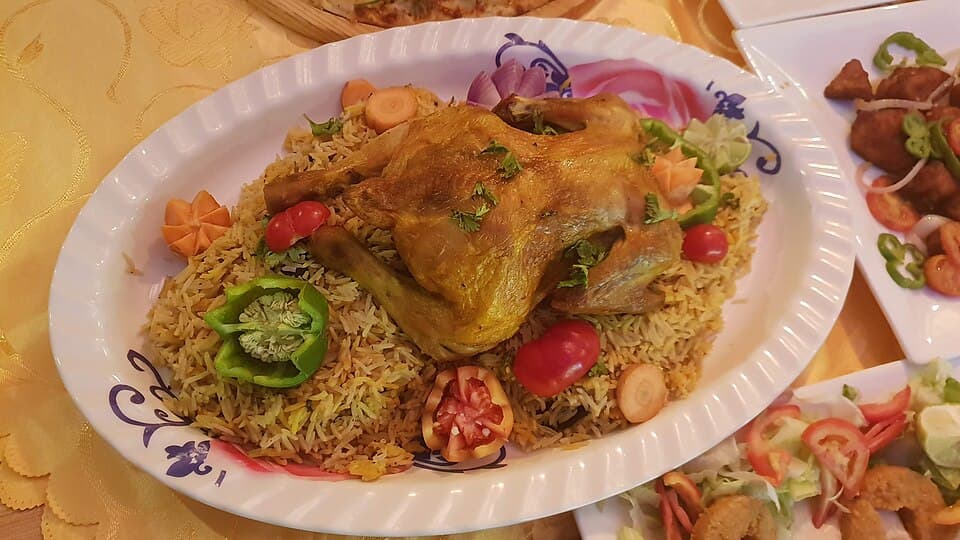
Digaag (Chicken Dishes)
Chicken done several ways: grilled, stewed with vegetables, or in rice dishes. It is the workhorse protein of Somali kitchens, usually marinated in a spice blend first.
Bur (Bread Variations)
The breads beyond canjeero, among them muufo, sabaayad and rooti. Something from this group turns up at nearly every meal, and each has its own traditional role.
Allergens:
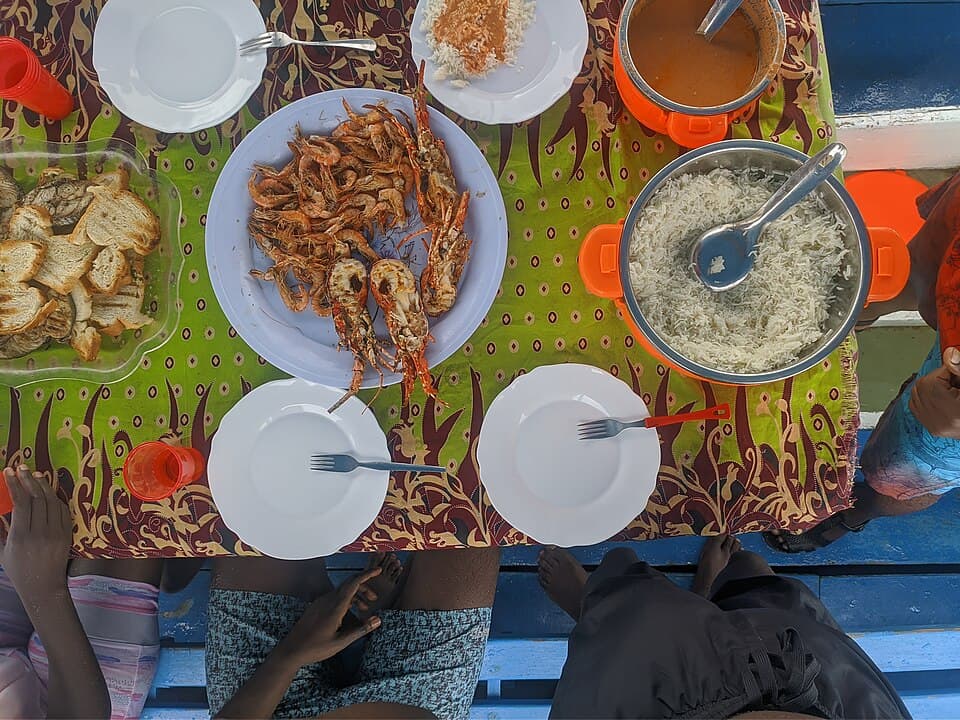
Fresh Seafood
The coast brings in fish, lobster and prawns from the Indian Ocean, usually grilled plainly or cooked into a curry. The Lido Beach restaurants are the place for it.
Allergens:
Banana with Rice
A pairing particular to Somalia: a ripe banana eaten alongside spiced rice and meat, the sweetness playing against the savory plate. People mash it in or eat it on the side.
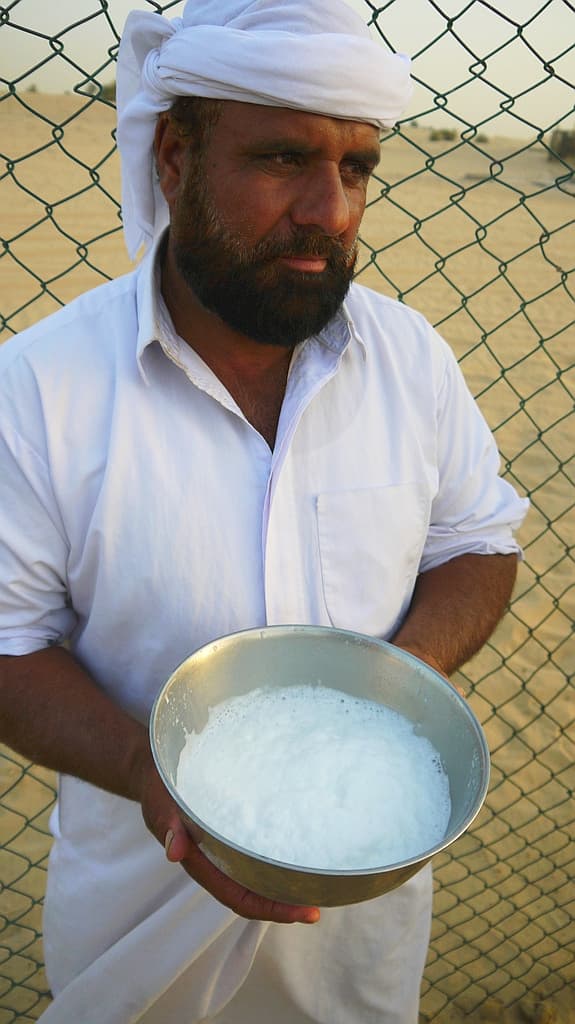
Caano Geel (Camel Milk)
Fresh camel milk, the everyday drink of pastoral communities. It is nourishing with a faintly salty edge, and sometimes fermented into caano qabad. It carries real cultural weight.
Allergens:
Oodkac (Muqmad)
Jerky from beef, goat or camel, dried to preserve it and then boiled in ghee. The drying method comes from nomadic life. It is usually eaten as a breakfast side.
Allergens:
Cambaboor
A lightly spiced sweet bread, somewhere between bread and cake, eaten at tea time. Cooks often add cardamom or cinnamon.
Allergens:
Regional Cuisine Highlights
Explore the diverse culinary landscapes across different regions of Somalia.
Mogadishu & Coastal Areas
Cooking on the coast centers on Indian Ocean seafood: fish, lobster, prawns and crab. The Italian colonial influence shows in the pasta dishes and the coffee. Beachfront restaurants on Lido Beach grill the day's catch or fold it into curries, with city polish layered over traditional flavors.
Signature Dishes:
Key Ingredients:
Northern Somalia (Somaliland - Hargeisa)
The food here follows pastoral traditions and the old trade routes, with camel meat and dairy front and center. Arabian and Middle Eastern influences are stronger than elsewhere, and the spice trade left its mark. Nomadic preservation methods like oodkac (dried meat) are still in use.
Signature Dishes:
Key Ingredients:
Southern Somalia (Kismayo Region)
The Jubba River valley makes this the agricultural part of the country, with more varied produce, including the bananas eaten with rice, and vegetables. The cooking blends Somali, Bantu and Arab influences. Fishing communities supply seafood, and local rice cultivation keeps the bariis iskukaris tradition going.
Signature Dishes:
Key Ingredients:
Sweet Delights & Desserts
Indulge in Somalia's traditional sweet treats and desserts.
Xalwo (Halwa)
A sweet of sugar, ghee, cardamom and nutmeg, sometimes with nuts, cooked down to a thick, jelly-like texture. It is the dessert for weddings, holidays and visiting guests.
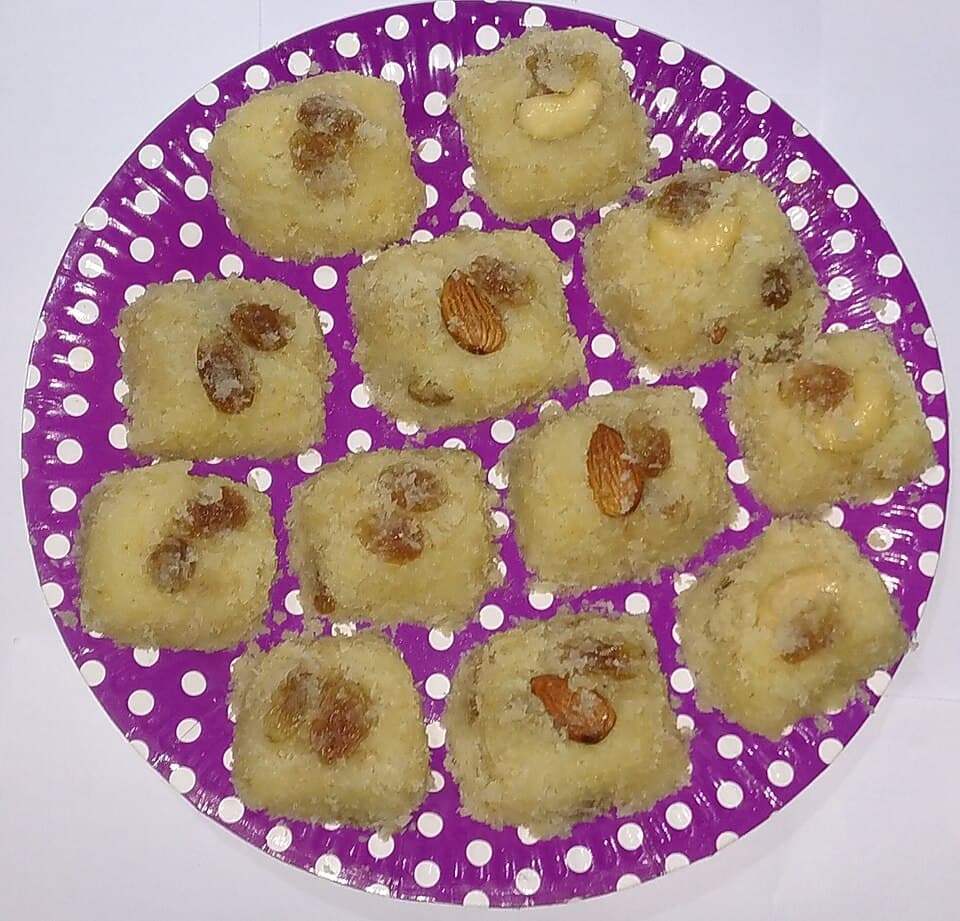
Gashaato
A coconut sweet of shredded coconut and sugar, sometimes cardamom. It is chewy and tropical, eaten as dessert or a snack.
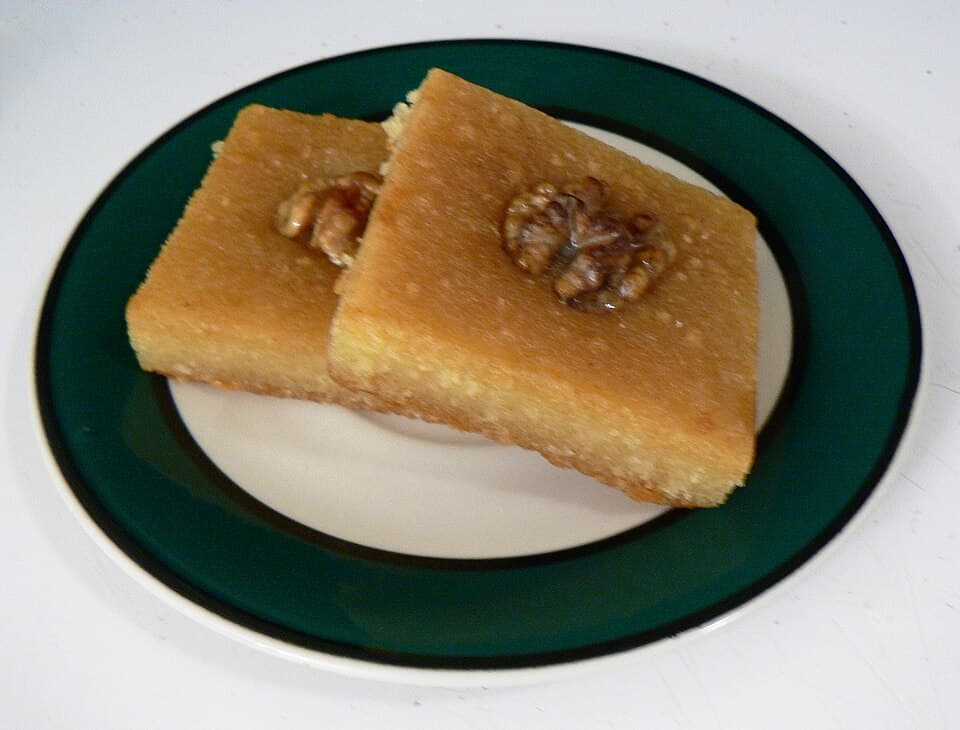
Basbousa
A semolina cake soaked in sweet syrup, borrowed from Middle Eastern kitchens, often with coconut worked in. It stays moist and aromatic.
Malawah with Honey
Flaky sweet bread under a drizzle of honey, eaten at breakfast or with afternoon tea. Yemeni in origin, reworked in Somali kitchens.
Buskut (Cookies)
Crisp cardamom cookies, sometimes scattered with sesame seeds. A tea-time favorite.
Traditional Beverages
Discover Somalia's traditional drinks, from locally produced spirits to regional wines.
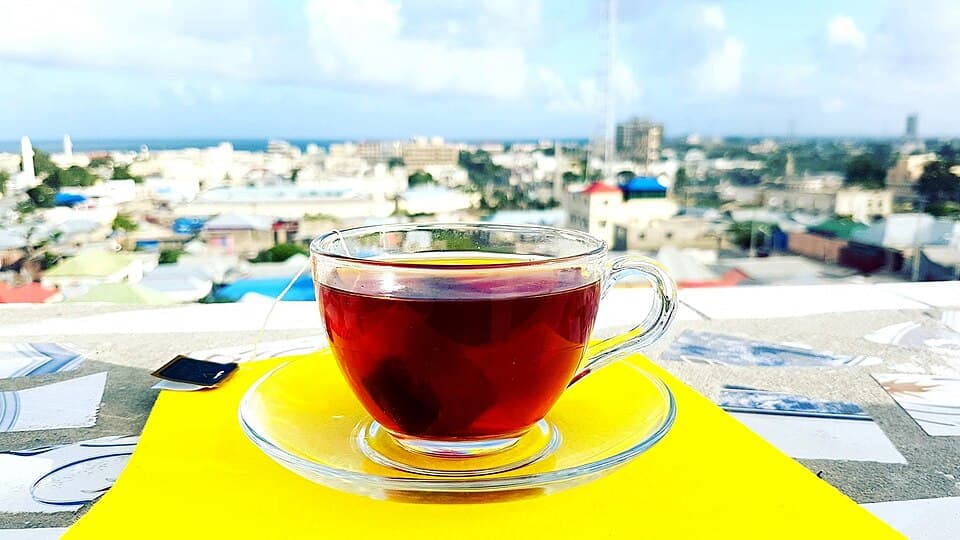
Shaah (Somali Spiced Tea)
Strong black tea steeped with cardamom, cinnamon and cloves, sometimes ginger, and sweetened heavily. People drink it all day, and it sits at the heart of how Somalis socialize. Milk is often added.
Somali Coffee (Qahwa)
Coffee made either Italian style, a holdover from colonial days, or the traditional way with cardamom. It is part of daily life in the cities.
Soft Beverages
Discover Somalia's traditional non-alcoholic drinks, from local teas to refreshing juices.
Caano Geel (Camel Milk)
Camel milk, fresh or fermented, the traditional drink of pastoral communities. Nourishing and slightly salty, and important both nutritionally and culturally.
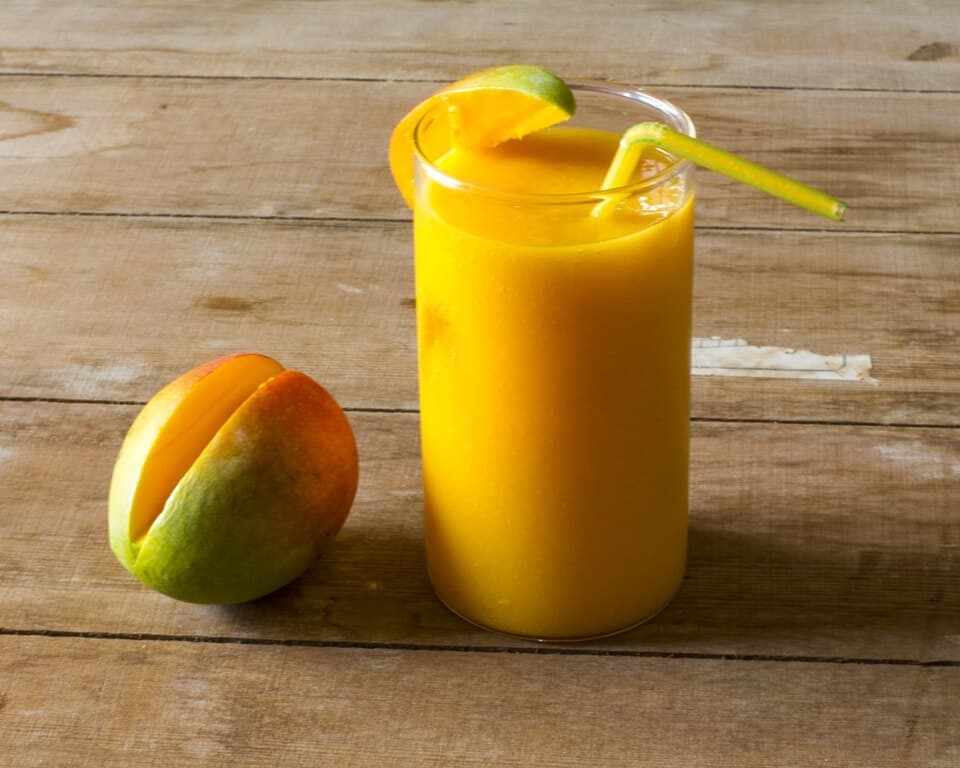
Fresh Fruit Juices
Juices pressed from mango, papaya and guava, naturally sweet and made to order. You will find them at restaurants and roadside juice stands.
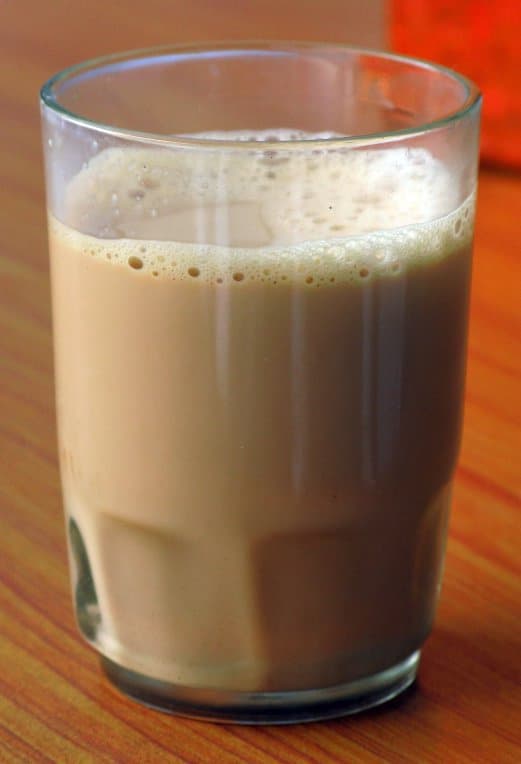
Shaah Cadeys
Milk tea: black tea with milk and sugar, scented with cardamom. Creamy and comforting, and a common way to start the morning.
Frequently Asked Questions
Essential information about food and dining in Somalia.
What is the national dish of Somalia?
Somalia's most iconic dishes include Bariis Iskukaris, Canjeero (Laxoox), Suqaar. Somalia's national dish: a spiced rice in the biryani family, basmati cooked with chicken, goat, lamb or beef, tomatoes, onions, and a Somali spice blend of cloves, cumin, cardamom and cinnamon. It is the centerpiece at family gatherings and celebrations, and it carries clear Arab, Indian and Persian influences.
Is street food safe in Somalia?
Street food in Somalia can be enjoyed safely by following these guidelines: Only drink bottled or boiled water Avoid raw vegetables and salads unless properly washed. Look for busy vendors with high turnover, ensure food is cooked fresh and served hot, and avoid raw ingredients if you have a sensitive stomach.
What are the best restaurants in Somalia?
Somalia offers diverse dining options from street food stalls to upscale restaurants. For the best experience, ask locals for recommendations, check recent reviews, and look for restaurants that specialize in regional cuisines.
Can vegetarians find food easily in Somalia?
Vegetarian options in Somalia are lowly available. Somali cooking leans heavily on meat, but you can still find vegetable dishes and lentils. Rice, pasta, beans and vegetable stews are around. Explain what you want clearly, since the idea of vegetarianism is not widely understood.. Many restaurants offer vegetarian dishes, and you'll find plant-based ingredients featured prominently in local cuisine.
What is the average cost of a meal in Somalia?
Meal costs in Somalia depend on where you eat. Street food and casual local restaurants are very affordable, typically offering complete meals for a few dollars. Mid-range restaurants charge moderate prices, while fine dining establishments are comparably priced to Western countries.
What are common food allergens in Somalia?
Common allergens in Somalia cuisine include Dairy, Gluten, Sesame. Ghee, camel milk and yogurt run through much of the cooking. These ingredients appear in dishes like Ghee in cooking, Camel milk drinks. Always inform restaurant staff about your allergies.
When is the best time to visit Somalia for food?
Somalia offers great food experiences throughout the year. However, visiting during harvest seasons (typically spring and autumn) provides access to the freshest local ingredients. Food festivals and cultural celebrations also offer unique culinary experiences worth planning around.