
Panama Food Guide
Content Information
Recently updated🔥Current Food Trends 2026
What's happening in Panama's culinary scene right now
In 2026, Panama's food scene leans hard into Canal-port heritage cooking, its specialty coffee harvest, and the meeting point of Caribbean and Pacific kitchens. Indigenous Guna cooking keeps gaining ground, and sustainable seafood has become a talking point rather than an afterthought. The November Independence holidays (November 3 from Colombia in 1903, November 28 from Spain in 1821) bring patriotic food festivals, sancocho cook-offs, and folk music nights where the food stalls do half the work. The Chiriquí Highlands coffee harvest peaks late in the year, and Geisha coffee, which has fetched $800 to $1,000 a pound at auction, turns up on the menus of Panama City's specialty cafes. The Canal expansion finished in 2016 still draws food travelers, and the waterfront restaurants of Casco Viejo (a UNESCO World Heritage district) run traditional Panamanian plates alongside international fusion. As the rainy season gives way to dry weather around 24-28°C/75-82°F, outdoor dining picks back up in the capital, Caribbean beach cooking thrives in Bocas del Toro, and the Azuero Peninsula stages its folk festivals with pollera dress parades, tamborito dancing, and food stalls. In Guna Yala, mola textile artisans have begun working with chefs to put coconut dishes, fresh lobster, and ulu (breadfruit) in front of visitors. Out in the Gulf of Panama, fishing initiatives now limit corvina (sea bass) catches during spawning season.
Food Safety Tips
Essential food safety information to help you enjoy Panama's cuisine safely and confidently.
Consume bottled water.
Tap water in Panama may contain bacteria or parasites that can cause gastrointestinal illness. Stick to bottled or purified water for drinking, brushing teeth, and washing fruits and vegetables.
Be cautious of street food.
Street food is one of the best ways to eat in Panama, but pick vendors whose stalls look clean. Make sure your food is cooked through and served hot.
Wash fruits and vegetables thoroughly.
Produce may be washed with non-potable water. Wash all fruits and vegetables with purified water or peel them before eating.
Dietary Options
vegetarian
MEDIUM AVAILABILITYVegetarians find more to eat in the bigger cities and tourist towns than they used to. Traditional cooking leans on meat and seafood, but restaurants increasingly keep plant-based plates on the menu. Rice and beans (arroz con guandú), patacones (fried plantains), yuca dishes, and corn-based foods are everywhere. Panama City's vegetarian restaurants cluster in Casco Viejo and the upscale neighborhoods. Spell out what you can and can't eat to avoid surprises.
vegan
LOW AVAILABILITYVegan eating is harder than vegetarian here. Some restaurants will have something for you, but ask about ingredients and how dishes are cooked, since traditional kitchens use animal fats and put dairy in their desserts. Panama City has a handful of vegan cafes, among them Green Market and Loving Hut. The coconut-based Caribbean cooking in Bocas del Toro often works for vegans. It helps to be able to explain veganism in Spanish.
gluten-free
MEDIUM AVAILABILITYEating gluten-free is workable since rice anchors so much of Panamanian cooking. White rice, arroz con pollo, yuca (cassava), plantains, corn tortillas, and fresh seafood are all naturally gluten-free. Watch out for wheat flour in empanadas, the wheat that sometimes goes into tamales, shared frying oil, and soy sauce in Asian-Panamanian dishes. Supermarkets in Panama City stock imported gluten-free products, and tourist areas have grown more aware of celiac disease.
halal
LOW AVAILABILITYHalal food is scarce in Panama, which has a small Muslim community of roughly 10,000 to 15,000 people, mostly in the capital. A few halal restaurants operate in Panama City's commercial districts, mainly Middle Eastern and South Asian places, but there's no broad certification system. Seafood is naturally permissible. The hurdles are pork in much of the traditional cooking, alcohol used in cooking such as seco in sauces, and limited halal meat. Muslim travelers tend to fall back on seafood, vegetarian dishes, or cooking for themselves.
kosher
VERY LOW AVAILABILITYKosher food is very hard to find in Panama, even with its established Jewish community of roughly 10,000 to 15,000 people, most of them in Panama City. The Shevet Ahim Synagogue hosts the odd kosher event, but there's no permanent kosher restaurant or certification. Shellfish such as the shrimp and crab in ceviches turns up often, dairy and meat get mixed freely, and kosher supervision is thin. Observant Jewish travelers should pack kosher provisions or stick to sealed packaged foods from kosher-certified international brands sold in the larger supermarkets.
Common Allergens
Seafood
HIGH PREVALENCESeafood runs through Panamanian cooking, so it's a frequent allergen. Shrimp, fish, and shellfish show up in dish after dish.
COMMONLY FOUND IN:
Peanuts
MEDIUM PREVALENCEPeanuts turn up in sauces, sweets, and snacks. Ask whether they're in your food, especially at street stalls and local markets.
COMMONLY FOUND IN:
Essential Food Experiences
These iconic dishes represent the must-have culinary experiences that define Panama's food culture for travelers.
Sancocho de gallina (Chicken Sancocho)
A filling chicken soup that Panamanians treat as their national dish. Free-range chicken simmers slowly over a sofrito base with ñame (tropical yam root), yuca (cassava), culantro (the recao herb), corn, and assorted root vegetables. It comes with white rice and ají chombo, the local hot sauce. People eat sancocho on rainy days, at family gatherings, and during the Independence holidays of November 3 and 28. The recipe shifts by region: Azuero leans on corn, Chiriquí works in mountain herbs, and Bocas del Toro adds coconut milk. It's a communal dish, usually cooked in big pots for neighborhood parties, and cook-offs spring up around the country come November.
Ropa Vieja (Old Clothes)
Shredded beef braised in a tomato sauce with onions, bell peppers, garlic, and spices. The name, which translates to 'old clothes,' comes from how the shredded meat looks like worn-out rags. Brisket or flank steak cooks low and slow until it falls apart, then gets pulled and simmered in sofrito. It's plated with white rice, fried plantains, and black beans. The dish came over with Spanish colonists and now turns up in Panama City restaurants and home kitchens alike. Families guard their own spice blends, though cumin, oregano, and bay leaves are common. A Sunday-lunch favorite.
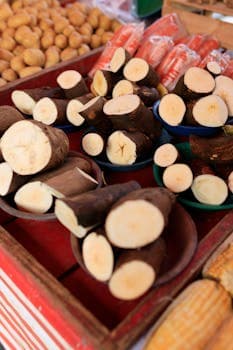
Carimañolas (Yucca Fritters)
Deep-fried yuca fritters stuffed with seasoned ground beef or chicken, onions, peppers, and hard-boiled egg. The cook boils and mashes yuca with butter, wraps it around the filling in a torpedo shape, then fries it until golden. You'll find them at breakfast and as a snack at street stalls, bakeries, and fondas (casual eateries). The crisp shell gives way to soft yuca and savory meat, and they usually come with ají chombo or ketchup. They share roots with Cuban yuca fritters but carry their own Panamanian seasoning.
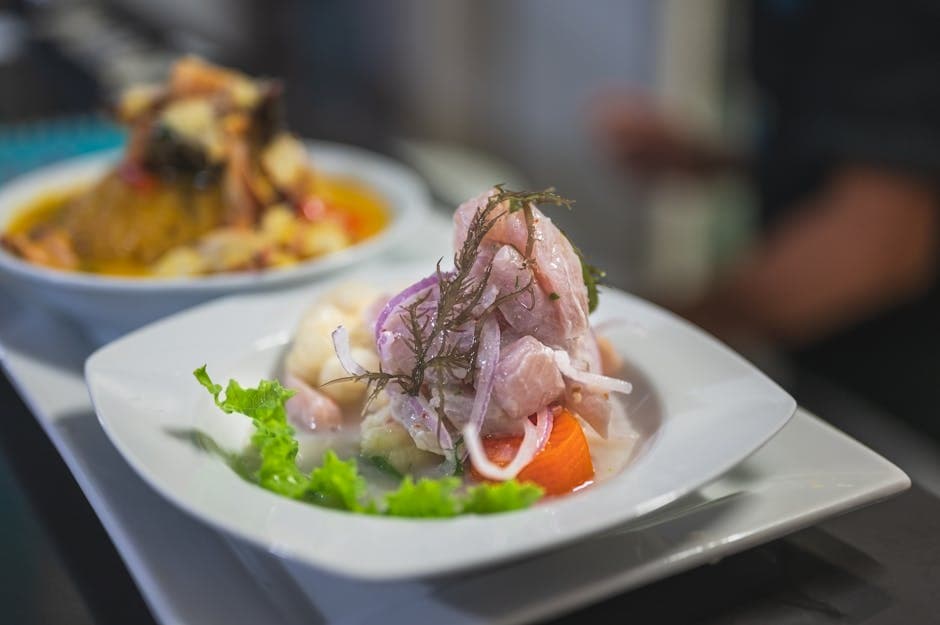
Ceviche de corvina (Sea Bass Ceviche)
Fresh corvina (Pacific sea bass) cured in lime juice with onions, cilantro, ají chombo peppers, and salt. Panama's signature ceviche relies on fish straight from the Gulf of Panama, marinated 15 to 30 minutes until it turns opaque. It's served in small cups with soda crackers (galletas saladas). Vendors at Panama City's Mercado de Mariscos sell it fresh every day, with the morning's catch usually gone by afternoon. The dish traces back to indigenous fishing communities along the coast, and recent fishing initiatives now encourage responsible corvina catches. It's tangy and cold with a chili kick, and worth ordering wherever you find it fresh.
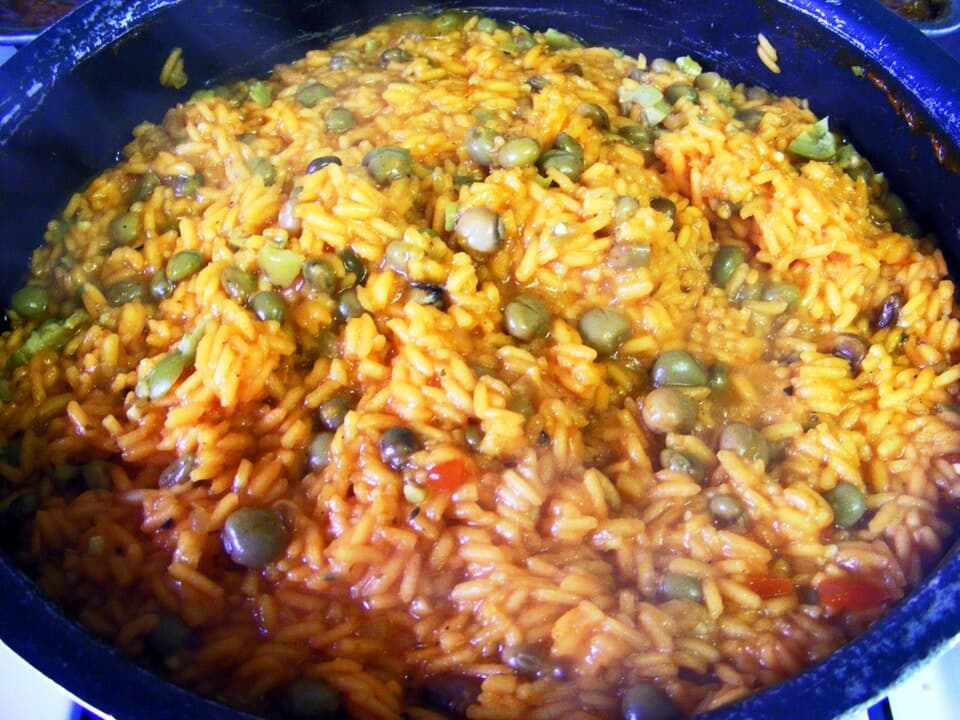
Arroz con guandú (Rice with Pigeon Peas)
Rice cooked with guandú (pigeon peas), coconut milk, onions, garlic, culantro, and spices. It's a Caribbean coastal specialty, especially in Bocas del Toro and Colón. Guandú, harvested from November through January, brings a nutty flavor and some protein, while the coconut milk makes it creamy. It usually arrives with fried fish, patacones, or stewed chicken. The dish carries West Indian and Afro-Caribbean roots, and without the meat it's an easy vegetarian staple. The freshest guandú shows up in the markets during the November harvest.
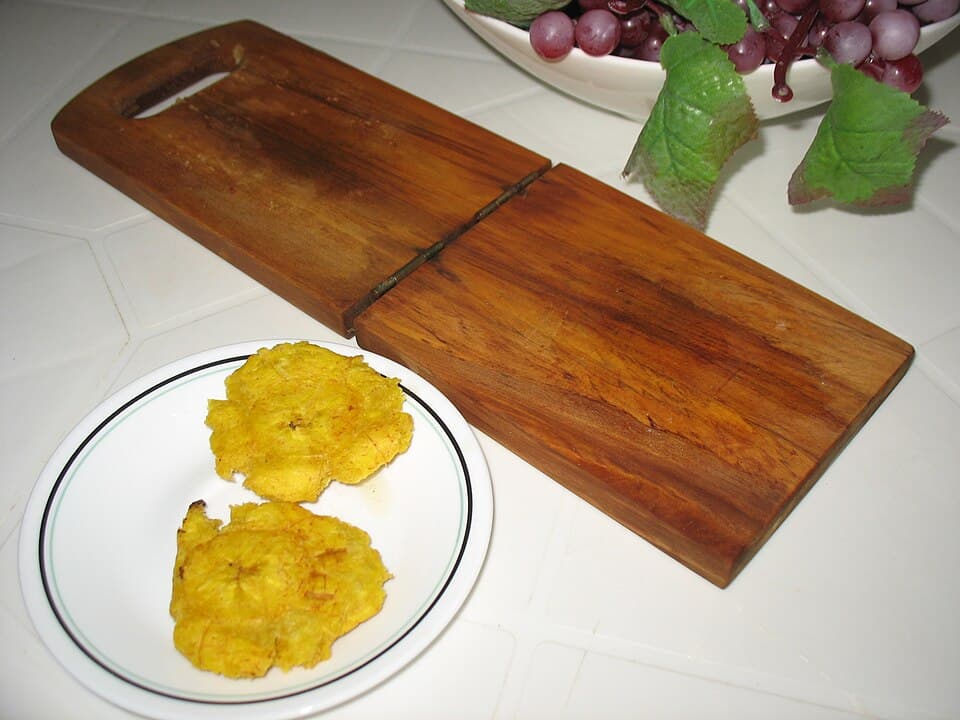
Patacones (Fried Green Plantain)
Green plantain slices fried twice: once, then flattened and fried again until golden and crisp. They're salted and served as a side or as a base for toppings, crunchy outside and tender within, and naturally gluten-free. You'll see them at nearly every meal across Panama, often topped with ceviche, shredded beef, or cheese as an appetizer. They're a staple across the Caribbean and Latin America, though Panamanians insist they perfected the double-fry. They show up everywhere from street carts to fine dining to home kitchens, usually cooked in vegetable oil and sometimes coconut oil.
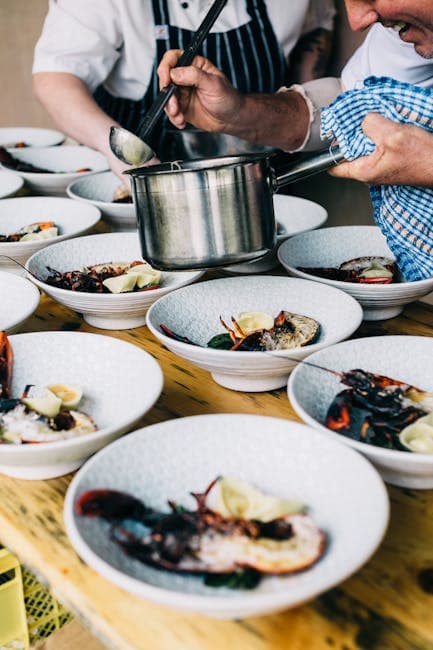
Hojaldras (Fried Dough)
Puffy fried dough in the family of fry bread or beignets, made from flour, baking powder, salt, and water. The dough is stretched thin and fried in hot oil until it puffs up golden. It's served hot at breakfast with cheese, eggs, or ham, and the sweet version gets dusted with powdered sugar or a drizzle of honey. It's a cheap, filling breakfast you'll find at fondas, street stalls, and bus terminals, usually next to a café con leche. Eat it fresh and warm, when it's crisp outside and a little chewy inside.
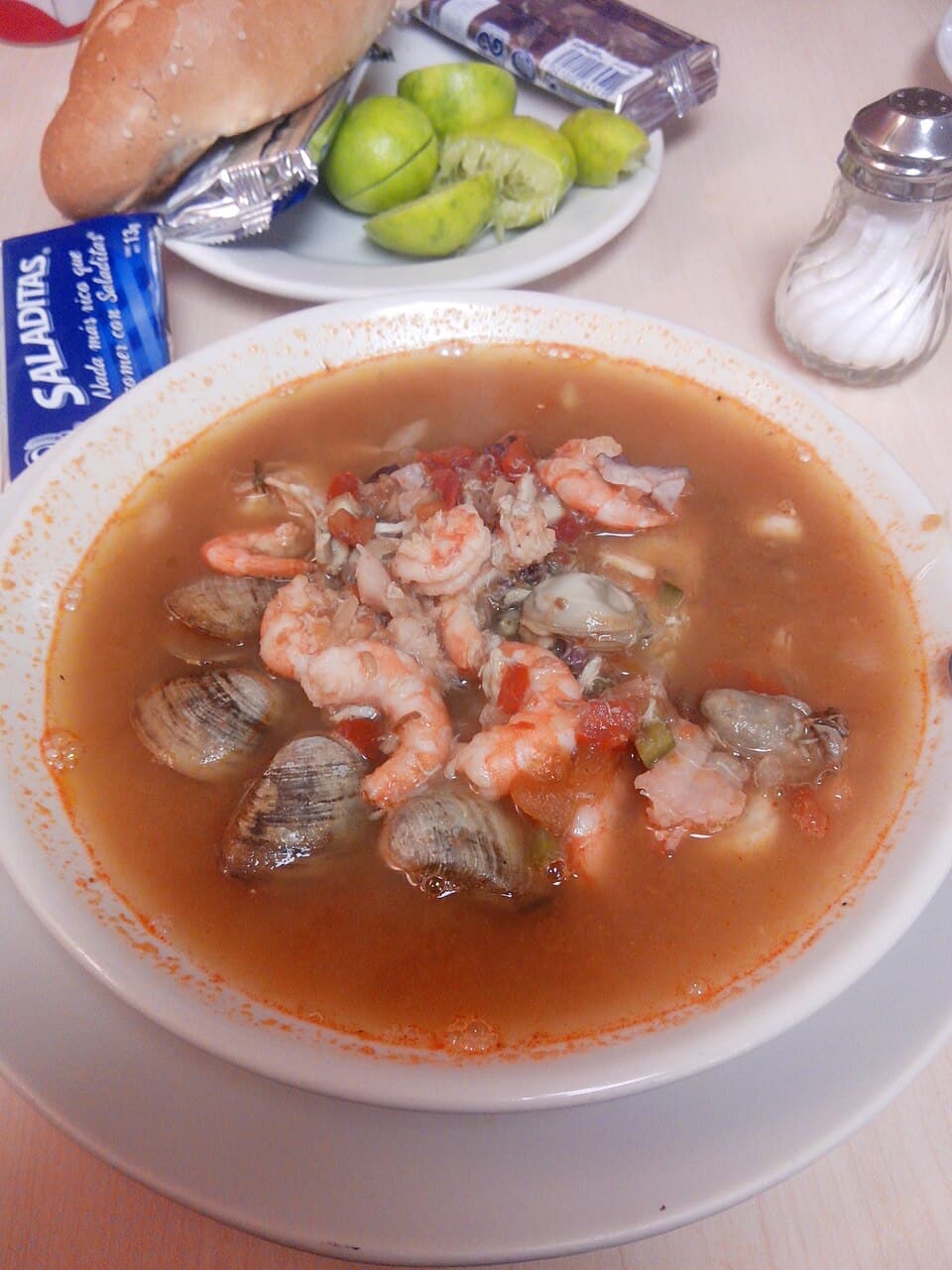
Sopa de mariscos (Seafood Soup)
A hearty seafood soup of shrimp, fish, crab, octopus, and clams in a tomato-coconut broth with yuca, plantains, culantro, and ají chombo. It's a coastal dish on both the Pacific and the Caribbean, drawing on Panama's two-ocean catch. The tradition comes from fishermen who threw the day's catch in with whatever vegetables they had. The Azuero version uses more Pacific fish, while Bocas del Toro works in Caribbean lobster and conch. It arrives with white rice and lime wedges, and it's the kind of big-pot dish made for celebrations and Sunday family meals. November brings good fishing before the winter swells.
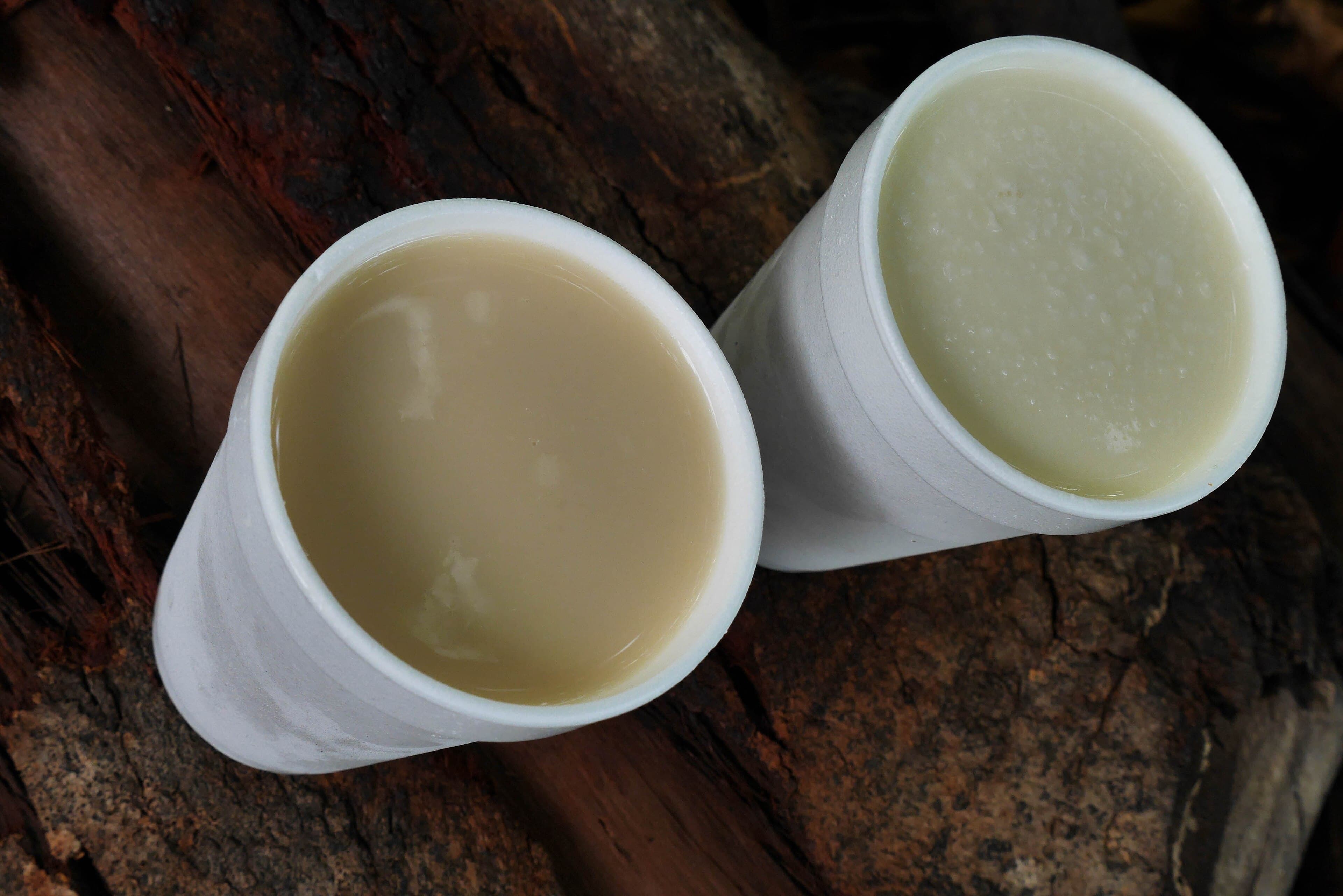
Chicheme
A sweet corn drink made from boiled cracked corn, milk, cinnamon, nutmeg, vanilla, and sugar. It's thick, almost porridge-like, and served cold in cups. Street vendors ladle it from big pots, especially in Panama City's older neighborhoods. It started as a Guna drink and picked up Spanish dairy and spices along the way. Most Panamanians grew up on it, and they reach for it on hot days. It's a cousin of Ecuadorian colada morada and Mexican atole, but the seasoning is its own. November festivals serve it alongside other traditional drinks.

Geisha Coffee
Panama's most famous specialty coffee, grown in the Chiriquí Highlands around Boquete and Volcán. Geisha (or Gesha) beans came from Ethiopia and were brought to Panama in the 1960s, where they took to the volcanic soil at 1,400 to 1,700 meters. The cup is light-bodied with bright acidity, a jasmine-like aroma, and notes of tropical fruit, bergamot, and honey. It wins international competitions year after year and has sold for $800 to $1,000 a pound at auction, putting it among the priciest coffees anywhere. Hacienda La Esmeralda led the way on growing it, and the harvest peaks in November. Panama City cafes such as Bajareque Coffee House and Unido pour it as a pour-over. Coffee drinkers should make a point of trying it.
Regional Specialties & Local Favorites
Discover the authentic regional dishes and local favorites that showcase Panama's diverse culinary traditions.
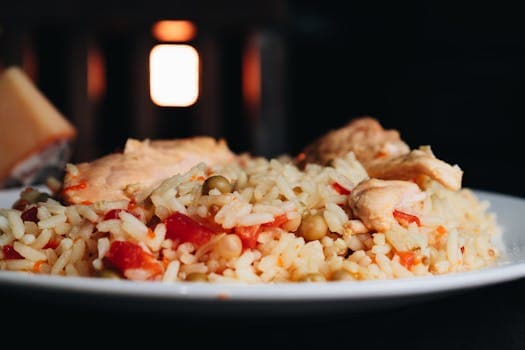
Arroz con pollo (Chicken and Rice)
Chicken and rice cooked with vegetables, spices, and often saffron, which turns it yellow. It's an everyday lunch or dinner across the country.
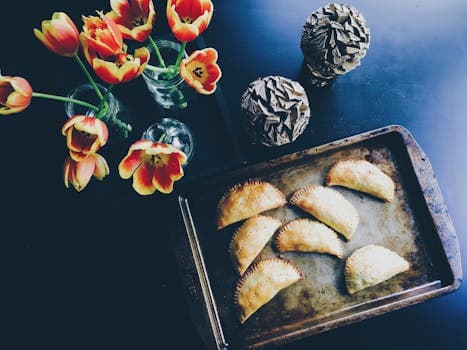
Empanadas
Savory pastries stuffed with ground meat, chicken, or cheese. They make a quick snack or appetizer.
Allergens:
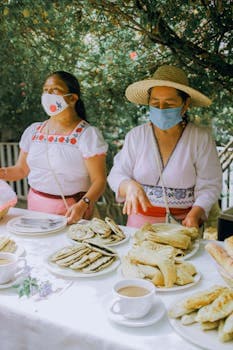
Tamales
Steamed corn-dough pockets with a savory or sweet filling, wrapped in banana leaves. They show up most around holidays and special occasions.
Allergens:
Regional Cuisine Highlights
Explore the diverse culinary landscapes across different regions of Panama.
Azuero Peninsula
This is the home of tamborito and mejorana folk music, the pollera dress, and some of the country's most traditional cooking. The peninsula has held onto its Spanish colonial and indigenous food heritage. Cooks here work with corn, yuca, and Pacific seafood, and the dishes tend to be simple but boldly flavored. Los Santos and Herrera provinces host the big festivals, Corpus Christi and the Manito celebrations, where the food stalls are part of the draw.
Cultural Significance:
Holds the country's oldest culinary traditions, shaped by Spanish colonial and indigenous cooking. It's where seco herrerano is made and where folk-festival food runs deepest.
Signature Dishes:
- Sopa de mariscos
- Tortillas de maíz
- Pescado frito
- Seco Herrerano (national spirit)
Key Ingredients:
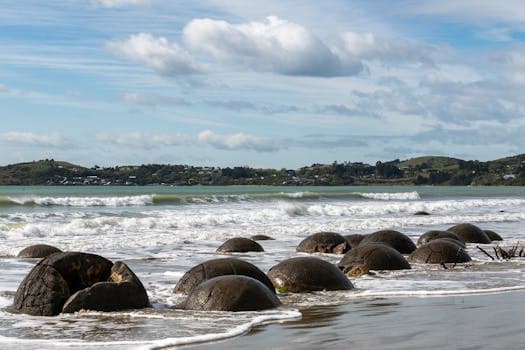
Bocas del Toro
Cooking here is Caribbean, built around coconut milk, plantains, seafood, and the hot ají chombo pepper, with Afro-Caribbean technique running through it. The archipelago province has strong West Indian roots, Jamaican and Trinidadian among them. Tourism, the eco-lodges, surfing, and diving keeps the kitchens experimenting. November brings the kind of weather that's good for eating outdoors on the beaches and docks.
Cultural Significance:
Brings together indigenous Ngäbe-Buglé, Afro-Caribbean, and West Indian cooking, and shows off a Caribbean identity that sets it apart from Panama's Pacific coast.
Signature Dishes:
- Rundown (seafood coconut stew)
- Rice and beans with coconut milk
- Patacones
- Caribbean lobster
Key Ingredients:

Chiriquí Highlands
The cool highlands, between 1,000 and 2,000 meters, call for hearty mountain food. Boquete and Volcán are known for top-tier Geisha coffee, good produce, and dairy farms, so fresh vegetables, dairy, trout, and meats show up often. European, mainly Spanish and Italian, immigrant communities left their mark on the cooking. The coffee harvest peaks in November, and the farmland here supports a real farm-to-table scene.
Cultural Significance:
A farming region with European cooking influences and the center of the country's coffee culture, where Geisha auctions pull in international buyers. The cool climate grows ingredients you won't find anywhere else in tropical Panama.
Signature Dishes:
- Sancocho chiricano
- Queso fresco (fresh cheese)
- Bollos preñaos (corn tamales with meat)
- Trucha (rainbow trout)
Key Ingredients:
Panama City & Casco Viejo
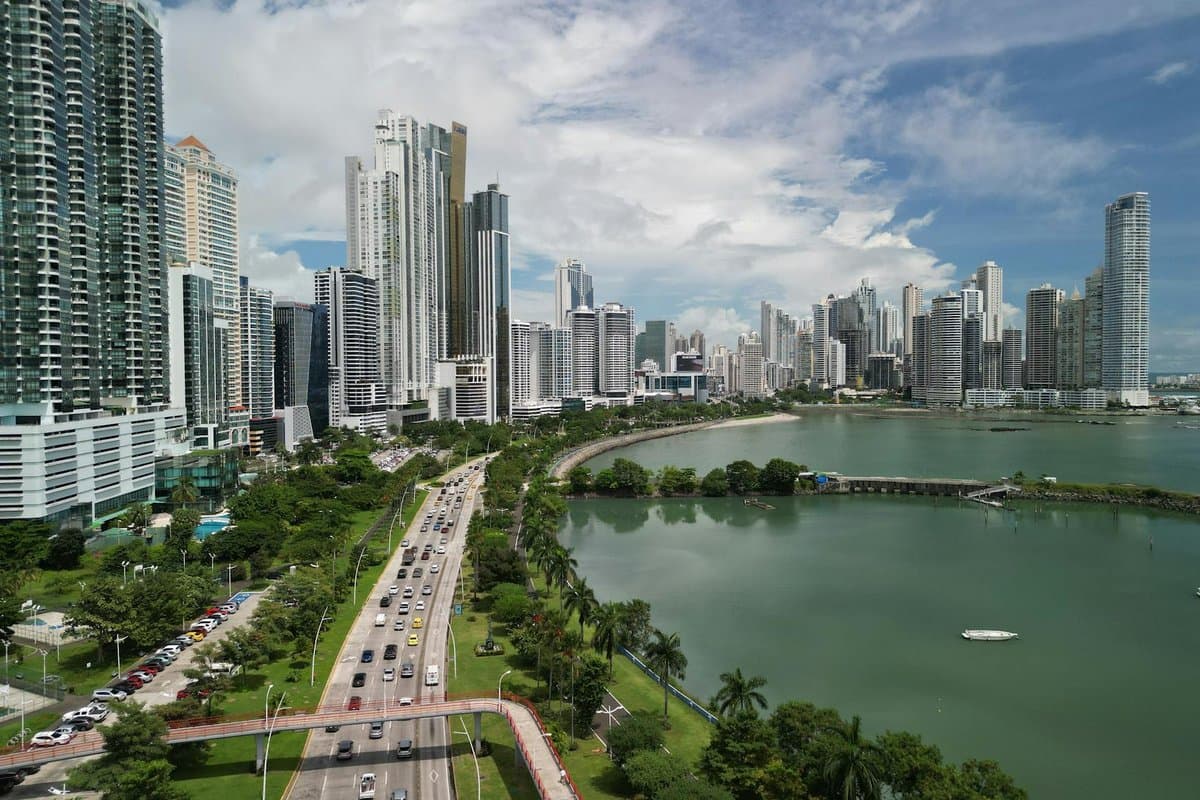
The capital's food scene runs from traditional Panamanian to international fusion. Casco Viejo, the UNESCO-listed colonial district, holds upscale restaurants, rooftop bars, and street stalls side by side. Along the Canal waterfront you can eat global cuisines while watching the ships pass. Chinese, Colombian, Venezuelan, and Indian immigrant communities have all added to the mix. Come November, as the rains ease into dry season, outdoor dining picks back up.
Cultural Significance:
Stands for modern Panama as an international crossroads. The Canal draws food travelers, traditional recipes meet global technique, and the whole scene reflects the country's role as a logistics hub linking continents.
Signature Dishes:
- Canal-side seafood fusion
- Ceviche de corvina
- Sancocho competitions
- International fusion cuisine
Key Ingredients:
Comarca Guna Yala (San Blas)
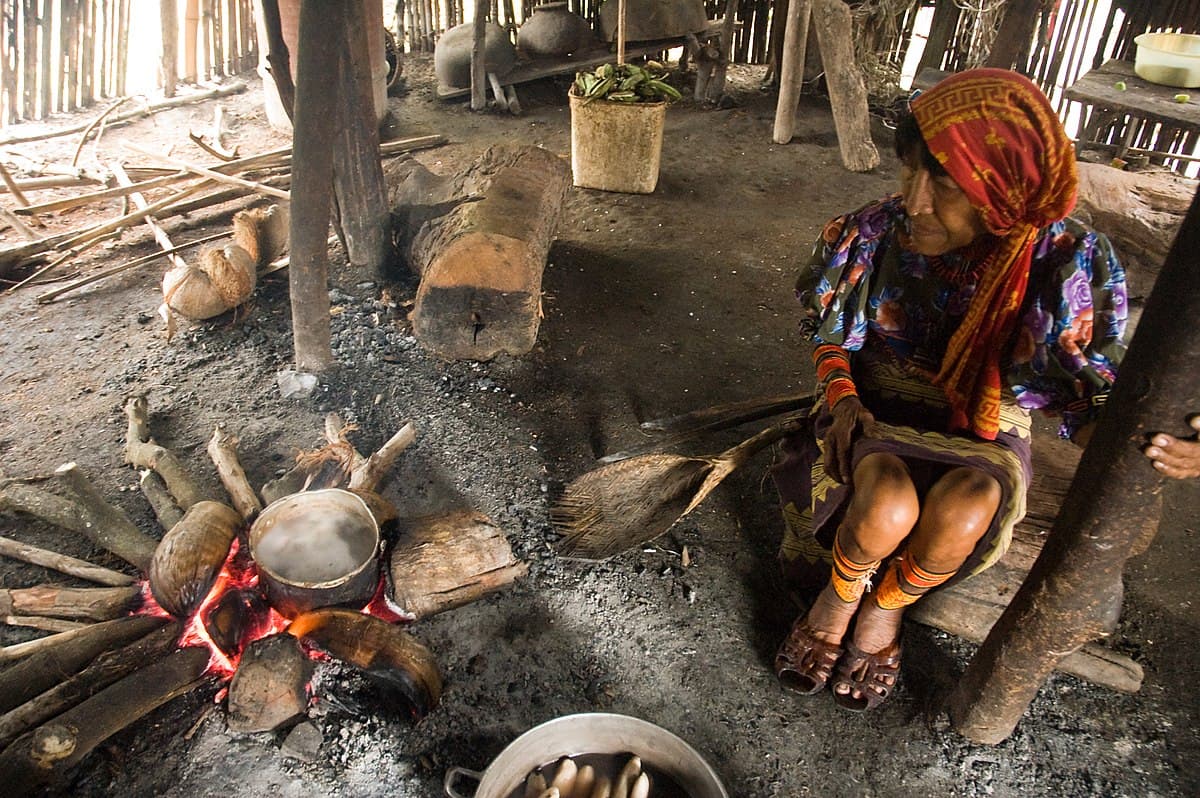
The autonomous territory of the indigenous Guna (Kuna), made up of 365 Caribbean islands and a stretch of coastal mainland. The diet runs on seafood, lobster, crab, fish, and coconut, with ulu (breadfruit), plantains, and rice as staples. Guna cooking is getting more attention through cultural tourism, and mola textile artisans now work with chefs to put traditional recipes in front of visitors. Because so little outside influence reaches here, the cuisine has stayed close to its roots.
Cultural Significance:
Keeps Guna culinary traditions intact with little outside influence, helped by the territory's self-governance. Eco-tourism here centers on traditional fishing and cooking, and November is the best sailing season for reaching the Guna Yala islands.
Signature Dishes:
- Fresh lobster
- Coconut rice
- Ulu (breadfruit preparations)
- Pescado frito (fried fish)
- Dulemasi (plantain drink)
Key Ingredients:
Sweet Delights & Desserts
Indulge in Panama's traditional sweet treats and desserts.
Raspadito
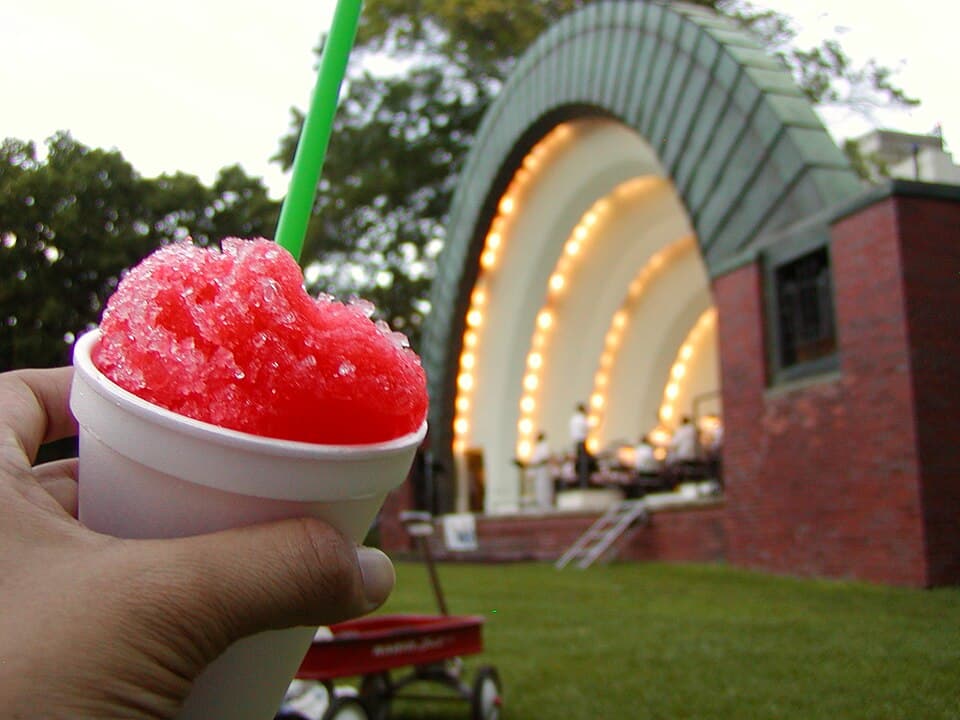
A shaved-ice dessert poured over with fruit syrups such as tamarind, passion fruit, guanabana, or raspberry, then topped with condensed milk, fruit chunks, and sometimes grated coconut. Vendors sell raspaditos from carts in Panama City and the coastal towns, and they're what you want on a hot day. They're close cousins of the Mexican raspado and the Dominican frío frío. The ice gets shaved by hand crank or machine into a fluffy snow, and the condensed milk's sweetness plays off the tart fruit. Beach vendors do good business in Bocas del Toro and Coronado.
Sopa borracha (Drunken Soup)
Sponge cake soaked in a rum-spiked syrup of seco or rum, sugar, cinnamon, and cloves, which leaves it boozy and damp. The name means 'drunken soup,' but it's cake, not soup; sopa here refers to the soaking. It comes out at Christmas, New Year, and the Independence holidays of November 3 and 28. The cake is cubed, layered with syrup, and sometimes finished with raisins, prunes, or whipped cream. The dessert came from Spanish colonists and is eaten across Latin America, but Panamanians are especially fond of it. Every family guards its own syrup recipe, and the alcohol makes it strictly an adult treat.
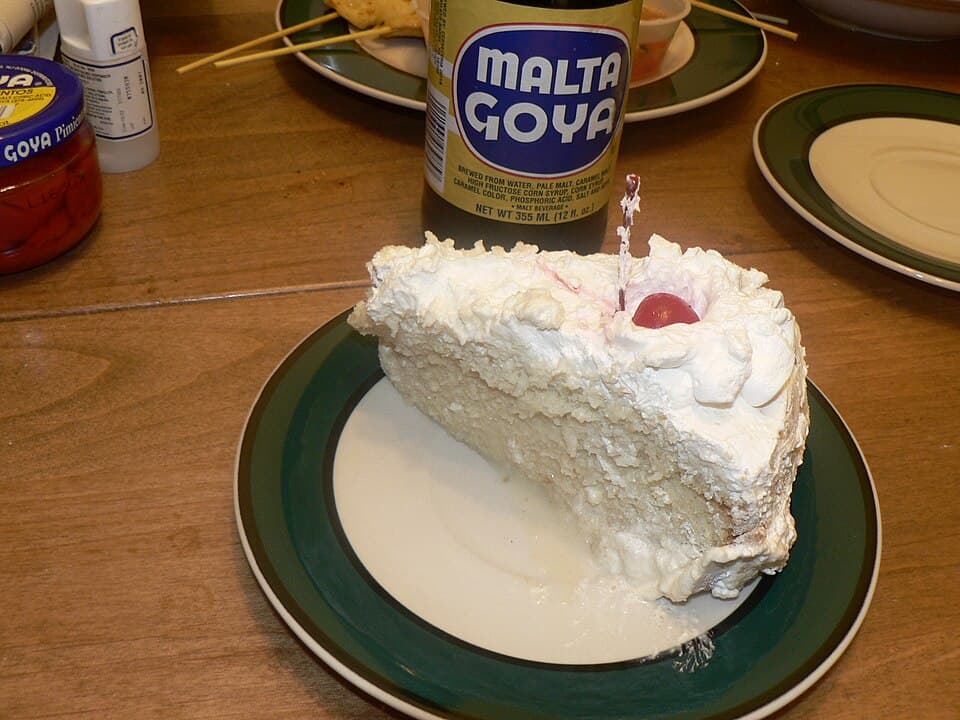
Tres leches cake (Three Milk Cake)
Sponge cake soaked in a mix of three milks (evaporated milk, condensed milk, and heavy cream) until it's dense and wet, then topped with whipped cream or meringue. It's a Central American staple and a fixture at Panamanian birthdays, celebrations, and casual meals. Where it began is up for debate, with Mexico, Nicaragua, and Panama all in the running, though Panamanians claim it as their own. It's served cold by the slice, and you'll find variations with coconut, chocolate, or passion fruit. Bakeries across Panama City make it daily.
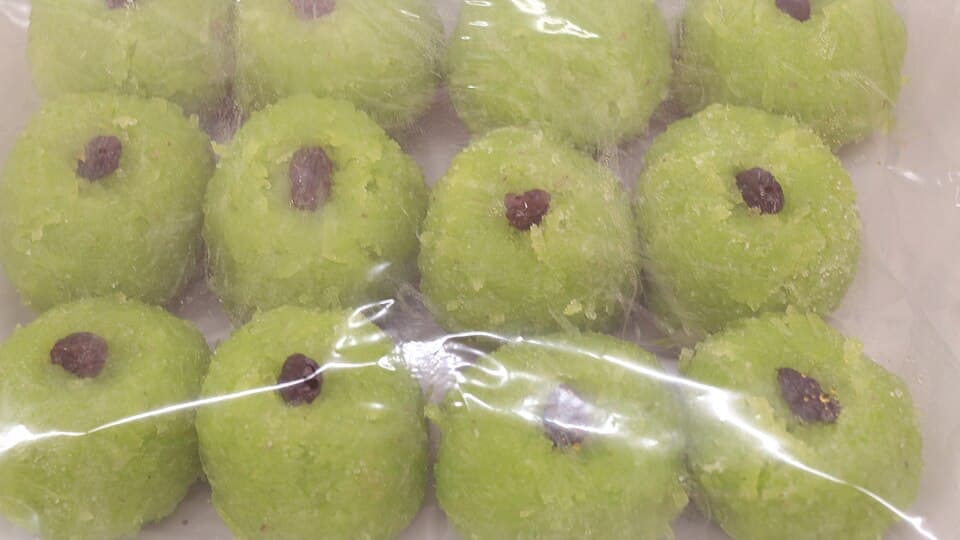
Cocadas (Coconut Candy)
Coconut candies made from shredded coconut, brown sugar or panela, cinnamon, and sometimes condensed milk. The mix cooks until it caramelizes, then sets into small mounds or bars that are chewy and heavily coconut. Vendors sell them wrapped in wax paper. They're a Caribbean coastal specialty, most common in Bocas del Toro and Portobelo, and they reflect the Afro-Caribbean coast's coconut crop. The November harvest gives the best ones. White cocadas use refined sugar, while the brown ones get their deeper molasses note from panela.
Bienmesabe (Coconut Custard)
A creamy coconut custard made with coconut milk, egg yolks, sugar, cornstarch, and cinnamon. The name means 'tastes good to me' in Spanish. It's smooth and rich, somewhere between custard and pudding, served cold in small cups or bowls and dusted with cinnamon or toasted coconut. The dessert came from Spanish colonists and took on the coast's coconut. You'll find it in home kitchens and traditional restaurants. It's close to Puerto Rican tembleque, but the egg yolks make it richer. A homey end to a family meal.
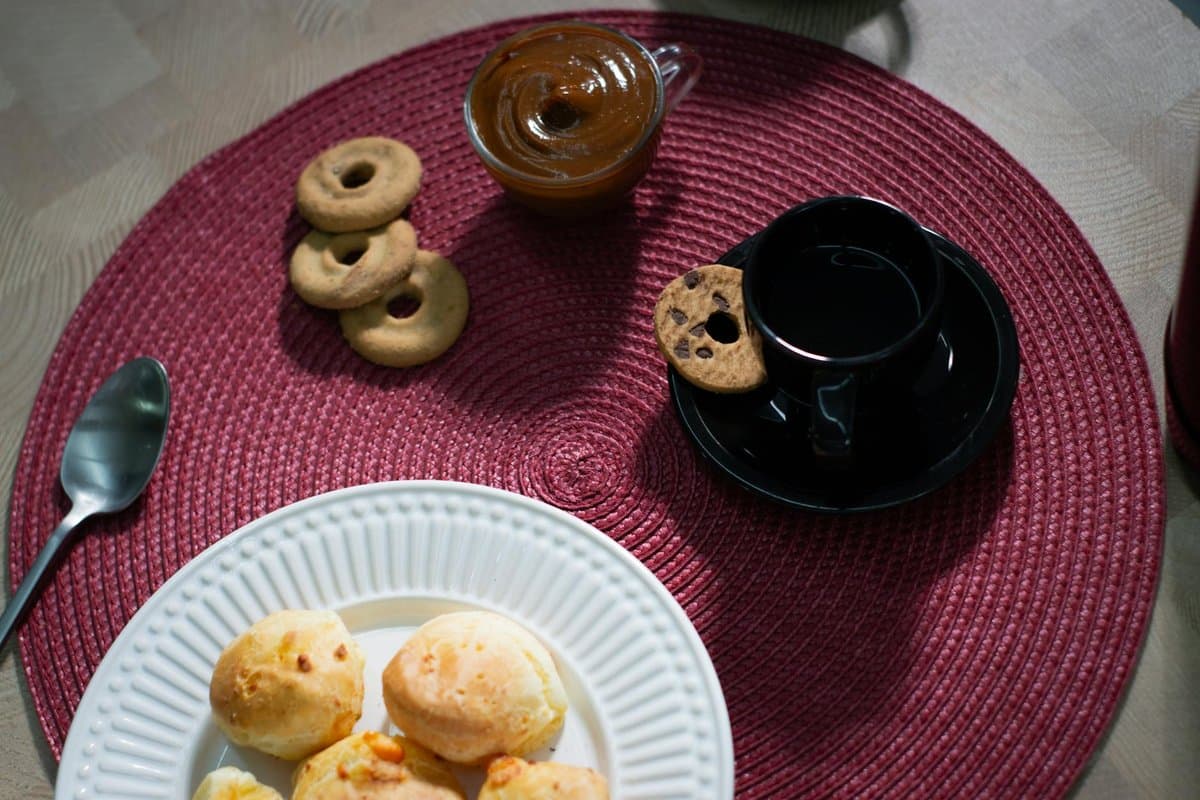
Dulce de leche
A caramelized milk spread made by heating sweetened milk slowly until it turns golden and thick. People use it as a topping, a filling, or eat it straight off a spoon. In Panama, where some regions call it arequipe, it goes into cakes, cookies, ice cream, and crepes, gets spread on bread at breakfast, and stuffs pastries. Supermarkets carry it, though the homemade kind is prized. It started in Argentina and Uruguay and spread across Latin America, Panama included. Creamy and caramel-sweet, it's a building block of Panamanian desserts.
Manjar blanco
A white pudding made from coconut milk, milk, sugar, cornstarch, and cinnamon, sometimes with ground almonds or rice flour. It's thick and creamy, like a pale custard, served cold in small portions and topped with cinnamon or ground nuts. The dessert traces back to Spanish colonial cooking with Moorish roots. Every Latin American country has its own take, and Panama's uses more coconut milk thanks to the Caribbean coast. It's made for religious celebrations and family gatherings, milder and less sweet than dulce de leche, and tied up with childhood memories for many.
Arroz con piña (Pineapple Rice Pudding)
Rice pudding with white rice, pineapple chunks, coconut milk, cinnamon, sugar, and raisins, a tropical spin on the usual version. It's served warm or cold depending on who's making it, and the pineapple's brightness cuts through the creamy coconut rice. It's a homey dessert for family dinners and holiday meals. Pineapple grows year-round, but it's sweetest from November through March, which is when the best arroz con piña gets made. Some families like it thick, others soupy, and the golden pineapple from Chiriquí province is the one to look for.
Traditional Beverages
Discover Panama's traditional drinks, from locally produced spirits to regional wines.
Seco Herrerano
A sugarcane spirit that Panamanians treat as their national liquor. People drink it neat or mix it into cocktails.
Ron Ponche
A creamy rum punch that comes out during the holidays, made with eggs, milk, spices, and rum.
Soft Beverages
Discover Panama's traditional non-alcoholic drinks, from local teas to refreshing juices.
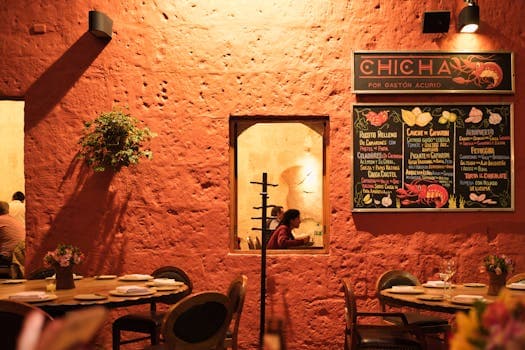
Chicha Fuerte
A fermented corn drink, slightly sweet and a little tangy. It turns up at festivals and celebrations.
Resbaladera
A cooling barley drink, usually flavored with cinnamon, cloves, and panela (unrefined cane sugar).
Frequently Asked Questions
Essential information about food and dining in Panama.
What is the national dish of Panama?
Panama's most iconic dishes include Sancocho de gallina (Chicken Sancocho), Ropa Vieja (Old Clothes), Carimañolas (Yucca Fritters). A filling chicken soup that Panamanians treat as their national dish. Free-range chicken simmers slowly over a sofrito base with ñame (tropical yam root), yuca (cassava), culantro (the recao herb), corn, and assorted root vegetables. It comes with white rice and ají chombo, the local hot sauce. People eat sancocho on rainy days, at family gatherings, and during the Independence holidays of November 3 and 28. The recipe shifts by region: Azuero leans on corn, Chiriquí works in mountain herbs, and Bocas del Toro adds coconut milk. It's a communal dish, usually cooked in big pots for neighborhood parties, and cook-offs spring up around the country come November.
Is street food safe in Panama?
Street food in Panama can be enjoyed safely by following these guidelines: Consume bottled water.. Look for busy vendors with high turnover, ensure food is cooked fresh and served hot, and avoid raw ingredients if you have a sensitive stomach.
What are the best restaurants in Panama?
Panama offers diverse dining options from street food stalls to upscale restaurants. For the best experience, ask locals for recommendations, check recent reviews, and look for restaurants that specialize in regional cuisines.
Can vegetarians find food easily in Panama?
Vegetarian options in Panama are mediumly available. Vegetarians find more to eat in the bigger cities and tourist towns than they used to. Traditional cooking leans on meat and seafood, but restaurants increasingly keep plant-based plates on the menu. Rice and beans (arroz con guandú), patacones (fried plantains), yuca dishes, and corn-based foods are everywhere. Panama City's vegetarian restaurants cluster in Casco Viejo and the upscale neighborhoods. Spell out what you can and can't eat to avoid surprises.. Many restaurants offer vegetarian dishes, and you'll find plant-based ingredients featured prominently in local cuisine.
What is the average cost of a meal in Panama?
Meal costs in Panama depend on where you eat. Street food and casual local restaurants are very affordable, typically offering complete meals for a few dollars. Mid-range restaurants charge moderate prices, while fine dining establishments are comparably priced to Western countries.
What are common food allergens in Panama?
Common allergens in Panama cuisine include Seafood, Peanuts. Seafood runs through Panamanian cooking, so it's a frequent allergen. Shrimp, fish, and shellfish show up in dish after dish.. These ingredients appear in dishes like Ceviche, Arroz con mariscos. Always inform restaurant staff about your allergies.
When is the best time to visit Panama for food?
Panama offers great food experiences throughout the year. However, visiting during harvest seasons (typically spring and autumn) provides access to the freshest local ingredients. Food festivals and cultural celebrations also offer unique culinary experiences worth planning around.