
Dominica Food Guide
Content Information
Recently updated🔥Current Food Trends 2026
What's happening in Dominica's culinary scene right now
By 2026, Dominica's food scene leans on local sourcing, tradition, and the wellness travellers who come for the island's rainforest and hot springs. United Airlines now runs weekly non-stop flights from Newark, which it launched on February 15, 2025, and the route has made the island noticeably easier to reach. The Palisades Restaurant at Fort Young Hotel still draws the most attention among visiting diners, with its Lion Fish Bon Femme and Creole cooking served over the Caribbean Sea. Callaloo soup, named the national dish in 2013, sits at the centre of how Dominicans eat, and the October Creole season is when you find it cooked with land crab. Mountain chicken (the crapaud frog) has been off-limits since 2002 after disease and overhunting collapsed its numbers. On King George V Street in Roseau, Pearl's Cuisine, the vegan kitchen Natural Livity, and Cornerhouse Cafe keep turning out everyday Dominican food. Chef Daria's cooking classes walk visitors through callaloo soup, plantain pie, and accra by hand. And in September and October, Layou village fries up its titiwi catch. Dasheen, yams, and the rest of the island's ground provisions remain the backbone of the kitchen.
Food Safety Tips
Essential food safety information to help you enjoy Dominica's cuisine safely and confidently.
Tap water generally safe in most areas
Tap water in Roseau and major towns is generally safe to drink. In rural areas, bottled water is recommended as a precaution.
Street food is generally safe and authentic
Street stalls are where you find the real flavors. Pick the busy vendors using fresh ingredients. Titiwi ackra and other fritters are safe when cooked to order.
Choose freshly caught seafood
Coastal restaurants serve fresh catch daily. Lobster is seasonal. Land crab is traditional but availability varies by season.
Mountain chicken (crapaud) is protected
Mountain chicken (large frog) has been illegal to hunt or consume since 2002 due to population decline and disease. Do not purchase or eat this formerly popular dish.
Dietary Options
vegetarian
MEDIUM AVAILABILITYVegetarian options available with provisions (dasheen, yams, plantains), callaloo soup, and vegetable-based Creole dishes. Pearl's Cuisine and Cornerhouse Cafe offer vegetarian lunches.
vegan
MEDIUM AVAILABILITYVegan options improving with dedicated restaurants like Natural Livity in Roseau. Traditional provisions (ground provisions) are naturally vegan. Many callaloo preparations use coconut milk.
gluten-free
MEDIUM AVAILABILITYMany traditional dishes based on provisions (yams, dasheen, cassava, plantains) are naturally gluten-free. Communicate needs clearly as awareness is growing.
halal
LOW AVAILABILITYHalal options very limited. Muslim population is small. Seafood and vegetarian dishes may be suitable options.
Common Allergens
Shellfish
HIGH PREVALENCELand crab, lobster, and other shellfish feature prominently in Dominican cuisine
COMMONLY FOUND IN:
Coconut
HIGH PREVALENCECoconut milk is essential in many traditional dishes
COMMONLY FOUND IN:
Fish
HIGH PREVALENCEFish is central to coastal Dominican cuisine
COMMONLY FOUND IN:
Gluten
MEDIUM PREVALENCEFlour used in dumplings, bakes, and fritters
COMMONLY FOUND IN:
Essential Food Experiences
These iconic dishes represent the must-have culinary experiences that define Dominica's food culture for travelers.
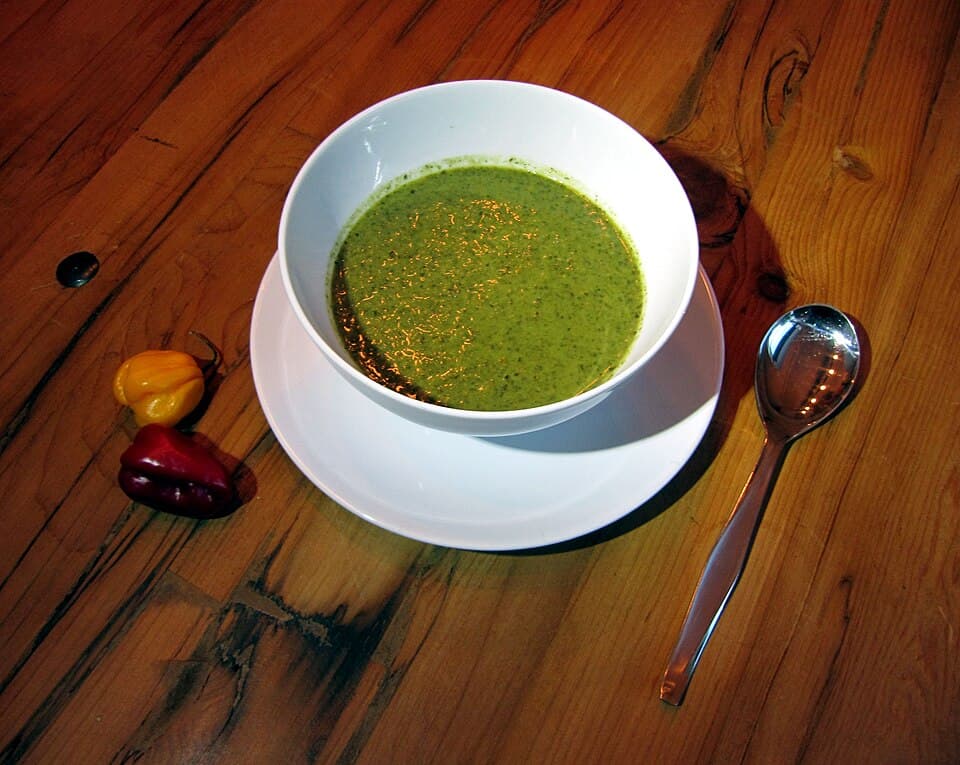
Callaloo Soup
Dominica's national dish since 2013. A leafy soup built on young dasheen leaves (taro) simmered in coconut milk, with yams, peppers, onions, salted meat or land crab, green bananas, and cornmeal dumplings added in. During the October Creole season it comes with land crab. Filling, and about as close to the heart of Dominican cooking as you can get.
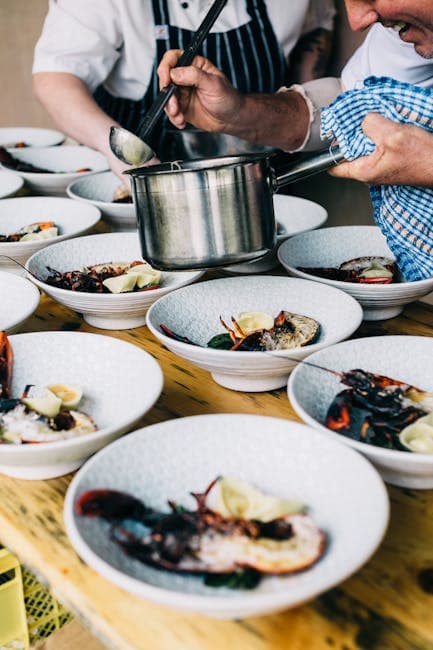
Crab Backs
Spiced land crab meat cooked and served in its own shell. The crabs, red or black, are caught seasonally; the picked meat gets seasoned with local spices and baked back into the shell. A common starter and an old Creole specialty.

Titiwi Ackra
A September-October specialty. Titiwi are tiny juvenile gobies that run at the river mouths around Layou village after lightning storms, when villagers net them by the bucket. They go into spiced fritters (ackra) eaten through the Creole season, timed to the fish runs the way they always have been.

Codfish Sancoche
A one-pot dish of salted codfish cooked in coconut milk with ground provisions (dasheen, yams, green bananas), dumplings, and vegetables. Comfort food with African and Caribbean roots. Sancoche refers to the cooking method and the coconut broth it leaves behind.

Chatou Water
An octopus soup, a coastal staple here. Fresh octopus (chatou) goes into a seasoned broth with provisions, spices, and vegetables and cooks down into a thick, filling stew.
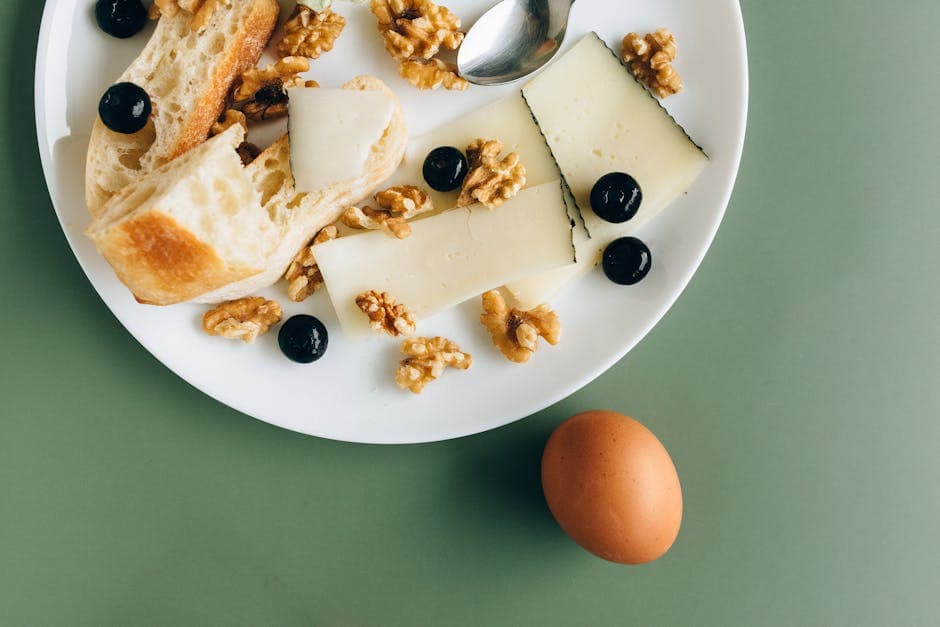
Goat Water
A goat meat soup with ground provisions and spices, slow-cooked until the meat falls apart and the broth turns deep and savory. It shows up at gatherings and celebrations more than at the everyday table.
Stewed Agouti
Agouti, a large rodent, stewed slowly with local spices and vegetables. A wild-game dish tied to indigenous hunting, saved for special occasions, with a taste all its own.

Pelau
A one-pot rice dish with pigeon peas, chicken or meat, vegetables, and coconut milk, darkened with burnt sugar for a caramelized edge. A Caribbean staple that Dominican cooks tweak with local provisions.
Bakes and Saltfish
A breakfast or lunch plate of fried dough bakes with seasoned saltfish (salted cod). The bakes are fluffy fried bread; the saltfish is sautéed with peppers, onions, and tomatoes. You find it at street stalls and home kitchens alike.
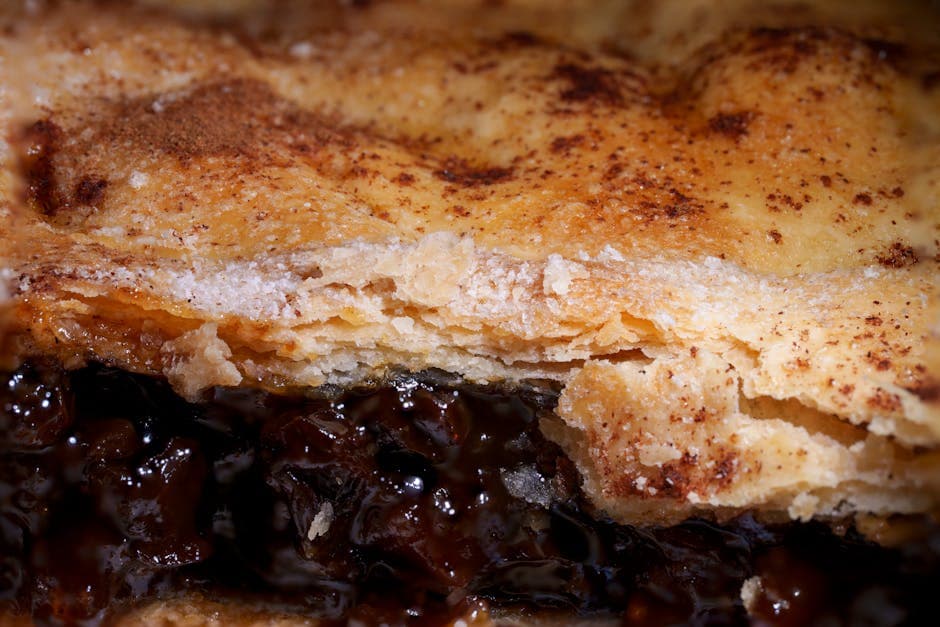
Plantain Pie
Ripe plantains mashed with coconut, spices, and sometimes raisins, then baked. It can be a sweet dessert or a side, and it turns up in home kitchens and cooking classes.
Accra (Saltfish Fritters)
Crispy fritters of saltfish, flour, peppers, and herbs, sold as street food or served as a starter. Not to be confused with titiwi ackra, which uses fresh fish. You find versions of it across the Caribbean.
Regional Specialties & Local Favorites
Discover the authentic regional dishes and local favorites that showcase Dominica's diverse culinary traditions.
Provisions (Ground Provisions)
The local name for the starchy roots and tubers that anchor most meals: dasheen (taro), yams, cassava, sweet potatoes, green bananas. Usually boiled and served alongside fish or meat.
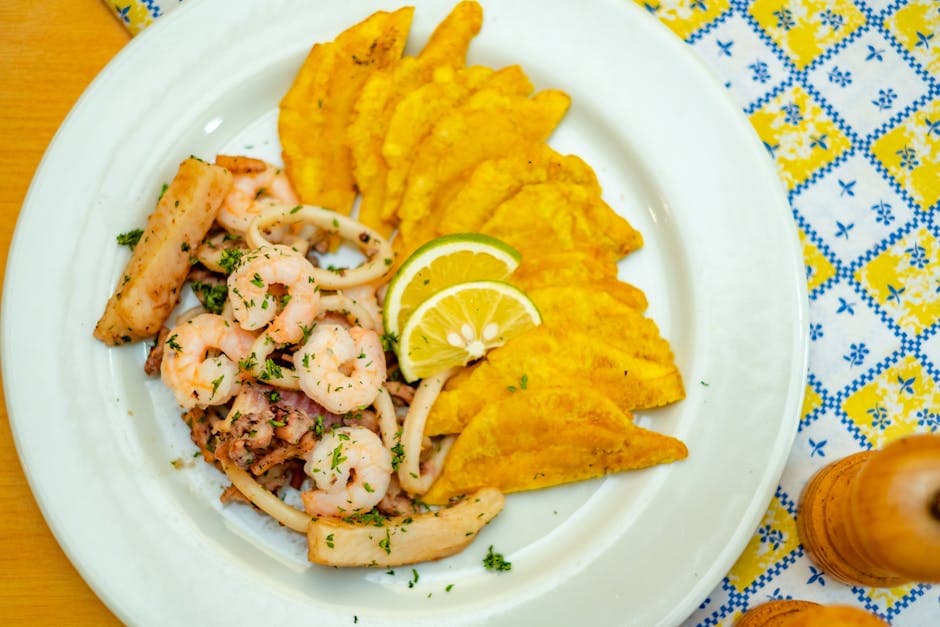
Fried Plantains
Plantains sliced and fried until golden, sweet when ripe and savory when green. A side that comes with most meals and a Caribbean staple you will not go a day without.
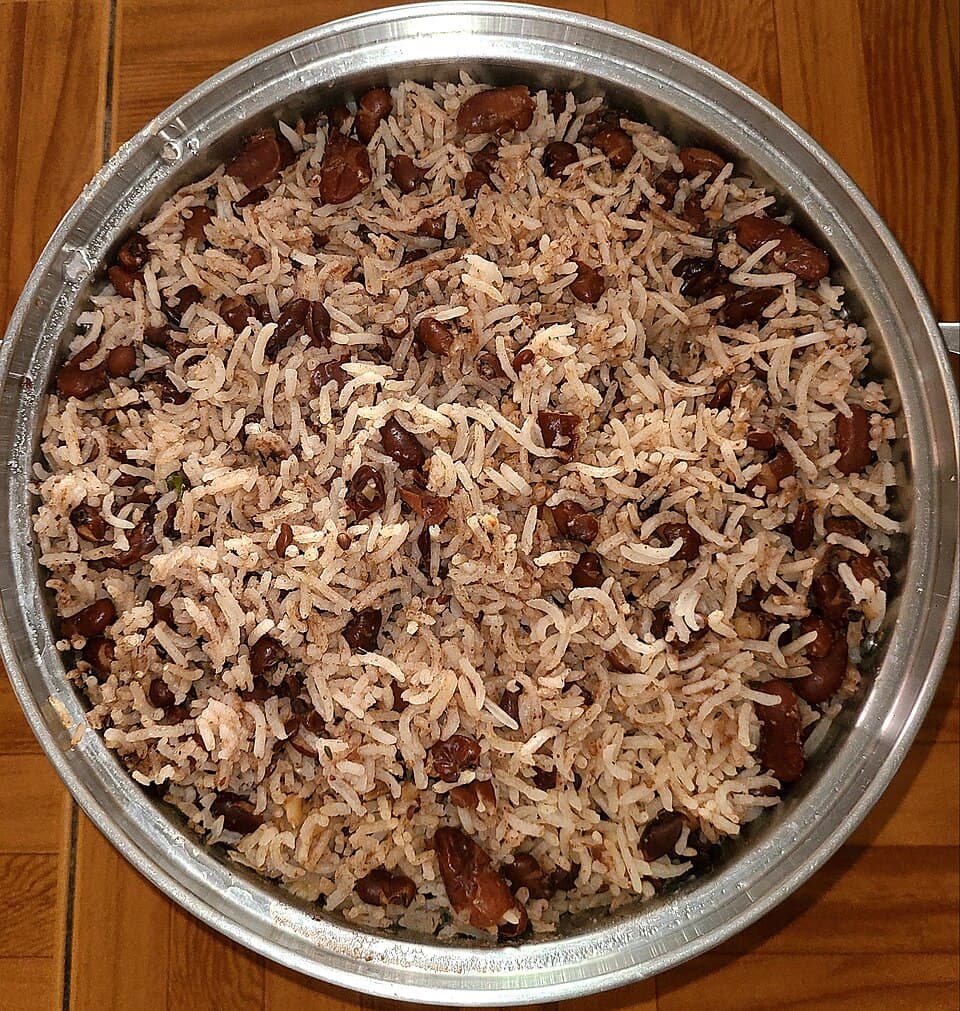
Rice and Peas
Rice cooked with pigeon peas or kidney beans, coconut milk, and seasonings. A Caribbean standby served next to meat and fish.
Allergens:
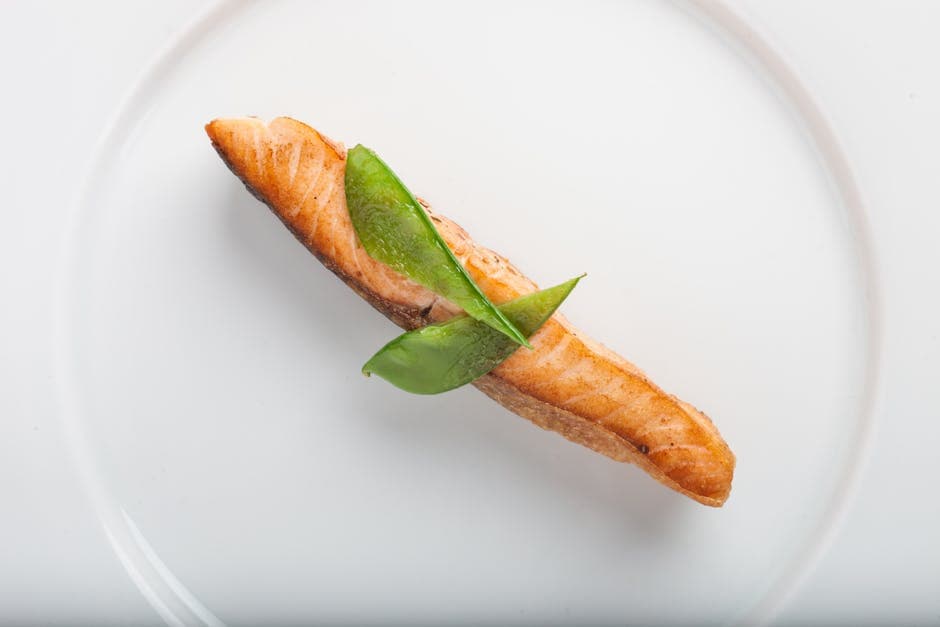
Fried Fish
Whole fish, usually snapper or grouper, seasoned and fried crisp, served with provisions and vegetables. It shows up as the daily special at coastal restaurants and street stalls.
Allergens:

Dasheen (Taro)
A starchy root that runs through Dominican cooking. The young leaves make callaloo soup; the corms are boiled as provisions. Few ingredients are more tied to the island's identity.
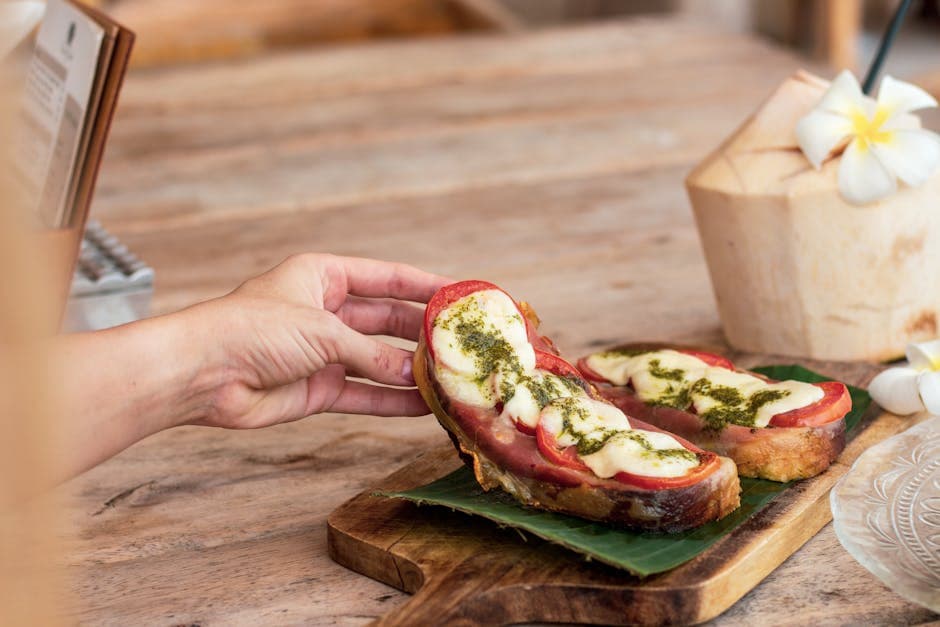
Coconut Bread
Sweet bread made with grated coconut, often spiced with cinnamon and nutmeg. Bakeries sell it for breakfast and as a snack.
Allergens:
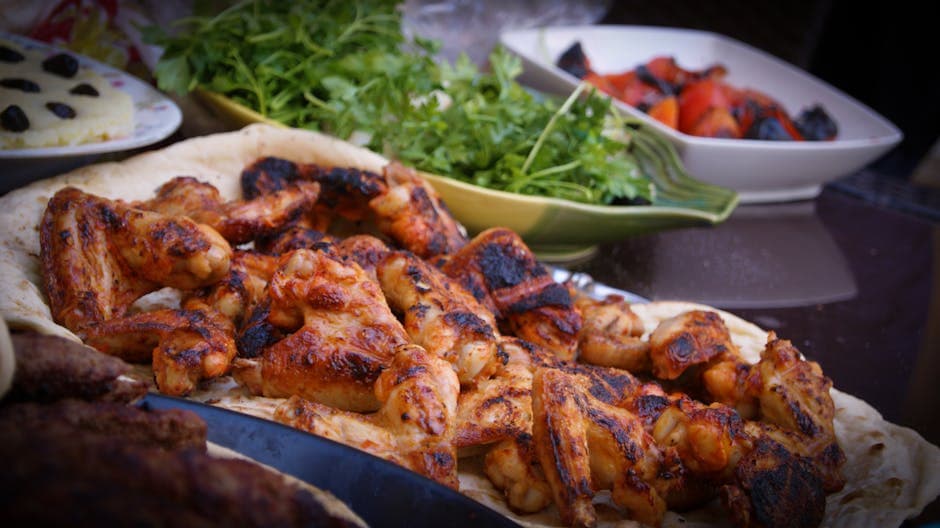
Creole Chicken
Chicken rubbed with local spices, peppers, and herbs, then stewed or roasted. An everyday meal served with rice or provisions.
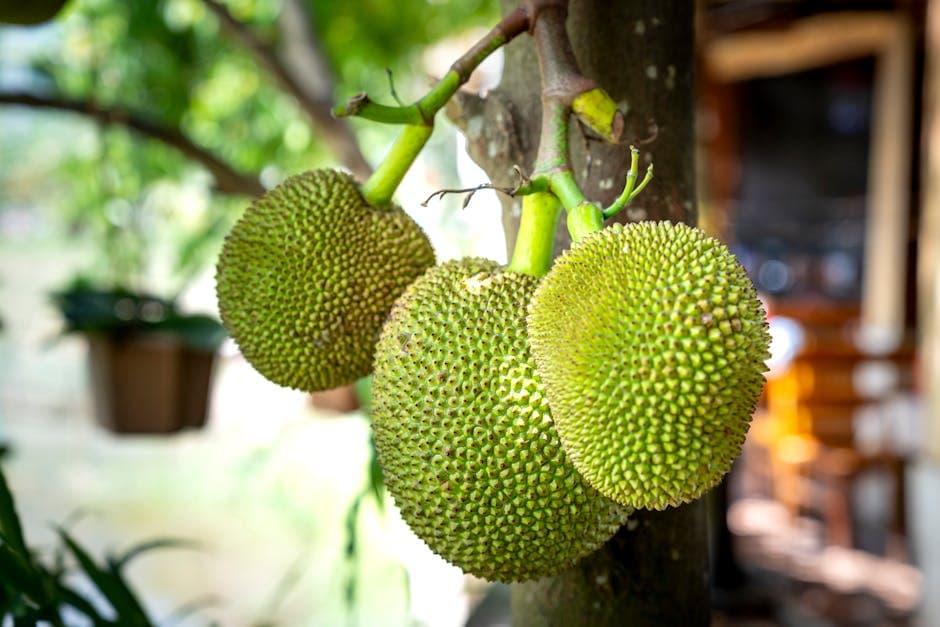
Breadfruit
A large starchy fruit, roasted, boiled, or fried. Brought to the Caribbean from the Pacific, it now turns up as one more provision on the plate.
Regional Cuisine Highlights
Explore the diverse culinary landscapes across different regions of Dominica.
Roseau (Capital)
The capital has the widest range of food on the island, from street stalls to the higher-end places. King George V Street alone holds Pearl's Cuisine for Caribbean home cooking, Natural Livity for vegan plates, and Cornerhouse Cafe for Creole lunches. At the top end, The Palisades at Fort Young Hotel serves Lion Fish Bon Femme and callaloo coconut soup. For ingredients, Roseau Market is where the provisions, fish, and local produce come in.
Cultural Significance:
Roseau is where old Creole cooking meets newer plating. The waterfront restaurants and the market keep the traditional flavors going, while Fort Young Hotel pushes the same local ingredients toward fine dining.
Signature Dishes:
- Callaloo soup
- Crab backs
- Creole lunch plates
- Fresh provisions
Key Ingredients:

Layou Village
A west coast fishing village known for its seasonal titiwi harvest. In September and October, after lightning storms, villagers net juvenile gobies at the river mouth and fry them into titiwi ackra. The community still keeps up the Creole season celebrations around it.
Cultural Significance:
Layou's titiwi tradition ties the local kitchen to the rhythm of the river and its fish runs. The seasonal harvest pulls the village together to make the fritters, and the practice gets handed down that way, batch by batch.
Signature Dishes:
- Titiwi ackra
- Fresh catch
- Seafood stews
Key Ingredients:
Kalinago Territory
The indigenous Kalinago keep up older cooking methods and knowledge of wild foods here, including cassava bread making and harvesting wild provisions. Some of these food traditions date back before European contact.
Cultural Significance:
Kalinago Territory holds onto an indigenous Caribbean food culture that predates European contact. The way cassava is processed and wild foods are gathered keeps a pre-Columbian kitchen alive in daily practice.
Signature Dishes:
- Cassava bread
- Wild provisions
- Traditional fish preparations
Key Ingredients:

Sweet Delights & Desserts
Indulge in Dominica's traditional sweet treats and desserts.
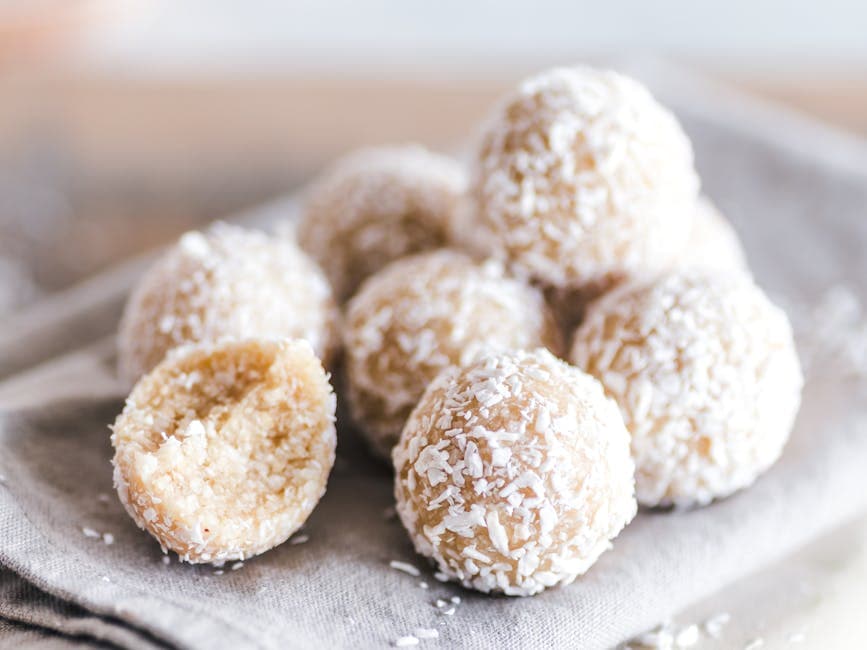
Coconut Sugar Cake
Grated coconut cooked down with sugar, cinnamon, and nutmeg until it crystallizes, then cut into squares. A festival and celebration sweet.
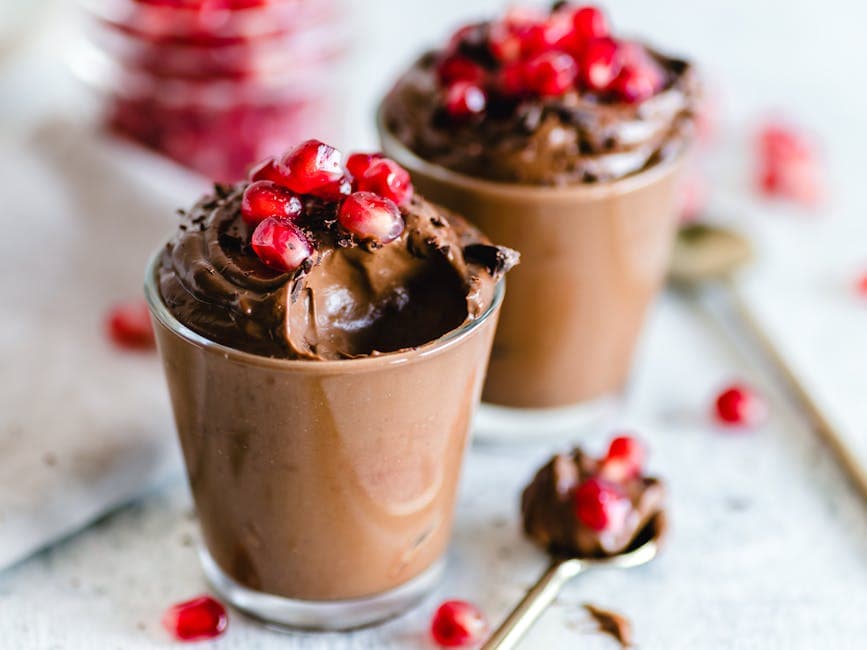
Sweet Potato Pudding
A baked pudding of grated sweet potato, coconut milk, spices, and raisins, dense and moist. A home-style dessert.
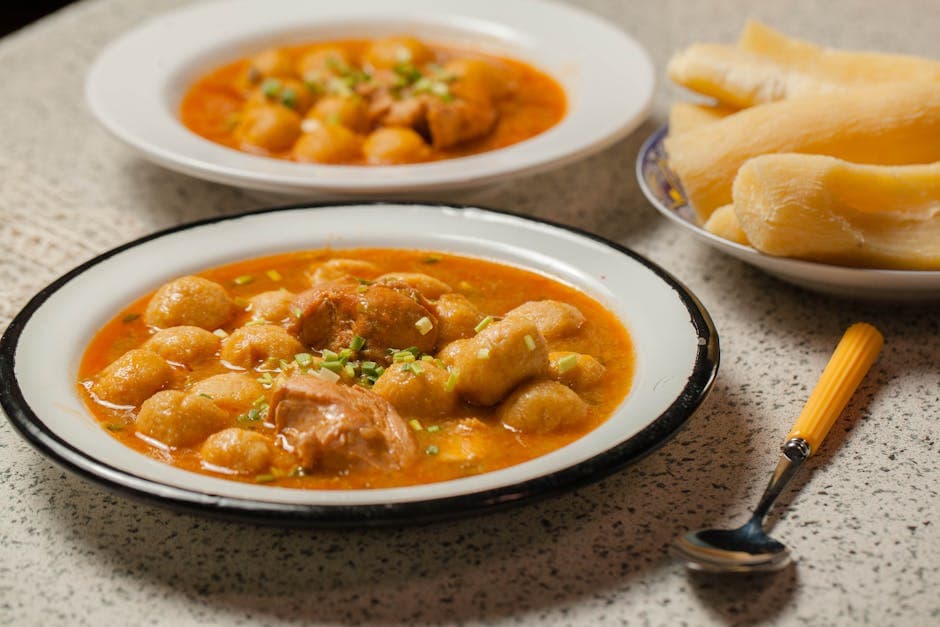
Cassava Pone
A Caribbean dessert of grated cassava, coconut, spices, and sugar baked until firm. Dense and sweet, with a chewy texture you will not find in a regular cake.
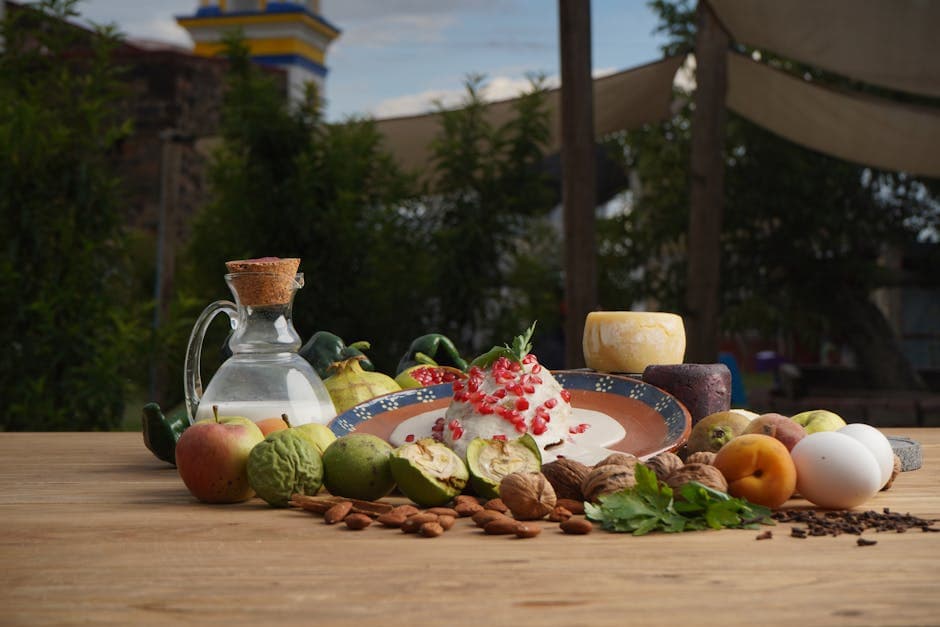
Guava Cheese
Guava paste cooked with sugar until it sets firm, then sliced and often paired with local cheese. A preserve that makes use of the island's guava crop.
Traditional Beverages
Discover Dominica's traditional drinks, from locally produced spirits to regional wines.
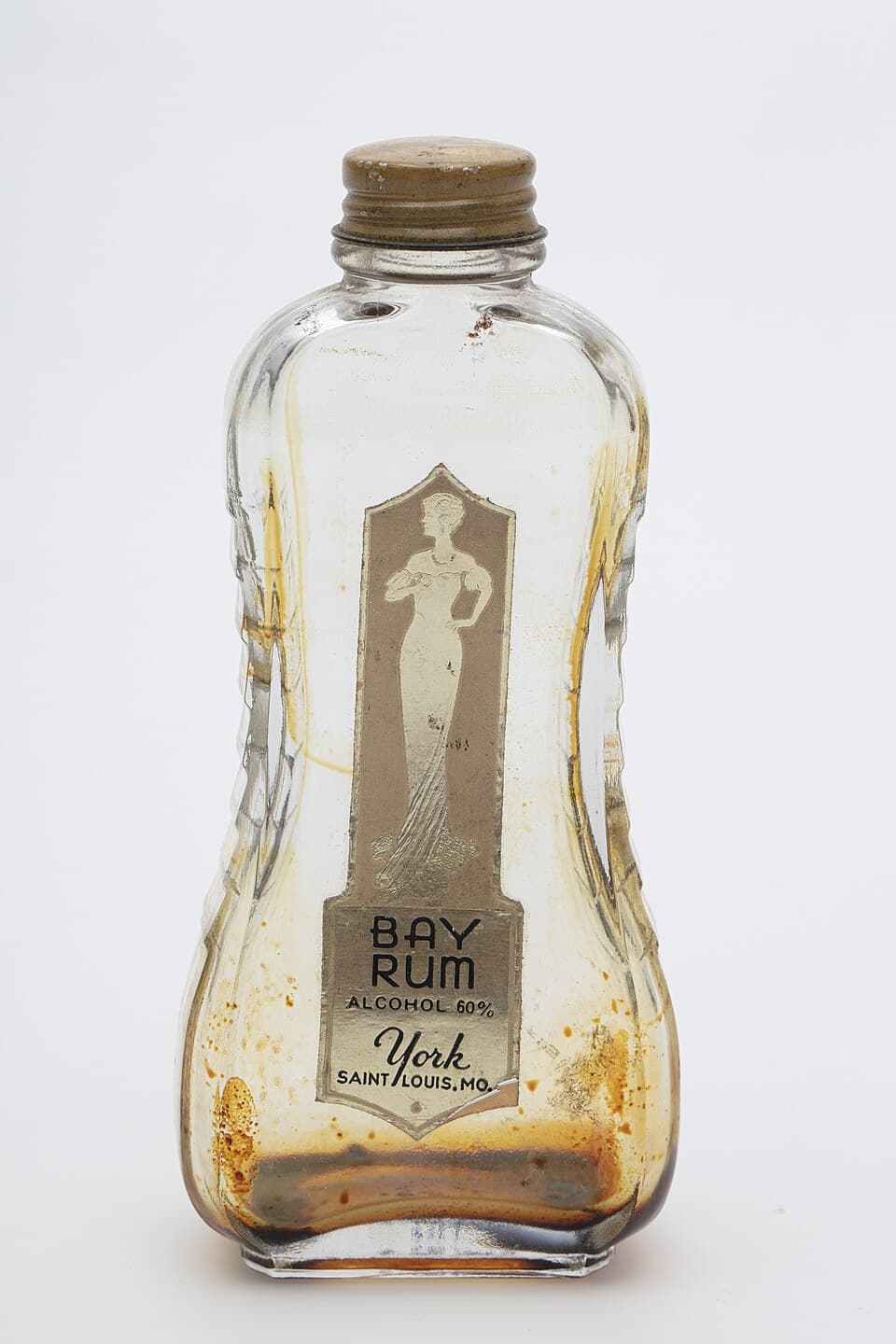
Bay Rum
Dominica is known for the bay leaves that go into bay rum. Most of it ends up as cologne, but a traditional bay leaf liqueur is made too.
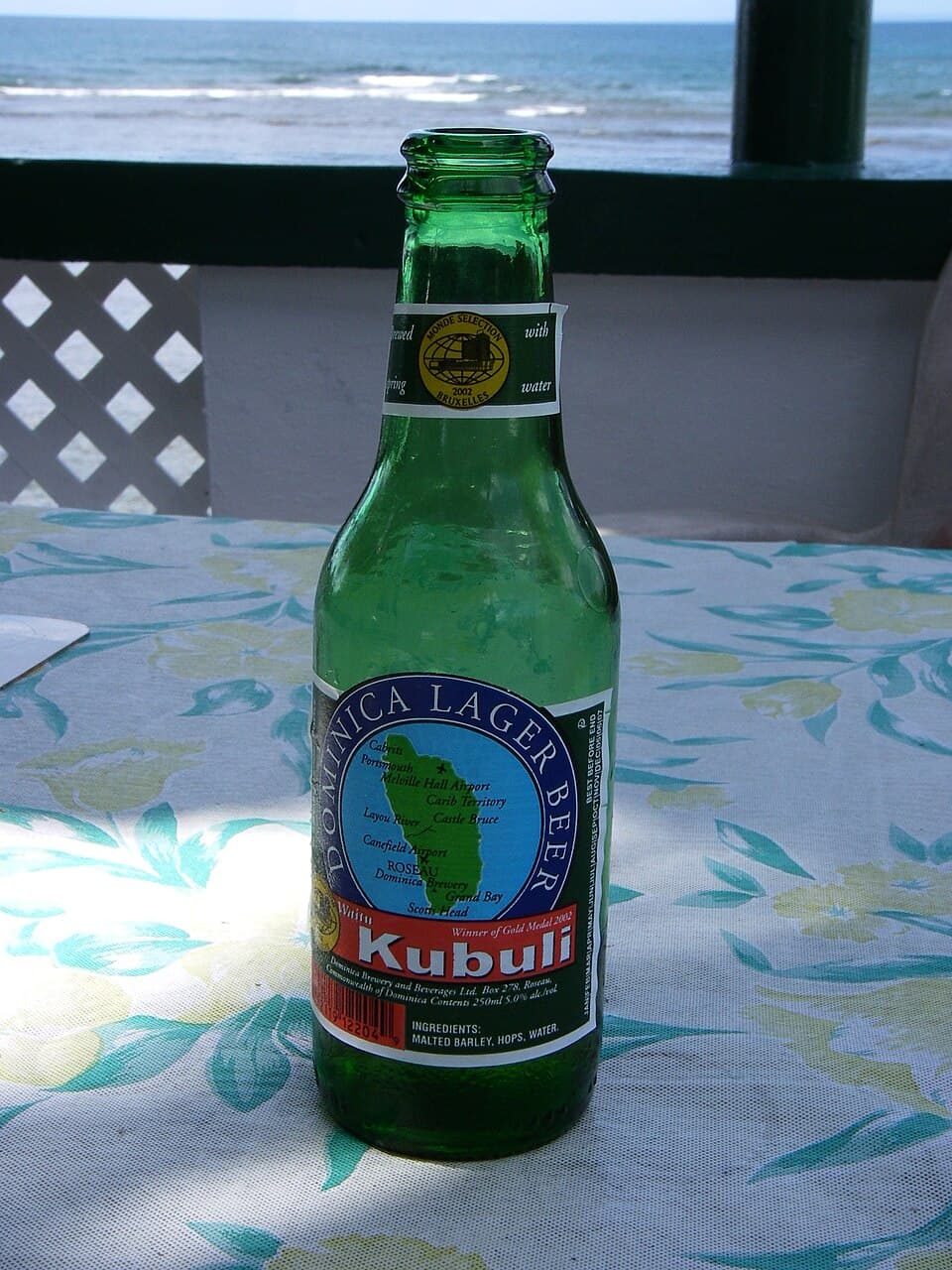
Kubuli Beer
Dominica's national beer, brewed on the island since 1997. A light lager named after Kubuli Falls, and the drink you will see ordered most.
Soft Beverages
Discover Dominica's traditional non-alcoholic drinks, from local teas to refreshing juices.
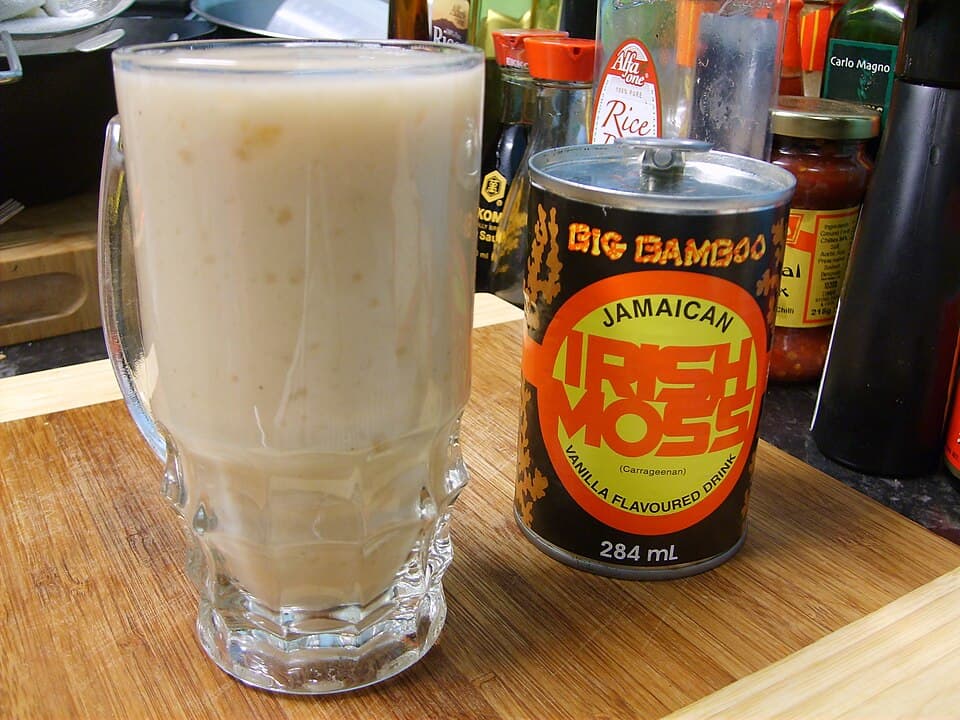
Seamoss Drink
A drink made from seaweed (Irish moss) blended with milk, vanilla, cinnamon, and nutmeg. Locals drink it as a tonic, and you find it across the Caribbean.
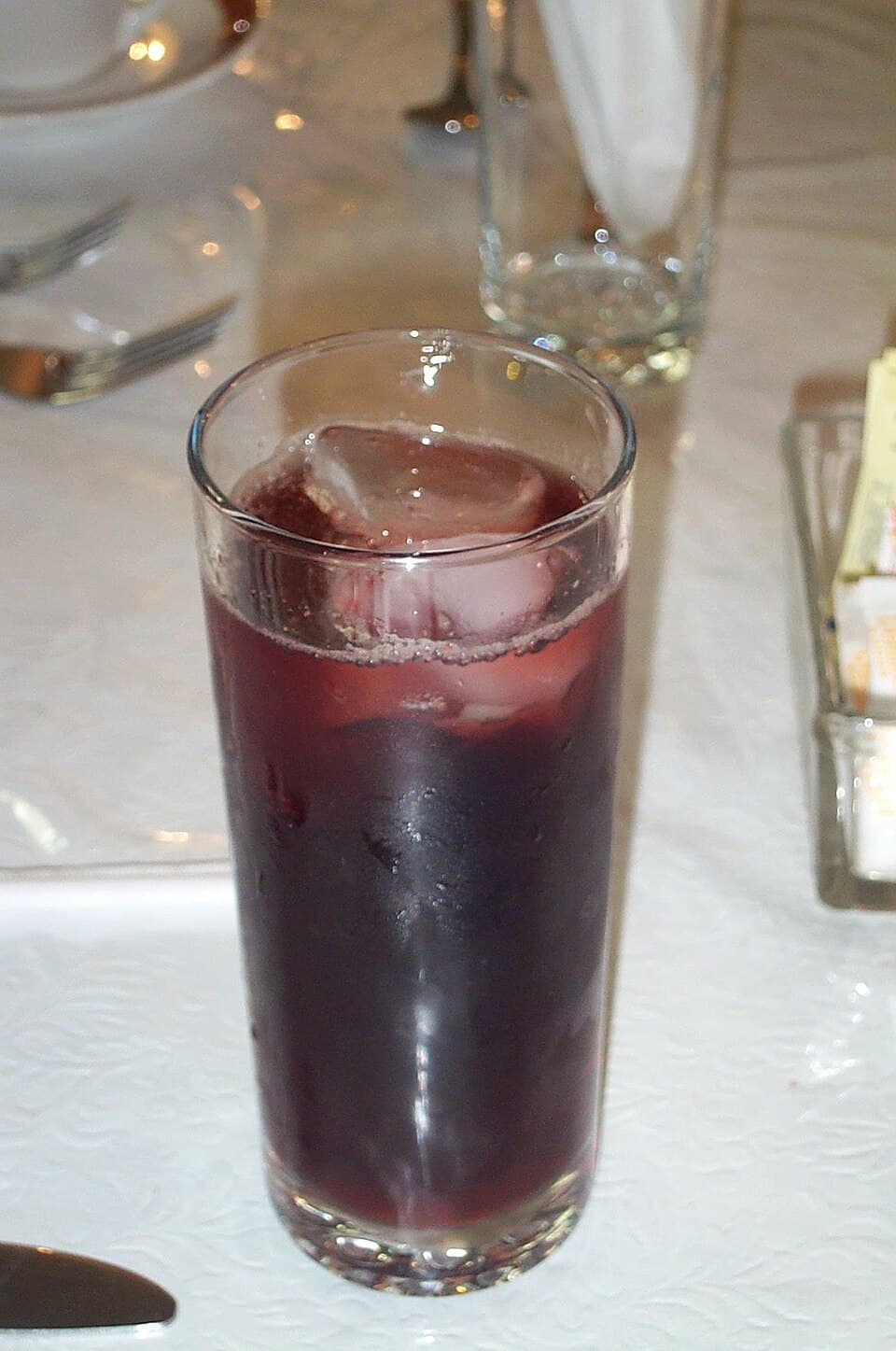
Sorrel Drink
A deep-red drink made by steeping hibiscus flowers (sorrel) with ginger, cloves, and cinnamon, then sweetening it. It comes out mainly at Christmas.
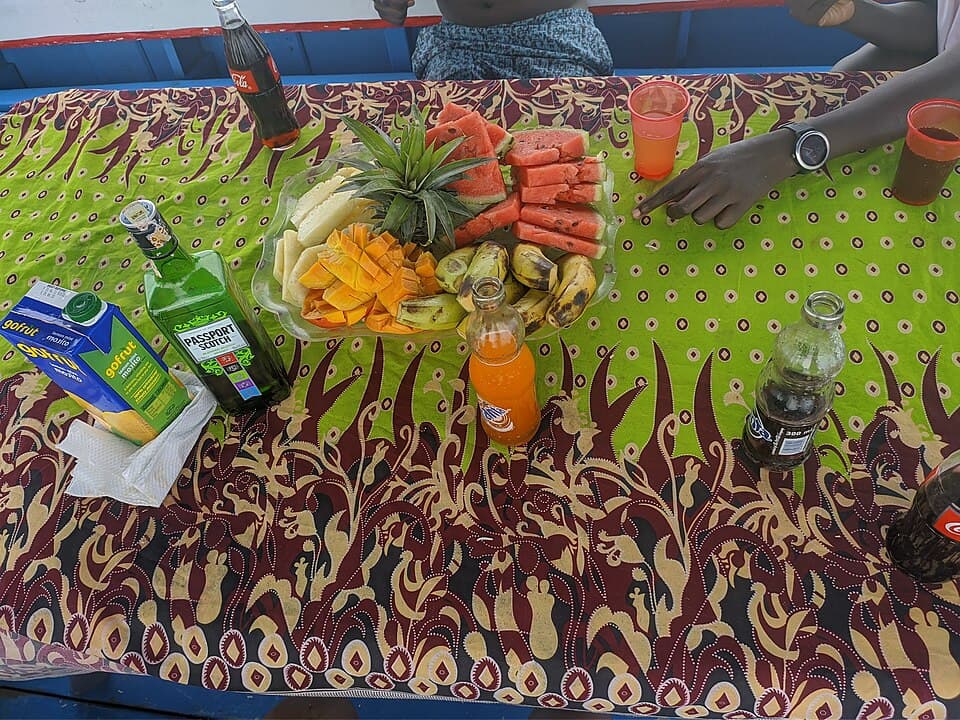
Fresh Fruit Juices
Passionfruit, guava, soursop, golden apple, and other tropical fruits pressed fresh. The island grows enough fruit that these are easy to find.
Cocoa Tea
A hot drink made from local cocoa sticks (dried cocoa paste), grated and boiled with milk and spices. A breakfast staple.
Frequently Asked Questions
Essential information about food and dining in Dominica.
What is the national dish of Dominica?
Dominica's most iconic dishes include Callaloo Soup, Crab Backs, Titiwi Ackra. Dominica's national dish since 2013. A leafy soup built on young dasheen leaves (taro) simmered in coconut milk, with yams, peppers, onions, salted meat or land crab, green bananas, and cornmeal dumplings added in. During the October Creole season it comes with land crab. Filling, and about as close to the heart of Dominican cooking as you can get.
Is street food safe in Dominica?
Street food in Dominica can be enjoyed safely by following these guidelines: Mountain chicken (crapaud) is protected. Look for busy vendors with high turnover, ensure food is cooked fresh and served hot, and avoid raw ingredients if you have a sensitive stomach.
What are the best restaurants in Dominica?
Dominica offers diverse dining options from street food stalls to upscale restaurants. For the best experience, ask locals for recommendations, check recent reviews, and look for restaurants that specialize in regional cuisines.
Can vegetarians find food easily in Dominica?
Vegetarian options in Dominica are mediumly available. Vegetarian options available with provisions (dasheen, yams, plantains), callaloo soup, and vegetable-based Creole dishes. Pearl's Cuisine and Cornerhouse Cafe offer vegetarian lunches.. Many restaurants offer vegetarian dishes, and you'll find plant-based ingredients featured prominently in local cuisine.
What is the average cost of a meal in Dominica?
Meal costs in Dominica depend on where you eat. Street food and casual local restaurants are very affordable, typically offering complete meals for a few dollars. Mid-range restaurants charge moderate prices, while fine dining establishments are comparably priced to Western countries.
What are common food allergens in Dominica?
Common allergens in Dominica cuisine include Shellfish, Coconut, Fish. Land crab, lobster, and other shellfish feature prominently in Dominican cuisine. These ingredients appear in dishes like Callaloo soup with crab, Crab backs. Always inform restaurant staff about your allergies.
When is the best time to visit Dominica for food?
Dominica offers great food experiences throughout the year. However, visiting during harvest seasons (typically spring and autumn) provides access to the freshest local ingredients. Food festivals and cultural celebrations also offer unique culinary experiences worth planning around.