
North Korea Food Guide
Content Information
Recently updated🔥Current Food Trends 2026
What's happening in North Korea's culinary scene right now
North Korean food still goes its own way in 2026, distinct from the South: lighter seasoning, less heat, and a noticeably more sour edge. Tourist access to the DPRK stays tightly controlled, and most meals happen at state-approved restaurants on a fixed itinerary. Pyongyang cold noodles, or naengmyeon, remain the dish the country is best known for, with buckwheat versions from the capital and potato-starch versions from outlying regions. The kimchi tastes different too. North Korean kimchi runs paler, milder, and tangier, partly because chilies are harder to come by and the fermentation methods differ. Rice and noodles are the everyday base. Pork is the meat people eat most, with rabbit and goat filling in. Through winter, when fresh produce thins out, households lean on preserved vegetables and stored kimchi. Soy sauce, garlic, ginger, bean paste, and sesame oil carry most of the flavor. Regional dishes signal local pride: Taedong River gray mullet soup, or sungeo-guk, in Pyongyang, and Kaesong's elaborately wrapped bossam kimchi. Street food turns up in odd corners too, like Nampo's clams cooked over burning petrol. Long noodles stand for long life and show up at weddings. For visitors, dining means showcase restaurants and traditional dishes, with what's actually served shifting by season and politics. Food preparation and presentation still carry real cultural weight despite the country's economic strain.
Food Safety Tips
Essential food safety information to help you enjoy North Korea's cuisine safely and confidently.
Only drink bottled or boiled water
Tap water is not safe to drink. Stick to bottled water, or water boiled for at least a minute. Skip ice in drinks unless you know it was made from purified water.
Eat at state-approved tourist restaurants
Tourists are taken to designated restaurants, where food safety standards are generally kept up. The trade-off is that the options are limited and chosen for you by your guides.
Limited street food access for tourists
Tourists rarely get access to street food. Meals come through designated restaurants as part of the organized tour, and eating on your own is not permitted.
Be cautious with temperature-sensitive foods
Refrigeration can be unreliable once you leave the major hotels. Steer clear of raw or undercooked food and stick to dishes served hot and freshly cooked.
Dietary Options
vegetarian
LOW AVAILABILITYThe food here leans heavily on meat. Vegetarian meals are limited but can be arranged if you give your tour operator advance notice. Temple food and vegetable-based kimchi exist, though they sit outside the everyday diet.
vegan
VERY LOW AVAILABILITYVegan eating is very hard here. Traditional dishes routinely include fish sauce, meat broth, or seafood, so any vegan requirements need to be worked out well ahead of time through your tour operator.
gluten-free
LOW AVAILABILITYRice dishes are everywhere, so a few naturally gluten-free options exist. The catch is that soy sauce and wheat noodles show up constantly, and awareness of gluten as a concern is minimal.
Common Allergens
Soy
HIGH PREVALENCESoy sauce, soybean paste, and tofu sit at the heart of Korean cooking
COMMONLY FOUND IN:
Seafood
HIGH PREVALENCEFish sauce, dried seafood, and fresh fish turn up in many dishes
COMMONLY FOUND IN:
Gluten
HIGH PREVALENCEWheat noodles and wheat products are everyday staples
COMMONLY FOUND IN:
Sesame
MEDIUM PREVALENCESesame oil and seeds get used widely for flavor
COMMONLY FOUND IN:
Essential Food Experiences
These iconic dishes represent the must-have culinary experiences that define North Korea's food culture for travelers.
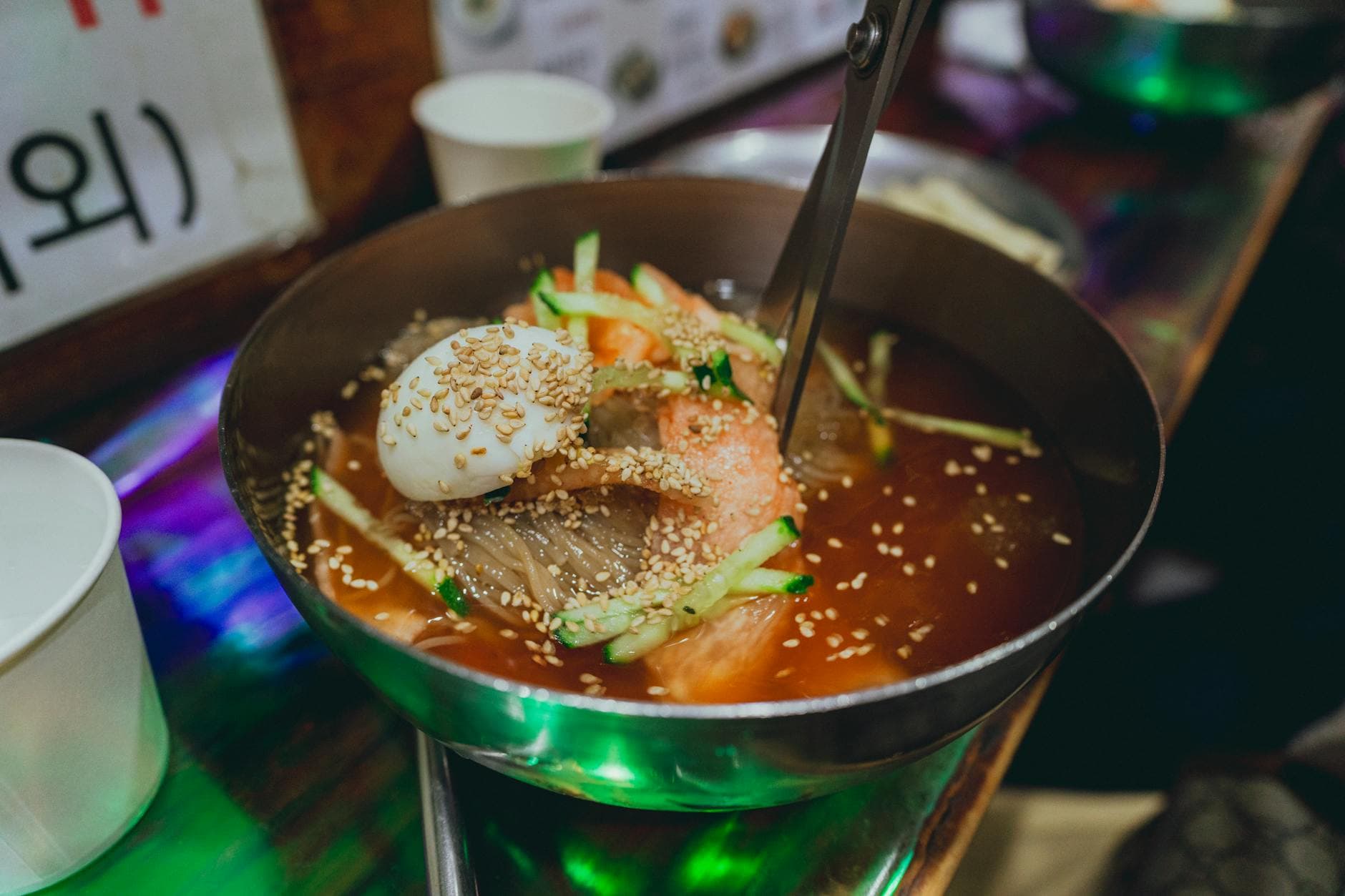
Pyongyang Naengmyeon
North Korea's signature dish: cold buckwheat noodles in chilled broth, topped with sliced meat, vegetables, and half a boiled egg. People eat it most in summer. The noodles are made fresh, and the broth runs light and tangy, with less heat than the South Korean version.
Hamheung Naengmyeon
A spicier take on cold noodles from Hamheung, the country's second-largest city, using potato-starch noodles rather than buckwheat. It comes coated in a hot sauce and topped with raw marinated fish, skate among them.
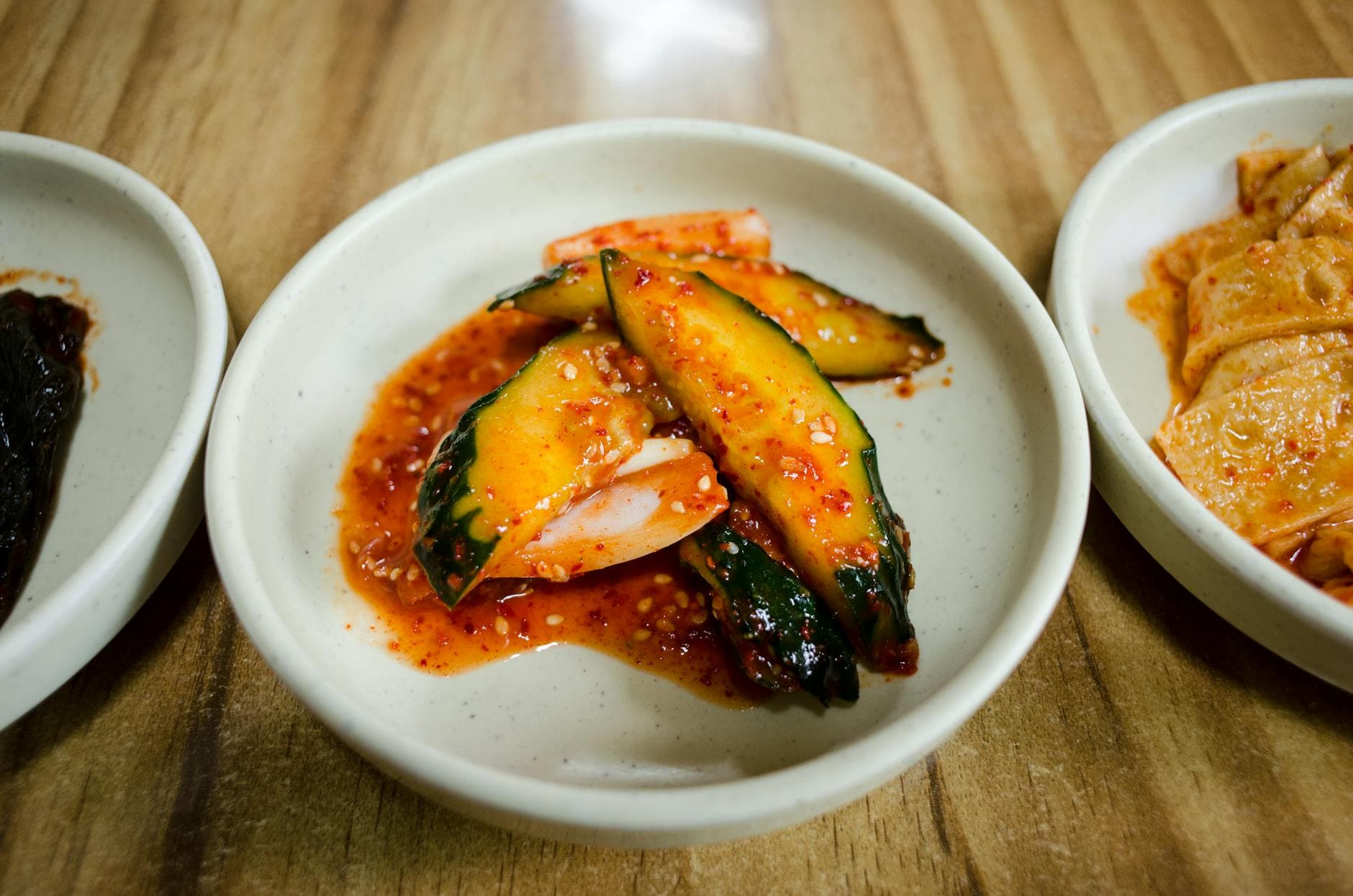
North Korean Kimchi
Set apart from the South Korean kind by its paler color, milder heat, and tangier taste. The base is napa cabbage, radish, and seasonings. Mul kimchi, the water kimchi, is a favorite for how cooling and refreshing it is.
Sungeo-guk
A gray mullet soup made from fish caught in Pyongyang's Taedong River. It is treated as a dinner delicacy, the mullet prized for its flavor, and you find it only in Pyongyang.
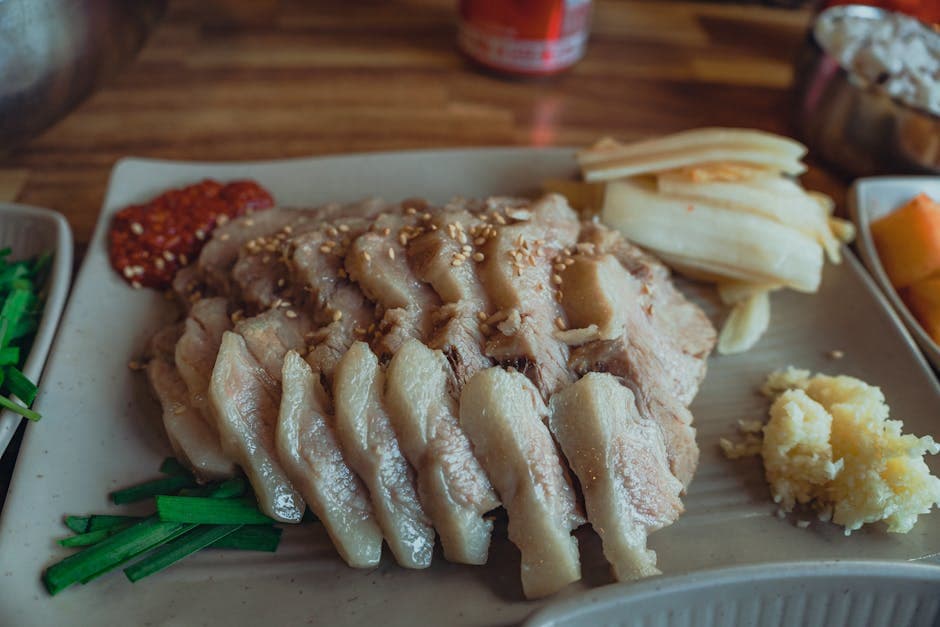
Bossam Kimchi
A Kaesong specialty: spiced cabbage leaves folded around sliced pine nuts, apples, and pears. At the table the top is cut in a cross so the bundle opens up neatly. It looks as good as it tastes.

Injo Kogi
Sausages built from soybeans and a handful of other ingredients, a way of getting protein onto the plate when resources are tight. The related injo kogi bap is cooked rice wrapped in the leftover skin from soybean paste.

Japchae
Sweet potato glass noodles stir-fried with vegetables, sometimes with meat added, seasoned with soy sauce and sesame oil. The North Korean version comes out less sweet than the South Korean one.
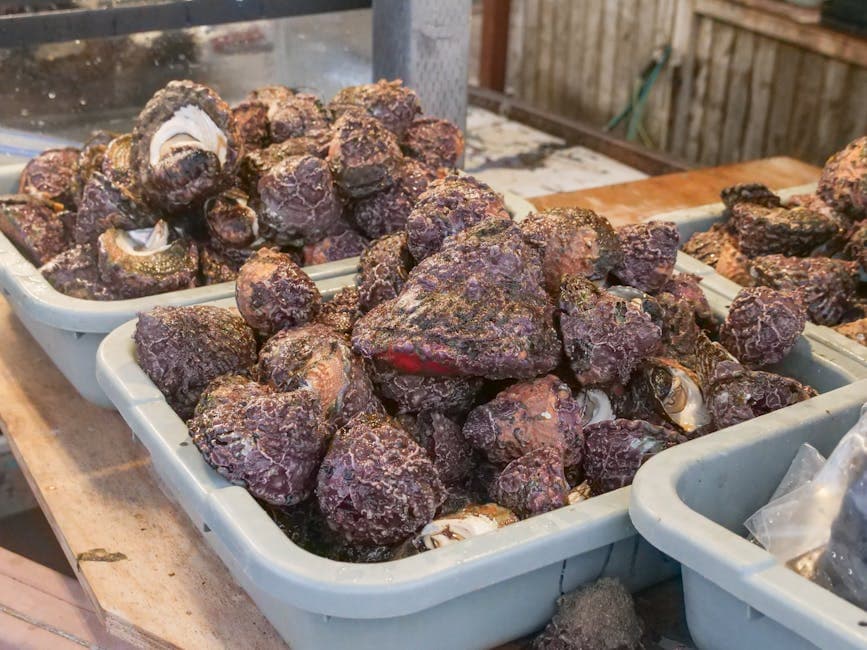
Namp'o Clam Barbecue
A street food specific to Nampo. Clams get doused in petrol and lit, left to burn for five to ten minutes. The cooking is half the show.

Korean Rice
Short-grain white rice is the staple, on the table at nearly every meal. When rice runs short it gets stretched with other grains such as barley or millet.
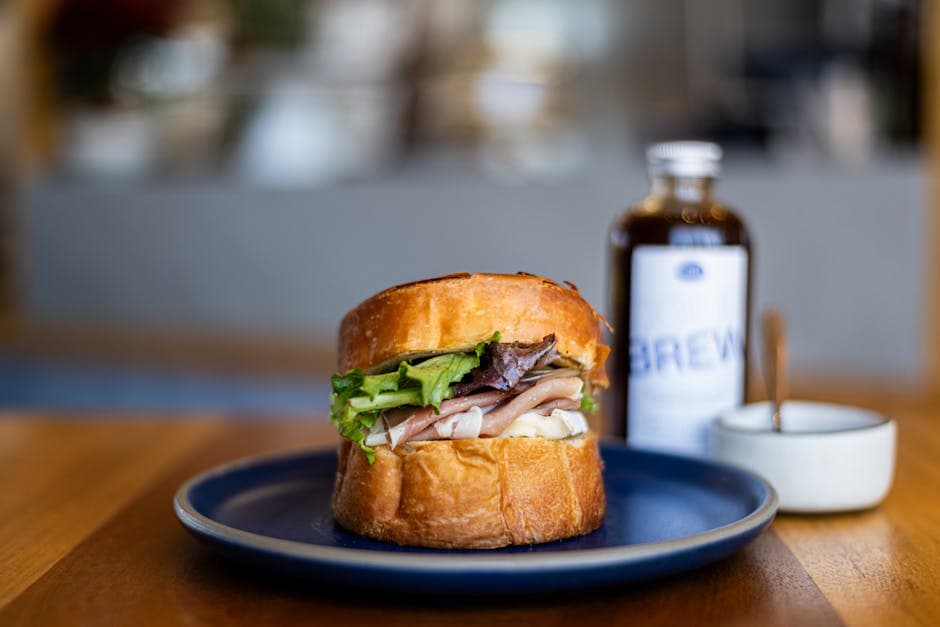
Pork Dishes
Pork is the meat eaten most across North Korea, turning up grilled, in stews, or folded into mixed dishes. The usual seasonings are garlic, ginger, and soy sauce.
Regional Specialties & Local Favorites
Discover the authentic regional dishes and local favorites that showcase North Korea's diverse culinary traditions.

Kongbap
Rice cooked with beans, eaten often at breakfast for the protein it adds. A plain, nourishing staple.
Allergens:

Doenjang Jjigae
A soybean paste stew with vegetables, sometimes with pork or seafood thrown in. It is everyday comfort food in North Korean homes.
Allergens:
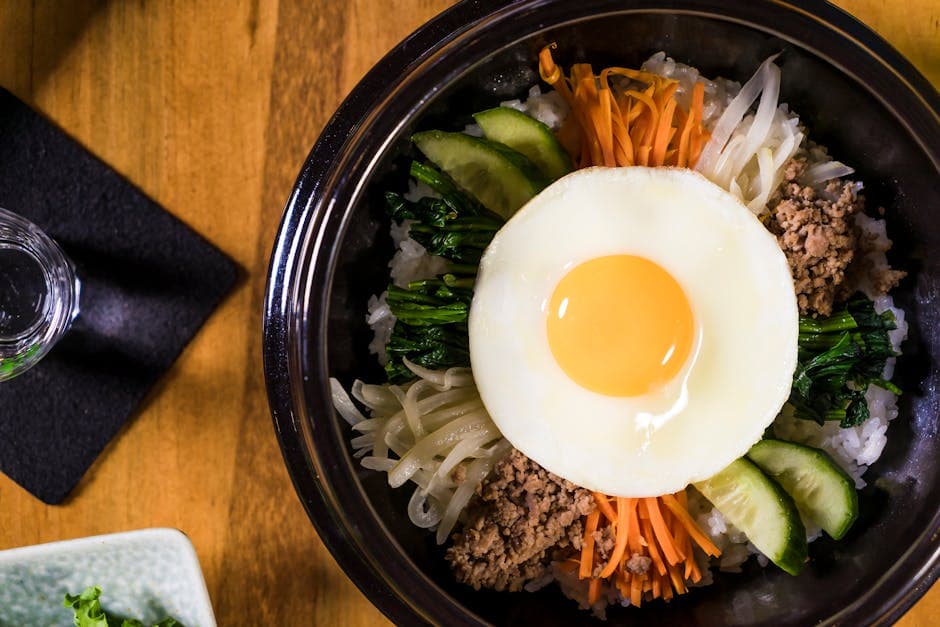
Bibimbap
A rice bowl mixed with vegetables, egg, and sometimes meat. The North Korean version is plainer than the South Korean one but still has plenty of flavor.
Allergens:
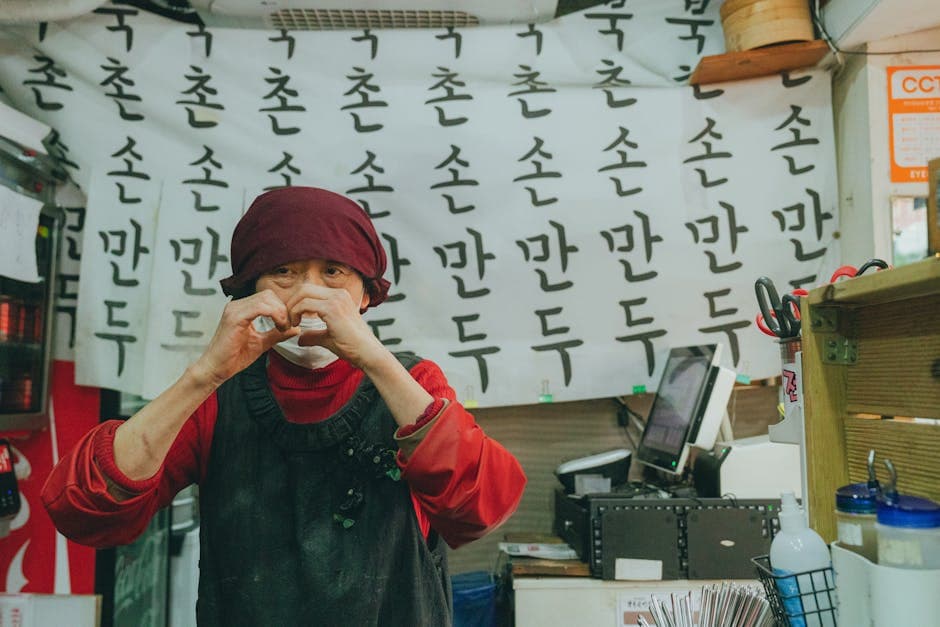
Mandu
Korean dumplings stuffed with meat and vegetables, either steamed or pan-fried. They work as a snack or as part of a larger meal.
Allergens:
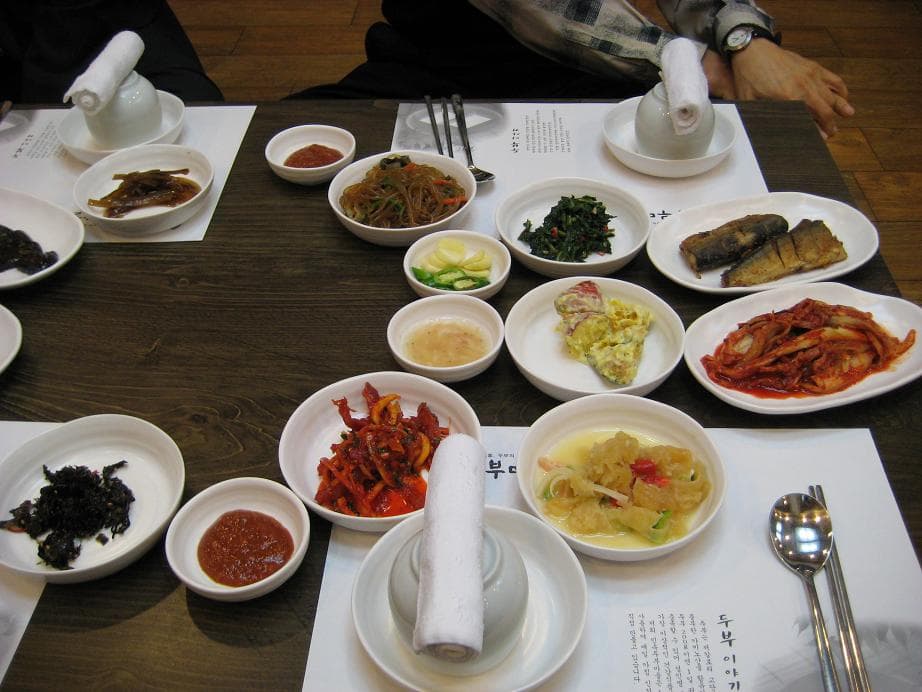
Banchan
The small side dishes that come with a meal: kimchi of different kinds, seasoned vegetables, and pickles, usually three to five of them.
Allergens:

Juk (Porridge)
Rice porridge, eaten at breakfast or when someone is under the weather. It can be plain or cooked with vegetables, seafood, or meat.

Kkaennip
Perilla leaves, used to wrap grilled meat or worked into kimchi. They taste minty with a hint of anise.
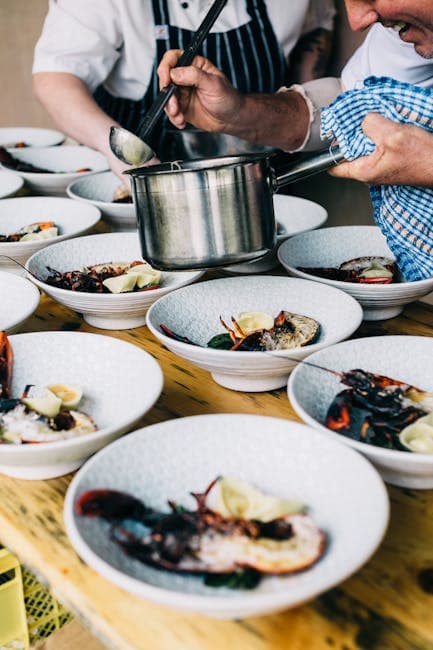
Grilled Rabbit
Rabbit gets eaten more in North Korea than in the South. It is grilled or stewed with vegetables and seasonings.
Allergens:

Mul Kimchi
A mild, refreshing kimchi swimming in its own brine. North Koreans favor it for how cooling it is.
Allergens:
Regional Cuisine Highlights
Explore the diverse culinary landscapes across different regions of North Korea.
Pyongyang
The capital is home to Pyongyang cold noodles, the buckwheat naengmyeon the city is famous for, alongside gray mullet soup from the Taedong River. Cooking here tends toward more refined preparation.
Signature Dishes:
Key Ingredients:

Hamheung
The country's second-largest city, known for a spicier naengmyeon built on potato-starch noodles. Its hoe naengmyeon goes further, topped with raw marinated fish including skate.
Signature Dishes:
Key Ingredients:

Kaesong
A historic city known for bossam kimchi, wrapped around fruits and nuts. Its food still carries the mark of its time as an ancient capital.
Signature Dishes:
Key Ingredients:

Nampo
A coastal city best known for its petrol clam barbecue, a street food found nowhere else. Seafood takes a bigger role in the local cooking here.
Signature Dishes:
Key Ingredients:

Sweet Delights & Desserts
Indulge in North Korea's traditional sweet treats and desserts.

Yakgwa
Honey cookies of wheat flour, honey, and sesame oil, deep-fried and then soaked in syrup. They show up at celebrations and holidays.

Chapssaltteok
A chewy glutinous rice cake filled with sweet red bean paste and dusted in rice powder. Sweet, and a longtime favorite.

Sikhye
A sweet rice drink made from malted barley and cooked rice, served cold. It usually rounds off a meal as a dessert in a glass.
Traditional Beverages
Discover North Korea's traditional drinks, from locally produced spirits to regional wines.
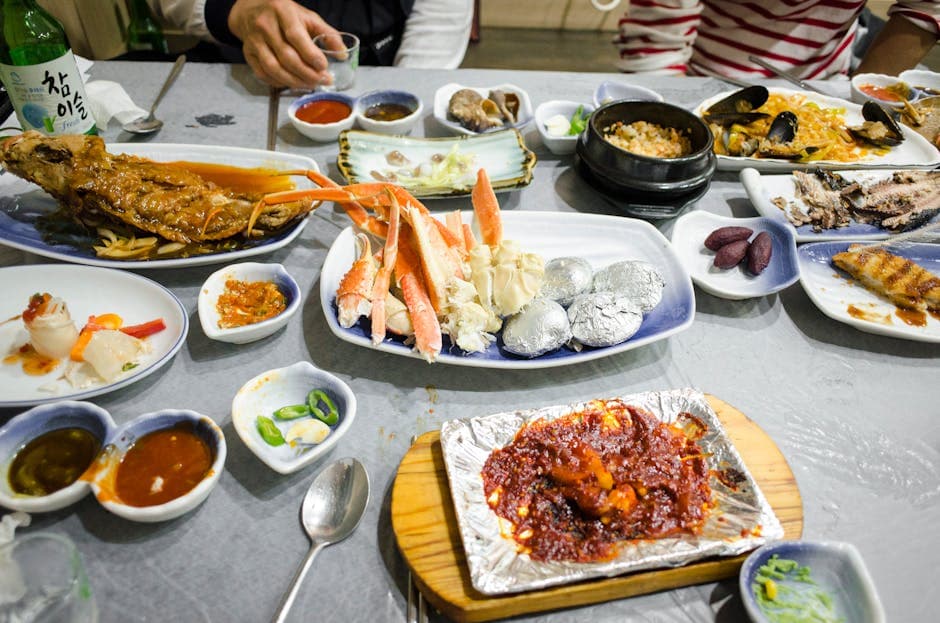
Soju
A clear spirit distilled from rice, wheat, or barley. The North Korean version usually drinks smoother and less sweet than its South Korean counterpart.
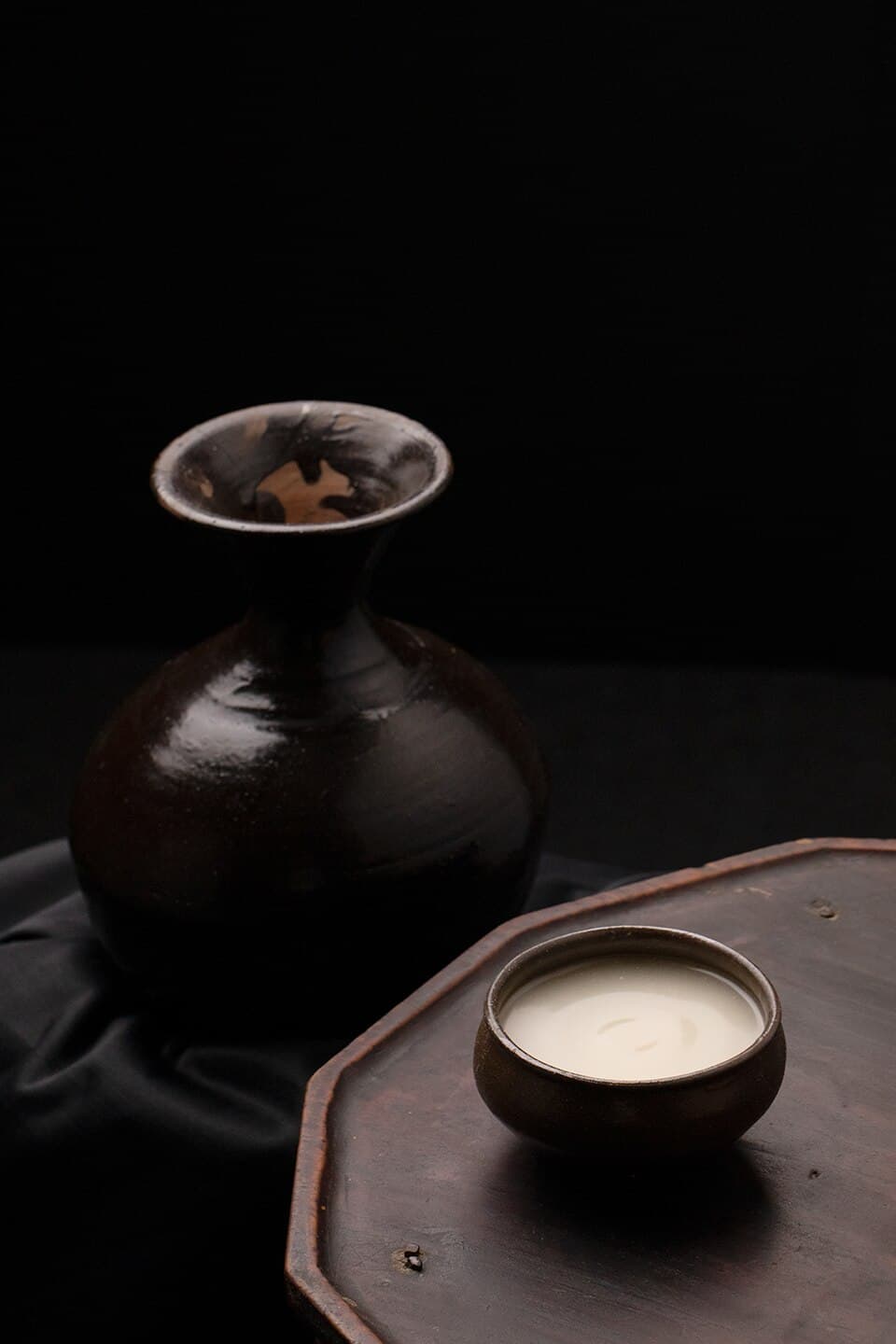
Makgeolli
A milky, lightly fizzy rice drink. This fermented brew lands somewhere between sweet and tangy.
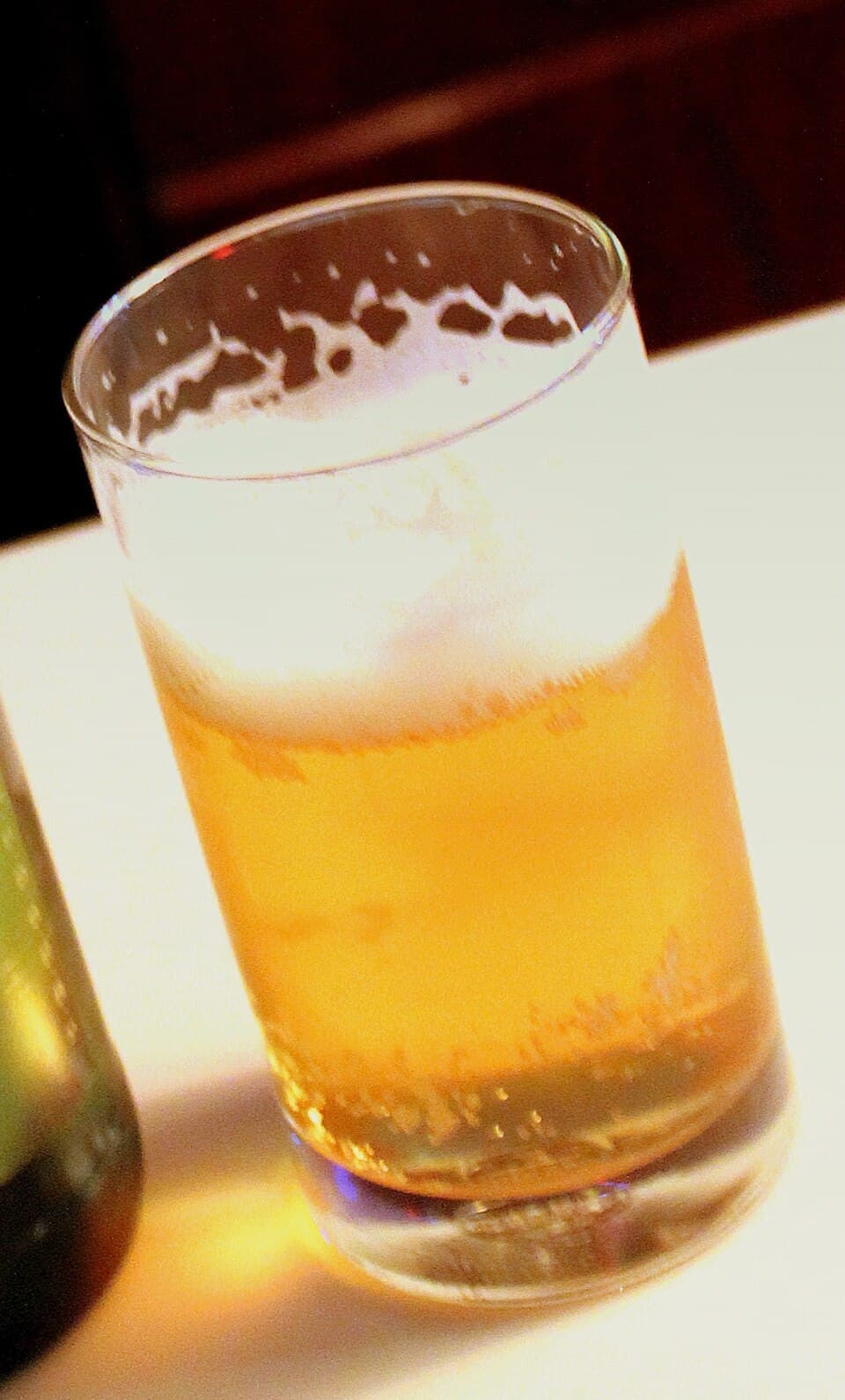
Taedonggang Beer
North Korea's best-known beer, brewed in Pyongyang. It comes in several varieties and is treated as a point of national pride.
Soft Beverages
Discover North Korea's traditional non-alcoholic drinks, from local teas to refreshing juices.

Boricha
Roasted barley tea, drunk hot or cold. It is the everyday drink in Korean homes: caffeine-free, with a faintly nutty taste.
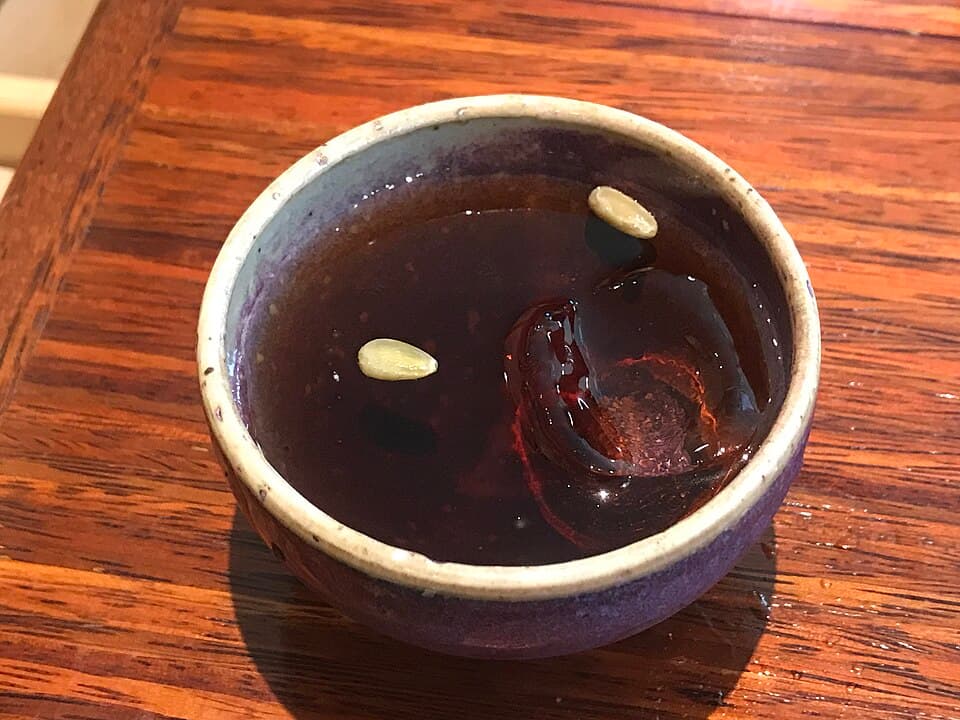
Sujeonggwa
A sweet cinnamon punch of ginger, cinnamon, and dried persimmons, served cold as a dessert drink.
Frequently Asked Questions
Essential information about food and dining in North Korea.
What is the national dish of North Korea?
North Korea's most iconic dishes include Pyongyang Naengmyeon, Hamheung Naengmyeon, North Korean Kimchi. North Korea's signature dish: cold buckwheat noodles in chilled broth, topped with sliced meat, vegetables, and half a boiled egg. People eat it most in summer. The noodles are made fresh, and the broth runs light and tangy, with less heat than the South Korean version.
Is street food safe in North Korea?
Street food in North Korea can be enjoyed safely by following these guidelines: Only drink bottled or boiled water. Look for busy vendors with high turnover, ensure food is cooked fresh and served hot, and avoid raw ingredients if you have a sensitive stomach.
What are the best restaurants in North Korea?
North Korea offers diverse dining options from street food stalls to upscale restaurants. For the best experience, ask locals for recommendations, check recent reviews, and look for restaurants that specialize in regional cuisines.
Can vegetarians find food easily in North Korea?
Vegetarian options in North Korea are lowly available. The food here leans heavily on meat. Vegetarian meals are limited but can be arranged if you give your tour operator advance notice. Temple food and vegetable-based kimchi exist, though they sit outside the everyday diet.. Many restaurants offer vegetarian dishes, and you'll find plant-based ingredients featured prominently in local cuisine.
What is the average cost of a meal in North Korea?
Meal costs in North Korea depend on where you eat. Street food and casual local restaurants are very affordable, typically offering complete meals for a few dollars. Mid-range restaurants charge moderate prices, while fine dining establishments are comparably priced to Western countries.
What are common food allergens in North Korea?
Common allergens in North Korea cuisine include Soy, Seafood, Gluten. Soy sauce, soybean paste, and tofu sit at the heart of Korean cooking. These ingredients appear in dishes like Soy sauce, Doenjang (soybean paste). Always inform restaurant staff about your allergies.
When is the best time to visit North Korea for food?
North Korea offers great food experiences throughout the year. However, visiting during harvest seasons (typically spring and autumn) provides access to the freshest local ingredients. Food festivals and cultural celebrations also offer unique culinary experiences worth planning around.