
Djibouti Food Guide
Content Information
Recently updated🔥Current Food Trends 2026
What's happening in Djibouti's culinary scene right now
Djiboutian food in 2026 still draws on Somali, Afar, Yemeni, and French cooking, with Indian spices running through much of it. In the capital, expats tend to gravitate toward places like La Chaumière, which does an Asian-French menu, and Tentazioni at the Kempinski Palace, where you eat Italian food over the bay. Skudahkharis stays mostly a special-occasion dish; you rarely see it on everyday restaurant menus, but it shows up at Eid al-Adha. Sambusa and canjeero vendors are easy to find across Djibouti City. The coast is right there, yet most people still prefer camel, goat, and lamb to fish, a holdover from pastoral life. French café and bistro habits never really left. And the nomadic past keeps the cooking leaning on dried and preserved ingredients.
Food Safety Tips
Essential food safety information to help you enjoy Djibouti's cuisine safely and confidently.
Drink only bottled water
Tap water is not safe to drink in Djibouti. Stick to bottled water for drinking and brushing your teeth, and be wary of ice in drinks.
Choose busy vendors with high turnover
Sambusas and canjeero from the street are generally fine if you buy from a stall that sells fast and cooks everything fresh and hot.
Be cautious with foods left at room temperature
Given how hot it gets in Djibouti, skip anything that has been sitting out for a while and go for food made to order.
Ensure meat is thoroughly cooked
Goat, lamb, and camel show up on most menus, so make sure your meat is cooked through and order it from a place you trust.
Dietary Options
vegetarian
LOW AVAILABILITYVegetarians have slim pickings here, since the cooking centers on meat. In city restaurants you can usually find canjeero with vegetables, plain rice dishes, and lentils.
vegan
VERY LOW AVAILABILITYVegan food is hard to come by. Meat, dairy, or ghee finds its way into most dishes. Hotel restaurants with international menus are your best bet for a few vegan plates.
gluten-free
LOW AVAILABILITYFew people here think in terms of gluten. Staples like canjeero are made with flour, though rice dishes and other naturally gluten-free foods are around if you look.
halal
HIGH AVAILABILITYNearly everything in Djibouti is halal. The country is largely Muslim and follows Islamic dietary rules.
Common Allergens
Gluten
HIGH PREVALENCEWheat flour is used extensively in breads and pastries
COMMONLY FOUND IN:
Dairy
MEDIUM PREVALENCEDairy products appear in traditional dishes and beverages
COMMONLY FOUND IN:
Sesame
MEDIUM PREVALENCESesame seeds and tahini used in various preparations
COMMONLY FOUND IN:
Chili Peppers
HIGH PREVALENCEHot green chili peppers are common in Djiboutian cuisine
COMMONLY FOUND IN:
Essential Food Experiences
These iconic dishes represent the must-have culinary experiences that define Djibouti's food culture for travelers.

Skudahkharis
Djibouti's national dish: spiced rice with lamb, built on cardamom, cumin, cayenne, cinnamon, cloves, tomatoes, onions, and garlic. People usually make it for Eid al-Adha. The spicing owes something to Ayurvedic tradition. Cooks sometimes swap in chicken, beef, or fish. It's reserved for special occasions and rarely turns up on a regular restaurant menu.

Fah-Fah
A staple Djiboutian stew of goat (sometimes camel or lamb) simmered with vegetables and hot chilies. It comes with canjeero for mopping up the sauce, and turns up often during Ramadan. Spicy and filling, it speaks to the country's pastoral roots.
Canjeero (Laxoox)
A spongy flatbread much like Ethiopian injera, only a bit thicker. The batter is fermented, then cooked on a griddle. People eat it at breakfast with honey or sugar, or alongside something savory like stew. Its soft texture makes it good for scooping.

Sambusa
The local take on the samosa: triangular fried pastries filled with spiced ground meat (usually goat) or fish, onions, and vegetables, with hot green chilies in the mix. They are a fixture at Ramadan iftar, known here as afur, and often come with a spicy paneer sauce on the side.

Mukbassa
A Yemeni-style fish dish that owes everything to Djibouti's Red Sea coast. The fish is cooked whole with aromatic spices and plated with spicy sauces and a banana paste drizzled with honey. That sweet-and-savory pairing is what sets it apart.

Lahoh
A Somali-Djiboutian pancake bread, its surface pocked with bubbles from the fermented batter. People eat it at breakfast or with stews, often topped with ghee, honey, or something savory.

Yetakelt W'et
An Ethiopian-influenced vegetable stew of carrots, potatoes, green beans, and cabbage in a spiced sauce. It is one of the rare vegetarian dishes in a kitchen that otherwise runs on meat.
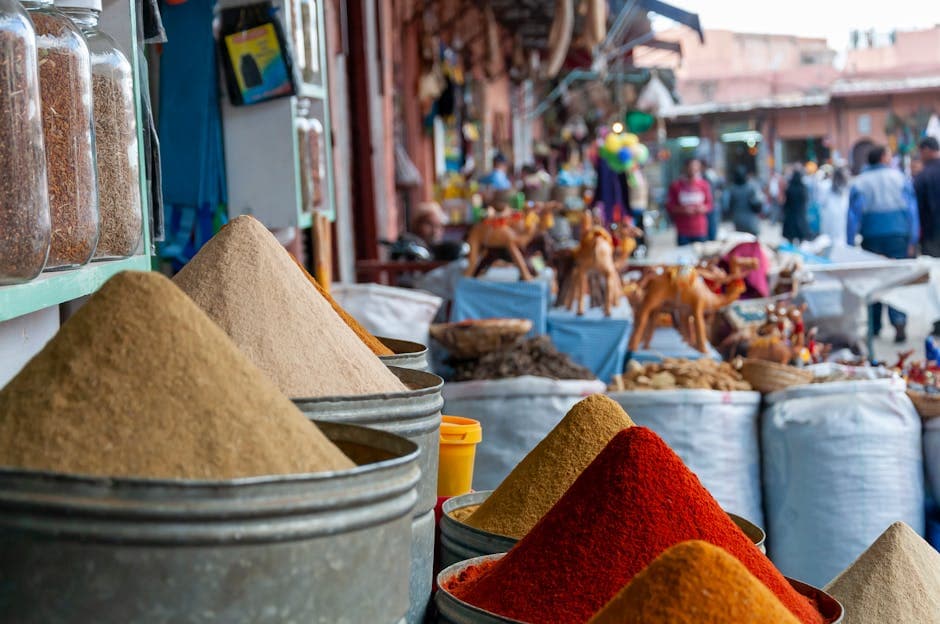
Camel Meat Dishes
Camel meat carries real prestige in Djibouti, a legacy of pastoral life. It gets stewed, grilled, or dried, comes out leaner than beef, and has a flavor all its own. It often appears at special occasions.
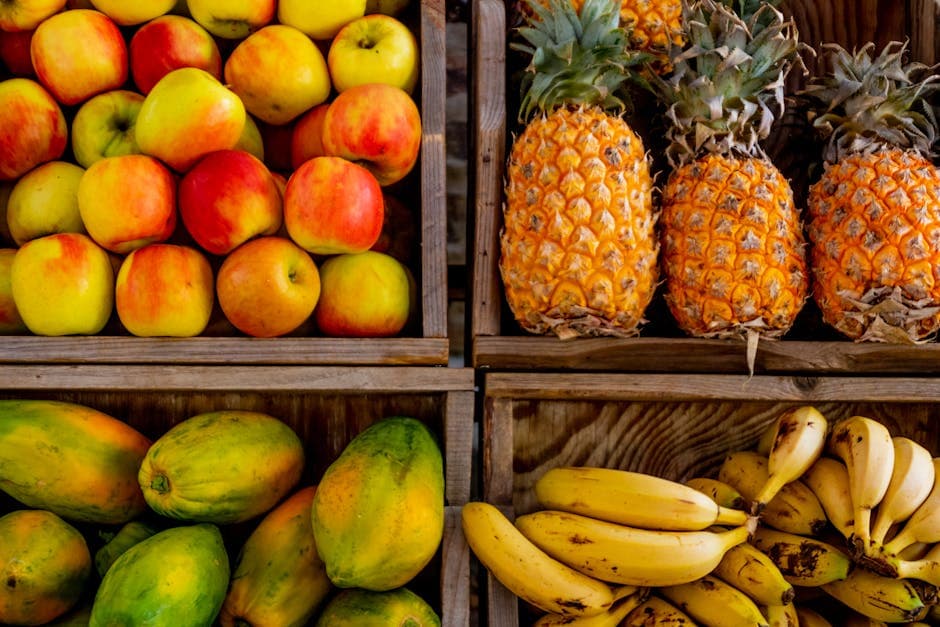
Banana Fritters
Slices of banana dipped in spiced batter and deep-fried, sold as a sweet snack. Vendors all over Djibouti City do a steady afternoon trade in them.

Xalwo (Halwa)
A sweet made from sugar, cornstarch, ghee, and cardamom, usually with nuts folded in. The texture is dense and gelatinous. It is brought out for celebrations and offered to guests on arrival, and it shows both Arab and Indian influence.
Regional Specialties & Local Favorites
Discover the authentic regional dishes and local favorites that showcase Djibouti's diverse culinary traditions.
Grilled Fish
Locals lean toward meat, but coastal vendors still grill fresh Red Sea fish over charcoal with a few spices. The plain treatment lets the catch speak for itself.
Allergens:
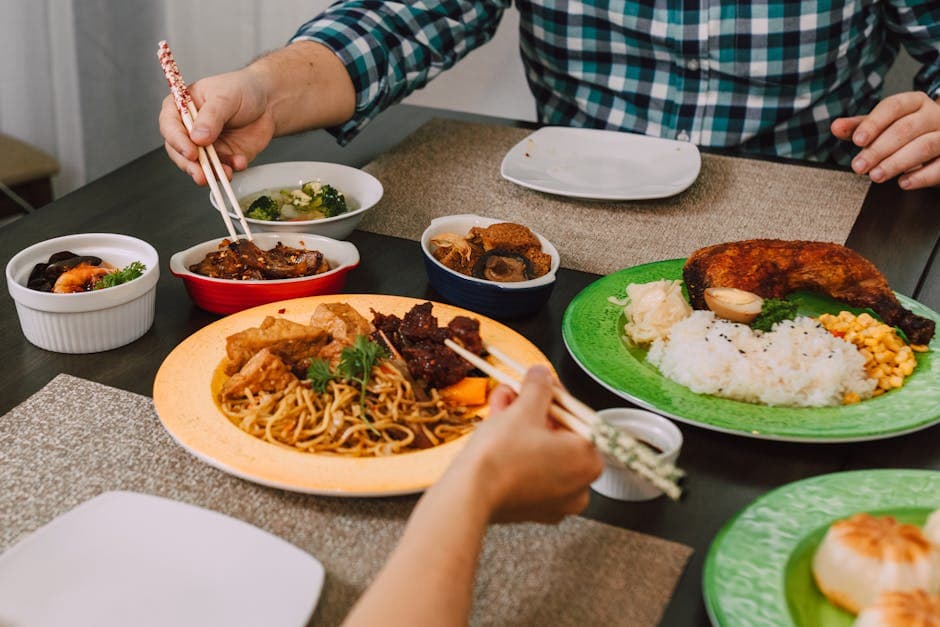
Rice and Meat
An everyday plate of spiced rice with goat, lamb, or camel. You will find it in plenty of homes and casual eateries.

Sabayad
A layered flatbread close to paratha, brushed with ghee and cooked on a griddle. People eat it at breakfast or with stews.
Allergens:

Maraq
A Somali-style soup of vegetables, meat, and spices. It runs lighter than fah-fah and usually shows up at lunch or dinner.

Oodkac
Dried meat, usually goat or camel, a holdover from nomadic ways of preserving food. It travels well and packs plenty of protein.

Muufo
A cornbread-like flatbread of cornmeal, occasionally cut with wheat flour. It is denser than canjeero and goes with stews.
Allergens:

Bariis Iskukaris
A spiced rice dish with raisins and onions. It is a festive plate, related to skudahkharis but more straightforward to make.

Suqaar
Diced goat, camel, or lamb sautéed with vegetables, onions, and spices. It cooks fast, which is part of why it gets made so often.
Regional Cuisine Highlights
Explore the diverse culinary landscapes across different regions of Djibouti.
Djibouti City
The capital pulls together Somali, Afar, Yemeni, and French cooking. It has upscale rooms like La Chaumière, the Asian-French place on Place Menelik, and Tentazioni at the Kempinski Palace, where the Italian menu comes with sea views. Out on the street, vendors sell sambusas and canjeero, and a sizable expat community keeps a range of international food in business.
Cultural Significance:
The food in the capital shows where Djibouti sits, at the meeting point of Africa, Arabia, and the Indian Ocean trade routes. French colonial habits live on in the café and bistro scene. And even on the coast, the old pastoral taste for meat wins out over seafood.
Signature Dishes:
- Skudahkharis
- Fah-fah
- Sambusas
- Canjeero
Key Ingredients:
Afar Region
The nomadic Afar lean on preserved and dried foods that hold up in the desert. Camel milk and meat sit at the center of the diet, and the cooking stays simple to suit a life on the move.
Cultural Significance:
Afar cooking keeps old nomadic traditions alive, shaped by a harsh desert. The methods are built around carrying food and keeping it without a fridge.
Signature Dishes:
- Dried camel meat
- Fermented camel milk
- Simple stews
Key Ingredients:
Tadjoura
An old Red Sea port marked by Arab and Yemeni influence. Seafood matters more here than inland, and the old houses still cook in long-standing ways.
Cultural Significance:
Tadjoura's years as a dhow trading port brought Yemeni cooking with it. It is one of the few parts of Djibouti where seafood holds a real place in the everyday diet.
Signature Dishes:
- Grilled fish
- Seafood stews
- Yemeni-style dishes
Key Ingredients:
Sweet Delights & Desserts
Indulge in Djibouti's traditional sweet treats and desserts.
Xalwo (Halwa)
A sweet of sugar, cornstarch, cardamom, and ghee, often studded with nuts, with a dense, translucent set to it. It appears at celebrations, weddings, and Eid, and the Indian influence is clear.

Kac Kac
Crunchy fried dough cookies rolled in sugar or honey. They are a Ramadan and celebration snack, made from little more than flour, oil, and sugar.

Doolshe
A sweet pastry made with dates and spices, an Arab thread in Djiboutian baking. It usually comes with tea.
Traditional Beverages
Discover Djibouti's traditional drinks, from locally produced spirits to regional wines.

Traditional Tea
Spiced tea with cardamom, cinnamon, and cloves, usually sweetened. Offering it is part of how people show hospitality here, and it is close to Somali shaah.
Soft Beverages
Discover Djibouti's traditional non-alcoholic drinks, from local teas to refreshing juices.

Shaah (Spiced Tea)
Spiced tea that owes a lot to Somali custom, brewed with cardamom, cinnamon, and sometimes ginger. It comes very sweet and hot, and no visit really starts without it.
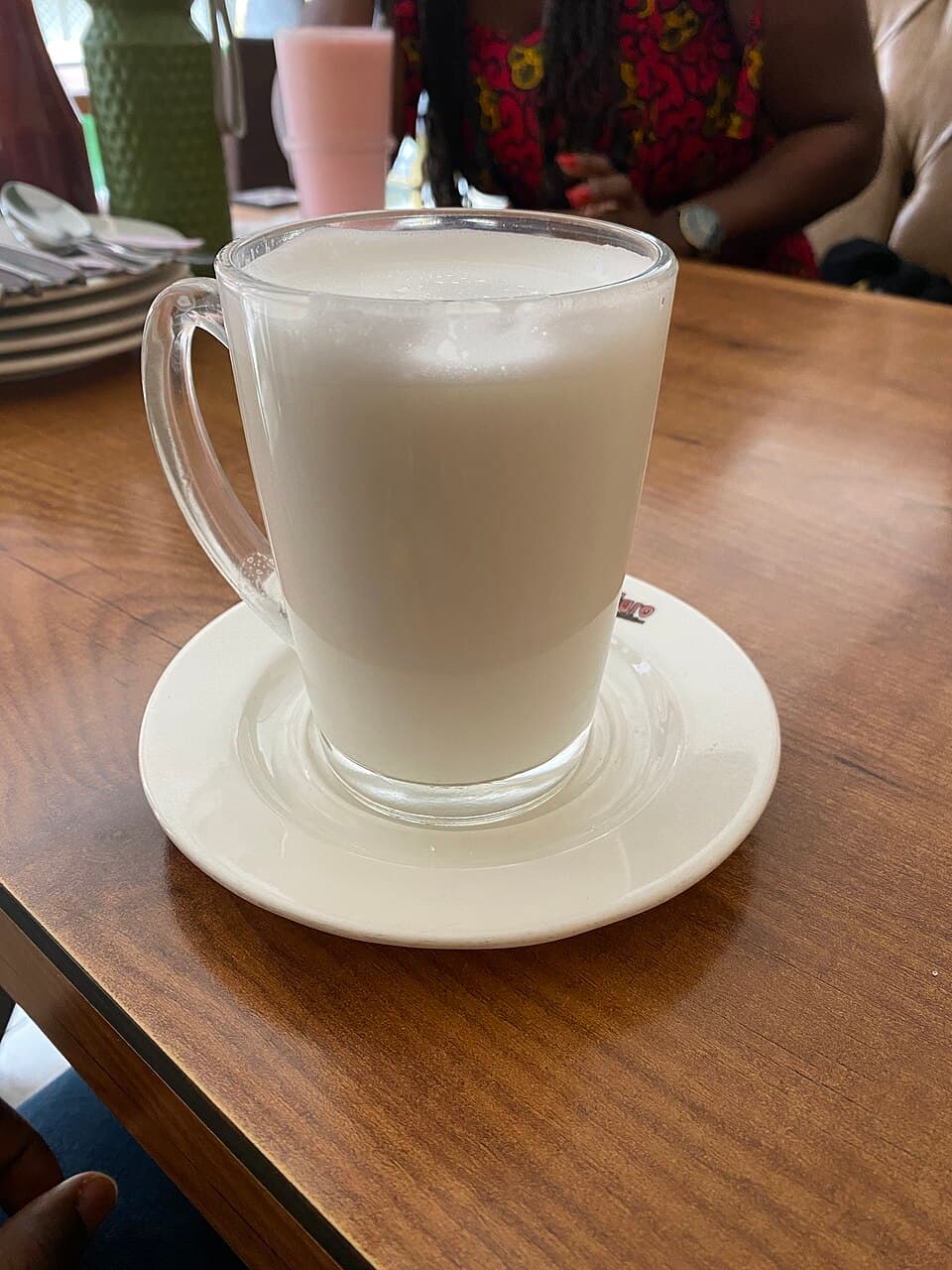
Camel Milk
Camel milk, drunk fresh or fermented, another piece of the pastoral inheritance. People take it plain or sweetened and value it for its nutrition.
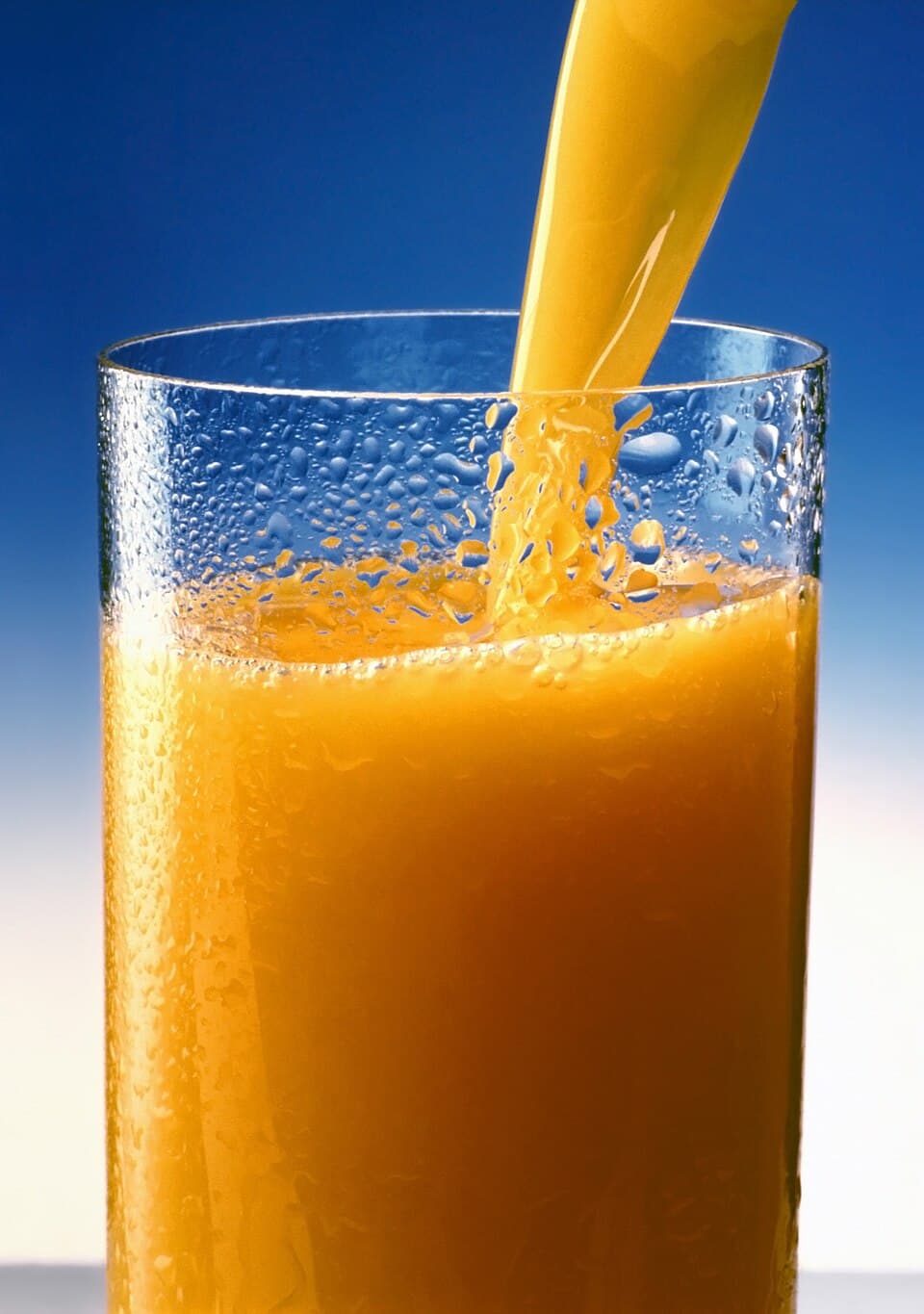
Fresh Fruit Juice
Mango, papaya, and guava juices, easy to find in town and welcome in the heat.
Frequently Asked Questions
Essential information about food and dining in Djibouti.
What is the national dish of Djibouti?
Djibouti's most iconic dishes include Skudahkharis, Fah-Fah, Canjeero (Laxoox). Djibouti's national dish: spiced rice with lamb, built on cardamom, cumin, cayenne, cinnamon, cloves, tomatoes, onions, and garlic. People usually make it for Eid al-Adha. The spicing owes something to Ayurvedic tradition. Cooks sometimes swap in chicken, beef, or fish. It's reserved for special occasions and rarely turns up on a regular restaurant menu.
Is street food safe in Djibouti?
Street food in Djibouti can be enjoyed safely by following these guidelines: Drink only bottled water. Look for busy vendors with high turnover, ensure food is cooked fresh and served hot, and avoid raw ingredients if you have a sensitive stomach.
What are the best restaurants in Djibouti?
Djibouti offers diverse dining options from street food stalls to upscale restaurants. For the best experience, ask locals for recommendations, check recent reviews, and look for restaurants that specialize in regional cuisines.
Can vegetarians find food easily in Djibouti?
Vegetarian options in Djibouti are lowly available. Vegetarians have slim pickings here, since the cooking centers on meat. In city restaurants you can usually find canjeero with vegetables, plain rice dishes, and lentils.. Many restaurants offer vegetarian dishes, and you'll find plant-based ingredients featured prominently in local cuisine.
What is the average cost of a meal in Djibouti?
Meal costs in Djibouti depend on where you eat. Street food and casual local restaurants are very affordable, typically offering complete meals for a few dollars. Mid-range restaurants charge moderate prices, while fine dining establishments are comparably priced to Western countries.
What are common food allergens in Djibouti?
Common allergens in Djibouti cuisine include Gluten, Dairy, Sesame. Wheat flour is used extensively in breads and pastries. These ingredients appear in dishes like Canjeero, Sambusas. Always inform restaurant staff about your allergies.
When is the best time to visit Djibouti for food?
Djibouti offers great food experiences throughout the year. However, visiting during harvest seasons (typically spring and autumn) provides access to the freshest local ingredients. Food festivals and cultural celebrations also offer unique culinary experiences worth planning around.