
Vanuatu Food Guide
Content Information
Recently updated🔥Current Food Trends 2026
What's happening in Vanuatu's culinary scene right now
Vanuatu cooking still leans on Pacific island traditions, with French colonial habits layered on top. Port Vila's restaurant scene has been finding its feet again since the earthquake, and newer kitchens pair local produce with imported flavors. Kava remains at the center of social life; ni-Vanuatu nakamals pour kava pressed from fresh roots and rate it the strongest in the Pacific. With coconut crab numbers under pressure, most restaurants have quietly dropped it from their menus. Lap lap varies from island to island, and Malekula's sosor method now draws particular interest. French pastries and decent coffee sit comfortably next to earth-oven cooking. Santo beef, grass-fed on Espiritu Santo, is earning a reputation well beyond the islands, while Tanna's volcanic-soil coffee is building a name as a specialty export. There is a clear pull toward local sourcing, with Port Vila Market House and Luganville Market both pushing entirely local ingredients. At Papaya Loco Cooking School, classes move between traditional dishes and fusion experiments.
Food Safety Tips
Essential food safety information to help you enjoy Vanuatu's cuisine safely and confidently.
Drink bottled or treated water
Tap water is not safe to drink across most of Vanuatu. Stick to bottled water, or treat it before drinking.
Choose busy vendors at local markets
Street food at Port Vila Market House and Luganville Market is a safe bet when the vendor is busy and the food moves fast. The women selling tuluk at the entrance to Mele village are reliable, and they are there daily.
Avoid coconut crab to protect endangered species
Most restaurants have taken coconut crab off the menu because the species is under threat. Pick a more sustainable seafood instead.
Dietary Options
vegetarian
MEDIUM AVAILABILITYVegetarians can eat well here. Simboro, coconut-based dishes and taro turn up regularly, and Port Vila's international restaurants widen the choice.
vegan
LOW AVAILABILITYVegan choices are thinner on the ground but workable, built around root vegetables, tropical fruit and coconut dishes. Spell out what you can and can't eat when you order.
gluten-free
MEDIUM AVAILABILITYPlenty of traditional dishes built on cassava, taro and yam are naturally gluten-free. The French-style breads, however, are made with wheat.
Common Allergens
Coconut
VERY HIGH PREVALENCECoconut and coconut milk are fundamental to Vanuatu cuisine
COMMONLY FOUND IN:
Shellfish
HIGH PREVALENCESeafood including crab and various shellfish are common
COMMONLY FOUND IN:
Gluten
MEDIUM PREVALENCEFrench-influenced breads and pastries contain wheat
COMMONLY FOUND IN:
Essential Food Experiences
These iconic dishes represent the must-have culinary experiences that define Vanuatu's food culture for travelers.
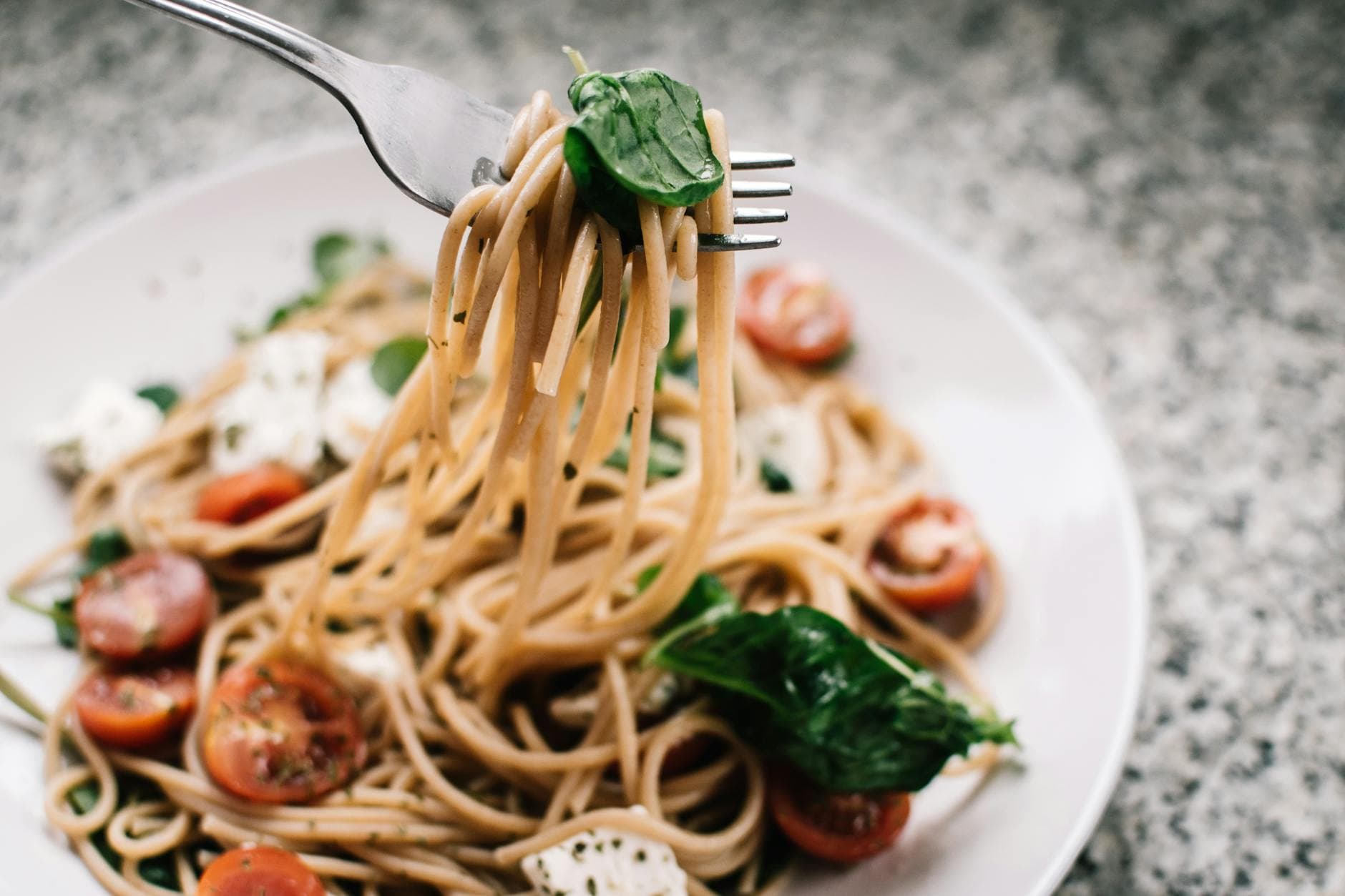
Lap Lap
Vanuatu's national dish: a baked pudding of grated yam, banana, manioc or taro worked together with coconut milk and salt, then wrapped in banana leaves and cooked in an earth oven or over hot volcanic stones. Mangoes Restaurant in Port Vila serves it.
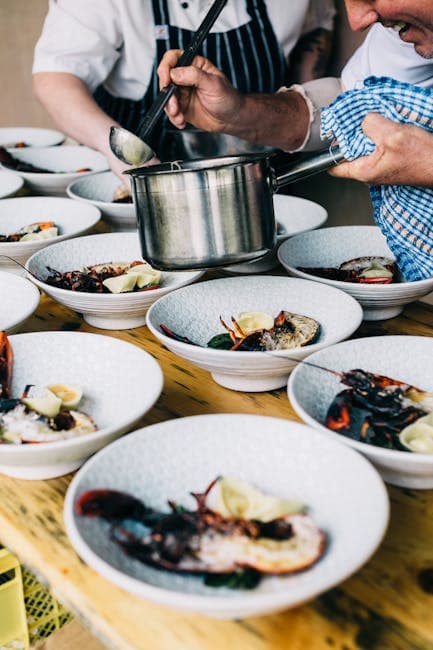
Tuluk
Grated cassava wrapped around spiced beef or pork, then steamed or baked. The casing is soft and chewy against the rich filling inside. Look for it at street stalls and markets, and at the Mele village entrance every day except Sunday.
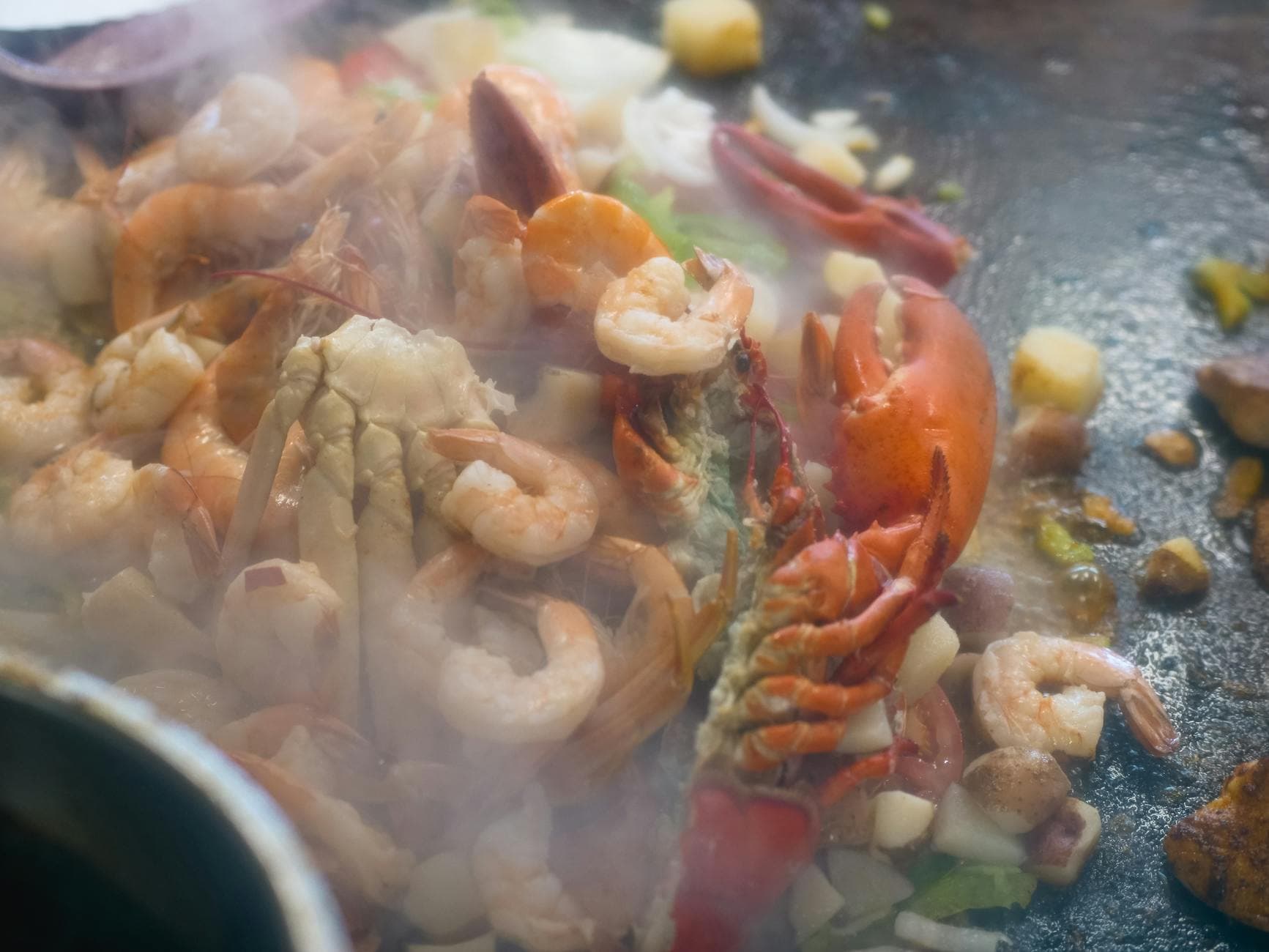
Coconut Crab
A large crustacean that feeds on coconuts, which gives the meat a sweet, nutty richness. It has a reputation as one of the best-tasting crabs anywhere, but the species is now endangered, so most restaurants no longer serve it.

Lap Lap Sosor (Malekula Style)
Malekula's take on lap lap, built around a glowing volcanic stone set in the middle of the pudding, with chicken wings, onion and tomato laid on top. Coconut milk is squeezed over the lot before it bakes.
Simboro
A traditional island dish sold at Luganville Market, made from local ingredients cooked down in coconut milk. It is a market-stall regular.
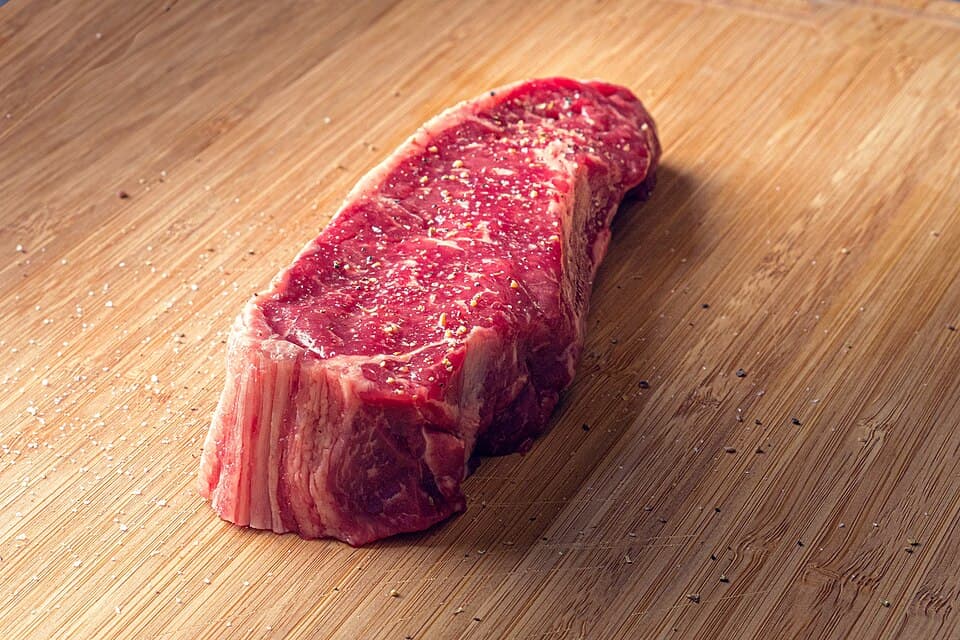
Santo Beef
Grass-fed beef from Espiritu Santo, where the cattle graze on nutrient-rich pasture that shows up in the flavor of the meat. Its quality has earned a name well beyond Vanuatu.
Fresh Coconut Pastries
Sold at markets including Luganville, these pastries put French baking technique to work with coconut and tropical fruit.
Taro Pastries
Pastries made with taro root, sweet or savory depending on the cook, common at Luganville Market and among street vendors.
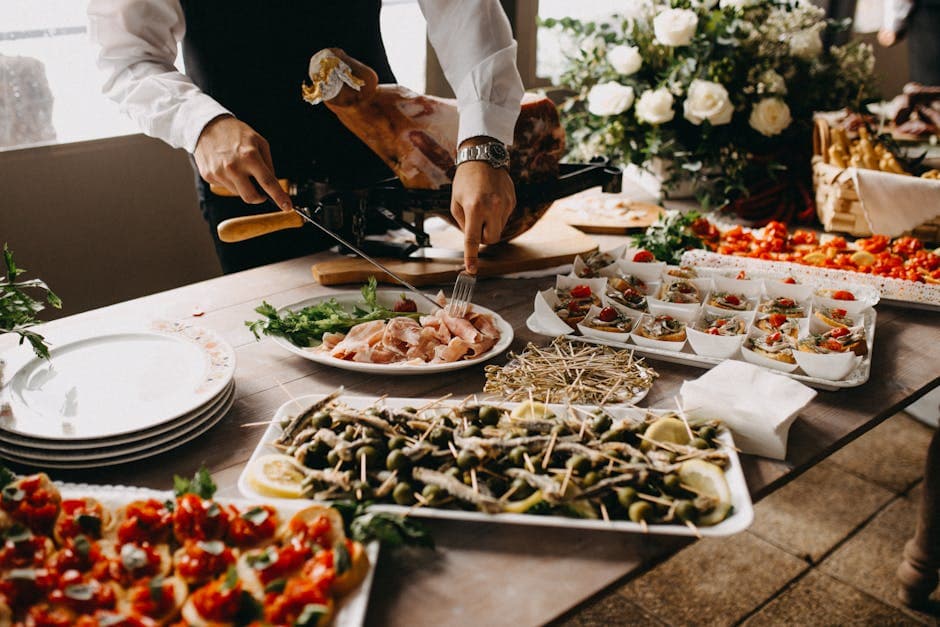
Grilled Meat Skewers
A street-food staple at the markets: grilled beef, pork or chicken seasoned with local spices. The best are at Luganville Market on Espiritu Santo.
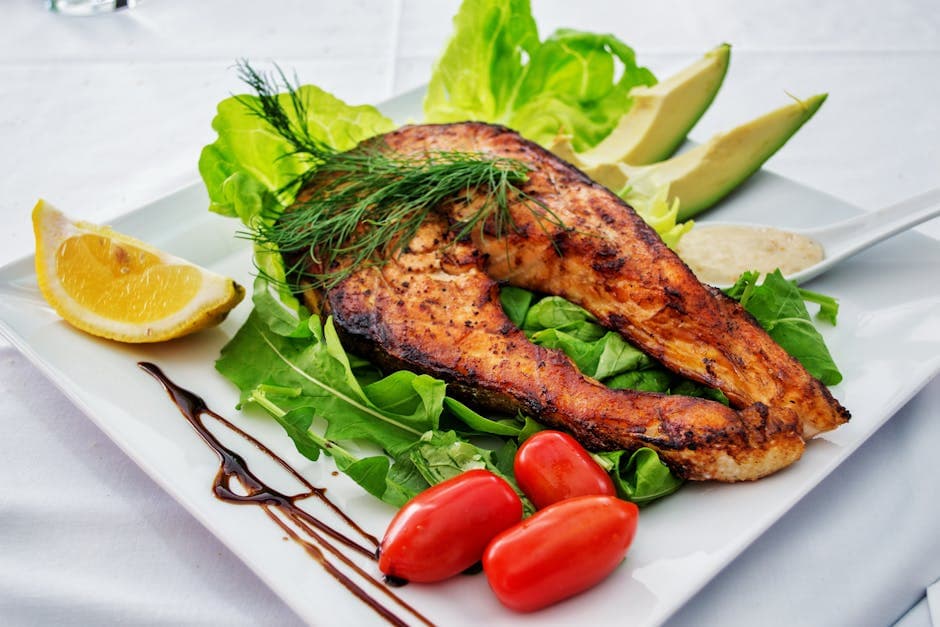
Port Olry Seafood
Lobster, crab and whatever fish came in that morning, cooked on the spot at Port Olry while you sit with your feet in the sand. The menu depends on the day's catch.
Regional Specialties & Local Favorites
Discover the authentic regional dishes and local favorites that showcase Vanuatu's diverse culinary traditions.
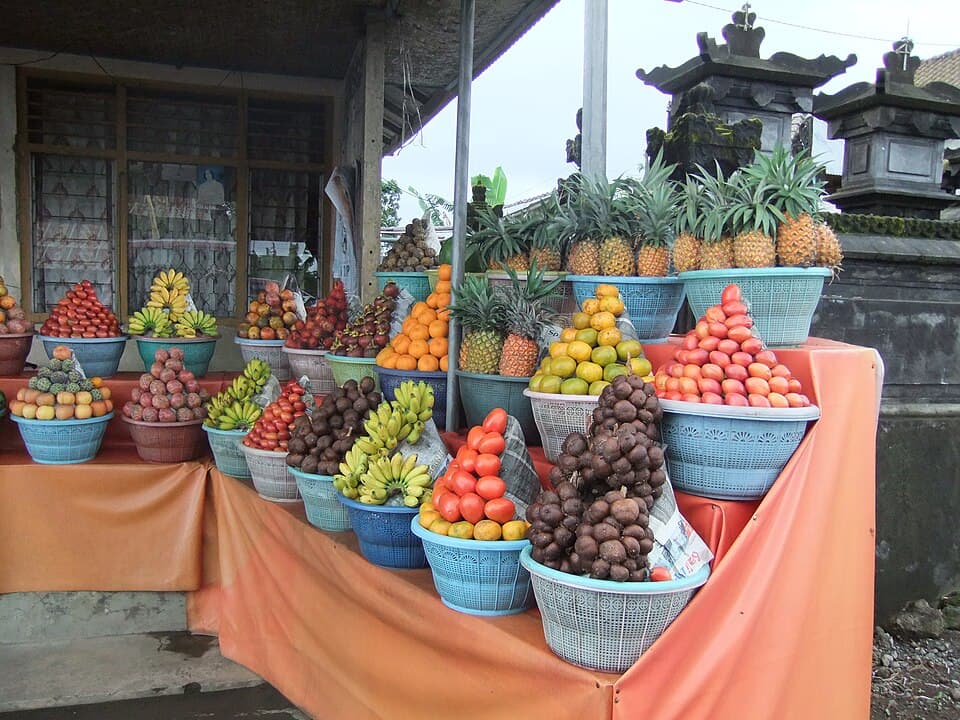
Fresh Tropical Fruits
Port Vila Market House is piled with papaya, mango, pineapple, passion fruit and bananas. Fruit like this is a daily fixture, breakfast included.
Island Fish
Freshly caught fish, grilled, steamed or simmered in coconut milk. It turns up on tables every day, straight off the coast.
Allergens:
Cassava
A root vegetable eaten boiled, baked, or grated as the base for tuluk. It is a staple on every island.
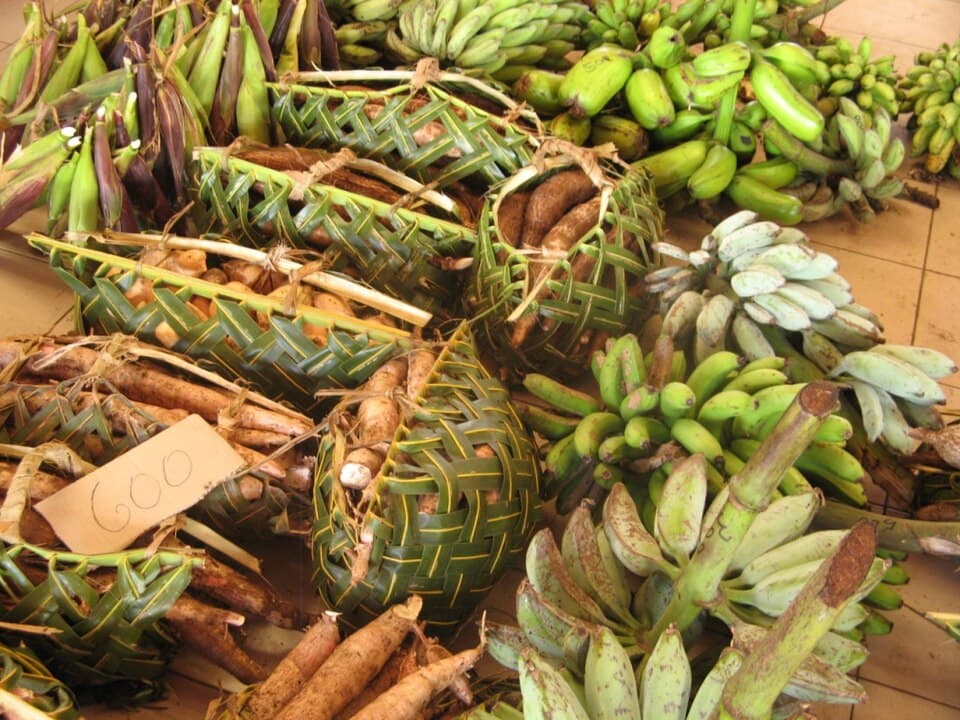
Yam
A root vegetable at the heart of island cooking, baked in earth ovens or grated into lap lap.
Coconut-Based Soups
A Tanna island idea: soups that bring together beef, chicken or seafood with fresh vegetables and coconut milk.
Allergens:
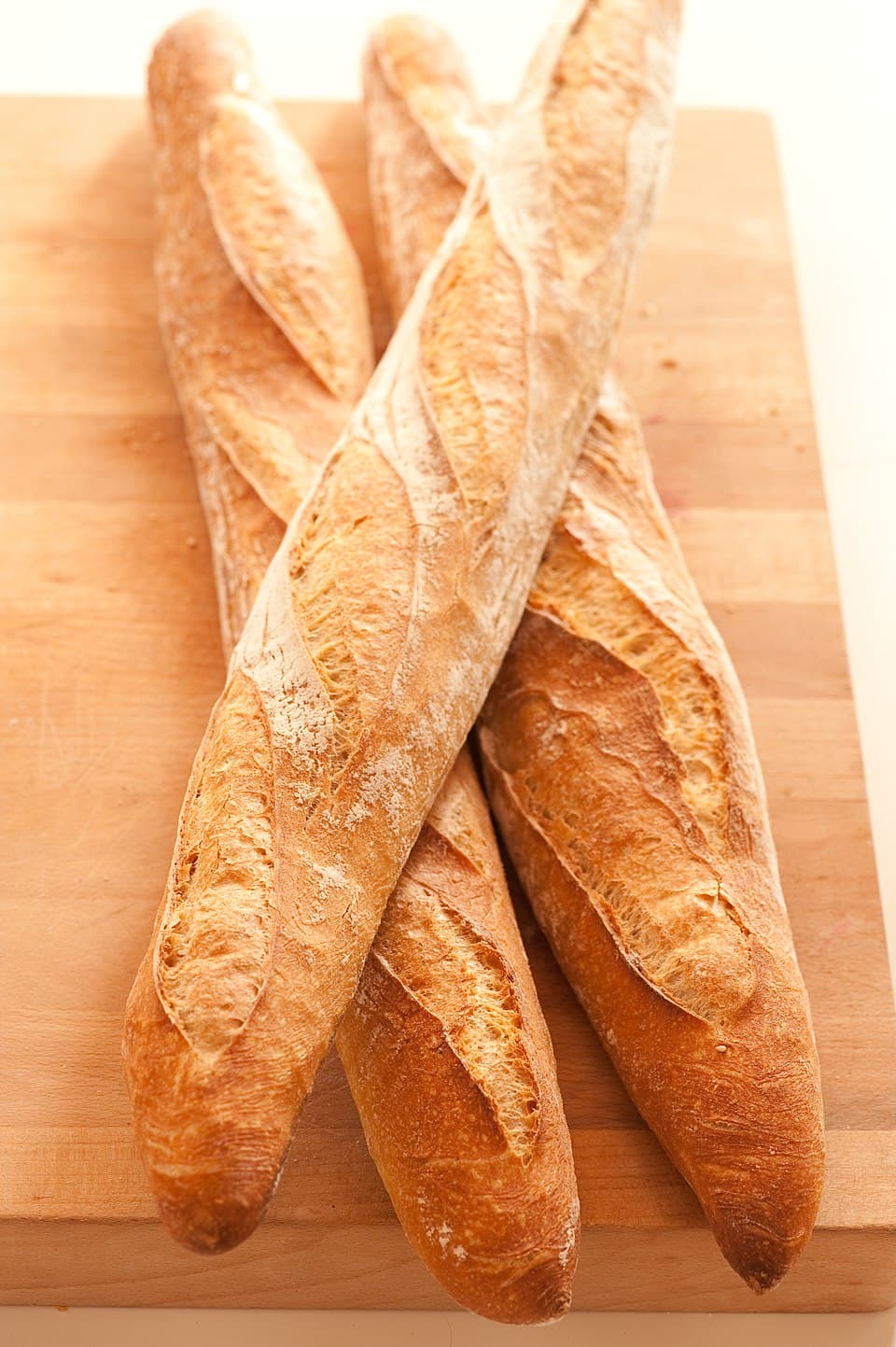
French Baguettes
A holdover from the colonial era. Fresh baguettes are baked daily in Port Vila and on the main islands, and they go well with local jams.
Allergens:
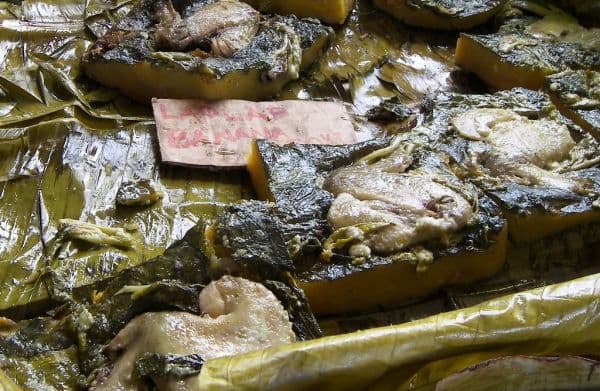
Banana Preparations
Bananas turn up baked into lap lap, fried, or served as dessert under coconut cream.
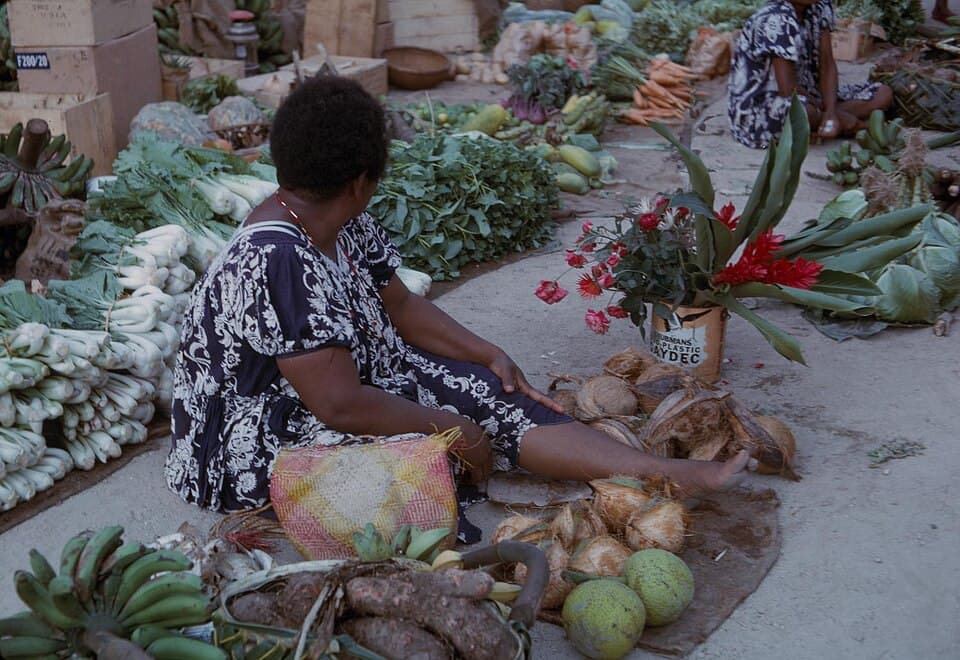
Island Vegetables
Island-grown vegetables sold at the markets, from taro leaves and local greens to a range of root vegetables.
Regional Cuisine Highlights
Explore the diverse culinary landscapes across different regions of Vanuatu.
Port Vila (Efate Island)
The capital, where traditional Melanesian cooking meets French colonial habits. The dining runs from casual spots to a handful of finer kitchens, and cooking schools such as Papaya Loco teach both traditional and fusion classes.
Signature Dishes:
Key Ingredients:
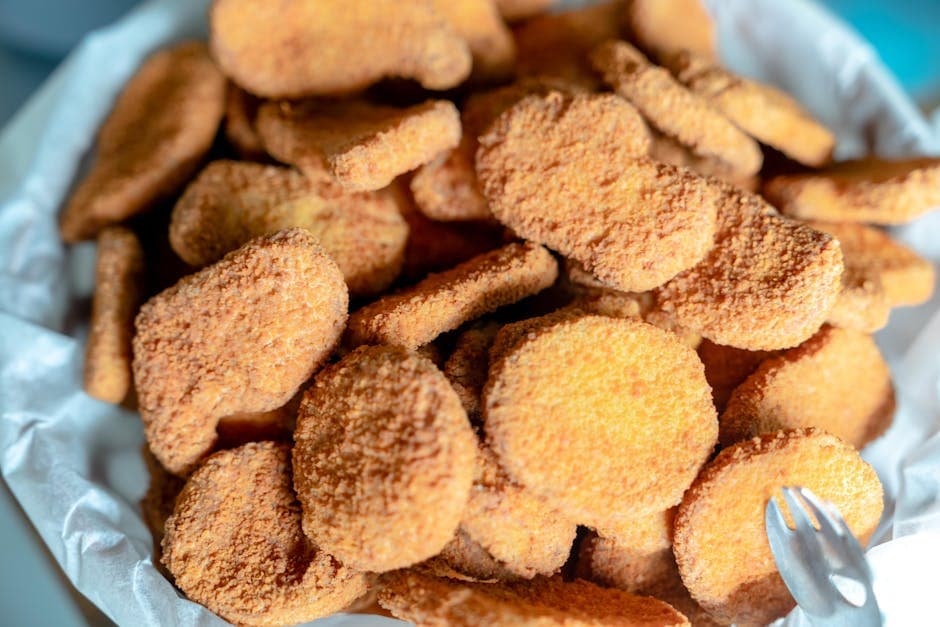
Espiritu Santo
The largest island, known for Santo beef and its seafood. Luganville Market sells street food like grilled meat skewers, fresh coconuts and simboro, while Port Olry does beachside seafood off the daily catch.
Signature Dishes:
Key Ingredients:
Malekula Island
Best known for lap lap sosor, where a hot volcanic stone is set in the center of the pudding with chicken, a cooking method that gives the dish its particular flavor.
Signature Dishes:
Key Ingredients:
Tanna Island
Known for volcanic-soil Tanna coffee and traditional coconut soups. Lenakel Market is the place to walk through island-grown produce, and the island is also a source of beef with a strong reputation.
Signature Dishes:
Key Ingredients:
Sweet Delights & Desserts
Indulge in Vanuatu's traditional sweet treats and desserts.
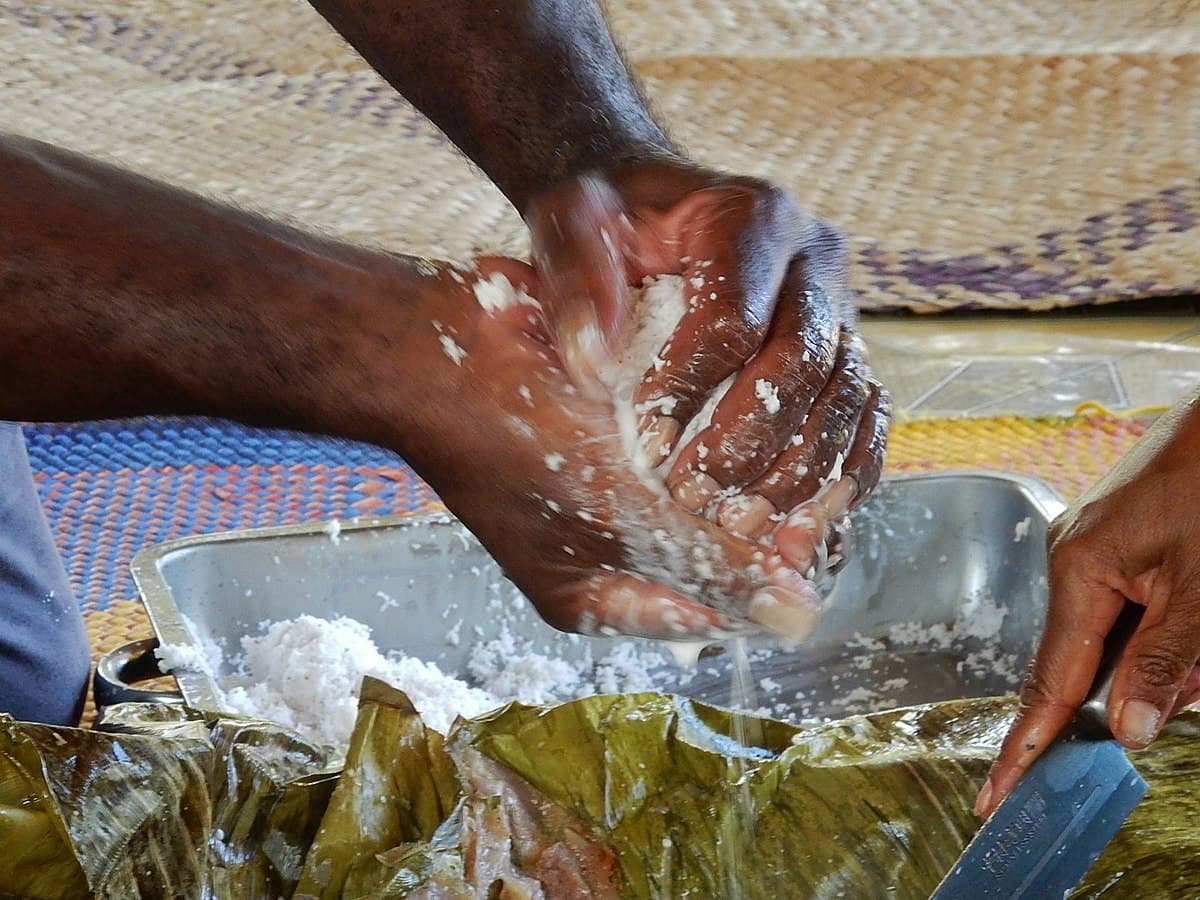
Coconut Cream Desserts
Thick coconut cream spooned over fruit or baked dishes. With coconut everywhere on the islands, these show up often.
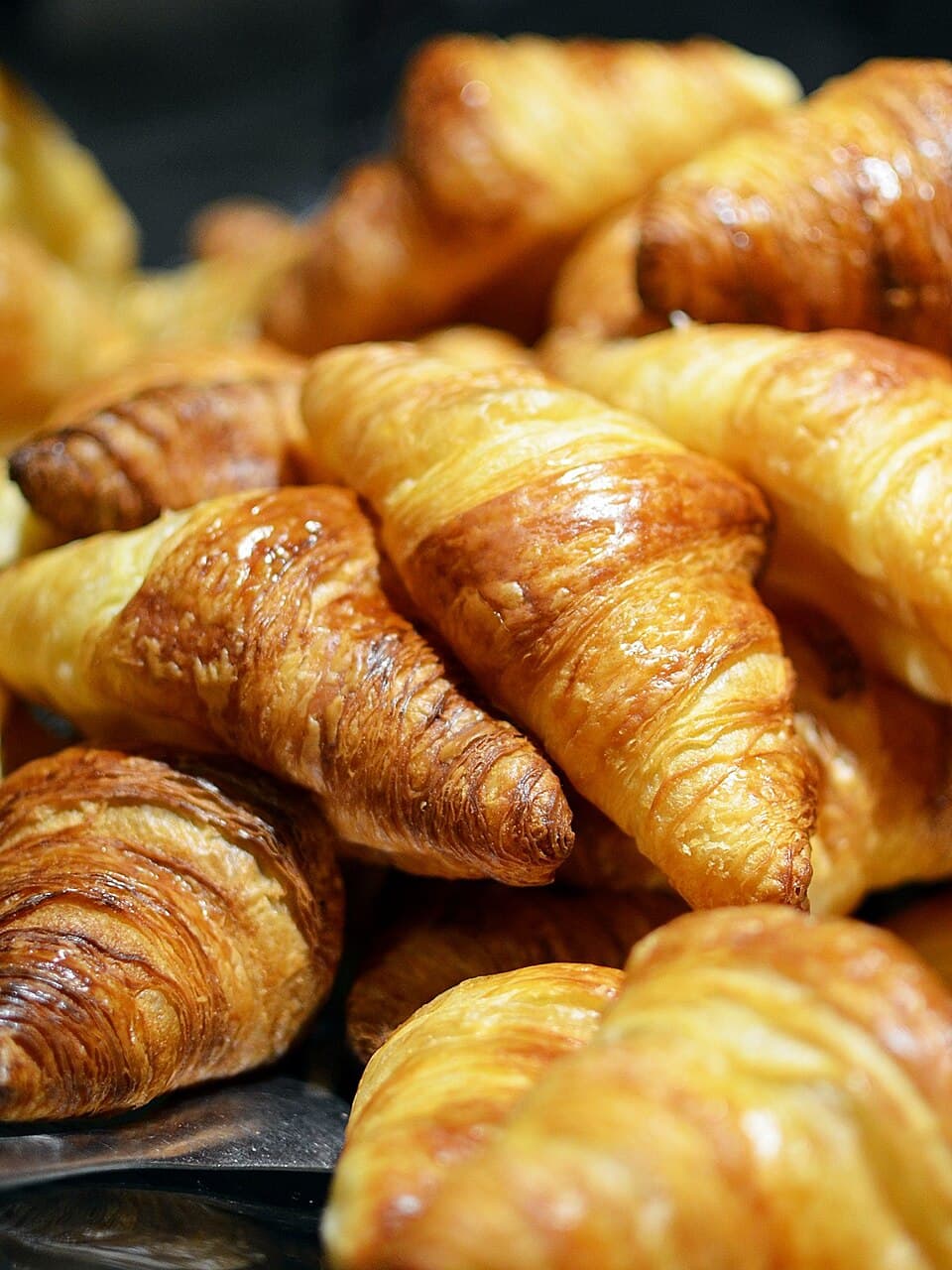
French-Style Pastries
Croissants, pain au chocolat and tropical fruit tarts fill the Port Vila bakeries, a lasting mark of the colonial years.

Banana and Coconut Cake
A traditional sweet of ripe bananas and coconut, sometimes baked in banana leaves.
Traditional Beverages
Discover Vanuatu's traditional drinks, from locally produced spirits to regional wines.
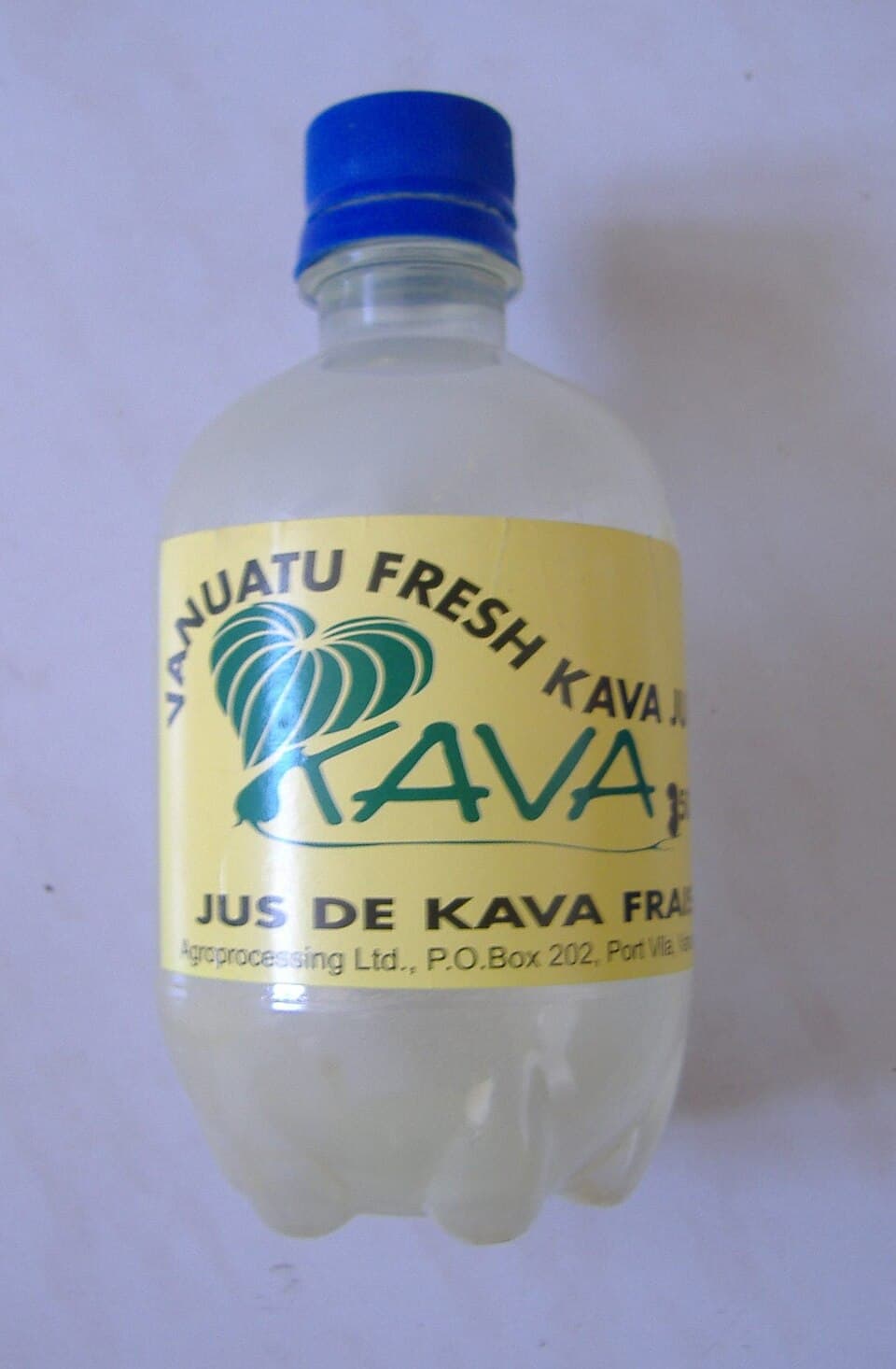
Kava
A traditional drink pressed from fresh kava root, with a calming effect. Ni-Vanuatu take pride in brewing the strongest kava in the Pacific. It is served in coconut shells at nakamals and tastes earthy and faintly bitter.
Soft Beverages
Discover Vanuatu's traditional non-alcoholic drinks, from local teas to refreshing juices.
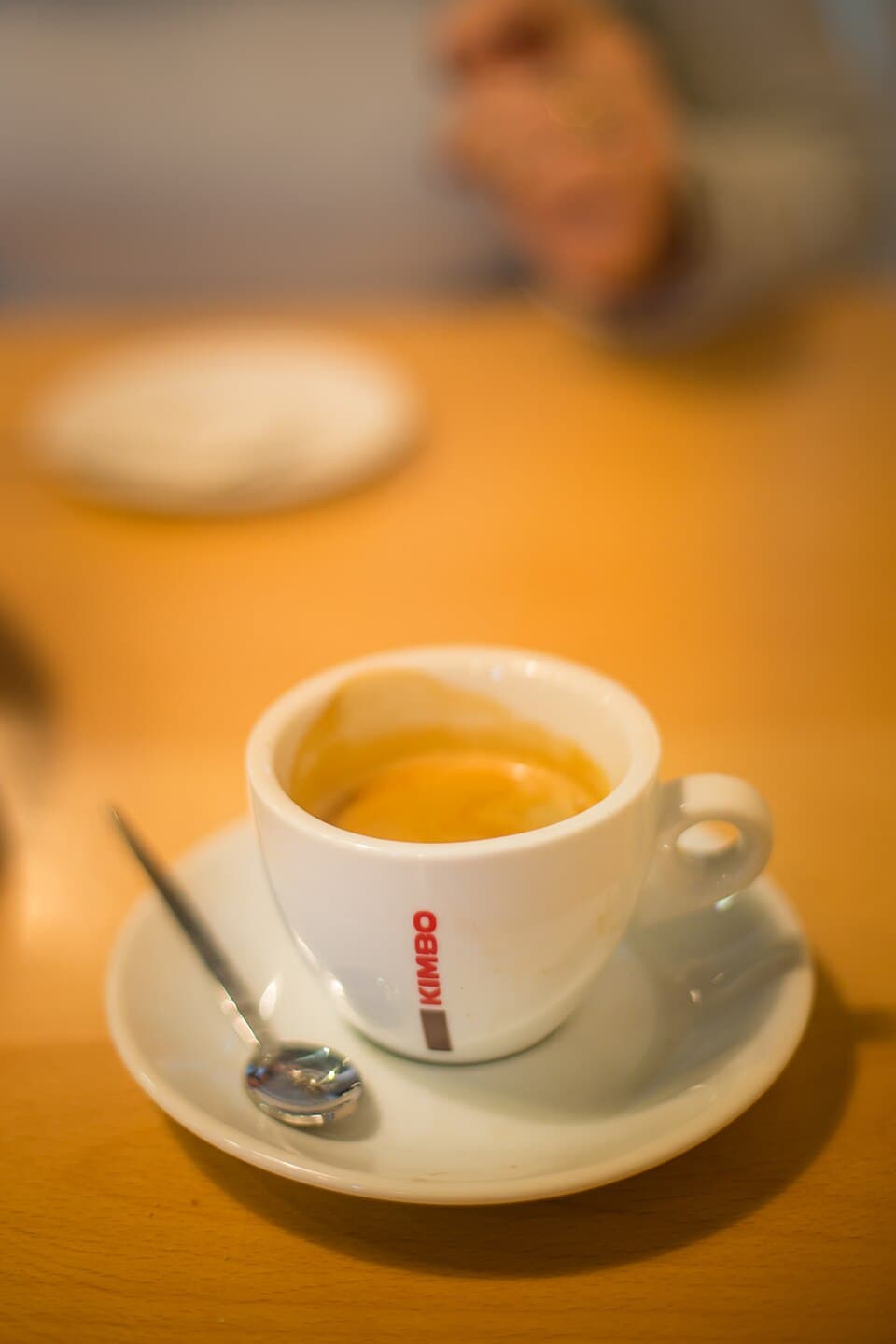
Tanna Coffee
Coffee grown in the volcanic soils of Tanna Island, known for a smooth, full-bodied cup. It is increasingly sold as a specialty export.
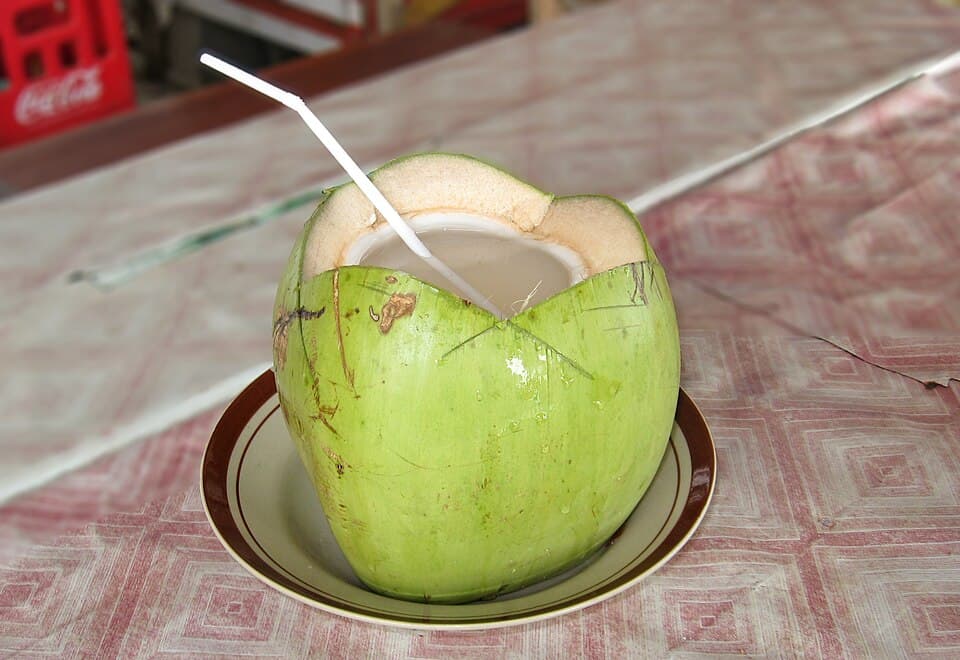
Fresh Coconut Water
Cool water drunk straight from young coconuts, sold everywhere across the islands and at every market.
Tropical Fruit Juices
Juices pressed to order from papaya, pineapple, passion fruit and mango, found at the markets.
Frequently Asked Questions
Essential information about food and dining in Vanuatu.
What is the national dish of Vanuatu?
Vanuatu's most iconic dishes include Lap Lap, Tuluk, Coconut Crab. Vanuatu's national dish: a baked pudding of grated yam, banana, manioc or taro worked together with coconut milk and salt, then wrapped in banana leaves and cooked in an earth oven or over hot volcanic stones. Mangoes Restaurant in Port Vila serves it.
Is street food safe in Vanuatu?
Street food in Vanuatu can be enjoyed safely by following these guidelines: Drink bottled or treated water. Look for busy vendors with high turnover, ensure food is cooked fresh and served hot, and avoid raw ingredients if you have a sensitive stomach.
What are the best restaurants in Vanuatu?
Vanuatu offers diverse dining options from street food stalls to upscale restaurants. For the best experience, ask locals for recommendations, check recent reviews, and look for restaurants that specialize in regional cuisines.
Can vegetarians find food easily in Vanuatu?
Vegetarian options in Vanuatu are mediumly available. Vegetarians can eat well here. Simboro, coconut-based dishes and taro turn up regularly, and Port Vila's international restaurants widen the choice.. Many restaurants offer vegetarian dishes, and you'll find plant-based ingredients featured prominently in local cuisine.
What is the average cost of a meal in Vanuatu?
Meal costs in Vanuatu depend on where you eat. Street food and casual local restaurants are very affordable, typically offering complete meals for a few dollars. Mid-range restaurants charge moderate prices, while fine dining establishments are comparably priced to Western countries.
What are common food allergens in Vanuatu?
Common allergens in Vanuatu cuisine include Shellfish, Gluten. Seafood including crab and various shellfish are common. These ingredients appear in dishes like Coconut crab (rare), Seafood dishes. Always inform restaurant staff about your allergies.
When is the best time to visit Vanuatu for food?
Vanuatu offers great food experiences throughout the year. However, visiting during harvest seasons (typically spring and autumn) provides access to the freshest local ingredients. Food festivals and cultural celebrations also offer unique culinary experiences worth planning around.