
Antigua and Barbuda Food Guide
Content Information
Recently updatedFood Safety Tips
Essential food safety information to help you enjoy Antigua and Barbuda's cuisine safely and confidently.
Tap water is generally safe
Tap water in hotels and resorts is fine to drink, though anyone with a sensitive stomach may prefer bottled. Restaurant ice is usually made from purified water.
Choose busy, reputable vendors
Street food is safe to eat, particularly at the spots locals favour. Pick vendors who sell quickly and cook to order.
Enjoy fresh local seafood
Seafood here tends to be very fresh. Most of what you eat was caught locally and cooked the same day, and handling standards are good.
Dietary Options
vegetarian
MEDIUM AVAILABILITYYou will find vegetarian meals, mostly at resort restaurants. Provisions (a vegetable medley), rice and peas, and local fruit are reliable choices. Bear in mind that traditional cooking leans heavily on meat and seafood.
vegan
LOW AVAILABILITYVegan choices are still thin on the ground but improving. The resorts and St. John's offer the most. Watch out for traditional dishes, which often carry butter or meat stock.
gluten-free
MEDIUM AVAILABILITYA lot of Caribbean cooking is gluten-free by default, built around rice, seafood, and tropical fruit. Resort kitchens will work around gluten-free requests.
Common Allergens
Shellfish and Seafood
HIGH PREVALENCELobster, conch, and fish are staples
COMMONLY FOUND IN:
Coconut
HIGH PREVALENCECoconut widely used in desserts and cooking
COMMONLY FOUND IN:
Gluten
MEDIUM PREVALENCEWheat flour used in dumplings and breads
COMMONLY FOUND IN:
Essential Food Experiences
These iconic dishes represent the must-have culinary experiences that define Antigua and Barbuda's food culture for travelers.

Fungee and Pepperpot
The national dish. Fungee is cornmeal cooked with okra until it stiffens, then shaped into a ball, much like Italian polenta. It sits alongside pepperpot, a one-pot stew of spinach, eggplant, peas and meat, usually chicken, salted pork and beef. The pairing traces back to the islands' African roots.

Ducana
A sweet dumpling of grated sweet potato, coconut, sugar, flour, coconut milk, raisins, ginger and nutmeg, wrapped in a banana leaf and boiled. It usually appears on Good Friday next to saltfish. The dish came over from West Africa during the slave trade and closely resembles Ghana's dokono.

Saltfish and Ducana
Salted cod served with ducana. The fish is cooked down with tomatoes, onions, peppers and spices. In Antigua the plate is tied to Good Friday.

Conch Fritters
Fritters of chopped conch, bell pepper, onion and Caribbean spices, fried until crisp. You will find them as a starter and on the street, and they make good use of the day's catch.

Goat Water
A filling soup of stewed goat seasoned with onion, pepper, garlic, thyme, cloves and hot pepper. Locals mop it up with wood-oven bread or fried dumplings. Pure comfort food.

Antigua Black Pineapple
The national fruit, often called the sweetest pineapple in the world. It grows smaller than the usual varieties but carries far more sugar and very little acid. If you taste one thing on Antigua, make it this.

Barbuda Lobster
Barbuda is known for its Caribbean spiny lobster, which is at its most plentiful during lobster season. Served grilled, steamed, or in garlic butter, it ranks among the best you will eat in the region.

Seasoned Rice
Rice cooked with vegetables, peas, herbs and spices, sometimes with coconut milk stirred in for body. It turns up beside most meals.

Fried Plantain
Ripe plantains sliced and fried until golden and caramelised at the edges. Sweet and savoury at once, they round out many Caribbean plates.

Tamarind Balls
Tamarind pulp rolled in sugar, a Caribbean sweet that hits sweet and sour at the same time. Children and grown-ups go through them by the handful.
Regional Specialties & Local Favorites
Discover the authentic regional dishes and local favorites that showcase Antigua and Barbuda's diverse culinary traditions.
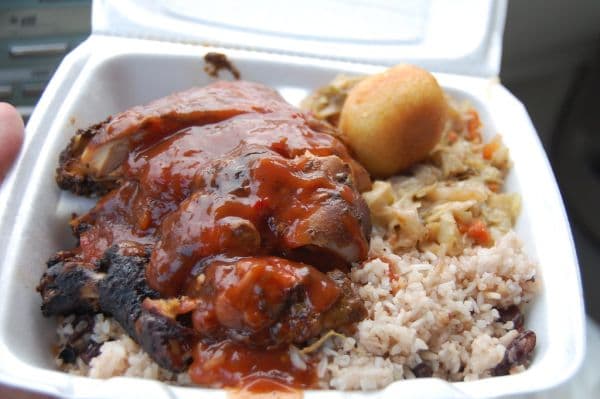
Jerk Chicken
Chicken marinated in scotch bonnet, allspice and thyme, then grilled over pimento wood.
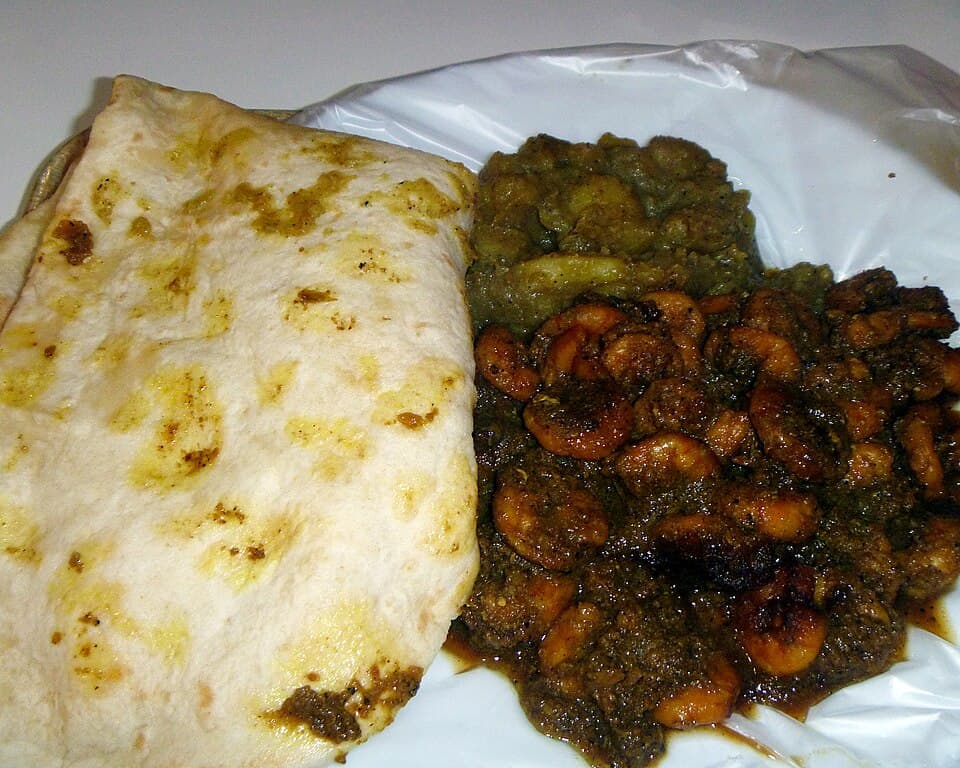
Roti
Indian-influenced flatbread wrapped around curried vegetables, chicken or goat. A go-to lunch across the islands.
Allergens:
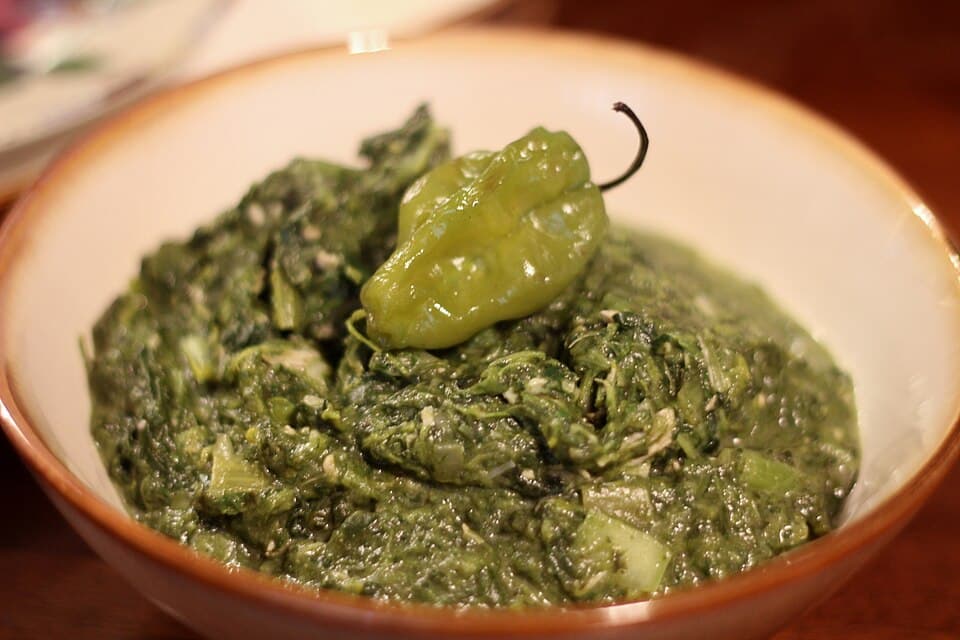
Callaloo Soup
A thick soup of callaloo leaves (close to spinach), okra, coconut milk and spices. Creamy and filling.
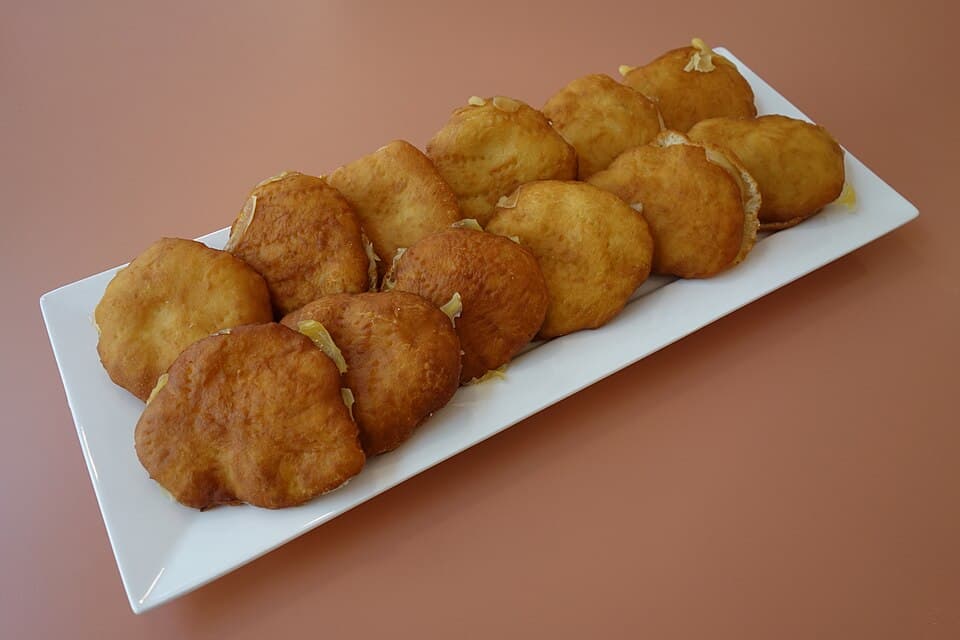
Johnny Cakes
Fried dough bread, crisp outside and soft within. Good for breakfast or alongside a stew.
Allergens:
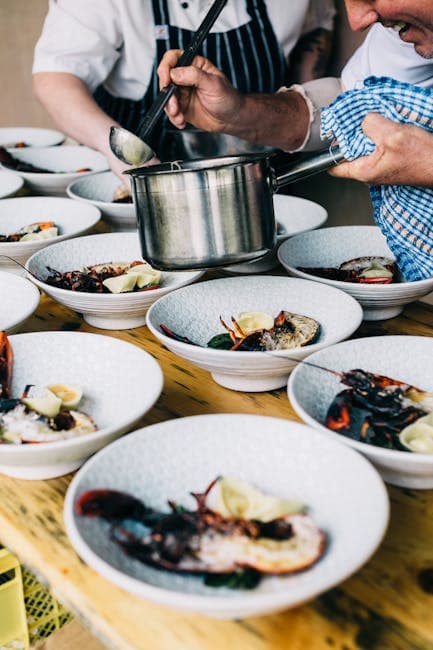
Stuffed Crab Back
Land crab meat mixed with seasoning and breadcrumbs, packed back into the shell and baked.
Allergens:
Provision Medley
A mix of ground provisions, meaning root vegetables: yams, sweet potatoes, dasheen and green bananas.
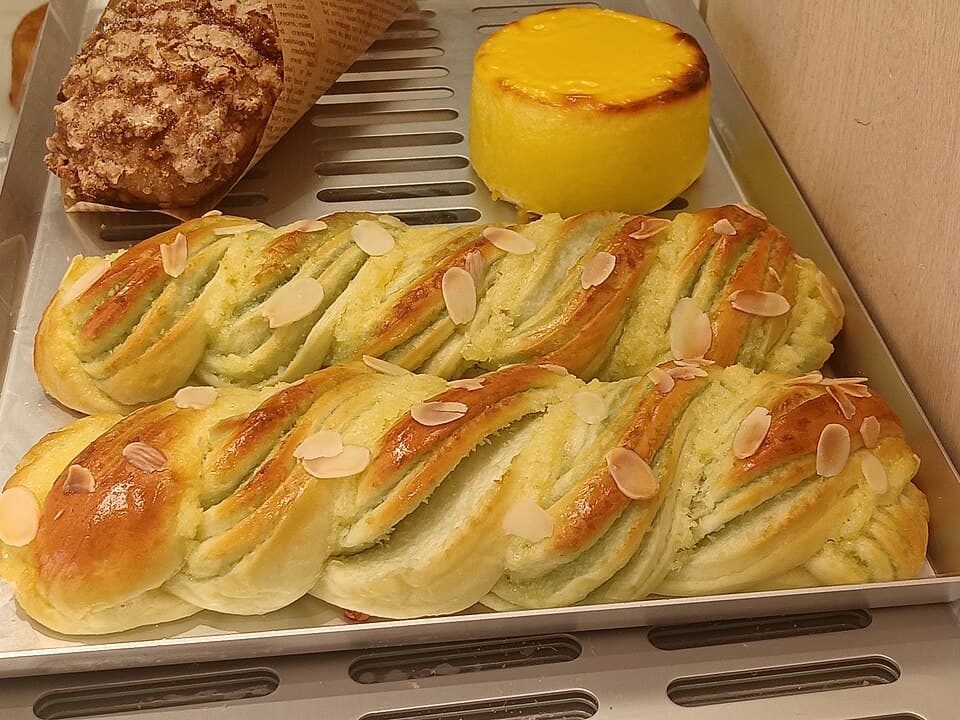
Coconut Bread
Sweet bread baked with fresh coconut, good with butter or on its own as a dessert.
Allergens:
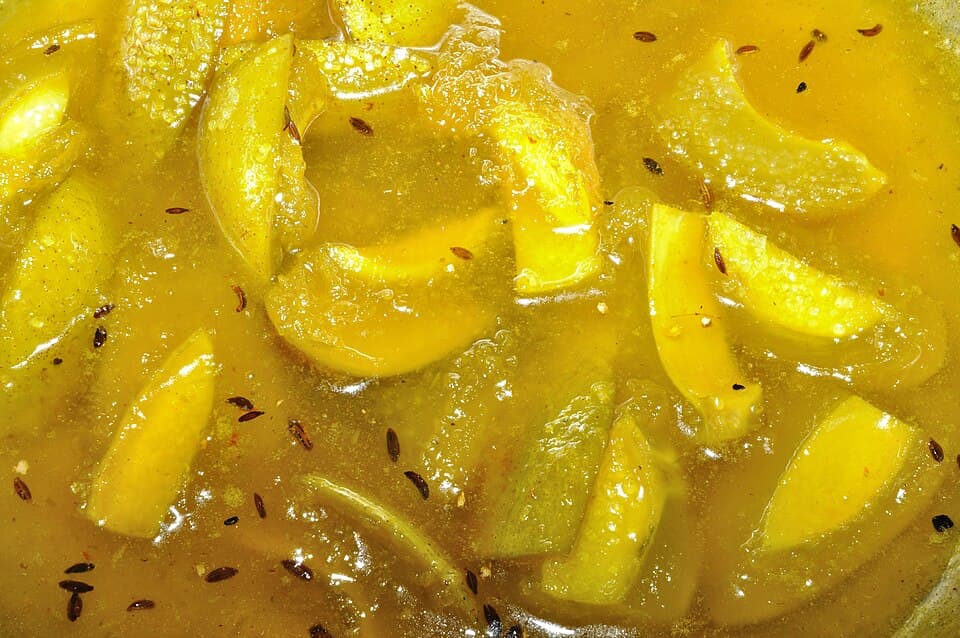
Mango Chutney
A sweet-and-spicy condiment built from local mangoes that pairs well with grilled meat.
Regional Cuisine Highlights
Explore the diverse culinary landscapes across different regions of Antigua and Barbuda.
Antigua
Cooking on the main island runs to fungee and pepperpot, conch dishes and the Antigua Black Pineapple. St. John's has a lively street food scene.
Signature Dishes:
Key Ingredients:
Barbuda
Barbuda is the place for lobster and very fresh seafood. The cooking is plainer here, mostly grilled fish and old-school preparations.
Signature Dishes:
Key Ingredients:
Sweet Delights & Desserts
Indulge in Antigua and Barbuda's traditional sweet treats and desserts.
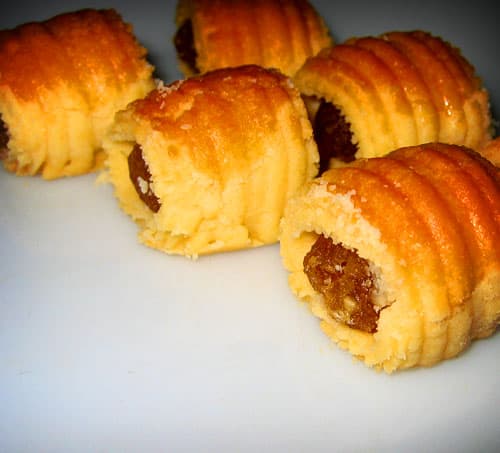
Pineapple Tart
A sweet tart built around Antigua Black Pineapple, the island's famous fruit baked into pastry.
Sugar Cake
A coconut candy of grated coconut, sugar and ginger, usually tinted pink and white.
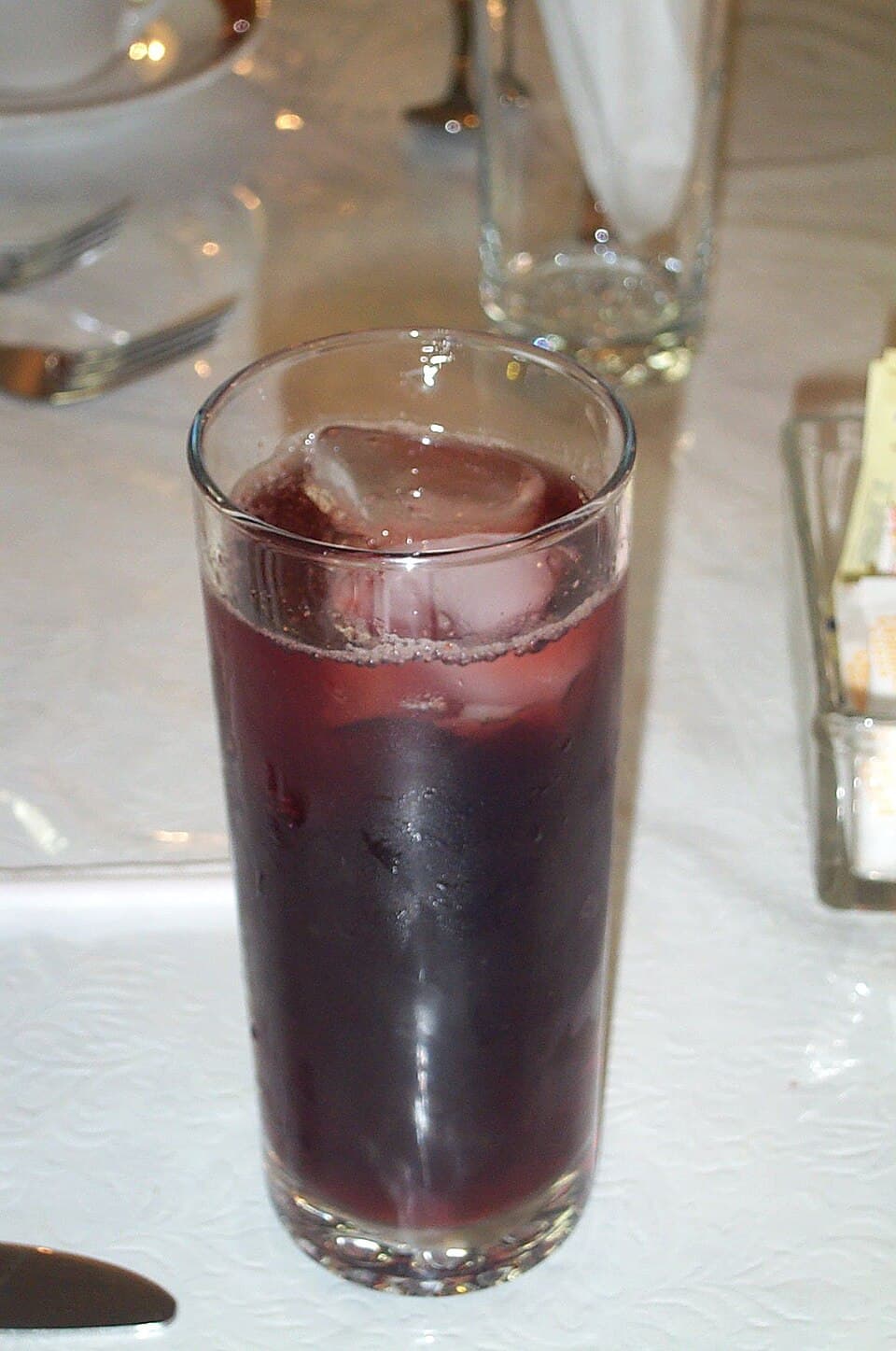
Raspberry Stew
A sweet dessert drink made from sorrel (hibiscus) despite the name, with no raspberries involved. It shows up around Christmas.
Traditional Beverages
Discover Antigua and Barbuda's traditional drinks, from locally produced spirits to regional wines.
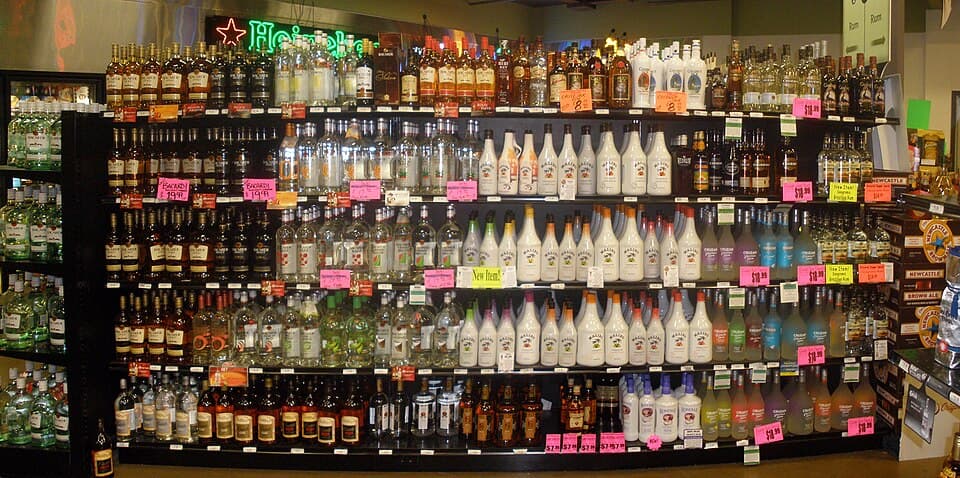
Antigua Rum
Rum distilled on the island, with English Harbour as the name people know best abroad.
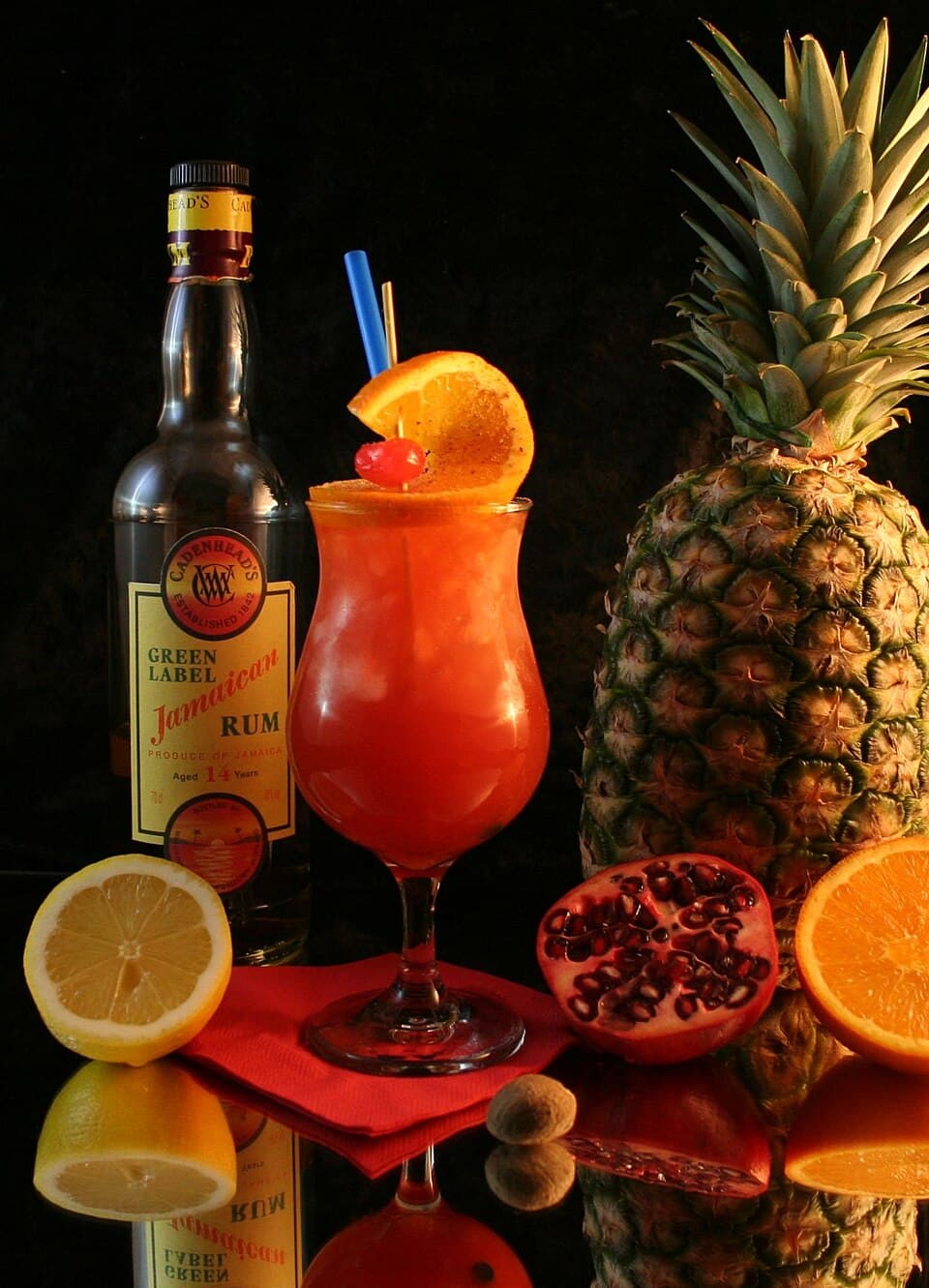
Rum Punch
The classic Caribbean cocktail: rum, fruit juice, grenadine and a grating of nutmeg on top.
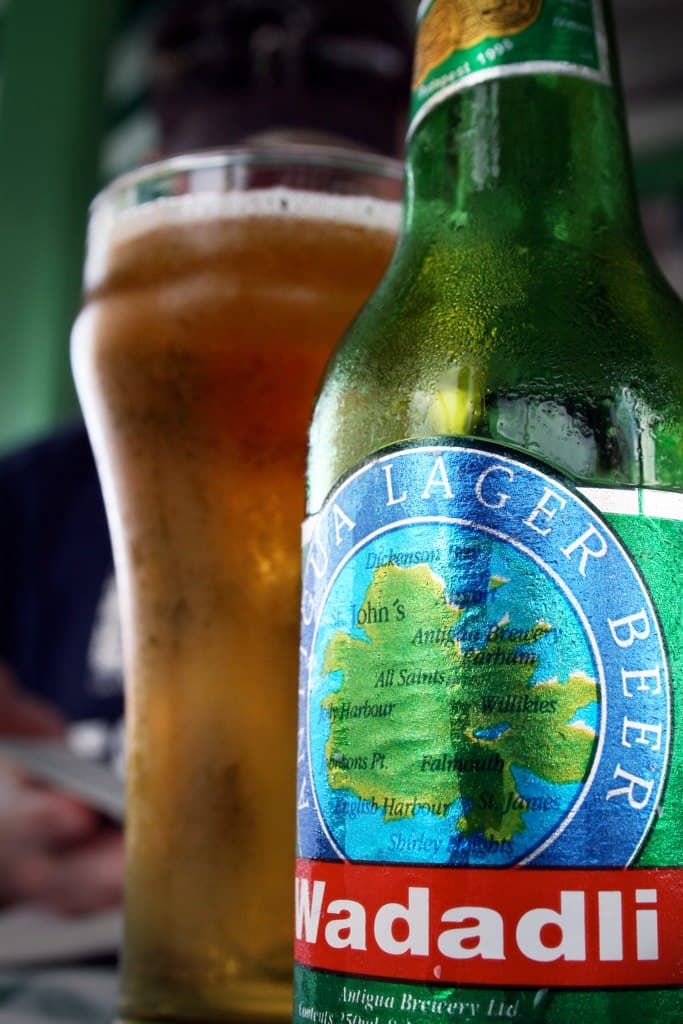
Wadadli Beer
Antigua's local beer, named after the Arawak word for the island. A light lager that suits the heat.
Soft Beverages
Discover Antigua and Barbuda's traditional non-alcoholic drinks, from local teas to refreshing juices.
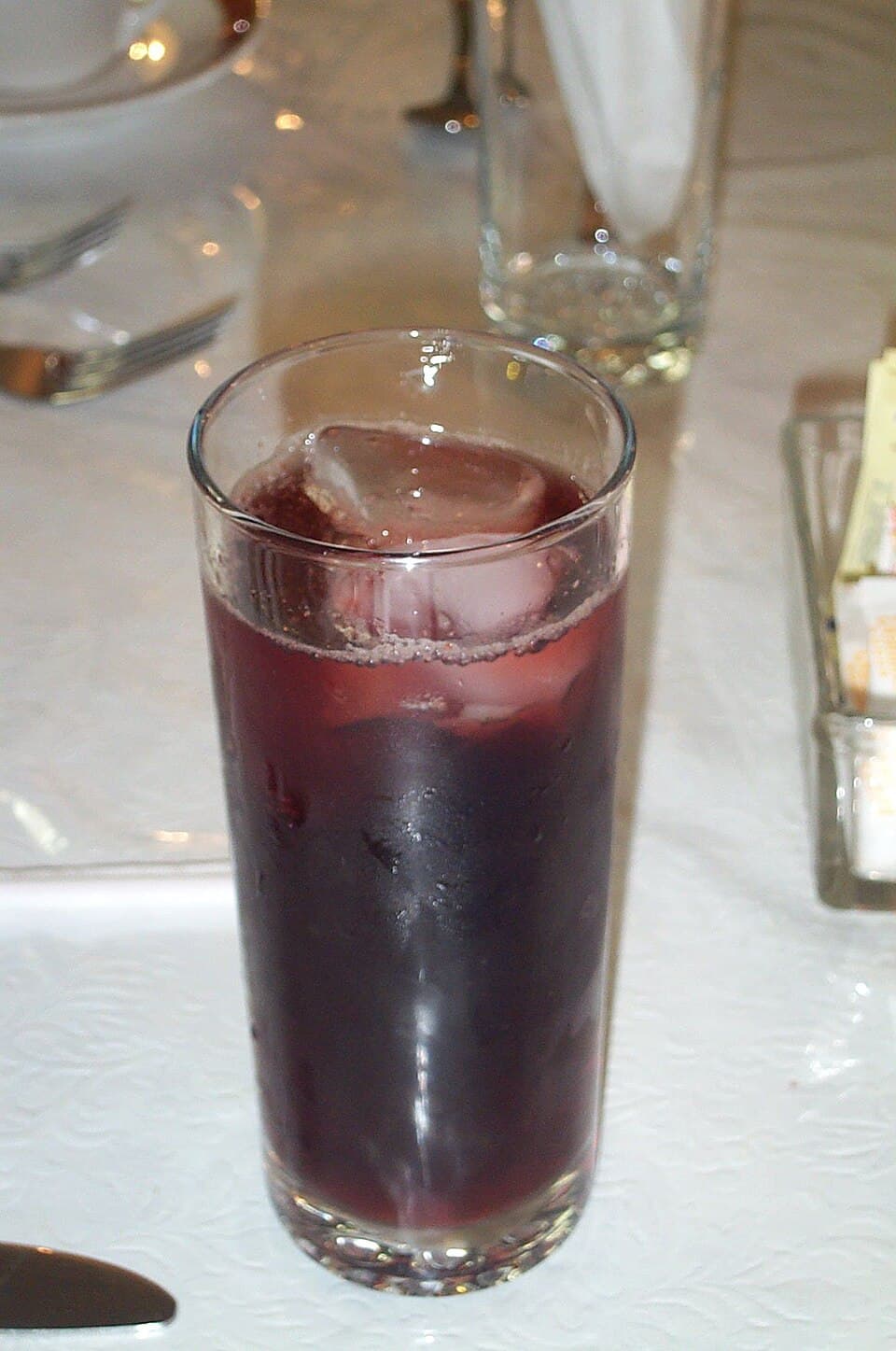
Sorrel Drink
A deep-red drink steeped from hibiscus flowers, ginger and spices. Most common at Christmas.
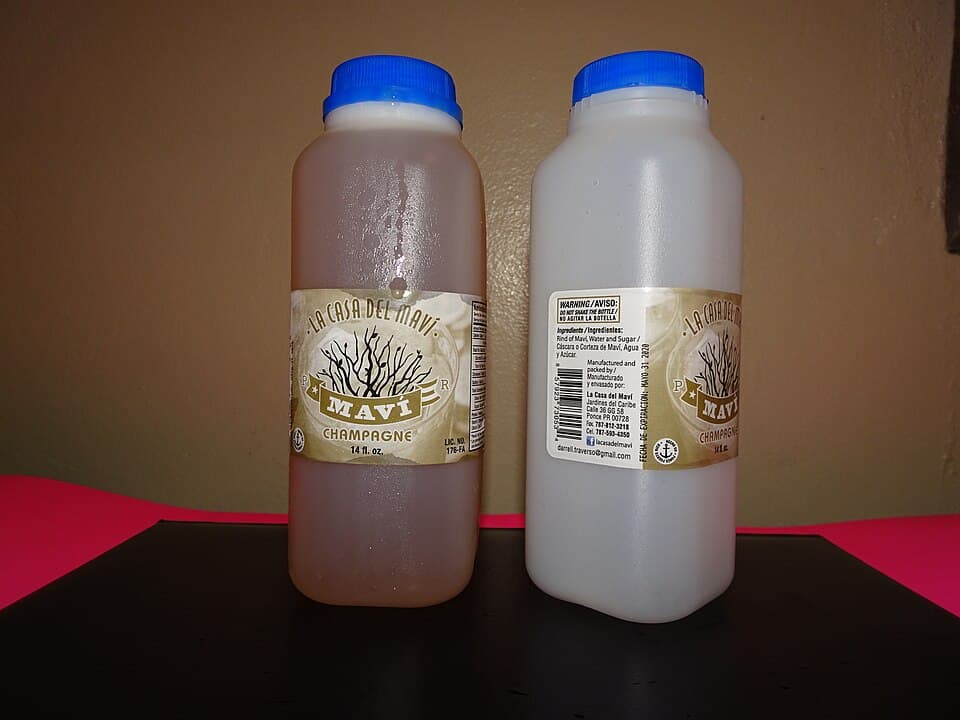
Mauby
A Caribbean drink brewed from tree bark, bittersweet and very much an acquired taste.
Passion Fruit Juice
Juice pressed from locally grown passion fruit, sweet and tart in equal measure.
Frequently Asked Questions
Essential information about food and dining in Antigua and Barbuda.
What is the national dish of Antigua and Barbuda?
Antigua and Barbuda's most iconic dishes include Fungee and Pepperpot, Ducana, Saltfish and Ducana. The national dish. Fungee is cornmeal cooked with okra until it stiffens, then shaped into a ball, much like Italian polenta. It sits alongside pepperpot, a one-pot stew of spinach, eggplant, peas and meat, usually chicken, salted pork and beef. The pairing traces back to the islands' African roots.
Is street food safe in Antigua and Barbuda?
Street food in Antigua and Barbuda can be enjoyed safely by following these guidelines: Tap water is generally safe Choose busy, reputable vendors. Look for busy vendors with high turnover, ensure food is cooked fresh and served hot, and avoid raw ingredients if you have a sensitive stomach.
What are the best restaurants in Antigua and Barbuda?
Antigua and Barbuda offers diverse dining options from street food stalls to upscale restaurants. For the best experience, ask locals for recommendations, check recent reviews, and look for restaurants that specialize in regional cuisines.
Can vegetarians find food easily in Antigua and Barbuda?
Vegetarian options in Antigua and Barbuda are mediumly available. You will find vegetarian meals, mostly at resort restaurants. Provisions (a vegetable medley), rice and peas, and local fruit are reliable choices. Bear in mind that traditional cooking leans heavily on meat and seafood.. Many restaurants offer vegetarian dishes, and you'll find plant-based ingredients featured prominently in local cuisine.
What is the average cost of a meal in Antigua and Barbuda?
Meal costs in Antigua and Barbuda depend on where you eat. Street food and casual local restaurants are very affordable, typically offering complete meals for a few dollars. Mid-range restaurants charge moderate prices, while fine dining establishments are comparably priced to Western countries.
What are common food allergens in Antigua and Barbuda?
Common allergens in Antigua and Barbuda cuisine include Shellfish and Seafood, Coconut, Gluten. Lobster, conch, and fish are staples. These ingredients appear in dishes like Conch fritters, Lobster dishes. Always inform restaurant staff about your allergies.
When is the best time to visit Antigua and Barbuda for food?
Antigua and Barbuda offers great food experiences throughout the year. However, visiting during harvest seasons (typically spring and autumn) provides access to the freshest local ingredients. Food festivals and cultural celebrations also offer unique culinary experiences worth planning around.