
Eswatini Food Guide
Content Information
Recently updatedFood Safety Tips
Essential food safety information to help you enjoy Eswatini's cuisine safely and confidently.
Check local water safety recommendations
Research current water safety conditions before traveling. In some areas, bottled water may be recommended. Tap water in cities is generally safe but stick to bottled water in rural areas.
Choose busy vendors with high turnover
Street food is safe when you pick stalls that cook to order in front of you. The local markets serve some of the best Swazi dishes you will eat anywhere.
Be cautious with foods left at room temperature
In warm climates, avoid foods that have been sitting out for extended periods. Choose freshly cooked meals when possible.
Dietary Options
vegetarian
MEDIUM AVAILABILITYMost restaurants in Mbabane and Manzini have vegetarian options, though traditional cooking leans heavily on meat. Ask for local vegetable dishes such as incwancwa, vegetable stews, and maize-based meals. International restaurants in the cities give you more to choose from.
vegan
LOW AVAILABILITYVegan food is harder to find in traditional restaurants, but city menus are catching up. Lean on international kitchens, spell out what you need, and stick to dishes that are plant-based to begin with, like sishwala, incwancwa, and vegetable stews.
gluten-free
MEDIUM AVAILABILITYCities are getting more clued up about gluten-free eating. Stick to local dishes built on maize, sorghum, and rice. Sishwala and other wheat-free traditional plates are safe bets.
Common Allergens
Peanuts/Groundnuts
HIGH PREVALENCEGroundnuts (peanuts) are widely used in Swazi cuisine, particularly in umbidvo wetintsanga (pumpkin leaves with groundnuts)
COMMONLY FOUND IN:
Dairy
MEDIUM PREVALENCEDairy products, especially emasi (sour milk), are common in traditional Swazi dishes
COMMONLY FOUND IN:
Gluten
MEDIUM PREVALENCEWheat products are present in modern cuisine, though traditional dishes often use maize and sorghum
COMMONLY FOUND IN:
Essential Food Experiences
These iconic dishes represent the must-have culinary experiences that define Eswatini's food culture for travelers.

Sishwala (Maize Porridge)
Sishwala is a thick maize-meal porridge and the staple of nearly every Swazi household. It anchors most traditional meals, usually served alongside a meat or vegetable stew, and turns up on the table at breakfast, lunch, and dinner alike.

Incwancwa (Fermented Maize Porridge)
Incwancwa is a fermented corn porridge with a tangy edge that comes from naturally occurring lactic acid bacteria doing the work over a few days. Lighter than sishwala, it tends to show up at breakfast or as a quick meal, and it has a place at traditional ceremonies and family gatherings.

Emahewu (Fermented Drink)
Emahewu is a drink made from thin, fermented porridge. Maize meal gets mixed with water, cooked into a runny porridge, cooled, then left to ferment for two to six days. The result is slightly sour, filling, and drunk all over Eswatini.

Umncweba (Dried Meat)
Umncweba is dried meat in the family of biltong or jerky, eaten as a snack or thrown into cooking. Strips of meat are marinated in vinegar and spices, then sun-dried. People snack on it for the protein or add it to stews for extra depth.

Umbidvo Wetintsanga (Pumpkin Leaves with Groundnuts)
Pumpkin leaves cooked down with groundnuts (peanuts) make a filling, nourishing plate. It is one of the everyday ways Swazi cooks put indigenous greens to use, and it appears regularly on home tables.

Sidvudvu (Pumpkin and Mealie Meal Porridge)
Sidvudvu mixes pumpkin with mealie meal (maize meal) into a thick, faintly sweet porridge. It is a filling dish eaten across Eswatini and cooked much the way it always has been.

Emasi (Sour Milk)
Emasi is raw cow's milk left to ferment and then strained. It goes into two traditional dishes: emasi etinkhobe temmbila (ground maize with sour milk) and emasi emabele (ground sorghum with sour milk). The soured milk is a fixture of Swazi cooking.

Tinkhobe (Boiled Corn on the Cob)
Boiled fresh corn on the cob, eaten as a snack or a side. You will find tinkhobe at markets and from street vendors all over Eswatini, a reminder of how central maize is to the local diet.

Traditional Meat Stew
Swazi meat stew usually means beef, chicken, or goat cooked slowly with onions, tomatoes, and local spices. Served over sishwala (maize porridge), it is what comes out for family gatherings and celebrations.

Tjwala (Traditional Beer)
Tjwala is Swazi beer brewed at home from fermented sorghum or maize. It has a real role in ceremonies and social gatherings, and both the brewing and the drinking of it run deep in Swazi custom.

Roasted Corn
Roasted corn on the cob turns up at markets and roadside stalls in season. Cooked over open flames, it picks up a smoky, charred flavor that locals love.
Regional Specialties & Local Favorites
Discover the authentic regional dishes and local favorites that showcase Eswatini's diverse culinary traditions.
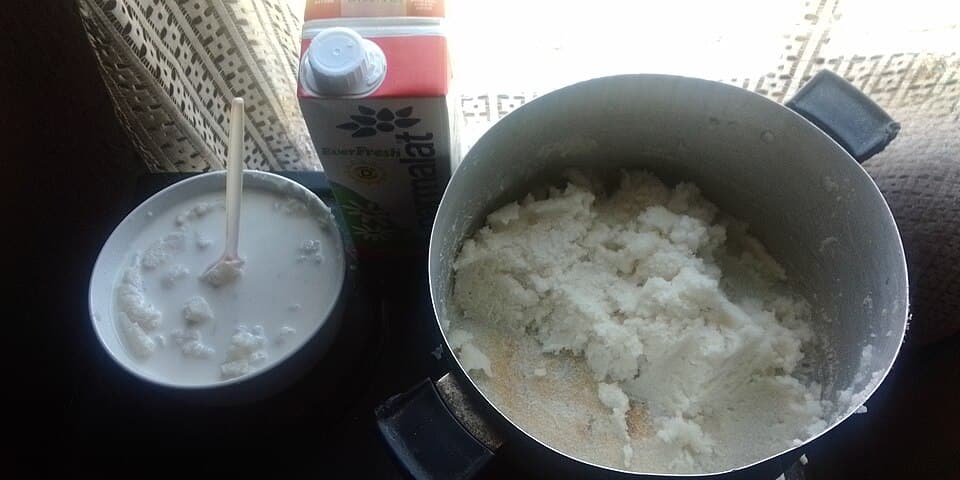
Pap (Maize Porridge)
Pap is the usual starchy base of a Swazi meal: maize meal cooked up and served with vegetables, beans, and meat. Simple, filling, and made from what is grown locally.
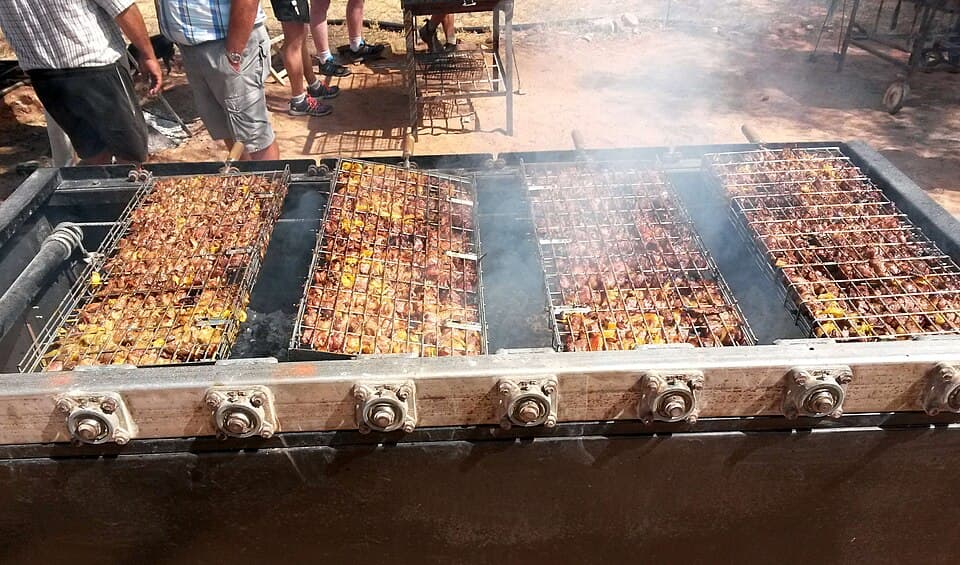
Grilled Meats
Beef and chicken grilled over open fires are everyday eating in Eswatini, usually served with pap or rice. Cooking slowly over coals leaves the meat smoky and deeply flavored.
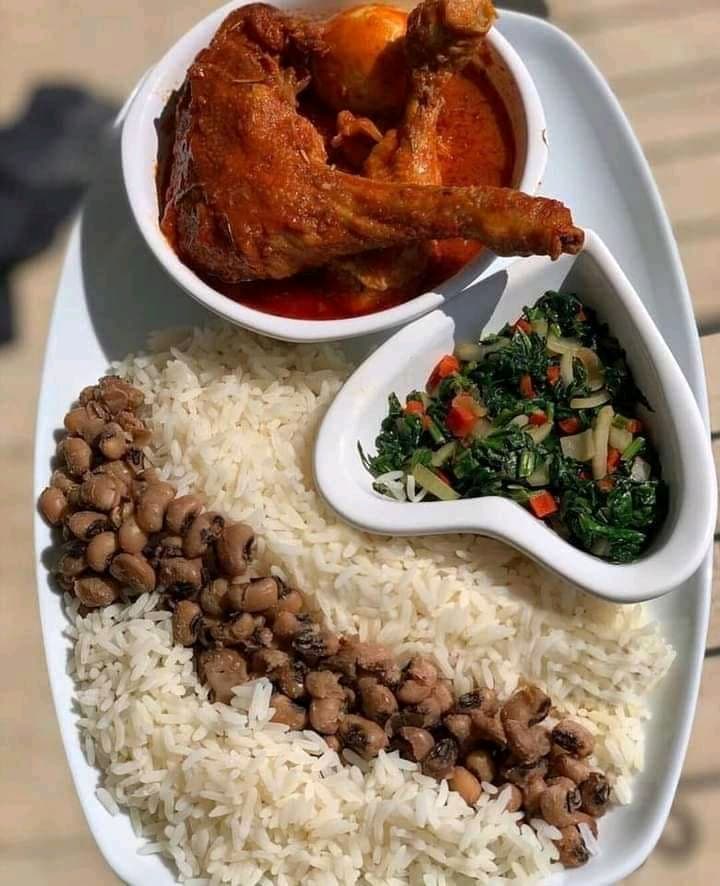
Beans and Vegetables
Swazi cooks often pair beans with whatever vegetables are in season to make hearty stews that go well with maize-based dishes.
Black Mamba Chilli Sauce
Black Mamba Chilli sauce is one of Eswatini's better-known artisan products, made by pairing hot Swati chillis with Latino flavors. It found a wide following and now stands in for what local food makers can do.
Fusion Cuisine
Newer Swazi restaurants mix African flavors with influences from abroad, putting local specialties through international cooking techniques.
Sandwiches with Meat Stew
Market food stalls fill sandwiches with traditional meat stew, an easy handheld take on a familiar flavor.
Allergens:
Regional Cuisine Highlights
Explore the diverse culinary landscapes across different regions of Eswatini.
Hhohho District (Mbabane)
Cooking in the capital region runs the gamut from traditional Swazi food to international cooking. Mbabane has the widest range of places to eat in the country, from traditional restaurants to fusion kitchens.
Cultural Significance:
As the capital, Mbabane is where modern Eswatini eats, with old recipes cooked using newer techniques. Its restaurants show how the country's food is changing without cutting ties to older ways of cooking.
Signature Dishes:
- Traditional meat stews
- Sishwala with various accompaniments
- International fusion dishes
- Market food stalls
Key Ingredients:
Manzini District
Manzini is Eswatini's commercial and industrial center, and its markets are where much of the eating happens. The area is known for its busy food markets, where traditional dishes sit next to more modern fare.
Cultural Significance:
Manzini's food culture grows out of its role as a trading center, where traditional Swazi cooking does well in the markets. The area stays close to its food traditions while taking on new ideas.
Signature Dishes:
- Market-fresh grilled meats
- Traditional vegetable stews
- Street food specialties
- Seafood (imported)
Key Ingredients:
Rural Areas
Out in the countryside you find the most traditional cooking, with dishes made over open fires from ingredients grown nearby. The food is plain, wholesome, and tied closely to how people farm.
Cultural Significance:
Rural cooking is the bedrock of Swazi food culture, with recipes and methods handed down over generations. Open-fire cooking and shared meals are still part of both everyday life and celebrations.
Signature Dishes:
- Sishwala
- Incwancwa
- Umbidvo wetintsanga
- Fire-grilled meats
Key Ingredients:
Sweet Delights & Desserts
Indulge in Eswatini's traditional sweet treats and desserts.
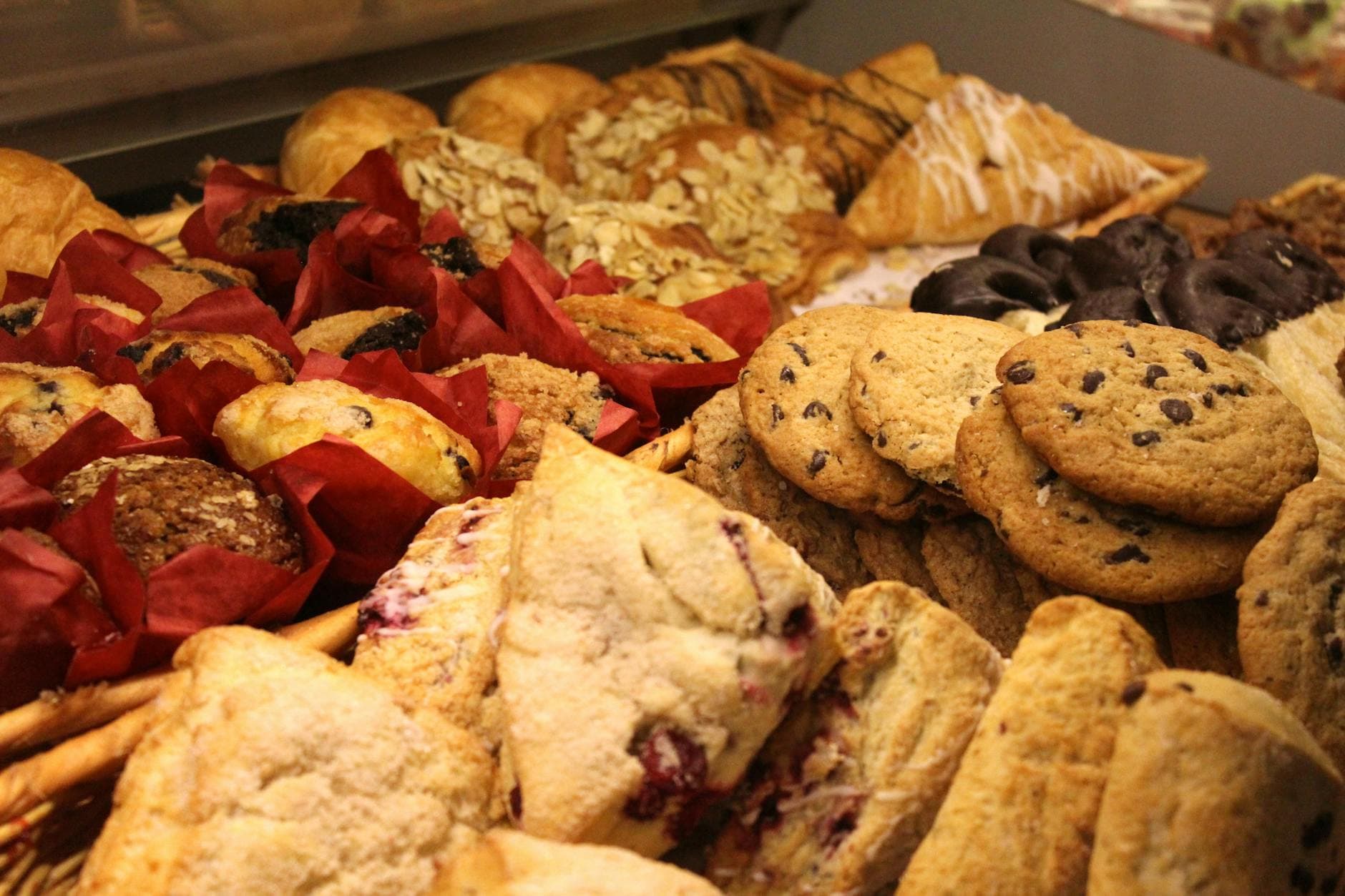
Traditional Sweet Bread
Sweet bread, usually scented with cinnamon and sometimes studded with fruit, baked for celebrations and special occasions in Swazi homes.
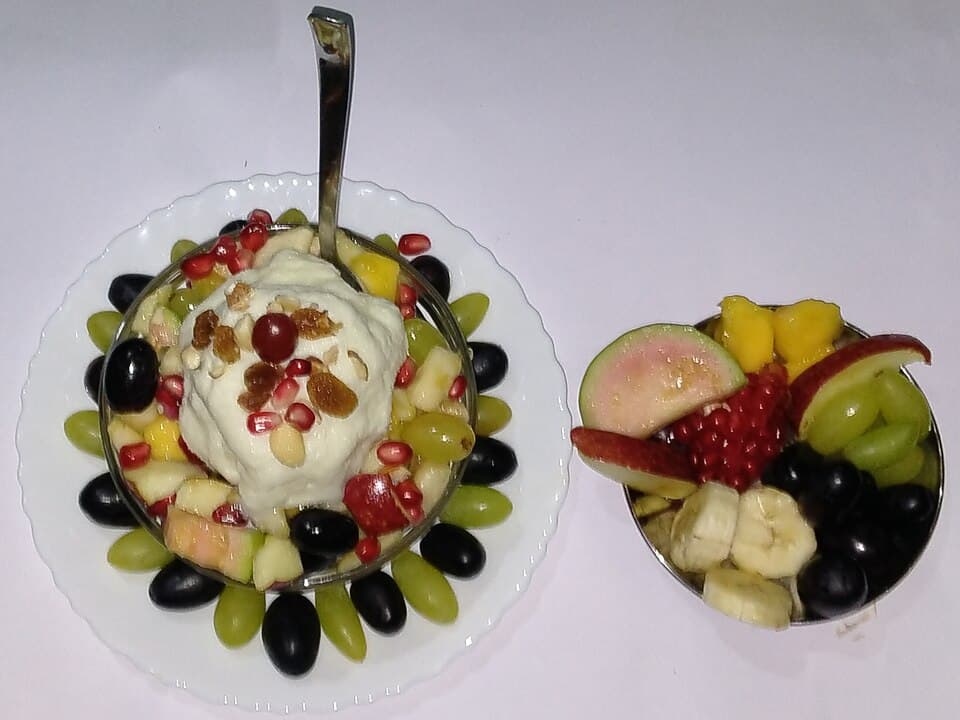
Fresh Fruit Desserts
Whatever fruit is in season, mangoes, bananas, local berries, often closes out a meal in place of anything richer.
Traditional Beverages
Discover Eswatini's traditional drinks, from locally produced spirits to regional wines.
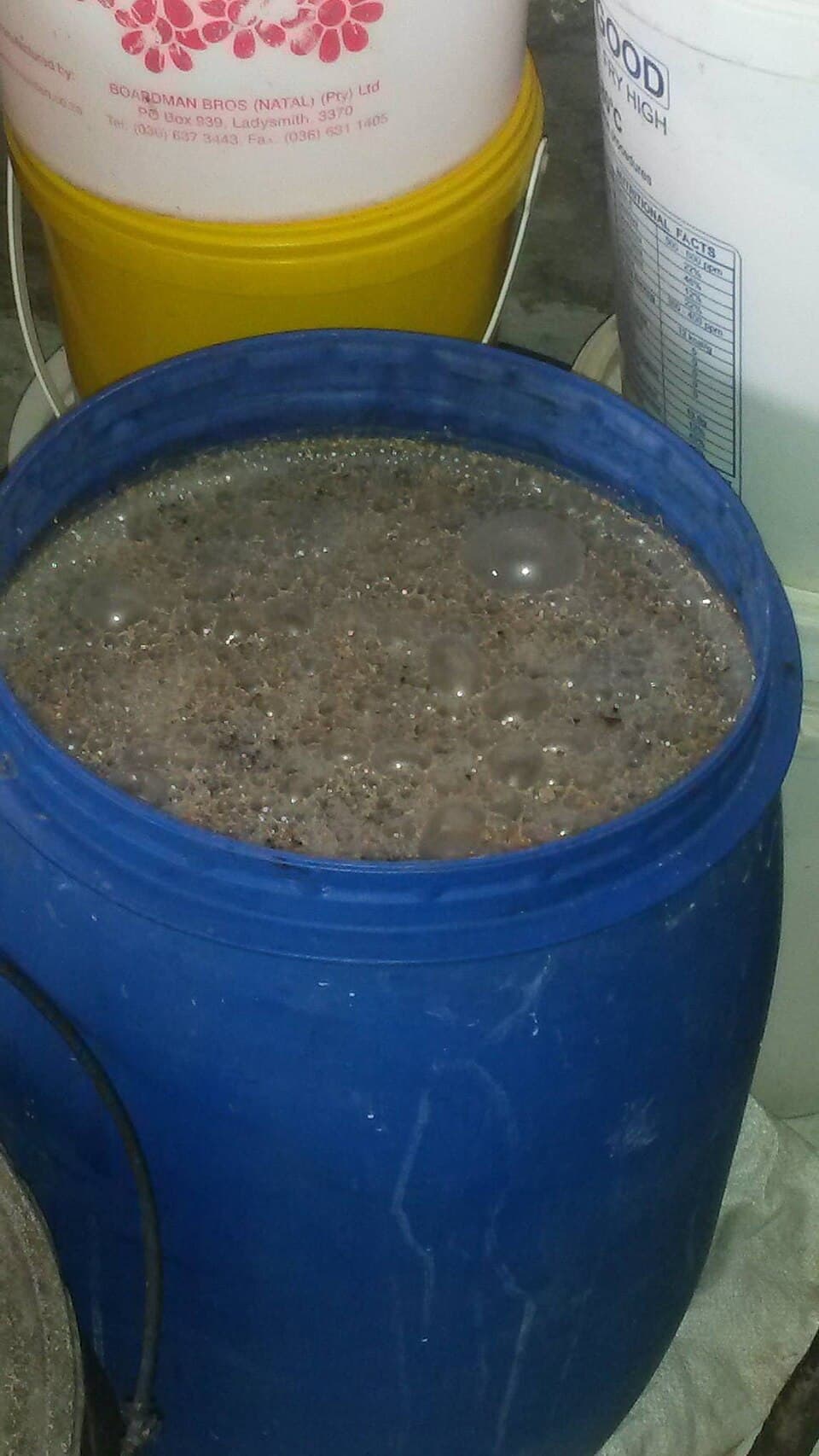
Tjwala (Traditional Beer)
A traditional alcoholic drink brewed from fermented sorghum or maize. Tjwala shows up at ceremonies and social gatherings, where sharing it carries a sense of community.
Soft Beverages
Discover Eswatini's traditional non-alcoholic drinks, from local teas to refreshing juices.
Emahewu
A non-alcoholic fermented drink made from maize meal. Slightly sour and filling, it gets sipped throughout the day.

Rooibos Tea
Rooibos comes from South Africa originally, but it is widely drunk in Eswatini at any hour. The herbal tea is caffeine-free and naturally a bit sweet.
Frequently Asked Questions
Essential information about food and dining in Eswatini.
What is the national dish of Eswatini?
Eswatini's most iconic dishes include Sishwala (Maize Porridge), Incwancwa (Fermented Maize Porridge), Emahewu (Fermented Drink). Sishwala is a thick maize-meal porridge and the staple of nearly every Swazi household. It anchors most traditional meals, usually served alongside a meat or vegetable stew, and turns up on the table at breakfast, lunch, and dinner alike.
Is street food safe in Eswatini?
Street food in Eswatini can be enjoyed safely by following these guidelines: Check local water safety recommendations Choose busy vendors with high turnover. Look for busy vendors with high turnover, ensure food is cooked fresh and served hot, and avoid raw ingredients if you have a sensitive stomach.
What are the best restaurants in Eswatini?
Eswatini offers diverse dining options from street food stalls to upscale restaurants. For the best experience, ask locals for recommendations, check recent reviews, and look for restaurants that specialize in regional cuisines.
Can vegetarians find food easily in Eswatini?
Vegetarian options in Eswatini are mediumly available. Most restaurants in Mbabane and Manzini have vegetarian options, though traditional cooking leans heavily on meat. Ask for local vegetable dishes such as incwancwa, vegetable stews, and maize-based meals. International restaurants in the cities give you more to choose from.. Many restaurants offer vegetarian dishes, and you'll find plant-based ingredients featured prominently in local cuisine.
What is the average cost of a meal in Eswatini?
Meal costs in Eswatini depend on where you eat. Street food and casual local restaurants are very affordable, typically offering complete meals for a few dollars. Mid-range restaurants charge moderate prices, while fine dining establishments are comparably priced to Western countries.
What are common food allergens in Eswatini?
Common allergens in Eswatini cuisine include Peanuts/Groundnuts, Dairy, Gluten. Groundnuts (peanuts) are widely used in Swazi cuisine, particularly in umbidvo wetintsanga (pumpkin leaves with groundnuts). These ingredients appear in dishes like Umbidvo wetintsanga, Traditional sauces. Always inform restaurant staff about your allergies.
When is the best time to visit Eswatini for food?
Eswatini offers great food experiences throughout the year. However, visiting during harvest seasons (typically spring and autumn) provides access to the freshest local ingredients. Food festivals and cultural celebrations also offer unique culinary experiences worth planning around.