
Tuvalu Food Guide
Content Information
Recently updated🔥Current Food Trends 2026
What's happening in Tuvalu's culinary scene right now
In 2026, Tuvalu's kitchens are living with a slow emergency. Rising seas push salt water into the composted pits below the water table where pulaka grows, and that intrusion is reaching taro patches on all nine islands. The crop is harder to grow than it used to be, and households treat what they harvest as something worth saving. Much of the recent effort goes into recording how older cooks prepare it before that knowledge thins out. Coconut still anchors everything, and people use the whole tree: meat, milk, toddy, and oil. Fishing follows older rhythms of the ocean while crews try not to strip the reef, since the marine resource is what the country has. Funafuti's handful of restaurants draws a trickle of visitors who want to eat the way islanders do, at places such as Vaiaku Lagi Hotel and Filamona Moonlight Restaurant. The umu earth oven still does the work for palusami and other coconut-wrapped dishes. Ika mata, raw tuna in coconut milk, comes straight off the boat. On an atoll where almost nothing is thrown out, every edible thing earns its place, breadfruit and pandanus included.
Food Safety Tips
Essential food safety information to help you enjoy Tuvalu's cuisine safely and confidently.
Bottled water recommended for visitors
Fresh water is scarce here. Rainwater collection supplies most of what people drink, so visitors are better off sticking to bottled water.
Limited street food options
There is very little street food to speak of. Market stalls in Funafuti sell fresh fish, breadfruit chips, and grilled skewers when supplies allow. For the most reliable meals, eat at the hotel restaurants.
Food availability is seasonal and weather-dependent
Because the islands sit so far from anywhere, imports are thin and most food comes from local boats and gardens. What you eat depends on what was caught or harvested recently, so expect plain, fresh cooking.
Trust local knowledge about fish safety
Locals know which fish to eat and when. Reef fish can carry ciguatera toxin, so take their advice on that. Freshly caught tuna and lagoon fish are usually fine.
Dietary Options
vegetarian
LOW AVAILABILITYSeafood is the staple, so vegetarians have less to work with. Pulaka, breadfruit, and coconut dishes will do the job, but say clearly what you can and cannot eat.
vegan
LOW AVAILABILITYTricky, since coconut milk and fish turn up in most dishes. Plain pulaka, breadfruit, and vegetables are your safest bets; a lot of traditional cooking leans on fish or coconut cream.
gluten-free
HIGH AVAILABILITYBuilt on root vegetables, coconut, and fish, traditional Tuvaluan food is gluten-free by default. The gluten comes from imported bread and pasta; the local dishes are safe.
Common Allergens
Seafood
HIGH PREVALENCEFish, octopus, and shellfish are dietary foundations
COMMONLY FOUND IN:
Coconut
HIGH PREVALENCECoconut shows up in nearly every Tuvaluan dish, in one form or another
COMMONLY FOUND IN:
Essential Food Experiences
These iconic dishes represent the must-have culinary experiences that define Tuvalu's food culture for travelers.
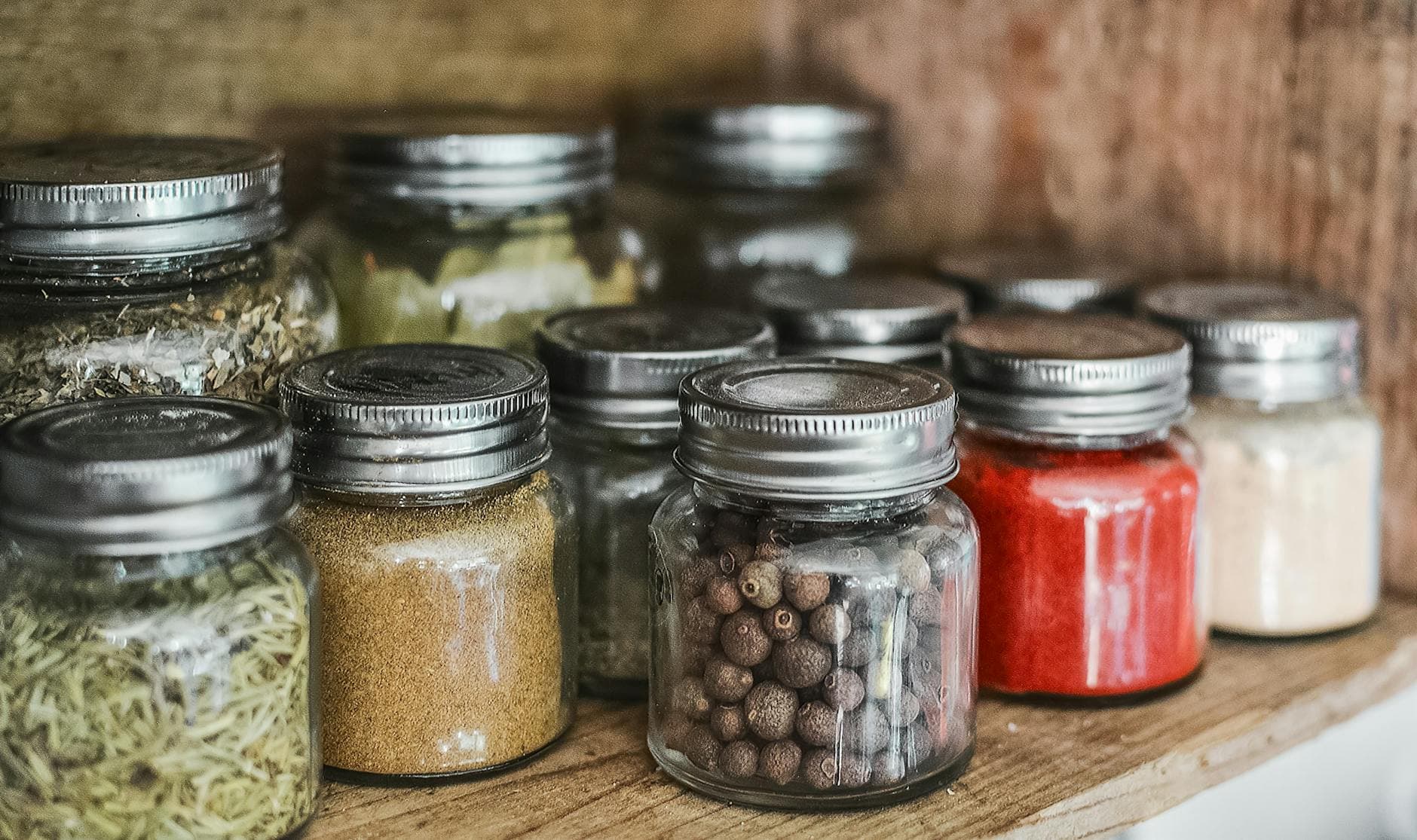
Pulaka (Giant Swamp Taro)
The country's most important crop, grown in big composted pits dug below the water table. It is coarser and larger than ordinary taro, with broader leaves, and it is toxic raw, so it always goes into the earth oven first. Rising seas and salt water seeping into the pits have made it harder to grow and more precious year by year. Traditionally it is worked together with coconut cream or toddy.
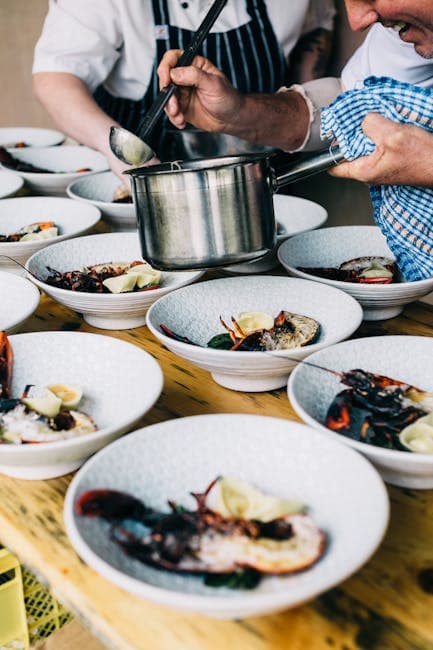
Fekei
Grated pulaka mixed with coconut cream (lolo), wrapped in pulaka leaves and steamed. You will find it on all nine islands, and it shows off the way Pacific cooks have always worked with what grows around them.
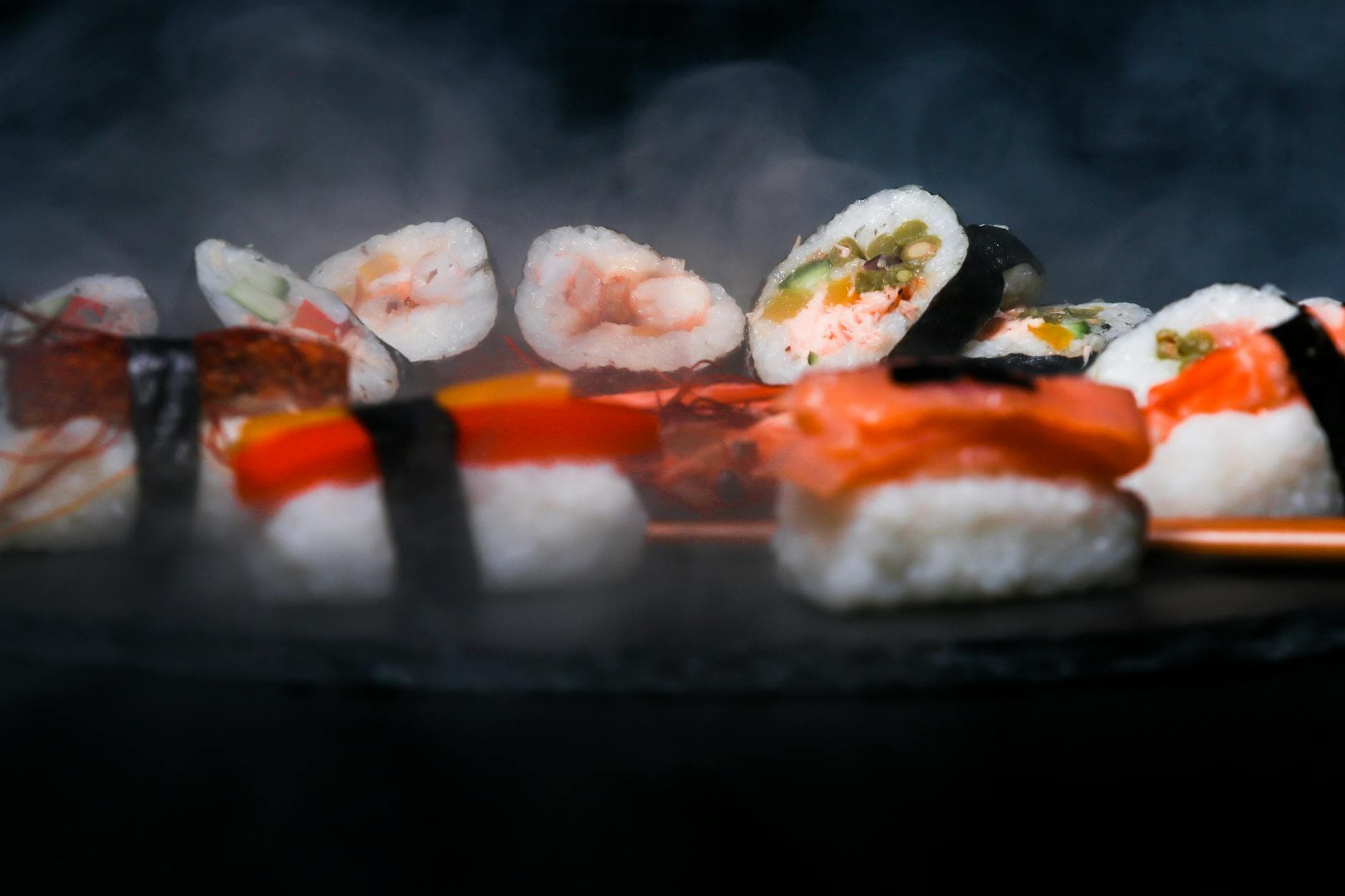
Coconut Fish (Ika Mata)
Tuvalu's signature plate: raw fresh tuna in a thick coconut milk sauce with lime, onions, and peppers. The lime's acid firms up the fish without any heat, so it goes from boat to bowl with little in between.
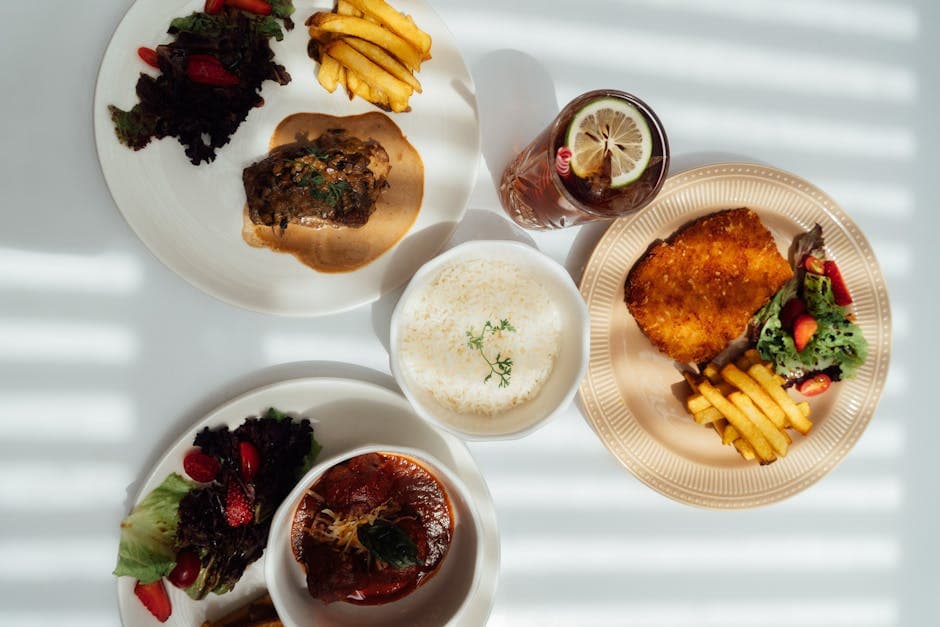
Palusami
A Pacific favourite: taro leaves packed with coconut cream and onions, sometimes with fish or corned beef, then baked in the umu earth oven. You see versions of it across the region, but in Tuvalu the umu is still how it gets made, which keeps the old method alive.
Tulolo
A Niutao island dish in which coconut cream (lolo) is poured over beaten pulaka pulp. Nothing fancy, just the coconut-and-taro pairing that sits at the heart of Tuvaluan cooking.
Feke (Octopus)
Octopus, grilled or stewed, often marinated in coconut milk or served alongside taro. The char off the grill against the coconut richness gives it that distinctly Pacific taste.
Breadfruit
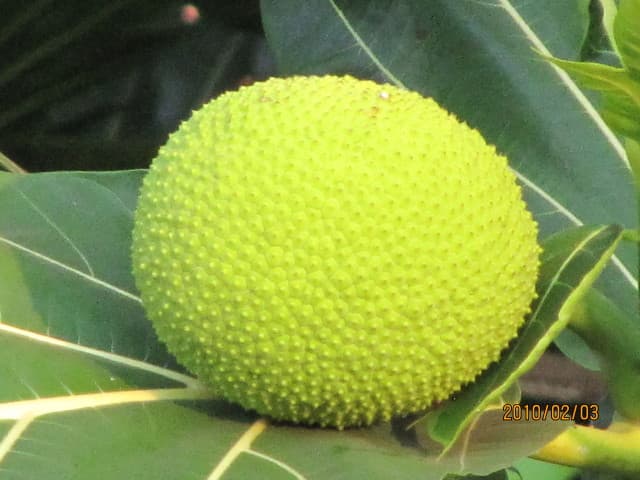
A starchy fruit that gets roasted, boiled, or baked and stands in for potatoes or bread. The trees crop heavily, which makes breadfruit the carbohydrate people fall back on whenever pulaka runs short.
Grilled Fresh Fish
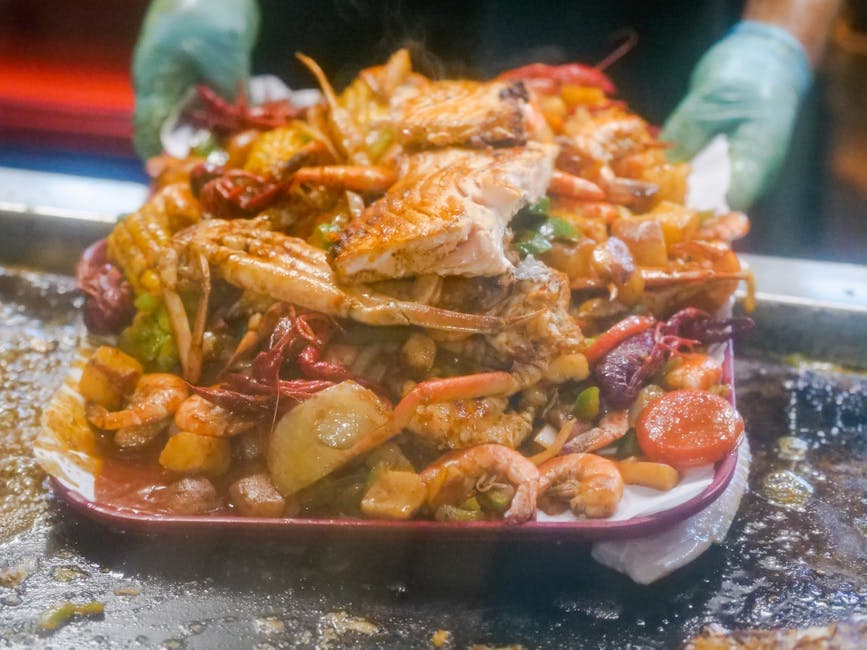
Tuna, wahoo, or mahi-mahi pulled from the water that day and grilled over an open fire or coals. When fish is this fresh, it does not need much doing to it.
Coconut Toddy
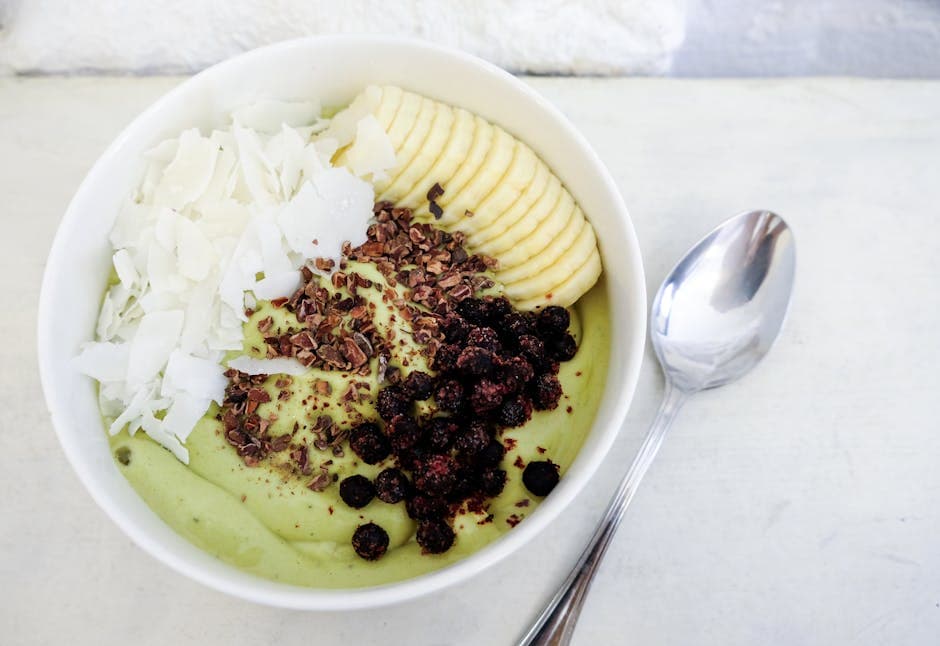
Sweet sap tapped from coconut flower clusters and drunk fresh or left to ferment. It is an old, everyday drink and a source of natural sugar, and cooks also use it when preparing pulaka and other dishes.
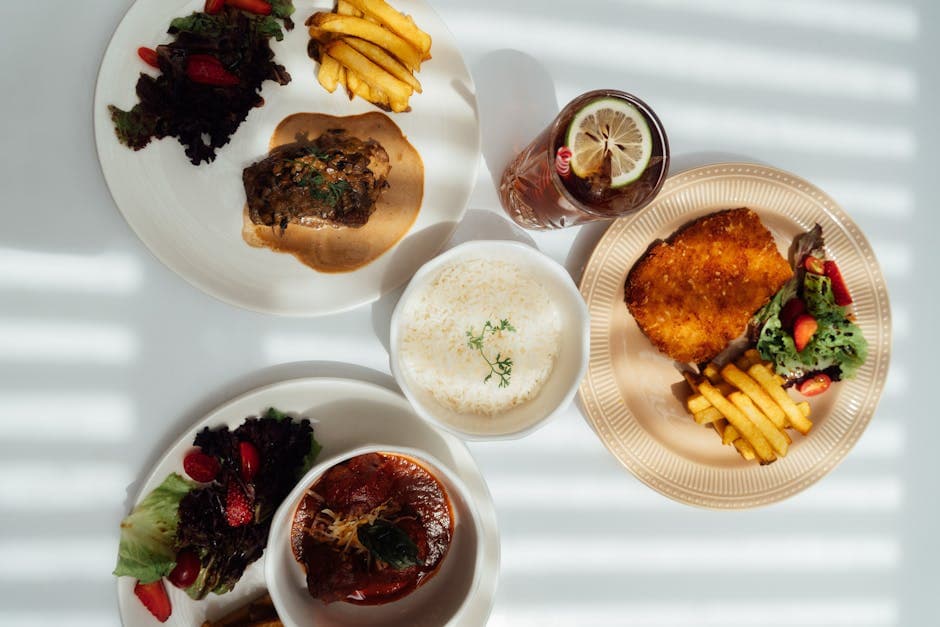
Puleleti
A sweet of desiccated coconut stirred together with coconut syrup. About as simple as a dessert gets, and one more thing coconut turns out to be good for.
Regional Specialties & Local Favorites
Discover the authentic regional dishes and local favorites that showcase Tuvalu's diverse culinary traditions.
Roasted Breadfruit
Breadfruit buried in the embers until it softens, giving you a starchy side that eats much like a baked potato. It becomes the staple whenever pulaka is not to be had.
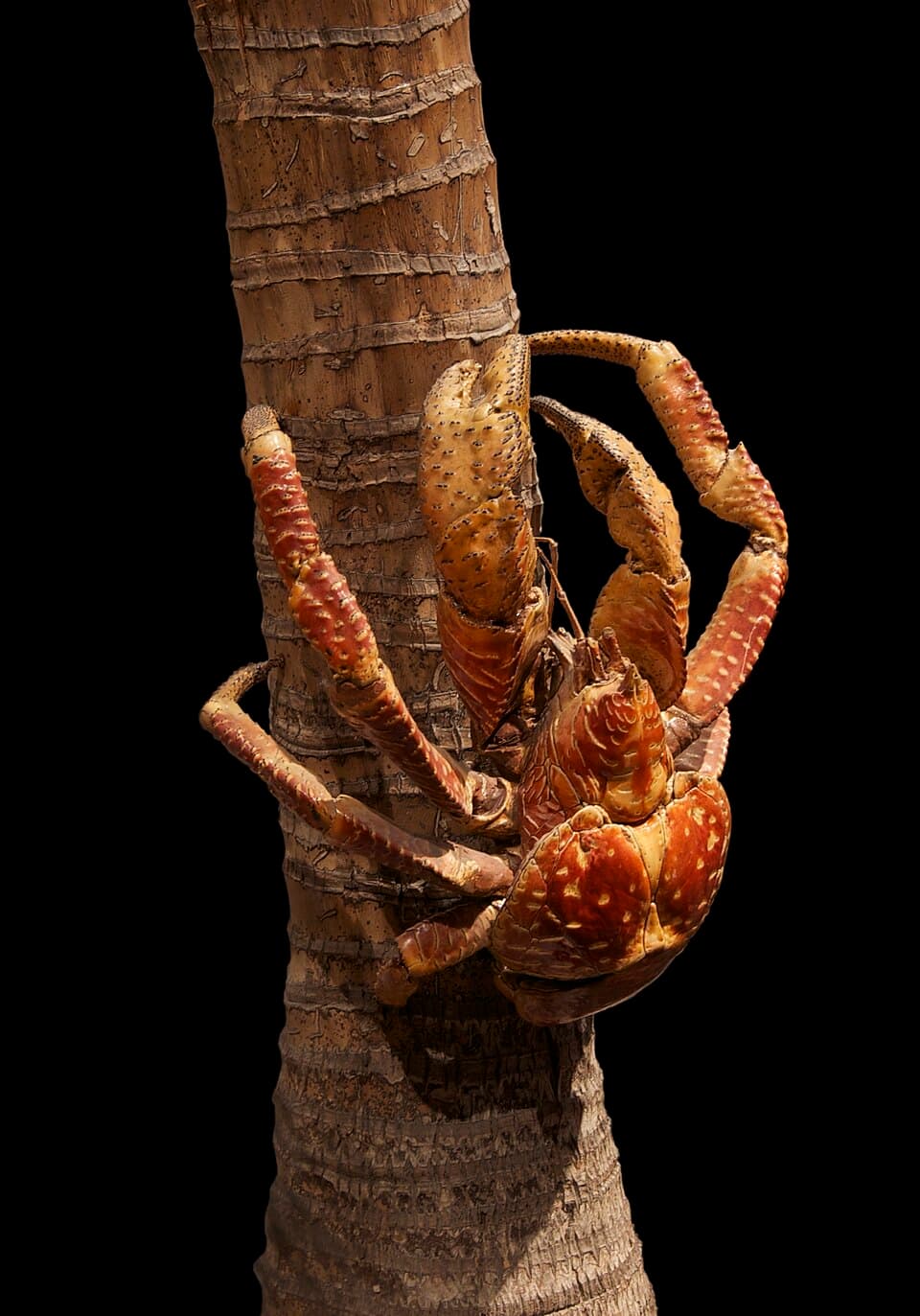
Coconut Crab
Land crabs that live on coconuts, which gives their meat an unusual flavour. They are a treat when you can get them, usually just grilled or cooked in coconut sauce.
Allergens:
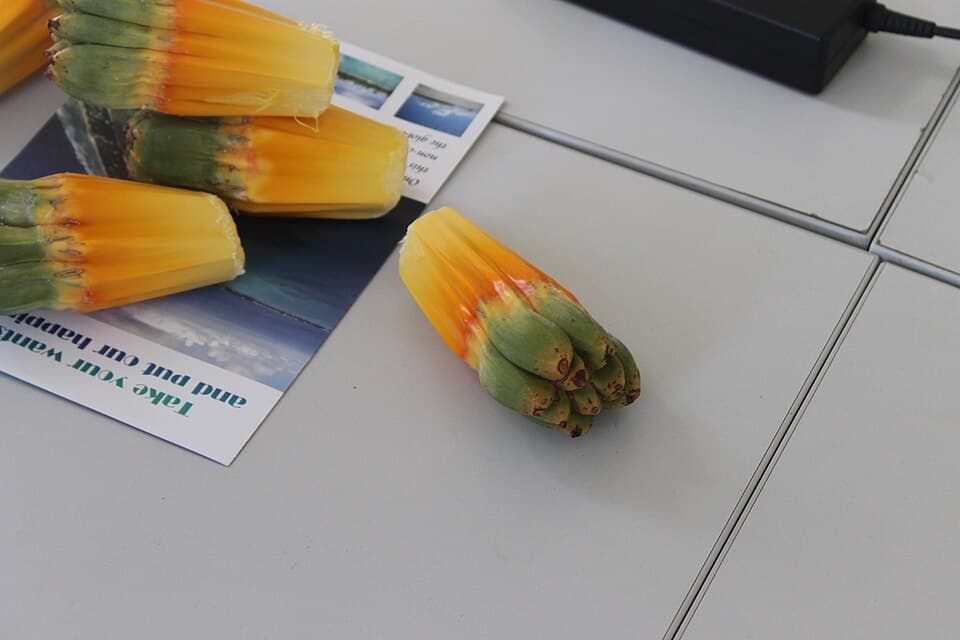
Pandanus Fruit
A large tropical fruit whose segments, or keys, are eaten fresh or pounded into a paste. It brings vitamins and a natural sweetness.
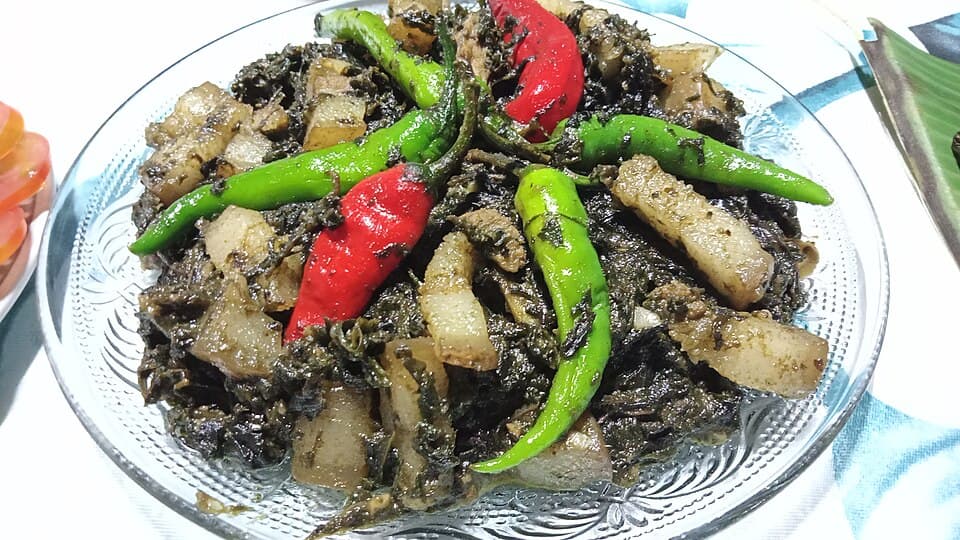
Taro Leaves in Coconut Milk
Young taro leaves simmered in coconut cream until they turn soft and silky. It is a nourishing green dish you will run into all over the Pacific.
Allergens:
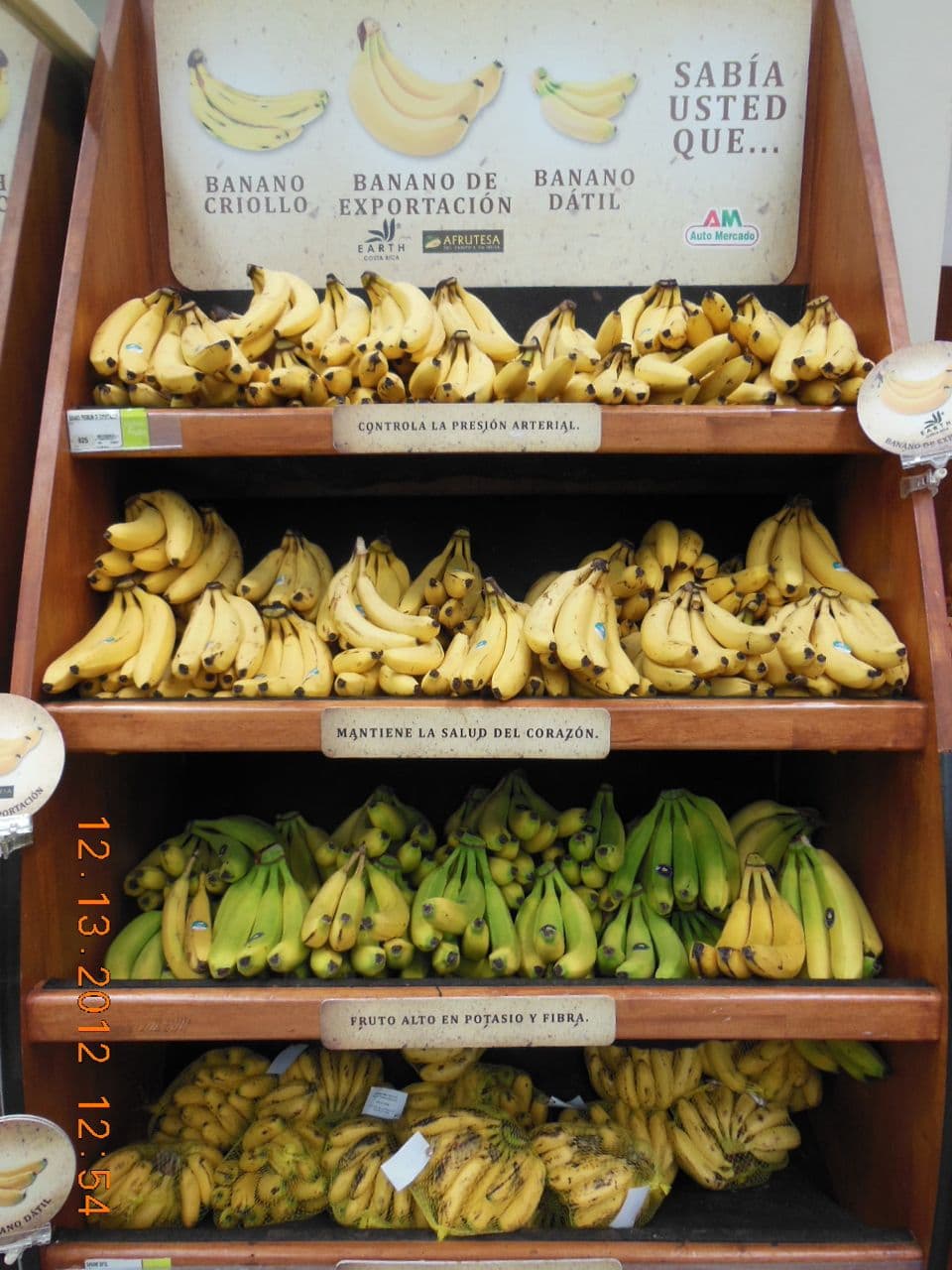
Banana Varieties
Several banana varieties grow on the islands, eaten ripe as fruit or cooked green like a vegetable. Either way, they are a key source of carbohydrate.
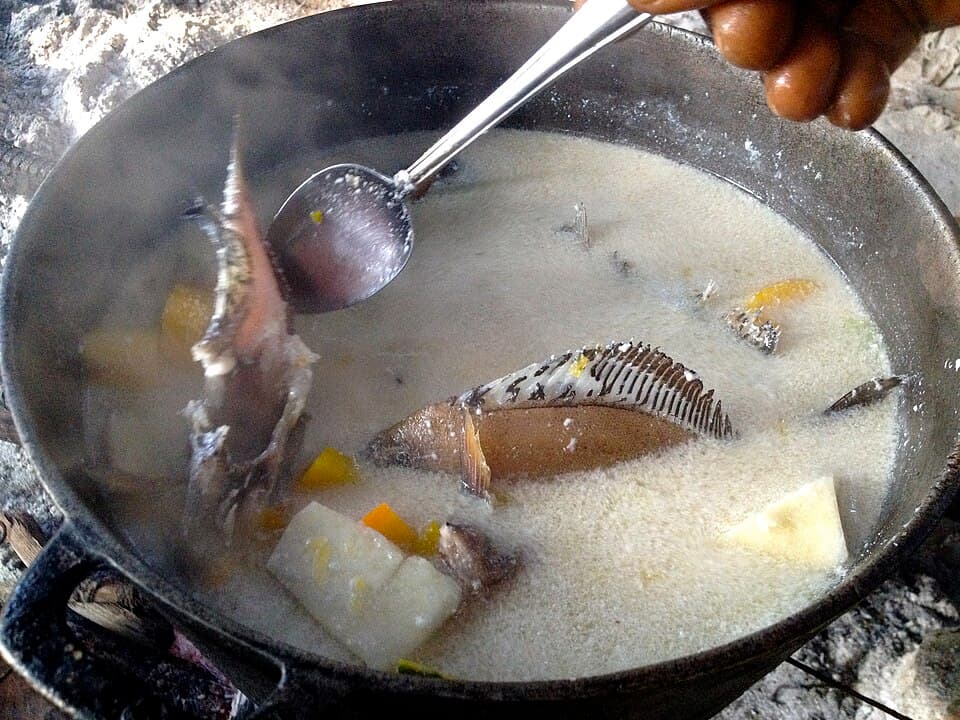
Fish Soup
A plain soup of fresh fish, coconut milk, taro, and whatever vegetables are on hand. It makes a filling meal out of what the day provides.
Allergens:
Umu-Cooked Pork
Pork wrapped in banana leaves and cooked in the umu earth oven, saved for special occasions. The meat comes out tender and smoky, with the leaves lending it their flavour.
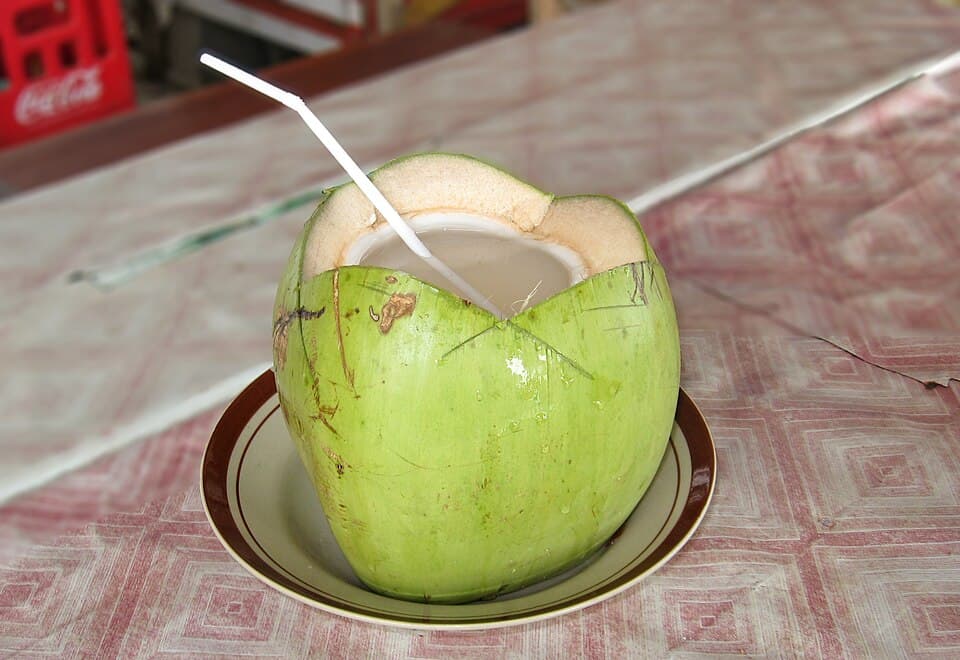
Coconut Water
Coconut water drunk straight from a young green coconut. On an atoll with little fresh water, it is how many people stay hydrated.
Allergens:
Regional Cuisine Highlights
Explore the diverse culinary landscapes across different regions of Tuvalu.
Funafuti (Capital Atoll)
The capital atoll is the most populous part of the country and holds its only hotels and restaurants. Vaiaku Lagi Hotel does the most formal dining, mixing international plates with local ones. Filamona Moonlight Restaurant is known for Tuvaluan-style pork and taro eaten under the moon, with the odd live band. 3 T's Cafe eases visitors into Pacific island food, fresh seafood and traditional pulaka included. Island Cafe pours good coffee and milkshakes and is the spot people point you to for raw tuna in coconut milk. The Chinese restaurants, Nang and Blue Ocean, add some range, and Funafuti Lagoon Hotel runs a dependable western menu with local touches like sashimi. Market stalls sell breadfruit chips, grilled skewers, and fresh fish, depending on what came in that day.
Cultural Significance:
Funafuti is where Tuvalu meets the outside world without letting go of its own food culture, which makes it the easiest place for a visitor to get a first taste of Pacific island cooking.
Signature Dishes:
- Restaurant-prepared ika mata
- Hotel buffets with local dishes
- Fresh sashimi
- Market street food
Key Ingredients:
Outer Islands (8 atolls)
The eight outer islands still live mostly off what they grow and catch, with little contact beyond their shores. Niutao is known for tulolo, coconut cream over pulaka pulp. Each island has worked out its own way of tending pulaka pits to suit local conditions, and the umu earth oven does most of the daily cooking. Fresh fish, coconut, breadfruit, and pulaka make up the bulk of the diet, with hardly any imports, so the old methods of preserving food still matter out here. Seasons of plenty and lean stretches set the pattern of what gets eaten, and salt water creeping into the below-water-table pits is putting pulaka at risk.
Cultural Significance:
The outer islands hold onto Tuvaluan food culture in its oldest form, with recipes and techniques handed down over generations, all of it now under threat from rising seas.
Signature Dishes:
- Tulolo (Niutao)
- Traditional fekei
- Umu-cooked palusami
- Freshly-caught ocean fish
Key Ingredients:
All Nine Islands
Small and far-flung as they are, all nine islands cook from the same core: pulaka (giant swamp taro), coconut in every form, and fresh seafood. The umu earth oven ties their cooking to the wider Pacific. Rising seas now threaten pulaka everywhere, as salt water seeps into the composted pits below the water table and the staple grows scarcer. On islands like these, nothing edible goes to waste. Fishing follows the seasons and a long-held reading of ocean cycles. Coconut yields oil, milk, toddy, and meat, while breadfruit fills in for pulaka when carbohydrate is needed.
Cultural Significance:
Tuvaluan cooking is what generations of careful knowledge about growing taro, working coconut, and fishing without exhausting the reef looks like on islands with little to spare, and climate change now puts all of it at risk.
Signature Dishes:
- Pulaka (endangered)
- Fekei
- Coconut fish
- Palusami
- Umu-cooked dishes
Key Ingredients:
Sweet Delights & Desserts
Indulge in Tuvalu's traditional sweet treats and desserts.
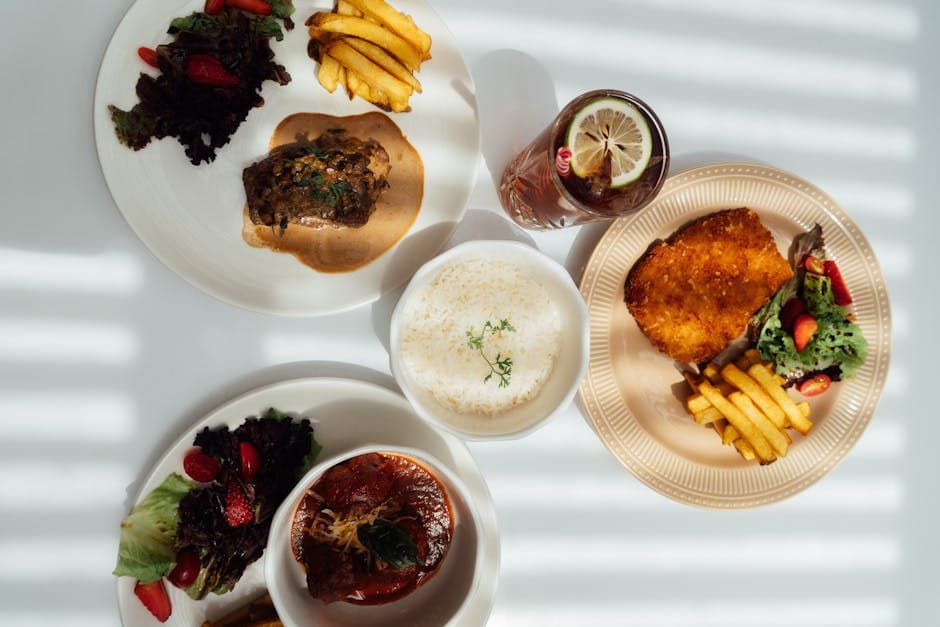
Puleleti
Desiccated coconut bound with coconut syrup, sometimes shaped into balls or squares. It is the dessert people make for celebrations.

Coconut Pudding
A creamy pudding of coconut milk, coconut meat, and natural sweeteners. Plain but satisfying, and it makes good use of how much coconut there is to go around.

Baked Bananas
Ripe bananas baked until soft and caramelised, sometimes with coconut cream poured over. The heat draws out their sweetness.
Traditional Beverages
Discover Tuvalu's traditional drinks, from locally produced spirits to regional wines.
Coconut Toddy
Sweet sap from coconut flower clusters, drunk fresh or left to ferment. It carries real cultural weight here, giving natural sugar when fresh and a mild kick once it has fermented.
Soft Beverages
Discover Tuvalu's traditional non-alcoholic drinks, from local teas to refreshing juices.
Fresh Coconut Water
Water from young green coconuts, drunk straight from the shell. Where fresh water is scarce it does a lot of the hydrating, and it comes naturally sterile and full of electrolytes.
Pandanus Juice
Sweet, tropical juice pressed from pandanus fruit. You can only get it when the fruit is in season.

Tea
Imported black tea, a holdover from British colonial days. People drink it daily, usually sweetened, as much for the company as for the caffeine.
Frequently Asked Questions
Essential information about food and dining in Tuvalu.
What is the national dish of Tuvalu?
Tuvalu's most iconic dishes include Pulaka (Giant Swamp Taro), Fekei, Coconut Fish (Ika Mata). The country's most important crop, grown in big composted pits dug below the water table. It is coarser and larger than ordinary taro, with broader leaves, and it is toxic raw, so it always goes into the earth oven first. Rising seas and salt water seeping into the pits have made it harder to grow and more precious year by year. Traditionally it is worked together with coconut cream or toddy.
Is street food safe in Tuvalu?
Street food in Tuvalu can be enjoyed safely by following these guidelines: Bottled water recommended for visitors Limited street food options. Look for busy vendors with high turnover, ensure food is cooked fresh and served hot, and avoid raw ingredients if you have a sensitive stomach.
What are the best restaurants in Tuvalu?
Tuvalu offers diverse dining options from street food stalls to upscale restaurants. For the best experience, ask locals for recommendations, check recent reviews, and look for restaurants that specialize in regional cuisines.
Can vegetarians find food easily in Tuvalu?
Vegetarian options in Tuvalu are lowly available. Seafood is the staple, so vegetarians have less to work with. Pulaka, breadfruit, and coconut dishes will do the job, but say clearly what you can and cannot eat.. Many restaurants offer vegetarian dishes, and you'll find plant-based ingredients featured prominently in local cuisine.
What is the average cost of a meal in Tuvalu?
Meal costs in Tuvalu depend on where you eat. Street food and casual local restaurants are very affordable, typically offering complete meals for a few dollars. Mid-range restaurants charge moderate prices, while fine dining establishments are comparably priced to Western countries.
What are common food allergens in Tuvalu?
Common allergens in Tuvalu cuisine include Seafood, Coconut. Fish, octopus, and shellfish are dietary foundations. These ingredients appear in dishes like Coconut fish (ika mata), Grilled fish. Always inform restaurant staff about your allergies.
When is the best time to visit Tuvalu for food?
Tuvalu offers great food experiences throughout the year. However, visiting during harvest seasons (typically spring and autumn) provides access to the freshest local ingredients. Food festivals and cultural celebrations also offer unique culinary experiences worth planning around.