
San Marino Food Guide
Content Information
Recently updated🔥Current Food Trends 2026
What's happening in San Marino's culinary scene right now
San Marino cooks the way Italian Romagna does, just on a smaller scale and behind its own borders. By mid-2026 the food scene leans hard on that heritage. Torta Tre Monti is still the thing everyone recognizes, a three-towered wafer cake with hazelnut and chocolate filling that La Serenissima has made since 1942, and Nidi di Rondine (swallow nests pasta) has become the dish people travel to try. Artisan piada cafes have given the old Romagna flatbread a second life with better fillings and organic flour, while the traditional stalls keep doing what they always did. At the higher end, Ristorante Righi and Le Terrazze are chasing Michelin attention with contemporary versions of Sammarinese classics. Culinary tourism has grown into a real draw, with cooking classes built around pasta-making and old recipes. Specialty coffee shops now sit alongside the standard bars. Enzu San Marino, which opened in 2025 near the P9 parking, brought a modern Italian menu to that side of town. A small farm-to-table movement makes the most of Mount Titan terroir despite the limited land, and wine connections run to the Emilia-Romagna vineyards next door, mostly Sangiovese and Trebbiano. There is steady work on documenting traditional recipes for UNESCO consideration, the same way the historic center already holds that status. Small producers of craft liqueurs and aged balsamic from the Modena trade have grown more visible. Cooks here keep working out where the old recipes end and the updates begin.
Food Safety Tips
Essential food safety information to help you enjoy San Marino's cuisine safely and confidently.
Tap water is safe to drink
Water quality standards are high across San Marino, and the tap water is safe to drink anywhere in the country. Bottled water is sold everywhere if you prefer it, but you do not need it.
High food safety standards
San Marino follows Italian and EU food safety rules. Restaurants keep hygiene standards high, and street food is fresh and safe to eat.
All establishments follow strict standards
Restaurants, trattorias, and food vendors all keep their hygiene in good shape. The tourist areas have plenty of well-reviewed places to choose from.
Dietary Options
vegetarian
HIGH AVAILABILITYItalian-style cooking leaves vegetarians with plenty to eat. Pasta dishes, risottos, vegetable soups, and cheese-based specialties are easy to find, and most restaurants list several vegetarian choices.
vegan
MEDIUM AVAILABILITYVegan choices are getting better in San Marino. Vegetable soups, pasta with tomato sauce, and grilled vegetables are all standard, and newer restaurants increasingly adapt dishes on request. Be clear about what you need when you order.
gluten-free
MEDIUM AVAILABILITYGluten-free pasta and bread are turning up more often, particularly in Borgo Maggiore and the City of San Marino. Plenty of dishes are naturally gluten-free anyway, including risotto, polenta, and most meat and vegetable courses. Tell the restaurant if you have celiac disease.
halal
LOW AVAILABILITYThere are very few dedicated halal restaurants. Some Italian places will work with you using vegetarian, seafood, or specially prepared meat dishes. Call ahead to ask.
kosher
VERY LOW AVAILABILITYSan Marino has no kosher-certified restaurants. Observant travelers will need to rely on vegetarian dishes, fish, or packaged kosher products, and nearby Rimini may offer more.
Common Allergens
Nuts
HIGH PREVALENCEHazelnuts and walnuts extensively used in Sammarinese cuisine, especially in Torta Tre Monti and desserts
COMMONLY FOUND IN:
Dairy
HIGH PREVALENCECheese, cream, butter, and milk central to Sammarinese-Italian cuisine
COMMONLY FOUND IN:
Gluten
HIGH PREVALENCEWheat pasta, bread, and baked goods are staples in San Marino cuisine
COMMONLY FOUND IN:
Eggs
MEDIUM PREVALENCEEggs used in fresh pasta, baked goods, and traditional dishes
COMMONLY FOUND IN:
Essential Food Experiences
These iconic dishes represent the must-have culinary experiences that define San Marino's food culture for travelers.
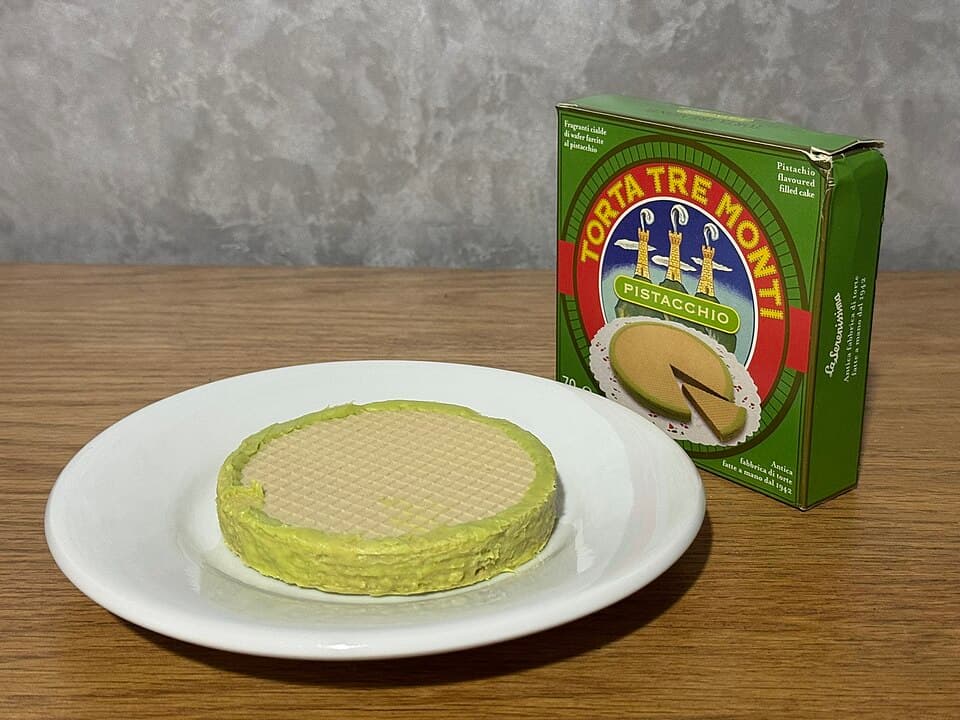
Torta Tre Monti
San Marino's national dessert, named for the Three Towers. Five thin wafer sheets are layered with hazelnut and chocolate cream, then coated all over in dark chocolate. La Serenissima bakery has made it since 1942. You can buy it as a full cake or in snack bars, often in decorative tins meant as souvenirs. It turns up in every café and pastry shop and stands in for San Marino itself.
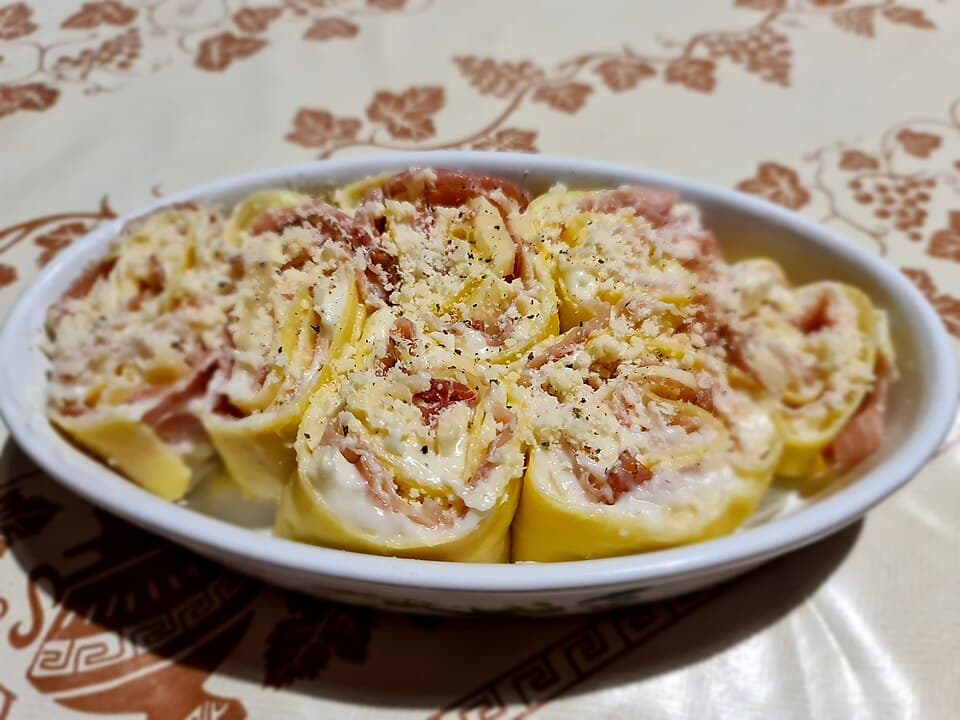
Nidi di Rondine (Swallow Nests)
A baked pasta dish that belongs to San Marino. Fresh pasta sheets are rolled up with ham, cheese, and béchamel, then sliced so each piece looks like a bird's nest before baking in tomato sauce with more béchamel and Parmesan. The spiral makes for a striking plate, and every nest comes out creamy. It is Italian pasta technique with a Sammarinese twist, and you will find it in traditional restaurants across the republic.
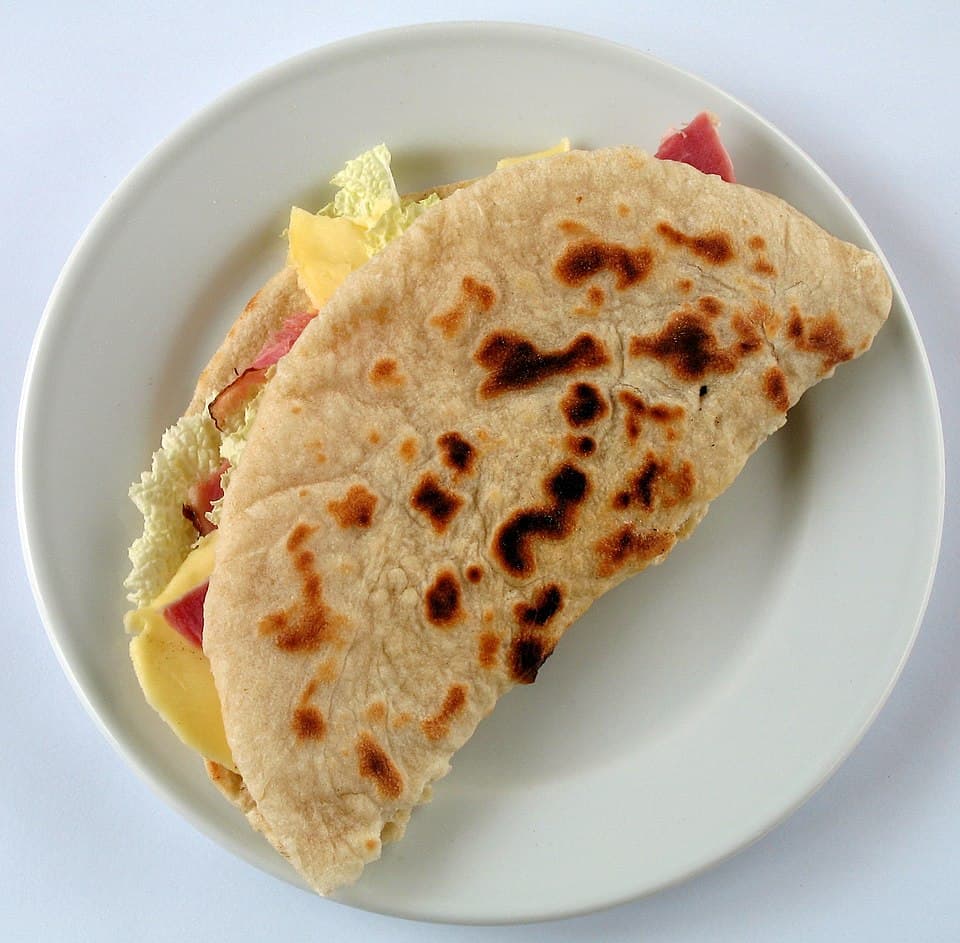
Piada Romagnola
The flatbread of Romagna, eaten constantly in San Marino. It is thin and unleavened, made from flour, lard or olive oil, salt, and water, and cooked on a ceramic griddle. Served hot and folded around prosciutto, squacquerone cheese, arugula, or vegetables. The San Marino version runs a little thicker than the Rimini style. Stalls in Borgo Maggiore turn it out all day, and it is the easiest local street food to grab.
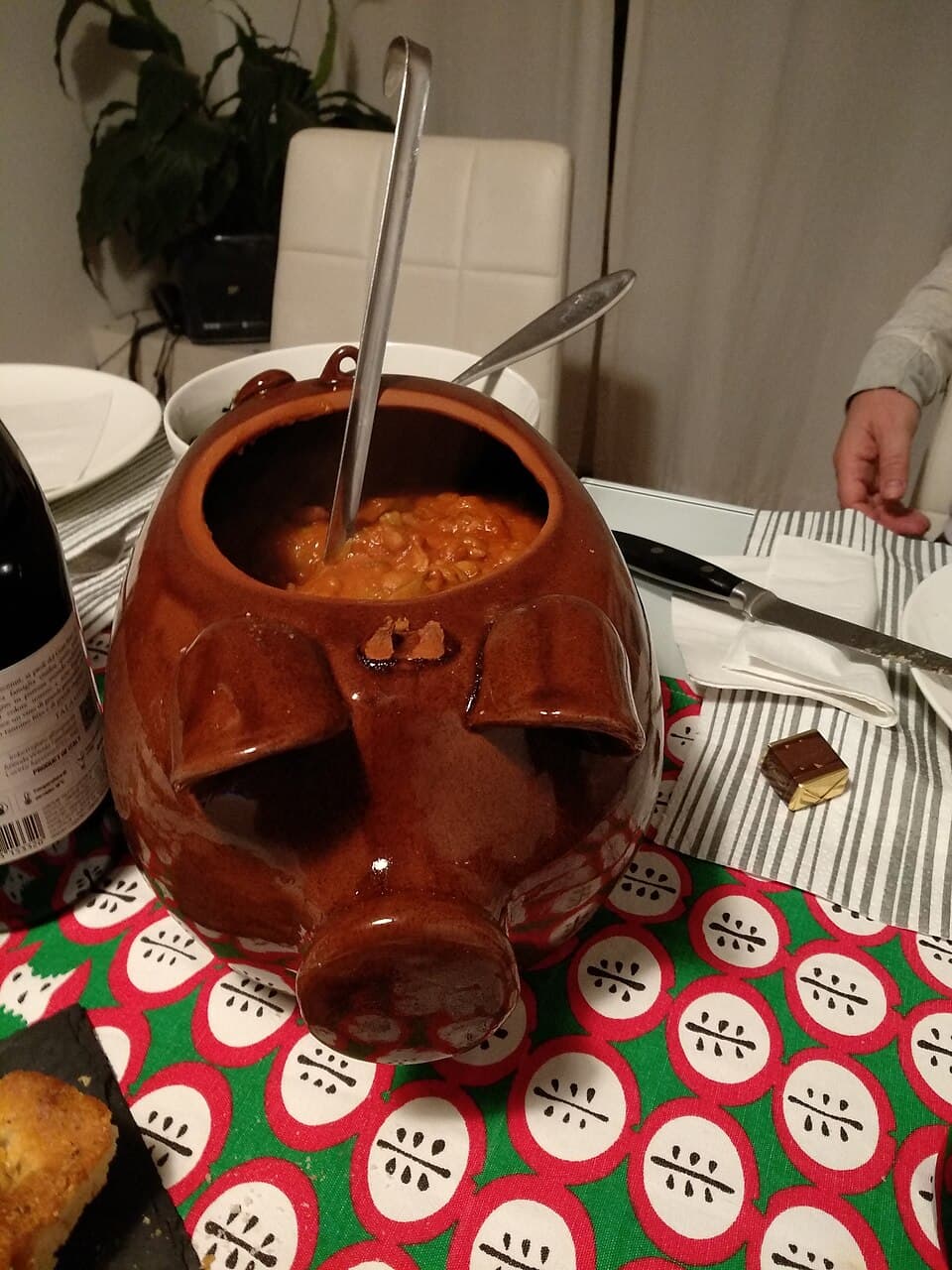
Fagioli con le Cotiche
A Christmas bean and bacon soup tied to Sammarinese winters. White beans cook slowly with pork rinds (cotiche), tomatoes, garlic, sage, and olive oil until thick and filling. The rinds give it body and a particular texture. It comes with crusty bread and reads as home cooking and holiday food. You will mostly see it in traditional restaurants over the winter.
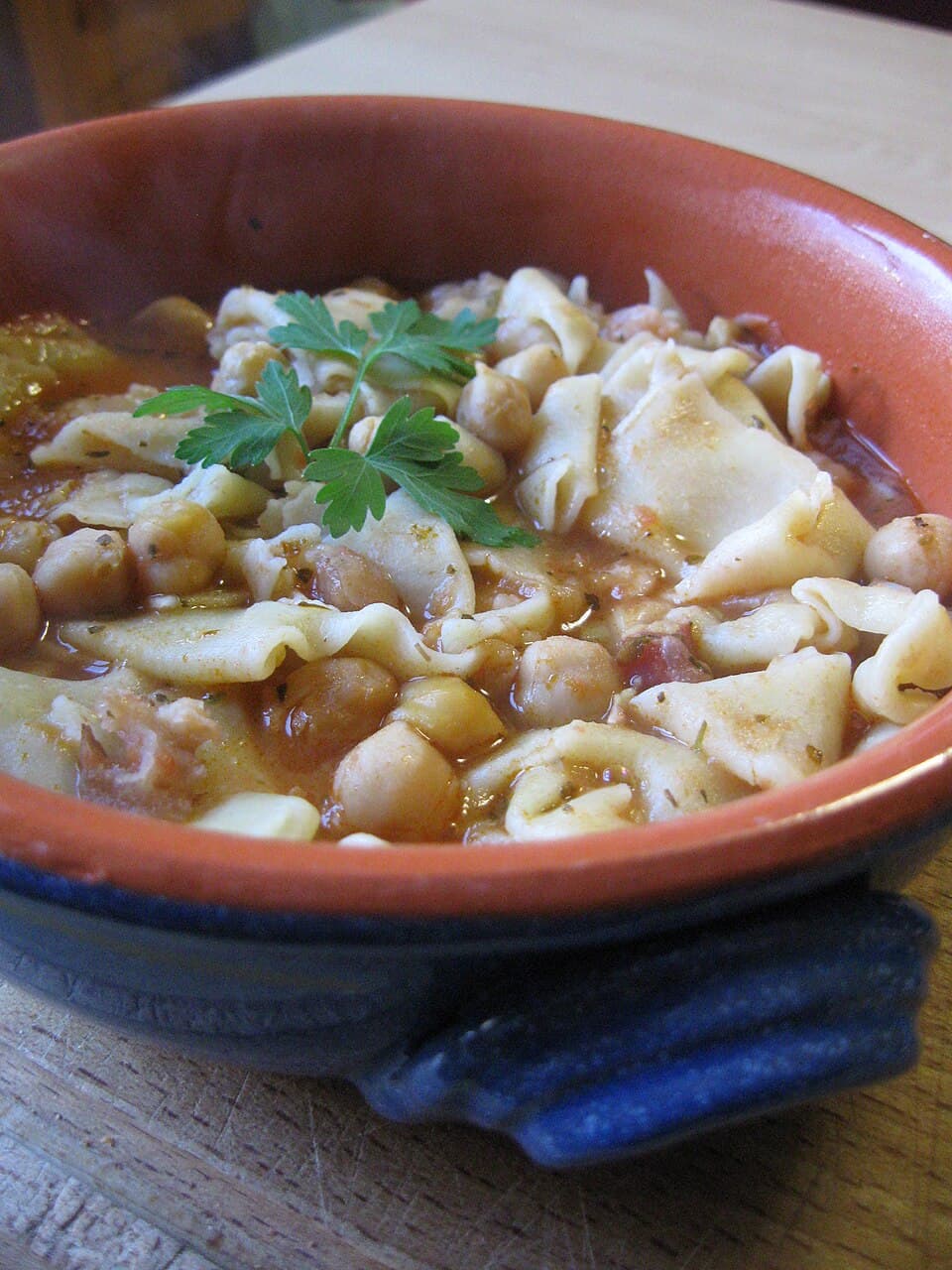
Pasta e Ceci
A chickpea and pasta soup with garlic and rosemary, eaten all over San Marino. Short pasta simmers with chickpeas, tomatoes, garlic, rosemary, and olive oil until thick, then gets a final drizzle of local oil. It is peasant food that depends on good ingredients and not much else. Common in winter, served at home and in trattorias as a primo.
Coniglio in Porchetta (Roast Rabbit with Fennel)
Roasted rabbit seasoned with wild fennel, a Sammarinese dish that owes a lot to the nearby Marche and Romagna. The rabbit marinates in garlic, rosemary, fennel seeds, and white wine, then roasts until the skin crisps and the meat stays tender. The fennel reads aromatic and faintly sweet. It usually comes with roasted potatoes and shows up as a family dish in the more traditional restaurants.
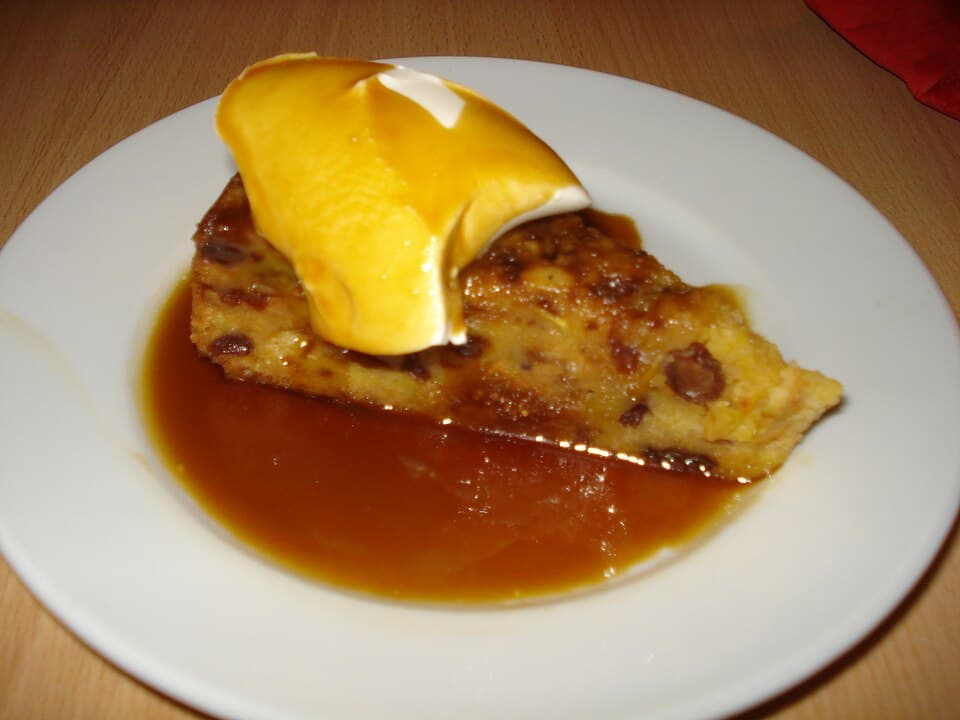
Bustrengo
A rustic cake from San Marino and Romagna, baked for special occasions. It is dense and moist, built from cornmeal, breadcrumbs, dried raisins and figs, apples, lemon zest, rum or mistrà liqueur, and pine nuts. Every family tweaks the recipe. The result tastes sweet, textured, and aromatic, though restrained by modern standards. You will find it in bakeries and home kitchens around the holidays.
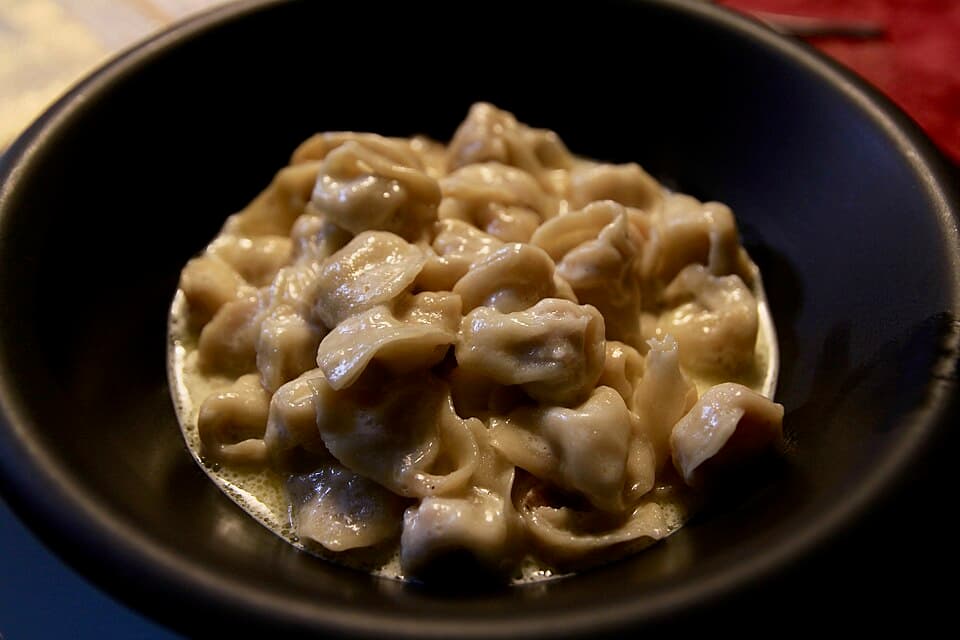
Tortellini alla Panna
Small egg-pasta pockets filled with pork, prosciutto, mortadella, Parmigiano-Reggiano, and nutmeg, served in cream sauce. This Emilia-Romagna dish is a favorite in San Marino. Hand-rolled tortellini in cream with butter and Parmesan makes for rich comfort food, usually finished with cracked black pepper. Nearly every restaurant has it on the menu.
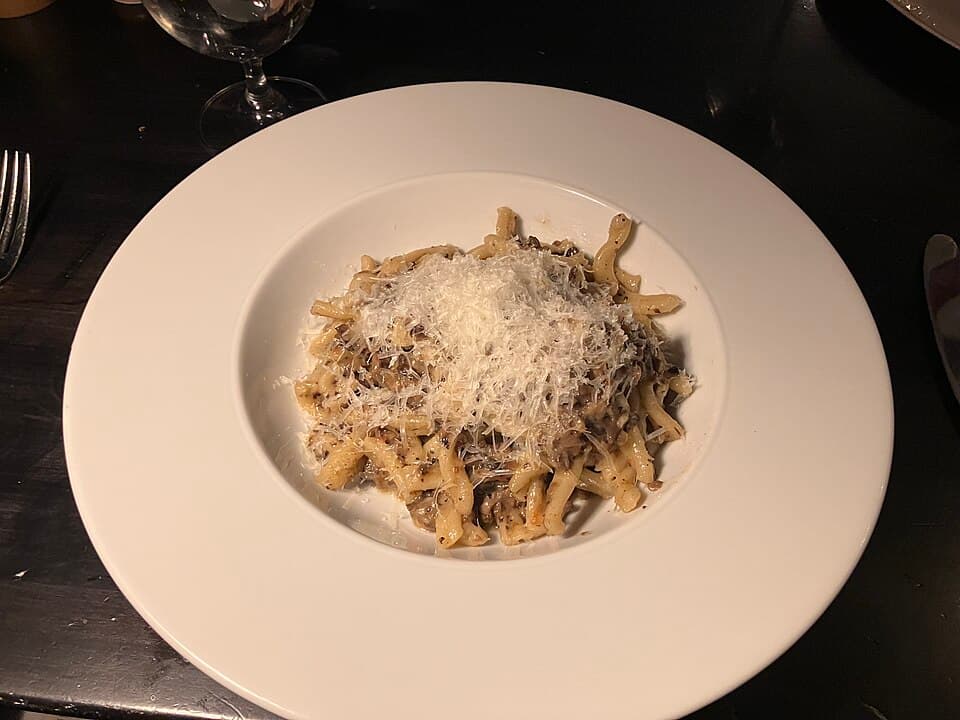
Strozzapreti al Tartufo
Hand-rolled twisted pasta in black or white truffle sauce, the dish that ties San Marino to Italy's truffle country. Strozzapreti ("priest stranglers") are thick and irregular, traditionally made without eggs. They get tossed with butter, Parmesan, and fresh truffle shaved from the nearby Apennines. It appears during the autumn and winter truffle season and lands on the pricier menus, where regional luxury ingredients earn their keep.
Cacciatello (Sammarinese Liqueur)
An herbal liqueur particular to San Marino, made from anise and a range of herbs to recipes that producers keep to themselves. It pours clear to faintly golden, smells strongly of herbs, and tastes distinctly of anise. People drink it as a digestivo after meals, often chilled. Each maker has a different formula, some sweeter, some closer to medicinal. You can buy it in shops and order it in restaurants. It is one of the country's craft drinks.
Zuppa di Fagioli Borlotti
A filling borlotti bean soup with vegetables, pancetta, and herbs, squarely rustic Sammarinese cooking. The beans simmer with carrots, celery, onions, tomatoes, sage, and rosemary until creamy, sometimes part-pureed for a thicker texture. It comes with toasted bread rubbed with garlic and drizzled with olive oil. Cold-weather comfort food up on the mountain.
Regional Specialties & Local Favorites
Discover the authentic regional dishes and local favorites that showcase San Marino's diverse culinary traditions.
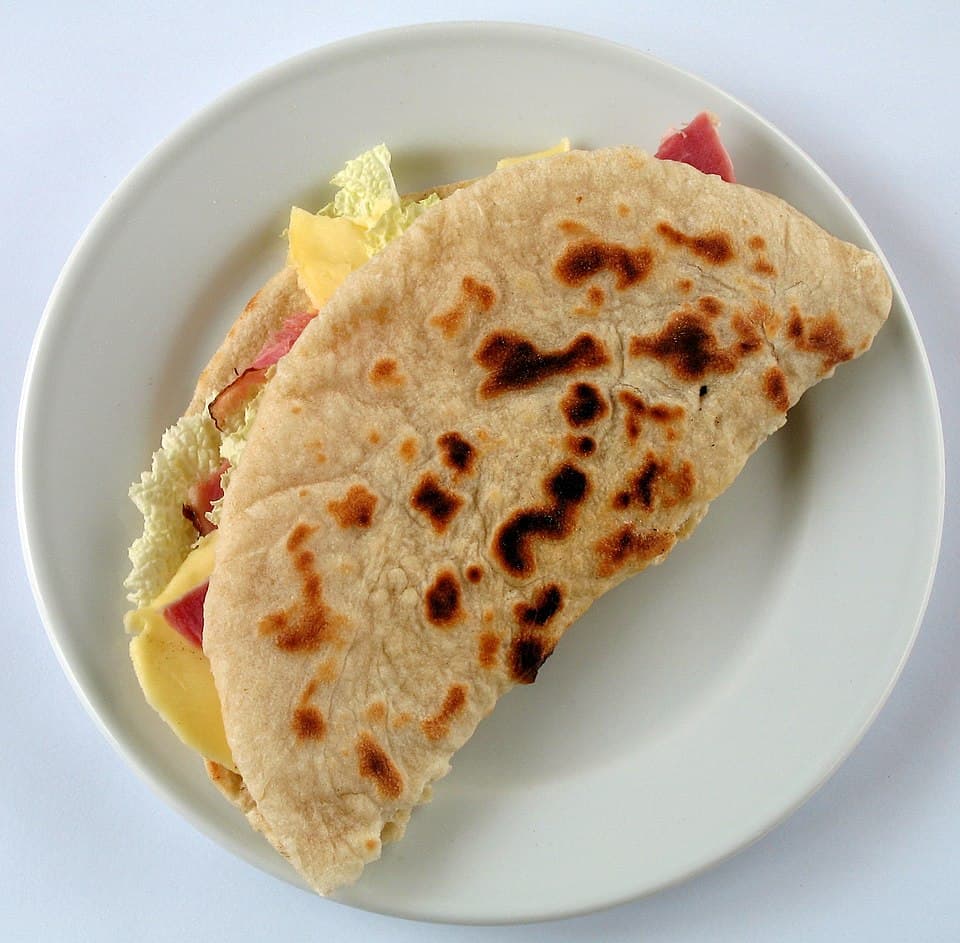
Piadina Romagnola with Squacquerone
Warm flatbread folded around creamy squacquerone cheese and arugula, the default quick lunch in San Marino. Squacquerone is a very soft, mild Romagna cheese that softens further inside hot piada, and the peppery arugula cuts through it. Simple, good, and properly local.
Allergens:
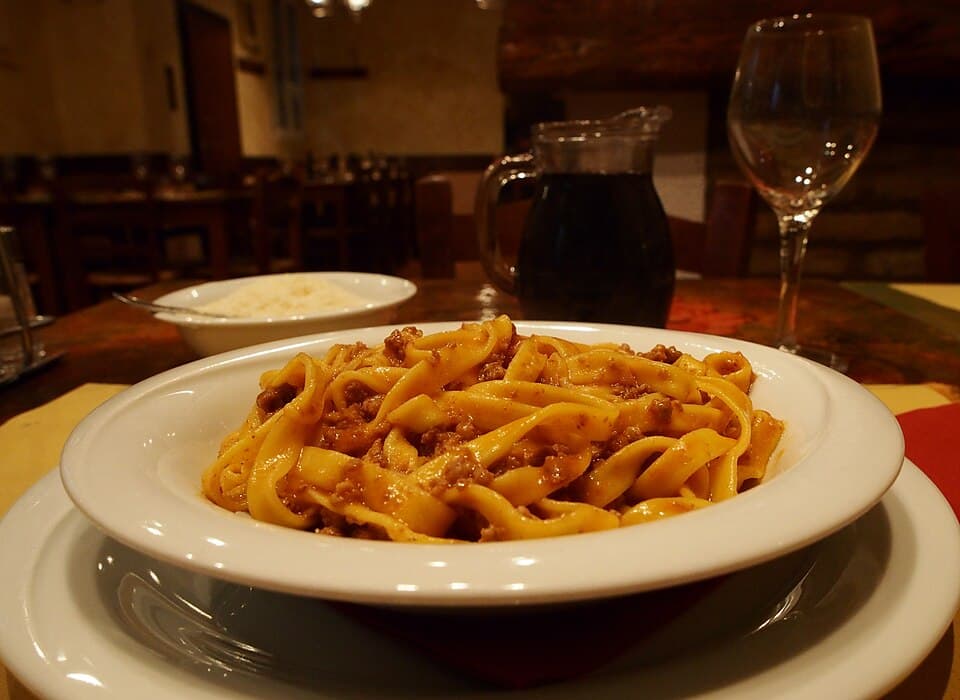
Tagliatelle al Ragù
Fresh egg-pasta ribbons under slow-cooked meat sauce, the Bolognese-Romagna classic that San Marino has made its own. Homemade tagliatelle meets a ragù of beef, pork, tomatoes, wine, and aromatics cooked down over hours, then a dusting of Parmigiano-Reggiano. This is Italian pasta at its best.
Allergens:
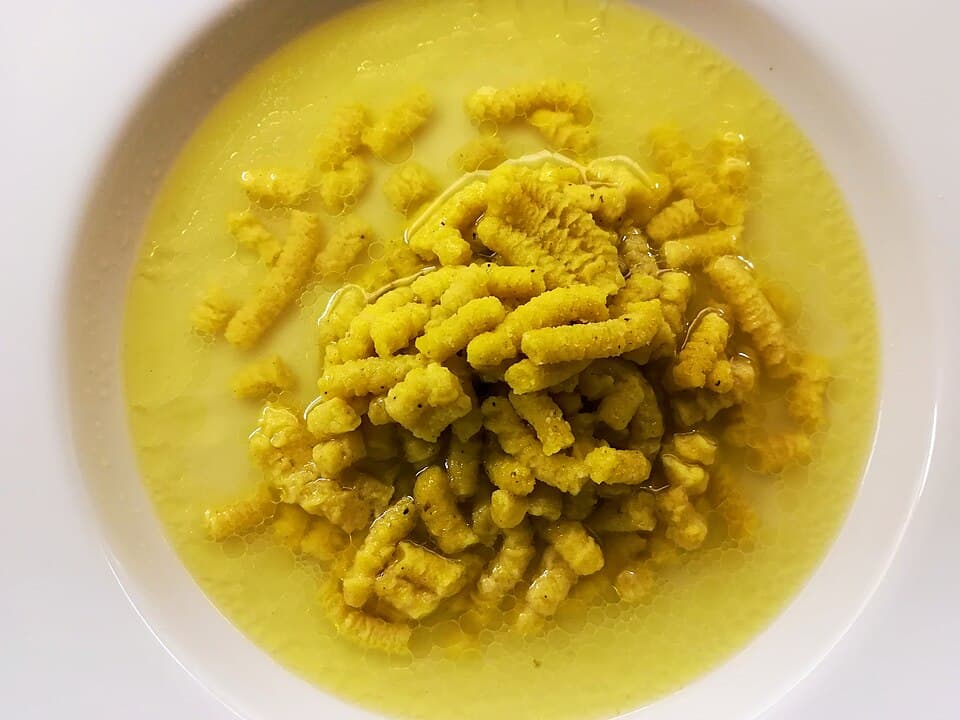
Passatelli in Brodo
A Romagna pasta made from breadcrumbs, Parmesan, eggs, and nutmeg, served in capon broth. The dough is pushed through a special tool into short worm-like strands. It is light but satisfying, a good winter primo. Look for it in traditional restaurants, especially the family-run trattorias.
Allergens:
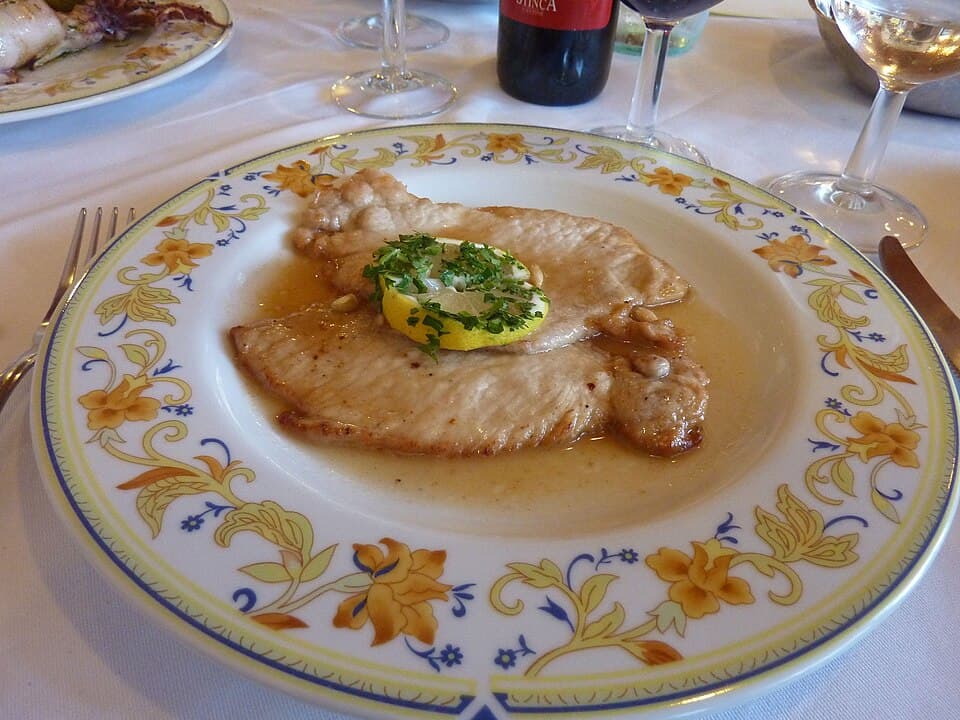
Scaloppine al Vino Bianco
Thin veal cutlets pan-fried fast with white wine, butter, and lemon, a clean Italian secondo. The tender veal sits in a tangy pan sauce and usually arrives with roasted potatoes or vegetables. A restaurant standard that rewards good technique without much fuss.
Allergens:
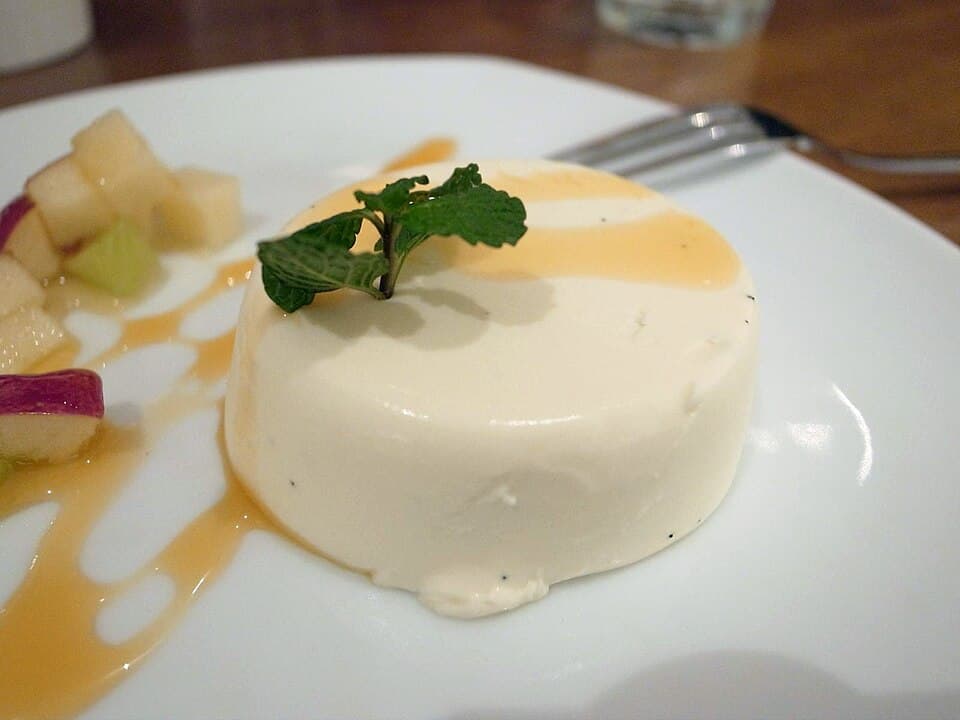
Panna Cotta
A silky Italian dessert of sweetened cream set with gelatin, served with berry coulis or caramel. It wobbles on the plate and makes a light finish after a heavy meal. Not Sammarinese as such, but on every local menu and usually done well.
Allergens:
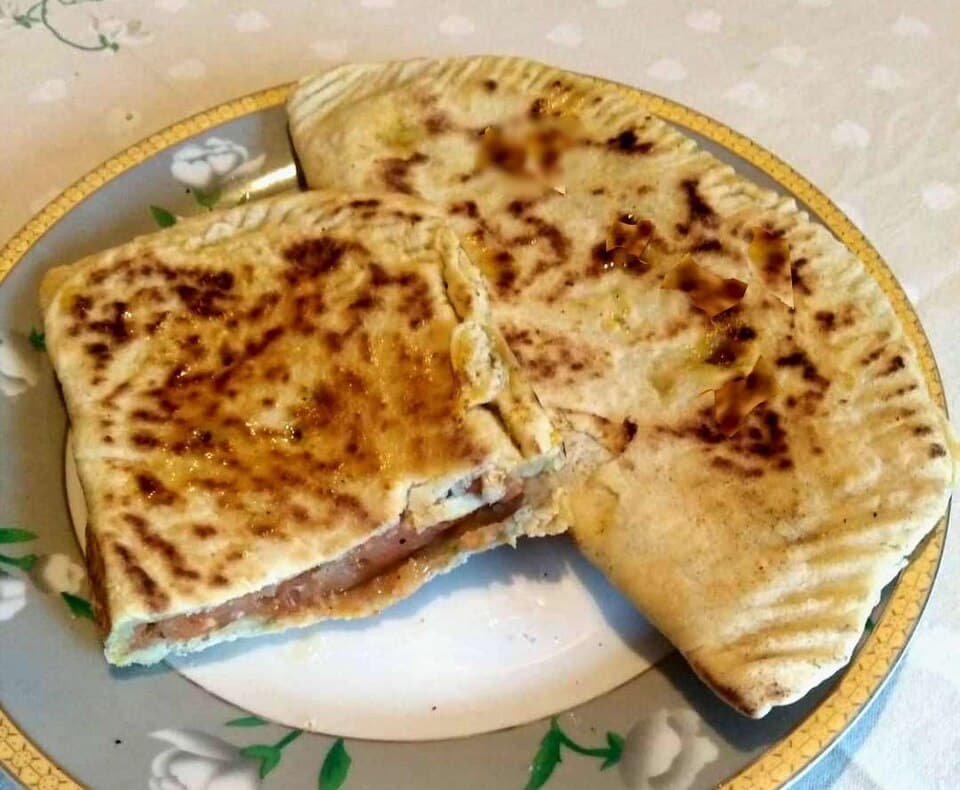
Crescione (Cassone)
A piada folded over a filling of herbs, cheese, or vegetables, sealed, and griddled until crisp. Think calzone, but made with piadina dough. The classic filling is squacquerone and sautéed greens. A common street snack throughout San Marino.
Allergens:
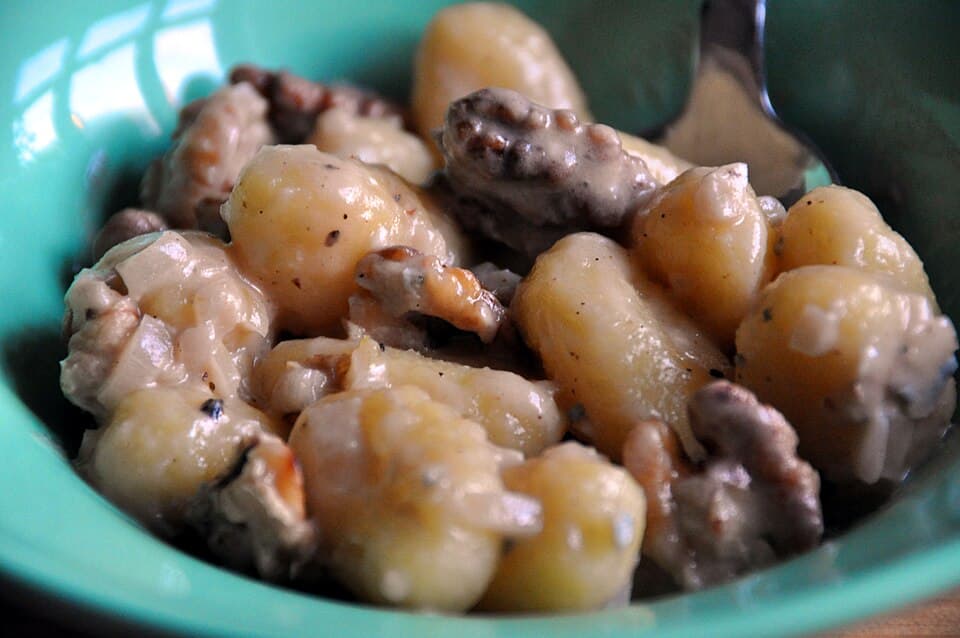
Gnocchi al Gorgonzola
Soft potato dumplings in a creamy Gorgonzola sauce, a rich primo. Blue-veined Gorgonzola from nearby Lombardy melts into cream and coats the pillowy gnocchi, often with walnuts scattered on top. A cold-weather favorite.
Allergens:
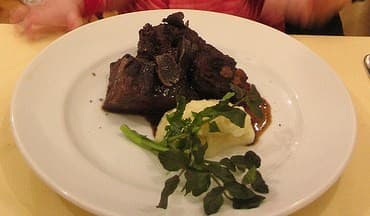
Brasato al Sangiovese
Beef braised in Sangiovese from the Romagna vineyards next door, cooked slowly until it falls apart. A classic secondo served with polenta or mashed potatoes. The wine sauce comes out deep and aromatic. A winter dish built around the region's wine.
Regional Cuisine Highlights
Explore the diverse culinary landscapes across different regions of San Marino.
City of San Marino (Città)
The historic capital sits on top of Mount Titan, where the better restaurants come with a view over the plains. They serve tourists and locals the same Sammarinese classics, Torta Tre Monti and Nidi di Rondine, next to more polished Italian cooking. Ristorante Righi and the other fine-dining rooms put a modern spin on it, while the old osterie hold the line on traditional recipes. With so many places packed along Via Eugippo and around the Three Towers, the competition is real. The terraces look out over the Romagna countryside.
Cultural Significance:
The capital is where San Marino presents its food to international visitors without losing the tradition behind it. Restaurants have to balance tourist appeal against staying genuinely local.
Signature Dishes:
Key Ingredients:
Borgo Maggiore
Borgo Maggiore is the country's commercial and market town, and it has held a Thursday market since medieval times. The food is more everyday here: piada stalls, pizza shops, and family trattorias turning out filling pastas and soups. Hostaria da Lino and Il Beccafico cook traditional Romagna food. The market pulls in fresh produce, cheese, and meat from the surrounding area, and street food runs strong with crescioni, piadina, and porchetta sandwiches. A cable car links it to the City of San Marino. This is the working-class side of Sammarinese eating.
Cultural Significance:
Borgo Maggiore is where the everyday food culture of San Marino actually happens, the place locals shop, eat, and meet. Its market keeps centuries-old food traditions and regional ties going.
Signature Dishes:
Key Ingredients:
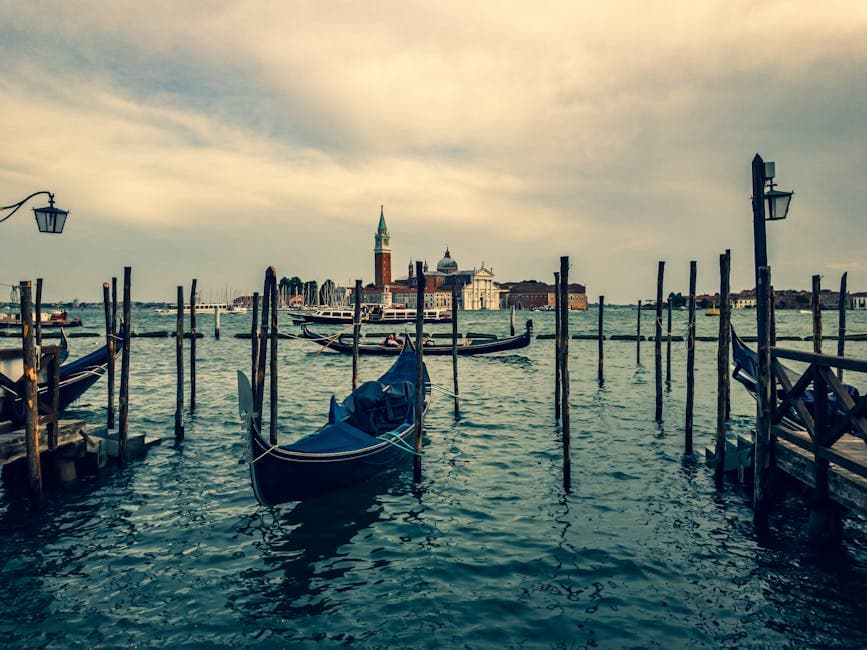
Serravalle (Castle Region)
Serravalle is the largest castello, or municipality, in San Marino, and dining here has a suburban feel, with modern spots sitting alongside older ones. Down in the valley, there is room for bigger restaurants and proper parking. The mood is family trattorias plating generous helpings of pasta, grilled meat, and pizza, where Sammarinese habits meet Italian Romagna influence. A few places specialize in wood-fired pizza and grilled dishes. It draws fewer tourists than the capital, so the restaurants serve local families and workers and the prices reflect that.
Cultural Significance:
Serravalle is modern Sammarinese life, the relaxed suburban side where families live, work, and eat out. The food here mixes convenience with tradition and keeps prices reasonable without dropping the quality.
Signature Dishes:
Key Ingredients:
Sweet Delights & Desserts
Indulge in San Marino's traditional sweet treats and desserts.
Torta Tre Monti
San Marino's national cake: five wafer layers with hazelnut chocolate cream, coated in dark chocolate. See must-try foods for the full description.
Bustrengo Romagnolo
A dense rustic cake of cornmeal, dried fruit, apples, and pine nuts, made for the holidays. See must-try foods for the full description.
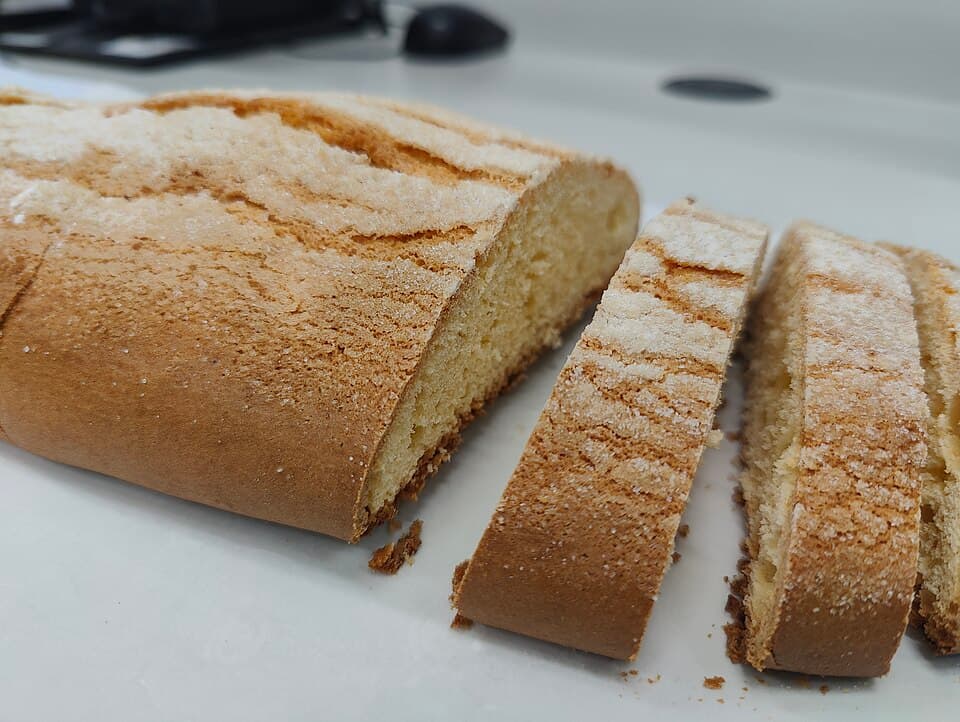
Ciambella Romagnola
A ring-shaped sweet bread cake flavored with lemon zest, eaten at breakfast or as an afternoon snack. The texture is light and airy and the sweetness is gentle. People dip it in coffee or dessert wine. Simple, and a fixture across Romagna and San Marino.
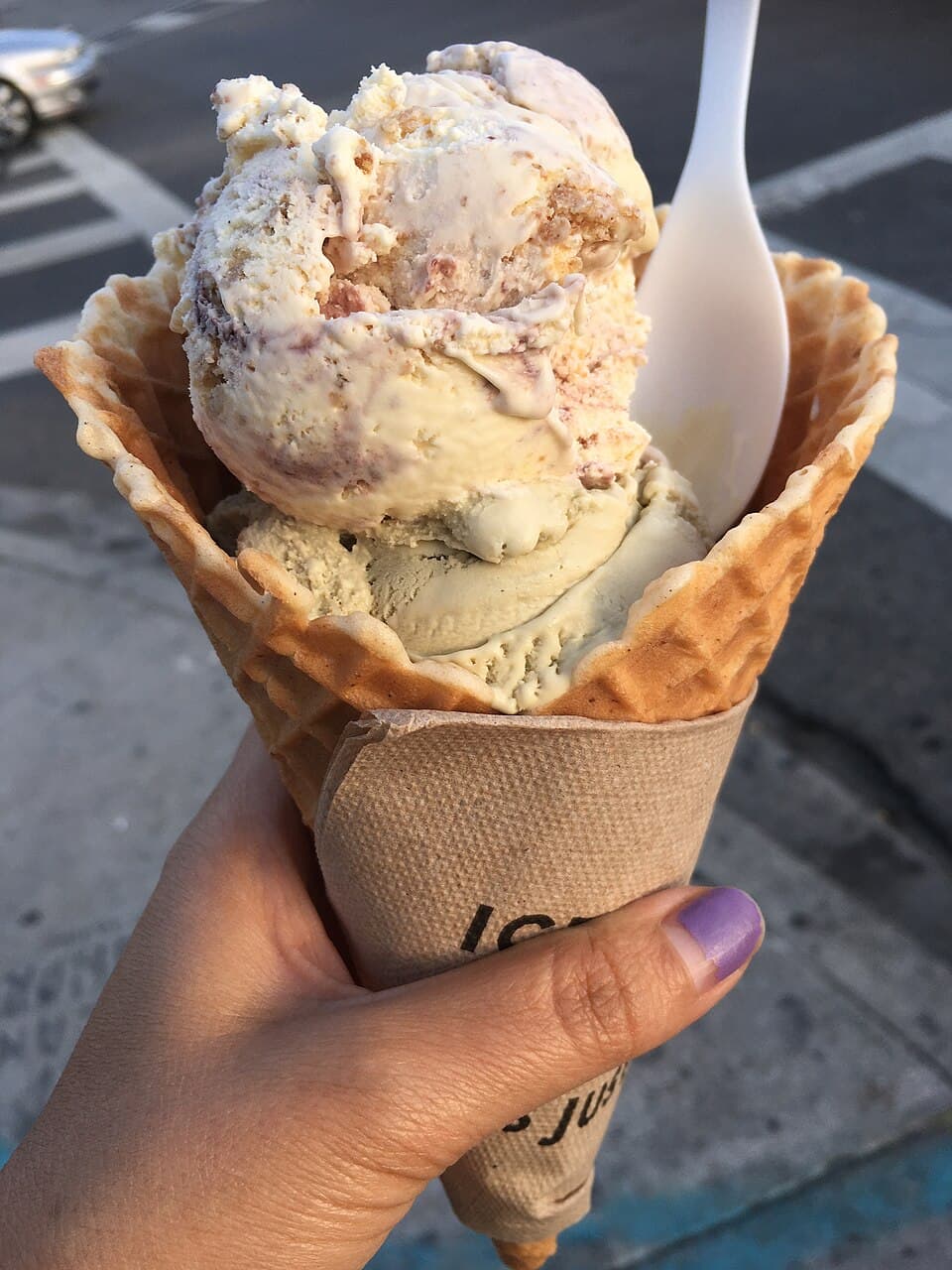
Gelato Artigianale
Italian gelato made fresh each day in a wide range of flavors. San Marino gelaterias work the Italian way: lower fat than ice cream, stronger flavor, served a touch warmer. Common picks are hazelnut (nocciola), pistachio, stracciatella, and whatever fruit is in season.
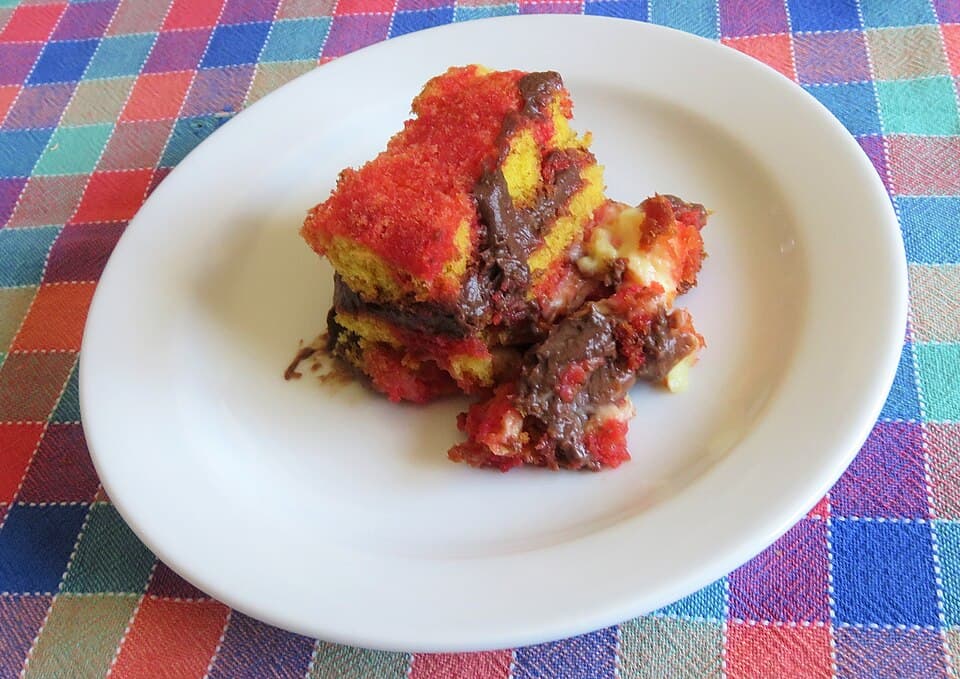
Zuppa Inglese
A trifle-like Italian dessert layering sponge cake soaked in Alchermes liqueur with custard and chocolate. Rich and boozy. The name means "English soup," but the dessert is thoroughly Italian. Made for special occasions.
Traditional Beverages
Discover San Marino's traditional drinks, from locally produced spirits to regional wines.
Cacciatello
A Sammarinese anise-and-herb liqueur, drunk as a digestivo after meals. Clear to golden, with a strong herbal character, and every producer works to a different recipe. One of the country's craft drinks.
Mistrà
An anise spirit popular in San Marino and the Marche. Close to sambuca but less sweet. People drink it chilled as a digestivo or bake it into cakes like bustrengo. It pours clear and turns cloudy once you add water.
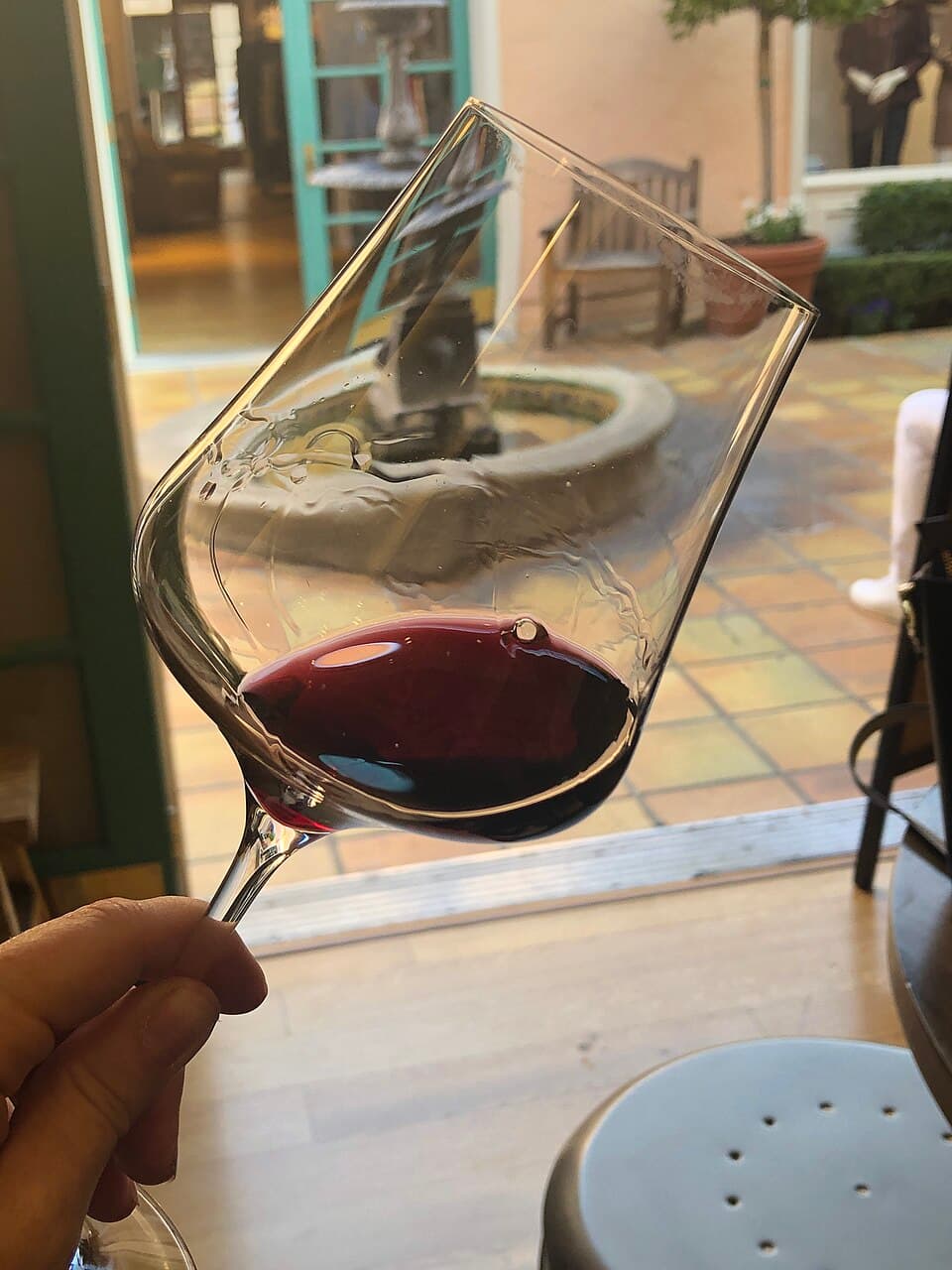
Sangiovese Wine
The main red grape of Romagna, and the everyday red in San Marino. Medium-bodied, with cherry, plum, and a herbal edge. The country brings it in from the Emilia-Romagna vineyards next door. It works with pasta, meat, and aged cheese.
Soft Beverages
Discover San Marino's traditional non-alcoholic drinks, from local teas to refreshing juices.
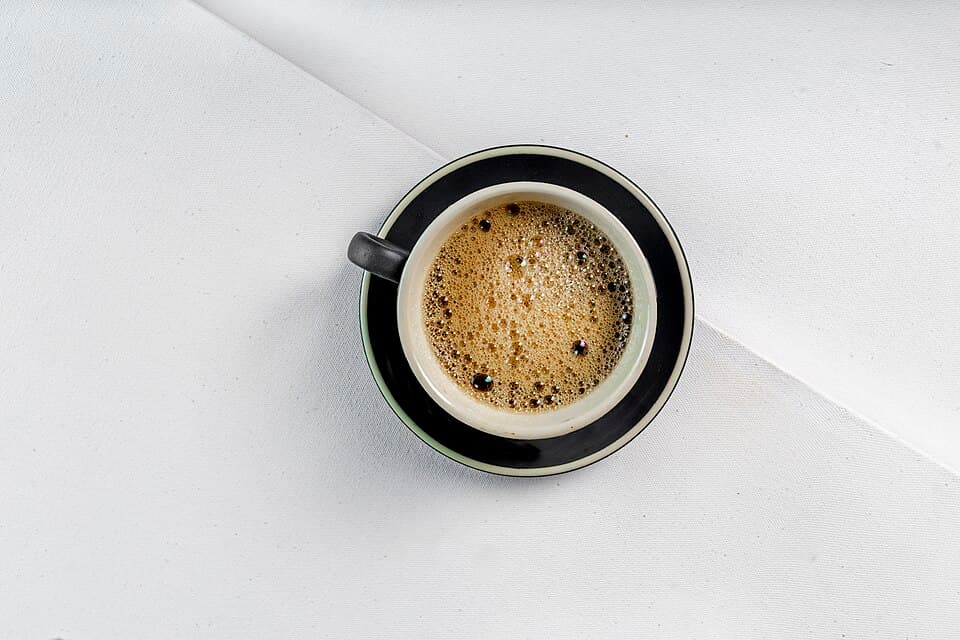
Espresso
Italian-style espresso, drunk all day long in San Marino. Strong and concentrated, served in a small cup. Locals knock it back standing at the bar counter. It is the base for cappuccino, macchiato, and the rest.
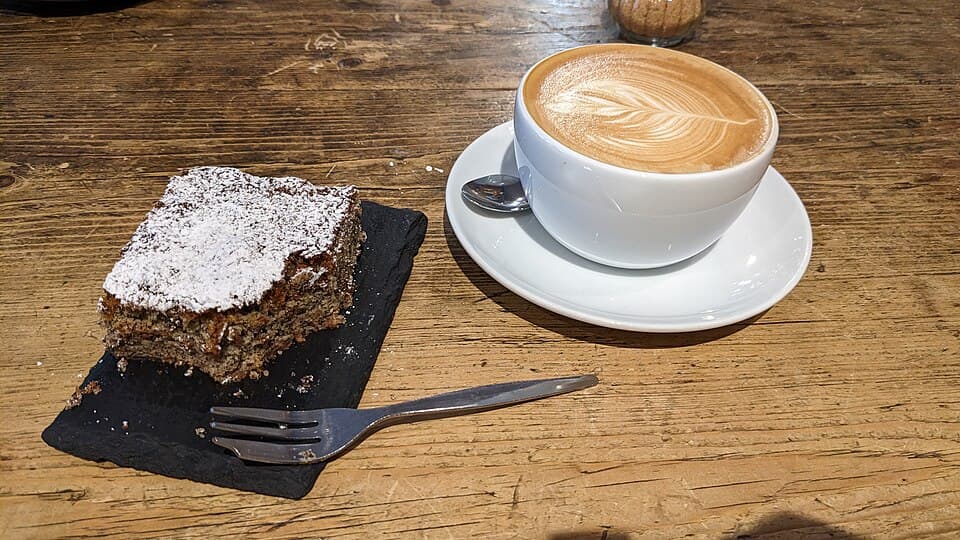
Cappuccino
Espresso with steamed milk foam, which by Italian habit you order before 11am and not after. Velvety texture, coffee and milk in balance. San Marino cafes make it to Italian standards.
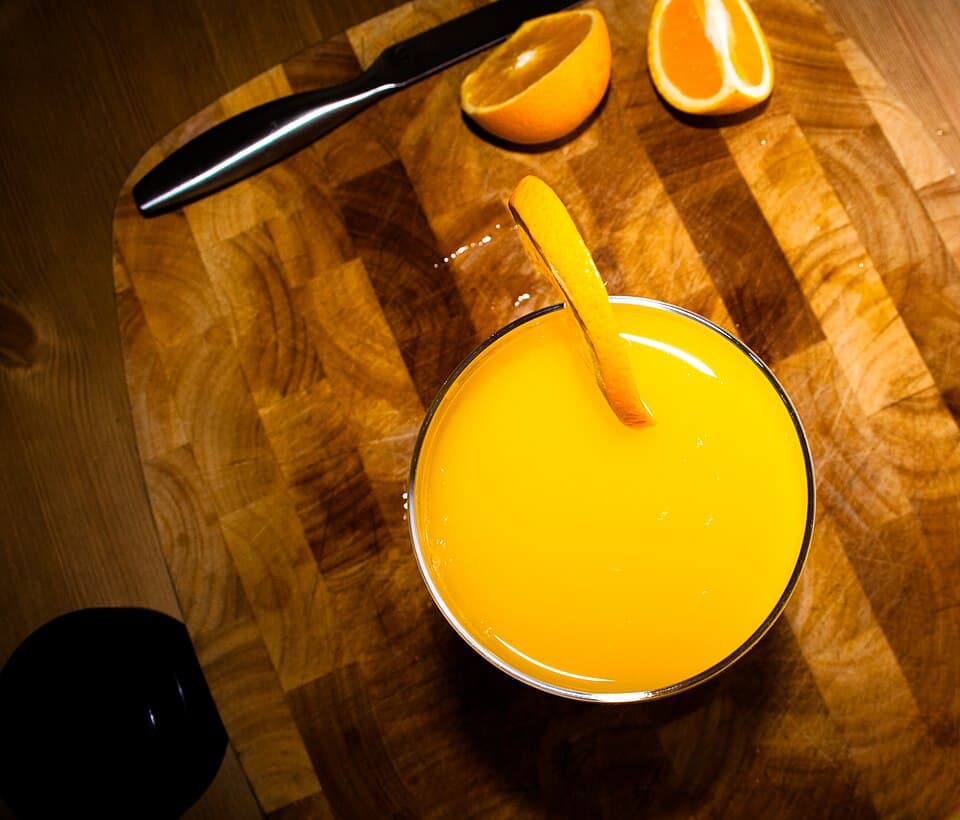
Spremuta d'Arancia
Freshly squeezed orange juice, a staple in Italian bars and restaurants. Made to order from real oranges, served at room temperature, no added sugar. A breakfast standby.
Frequently Asked Questions
Essential information about food and dining in San Marino.
What is the national dish of San Marino?
San Marino's most iconic dishes include Torta Tre Monti, Nidi di Rondine (Swallow Nests), Piada Romagnola. San Marino's national dessert, named for the Three Towers. Five thin wafer sheets are layered with hazelnut and chocolate cream, then coated all over in dark chocolate. La Serenissima bakery has made it since 1942. You can buy it as a full cake or in snack bars, often in decorative tins meant as souvenirs. It turns up in every café and pastry shop and stands in for San Marino itself.
Is street food safe in San Marino?
Street food in San Marino can be enjoyed safely by following these guidelines: Tap water is safe to drink High food safety standards. Look for busy vendors with high turnover, ensure food is cooked fresh and served hot, and avoid raw ingredients if you have a sensitive stomach.
What are the best restaurants in San Marino?
San Marino offers diverse dining options from street food stalls to upscale restaurants. For the best experience, ask locals for recommendations, check recent reviews, and look for restaurants that specialize in regional cuisines.
Can vegetarians find food easily in San Marino?
Vegetarian options in San Marino are highly available. Italian-style cooking leaves vegetarians with plenty to eat. Pasta dishes, risottos, vegetable soups, and cheese-based specialties are easy to find, and most restaurants list several vegetarian choices.. Many restaurants offer vegetarian dishes, and you'll find plant-based ingredients featured prominently in local cuisine.
What is the average cost of a meal in San Marino?
Meal costs in San Marino depend on where you eat. Street food and casual local restaurants are very affordable, typically offering complete meals for a few dollars. Mid-range restaurants charge moderate prices, while fine dining establishments are comparably priced to Western countries.
What are common food allergens in San Marino?
Common allergens in San Marino cuisine include Nuts, Dairy, Gluten. Hazelnuts and walnuts extensively used in Sammarinese cuisine, especially in Torta Tre Monti and desserts. These ingredients appear in dishes like Torta Tre Monti, Bustrengo cake. Always inform restaurant staff about your allergies.
When is the best time to visit San Marino for food?
San Marino offers great food experiences throughout the year. However, visiting during harvest seasons (typically spring and autumn) provides access to the freshest local ingredients. Food festivals and cultural celebrations also offer unique culinary experiences worth planning around.