
Jamaica Food Guide
Content Information
Recently updated🔥Current Food Trends 2026
What's happening in Jamaica's culinary scene right now
In 2026, Jamaican food still revolves around the things the island does best: jerk, rum, and Blue Mountain coffee. Jerk festival season stays busy, with the Portland Jerk Festival and Boston Bay cook-offs keeping the pimento wood-smoking tradition front and center. The Blue Mountain coffee harvest runs October through March, and farm tours and cupping sessions across St. Andrew and Portland have turned the season into a draw of its own. Rum tourism keeps growing too. Appleton Estate and Hampden Estate run popular distillery tours, while a wave of small-batch producers builds out the craft rum scene. More restaurants now source yams, callaloo, breadfruit, and scotch bonnet peppers directly from local farmers. Rastafarian Ital cooking, which is plant-based and unprocessed, has found an audience well beyond the island as wellness eating spreads. Kingston's dining scene runs in two directions at once: upscale fusion spots like Chilitos and Ribbiz Ocean Lounge alongside traditional cook shops that keep the old recipes intact. Seafood techniques get their due, from the escovitch pickling method to rundown, the coconut milk fish stew. Climate change is pushing farmers to adapt how they grow staple crops. Blue Mountain Coffee remains Jamaica's only protected geographic indication. The diaspora keeps the cuisine visible abroad, with strong communities in London, New York, and Toronto. Street food carries the everyday culture: patty shops, jerk pans, and bammy vendors. Jamaican chefs are competing internationally, and there is a steady push toward cutting single-use plastics and protecting farmland. Ackee, breadfruit, and plantain stay available year-round.
Food Safety Tips
Essential food safety information to help you enjoy Jamaica's cuisine safely and confidently.
Drink bottled or purified water
While tap water is generally chlorinated in resorts and major cities, bottled water is recommended for visitors, especially in rural areas.
Choose reputable jerk centers
Jamaican street food can be delicious but choose vendors with high turnover and good hygiene practices. Popular jerk centers like Scotchies typically have better safety standards.
Watch out for undercooked seafood
Ensure seafood is thoroughly cooked, especially fish and shellfish from coastal areas. Ask about freshness if unsure.
Be aware of spice levels
Jamaican cuisine is famously spicy. While not a safety concern, the heat level might be intense for unaccustomed palates. Ask for milder options if needed.
Dietary Options
vegetarian
MEDIUM AVAILABILITYThe Rastafarian influence on Jamaican cuisine has created 'Ital' food - vegetarian dishes that are widely available. Look for bean dishes, callaloo, and vegetable stews.
vegan
MEDIUM AVAILABILITYStrict Ital food (from Rastafarian tradition) is vegan, avoiding salt and processed ingredients. Authentic Ital restaurants offer good vegan options throughout the island.
gluten-free
HIGH AVAILABILITYMany Jamaican staples like rice and peas, yams, plantains, and other root vegetables are naturally gluten-free, making it relatively easy to maintain this diet.
halal
LOW AVAILABILITYHalal food is limited in Jamaica, where the Muslim community is small (around 5,000 people, about 0.2% of the population). Kingston has a handful of options, including Shawarma King and Ali Baba Restaurant in New Kingston, plus a few Middle Eastern places. Tourist areas in Montego Bay turn up the occasional halal-certified restaurant. Ital food, the Rastafarian vegetarian cooking, works well as a fallback since it uses no meat and only natural ingredients. Self-catering is doable, though supermarkets carry only a limited range of imported halal products. The Islamic Council of Jamaica can point you in the right direction.
kosher
VERY LOW AVAILABILITYKosher food is nearly impossible to find in Jamaica, where the Jewish community is tiny (around 300 people, mostly in Kingston). There are no kosher restaurants, butchers, or certified facilities anywhere on the island. Kingston's Shaare Shalom Synagogue, the only active one, can offer guidance but doesn't provide food. Your best bets are self-catering with imported packaged foods marked with OU or OK kosher symbols (the selection is very thin) or eating at vegetarian Ital restaurants. Major resorts like Sandals and Hyatt may handle kosher requests with significant advance notice, bringing in imported kosher meals.
Common Allergens
Shellfish
HIGH PREVALENCEShellfish is popular in Jamaican coastal cuisine, appearing in many dishes.
COMMONLY FOUND IN:
Peanuts
MEDIUM PREVALENCEPeanuts appear in some Jamaican dishes and snacks.
COMMONLY FOUND IN:
Tree Nuts
MEDIUM PREVALENCECoconut is widely used, and other tree nuts appear in various dishes.
COMMONLY FOUND IN:
Allspice (Pimento)
HIGH PREVALENCENot a common allergen, but allspice is fundamental to Jamaican cuisine, particularly in jerk seasoning.
COMMONLY FOUND IN:
Essential Food Experiences
These iconic dishes represent the must-have culinary experiences that define Jamaica's food culture for travelers.
Jerk Chicken
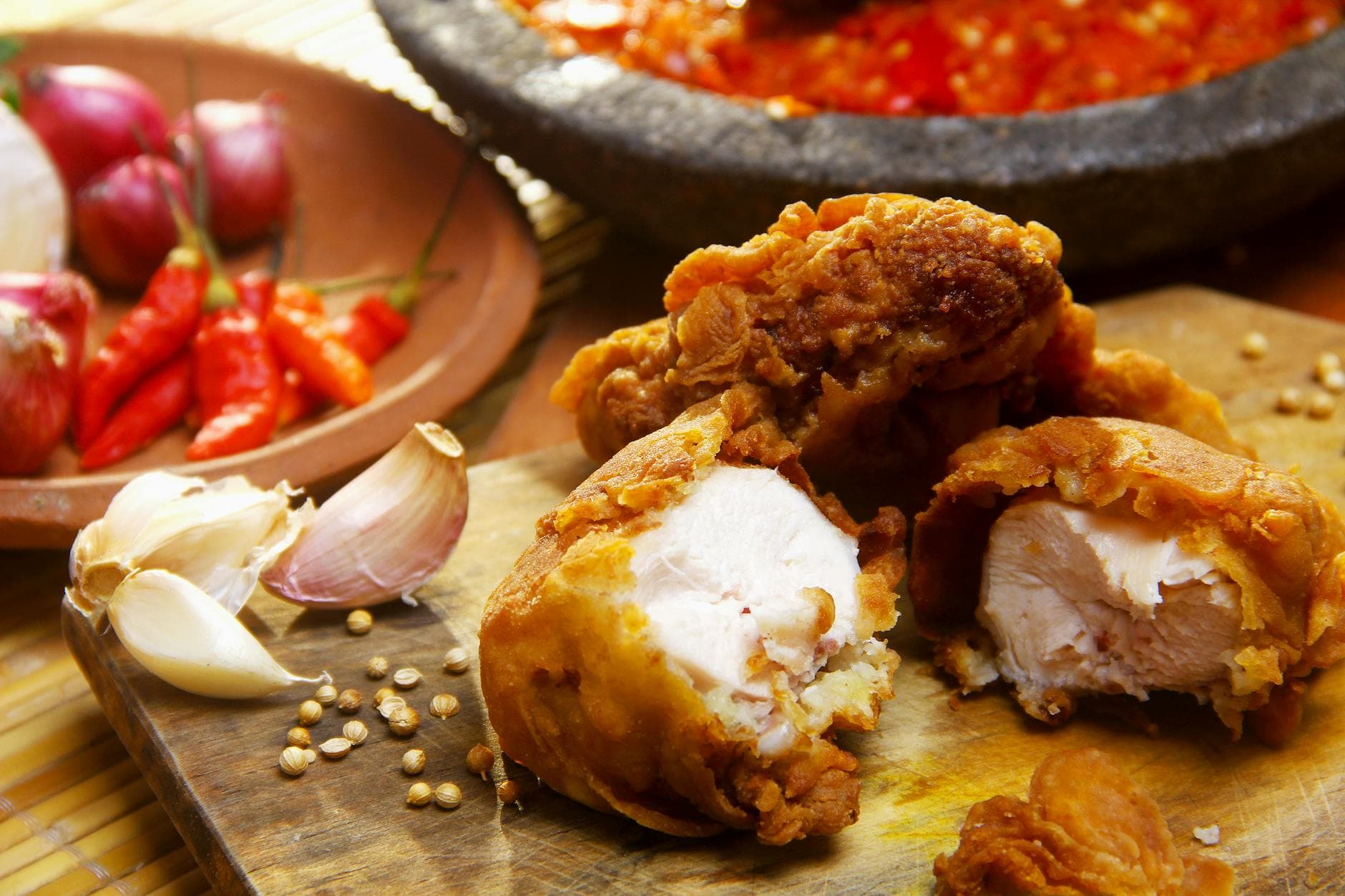
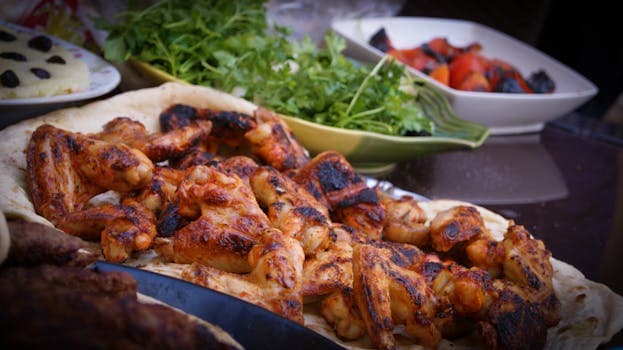
Chicken marinated in a fiery paste of scotch bonnet peppers, allspice, thyme, and other spices, then slow-smoked over pimento wood, which gives it that distinctive flavor. Boston Bay in Portland is where the roadside jerk pans started, and many still operate. Scotchies in Ocho Rios and Montego Bay has a strong reputation for getting the preparation right. Most vendors guard a marinade recipe handed down through the family.
Ackee and Saltfish
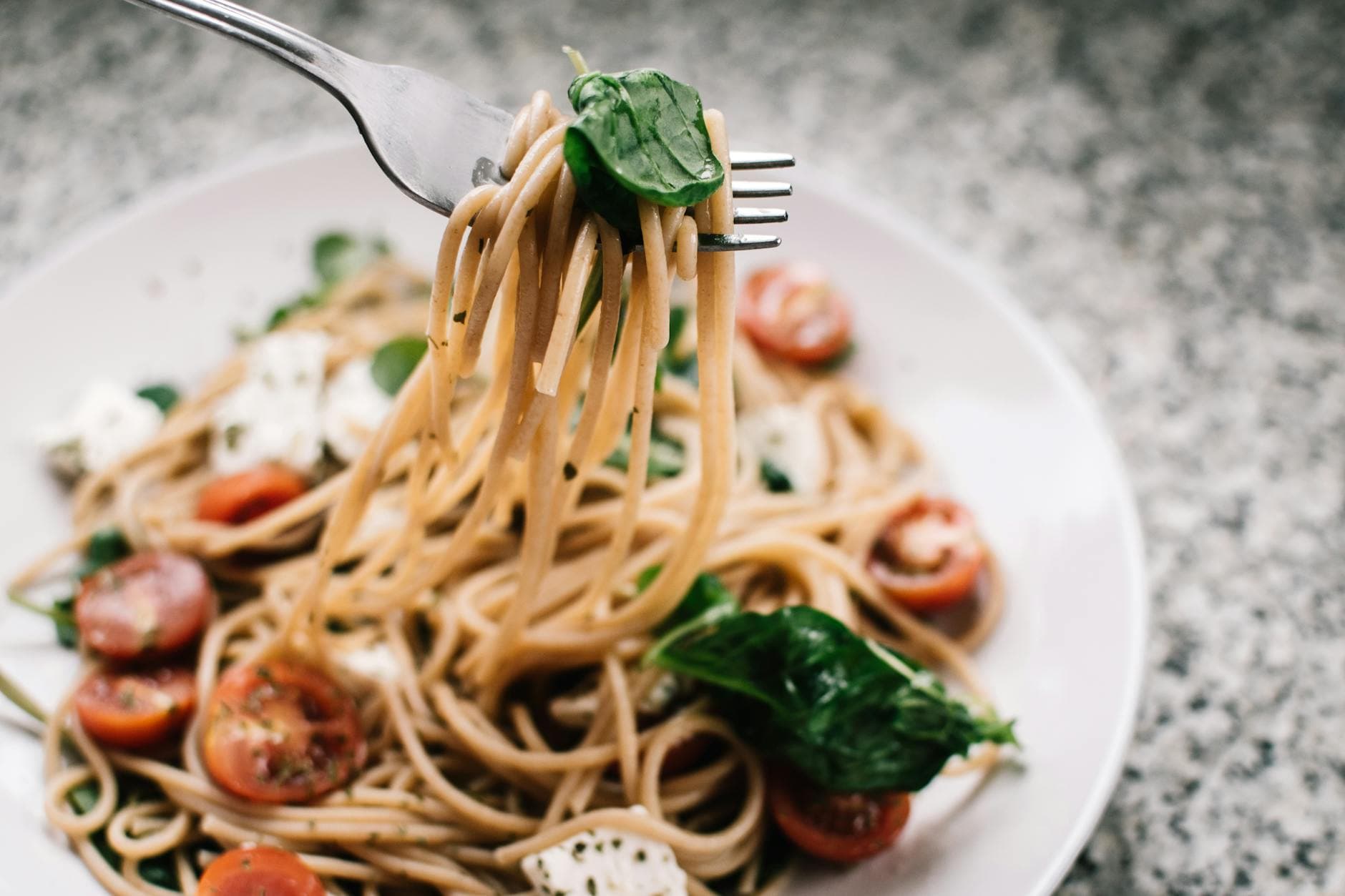
Jamaica's national dish, made with salt cod and ackee fruit sautéed with onions, tomatoes, and spices. It usually shows up at breakfast alongside breadfruit, dumplings, or plantains. The ackee has to be fully ripe and prepared correctly, since unripe ackee is toxic. Cooked, it looks a lot like scrambled eggs but tastes nothing like them. You'll find it at Jamaican restaurants and local eateries across the island.
Rice and Peas
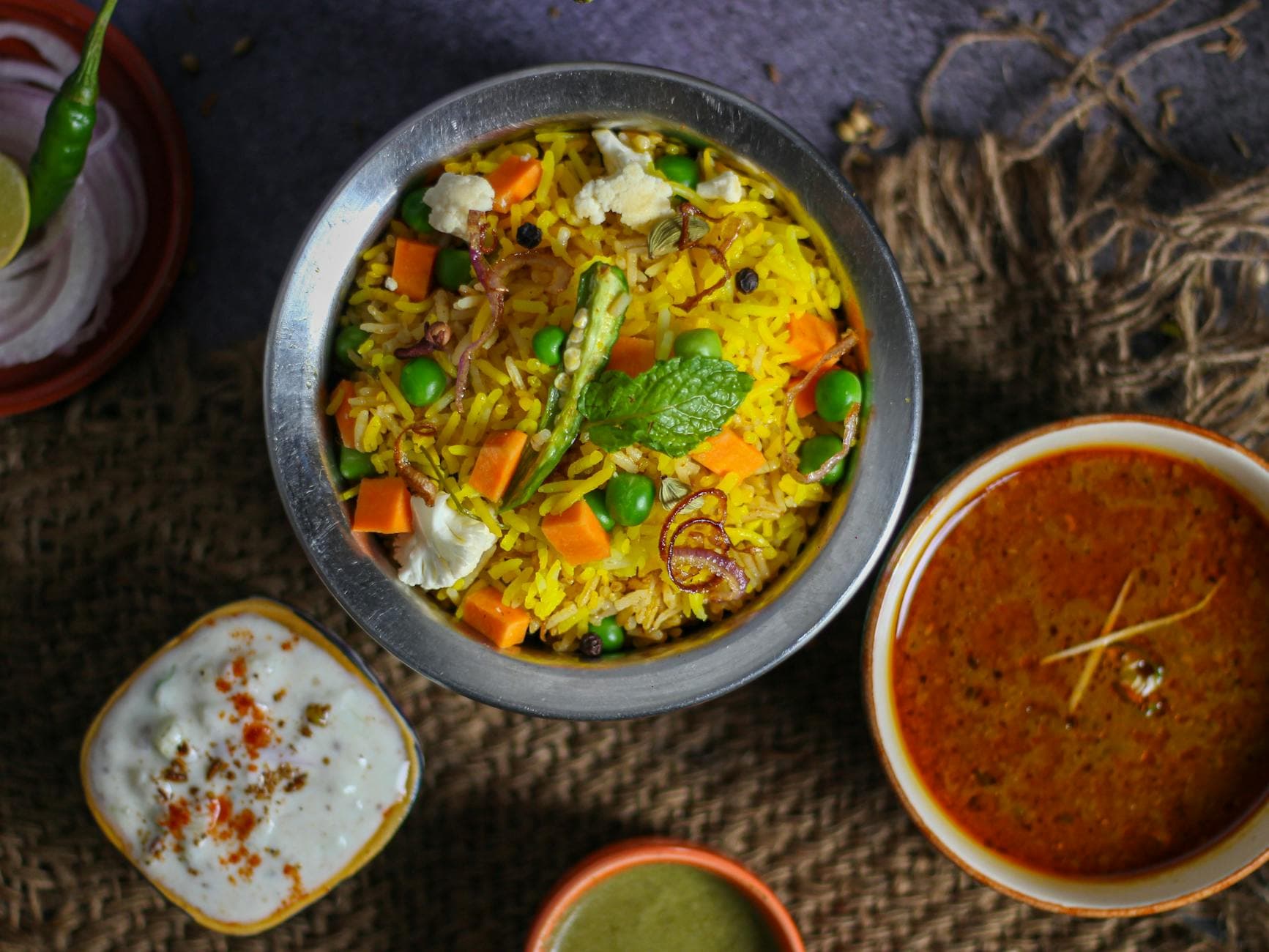
A staple side of rice cooked with kidney beans or pigeon peas, coconut milk, scallions, garlic, and thyme. It's a Sunday dish by habit but you can get it any day. The 'peas' here actually means beans, a turn of phrase carried over from West Africa. It rounds out jerk, curry, and stewed meats, and the coconut milk gives the rice its creamy, aromatic character. Ask around and every household cooks it a little differently.
Patties
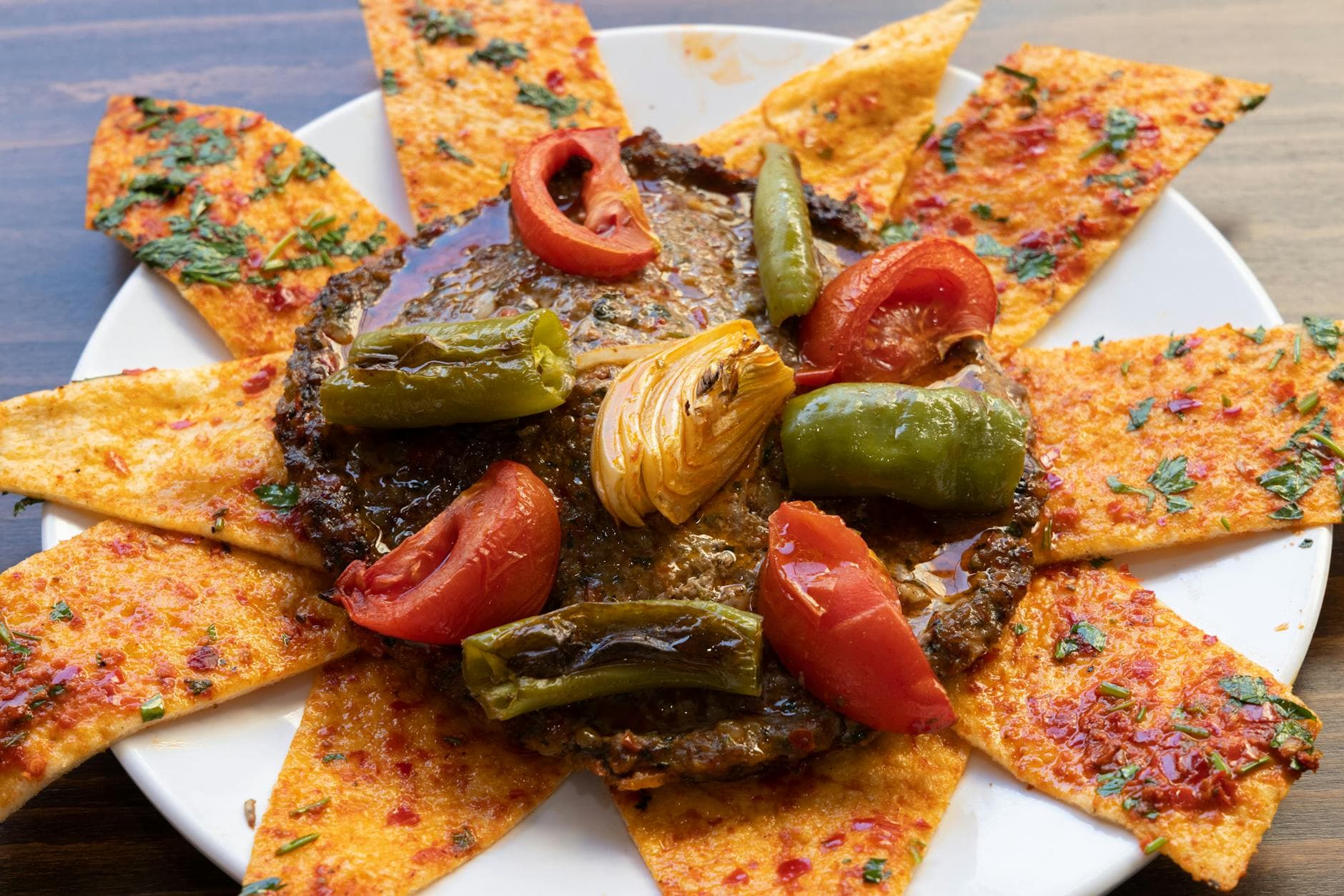
Flaky pastry filled with seasoned ground beef, chicken, or vegetables, in the same family as an empanada. The turmeric in the dough gives the crust its golden-yellow color. It's the go-to grab-and-go meal across Jamaica, sold everywhere by the big chains, Tastee, Juici, and Mother's. Spice lovers can get hot pepper versions. People eat them for breakfast, lunch, or a quick snack, and they're cheap, filling, and about as Jamaican as it gets.
Curry Goat
Goat slow-cooked with curry powder, scotch bonnet peppers, and spices until the meat falls off the bone. It tends to appear at celebrations, special occasions, and Sunday dinners. The curry came with Indian indentured laborers in the 19th century, and the Indo-Jamaican roots are easy to taste. It's rich and aromatic, usually served with rice and peas, roti, or festival. This is a dish people make when family gathers.
Blue Mountain Coffee
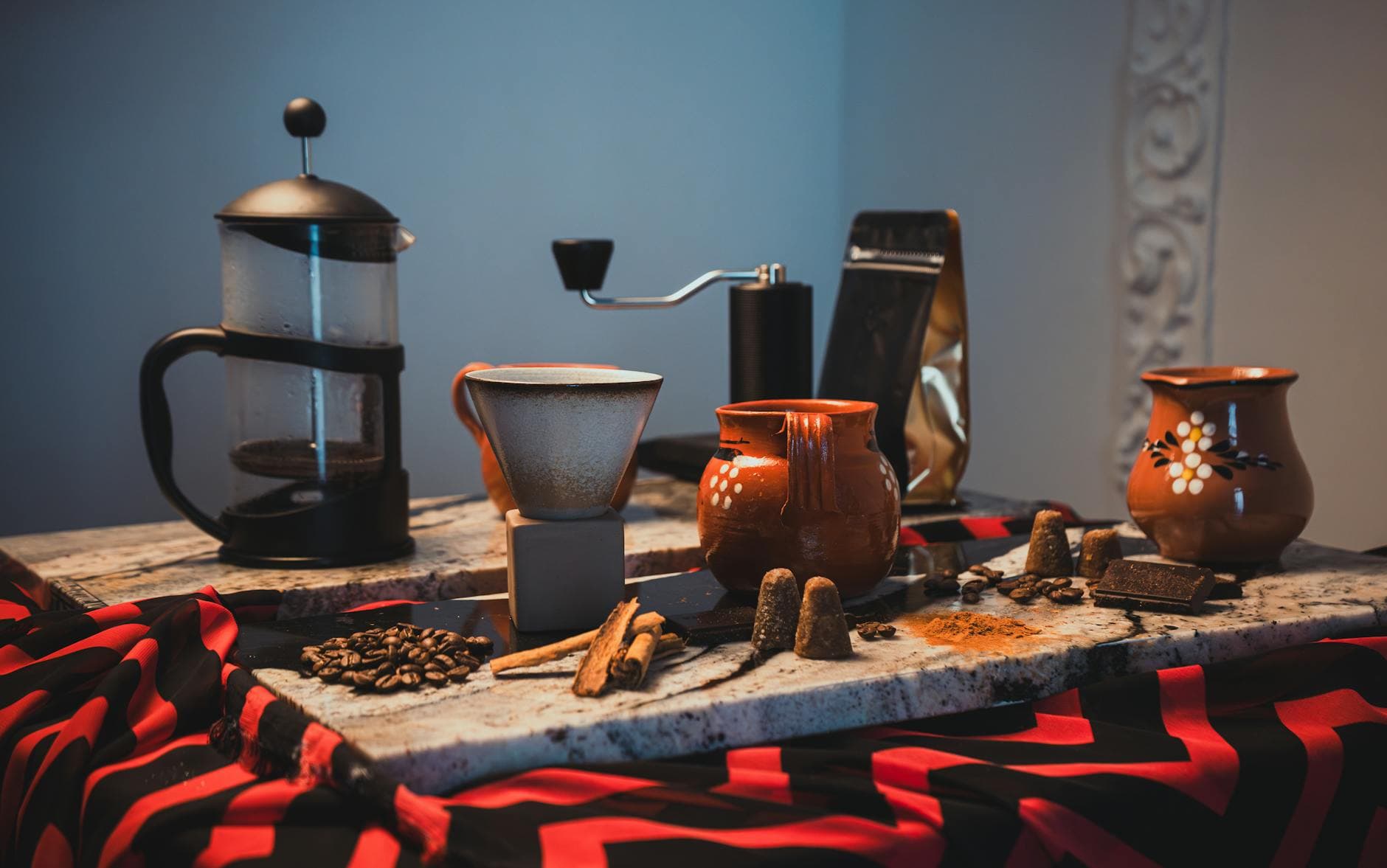
Coffee grown high in Jamaica's Blue Mountains, between roughly 3,000 and 5,500 feet, and prized for being mild with almost no bitterness. It ranks among the most expensive and sought-after coffees anywhere. The taste is smooth and clean, with faint floral notes. It carries a Protected Geographical Indication, so only beans from the designated region can use the name. The harvest runs October through March, and farm tours are easy to arrange. Café Blue in the Kingston hills is a good place to try it.
Escovitch Fish
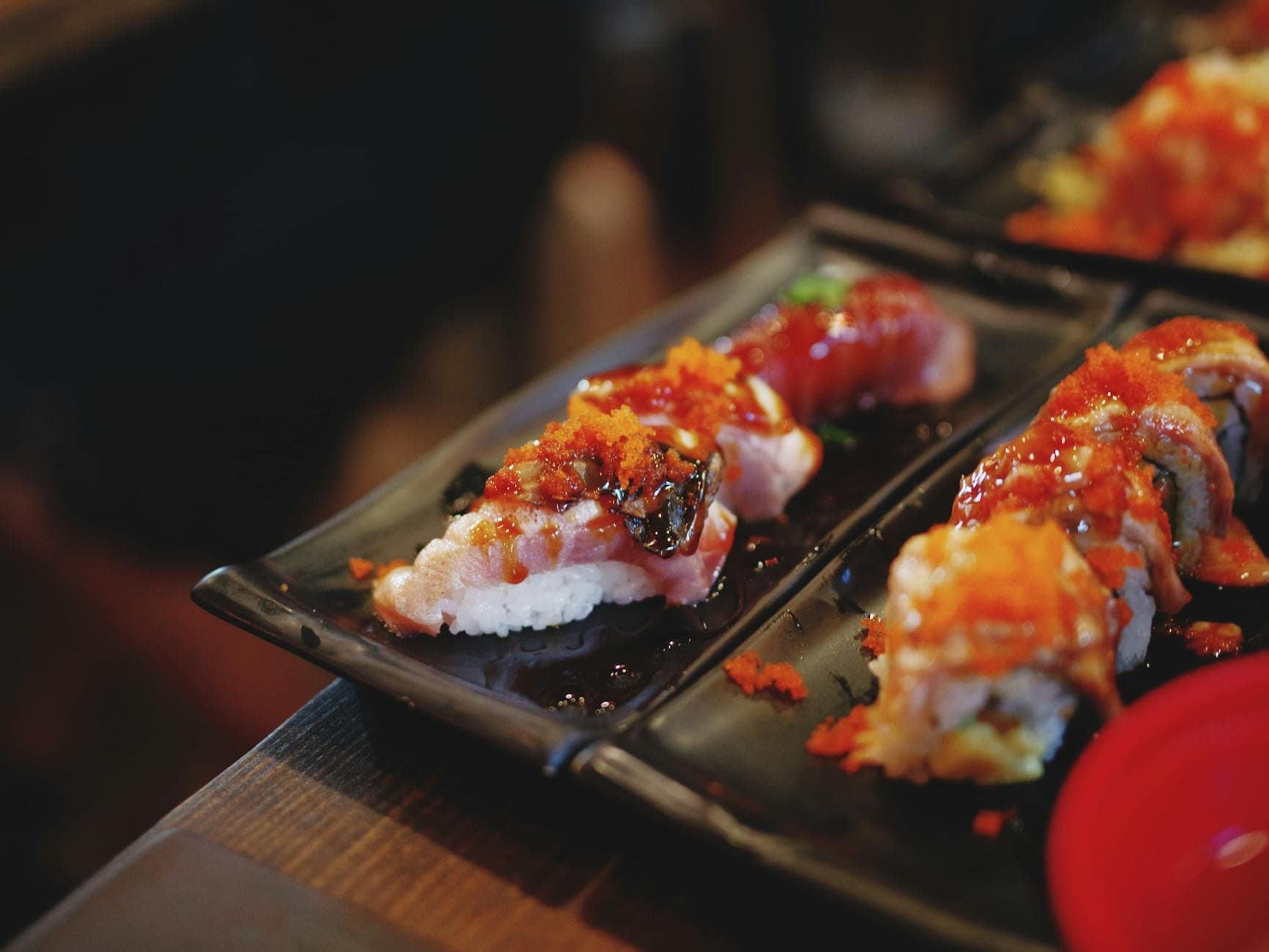
Whole fried fish, usually snapper or parrot fish, topped with spicy pickled vegetables: carrots, onions, and scotch bonnet peppers in a vinegar marinade. It traces back to Spanish escabeche, reworked with Jamaican flavors. The fish is fried until crisp, then doused with the hot pickling liquid, which sets up a sweet-sour-spicy contrast. It's served at room temperature or chilled, and the ribbons of pickled vegetable give it a colorful look. Popular at Easter, but you'll find it any time of year. Good with bammy or festival.
Oxtail
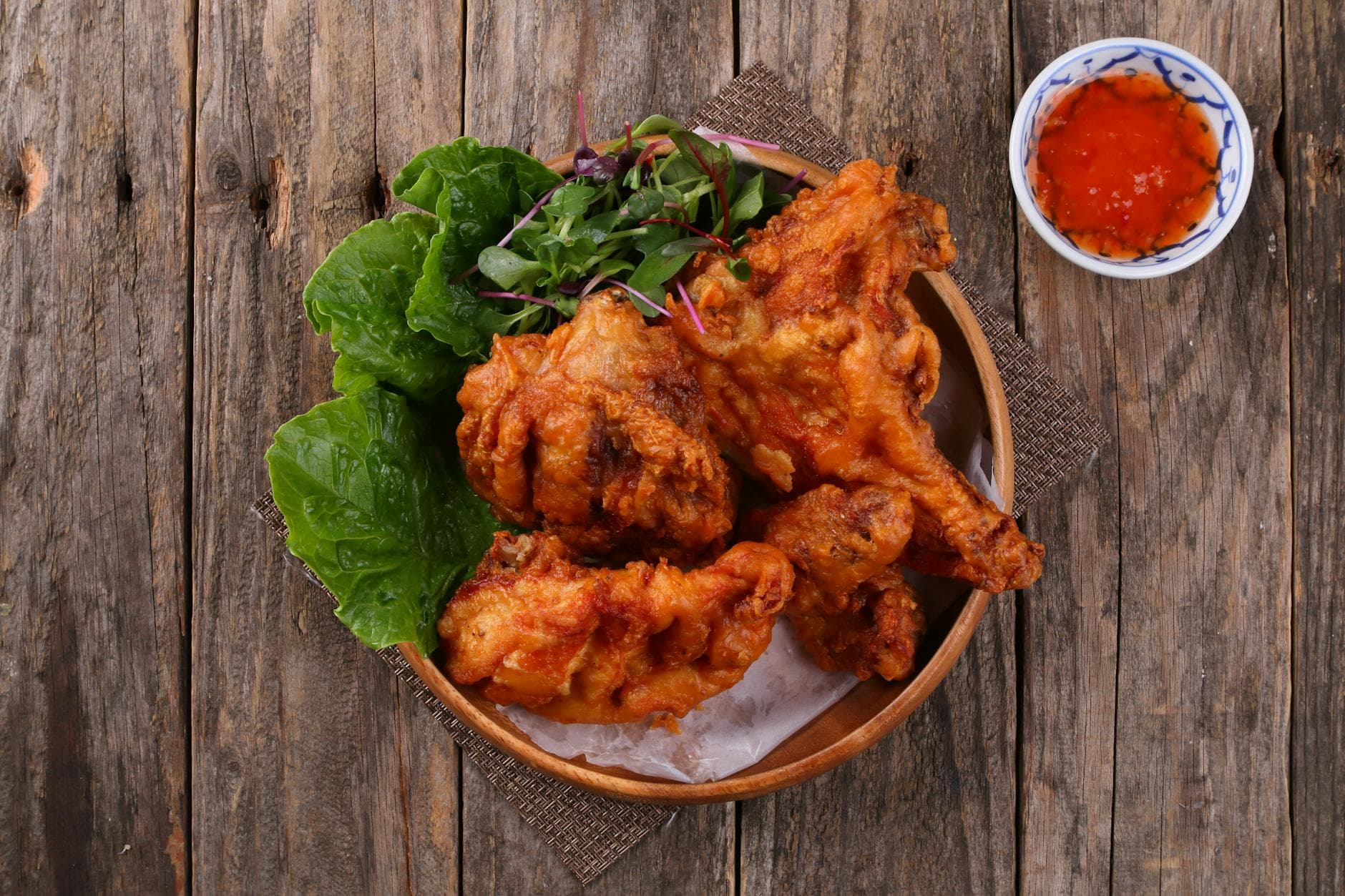
A hearty stew of oxtail braised slowly until the meat falls off the bone. It cooks down with butter beans, carrots, onions, garlic, scotch bonnet pepper, browning sauce, and allspice, and the long cook turns the gravy silky and gelatinous. The result is deeply savory and tender, the kind of thing made for Sunday dinner or a special occasion. The preparation owes something to Chinese-Jamaican cooking. It takes real time to make, but it's a classic, usually served with rice and peas and steamed vegetables at Jamaican restaurants.
Festival
Sweet fried dumplings made from a cornmeal dough flavored with sugar, vanilla, and sometimes nutmeg. They're shaped into cylinders or ovals and deep-fried until golden, crisp outside and soft within. The slight sweetness offsets spicy jerk or fried fish. As the story goes, they earned the name 'Festivals' because they're nice and sweet and cheer up your taste buds. Alongside bammy and breadfruit, they're a standard jerk side, sold at jerk stands and seafood shacks.
Callaloo
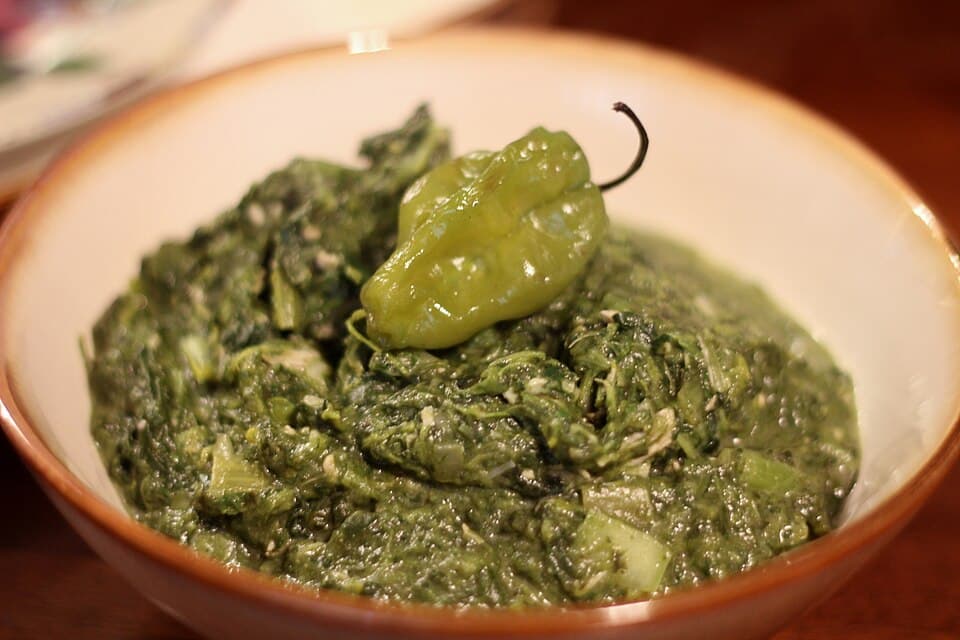
A leafy green, either amaranth or taro leaves, cooked down with onions, tomatoes, scotch bonnet pepper, garlic, and thyme. Some cooks add saltfish or salt pork for depth. It comes out silky and spinach-like with an earthy flavor. Ital (Rastafarian) versions skip the meat entirely. It's a breakfast staple served with ackee, boiled dumplings, and yam, an African dish reworked with Caribbean ingredients. It's also high in iron and vitamins, and you'll find it at local eateries and in home kitchens.
Regional Specialties & Local Favorites
Discover the authentic regional dishes and local favorites that showcase Jamaica's diverse culinary traditions.
Jerk Chicken
Jamaica's world-famous spicy grilled chicken marinated in fiery scotch bonnet peppers and a complex blend of spices, traditionally slow-smoked over pimento wood.
Ackee and Saltfish
The national dish of Jamaica featuring ackee fruit (which resembles scrambled eggs when cooked) sautéed with salted codfish, onions, tomatoes, and spices.
Allergens:
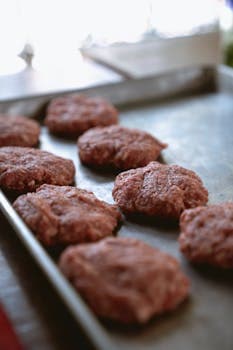
Jamaican Patties
Golden-yellow pastries filled with spiced meat or vegetables - a beloved fast food with a distinctive turmeric-colored crust and savory filling.
Allergens:
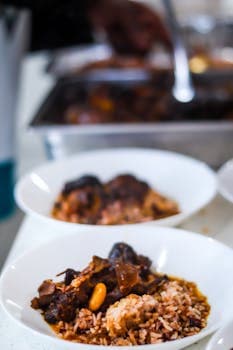
Rice and Peas
The quintessential side dish of coconut-infused rice cooked with kidney beans ('peas'), scallions, garlic, and thyme - a Sunday tradition served with most Jamaican meals.
Allergens:

Blue Mountain Coffee
World-renowned premium coffee cultivated in Jamaica's Blue Mountains, prized for its smooth, clean taste with virtually no bitterness and subtle floral notes.
Regional Cuisine Highlights
Explore the diverse culinary landscapes across different regions of Jamaica.
Portland
Portland is where jerk cooking began. Boston Bay (Boston Beach) is the spot people point to as its home, and the original roadside jerk pans are still going. The parish is wet and green, good ground for breadfruit, coconut, and exotic fruit. Maroon heritage runs deep here; it was the Maroons who worked out how to smoke meat over pimento wood in the mountains. There's fresh seafood off the Caribbean coast, and a lot of cooking starts with what local farms grow.
Cultural Significance:
Portland holds onto the oldest jerk tradition, and tour buses make the trip to Boston Bay because of it. Maroon heritage shapes the food, and the annual Portland Jerk Festival celebrates the craft. Blue Mountain coffee farms sit up in the highlands. More than anywhere else, this is where rural Jamaican food traditions live.
Signature Dishes:
- Boston Bay jerk chicken and pork
- Rundown (coconut milk fish stew)
- Roast breadfruit
- Pepper shrimp (Middle Quarters)
- Fresh lobster
Key Ingredients:

Kingston & St. Andrew
Kingston and the surrounding St. Andrew parish have the most varied food scene on the island. Uptown, in New Kingston and Liguanea, you'll find upscale restaurants and fusion cooking. Downtown keeps the street food culture alive, with vendors at Coronation Market. Chinese-Jamaican cooking is strong here, Indian-Jamaican influences show up too, and most of the island's Rastafarian Ital restaurants are concentrated in this area.
Cultural Significance:
Kingston is where Jamaica's many influences meet on the plate: African heritage alongside Chinese, Indian, Lebanese, and British colonial cooking. Street stalls and high-end restaurants run side by side. The music industry shapes the food culture, and the university district drives what younger eaters are into.
Signature Dishes:
- Ackee and saltfish (national dish)
- Patties (Tastee, Juici, Mother's brands)
- Festival and fried dumplings
- Bammy (cassava flatbread)
- Mannish water (goat head soup)
Key Ingredients:

Montego Bay (St. James)
Jamaica's second city is a major cruise port and resort hub, and tourism shapes what gets cooked and where. The Hip Strip on Gloucester Avenue leans toward visitor-friendly dining, while the local neighborhoods keep traditional food going. Seafood is everywhere, and the all-inclusive resorts employ a lot of the kitchen staff. For the real thing, head to the Scotchies jerk center, the Pork Pit, or a local cook shop.
Cultural Significance:
Montego Bay shows what tourism does to a food culture. All-inclusive buffets give visitors their first taste of Jamaican cooking, though usually a watered-down version. The local cook shops and jerk stands are where the real flavor holds on. Rose Hall Great House and its plantation history still color the region's sense of itself.
Signature Dishes:
- Escovitch fish
- Curried lobster
- Rice and peas
- Jerk chicken and pork
- Fish tea (seafood broth)
Key Ingredients:

St. Elizabeth (South Coast)
St. Elizabeth is Jamaica's breadbasket. The fertile plains grow yam, sweet potato, cassava, and breadfruit. Black River, the parish capital, is known for pepper shrimp, and the Black River Safari takes you through crocodile country. Fishing villages like Treasure Beach and Alligator Pond bring in fresh catch daily. The Appleton Estate rum distillery sits in the Nassau Valley. A drier climate here gives the parish a different agricultural profile from the rest of the island.
Cultural Significance:
St. Elizabeth is the island's farming heartland. The pepper shrimp tradition pulls travelers along the South Coast route, and Appleton Estate, founded in 1749, ties the area to its sugar plantation past. Community tourism around Treasure Beach gives visitors a more genuine cultural exchange than the resort towns do.
Signature Dishes:
- Pepper shrimp (Black River specialty)
- Fresh fish (Alligator Pond fishing village)
- Yam, sweet potato dishes
- Appleton Estate rum
- Mannish water
Key Ingredients:
Ocho Rios & St. Ann
Ocho Rios is the north coast tourist center, and Bob Marley was born at Nine Mile in St. Ann. The cruise port brings demand for international dining, while the interior of St. Ann stays agricultural. Rastafarian Ital food runs strong here, partly thanks to Marley's legacy, and his estate and museum are at Nine Mile. Jerk centers line the coast, and the resort town tries to serve tourists without losing the local cooking.
Cultural Significance:
Ocho Rios sits right on the line between tourism and the real thing. The genuine culture is inland, in St. Ann, and the Bob Marley pilgrimage opens a window onto rural food traditions. Rastafarian Ital philosophy shapes the vegetarian cooking here, and St. Ann being Marcus Garvey's birthplace adds to its weight.
Signature Dishes:
- Jerk chicken and pork
- Ital stew (Rastafarian vegetarian)
- Fresh tropical fruits (mango, soursop, guinep)
- Saltfish fritters
- Callaloo
Key Ingredients:

Negril & Westmoreland
Negril is known for Seven Mile Beach, cliff diving, and its sunsets. The easygoing beach-town feel carries over into the food: seafood shacks on the sand and cliffside spots like Rick's Café. Inland, Westmoreland parish grows sugarcane and vegetables. Negril stayed less developed than Montego Bay or Ocho Rios, so it kept more of its own character. The reggae beach bars serve jerk and fresh fish.
Cultural Significance:
Negril is the relaxed side of Jamaica. The hippie scene of the 1960s and 70s left its mark on the unhurried way people eat here. Beach bars and cliff restaurants keep things casual, and watching the sunset together turns a meal into a shared event. Small-scale fishing still supports much of the local economy.
Signature Dishes:
- Grilled lobster (Negril beach)
- Jerk chicken, pork, fish
- Festival and bammy
- Escovitch fish
- Fresh conch (when available)
Key Ingredients:
Sweet Delights & Desserts
Indulge in Jamaica's traditional sweet treats and desserts.

Gizzada
A Jamaican coconut tart with a pinched pastry shell that looks like a star or flower, filled with grated coconut sweetened with brown sugar and spiced with nutmeg and ginger. The pastry technique came by way of Portuguese influence. It's a bite-sized treat, the buttery, flaky crust playing off the sweet coconut inside. You'll find it at bakeries, patty shops, and street vendors, and it's a common sight at weddings and christenings.
Sweet Potato Pudding
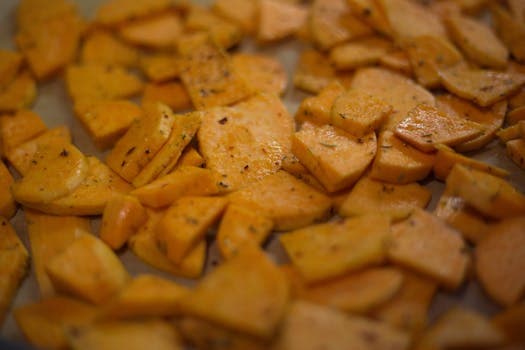
A dense, rich pudding made from grated sweet potato, coconut milk, brown sugar, flour, raisins, and spices like nutmeg, cinnamon, and vanilla. It bakes until firm with a dark brown top, then gets cut into squares and served warm or at room temperature. The dish has African roots and usually turns up at Sunday dinner or special occasions.

Toto
A coconut cake flavored with grated coconut, ginger, brown sugar, and flour. The texture is dense and moist, close to gingerbread but with the richness of coconut, and the molasses gives it a dark brown color. It's baked in a rectangular pan and cut into squares, a plain, homey dessert rooted in African-Jamaican cooking. It goes well with strong Jamaican coffee or ginger beer.
Coconut Drops
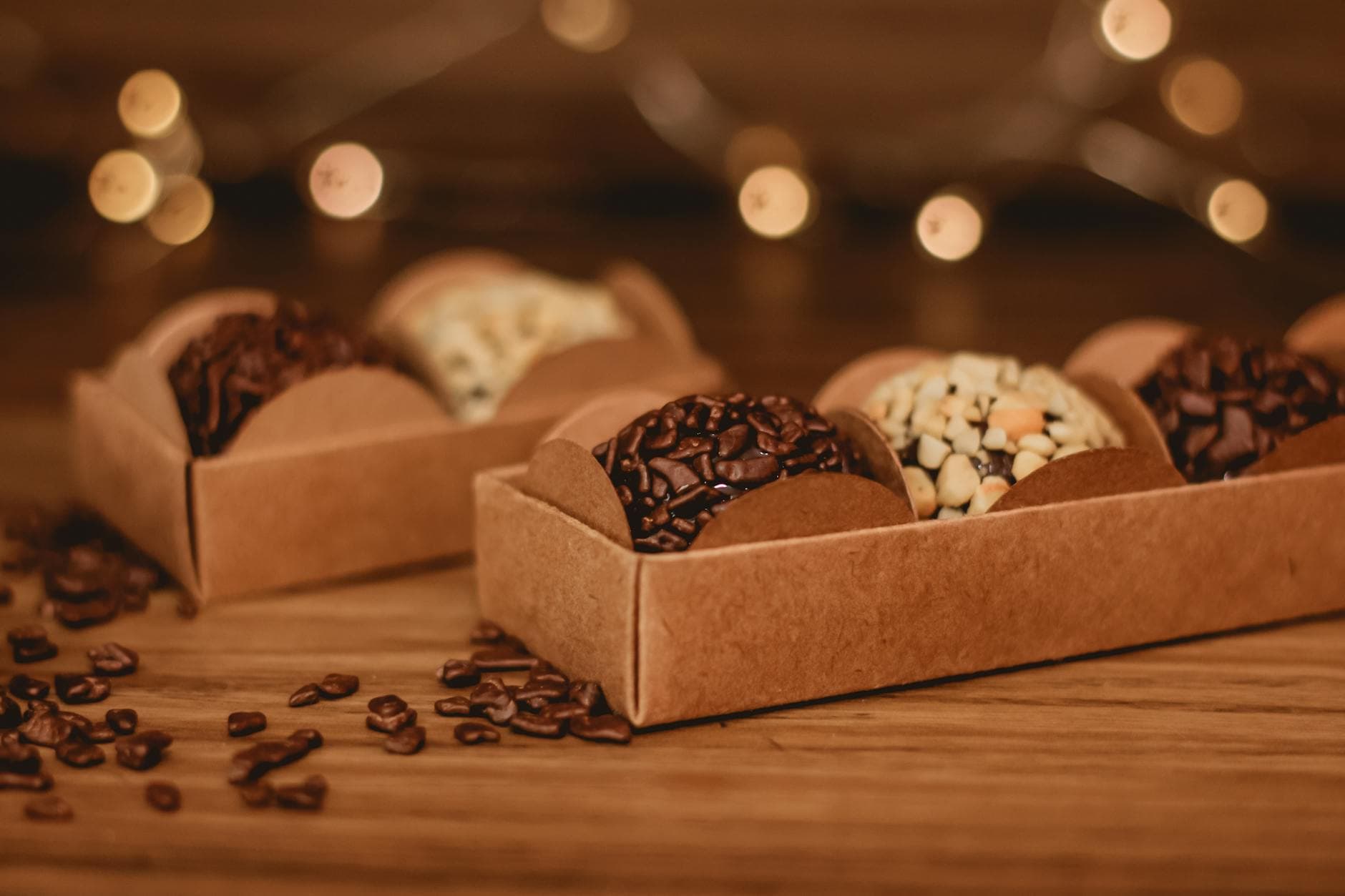
Chewy candies made from chunks of fresh coconut boiled with brown sugar and ginger until caramelized, then dropped onto banana leaves or parchment to cool into clusters. They set up hard and sticky on the outside with a chewy coconut center, and the ginger adds a spicy kick that cuts the sweetness. Vendors sell them on the street, in pink or brown versions.
Grater Cake
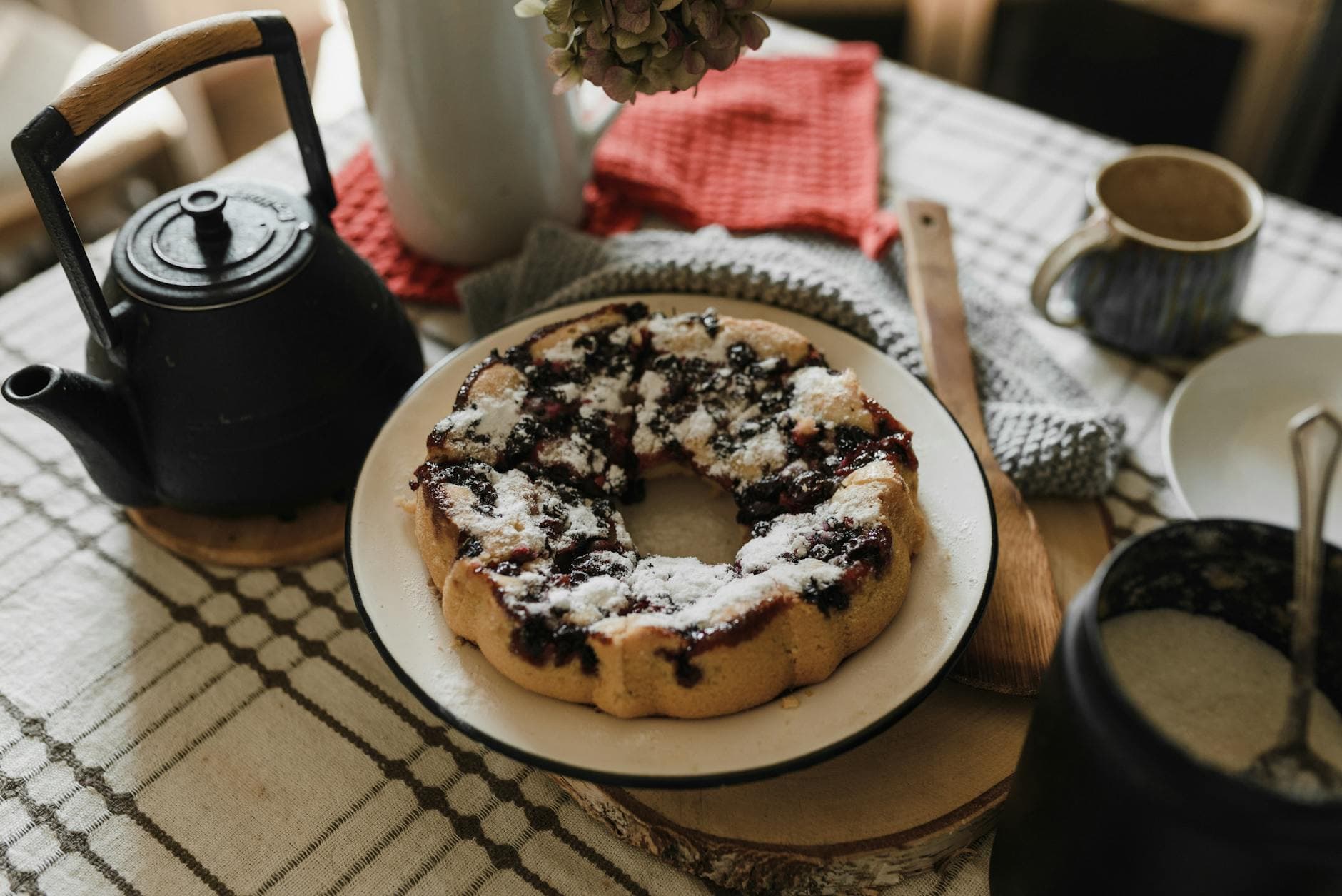
A pink-and-white layered coconut candy made from grated coconut, sugar, and food coloring. The coconut is grated by hand, mixed with sugar syrup, and pressed into a pan in two layers, then cut into squares or diamonds. The firm texture is close to fudge, and the two-tone look is part of the appeal. It's a favorite with kids.
Bulla Cake
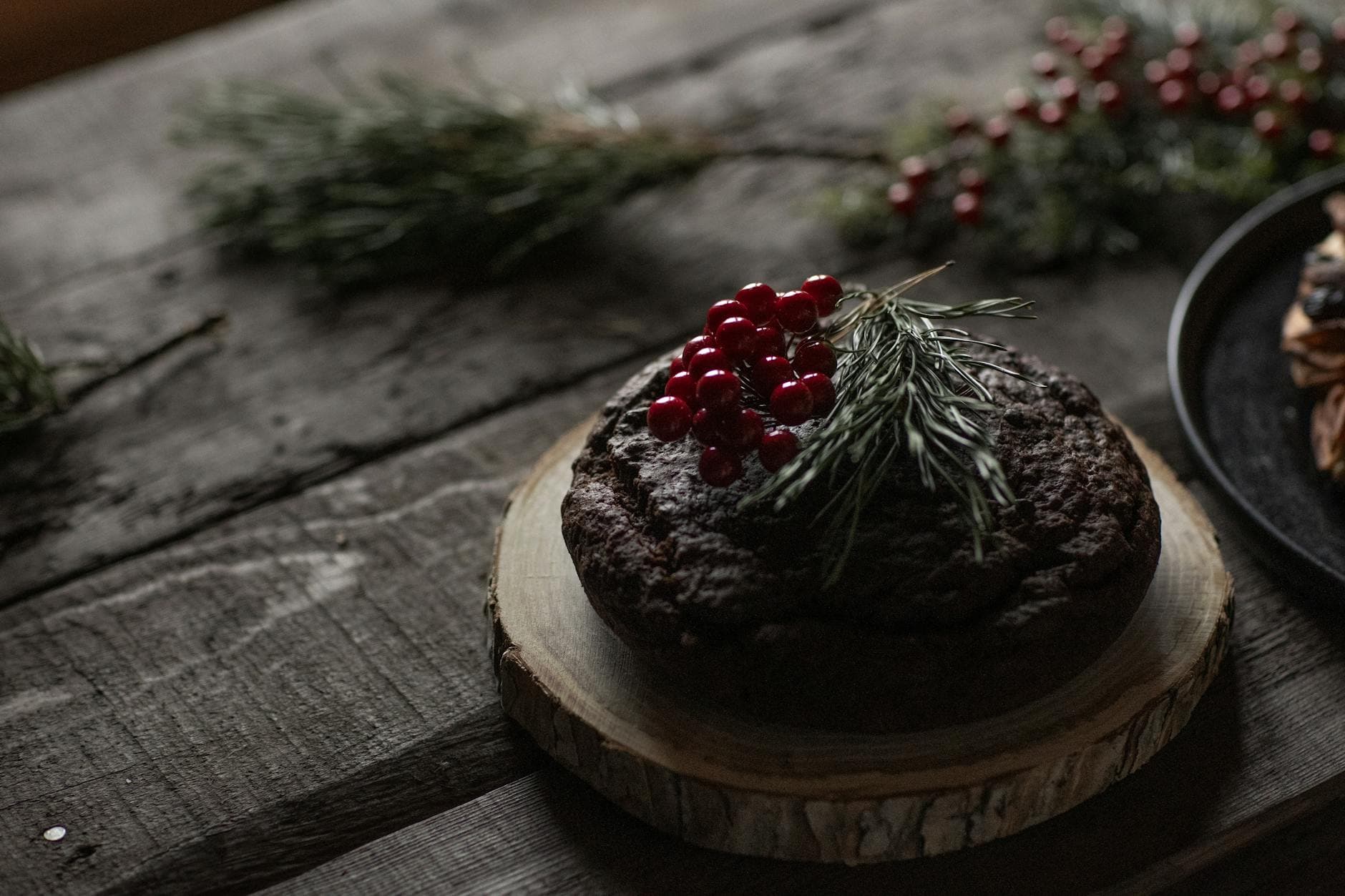
A round, flat, firm ginger cake sweetened with molasses and flavored with ginger, nutmeg, and vanilla. The texture is dense and chewy. People eat it with cheese, often with avocado pear on the side for the proper combination, or with butter. It's a working-class snack and a school lunchbox staple, cheap, filling, and good for a long time on the shelf.
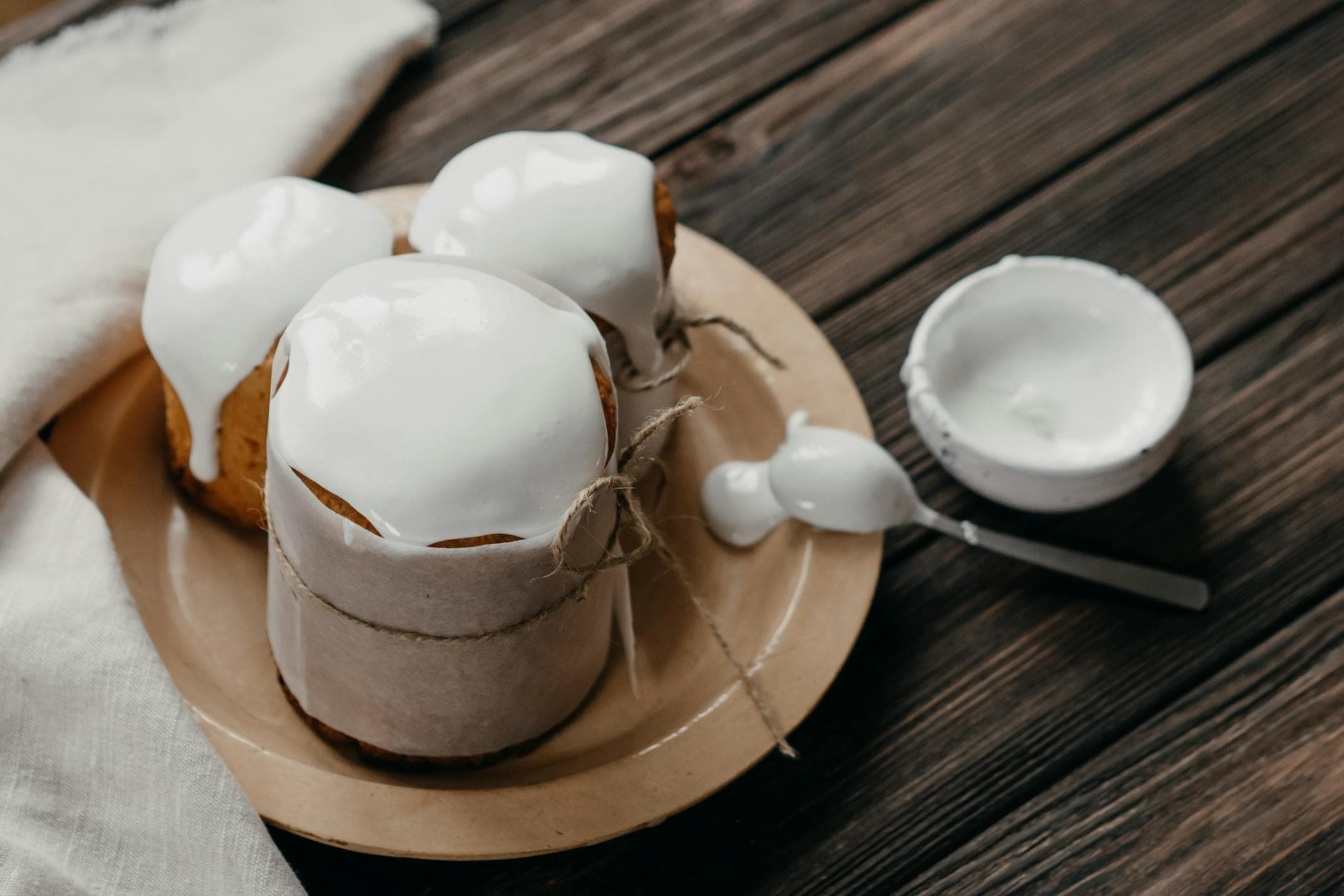
Duckanoo (Blue Drawers)
A steamed pudding of grated sweet potato, coconut, brown sugar, and spices, wrapped in a banana leaf and boiled, much the way a tamale is made. Unwrap it and the inside has a bluish tinge, which is where 'Blue Drawers' comes from. It's sweet, dense, and earthy, with African roots. It takes work to make, so it tends to appear at Christmas and other special occasions.
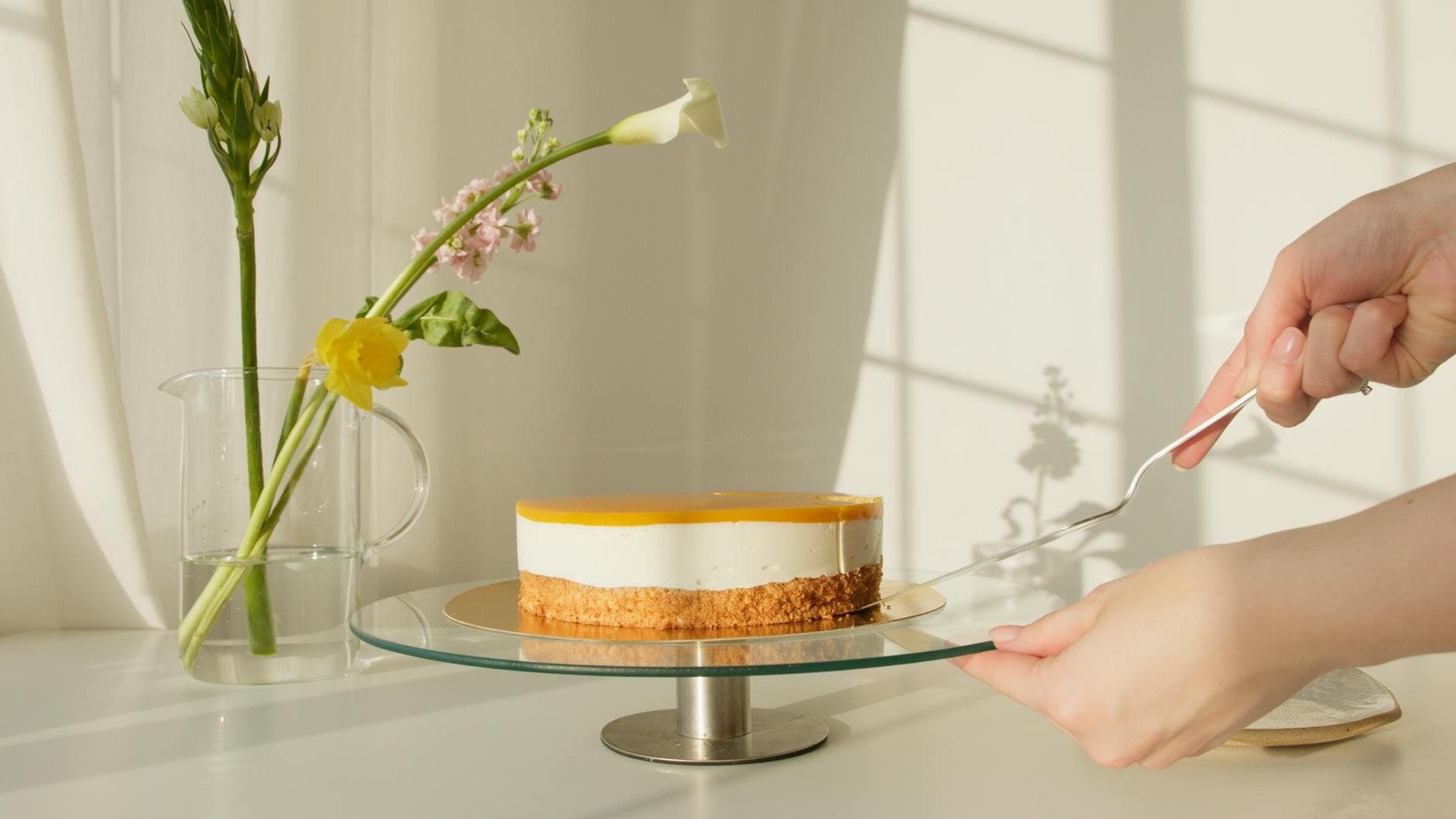
Jamaican Rum Cake
A rich fruitcake soaked in dark Jamaican rum such as Appleton Estate or Wray and Nephew. The dried fruit, raisins, prunes, and cherries, sits in rum for weeks before the cake is baked. It comes out dense and moist, spiced with cinnamon, nutmeg, and allspice. It's a Christmas tradition that people eat all year, often given as a gift in a decorative tin. The flavor only gets better as it ages.
Traditional Beverages
Discover Jamaica's traditional drinks, from locally produced spirits to regional wines.

Red Stripe Beer
A popular lager, Red Stripe is a refreshing and widely available beer in Jamaica. Light-bodied with mild flavor. Iconic Jamaican brand recognized worldwide.

Appleton Rum
Appleton Estate is Jamaica's best-known rum producer, with a range running from white to dark, each with its own character. It was established in 1749 in the Nassau Valley, St. Elizabeth, and Joy Spence is its master blender. The distillery runs tours and has become a stop for rum travelers.
Wray & Nephew White Overproof Rum
A high-proof rum, Wray and Nephew White Overproof is potent spirit often used in cocktails or enjoyed neat in small quantities. 63% alcohol - strongest rum commonly available. Jamaican party staple.
Soft Beverages
Discover Jamaica's traditional non-alcoholic drinks, from local teas to refreshing juices.
Sorrel Drink
A popular holiday beverage, sorrel drink is made from dried sepals of the sorrel plant, ginger, and spices. Refreshing and flavorful drink often served chilled. Christmas tradition but available year-round. Deep red color, tart-sweet flavor.

Ginger Beer
A spicy and refreshing drink, ginger beer is made with ginger, sugar, and water. Often homemade and can be enjoyed chilled or at room temperature. More potent than commercial ginger ale - true ginger bite.
Irish Moss
A nutritious and thick drink, Irish moss is made from seaweed, milk, spices, and sweeteners. Believed to have health benefits and is often consumed as a tonic. Aphrodisiac reputation in Jamaican culture. Thick, milkshake-like consistency.
Frequently Asked Questions
Essential information about food and dining in Jamaica.
What is the national dish of Jamaica?
Jamaica's most iconic dishes include Jerk Chicken, Ackee and Saltfish, Rice and Peas. Chicken marinated in a fiery paste of scotch bonnet peppers, allspice, thyme, and other spices, then slow-smoked over pimento wood, which gives it that distinctive flavor. Boston Bay in Portland is where the roadside jerk pans started, and many still operate. Scotchies in Ocho Rios and Montego Bay has a strong reputation for getting the preparation right. Most vendors guard a marinade recipe handed down through the family.
Is street food safe in Jamaica?
Street food in Jamaica can be enjoyed safely by following these guidelines: Drink bottled or purified water Choose reputable jerk centers. Look for busy vendors with high turnover, ensure food is cooked fresh and served hot, and avoid raw ingredients if you have a sensitive stomach.
What are the best restaurants in Jamaica?
Jamaica offers diverse dining options from street food stalls to upscale restaurants. For the best experience, ask locals for recommendations, check recent reviews, and look for restaurants that specialize in regional cuisines.
Can vegetarians find food easily in Jamaica?
Vegetarian options in Jamaica are mediumly available. The Rastafarian influence on Jamaican cuisine has created 'Ital' food - vegetarian dishes that are widely available. Look for bean dishes, callaloo, and vegetable stews.. Many restaurants offer vegetarian dishes, and you'll find plant-based ingredients featured prominently in local cuisine.
What is the average cost of a meal in Jamaica?
Meal costs in Jamaica depend on where you eat. Street food and casual local restaurants are very affordable, typically offering complete meals for a few dollars. Mid-range restaurants charge moderate prices, while fine dining establishments are comparably priced to Western countries.
What are common food allergens in Jamaica?
Common allergens in Jamaica cuisine include Shellfish, Peanuts, Tree Nuts. Shellfish is popular in Jamaican coastal cuisine, appearing in many dishes.. These ingredients appear in dishes like Curry shrimp, Pepper shrimp. Always inform restaurant staff about your allergies.
When is the best time to visit Jamaica for food?
Jamaica offers great food experiences throughout the year. However, visiting during harvest seasons (typically spring and autumn) provides access to the freshest local ingredients. Food festivals and cultural celebrations also offer unique culinary experiences worth planning around.