
Algeria Food Guide
Content Information
Recently updated🔥Current Food Trends 2026
What's happening in Algeria's culinary scene right now
Algerian cooking in 2026 still runs on the same threads it always has: Berber, Arab and French cooking layered over each other, Saharan desert traditions, Mediterranean seafood along the coast, and a deep attachment to couscous, dates and lamb. By early summer the coast sits around 22-28°C while the interior climbs much higher, so the comfortable months for eating your way through Algiers cafés, oasis kitchens and seaside grills are the cooler shoulder seasons. The capital's food scene keeps shifting. Old French colonial buildings now hold contemporary Algerian restaurants, and traditional maqams (modest eating houses) are coming back. Couscous remains on the UNESCO list of Intangible Cultural Heritage, recognized jointly with Morocco, Tunisia and Mauritania, and Algerians treat it accordingly. Friday couscous holds firm: families gather over steamed semolina with vegetables, chickpeas and a lamb or chicken stew. The dish changes by region. Algiers leans on tfaya, the sweet-savory onion topping; Constantine makes mesfouf, a sweeter version; Kabylie folds in buttermilk. French habits stuck around too, so baguettes, croissants and café au lait are everywhere. In the mountains of Kabylie and the Aurès, Berber cooking dominates, built on couscous, tajines and local olive oil. The Sahara cooks differently again, with dates at the center (the Deglet Noor variety is exported worldwide), plus camel meat, desert truffles known as terfez, and tajines buried and cooked in hot sand. The Biskra date harvest wraps up in the cooler months and the oasis marks it. Ramadan, which falls in late winter in 2026, brings out street vendors frying zlabia and chebakia. Sweet green tea with fresh mint is poured constantly as a gesture of welcome. Halal is simply the default in a country that is about 99% Muslim. Football nights pull people together over merguez, the spicy lamb sausage, and makroudh, semolina-and-date cookies. With less tourist infrastructure than Tunisia or Morocco, the food you find tends to be unvarnished and genuinely local.
Food Safety Tips
Essential food safety information to help you enjoy Algeria's cuisine safely and confidently.
Check food hygiene standards in Algeria
Hygiene standards in Algeria are generally sound, but it still pays to pick restaurants that look clean and well kept.
Drink bottled water in Algeria
Stick to bottled water in Algeria, particularly out in rural areas where the tap supply can be inconsistent.
Be cautious with street food in Algeria
Algerian street food is often excellent and perfectly safe. Go for stalls that sell quickly and keep things clean.
Dietary Options
vegetarian
MEDIUM AVAILABILITYVegetarian food is easier to find in Algeria than it used to be, mostly in cities and the places that see tourists.
vegan
LOW AVAILABILITYVegan choices are thin on the ground in Algeria, since most traditional dishes use animal products. The larger cities do have a few dedicated restaurants.
gluten-free
LOW AVAILABILITYEating gluten-free in Algeria takes effort. It helps to learn a few phrases so you can explain what you can and can't eat.
halal
HIGH AVAILABILITYWith about 99% of the population Muslim, halal is simply the norm in Algeria. Nearly all meat is halal without asking. Pork barely exists and turns up only in certain international hotels.
kosher
VERY LOW AVAILABILITYKosher food is almost impossible to find in Algeria. Most of the once-substantial Jewish community left after independence in 1962, and there are no kosher restaurants or certification bodies left. Observant travelers should pack their own supplies or get by on sealed imported goods, fresh produce and items that are naturally kosher.
Common Allergens
Nuts
MEDIUM PREVALENCENuts show up regularly in Algerian cooking, above all in desserts and a handful of savory dishes.
COMMONLY FOUND IN:
Dairy
HIGH PREVALENCEDairy turns up across a lot of Algerian cooking, from everyday meals to traditional dishes.
COMMONLY FOUND IN:
Wheat
HIGH PREVALENCEWheat is a cornerstone of the Algerian table, going into bread, pastries and plenty more.
COMMONLY FOUND IN:
Essential Food Experiences
These iconic dishes represent the must-have culinary experiences that define Algeria's food culture for travelers.
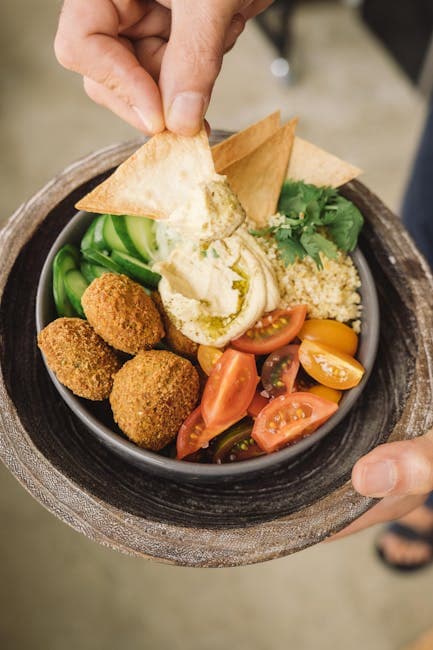
Couscous (كسكس)
A North African staple. The Algerian version is steamed semolina grains topped with stew and vegetables, and often meat as well.
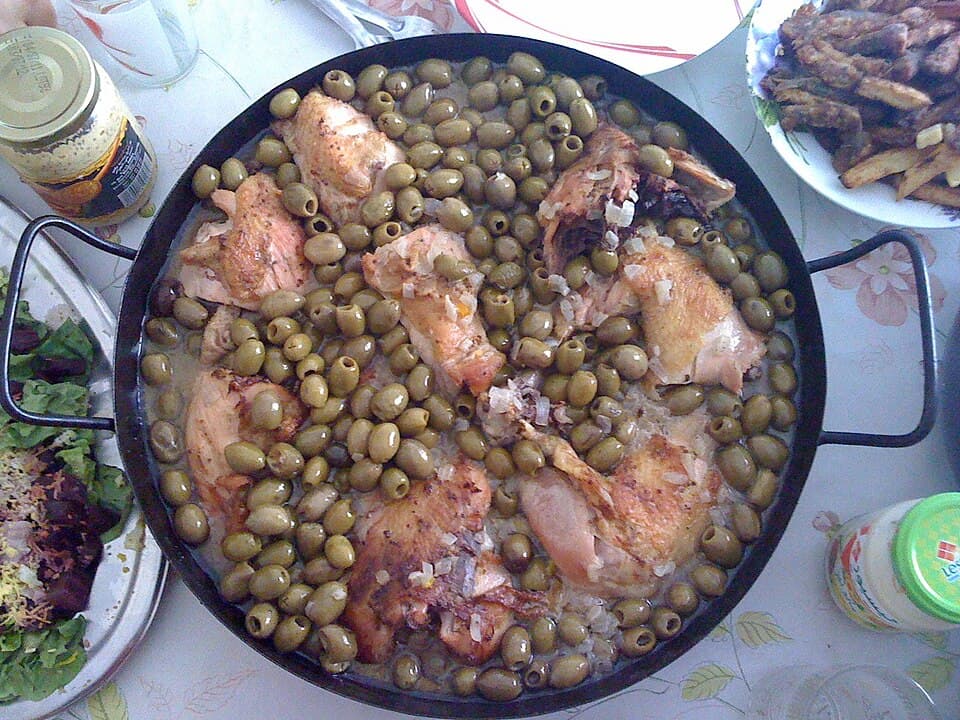
Tagine (طجين)
Where Moroccan tagines are cooked in the conical pot, the Algerian kind is more of a slow-cooked stew made in a plain earthenware pot. It might be lamb, chicken or vegetables.
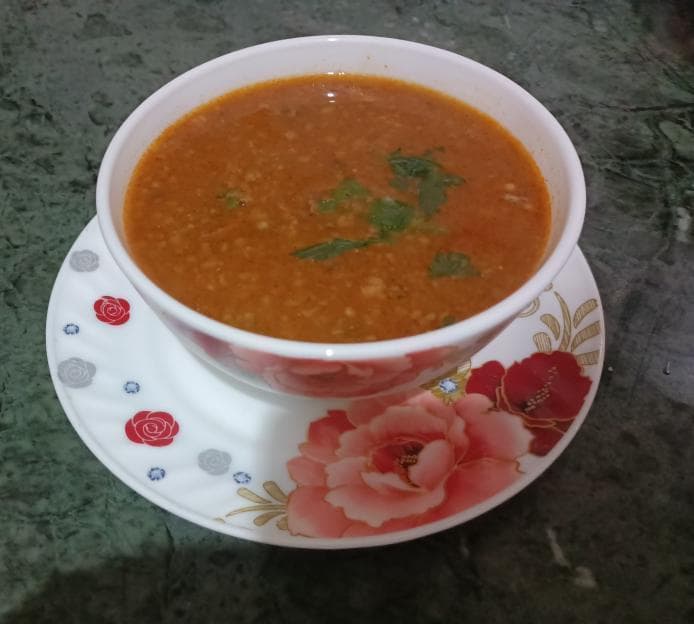
Chorba (شوربة)
A filling soup, usually tomato-based, with vegetables and either meat or chickpeas. Recipes shift from one region to the next.
Regional Specialties & Local Favorites
Discover the authentic regional dishes and local favorites that showcase Algeria's diverse culinary traditions.
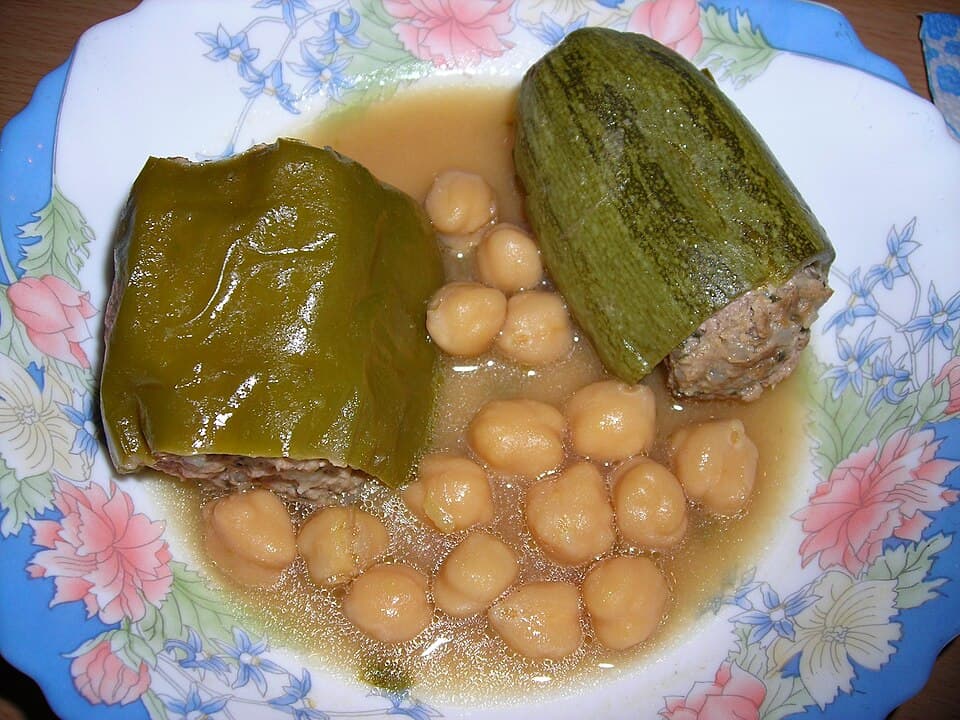
Dolma (دولمة)
Stuffed vegetables, usually vine leaves, peppers or tomatoes, packed with rice, meat and herbs.
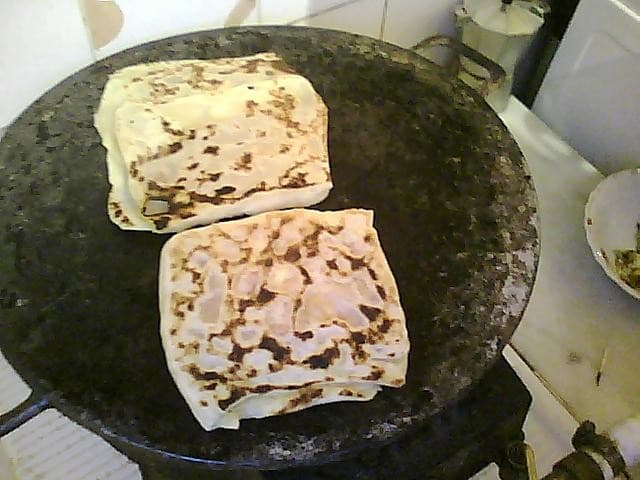
Mhadjeb (محاجب)
A savory stuffed flatbread, typically filled with onions, tomatoes and spices. A common street snack.
Allergens:
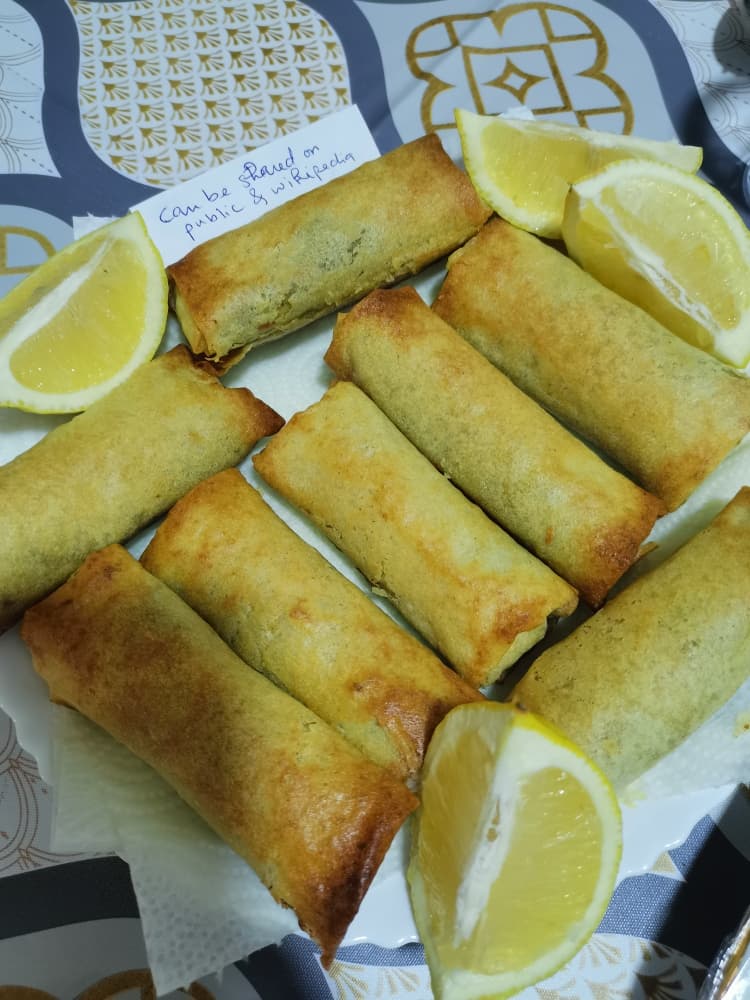
Bourek (بريك)
A crisp, deep-fried pastry that comes filled with meat, cheese or vegetables.
Allergens:
Regional Cuisine Highlights
Explore the diverse culinary landscapes across different regions of Algeria.
Algiers
A coastal kitchen that leans on seafood and fresh produce, with refined dishes that carry a clear French imprint.
Cultural Significance:
Carries the mark of the city's past as a major port and its mixed, cosmopolitan makeup.
Signature Dishes:
- Bourek
- Shorbat Adas
- Mechoui
Key Ingredients:
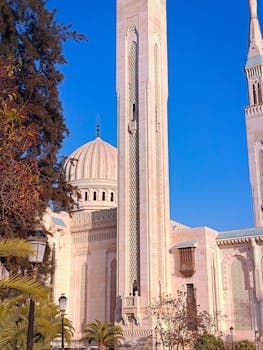
Kabylie
Hearty country cooking, think couscous with game, slow stews and flatbreads, built around local ingredients and Berber tradition.
Cultural Significance:
Keeps Berber culinary heritage alive through distinctive dishes and cooking methods.
Signature Dishes:
- Couscous Timeqtuyt
- Aghrum Aquran
- Sekssu
Key Ingredients:
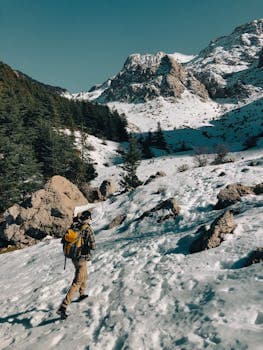
Sahara Region
Cooking shaped by the desert, relying on preserved meats, dates and whatever fresh produce can be had. The nomadic influence runs deep.
Cultural Significance:
Speaks to the nomadic way of life and the resourcefulness of desert communities.
Signature Dishes:
- Taguella
- El A'asida
- Mechoui
Key Ingredients:
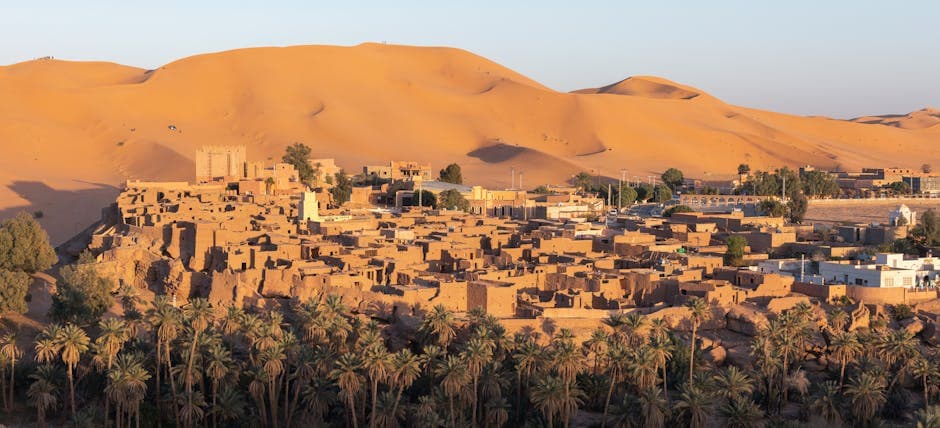
Sweet Delights & Desserts
Indulge in Algeria's traditional sweet treats and desserts.
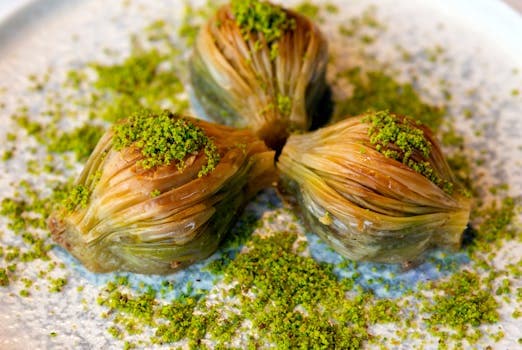
Baklava (بقلاوة)
A sweet pastry of layered filo dough packed with chopped nuts and soaked in syrup or honey.
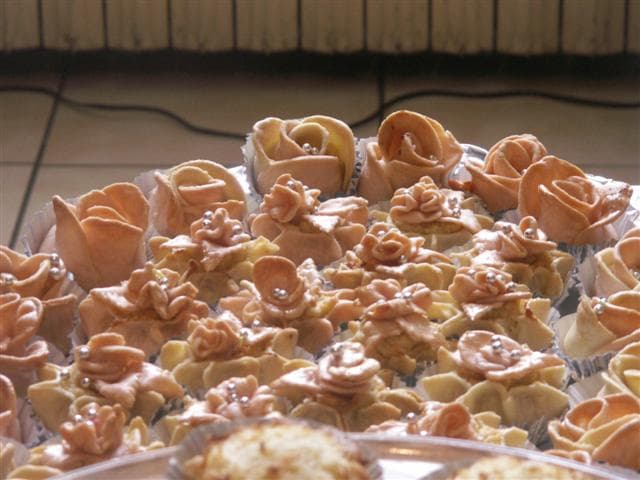
Dziriettes (زريعات)
Crescent-shaped Algerian cookies, usually scented with almonds and vanilla.
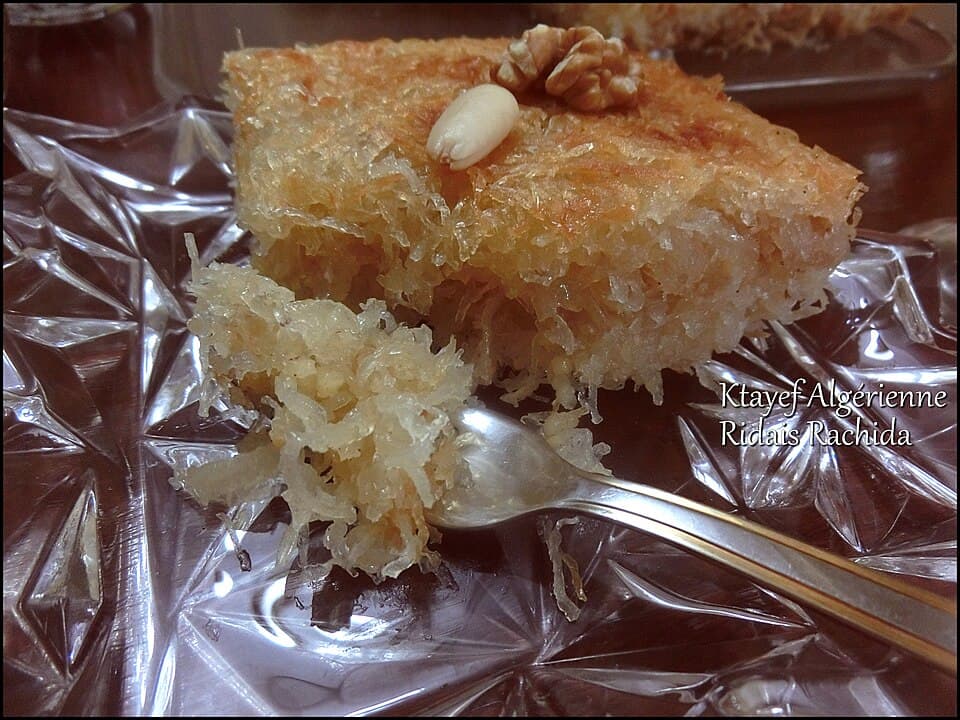
Ktayef (قطايف)
Small folded pancakes stuffed with nuts and steeped in syrup, a Ramadan favorite.
Traditional Beverages
Discover Algeria's traditional drinks, from locally produced spirits to regional wines.
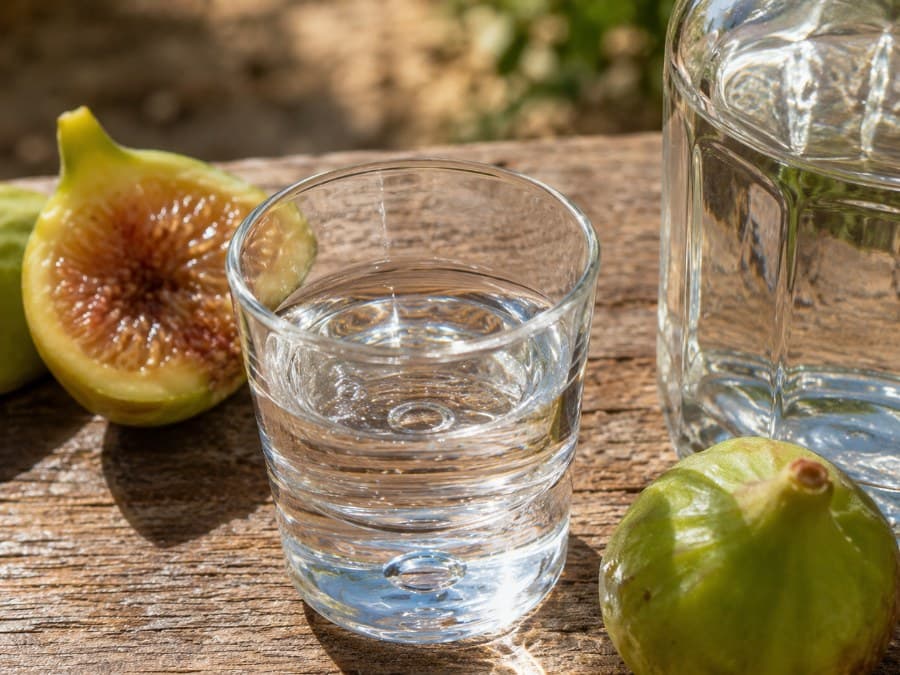
Boukha (بوخة)
A fig brandy with roots in the Jewish community, usually drunk as a digestif.
Soft Beverages
Discover Algeria's traditional non-alcoholic drinks, from local teas to refreshing juices.
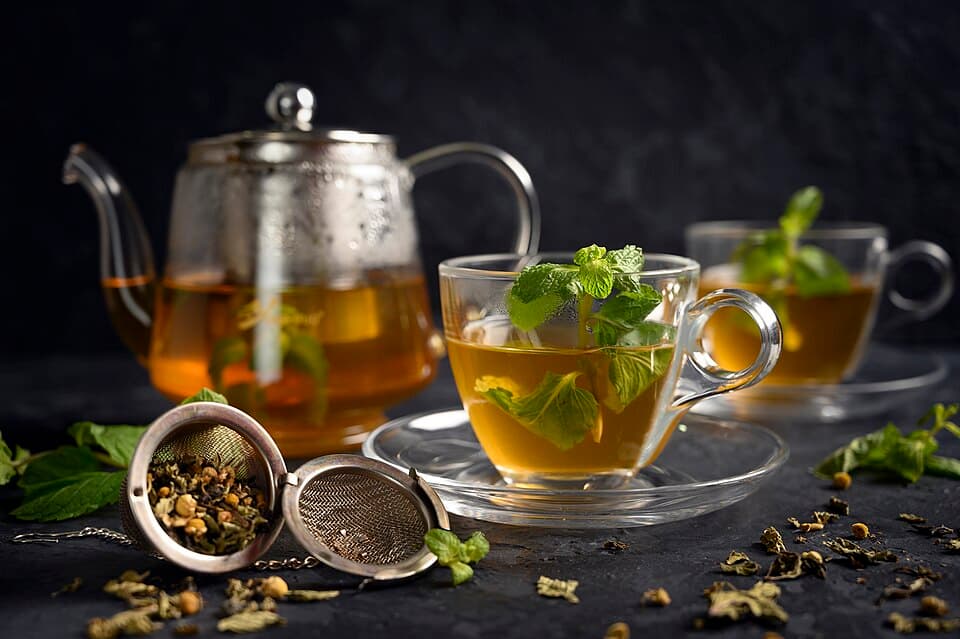
Mint Tea (أتاي بالنعناع)
The everyday drink of Algeria, brewed from gunpowder green tea with fresh mint and sugar.

Coffee (قهوة)
Strong coffee, usually sweetened and sometimes spiced with cardamom.
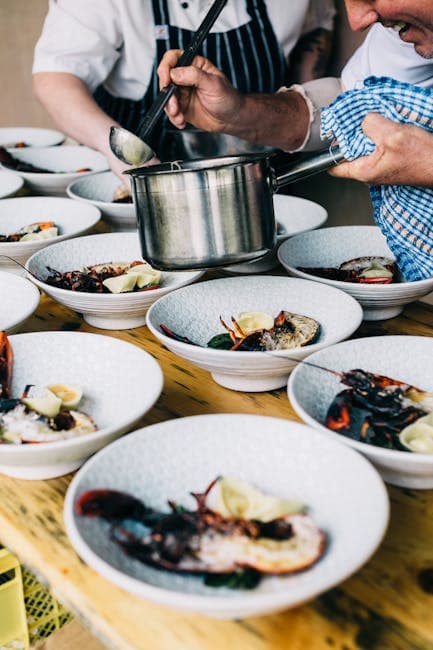
Sharbat (شربة)
A cooling fruit-syrup drink that comes into its own during Ramadan.
Frequently Asked Questions
Essential information about food and dining in Algeria.
What is the national dish of Algeria?
Algeria's most iconic dishes include Couscous (كسكس), Tagine (طجين), Chorba (شوربة). A North African staple. The Algerian version is steamed semolina grains topped with stew and vegetables, and often meat as well.
Is street food safe in Algeria?
Street food in Algeria can be enjoyed safely by following these guidelines: Check food hygiene standards in Algeria Drink bottled water in Algeria. Look for busy vendors with high turnover, ensure food is cooked fresh and served hot, and avoid raw ingredients if you have a sensitive stomach.
What are the best restaurants in Algeria?
Algeria offers diverse dining options from street food stalls to upscale restaurants. For the best experience, ask locals for recommendations, check recent reviews, and look for restaurants that specialize in regional cuisines.
Can vegetarians find food easily in Algeria?
Vegetarian options in Algeria are mediumly available. Vegetarian food is easier to find in Algeria than it used to be, mostly in cities and the places that see tourists.. Many restaurants offer vegetarian dishes, and you'll find plant-based ingredients featured prominently in local cuisine.
What is the average cost of a meal in Algeria?
Meal costs in Algeria depend on where you eat. Street food and casual local restaurants are very affordable, typically offering complete meals for a few dollars. Mid-range restaurants charge moderate prices, while fine dining establishments are comparably priced to Western countries.
What are common food allergens in Algeria?
Common allergens in Algeria cuisine include Nuts, Dairy, Wheat. Nuts show up regularly in Algerian cooking, above all in desserts and a handful of savory dishes.. These ingredients appear in dishes like Desserts, Sauces. Always inform restaurant staff about your allergies.
When is the best time to visit Algeria for food?
Algeria offers great food experiences throughout the year. However, visiting during harvest seasons (typically spring and autumn) provides access to the freshest local ingredients. Food festivals and cultural celebrations also offer unique culinary experiences worth planning around.