
Guatemala Food Guide
Content Information
Recently updatedFood Safety Tips
Essential food safety information to help you enjoy Guatemala's cuisine safely and confidently.
Consume bottled or purified water.
Tap water in Guatemala is generally not safe to drink. Stick to bottled or purified water to avoid waterborne illnesses.
Be cautious of street food.
Street food is cheap and often very good, but pick vendors who keep their stall clean and handle food carefully. Busy stalls are a good sign, since high turnover means the food hasn't been sitting out.
Wash fruits and vegetables thoroughly.
Wash all produce with purified water or peel it before eating to minimize the risk of consuming contaminants.
Dietary Options
vegetarian
MEDIUM AVAILABILITYVegetarian food is easier to find than it used to be, particularly in tourist areas. The traditional kitchen leans on meat, but plenty of restaurants and vendors serve dishes that work without it, like rellenitos and fresh fruit, and pepián can sometimes be ordered meatless.
vegan
LOW AVAILABILITYVegan food is harder to come by, since dairy and eggs turn up in a lot of Guatemalan cooking. You can often work around it by asking for a dish without those ingredients or requesting a swap.
Common Allergens
Corn
HIGH PREVALENCECorn is the backbone of Guatemalan cooking, showing up in tortillas, tamales, atole and much more. Anyone with a corn allergy needs to be very careful here.
COMMONLY FOUND IN:
Dairy
MEDIUM PREVALENCECheese and cream find their way into a number of traditional dishes, so ask about the ingredients if you have a dairy allergy.
COMMONLY FOUND IN:
Essential Food Experiences
These iconic dishes represent the must-have culinary experiences that define Guatemala's food culture for travelers.
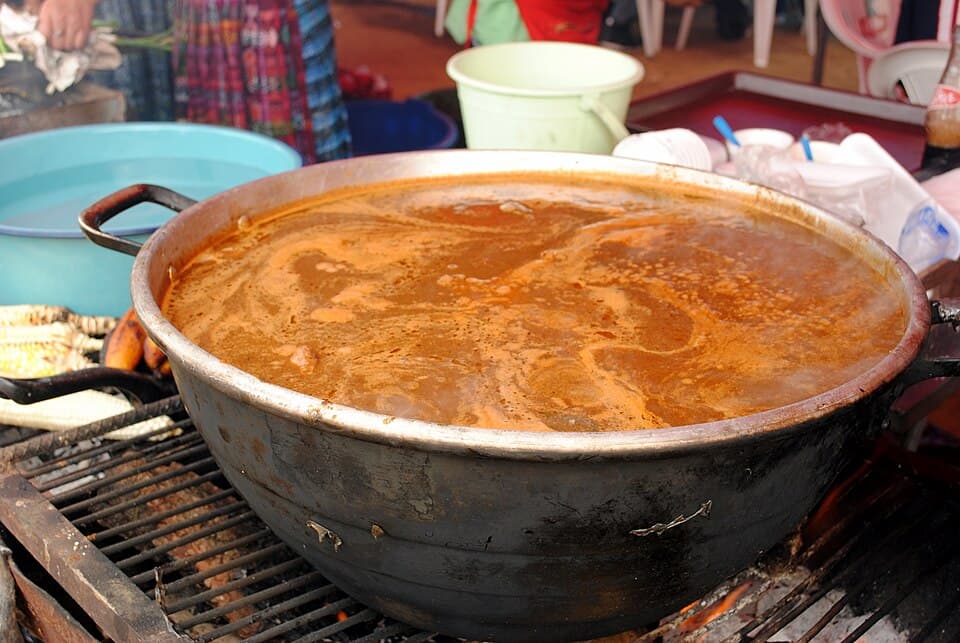
Pepián
Guatemala's national dish, and one of its oldest recipes, drawing on both Mayan and Spanish cooking. The stew gets its body from a sauce of roasted pumpkin and sesame seeds, toasted spices, tomatoes and chilies. It usually comes with chicken, beef or pork alongside rice and handmade tortillas. Most of the flavor depends on roasting and grinding the ingredients properly before they ever hit the pot.
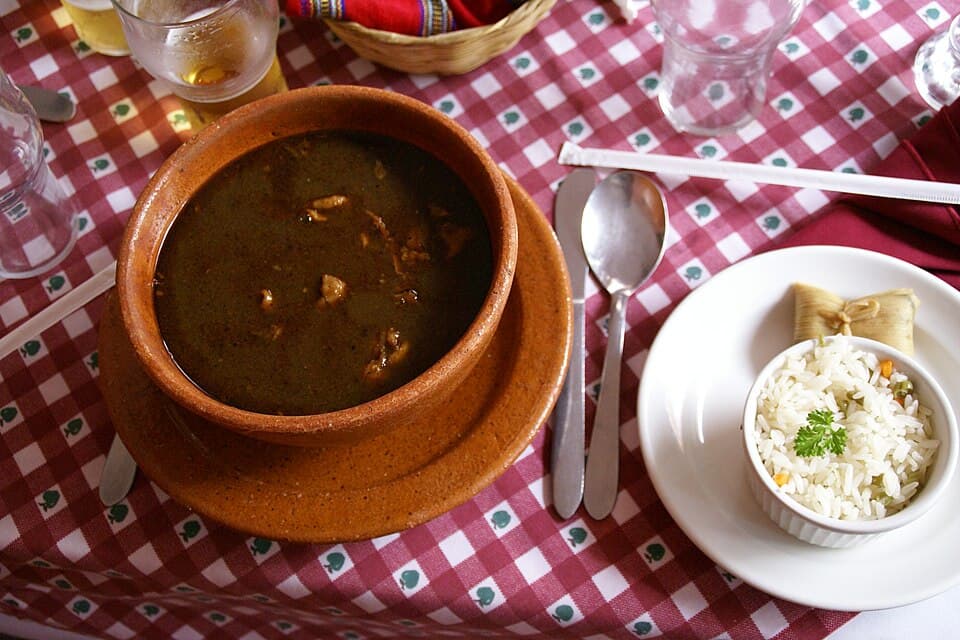
Kak'ik (Kaq'ik)
A UNESCO-recognized Mayan turkey stew, and the signature dish of the Q'eqchi' Maya in Alta Verapaz. The deep red soup simmers turkey in a broth spiced with achiote (annatto), coriander and chilies, which gives it both its color and its punch. It's served with small white tamales steamed in banana leaves and goes back centuries in indigenous kitchens.
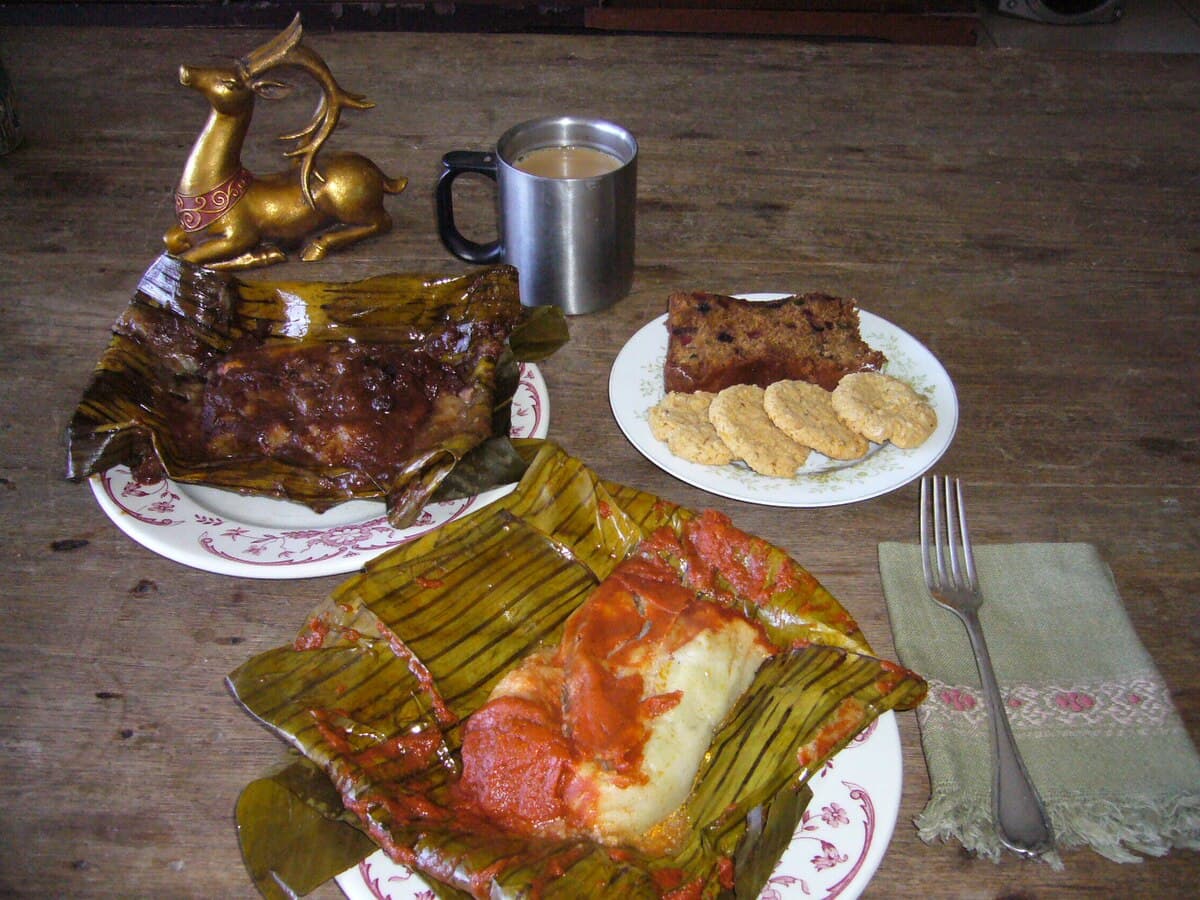
Tamales
Guatemalan tamales stand out for their layered spicing, chicken or meat stew, and added vegetables. Where Mexican tamales use corn husks, these are wrapped and steamed in large green banana leaves, which changes the flavor. Versions vary from region to region in the leaves used, the size, whether they're savory or sweet, and what goes into the masa. Christmas tamales are a multi-day project for the whole family, with recipes that mothers and grandmothers tend to keep to themselves.
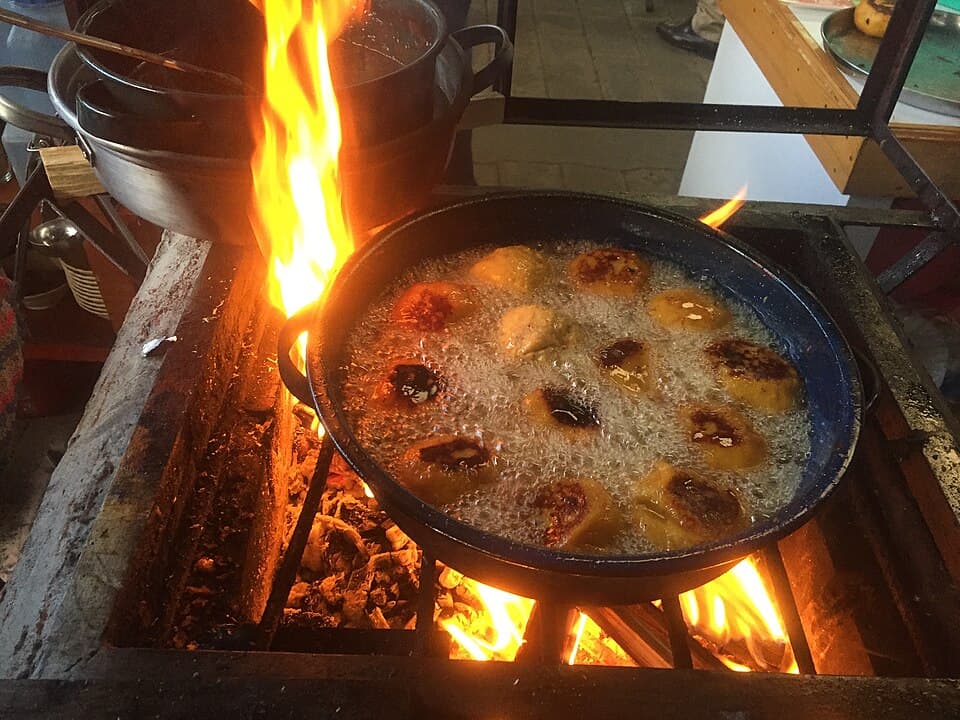
Rellenitos
A Guatemalan dessert that pairs mashed ripe plantain with a sweet black bean filling. The beans are refried with sugar, chocolate and spices, wrapped in plantain, shaped into small balls and fried until golden. People eat them plain or dusted with powdered sugar and a little cream. They're a good example of how far plantains stretch in the local kitchen.
Fiambre
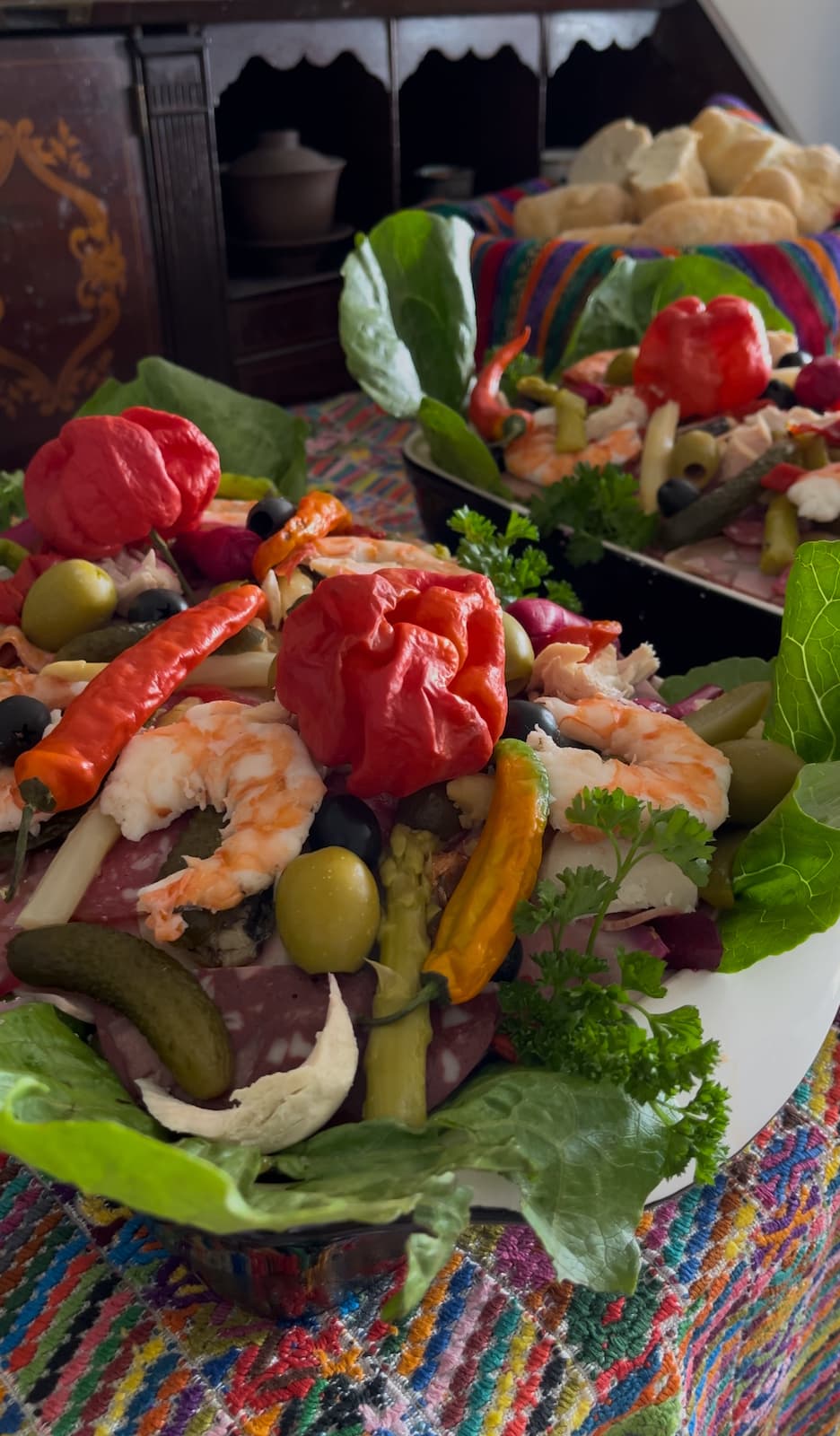
A salad made for All Saints' Day on November 1, built from more than 50 ingredients: vegetables, meats, cheeses and sausages all layered together. No two families make it the same way, since the recipes get handed down and guarded within each household. Some versions run past 100 ingredients and take hours or days to put together, which says a lot about how seriously people take this Day of the Dead dish.
Subanik
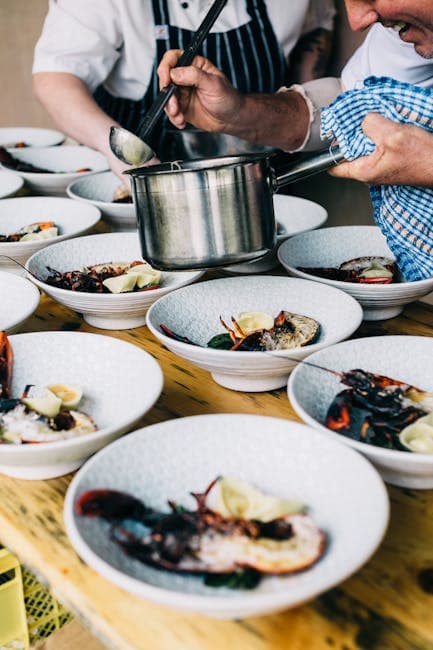
A Kaqchikel Mayan dish from the Lake Atitlán area, essentially a large tamale filled with meat (usually pork or chicken), spices and vegetables, wrapped in banana leaves and steamed. It's filling, well-spiced, and still made using methods that go back generations.
Jocon
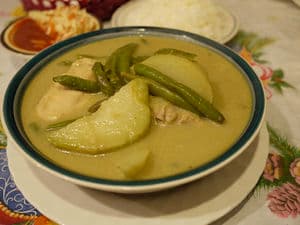
A green stew built on tomatillos, cilantro and green chilies that cook down into a bright green sauce. It's usually made with chicken and leans heavily on fresh herbs and indigenous ingredients. The color and the tangy, herbal flavor set it apart from the country's heavier stews.
Chiles Rellenos
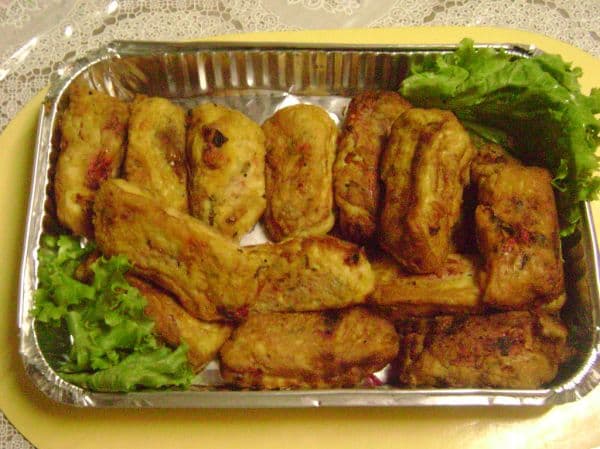
The Guatemalan take uses large poblano peppers stuffed with ground meat, vegetables and rice, dipped in egg batter and fried. They come with tomato sauce and usually rice and tortillas on the side. The local spicing and preparation set them apart from the Mexican version.
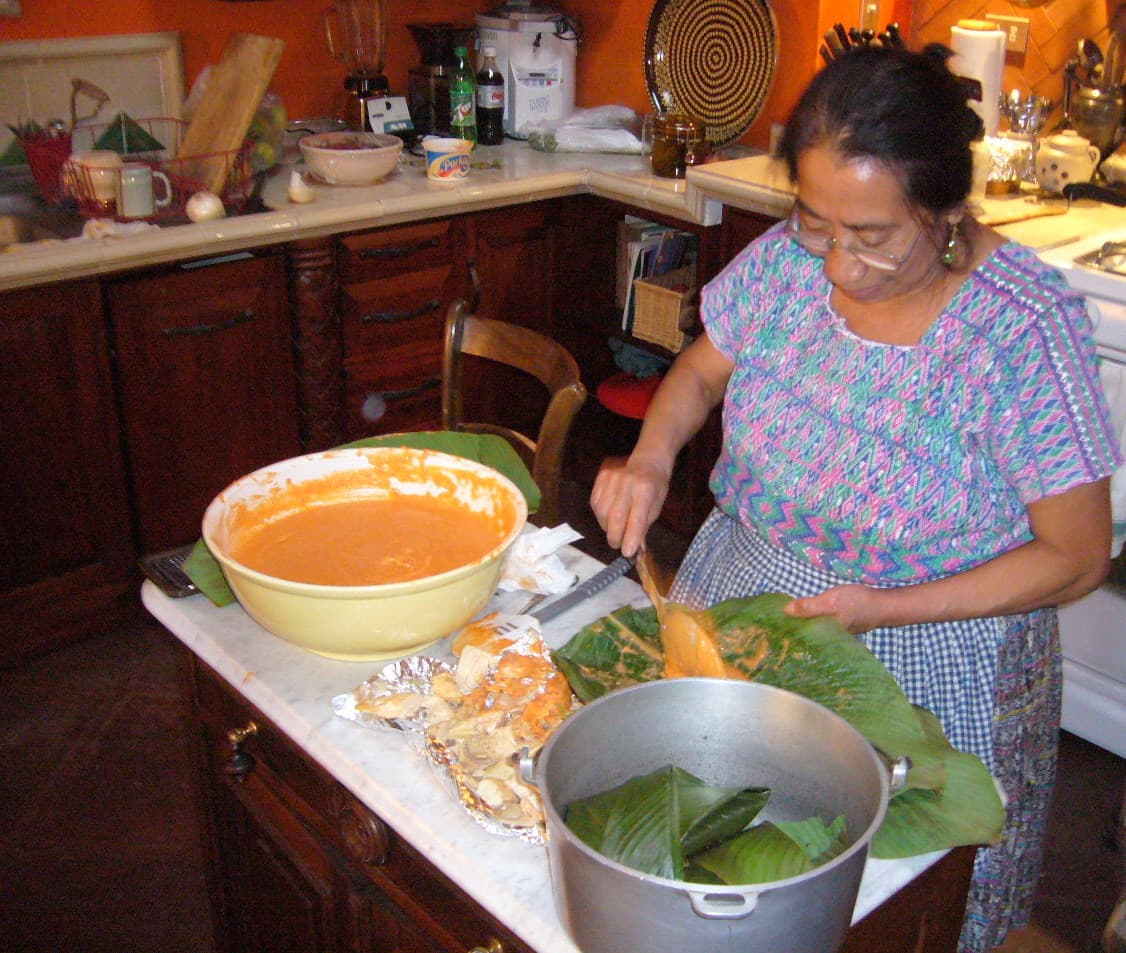
Paches
Tamales made with a potato-based masa rather than corn, filled with meat and sauce and wrapped in banana leaves. In Guatemala City and nearby towns they're a Thursday tradition. The potato masa gives them a softer texture and a different flavor from the usual corn tamales.
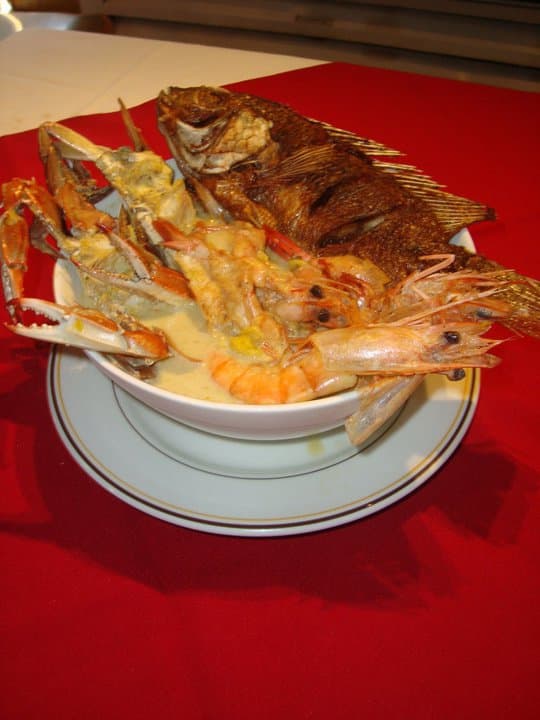
Tapado
A coconut seafood stew from the Caribbean coast in Izabal, with fish, shrimp, crab and plantains cooked in coconut milk broth seasoned with tomatoes, cilantro and spices. It carries clear African and Garifuna influence and tastes nothing like the dishes you'll find up in the highlands.
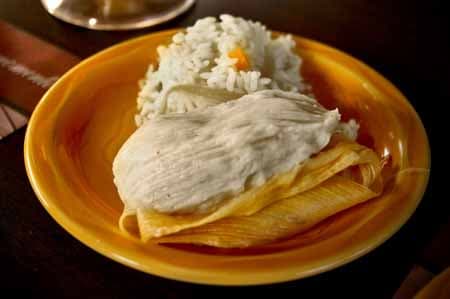
Chuchitos
A smaller tamale made with corn masa and filled with a tomato-based sauce and meat or chicken. Unlike the bigger banana-leaf tamales, these are wrapped in corn husks. You'll find them as street food and breakfast all over the country.
Regional Specialties & Local Favorites
Discover the authentic regional dishes and local favorites that showcase Guatemala's diverse culinary traditions.
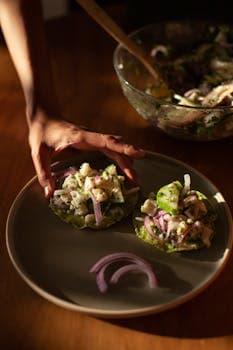
Tostadas
Crisp fried tortillas piled with toppings like refried beans, guacamole, salsa, cheese and shredded meat. Vendors sell them everywhere as a quick snack. Simple food that works because the toppings are fresh.
Allergens:
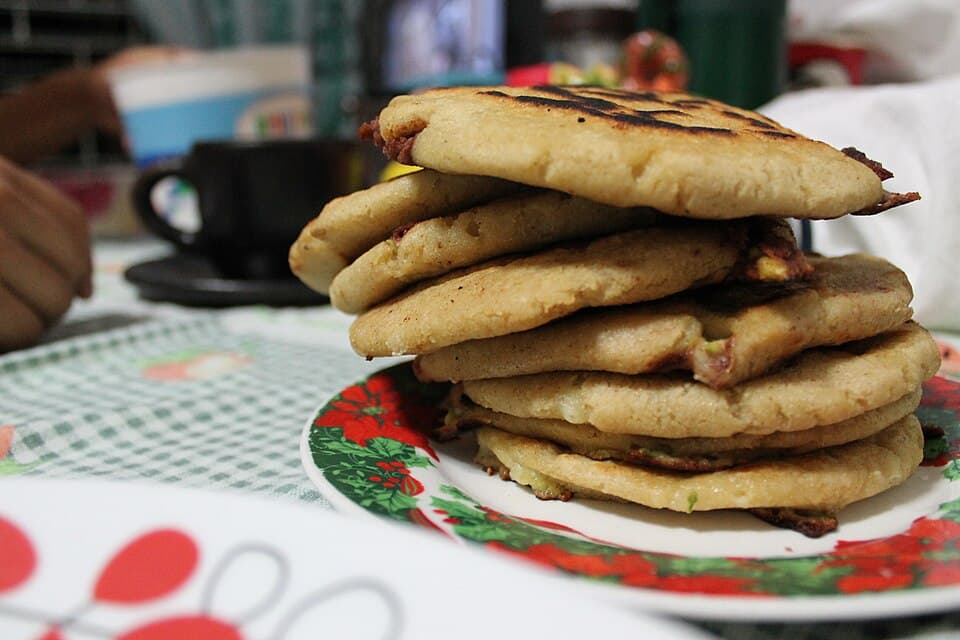
Pupusas
Thick corn tortillas stuffed with cheese, beans or meat and cooked on a griddle. They come from El Salvador originally but have caught on in Guatemala. They're served with curtido, a pickled cabbage slaw, and tomato salsa, and they fill you up for very little money.
Allergens:
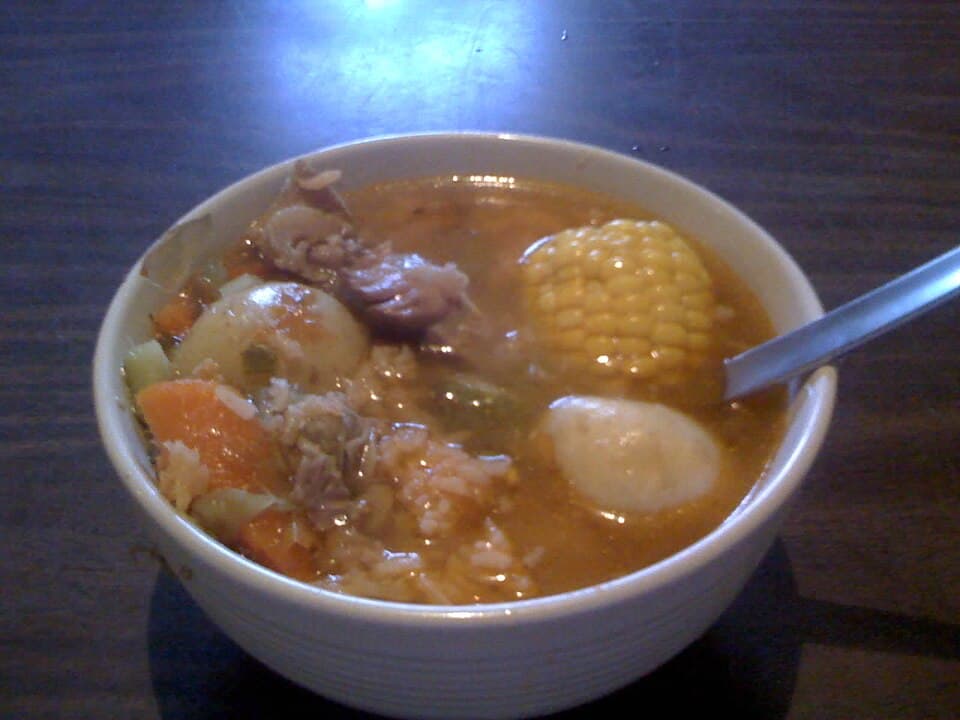
Caldo de Res
A substantial beef soup loaded with big chunks of beef, corn on the cob, potatoes, carrots, chayote and other vegetables. It's the kind of thing families cook for Sunday lunch, served with rice, lime and fresh tortillas.
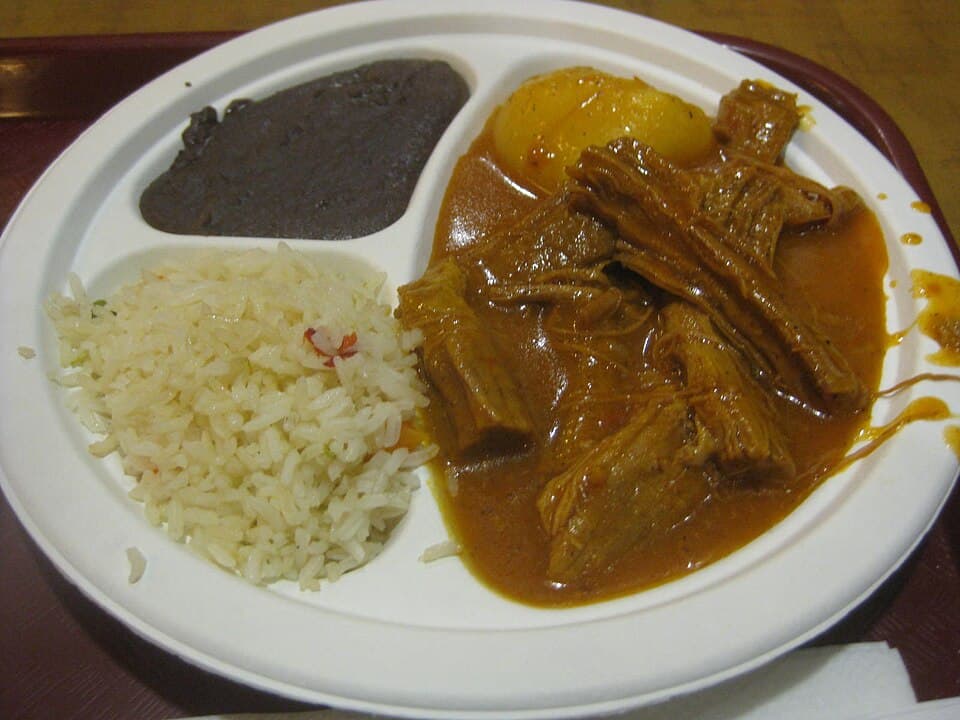
Hilachas
Shredded beef in a tomato-based sauce with potatoes and carrots. The name means 'rags', a nod to how the beef pulls apart. It's home cooking, served with rice and tortillas and found in both households and small local restaurants.
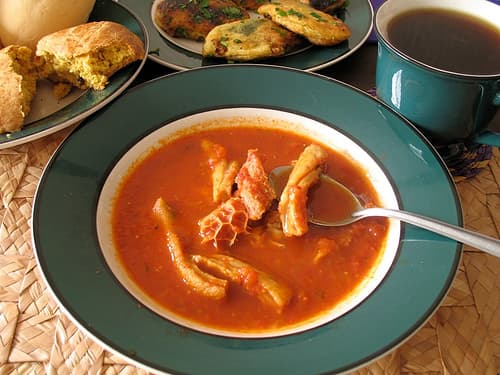
Revolcado
A pork stew from around Antigua, with the pork cooked down in a tomato-achiote sauce. The dark sauce gives it both its color and its flavor. It tends to show up at celebrations and special occasions.
Desayuno Chapin
The classic Guatemalan breakfast: black beans, fried plantains, eggs, fresh cheese, cream and tortillas, often with salsa or chirmol (tomato sauce) on the side. The Chapín Galán version, with its gooey cheese-filled tortilla, is the one people photograph.
Allergens:
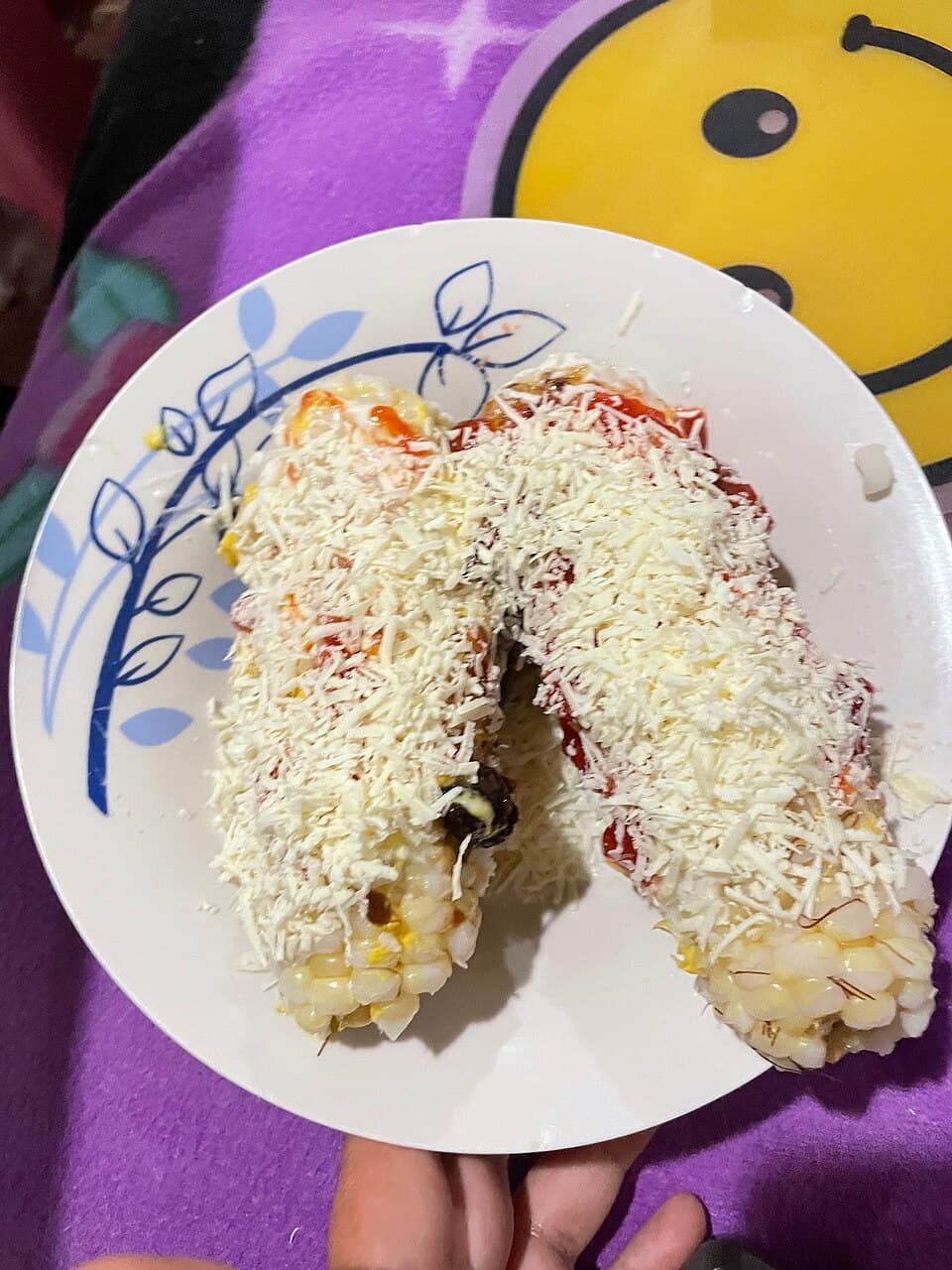
Elotes Locos
Grilled corn on the cob slathered with mayonnaise, cheese, lime juice and chili powder. You'll find it at markets and on street corners. It's messy to eat and worth it.
Allergens:
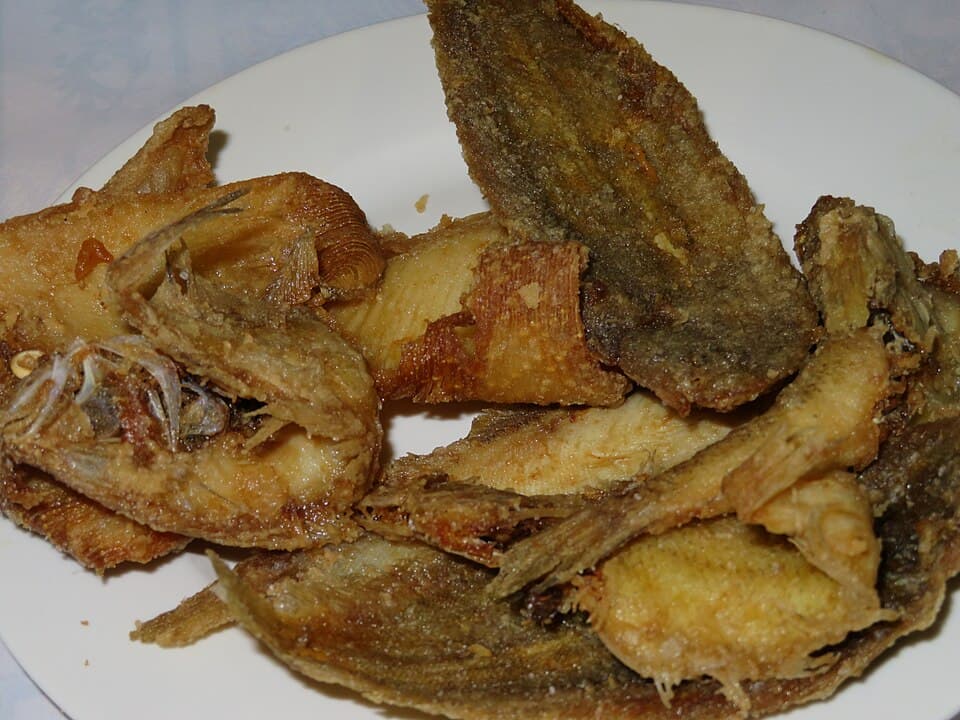
Pescado Frito
Fried fish, most common around Lake Atitlán where the catch is local and plentiful. The whole fish is fried until crisp and served with rice, salad and tortillas. There's not much to the preparation, which is the point when the fish is fresh.
Allergens:
Regional Cuisine Highlights
Explore the diverse culinary landscapes across different regions of Guatemala.
Antigua
Antigua cooks with local ingredients and a strong Mayan backbone. As the old colonial capital, its food sits at the meeting point of indigenous and Spanish traditions. Pepián and Kaq'ik are the dishes the region is known for.
Cultural Significance:
Antigua's food carries its history, mixing Mayan tradition with Spanish colonial influence. The city's restaurants keep centuries-old recipes going while adjusting them for how people eat now.
Signature Dishes:
- Pepián
- Kaq'ik
- Revolcado
- Traditional tamales
Key Ingredients:
Lake Atitlán
Cooking around Lake Atitlán draws on fish from the lake and on produce and herbs grown in the surrounding highlands. Traditional Mayan dishes are everywhere, shaped by the indigenous communities living along the shore.
Cultural Significance:
The food around Lake Atitlán reflects the area's deep Mayan roots, with many dishes and ingredients coming straight out of traditional Mayan cooking. Each village along the lake has its own specialties.
Signature Dishes:
- Pescado Frito (fried fish)
- Subanik
- Tamales de Chipilín
- Black bass from the lake
Key Ingredients:

Izabal (Caribbean Coast)
Izabal sits on the Caribbean coast and cooks accordingly, with seafood and coconut at the center of the plate. African and Garifuna influence runs through the food, giving it flavors you won't taste in the highlands.
Cultural Significance:
Izabal's food comes out of its Caribbean coastal setting and the traditions of the Garifuna people, which together produce flavors you won't find elsewhere in Guatemala.
Signature Dishes:
- Tapado (coconut seafood stew)
- Pan de Coco (coconut bread)
- Rice and Beans
- Fresh seafood
Key Ingredients:
Sweet Delights & Desserts
Indulge in Guatemala's traditional sweet treats and desserts.
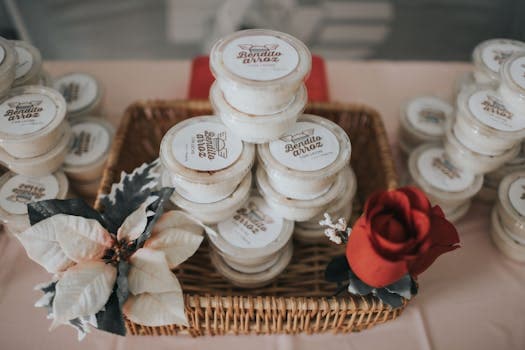
Arroz con Leche
Creamy rice pudding flavored with cinnamon, sugar and sometimes raisins. People eat it all over the country, warm or cold. Nothing fancy, but it does the job.
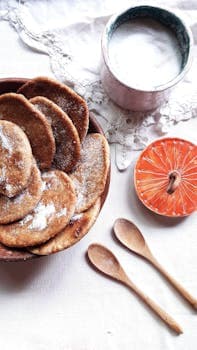
Buñuelos
Small round fritters made from a yucca-flour dough scented with anise. They turn up around the holidays, especially at Christmas, drizzled with sweet syrup. Light and crisp, with a distinct aroma from the anise.
Platanos en Mole
Ripe plantains cooked in a chocolate mole sauce, landing somewhere between sweet and savory. The pairing of soft plantain and dark chocolate sauce is a Guatemalan specialty, usually saved for special occasions.
Molletes
Sweet bread rolls dusted with sugar, usually had with coffee or hot chocolate at breakfast or in the afternoon. They're soft and airy, which makes them good for dipping.
Camote en Dulce
Sweet potatoes cooked in panela (unrefined cane sugar) syrup with cinnamon and other spices. Street vendors sell it, and it's the kind of warming dessert that comes out more in the cooler months.
Traditional Beverages
Discover Guatemala's traditional drinks, from locally produced spirits to regional wines.
Quetzalteca
A widely available Guatemalan aguardiente, a sugarcane liquor drunk neat or mixed into cocktails. It takes its name from the quetzal, the national bird, and Guatemalans are fond of it.

Botran Rum
An aged Guatemalan rum made with the Solera aging system. It's smooth, with vanilla, oak and caramel coming through, and it has picked up international awards over the years.
Soft Beverages
Discover Guatemala's traditional non-alcoholic drinks, from local teas to refreshing juices.
Atole de Elote
A warm drink made from fresh corn, milk, sugar and cinnamon. People have it at breakfast and lean on it during colder weather. It's thick and creamy, with the corn doing most of the sweetening.
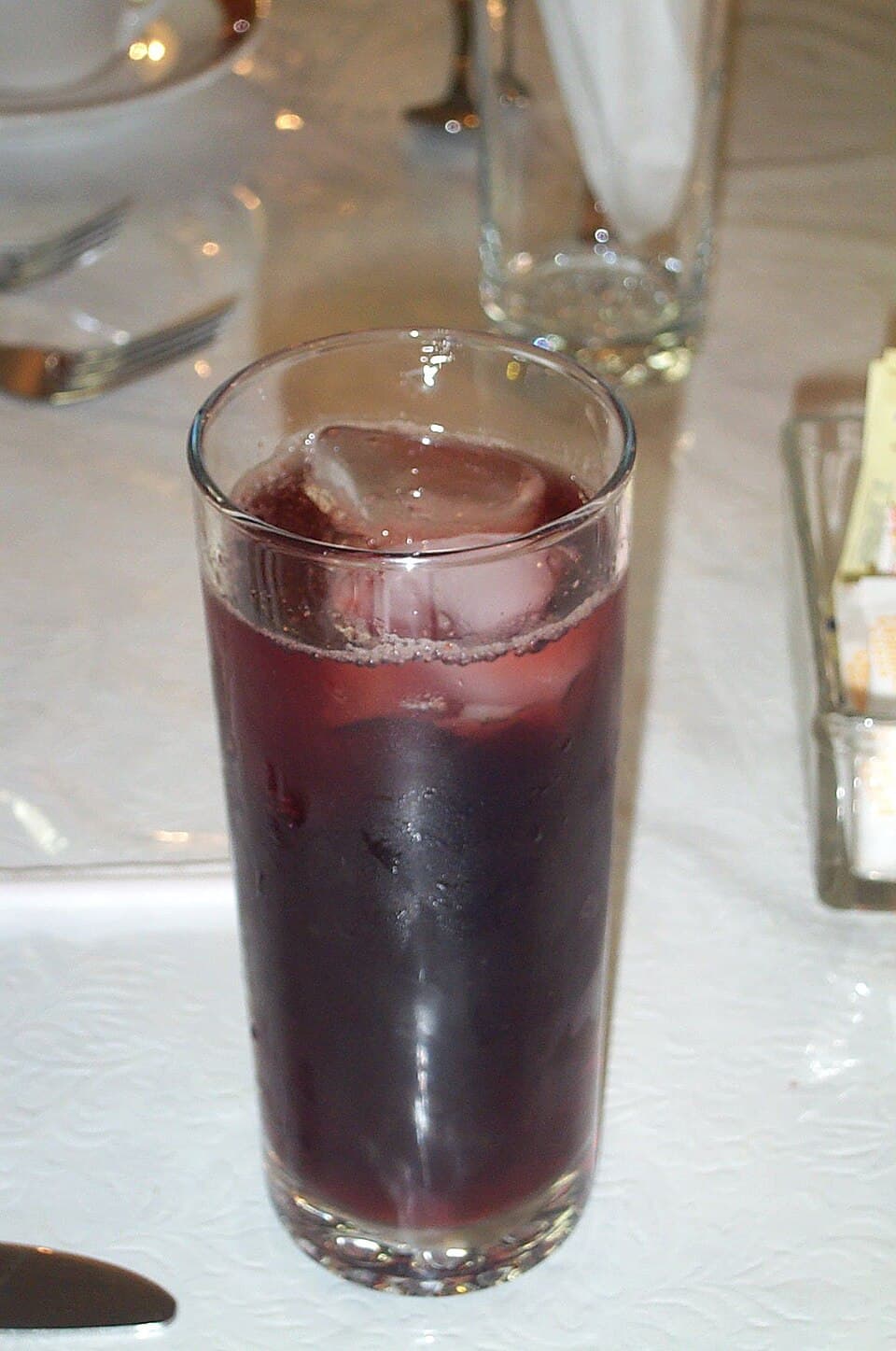
Fresco de Rosa de Jamaica
Iced tea made from dried hibiscus flowers, deep red and a little tart. It's served cold and sweetened, and you'll want it on a hot day. Common across the country.
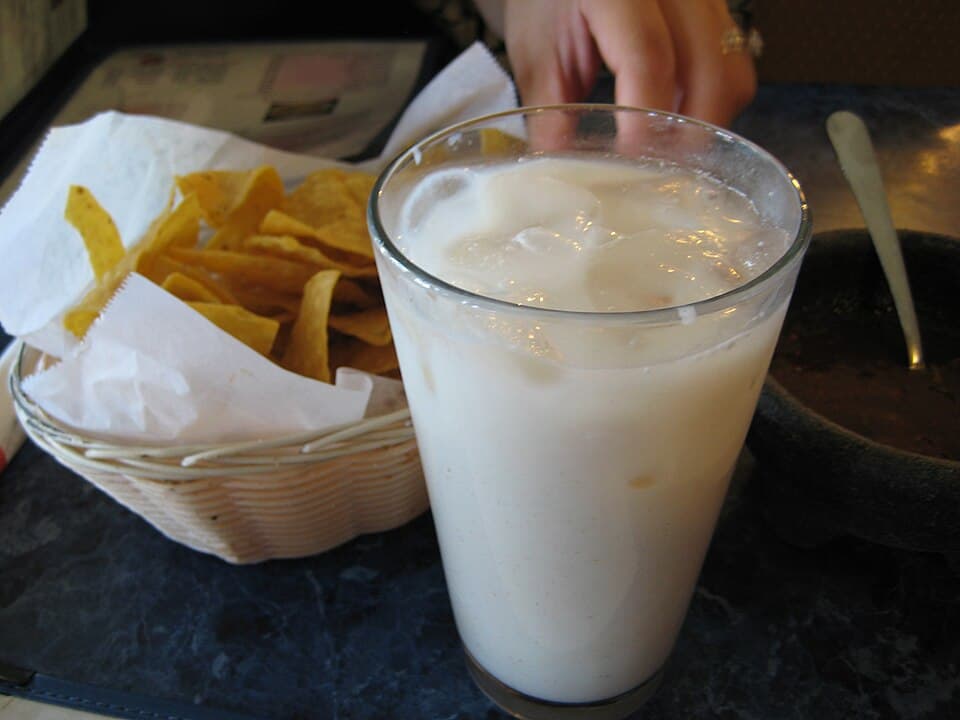
Horchata
A sweet rice-based drink flavored with cinnamon and vanilla, served cold and creamy white. You'll find it at markets and restaurants. The Guatemalan version is built on rice rather than the nuts used in some Mexican recipes.
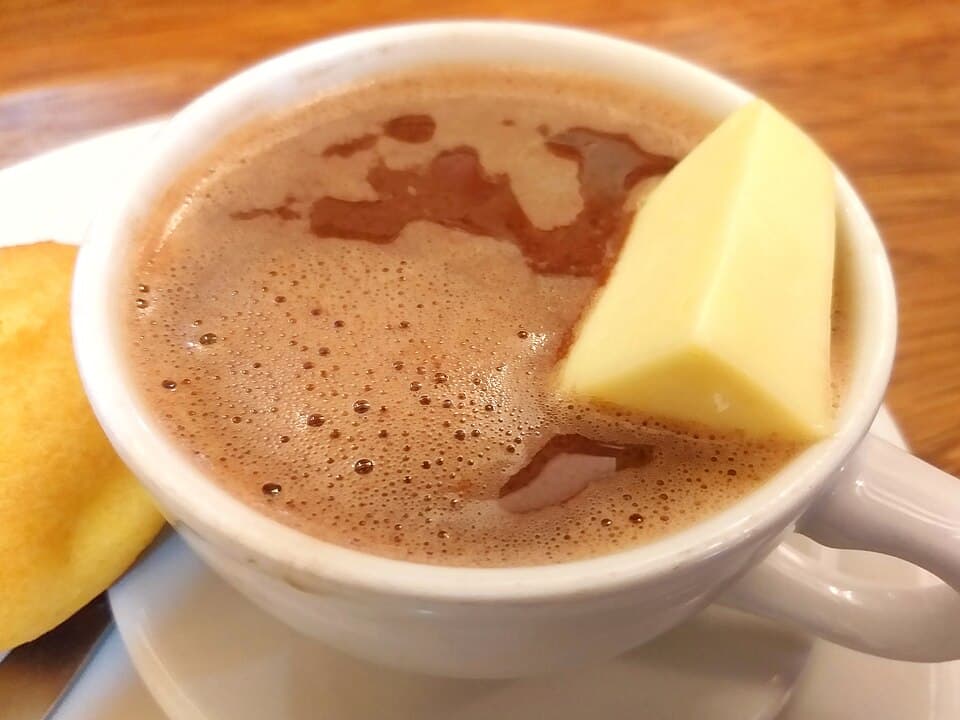
Chocolate Caliente
Hot chocolate made from Guatemalan cacao, which has a strong reputation among growers worldwide. It's prepared with water or milk, sweetened and spiced with cinnamon, and comes out thicker than the instant kind.
Frequently Asked Questions
Essential information about food and dining in Guatemala.
What is the national dish of Guatemala?
Guatemala's most iconic dishes include Pepián, Kak'ik (Kaq'ik), Tamales. Guatemala's national dish, and one of its oldest recipes, drawing on both Mayan and Spanish cooking. The stew gets its body from a sauce of roasted pumpkin and sesame seeds, toasted spices, tomatoes and chilies. It usually comes with chicken, beef or pork alongside rice and handmade tortillas. Most of the flavor depends on roasting and grinding the ingredients properly before they ever hit the pot.
Is street food safe in Guatemala?
Street food in Guatemala can be enjoyed safely by following these guidelines: Consume bottled or purified water.. Look for busy vendors with high turnover, ensure food is cooked fresh and served hot, and avoid raw ingredients if you have a sensitive stomach.
What are the best restaurants in Guatemala?
Guatemala offers diverse dining options from street food stalls to upscale restaurants. For the best experience, ask locals for recommendations, check recent reviews, and look for restaurants that specialize in regional cuisines.
Can vegetarians find food easily in Guatemala?
Vegetarian options in Guatemala are mediumly available. Vegetarian food is easier to find than it used to be, particularly in tourist areas. The traditional kitchen leans on meat, but plenty of restaurants and vendors serve dishes that work without it, like rellenitos and fresh fruit, and pepián can sometimes be ordered meatless.. Many restaurants offer vegetarian dishes, and you'll find plant-based ingredients featured prominently in local cuisine.
What is the average cost of a meal in Guatemala?
Meal costs in Guatemala depend on where you eat. Street food and casual local restaurants are very affordable, typically offering complete meals for a few dollars. Mid-range restaurants charge moderate prices, while fine dining establishments are comparably priced to Western countries.
What are common food allergens in Guatemala?
Common allergens in Guatemala cuisine include Corn, Dairy. Corn is the backbone of Guatemalan cooking, showing up in tortillas, tamales, atole and much more. Anyone with a corn allergy needs to be very careful here.. These ingredients appear in dishes like Tortillas, Tamales. Always inform restaurant staff about your allergies.
When is the best time to visit Guatemala for food?
Guatemala offers great food experiences throughout the year. However, visiting during harvest seasons (typically spring and autumn) provides access to the freshest local ingredients. Food festivals and cultural celebrations also offer unique culinary experiences worth planning around.