
Taiwan Food Guide
Content Information
Recently updated🔥Current Food Trends 2026
What's happening in Taiwan's culinary scene right now
Even as fine dining grows, the night market remains the heart of how Taiwan eats in 2026. Taipei carries 41 Michelin-starred restaurants, with RAW (1 star) pushing contemporary Taiwanese cooking and Impromptu by Paul Lee working a French-Taiwanese line. Taipei Fine Dining Week each November is the city's showcase for that end of the scale. Bubble tea, which started in 1980s Taichung at Chun Shui Tang, has long since gone global, and the current crop runs to brown sugar boba, cheese foam tea, and fruit-tea versions. Din Tai Fung keeps opening branches abroad while the Taipei flagship holds its standard of 18-plus folds per dumpling. The markets stay busy: Shilin, Raohe, and Ningxia move xiaolongbao, oyster omelets, stinky tofu, and beef noodle soup in huge volumes. Breakfast here has its own ritual, with soy milk (doujiang) shops turning out youtiao (fried dough), fantuan (rice rolls), and dan bing (egg crepes). Buddhist vegetarian (素食) kitchens go well beyond plain vegetables, working with mock meats and inventive produce. The November Beef Noodle Festival honors the national dish. Tea runs from Alishan oolong to Hsinchu's oriental beauty and high-mountain leaves brewed with full ceremony. Tainan, the old capital, is the place for traditional dishes like milkfish, coffin bread, and oyster vermicelli. Indigenous cooking (Bunun, Paiwan, Atayal foods) is showing up on more restaurant menus, and Hualien pairs indigenous millet wine with its Joint Aboriginal Harvest Festival in July. Kaohsiung joined the Michelin Guide in 2023. Street food keeps shifting too: crispy chicken now turns up next to craft beer with dips like mala mayo and wasabi cheese, and scallion pancakes come stuffed with cheese, kimchi, or wagyu. Taipei's vegan options keep multiplying. Visitor numbers have climbed sharply, with April 2025 alone bringing in 751,000 arrivals. Most travelers come for three things: the food, the Aboriginal heritage, and an unhurried pace.
Food Safety Tips
Essential food safety information to help you enjoy Taiwan's cuisine safely and confidently.
Food hygiene standards are generally good
Hygiene standards in Taiwan are generally good. Still, pick places that look clean and well kept and you'll be fine.
Bottled water recommended in rural areas
Stick to bottled water in rural areas, where quality can vary. Cities are generally fine.
Night market street food is generally safe
Night market street food is usually safe if you go to stalls with steady crowds and quick turnover, which is most of them.
Dietary Options
vegetarian
HIGH AVAILABILITYVegetarians do well here, largely thanks to Buddhist vegetarian (素食) cooking. Skilled mock meats and inventive vegetable dishes are easy to find, especially in Taipei.
vegan
MEDIUM AVAILABILITYTaipei's vegan scene keeps expanding, with dedicated restaurants alongside Buddhist vegetarian spots. Many traditional dishes hide animal products, so check the ingredients before ordering.
gluten-free
LOW AVAILABILITYTricky, since wheat noodles, dumplings, and soy sauce are everywhere. It helps to learn a few phrases that explain what you can't eat.
halal
LOW AVAILABILITYHalal food is mostly limited to Taipei's Muslim-friendly areas and a few tourist spots. The Muslim community is small (around 60,000), so the infrastructure is modest. Pork and lard turn up in a lot of Taiwanese dishes, so check carefully.
kosher
VERY LOW AVAILABILITYKosher food is very hard to find, with only a small Jewish community and no kosher restaurants or certification. Chabad Taiwan in Taipei offers limited kosher services for Jewish residents and travelers.
Common Allergens
Nuts
MEDIUM PREVALENCEPeanuts particularly common in Taiwanese cuisine
COMMONLY FOUND IN:
Soy
HIGH PREVALENCESoy sauce and soy products ubiquitous in Taiwanese cooking
COMMONLY FOUND IN:
Wheat
HIGH PREVALENCEWheat noodles, dumplings, and buns are staples
COMMONLY FOUND IN:
Shellfish
MEDIUM PREVALENCEOysters and other shellfish common in coastal cuisine
COMMONLY FOUND IN:
Essential Food Experiences
These iconic dishes represent the must-have culinary experiences that define Taiwan's food culture for travelers.
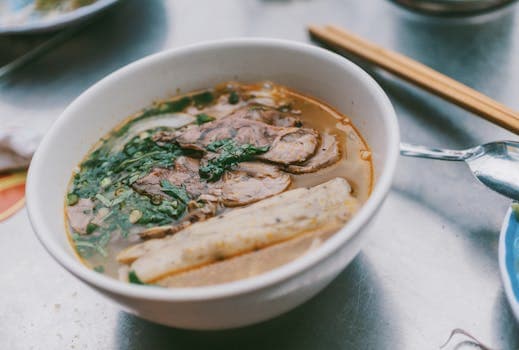
Beef Noodle Soup (Niu Rou Mian)
Taiwan's national dish: tender beef, a deep broth (either tomato or classic), and chewy noodles. Fuhong Beef Noodles in Taipei is a local favorite, while Yi Pin on Yong Kang Street is known for its tomato broth. The November Beef Noodle Festival marks it every year.
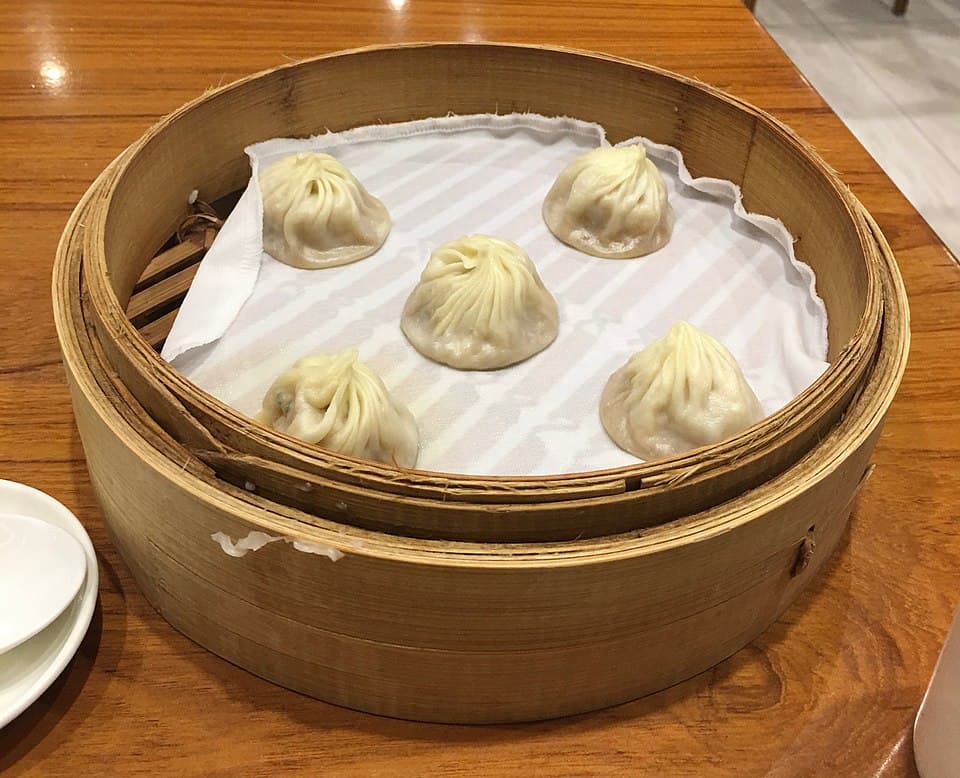
Xiaolongbao (Soup Dumplings)
Soup dumplings packed with minced pork and hot broth, wrapped in thin skin with 18-plus folds and steamed. Din Tai Fung is the name everyone knows; expect a queue, but the dumplings make it worth the wait.
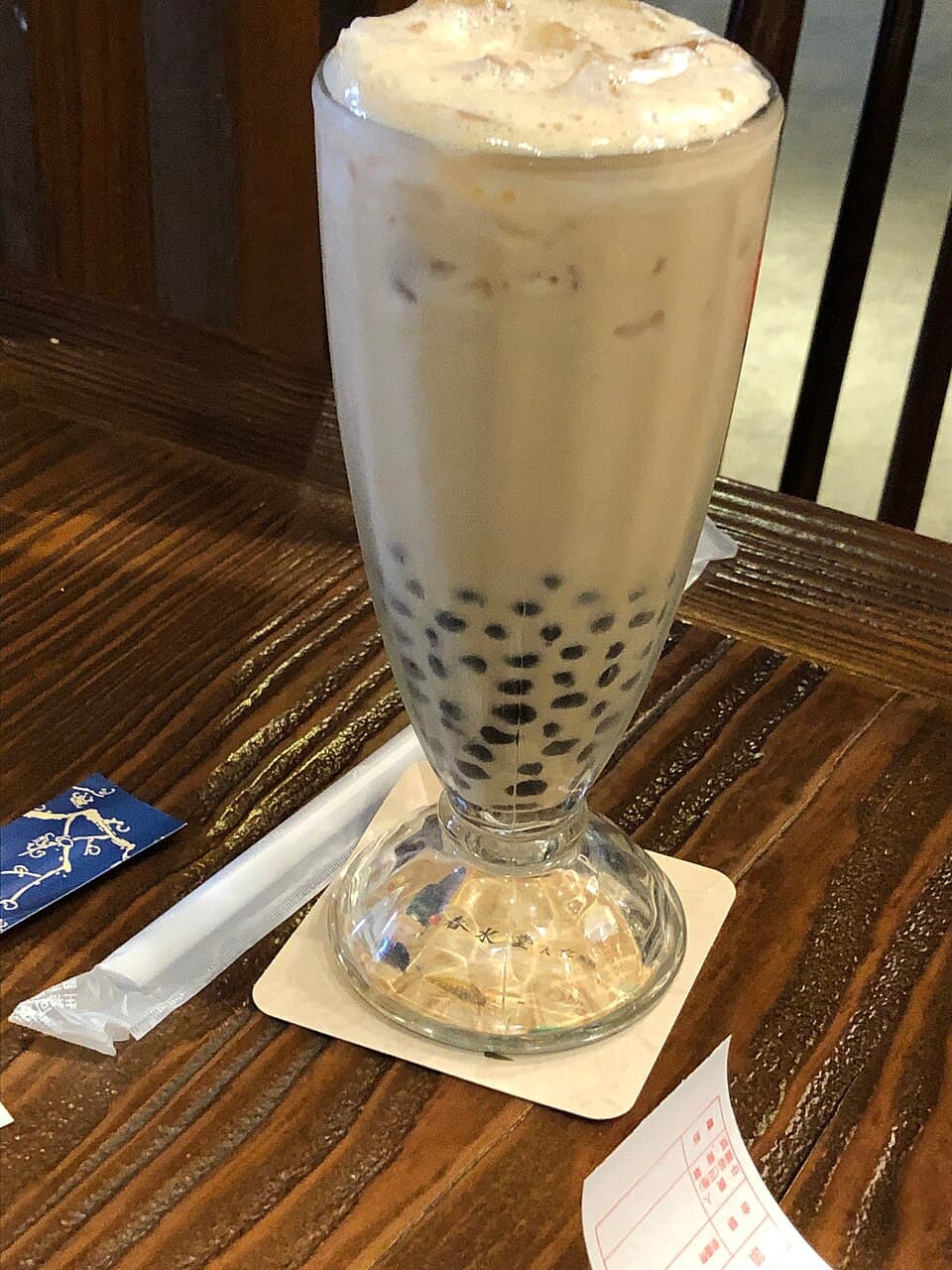
Bubble Tea (Boba)
Taiwan's best-known export abroad: a tea drink with chewy tapioca pearls, born in 1980s Taichung at Chun Shui Tang. Newer versions include cheese tea with a savory foam, fruit teas with popping pearls, torched brown sugar tops, and cocktail-style cups.
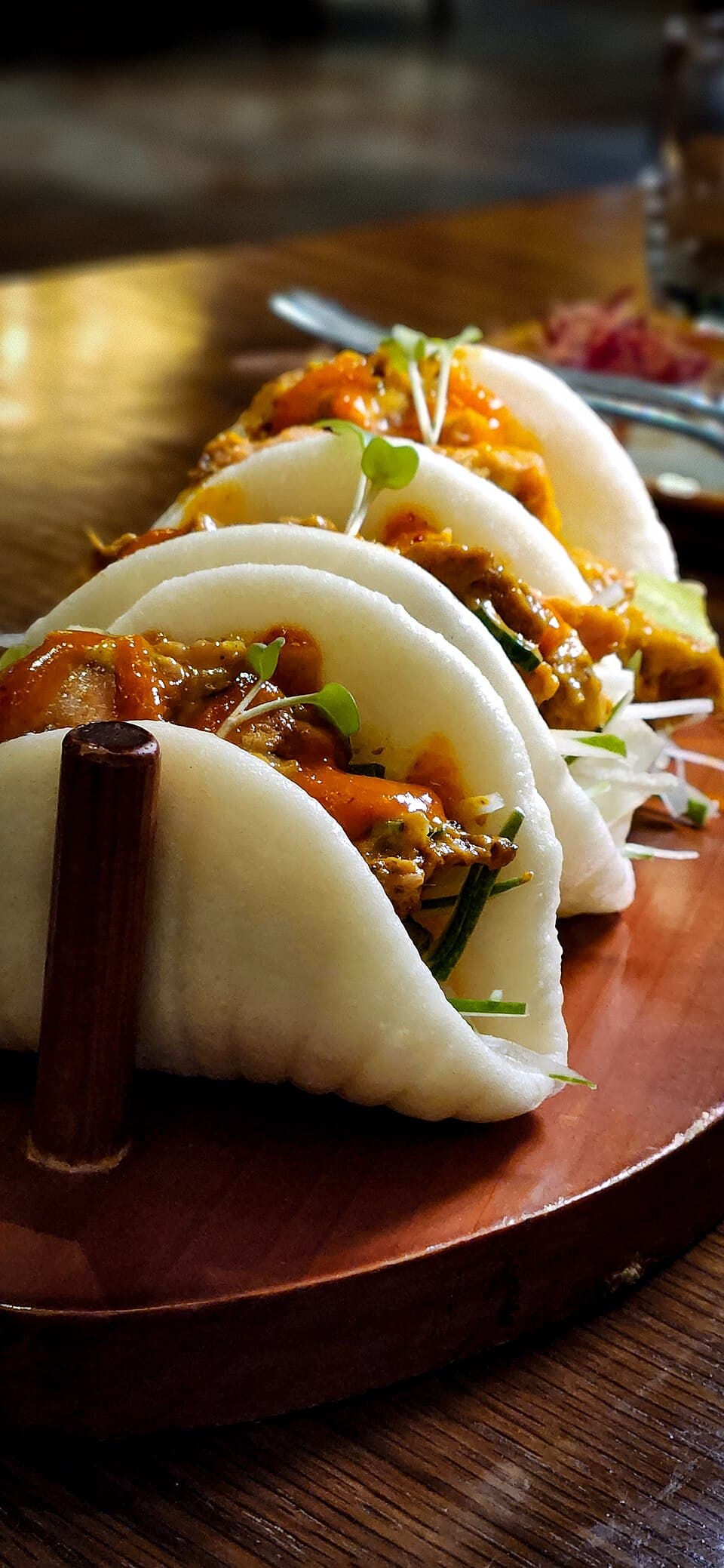
Gua Bao (Taiwanese Hamburger)
A soft steamed bun folded around braised pork belly, pickled mustard greens, cilantro, and peanut powder. Shilin Night Market is the spot people seek out for it.
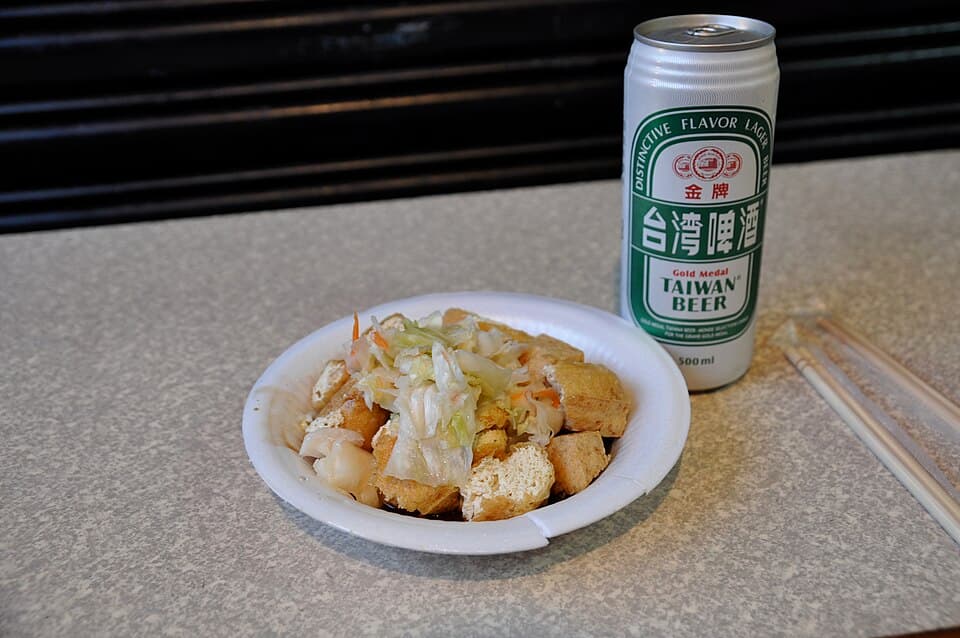
Stinky Tofu (Chou Doufu)
Fermented tofu with a famously strong smell, usually deep-fried and served with pickled cabbage and chili sauce. Raohe Street Night Market in Taipei is a good place to try it. The aroma puts some people off, but it's a much-loved snack.

Lu Rou Fan (Braised Pork Rice)
A bowl of braised minced pork over steamed rice. The pork is slow-cooked in soy sauce, five-spice, and rock sugar until it turns soft and almost falls apart.
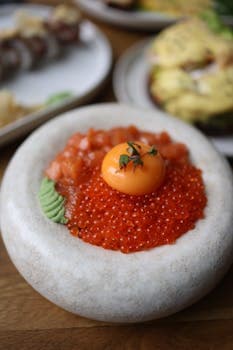
Oyster Omelet (Oazijian)
A night market staple of fresh oysters, sweet potato starch, and egg, pan-fried until the edges crisp up and finished with a sweet-savory sauce.
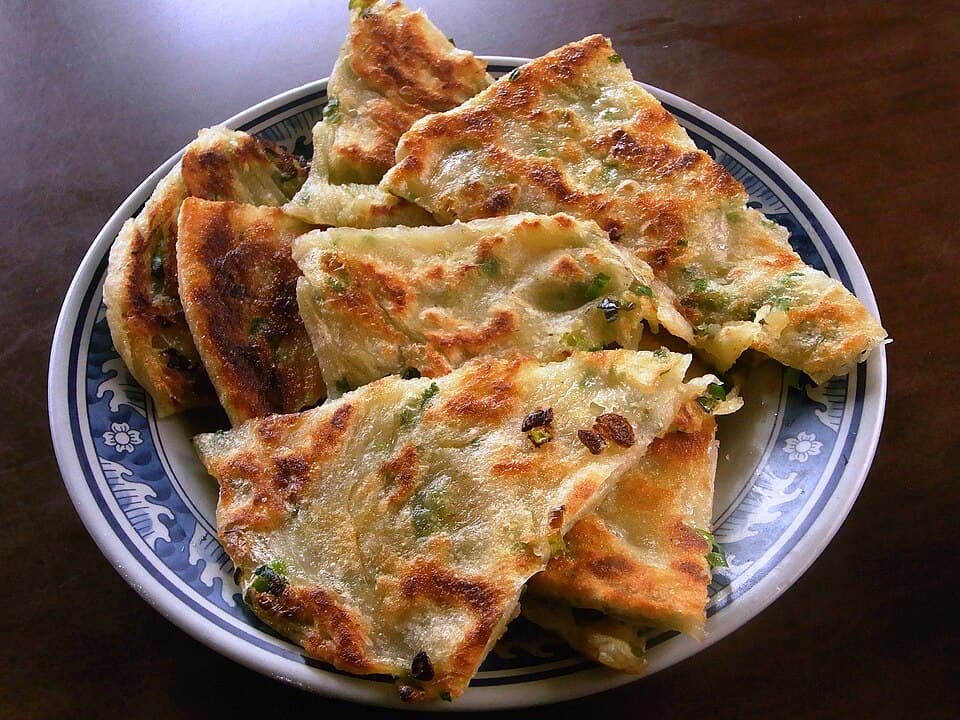
Scallion Pancakes (Cong You Bing)
Crisp, flaky pancakes layered with spring onion, cooked to order on a hot griddle. Some vendors now stuff them with melting cheese, kimchi, or thin slices of wagyu. The Yilan region is especially known for them.
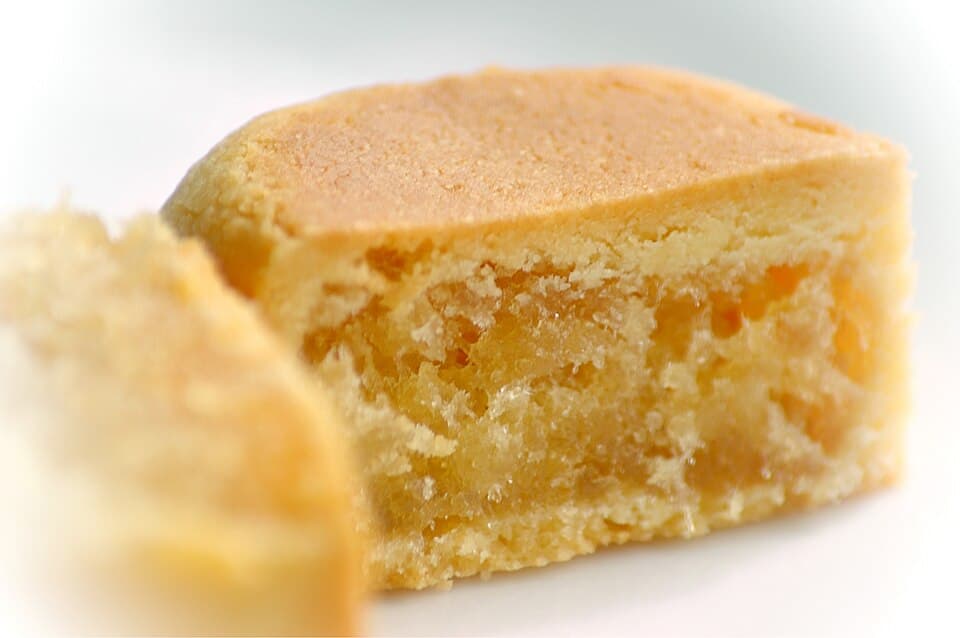
Pineapple Cake (Fengli Su)
A sweet pastry filled with pineapple jam, a common souvenir and a good match for tea. It's one of Taiwan's signature baked goods.
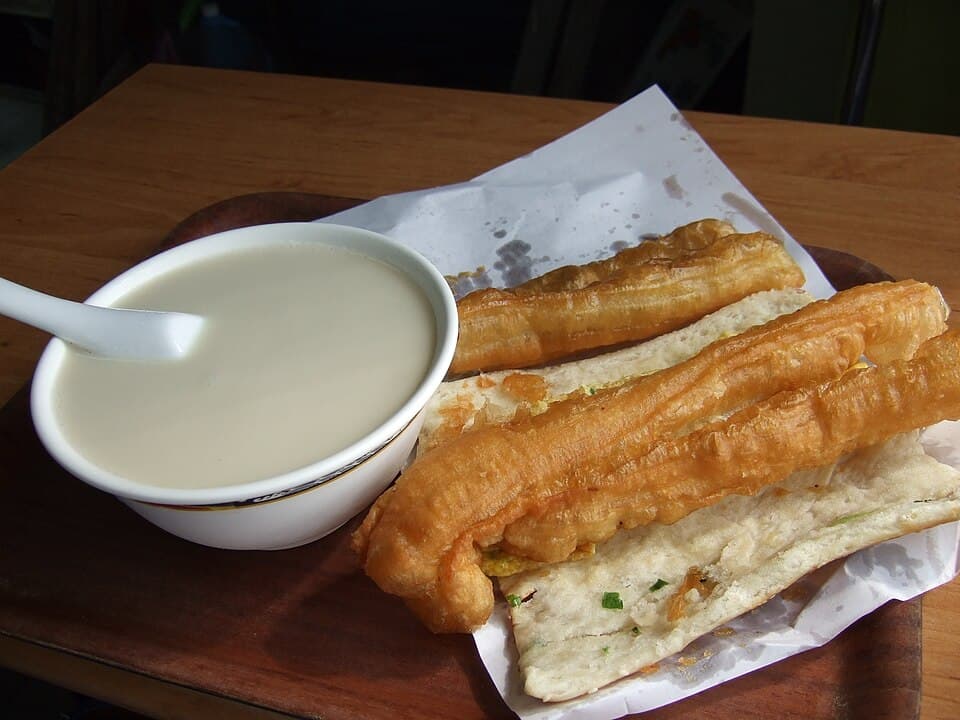
Taiwanese Breakfast (Doujiang Set)
The classic spread from a soy milk shop: youtiao (fried dough), fantuan (rice rolls), and dan bing (egg crepes), all washed down with warm soy milk. Worth getting up early for.
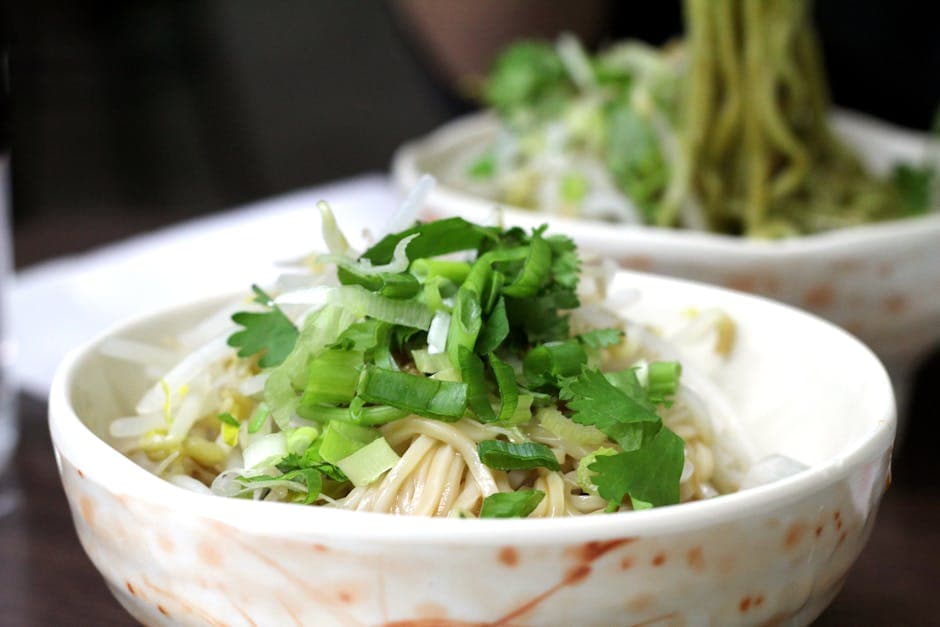
Danzai Noodles (Tainan)
A Tainan specialty: noodles in a savory broth with shrimp, pork, and vegetables. It's a good taste of the old capital's traditional cooking.
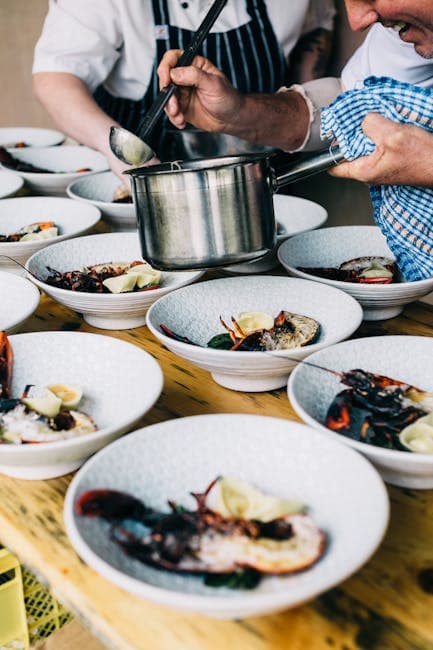
Bamboo Rice (Indigenous)
An indigenous dish of rice and other ingredients cooked inside bamboo tubes. You'll find it in Hualien's aboriginal cooking, part of the island's Austronesian food heritage.
Regional Specialties & Local Favorites
Discover the authentic regional dishes and local favorites that showcase Taiwan's diverse culinary traditions.
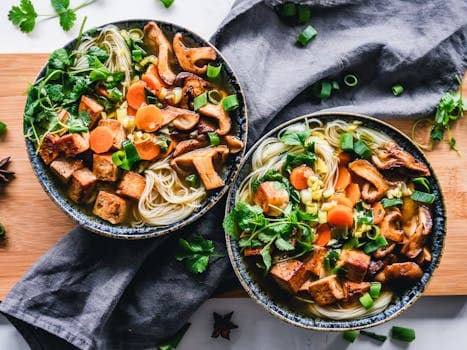
Stinky Tofu (Chou Doufu)
Fermented tofu with a strong smell, usually deep-fried and served with pickled cabbage and chili sauce. The aroma is divisive, but it's a much-loved street snack.
Allergens:

Bubble Tea (Boba)
A tea drink that started in Taichung, usually tea, milk, and chewy tapioca pearls served cold with different flavorings. Caramelized versions have become a recent favorite.
Allergens:
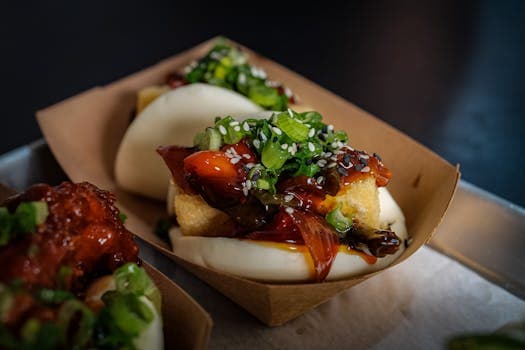
Gua Bao
Sometimes called a 'Taiwanese hamburger,' it's braised pork belly with pickled mustard greens, cilantro, and peanut powder tucked into a steamed bun.
Allergens:
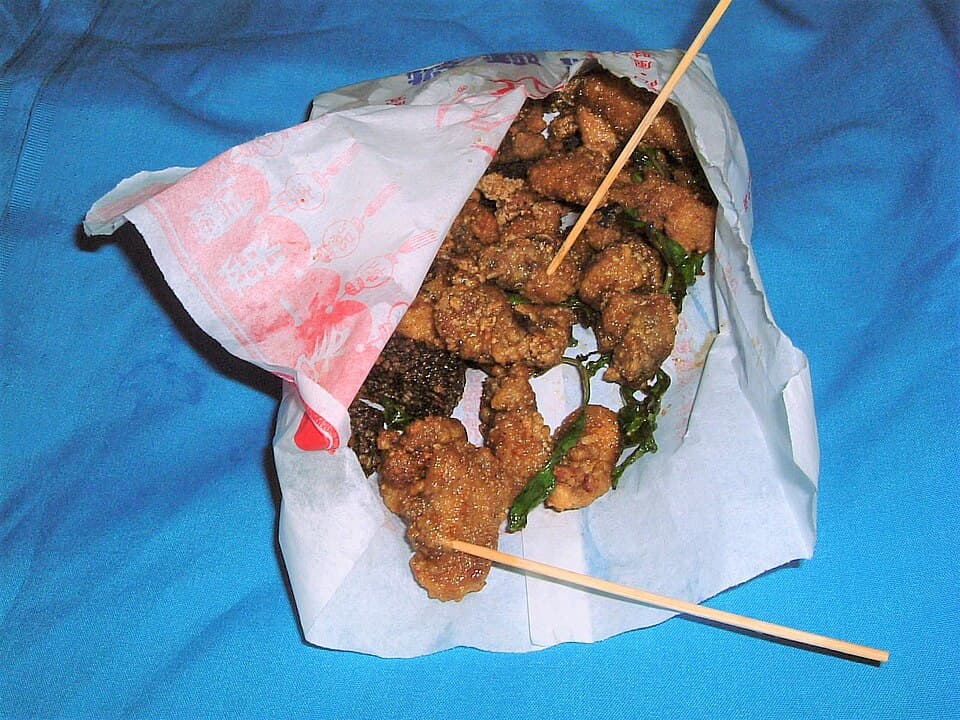
Taiwanese Fried Chicken
Crispy fried chicken seasoned with five-spice and basil. Lately snack bars serve it with craft beer, and some vendors add mala mayo or wasabi cheese sauce.
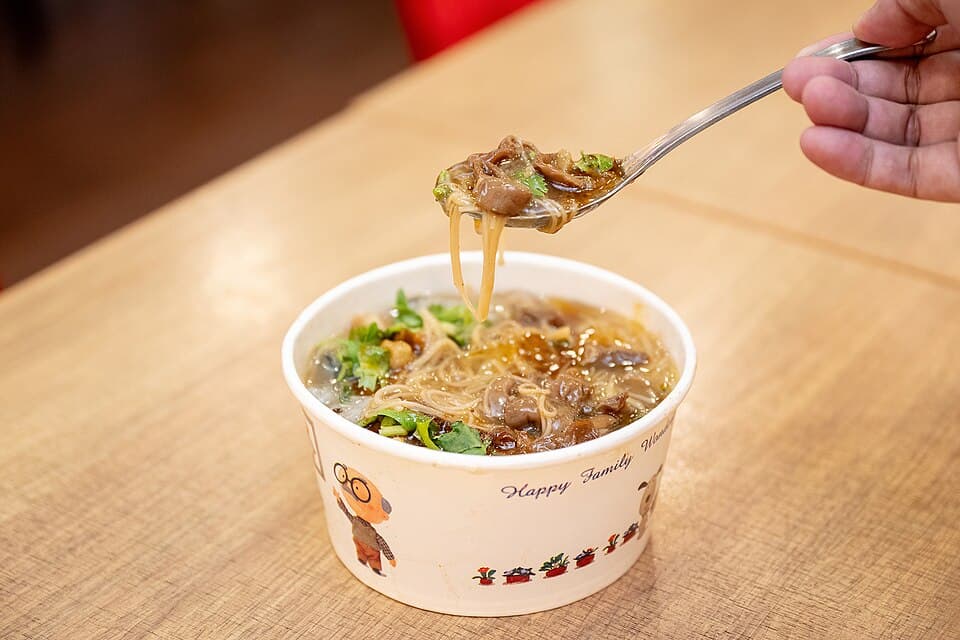
Oyster Vermicelli
Thick rice noodles in a savory broth with oysters and intestines. It's a Tainan specialty rooted in the old capital's traditional flavors.
Allergens:
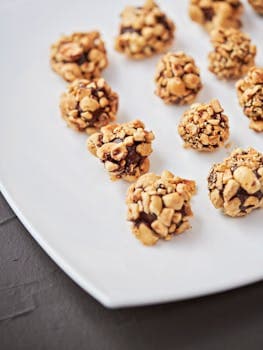
Taro Balls
Chewy balls made from taro root, served in sweet syrup or piled over shaved ice with other toppings. You'll find them on dessert menus all over Taiwan.
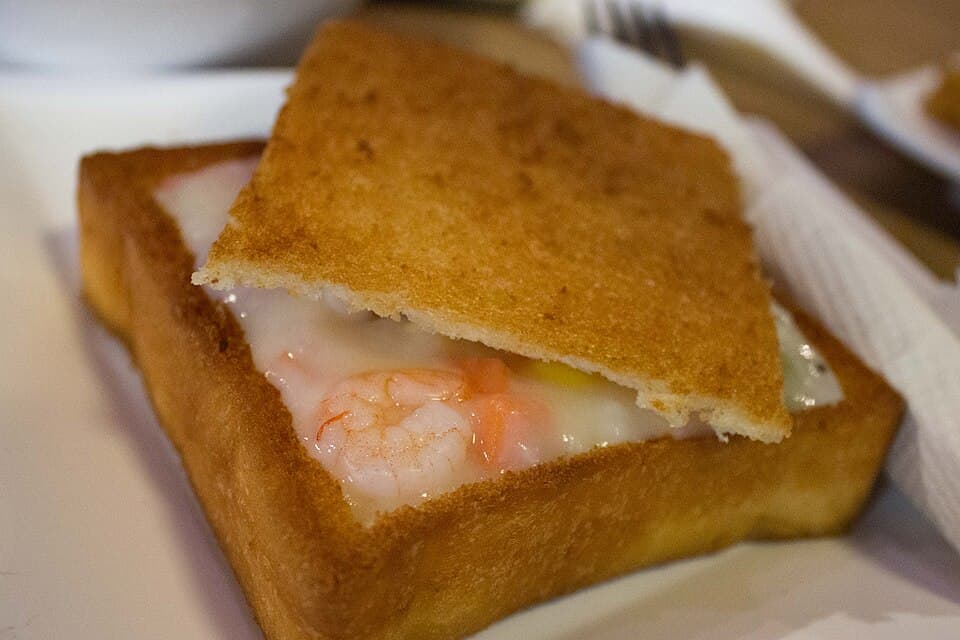
Coffin Bread (Guan Cai Ban)
A Tainan specialty of thick toast hollowed out and filled with a creamy seafood or chicken stew. The name comes from its coffin-like shape.
Allergens:
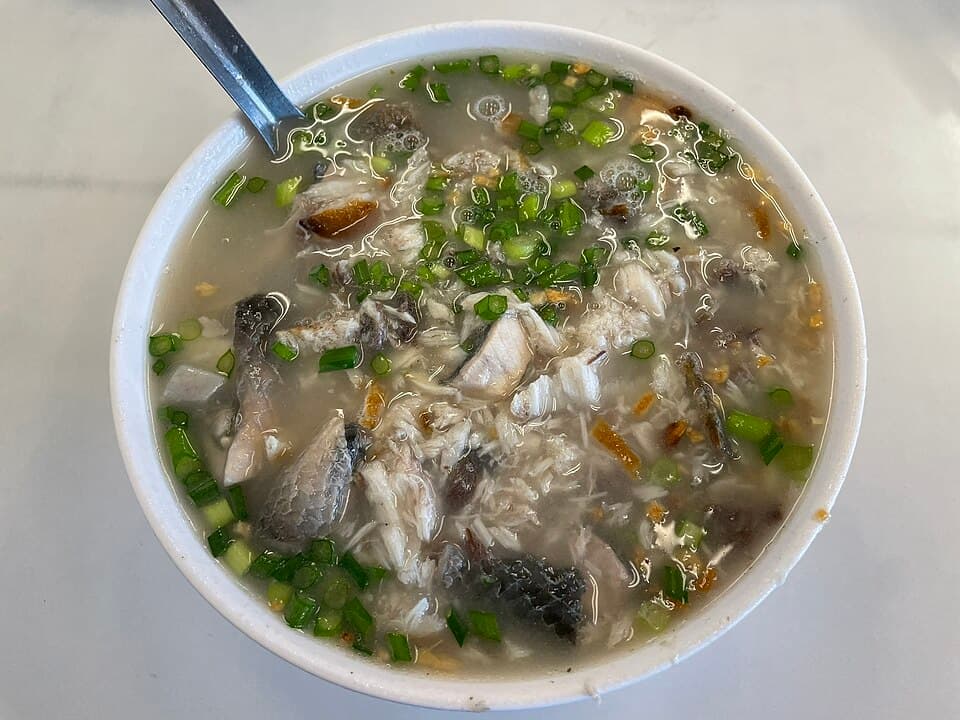
Milkfish Congee (Tainan)
A traditional Tainan breakfast of rice porridge with milkfish, tied to the old capital's food traditions.
Allergens:
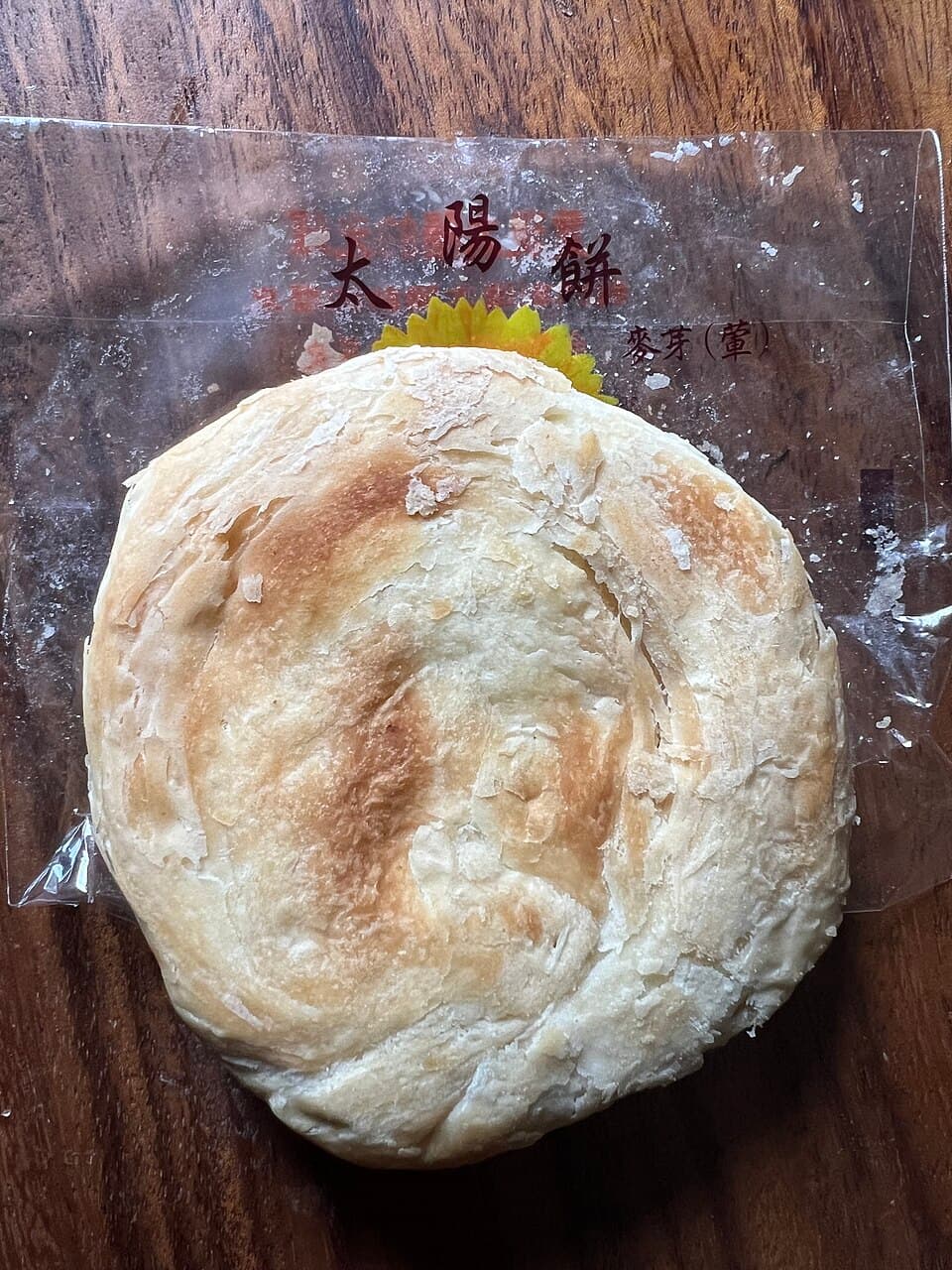
Suncake (Taichung)
A Taichung pastry with flaky layers and a malt sugar filling, one of central Taiwan's regional treats.
Allergens:
Lei Cha (Hakka Ground Tea)
A traditional Hakka ground tea made from tea leaves, herbs, nuts, and seeds, with roots in the Hakka heartland around Hsinchu.
Allergens:
Regional Cuisine Highlights
Explore the diverse culinary landscapes across different regions of Taiwan.
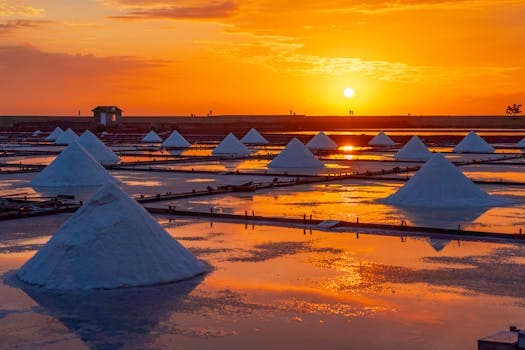
Tainan
Taiwan's oldest city, known for traditional flavors and street food that lean on seafood, pork, and a careful balance of sweet and savory. Dishes like milkfish, coffin bread, and oyster vermicelli keep older cooking methods alive.
Cultural Significance:
As Taiwan's oldest city, Tainan has held onto cooking methods and flavors that go back centuries. A lot of what now counts as classic Taiwanese food started here in the old capital.
Signature Dishes:
- Danzai noodles
- Milkfish congee
- Shrimp rolls
- Coffin bread
Key Ingredients:
Hualien
A coastal region shaped by indigenous Amis and Atayal cultures, with food that blends indigenous, Hakka, and Han Chinese cooking. Look for bamboo rice, stone hot pots, grilled wild boar, and millet wine, plus the Joint Aboriginal Harvest Festival each July.
Cultural Significance:
Hualien is a window into Taiwan's Austronesian heritage and its 16 officially recognized Indigenous tribes. Traditional recipes draw on mountain and sea ingredients gathered nearby, and community tourism here pairs Indigenous storytelling with sustainable living.
Signature Dishes:
- Bamboo rice
- Indigenous millet wine
- Grilled wild boar
- Stone hot pots
- Mountain greens
Key Ingredients:
Taichung
A city with a wide-ranging food scene that mixes traditional Taiwanese cooking with international influences. It's where bubble tea began, at Chun Shui Tang. Local specialties include suncake, pearl milk tea, and mushroom meatball soup.
Cultural Significance:
Taichung's food sits at the meeting point of tradition and experiment, which fits a city that gave the world bubble tea in the 1980s and changed how people drink tea everywhere. Old recipes and new ideas share the table here.
Signature Dishes:
- Suncake
- Pearl milk tea (original bubble tea)
- Mushroom meatball soup
Key Ingredients:

Sweet Delights & Desserts
Indulge in Taiwan's traditional sweet treats and desserts.

Aiyu Jelly
A cooling dessert set from the gel of the creeping fig fruit. It's slightly tart and usually served with lemon juice and honey.

Pineapple Cake
A sweet pastry filled with pineapple jam. A common souvenir, and good with a cup of tea.
Taro Balls
Chewy balls made from taro root, served in sweet syrup or over shaved ice (baobing) with other toppings. When the weather stays warm, baobing with sweet potato, taro, and red bean is hard to beat.
Traditional Beverages
Discover Taiwan's traditional drinks, from locally produced spirits to regional wines.

Taiwan Beer
A widely sold lager brewed in Taiwan, available in a few different strengths and flavors.
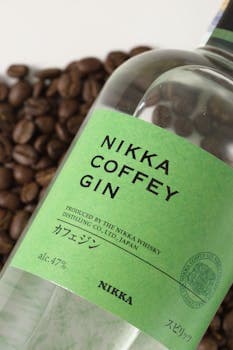
Kaoliang Liquor
A strong sorghum spirit, usually drunk neat though it also works in cocktails.
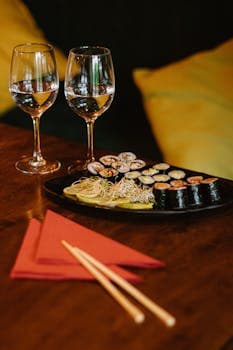
Shaoxing Rice Wine
A fermented rice wine used in cooking and also drunk on its own. The flavor is sweet with a slight tang.
Soft Beverages
Discover Taiwan's traditional non-alcoholic drinks, from local teas to refreshing juices.
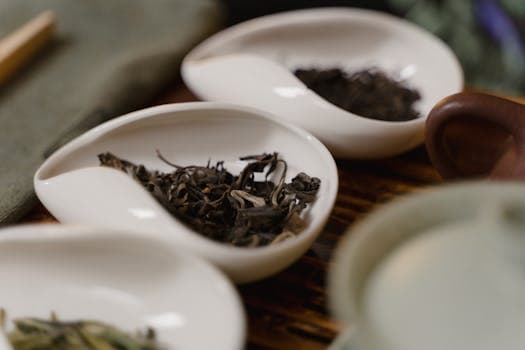
Oolong Tea
A traditional Taiwanese tea from Alishan whose flavor shifts with the oxidation level. Related styles include Hsinchu's oriental beauty and high-mountain teas brewed with full ceremony. Usually served hot, plain or with milk and sugar.

Winter Melon Tea
A naturally sweet drink made from winter melon, usually served chilled and especially popular in summer.
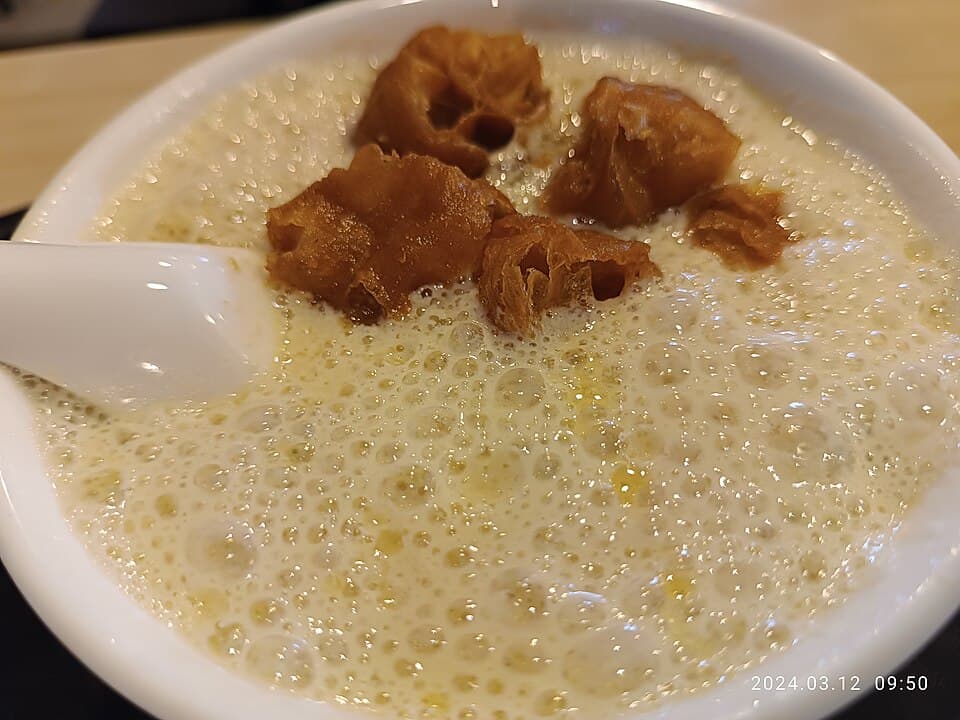
Soy Milk (Doujiang)
A plant-based milk made from soybeans and a breakfast staple, served hot or cold and often sweetened. It anchors the classic Taiwanese morning meal.
Frequently Asked Questions
Essential information about food and dining in Taiwan.
What is the national dish of Taiwan?
Taiwan's most iconic dishes include Beef Noodle Soup (Niu Rou Mian), Xiaolongbao (Soup Dumplings), Bubble Tea (Boba). Taiwan's national dish: tender beef, a deep broth (either tomato or classic), and chewy noodles. Fuhong Beef Noodles in Taipei is a local favorite, while Yi Pin on Yong Kang Street is known for its tomato broth. The November Beef Noodle Festival marks it every year.
Is street food safe in Taiwan?
Street food in Taiwan can be enjoyed safely by following these guidelines: Food hygiene standards are generally good Bottled water recommended in rural areas. Look for busy vendors with high turnover, ensure food is cooked fresh and served hot, and avoid raw ingredients if you have a sensitive stomach.
What are the best restaurants in Taiwan?
Taiwan offers diverse dining options from street food stalls to upscale restaurants. For the best experience, ask locals for recommendations, check recent reviews, and look for restaurants that specialize in regional cuisines.
Can vegetarians find food easily in Taiwan?
Vegetarian options in Taiwan are highly available. Vegetarians do well here, largely thanks to Buddhist vegetarian (素食) cooking. Skilled mock meats and inventive vegetable dishes are easy to find, especially in Taipei.. Many restaurants offer vegetarian dishes, and you'll find plant-based ingredients featured prominently in local cuisine.
What is the average cost of a meal in Taiwan?
Meal costs in Taiwan depend on where you eat. Street food and casual local restaurants are very affordable, typically offering complete meals for a few dollars. Mid-range restaurants charge moderate prices, while fine dining establishments are comparably priced to Western countries.
What are common food allergens in Taiwan?
Common allergens in Taiwan cuisine include Nuts, Soy, Wheat. Peanuts particularly common in Taiwanese cuisine. These ingredients appear in dishes like Gua bao (peanut powder), Desserts. Always inform restaurant staff about your allergies.
When is the best time to visit Taiwan for food?
Taiwan offers great food experiences throughout the year. However, visiting during harvest seasons (typically spring and autumn) provides access to the freshest local ingredients. Food festivals and cultural celebrations also offer unique culinary experiences worth planning around.