
Argentina Food Guide
Content Information
Recently updated🔥Current Food Trends 2026
What's happening in Argentina's culinary scene right now
The Michelin Guide now covers more than 70 Buenos Aires restaurants heading into 2026, and Don Julio and Tegui have held onto their stars for parrilla and contemporary cooking. June 2026 falls in the Argentine winter, so the asado season shifts indoors and Mendoza is past its harvest, but cellars are pouring the latest Malbec vintages and the Feria de Mataderos keeps running its gaucho-food weekends. High-altitude Malbec from Salta's Cafayate (above 2,000 meters) has carved out real standing next to the Mendoza names. The puertas cerradas scene stays strong, with chefs such as Guido Tassi reworking Argentine staples behind closed doors. Cooks keep digging into native ingredients: algarrobo carob pods, quinoa from the Northwest, and new ways of working with yerba mate. National Empanada Day still gets its yearly celebrations, while Patagonia's winter draws skiers rather than the summer crowds. More chefs source from organic farms in Buenos Aires Province and Córdoba. Protected designations cover Malbec de Mendoza and Torrontés de Salta. The craft beer scene has grown past 2,000 breweries, and artisanal dulce de leche runs from big names like La Serenísima down to small-batch producers.
Food Safety Tips
Essential food safety information to help you enjoy Argentina's cuisine safely and confidently.
Avoid tap water in rural areas
While tap water is generally safe in major cities, it's advisable to drink bottled water in rural areas.
Be cautious with street food
Choose busy vendors with high turnover and proper food handling, especially in warmer months.
Be mindful of meat doneness
Argentinians typically cook beef well-done. If you prefer medium-rare, be specific when ordering.
Dietary Options
vegetarian
LOW AVAILABILITYTraditional Argentine cooking is built around meat, though larger cities like Buenos Aires now have plenty of vegetarian-friendly restaurants.
vegan
LOW AVAILABILITYVegan options can be limited outside of specialized restaurants in major urban areas.
gluten-free
MEDIUM AVAILABILITYMany Argentine dishes are naturally gluten-free, but communication about cross-contamination can be challenging.
halal
LOW AVAILABILITYHalal options limited primarily to Buenos Aires with Arab/Muslim communities in neighborhoods like Floresta and Flores. King Fahd Islamic Cultural Center (largest mosque in Latin America) area has halal restaurants and markets. Middle Eastern restaurants (Syrian, Lebanese) along Avenida Scalabrini Ortiz offer halal shawarma, falafel, kibbeh. Main challenges: Asado (beef) culture dominates; pork in charcuterie; wine culture pervasive. Grilled beef can be halal-friendly if sourced from halal butchers. Contact Organización Islámica Argentina for halal certification. Córdoba and Mendoza have small Muslim communities with limited halal options.
kosher
MEDIUM AVAILABILITYKosher food available in Buenos Aires (largest Jewish community in Latin America - 250,000+ Jews, third-largest in Americas after USA and Canada). Once neighborhood has highest concentration with kosher restaurants, bakeries (La Continental, Mishiguene), and supermarkets. AMIA (Argentine Israelite Mutual Association) certifies kosher establishments. Main challenges: Shellfish in coastal regions; dairy-meat mixing in milanesa a la napolitana. Beef from Argentine cattle can be kosher if ritually slaughtered. Contact Rabinato Central for current kosher dining. Mendoza and Córdoba have small kosher communities.
Common Allergens
Dairy
HIGH PREVALENCEDairy products, particularly cheese, are common in Argentine cuisine.
COMMONLY FOUND IN:
Wheat
MEDIUM PREVALENCEWheat is used in various Argentine dishes, especially pastries and bread.
COMMONLY FOUND IN:
Eggs
MEDIUM PREVALENCEEggs are common in many pastries and some savory dishes.
COMMONLY FOUND IN:
Essential Food Experiences
These iconic dishes represent the must-have culinary experiences that define Argentina's food culture for travelers.
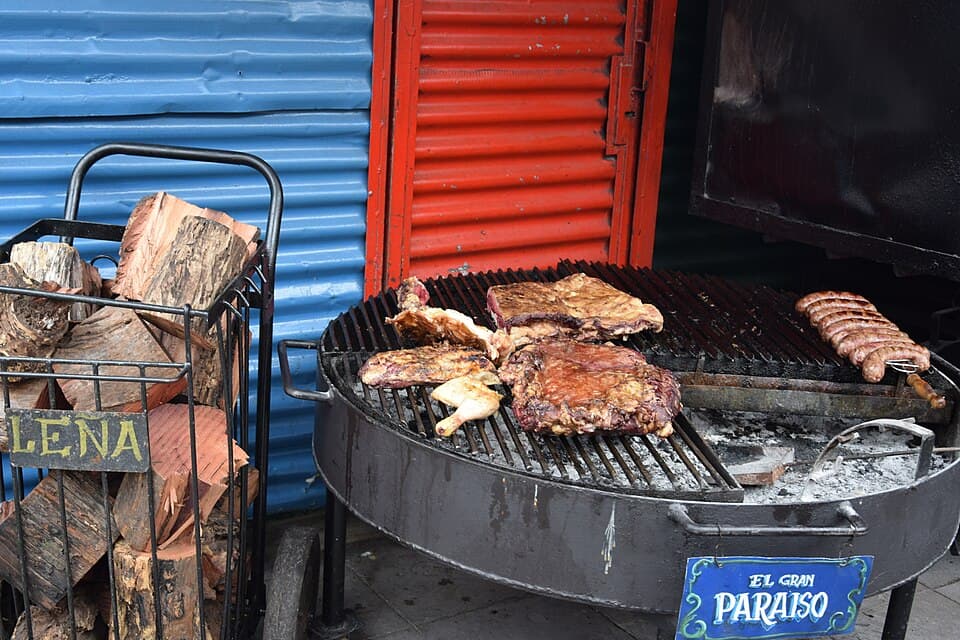
Asado (Argentine Barbecue)
Asado is as much a gathering as a meal, built around grilling several cuts of beef over wood or charcoal. It usually comes with chorizo, morcilla (blood sausage), and provoleta (grilled provolone cheese) on the side.

Empanadas
Small savory pastries with all kinds of fillings: ground beef and onion, chicken, ham and cheese, or vegetables. Argentines eat them as a snack, a starter, or a quick meal.
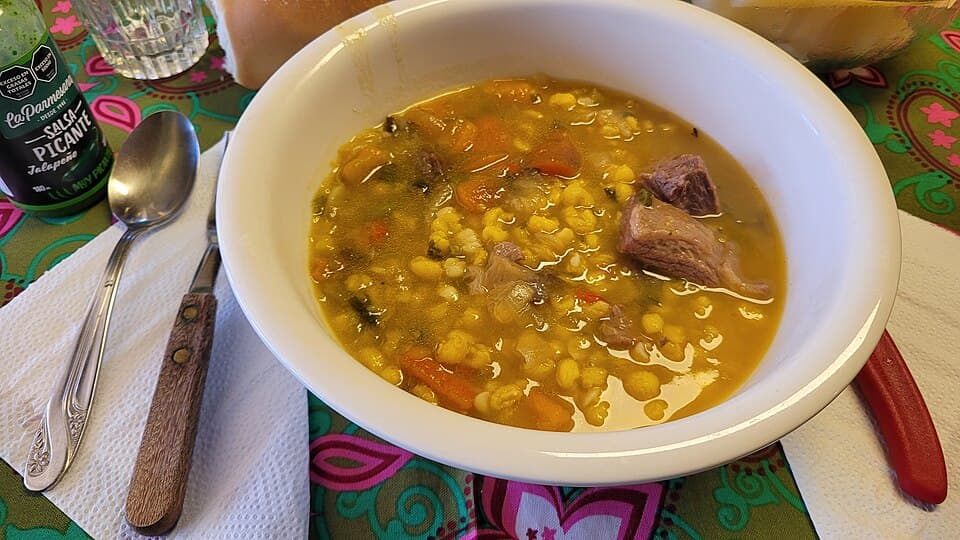
Locro
A thick stew of corn, beans, squash, and assorted meats. Locro shows up most often around national holidays, especially the May 25 patriotic dates.
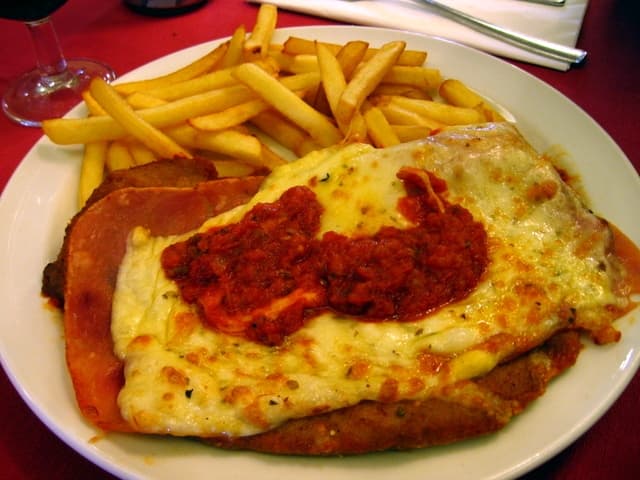
Milanesa
A thin breaded cutlet of beef or chicken, fried or baked, usually served with mashed potatoes or fries.
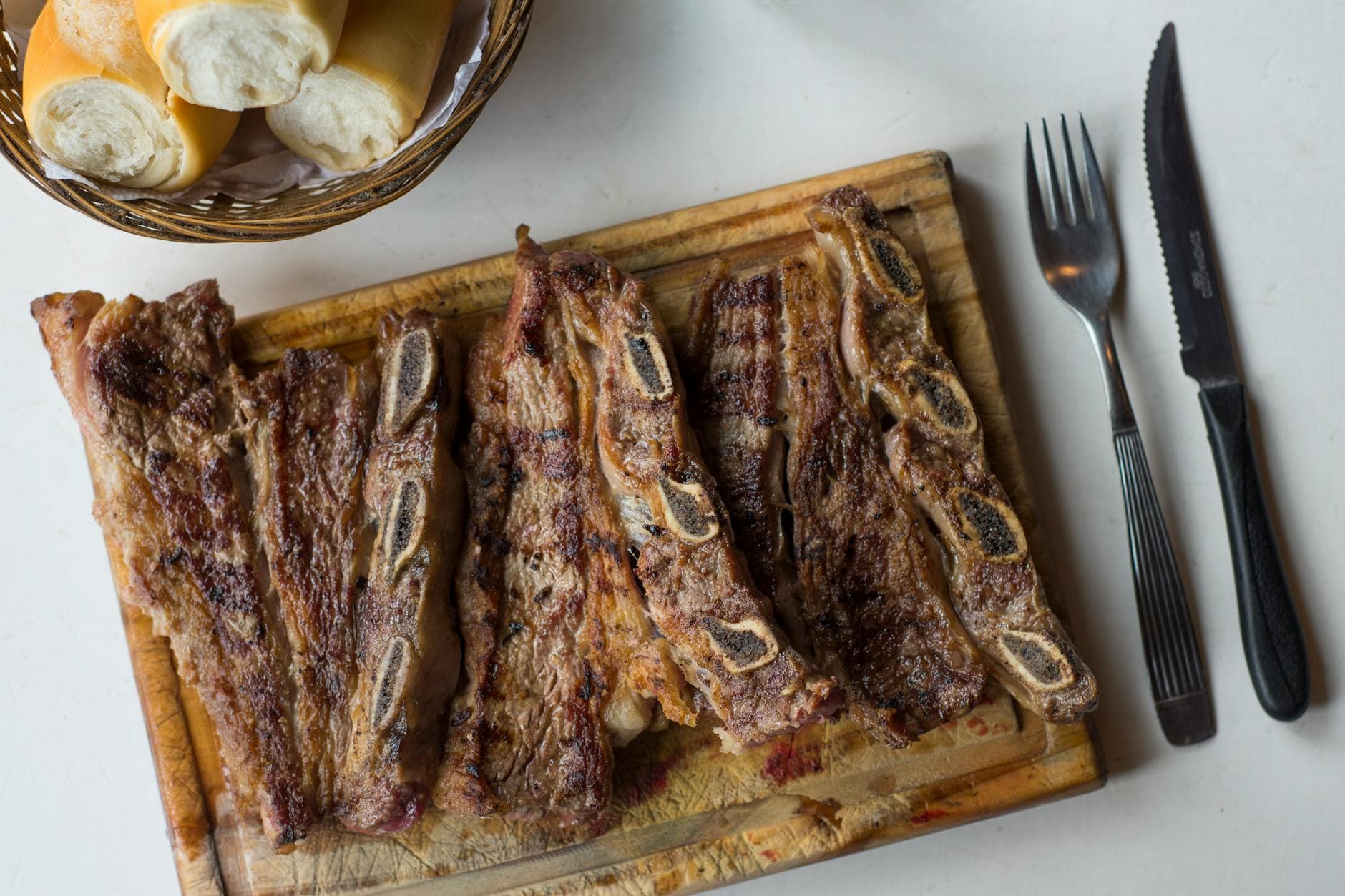
Provoleta
A round of provolone grilled with oregano and chili flakes, served hot off the grill at asados. It firms up on the outside and stays molten in the middle.
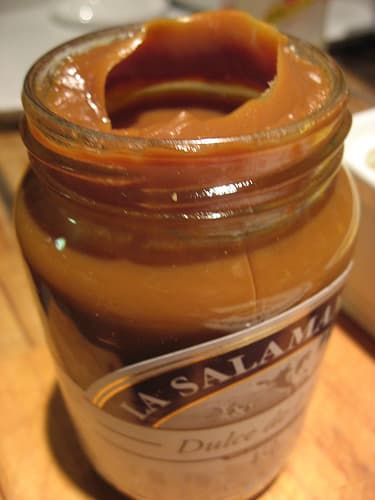
Dulce de Leche
A caramel spread made by slowly cooking sweetened milk until it turns thick and golden. Argentines fold it into desserts, spread it on toast, and eat it straight from the jar.
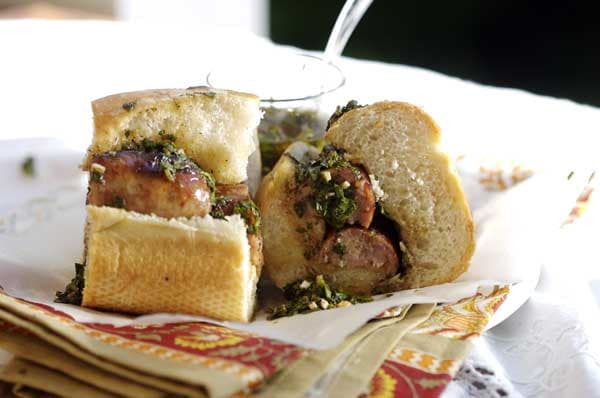
Choripán
Grilled chorizo split and tucked into crusty bread with chimichurri. You'll find it at asados, football matches, and roadside carts across the country.
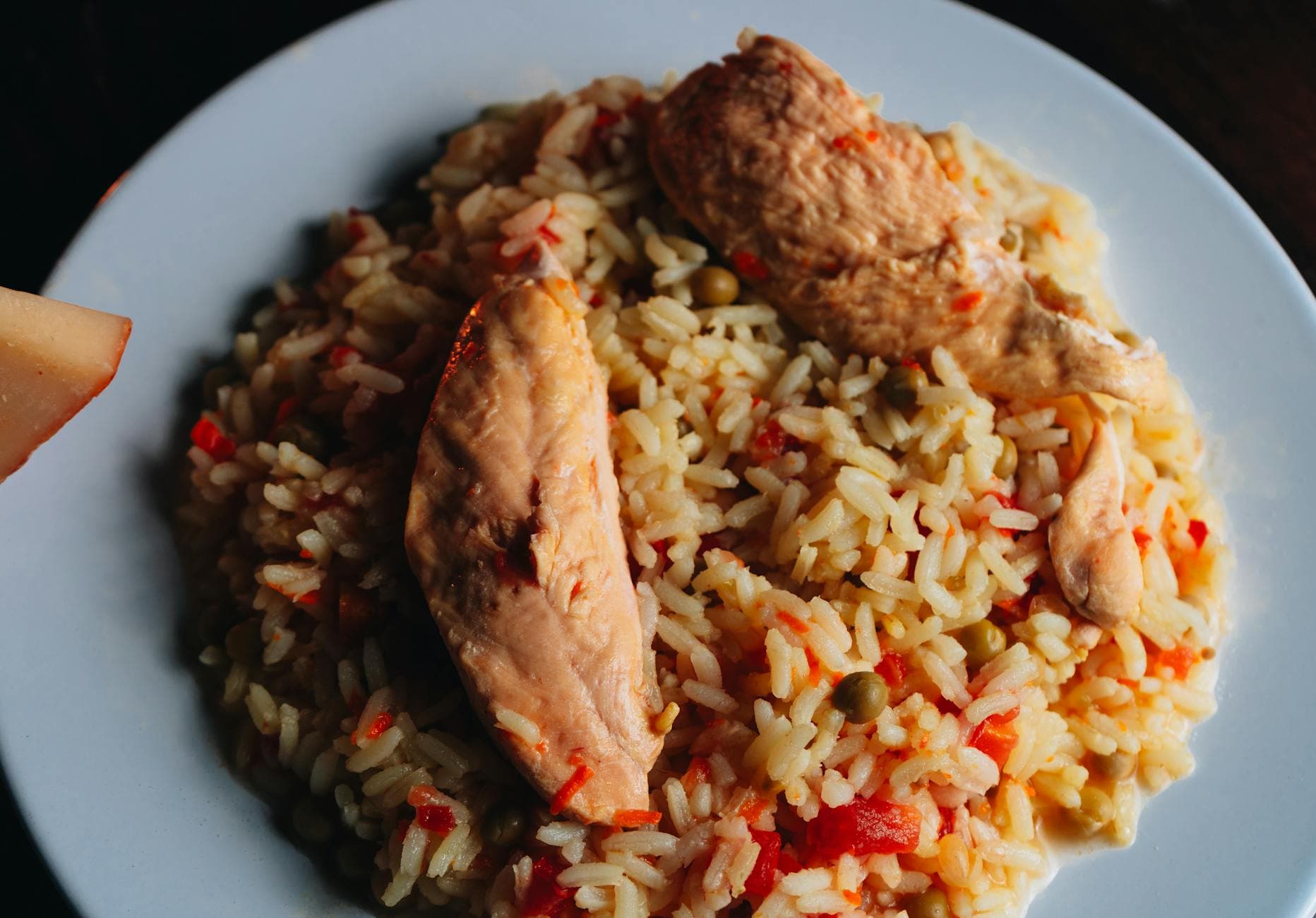
Matambre
Flank steak rolled around vegetables, hard-boiled eggs, and spices, then slow-cooked or grilled and sliced into pinwheels. It often anchors the asado spread.

Medialunas
Argentine croissants, sweeter and denser than the French kind, made either with manteca (butter) or grasa (lard). They're the standard Buenos Aires breakfast alongside a café con leche.
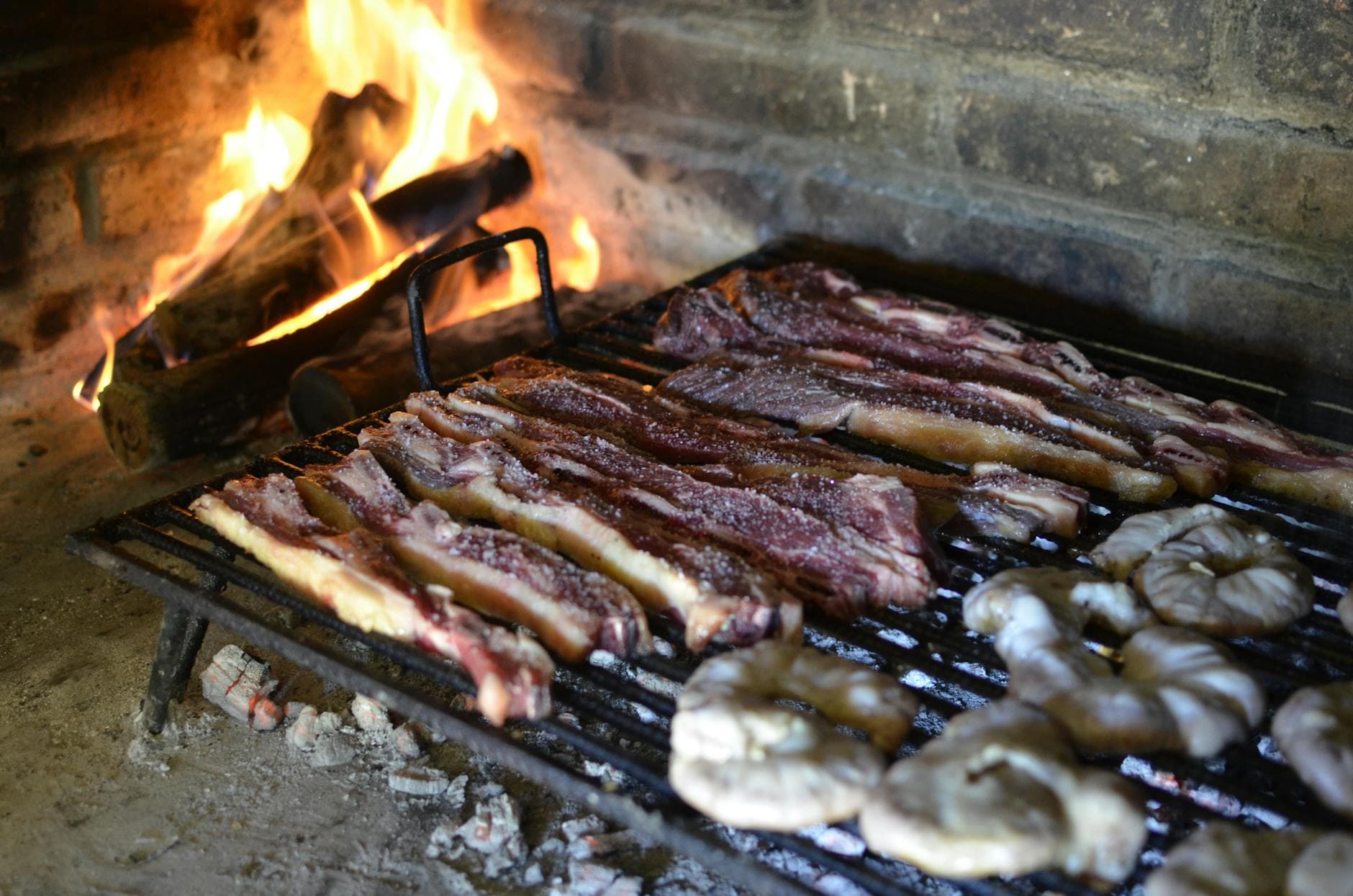
Chimichurri
A green sauce of parsley, garlic, oregano, chili, oil, and vinegar that goes with almost any grilled meat. Most families guard their own version of the recipe.
Regional Specialties & Local Favorites
Discover the authentic regional dishes and local favorites that showcase Argentina's diverse culinary traditions.
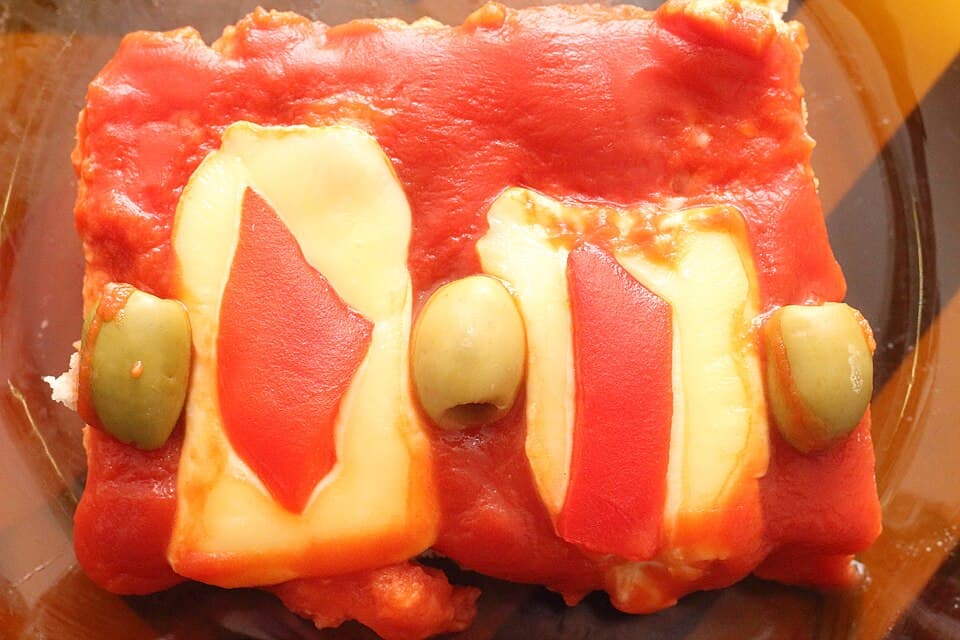
Pizza Argentina
A thick-crust pizza piled with cheese and toppings, quite different from the Italian-style thin crust.
Allergens:
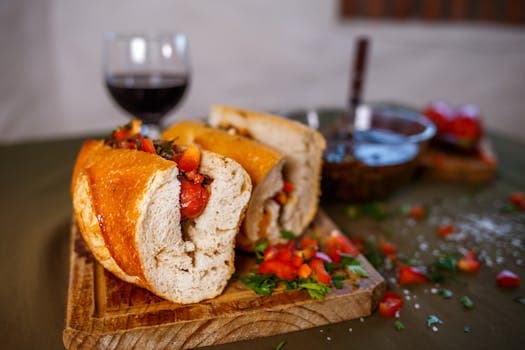
Choripán
A chorizo sausage in a crusty bread roll, sold at street carts everywhere.
Allergens:
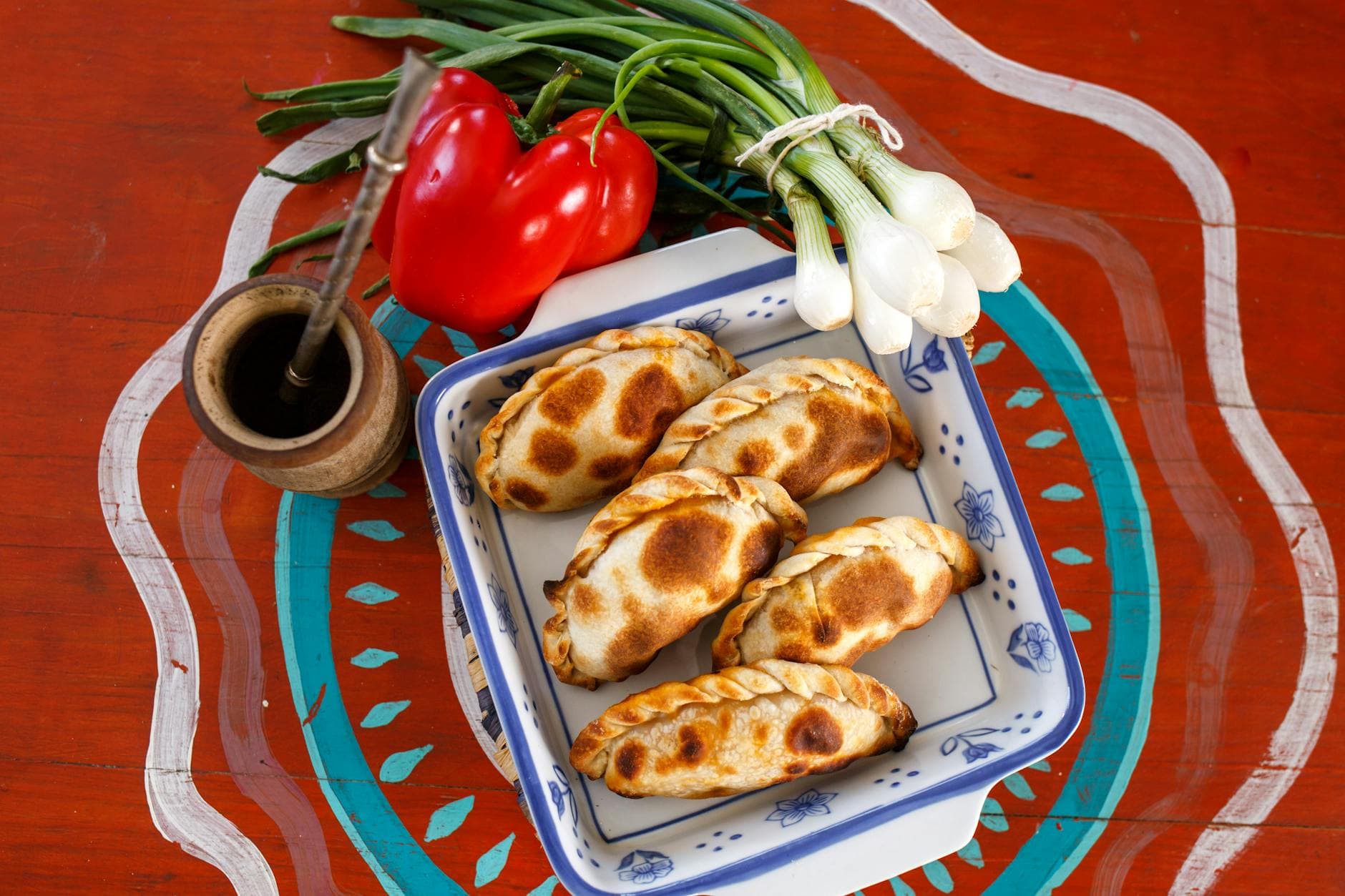
Mate
A caffeine-rich herbal infusion drunk across South America, and close to a daily ritual in Argentina.
Regional Cuisine Highlights
Explore the diverse culinary landscapes across different regions of Argentina.
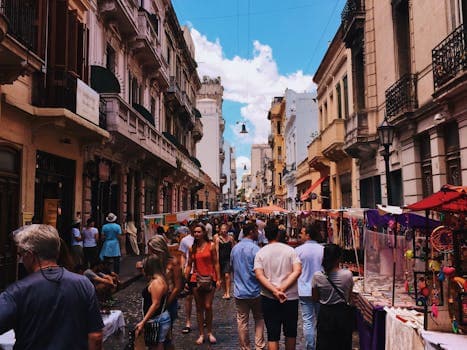
Buenos Aires
Buenos Aires cooking leans heavily on Italian and Spanish roots, which shows up in its pizza a la Argentina, its pasta, and its grilled meats.
Cultural Significance:
Carries the mark of the city's immigrant history and mixed population.
Signature Dishes:
- Pizza a la Argentina
- Pasta
- Asado
Key Ingredients:
Patagonia
Patagonia is lamb country first, but the cooking also runs to seafood, game meats, and thick stews.
Cultural Significance:
Grew out of the region's harsh terrain and its indigenous traditions.
Signature Dishes:
- Cordero Patagónico
- Trucha
- Curanto
Key Ingredients:

Cuyo
Set against the Andes, Cuyo is known for its empanadas, its filling stews, and the wines made in the same valleys.
Cultural Significance:
Tied to the mountain landscape and a long history of winemaking.
Signature Dishes:
- Empanadas Mendocinas
- Locro
- Chivo
Key Ingredients:
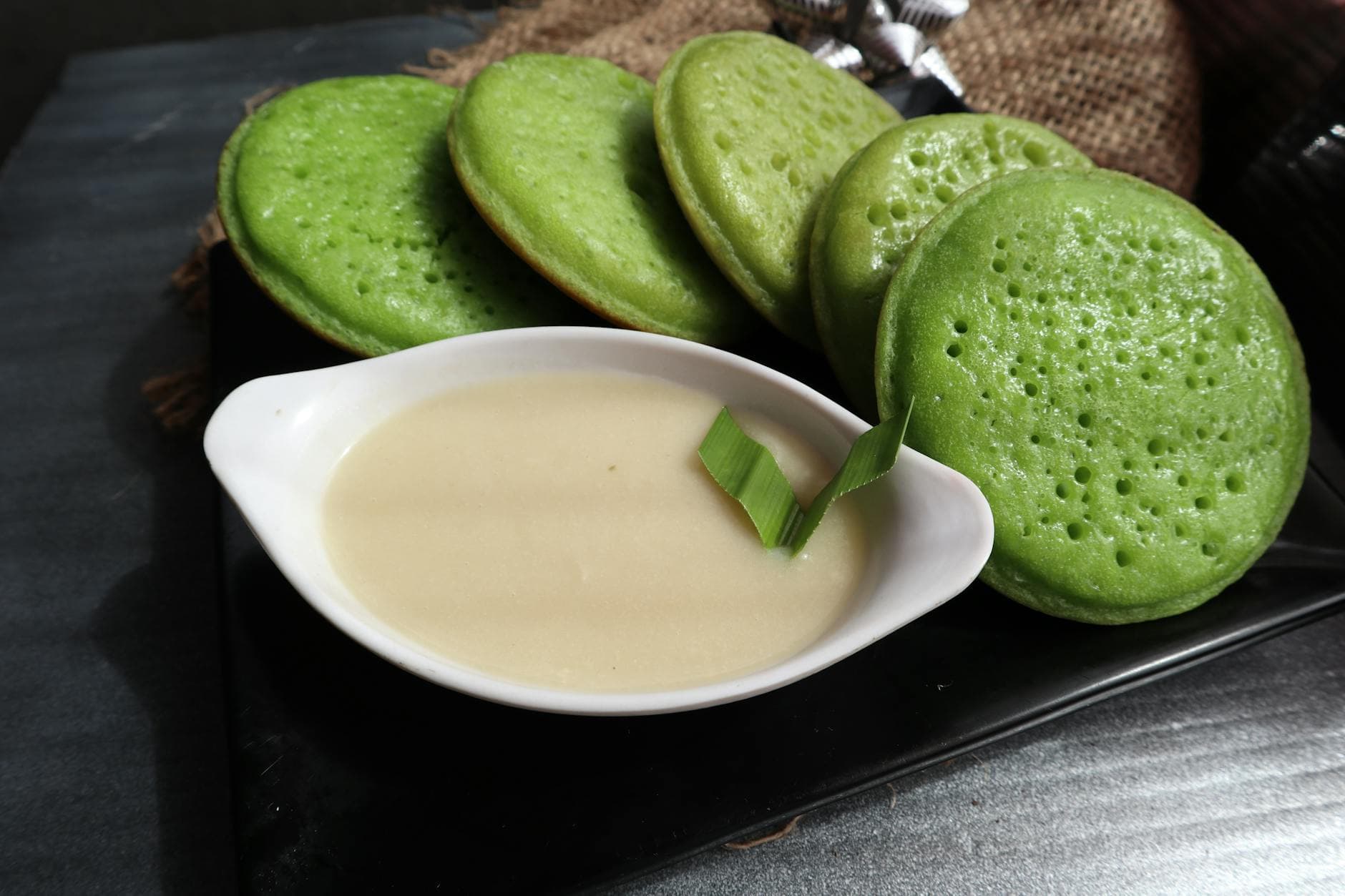
Northwest (Salta & Jujuy)
Northwestern cooking sits where Andean indigenous food meets Spanish colonial habits. High-altitude crops like quinoa, corn, and potatoes turn up alongside llama meat, empanadas, and locro, and Salta's Torrontés holds up well against the spicier dishes.
Cultural Significance:
Keeps pre-Columbian foodways alive next to Spanish colonial cooking, and links Argentina to the wider Andean kitchen.
Signature Dishes:
- Humita
- Tamales
- Empanadas Salteñas
- Locro
Key Ingredients:
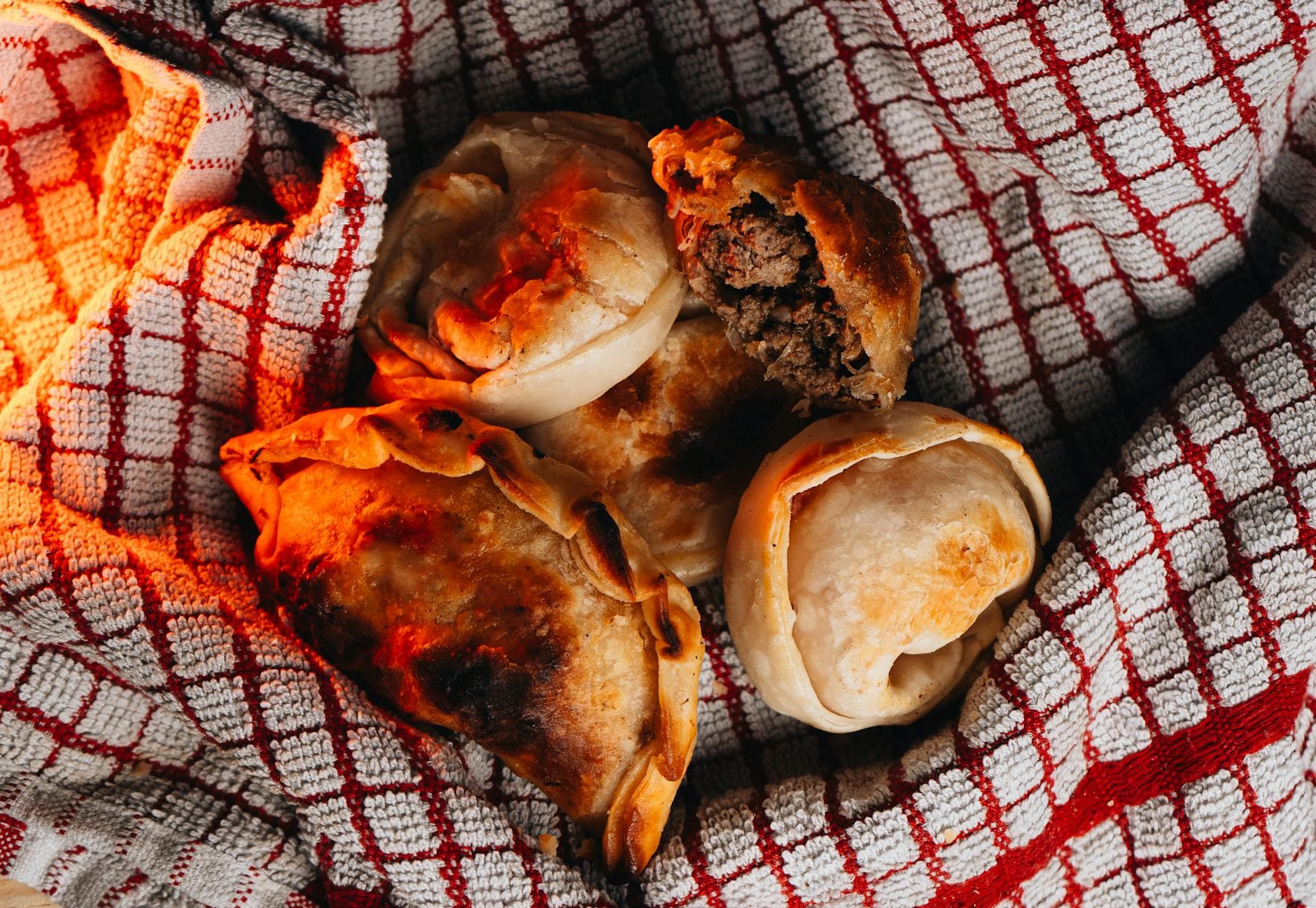
Mesopotamia/Litoral (Entre Ríos & Corrientes)
These riverside provinces lean on freshwater fish like surubí and dorado, on yerba mate, and on Guaraní indigenous roots. Plenty of water means rice farming, river fish, and stews you won't find elsewhere in the country.
Cultural Significance:
Shares much of its food with Paraguay and southern Brazil. Mate sits at the center of social life, and the rivers shape how people here see themselves.
Signature Dishes:
- Surubí a la parrilla
- Chipá
- Sopa Paraguaya
- Dorado
Key Ingredients:
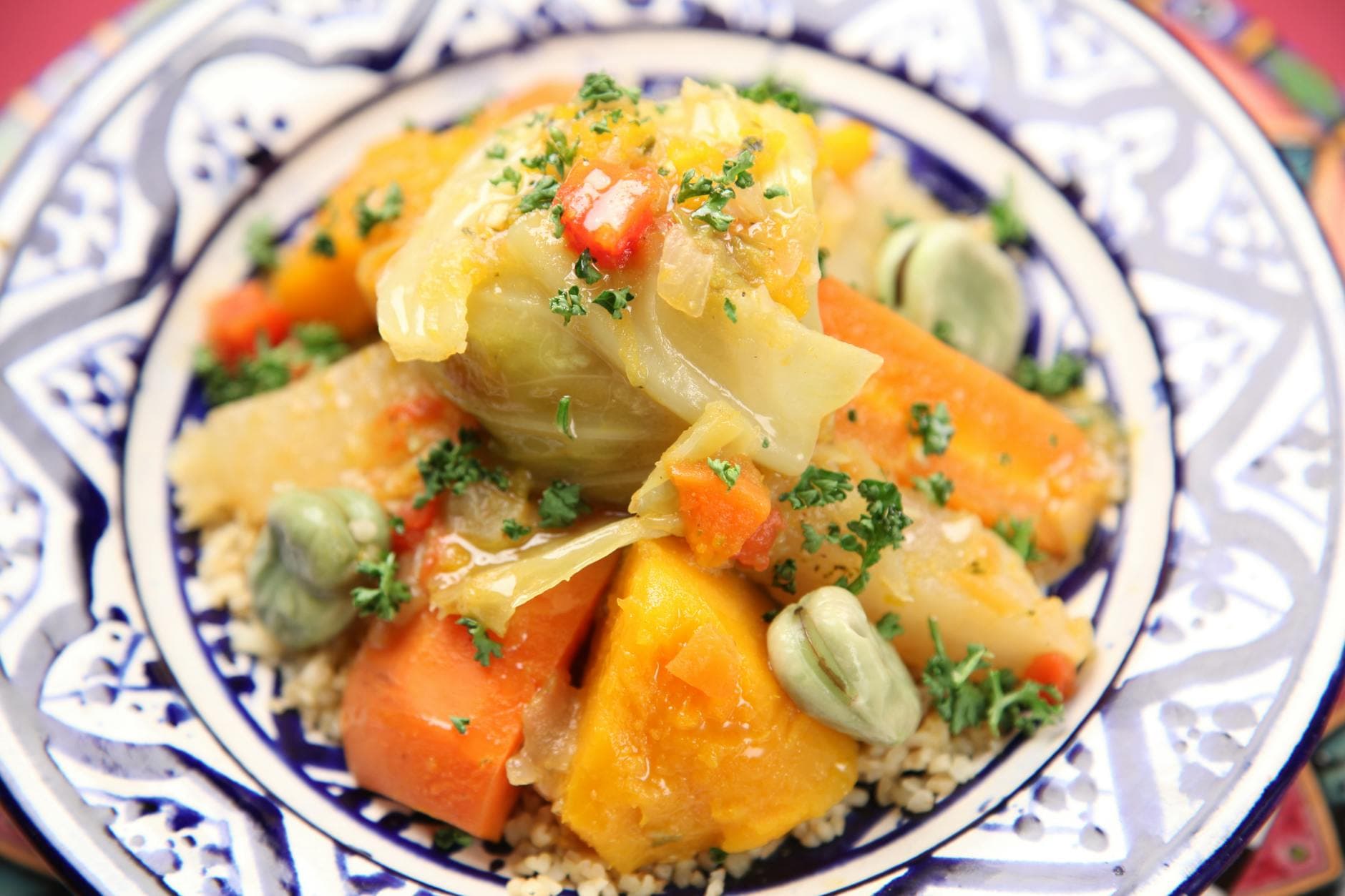
Pampas (Córdoba & Santa Fe)
The Pampas is Argentina's farm belt, turning out top-grade beef, dairy, and grains. Córdoba runs on fernet con coca and Santa Fe has its rosquillas, and Italian immigration left a deep mark on the pasta and dairy here.
Cultural Significance:
Cattle ranching is bound up with gaucho culture and the national self-image. Italian immigrants shaped the pasta and dairy traditions, and the region's farm wealth keeps its cooking moving.
Signature Dishes:
- Asado
- Fernet con Coca
- Alfajores Cordobeses
- Rosquillas
Key Ingredients:
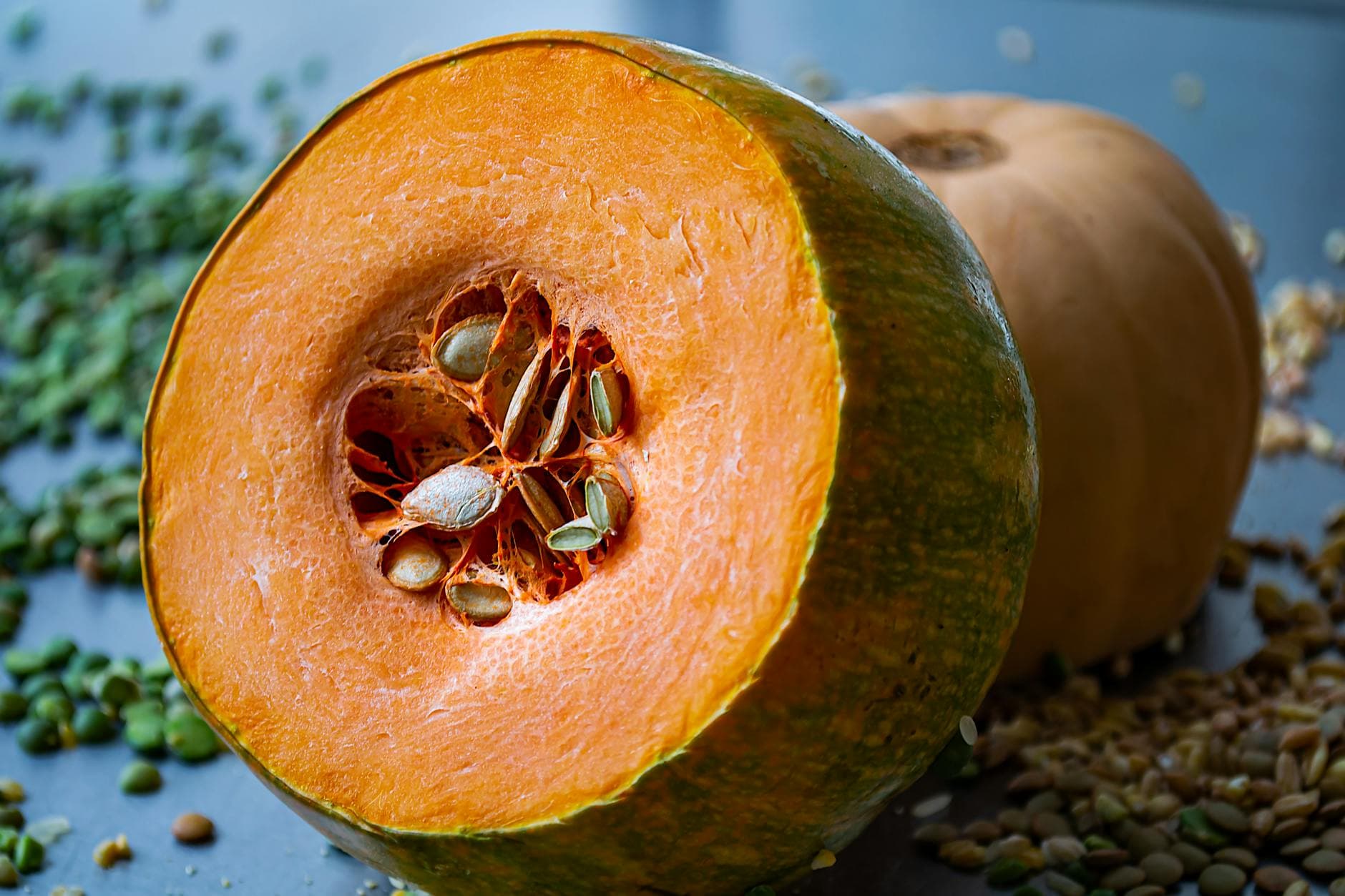
Sweet Delights & Desserts
Indulge in Argentina's traditional sweet treats and desserts.

Alfajores
Two soft cookies sandwiched with dulce de leche, often dipped in chocolate. They're sold everywhere from kiosks to bakeries.
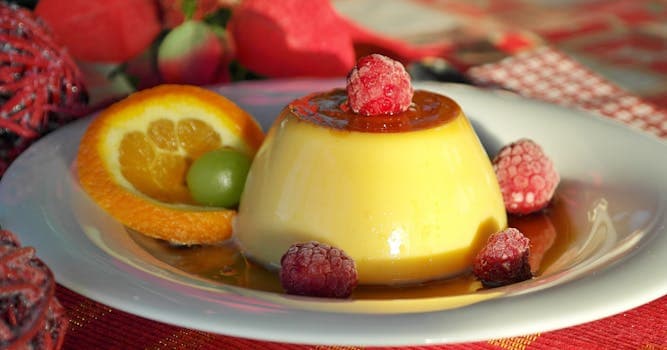
Flan
A smooth custard under a caramel top, often served with dulce de leche or cream. A long-standing favorite at Argentine tables.
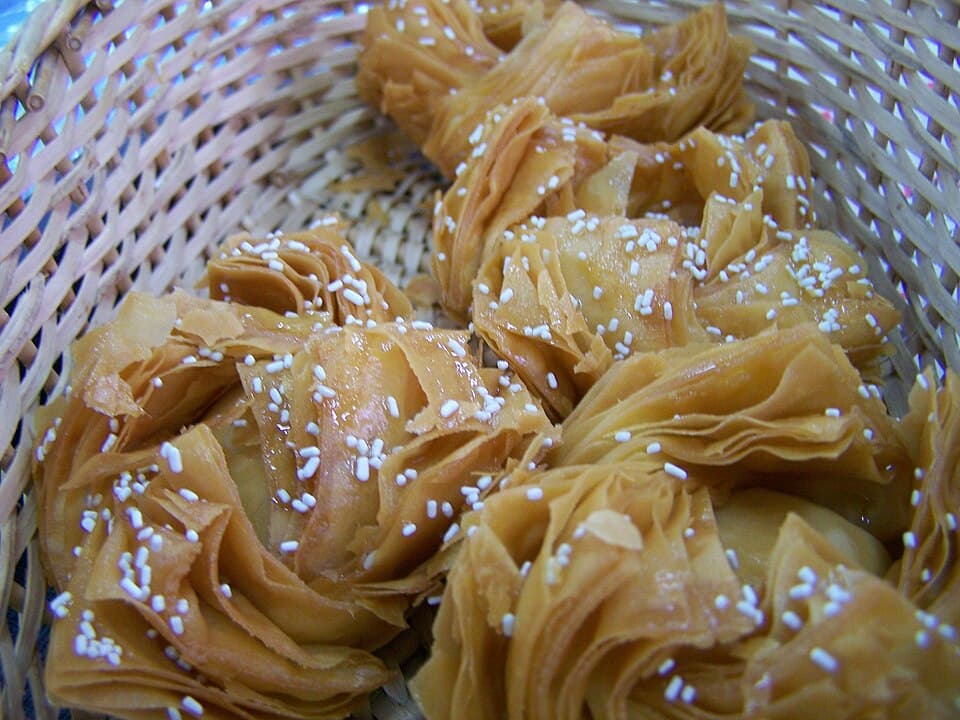
Pastelitos
Deep-fried pastries filled with quince or sweet potato paste, usually made for patriotic holidays.

Chocotorta
A no-bake cake layered from chocolate cookies soaked in coffee, dulce de leche, and cream cheese. It turns up at birthdays and on ordinary weeknights alike.

Torta Rogel
Many thin, crisp pastry sheets stacked with dulce de leche between them and finished with Italian meringue. It takes patience to build, so it tends to appear at special occasions.

Vigilante
A plain slice of queso fresco served with dulce de membrillo (quince paste) or dulce de batata (sweet potato paste). The whole point is the salty cheese against the sweet preserve.
Panqueques con Dulce de Leche
Thin crepes filled with dulce de leche, then rolled or folded and sometimes topped with whipped cream or ice cream. You'll find them in cafés and home kitchens across the country.

Budín de Pan
Bread pudding made from stale bread, milk, eggs, sugar, and dried fruit, often with a layer of dulce de leche. It's a thrifty way to use up day-old bread.
Traditional Beverages
Discover Argentina's traditional drinks, from locally produced spirits to regional wines.
Fernet con Coca
Fernet-Branca, an Italian bitter, mixed with Coca-Cola. It's the default party drink in much of the country, Córdoba especially.

Malbec Wine
Argentina's signature red, with dark-fruit flavors and most of the best bottles coming out of Mendoza.
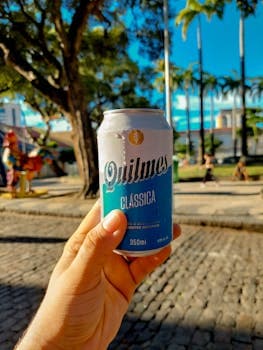
Quilmes Beer
Argentina's best-known lager, light and easy-drinking.
Soft Beverages
Discover Argentina's traditional non-alcoholic drinks, from local teas to refreshing juices.
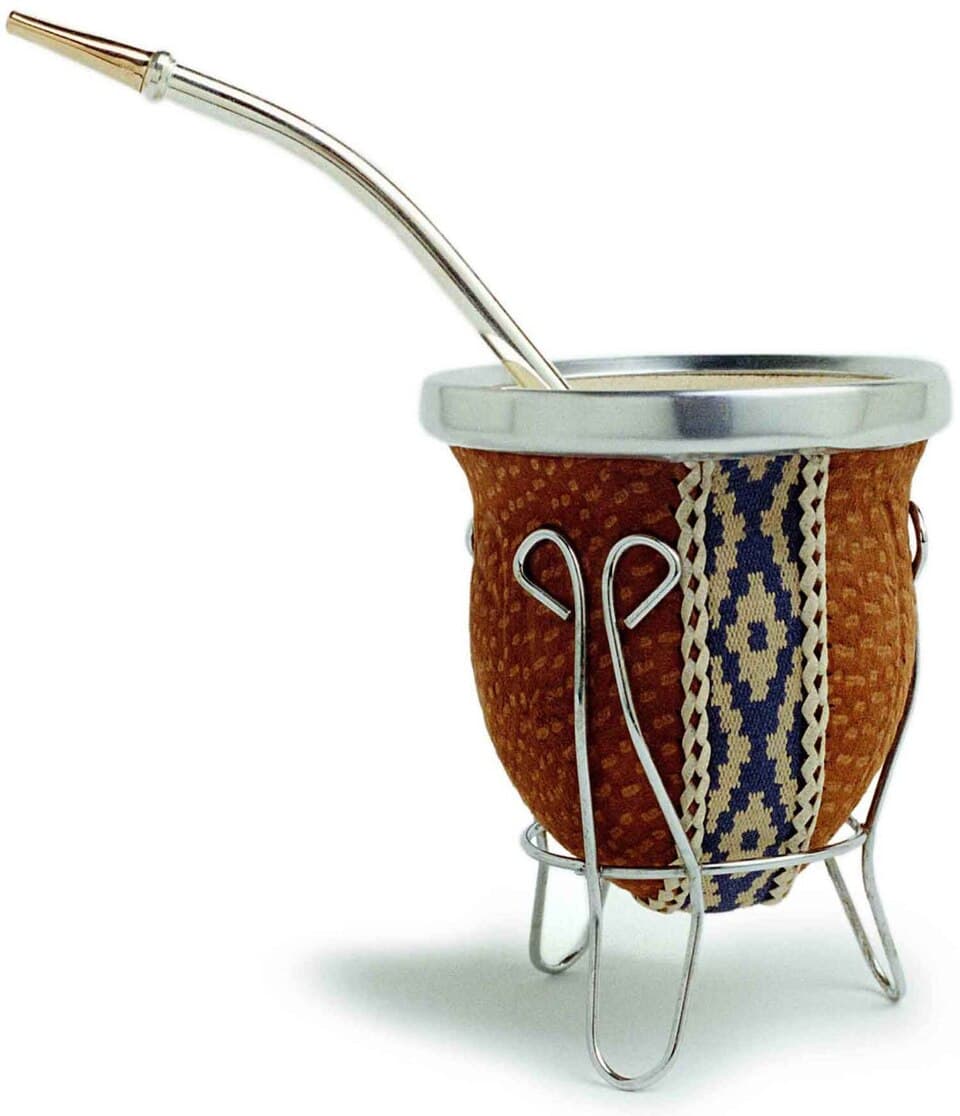
Mate
A caffeine-rich infusion of yerba mate leaves and hot water, served in a gourd and sipped through a metal straw called a bombilla.

Submarino
Hot chocolate made by dropping a chocolate bar into a glass of hot milk and stirring until it melts.
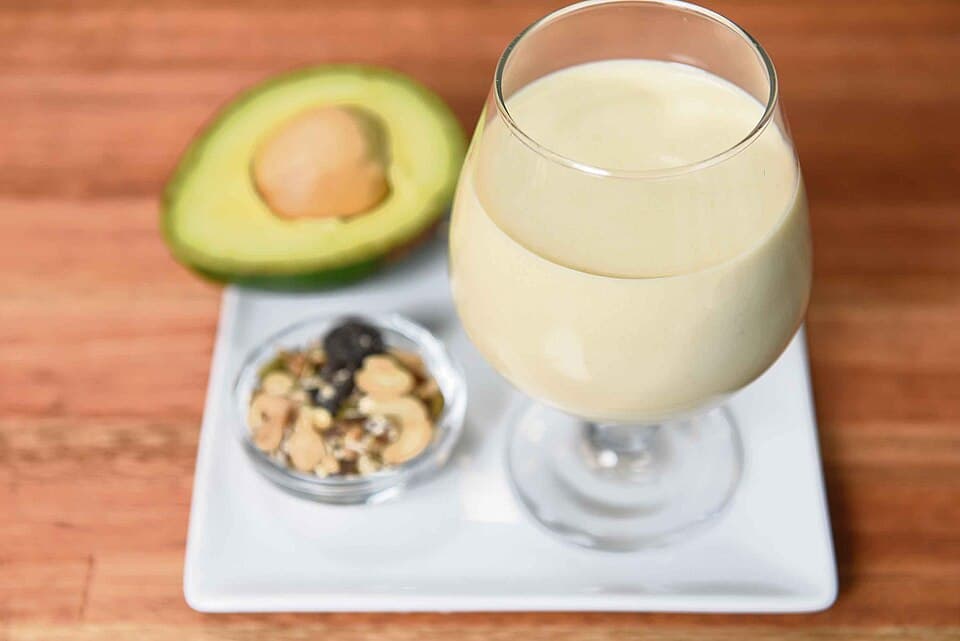
Licuados
Fresh fruit blended with milk or water into a smoothie or milkshake, ordered at cafés year-round.
Frequently Asked Questions
Essential information about food and dining in Argentina.
What is the national dish of Argentina?
Argentina's most iconic dishes include Asado (Argentine Barbecue), Empanadas, Locro. Asado is as much a gathering as a meal, built around grilling several cuts of beef over wood or charcoal. It usually comes with chorizo, morcilla (blood sausage), and provoleta (grilled provolone cheese) on the side.
Is street food safe in Argentina?
Street food in Argentina can be enjoyed safely by following these guidelines: Avoid tap water in rural areas Be cautious with street food. Look for busy vendors with high turnover, ensure food is cooked fresh and served hot, and avoid raw ingredients if you have a sensitive stomach.
What are the best restaurants in Argentina?
Argentina offers diverse dining options from street food stalls to upscale restaurants. For the best experience, ask locals for recommendations, check recent reviews, and look for restaurants that specialize in regional cuisines.
Can vegetarians find food easily in Argentina?
Vegetarian options in Argentina are lowly available. Traditional Argentine cooking is built around meat, though larger cities like Buenos Aires now have plenty of vegetarian-friendly restaurants.. Many restaurants offer vegetarian dishes, and you'll find plant-based ingredients featured prominently in local cuisine.
What is the average cost of a meal in Argentina?
Meal costs in Argentina depend on where you eat. Street food and casual local restaurants are very affordable, typically offering complete meals for a few dollars. Mid-range restaurants charge moderate prices, while fine dining establishments are comparably priced to Western countries.
What are common food allergens in Argentina?
Common allergens in Argentina cuisine include Dairy, Wheat, Eggs. Dairy products, particularly cheese, are common in Argentine cuisine.. These ingredients appear in dishes like Provoleta, Empanadas. Always inform restaurant staff about your allergies.
When is the best time to visit Argentina for food?
Argentina offers great food experiences throughout the year. However, visiting during harvest seasons (typically spring and autumn) provides access to the freshest local ingredients. Food festivals and cultural celebrations also offer unique culinary experiences worth planning around.