
Belize Food Guide
Content Information
Recently updated🔥Current Food Trends 2026
What's happening in Belize's culinary scene right now
Belizean food in mid-2026 still leans hard on its mix of Garifuna, Mayan, Mestizo, Creole, and Caribbean cooking. Garifuna culture has held UNESCO Intangible Heritage status since 2001, and you taste that lineage in dishes like hudut. Rice and beans remains the default plate, Belikin is the beer everyone drinks, and the barrier reef keeps the coast supplied with fish, conch, and lobster. June lands right at the start of lobster season (June 15 to February 14), so menus in Placencia, Caye Caulker, and San Pedro are filling up with it again. On the peninsula, Barefoot Bar and the Maya Beach Hotel Bistro cook the day's catch; on Caye Caulker the Lazy Lizard plates lobster out on the Split; and in San Pedro, Elvi's Kitchen keeps turning out its frozen lime pie on a ginger snap crust after more than 30 years. Belizean cooking has been getting more attention abroad lately, with rice and beans and stew chicken showing up beyond the country and small producers selling recado seasoning further afield. Tropical fruit is in (mangoes, papaya), and coconut-milk dishes stay constant year-round. Conch closes for the season in the spring, so by June it has come off most menus. In Toledo District, cacao farm tours pull in visitors who want to see where Mayan chocolate comes from, and Marie Sharp's hot sauce travels home in plenty of suitcases. Because Belize is English-speaking, the whole place is easy to navigate for food travelers, and reef trips often fold in a meal worth remembering. Weekends mean roadside grills working through chicken, ribs, sausage, and pork chops. San Pedro's food scene pulls together Creole, Mestizo, Maya, Garifuna, Chinese, and East Indian cooks all at once.
Food Safety Tips
Essential food safety information to help you enjoy Belize's cuisine safely and confidently.
Check food hygiene standards in Belize
Hygiene standards in Belize are generally decent, but it still pays to pick restaurants that look clean and well kept.
Drink bottled water in Belize
Stick to bottled water in Belize, particularly in rural areas where tap quality is less reliable.
Be cautious with street food in Belize
Belizean street food is often excellent and perfectly safe. Go for stalls that are busy and clearly keep things clean.
Dietary Options
vegetarian
MEDIUM AVAILABILITYVegetarians do fine in Belize, especially around the tourist towns of Placencia, Caye Caulker, and San Pedro. Several traditional dishes already fit: rice and beans (ask whether lard is used), fried plantains, escabeche (onion soup), bean soups, and plenty of tropical fruit. Tourist restaurants often run a vegetarian menu, Mayan communities cook plenty of corn-based meatless dishes, and a few Garifuna recipes can be adapted on request.
vegan
LOW AVAILABILITYVegan choices are still thin on the ground but slowly improving in the tourist centers. Most traditional cooking relies on dairy, eggs, and meat, so you'll be working around that. What's already vegan: rice and beans (ask for the coconut-milk version made without lard), corn tortillas, some bean dishes, fresh fruit, and vegetables. San Pedro and Placencia have a handful of vegan-friendly cafes, including Pasta Rasta Rainforest Café. Spell out what you need, and pack supplements if you're staying a while.
gluten-free
MEDIUM AVAILABILITYEating gluten-free in Belize is manageable. A lot of the staples already qualify: rice and beans, corn tortillas (confirm they're pure corn), grilled fish and meats, fresh seafood, fruit, and cassava dishes. Watch out for wheat flour in bread, meat pies, and some sauce thickeners. Tourist restaurants are catching on, and the corn-heavy Mayan kitchen helps a lot. Be clear about your needs when ordering.
halal
VERY LOW AVAILABILITYBelize is mostly Christian (around 40% Catholic, plus various Protestant churches) with only a very small Muslim population. There's no halal certification system, and dedicated halal restaurants are basically non-existent. Plentiful seafood gives Muslim travelers a workable alternative, and a few Indian restaurants in Belize City may be able to help. For guidance, reach out to the local Muslim community.
kosher
VERY LOW AVAILABILITYBelize's Jewish community is tiny, and there's no kosher infrastructure to speak of: no certified restaurants or facilities. If you keep kosher, plan to bring provisions. Fresh seafood does offer some options (fish with fins and scales), and high-end resorts may be able to accommodate you with plenty of notice. The fact that everyone speaks English makes those conversations easier.
Common Allergens
Nuts
MEDIUM PREVALENCENuts turn up fairly often in Belizean cooking, mostly in desserts and a few savory dishes.
COMMONLY FOUND IN:
Dairy
HIGH PREVALENCEDairy shows up across the board in Belize and is built into a lot of traditional dishes.
COMMONLY FOUND IN:
Wheat
HIGH PREVALENCEWheat is everywhere in Belize, going into bread, pastries, and plenty of other foods.
COMMONLY FOUND IN:
Essential Food Experiences
These iconic dishes represent the must-have culinary experiences that define Belize's food culture for travelers.
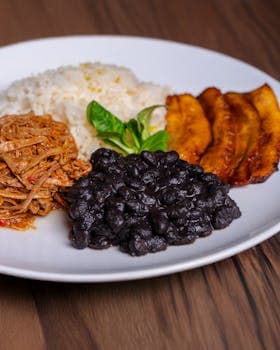
Rice and Beans (Arroz con Frijoles)
Belize's unofficial national dish, where red kidney beans and rice cook together in coconut milk with recado (an achiote-based spice paste), garlic, and black pepper. Note it's not the same as 'beans and rice,' which keeps the two separate. A Creole staple, usually plated with stew chicken, potato salad, and fried plantains, and a fixture of the Sunday meal. Creamy and aromatic, it sits squarely in Afro-Caribbean comfort-food territory.
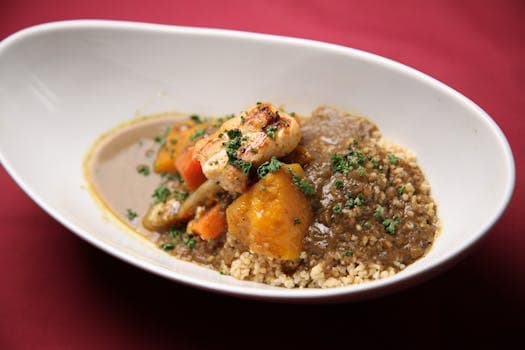
Stew Chicken
Chicken stewed down in a tomato-and-recado sauce with onions, sweet peppers, cumin, oregano, and sometimes a splash of beer or rum. The recado gives it that golden-brown color, and it cooks until the meat falls off the bone. It comes paired with rice and beans, and just about every family makes it a little differently. You'll find it at weekend dinners, from street stalls up to white-tablecloth dining rooms.
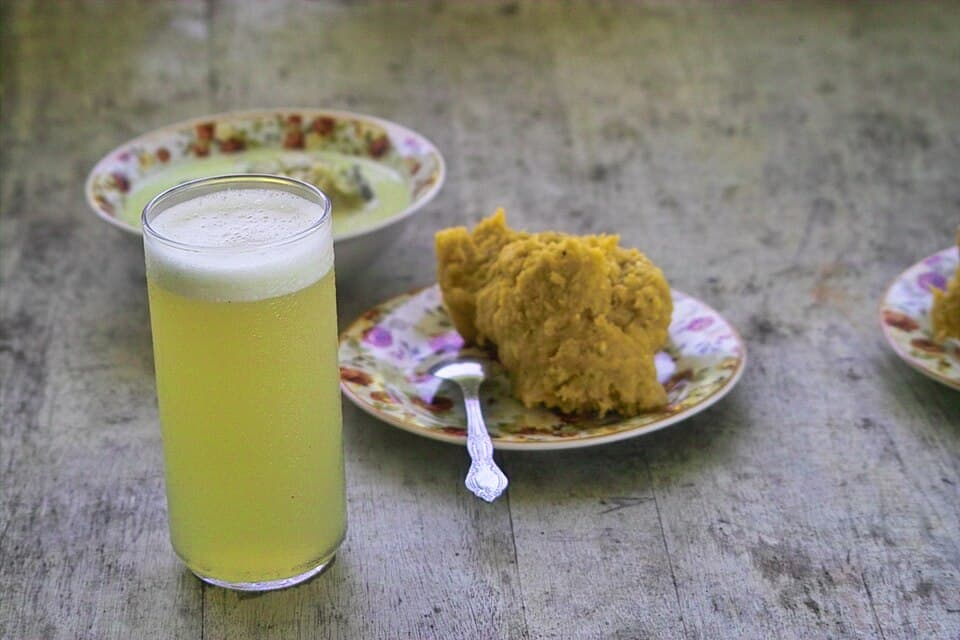
Hudut
A Garifuna classic of green plantains pounded and shaped into balls, fufu-style, then served in a coconut fish broth. The fish is usually snapper, sea bass, or grunt, and the coconut milk makes the broth creamy. It carries the West African-Caribbean lineage of Garifuna cooking, takes real work to make, and is shared at the table together, especially around Garifuna Settlement Day on November 19.
Fry Jacks
The classic Belizean breakfast: triangles of fried dough that puff up golden, crisp outside and soft within, in the same family as Native American fry bread. They come with refried beans, scrambled eggs, and cheese, or sweet with honey or jam. Street vendors sell them through the morning rush, usually alongside coffee or a cup of Milo.
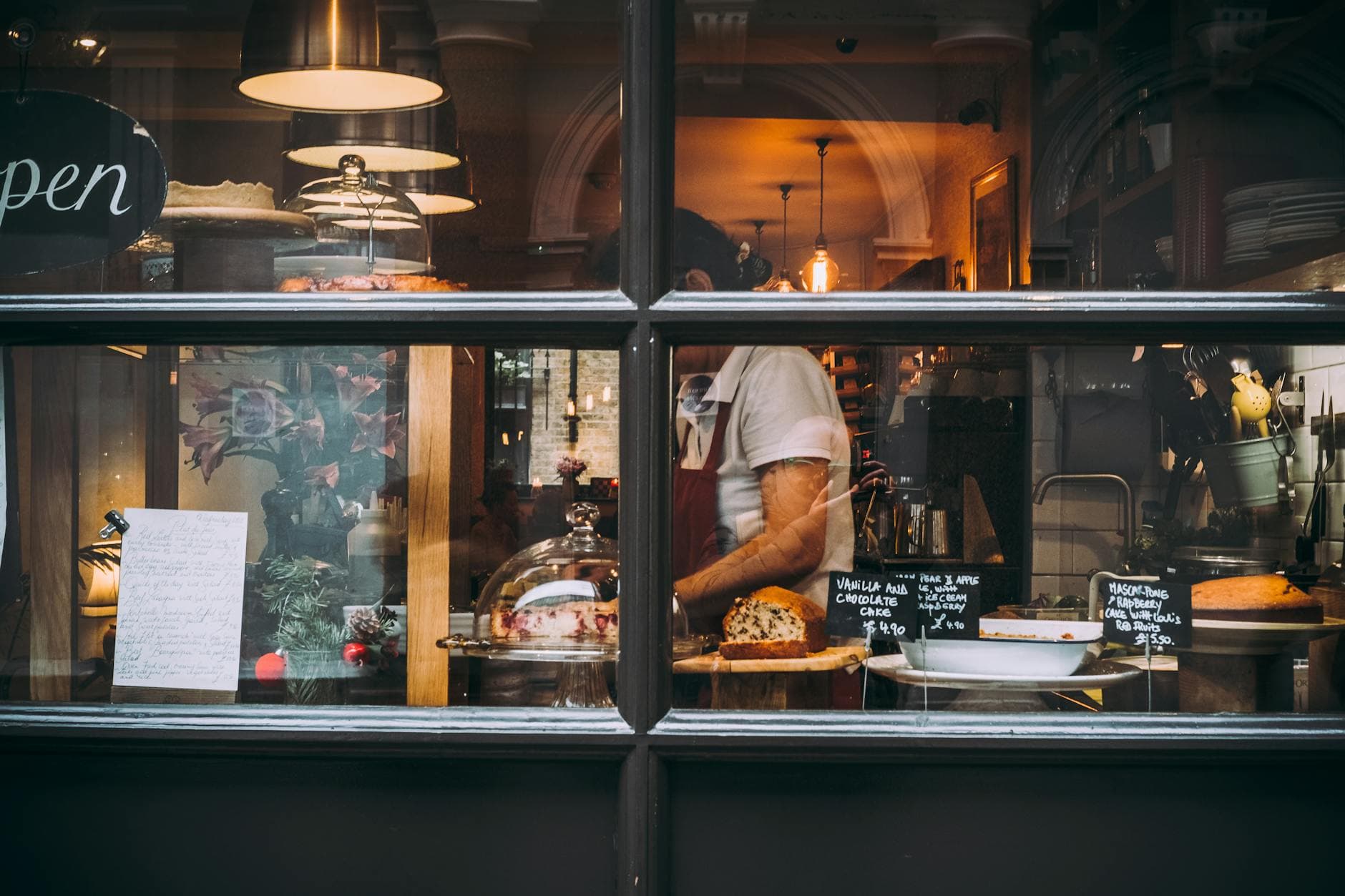
Garnaches
A Mayan-Mestizo street snack: small crisp corn tortillas piled with refried beans, crumbly queso fresco, pickled onions, cabbage slaw, and a shot of Marie Sharp's hot sauce. Think Mexican sopes but thinner, with that crunch-and-soft contrast in every bite. They're cheap, quick, and sold off stalls and at bus stations. Don't leave Belize without trying them.
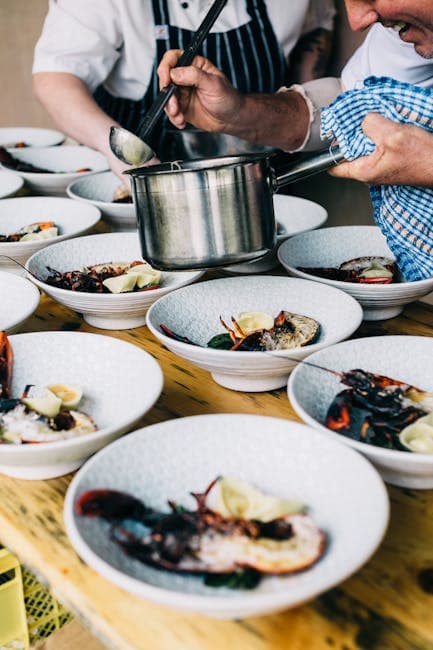
Gibnut/Paca (Royal Rat)
A lowland paca, the wild game rodent served to Queen Elizabeth II in 1985, which is how it picked up the 'Royal Rat' nickname. The meat is tender and a touch sweet, closer to pork than you'd expect, and it's stewed or roasted. It's a divisive delicacy: the species is protected and hunting is regulated, so you'll mostly see it on upscale menus. Part of Belize's bush-meat tradition, and one for adventurous eaters.
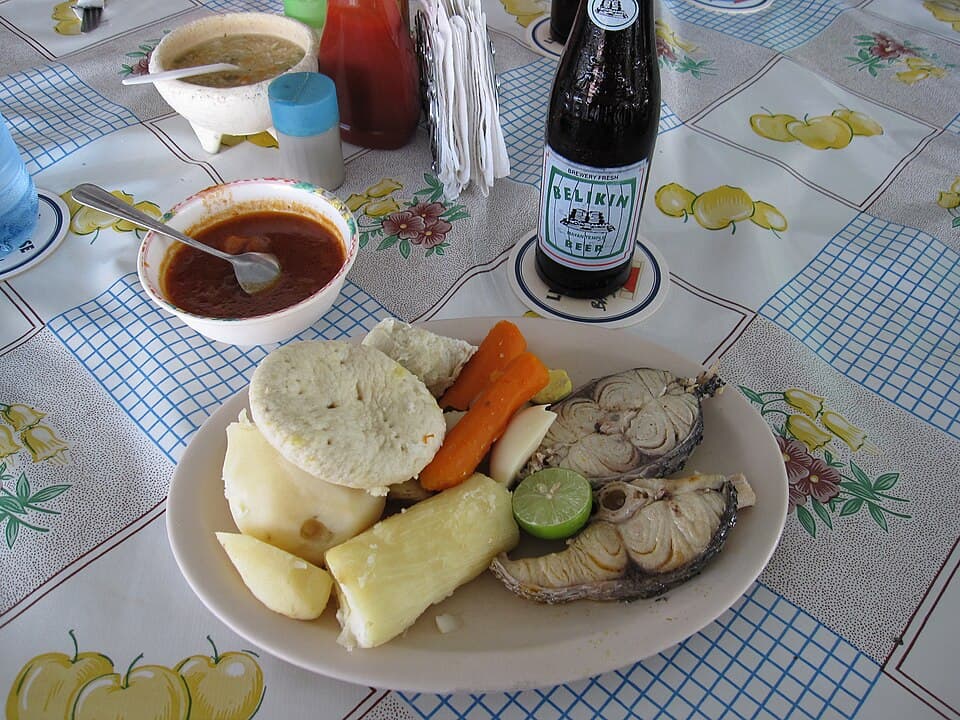
Boil Up (Creole Boil Up)
A Creole one-pot weekend breakfast loaded with boiled eggs, pigtail, fish (fresh or salted), cassava, yams, plantains, sweet potatoes, okra, and tomato. It's filling and rustic, born from making the most of what's on hand, and served with johnnycakes or bread. Every household has its own version.
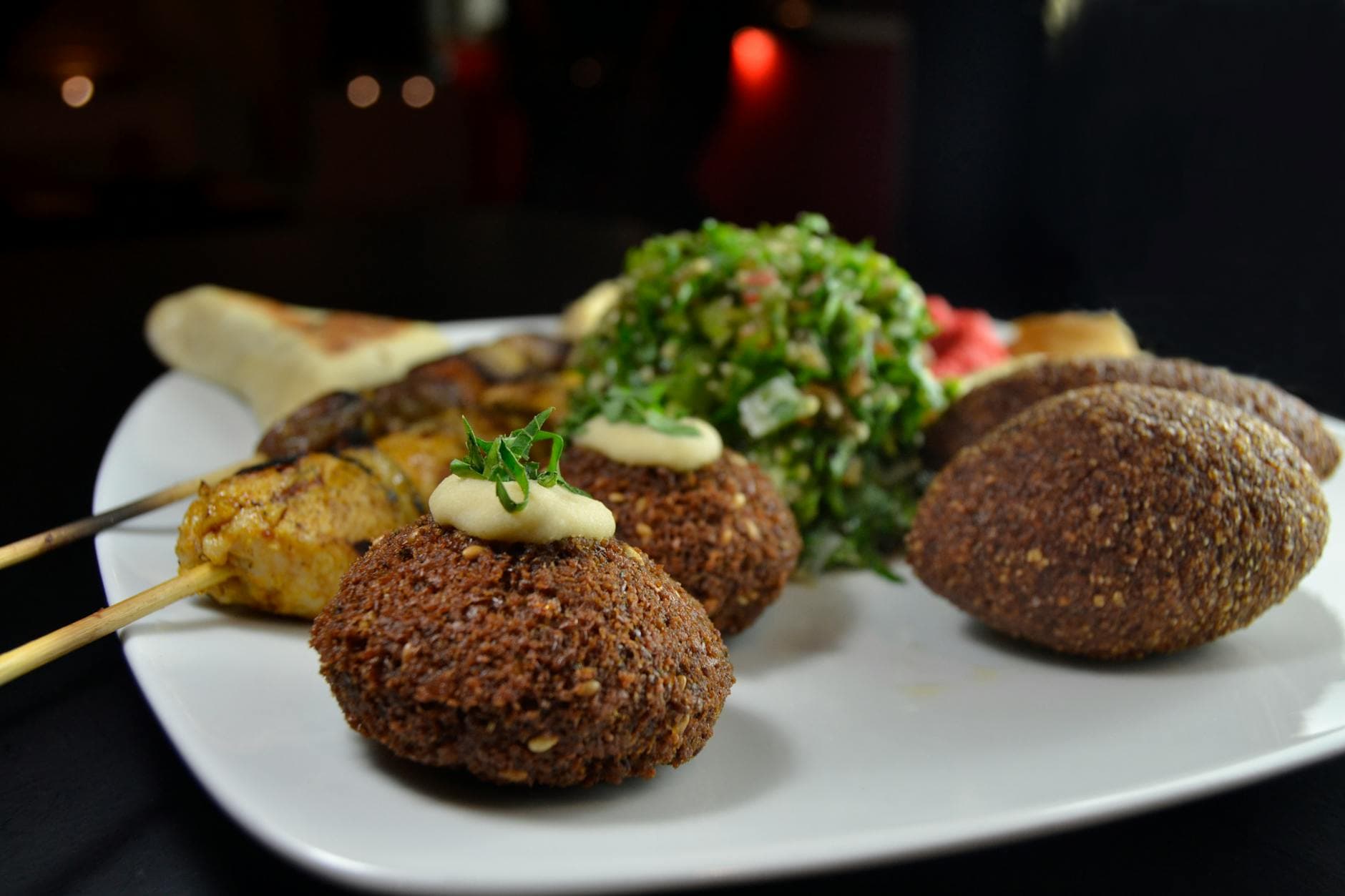
Conch Fritters
A Caribbean staple of minced conch folded into a flour batter with onions, peppers, and spices, then deep-fried until golden, crunchy outside and tender within. They come with lime, hot sauce, and tartar sauce, and they're the kind of thing you eat at the beach or over a drink. Conch is a protected species, so sustainable sourcing matters. You'll find them along the coast in Caye Caulker, Placencia, and San Pedro.
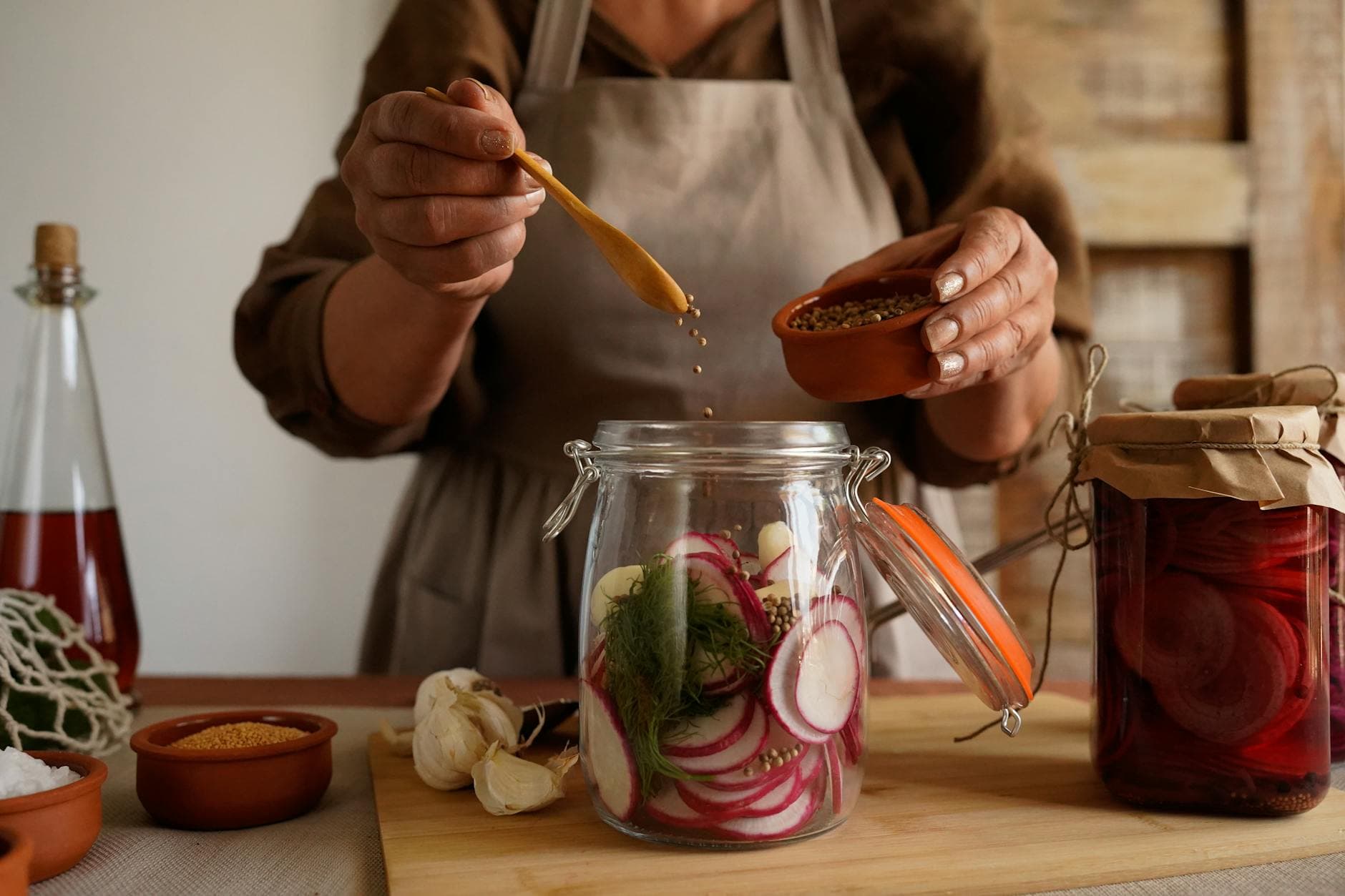
Ceviche (Belizean-style)
Fresh fish (snapper, grouper, mahi-mahi) or conch marinated in lime juice, with onions, tomatoes, cilantro, and habanero. The lime 'cooks' the fish, and it's served cold, tangy, and hot with chili. It comes with tostadas or saltine crackers and is a beach-shack regular along the coast, a Spanish-Caribbean idea made Belizean.
Tamales (Belizean-style)
Mayan-influenced tamales: corn masa filled with chicken, pork, or vegetables, seasoned with recado, wrapped in banana leaves and steamed. They're denser than the Mexican kind. Making them is family work, so they tend to show up as a Saturday special, at Christmas, and from weekend street vendors, served with hot sauce. A taste of the Mayan-Mestizo side of Belize.
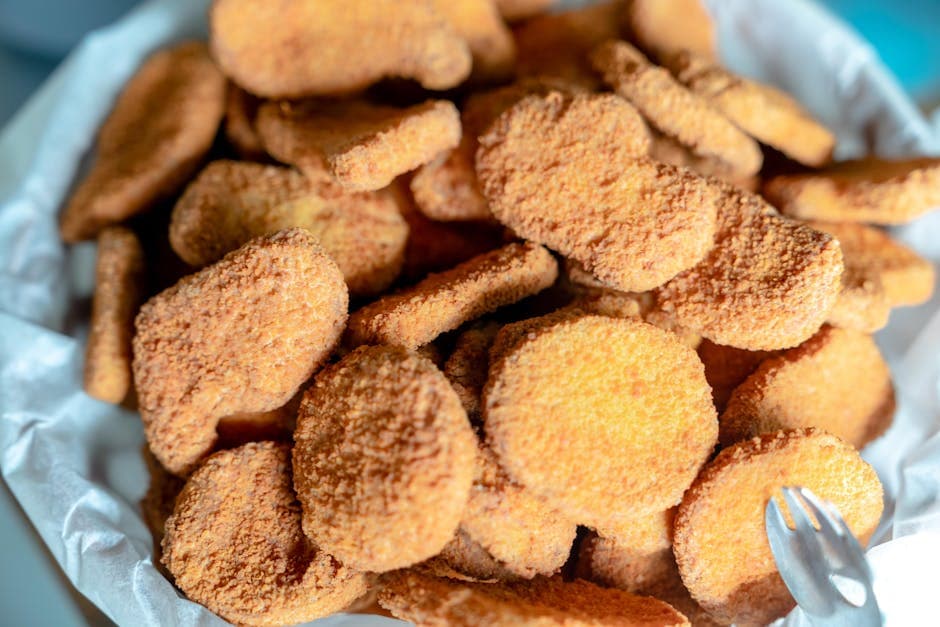
Chimole (Black Dinner)
A Mayan black soup: chicken stewed with black recado, made from charred chilies and annatto seeds, which gives it that deep, almost inky color and an earthy flavor. It's served with hard-boiled eggs and tortillas, and it's a close cousin of relleno negro. This is feast food that goes back generations, saved for special occasions.
Regional Specialties & Local Favorites
Discover the authentic regional dishes and local favorites that showcase Belize's diverse culinary traditions.
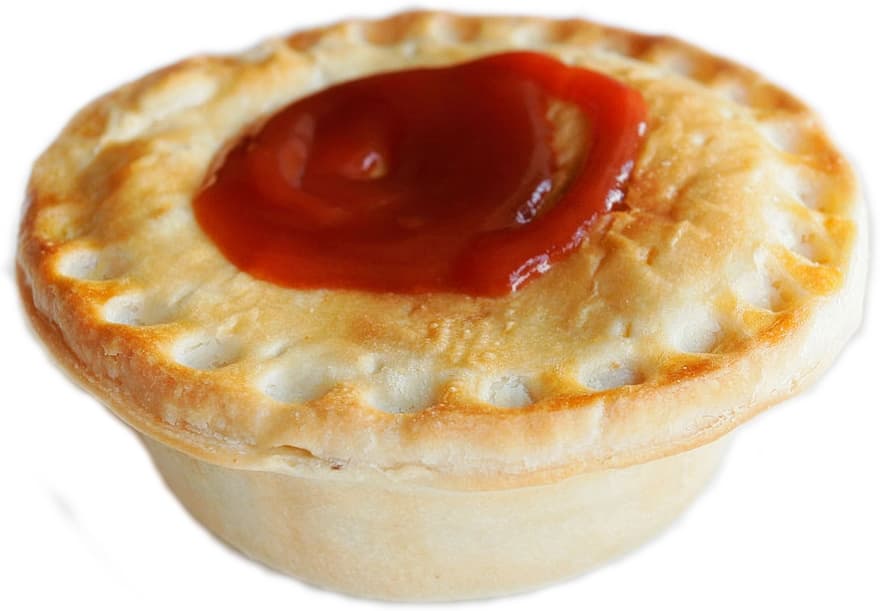
Belizean Meat Pies
Savory hand pies stuffed with seasoned ground meat, grabbed as a snack or a quick lunch.
Allergens:
Tamales
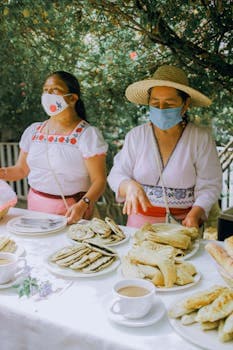
Corn dough filled with meat or vegetables, wrapped in banana leaves and steamed. They come out mostly for holidays and special occasions.
Allergens:
Panades
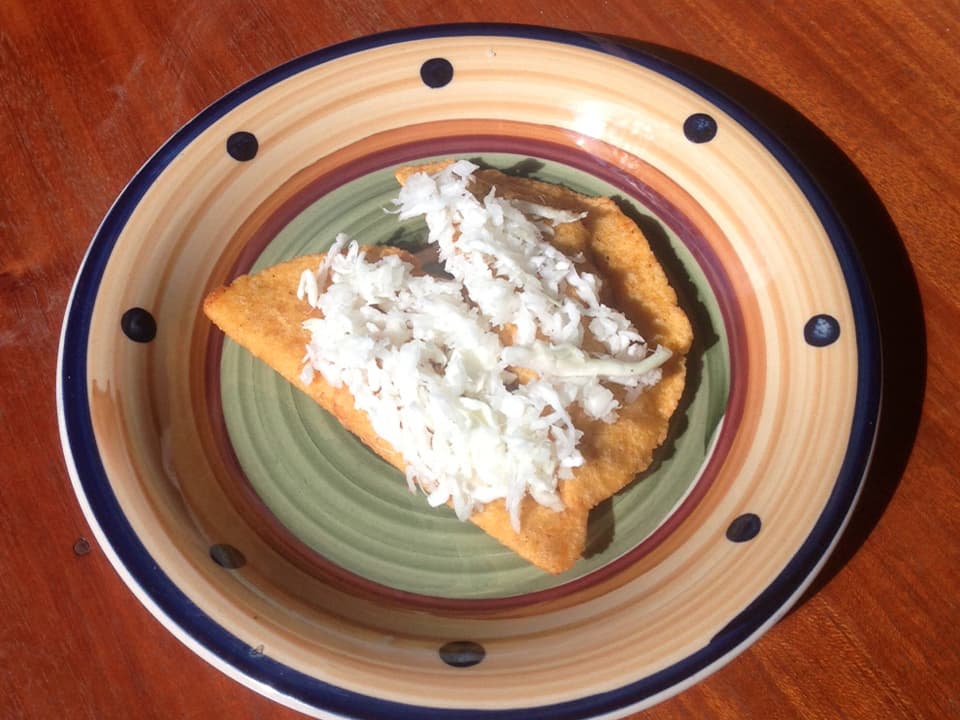
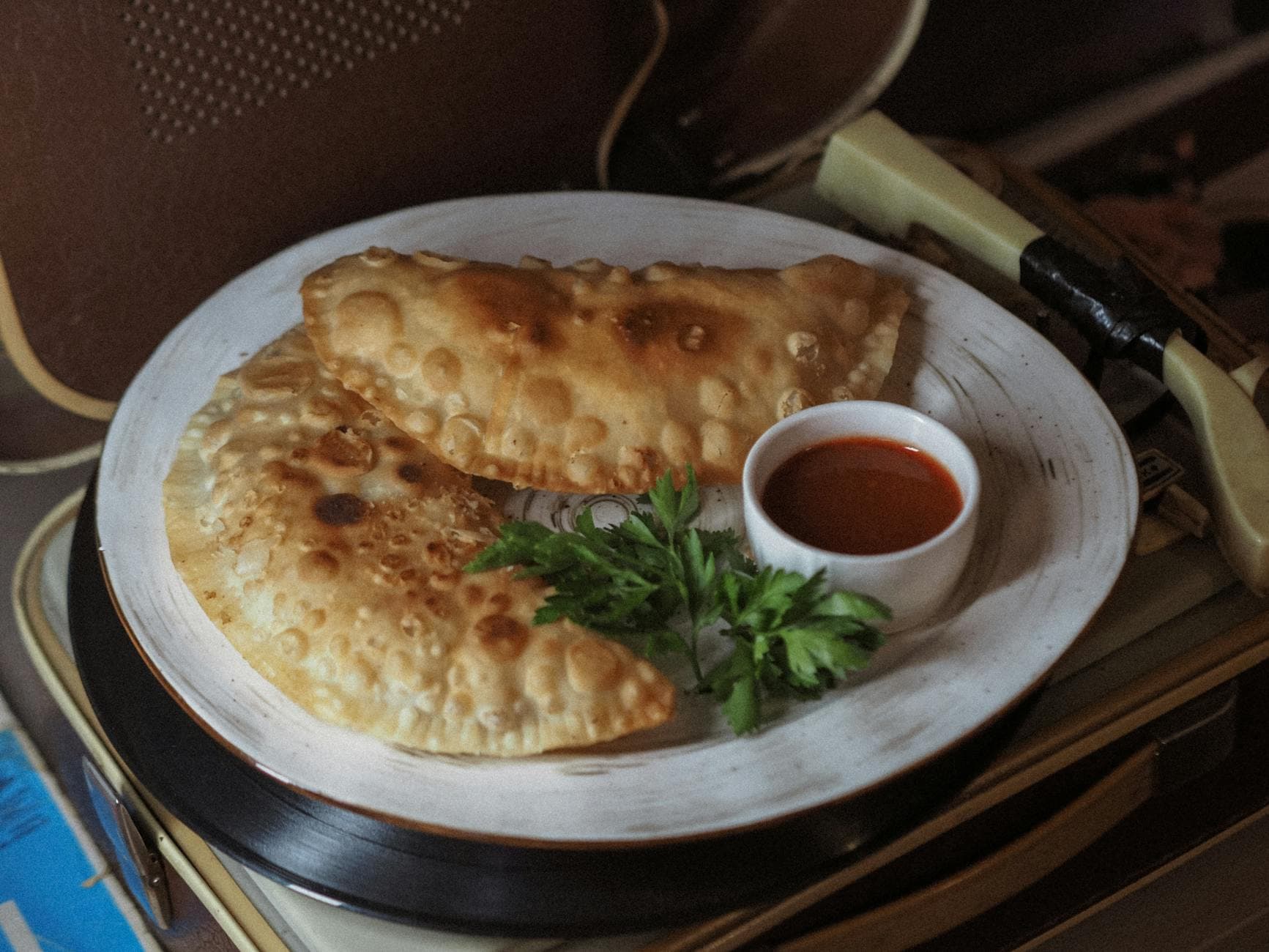
Deep-fried corn tortillas filled with fish or beans, finished with pickled onions and cabbage. A street-food favorite in northern Belize and a Corozal District specialty, with clear Yucatecan roots.
Allergens:
Salbutes
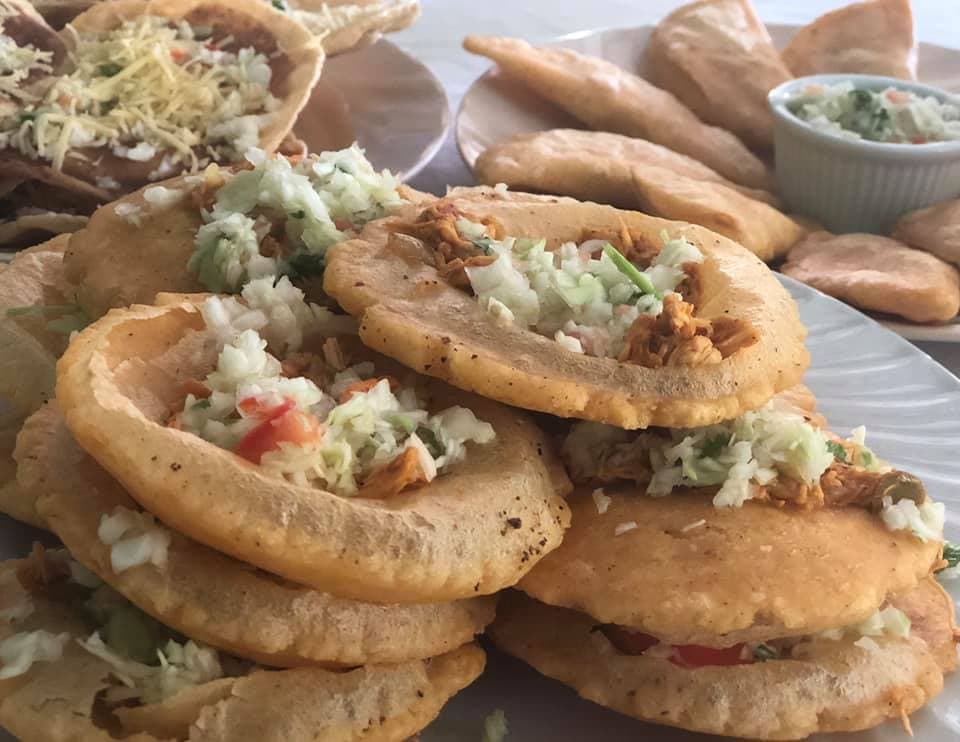
Puffed fried tortillas topped with chicken, lettuce, tomato, pickled onions, and avocado. A Mestizo dish, lighter than garnaches, found across the country and especially at weekend markets.
Escabeche
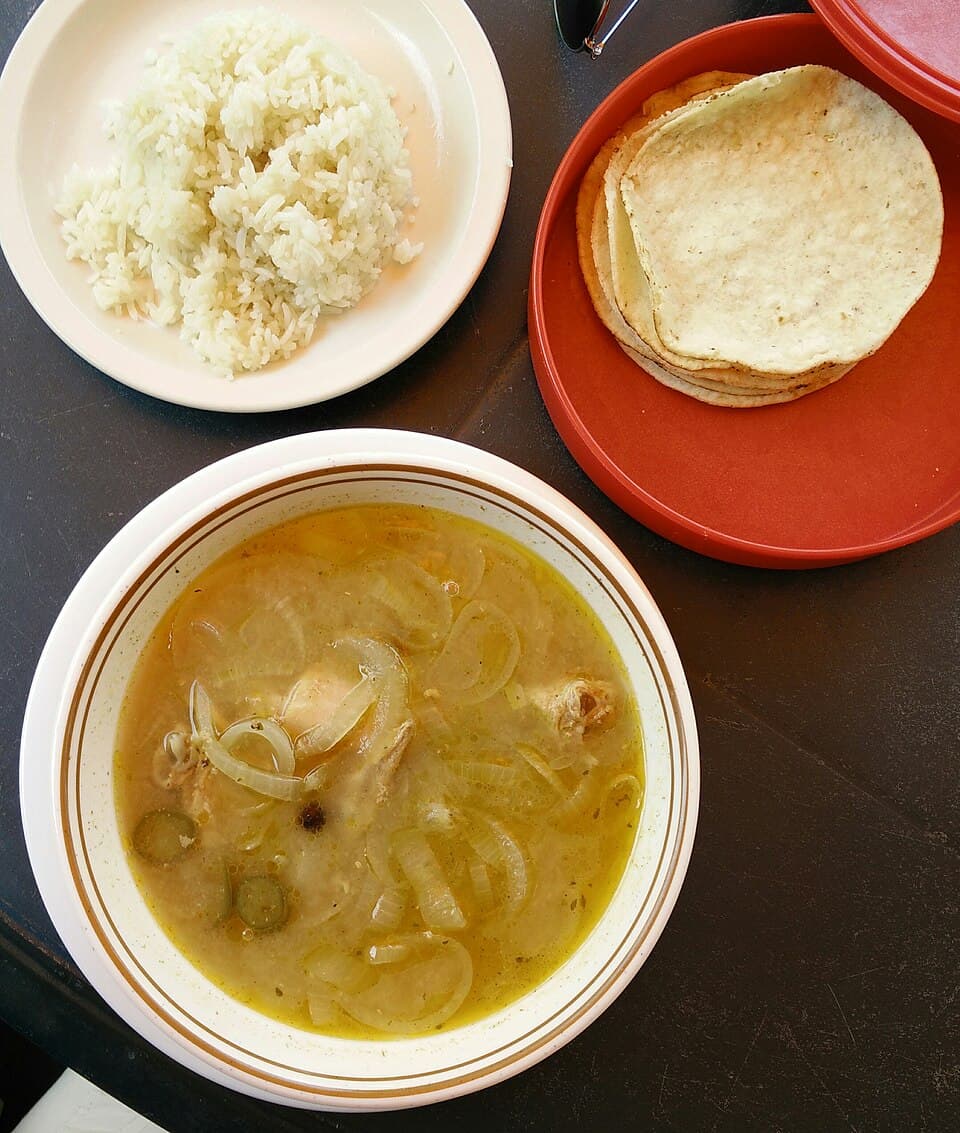
A spicy onion soup with chicken, built on a sour-orange and vinegar base. Yucatecan in origin and Mestizo by tradition, it's tangy and aromatic, usually served with white rice or tortillas, and most common in northern Belize.
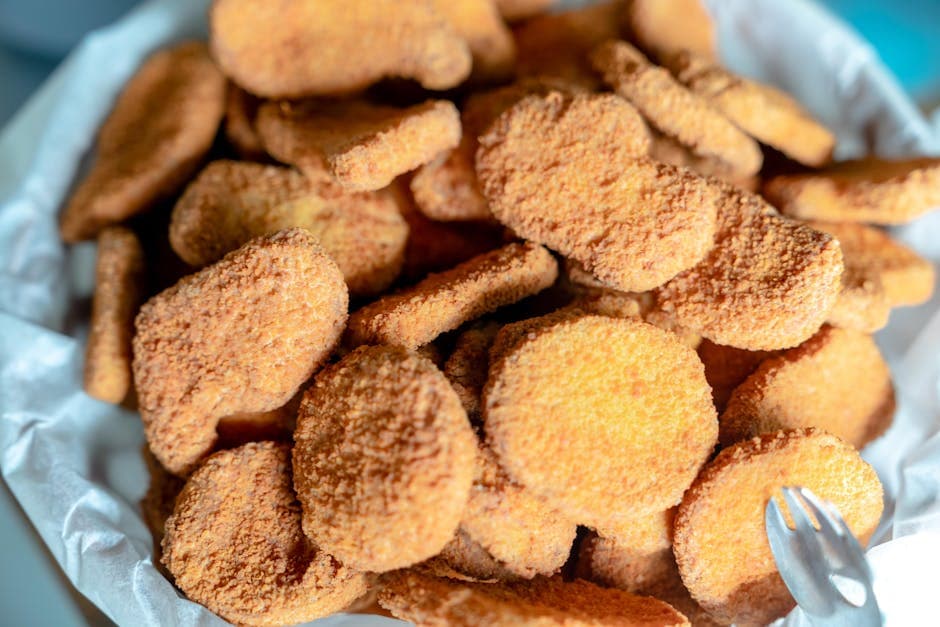
Johnnycakes
Dense fried biscuits, crisp outside and soft within, a Creole breakfast staple. They come with fish, beans, or eggs and turn up at breakfast spots nationwide. Best with coffee.
Allergens:
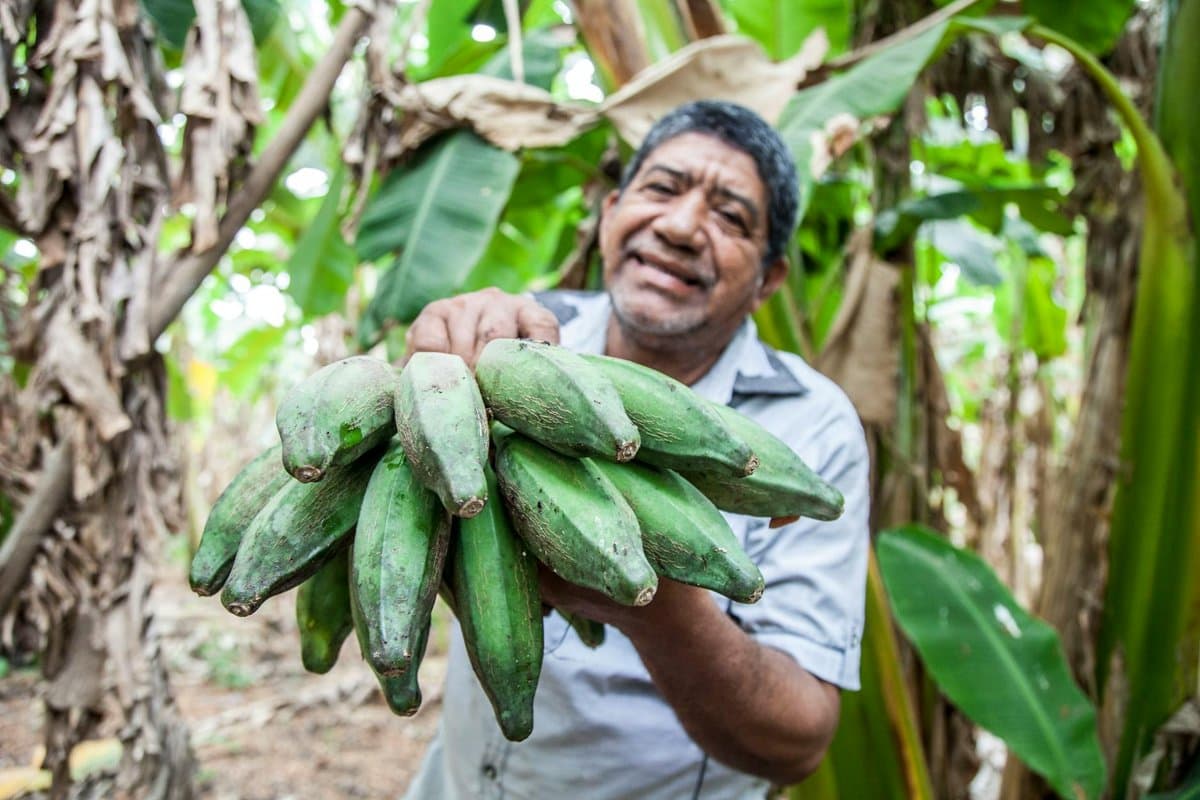
Fried Plantains
Ripe plantains sliced and fried until they caramelize, sweet and soft. A Caribbean staple that turns up next to rice and beans or stew chicken, from breakfast through dinner.
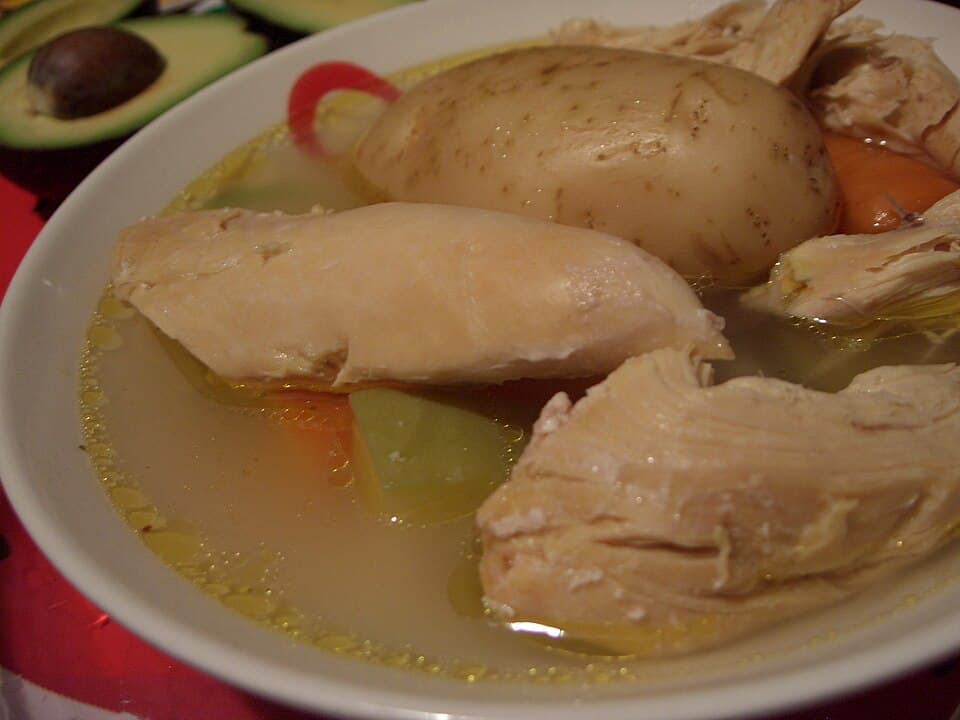
Caldo
A hearty chicken soup with vegetables and cilantro from the Mestizo-Mayan kitchen. Served with tortillas or rice, it's weekend comfort food that shifts from region to region and family to family.
Regional Cuisine Highlights
Explore the diverse culinary landscapes across different regions of Belize.
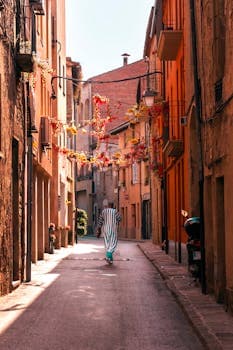
Cayo District (Western Belize)
An inland mountain district on the Guatemala border with strong Mayan-Mestizo cooking. San Ignacio is the market hub, and the eco-lodges up in Mountain Pine Ridge lean farm-to-table. Mayan villages like San Antonio and Cristo Rey keep traditional cooking alive, wild game such as gibnut and paca is a specialty, and Mennonite communities supply cheese and produce.
Cultural Significance:
Cayo is where Mayan food traditions carry on, with corn, beans, and squash still at the center of the table. Mennonite farms around Spanish Lookout supply dairy and chicken to the whole country, eco-lodges put indigenous ingredients on the menu, and the nearby Guatemala border shapes the local recado blends.
Signature Dishes:
- Tamales
- Caldo (soup)
- Pibil (Mayan pit-cooked pork)
- Gibnut stew
Key Ingredients:
Toledo District (Southern Belize)
The southernmost district, home to the country's largest Mayan population (Q'eqchi' and Mopan). It's the least developed and the most culturally intact, centered on Punta Gorda. Cacao farming runs deep here, tied to ancient Mayan chocolate, and the kitchens still use rainforest ingredients and old methods like earth ovens and comal griddles.
Cultural Significance:
Toledo holds the most intact Mayan cuisine in Belize. Village homestay programs put traditional foods in front of visitors, and old cacao cultivation continues through the Toledo Cacao Growers Association. The food here reaches back to pre-Columbian times, and rainforest foraging is still part of daily cooking.
Signature Dishes:
- Cacao dishes
- Bollos (corn tamales)
- Bile (stewed game)
- Caldo
Key Ingredients:
Stann Creek District (Coastal Central Belize)
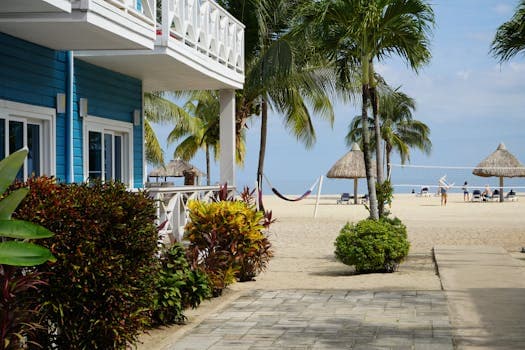
The coastal district that is the Garifuna heartland, taking in Dangriga (the Garifuna capital), Hopkins village, and the Placencia peninsula. Garifuna Settlement Day on November 19 is a big deal here. The cooking leans on seafood and coconut milk, an African-Caribbean blend, with tourist dining concentrated in Placencia and a citrus industry inland around Pomona Valley.
Cultural Significance:
Stann Creek carries the Garifuna culinary heritage, a blend of West African, Caribbean, and indigenous cooking recognized by UNESCO as Intangible Heritage in 2008. The making of cassava bread (ereba) is kept alive, drumming goes alongside communal cooking, and the whole tradition speaks to the resilience of the African diaspora.
Signature Dishes:
- Hudut
- Bundiga (plantain soup)
- Tapou (fish wrapped in banana leaves)
- Sere (fish coconut stew)
- Conch fritters
Key Ingredients:
Belize District (Eastern Belize)
The most populous district, taking in Belize City (the former capital) and coastal cayes like Caye Caulker and St. George's Caye. It's the Creole cultural center, with an urban street-food scene and a Caribbean-British colonial mix. Reef seafood is everywhere, Belize City has the international restaurants, and Caye Caulker throws its lobster festivals.
Cultural Significance:
Belize District is the home of Creole cooking, the Afro-Caribbean-British mix that defines the national table. Rice and beans started here. It's the country's urban food hub, its lobster festivals (June-July and February) celebrate sustainable fishing, and its history as a trading port shows in how varied the food scene is.
Signature Dishes:
- Rice & beans with stew chicken
- Boil up
- Fry jacks
- Lobster (seasonal)
- Conch ceviche
Key Ingredients:
Corozal District (Northern Belize)
The northernmost district, bordering Mexico's Quintana Roo, with the strongest Mexican-Mestizo influence in the country. Corozal Town sits on the coast, sugar cane grows across the district, and Yucatecan cooking shows up in dishes like escabeche and recado rojo. There are Mayan sites at Cerros and Santa Rita, fishing villages along the water, and a food culture that flows across the border.
Cultural Significance:
Corozal sits on the seam between Mexican and Belizean cooking. Yucatecan refugees from the 1840s Caste War brought their cuisine north, the Mayan language and food traditions run stronger here than elsewhere, and families on both sides of the border still trade recipes. The sugar industry shapes the local sweets, and the whole district shows how Central American regional cooking overlaps.
Signature Dishes:
- Escabeche (onion soup)
- Relleno negro (turkey stew)
- Panades (fried corn tortillas)
- Tamales (Yucatecan-style)
Key Ingredients:
Sweet Delights & Desserts
Indulge in Belize's traditional sweet treats and desserts.
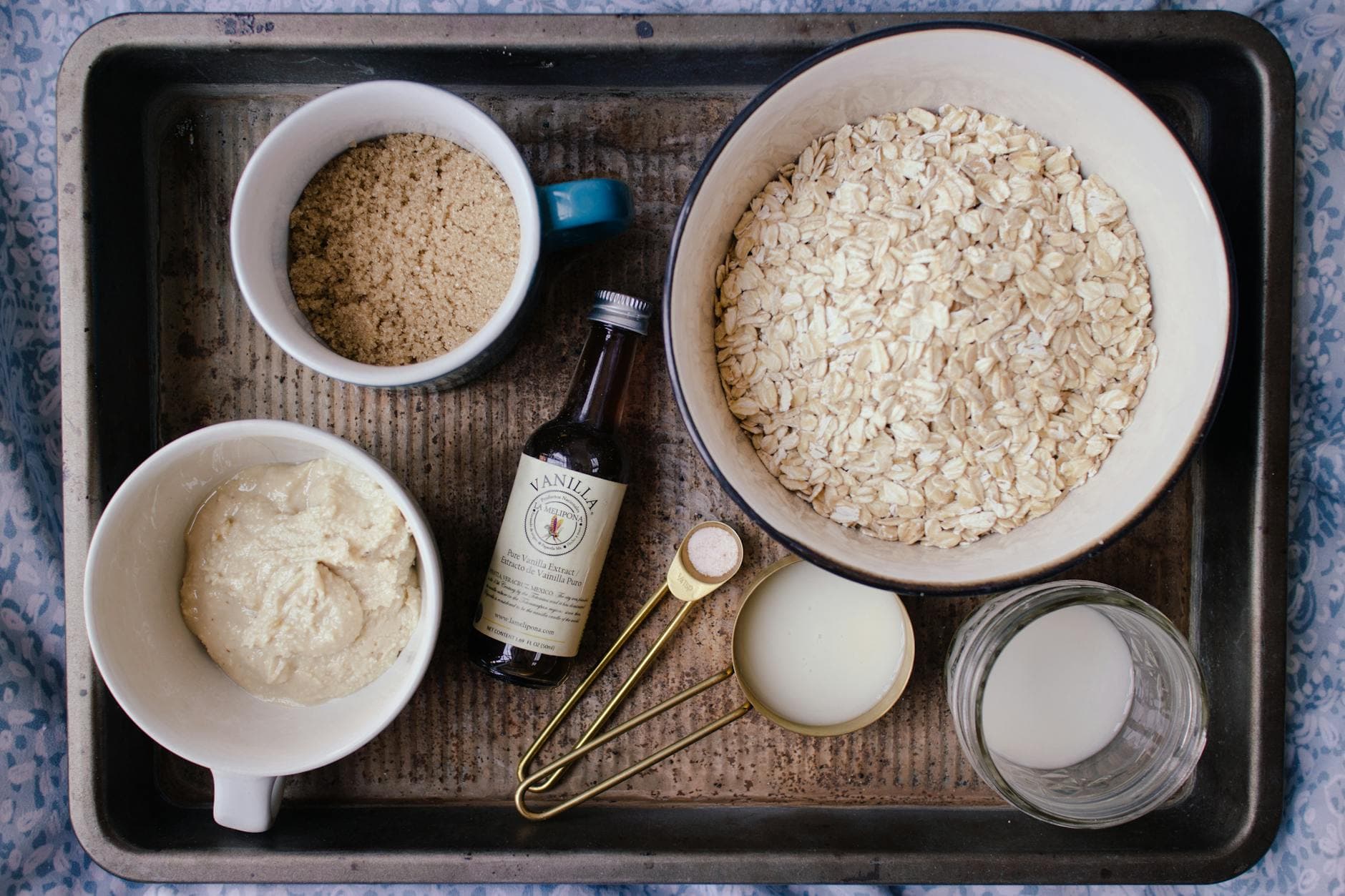
Wangla
A Garifuna cassava cake of grated cassava with coconut milk, brown sugar, ginger, cinnamon, vanilla, and raisins, wrapped in banana leaves and baked until dense and moist. Sweet and aromatic with the coconut coming through, it carries the African roots of Garifuna cooking and takes pride of place around Garifuna Settlement Day on November 19. Recipes vary from one family to the next.
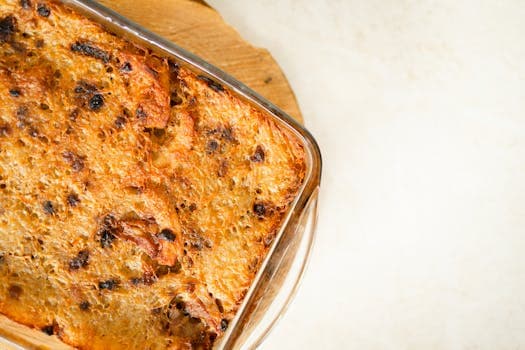
Bread Pudding
Caribbean bread pudding made from stale bread soaked in evaporated and condensed milk with eggs, vanilla, cinnamon, nutmeg, and raisins, then baked until custardy. The rum-spiked version is the one people reach for, served warm with rum sauce or caramel. It's a British colonial dessert reworked locally, and a clever way to use up day-old bread.
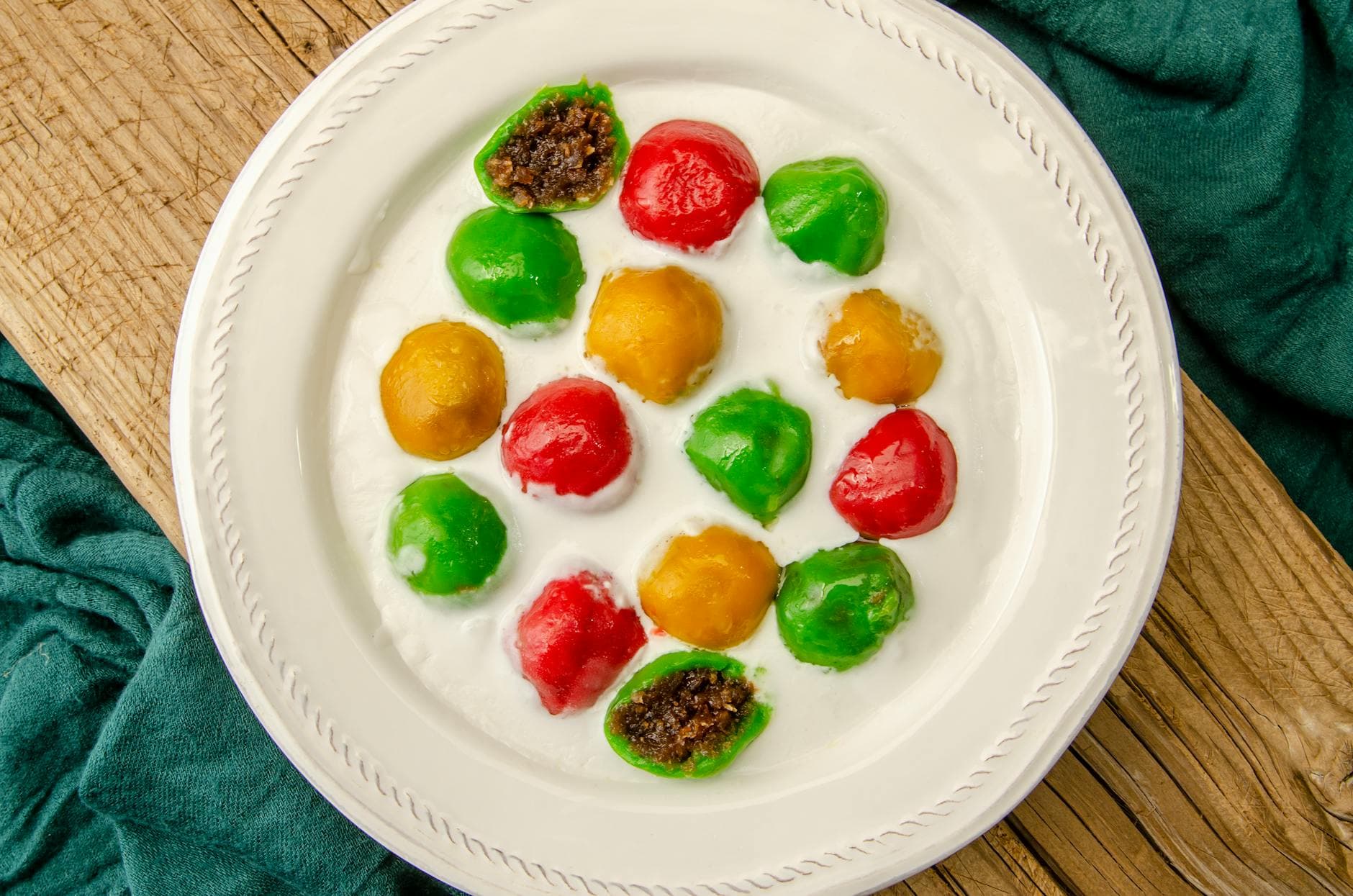
Coconut Tarts
A bakery fixture: flaky pastry shells filled with sweetened grated coconut, sugar, eggs, and vanilla, baked golden. Sweet, buttery, and easy to carry, they're an afternoon-tea companion and a weekend breakfast treat, and you'll find them in just about every bakery. The baking tradition is British-Caribbean.
Ducunu (Sweet Tamales)
A Garifuna sweet tamale of grated corn with coconut milk, sugar, cinnamon, nutmeg, and raisins, wrapped in banana leaves or corn husks and boiled. Unlike the savory kind, it comes out soft and pudding-like, eaten at breakfast or as dessert. It's a Garifuna community specialty that takes some effort and reflects the meeting of indigenous and African cooking.

Tableta (Coconut Candy)
Coconut candy made by cooking grated coconut with brown sugar, ginger, and cinnamon until it crystallizes, then cutting it into squares. The texture is chewy and fudge-like, and it comes in pink or brown. Close to Jamaican coconut drops, it's a childhood treat that street vendors sell in little bags. Cheap, long-lasting, and a common gift to take home.
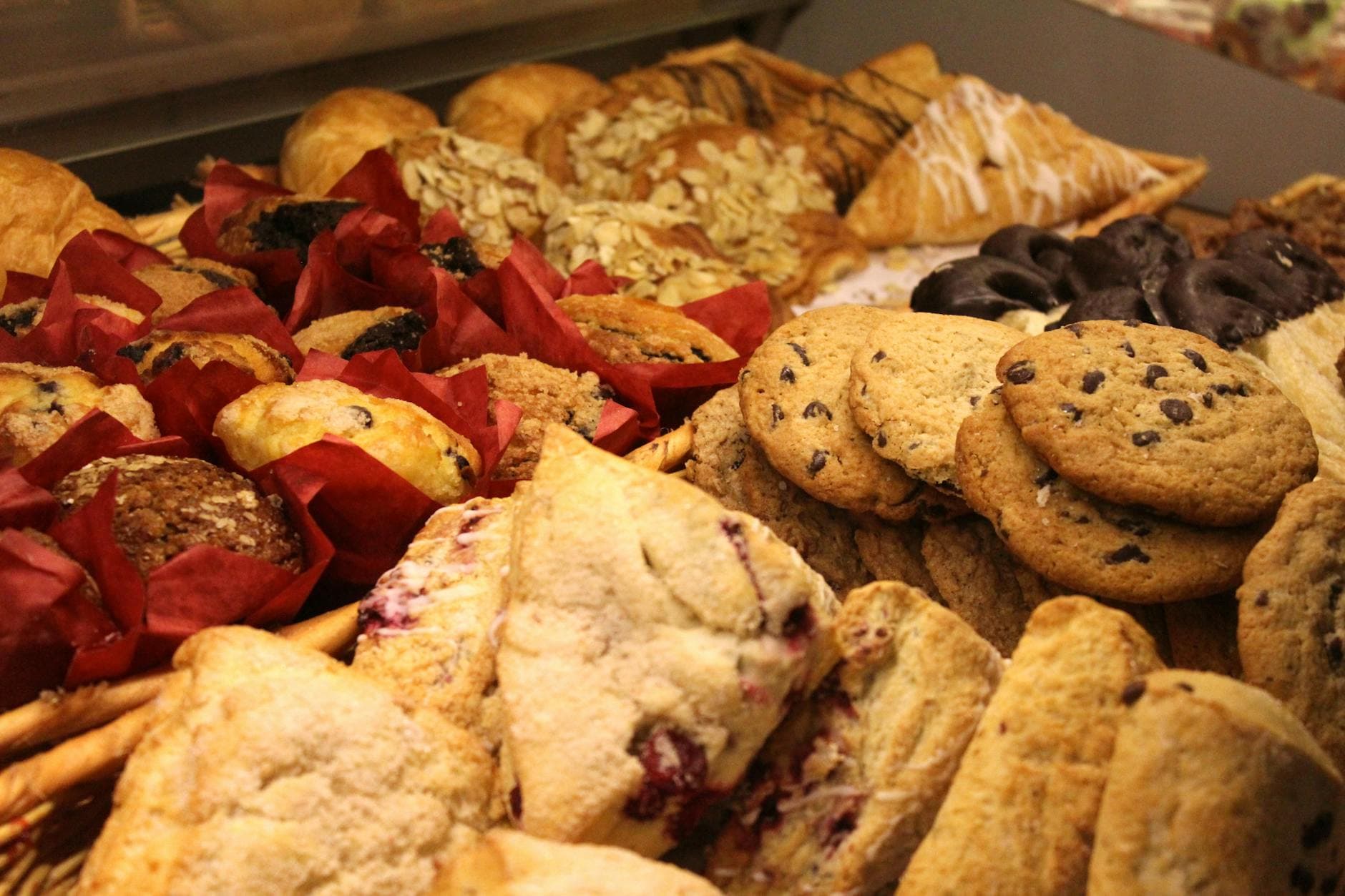
Belizean Fudge
Dense, dark fudge made with brown sugar, condensed milk, butter, and vanilla, sometimes with peanuts or coconut worked in, cut into squares. Rich and creamy, it's a British idea made with local ingredients and a popular Christmas gift, sold at markets and bakeries. Homemade versions differ family to family.
Powderbun
A soft, lightly sweet bread roll dusted with powdered sugar, sometimes filled with coconut or raisins. Simple and comforting, it's a bakery staple from the British colonial baking tradition, eaten for breakfast with tea or coffee. You'll find it all over Belize, especially on weekend mornings.
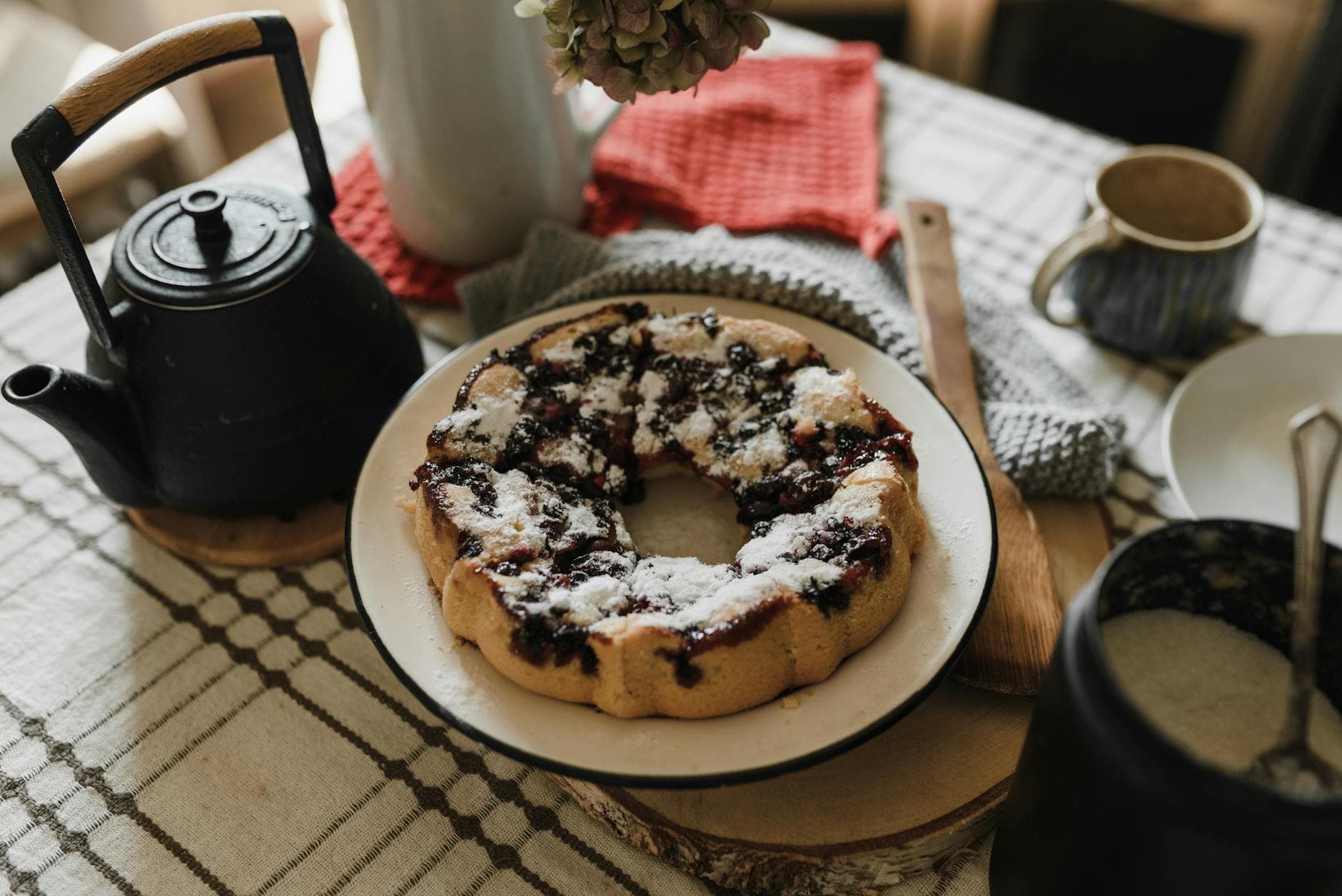
Tres Leches Cake
A Central American sponge cake soaked in three milks (evaporated milk, condensed milk, and heavy cream), topped with whipped cream or meringue and sometimes fruit. It's very moist, sweet, and rich, the cake people order for birthdays and celebrations. Belizean bakeries sell it by the slice or whole.
Traditional Beverages
Discover Belize's traditional drinks, from locally produced spirits to regional wines.
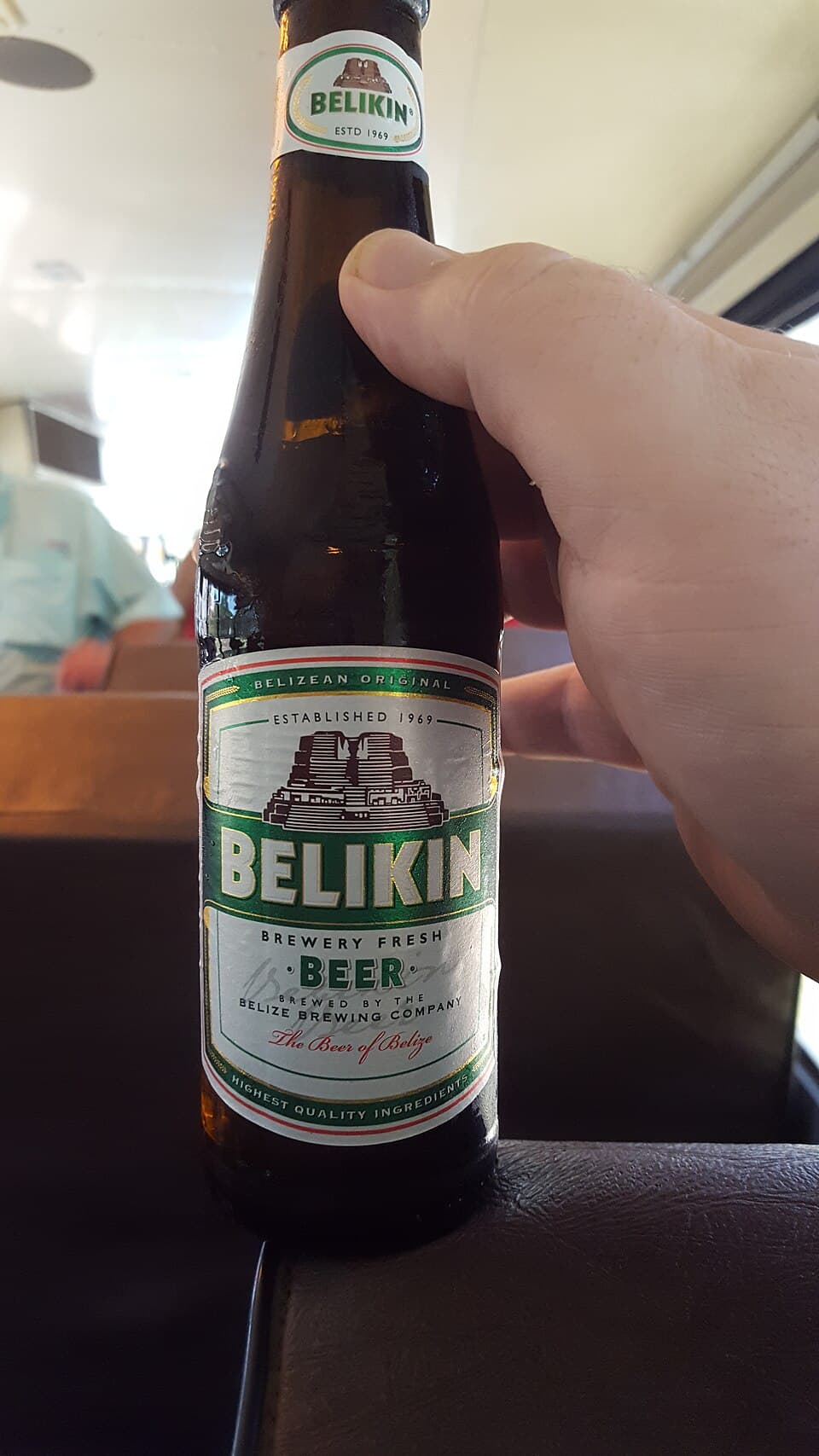
Belikin Beer
Belize's national beer, a light lager you'll see in hand pretty much everywhere.
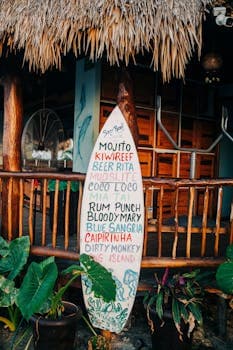
Rum Punch
A Caribbean cocktail of rum, fruit juices, and a little spice.
Soft Beverages
Discover Belize's traditional non-alcoholic drinks, from local teas to refreshing juices.
Seaweed Shake
A traditional Belizean drink of blended seaweed, milk, and spices, served cold and valued for its nutrition.
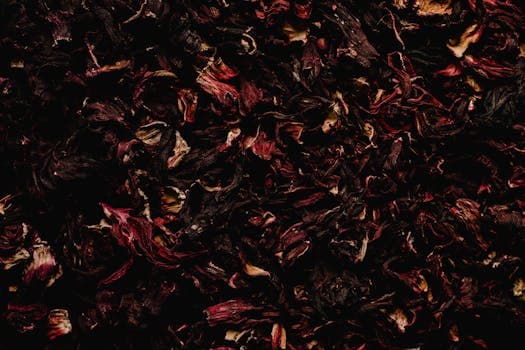
Hibiscus Tea
A tart drink brewed from hibiscus flowers, usually served cold and a go-to on hot days.
Frequently Asked Questions
Essential information about food and dining in Belize.
What is the national dish of Belize?
Belize's most iconic dishes include Rice and Beans (Arroz con Frijoles), Stew Chicken, Hudut. Belize's unofficial national dish, where red kidney beans and rice cook together in coconut milk with recado (an achiote-based spice paste), garlic, and black pepper. Note it's not the same as 'beans and rice,' which keeps the two separate. A Creole staple, usually plated with stew chicken, potato salad, and fried plantains, and a fixture of the Sunday meal. Creamy and aromatic, it sits squarely in Afro-Caribbean comfort-food territory.
Is street food safe in Belize?
Street food in Belize can be enjoyed safely by following these guidelines: Check food hygiene standards in Belize Drink bottled water in Belize. Look for busy vendors with high turnover, ensure food is cooked fresh and served hot, and avoid raw ingredients if you have a sensitive stomach.
What are the best restaurants in Belize?
Belize offers diverse dining options from street food stalls to upscale restaurants. For the best experience, ask locals for recommendations, check recent reviews, and look for restaurants that specialize in regional cuisines.
Can vegetarians find food easily in Belize?
Vegetarian options in Belize are mediumly available. Vegetarians do fine in Belize, especially around the tourist towns of Placencia, Caye Caulker, and San Pedro. Several traditional dishes already fit: rice and beans (ask whether lard is used), fried plantains, escabeche (onion soup), bean soups, and plenty of tropical fruit. Tourist restaurants often run a vegetarian menu, Mayan communities cook plenty of corn-based meatless dishes, and a few Garifuna recipes can be adapted on request.. Many restaurants offer vegetarian dishes, and you'll find plant-based ingredients featured prominently in local cuisine.
What is the average cost of a meal in Belize?
Meal costs in Belize depend on where you eat. Street food and casual local restaurants are very affordable, typically offering complete meals for a few dollars. Mid-range restaurants charge moderate prices, while fine dining establishments are comparably priced to Western countries.
What are common food allergens in Belize?
Common allergens in Belize cuisine include Nuts, Dairy, Wheat. Nuts turn up fairly often in Belizean cooking, mostly in desserts and a few savory dishes.. These ingredients appear in dishes like Desserts, Sauces. Always inform restaurant staff about your allergies.
When is the best time to visit Belize for food?
Belize offers great food experiences throughout the year. However, visiting during harvest seasons (typically spring and autumn) provides access to the freshest local ingredients. Food festivals and cultural celebrations also offer unique culinary experiences worth planning around.