
Turkmenistan Food Guide
Content Information
Recently updated🔥Current Food Trends 2026
What's happening in Turkmenistan's culinary scene right now
Turkmen food in 2026 is changing slowly, without letting go of tradition. Ashgabat restaurants now plate classic plov and manty in newer ways meant for younger diners and tourists. Nomadic cooking has come back into favor, and some kitchens are building menus around old preservation methods like govurma. Green tea still runs through daily life, but the newer tea houses pair the usual service with a cleaner look. Turkmen melons keep gaining ground abroad as an export. Street food is spreading too, with more gutap and somsa vendors working from old recipes. Bit by bit, social media is carrying dishes like chal and dograma to people who had never heard of them.
Food Safety Tips
Essential food safety information to help you enjoy Turkmenistan's cuisine safely and confidently.
Drink bottled water in most areas
Tap water quality varies, so stick to bottled water, particularly outside the cities. Ashgabat's supply is safer than most, but bottled is still the wiser choice.
Choose busy vendors with high turnover
Street food is reliable here. Markets like Teke Bazaar and Russian Market cook traditional dishes to order, so the food is fresh when it reaches you.
Be cautious in hot summer months
Summers get punishingly hot. Skip dairy and any meat that has been sitting out in the warmth.
Dietary Options
vegetarian
LOW AVAILABILITYTurkmen cooking leans hard on meat. Vegetarians can fall back on vegetable-filled gutap, salads, and bread, with more choice in the cities.
vegan
LOW AVAILABILITYVegan eating is tough here. You can ask for vegetable gutap without dairy, plus salads and bread, but say so plainly since dairy and meat turn up in most dishes.
halal
HIGH AVAILABILITYThis is a Muslim-majority country, so the meat is halal by default. Finding it takes no effort.
Common Allergens
Dairy
HIGH PREVALENCEYogurt and other dairy show up across Turkmen cooking
COMMONLY FOUND IN:
Gluten
HIGH PREVALENCEWheat is a staple, so bread and noodles are everywhere
COMMONLY FOUND IN:
Nuts
MEDIUM PREVALENCENuts turn up in some desserts and a few savory dishes
COMMONLY FOUND IN:
Essential Food Experiences
These iconic dishes represent the must-have culinary experiences that define Turkmenistan's food culture for travelers.

Plov (Osh)
If Central Asia has a national dish, this is it. Turkmen plov is rice cooked down with chunks of lamb or beef, carrots, onions, and spices. Every region tweaks the recipe, but it always comes out aromatic and heavy enough to be a meal on its own.
Manty
Steamed dumplings stuffed with minced lamb or beef, onions, and spices, usually served with yogurt or sour cream. People across Central Asia grew up on them.

Gutap
Half-moon pastries packed with spinach, pumpkin, or meat, then pan-fried until the edges crisp up. Works as a snack or a light meal depending on how many you eat.

Chorek (Turkmen Bread)
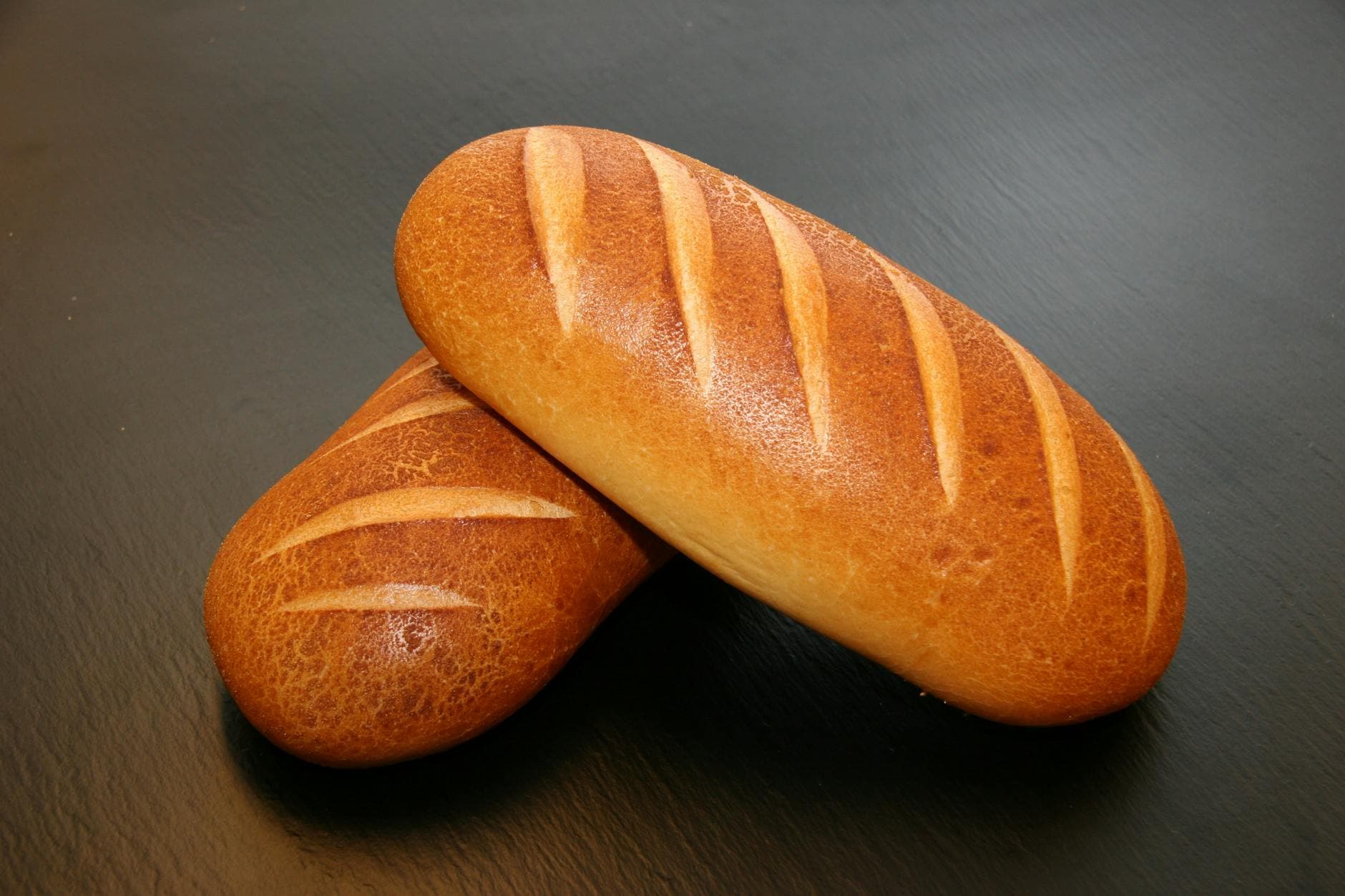
Flatbread baked in a tandoor oven, with patterns stamped into the dough before it goes in. Crisp at the edges, soft in the middle, and it lands on the table at every meal.

Shashlik
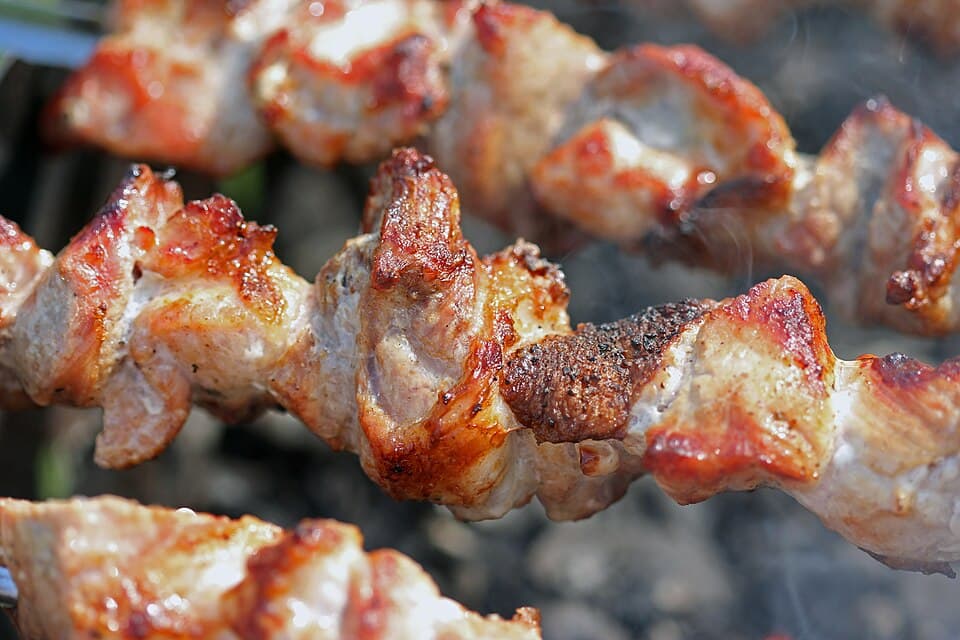
Cubes of marinated lamb threaded onto skewers and grilled over charcoal. Smoky and juicy, and about as close as Central Asia gets to a barbecue staple.

Dograma
Shredded flatbread soaked in meat broth and topped with boiled meat. Rustic, filling, and meant to stick to your ribs.

Ishlekli
A meat-filled flatbread that eats like a savory pie. The dough is layered around spiced ground meat before baking.

Govurma
Lamb or beef cooked slowly and then kept in its own fat. The old preservation trick leaves the meat extremely tender and deeply savory.

Chal
Fermented camel milk, slightly sour with a faint fizz. It takes some getting used to, but it carries real cultural weight here.

Somsa (Samsa)
Baked pastries filled with spiced meat and onions, shaped into triangles or rectangles with flaky layers.
Regional Specialties & Local Favorites
Discover the authentic regional dishes and local favorites that showcase Turkmenistan's diverse culinary traditions.
Shashlyk Variations
Region: Nationwide
Skewers that go beyond the usual lamb, taking in liver, kidney, and vegetables grilled the same way.
Unash
Region: Nationwide
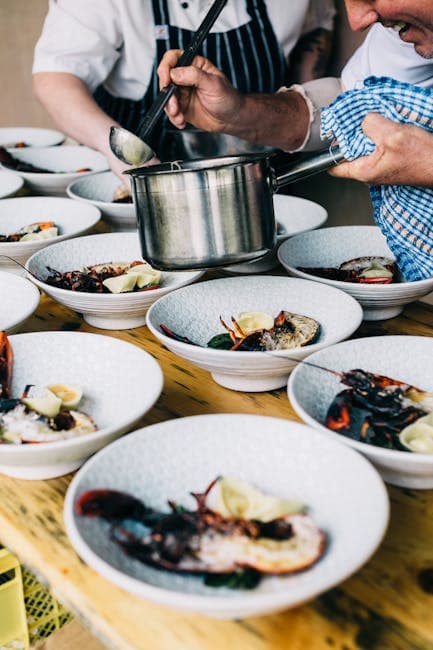
Noodle soup loaded with meat and vegetables, the kind of bowl you want on a cold day.
Allergens:
Shorpa
Region: Nationwide
A clear meat broth with vegetables. Simple, but the flavor runs deep.
Garlic Noodles
Region: Nationwide
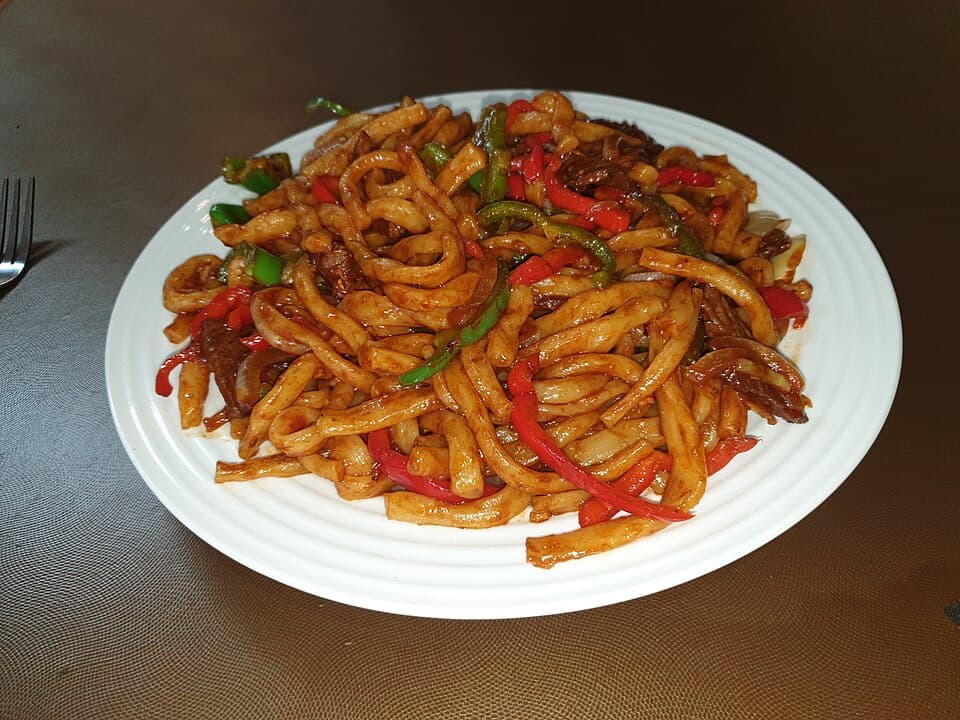
Hand-pulled noodles tossed in garlic sauce, sometimes with meat added.
Allergens:
Achichuk Salad
Region: Nationwide
A side salad of fresh tomato and onion with herbs.
Govurma Plov
Region: Nationwide
Plov built around govurma, the preserved meat, which makes it richer than the usual version.
Ichlekli with Cheese
Region: Nationwide
Flatbread stuffed with cheese and herbs, then grilled until the outside turns crisp.
Allergens:
Dograma Ash
Region: Nationwide
Dograma loosened into a soup, with far more broth in the bowl.
Allergens:
Regional Cuisine Highlights
Explore the diverse culinary landscapes across different regions of Turkmenistan.
Ashgabat
The capital has the widest range of places to eat, where traditional Turkmen cooking meets international influences and more polished plating.
Cultural Significance:
Ashgabat is where old Turkmen cooking and newer ideas sit side by side.
Signature Dishes:
Key Ingredients:
Karakum Desert Region
Nomadic habits shape the cooking here, leaning on preserved foods and what comes from camel milk.
Cultural Significance:
Desert cooking keeps old nomadic recipes and survival know-how alive.
Signature Dishes:
Key Ingredients:
Caspian Coast
Along the coast you find more fish on the menu, with cooking that borrows from neighboring Caspian regions.
Cultural Significance:
The coast eats differently from the rest of the country, with seafood at the center.
Signature Dishes:
Key Ingredients:
Sweet Delights & Desserts
Indulge in Turkmenistan's traditional sweet treats and desserts.
Chekdirme
A crisp pastry drenched in sugar syrup, sticky to the fingers.
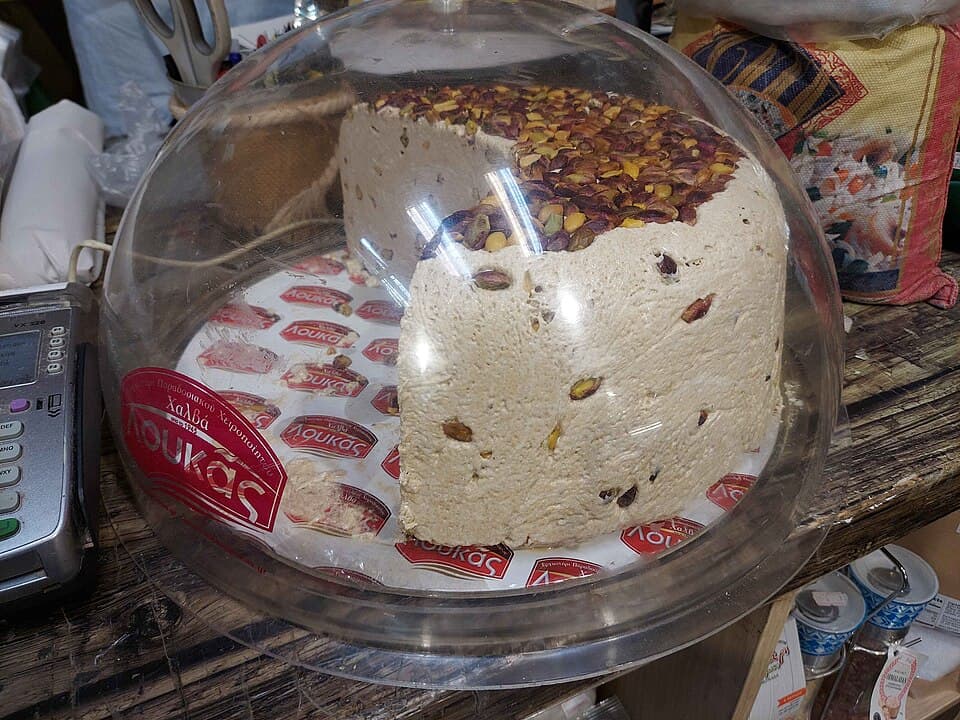
Halva
A sweet made from flour, butter, and sugar, often with nuts worked in.
Pishme
Fried dough balls soaked in syrup, not far off from doughnuts.

Melon
Turkmenistan is known for melons so sweet they need nothing else. Sliced fresh, they end the meal.
Traditional Beverages
Discover Turkmenistan's traditional drinks, from locally produced spirits to regional wines.
Vodka
Locally made vodka, poured for toasts and celebrations.

Turkmen Wine
Wines made in Turkmenistan; quality is hit and miss.
Soft Beverages
Discover Turkmenistan's traditional non-alcoholic drinks, from local teas to refreshing juices.
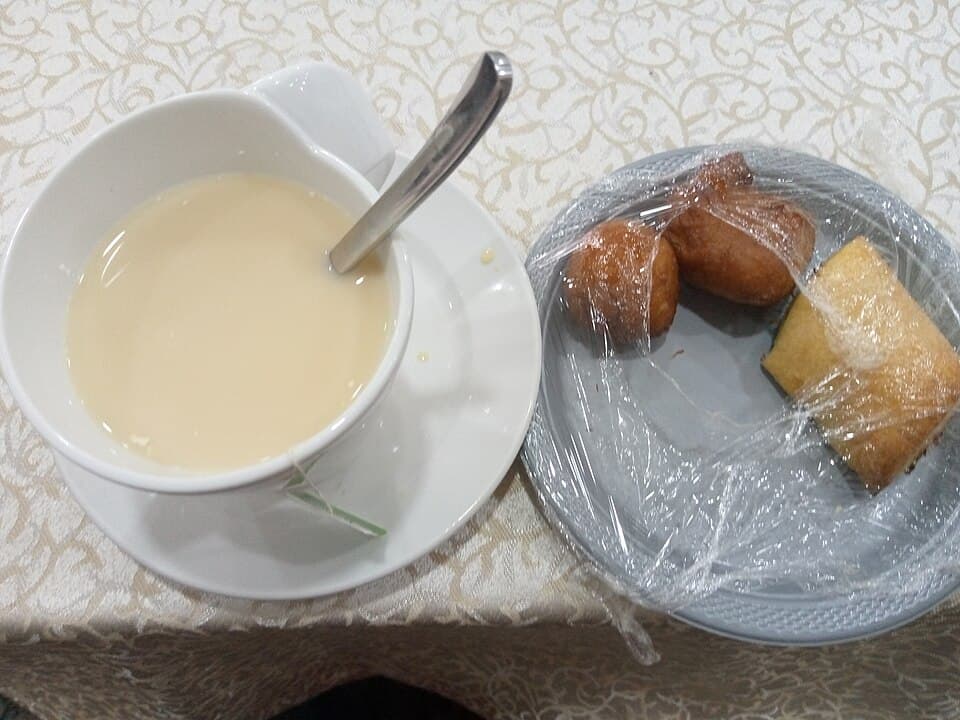
Turkmen Tea (Gok Chay)
Green tea is the national drink, poured into small cups all day long and usually set out alongside dried fruit and sweets.
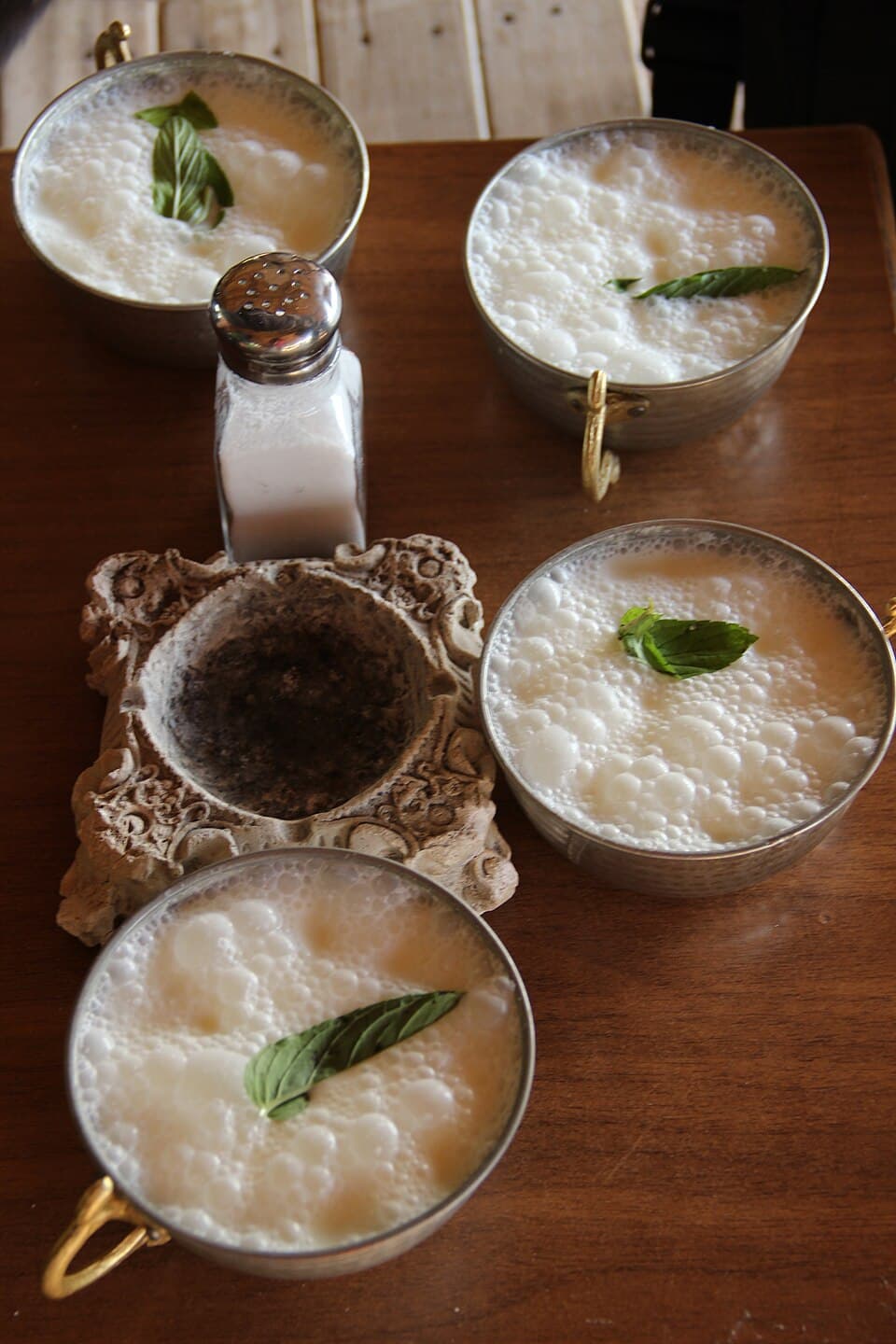
Ayran
A salted yogurt drink that cools you down, found all over Central Asia.
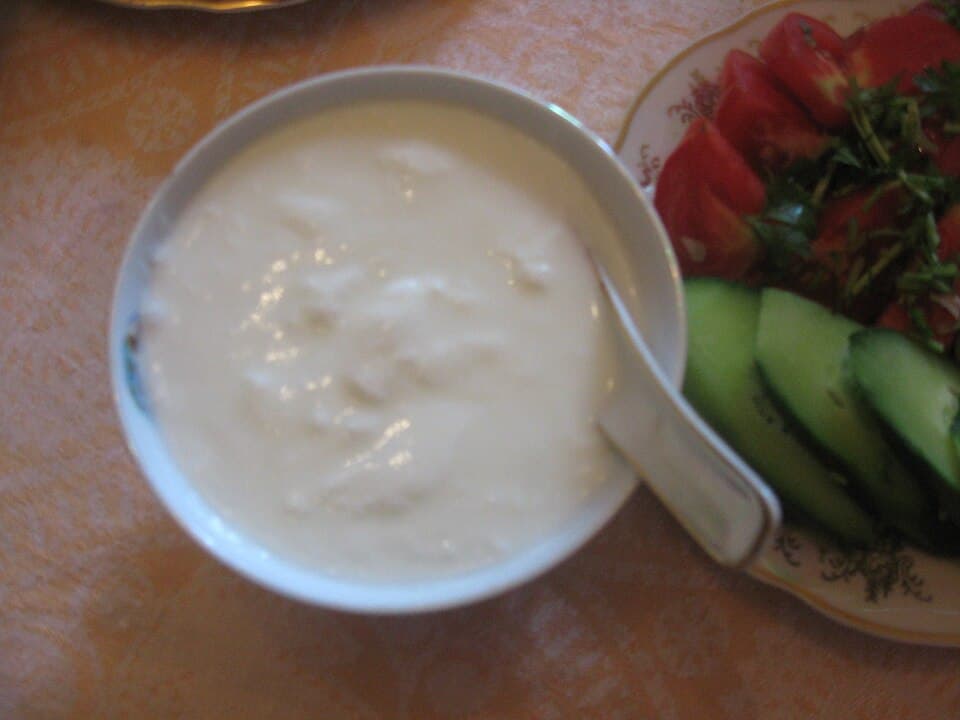
Gatyk
A fermented milk drink in the kefir family, with a tangy edge.
Shorbet
A sweet fruit drink, usually made from dried fruit.
Frequently Asked Questions
Essential information about food and dining in Turkmenistan.
What is the national dish of Turkmenistan?
Turkmenistan's most iconic dishes include Plov (Osh), Manty, Gutap. If Central Asia has a national dish, this is it. Turkmen plov is rice cooked down with chunks of lamb or beef, carrots, onions, and spices. Every region tweaks the recipe, but it always comes out aromatic and heavy enough to be a meal on its own.
Is street food safe in Turkmenistan?
Street food in Turkmenistan can be enjoyed safely by following these guidelines: Drink bottled water in most areas Choose busy vendors with high turnover. Look for busy vendors with high turnover, ensure food is cooked fresh and served hot, and avoid raw ingredients if you have a sensitive stomach.
What are the best restaurants in Turkmenistan?
Turkmenistan offers excellent dining experiences. Top-rated restaurants include Altyn Asyr. These establishments showcase authentic Turkmenistan cuisine with professional service and high-quality ingredients.
Can vegetarians find food easily in Turkmenistan?
Vegetarian options in Turkmenistan are lowly available. Turkmen cooking leans hard on meat. Vegetarians can fall back on vegetable-filled gutap, salads, and bread, with more choice in the cities.. Many restaurants offer vegetarian dishes, and you'll find plant-based ingredients featured prominently in local cuisine.
What is the average cost of a meal in Turkmenistan?
Meal costs in Turkmenistan depend on where you eat. Street food and casual local restaurants are very affordable, typically offering complete meals for a few dollars. Mid-range restaurants charge moderate prices, while fine dining establishments are comparably priced to Western countries.
What are common food allergens in Turkmenistan?
Common allergens in Turkmenistan cuisine include Dairy, Gluten, Nuts. Yogurt and other dairy show up across Turkmen cooking. These ingredients appear in dishes like Yogurt with manty, Chal (fermented camel milk). Always inform restaurant staff about your allergies.
When is the best time to visit Turkmenistan for food?
Turkmenistan offers great food experiences throughout the year. However, visiting during harvest seasons (typically spring and autumn) provides access to the freshest local ingredients. Food festivals and cultural celebrations also offer unique culinary experiences worth planning around.