
Malta Food Guide
Content Information
Recently updated🔥Current Food Trends 2026
What's happening in Malta's culinary scene right now
In 2026 Malta's kitchens still lean Mediterranean, with a steady run of younger chefs reworking the classics. Pastizzi hold their place as the default street snack, flaky pastries filled with ricotta or mushy peas and sold at corner pastizzerias. Fenkata, the rabbit stew slow-cooked in wine and garlic, remains the national dish. Lampuki (mahi mahi) runs from August to December and shapes coastal restaurant menus during those months. The UNESCO-listed ftira is showing up with fillings well past the usual tuna and capers. Vegan and vegetarian spots keep opening in the tourist towns. Winemakers continue working with indigenous grapes such as Girgentina and Gellewza, drawing on roughly two thousand years of local viticulture, while small breweries push craft beer against the established imports. Gozo has built a clear farm-to-table reputation around its cheeselets, honey, and vegetables. Mdina's medieval lanes hold Michelin-recognized dining rooms, and the rooftop Merkanti above the Valletta Food Market serves contemporary Maltese plates. Winter brings pumpkin soups and the local blood oranges. Timpana, the baked macaroni pie, still carries the Arab, Italian, and British threads that run through the island's cooking.
Food Safety Tips
Essential food safety information to help you enjoy Malta's cuisine safely and confidently.
Tap water is safe to drink
Malta's tap water meets EU standards and is safe to drink, though it can taste heavily of chlorine. Plenty of locals and visitors buy bottled water for that reason.
Pastizzerias are safe and authentic
Street food is safe, and pastizzi from established vendors are a reliable bet. Pick a pastizzeria with a steady queue, since the high turnover means the pastries come out fresh.
Check seasonal availability for best quality
Lampuki (mahi mahi) is at its best from August to December, when it is freshly caught. The Sunday fish market at Marsaxlokk sells seafood straight off the local boats.
Dietary Options
vegetarian
HIGH AVAILABILITYVegetarians have more to work with than they once did. Ricotta pastizzi, vegetable ftira, vegetable timpana, and bigilla (bean paste) all come from the traditional repertoire, and new vegan restaurants in Valletta and Sliema are filling out the rest.
vegan
MEDIUM AVAILABILITYVegan choices have grown, with dedicated restaurants now open in the tourist areas. Traditional Maltese cooking leans on dairy and meat, so the plant-based options tend to come from international restaurants and health-focused cafes.
gluten-free
MEDIUM AVAILABILITYAwareness of gluten-free needs is improving, but it stays tricky because wheat is everywhere here: bread, pastizzi, timpana, pasta. Easier to stick with dishes that are gluten-free to begin with, like fresh fish, grilled rabbit, vegetable plates, and rice-based meals.
Common Allergens
Seafood
HIGH PREVALENCESeafood is central to Maltese cuisine, especially lampuki fish, octopus, and shellfish
COMMONLY FOUND IN:
Dairy
HIGH PREVALENCERicotta cheese and dairy products are common in traditional dishes
COMMONLY FOUND IN:
Gluten
HIGH PREVALENCEWheat products are staples - bread, pastries, and pasta dominate
COMMONLY FOUND IN:
Essential Food Experiences
These iconic dishes represent the must-have culinary experiences that define Malta's food culture for travelers.

Pastizzi
Malta's signature street food: flaky diamond-shaped pastries filled with ricotta (tal-irkotta) or mushy peas (tal-piżelli). You'll find them at pastizzerias all over the island, and they're best eaten warm, straight from the tray.

Fenkata (Rabbit Stew)
The national dish: rabbit braised for about two hours in wine, garlic, tomatoes, and herbs. The meal usually opens with pasta dressed in the rabbit sauce, then moves on to the stewed rabbit itself with potatoes and carrots. It's a Sunday family ritual.

Ftira
A flat ring-shaped bread with a crunchy crust and dense crumb, listed by UNESCO as Intangible Cultural Heritage. It's typically stuffed with tuna, capers, sun-dried tomatoes, onions, olives, boiled eggs, and sometimes potatoes. Not to be confused with the Gozitan ftira, which is more of a pizza.
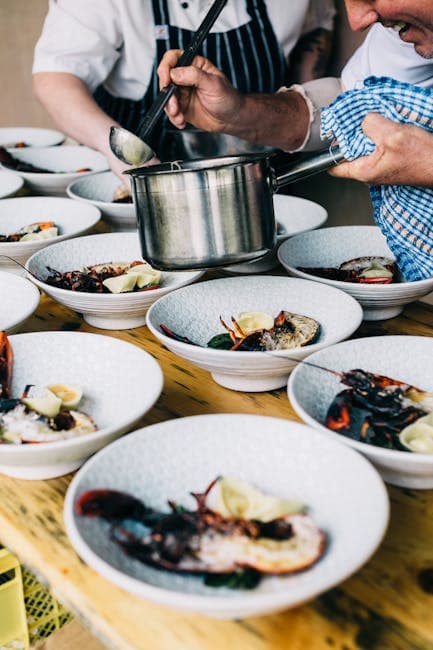
Lampuki Pie (Torta tal-Lampuki)
A seasonal pie made from August to December, when lampuki (mahi mahi) is running. The fish is baked in flaky pastry with spinach, cauliflower, olives, capers, and herbs, a dish that pulls together English, Arab, and Italian cooking. During the season, lampuki is Malta's unofficial national fish.

Timpana
A baked macaroni pie with meat sauce, hard-boiled eggs, and sometimes chicken livers, all wrapped in flaky pastry. It's Italian at heart but thoroughly Maltese, and it turns up at festive occasions and Sunday lunch.
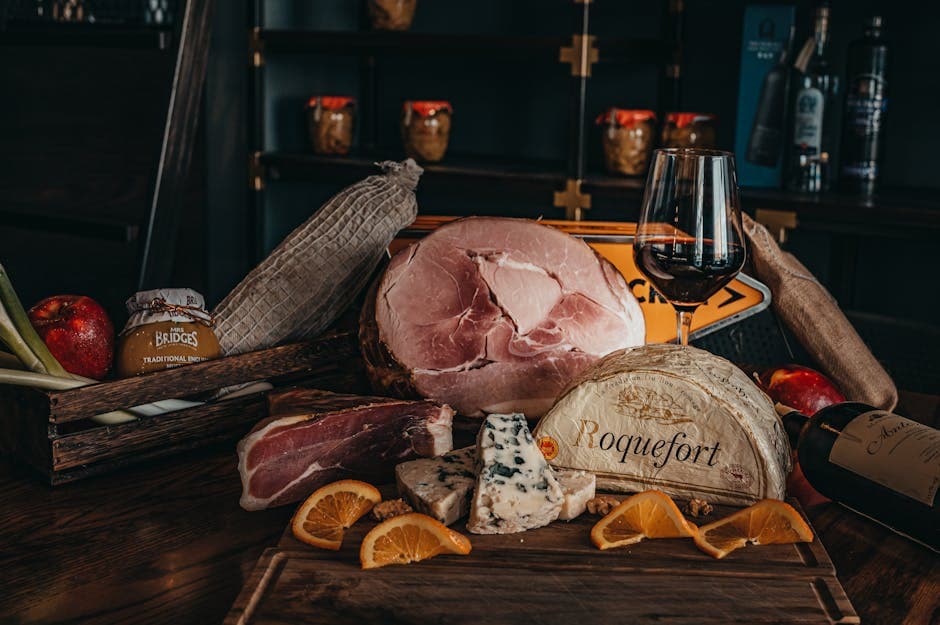
Aljotta
A Maltese fish soup of tomatoes, rice, garlic, and herbs. It's light but still has plenty of flavor, usually built around local rockfish and served as a starter.

Bragioli
Beef olives: thin slices of beef rolled around a breadcrumb stuffing of eggs, bacon, and parsley, then braised in red wine sauce. The Italian-influenced dish shows up often in Gozo and in home kitchens.

Hobz biz-Zejt
Maltese bread rubbed with ripe tomatoes, drizzled with olive oil, and topped with tuna, olives, capers, onions, and sun-dried tomatoes. It started as peasant food and is now an everyday snack. Much like ftira, but made with ordinary bread.

Stuffat tal-Qarnit
Octopus stewed slowly with red wine, garlic, tomatoes, peas, and potatoes until tender. It comes out of Malta's coastal fishing tradition and turns up both in seaside restaurants and at home.

Bigilla
A bean paste made from dried broad beans (tic beans), garlic, olive oil, and herbs. It's served as a dip with crackers or bread, or spread onto ftira. Filling and entirely vegetarian, it's a Maltese staple.

Gbejniet
Small round cheeselets made from sheep or goat milk, sold fresh, semi-dried, dried, or rolled in pepper. They carry their own distinct flavor and hold an EU geographical indication.
Regional Specialties & Local Favorites
Discover the authentic regional dishes and local favorites that showcase Malta's diverse culinary traditions.
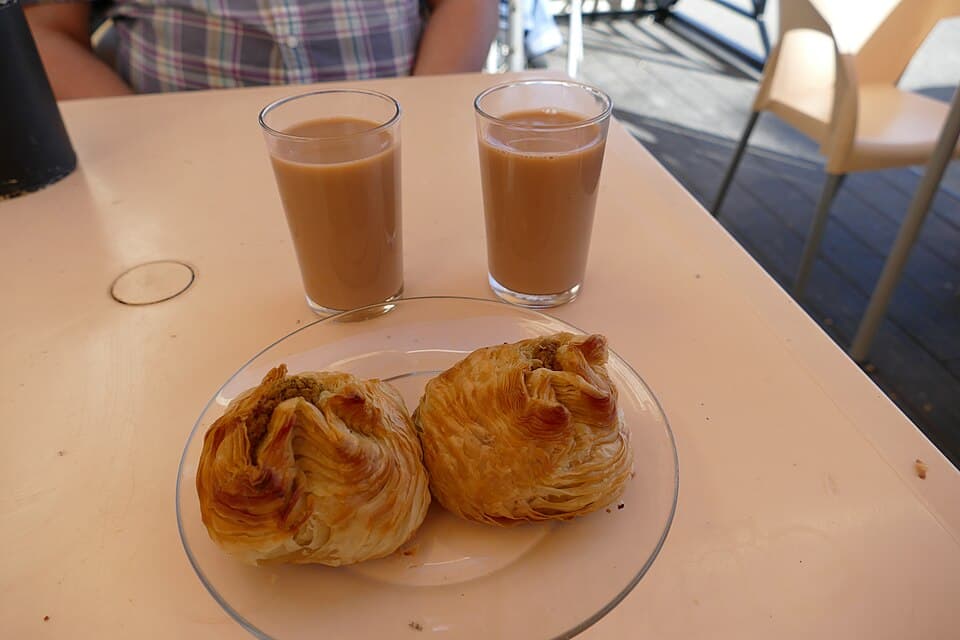
Qassatat
Savory pastries much like pastizzi but bigger, filled with ricotta, peas, or anchovies. A common breakfast or snack from bakeries and village festas.
Allergens:
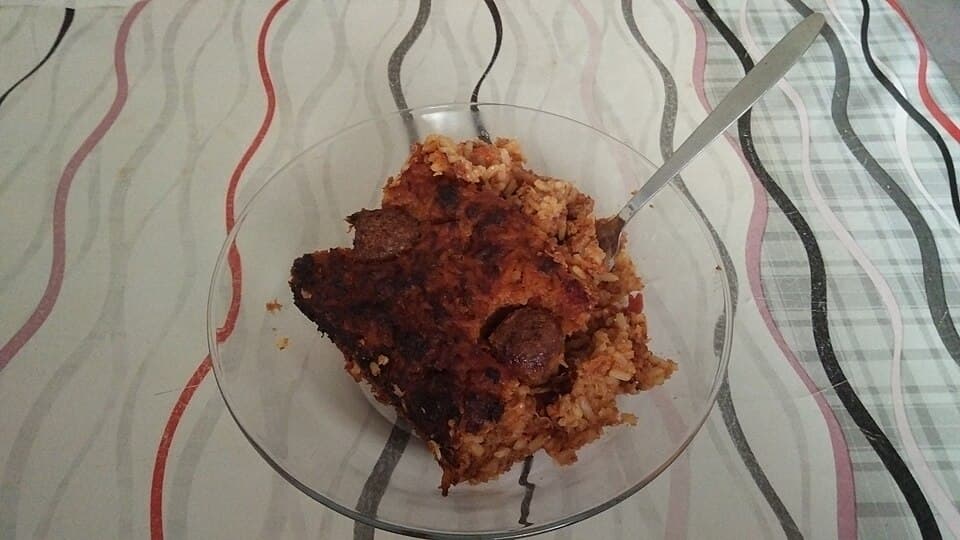
Ross il-Forn
A baked rice casserole with minced meat, eggs, saffron, and tomato sauce. It shows up at family gatherings and is a cousin of the Italian timballo.
Allergens:
Bebbux
Snails cooked in garlic, olive oil, and herbs. A village festa dish, especially during the June feasts. It takes some getting used to, but it's genuinely Maltese.
Soppa tal-Armla
Widow's soup, a meatless winter soup of vegetables and gbejniet cheese. It's filling, made with the local cheese, potatoes, and whatever vegetables are in season.
Allergens:
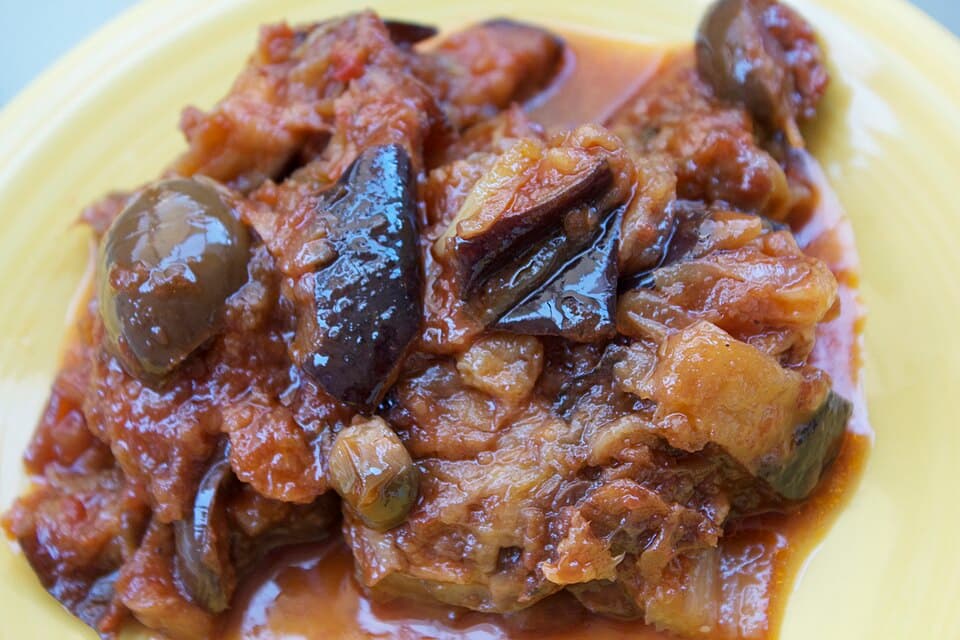
Kapunata
The Maltese take on ratatouille, with eggplant, peppers, tomatoes, capers, and olives. Sugar and vinegar give it a sweet-sour edge. It's served as a side or appetizer.
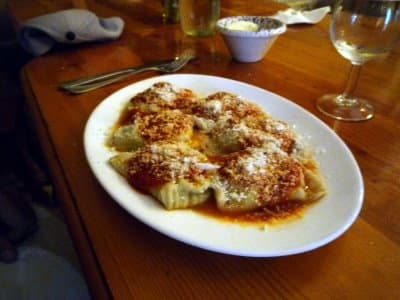
Ravjul
Maltese ravioli stuffed with ricotta and either deep-fried or baked. A festive dish at village celebrations, it's Italian pasta filtered through a Maltese kitchen.
Allergens:
Minestra
A vegetable soup of broad beans, peas, artichokes, and small pasta (kusksu). It's a winter dish that leans on whatever Maltese vegetables are in season.
Allergens:
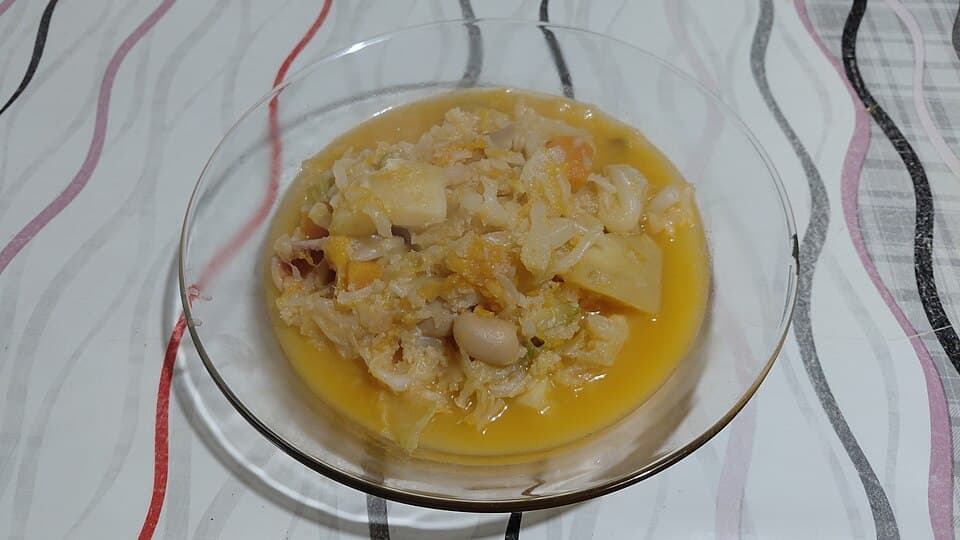
Kawlata
A fish soup with cauliflower, tomatoes, and garlic. Lighter than aljotta, it puts the fresh vegetables alongside the seafood.
Allergens:
Regional Cuisine Highlights
Explore the diverse culinary landscapes across different regions of Malta.
Valletta
The capital carries centuries of history alongside a fine-dining scene that keeps shifting. British colonial habits like fish and chips sit next to the Arab agricultural legacy of citrus, almonds, and spice blends, and an Italian pasta culture runs through it all. Market stalls, cafes, bars, and Michelin-recognized restaurants share the same streets, and the Merkanti rooftop serves contemporary Maltese cooking.
Cultural Significance:
Valletta holds Malta's mixed food identity, with British, Arab, and Italian influences layered over centuries. The capital's cooking keeps one foot in tradition and one in whatever comes next.
Signature Dishes:
Key Ingredients:

Mdina & Rabat
The walled city and neighboring Rabat carry Malta's Arab-influenced cooking. The Muslim period (870-1091) brought citrus, almonds, irrigation, spice blends, and slow-braising methods. Today the medieval stone buildings house both Michelin-starred restaurants and old-school pastizzerias. Arab farming knowledge reshaped how the islands cook.
Cultural Significance:
The Mdina-Rabat area keeps Malta's Arab culinary legacy alive. The architecture is medieval, and so are the spice-infused cooking traditions that go with it.
Signature Dishes:
Key Ingredients:

Gozo
Malta's fertile sister island is the country's food bowl. Local growers and producers turn out the vegetables, cheeselets (gbejniet), honey, and seafood that hold up Gozitan cooking. Here you get farm-to-table freshness, rustic eateries, handmade ftira (the pizza-style version, not the Maltese one), and bragioli beef olives. Village restaurants source close to home.
Cultural Significance:
Gozo is where Maltese farming heritage and small-scale food production carry on. The island's slower pace keeps the old cooking methods, the farm-to-table habit, and family recipes going.
Signature Dishes:
Key Ingredients:
Sweet Delights & Desserts
Indulge in Malta's traditional sweet treats and desserts.

Imqaret
Diamond-shaped pastries filled with dates and deep-fried until crisp. A street sweet sold at village festas and pastizzerias.

Kannoli tal-Irkotta
The Maltese take on Italian cannoli: crisp pastry tubes filled with sweetened ricotta, adapted to local tastes.

Helwa tat-Tork
A Turkish-delight-style sweet made from crushed almonds and sugar, sometimes with vanilla or chocolate. It traces back to Arab influence on Maltese sweets.
Figolli
Almond-filled Easter pastries shaped like rabbits, fish, hearts, or lambs, decorated with icing and colored eggs. They turn up every Easter.

Prinjolata
A Carnival cake: sponge layered with ricotta, candied fruit, and pine nuts, then covered in whipped cream and maraschino cherries. It appears during Carnival season in February.
Traditional Beverages
Discover Malta's traditional drinks, from locally produced spirits to regional wines.
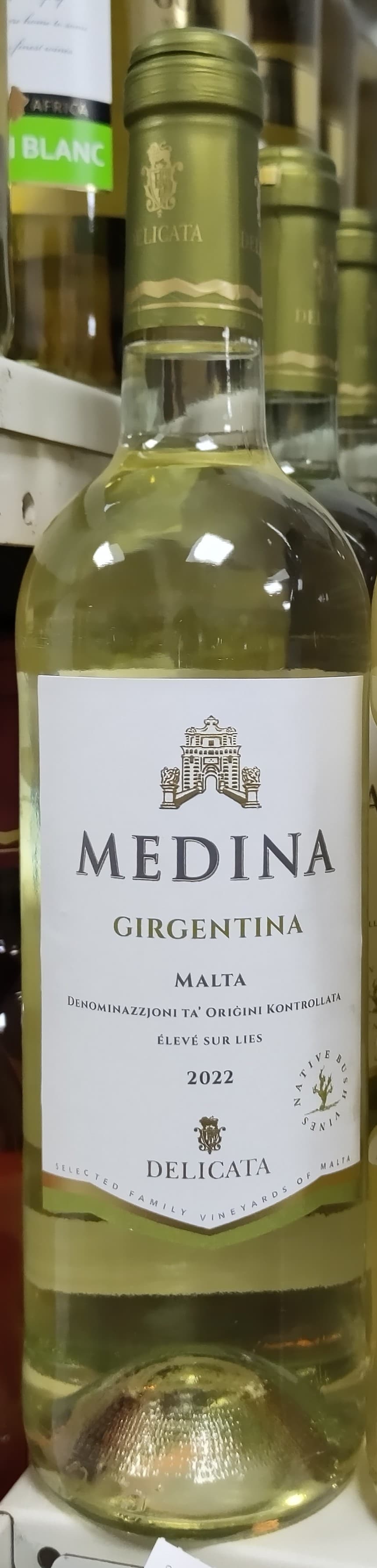
Maltese Wine
Wines made from indigenous grapes, Girgentina and Gellewza, backed by roughly two thousand years of local winemaking. Several wineries run tastings and tours.
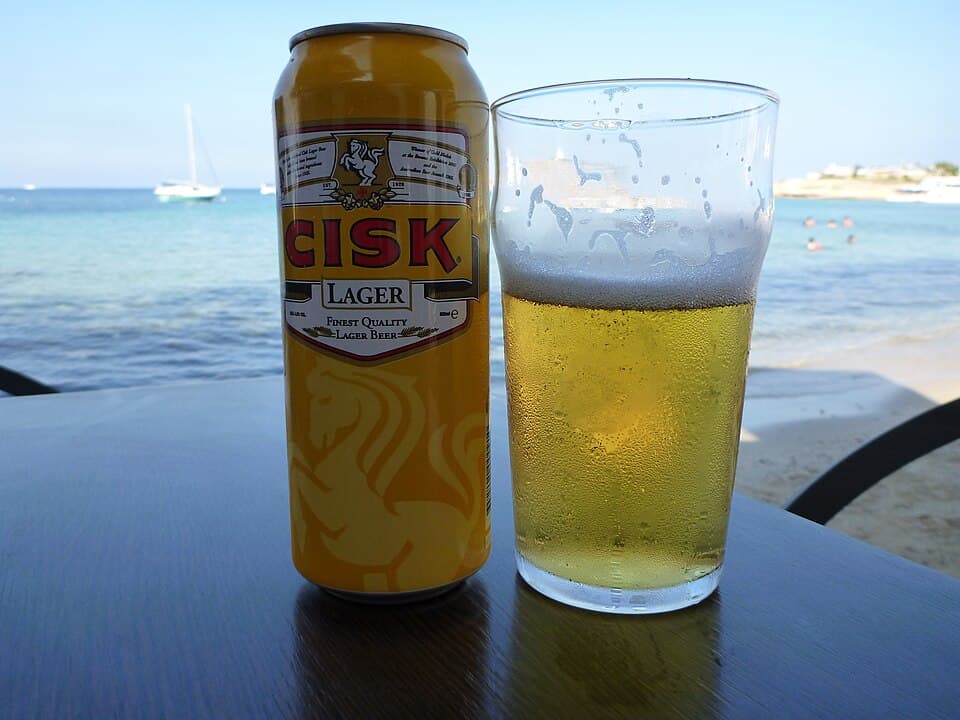
Cisk Lager
Malta's local beer since 1929. A light lager that suits the Mediterranean heat, drunk with meals and at get-togethers.
Soft Beverages
Discover Malta's traditional non-alcoholic drinks, from local teas to refreshing juices.
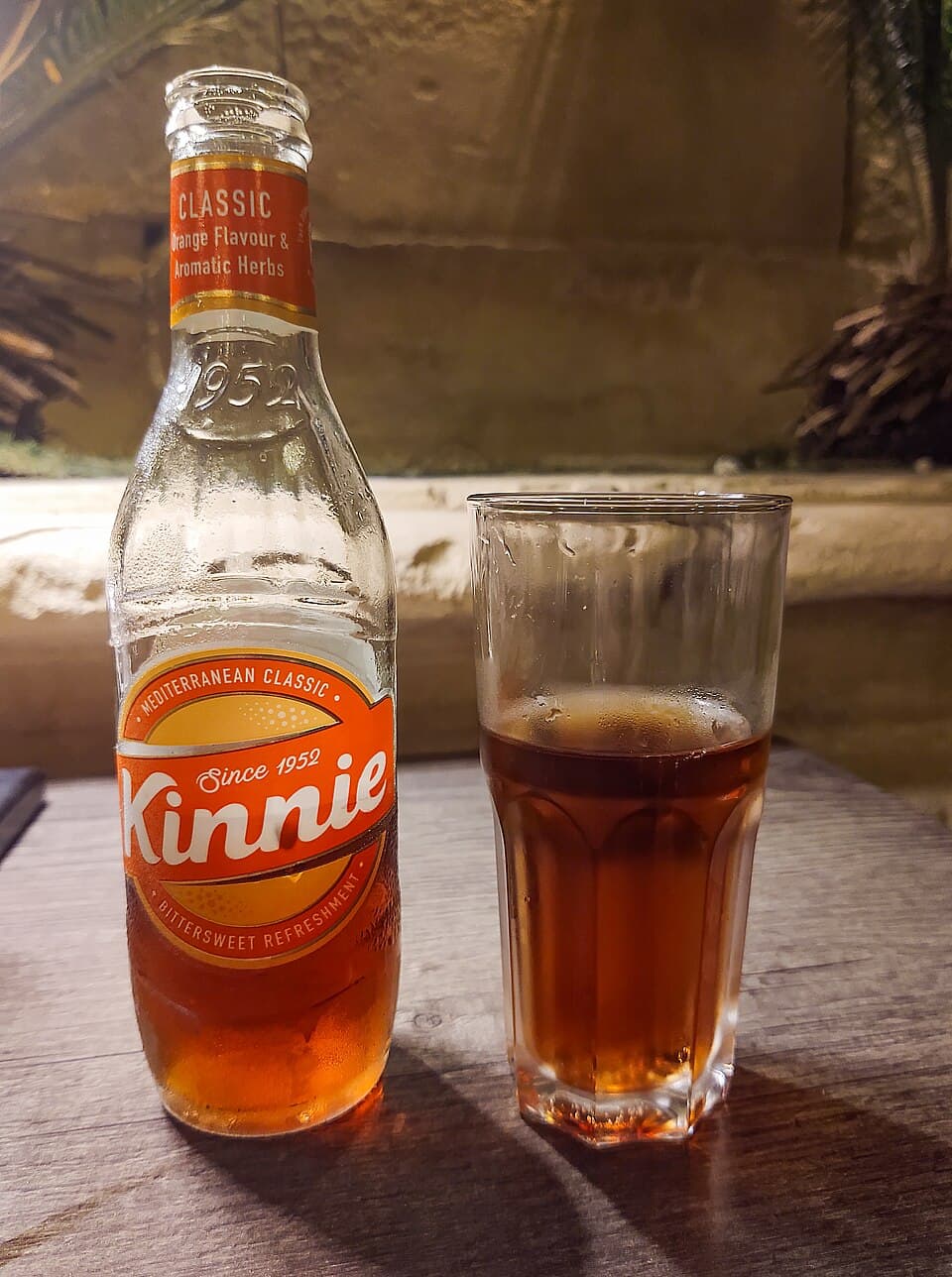
Kinnie
Malta's national soft drink since 1952, a bittersweet fizzy drink made from bitter oranges and aromatic herbs. The flavor takes some getting used to.
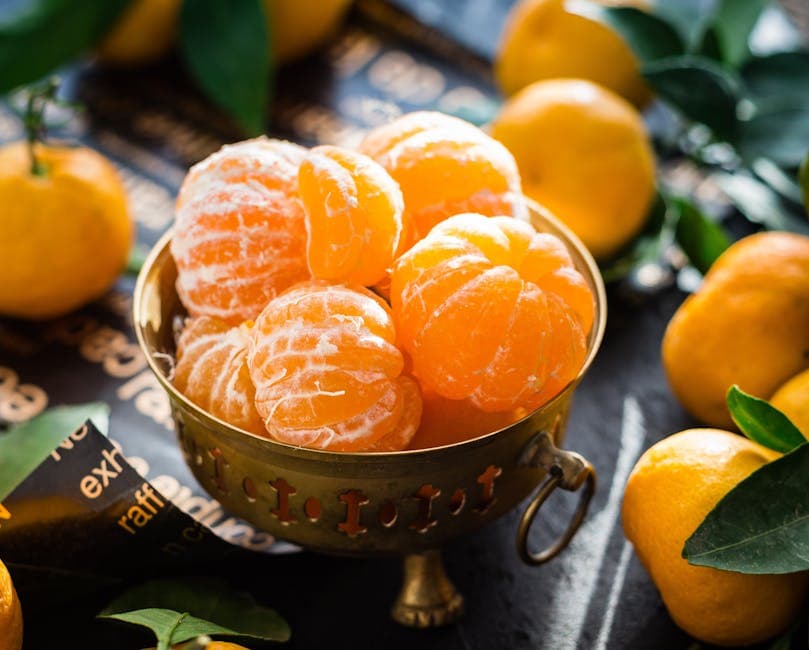
Maltese Orange Juice
Fresh juice pressed from winter blood oranges, deep in flavor and sweet-tart, from local citrus groves.
Frequently Asked Questions
Essential information about food and dining in Malta.
What is the national dish of Malta?
Malta's most iconic dishes include Pastizzi, Fenkata (Rabbit Stew), Ftira. Malta's signature street food: flaky diamond-shaped pastries filled with ricotta (tal-irkotta) or mushy peas (tal-piżelli). You'll find them at pastizzerias all over the island, and they're best eaten warm, straight from the tray.
Is street food safe in Malta?
Street food in Malta can be enjoyed safely by following these guidelines: Tap water is safe to drink Pastizzerias are safe and authentic. Look for busy vendors with high turnover, ensure food is cooked fresh and served hot, and avoid raw ingredients if you have a sensitive stomach.
What are the best restaurants in Malta?
Malta offers diverse dining options from street food stalls to upscale restaurants. For the best experience, ask locals for recommendations, check recent reviews, and look for restaurants that specialize in regional cuisines.
Can vegetarians find food easily in Malta?
Vegetarian options in Malta are highly available. Vegetarians have more to work with than they once did. Ricotta pastizzi, vegetable ftira, vegetable timpana, and bigilla (bean paste) all come from the traditional repertoire, and new vegan restaurants in Valletta and Sliema are filling out the rest.. Many restaurants offer vegetarian dishes, and you'll find plant-based ingredients featured prominently in local cuisine.
What is the average cost of a meal in Malta?
Meal costs in Malta depend on where you eat. Street food and casual local restaurants are very affordable, typically offering complete meals for a few dollars. Mid-range restaurants charge moderate prices, while fine dining establishments are comparably priced to Western countries.
What are common food allergens in Malta?
Common allergens in Malta cuisine include Seafood, Dairy, Gluten. Seafood is central to Maltese cuisine, especially lampuki fish, octopus, and shellfish. These ingredients appear in dishes like Lampuki pie, Aljotta fish soup. Always inform restaurant staff about your allergies.
When is the best time to visit Malta for food?
Malta offers great food experiences throughout the year. However, visiting during harvest seasons (typically spring and autumn) provides access to the freshest local ingredients. Food festivals and cultural celebrations also offer unique culinary experiences worth planning around.