
Togo Food Guide
Content Information
Recently updated🔥Current Food Trends 2026
What's happening in Togo's culinary scene right now
In 2026, young cooks in Lomé are rethinking how traditional food is plated, putting their own spin on fufu and akume and posting the results online. Organic farming and farm-to-table cooking are catching on. A handful of food trucks now park around the city with fusion versions of koklo meme and grilled fish. Togolese coffee is starting to travel beyond the country's borders, and specialty cafes have opened in the capital. Older maquis restaurants are updating their look without changing how the food tastes, which pulls in locals and visitors alike. Posts on social media keep steering travelers toward lesser-known fufu bars and beachside grills.
Food Safety Tips
Essential food safety information to help you enjoy Togo's cuisine safely and confidently.
Drink only bottled or purified water
Tap water is not safe for drinking. Always use bottled water and avoid ice cubes unless certain they are made from purified water.
Choose busy vendors with high turnover
Stalls with a steady line cook to order and turn their stock over fast, so the food rarely sits. Fufu bars and grilled-meat vendors are usually a safe bet.
Be cautious with foods left at room temperature
Togo's heat spoils food quickly, so skip anything that has been sitting out. Stick to dishes served hot off the fire or cooked within the hour.
Dietary Options
vegetarian
MEDIUM AVAILABILITYYou can eat well on akume, red-red bean stew, vegetable sauces, and fried plantains. Most traditional cooking leans on meat, but meat-free plates are easy enough to find.
vegan
LOW AVAILABILITYEating vegan takes some care. Palm-oil and vegetable sauces without meat do exist, but many sauces are built on fish or meat stock, so spell out what you need before ordering.
gluten-free
HIGH AVAILABILITYPlenty of traditional dishes are gluten-free by default, built on cassava, yams, plantains, and rice. Fufu and akume are both safe choices.
Common Allergens
Peanuts
HIGH PREVALENCEPeanuts and peanut sauces are widely used
COMMONLY FOUND IN:
Fish
HIGH PREVALENCEFish and fish products are staples in coastal cuisine
COMMONLY FOUND IN:
Palm Oil
HIGH PREVALENCEPalm oil is used extensively in cooking
COMMONLY FOUND IN:
Essential Food Experiences
These iconic dishes represent the must-have culinary experiences that define Togo's food culture for travelers.
Fufu
Togo's defining staple, made by pounding yam, cassava, or plantain into a smooth, stretchy dough. You tear off a piece and use it to scoop up sauces and stews.
Koklo Meme
Chicken marinated in ginger, garlic, and spices, then grilled over coals. The trick local cooks pride themselves on is keeping the meat juicy under a charred, well-seasoned crust.

Akume
Breakfast porridge of ground corn and fermented cassava. It is filling and slow to digest, the kind of morning meal that keeps you going until lunch.

Palm Nut Soup
Orange-red soup pressed from palm nuts and usually cooked with fish or meat. It is a West African mainstay and a fixture of Togolese home cooking.

Ablo
Soft, faintly sweet steamed rice cakes that eat a bit like bread. People have them at breakfast or as a snack alongside a spicy sauce.

Djenkoume
A corn-based staple in the fufu family, though grainier on the tongue. It comes with whatever sauce or stew is on offer.
Red-Red
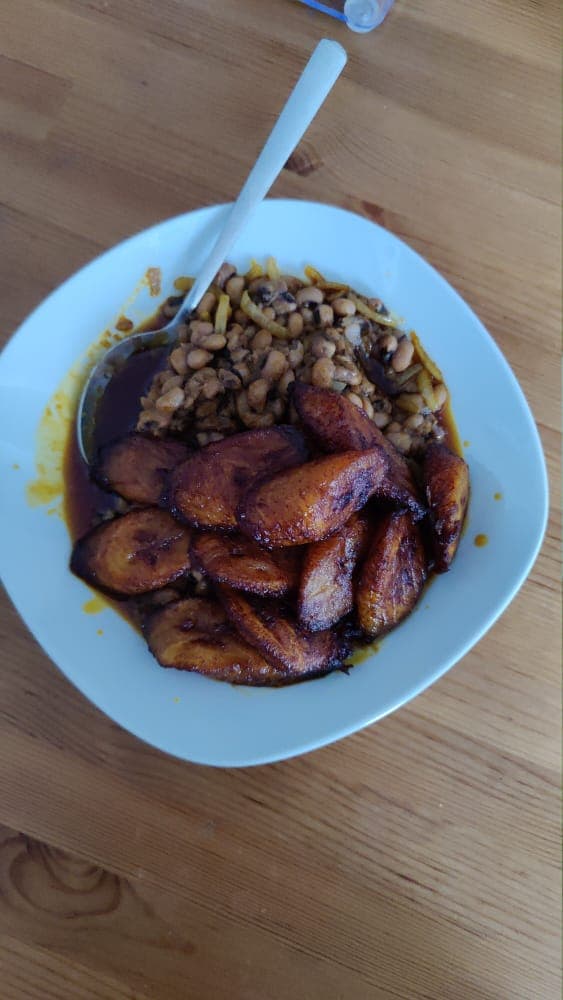
Black-eyed pea stew cooked down in palm oil, which turns it deep red. It usually arrives with fried plantains on the side.

Akoume
Fermented corn dough with a pronounced sour edge, common in the south of the country.

Grilled Fish (Poisson Braisé)
Fish straight from the Gulf of Guinea, grilled over charcoal and served with a hot pepper sauce. You find it best along the coast.
Peanut Soup (Soupe d'Arachide)
Creamy soup built on groundnut paste with vegetables and, often, some meat. Few West African dishes feel more like comfort food.
Regional Specialties & Local Favorites
Discover the authentic regional dishes and local favorites that showcase Togo's diverse culinary traditions.
Alloco
Region: Nationwide
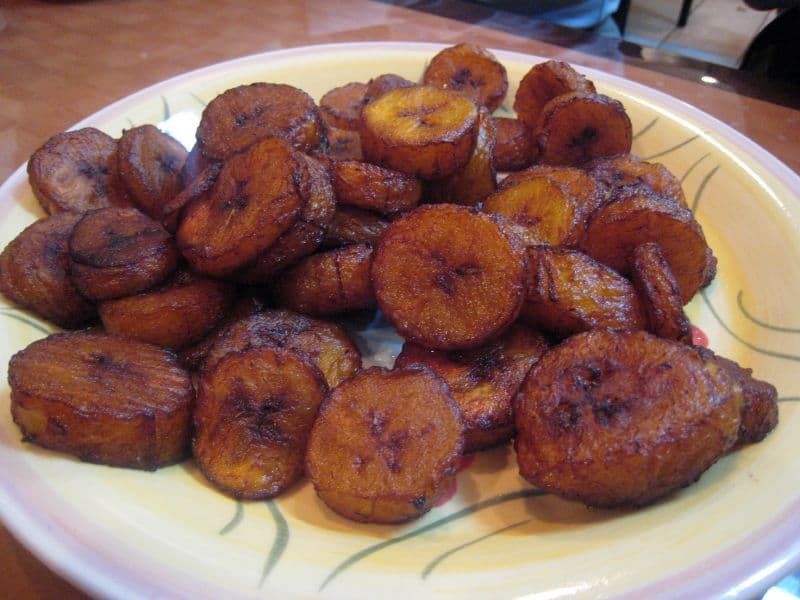
Fried plantains with a spicy pepper sauce, and sometimes a piece of grilled fish. A street snack people never seem to tire of.
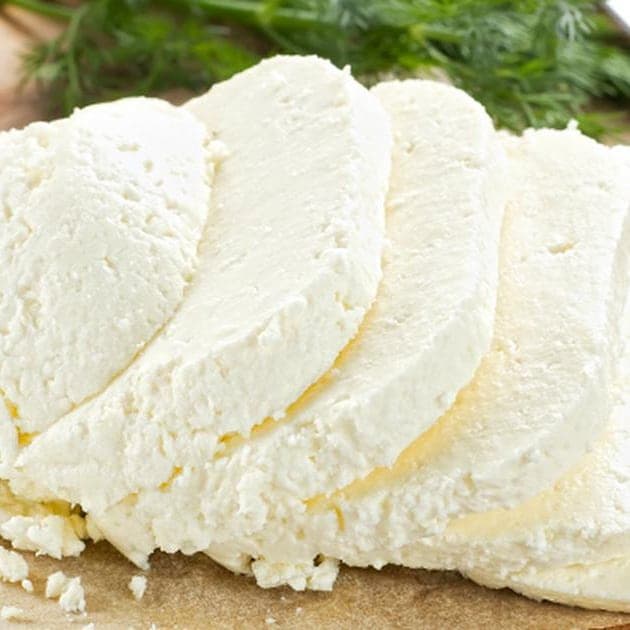
Wagasi
Region: Northern Togo
A Togolese cow's-milk cheese, usually grilled or fried until the edges crisp.
Allergens:
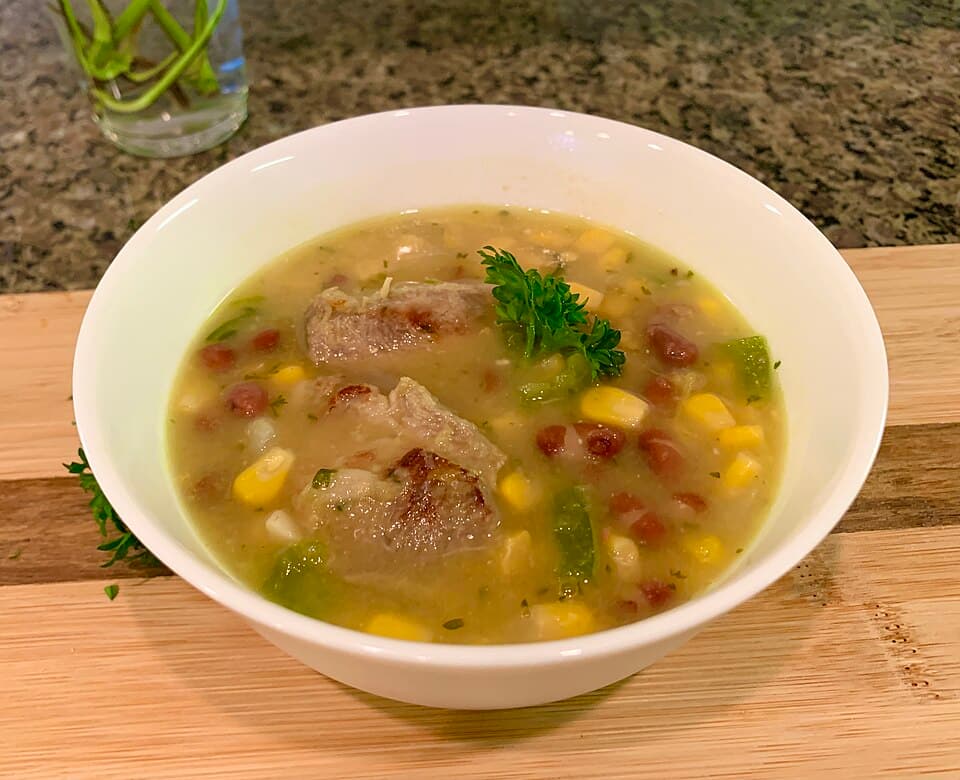
Tchaka
Region: Nationwide
A filling bean and corn stew, simmered slowly with palm oil and spices.
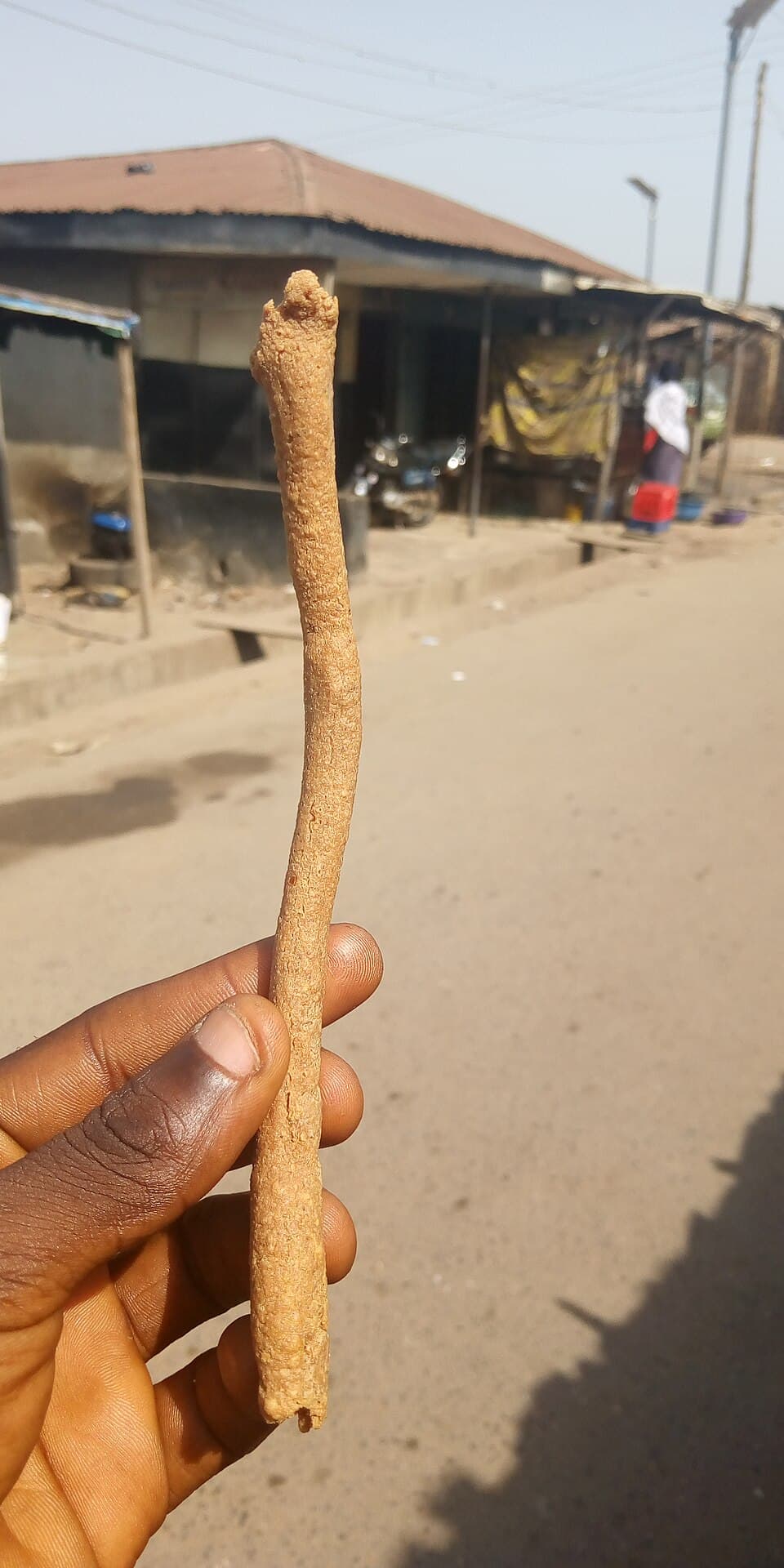
Kuli Kuli
Region: Nationwide
Crunchy peanut fritters sold everywhere as a snack and street food.
Allergens:
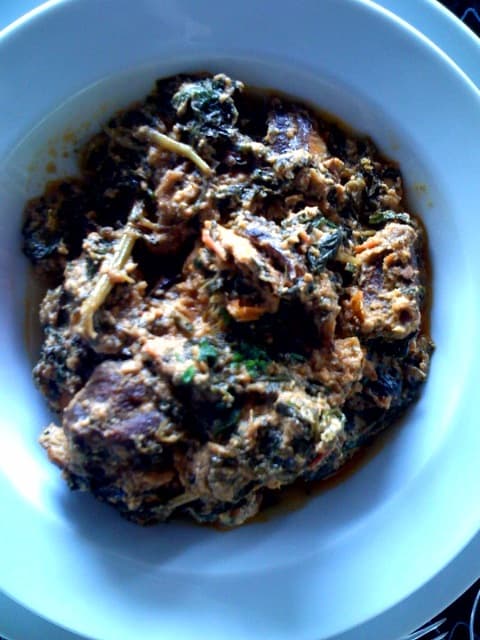
Gboma Dessi
Region: Nationwide
Spinach stew with tomatoes, onions, and spices, most often eaten with fufu.
Yovo Doko
Region: Nationwide
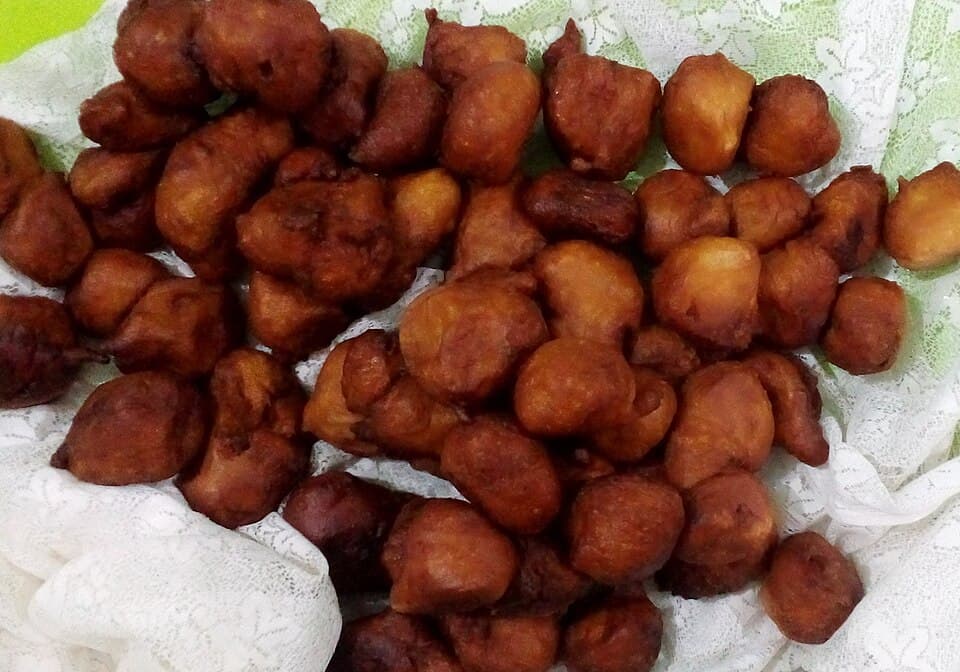
Lightly sweet fried dough balls, the usual companion to a morning coffee.
Allergens:
Akoumé Dessi
Region: Southern Togo
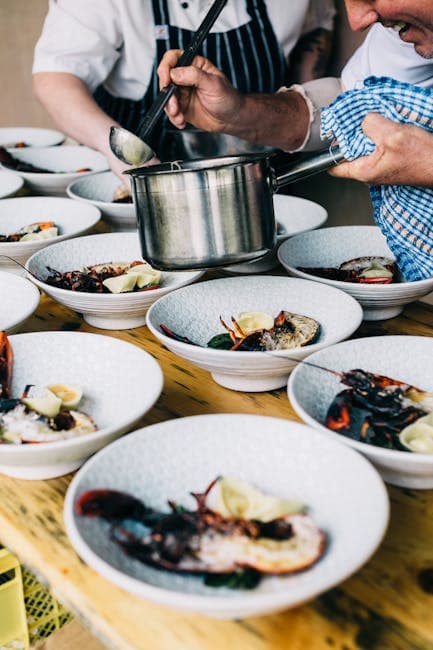
Fermented corn dough served with whatever sauce is going, a Lomé staple.
Kelewele
Region: Nationwide
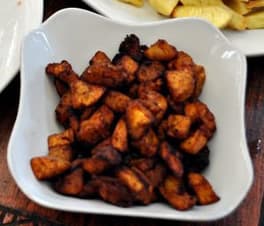
Fried plantains seasoned hard with ginger and pepper.
Regional Cuisine Highlights
Explore the diverse culinary landscapes across different regions of Togo.
Lomé (Coastal)
In the capital you eat fresh seafood from the Gulf of Guinea alongside traditional Togolese plates, with French cooking and other imported flavors mixed in.
Cultural Significance:
Lomé cooking sits at the meeting point of coastal fishing, French colonial habits, and the many ethnic kitchens of the city.
Signature Dishes:
Key Ingredients:
Northern Togo
The drier climate pushes the cooking toward grains, dried meats, and the local cheese the region is known for.
Cultural Significance:
The food up north carries Sahelian influence and leans on old methods of preserving meat and dairy.
Signature Dishes:
Key Ingredients:
Central Plateau
The farming heartland, where the yams, cassava, and corn behind so many traditional dishes are grown.
Cultural Significance:
The plateau's good soil keeps small-scale farming and old ways of preparing food alive.
Signature Dishes:
Key Ingredients:
Sweet Delights & Desserts
Indulge in Togo's traditional sweet treats and desserts.
Beignets
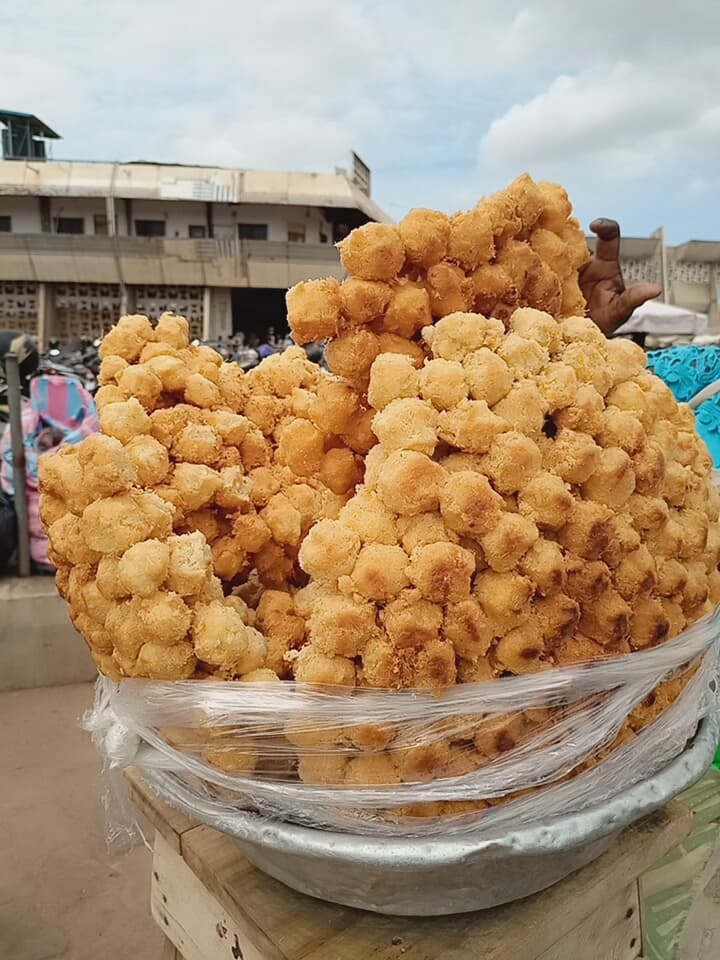
Sweet fried dough balls, usually dusted with sugar. People eat them at breakfast or as a snack.
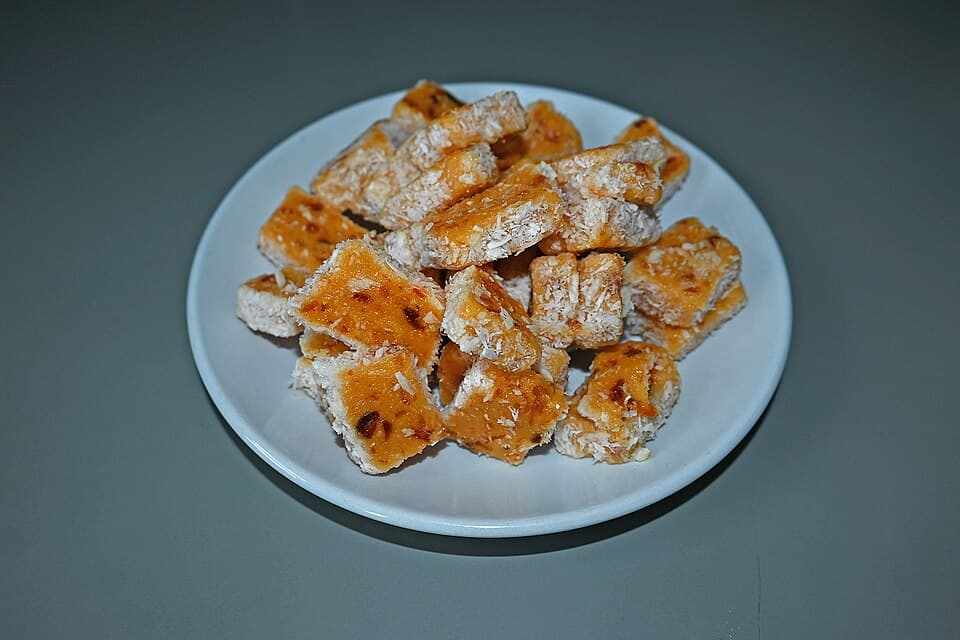
Coconut Candy
Chewy coconut-and-sugar sweets sold off street carts.
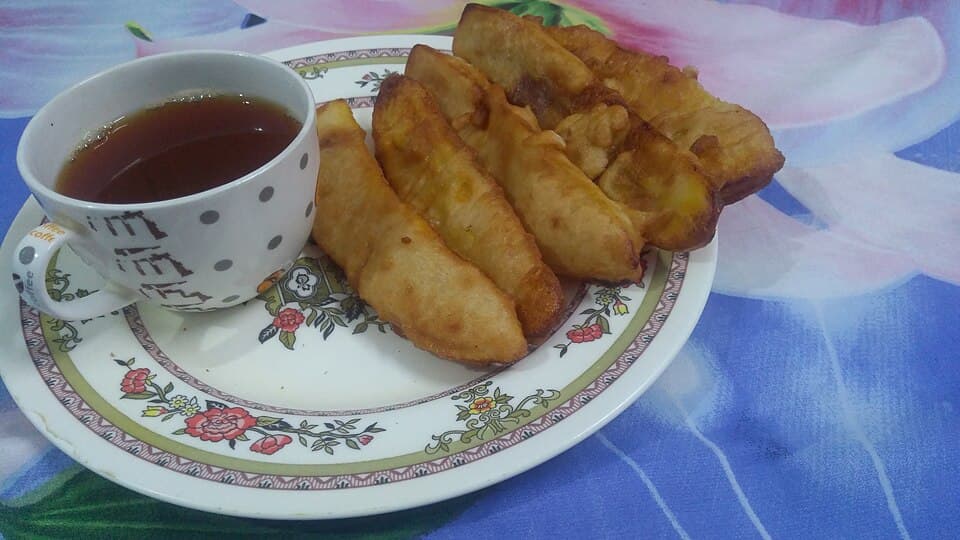
Banana Fritters
Ripe bananas dipped in batter and fried, crisp outside and soft and sweet within.
Traditional Beverages
Discover Togo's traditional drinks, from locally produced spirits to regional wines.
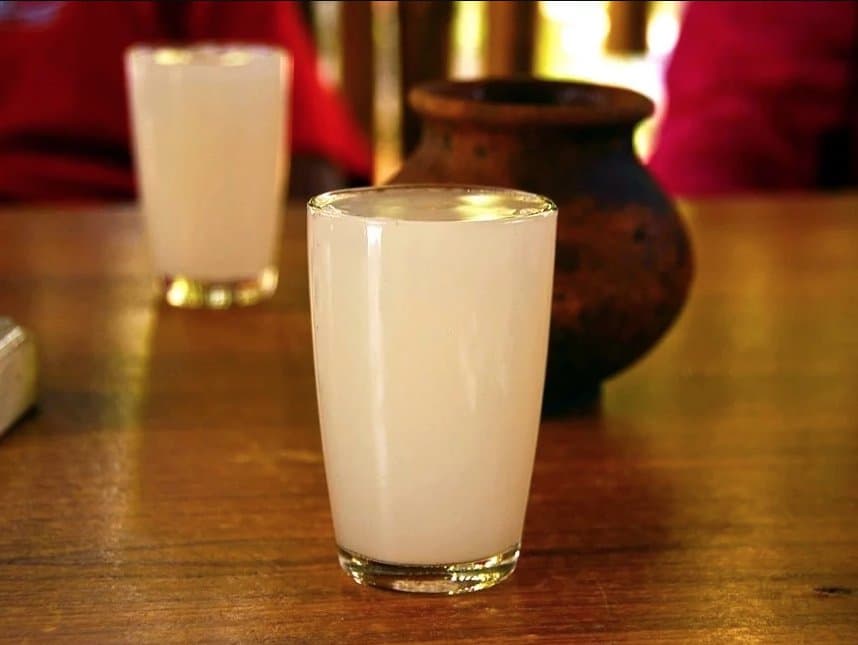
Palm Wine
Fermented palm-tree sap, lightly alcoholic with a sweet-sour taste that sharpens as the day goes on.

Sodabi
A strong spirit distilled from palm wine, and Togo's traditional liquor.
Soft Beverages
Discover Togo's traditional non-alcoholic drinks, from local teas to refreshing juices.
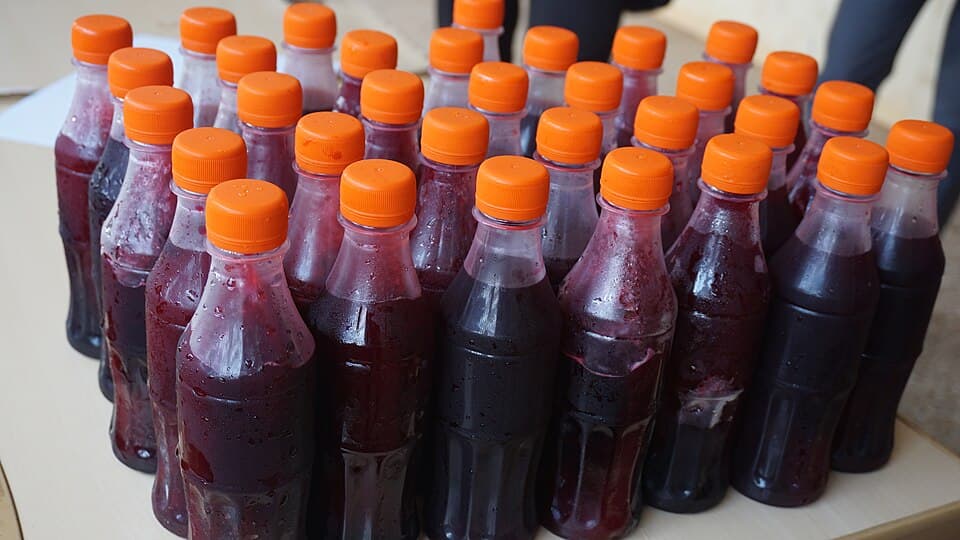
Bissap (Hibiscus Drink)
Cold hibiscus-flower drink, sweetened and finished with mint.
Ginger Juice
Fresh ginger pressed with lemon and sugar, with a real kick to it.
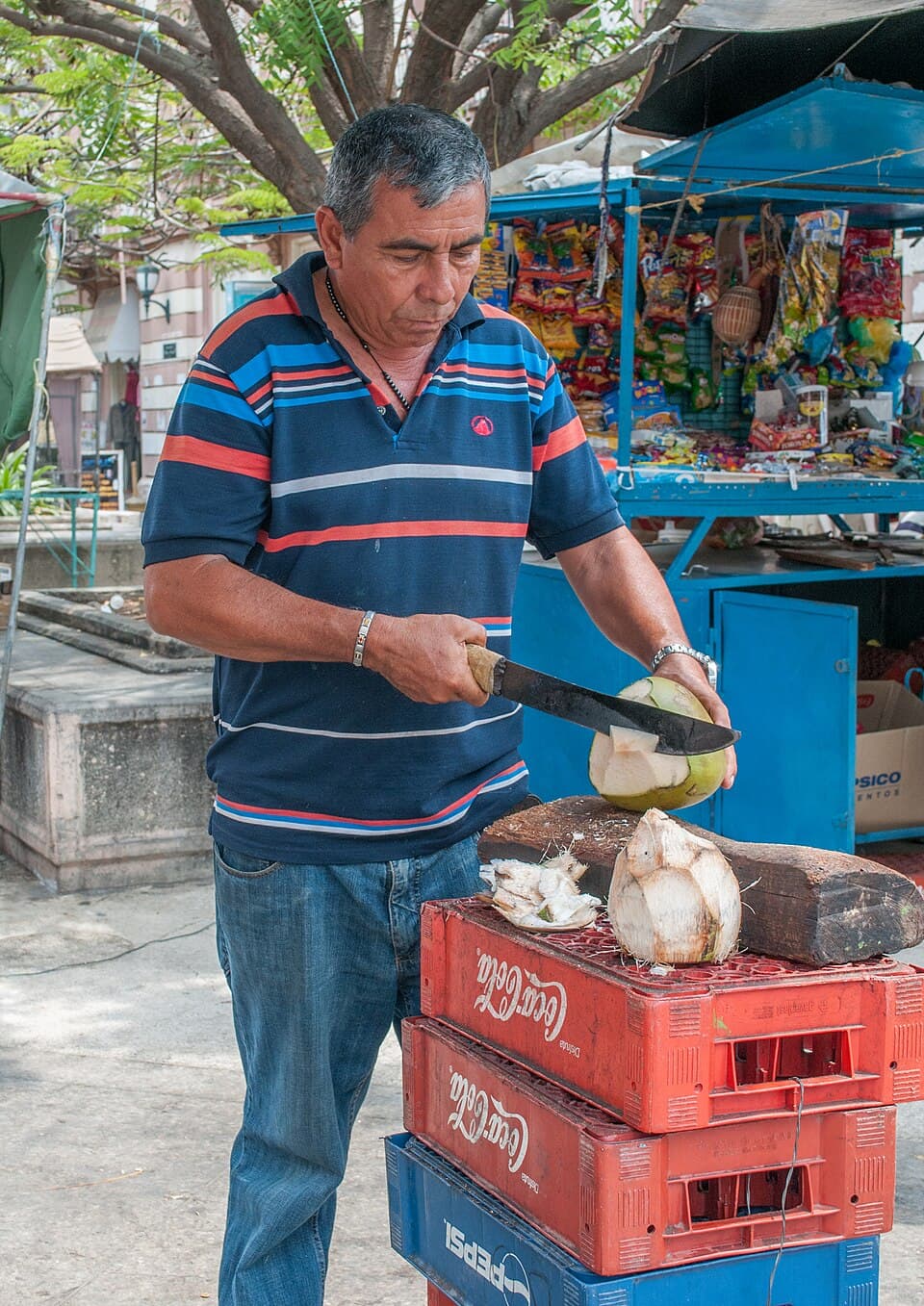
Fresh Coconut Water
Coconut water drunk straight from the nut, sold by roadside vendors along the coast.

Togolese Coffee
Strong coffee grown in-country, usually poured sweet.
Frequently Asked Questions
Essential information about food and dining in Togo.
What is the national dish of Togo?
Togo's most iconic dishes include Fufu, Koklo Meme, Akume. Togo's defining staple, made by pounding yam, cassava, or plantain into a smooth, stretchy dough. You tear off a piece and use it to scoop up sauces and stews.
Is street food safe in Togo?
Street food in Togo can be enjoyed safely by following these guidelines: Drink only bottled or purified water Be cautious with foods left at room temperature. Look for busy vendors with high turnover, ensure food is cooked fresh and served hot, and avoid raw ingredients if you have a sensitive stomach.
What are the best restaurants in Togo?
Togo has a vibrant restaurant scene. Popular dining spots include Maquis le Metis, Coco Beach Restaurant, Sika Sika. These venues offer authentic local flavors in welcoming atmospheres.
Can vegetarians find food easily in Togo?
Vegetarian options in Togo are mediumly available. You can eat well on akume, red-red bean stew, vegetable sauces, and fried plantains. Most traditional cooking leans on meat, but meat-free plates are easy enough to find.. Many restaurants offer vegetarian dishes, and you'll find plant-based ingredients featured prominently in local cuisine.
What is the average cost of a meal in Togo?
Meal costs in Togo depend on where you eat. Street food and casual local restaurants are very affordable, typically offering complete meals for a few dollars. Mid-range restaurants charge moderate prices, while fine dining establishments are comparably priced to Western countries.
What are common food allergens in Togo?
Common allergens in Togo cuisine include Peanuts, Fish, Palm Oil. Peanuts and peanut sauces are widely used. These ingredients appear in dishes like Peanut soup, Sauces. Always inform restaurant staff about your allergies.
When is the best time to visit Togo for food?
Togo offers great food experiences throughout the year. However, visiting during harvest seasons (typically spring and autumn) provides access to the freshest local ingredients. Food festivals and cultural celebrations also offer unique culinary experiences worth planning around.