
Lesotho Food Guide
Content Information
Recently updated🔥Current Food Trends 2026
What's happening in Lesotho's culinary scene right now
In 2026, what people eat in Lesotho still tracks closely with what the land at 1,400 to 3,482 metres will grow: maize and sorghum, mostly. Papa, the stiff maize porridge, turns up at nearly every meal, usually alongside moroho (wild greens). It is cheap, filling, and carries a lot of cultural weight. Motoho, the fermented sorghum porridge, remains the standard breakfast, tangy and made to recipes handed down through families. Maseru's restaurants keep multiplying. No.7 at Kick4Life runs as a social enterprise that puts all its profits toward charity, while the Mpilo Hotel serves dinner on a rooftop with a full sweep of mountain views. Outside influences have a foothold too: Regal Restaurant works Indian cooking into Basotho technique (its naan borrows from how makoenya fat cakes are made), and Piri Piri does Portuguese. Plant-based eating here is less a movement than an economic fact, since meat is a luxury and vegetables and legumes do most of the work. Likhobe (samp and beans) is having a moment as comfort food that reminds people of growing up in the countryside. Trout from the highland dams counts as a delicacy, and the fishing gives mountain communities a steady income. The harder parts: being landlocked means leaning on South African imports, rural food insecurity persists, and young people leaving takes cooking knowledge with them. A food sovereignty push is taking shape around protecting old Basotho recipes, using local ingredients, and pushing back on the spread of Western fast food. Roadside vendors selling roasted green maize hit their stride from November to February. Cold winters call for warming food, so papa goes out hot and sekoto, the fermented sorghum drink, comes out for ceremonies.
Food Safety Tips
Essential food safety information to help you enjoy Lesotho's cuisine safely and confidently.
Drink bottled or boiled water
Tap water quality is not consistent. Maseru treats its water, but it can still upset a traveler's stomach. Out in rural areas, boil it or stick to bottled.
Choose freshly prepared foods from busy vendors
Roasted maize, makoenya (fat cakes), and similar street food are fine when made fresh. Buy from vendors who sell fast and cook in plain view.
Be cautious with foods left at room temperature
Refrigeration is scarce in rural areas, so food often sits at room temperature. When it is warm out, skip anything that has been standing for a while.
Wash hands frequently in rural areas
Sanitation is basic in the highlands. Carry hand sanitizer and pay attention to where your food is being prepared when you eat in villages.
Dietary Options
vegetarian
HIGH AVAILABILITYVegetarians do well in Basotho cooking. Papa (maize porridge) with moroho (leafy greens) is the everyday meatless meal, and likhobe (beans and maize), motoho (sorghum porridge), and vegetable stews are easy to find. Because meat is reserved for special occasions, most Basotho already eat mainly plant-based out of necessity. Maseru restaurants add vegetarian mezze, salads, and pasta. Lenten fasting among Orthodox Christians also produced a number of plant-based dishes.
vegan
MEDIUM AVAILABILITYEating vegan takes some care but is doable. Papa (maize porridge) is vegan when cooked with just water, and moroho (wild greens) usually goes into vegetable oil rather than animal fat. Likhobe (beans and maize) works if it is made without butter. The main snag is that butter and dairy show up often. In Maseru, international spots like Rendezvous and Cafe What? can handle vegan requests. Be direct about it and ask for "no butter, no milk, no animal products" (Ha ke je libulugwe tsa liphoofolo).
gluten-free
MEDIUM AVAILABILITYSeveral staples are gluten-free to begin with. Papa is made from maize, and motoho from sorghum, so both are safe, as are grilled meats (seswaa, roasted lamb), vegetable dishes, and rice at international restaurants. Watch out for wheat flour, which urban bakeries use more and more, and the cross-contamination that comes with it. Historically Basotho cooking leaned on maize and sorghum, both naturally gluten-free grains. To explain it, say "I cannot eat wheat" (Ha ke khone ho ja koro).
halal
LOW AVAILABILITYHalal food is hard to come by. Lesotho is over 80% Christian and under 1% Muslim, so there is no halal certification to speak of and most meat is not halal slaughtered. Muslim travelers are usually better off with vegetarian dishes or self-catering. Fish, including the highland-dam trout, is permissible. A few South African chains in Maseru may carry halal meat, though you should confirm with the restaurant, and Indian places like Regal Restaurant may be able to work around Islamic dietary needs.
kosher
LOW AVAILABILITYThere is no kosher food here. With no Jewish community, no certification, and no ritual slaughter, travelers keeping kosher will need to self-cater. Sealed packaged goods are the safest route (Spinneys in Maseru carries some imported products), along with fresh fruit, vegetables, and eggs. Fish with fins and scales, such as trout, is available. Vegetarian Basotho dishes can work, but check for insect-based ingredients and avoid unsupervised grape products.
Common Allergens
Peanuts
MEDIUM PREVALENCEPeanuts (groundnuts) used in sauces, snacks, and traditional dishes
COMMONLY FOUND IN:
Dairy
MEDIUM PREVALENCEDairy products like butter, milk, and yogurt common in Basotho cooking
COMMONLY FOUND IN:
Gluten
MEDIUM PREVALENCEWheat increasingly used in urban areas, though traditional cuisine relies on maize and sorghum
COMMONLY FOUND IN:
Fish
LOW PREVALENCETrout from highland dams occasionally used, though fish consumption limited
COMMONLY FOUND IN:
Essential Food Experiences
These iconic dishes represent the must-have culinary experiences that define Lesotho's food culture for travelers.

Papa and Moroho
The dish that defines Lesotho: papa, a thick maize porridge, paired with moroho, the leafy greens that might be spinach, wild herbs, or squash leaves. You make papa by adding maize meal to boiling water bit by bit and stirring until it firms up. The moroho cooks down with onions and tomatoes, sometimes pumpkin leaves. For most Basotho a meal without papa is not really a meal; it is the daily food and it stands in for home itself. You eat it with your hands, tearing off a piece of papa to scoop up the greens.

Motoho
A fermented sorghum porridge eaten at breakfast, with the slight sourness that fermentation gives it. You stir sorghum meal into water with tomoso (a starter culture), leave it overnight, then boil it. Some take it cold with sugar as a snack, others warm in the morning. It also shows up at ceremonies and gatherings, where sharing it signals fellowship. It is full of probiotics and good for you.

Likhobe
Samp (dried corn kernels) cooked down with beans, usually sugar beans or red beans, salted and sometimes finished with butter. It is plain, filling comfort food that does not cost much. Long, slow cooking softens everything into a creamy consistency. You see it at family gatherings and shared meals, and it points back to the rural farming life, since the beans and maize both come off Lesotho's highlands.
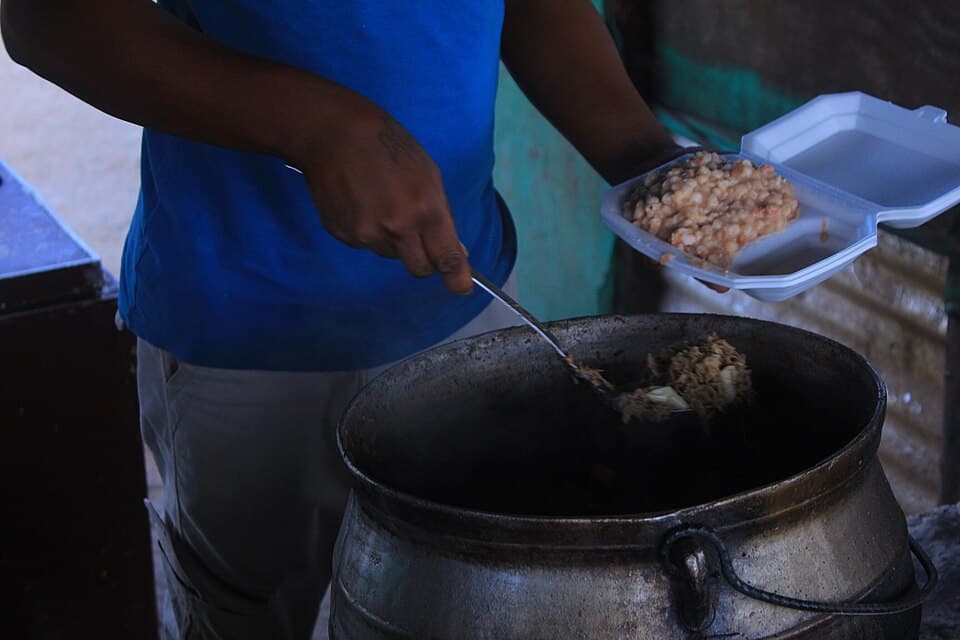
Seswaa (Slow-Cooked Meat)
Beef, goat, or lamb boiled until it falls apart, then pounded or shredded. It is a special-occasion dish, made for weddings, holidays, and celebrations, and served with papa or likhobe. The long boil turns tougher cuts tender and savoury, soft enough to come apart on the fork. It is meant to be shared, and the generous helping handed to guests is part of how Basotho hospitality works.
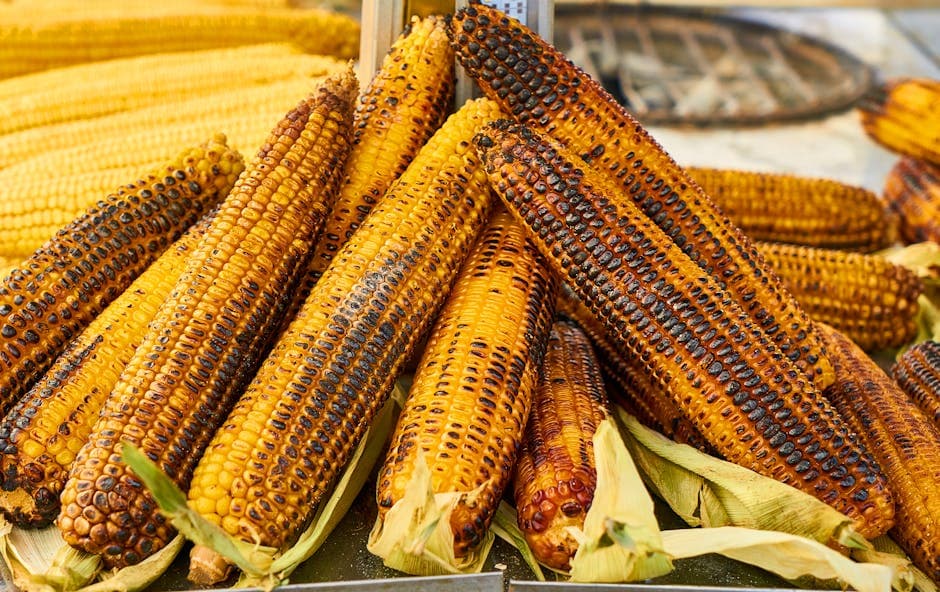
Roasted Maize
Green maize cobs roasted over an open fire or in hot ashes, sold along the roadside through harvest season from November to February. The outside chars and smokes while the kernels stay sweet and juicy. Vendors set up on the mountain roads, and travelers pull over for a warm cob to gnaw on. You eat it straight off the cob, usually with a bit of salt.

Mpaele (Basotho Sausage)
A sausage of minced beef or lamb seasoned with spices and herbs, packed into intestine casings and smoked. The flavor is rich and smoky with a little heat. It is made during slaughtering season, with the smoking doubling as a way to keep it. Grilled or fried, it goes alongside papa as the protein. It comes out of a pastoral way of life, since herding cattle and sheep sits at the heart of Basotho identity.
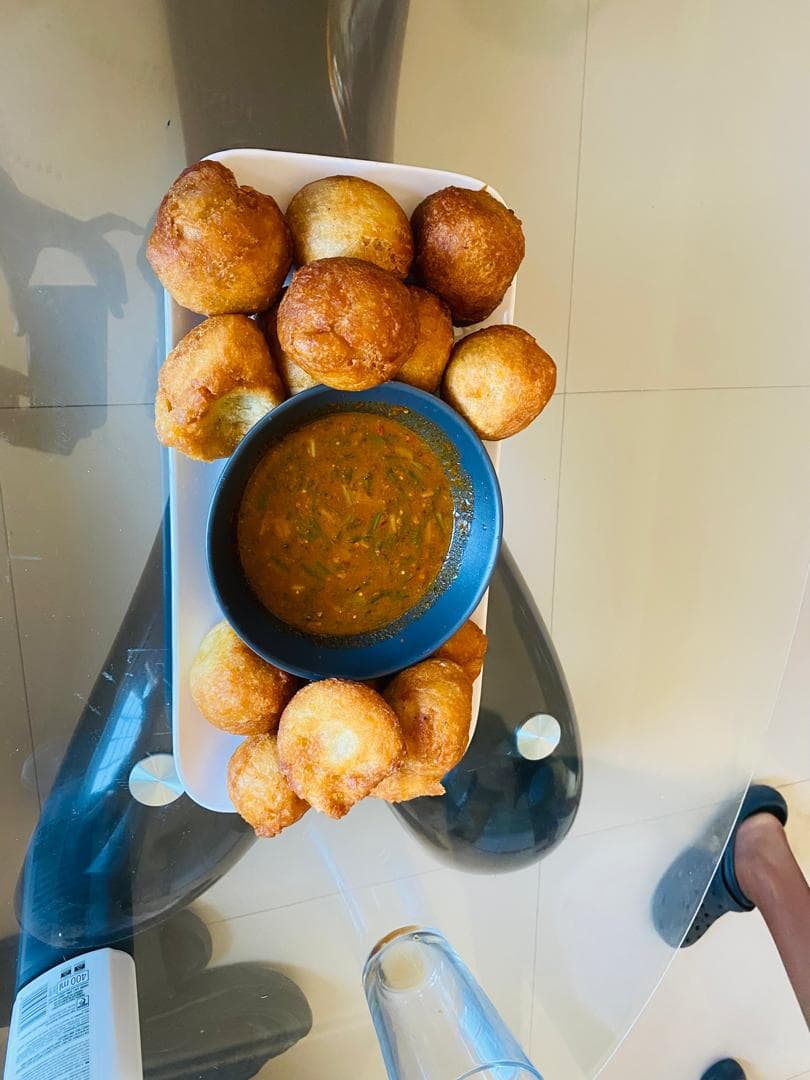
Makoenya (Fat Cakes)
Deep-fried dough balls, somewhere between a beignet and a dumpling, crisp outside and soft and airy within. They are a street-food and breakfast staple, sold by roadside vendors. The dough is nothing fancy, just flour, yeast, sugar, and salt fried in hot oil until golden. People eat them plain, with jam, or as a savoury side. They are cheap, filling, and popular with everyone, young and old, a sign of how urban street food has mixed with older tastes.
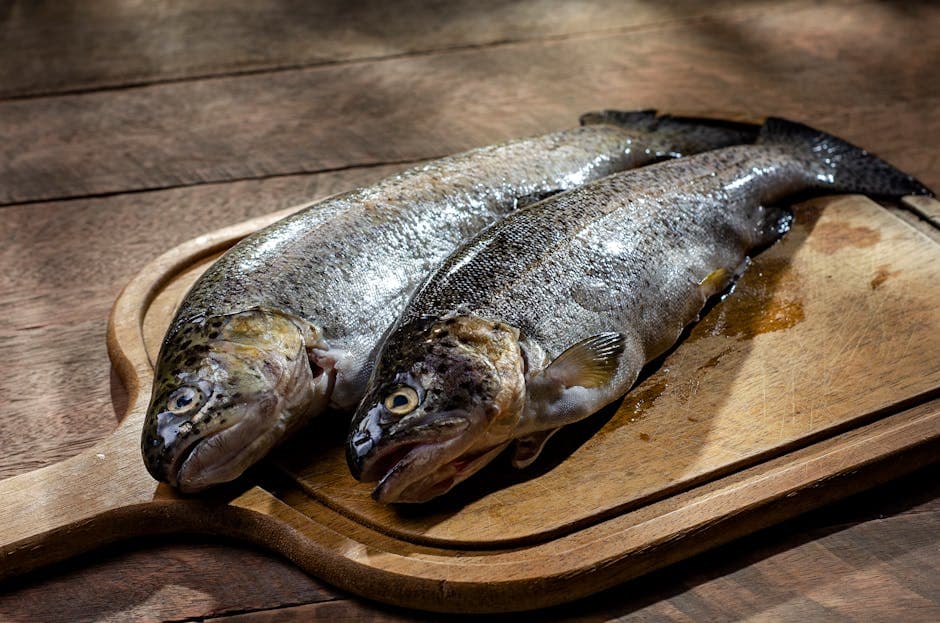
Basotho Trout
Freshwater trout from Lesotho's highland dams and rivers, treated as a delicacy and a cut above the usual proteins. It is grilled, fried, or baked with herbs, lemon, and butter. The fishing gives highland communities a steady income. Better restaurants like the Mpilo Hotel and Lancers Inn put it on the menu. The flesh is fresh, flaky, and mild, helped along by the clean mountain streams it comes from. People save it for special occasions.
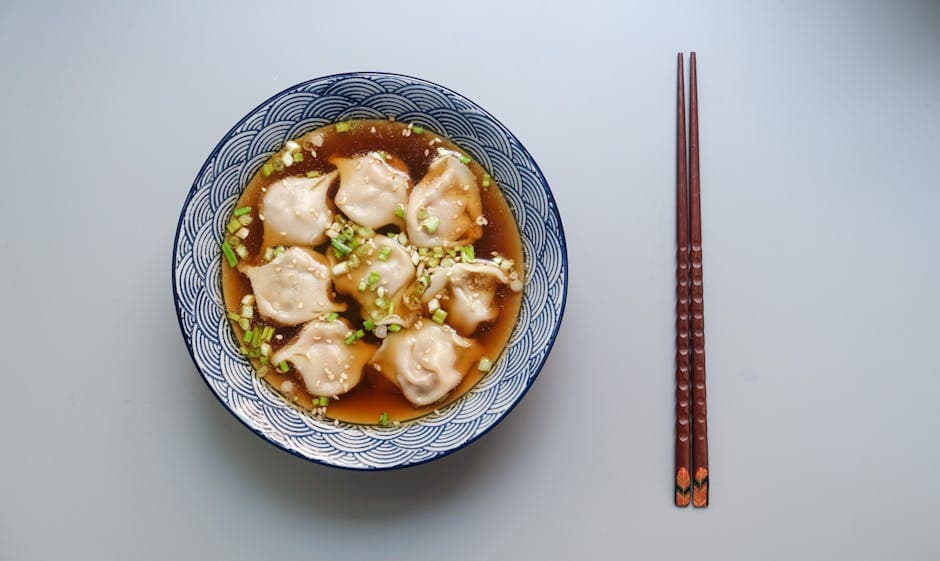
Butha-Buthe Soup
A soup from Butha-Buthe town in northern Lesotho, built mainly on spinach and tangerine and eaten as much for health as for warmth through the cold highland winters. The tangerine gives it a tangy, refreshing edge that the earthy spinach grounds. It is a local specialty that draws on regional ingredients and old folk knowledge about what is good for you.
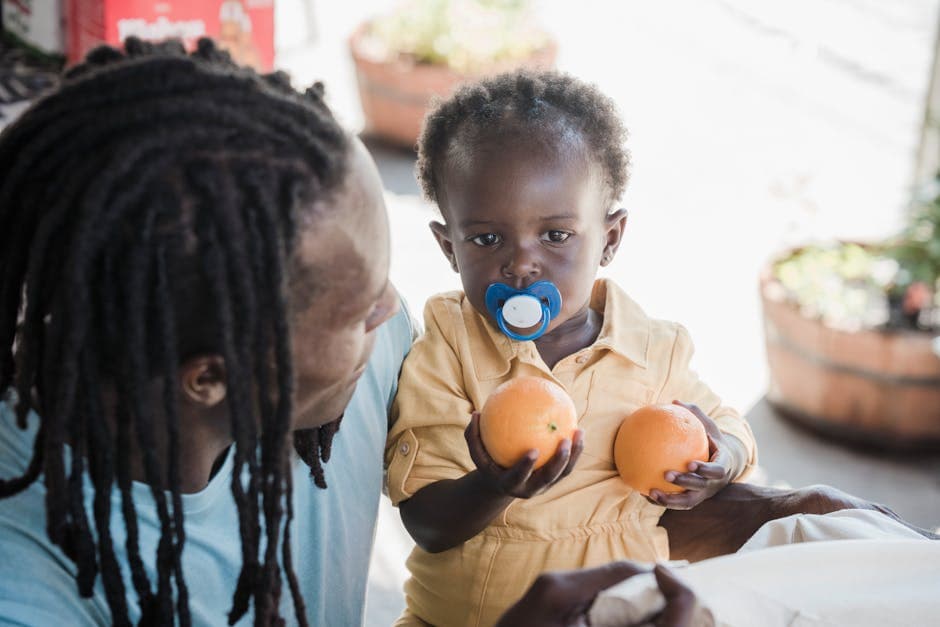
Ting (Fermented Porridge)
A fermented porridge of ground sorghum, millet, and maize, with a texture close to polenta and a tangy, yogurt-like taste from the fermentation. It is a breakfast dish, occasionally served cold, full of probiotics and woven into daily life. The fermentation both sours it and helps preserve the grains. It is close to motoho, only made from a blend of grains rather than one, and it reflects older ways of keeping food.
Regional Specialties & Local Favorites
Discover the authentic regional dishes and local favorites that showcase Lesotho's diverse culinary traditions.
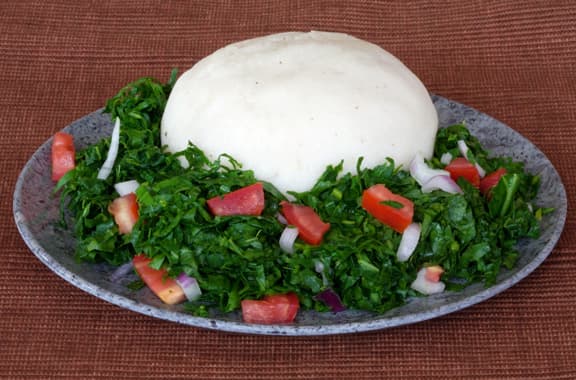
Papa (Maize Porridge)
The stiff maize porridge eaten every day, scooped up with moroho, meat, fish, or eggs. It anchors the Basotho diet.
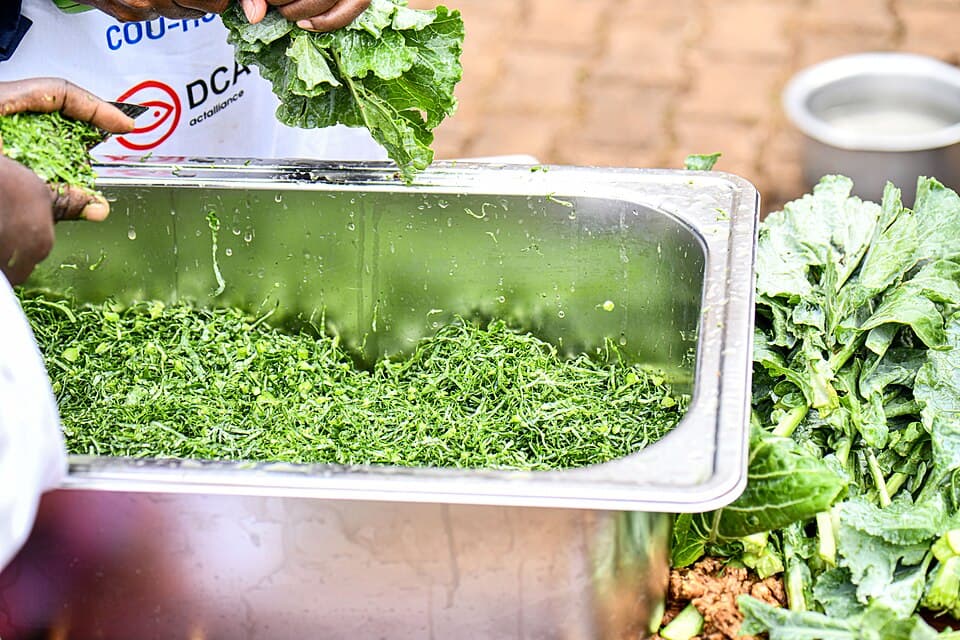
Moroho (Leafy Greens)
Leafy greens, wild or grown, such as spinach, pumpkin leaves, and stinging nettles, cooked down with onions and tomatoes. The standard partner for papa.
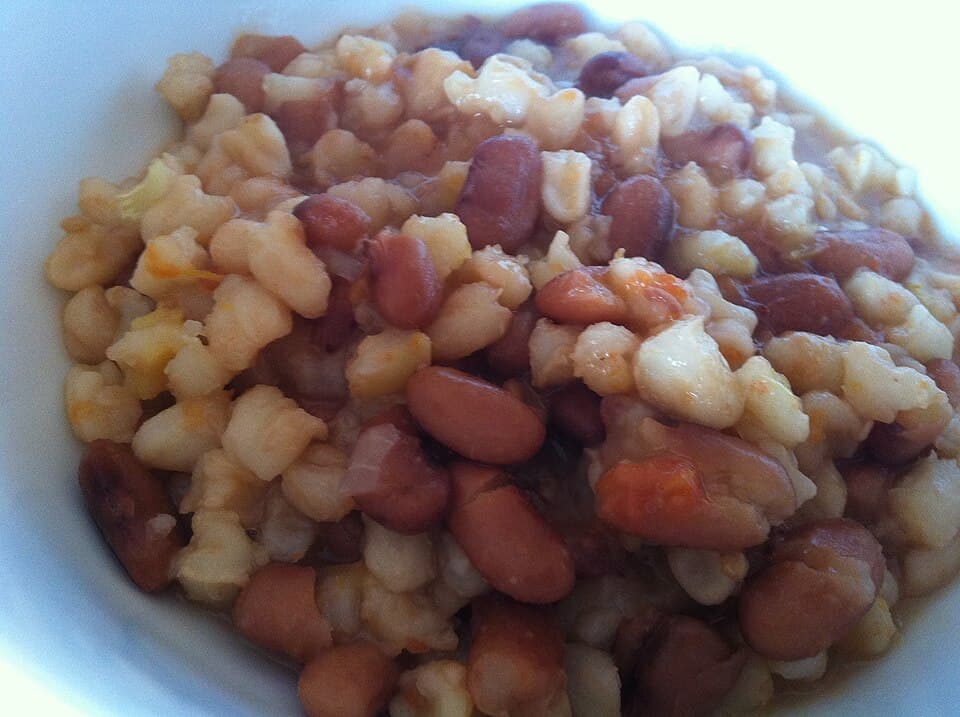
Likhobe (Samp and Beans)
Dried corn kernels cooked with beans, plain and filling, the kind of thing made for family gatherings.
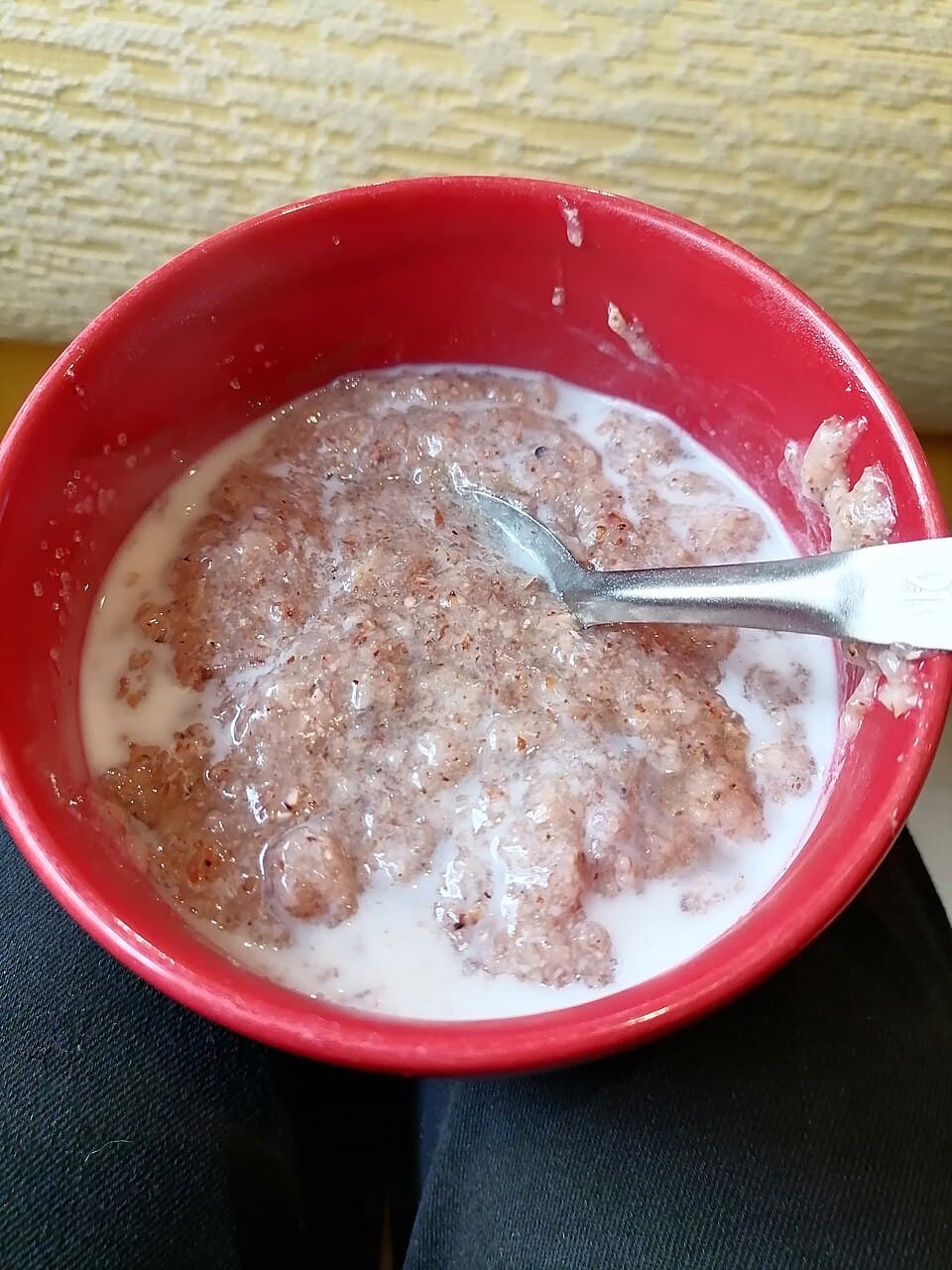
Motoho (Fermented Sorghum)
A fermented breakfast porridge with a tangy, sour edge, nutritious and tied closely to local life.
Seswaa (Shredded Meat)
Meat boiled slow then pounded tender, the centerpiece at special occasions.
Makoenya (Fat Cakes)
Deep-fried dough balls, crisp outside and soft within, a street-food regular.
Allergens:
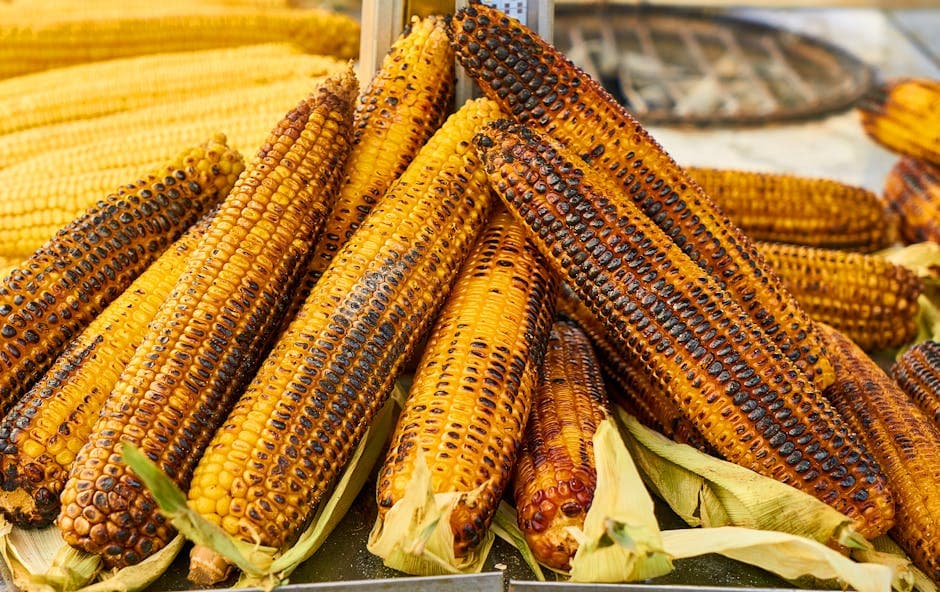
Roasted Green Maize
Maize cobs charred over an open fire, smoky and sweet, sold roadside in season.
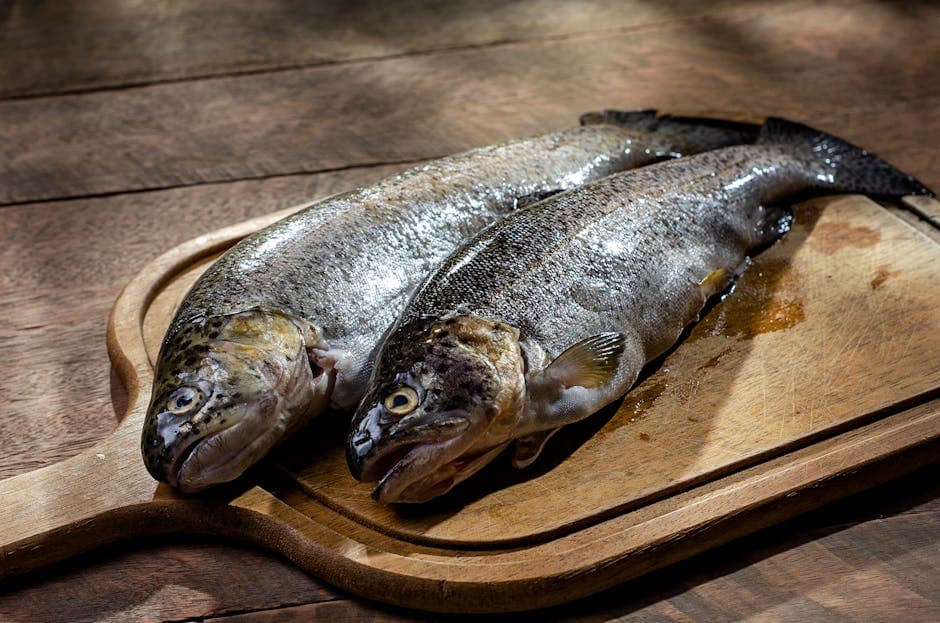
Basotho Trout
Freshwater trout from the highland dams, a delicacy that turns up in the better restaurants.
Allergens:
Regional Cuisine Highlights
Explore the diverse culinary landscapes across different regions of Lesotho.
Maseru (Capital Lowlands)
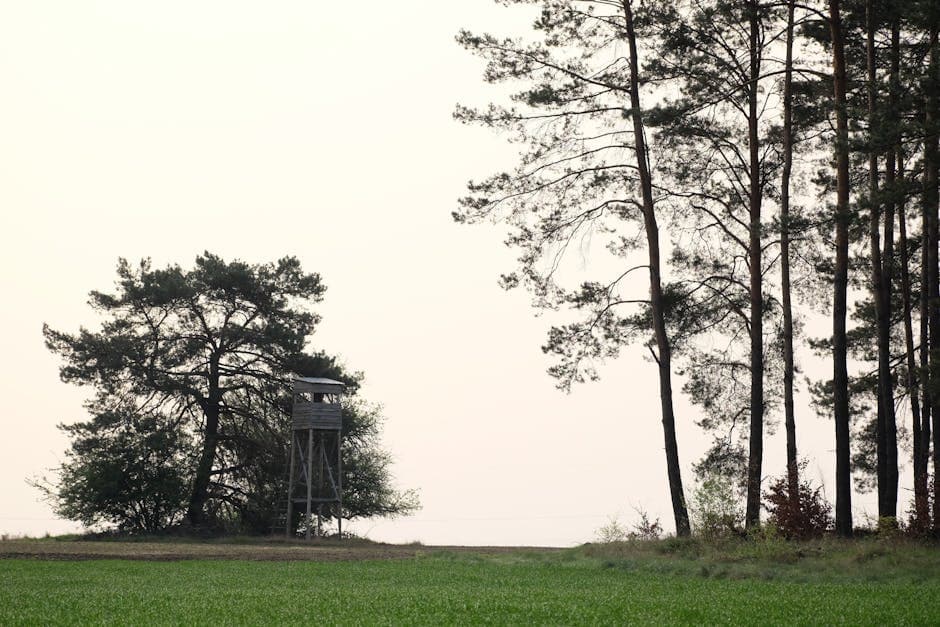
Maseru, the capital in the western lowlands, mixes Basotho cooking with outside influences. Its restaurants run a wide range, from No.7 at Kick4Life (a social enterprise doing modern Basotho food) to the Mpilo Hotel (rooftop fine dining with mountain views) to Regal Restaurant (Indian-Basotho fusion). Street vendors sell makoenya (fat cakes), roasted maize, and grilled meats, and the markets carry fresh produce alongside South African imports. City Basotho adapt the old recipes; papa is still the daily base, but it now turns up with curries, stews, and various sauces. South African fast-food franchises are moving in and starting to change how people eat. Maseru is where Lesotho is modernizing, holding onto its food heritage while taking on global trends.
Cultural Significance:
Maseru shows Lesotho food in transition. Young people in the city run into international food more and more, yet the family table still holds onto papa and moroho. Tight budgets keep people leaning on cheap staples. The restaurant trade serves expatriates, government officials, and a growing middle class. Through all of it, the food culture is working out how to keep its Basotho identity while taking on cosmopolitan tastes.
Signature Dishes:
- Papa with various stews
- Makoenya (fat cakes)
- Grilled meats
- International cuisine fusion
Key Ingredients:
Highlands (Mountain Villages)
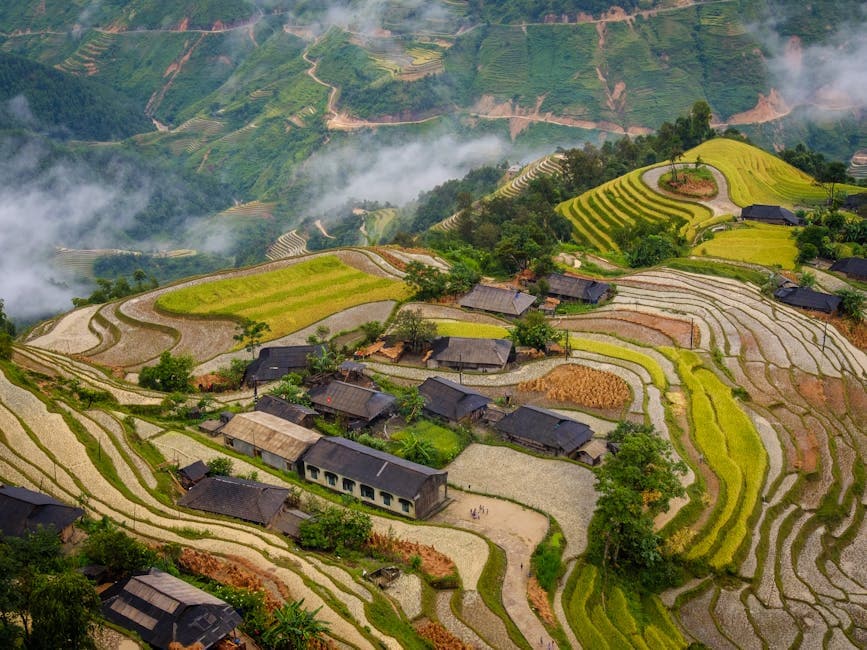
The Lesotho highlands sit between 1,800 and 3,482 metres, and the remote villages up there hold onto the most traditional Basotho food culture. Papa and moroho are the daily meals, with seasonal vegetables and the occasional bit of meat filling in. Motoho, the fermented sorghum, is the breakfast. Cooking stays simple, mostly boiling, steaming, and roasting over open fires. Cattle, sheep, and goats provide milk, often fermented into maas, and meat for special occasions. Winter food is built for warmth: papa goes out hot, stews lean on root vegetables, and sekoto, the fermented drink, comes around. Summer brings abundance, with green maize roasted, fresh vegetables on hand, and fruit cooked down into jam. Terraced fields squeeze the most out of what little arable land there is. Herd boys live off dried meat and maize meal carried in their blankets. The food culture reads the mountain isolation back at you: self-sufficiency, eating with the seasons, and sharing what there is are how people get through.
Cultural Significance:
Highland cooking keeps old Basotho knowledge alive: how to ferment, which wild plants to forage, when each thing comes into season. Food marks the big moments, with livestock slaughtered for weddings, funerals, and initiations. Sharing a meal is how hospitality and community bonds get expressed. The climate is hard; winters from June to August freeze, so drying, fermenting, and salting food is a necessity. Young people leaving puts the traditional knowledge at risk, since the recipes and techniques live with the elders and pass down by word of mouth. The highlands are the cultural heartland of Lesotho, and the food traditions are part of what holds Basotho identity together.
Signature Dishes:
- Papa and moroho
- Motoho (fermented sorghum)
- Seswaa (slow-cooked meat)
- Roasted green maize
- Likhobe (samp and beans)
Key Ingredients:
Foothills (Agricultural Belt)
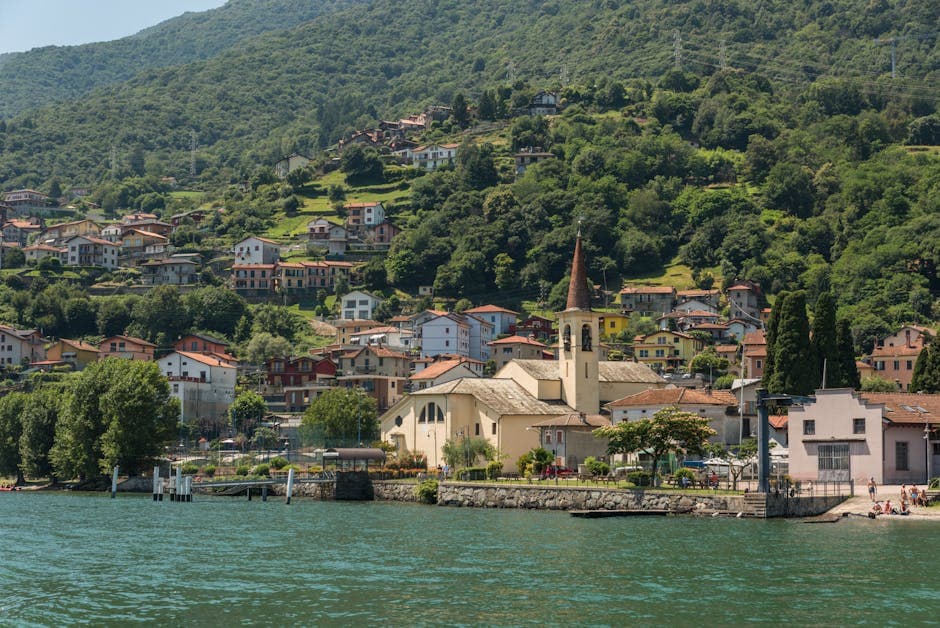
The foothills, at 1,400 to 1,800 metres, sit between the highlands and the lowlands and make up Lesotho's agricultural belt. The valleys grow maize, sorghum, wheat, and beans. Papa is still the staple, but it comes with a wider spread of vegetables here, pumpkin, cabbage, carrots, onions. Orchards of peaches, apricots, and plums fruit in season, and likhobe (samp and beans) is a favourite comfort food. The towns of Teyateyaneng, Leribe, and Mafeteng have markets and small restaurants serving traditional Basotho meals. Being close to the South African border means cooking oil, sugar, tea, and spices come in easily. The food culture sits in balance: papa at the base, modern conveniences like store-bought flour and canned goods layered on top. Families keep kitchen gardens for moroho greens, herbs, and root vegetables, and plowing and harvesting together keeps the community tied together.
Cultural Significance:
The foothills are where Lesotho grows the most, since the valleys have better soil and more rain than the highlands. The food culture follows the farming calendar, with planting and harvest from November to April and storage and preservation from May to October. Markets double as social hubs where women sell produce, swap recipes, and keep community ties going. Drought, soil erosion, and climate change all press on food security. Talk of food sovereignty is picking up, around saving seed, farming organically, and pushing back on GMO maize imports.
Signature Dishes:
- Likhobe (samp and beans)
- Papa with diverse vegetables
- Fresh fruits (peaches, apricots)
- Makoenya (fat cakes)
- Vegetable stews
Key Ingredients:
Sweet Delights & Desserts
Indulge in Lesotho's traditional sweet treats and desserts.

Lekhotloane (Melon Dessert)
A dessert of indigenous melons cooked with sugar and spices, sweet and refreshing, made when the melons come in. The plain preparation says a lot about its farming roots.

Sweet Ting
Fermented sorghum porridge sweetened with sugar and served cold as a dessert or snack. The taste is tangy and sweet at once, with a refreshing, yogurt-like texture.
Fruit Preserves
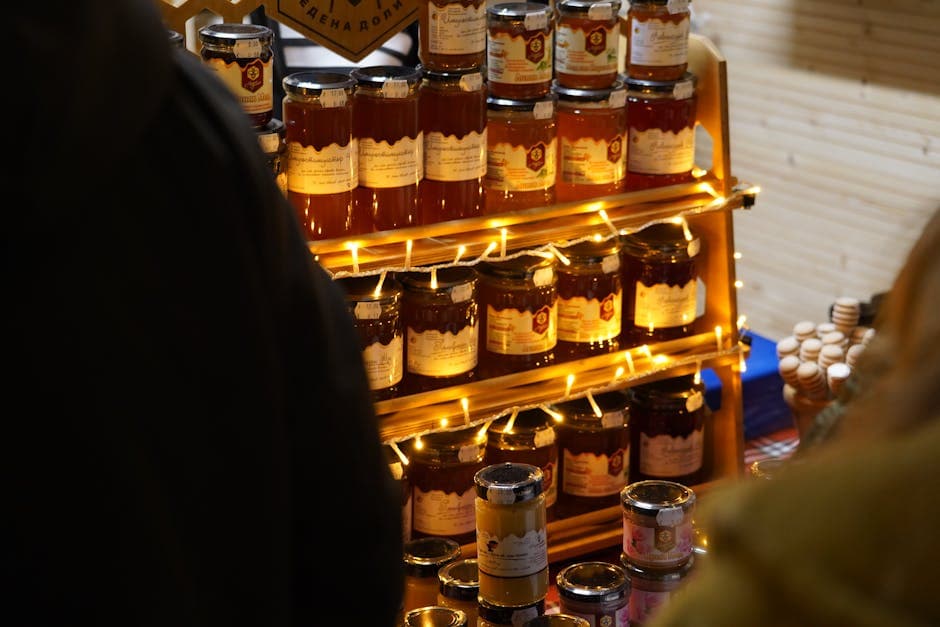
Homemade jams from highland fruit, apricots, peaches, and berries, cooked with sugar and put up for the winter. People spread them on bread or stir them into porridge. They are how the summer crop gets carried through the cold months.
Traditional Beverages
Discover Lesotho's traditional drinks, from locally produced spirits to regional wines.
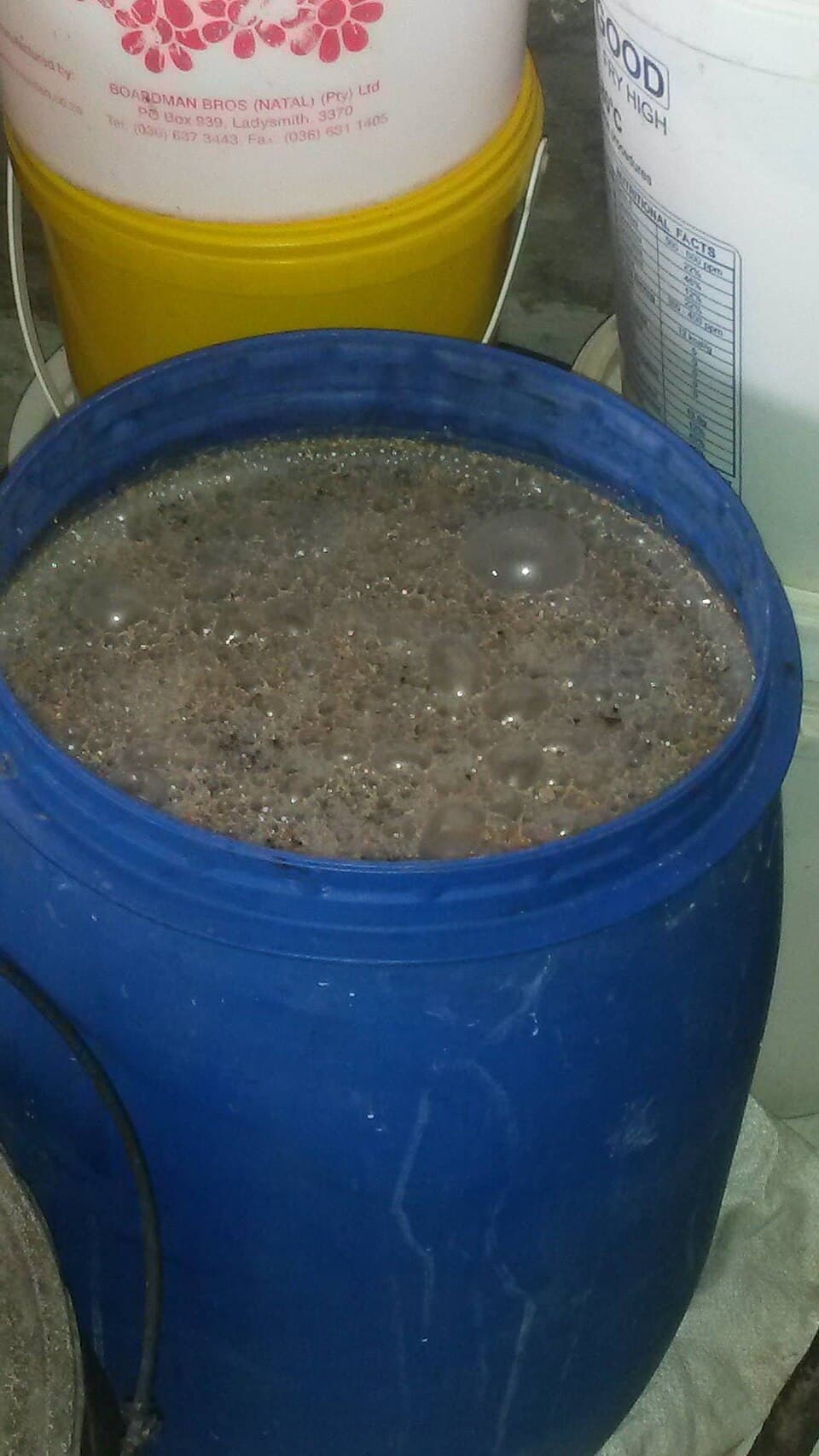
Joala (Traditional Beer)
A village-brewed sorghum beer, cloudy and a touch sour, with a low 2-5% alcohol content. It is fermented in big clay pots and shared around at ceremonies and gatherings.
Sekoto (Fermented Drink)
A fermented sorghum drink, tangy in a way that recalls sour beer or a yogurt drink. It is poured at important ceremonies and rituals, where offering it stands for hospitality.
Soft Beverages
Discover Lesotho's traditional non-alcoholic drinks, from local teas to refreshing juices.

Basotho Tea (Tee)
Hot black tea, often heavily sweetened and taken with milk. People drink it all day, at breakfast, in the afternoon, in the evening, over meals and conversation. Easy to make and part of the daily routine.
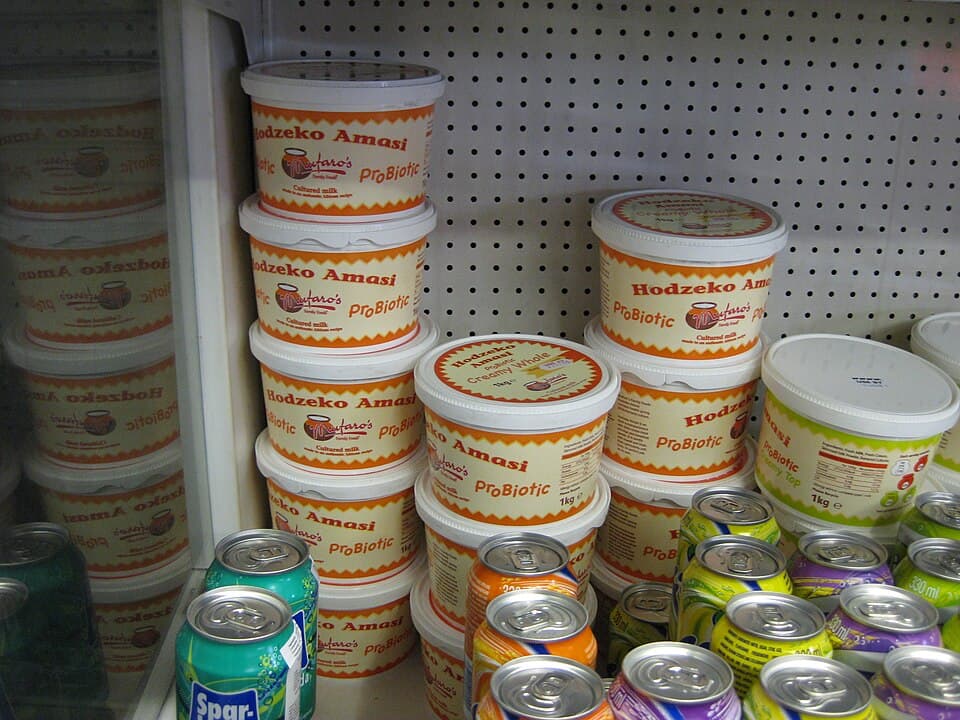
Maas (Fermented Milk)
Naturally fermented sour milk, tangy and thick like yogurt. It is drunk on its own or used as a condiment, full of probiotics and cooling when the weather warms up.

Rooibos Tea
A caffeine-free herbal tea from Southern Africa, naturally sweet and earthy. It is popular in Lesotho, imported from South Africa, and served hot or iced, with honey or without.
Frequently Asked Questions
Essential information about food and dining in Lesotho.
What is the national dish of Lesotho?
Lesotho's most iconic dishes include Papa and Moroho, Motoho, Likhobe. The dish that defines Lesotho: papa, a thick maize porridge, paired with moroho, the leafy greens that might be spinach, wild herbs, or squash leaves. You make papa by adding maize meal to boiling water bit by bit and stirring until it firms up. The moroho cooks down with onions and tomatoes, sometimes pumpkin leaves. For most Basotho a meal without papa is not really a meal; it is the daily food and it stands in for home itself. You eat it with your hands, tearing off a piece of papa to scoop up the greens.
Is street food safe in Lesotho?
Street food in Lesotho can be enjoyed safely by following these guidelines: Drink bottled or boiled water Choose freshly prepared foods from busy vendors. Look for busy vendors with high turnover, ensure food is cooked fresh and served hot, and avoid raw ingredients if you have a sensitive stomach.
What are the best restaurants in Lesotho?
Lesotho offers diverse dining options from street food stalls to upscale restaurants. For the best experience, ask locals for recommendations, check recent reviews, and look for restaurants that specialize in regional cuisines.
Can vegetarians find food easily in Lesotho?
Vegetarian options in Lesotho are highly available. Vegetarians do well in Basotho cooking. Papa (maize porridge) with moroho (leafy greens) is the everyday meatless meal, and likhobe (beans and maize), motoho (sorghum porridge), and vegetable stews are easy to find. Because meat is reserved for special occasions, most Basotho already eat mainly plant-based out of necessity. Maseru restaurants add vegetarian mezze, salads, and pasta. Lenten fasting among Orthodox Christians also produced a number of plant-based dishes.. Many restaurants offer vegetarian dishes, and you'll find plant-based ingredients featured prominently in local cuisine.
What is the average cost of a meal in Lesotho?
Meal costs in Lesotho depend on where you eat. Street food and casual local restaurants are very affordable, typically offering complete meals for a few dollars. Mid-range restaurants charge moderate prices, while fine dining establishments are comparably priced to Western countries.
What are common food allergens in Lesotho?
Common allergens in Lesotho cuisine include Peanuts, Dairy, Gluten. Peanuts (groundnuts) used in sauces, snacks, and traditional dishes. These ingredients appear in dishes like Groundnut soup, Peanut butter. Always inform restaurant staff about your allergies.
When is the best time to visit Lesotho for food?
Lesotho offers great food experiences throughout the year. However, visiting during harvest seasons (typically spring and autumn) provides access to the freshest local ingredients. Food festivals and cultural celebrations also offer unique culinary experiences worth planning around.