
Sierra Leone Food Guide
Content Information
Recently updated🔥Current Food Trends 2026
What's happening in Sierra Leone's culinary scene right now
Sierra Leonean cooking revolves around cassava leaves, the national dish, alongside plasas (the palaver sauces) and groundnut stews ladled over country rice. Through 2026 more travelers are finding their way to the country for the food, drawn by West African home cooking and the hospitality that comes with it. The weekly cooking calendar still holds in many kitchens: cassava leaf on Mondays, potato leaves on Tuesdays, crain crain on Thursdays. Red palm oil, groundnuts and stock cubes do most of the flavoring work. In Freetown, Balmaya and Jakkah's turn out reliable plasas, while Congo Market keeps a run of street food going, from fried plantains to akara to grilled chicken. Come Sunday, Lumley Beach fills with people eating over the water. Out at John Obey beach, the Tribewanted eco-venture cooks groundnut soup with fish caught locally. Maggi cubes turn up in nearly every pot, and the heat in a dish comes down to how much pepper goes in. Rice anchors the meal, with country rice the choice for anyone after the real thing, and fresh Atlantic fish shows up often. December cooking gets more generous with meat for the holidays. A few international restaurants have opened in Freetown, but the chop houses still set the standard. The leaf in the pot, cassava, potato or okra, is what tells one plasas from another.
Food Safety Tips
Essential food safety information to help you enjoy Sierra Leone's cuisine safely and confidently.
Always drink bottled or purified water
Tap water is not safe to drink. Stick to bottled water, even for brushing your teeth, and skip ice unless you know it was made from purified water.
Choose busy vendors with freshly cooked food
Freshly cooked street food is usually fine. Go to the stalls with steady crowds and quick turnover. Congo Market has plenty of choice, so pick where the food is moving fast.
Wash produce thoroughly or peel before eating
Wash produce in purified water or peel it yourself. Give pre-cut fruit from street vendors a miss.
Ensure thorough cooking
Make sure meat and fish are cooked through. Established restaurants that keep a clean kitchen are your safest bet.
Dietary Options
vegetarian
MEDIUM AVAILABILITYYou can find vegetarian plasas built around okra or beans, and plenty of dishes can be made without meat if you ask. Fried plantains, rice and bean dishes are easy to come by.
vegan
LOW AVAILABILITYVegan eating is harder here, since palm oil and fish or meat stock go into most savory dishes. Spell out your needs clearly and lean on rice, plantains and vegetable dishes.
gluten-free
HIGH AVAILABILITYBecause so much of the food is built on rice, eating gluten-free is straightforward. Most traditional dishes contain no gluten when cooked the usual way.
Common Allergens
Peanuts (Groundnuts)
HIGH PREVALENCEGroundnuts are central to the cooking and turn up in soups and stews across the board
COMMONLY FOUND IN:
Fish
HIGH PREVALENCEFresh and dried fish are used heavily throughout traditional cooking
COMMONLY FOUND IN:
Palm Oil
HIGH PREVALENCERed palm oil is the main cooking fat in Sierra Leonean kitchens
COMMONLY FOUND IN:
Essential Food Experiences
These iconic dishes represent the must-have culinary experiences that define Sierra Leone's food culture for travelers.

Cassava Leaves
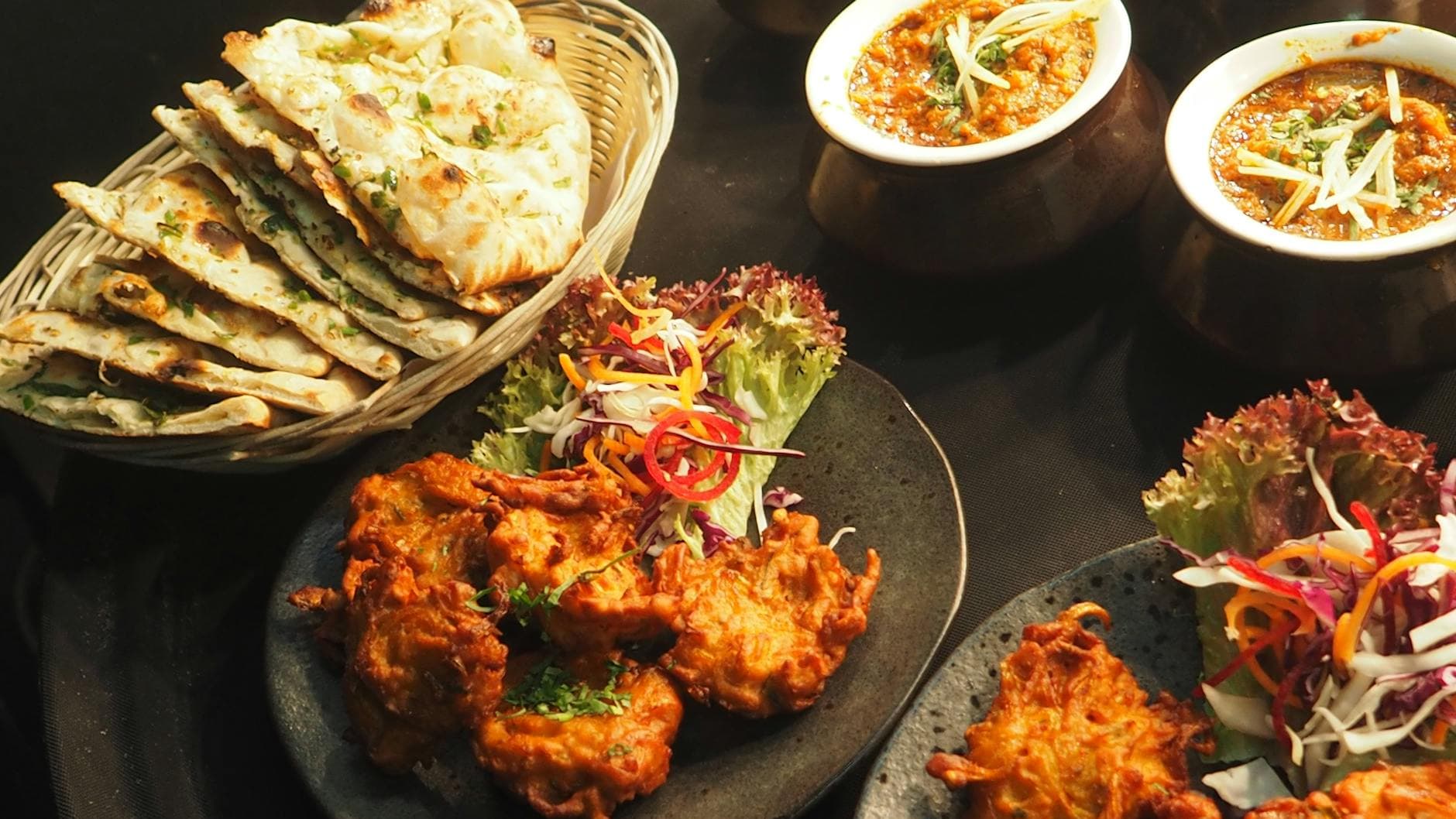
The national dish, and the one most people will name first. Cassava leaves are finely chopped and simmered with palm oil, groundnuts, meat or fish, and seasonings, then served over rice. It usually lands on the table on Mondays. At Balmaya in Freetown, the cassava-leaf stew (Le30,000) comes with brisket over country rice.
Plasas (Palaver Sauces)
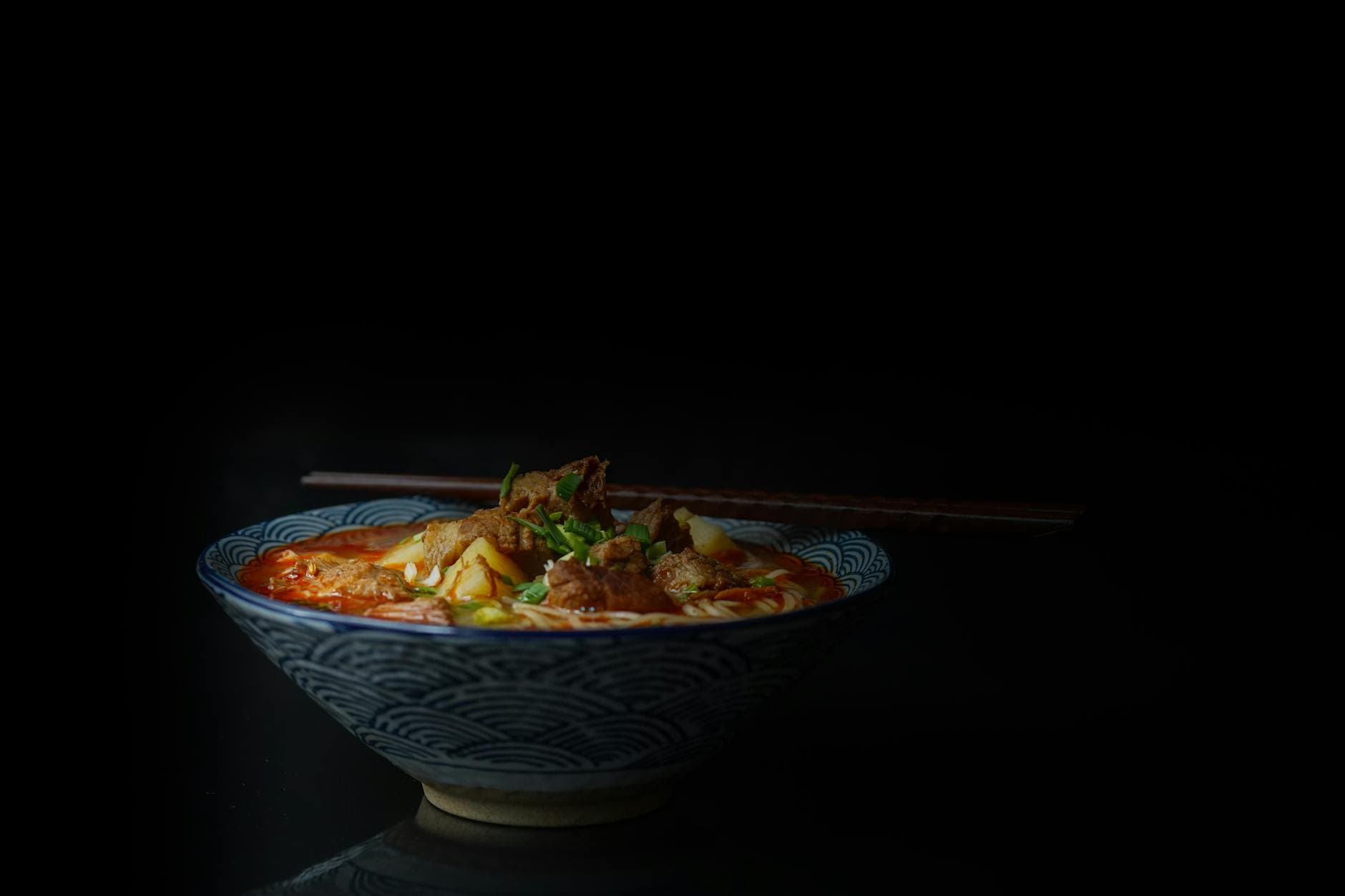
The everyday stews built on green leaves, whether cassava, potato or crain crain. The leaves are boiled down and cooked with red palm oil, hot chilies, onion, meat or fish, and stock cubes. Groundnut paste or okra goes in to thicken, and broad beans are a common addition. Which plasas you get depends on the day of the week.
Groundnut Soup
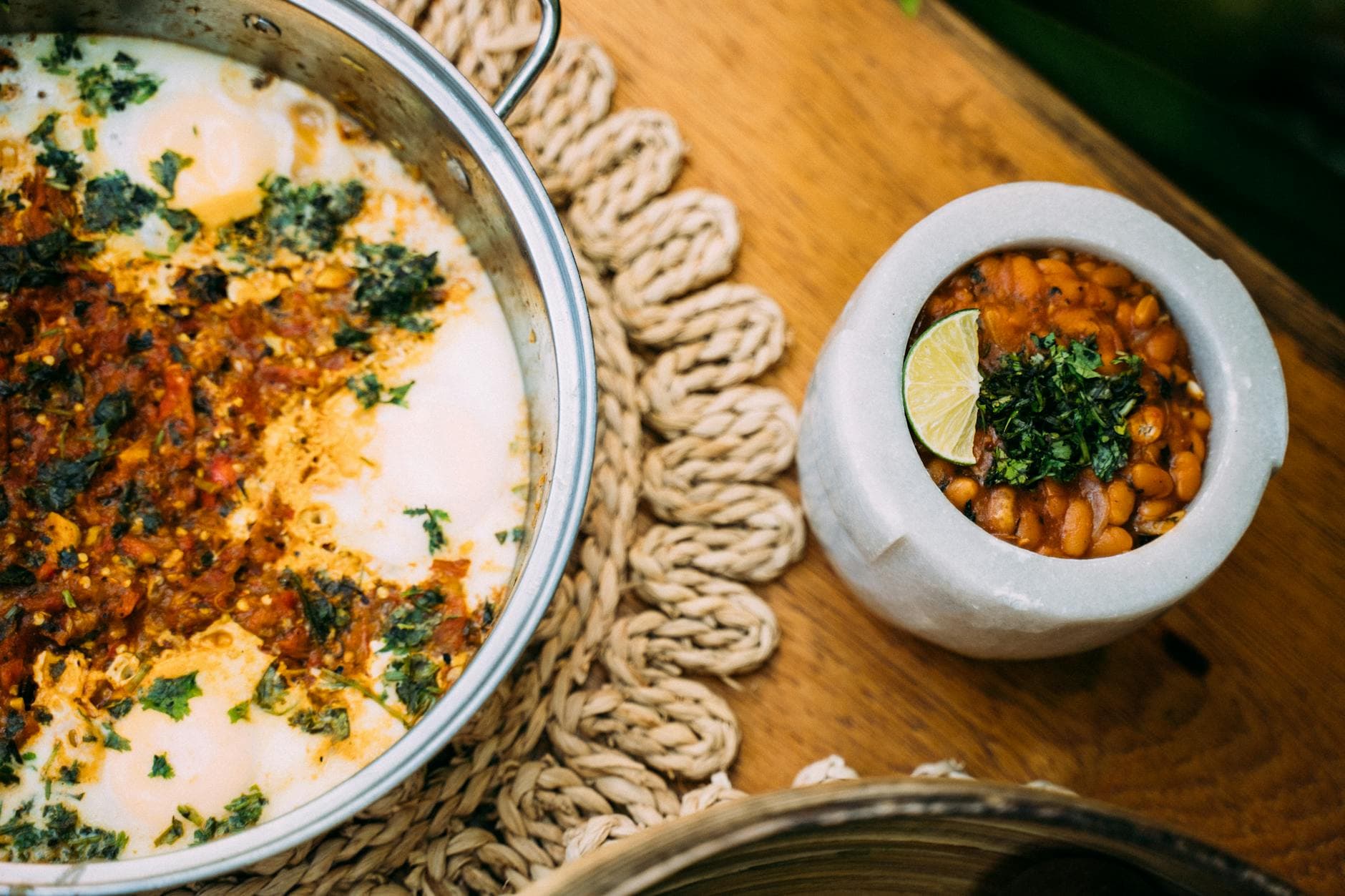
Probably the chop you are most likely to be offered at a Sierra Leonean restaurant. Groundnuts are ground into a paste and cooked down with onion, chilies, tomato paste, Maggi cubes, and meat or fish, then served over rice. Tribewanted at John Obey beach does a good one (Le35,000) with local fish and country rice.
Groundnut Stew
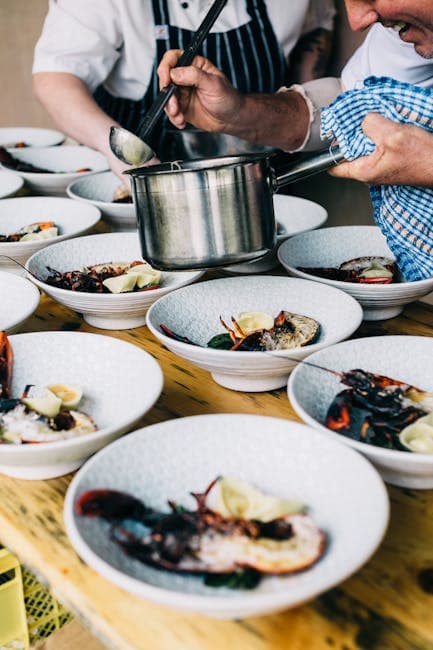
What sets the stew apart from the soup is the order of cooking. The onions and meat or fish are fried in palm oil first, then folded into the groundnut paste, which gives it a deeper, fuller taste. Served over rice.
Potato Leaf Stew
Plasas made with potato leaves, the Tuesday dish in the weekly rotation. Jakkah's Restaurant in Freetown cooks a good potato-leaf stew with goat meat and white rice.
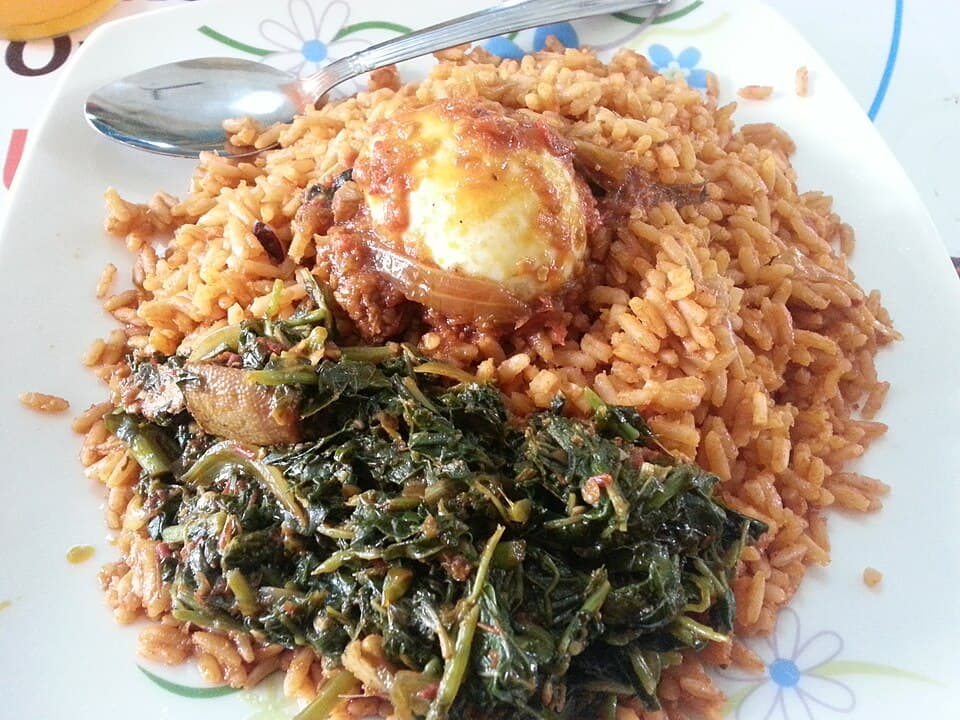
Jollof Rice
The West African rice dish cooked down in a tomato sauce with onions, peppers and spices, usually with meat or fish in it. It shows up at celebrations, and the Sierra Leonean take on it has its own character.
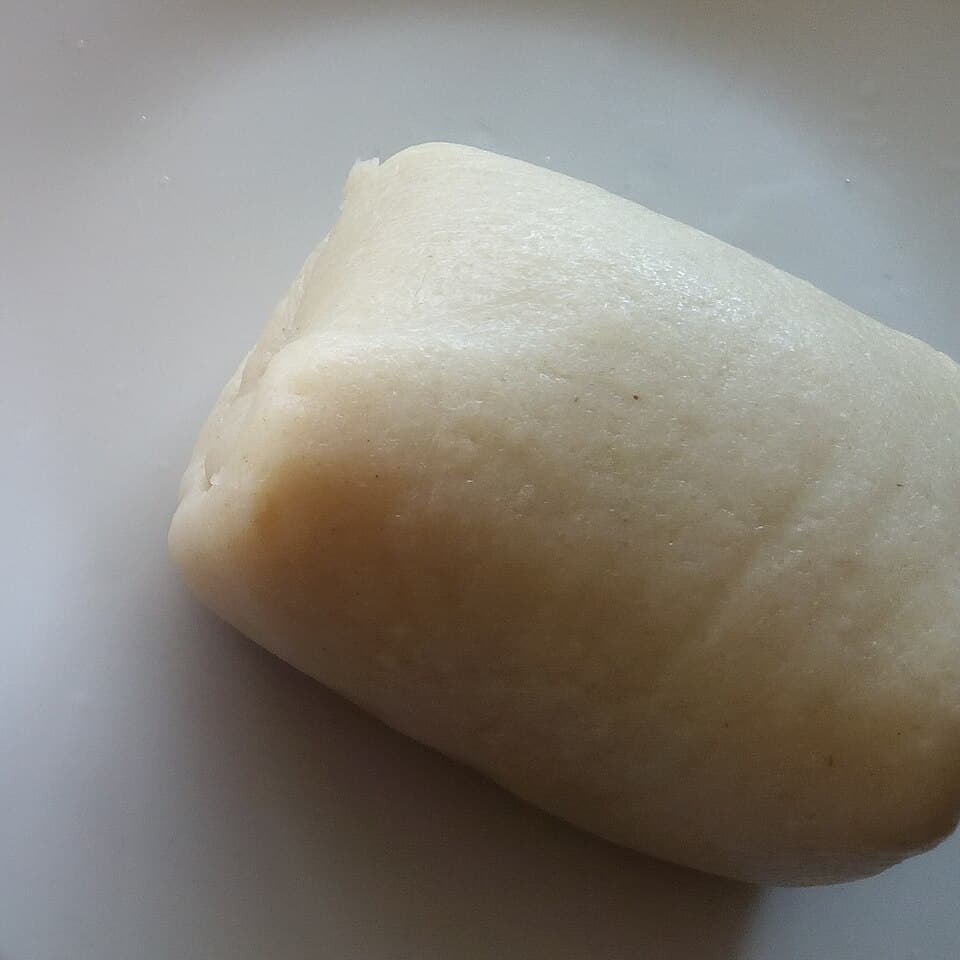
Foo Foo
A starchy side made by pounding cassava, yams or plantains into a smooth, stretchy dough. It comes alongside soups and stews, and you eat it with your hand, rolling a piece into a ball to scoop up the sauce.
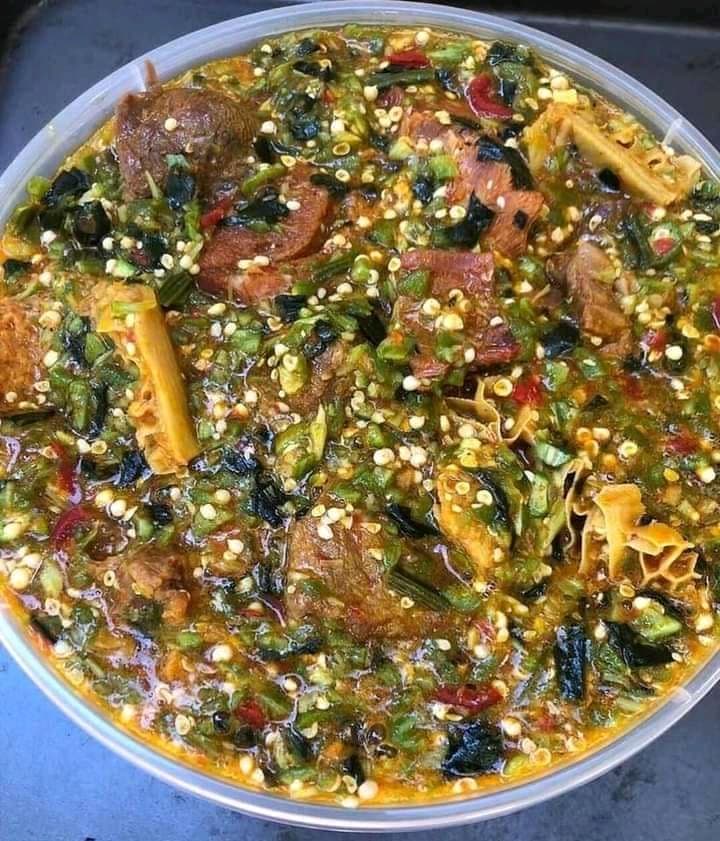
Okra Soup
A thick, slippery soup of fresh okra, palm oil, fish or meat, and seasonings, where the okra does the thickening on its own. Served with rice or foo foo.
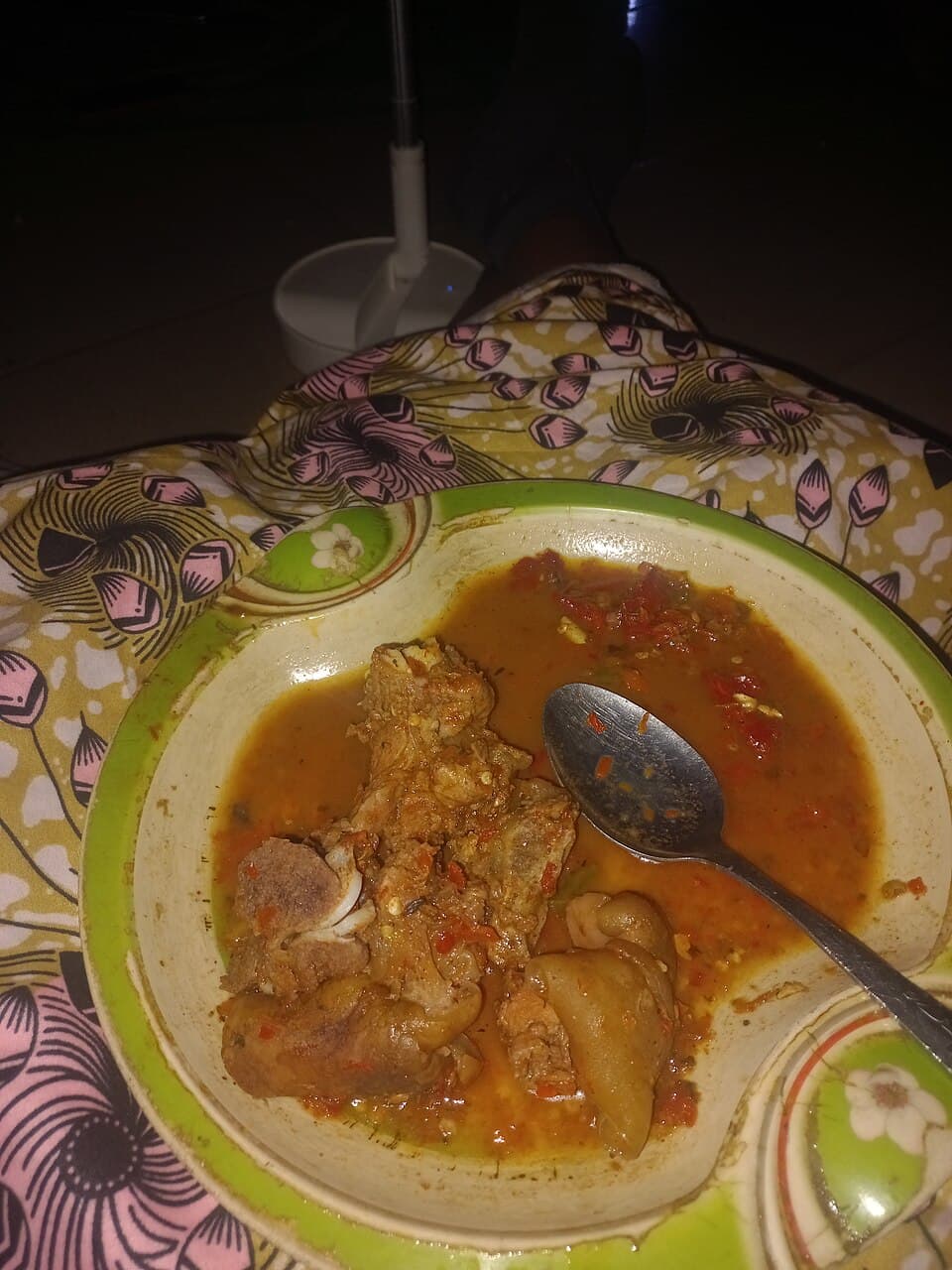
Pepper Soup
A spicy broth of meat or fish with hot peppers and local spices, light on the body but big on flavor. People order it to start a meal, or reach for it when they are feeling under the weather.
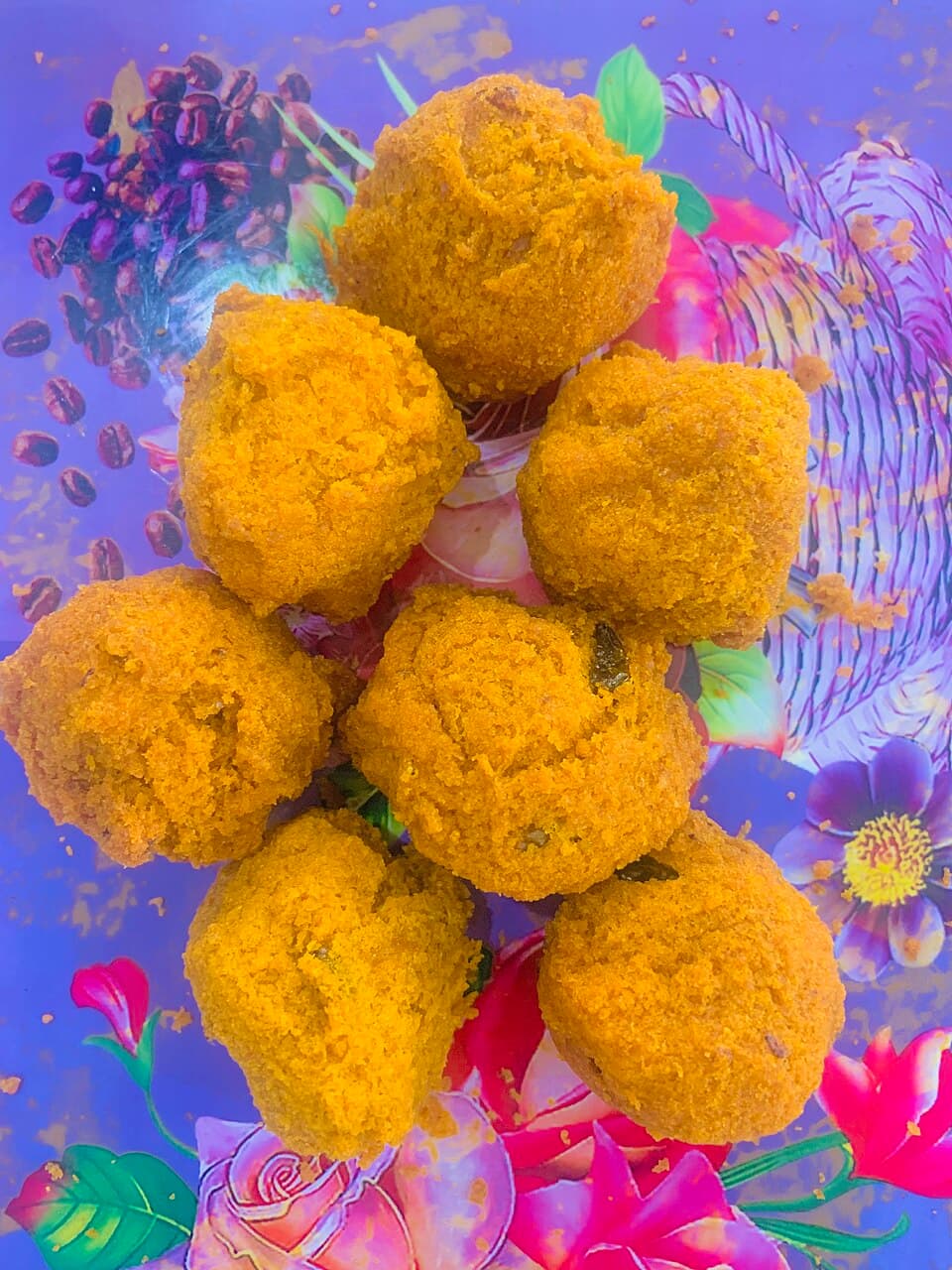
Akara (Bean Cakes)
Bean fritters fried up from black-eyed peas, crisp on the outside and soft in the middle. People eat them for breakfast or grab them as a street snack, and Congo Market has them.
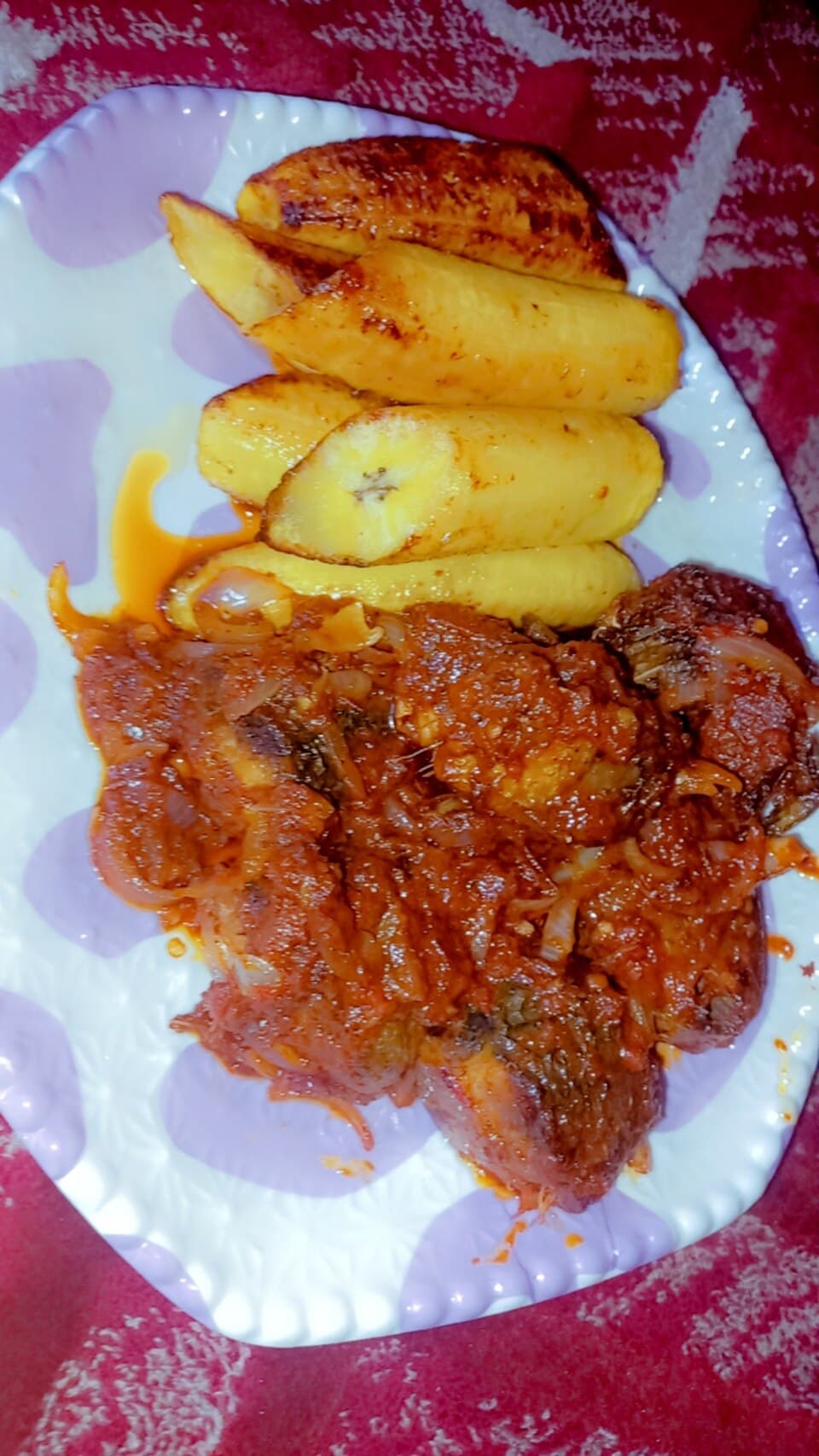
Fried Plantains
Ripe plantains sliced and fried until golden and caramelized at the edges, soft and sweet through the middle. You will see them as a side or a snack just about everywhere in Sierra Leone.
Regional Specialties & Local Favorites
Discover the authentic regional dishes and local favorites that showcase Sierra Leone's diverse culinary traditions.
Country Rice
The local rice variety that most people prefer for a proper Sierra Leonean meal. It has more body and flavor than imported rice, and it sits under almost everything you eat.
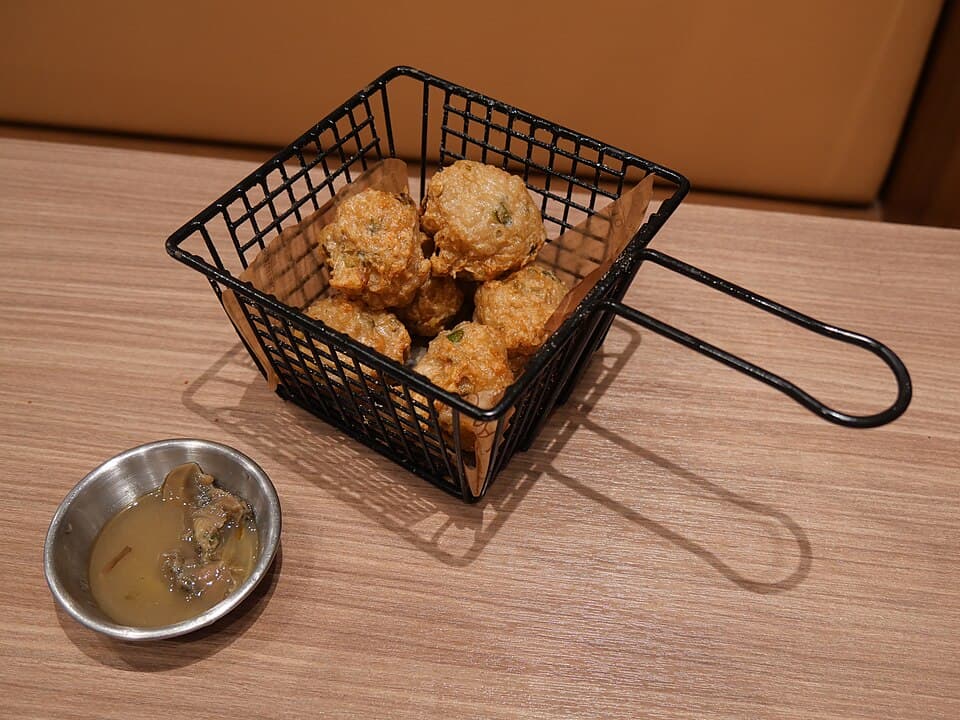
Fish Balls
Ground fish seasoned, rolled into balls and fried, crisp on the outside with a savory fish center. A common street snack.
Allergens:
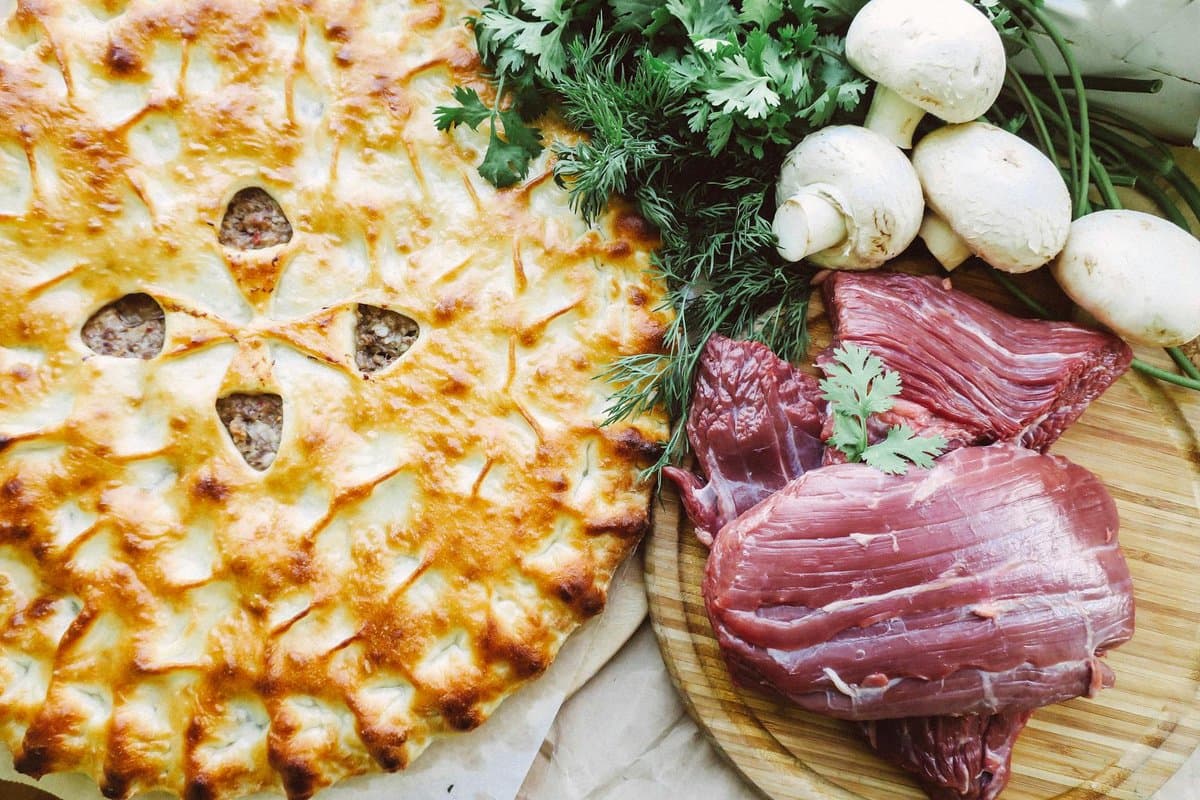
Meat Pie
A savory pastry filled with spiced minced meat, a holdover from the British colonial era. Sold as a snack at markets and by street vendors.
Allergens:

Grilled Fish
Fresh Atlantic fish rubbed with spices and grilled over charcoal. The cooking stays simple so the fish itself does the talking. You will find it at the Lumley Beach restaurants.
Allergens:
Benachin
A one-pot rice dish cooked with vegetables, meat or fish, and spices. It is a cousin of jollof, prepared the Sierra Leonean way, and it makes a full meal on its own.
Allergens:
Krain Krain
Plasas made with krain krain leaves, the Thursday dish in the weekly rotation. The leaves are deep green and give the stew a distinct, savory taste.
Allergens:
Calaloo
A leafy green dish in the spinach family, cooked with onions and peppers, sometimes with fish or meat added.
Coconut Candy
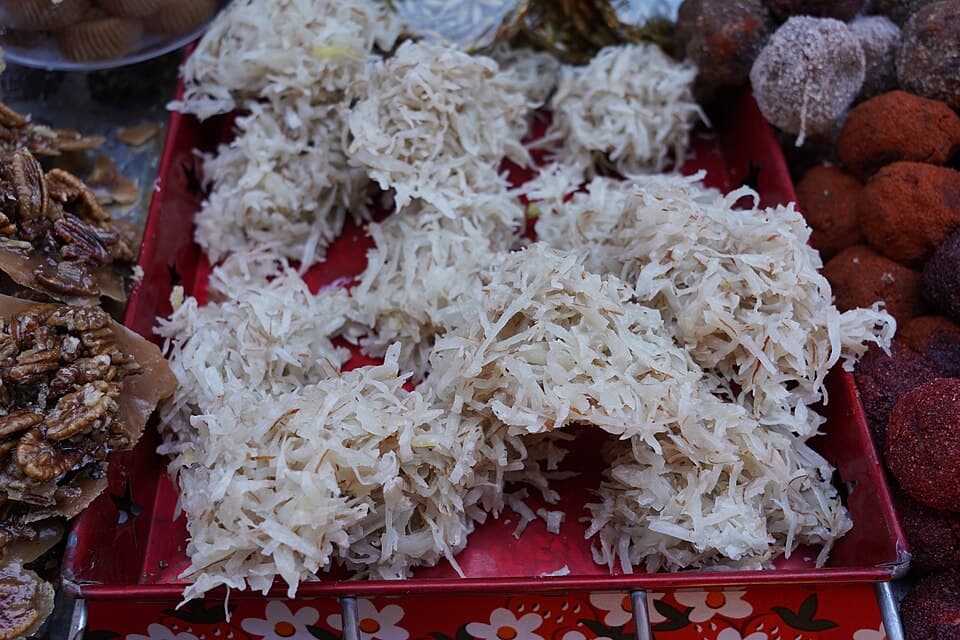
A chewy sweet made from fresh coconut and sugar, eaten as a dessert or a snack.
Allergens:
Regional Cuisine Highlights
Explore the diverse culinary landscapes across different regions of Sierra Leone.
Freetown & Western Area
The capital has the widest range of places to eat, with long-running restaurants turning out plasas and chop. Balmaya on Main Motor Road is the cassava-leaf spot, Jakkah's on George Street is known for its potato-leaf stew, Congo Market covers the street food, and Lumley Beach is where you eat with the ocean in view.
Signature Dishes:
Key Ingredients:
Freetown Peninsula
The coastline south of Freetown, John Obey beach among it. The Tribewanted eco-venture cooks groundnut soup with fish caught locally and works on a sustainable footing. The beach communities here trade in fresh seafood and an unhurried way of eating.
Signature Dishes:
Key Ingredients:
Provincial Sierra Leone
The countryside is where the oldest cooking habits hold on. Village plasas come from leaves gathered nearby, fresh palm oil and methods passed down at home. The rice farms grow the country rice, and the cooking still happens over wood fires in clay pots.
Signature Dishes:
Key Ingredients:
Sweet Delights & Desserts
Indulge in Sierra Leone's traditional sweet treats and desserts.

Banana Bread
A moist cake of ripe bananas, flour and sugar, a British recipe made over with local bananas.
Puff-Puff
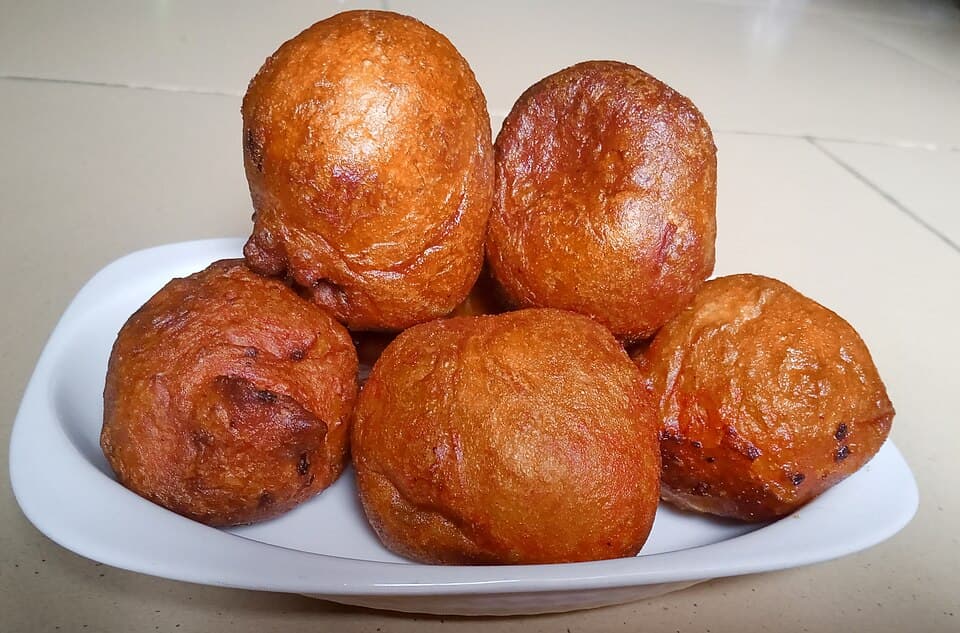
Deep-fried dough balls in the doughnut family, light and a little sweet. A common street dessert.
Coconut Drops
Grated coconut, ginger and sugar boiled down until thick and chewy, with a sweetness cut by the ginger. A traditional treat.
Ginger Cake
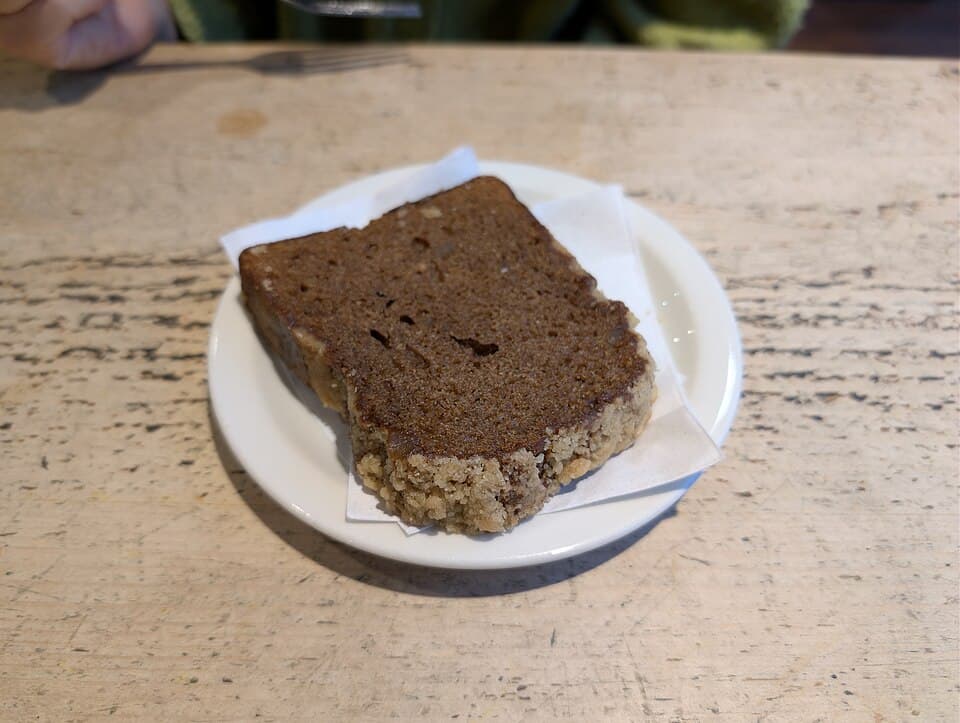
A moist spiced cake with a strong ginger kick, another British-influenced dessert that leans on local ginger.
Traditional Beverages
Discover Sierra Leone's traditional drinks, from locally produced spirits to regional wines.
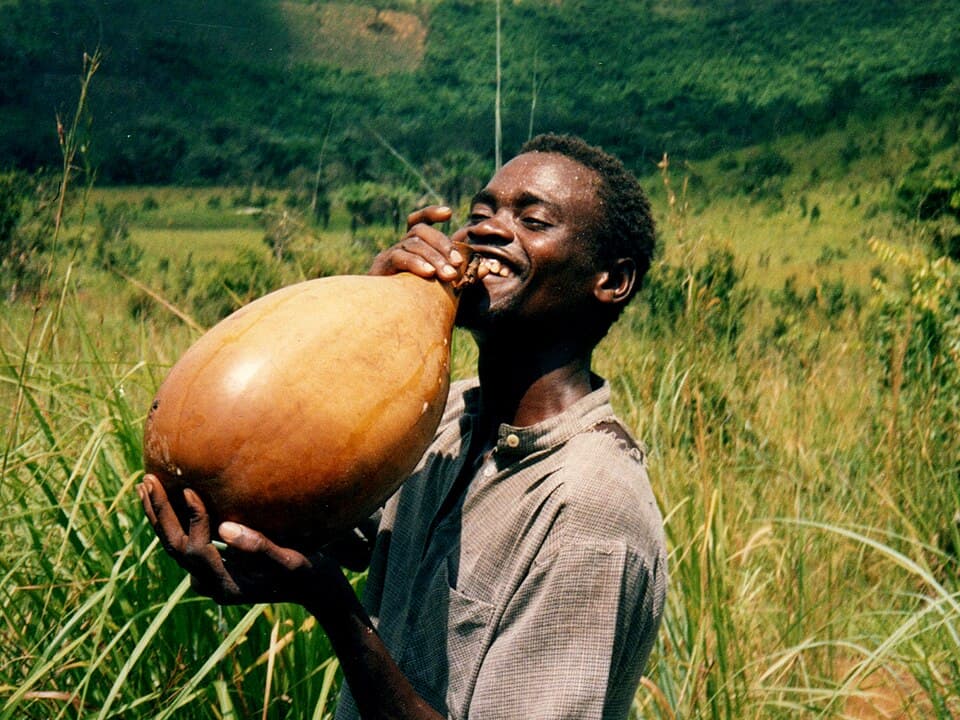
Palm Wine
Fermented sap tapped from palm trees, sweet when fresh and stronger as it ferments. It carries real cultural weight here.
Star Beer
Sierra Leone's go-to lager, light and easy to find, and a common pour alongside a meal.
Soft Beverages
Discover Sierra Leone's traditional non-alcoholic drinks, from local teas to refreshing juices.

Ginger Beer
A non-alcoholic ginger drink made with fresh ginger, sugar and spices, with enough bite to wake you up.
Poyo (Fresh Palm Wine)
Palm wine tapped fresh, before much fermentation has set in. Sweet, milky-looking and low in alcohol, it gets tapped each morning.
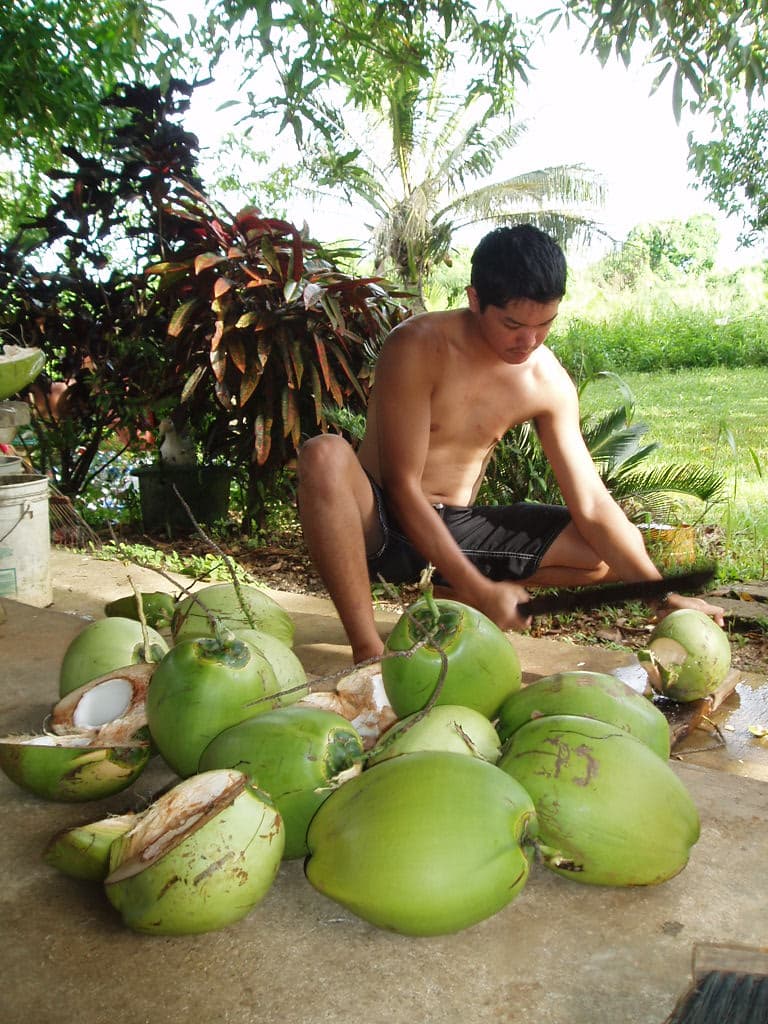
Fresh Coconut Water
The water from young coconuts, naturally sweet and good in the heat. Street vendors sell it all over Freetown.
Frequently Asked Questions
Essential information about food and dining in Sierra Leone.
What is the national dish of Sierra Leone?
Sierra Leone's most iconic dishes include Cassava Leaves, Plasas (Palaver Sauces), Groundnut Soup. The national dish, and the one most people will name first. Cassava leaves are finely chopped and simmered with palm oil, groundnuts, meat or fish, and seasonings, then served over rice. It usually lands on the table on Mondays. At Balmaya in Freetown, the cassava-leaf stew (Le30,000) comes with brisket over country rice.
Is street food safe in Sierra Leone?
Street food in Sierra Leone can be enjoyed safely by following these guidelines: Always drink bottled or purified water. Look for busy vendors with high turnover, ensure food is cooked fresh and served hot, and avoid raw ingredients if you have a sensitive stomach.
What are the best restaurants in Sierra Leone?
Sierra Leone offers diverse dining options from street food stalls to upscale restaurants. For the best experience, ask locals for recommendations, check recent reviews, and look for restaurants that specialize in regional cuisines.
Can vegetarians find food easily in Sierra Leone?
Vegetarian options in Sierra Leone are mediumly available. You can find vegetarian plasas built around okra or beans, and plenty of dishes can be made without meat if you ask. Fried plantains, rice and bean dishes are easy to come by.. Many restaurants offer vegetarian dishes, and you'll find plant-based ingredients featured prominently in local cuisine.
What is the average cost of a meal in Sierra Leone?
Meal costs in Sierra Leone depend on where you eat. Street food and casual local restaurants are very affordable, typically offering complete meals for a few dollars. Mid-range restaurants charge moderate prices, while fine dining establishments are comparably priced to Western countries.
What are common food allergens in Sierra Leone?
Common allergens in Sierra Leone cuisine include Peanuts (Groundnuts), Fish, Palm Oil. Groundnuts are central to the cooking and turn up in soups and stews across the board. These ingredients appear in dishes like Groundnut soup, Groundnut stew. Always inform restaurant staff about your allergies.
When is the best time to visit Sierra Leone for food?
Sierra Leone offers great food experiences throughout the year. However, visiting during harvest seasons (typically spring and autumn) provides access to the freshest local ingredients. Food festivals and cultural celebrations also offer unique culinary experiences worth planning around.