
Samoa Food Guide
Content Information
Recently updated🔥Current Food Trends 2026
What's happening in Samoa's culinary scene right now
Samoan food in 2026 still leans on what it always has: the umu earth oven, coconut cream in nearly everything, and whatever the boats brought in that morning. Mid-year falls in the wet season (November to April is the wettest, but it stays warm year-round at 24-30°C/75-86°F), and the heat suits raw fish, coconut dishes, and a slow umu cooked outdoors. In Apia you'll find palusami, the national dish, alongside oka i'a (raw fish salad) and panipopo (coconut buns). Sunday to'ona'i, the family lunch, remains the centre of the week, with households spending the morning building a proper umu. That oven goes back more than 3,000 years; heated volcanic rocks give the food a smoky sweetness carried through by coconut. Paddles Restaurant, which mixes Samoan cooking with Italian, took TripAdvisor's 2025 Best Restaurant in Samoa. Apia's night markets are where most visitors first try street food, working through palusami, panipopo, and the rest. The fish is the draw: yellowfin tuna, octopus, and crayfish come in daily, and the country has been fishing these waters for thousands of years. Oka has picked up new interest as poke bowls spread, and palolo, the sea worms that spawn around November, are still treated as something close to caviar. Resort fiafia nights pair umu food with fire-knife dancing and performance, and the Samoa Cultural Village runs hands-on umu classes. Coconut cream, pe'epe'e, is the through-line of the whole cuisine. Food tours run the range from cooking classes to a sit-down Sunday to'ona'i. Fishing here stays deliberately sustainable, and the markets are best hit before 11am while the catch is freshest.
Food Safety Tips
Essential food safety information to help you enjoy Samoa's cuisine safely and confidently.
Drink bottled or purified water
Tap water is treated in town, but most visitors stick to bottled water to be safe. Out in rural areas, use bottled or properly purified water.
Street food is generally safe
Samoan street food is made fresh and safe to eat. Head for the busier vendors at the markets and Apia night markets, where turnover is highest.
Ensure seafood is fresh and properly prepared
Most of Samoa's seafood is landed the same day. Get to the markets before 11am for the freshest fish. Oka (raw fish) is fine when it's made fresh with a citrus marinade.
Wash fruits or peel yourself
Tropical fruit is everywhere and safe. Wash it well, or stick to fruit you peel yourself like mangoes, pineapples, bananas, and papayas.
Dietary Options
vegetarian
MEDIUM AVAILABILITYPlenty of traditional Samoan cooking is coconut- and vegetable-based. Palusami (coconut cream baked in taro leaves), taro, breadfruit, and tropical fruit all work for vegetarians, and resorts run international vegetarian menus.
vegan
LOW AVAILABILITYVegan eating takes effort here, since coconut cream and fish run through most dishes. Baked taro and breadfruit are naturally vegan, but spell out your needs clearly when you order.
gluten-free
HIGH AVAILABILITYA lot of the staples are gluten-free to begin with: taro, cassava, breadfruit, coconut, fresh fish, and tropical fruit. Eating gluten-free on traditional food is straightforward.
halal
VERY LOW AVAILABILITYHalal food is hard to find in Samoa. The Muslim population is small, so certified halal restaurants are few. Seafood and vegetarian dishes are your fallback.
kosher
VERY LOW AVAILABILITYThere is no kosher certification in Samoa. Observant travellers should pack provisions or get by on fresh fruit, vegetables, and sealed products.
Common Allergens
Coconut
VERY HIGH PREVALENCECoconut and coconut cream (pe'epe'e) run through Samoan cooking and turn up in most traditional dishes
COMMONLY FOUND IN:
Fish/Seafood
VERY HIGH PREVALENCEFish and seafood are central to the Samoan diet, with tuna, octopus, and crayfish in everyday meals
COMMONLY FOUND IN:
Taro
HIGH PREVALENCETaro is the staple starch in Samoa and appears in many dishes. Not a common allergen, but a key ingredient
COMMONLY FOUND IN:
Essential Food Experiences
These iconic dishes represent the must-have culinary experiences that define Samoa's food culture for travelers.
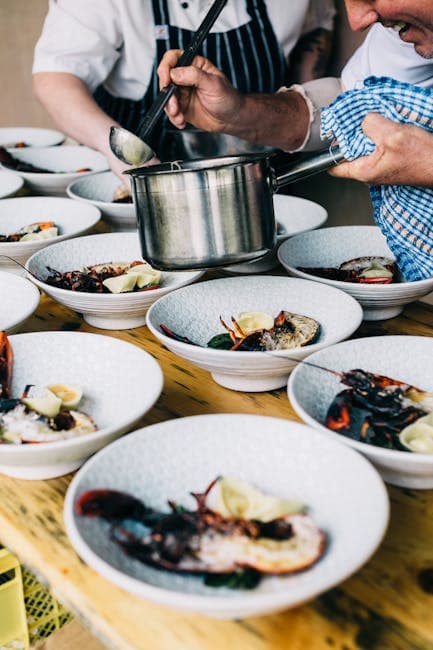
Palusami
The national dish: taro leaves packed with coconut cream, wrapped in banana leaves and cooked for hours in the umu earth oven. Some cooks add corned beef or fresh fish. It carries real weight at celebrations, and the umu gives it a creamy, smoky depth.
Oka I'a (Raw Fish Salad)
Raw fish, usually tuna or wahoo, marinated in coconut cream, lemon juice, onions, and tomatoes. Light and tangy, it's Samoa's answer to Hawaiian poke or ceviche and shows off how good the local seafood is. It lives or dies on the freshness of the catch.
Faiai Eleni
A Samoan fish bake built around fresh or tinned mackerel, with taro leaves, sliced onion, spices, and coconut milk. It bakes until the top crisps up, and is traditionally served in a coconut shell. Comforting and full-flavoured.
Panipopo
Coconut buns baked in coconut syrup until the tops turn golden. The name simply means 'coconut bun.' They're sweet and fluffy, and people eat them at breakfast, as a snack, or alongside coffee. Pure Samoan comfort food.
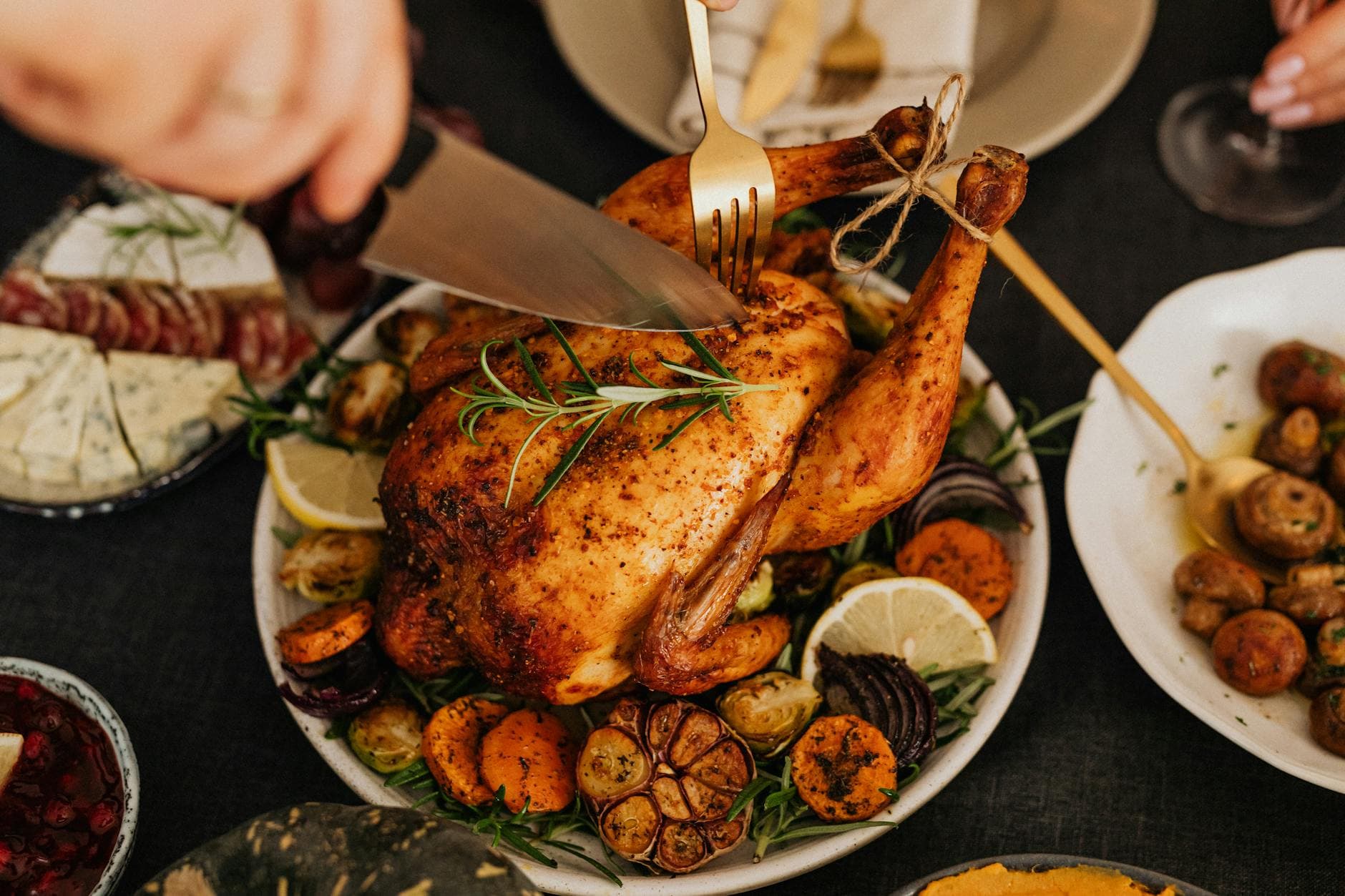
Umu Feast
The earth-oven method Samoans have used for more than 3,000 years. Hot volcanic rocks cook food wrapped in leaves and water-soaked mats, steaming everything through over the course of about an hour. The smell is smoky and a little sweet with coconut behind it. A typical umu holds pig, fish, seafood, taro, breadfruit, and palusami, and putting it together is as much a family gathering as a meal.
Sapasui
Samoan chop suey: noodles tossed with soy sauce, vegetables, and chicken or beef. Chinese immigrants brought it over and it stuck, and now it turns up at most celebrations and gatherings. Savoury and filling, and it never lasts long.
Lu'au (Taro Leaves)
Young taro leaves cooked down with coconut cream and onions, sometimes with corned beef or fish. It's close to palusami but skips the banana-leaf wrapping. Creamy and nourishing, and a regular at family meals.
Koko Alaisa (Cocoa Rice)
A breakfast of rice cooked in cocoa, coconut cream, and sugar. Sweet and filling, served hot, usually with banana or coconut on the side. A childhood staple that's back in fashion.
Palolo
Sea worms that spawn in October and November, prized in Samoa the way whitebait or caviar is elsewhere. They turn up only in season, eaten raw, fried, or with coconut cream. The flavour is rich and briny, and you won't find them outside the Pacific.
Fa'ausi
Coconut caramel poured over baked taro or breadfruit. The caramel comes from coconut cream and brown sugar, and the result is sweet, sticky, and indulgent. Eaten as everyday comfort food and at celebrations alike.
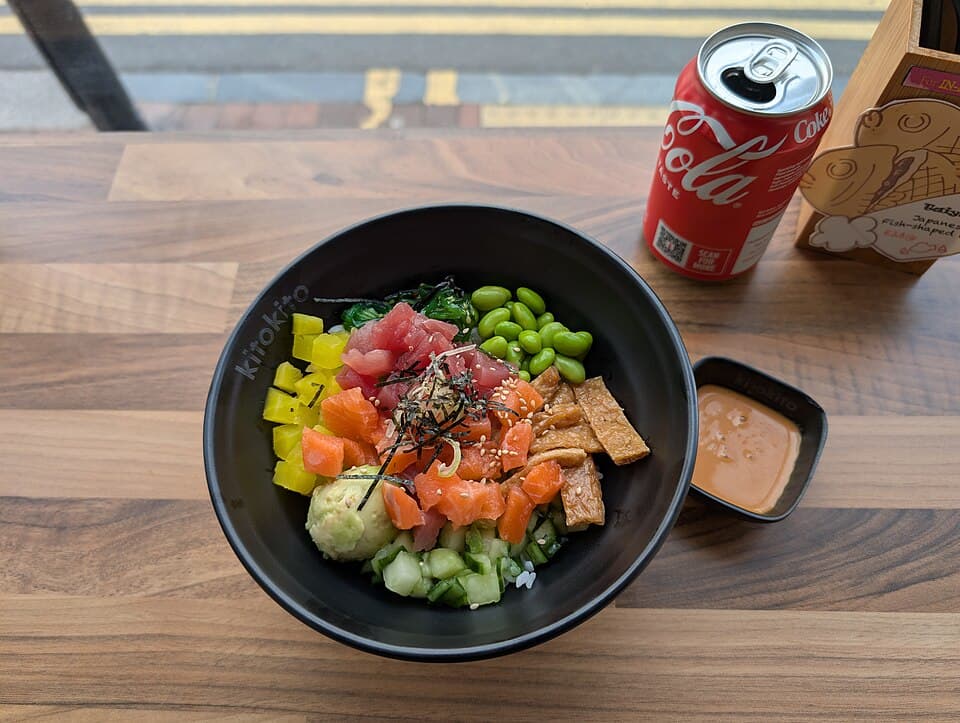
Poke (Tuna Bowl)
Cubed fresh yellowfin tuna with coconut cream, lime, chilli, and onion. It's a modern spin on oka, and since the tuna here comes in so fresh, it's hard to beat.
Regional Specialties & Local Favorites
Discover the authentic regional dishes and local favorites that showcase Samoa's diverse culinary traditions.
Palusami
The national dish: taro leaves with coconut cream, cooked slow in the umu. Creamy and smoky, and one of the first things to try in Samoa.
Allergens:
Oka I'a
Raw fish salad marinated in coconut cream and citrus. Light and refreshing, and a good measure of how fresh the local seafood is.
Allergens:
Panipopo
Sweet coconut buns soaked in coconut syrup. Fluffy and sweet, good for breakfast or a snack.
Allergens:
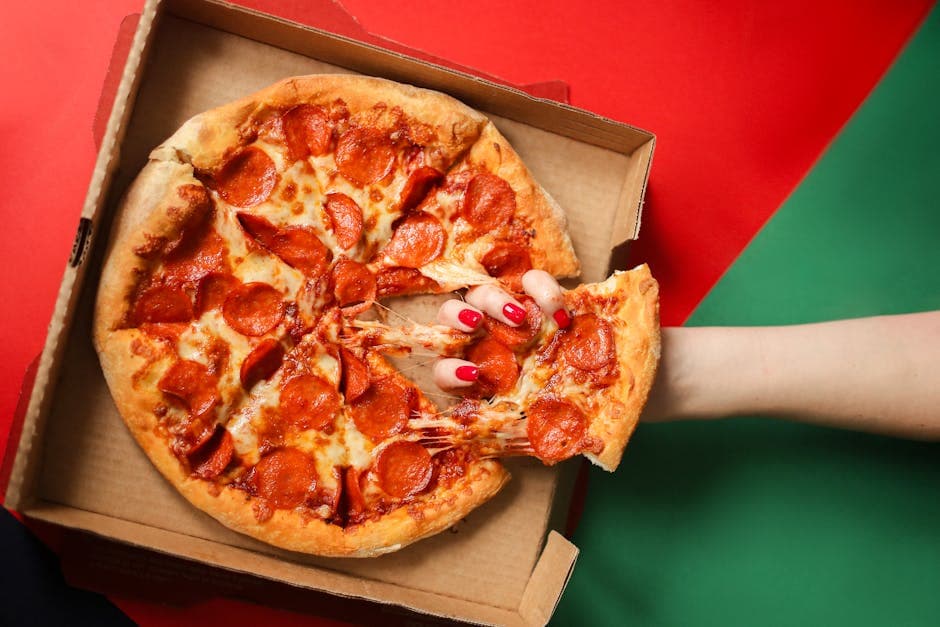
Taro
The everyday starch, baked, boiled, or cooked in the umu. Nutty and starchy, it shows up alongside most meals.
Grilled Fish
Fresh-caught fish, often tuna, snapper, or mahi-mahi, grilled and finished with coconut cream sauce. A daily staple straight off the boats.
Allergens:
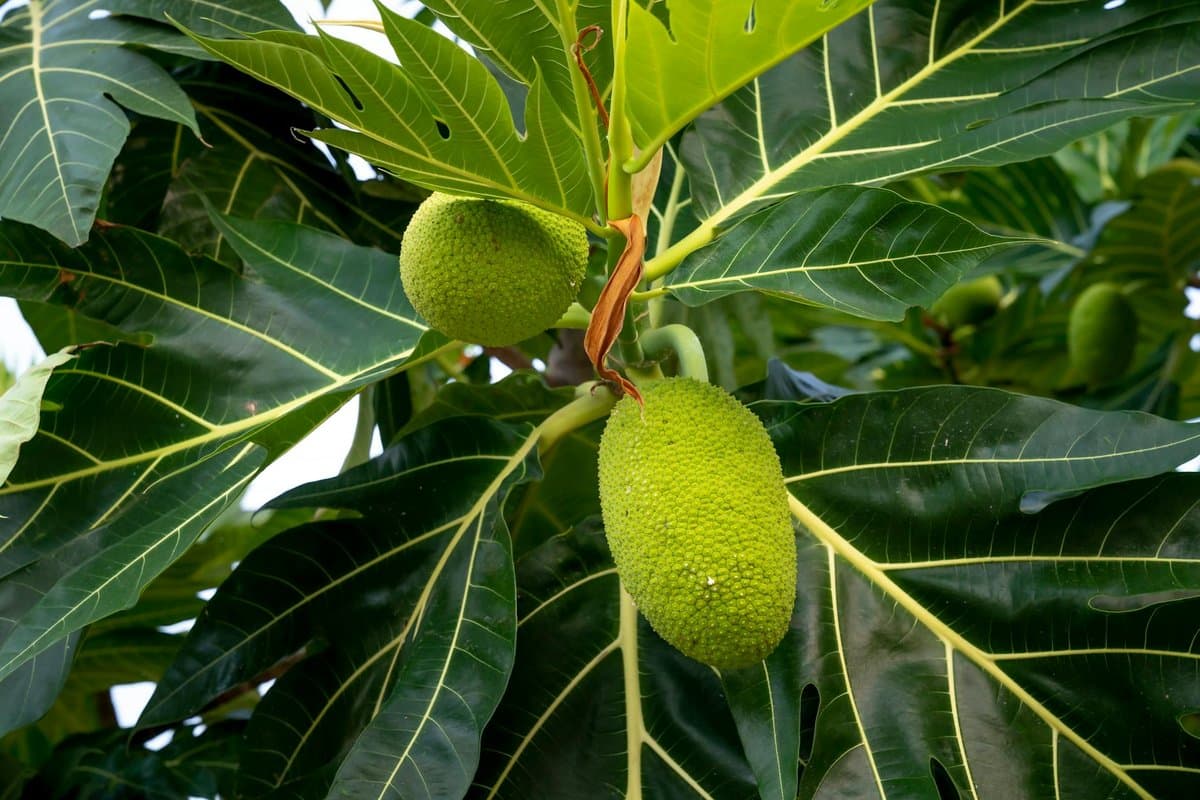
Breadfruit (Ulu)
A traditional staple, roasted, boiled, or cooked in the umu. Starchy with a touch of sweetness, served as a side or a meal in itself.
Coconut Cream Chicken
Chicken simmered in coconut cream with onions and spices. Family-meal comfort food that shows up at gatherings.
Allergens:
Kopai (Dumplings)
Sweet dumplings of flour, coconut cream, and sugar, boiled until soft. Eaten as a dessert or a snack.
Allergens:
Regional Cuisine Highlights
Explore the diverse culinary landscapes across different regions of Samoa.
Upolu Island (Apia)
The capital island, with the most developed food scene in the country. Apia mixes traditional Samoan cooking with international restaurants, from small local eateries to fine dining, and its night markets are the place for street food. The Samoa Cultural Village here runs umu demonstrations.
Cultural Significance:
Apia is where modern Samoan cooking meets the older traditions. The night markets double as community gathering spots, and the Sunday to'ona'i tradition is strongest here.
Signature Dishes:
- Restaurant-style palusami
- Street food panipopo
- Fresh market oka
Key Ingredients:
Savai'i Island
The larger island, and the more traditional one, where older customs hold. Umu cooking is at its most authentic here, fishing villages serve the freshest seafood, and the whole experience is more rustic. The volcanic soil grows excellent taro and breadfruit.
Cultural Significance:
Savai'i holds onto the most traditional food culture in Samoa. The umu is built the way ancestors built it, and fishing techniques pass down through the generations.
Signature Dishes:
- Traditional umu feast
- Village-style palusami
- Fresh-caught octopus
Key Ingredients:
Coastal Villages
Fishing communities that land their catch daily and cook around it. Traditional fishing methods are still in use, oka i'a gets made from the morning's catch, and small family-run restaurants serve honest local food.
Cultural Significance:
These villages carry a fishing heritage going back more than 3,000 years. They take ocean sustainability seriously, and the food goes straight from sea to table.
Signature Dishes:
- Fresh oka i'a
- Grilled reef fish
- Octopus in coconut cream
Key Ingredients:
Sweet Delights & Desserts
Indulge in Samoa's traditional sweet treats and desserts.
Panipopo
Coconut buns soaked in coconut syrup and baked until golden. Samoa's favourite sweet, fluffy and best with a coffee.
Fa'ausi
Coconut caramel over baked taro or breadfruit. Sweet, sticky, and indulgent, and a fixture at celebrations.
Koko Alaisa
Cocoa rice with coconut cream and sugar. A sweet, comforting breakfast that brings back childhood for a lot of Samoans.
Pani Popo me Kokoalaisa
Sweet buns and cocoa rice served together. About as comforting and filling as Samoan dessert gets.
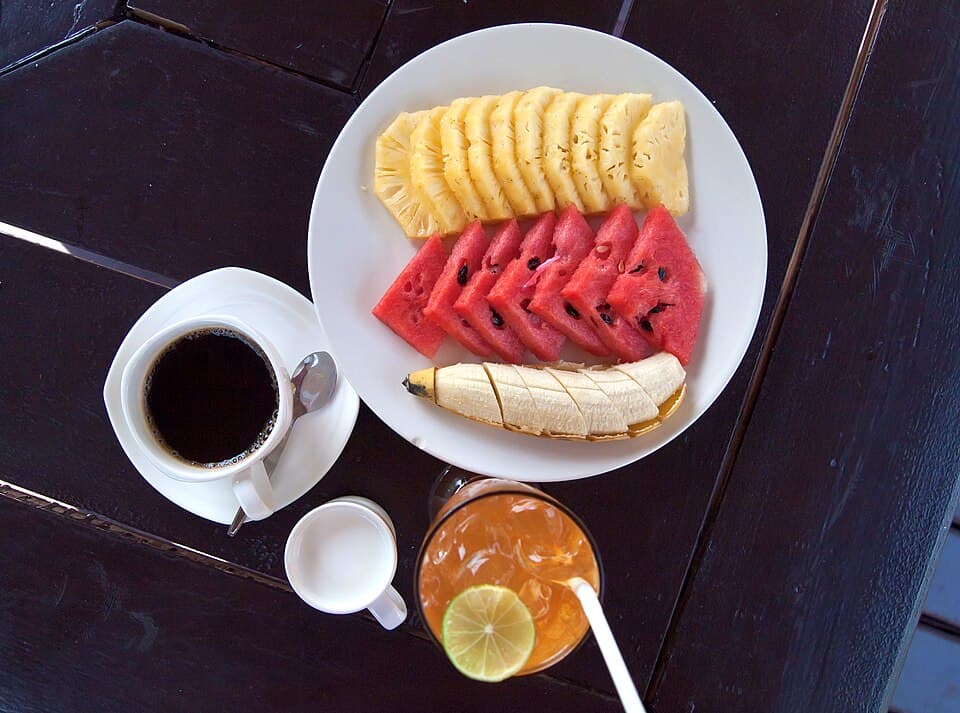
Tropical Fruit Salad
Mango, pineapple, papaya, and banana with coconut cream. Simple, refreshing, sweet on its own.
Kopai
Sweet dumplings made with coconut cream and sugar. Soft and pillowy, eaten as a snack or dessert.
Traditional Beverages
Discover Samoa's traditional drinks, from locally produced spirits to regional wines.
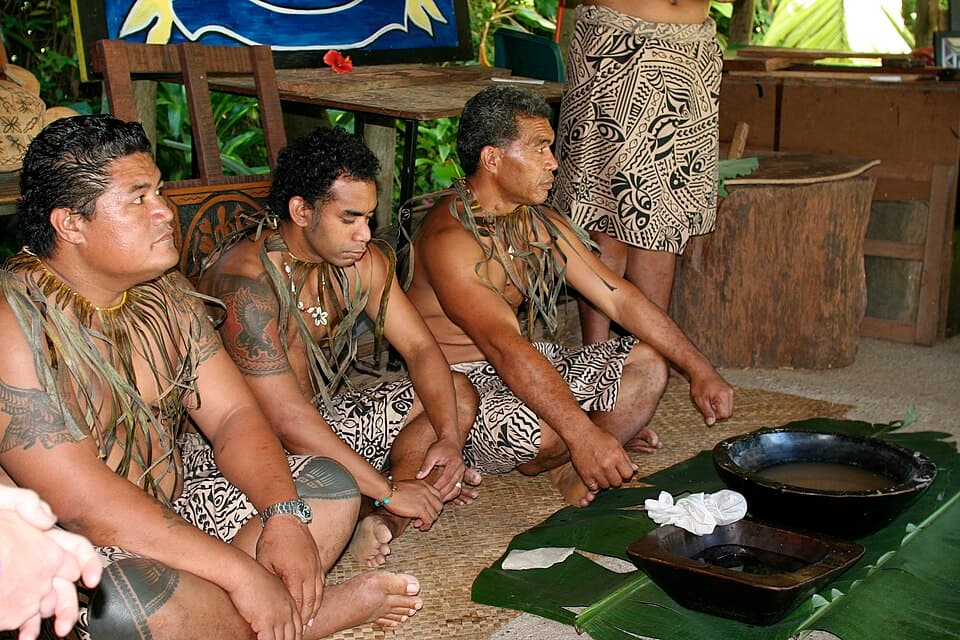
Kava ('Ava)
A ceremonial drink made from kava root, earthy and a little bitter, with a mild sedative effect. It matters in Samoan culture for ceremonies and social gatherings, and is shared from a communal bowl.
Vailima Beer
Samoa's national beer, brewed locally since 1978. A crisp lager that suits the heat, named after Robert Louis Stevenson's estate. It's the everyday drink across the country.
Soft Beverages
Discover Samoa's traditional non-alcoholic drinks, from local teas to refreshing juices.
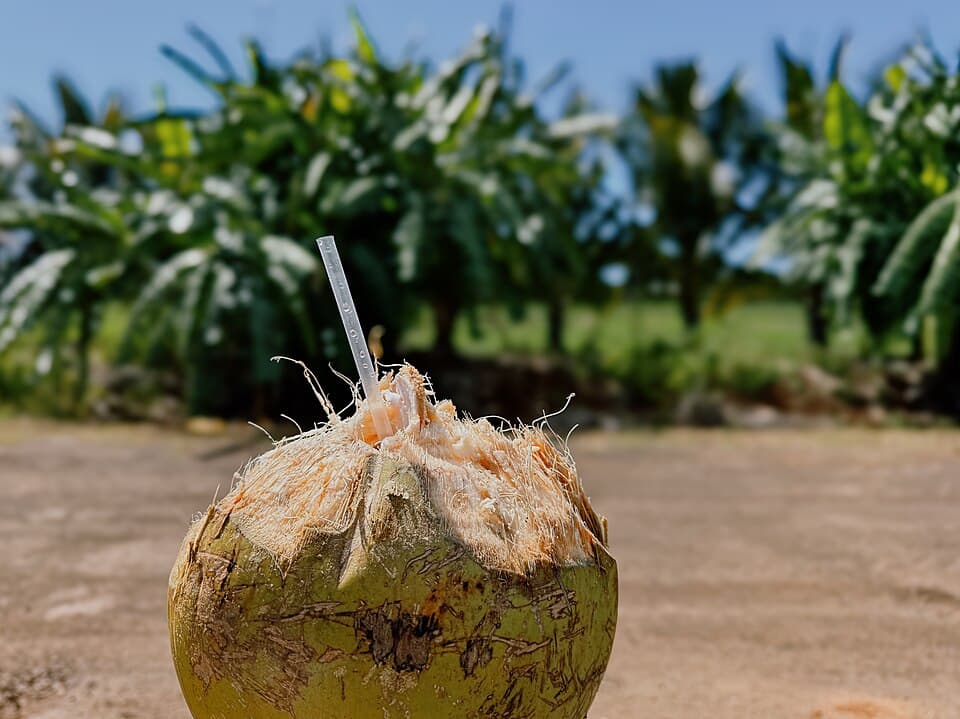
Fresh Coconut Water
Coconut water straight from a young coconut. Naturally sweet and hydrating, sold everywhere, and exactly what you want in the heat.
Koko Samoa (Samoan Cocoa)
A thick, rich hot chocolate made from local cocoa, coconut cream, and sugar. A traditional breakfast drink, usually served with panipopo or bread.
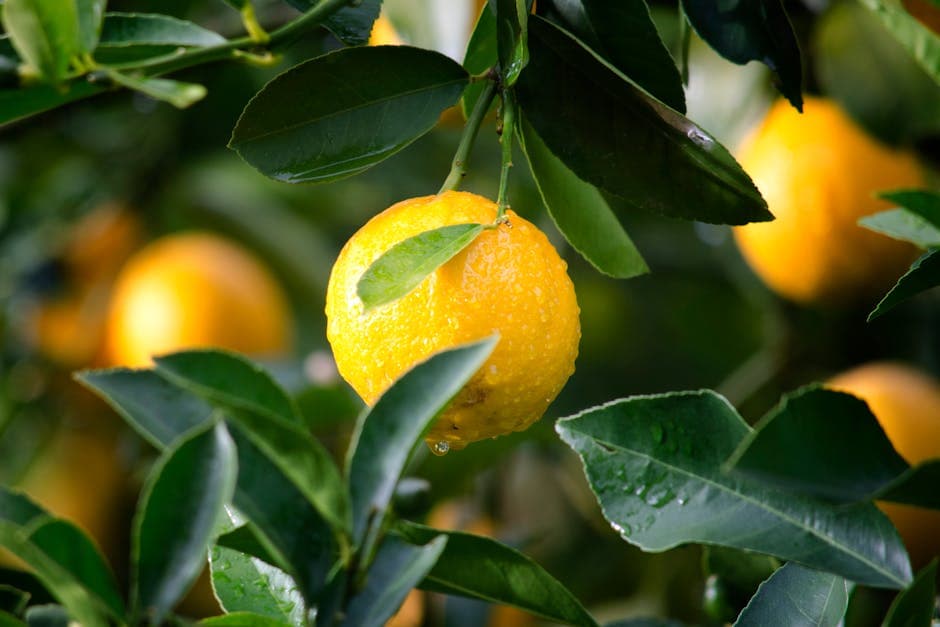
Fresh Tropical Juice
Juice squeezed fresh from mango, pineapple, papaya, or passion fruit. Sweet and bright, sold at markets and restaurants.
Frequently Asked Questions
Essential information about food and dining in Samoa.
What is the national dish of Samoa?
Samoa's most iconic dishes include Palusami, Oka I'a (Raw Fish Salad), Faiai Eleni. The national dish: taro leaves packed with coconut cream, wrapped in banana leaves and cooked for hours in the umu earth oven. Some cooks add corned beef or fresh fish. It carries real weight at celebrations, and the umu gives it a creamy, smoky depth.
Is street food safe in Samoa?
Street food in Samoa can be enjoyed safely by following these guidelines: Drink bottled or purified water Street food is generally safe. Look for busy vendors with high turnover, ensure food is cooked fresh and served hot, and avoid raw ingredients if you have a sensitive stomach.
What are the best restaurants in Samoa?
Samoa offers diverse dining options from street food stalls to upscale restaurants. For the best experience, ask locals for recommendations, check recent reviews, and look for restaurants that specialize in regional cuisines.
Can vegetarians find food easily in Samoa?
Vegetarian options in Samoa are mediumly available. Plenty of traditional Samoan cooking is coconut- and vegetable-based. Palusami (coconut cream baked in taro leaves), taro, breadfruit, and tropical fruit all work for vegetarians, and resorts run international vegetarian menus.. Many restaurants offer vegetarian dishes, and you'll find plant-based ingredients featured prominently in local cuisine.
What is the average cost of a meal in Samoa?
Meal costs in Samoa depend on where you eat. Street food and casual local restaurants are very affordable, typically offering complete meals for a few dollars. Mid-range restaurants charge moderate prices, while fine dining establishments are comparably priced to Western countries.
What are common food allergens in Samoa?
Common allergens in Samoa cuisine include Taro. Taro is the staple starch in Samoa and appears in many dishes. Not a common allergen, but a key ingredient. These ingredients appear in dishes like Taro leaves (palusami), Baked taro. Always inform restaurant staff about your allergies.
When is the best time to visit Samoa for food?
Samoa offers great food experiences throughout the year. However, visiting during harvest seasons (typically spring and autumn) provides access to the freshest local ingredients. Food festivals and cultural celebrations also offer unique culinary experiences worth planning around.