
Venezuela Food Guide
Content Information
Recently updated🔥Current Food Trends 2026
What's happening in Venezuela's culinary scene right now
The diaspora has carried Venezuelan food a long way. By 2026 you can find arepa counters in New York, Madrid, and Sydney, often run by families who left in the past decade. One dish that took off online is the arepa pabellon, which packs the components of the national dish into a single split corn cake. Carlos Garcia keeps the high end visible, cooking modern Venezuelan food with local produce at Alto in Caracas and Obra Kitchen Table in Miami. At home, the December ritual of making hallacas has come back strong, with whole families spending a day folding dozens to give away. Cachapas remain a weekend thing, bought hot from stands on the roads out of town. Andean Arabica from Merida and Tachira is starting to land in specialty coffee circles abroad. Zulian cooking is under strain, and some old standards like goat in coconut and bollos pelones now read as treats rather than everyday food. Mandocas, the horseshoe-shaped plantain fritters from Zulia, have spread well beyond the region. Pan de jamon travels overseas every Christmas with Venezuelan communities. A handful of chefs experiment with technique without losing the flavors people grew up on, and food trucks around Caracas have turned old recipes into quick street eats. In the mountains, the warming bowl of pizca Andina holds its place.
Food Safety Tips
Essential food safety information to help you enjoy Venezuela's cuisine safely and confidently.
Drink bottled water only
Tap water quality differs a lot from place to place. Stick to bottled water for drinking, and in some areas use it for brushing your teeth too.
Choose busy vendors with fresh preparation
Arepas and cachapas from a vendor with steady turnover are usually a safe bet. Head for the roadside stands with a line.
Be cautious in tropical heat
The heat works against you, so skip anything that has been sitting out and order food cooked to order.
Dietary Options
vegetarian
MEDIUM AVAILABILITYArepas with cheese, black beans, and vegetables turn up almost everywhere. The cooking leans heavily on meat, but most places will work around it.
vegan
LOW AVAILABILITYVegans have a harder time, since cheese finds its way into most meatless dishes. A black bean arepa without cheese is the reliable order at most stands.
gluten-free
HIGH AVAILABILITYCorn-based arepas and cachapas contain no gluten to begin with, and a lot of the cooking rests on rice, beans, and plantains.
Common Allergens
Dairy
VERY HIGH PREVALENCECheese is essential in arepas, cachapas, and many dishes
COMMONLY FOUND IN:
Gluten
MEDIUM PREVALENCEFound in tequeños breading and some pastries
COMMONLY FOUND IN:
Nuts
MEDIUM PREVALENCENuts used in desserts and some traditional dishes
COMMONLY FOUND IN:
Essential Food Experiences
These iconic dishes represent the must-have culinary experiences that define Venezuela's food culture for travelers.
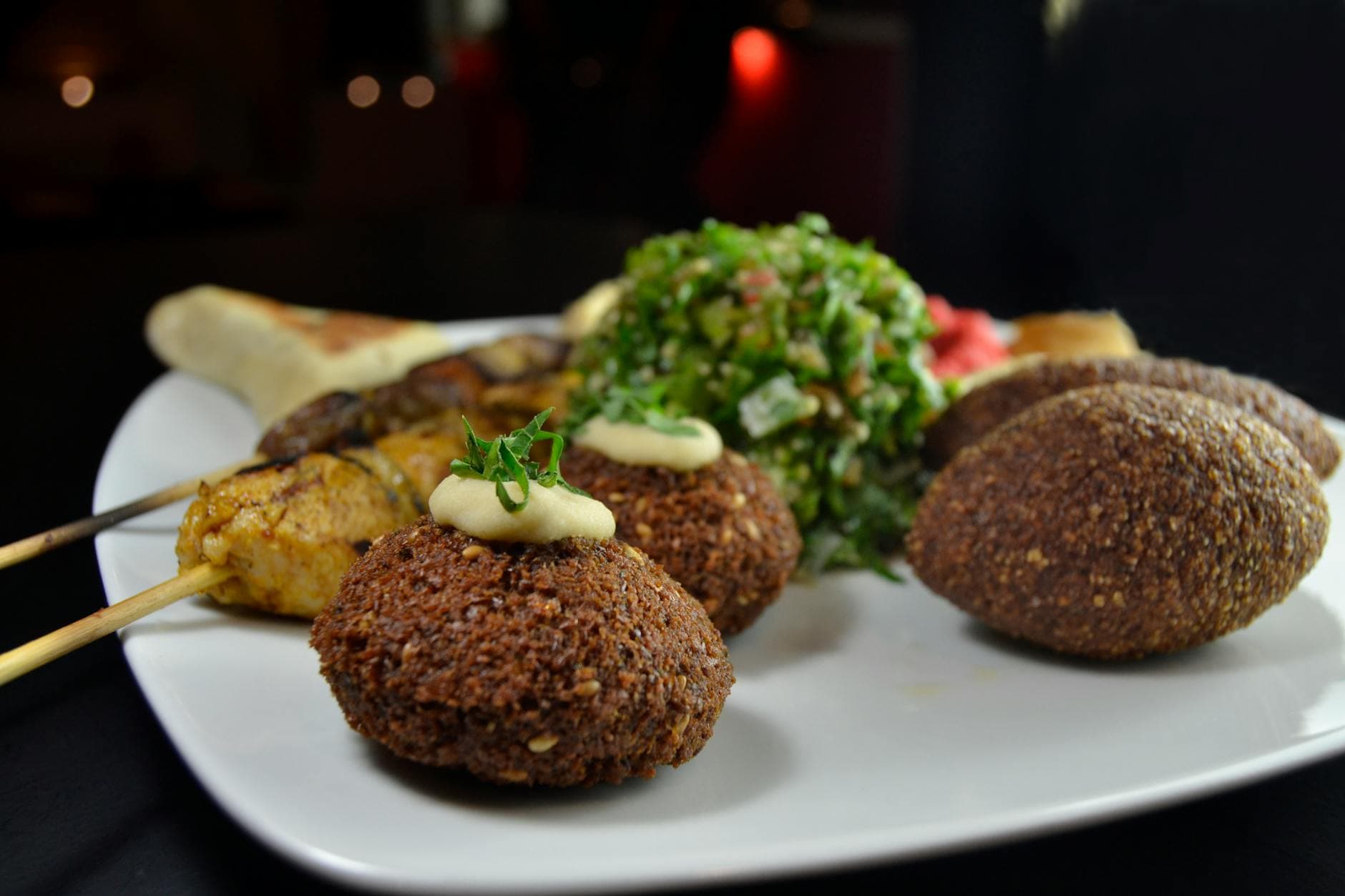
Pabellón Criollo
The national dish: a plate of shredded beef (carne mechada), black beans (caraotas), white rice, and fried sweet plantains, the colors all laid out side by side. Add a fried egg on top and it becomes pabellon a caballo. The combination traces back to Indigenous, Spanish, and African kitchens.
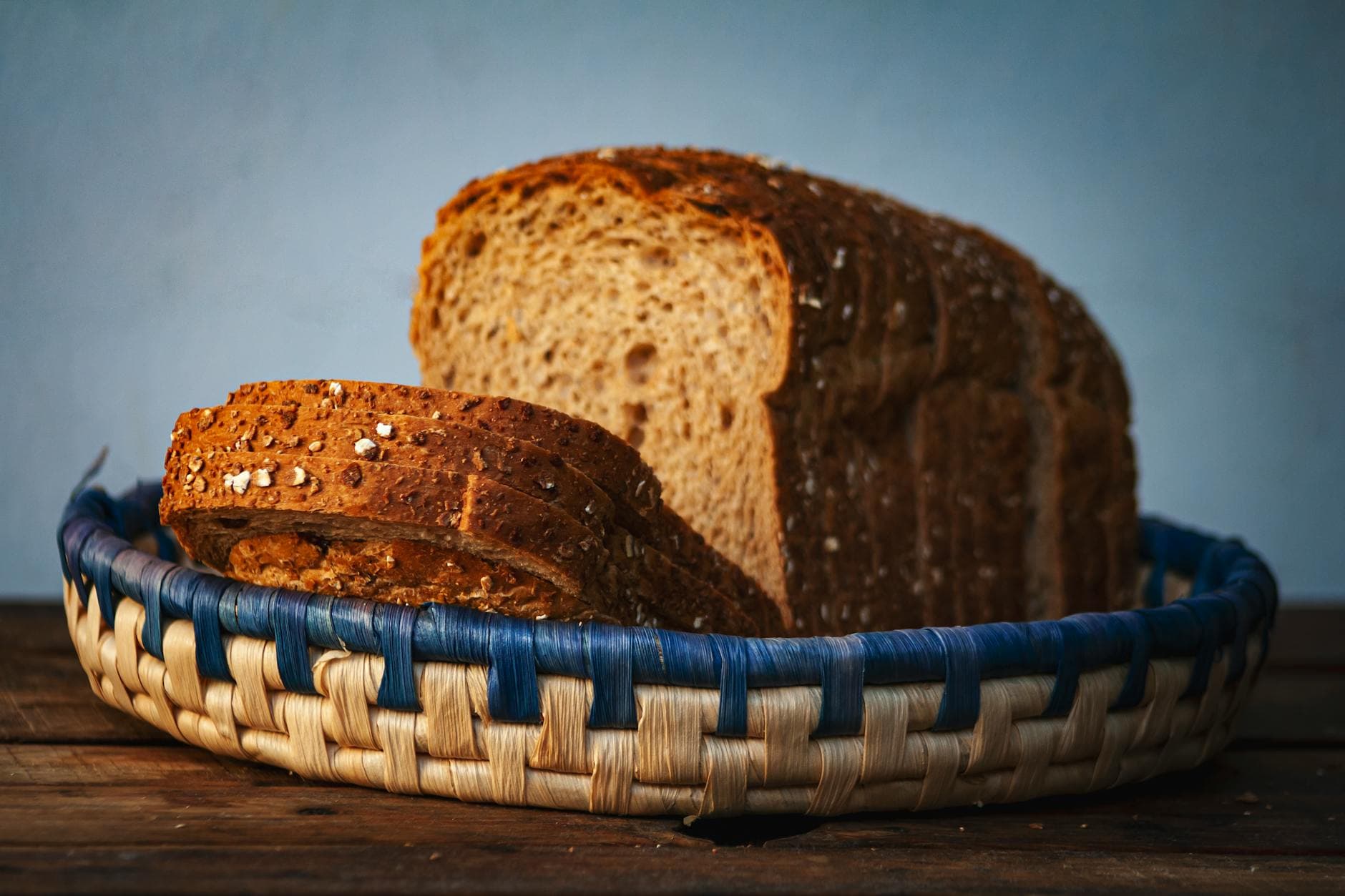
Arepa
The cornmeal patty Venezuelans eat at any hour, gluten-free and split open to hold whatever you want: cheese, shredded beef, chicken, pork, beans, eggs, or some mix of them. The Reina Pepiada, a chicken and avocado salad filling, was named for the country's 1955 Miss World.
Cachapa
A thick, sweet pancake of freshly ground corn kernels, griddled until golden and folded around Queso de Mano, a soft handmade white cheese that melts inside. Most people eat them on weekends, bought from roadside stands on drives out of the city.
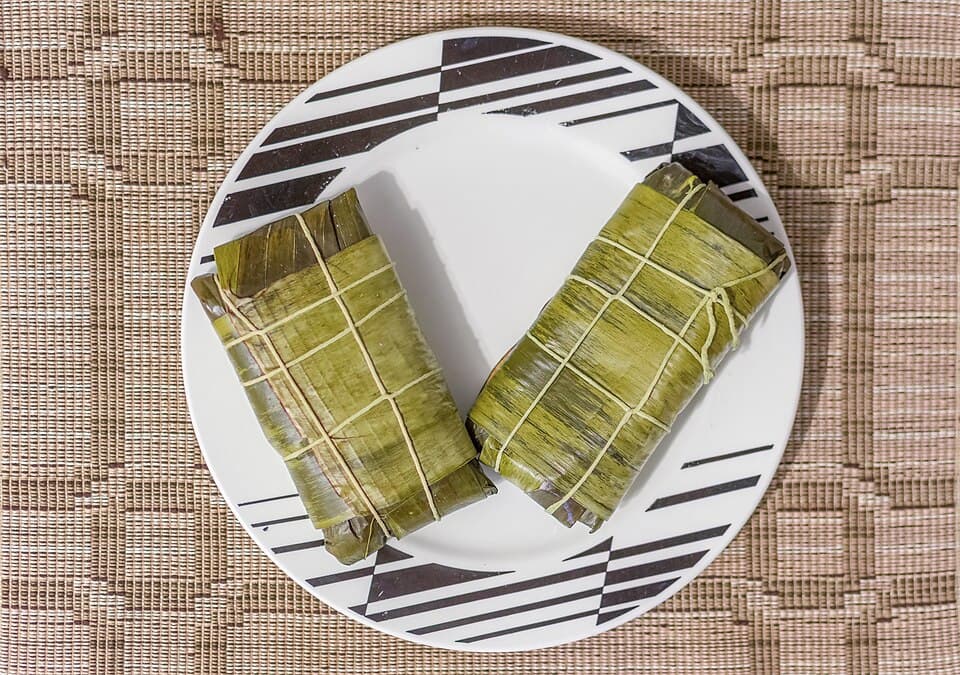
Hallaca
A Christmas tamale of corn dough wrapped in plantain leaf, filled with a stew of beef, pork, and chicken along with raisins, capers, and olives. Families make dozens at a time in December, to eat and to give away. You will only see them around the holidays, and they take a full day to assemble.
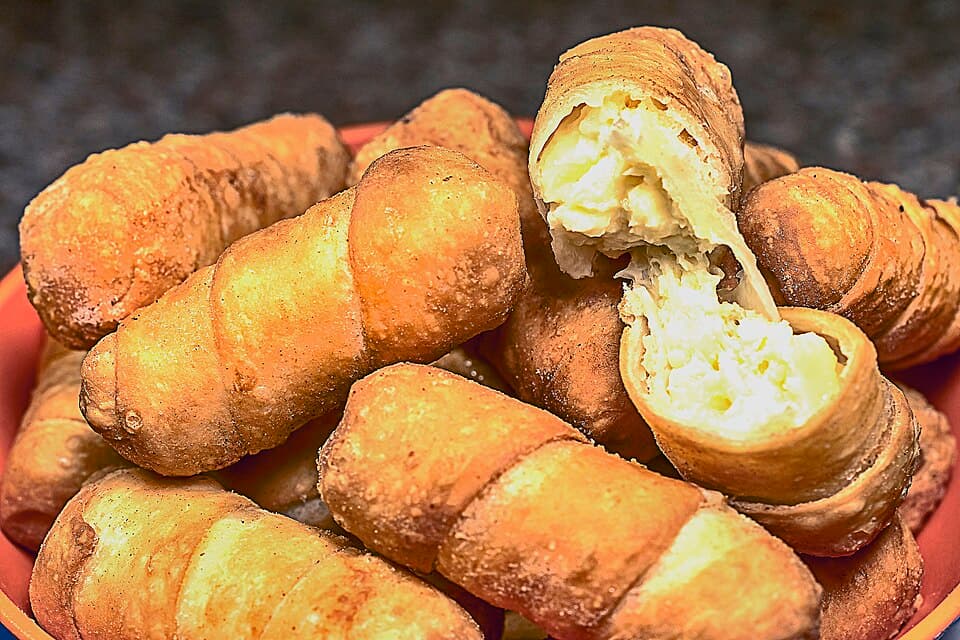
Tequeños
Breaded cheese sticks fried until the outside crisps and the inside goes molten, served with tartar or guasacaca, the Venezuelan avocado sauce. No party or family gathering happens without a tray of them.
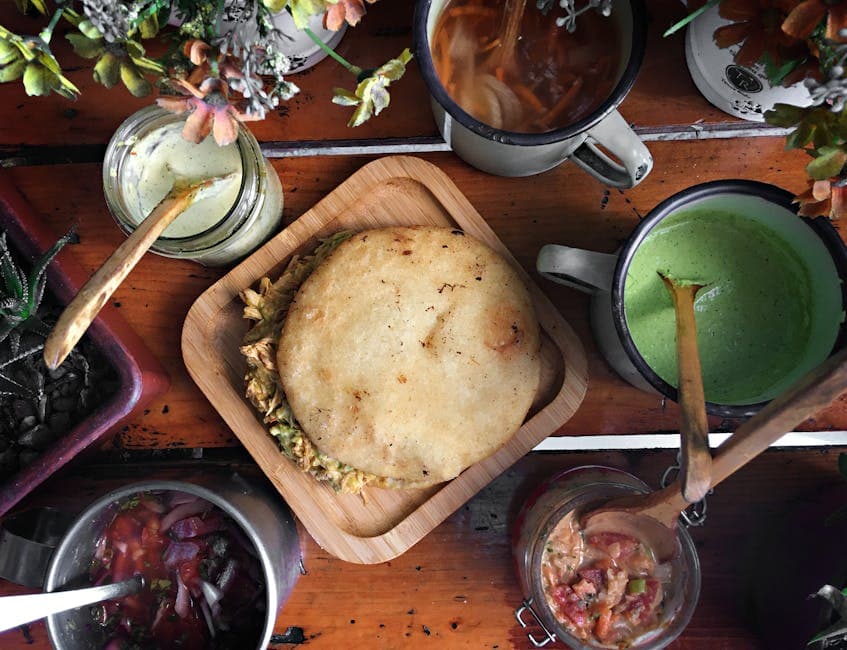
Arepa Pabellón
The fusion that blew up online: everything in a pabellon criollo, the shredded beef, rice, beans, and fried plantains, stuffed inside an arepa. A neat shorthand for where young Venezuelan cooks are taking the classics.
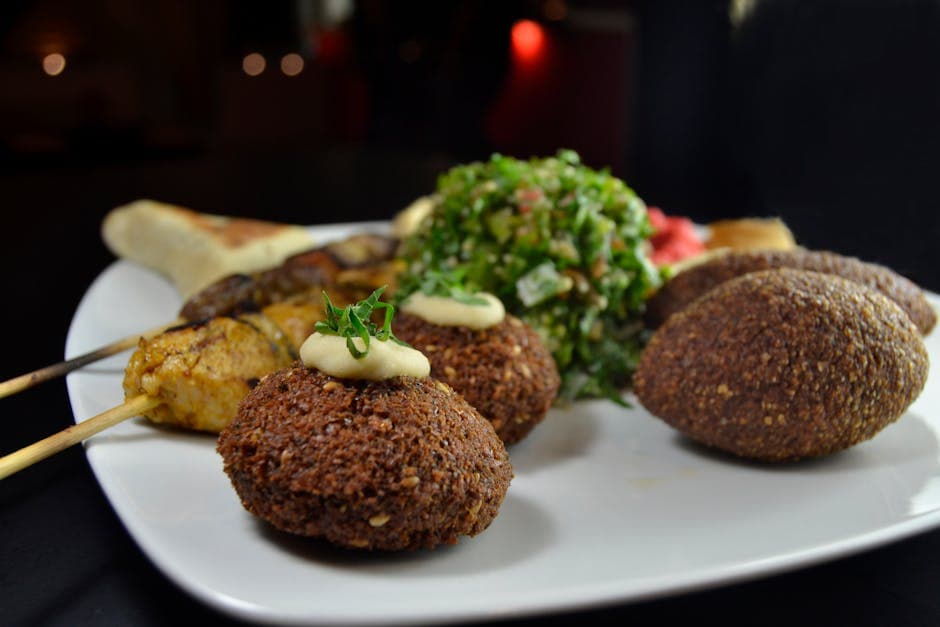
Patacon Zuliano
A Zulian sandwich that swaps bread buns for fried plantain slices, then loads in shredded beef or chicken, salad, cheese, boiled egg, and vegetables, finished with mayonnaise and ketchup.
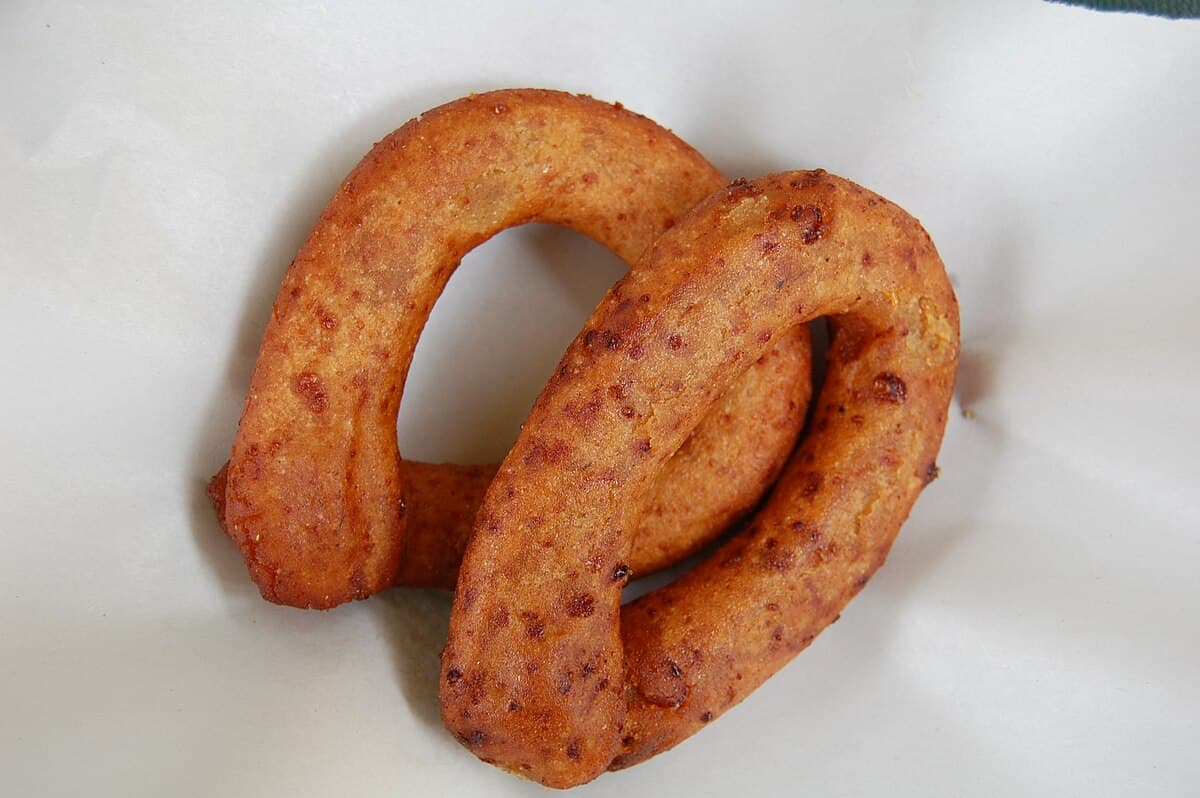
Mandocas
Horseshoe-shaped fried dough from Zulia, the corn batter worked through with mashed ripe plantain, anise seed, cheese, and raw cane sugar. The result lands somewhere between sweet and savory.
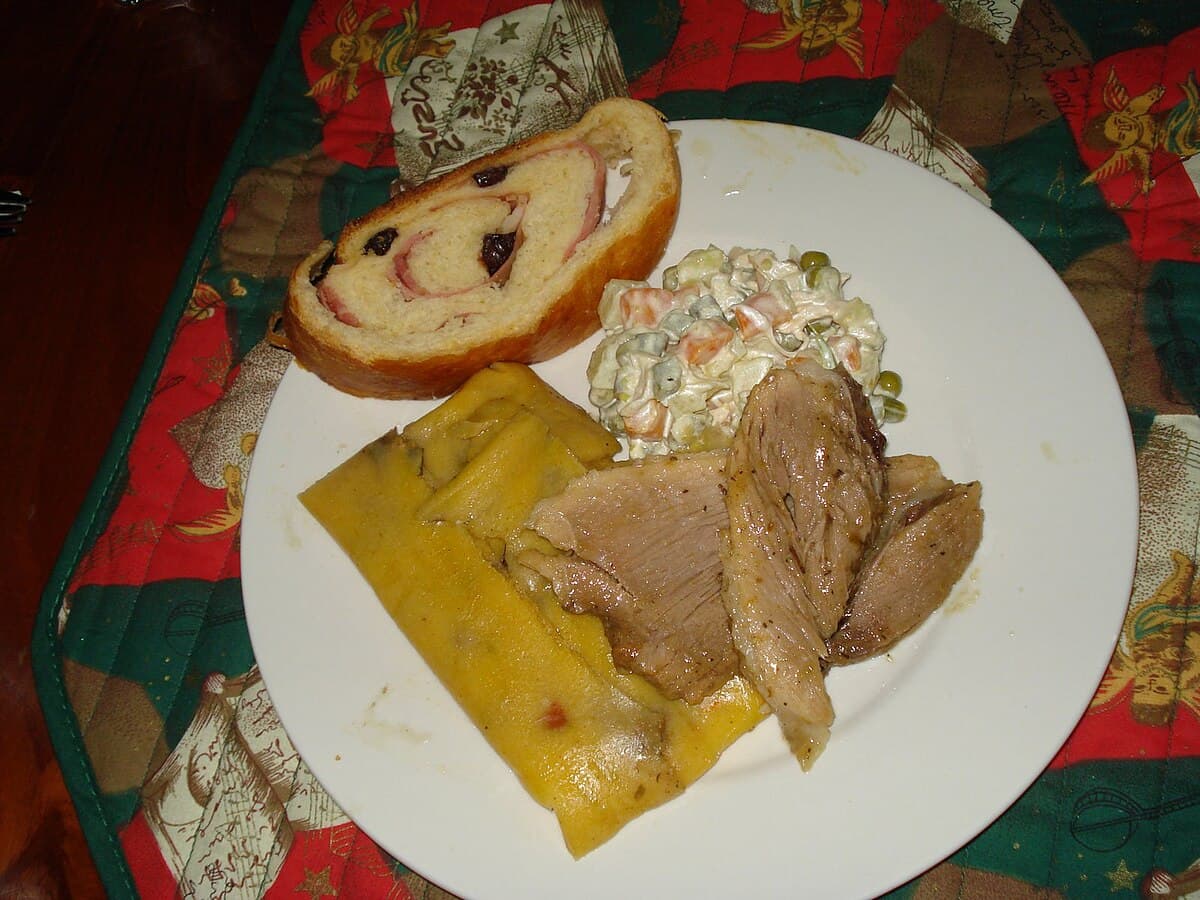
Pan de Jamón
A sweet bread that started in Caracas, rolled around ham, bacon, raisins, and green olives. It comes out at Christmas, sharing the table with hallacas and ponche de crema.
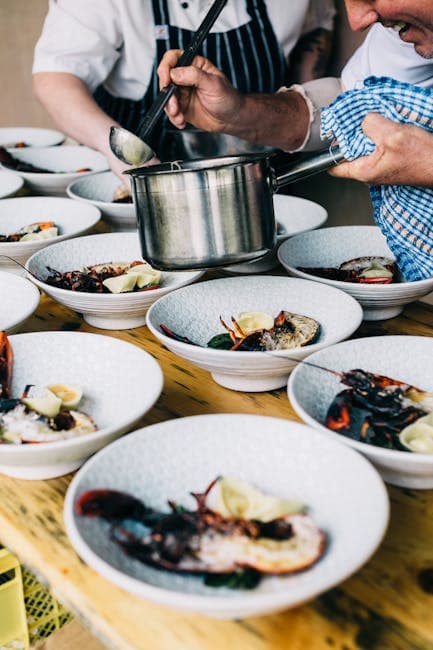
Pizca Andina
A soup from the Andes around Merida and Tachira, built on chicken, potatoes, local herbs, milk, and eggs. It is what people reach for when the mountain air turns cold.
Regional Specialties & Local Favorites
Discover the authentic regional dishes and local favorites that showcase Venezuela's diverse culinary traditions.
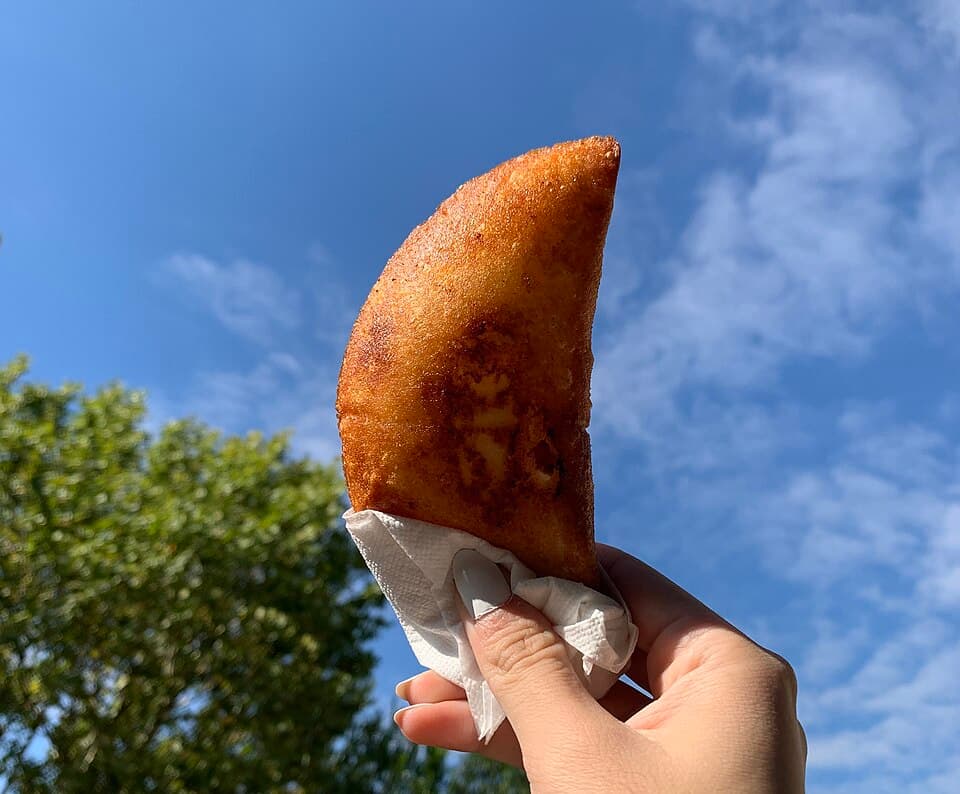
Empanadas
Corn or wheat turnovers, fried or baked, filled with cheese, meat, black beans, or seafood. A standard breakfast and a standard snack.
Allergens:
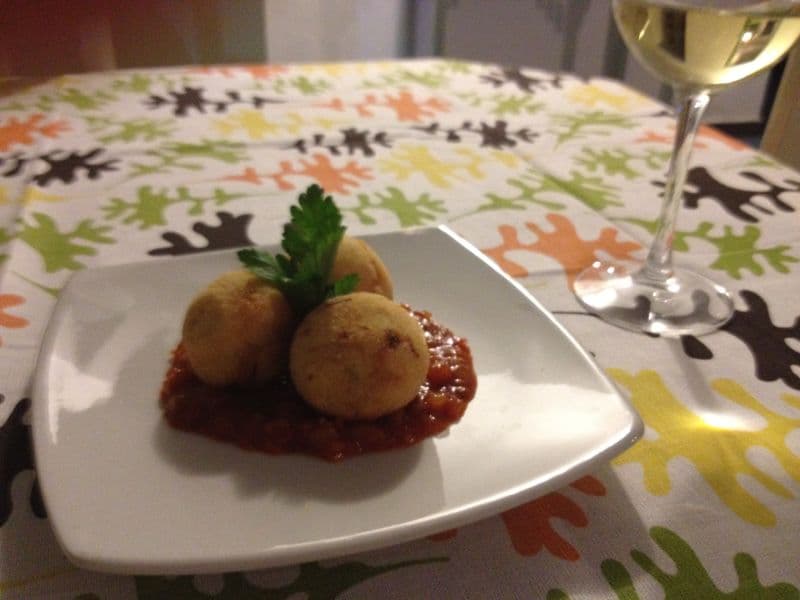
Bollos Pelones
A Zulian dish of flour buns stuffed with seasoned meat and served in tomato sauce. The kind of thing that comes out of a grandmother's kitchen.
Allergens:
Macarronada
A Zulian baked macaroni with vegetables, usually meat, and a bechamel sauce. A filling casserole.
Allergens:
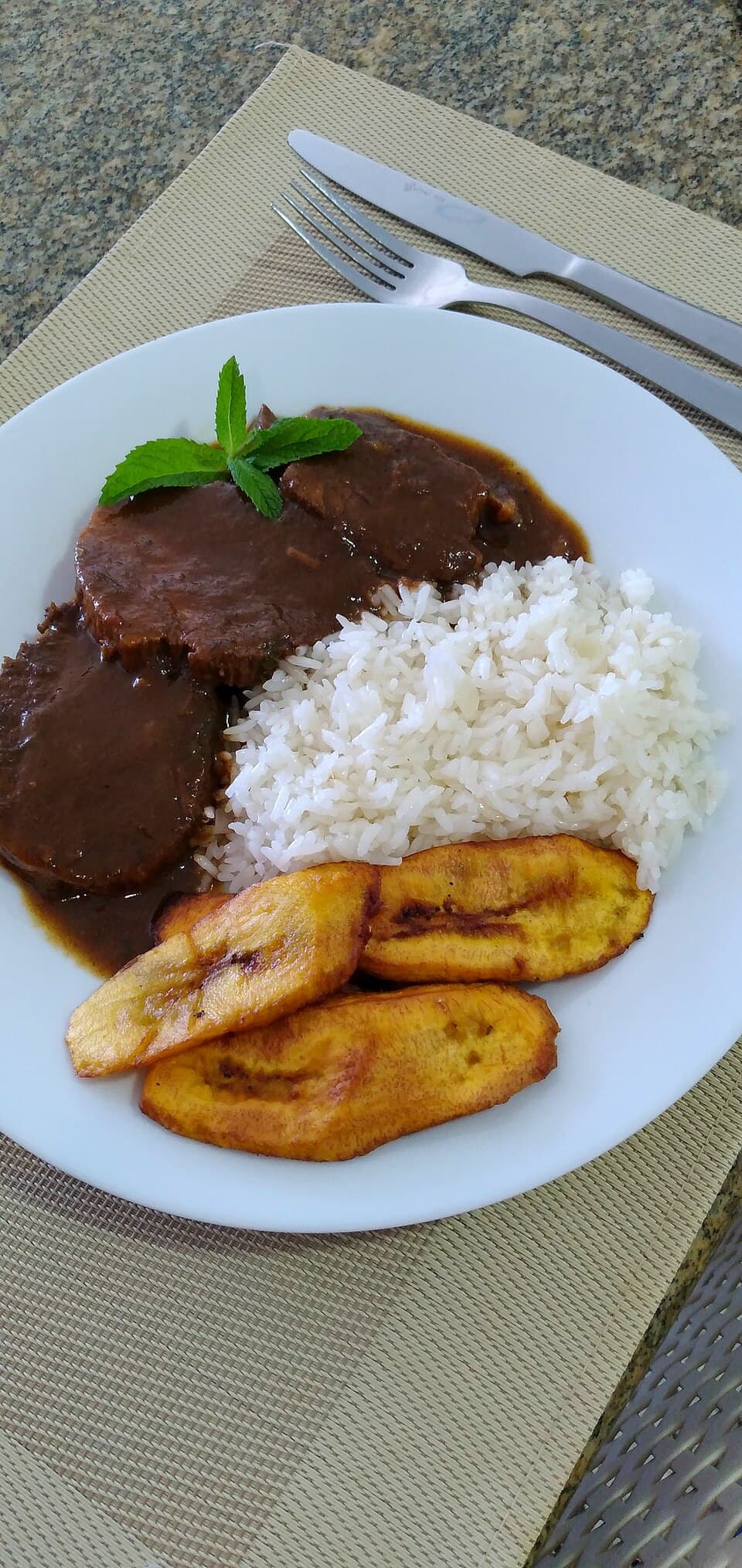
Asado Negro
Beef braised slowly in a dark, sweet sauce built on panela (raw cane sugar) and spices. A Sunday meal in many households.
Tostones
Green plantains fried twice so they turn crisp and salty. Good as a side or a snack with guasacaca.
Pisca Caraqueña
A Caracas milk soup with eggs, eaten at breakfast or as a light meal.
Allergens:
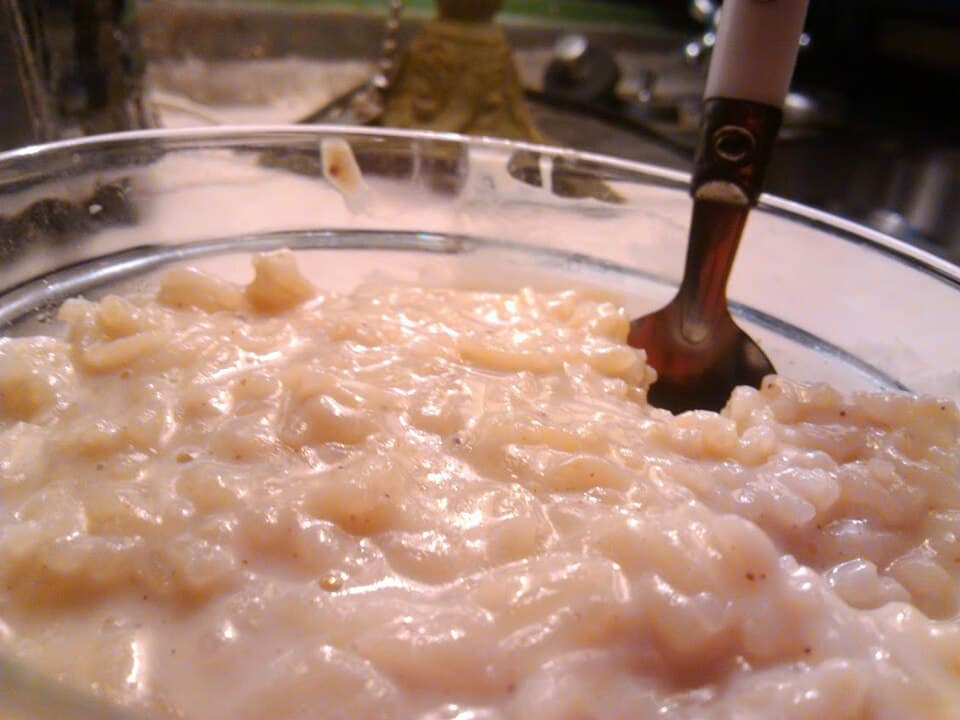
Arroz con Leche
Andean rice pudding with cinnamon, creamy and warm.
Allergens:
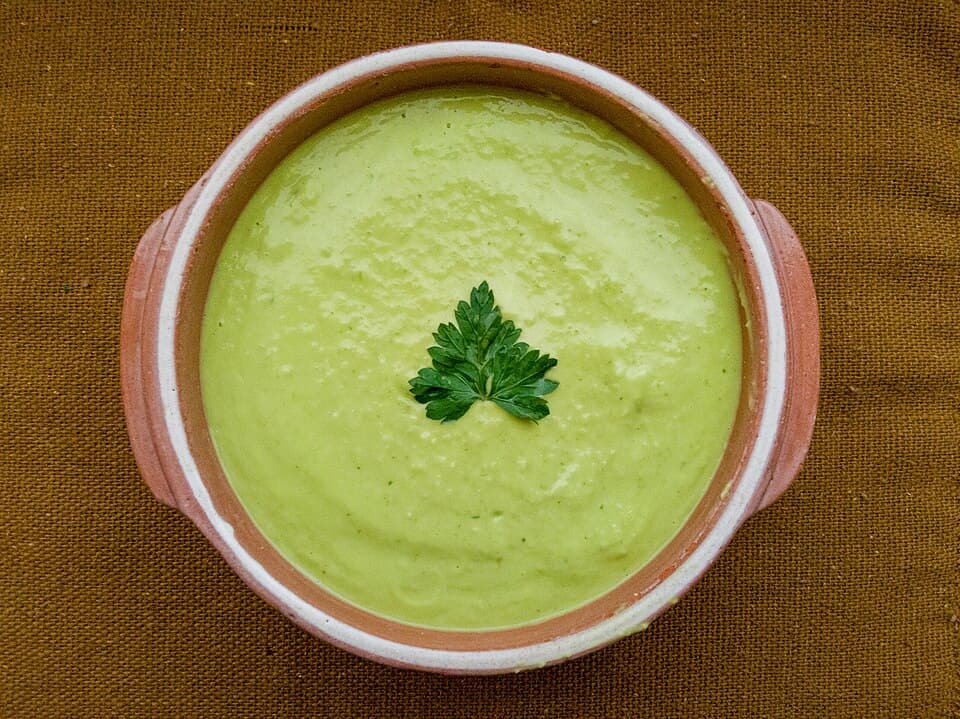
Guasacaca
The Venezuelan avocado sauce, blended with peppers, onions, cilantro, and lime. It ends up next to almost everything, from grilled meat to arepas.
Regional Cuisine Highlights
Explore the diverse culinary landscapes across different regions of Venezuela.
Zulia Region (Maracaibo)
Zulia holds the widest range of cooking in the country, and it shifts as you move around the lake. Indigenous traditions, coconut-based dishes on the western shore, beef and cheese to the south, fried food on the eastern coast. This is the home of patacon zuliano, mandocas, and bollos pelones.
Signature Dishes:
Key Ingredients:
Andean Region (Merida, Tachira)
The cold mountain climate shapes the food here: warming soups, plenty of dairy, trout from the streams, and very good coffee. Look for pizca Andina, arroz con leche, and dulce de leche. The Arabica grown on these slopes is finding its way into specialty markets.
Signature Dishes:
Key Ingredients:
Caracas (Capital)
The capital runs the full range, from cachapas on a street corner to white-tablecloth dining. Pan de jamon was born here, and the city is where most of the new ideas in Venezuelan cooking get tried. Carlos Garcia works the high end at Alto, while food trucks rework old recipes for the curb.
Signature Dishes:
Key Ingredients:
Sweet Delights & Desserts
Indulge in Venezuela's traditional sweet treats and desserts.
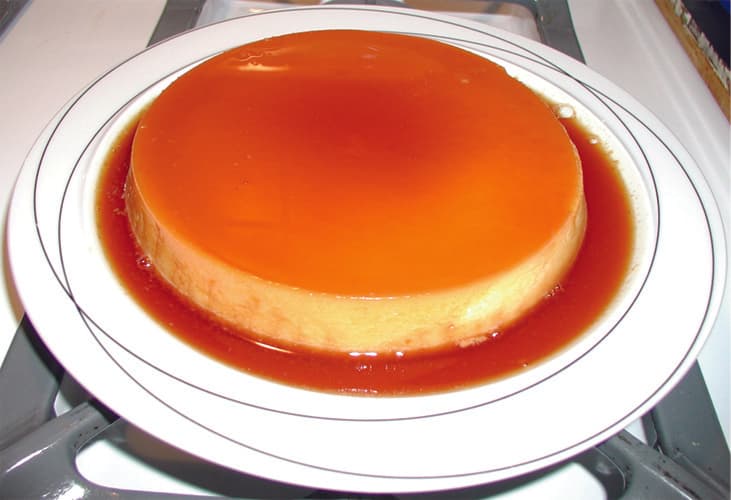
Quesillo
The Venezuelan take on flan, lighter and more porous than the versions you find elsewhere, with caramel pooled around it. A smooth custard people eat all over the country.
Dulce de Leche
A sweet milk caramel from the Andes, spread into and onto desserts and pastries across the country.
Ponche de Crema
A Christmas drink in the eggnog family, made with rum, condensed milk, eggs, and vanilla. It belongs to the holidays.
Traditional Beverages
Discover Venezuela's traditional drinks, from locally produced spirits to regional wines.
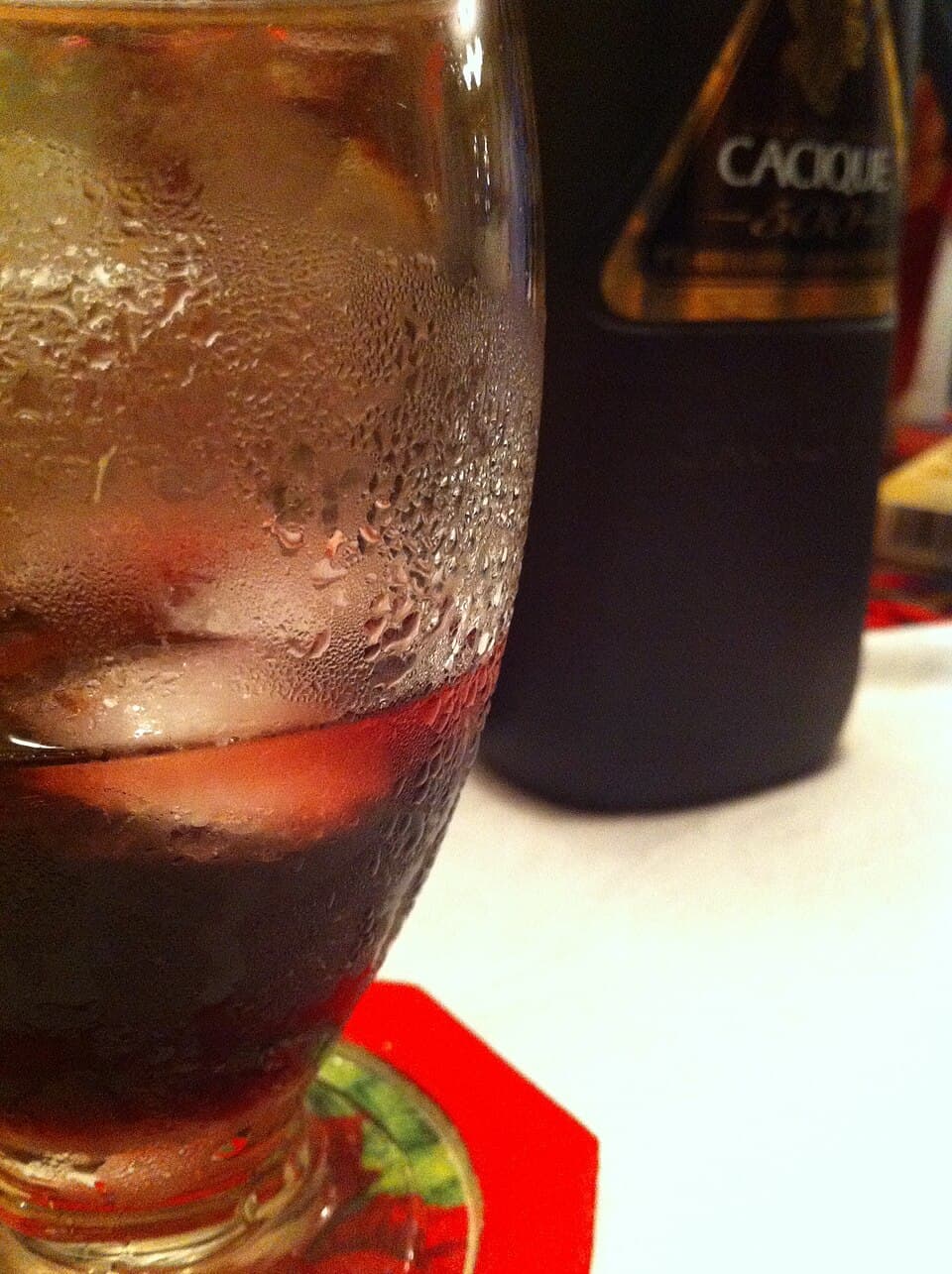
Ron Cacique
The country's best-known rum, mixed into cocktails or drunk neat, and a fixture at celebrations.
Soft Beverages
Discover Venezuela's traditional non-alcoholic drinks, from local teas to refreshing juices.
Venezuelan Coffee
Arabica grown in the Andes, mostly around Merida and Tachira. The high-altitude cultivation gives it a smooth, full cup.
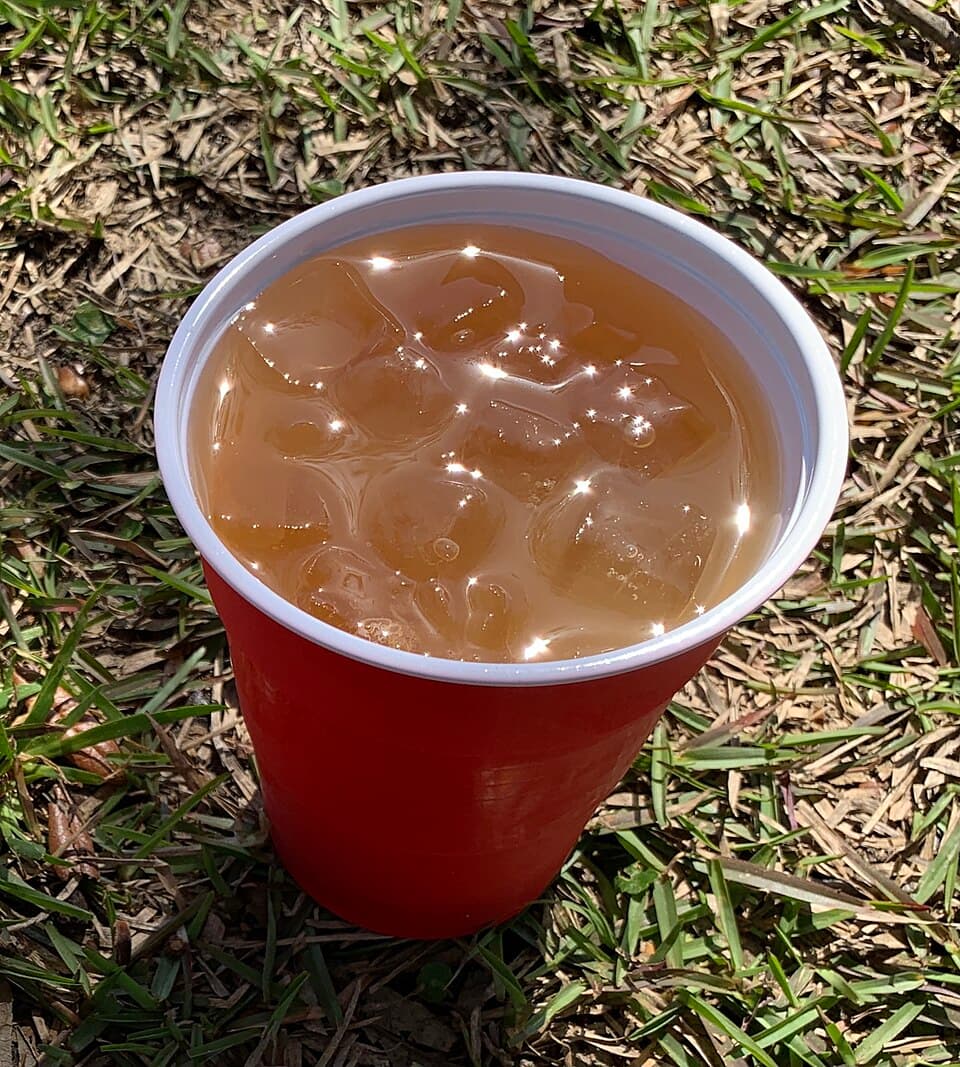
Papelón con Limón
Panela (raw cane sugar) and lime juice over ice. You find it sold on the street, and it cools you down fast.
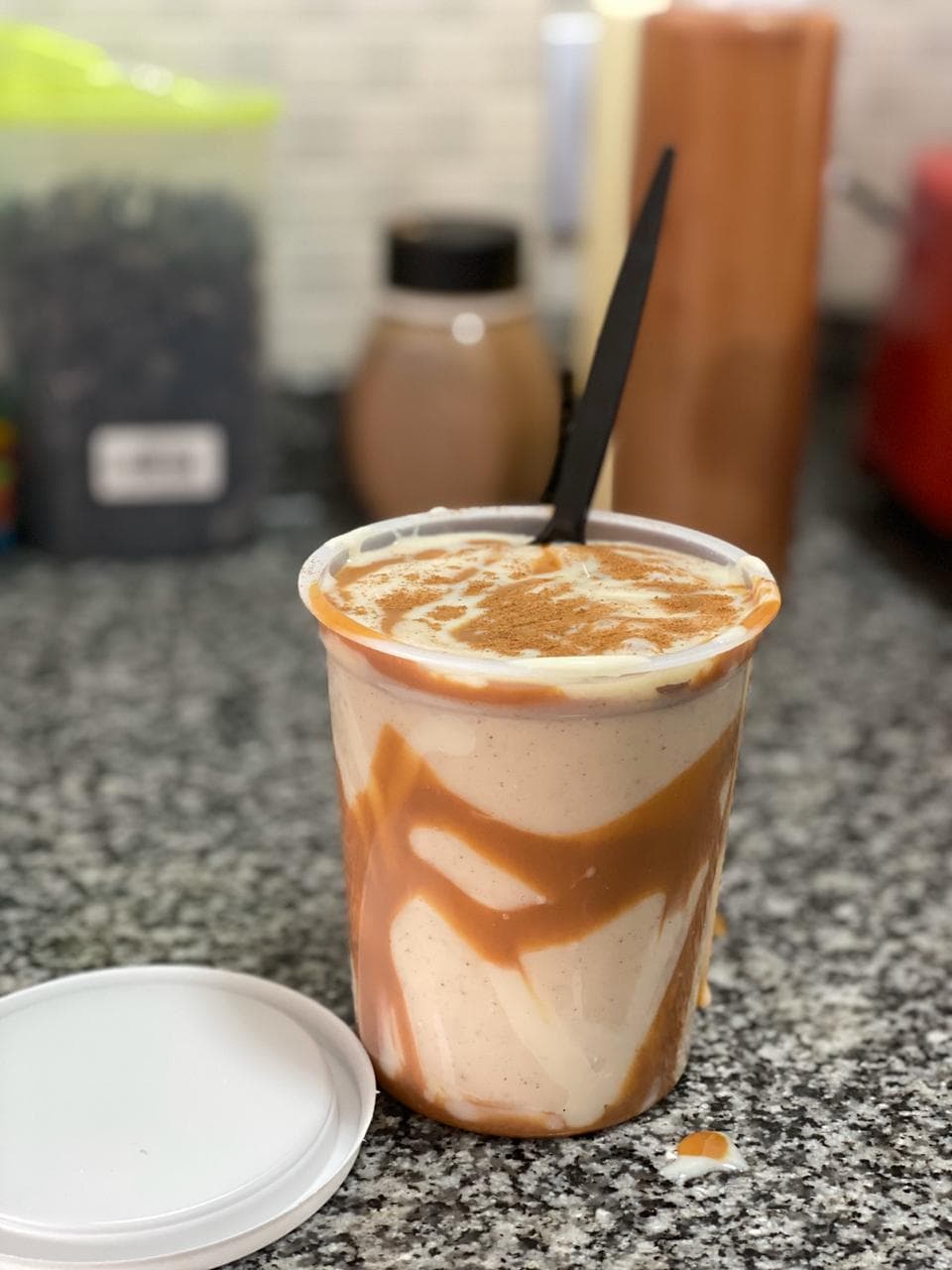
Chicha Criolla
A sweet, creamy rice drink with milk, sugar, and cinnamon.
Frequently Asked Questions
Essential information about food and dining in Venezuela.
What is the national dish of Venezuela?
Venezuela's most iconic dishes include Pabellón Criollo, Arepa, Cachapa. The national dish: a plate of shredded beef (carne mechada), black beans (caraotas), white rice, and fried sweet plantains, the colors all laid out side by side. Add a fried egg on top and it becomes pabellon a caballo. The combination traces back to Indigenous, Spanish, and African kitchens.
Is street food safe in Venezuela?
Street food in Venezuela can be enjoyed safely by following these guidelines: Drink bottled water only. Look for busy vendors with high turnover, ensure food is cooked fresh and served hot, and avoid raw ingredients if you have a sensitive stomach.
What are the best restaurants in Venezuela?
Venezuela offers diverse dining options from street food stalls to upscale restaurants. For the best experience, ask locals for recommendations, check recent reviews, and look for restaurants that specialize in regional cuisines.
Can vegetarians find food easily in Venezuela?
Vegetarian options in Venezuela are mediumly available. Arepas with cheese, black beans, and vegetables turn up almost everywhere. The cooking leans heavily on meat, but most places will work around it.. Many restaurants offer vegetarian dishes, and you'll find plant-based ingredients featured prominently in local cuisine.
What is the average cost of a meal in Venezuela?
Meal costs in Venezuela depend on where you eat. Street food and casual local restaurants are very affordable, typically offering complete meals for a few dollars. Mid-range restaurants charge moderate prices, while fine dining establishments are comparably priced to Western countries.
What are common food allergens in Venezuela?
Common allergens in Venezuela cuisine include Gluten, Nuts. Found in tequeños breading and some pastries. These ingredients appear in dishes like Tequeños, Pan de Jamon. Always inform restaurant staff about your allergies.
When is the best time to visit Venezuela for food?
Venezuela offers great food experiences throughout the year. However, visiting during harvest seasons (typically spring and autumn) provides access to the freshest local ingredients. Food festivals and cultural celebrations also offer unique culinary experiences worth planning around.