
Seychelles Food Guide
Content Information
Recently updated🔥Current Food Trends 2026
What's happening in Seychelles's culinary scene right now
By 2026, Seychelles has grown into a serious gourmet destination without losing its grip on tradition. Chefs fold Creole ingredients into Asian and European techniques, and the kitchens that do it well keep one foot in island heritage. Sourcing has tightened too: restaurants now buy directly from island farmers, fishermen, and herbalists, so you can usually trace a plate back to who caught or grew it. On Praslin, Corail pairs French haute cuisine with Japanese precision inside an eco-luxury resort, seating just 12 people. La Digue got The Salt Garden, the archipelago's first botanical gastronomy restaurant, where guests tour the on-site garden before they eat. Tiger Bite brought proper Southeast Asian street food to the islands. Sustainable fishing, once the exception, is now standard practice for most kitchens. Marie Antoinette Restaurant, a national monument since 2011, still anchors the traditional Creole end of things. The warm, dry weather makes ocean-to-table meals easy to pull off most of the year, and the Takamaka rum distillery at La Plaine St Andre keeps experimenting with contemporary Creole twists. Victoria's fish markets remain the center of gravity. Ladob, kat-kat, and bat curry carry the old recipes forward while younger chefs rework the presentations.
Food Safety Tips
Essential food safety information to help you enjoy Seychelles's cuisine safely and confidently.
Tap water is generally safe on main islands
Tap water on Mahé, Praslin, and La Digue is treated and safe to drink. On smaller islands, bottled water recommended.
Choose recently caught fish and seafood
Seafood here is about as fresh as it gets. Stick to restaurants that work from the daily catch, and buy from established fish markets like Sir Selwyn Selwyn-Clarke Market.
Wash fruit thoroughly or peel before eating
Local tropical fruit is fine once it has been washed properly. The markets carry a wide range, including breadfruit, jackfruit, and starfruit.
Be cautious with foods in tropical heat
In this heat, skip anything that has been sitting out at room temperature. Busy restaurants with quick turnover are the safer bet.
Dietary Options
vegetarian
MEDIUM AVAILABILITYVegetarians can rely on sweet ladob, vegetable curries, salads, and rice dishes. Ask, and a few Creole dishes will be made without meat or fish.
vegan
LOW AVAILABILITYVegan choices are thin on the ground. Coconut milk is everywhere, which helps, but most dishes still carry fish or meat, so spell out what you need. A handful of resort restaurants run dedicated vegan menus.
gluten-free
MEDIUM AVAILABILITYBecause so much of the food is built around rice, eating gluten-free is manageable. Fresh fish, curries, and rice carry no gluten, and cassava and breadfruit fill in as other starches.
Common Allergens
Fish
HIGH PREVALENCEFish is fundamental to Seychellois cuisine, appearing in most traditional dishes
COMMONLY FOUND IN:
Coconut
HIGH PREVALENCECoconut milk and fresh coconut used extensively in Creole cooking
COMMONLY FOUND IN:
Shellfish
MEDIUM PREVALENCEOctopus and other shellfish common in Creole cuisine
COMMONLY FOUND IN:
Essential Food Experiences
These iconic dishes represent the must-have culinary experiences that define Seychelles's food culture for travelers.
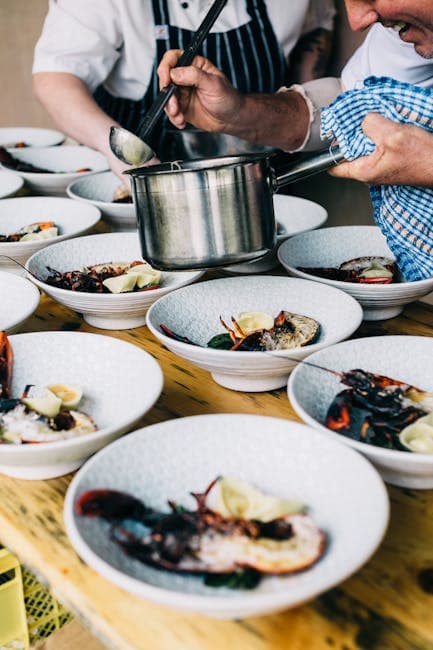
Ladob
Ladob works as a savory side or as dessert. The sweet one simmers ripe plantains and sweet potatoes in coconut milk with nutmeg, vanilla pods, and sugar. The savory one swaps in salted fish, coconut milk, nutmeg, cassava, breadfruit, or plantain, and salt. Either can come hot or cold. You will find it at Sir Selwyn Selwyn-Clarke Market in Victoria for SCR 50-100 (USD 3-7).
Kat-Kat (Kit-Kit Sale)
A Créole porridge of mashed green bananas or plantains and shredded fish fillets cooked down in coconut milk, with cinnamon, ginger, and garlic to season it. Savory, and usually eaten on its own or with rice and fresh chili peppers.
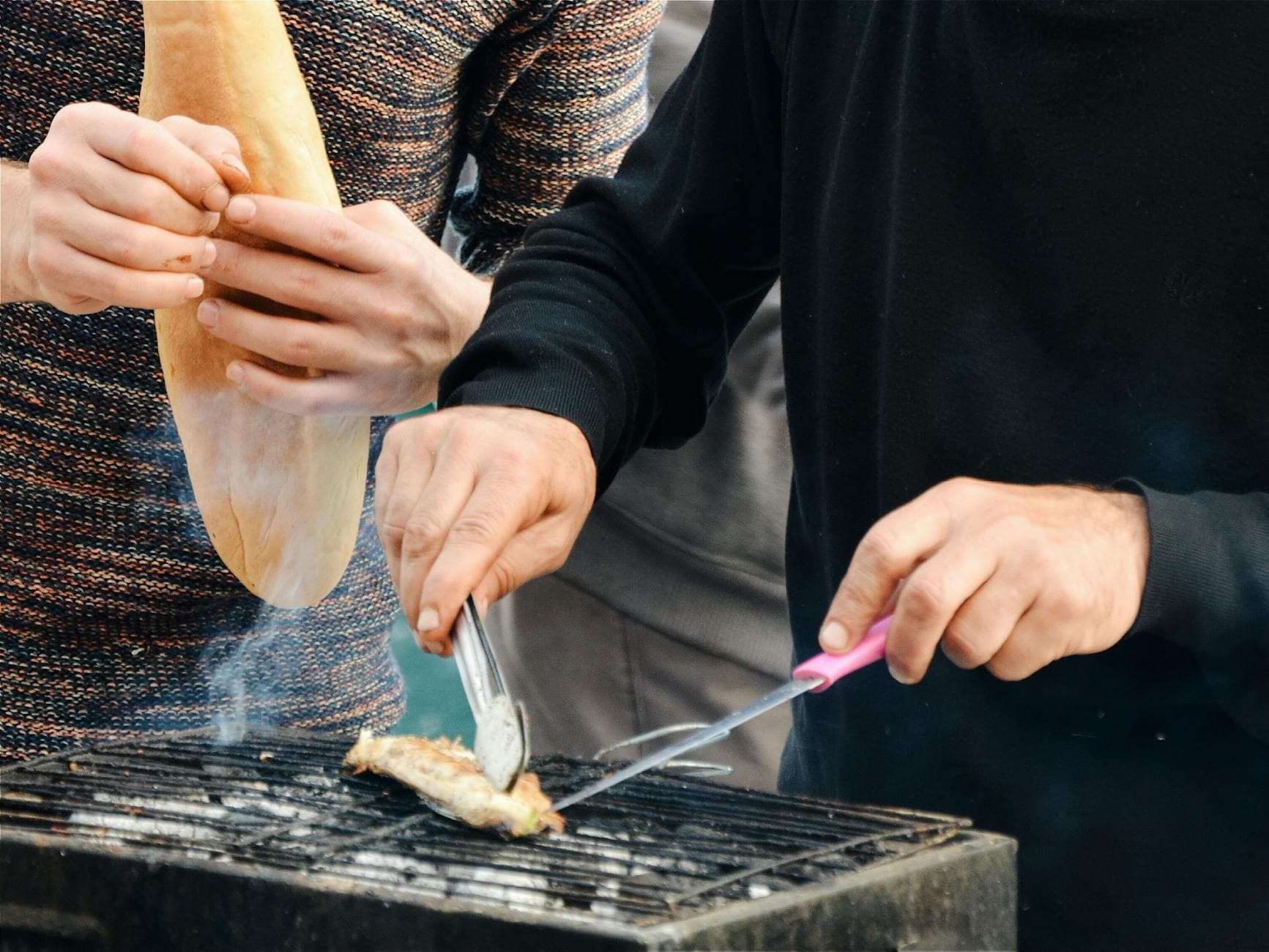
Grilled Fish (Bourgeoisie Grillé)
Red snapper scored, rubbed with Creole spices, and grilled. It comes with rice, salad, and a hot Creole sauce called chatini made from crushed chilies, ginger, and garlic. A Seychellois staple, and about as direct a way to taste the day's catch as you will find.
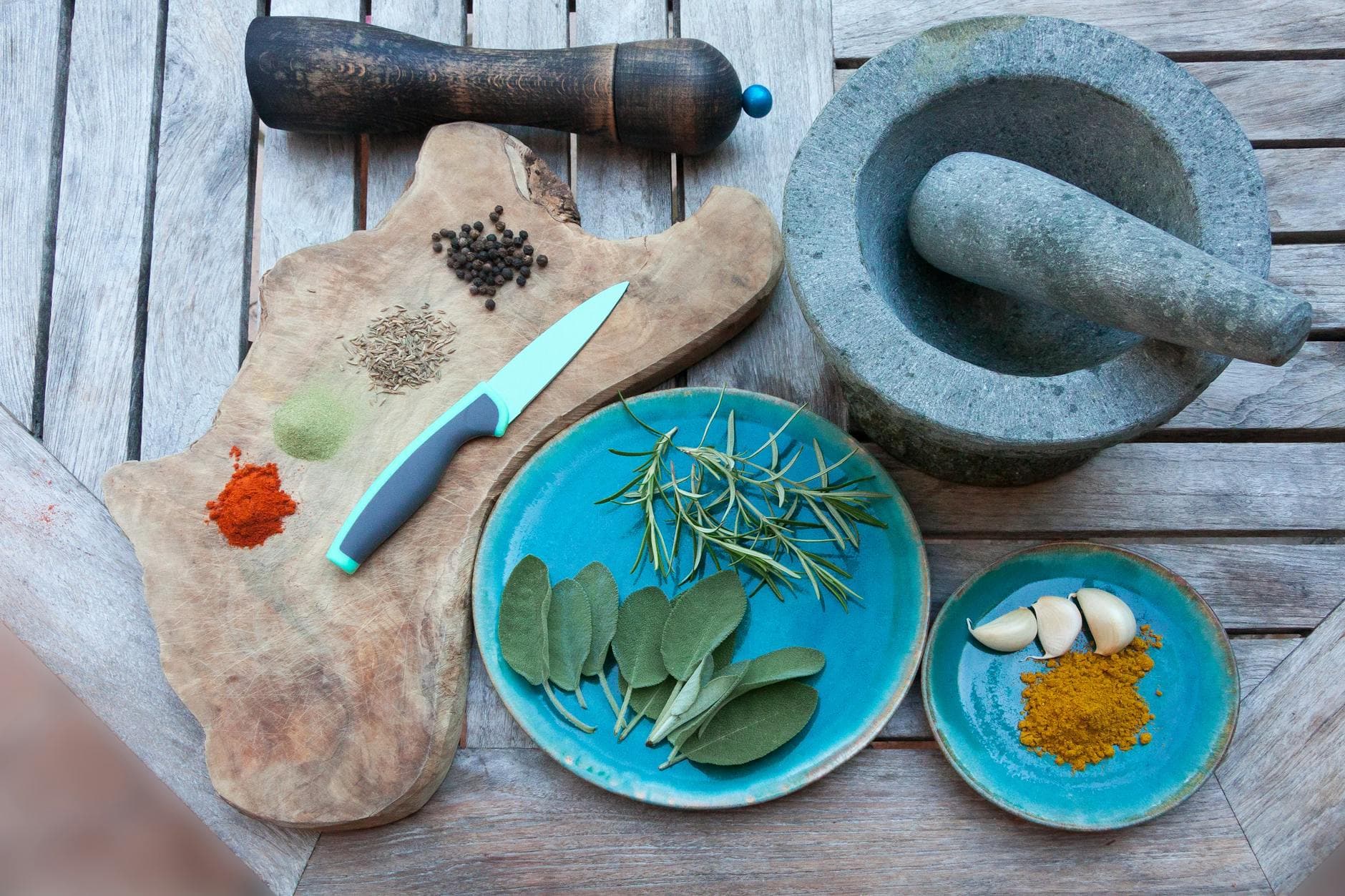
Creole Curry
The dish that sums up the islands' mixed origins. It is made with fish, chicken, or octopus these days, though bat and goat were once common. The sauce leans on tomatoes, onions, garlic, ginger, curry leaves, and coconut cream pressed fresh, and it does not hold back on spice.
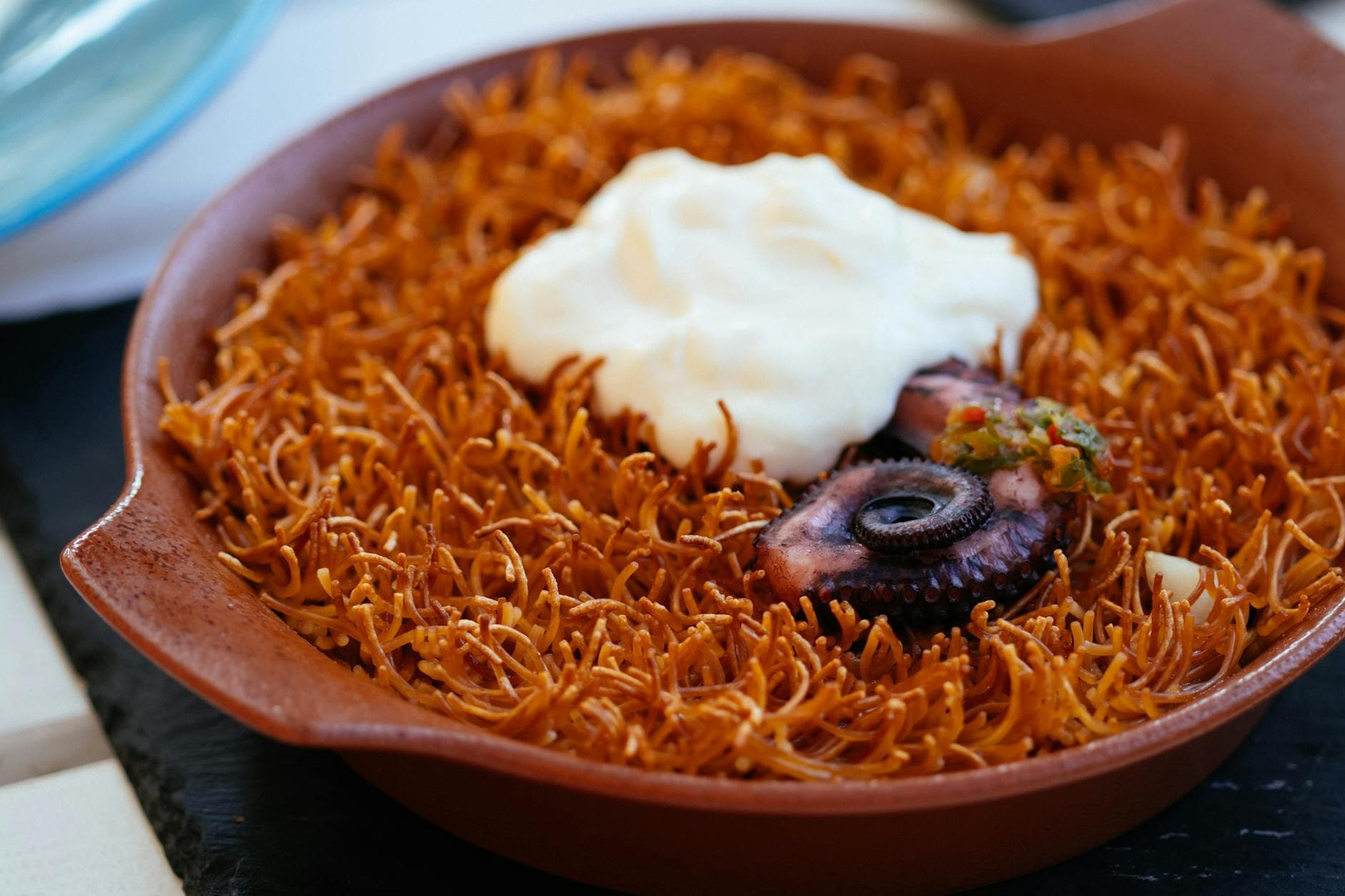
Octopus Curry
Octopus simmered until tender in a Creole curry of coconut milk, turmeric, curry leaves, and spices. It shows off how well the islands handle seafood, and it usually arrives with rice and chatini.

Shark Chutney
Boiled shark meat flaked and seasoned with bilimbi, the local sour fruit, plus lime, onions, and spices. It tastes strong and a little unusual, and it comes straight out of the islands' fishing past.
Bouillon Brede
A leafy greens stew built from local vegetables, fish or meat, and coconut milk. This is home cooking, and every family makes it a little differently.

Coconut Curry
A vegetable or seafood curry with plenty of coconut cream, turmeric, and Creole spices. The sauce turns silky and fragrant, and it sits right at the heart of island cooking.
Bat Curry
Once made with fruit bat, this dish has become rare as conservation rules tightened. It is a piece of old Creole cooking, and you can still try it at Marie Antoinette Restaurant and Anse Soleil Restaurant.
Rougaille
A tomato-based Creole sauce loosened with onions, garlic, ginger, and chilies. It dresses fish, sausages, or salt fish, and it almost always shows up alongside rice.
Pwason Ek Diri
Fish and rice, the meal you will eat more than any other in Seychelles. The fish might be grilled, curried, or steamed, but it always lands on a plate of fragrant rice. Plain, satisfying, and on every table.
Regional Specialties & Local Favorites
Discover the authentic regional dishes and local favorites that showcase Seychelles's diverse culinary traditions.

Breadfruit
A staple starch that gets boiled, baked, or fried and often stands in for potato. It tastes mild and faintly sweet, and island kitchens lean on it constantly.
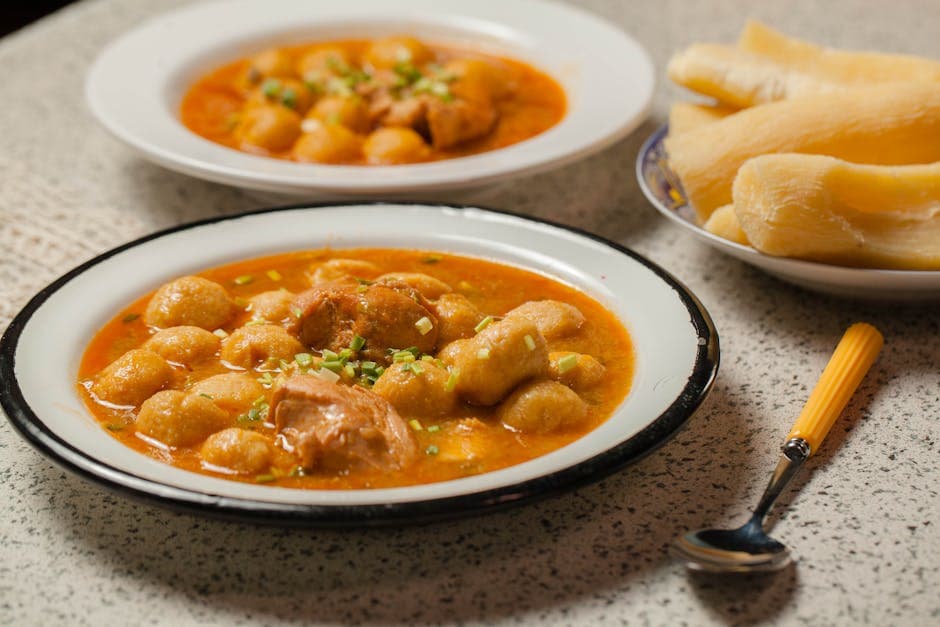
Cassava
A root vegetable eaten boiled, fried, or stewed, and a major source of carbohydrate here. It turns up in savory cooking and in sweet dishes like ladob.
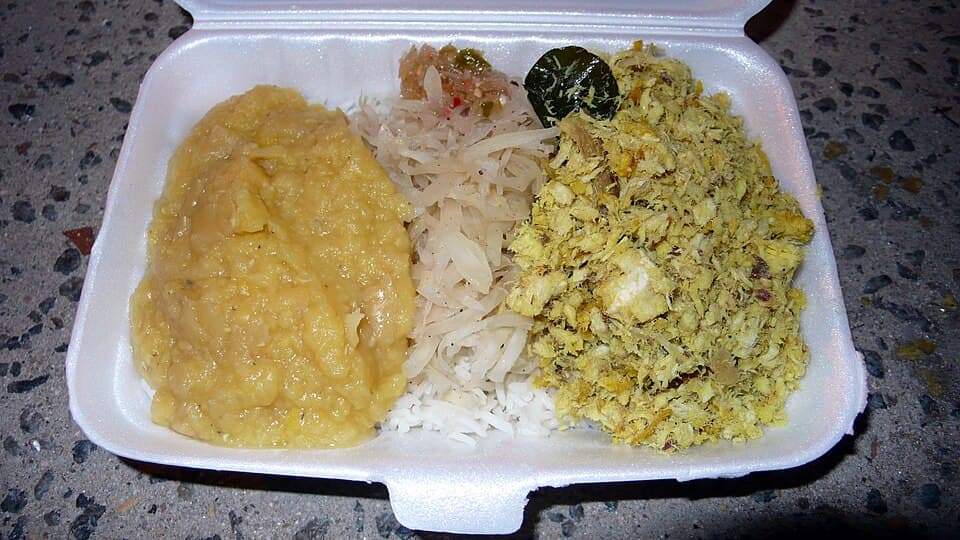
Chatini Requin
Shark chutney made with bilimbi fruit, onions, and spices. Tangy and hot, it works as a condiment or a side, and it carries the islands' fishing past with it.
Allergens:
Satini
Fresh chutneys and relishes built from whatever is local, often green papaya, mango, or tomatoes. They add a spicy lift to main dishes.
Salade de Palmiste
Palm heart salad tossed with fresh vegetables and a Creole dressing. It is crunchy and cool, and because harvesting palm heart is costly, it counts as a delicacy.
Tec-Tec
A small local shellfish, served steamed or in a curry. The meat is sweet and tender, and it makes a popular snack or starter.
Allergens:
Kari Koko
A coconut curry, usually with chicken or fish, in a creamy sauce seasoned with Creole spices. Pure comfort food, and a staple at home.
Allergens:
Boiled Banana
Green bananas boiled and served as a starchy side. Nothing fancy is done to them, which lets their own flavor come through, and they show up alongside plenty of meals.
Regional Cuisine Highlights
Explore the diverse culinary landscapes across different regions of Seychelles.
Mahé Island
The main island, home to the capital Victoria, has the widest range of places to eat, from old-school Creole to international fusion. This is where you find Marie Antoinette Restaurant, a national monument, alongside newer kitchens like Moutya at Mango House. The markets are stacked with fresh fish, tropical fruit, and Creole spices.
Signature Dishes:
Key Ingredients:
Praslin Island
The second largest island. Café des Arts is the one most people point to, known for its octopus gratin and tuna carpaccio. Chateau de Feuilles does fine dining off its own organic gardens, while Corail, which opened in 2025, plays French-Japanese fusion in an eco-luxury setting. La Pirogue pairs Creole cooking with live music.
Signature Dishes:
Key Ingredients:
La Digue Island
The smallest of the main islands, and the most laid-back when it comes to eating out. The Salt Garden, which opened in 2025, is the first botanical gastronomy restaurant, and it runs garden tours before you sit down. Rey & Josh Cafe gets credit for the best fish curry anywhere in the islands, and Avalunch leans into a homely feel with traditional live music on weekends.
Signature Dishes:
Key Ingredients:
Sweet Delights & Desserts
Indulge in Seychelles's traditional sweet treats and desserts.
Coconut Nougat
A chewy sweet made from fresh coconut and sugar, sometimes with a little vanilla. It tastes strongly of coconut and turns up everywhere as a local candy.
Banana Fritters
Ripe bananas dipped in batter and fried until golden, then served warm with sugar or honey. A sweet street snack.
Gato Piman
Fried cakes of lentils, chilies, and spices. They lean more snack than dessert, but people here can't leave them alone, crisp and hot as they are.
Coconut Ladob (Sweet)
The dessert take on ladob: ripe plantains and sweet potatoes simmered in coconut milk with nutmeg and vanilla. Creamy and fragrant, and rooted in Creole cooking.
Traditional Beverages
Discover Seychelles's traditional drinks, from locally produced spirits to regional wines.
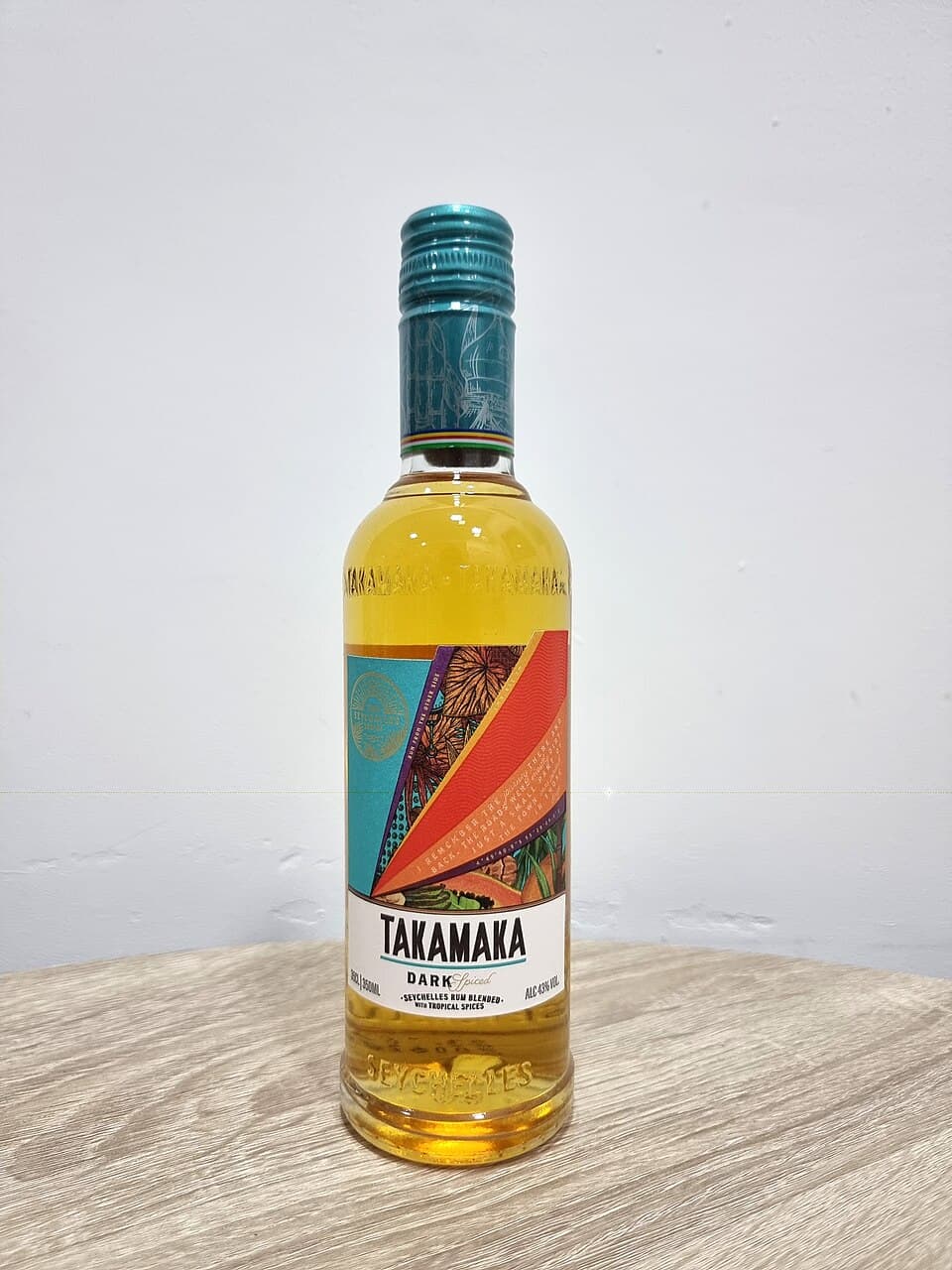
Takamaka Rum
Rum made at the La Plaine St Andre distillery from sugar cane grown on the islands. It runs from clear white to dark aged bottlings. Locals are proud of it and visitors keep buying it.
Calou (Palm Wine)
Fermented palm sap, an old island drink. It is sweet when fresh and gets stronger the longer it ferments. It carries real cultural weight here.
Soft Beverages
Discover Seychelles's traditional non-alcoholic drinks, from local teas to refreshing juices.
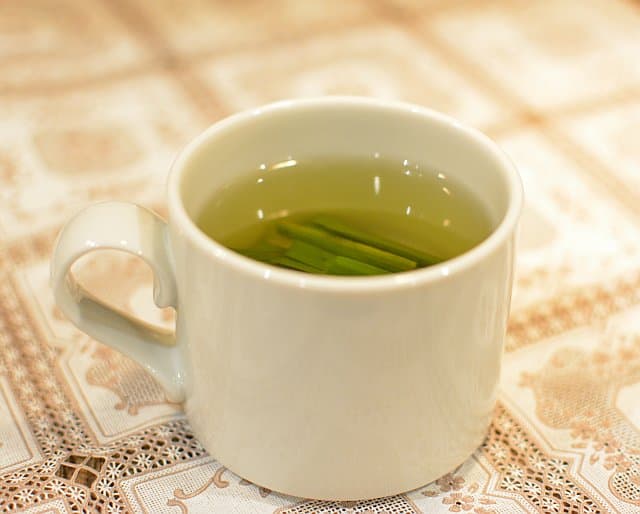
Citronelle Tea
Lemongrass tea, light and citrusy with a clean herbal smell. People drink it hot or over ice.
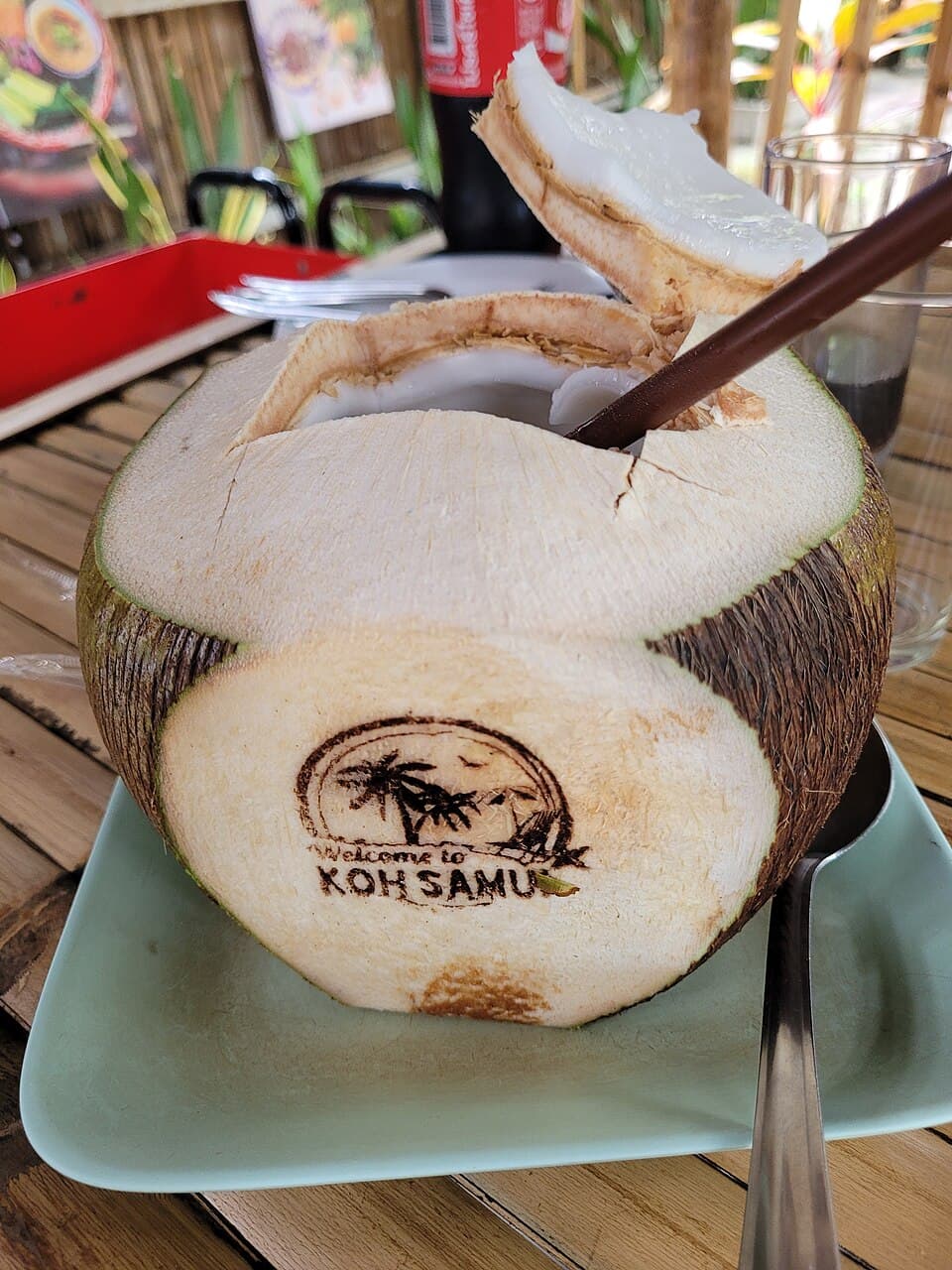
Fresh Coconut Water
The water inside young green coconuts, naturally sweet and good for the heat. It is served straight from the shell.
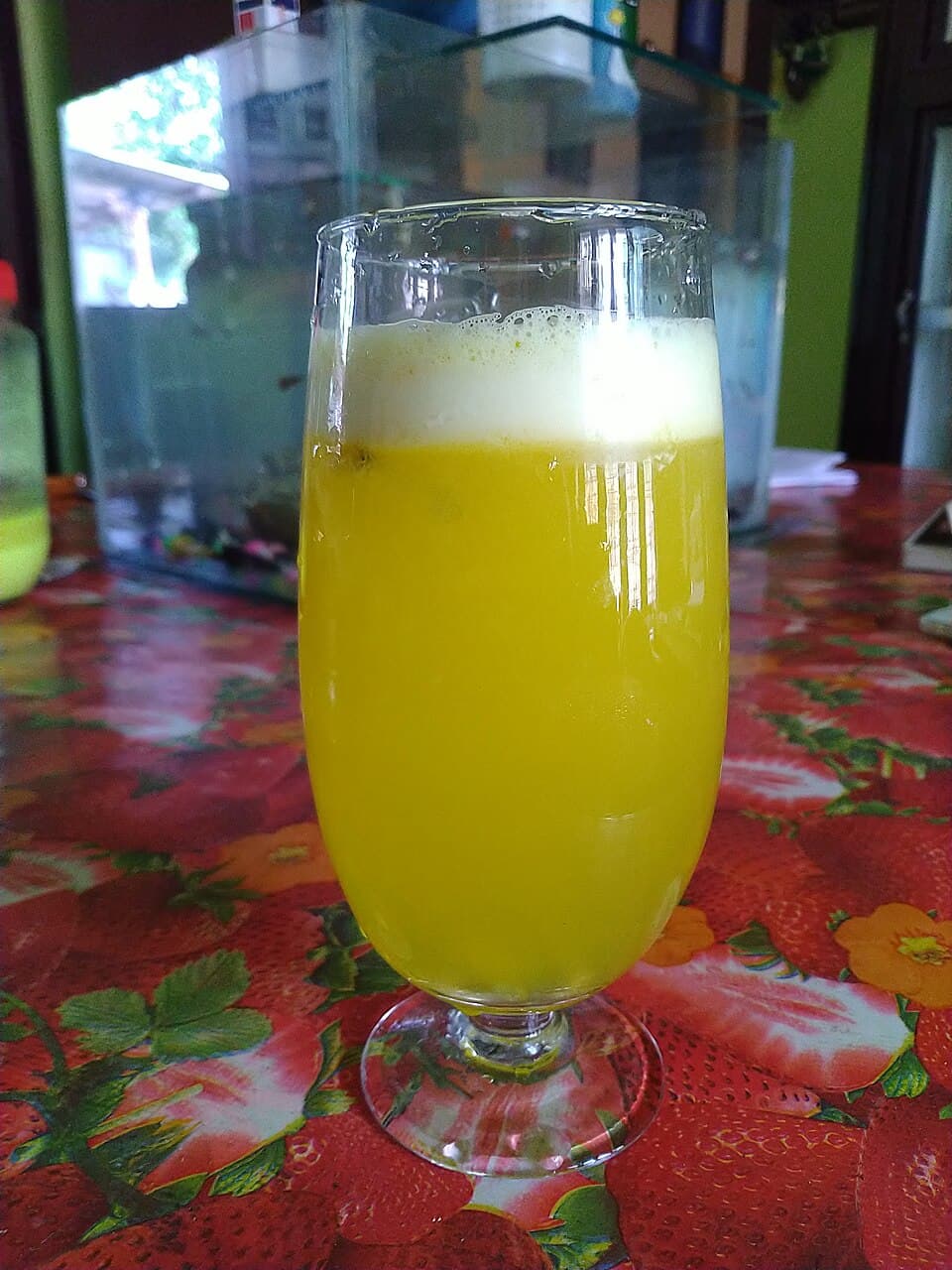
Passion Fruit Juice
Fresh-pressed passion fruit juice, sharp and tropical, usually sweetened a little. It tastes like the islands' fruit at its peak.
Frequently Asked Questions
Essential information about food and dining in Seychelles.
What is the national dish of Seychelles?
Seychelles's most iconic dishes include Ladob, Kat-Kat (Kit-Kit Sale), Grilled Fish (Bourgeoisie Grillé). Ladob works as a savory side or as dessert. The sweet one simmers ripe plantains and sweet potatoes in coconut milk with nutmeg, vanilla pods, and sugar. The savory one swaps in salted fish, coconut milk, nutmeg, cassava, breadfruit, or plantain, and salt. Either can come hot or cold. You will find it at Sir Selwyn Selwyn-Clarke Market in Victoria for SCR 50-100 (USD 3-7).
Is street food safe in Seychelles?
Street food in Seychelles can be enjoyed safely by following these guidelines: Tap water is generally safe on main islands Choose recently caught fish and seafood. Look for busy vendors with high turnover, ensure food is cooked fresh and served hot, and avoid raw ingredients if you have a sensitive stomach.
What are the best restaurants in Seychelles?
Seychelles offers diverse dining options from street food stalls to upscale restaurants. For the best experience, ask locals for recommendations, check recent reviews, and look for restaurants that specialize in regional cuisines.
Can vegetarians find food easily in Seychelles?
Vegetarian options in Seychelles are mediumly available. Vegetarians can rely on sweet ladob, vegetable curries, salads, and rice dishes. Ask, and a few Creole dishes will be made without meat or fish.. Many restaurants offer vegetarian dishes, and you'll find plant-based ingredients featured prominently in local cuisine.
What is the average cost of a meal in Seychelles?
Meal costs in Seychelles depend on where you eat. Street food and casual local restaurants are very affordable, typically offering complete meals for a few dollars. Mid-range restaurants charge moderate prices, while fine dining establishments are comparably priced to Western countries.
What are common food allergens in Seychelles?
Common allergens in Seychelles cuisine include Fish, Coconut, Shellfish. Fish is fundamental to Seychellois cuisine, appearing in most traditional dishes. These ingredients appear in dishes like Grilled fish, Fish curry. Always inform restaurant staff about your allergies.
When is the best time to visit Seychelles for food?
Seychelles offers great food experiences throughout the year. However, visiting during harvest seasons (typically spring and autumn) provides access to the freshest local ingredients. Food festivals and cultural celebrations also offer unique culinary experiences worth planning around.