
Palau Food Guide
Content Information
Recently updated🔥Current Food Trends 2026
What's happening in Palau's culinary scene right now
Palauan cooking in 2026 still rests on Pacific island staples, with American, Japanese, and Taiwanese habits layered in after decades of contact. Taro carries the most cultural weight of any crop. Women do the harvesting, and the plant runs through Palauan arts and ceremony the way rice does across much of Asia. Coconut, tapioca, yams, and pumpkin fill out the everyday table alongside the seafood that comes in fresh off local waters. The diving season, roughly when water sits between 26 and 30°C (79-86°F), pulls visitors into Koror and keeps its restaurants busy. Elilai Seaside Restaurant, which took a TripAdvisor Travelers' Choice award in 2025, serves Pacific Rim plates with the Rock Islands behind the sunset. Fusion is the norm now: BBQ-sauce grilled pork shares a menu with sashimi, sushi, and tempura. Ulkoy, the shrimp and squash fritters, turns up at festivals, though people argue over whether it came from Filipino cooks or older coconut-shoot recipes. Fruit bat soup draws criticism from outsiders but holds its place as a traditional dish. Cooks keep finding new uses for taro: taro rösti, taro soup, taro cakes, and the steamed taro that gets eaten with fish or chicken. Coconut crab, reef fish, and lobster usually arrive cooked plainly so the quality speaks for itself. American tastes show up in burgers and hot dogs; Japanese technique shapes how the raw fish gets handled. Few sit-down restaurants serve the old recipes, so the most authentic food tends to come from home kitchens, cultural events, or resort dining. Through all of it, there is steady attention to protecting the reefs while keeping fishing traditions alive.
Food Safety Tips
Essential food safety information to help you enjoy Palau's cuisine safely and confidently.
Bottled water recommended for drinking
Tap water in Koror is usually treated, but stick to bottled water for drinking to avoid an upset stomach. Quality is less reliable on the outer islands.
Seafood is extremely fresh and safe
Palau's seafood comes in fresh every day, and restaurants and markets keep their standards high. Raw fish is safe to eat at reputable places.
Food spoils quickly in tropical climate
The heat and humidity spoil food fast, so skip anything that has been sitting out a while. Go for hot dishes cooked to order or items kept properly chilled.
Resort and tourist restaurants maintain high standards
Tourist-focused places in Koror and the resorts follow international food safety standards. Local markets and home kitchens are more of a mixed bag.
Dietary Options
vegetarian
LOW AVAILABILITYTraditional Palauan food leans hard on seafood and pork. Vegetarian choices are thin on the ground but turn up at international restaurants. Taro, tapioca, and vegetable dishes exist, though they are not the everyday default.
vegan
VERY LOW AVAILABILITYVegan food is hard to find. Traditional cooking relies on fish sauce, coconut cream, and seafood throughout. Resort restaurants can sometimes work around it if you call ahead.
gluten-free
MEDIUM AVAILABILITYTraditional food is naturally gluten-free, built on taro, tapioca, rice, and seafood. Japanese and American dishes do bring wheat into the mix, so spell out your needs clearly when ordering.
Common Allergens
Coconut
HIGH PREVALENCECoconut and coconut cream are fundamental to Palauan cuisine
COMMONLY FOUND IN:
Seafood
HIGH PREVALENCEFish, shellfish, and seafood are primary protein sources
COMMONLY FOUND IN:
Shellfish
HIGH PREVALENCECrabs, clams, and other shellfish widely consumed
COMMONLY FOUND IN:
Essential Food Experiences
These iconic dishes represent the must-have culinary experiences that define Palau's food culture for travelers.
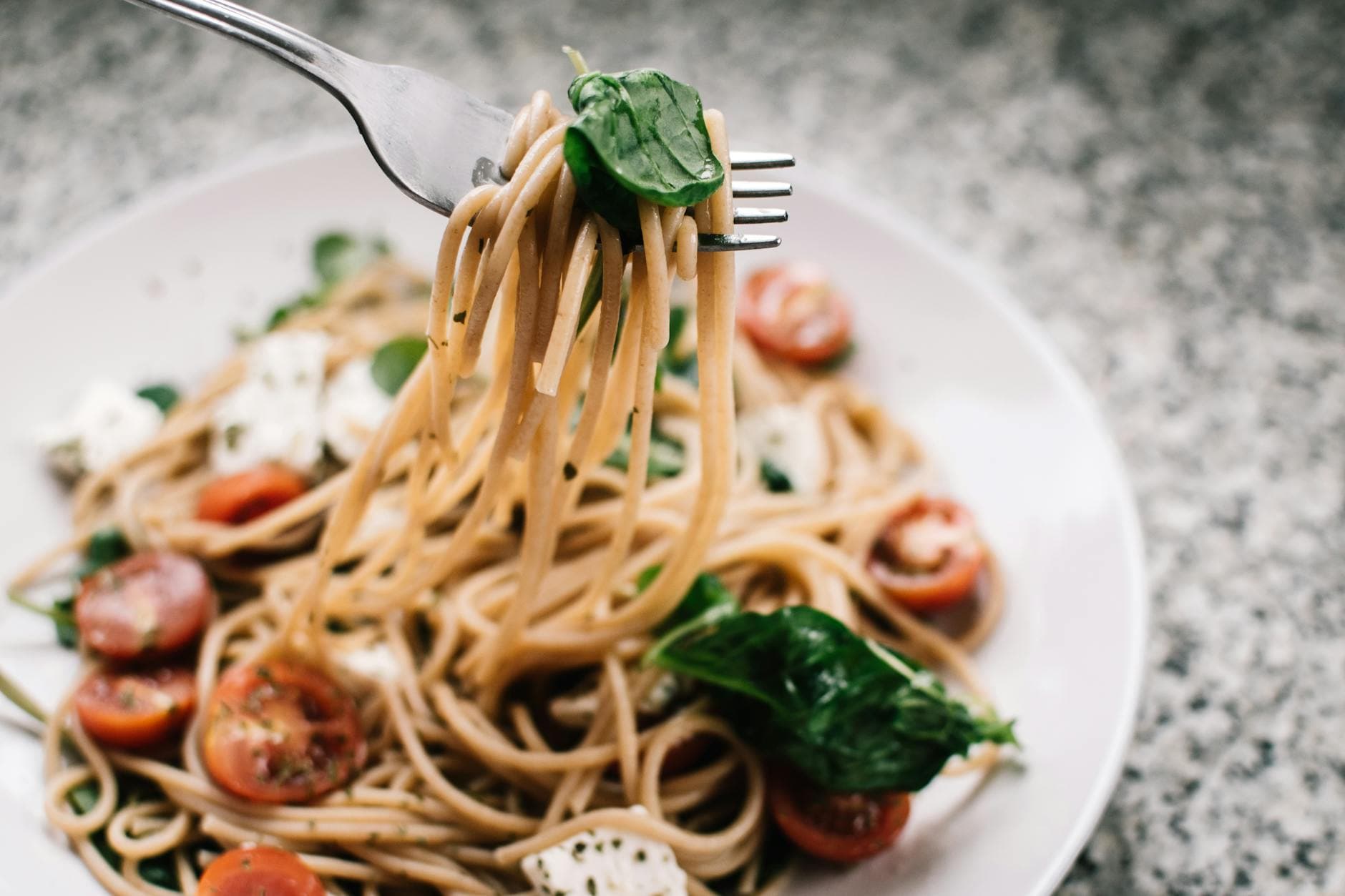
Ulkoy
Shrimp and squash fritters fried until golden and crunchy, seasoned with Creole spice, salt, and cayenne. A common appetizer at festivals and celebrations, served with a vinegar dipping sauce, ketchup, or sweet and sour sauce.
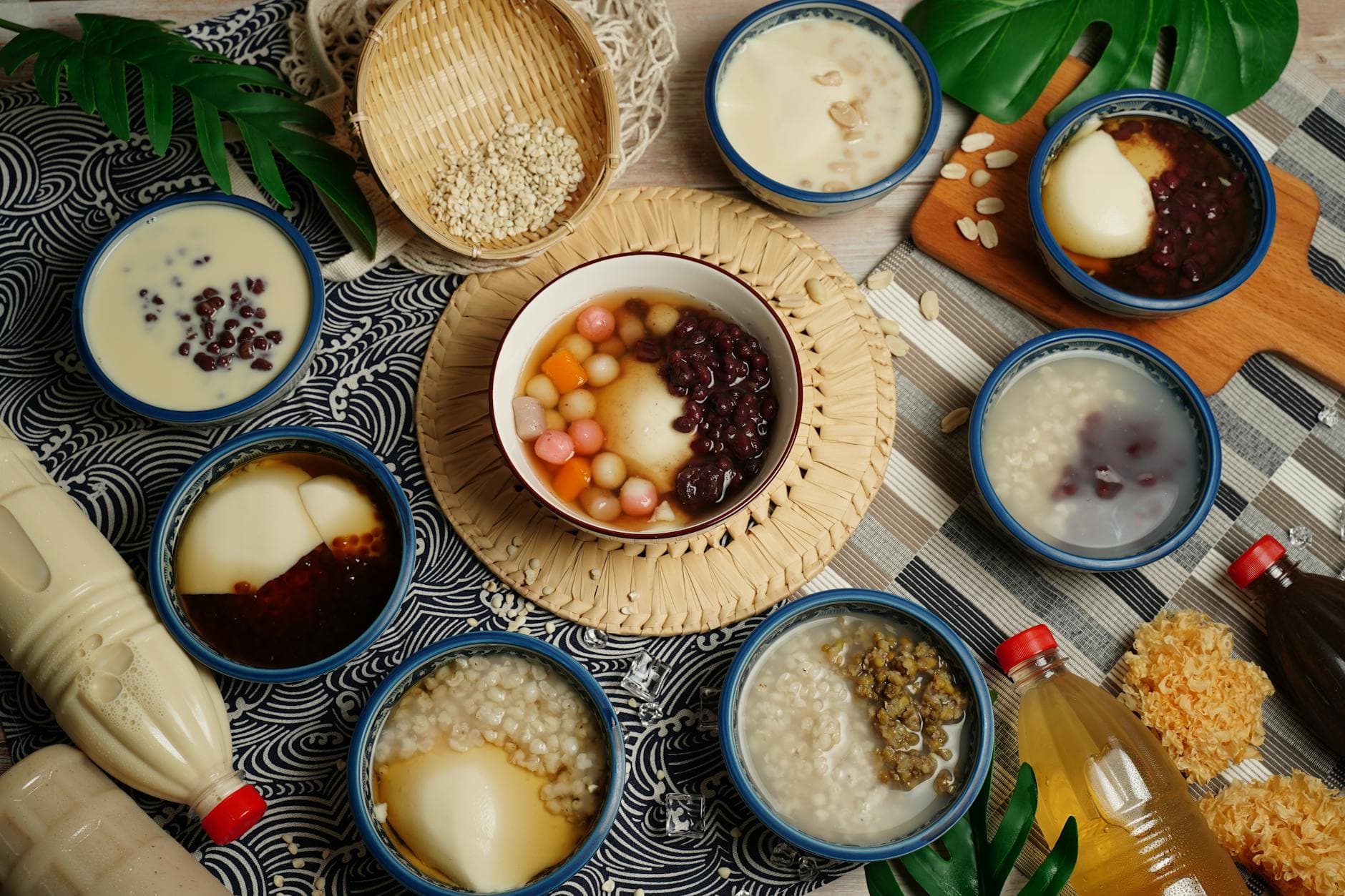
Taro
Palau's most important crop, taro holds the place rice holds across much of Asia. It shows up as soup, cakes, and salads, or simply steamed and eaten with fish, chicken, or pork. Women do the harvesting, and the plant is woven deep into Palauan culture.
Taro Rösti
The Pacific take on potato pancakes, with grated taro standing in for potato. The taro gets mixed with salt, pepper, and onion, then fried in hot oil until crisp. A local reworking of a Western dish.
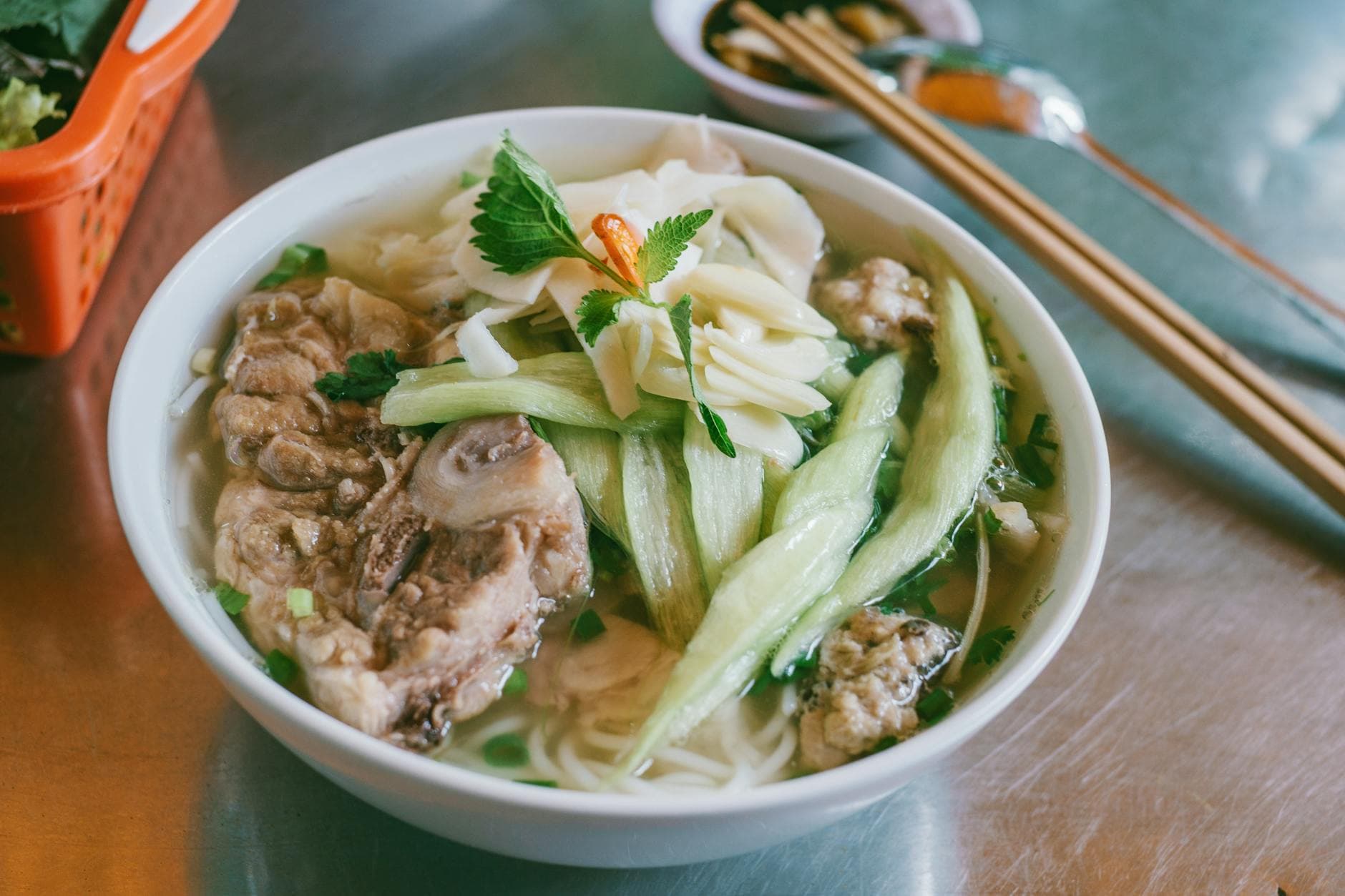
Fruit Bat Soup
A traditional dish of fruit bat simmered in coconut cream with ginger and spices. It draws plenty of criticism abroad but matters culturally in Palau. The whole bat goes in, wings and fur included. Not a dish for the squeamish.
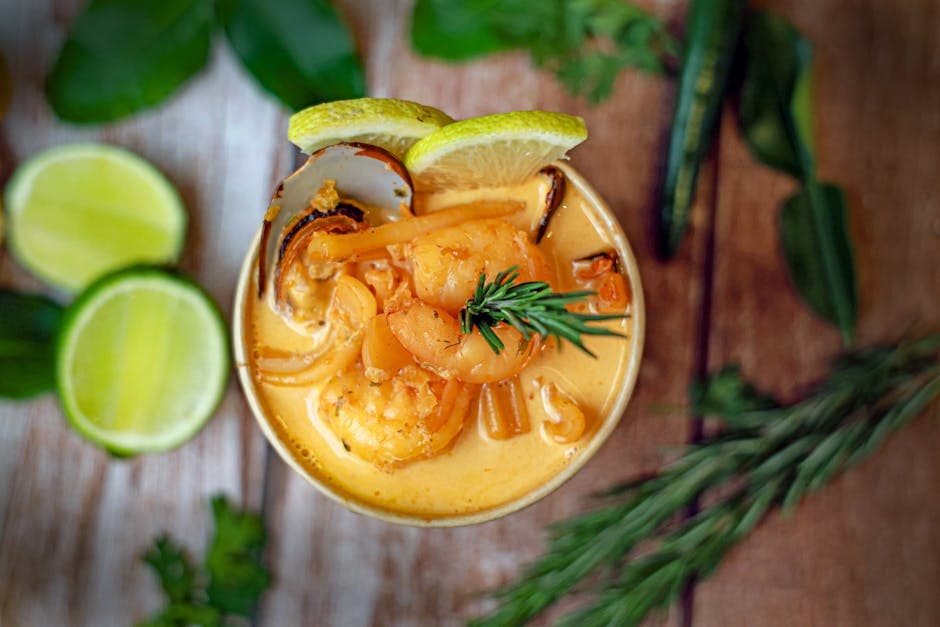
Coconut Crab
A prized catch and the largest land arthropod on earth. The meat is sweet and tender, carrying a coconut note from what the crabs eat. It comes grilled, steamed, or in coconut cream. Prices run high, and overharvesting has brought tighter protections.
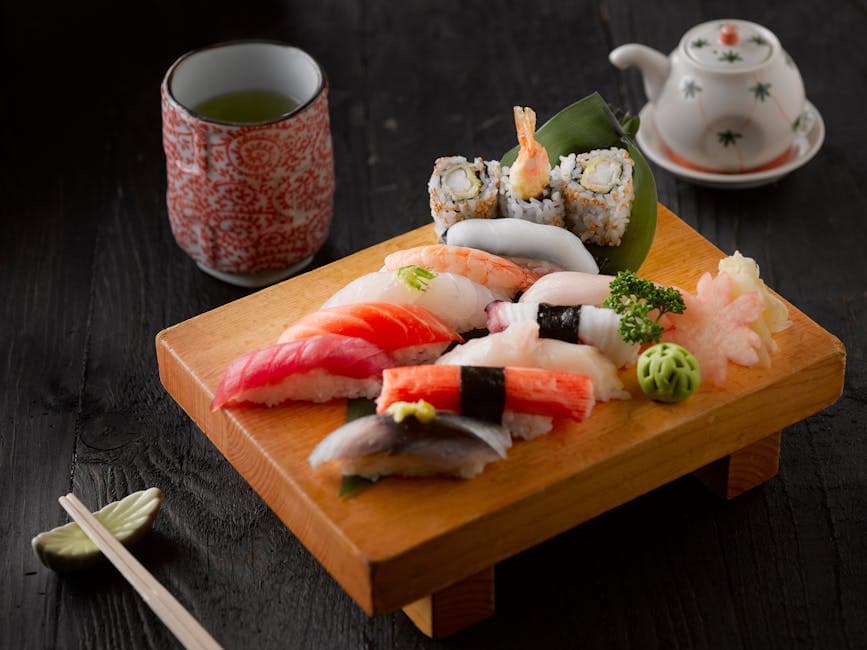
Fresh Sashimi
Japanese cooks turned local waters into a sashimi source that is hard to beat for freshness. Yellowfin tuna, wahoo, grouper, and other reef fish get sliced raw and served with soy sauce and wasabi.
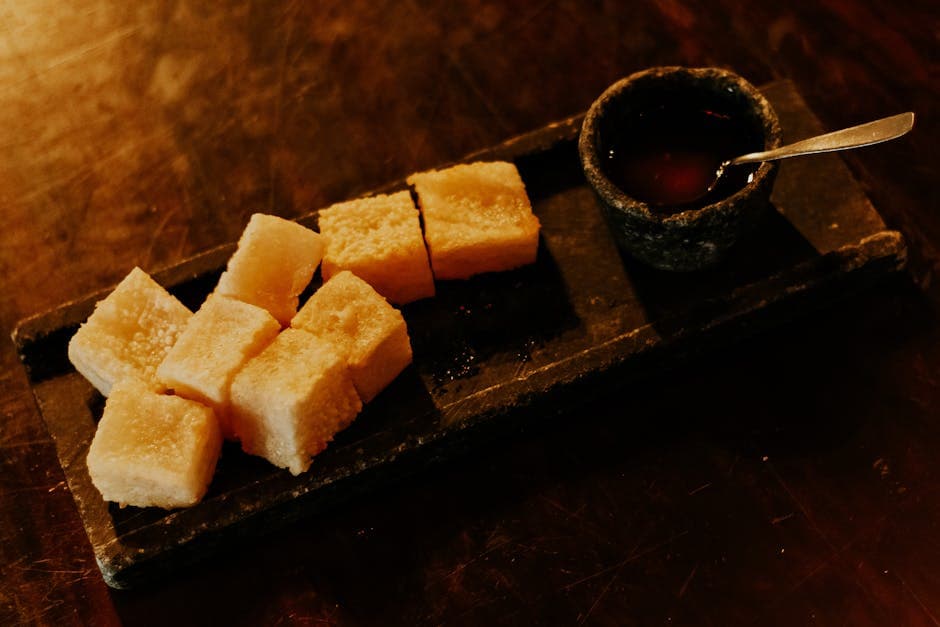
Tapioca
A staple root prepared a number of ways: boiled, mashed, or cooked into puddings. It plays a role much like taro but with a different texture, and it often lands on the plate as a side with fish or pork.
Grilled Reef Fish
Reef fish, caught that day and grilled over flame or coals with little more than salt, lemon, and local herbs. The plain treatment lets the freshness of Palauan waters come through.
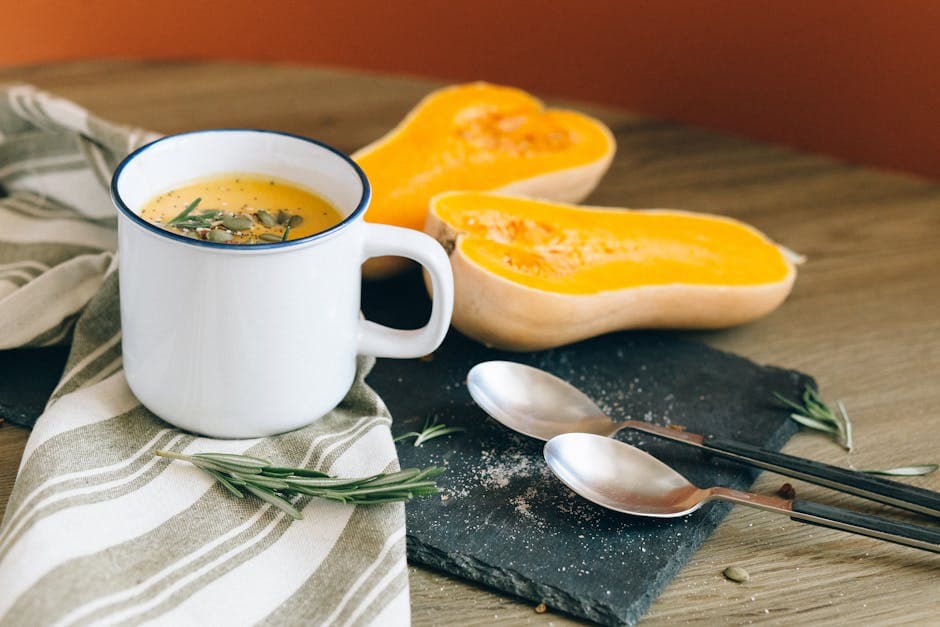
Palauan Pumpkin Soup
A creamy soup of local pumpkin, coconut cream, and spices. It makes good comfort food and leans on produce that grows well here. Served hot as a starter or a light meal.
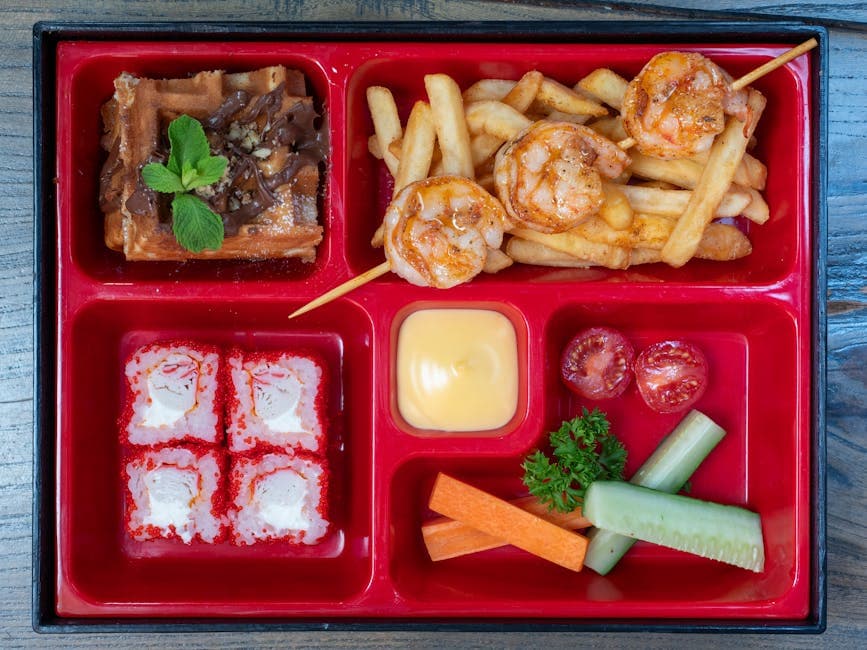
Bento Boxes
A Japanese carryover, the bento box pairs chicken or pork with rice, salad, and pickles. You see them constantly on diving tours and as takeaway, with Japanese packaging wrapped around local flavors.
Regional Specialties & Local Favorites
Discover the authentic regional dishes and local favorites that showcase Palau's diverse culinary traditions.
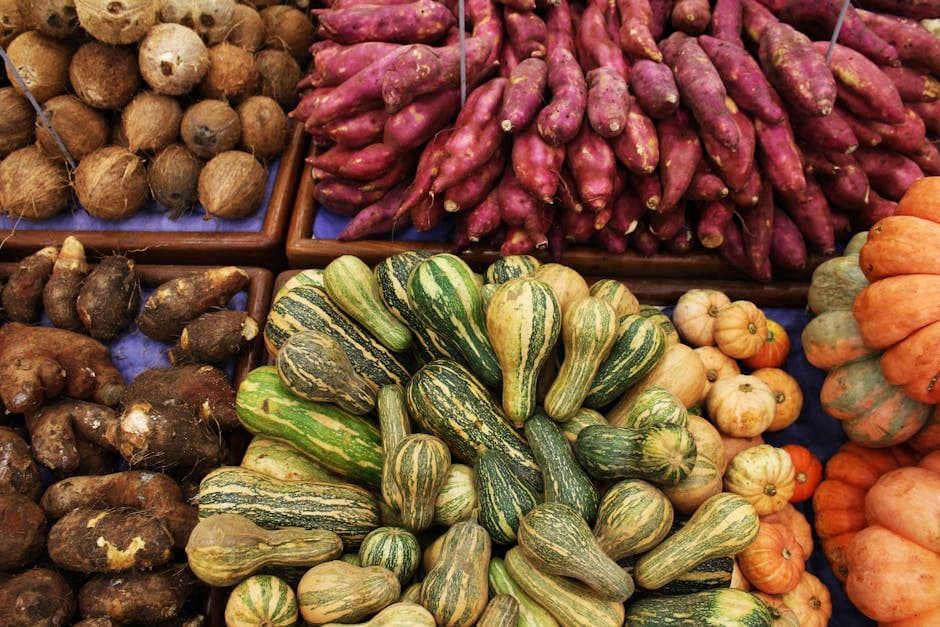
Steamed Taro with Coconut Cream
A traditional breakfast and side: taro steamed until tender and served with rich coconut cream. The plain preparation lets the taro itself carry the dish.
Allergens:
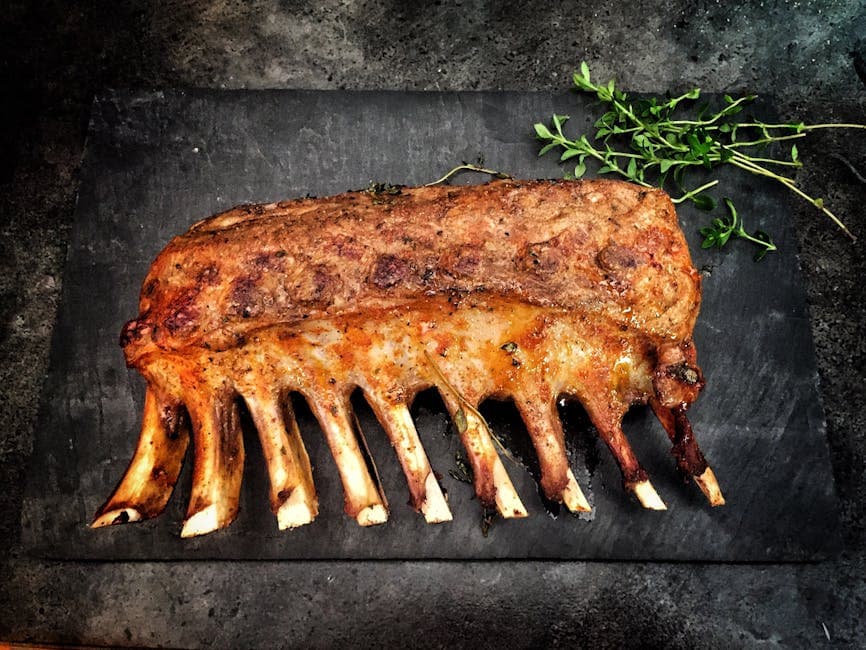
Grilled Pork with BBQ Sauce
Grilled pork under a coat of BBQ sauce, an American import. The sauce runs sweet and tangy over tender meat, and it turns up at gatherings and restaurants alike.
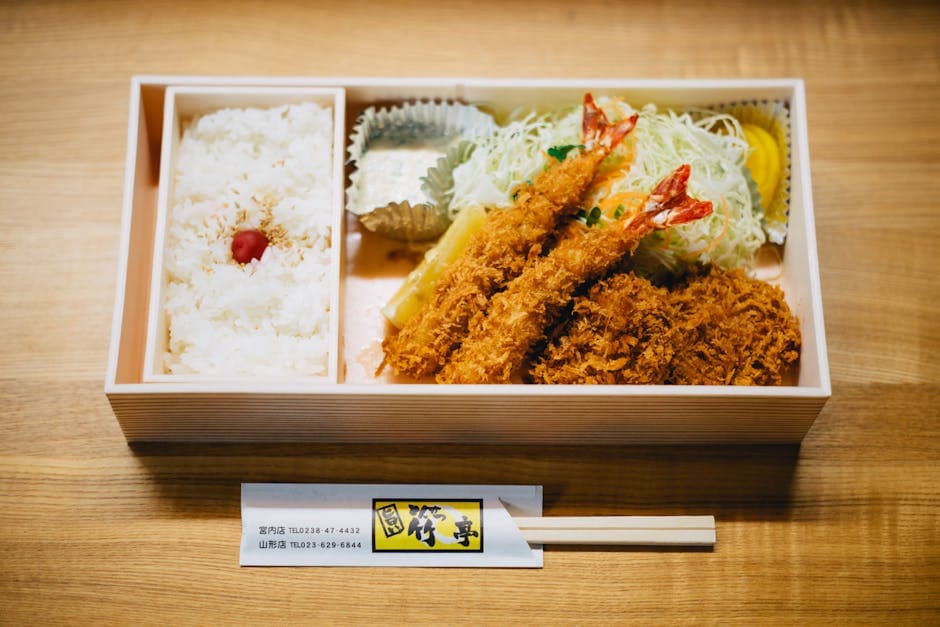
Tempura
Japanese-style tempura built from local seafood and vegetables. The batter stays light and crisp, letting fresh ingredients lead. You will find it at most restaurants.
Allergens:

Fresh Lobster
Spiny lobster pulled from Palauan reefs, grilled or steamed. The meat is sweet and tender. It costs a fair bit, but it earns its place at a special meal.
Allergens:
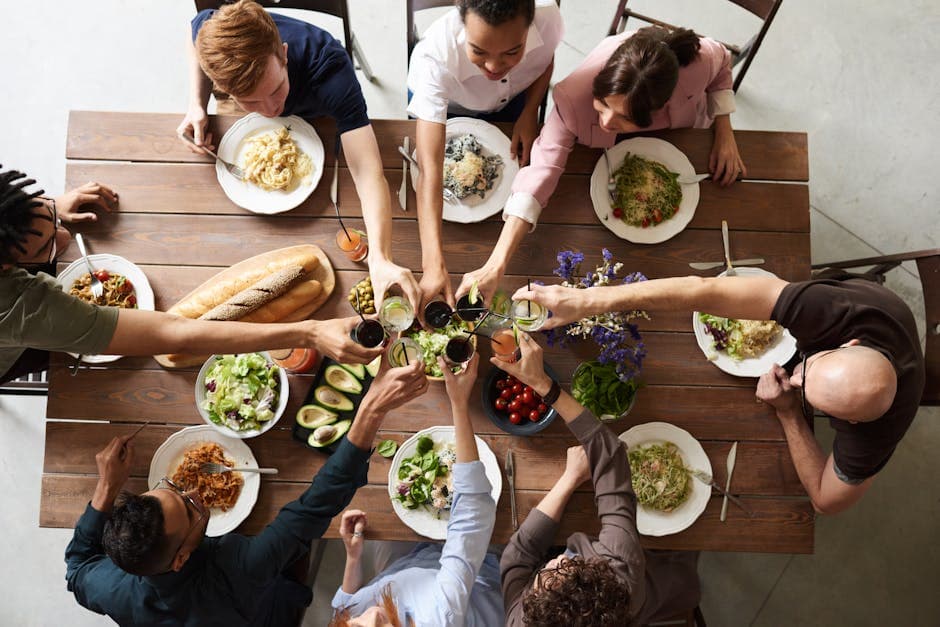
Taro Salad
Boiled taro cut into cubes and tossed with coconut cream, onions, and seasoning. Served cold, it makes a cooling side.
Allergens:
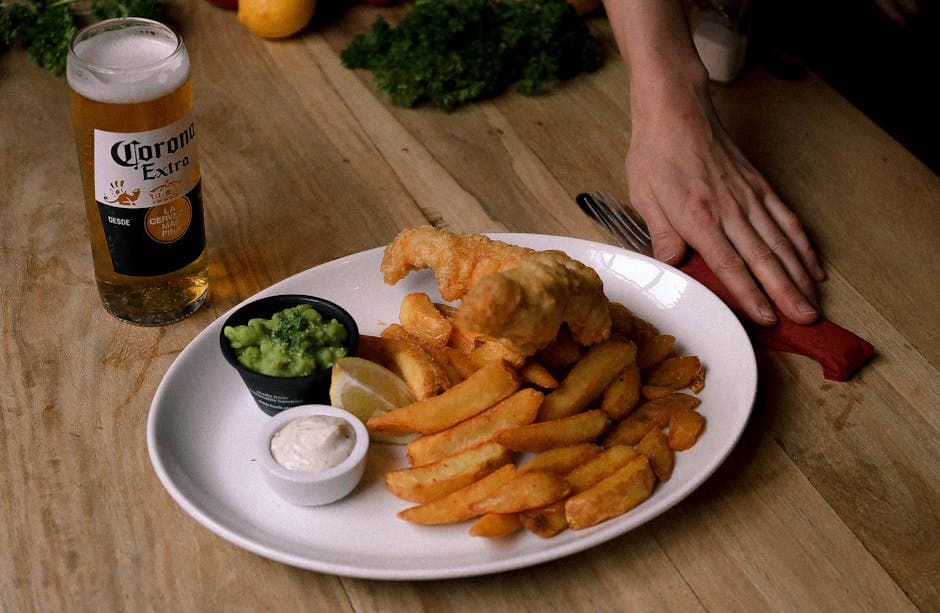
Fish and Chips
American comfort food made with very fresh local fish. Crisp batter, a side of fries, and a reliable casual meal.
Allergens:
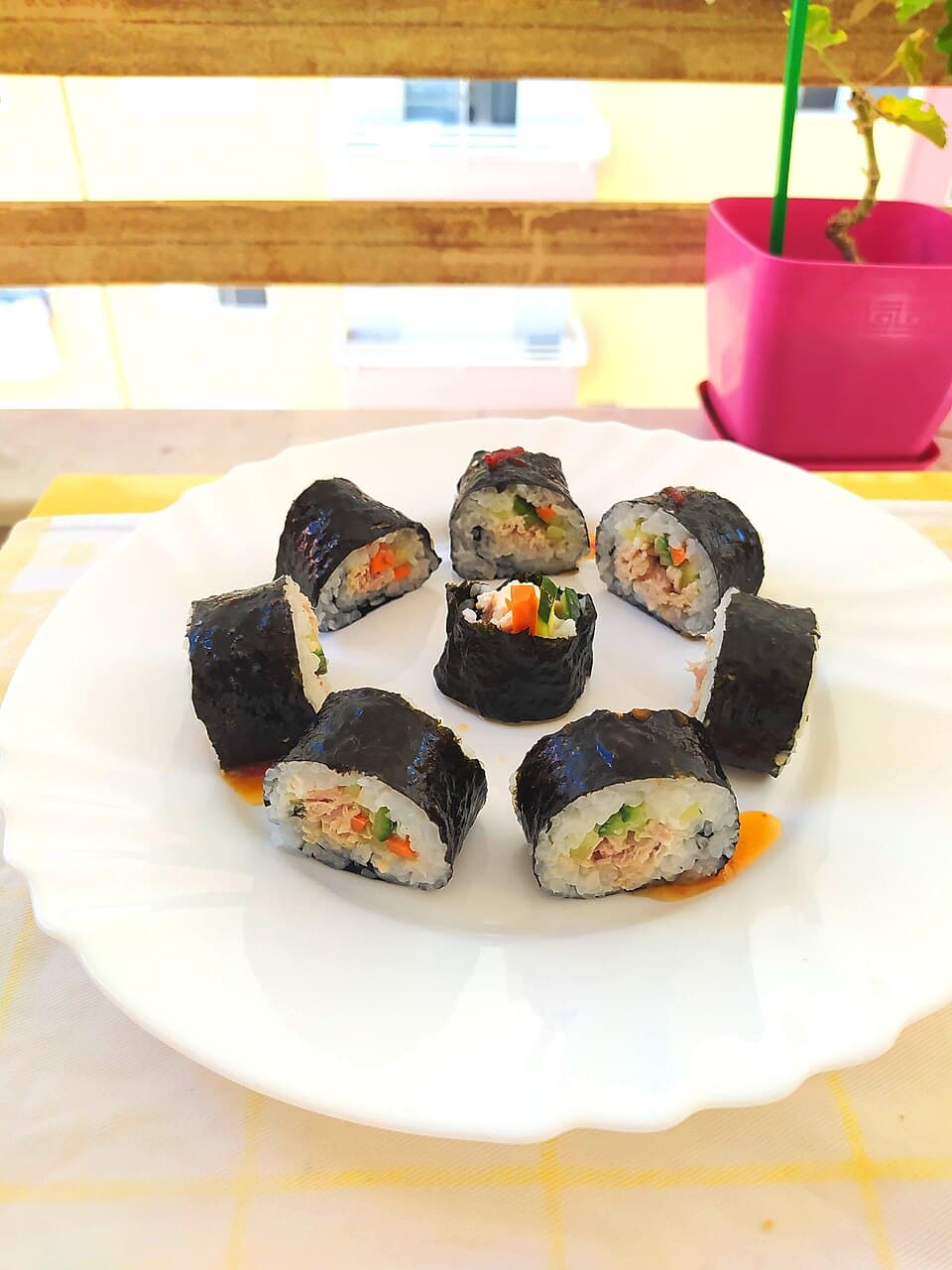
Sushi Rolls
Fresh sushi built on local fish, another mark of Japanese cooking here. The rolls mix Pacific and Asian flavors in inventive ways.
Allergens:
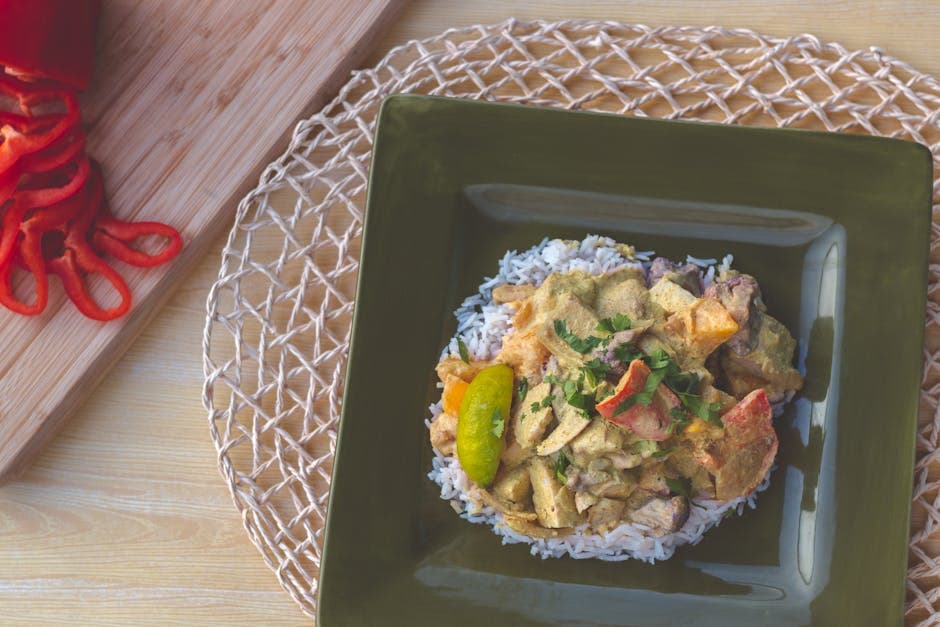
Coconut Rice
Rice cooked in coconut cream until fragrant and rich. It goes alongside grilled meats and fish.
Allergens:
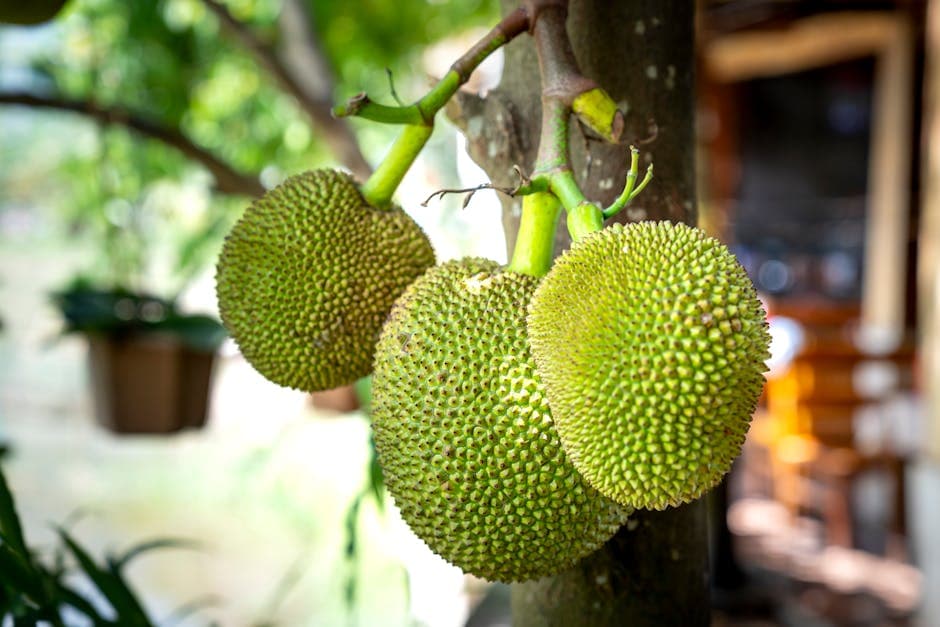
Breadfruit
A starchy fruit eaten roasted, boiled, or fried. The texture lands close to potato and the flavor stays mild. It has long been a staple across the Pacific islands.
Regional Cuisine Highlights
Explore the diverse culinary landscapes across different regions of Palau.
Koror (Main Island)
Palau's eating happens mostly here, in international restaurants, resort kitchens, and fusion menus. Japanese, American, and Taiwanese influences run strongest in Koror, and fresh seafood and Pacific Rim cooking set the tone.
Signature Dishes:
Key Ingredients:
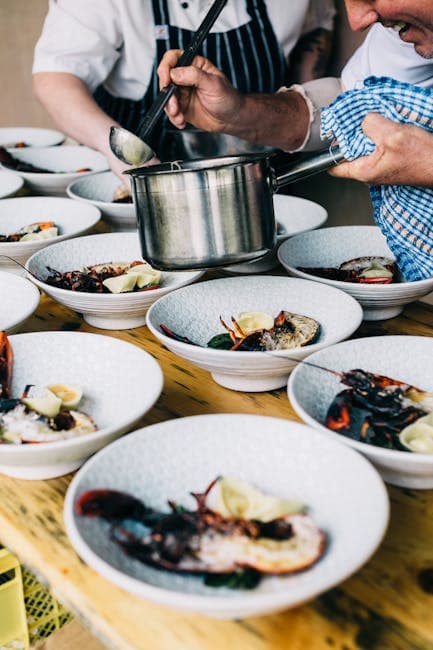
Rock Islands
These remote islands offer little in the way of restaurants. Most meals are picnic-style, eaten on boat tours, with bento boxes and simple grilled food doing the work. Everything is built to travel.
Signature Dishes:
Key Ingredients:
Outer Islands
This is where the most traditional Palauan food survives. Home cooks work with taro, tapioca, fresh fish, and coconut. There are few restaurants out here, so meals come out of home kitchens.
Signature Dishes:
Key Ingredients:
Sweet Delights & Desserts
Indulge in Palau's traditional sweet treats and desserts.
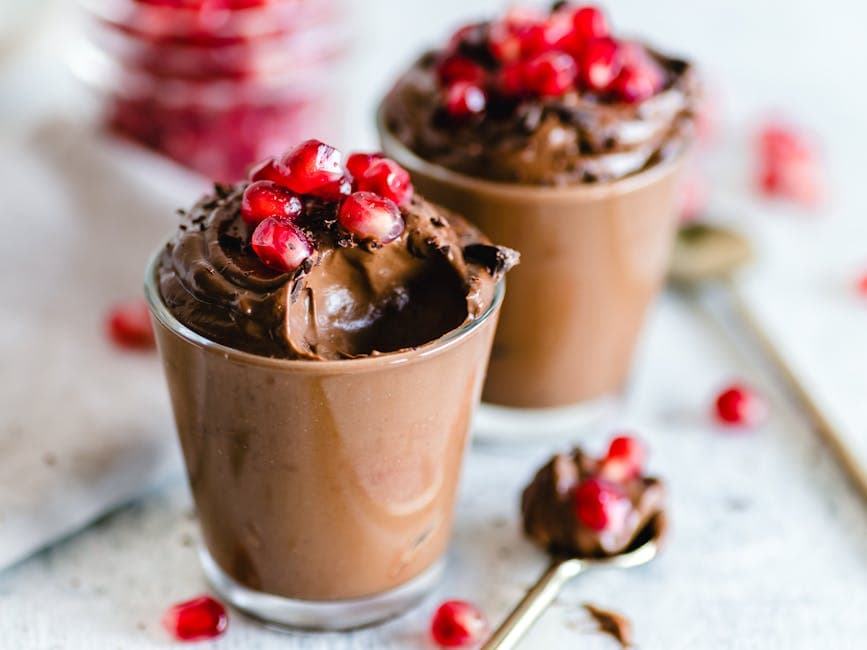
Tapioca Pudding
A sweet of tapioca pearls cooked with coconut cream and sugar, served warm or cold. A traditional comfort dessert.
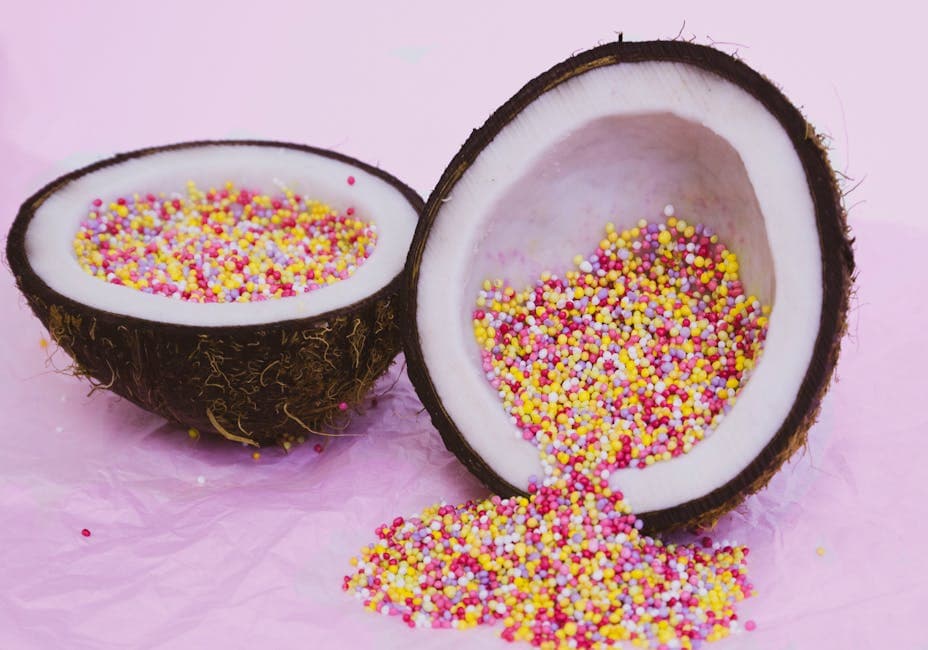
Coconut Candy
Sweets made from coconut meat and sugar, sometimes flavored with pandan. A common market treat.
Fresh Tropical Fruit
Plenty of fresh fruit on hand, papaya, banana, pineapple, and mango among them. An easy, cooling way to close a meal.
Traditional Beverages
Discover Palau's traditional drinks, from locally produced spirits to regional wines.
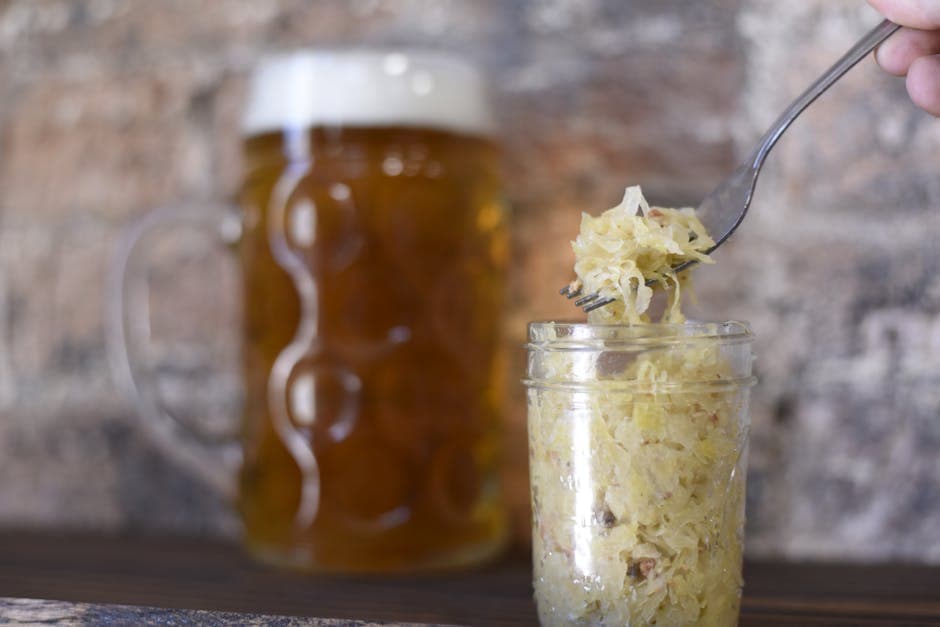
Imported Beer
With such a small population, beer comes in from the Philippines, Japan, and the USA. Budweiser, San Miguel, and Japanese labels are the ones you see most.
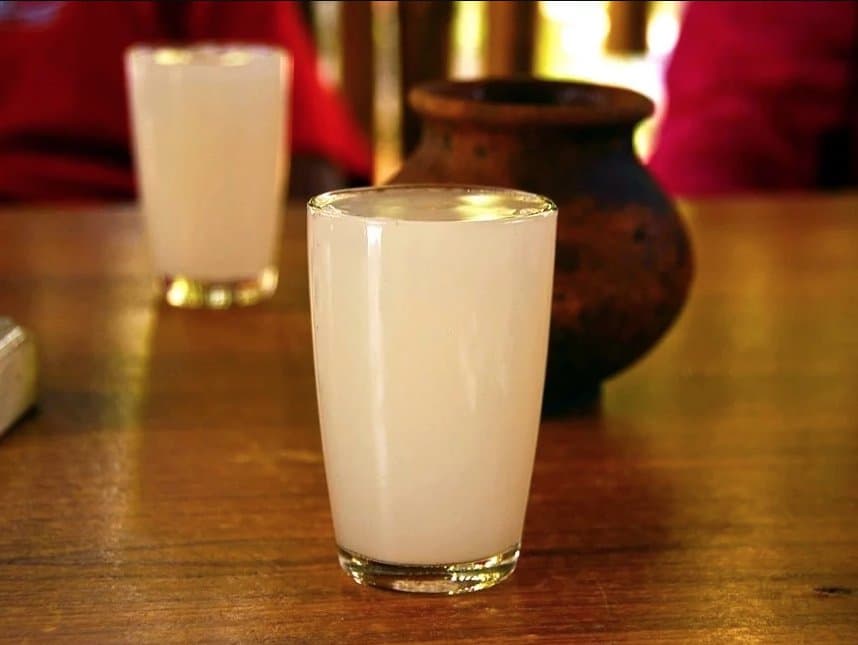
Coconut Toddy
A traditional drink of fermented palm sap. The fermentation is light, leaving it a little sweet and a little sour. Made locally in small batches.
Soft Beverages
Discover Palau's traditional non-alcoholic drinks, from local teas to refreshing juices.
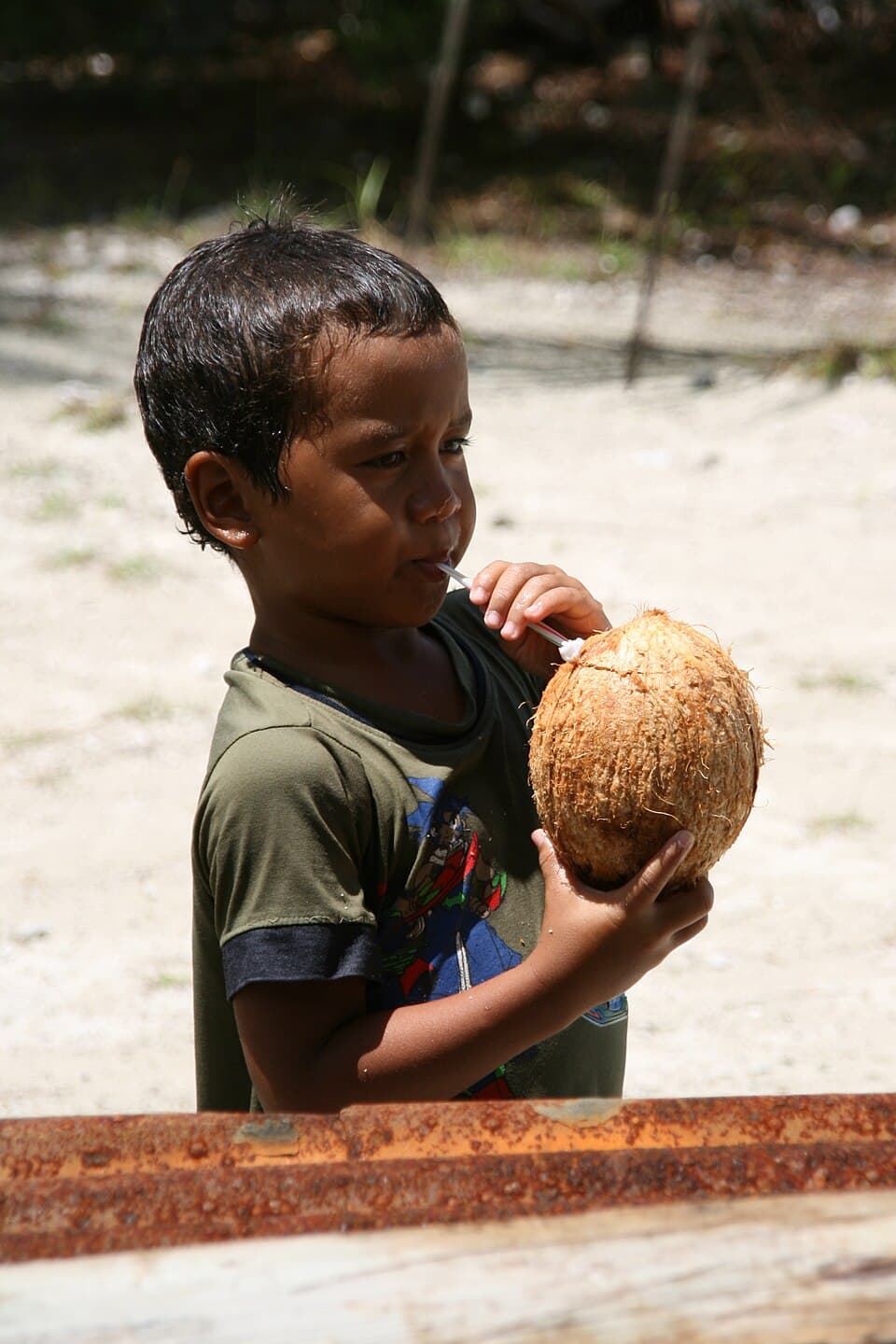
Fresh Coconut Water
Water from a young coconut, poured straight from the shell. Naturally sweet and a good way to stay hydrated in the heat.
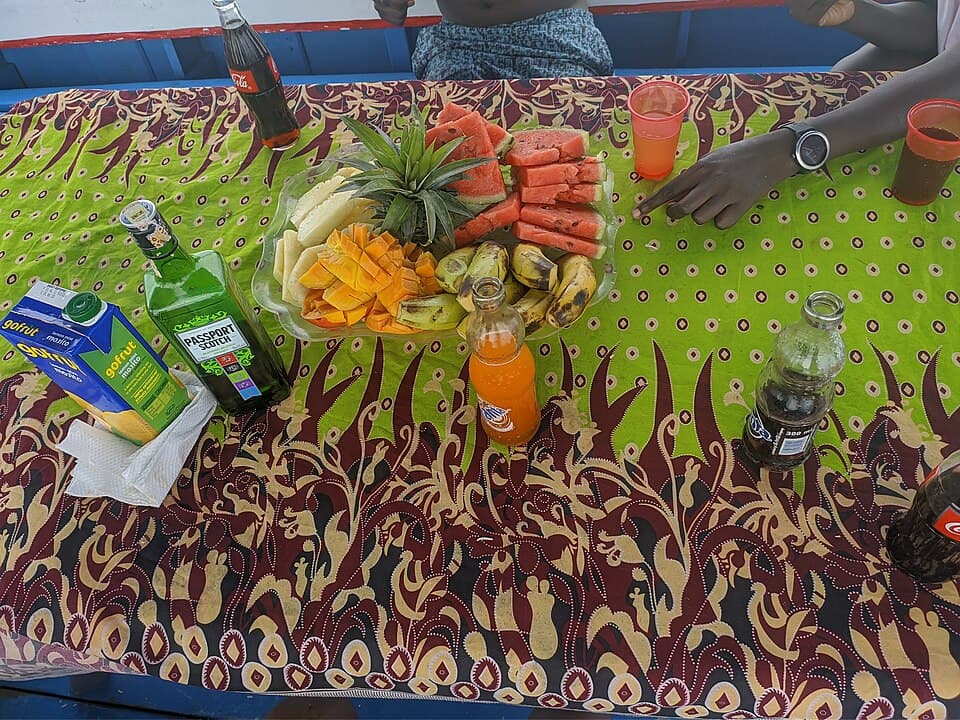
Tropical Fruit Juice
Juices squeezed fresh from papaya, pineapple, mango, and other local fruit. Nothing added, just the fruit.
Frequently Asked Questions
Essential information about food and dining in Palau.
What is the national dish of Palau?
Palau's most iconic dishes include Ulkoy, Taro, Taro Rösti. Shrimp and squash fritters fried until golden and crunchy, seasoned with Creole spice, salt, and cayenne. A common appetizer at festivals and celebrations, served with a vinegar dipping sauce, ketchup, or sweet and sour sauce.
Is street food safe in Palau?
Street food in Palau can be enjoyed safely by following these guidelines: Bottled water recommended for drinking Seafood is extremely fresh and safe. Look for busy vendors with high turnover, ensure food is cooked fresh and served hot, and avoid raw ingredients if you have a sensitive stomach.
What are the best restaurants in Palau?
Palau offers excellent dining experiences. Top-rated restaurants include Elilai Seaside Restaurant & Bar, Meduu Ribtail Restaurant, Carp Restaurant. These establishments showcase authentic Palau cuisine with professional service and high-quality ingredients.
Can vegetarians find food easily in Palau?
Vegetarian options in Palau are lowly available. Traditional Palauan food leans hard on seafood and pork. Vegetarian choices are thin on the ground but turn up at international restaurants. Taro, tapioca, and vegetable dishes exist, though they are not the everyday default.. Many restaurants offer vegetarian dishes, and you'll find plant-based ingredients featured prominently in local cuisine.
What is the average cost of a meal in Palau?
Meal costs in Palau depend on where you eat. Street food and casual local restaurants are very affordable, typically offering complete meals for a few dollars. Mid-range restaurants charge moderate prices, while fine dining establishments are comparably priced to Western countries.
What are common food allergens in Palau?
Common allergens in Palau cuisine include Coconut, Seafood, Shellfish. Coconut and coconut cream are fundamental to Palauan cuisine. These ingredients appear in dishes like Coconut cream soups, Coconut-based desserts. Always inform restaurant staff about your allergies.
When is the best time to visit Palau for food?
Palau offers great food experiences throughout the year. However, visiting during harvest seasons (typically spring and autumn) provides access to the freshest local ingredients. Food festivals and cultural celebrations also offer unique culinary experiences worth planning around.