
Solomon Islands Food Guide
Content Information
Recently updated🔥Current Food Trends 2026
What's happening in Solomon Islands's culinary scene right now
Solomon Islands cooking in 2026 still runs on Melanesian tradition, with more restaurants now sourcing fish and produce locally rather than importing. The rainy season runs November through April, when coconut dishes and fresh fruit are at their best. Honiara's dining scene is slowly expanding, and hotel restaurants like Coral Sea Resort and Heritage Park Hotel are where you'll find most of the Pacific Rim cooking. Poi, the fermented taro paste, is still the national staple, though some kitchens now plate it more carefully for visitors. Coconut turns up almost everywhere: in milk-based curries, cream desserts, and as fresh water poured straight from the husk. Kokoda, the lime-cured raw fish folded through coconut cream, has picked up attention abroad. Umu cooking, the underground oven lined with hot stones, survives at village feasts and cultural demonstrations, and cassava pudding baked in banana leaves keeps that older method alive. There's a growing push toward locally caught seafood and farm-grown produce, partly to cut down on imports. Betelnut chewing remains a daily social habit despite health campaigns. The market in Honiara supplies the bulk of fresh tuna, prawns, and mud crabs. Bougna, food wrapped in banana leaves and steamed over hot stones, works much like the mumu in Papua New Guinea. Papaya, pineapple, guava, and soursop grow in abundance. International options are still thin, though Japanese cooking has a foothold at Capitana Restaurant and Tenkai Sushi. Cooks lean on taro leaves, breadfruit, sago, and wild yams. Tourism has brought cooking workshops that teach traditional methods, and concern about climate change is shaping how people think about local agriculture.
Food Safety Tips
Essential food safety information to help you enjoy Solomon Islands's cuisine safely and confidently.
Drink bottled or boiled water, avoid tap water
Tap water in Honiara and on the outer islands cannot be trusted. Stick to bottled water, or boil it for at least three minutes. Hotels generally supply safe drinking water.
Ensure seafood is fresh and properly prepared
While seafood is abundant and fresh, ensure it's properly stored and cooked. Raw fish dishes like kokoda are safe when prepared with fresh catch and lime juice. Buy from reputable vendors.
Choose busy vendors at markets for freshness
Honiara Central Market offers safe street food when you choose busy stalls with high turnover. Look for food cooked fresh in front of you.
Wash all fruits and vegetables thoroughly
Wash tropical fruits carefully or peel before eating. Fruits you peel yourself (bananas, papaya, coconuts) are generally safer than pre-cut fruits.
Be cautious with foods left at room temperature in tropical heat
Tropical climate means food spoils quickly. Avoid foods that have been sitting out for extended periods. Hotel restaurants maintain proper refrigeration.
Dietary Options
vegetarian
LOW AVAILABILITYVegetarians have a thin selection here, since most cooking is built around seafood and pork. Taro, cassava, breadfruit, and tropical vegetables are easy to find, and some hotel restaurants put vegetarian plates on the menu. Spell out what you need when you order.
vegan
LOW AVAILABILITYVegan choices are scarce. Plenty of traditional dishes happen to be vegan, built on coconut milk, root vegetables, and fruit, but nothing gets labeled that way. Hotels can usually work around it if you ask ahead.
gluten-free
MEDIUM AVAILABILITYThe traditional diet is gluten-free by default, leaning on taro, cassava, sweet potato, fish, and coconut. Imported food and bread are common too, and the idea of gluten-free is not widely understood, so explain what you can and cannot eat.
halal
LOW AVAILABILITYHalal food is hard to come by, though there is a small Muslim community. Seafood and vegetable dishes are easy to find, and hotel restaurants can usually help if you tell them what you need.
Common Allergens
Coconut
HIGH PREVALENCECoconut turns up in nearly every dish, savory and sweet alike
COMMONLY FOUND IN:
Shellfish
HIGH PREVALENCEPrawns, crabs, and shellfish central to coastal cuisine
COMMONLY FOUND IN:
Fish
HIGH PREVALENCEFresh fish is dietary staple, prepared multiple ways
COMMONLY FOUND IN:
Nuts
LOW PREVALENCEMinimal nut usage, though candlenuts occasionally used
COMMONLY FOUND IN:
Essential Food Experiences
These iconic dishes represent the must-have culinary experiences that define Solomon Islands's food culture for travelers.

Poi
The national dish: taro or cassava pounded into a paste and left to ferment, which gives it a tangy edge. Coconut milk gets stirred in to soften the texture and add richness. It usually sits alongside fish or pork rather than standing on its own, and it shows up at most traditional feasts.

Kokoda (Fish in Coconut Lime)
A ceviche-style dish of raw fish cured in lime juice, then folded through coconut cream with chili and chopped vegetables. The lime firms up the fish while the coconut keeps it mellow. It is close to the Fijian version of kokoda, with small local differences from island to island.
Fish in Lolo (Coconut Milk)
Fish simmered in coconut milk with vegetables and spices. "Lolo" is the local word for coconut cream. It is a plain, everyday dish that depends on a fresh catch and good coconuts, and the fish and seasonings shift from one island to the next.

Cassava Pudding
A dense, cake-like dish of grated cassava and sweet potato bound with coconut milk. It is wrapped in banana leaves and baked for hours among hot stones, which keeps it moist and leaves a faint smoky taste. You will see it at celebrations and village feasts.

Tuna Coconut Curry
Fresh tuna cooked down in a coconut milk sauce, drawing on both Indian and Melanesian cooking. Turmeric, ginger, and local spices flavor the coconut base. It comes with rice or root vegetables.

Bougna (Umu-cooked Feast)
An earth-oven feast: pork or fish, root vegetables, and coconut cream wrapped in banana leaves and cooked over hot stones buried underground. The long, slow cooking leaves everything tender. It works like the mumu in Papua New Guinea and is saved for special occasions.

Coconut Crab
A large land crab that feeds on coconuts, which leaves its meat sweet and faintly coconut-flavored. It is protected in some areas and only available seasonally. Cooks grill or steam it plainly so the sweetness comes through. It is expensive and hard to find, about the priciest thing you can order here.

Breadfruit Dishes
A staple cooked any number of ways: roasted, boiled, fried, or baked. Once cooked, the texture is starchy and close to potato, and it is naturally gluten-free. The common method is roasting it over an open fire until the inside turns soft and creamy and the skin crisps up.

Rukau (Taro Leaves in Coconut Cream)
Taro leaves cooked down in coconut cream, much like the palusami found across the Pacific. The greens go soft in the creamy sauce, sometimes with onions, tomatoes, or chili thrown in. It is a Melanesian comfort dish, eaten as a side or a vegetarian main.
Sago Pudding
A dessert made from sago palm starch cooked with coconut milk and palm sugar. It turns out sticky and sweet, with a texture all its own. Sago was a food source here long before rice arrived. Cooks often add pandan or vanilla.
Regional Specialties & Local Favorites
Discover the authentic regional dishes and local favorites that showcase Solomon Islands's diverse culinary traditions.
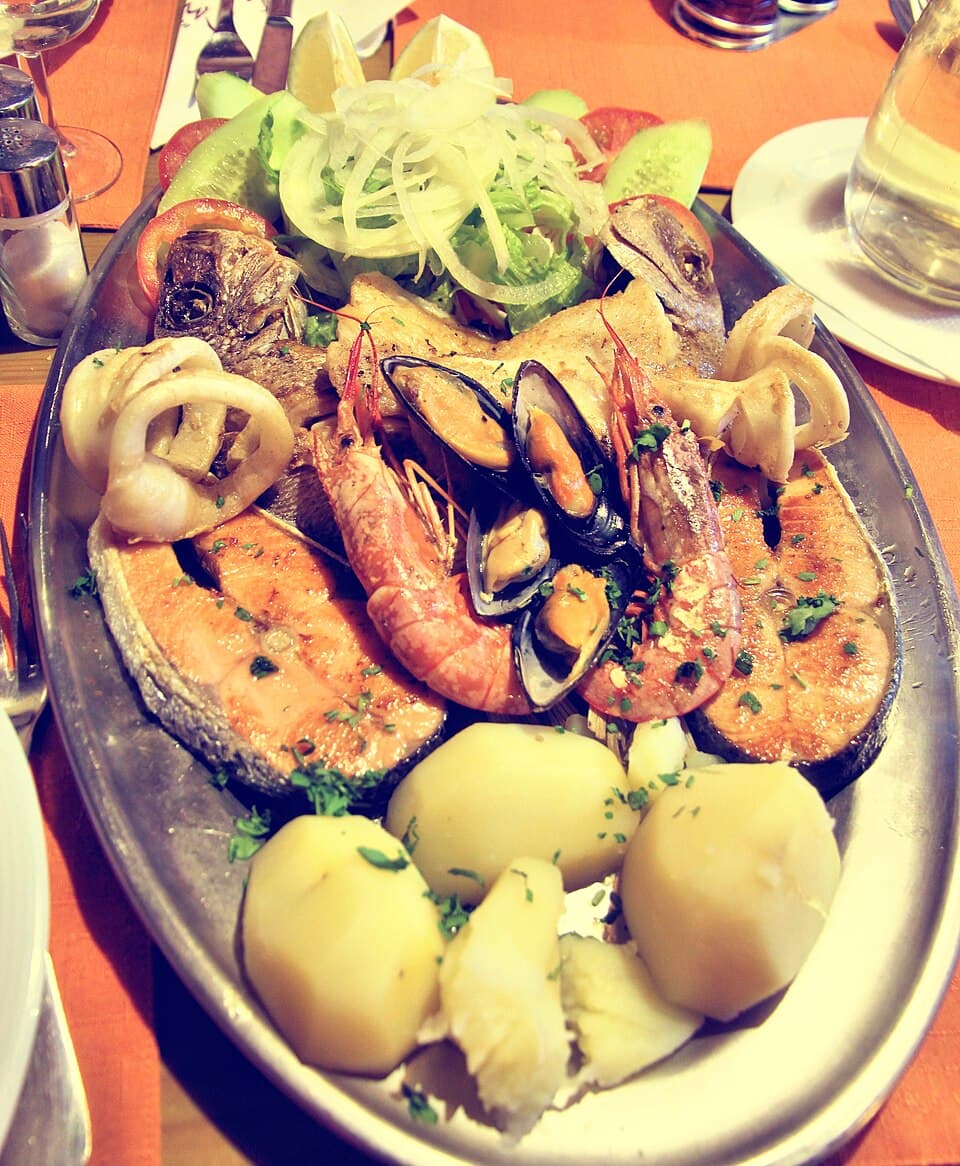
Fresh Grilled Fish
The day's catch grilled over a coconut-husk fire, often tuna, mahi-mahi, or snapper. It comes with lime, chili, and local salt, and not much else.
Allergens:
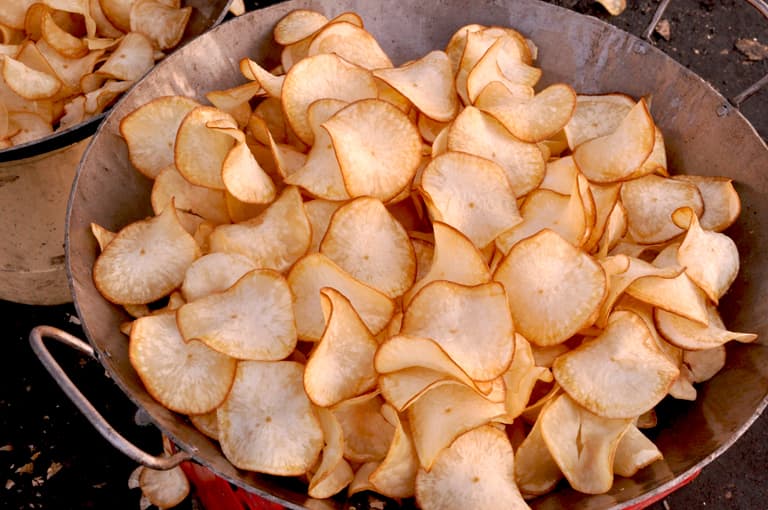
Fried Cassava
Cassava root cut into chips or chunks and deep-fried until golden. A common snack or side, usually served with chili sauce or lime.
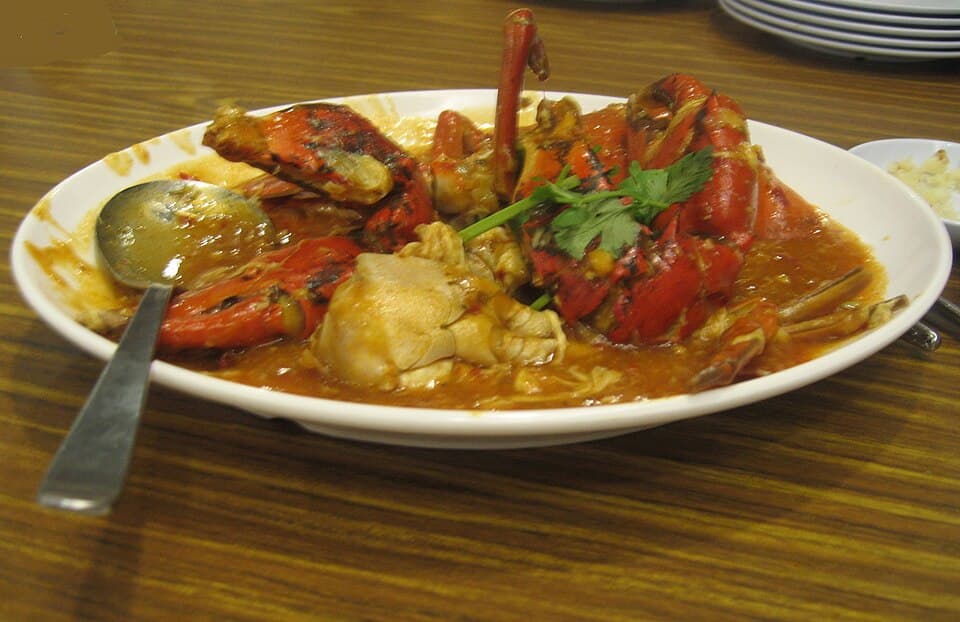
Mud Crabs
Large crabs pulled from the mangroves, steamed or grilled, with sweet, tender meat. A specialty at Honiara Central Market, available by season.
Allergens:
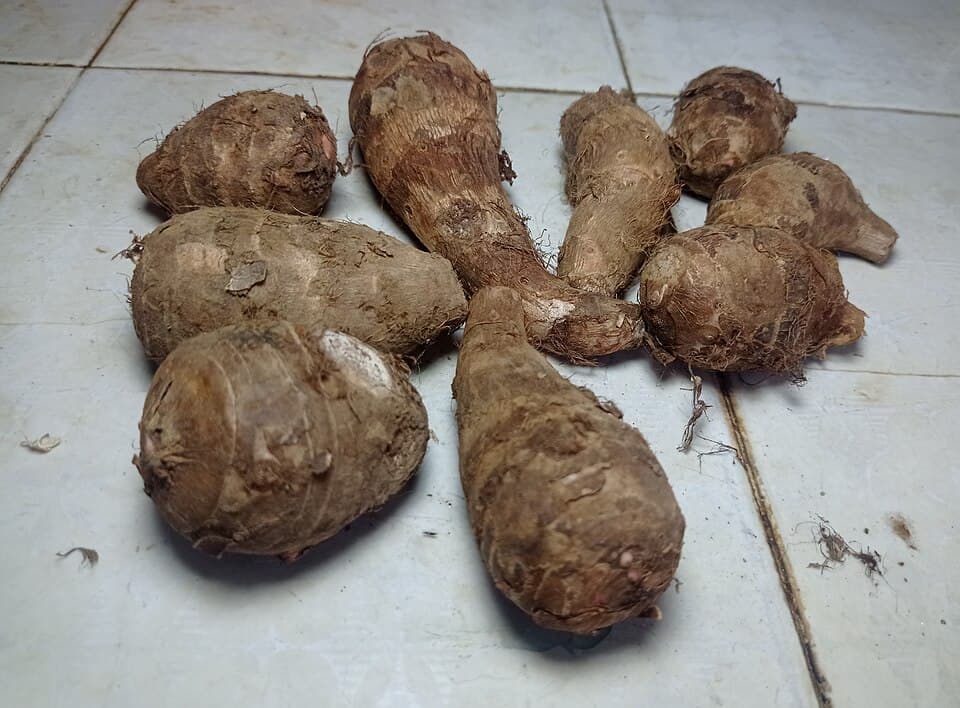
Taro Root (Boiled or Roasted)
A staple root, usually just boiled or roasted. The texture is starchy and the taste mildly sweet. It comes with most meals and sits at the center of the traditional diet.
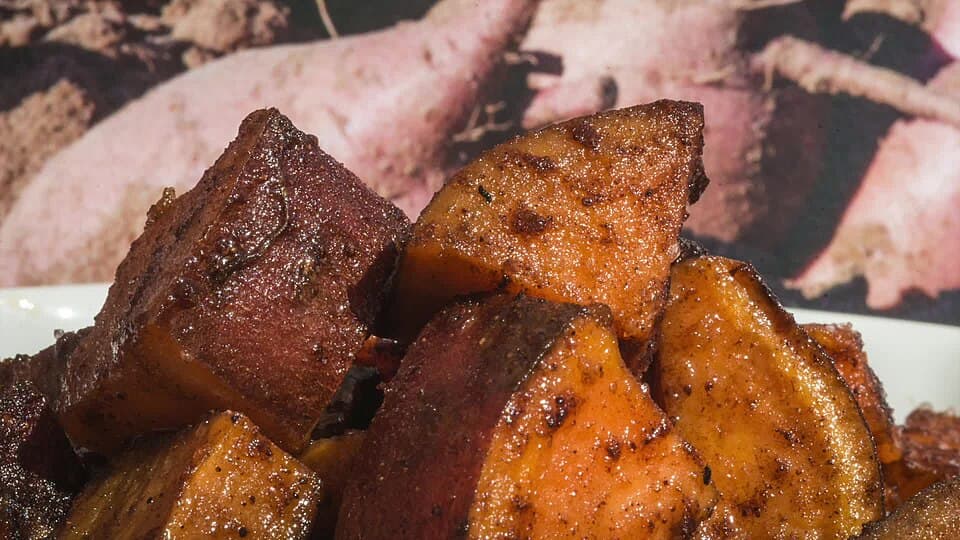
Sweet Potato
Grown in several varieties with orange, purple, or white flesh, and cooked by boiling, roasting, or frying. Naturally sweet, and a key source of carbohydrates.
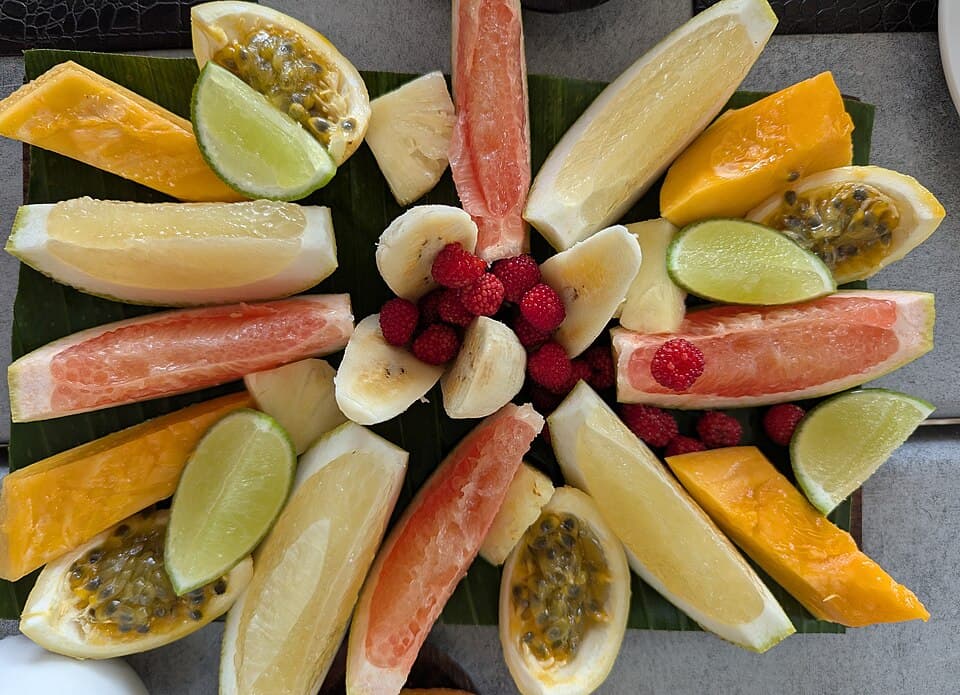
Tropical Fruit Platter
A spread of papaya, pineapple, guava, soursop, starfruit, and passion fruit, served at breakfast or as dessert when the fruit is ripe.
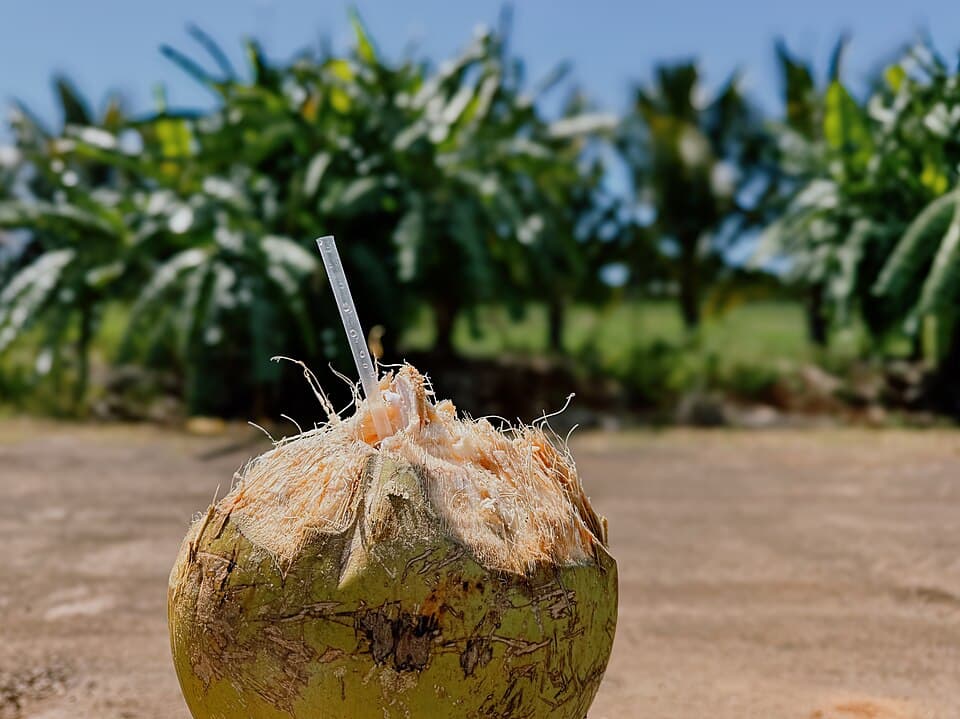
Fresh Coconut Water
Poured straight from young green coconuts, sweet and full of electrolytes. You will find it everywhere, often sold roadside.
Allergens:
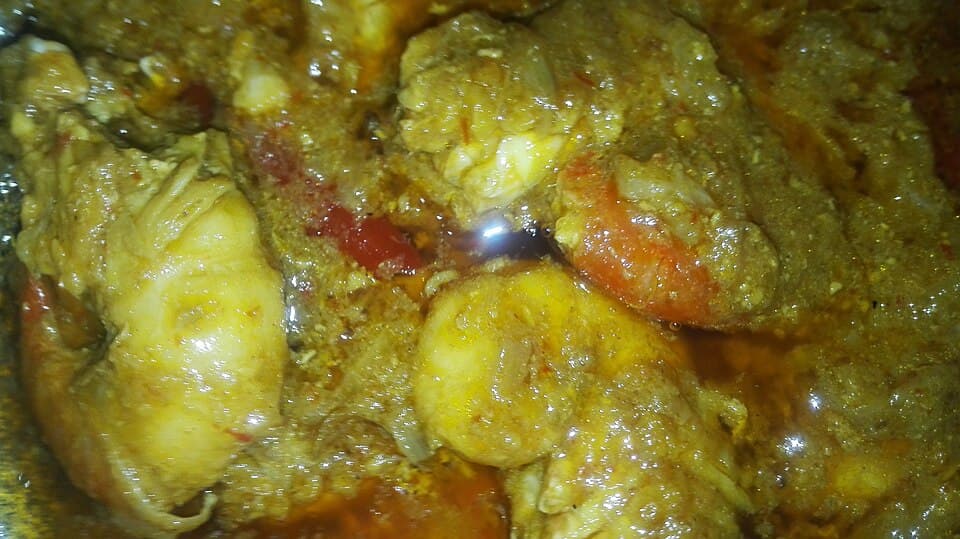
Prawns in Coconut Curry
Large prawns cooked in a spiced coconut milk curry with local spices and vegetables, drawing on both Asian and Pacific cooking.
Allergens:
Regional Cuisine Highlights
Explore the diverse culinary landscapes across different regions of Solomon Islands.
Guadalcanal (Honiara)
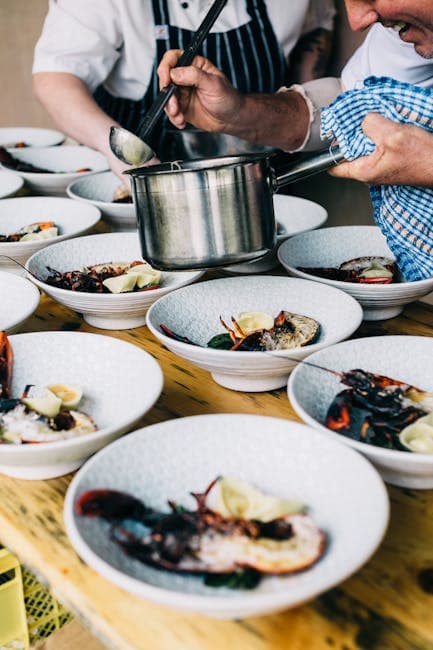
Cooking in the capital region mixes traditional Melanesian food with outside influences. Seafood comes from Iron Bottom Sound and produce from the areas around town. Hotel restaurants do Pacific Rim cooking while the markets keep the traditional foods going. This is where you get the widest range of ingredients and styles.
Signature Dishes:
Key Ingredients:
Western Province (New Georgia Islands)
The food here leans heavily on seafood and coconut. These remote islands have held onto older methods, the umu earth oven among them, and lagoon fishing keeps fish plentiful. Cooks still work with banana leaves and hot stones. With little outside influence, the Melanesian cooking stays close to its roots.
Signature Dishes:
Key Ingredients:
Malaita Province
The food reflects both the mountainous interior and the coast. Highland gardens grow taro, yams, and sweet potato, while coastal villages eat more fish and shellfish. Celebrations call for pig feasts, and customary food practices and ceremonies remain strong.
Signature Dishes:
Key Ingredients:
Sweet Delights & Desserts
Indulge in Solomon Islands's traditional sweet treats and desserts.
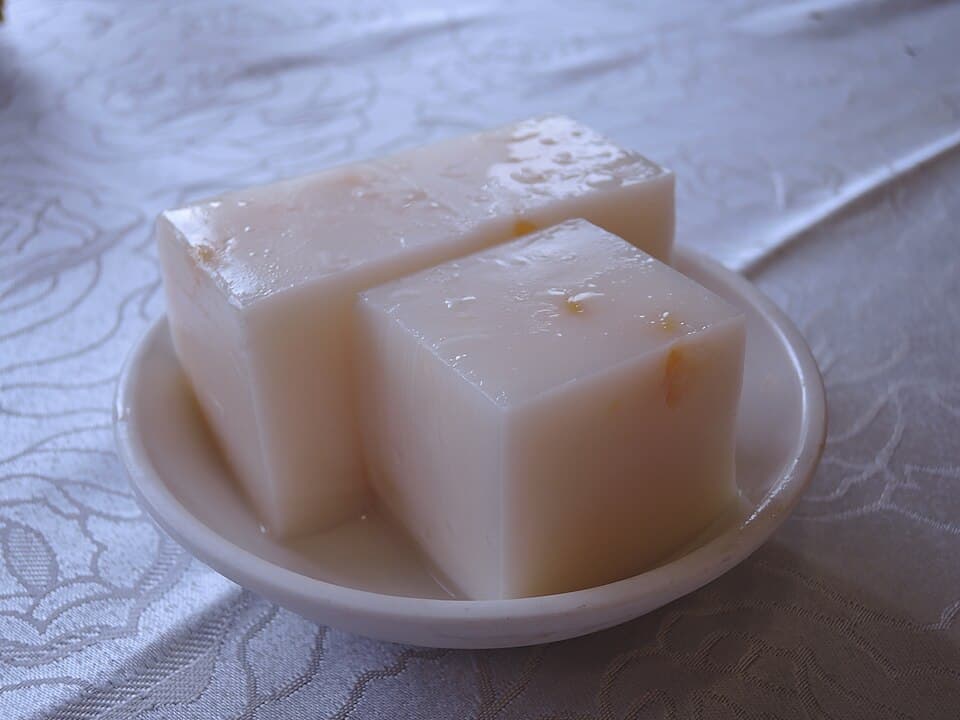
Coconut Pudding
A sweet set from coconut cream and sugar, sometimes scented with pandan. Smooth and heavy on coconut, usually served chilled.
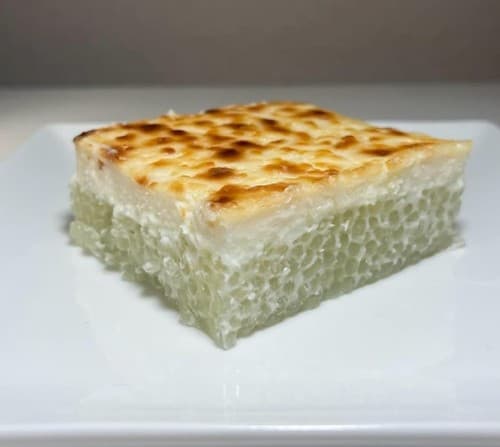
Sago Pudding with Palm Sugar
Sago palm starch cooked with coconut milk and palm sugar into a sticky, sweet pudding. An old recipe with a texture unlike anything else.
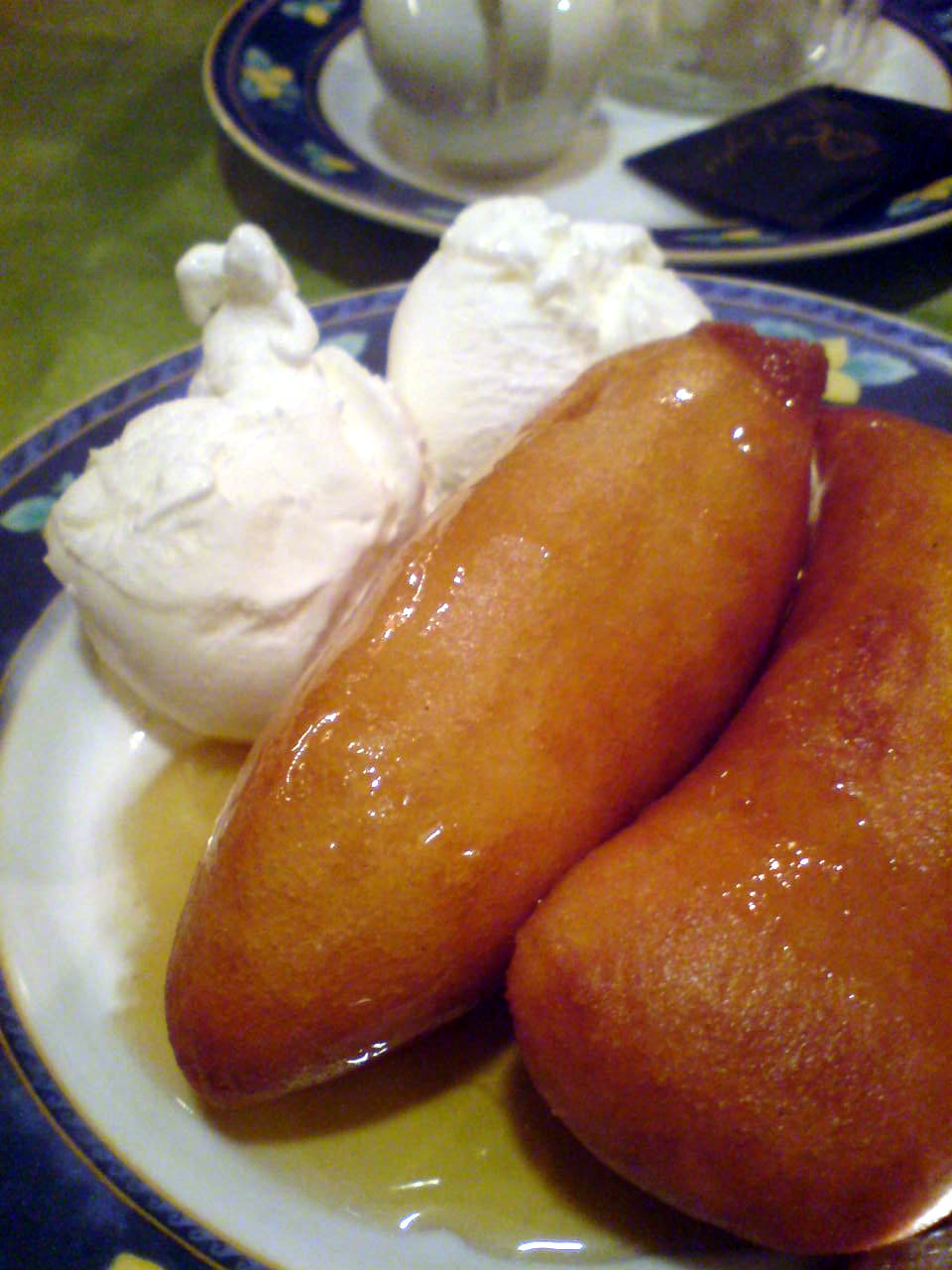
Banana Fritters
Ripe bananas dipped in batter and fried until golden, crisp outside and soft and sweet within. A common snack or dessert.
Fresh Tropical Fruit with Coconut Cream
A mix of tropical fruits with a drizzle of sweet coconut cream. Plain and refreshing, letting the fruit speak for itself.
Traditional Beverages
Discover Solomon Islands's traditional drinks, from locally produced spirits to regional wines.
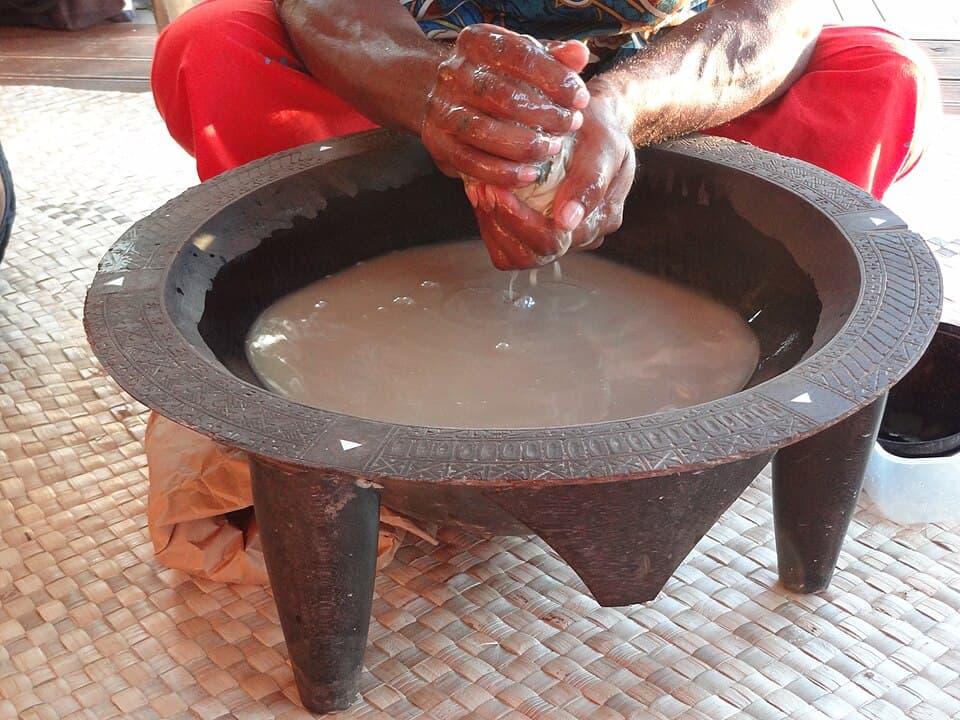
Kava
A ceremonial drink made from kava root, mildly sedative and central to community gatherings. The taste is earthy and a little bitter.
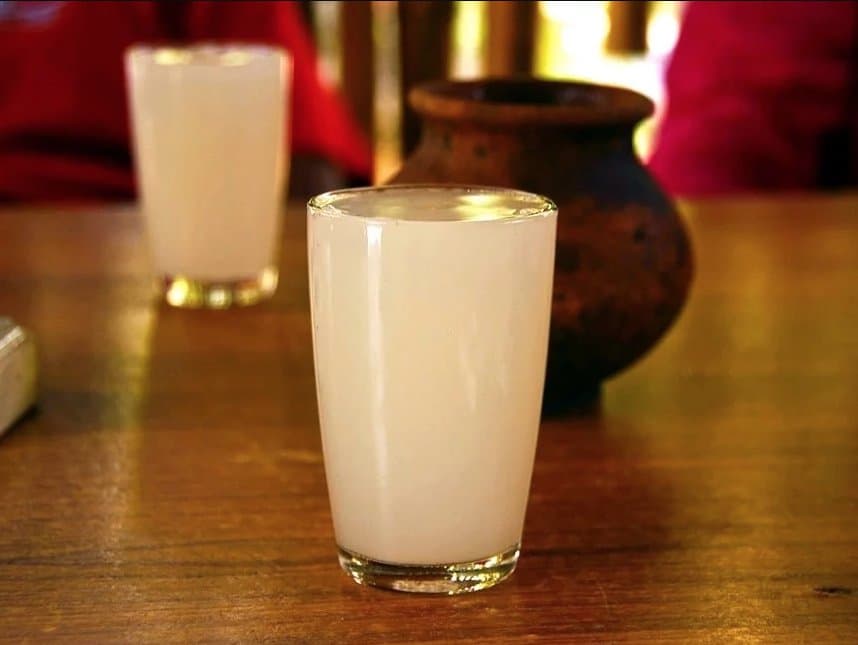
Toddy (Palm Wine)
Fermented coconut palm sap, mildly alcoholic. It tastes slightly sweet when fresh and turns sour as it ages. Palm climbers collect it the traditional way.
Soft Beverages
Discover Solomon Islands's traditional non-alcoholic drinks, from local teas to refreshing juices.
Fresh Coconut Water
Poured straight from young green coconuts, sweet and full of electrolytes. It does the job in the tropical heat, and you can get it just about anywhere.
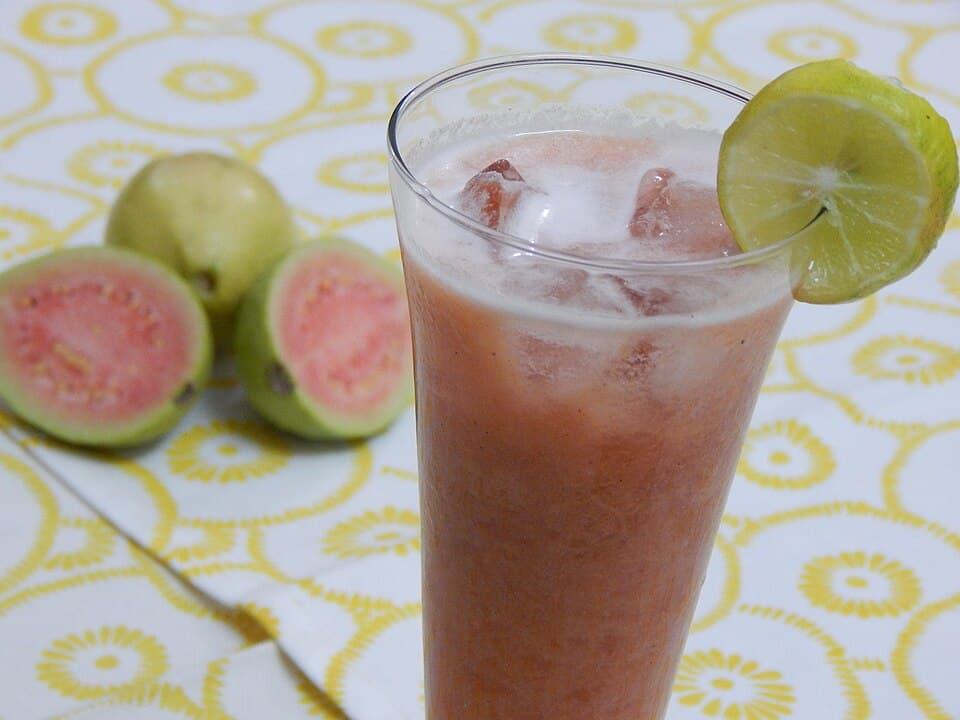
Tropical Fruit Juices
Juices pressed from papaya, pineapple, guava, soursop, and passion fruit, sweet enough that no sugar gets added. Sold at market stalls and hotels.
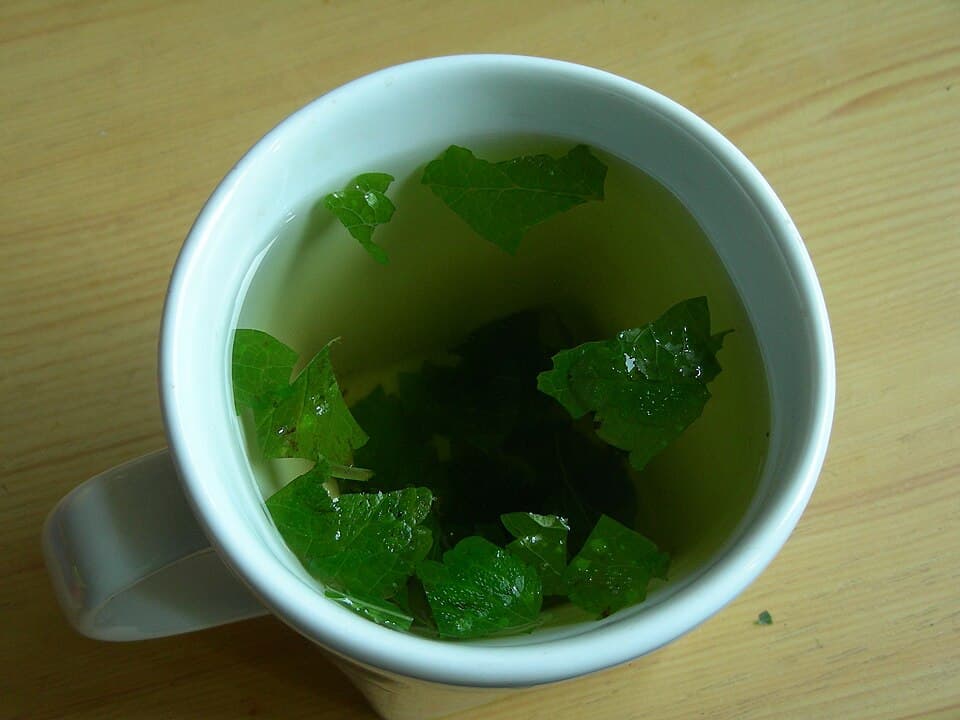
Bush Tea
Herbal teas brewed from local plants and leaves, some medicinal, some just refreshing. Often made at home from foraged ingredients.
Frequently Asked Questions
Essential information about food and dining in Solomon Islands.
What is the national dish of Solomon Islands?
Solomon Islands's most iconic dishes include Poi, Kokoda (Fish in Coconut Lime), Fish in Lolo (Coconut Milk). The national dish: taro or cassava pounded into a paste and left to ferment, which gives it a tangy edge. Coconut milk gets stirred in to soften the texture and add richness. It usually sits alongside fish or pork rather than standing on its own, and it shows up at most traditional feasts.
Is street food safe in Solomon Islands?
Street food in Solomon Islands can be enjoyed safely by following these guidelines: Drink bottled or boiled water, avoid tap water. Look for busy vendors with high turnover, ensure food is cooked fresh and served hot, and avoid raw ingredients if you have a sensitive stomach.
What are the best restaurants in Solomon Islands?
Solomon Islands offers diverse dining options from street food stalls to upscale restaurants. For the best experience, ask locals for recommendations, check recent reviews, and look for restaurants that specialize in regional cuisines.
Can vegetarians find food easily in Solomon Islands?
Vegetarian options in Solomon Islands are lowly available. Vegetarians have a thin selection here, since most cooking is built around seafood and pork. Taro, cassava, breadfruit, and tropical vegetables are easy to find, and some hotel restaurants put vegetarian plates on the menu. Spell out what you need when you order.. Many restaurants offer vegetarian dishes, and you'll find plant-based ingredients featured prominently in local cuisine.
What is the average cost of a meal in Solomon Islands?
Meal costs in Solomon Islands depend on where you eat. Street food and casual local restaurants are very affordable, typically offering complete meals for a few dollars. Mid-range restaurants charge moderate prices, while fine dining establishments are comparably priced to Western countries.
What are common food allergens in Solomon Islands?
Common allergens in Solomon Islands cuisine include Coconut, Shellfish, Fish. Coconut turns up in nearly every dish, savory and sweet alike. These ingredients appear in dishes like Coconut milk curries, Coconut cream desserts. Always inform restaurant staff about your allergies.
When is the best time to visit Solomon Islands for food?
Solomon Islands offers great food experiences throughout the year. However, visiting during harvest seasons (typically spring and autumn) provides access to the freshest local ingredients. Food festivals and cultural celebrations also offer unique culinary experiences worth planning around.